Asher Saw Two Paths in Everything and Chose One
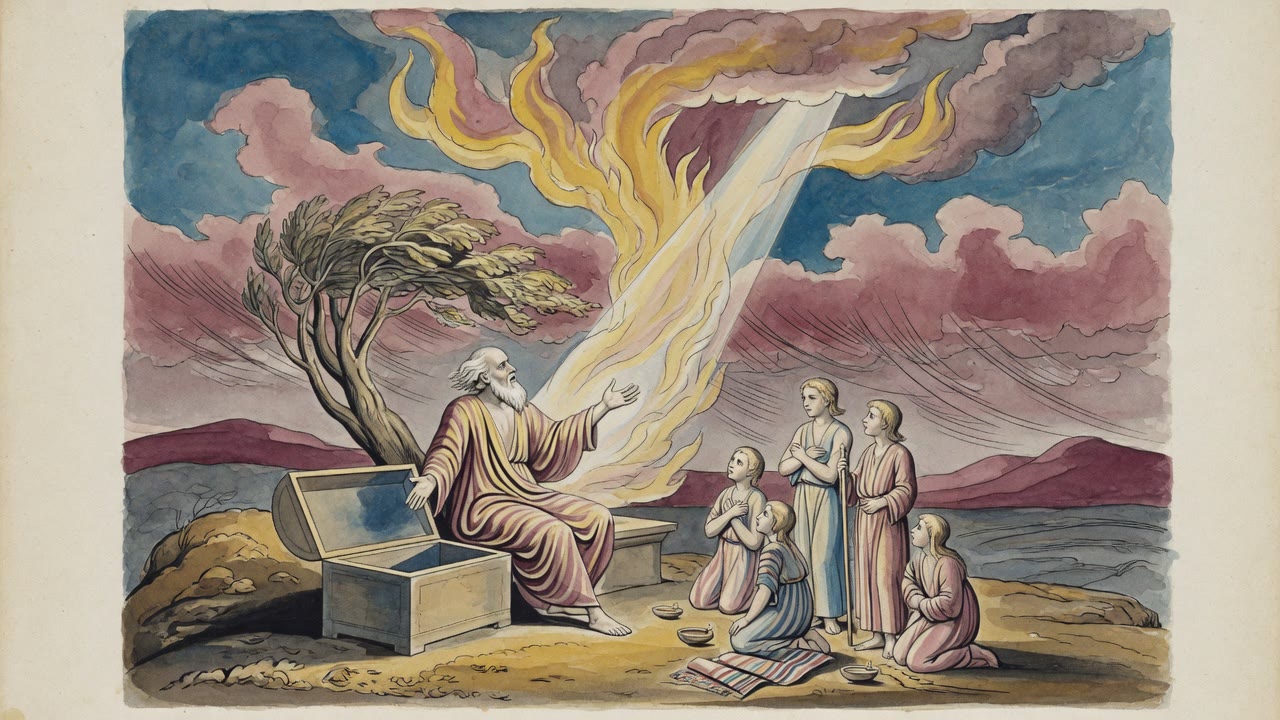
Asher was a hundred and twenty-five and still strong when he called his sons in. He told them a man can hurt someone in order to heal him.
Table of Contents
 Click for full size
The Hundred and Twenty-Fifth Year
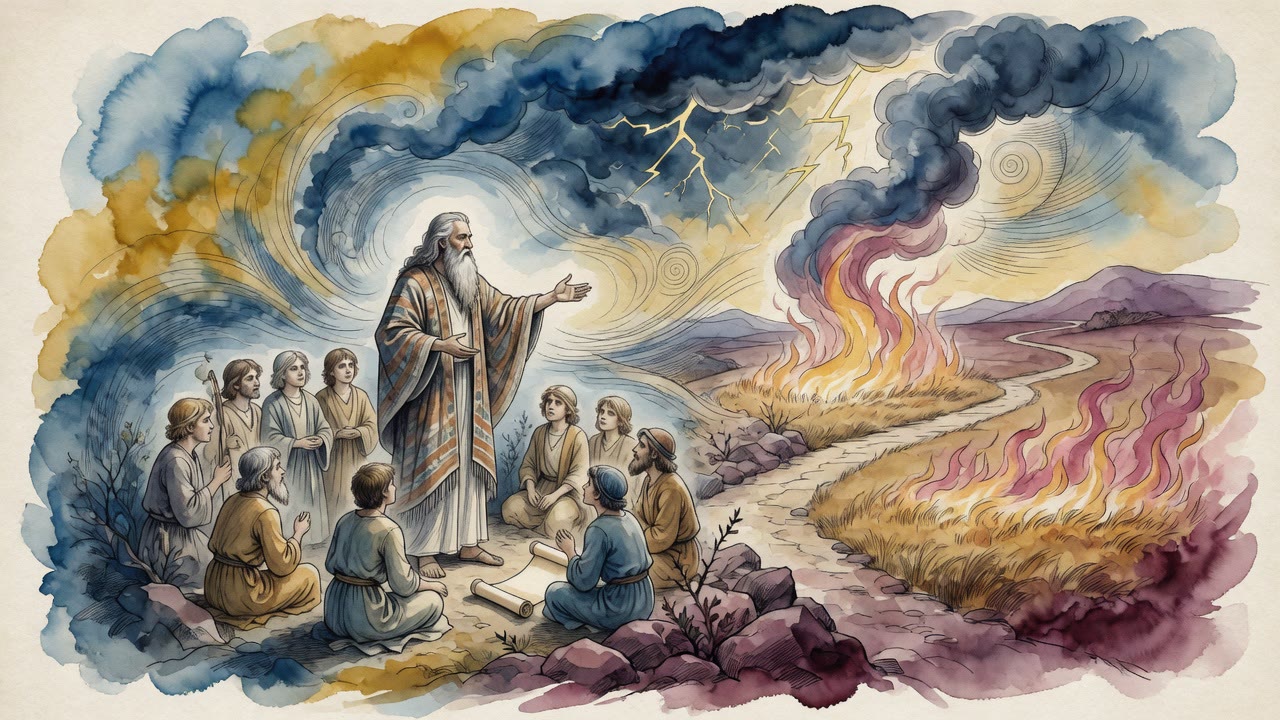
Asher gathered his sons when he was still in full health. He had chosen the timing deliberately. He was not speaking from a sickbed, not assembling his children because the end had already arrived and words needed to be said before the breath gave out. He had things to teach and he wanted to teach them clearly, while his mind was whole and his voice was strong. He was a hundred and twenty-five years old.
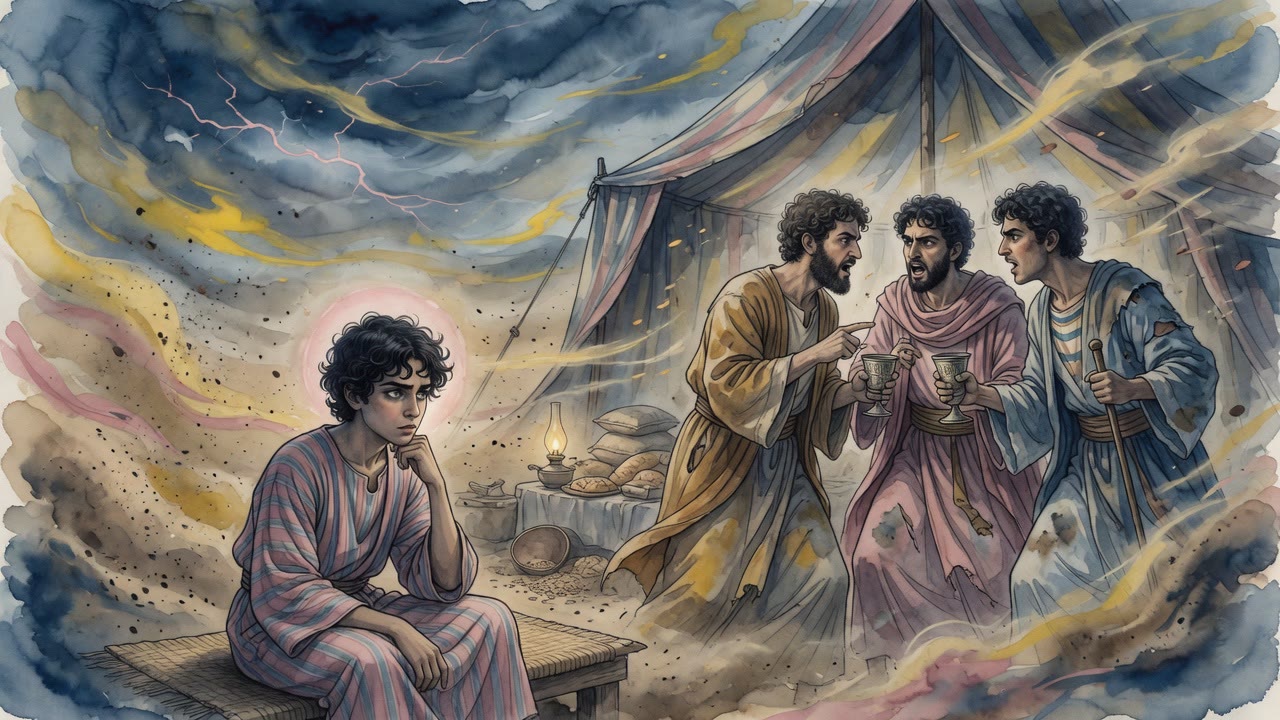
What he taught was not a confession. His brothers had confessed. Reuben had confessed the night with Bilhah. Simeon had confessed that he had plotted Joseph's murder in his heart. Judah had confessed Tamar, publicly, at the moment she sent him his own seal and cord. These were men whose deathbed teachings were organized around specific failures. Asher's teaching had no such organizing sin. He had looked at the structure of moral reality and wanted to describe what he saw before he left.
Two Ways, Two Inclinations
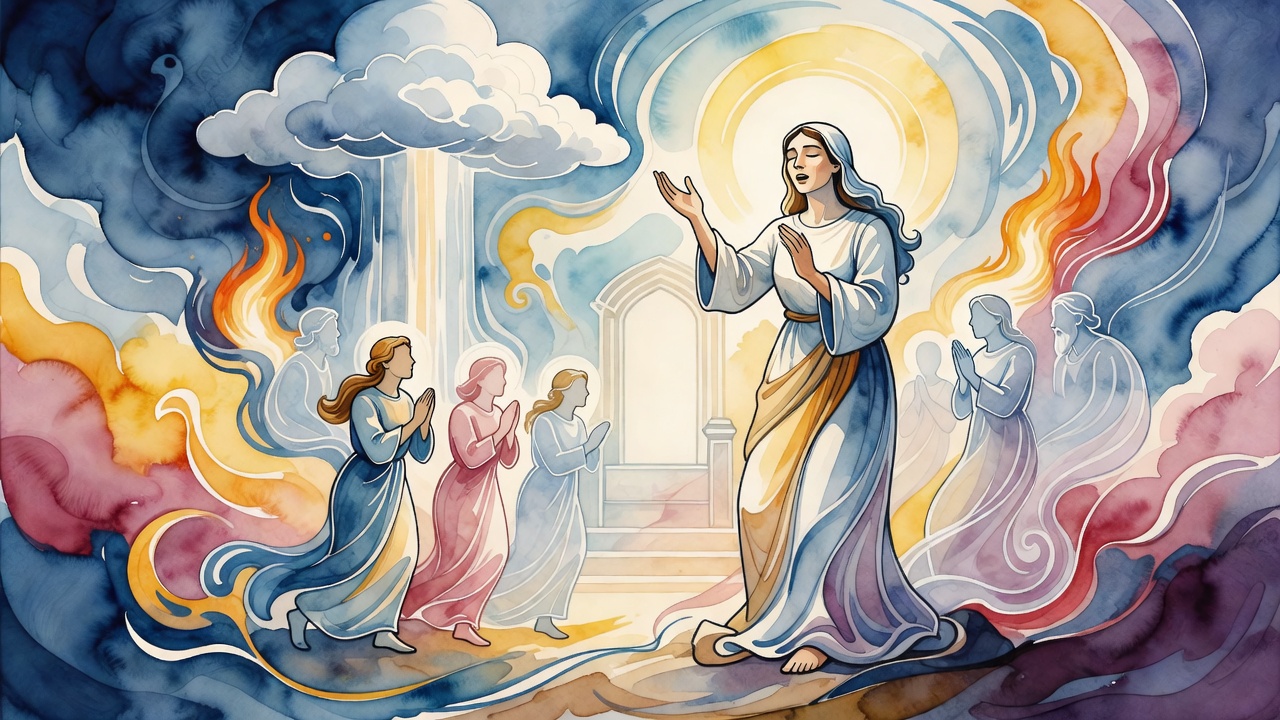
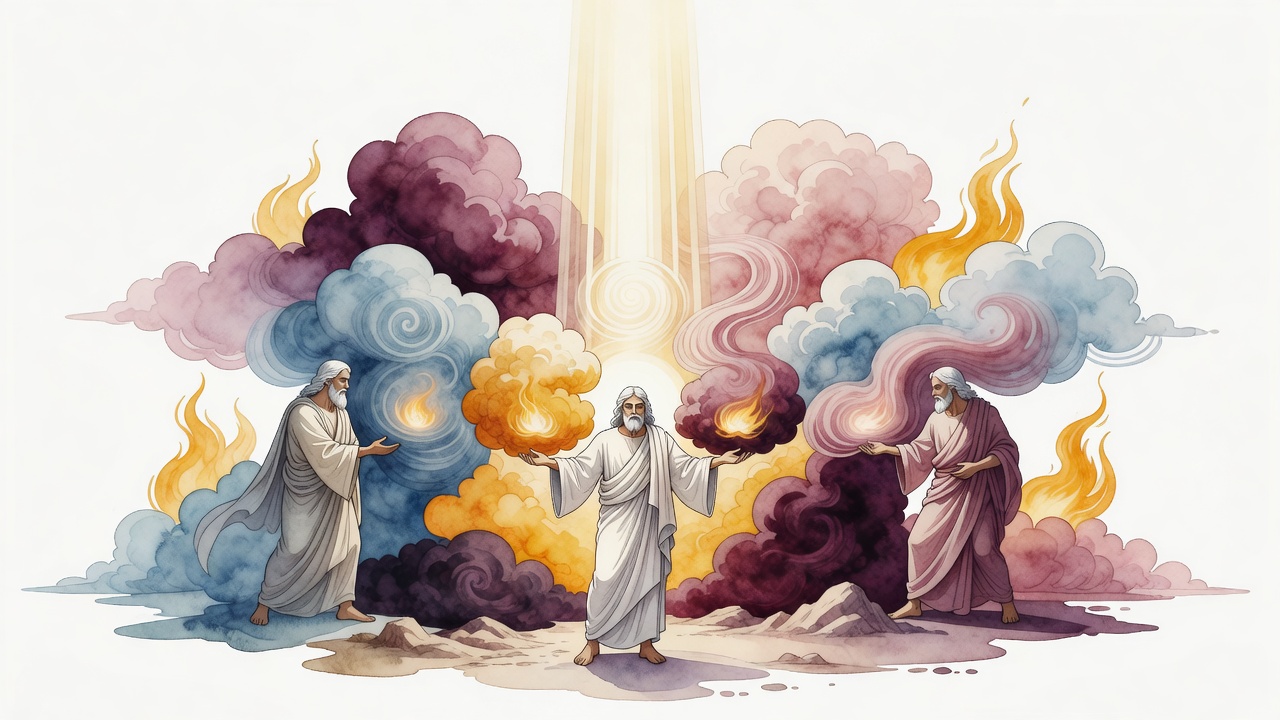
"Two ways," Asher said. God has given the sons of men two ways, two inclinations, two kinds of action, two modes, and two outcomes. Everything is paired. Good and evil. Light and dark. Body and soul. The soul stands between them at every moment, choosing.
This is the opening of the Testament of Asher, preserved in the Testaments of the Twelve Patriarchs. What follows is a taxonomy of moral types built out of that pairing. There is the man who is good throughout, who does good with his body and good with his soul. There is the man who is evil throughout, who does evil with his body and evil in his mind. These are the clean cases. But the tradition Asher is most interested in is the mixed case, and the mixed case turns out to be the one that matters most for how the soul is judged.
A man can do something that appears evil but is truly good. He can inflict suffering in order to heal. He can destroy in order to protect. The face of the act looks like one thing; the underlying intention determines what it actually is. Equally, a man can do something that looks like good but conceals an evil intention. He gives to receive. He helps in order to control. The rabbis had a name for this: performing a mitzvah (a commandment) with an ulterior motive. Asher saw it as one of the fundamental moral problems and spent his dying breath on it.
The Body That Does Two Things at Once
Asher's deepest observation is about what he calls the two-faced man. This is not a hypocrite in the ordinary sense, a man who says one thing and does another. This is a man whose actions are genuinely double, whose single deed contains both a good dimension and an evil one simultaneously. He helps and harms in the same motion. He speaks truth and uses that truth to wound.
The tradition records this as the most dangerous moral type precisely because the two-faced action is so hard to judge from the outside. It looks like virtue. The man doing it may not even be fully aware of its double nature. Asher is telling his sons that the test is not the act but the governing intention, the ruling inclination underneath the visible behavior. Which way is the person finally facing?
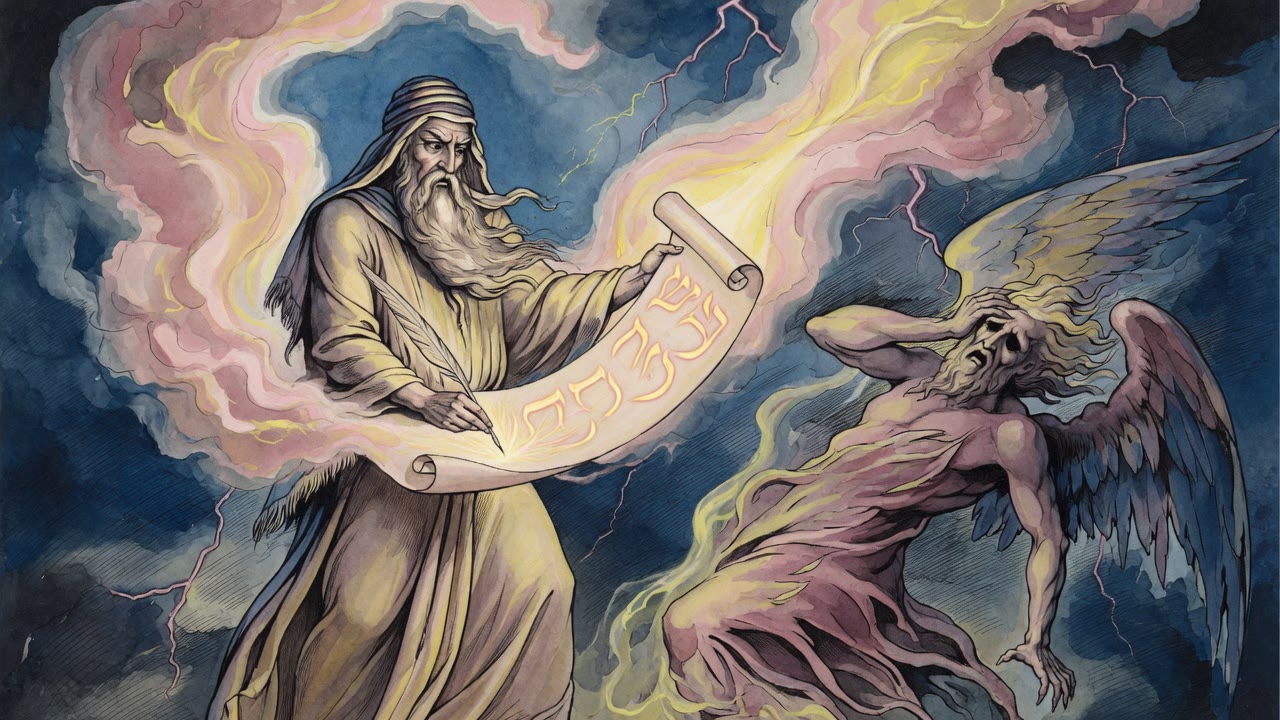
He illustrates this with the example of Beliar, the spirit of adversity that uses deception as its primary instrument. Beliar does not usually appear as obvious evil. He works through the double-faced action, through the good gesture that is hollow, through the apparent virtue that conceals a hook. Asher had watched this long enough that he could describe the mechanism precisely.
Jacob's Blessing and What It Saw
When Jacob lay dying in Egypt, he called his sons and blessed them. The Legends of the Jews records that the sons were afraid he was about to reveal a secret name of God and expire before the telling was finished, but Jacob's mind had gone to a different fear. He looked at his twelve sons and wondered whether any of them had drifted from the covenant. He needed to know before he could speak the blessings.
They recited the Shema (Hear O Israel). Jacob relaxed. Then he blessed them.
To Asher he said: "his bread shall be fat, and he shall yield royal dainties." The blessing is prosperous and physical. Fat bread and dainties are the abundance of a good land, the yield of a tribe that has chosen the right path and maintained it. The Book of Jubilees records this gathering in detail, noting that all twelve sons were present before the end, that Isaac had already blessed them at Mamre, that the covenant was properly transmitted through the laying on of hands that the patriarchal tradition required.
Asher received a blessing of physical abundance. His own teaching was about the architecture of choice. The connection is not accidental. He had been thinking about two ways his entire life. He chose one. The fat bread was the evidence.
← All myths