13 myths
Each story names the sources it was written from.
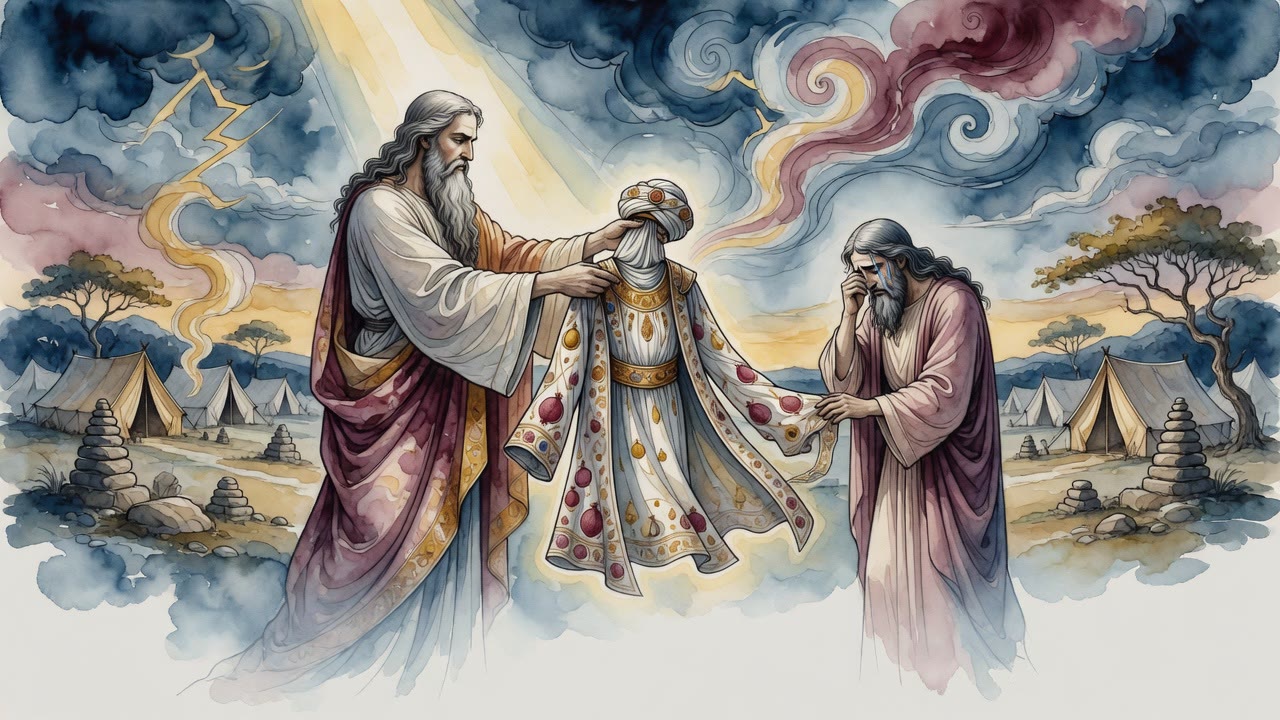
Moses crossed the camp to tell his brother Aaron he would wear the High Priest's robes, and Aaron, who shunned distinctions, wept and said no.
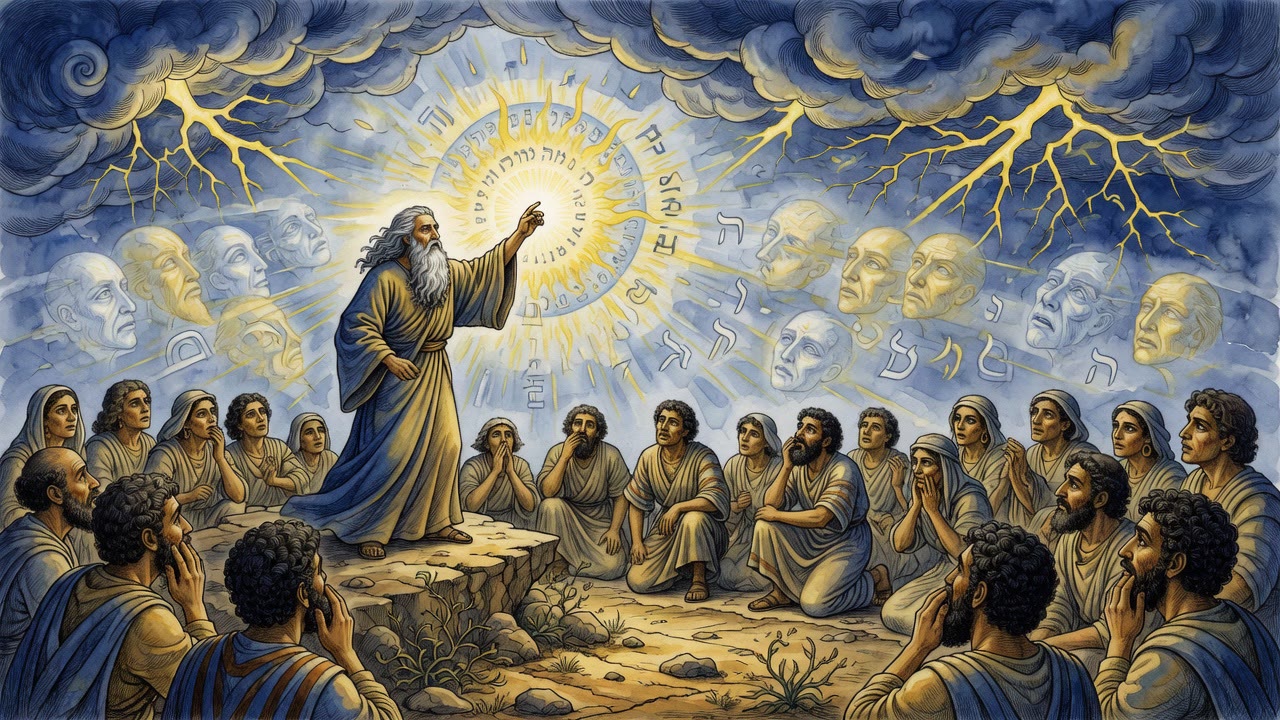
Enoch had thirty days left on earth. He told his children that God made every human face like his own, so to spit on a man is to spit on God.
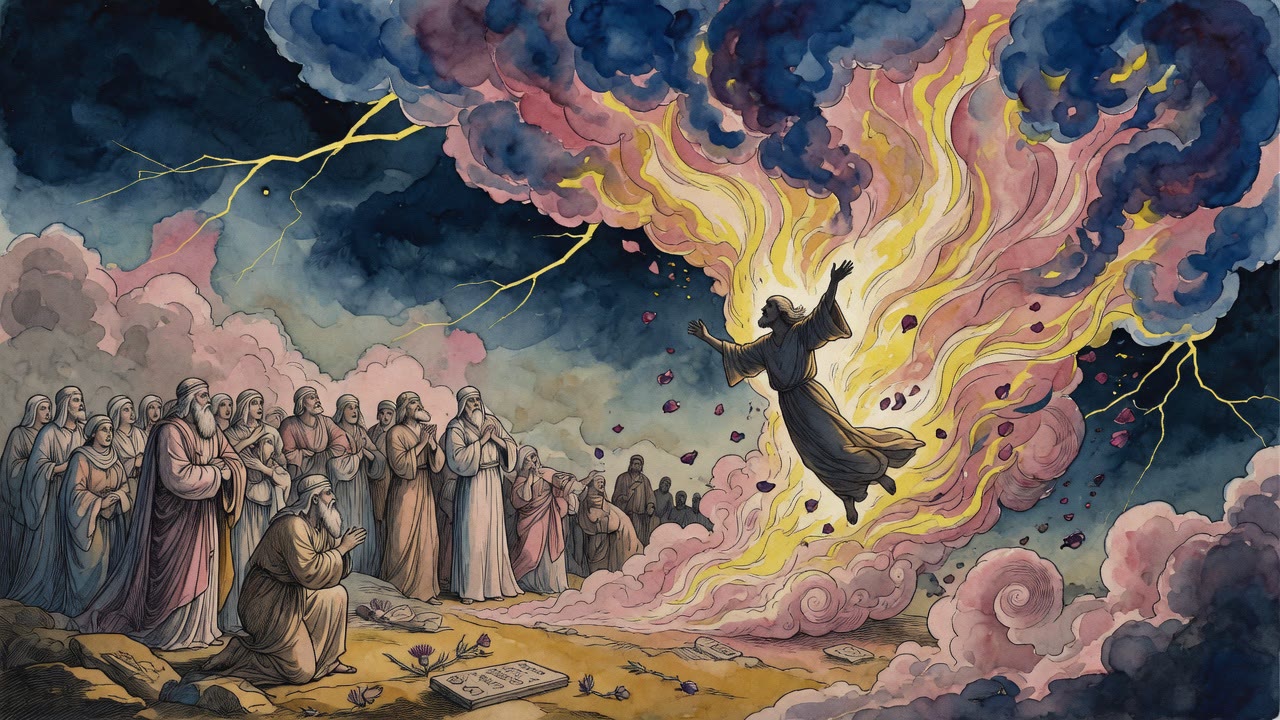
Methuselah asked what to cook before his father left the earth. Enoch said the oil of glory had ended hunger. He wanted nothing from any kitchen.
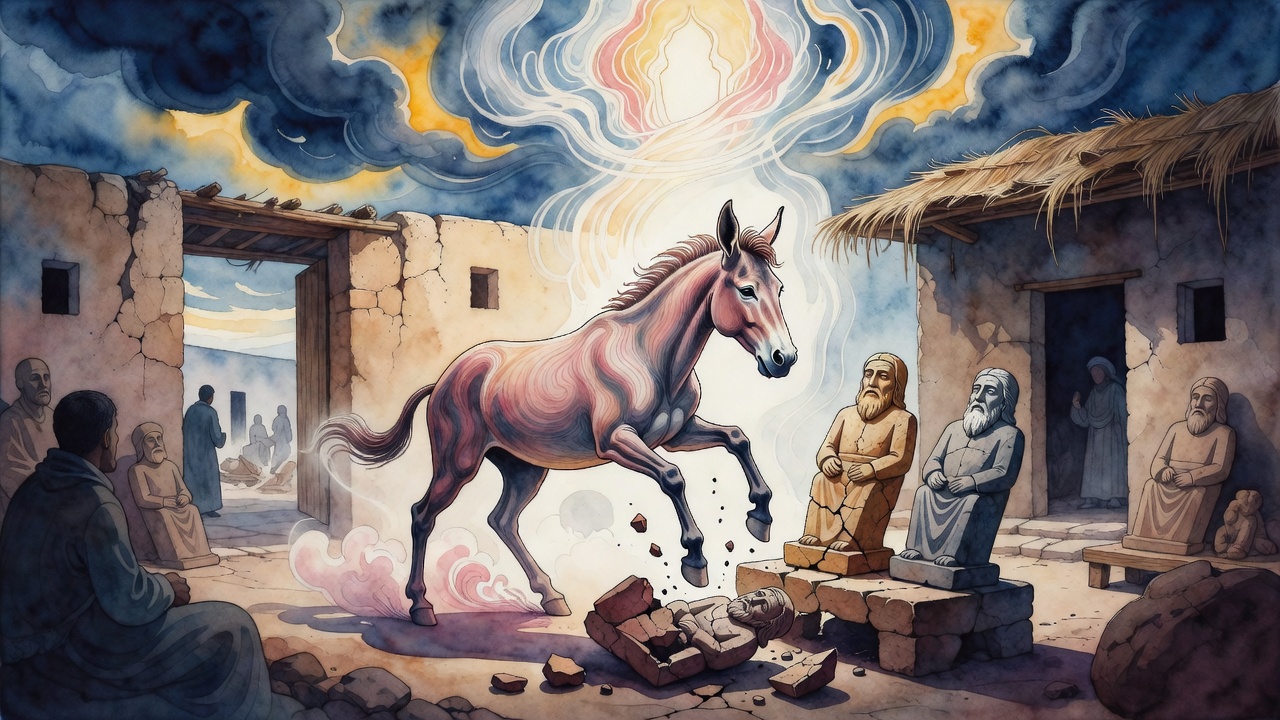
Before Abraham became the great icon-breaker, his mule panicked at a Syrian inn and broke three idols. The first crack came by accident.
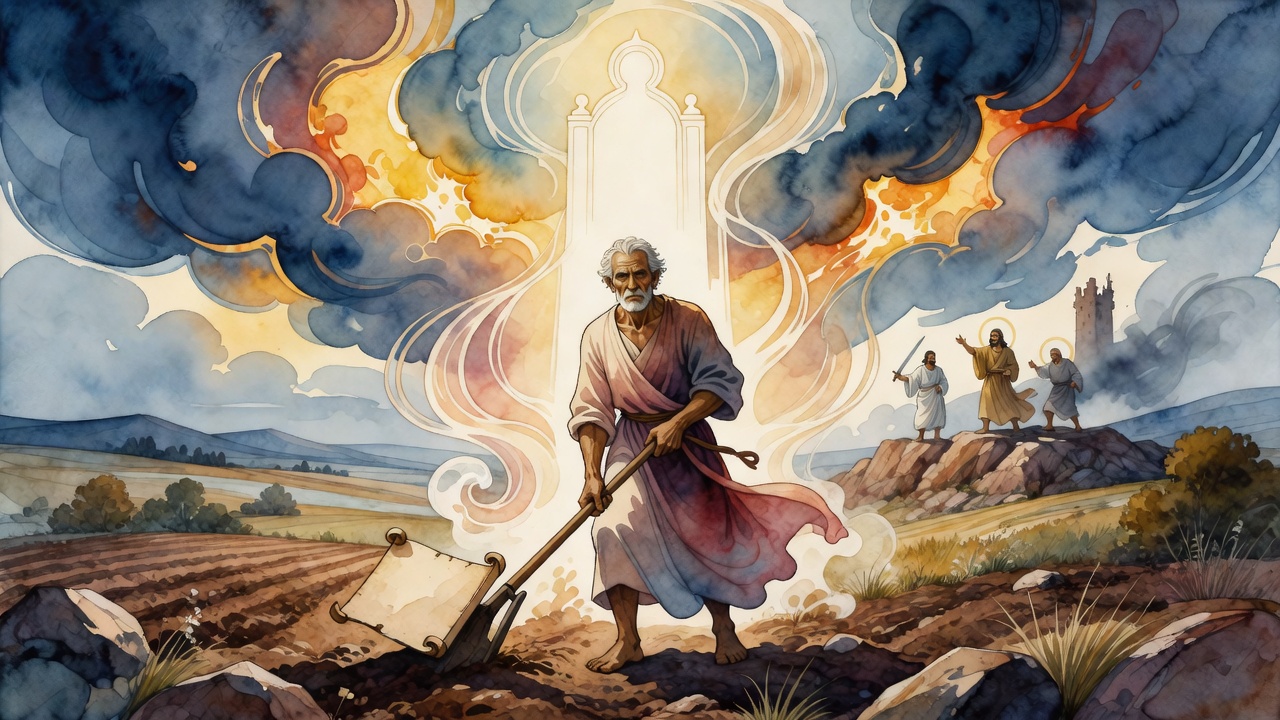
While his brothers sought power, Issachar farmed. He did not marry until he was thirty, too worn out by the fields for desire to find him at night.
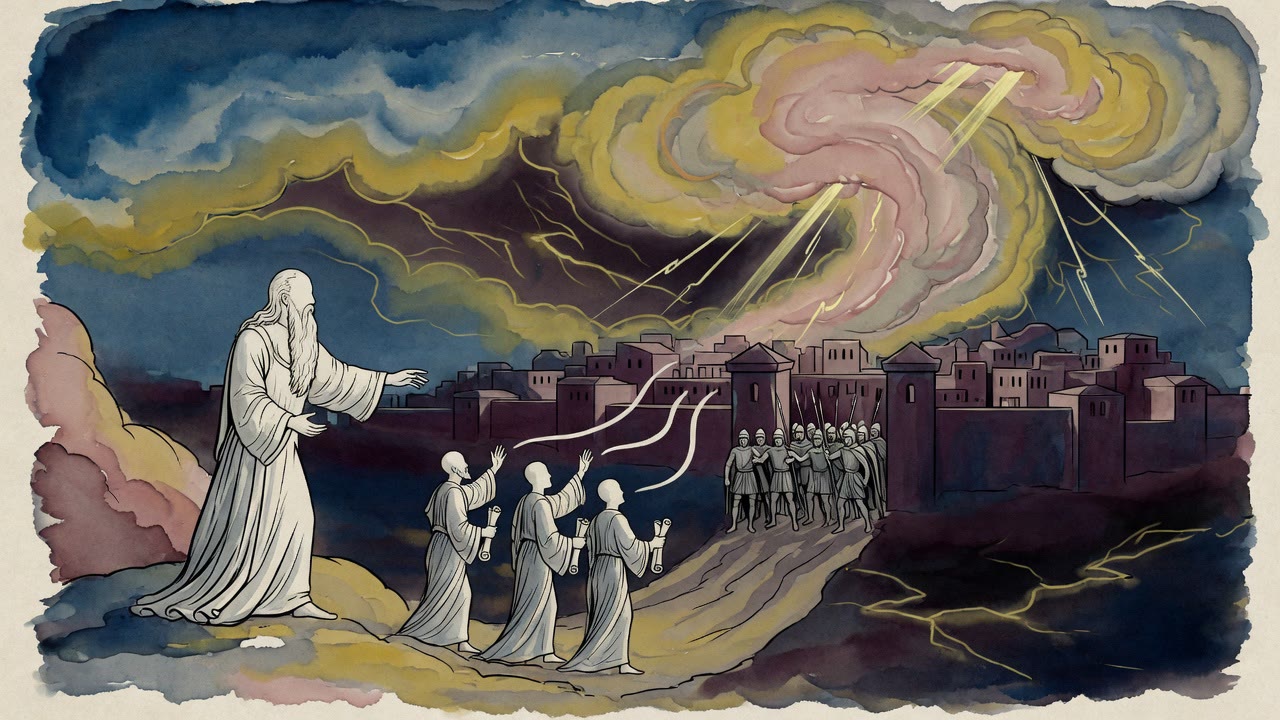
Elijah had visited the rabbi every day for years. Then a fugitive arrived, and the rabbi made a choice that ended the visits for months.
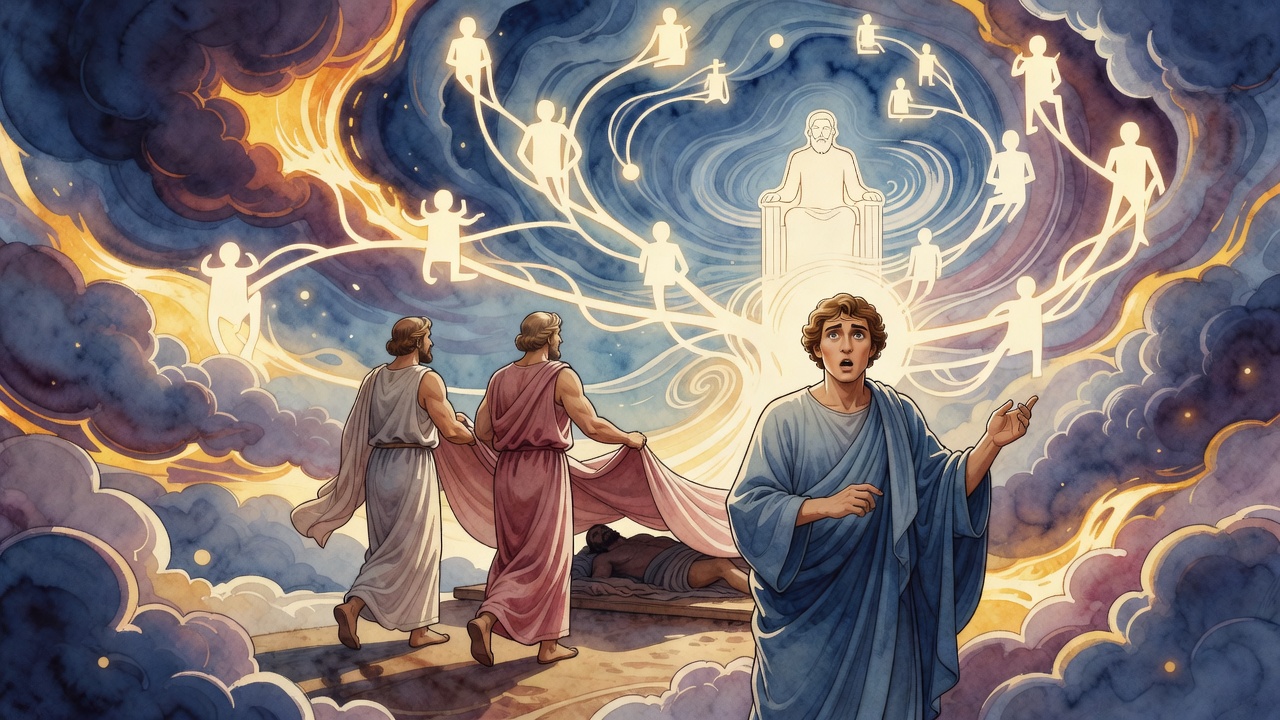
Wine put Noah on the tent floor. Ham looked and went to tell. His brothers walked in backward, a garment across both shoulders.
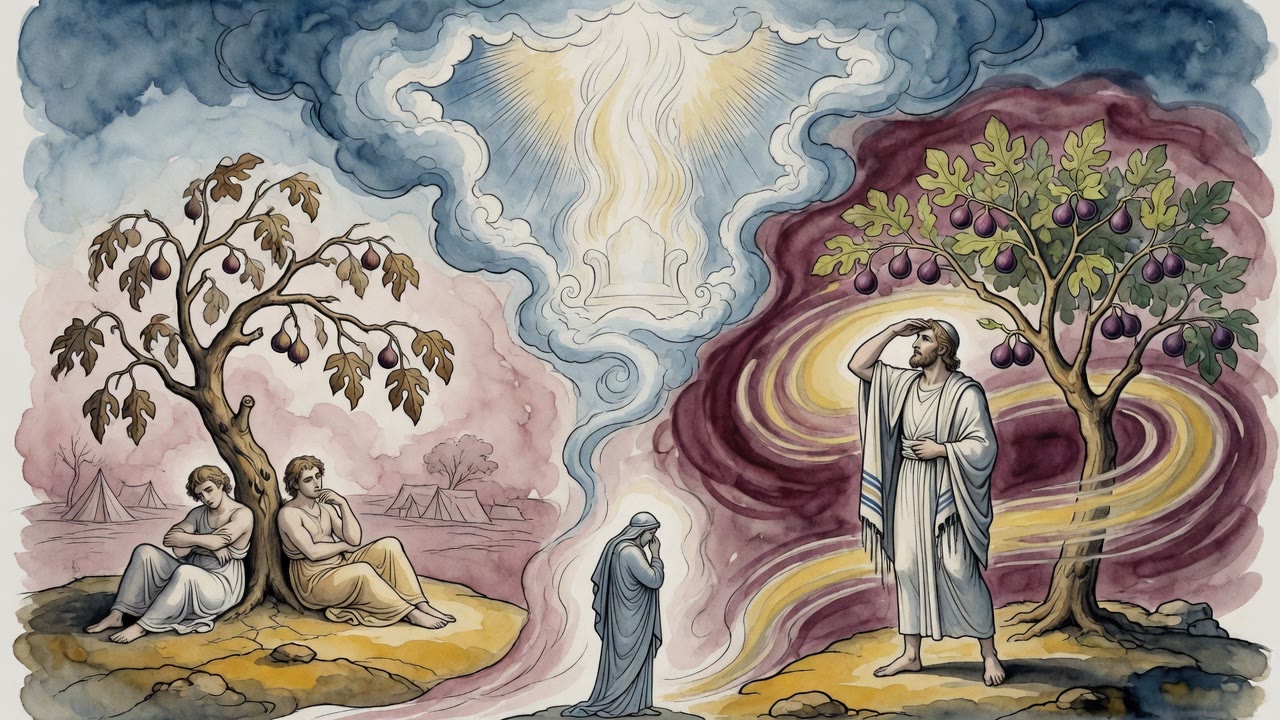
A skeptic demanded the whole Torah on one foot. Hillel gave him a single sentence, then added three words that turned the summary into an obligation.
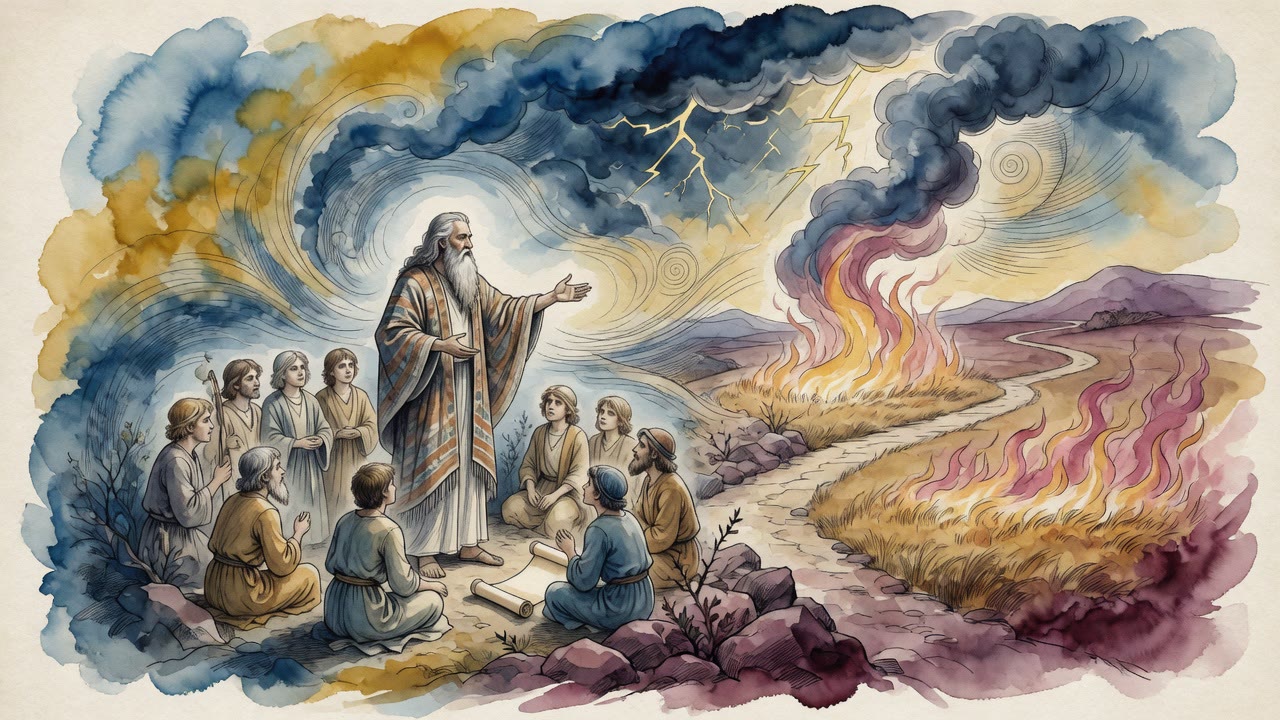
Asher was a hundred and twenty-five and still strong when he called his sons in. He told them a man can hurt someone in order to heal him.
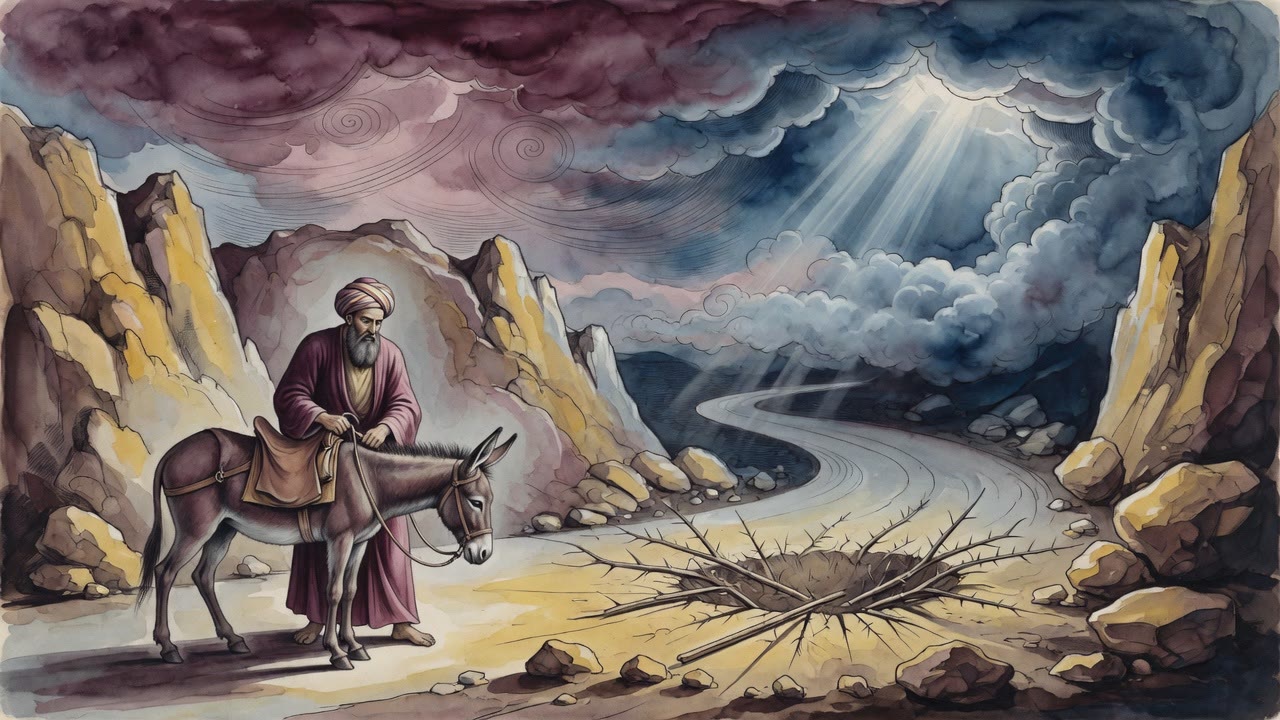
Smoke from Abel's flock went up. Cain's fruit sat on the stones unused. Then God spoke, and Cain still walked into the field.
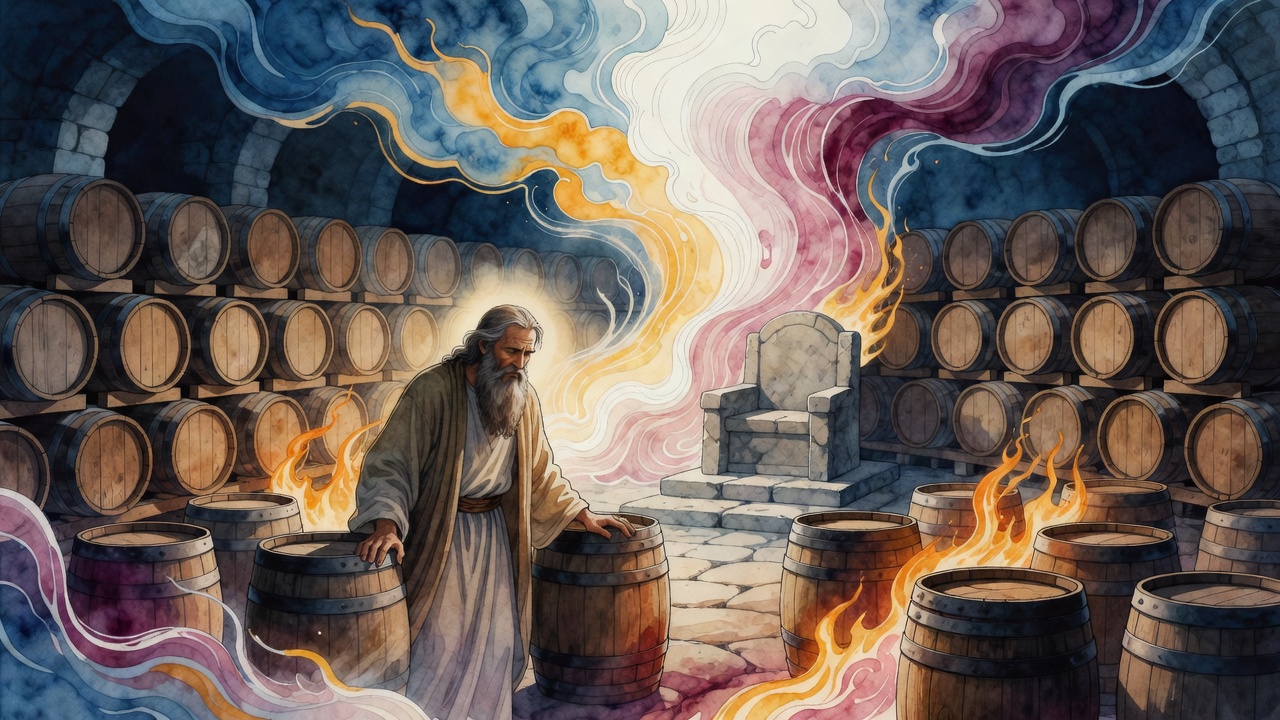
Four hundred casks of Rav Huna's wine soured without explanation, and the sages told him to look inside himself before looking inside the cellar.
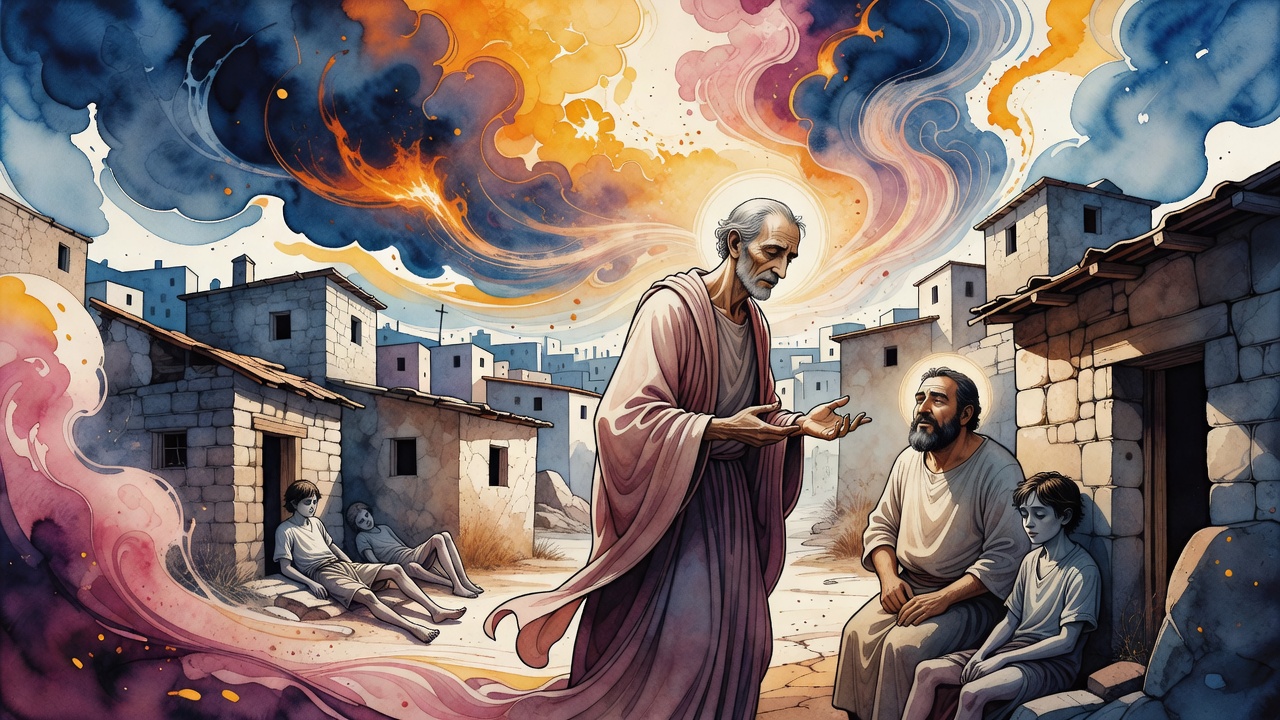
His wife sat inside combing her hair. A neighbor knocked. He said she was not at home, and both of his sons were dead before the week ended.
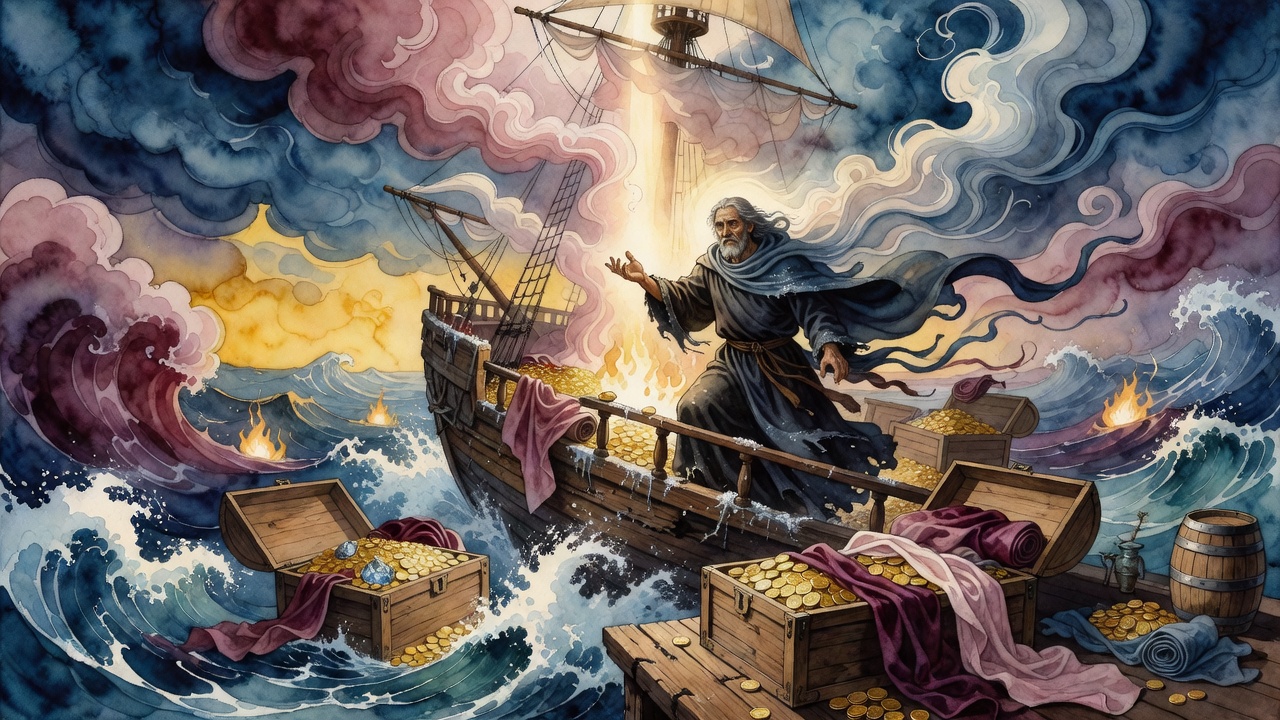
He sailed to bankrupt himself on purpose. Providence filled every box, and the road kept every stone he threw away.
