When Elijah Stopped Visiting Rabbi Joshua
Elijah had visited the rabbi every day for years. Then a fugitive arrived, and the rabbi made a choice that ended the visits for months.
Table of Contents
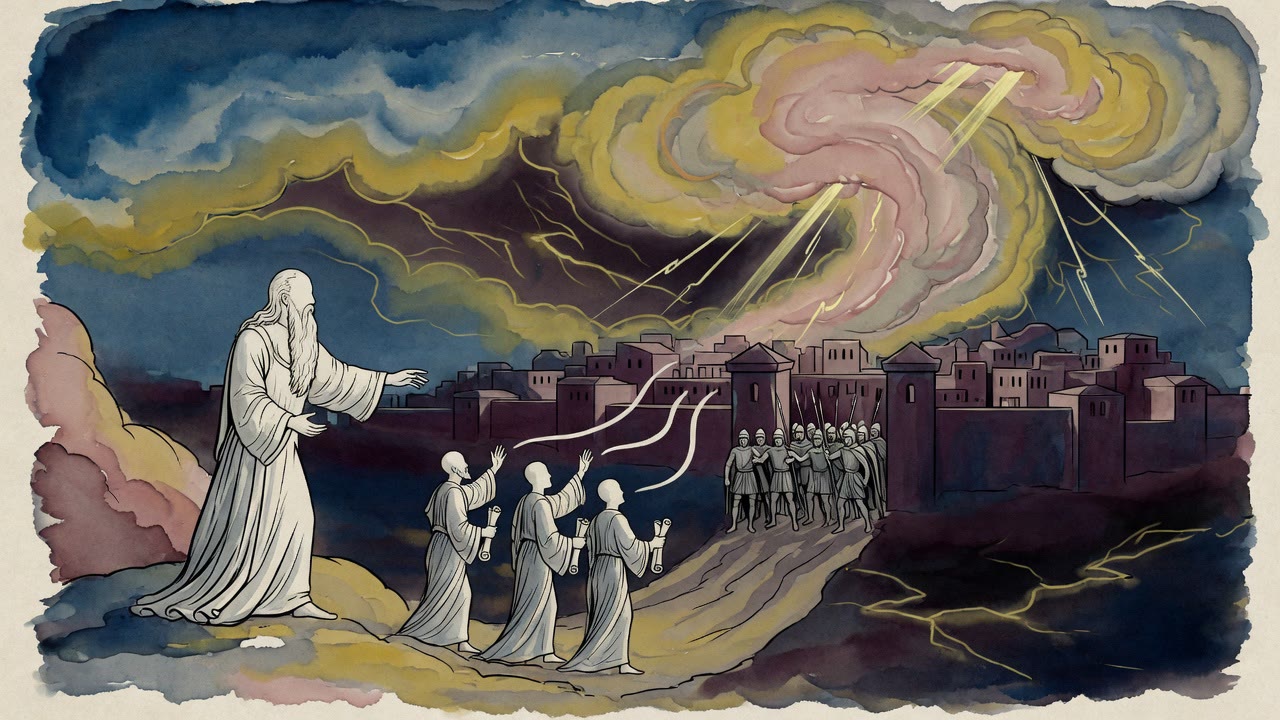 Click for full size
The Daily Visitor Who Stopped Coming
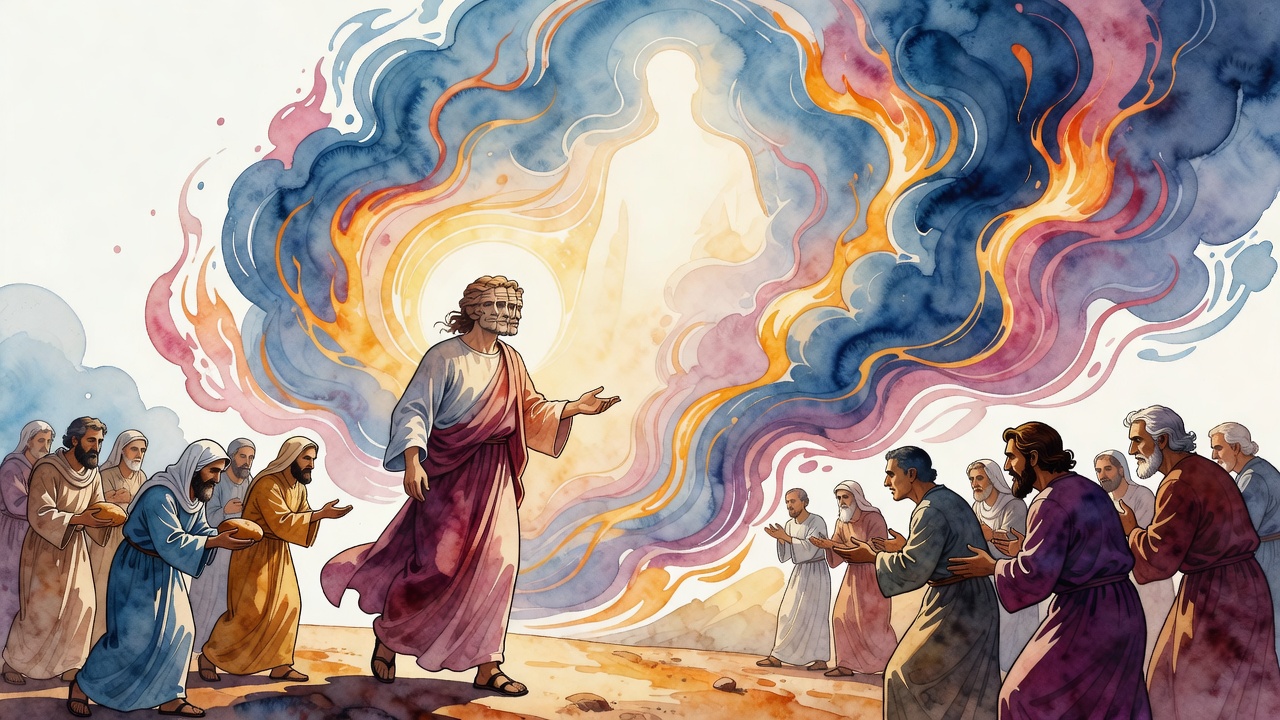
Every day, Elijah came. He appeared to Rabbi Joshua ben Levi in the tangible way that living people appear to each other, not as a dream or a vision, but as a companion who arrived, sat, and talked Torah. The great third-century sage of the Palestinian academies had been granted the highest honor the tradition could imagine for a living scholar: a prophet who had not died, who moved between the worlds, chose to spend his days in conversation with him.
Then the visits stopped. No warning, no explanation. Elijah simply did not come.
Rabbi Joshua knew what he had done.
The Fugitive at the City Gate
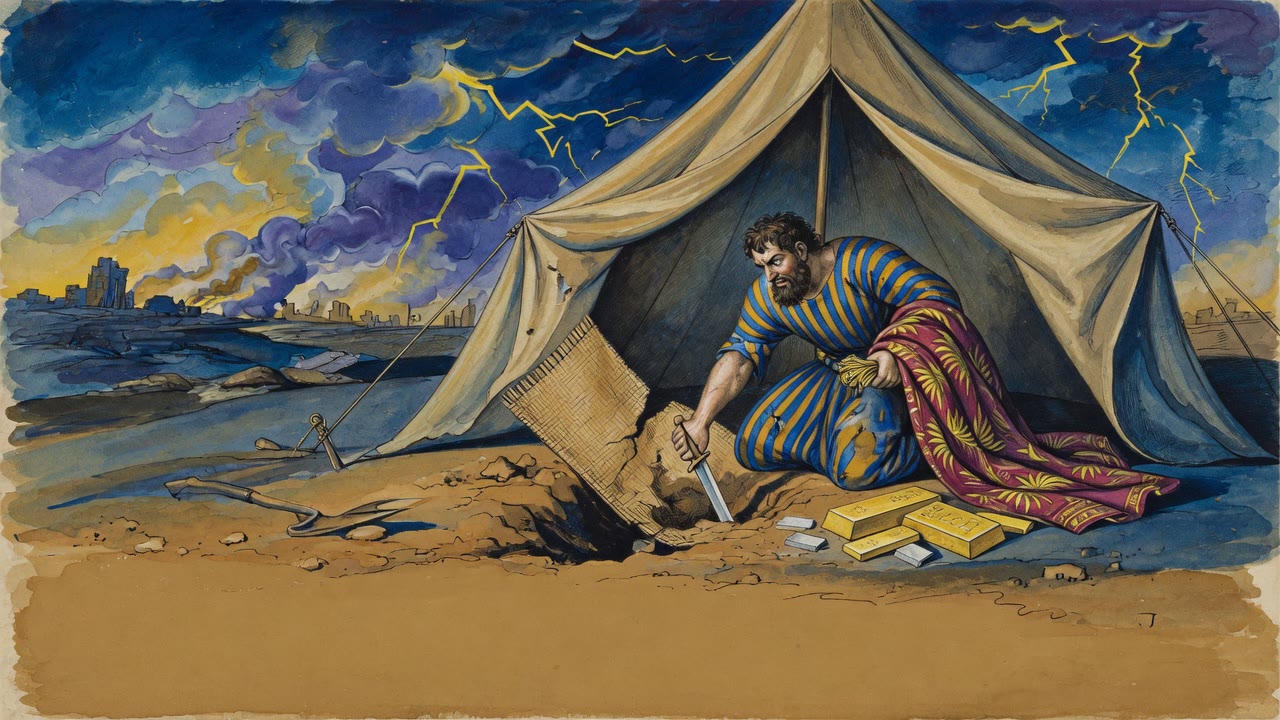
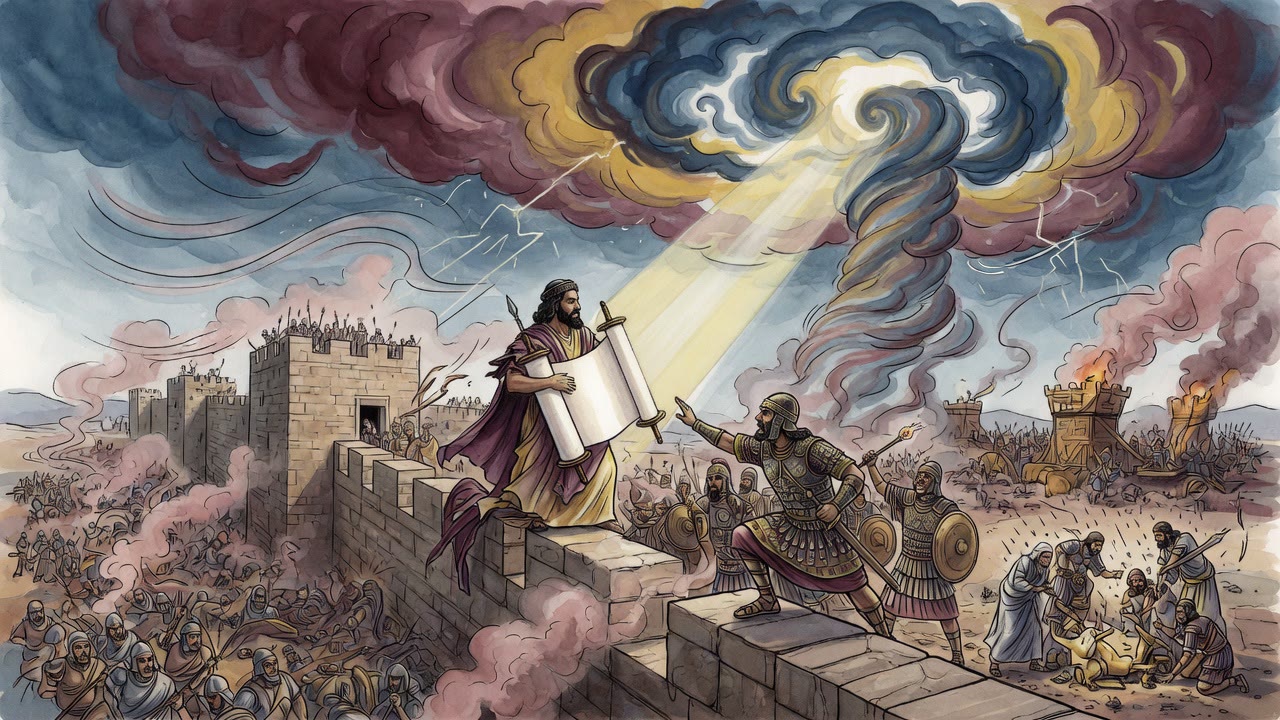
A man had come to the city seeking shelter, running from authorities who were close behind. The city's population was at risk: the pursuing force had made it clear that if the fugitive was not surrendered, the entire city would be destroyed in punishment. Rabbi Joshua was responsible for his community. He faced arithmetic that has no clean answer: one life against thousands.
He went to the fugitive and argued with him. The man was persuaded. He surrendered himself. The city was saved. By any reasonable calculation, Rabbi Joshua had done what a communal leader must do in a situation where the options are surrender one or lose thousands. He had preserved life. He had reasoned carefully and acted with appropriate urgency. There was no obvious error in the outcome.
Elijah stopped coming.
What the Prophet Would Not Accept
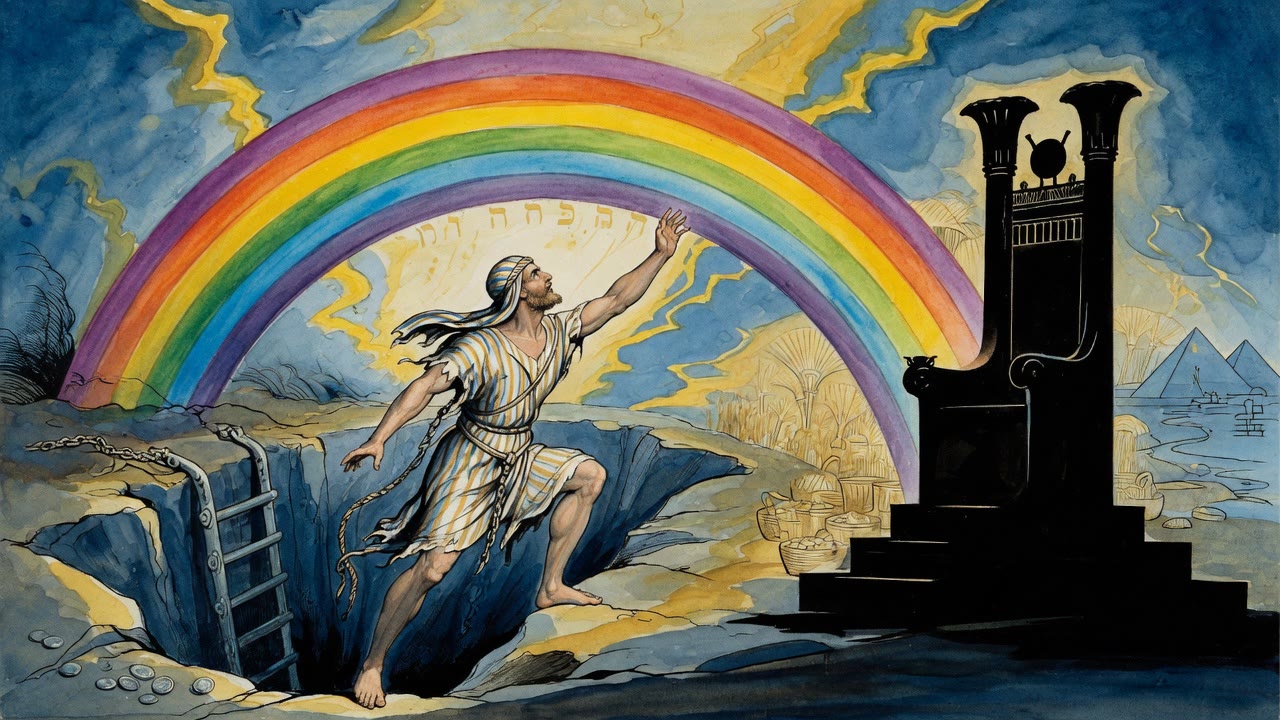
When the visits finally resumed, Rabbi Joshua asked why they had been suspended. Elijah gave a precise answer: you handed over a person. The prophet would not keep company with someone who had done that, even if the mathematics of lives saved seemed to justify it. The standard Elijah held was not the standard of communal calculus. It was something stricter and less negotiable.
The tradition at stake here comes from a verse in the Jerusalem Talmud and its parallels: the righteous do not hand over a person to be killed, even to save a community. The logic underneath the rule holds that a community preserved through the sacrifice of one of its members has purchased its survival at a cost that deforms the community itself. What you are willing to do to one person is what you would be willing to do to any person, and a community that accepts that bargain has changed what it is.
The Weight Elijah Placed on the Scale
Rabbi Joshua had not acted out of cruelty or cowardice. He had acted from genuine care for the thousands of people who would have been destroyed if he had refused the ultimatum. Elijah knew this. The prophet's withdrawal was not a punishment for bad intentions. It was a statement about what the standard was, regardless of intentions.
This is the particular severity of the Elijah tradition: the prophet who appears to test, guide, and reward the righteous sets a standard that does not bend for context. He had seen every variation of every moral argument across centuries of human history. He had watched well-intentioned people accept the logic of the lesser evil and then watch that logic expand until it consumed them. His refusal to maintain the relationship was a statement that a line had been crossed, even if the crossing had been done in good faith.
Rabbi Joshua accepted the judgment. He did not argue that his reasoning had been correct. He asked why Elijah had stayed away, received the answer, and continued his work. The visits eventually resumed. The relationship survived the rupture. But the rupture had happened and had been named.
← All myths