115 myths · Page 1 of 4
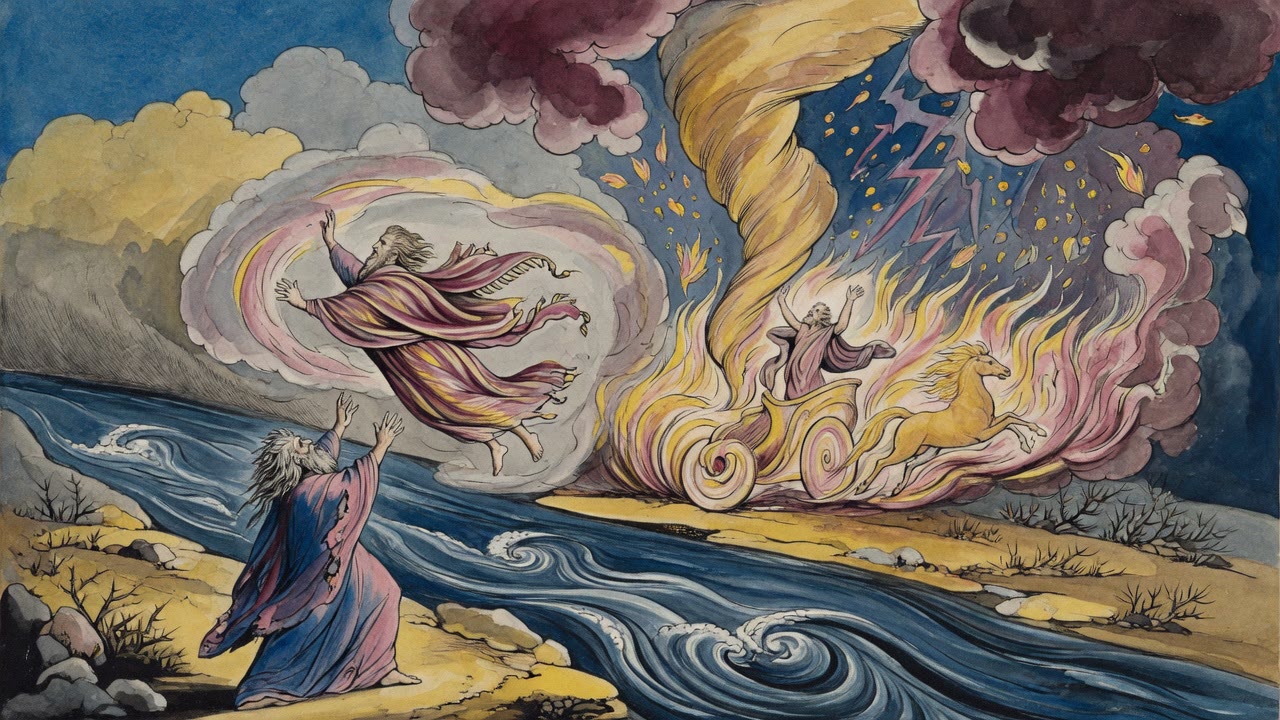
Three times the old prophet told him to stay behind. Elisha swore he would not leave, and then fire came down between their feet.
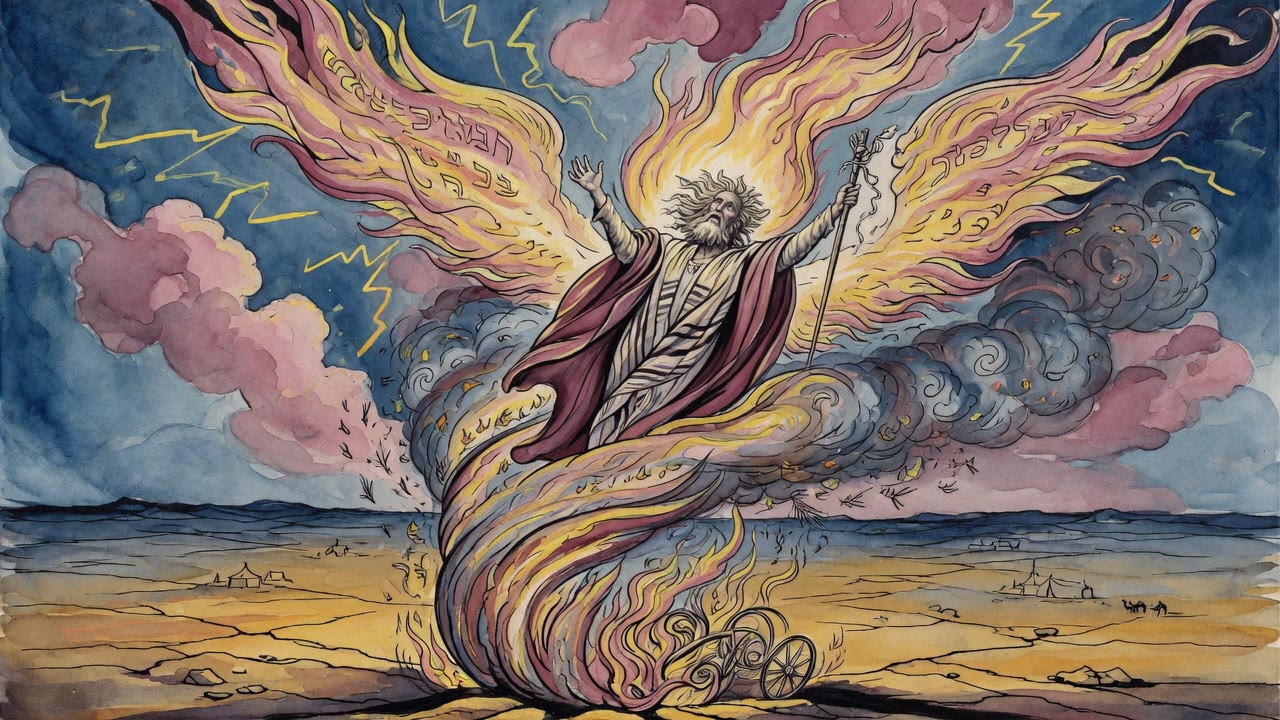
A whirlwind took Elijah into the sky while Elisha watched. He did not die. He got four wings and a new name, and he still shows up in disguise.
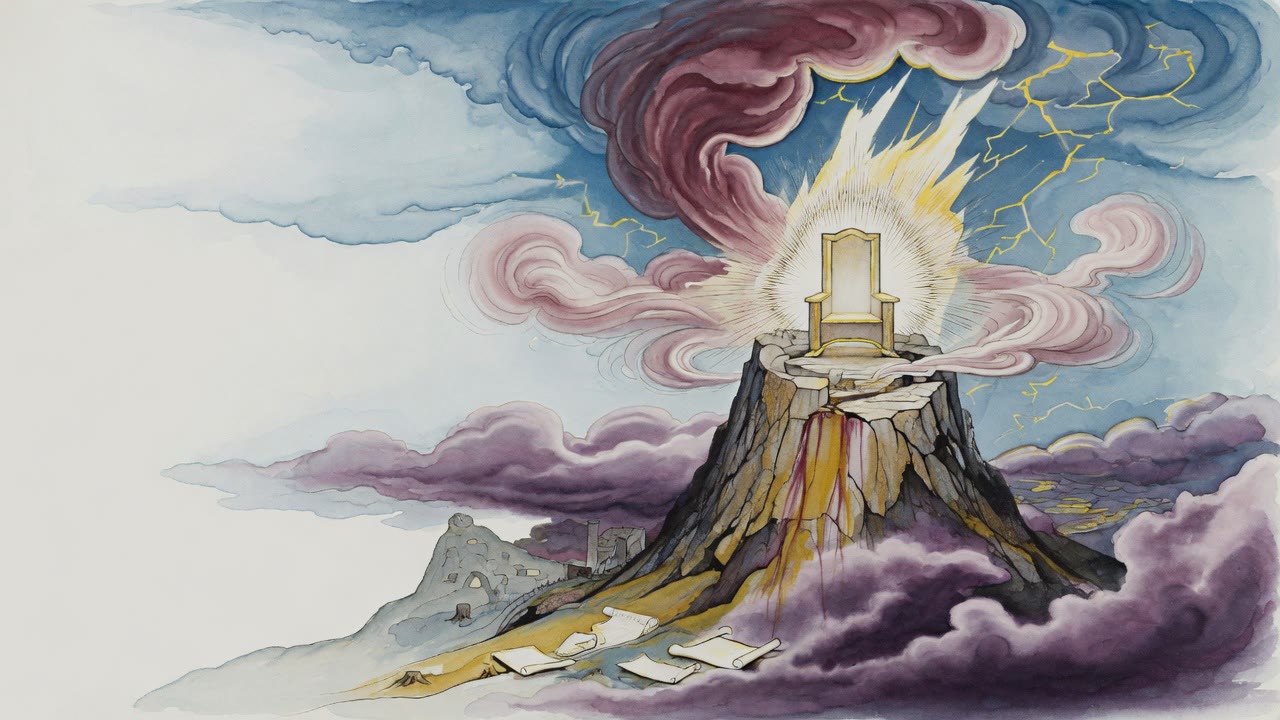
God can speak from anywhere. The rabbis believed he would end the story in one place only, and pinned the final act to a specific mountain.
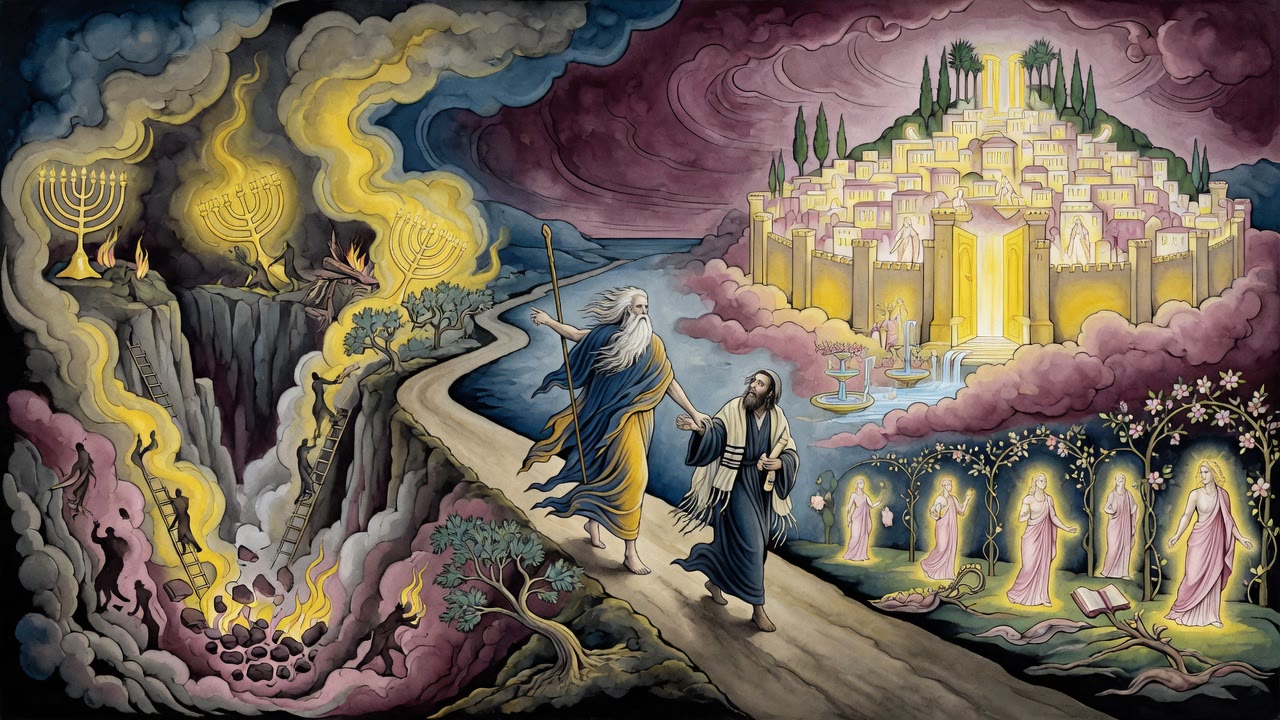
Men hung by their hair, their eyes, their tongues. Rabbi Joshua had studied the afterlife for years. Elijah was offering him the door.
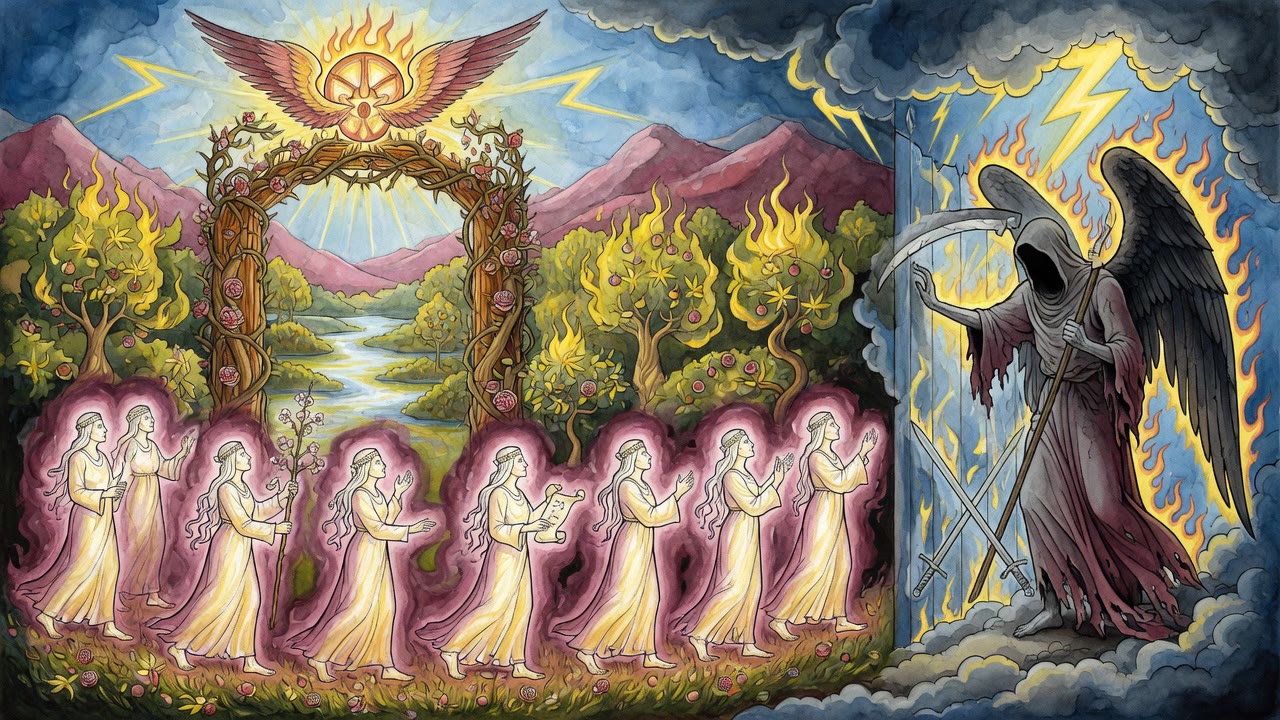
Serach sang Jacob the news that Joseph was alive, easing it in so the joy would not stop his heart. Jacob blessed her: that mouth would never taste death.
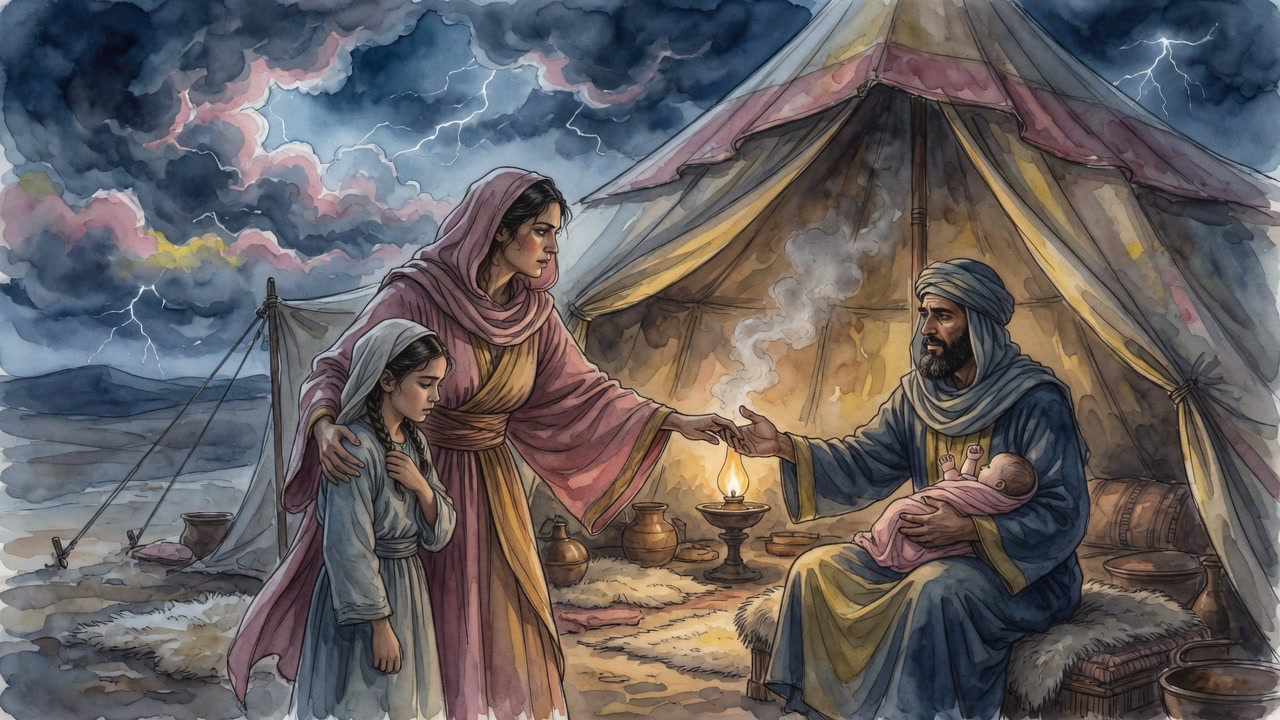
When Leah gave her handmaid Zilpah to Jacob and the child was born, she chose a name pointing forward to a prophet not yet born for another thousand years.
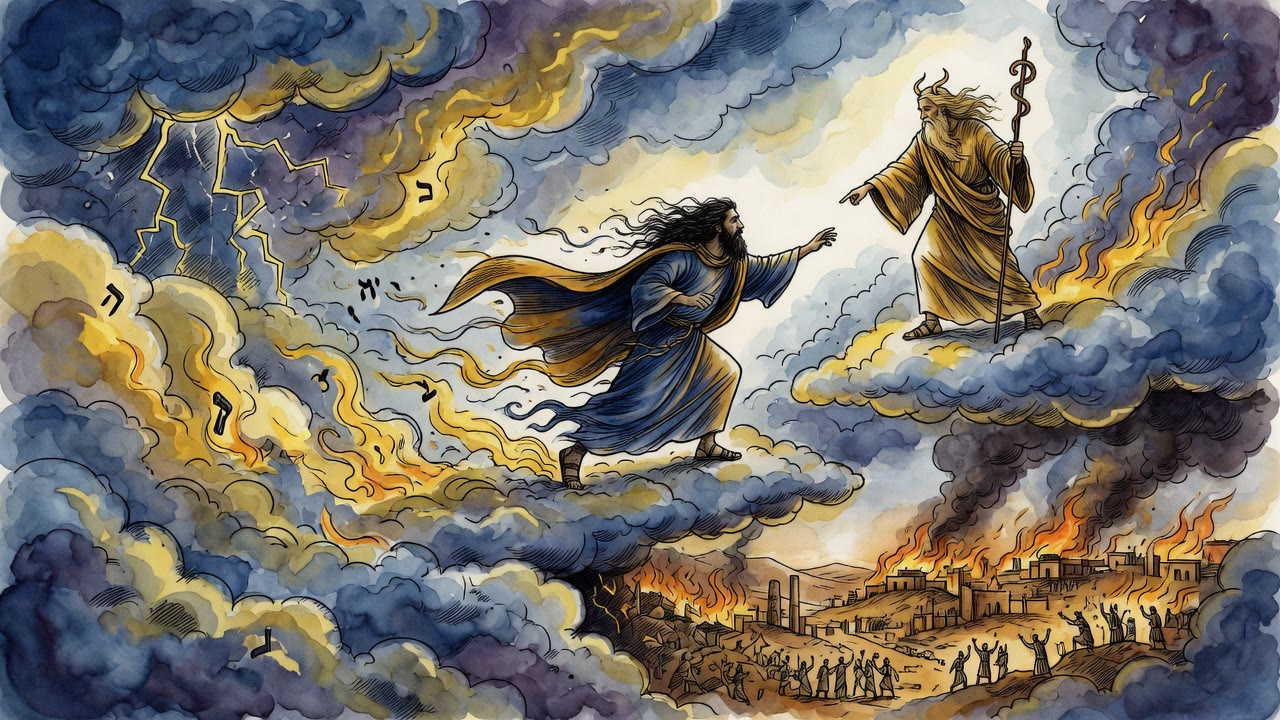
When Ahab mocked the prophets and the decree against Israel was sealed, Elijah did not pray alone. He ran to the fathers of the world for help.
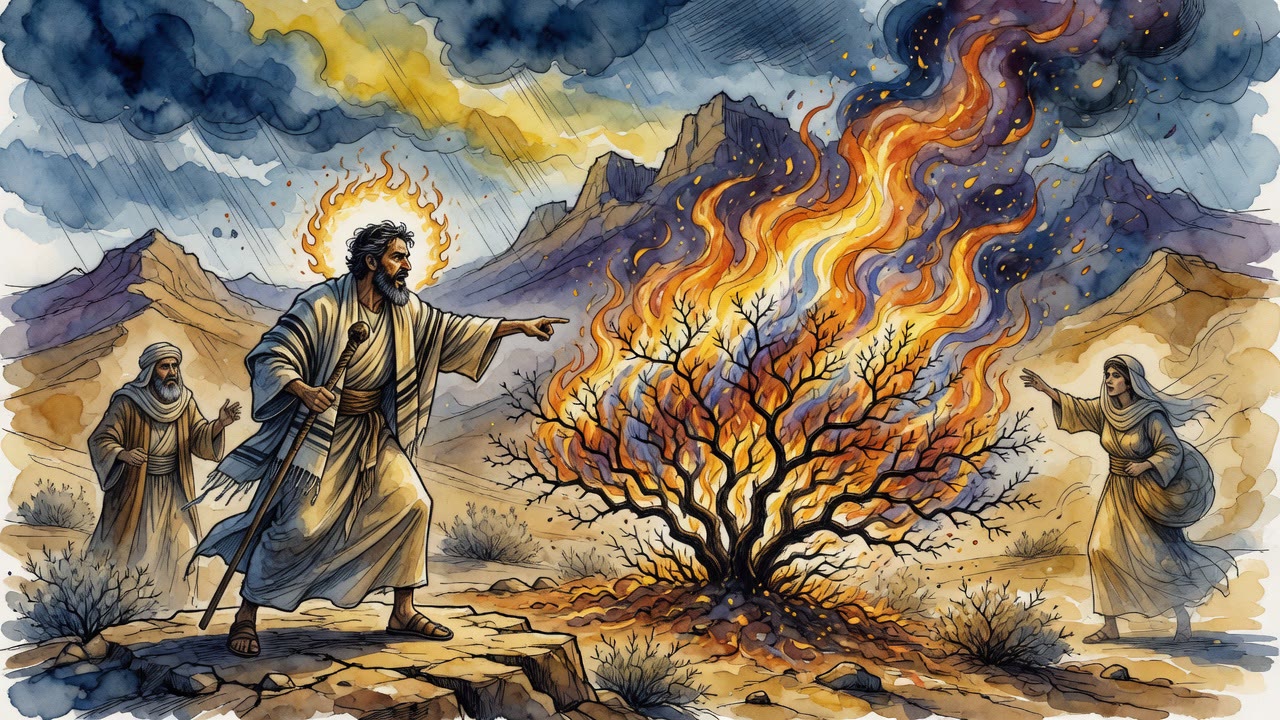
Fire moved through the thornbush and the leaves stayed green. A voice said his name twice. He answered, then he started to argue.
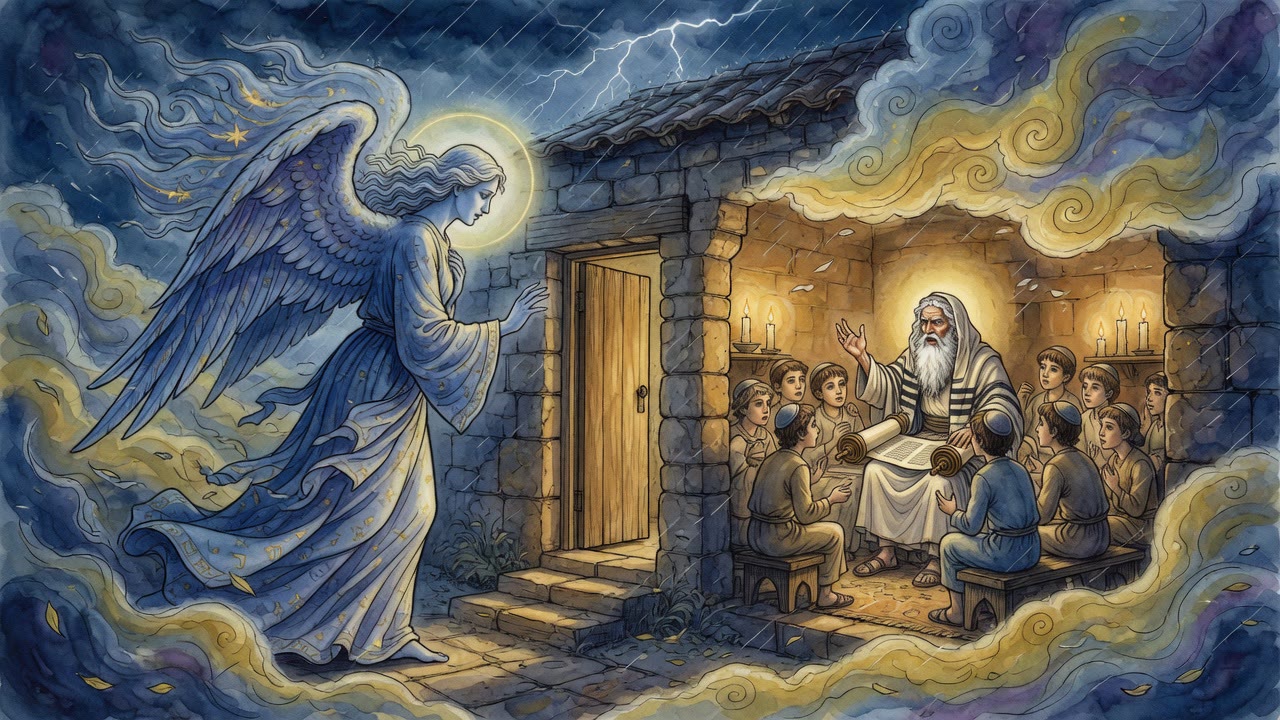
Two men sat inside a teaching so hard that a chariot of fire in the doorway meant nothing. The angel went back with the errand undone.
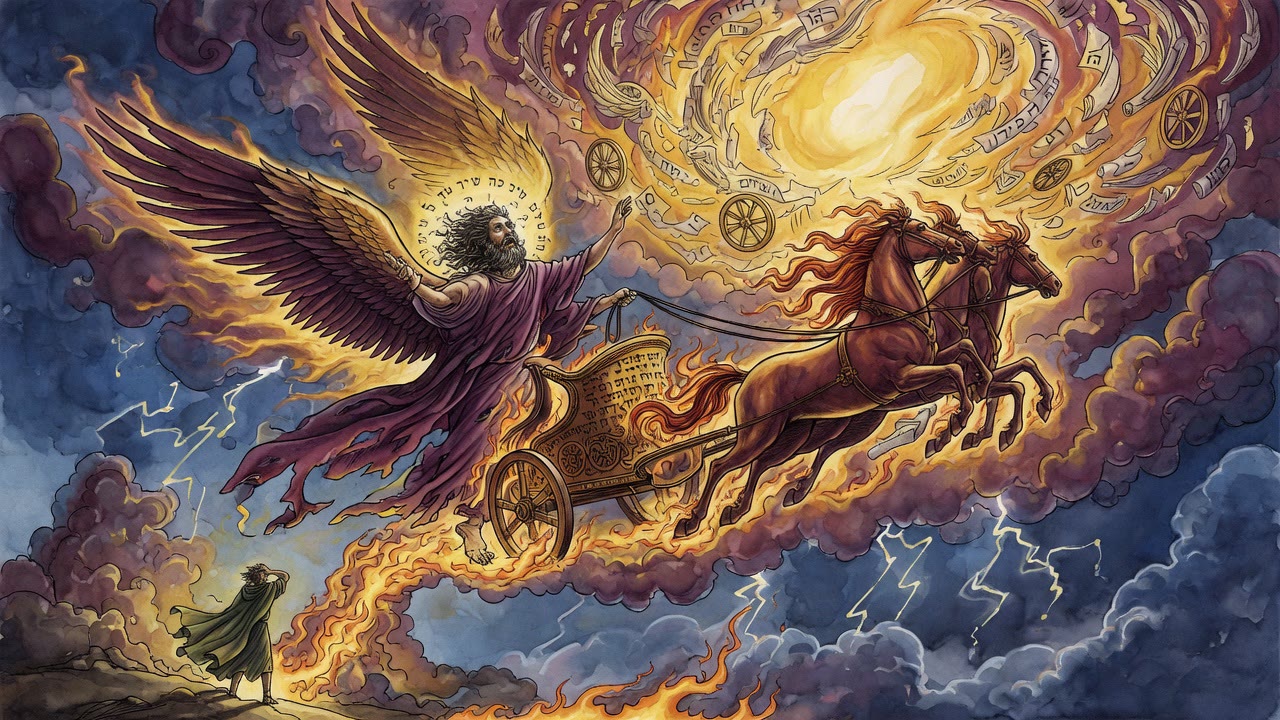
The fiery chariot took Elijah to heaven and that was not the end. He became Sandalphon, the angel who weaves Israel's prayers into garlands for God.
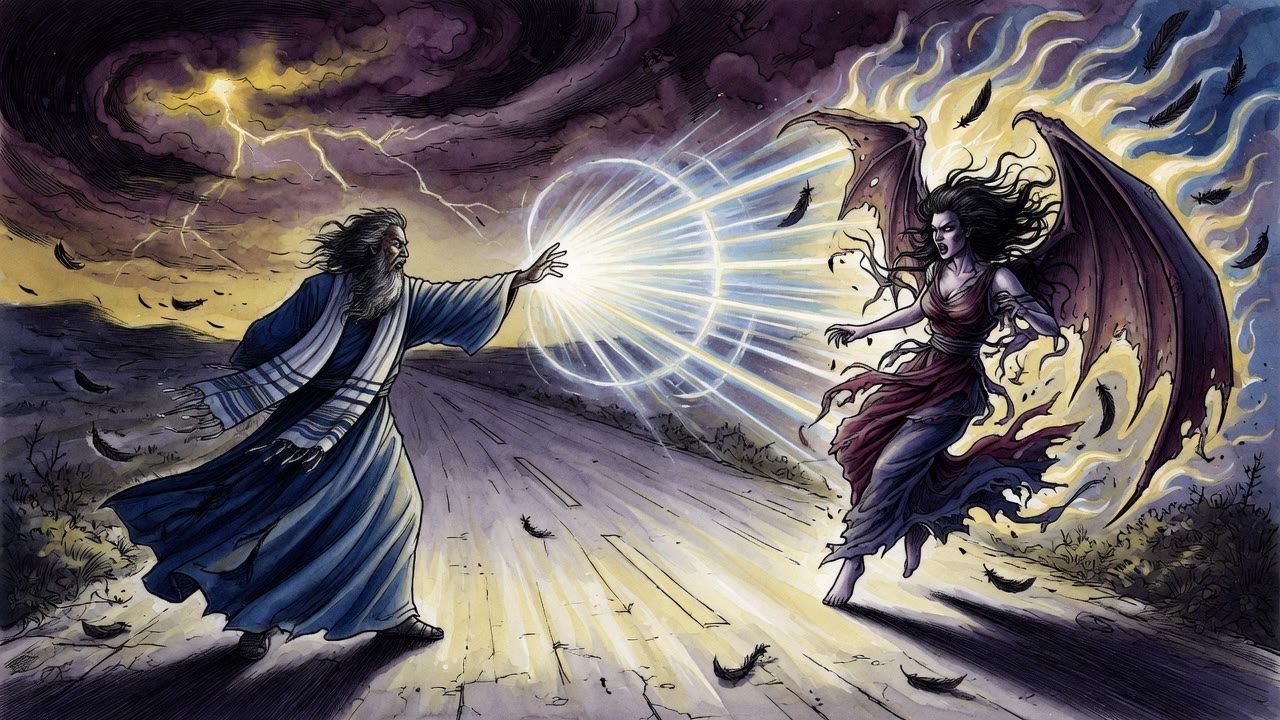
Lilith crossed a night road hunting a birthing mother, but Elijah stood in her path and bound her hunger with an oath by the Name.
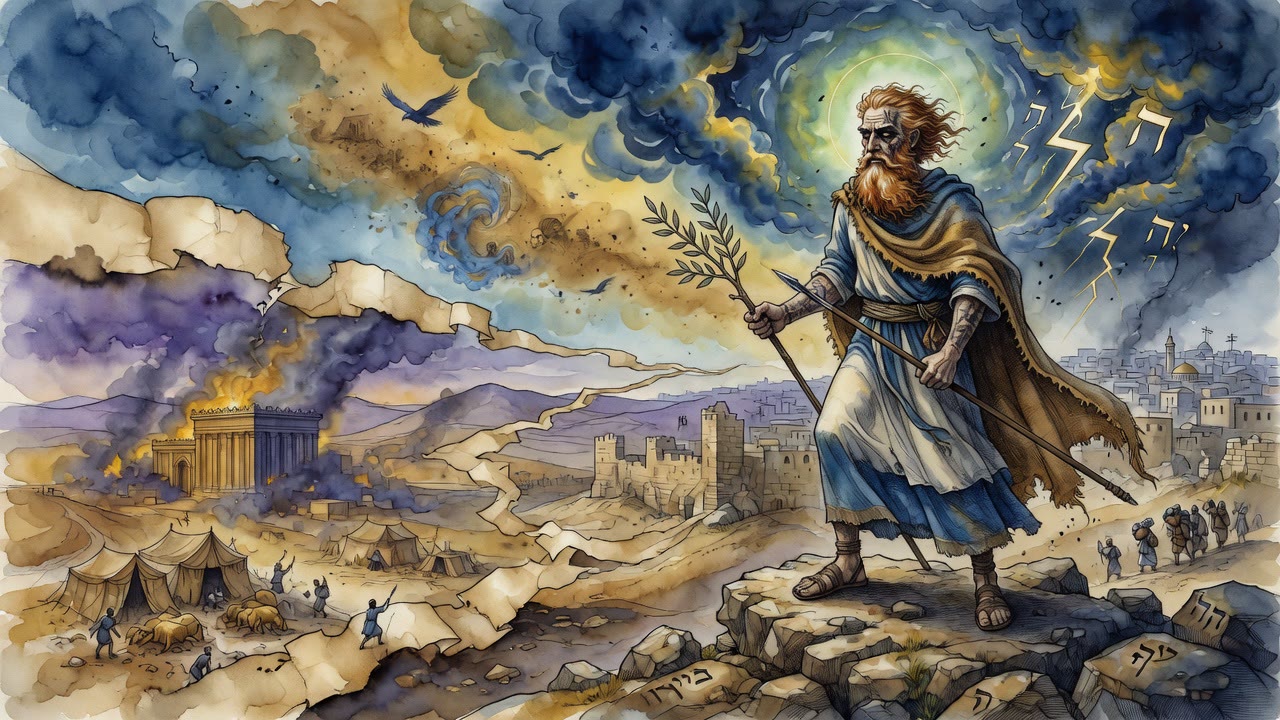
A genealogy hides the claim that Phinehas is Elijah. The priest who stopped a plague becomes the prophet who returns for Israel.
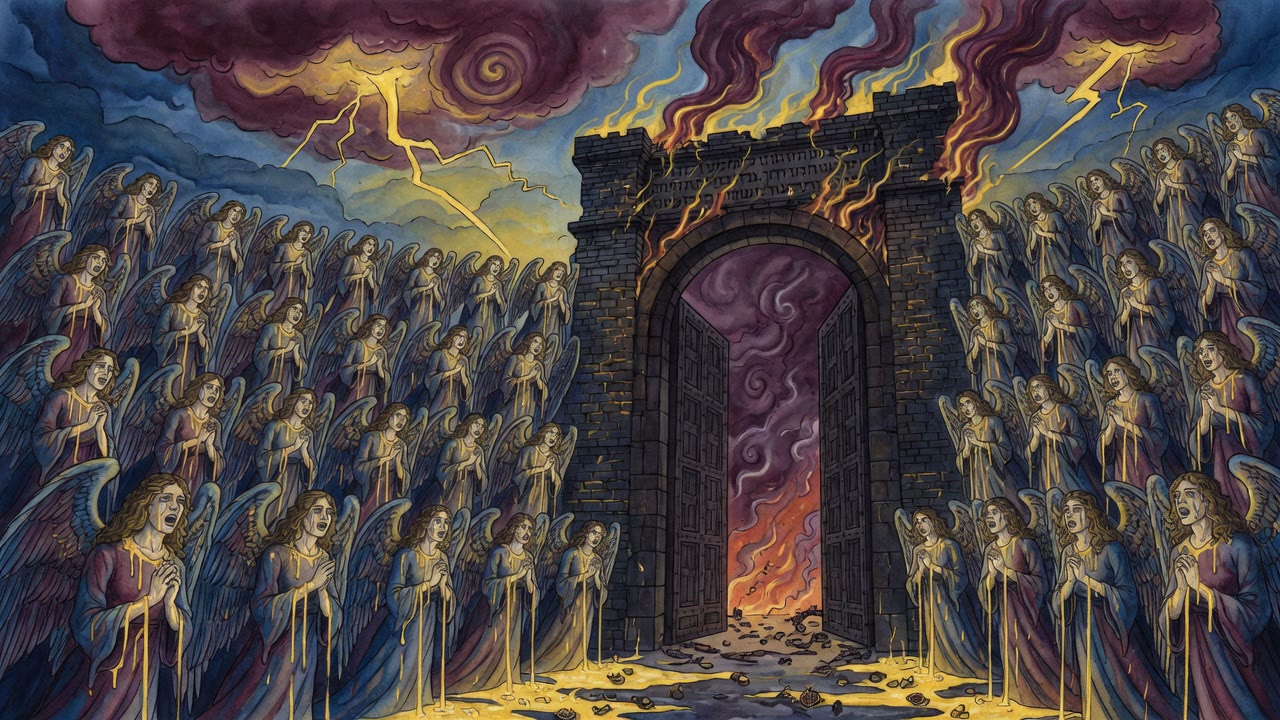
Inside the gate the angel Dumah waits. A soul arriving there has to say aloud its own name, its father's house, and the sin that brought it there.
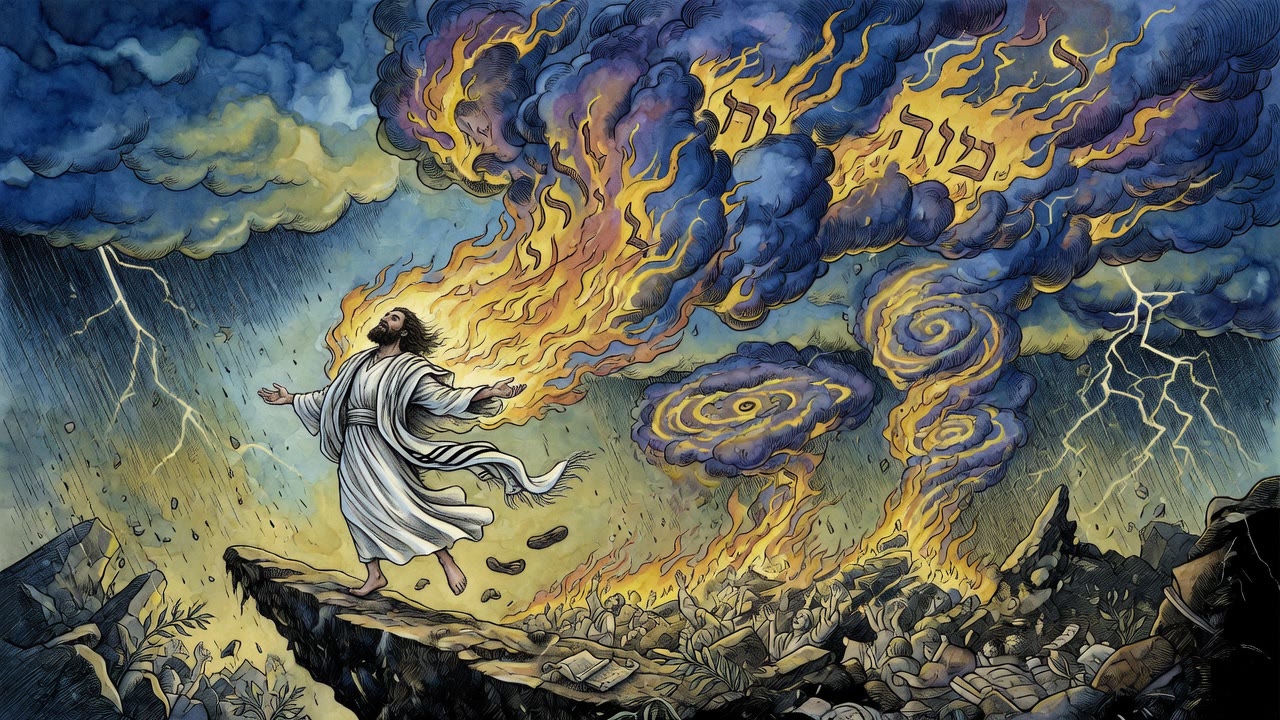
Every father in the list had a death beside his name. At the seventh name the page went blank. Enoch was gone. No grave was marked.
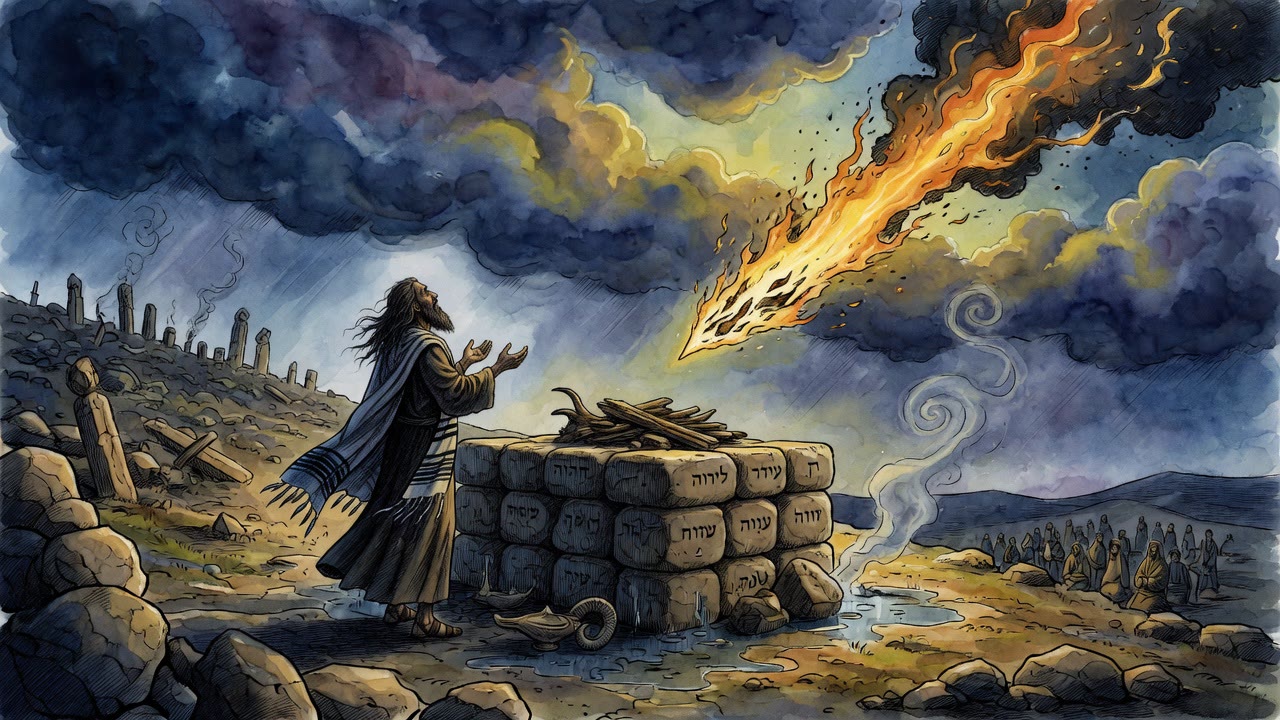
Hiel lay under Baal's altar with a coal ready. A serpent found him first. Elijah still did not pray until the afternoon offering.
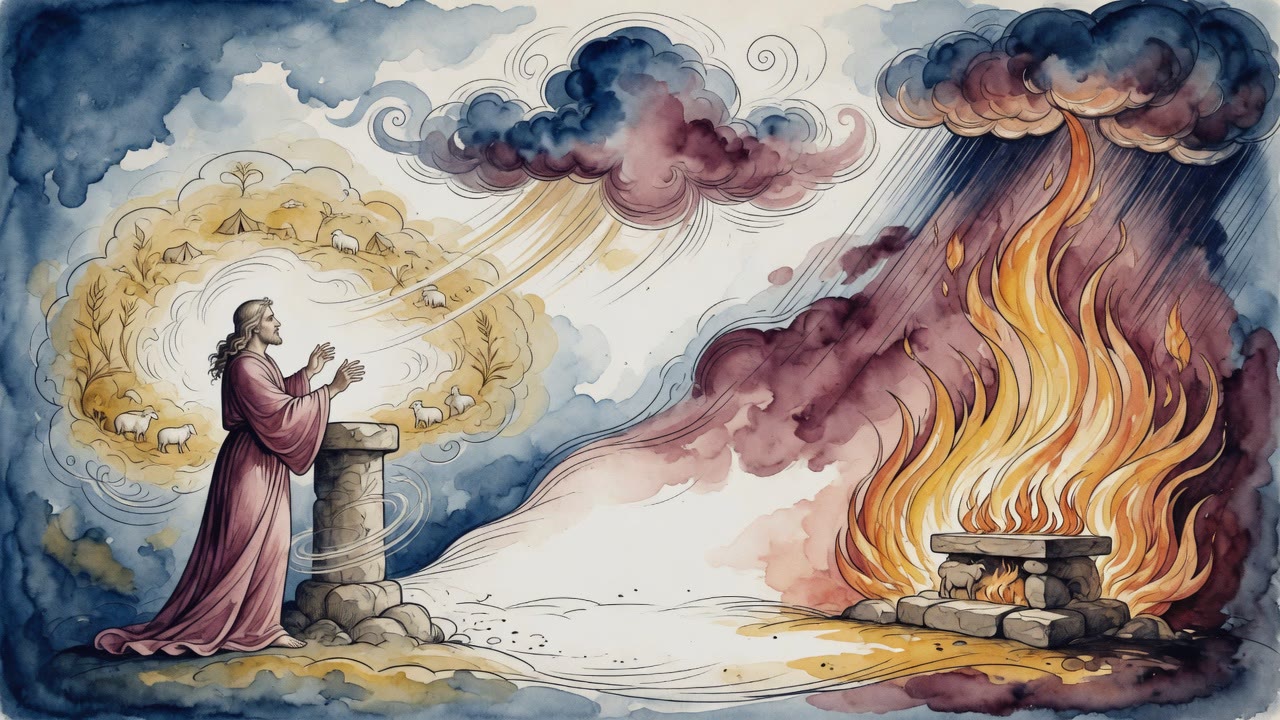
Benjamin was still unborn when God named a nation in Jacob. Centuries later Elijah stacked twelve stones on Carmel, and the fire found them.
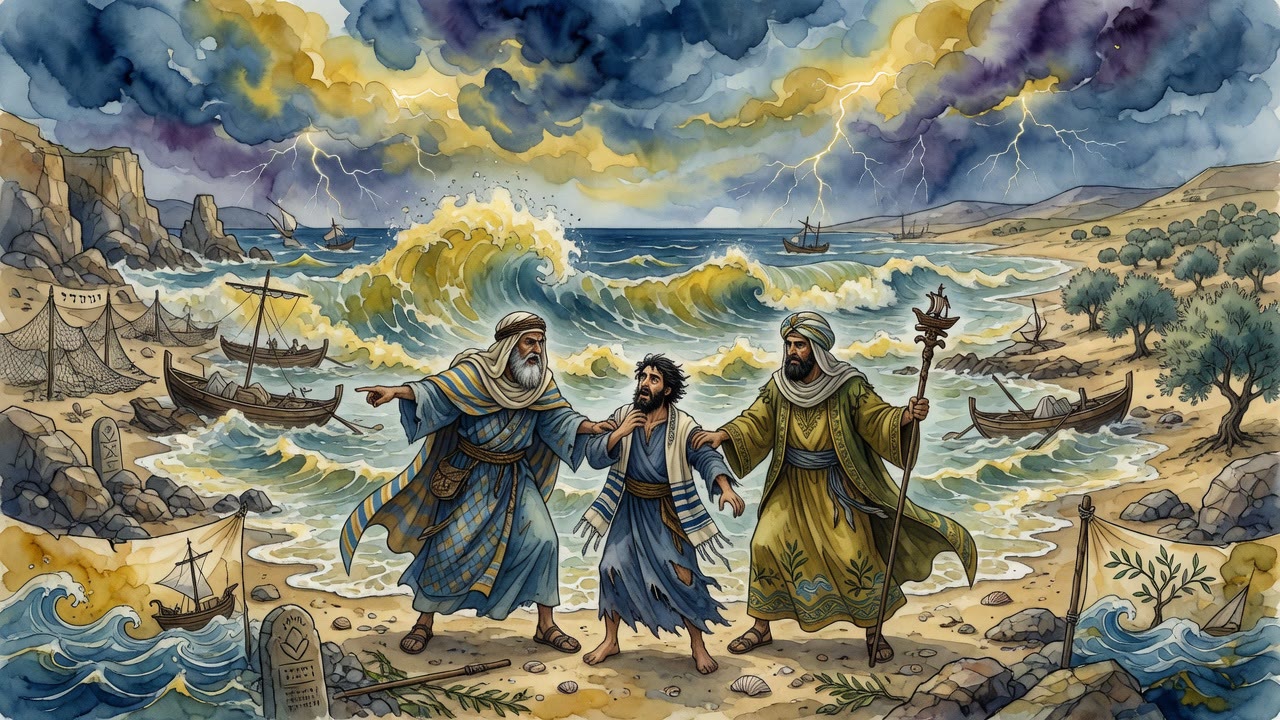
Two sela paid Rabbi Levi to hold the hall until the master arrived. He used the hour to put Jonah on Zebulun's shore.
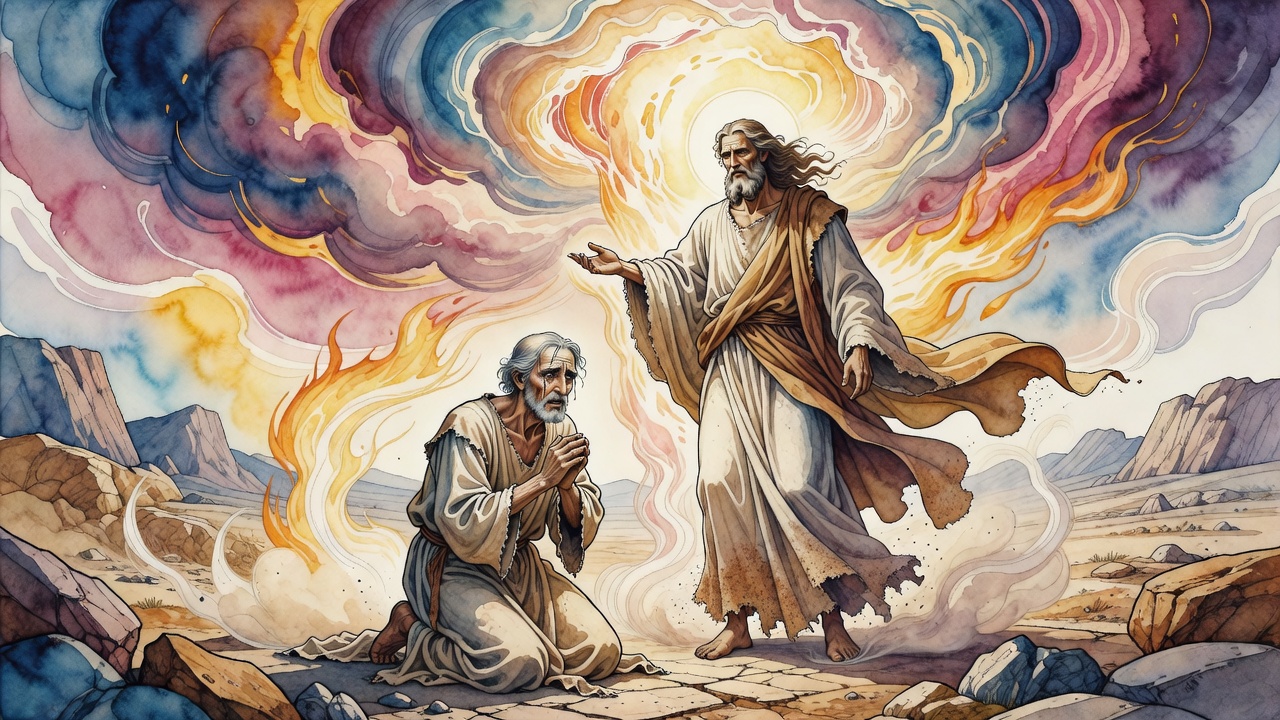
A poor father prayed for death instead of hunger. Elijah appeared, let himself be sold for eighty denarii, and turned bondage into rescue.
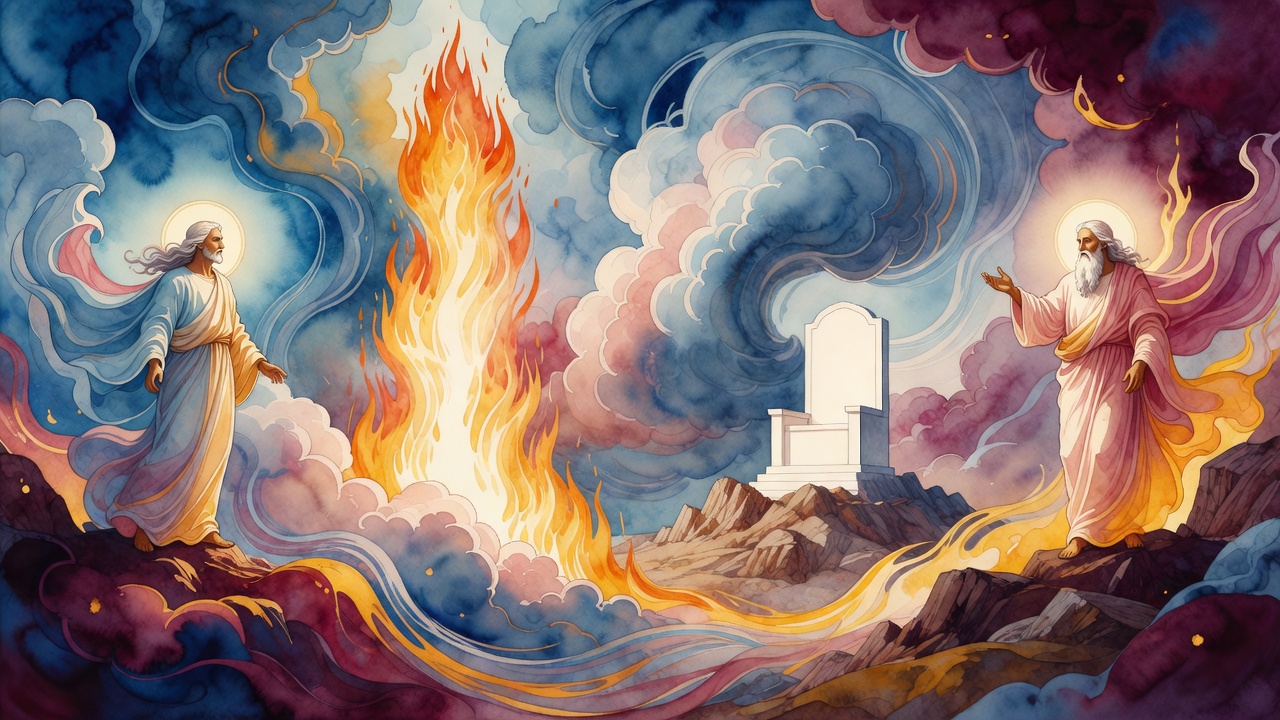
The rabbis placed Elijah at both ends of history, present before creation and appointed to announce the end. On Mount Horeb, God showed him all of time at once.
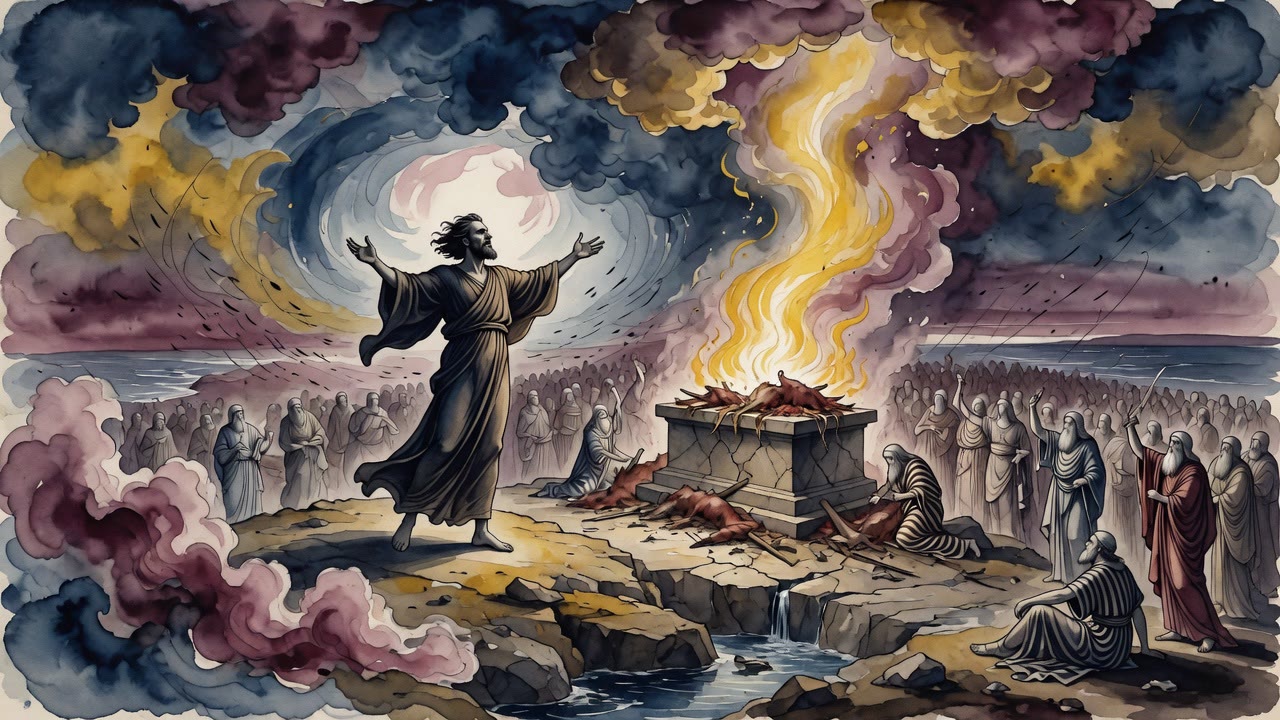
Baal's prophets cut themselves until noon and nothing burned. Elijah poured water until the trench was full. Then he asked for fire.
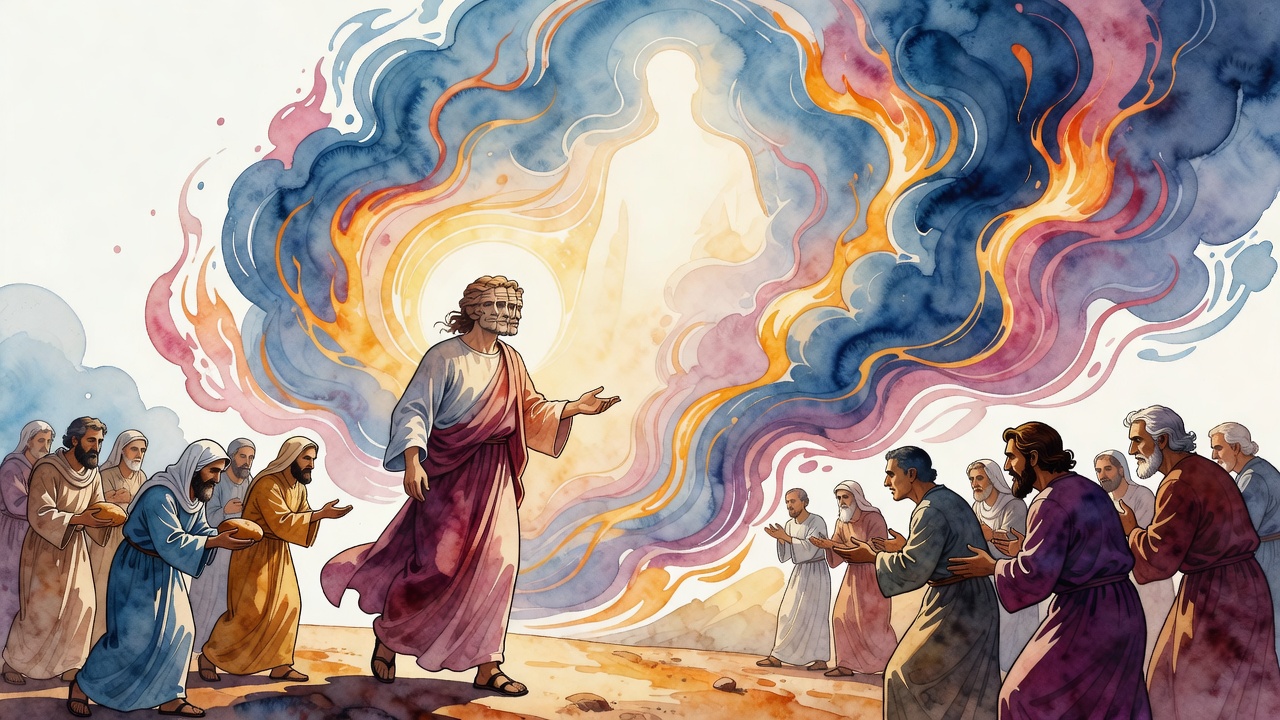
After Carmel, Elijah put on other faces and walked into the world. He came for the charitable and the contemptuous alike.
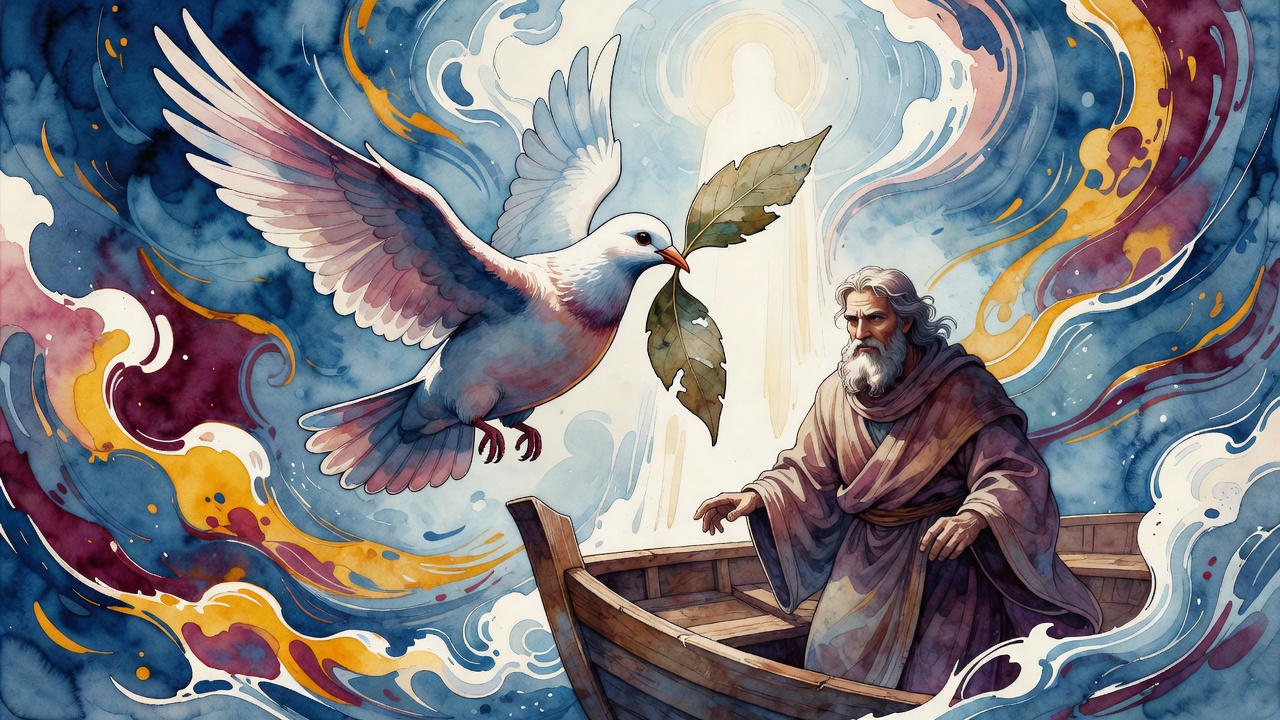
Noah sent the raven first. It circled the drowned world and would not finish the errand. He put out his hand when the dove came back empty.
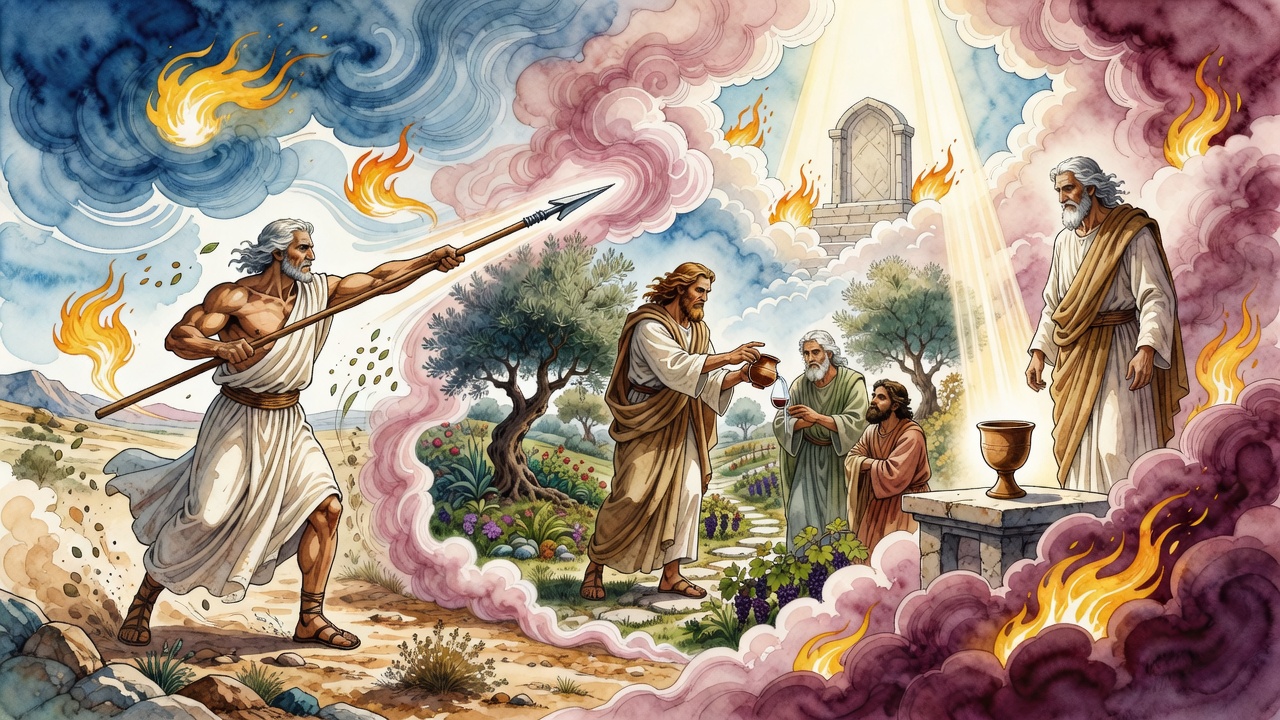
Twenty-four thousand were already dead and the people stood weeping at the tent. Moses did not move. Aaron's grandson walked in carrying a spear.
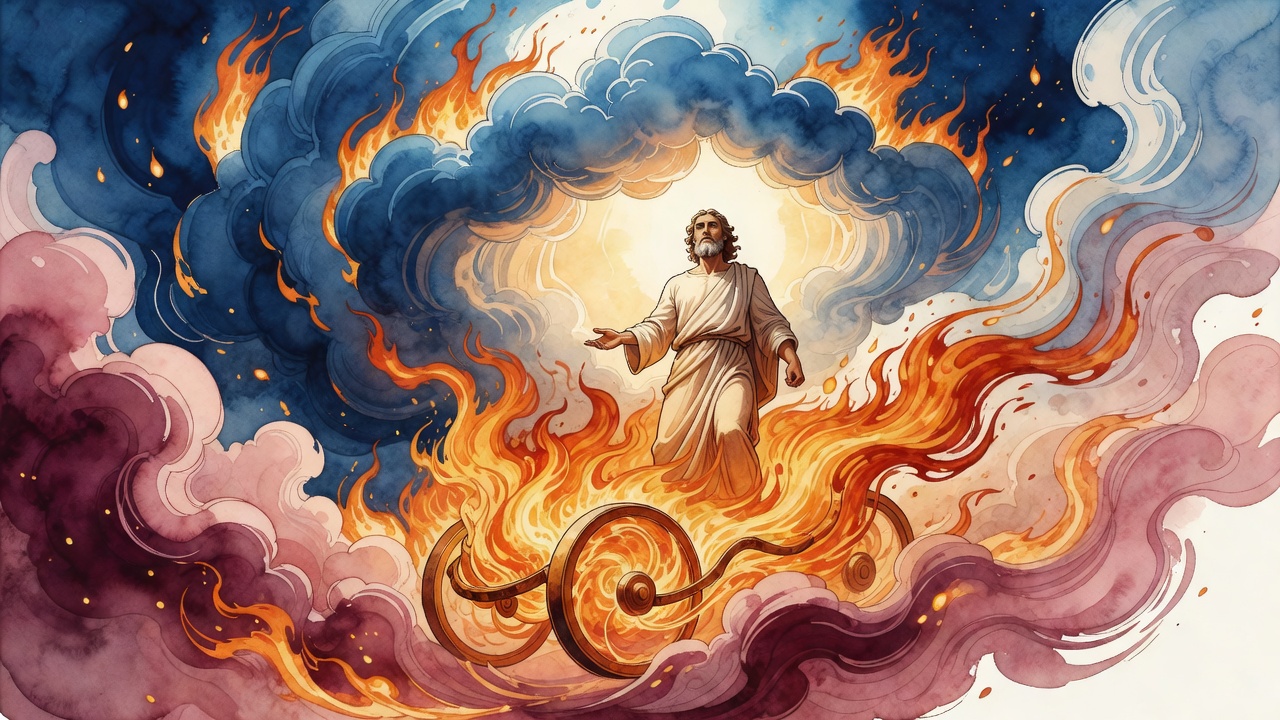
Before any human existed, an angel asked to go down and be useful. God changed his name and later sent him into Ahab's ruined kingdom.
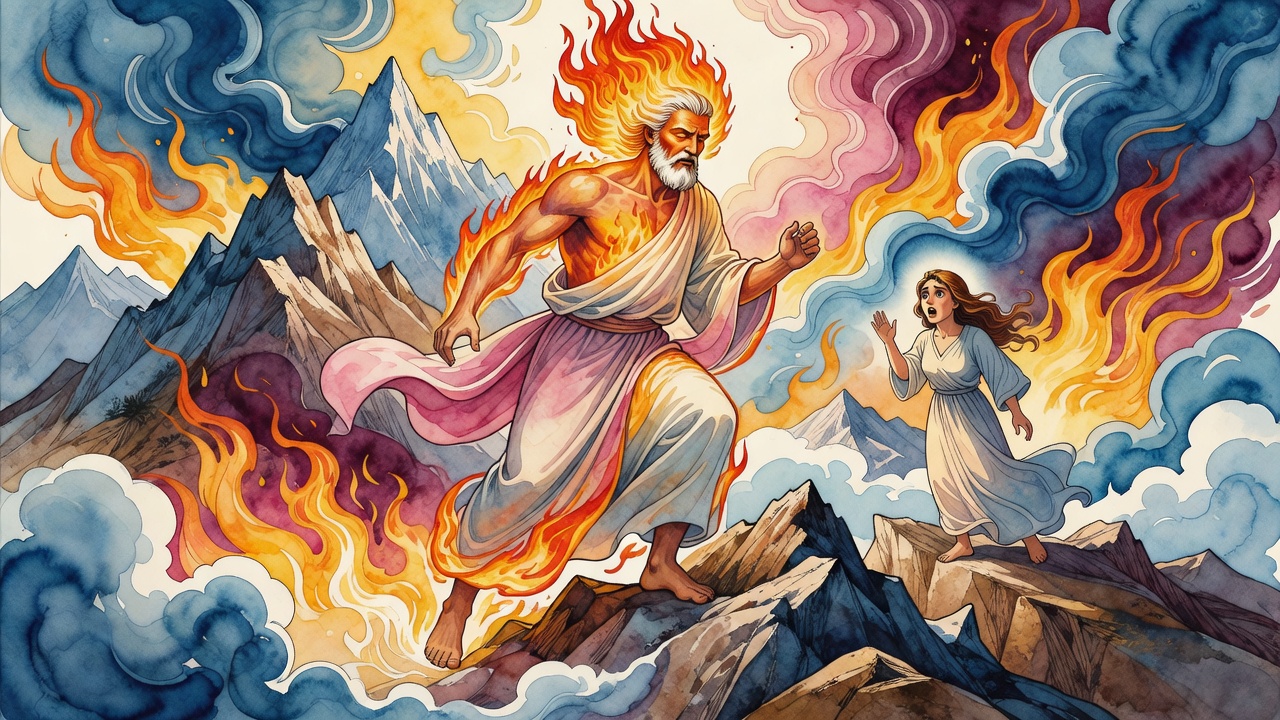
Elisha carried divine fire so concentrated his face burned lethal to look at. He traveled mountain to mountain, and one woman saw him coming.
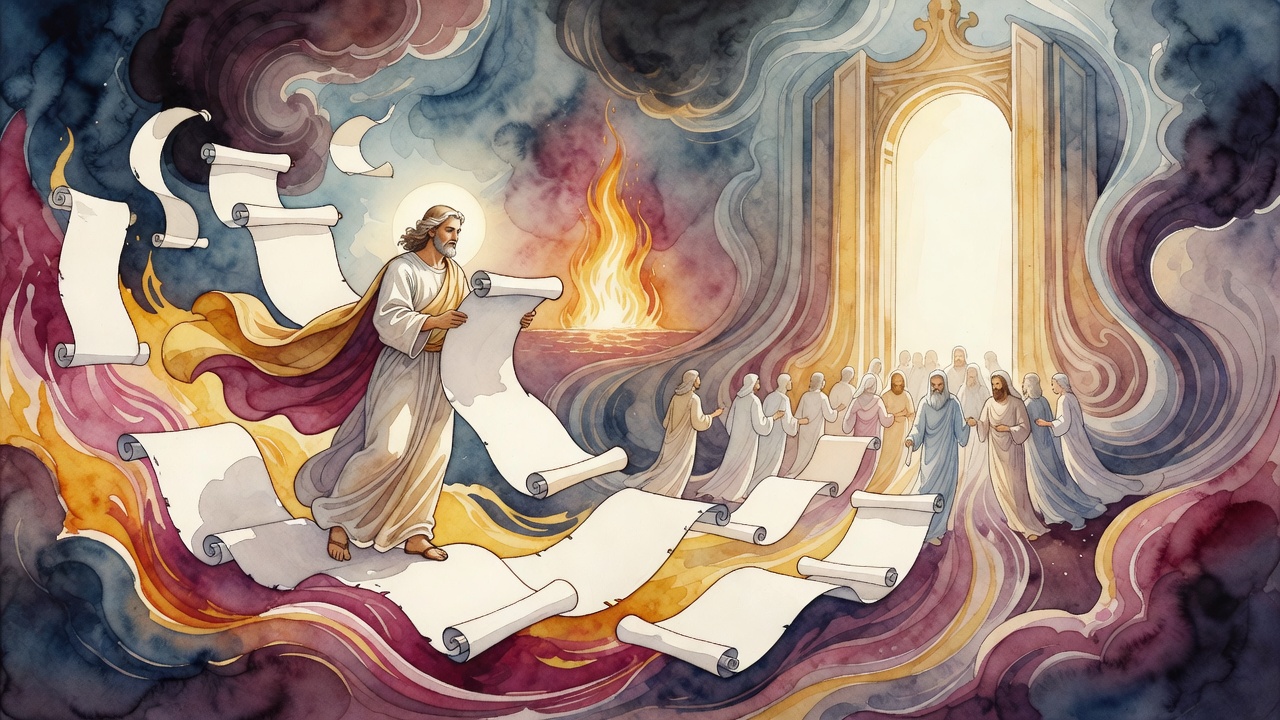
A chariot of fire took Elijah up alive, and he never got to rest. He writes down every deed any person does, and he walks the dead into paradise.
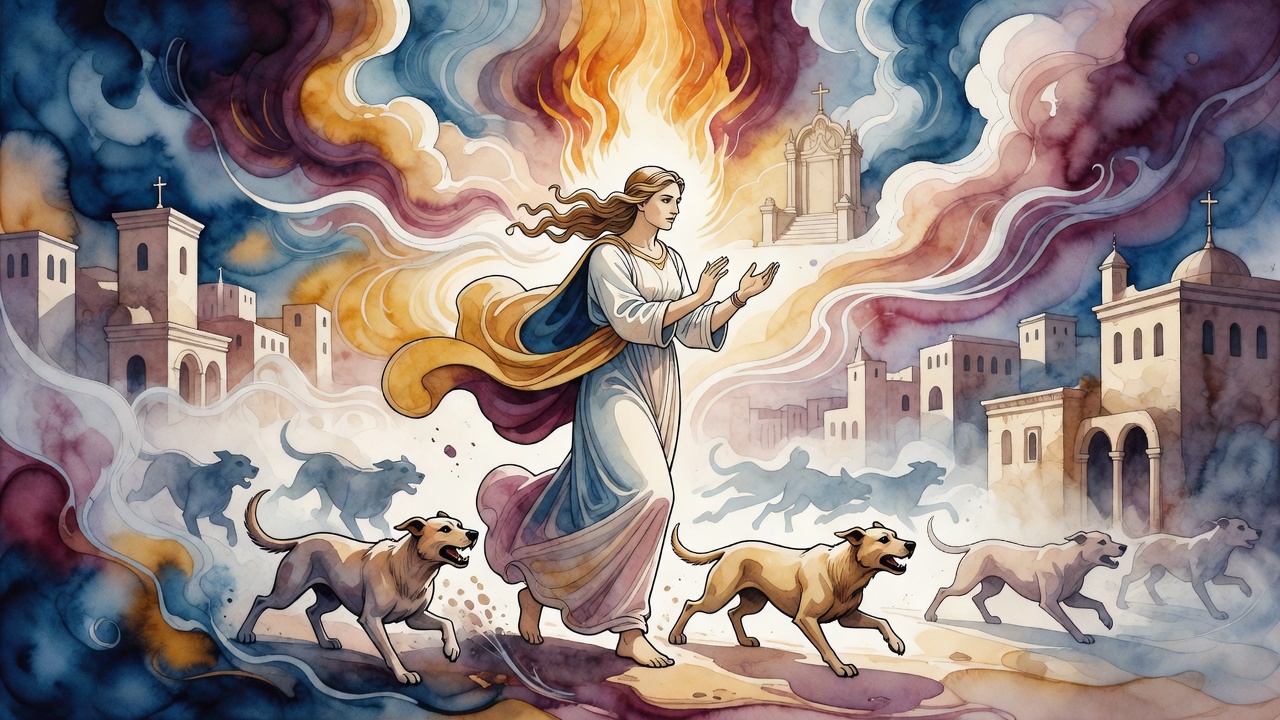
The servants went out to bury her and came back with less than a body. The dogs had stopped at the palms that had clapped for mourners.
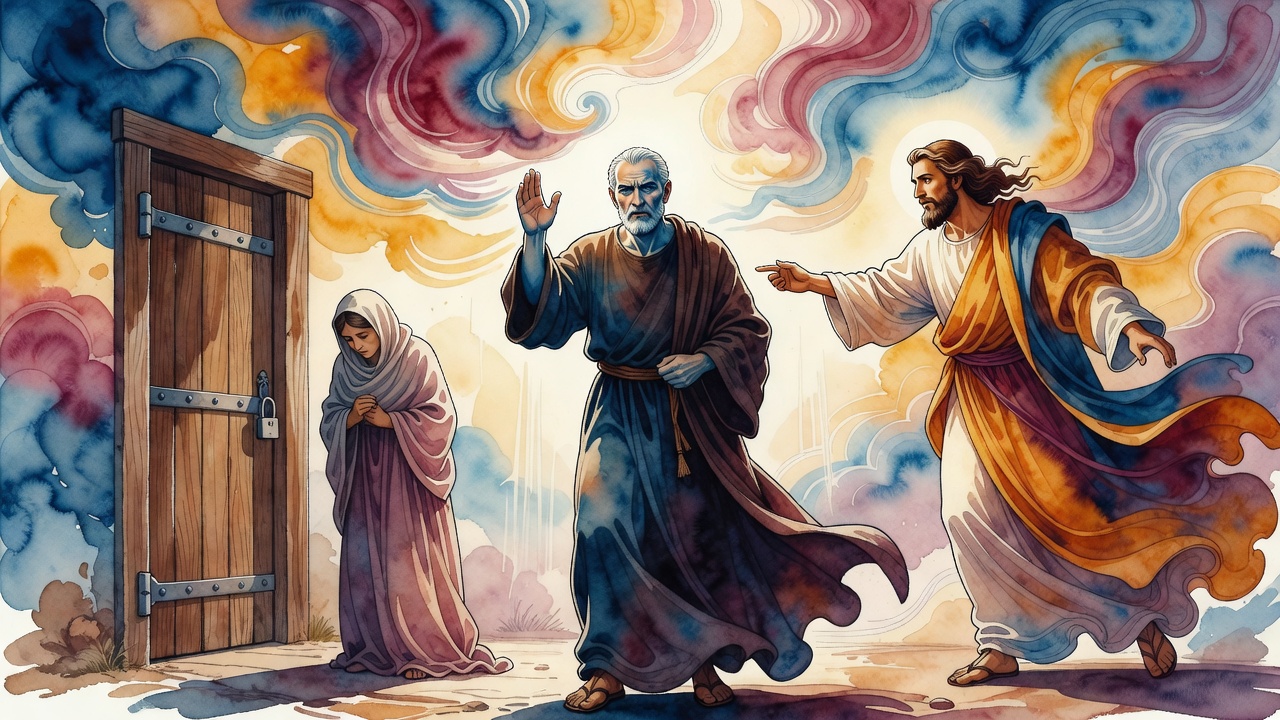
Inside, the bread sat covered and the cups waited. He swore she would not cross the threshold until she spat in Rabbi Meir's face.
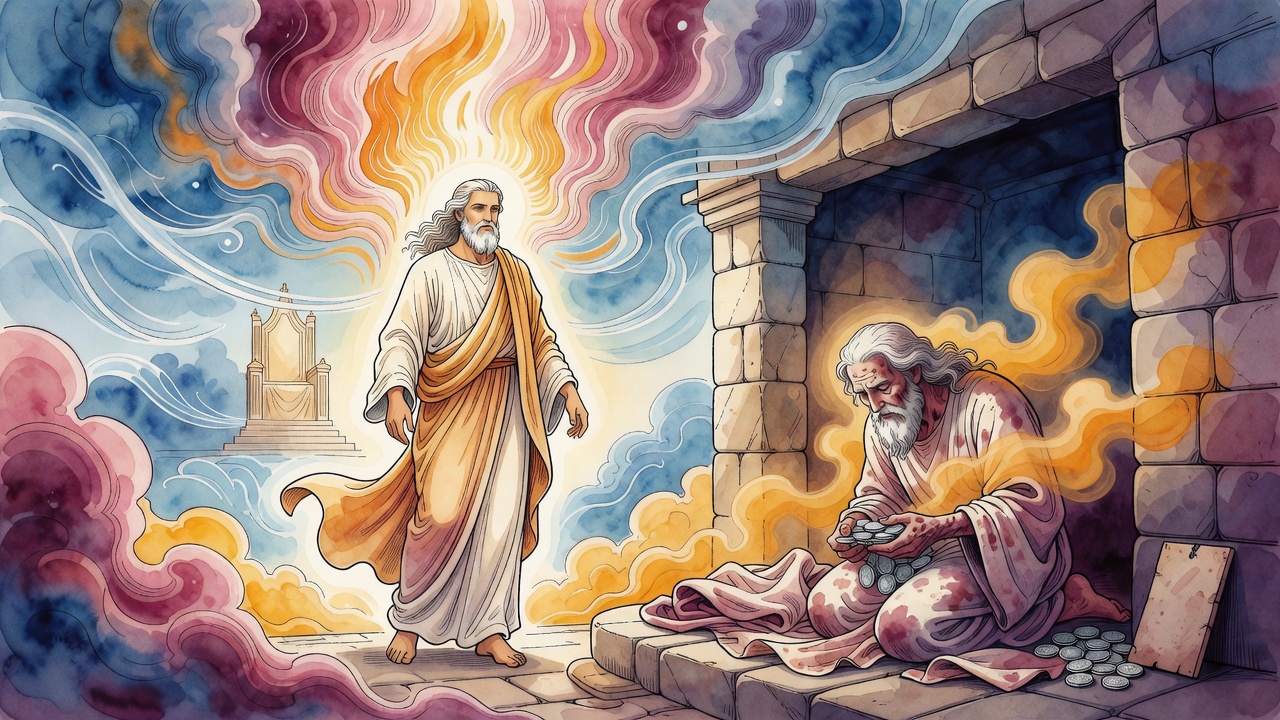
Naaman tried to press silver into Elisha's hands. Elisha would not take it. Gehazi waited until the chariot was on the road, then he ran.
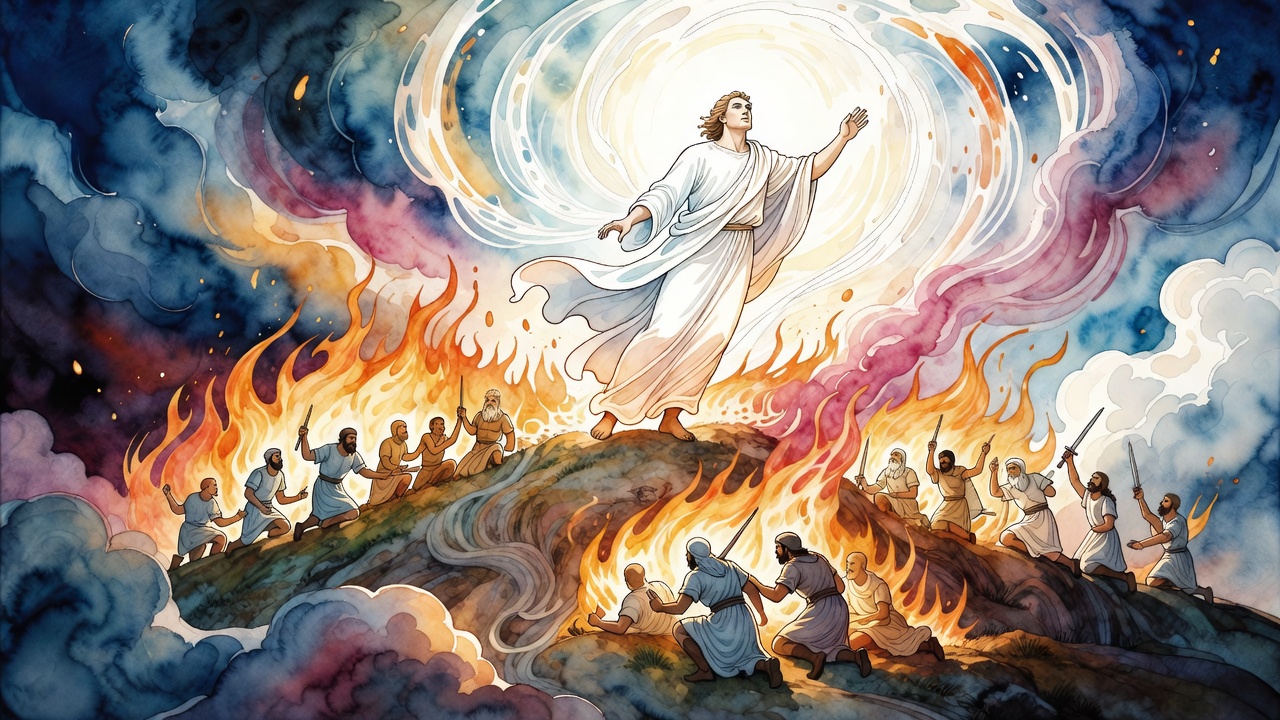
Ahaziah sent fifty men up a hill to drag the prophet down. Fire took them. The next fifty burned the same way, still on their feet.
