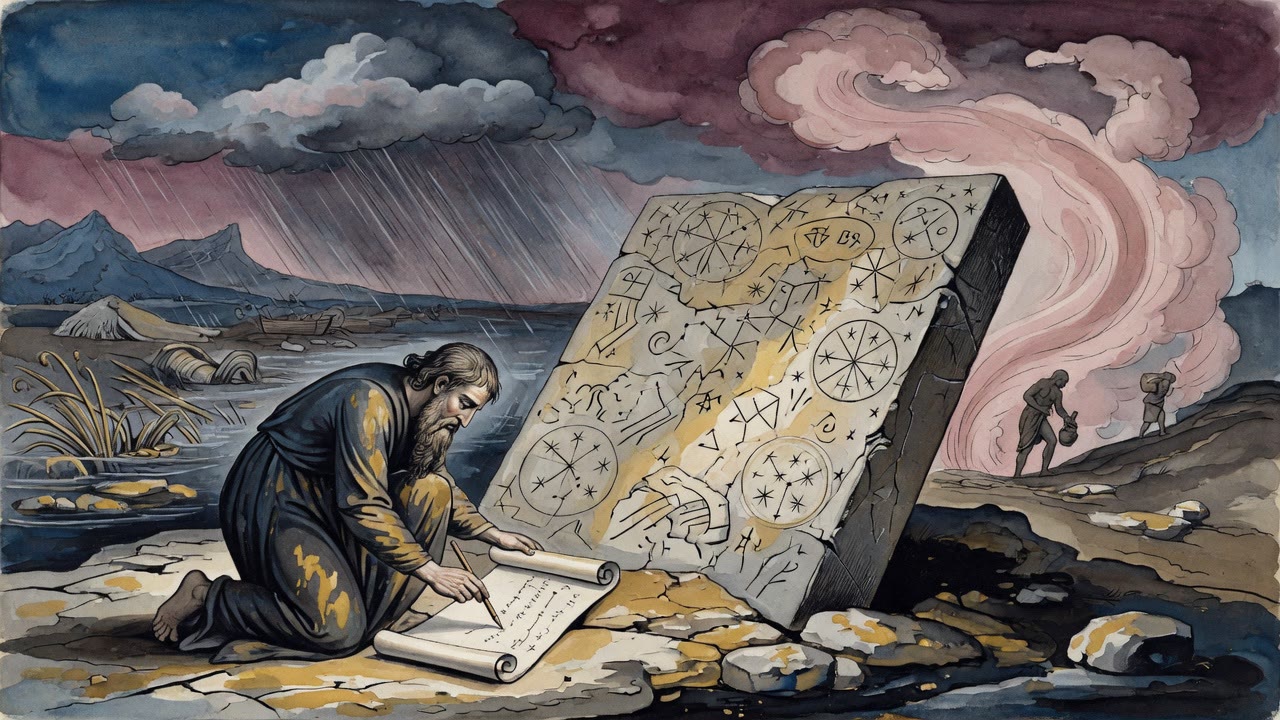
The Righteous Ones Who Left No Grave Behind
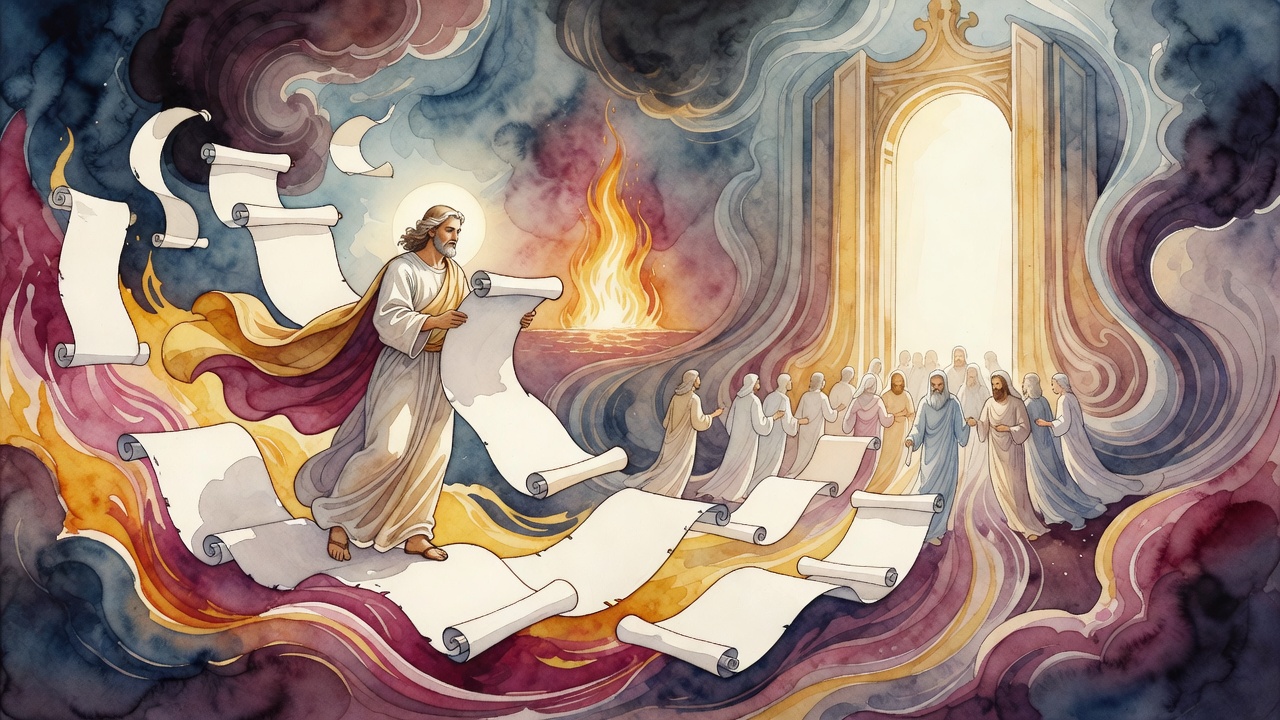
They searched the fields for Enoch and came back empty-handed. The man who walked with God had been taken, and there was nothing to bury.
Table of Contents
Someone called Enoch from the doorway, and the house did not answer.
 Click for full size
They looked in the yard. They looked in the field. They looked along the path he walked every evening. He had been there in the morning. By night there was no body to wash, no grave to dig, no place to stand and mourn.
They Looked and He Was Gone
Enoch walked with God. Then God took him (Genesis 5:24). No illness. No last speech. The man who had been there was not there, and the word for his absence is the word used when God takes something into His own keeping.
The searchers did not know that yet. They knew a room that had gone quiet. They knew a path without footprints. They kept looking because that is what people do when a life stops in the wrong shape.
He was not found. A dead man can be buried. A lost man can be tracked. Enoch had been moved into a place eyes cannot reach.
He Had Already Been with the Angels
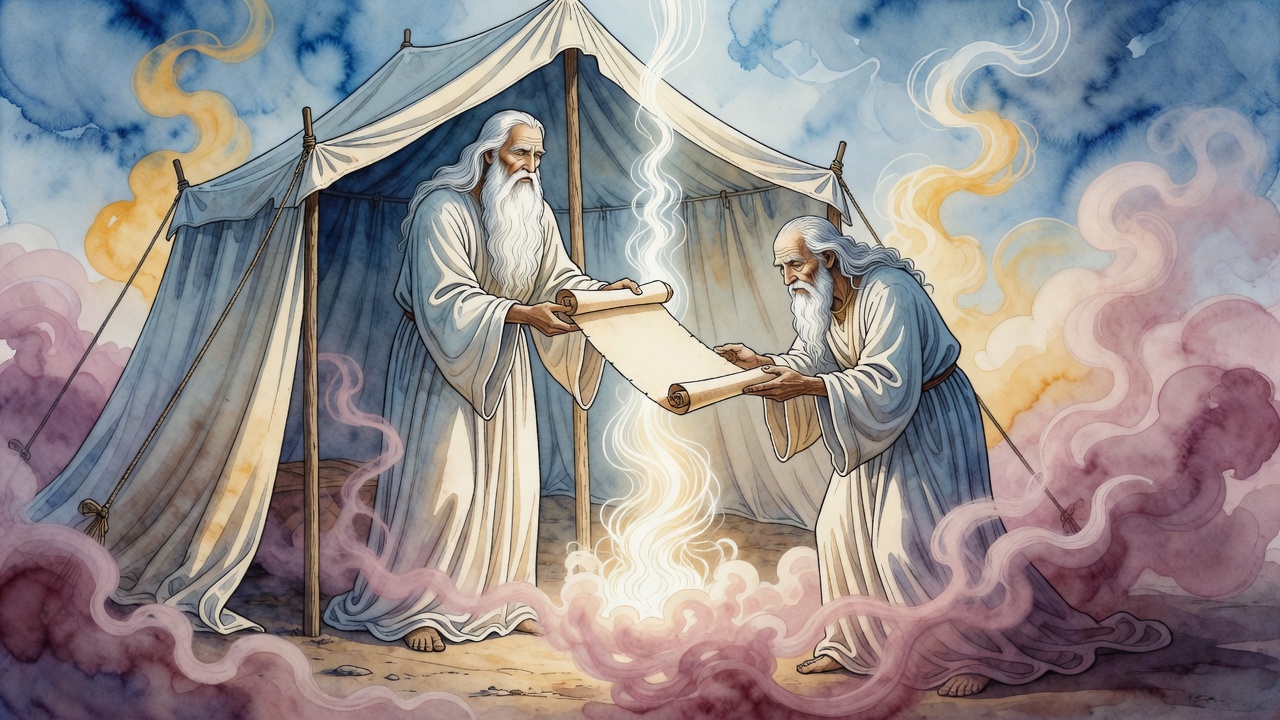
Before the taking he had not been an ordinary householder only. For six jubilees of years he had been with the angels of God. They showed him what is on earth and what is in the heavens, the rule of the sun, the order of the months. He wrote it down and left the writing on the earth for the generations after him.
He took a wife, Edna, daughter of Danel. She bore him Methuselah. He still walked. He still wrote. Then the walk ended in a way no family is ready for.
He had been found pure. He had walked with God. Then he was taken, and the household that searched the field that night had only an empty path.
The Grave God Hid
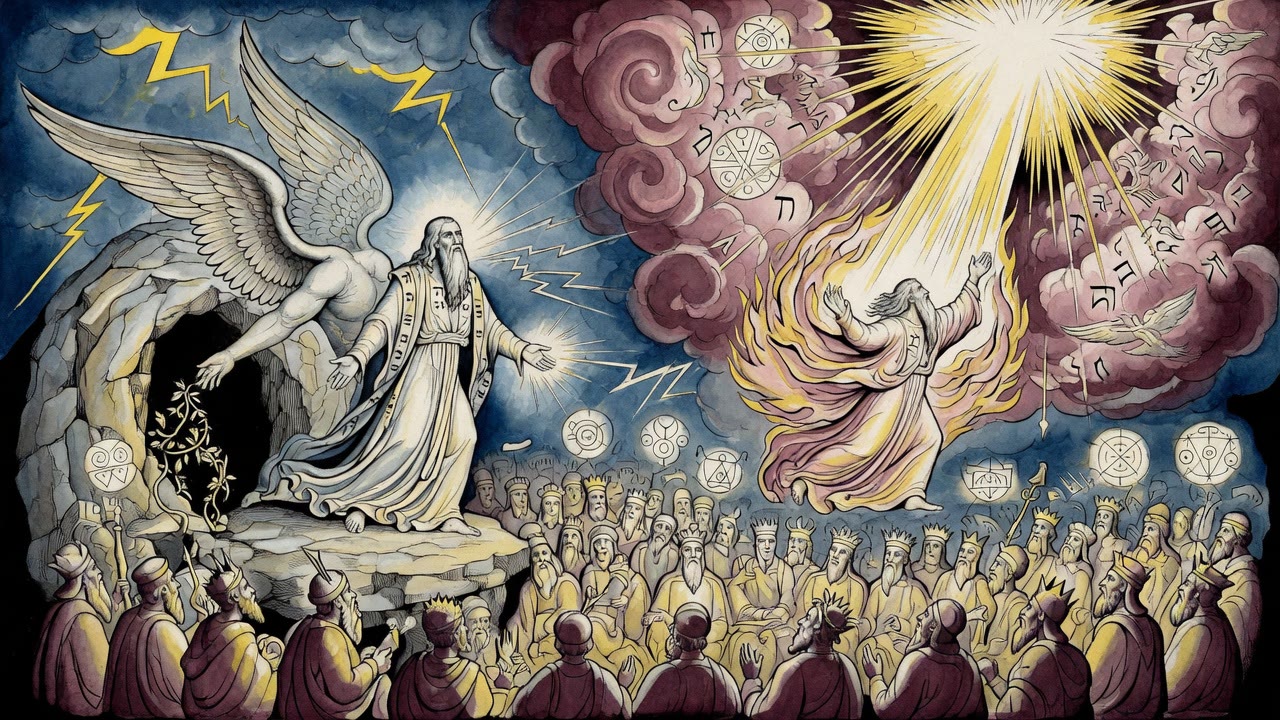
Moses died on the mountain in Moab, and God buried him in the valley, and no one knows the grave to this day (Deuteronomy 34:6).
That last clause is the whole wound. The people who had followed him from Egypt wanted a place to stand. They did not get one. God put the body in the earth with His own hand and closed the location. A grave that cannot be found is a different kind of ending than a grave that is visited.
Some said the hiding was protection, so the site would not become a shrine. The Torah does not pause to explain. It only insists that no man knows the place. Moses, who spoke with God face to face, was kept the way Enoch was kept: out of ordinary reach.
Fire Came for Elijah
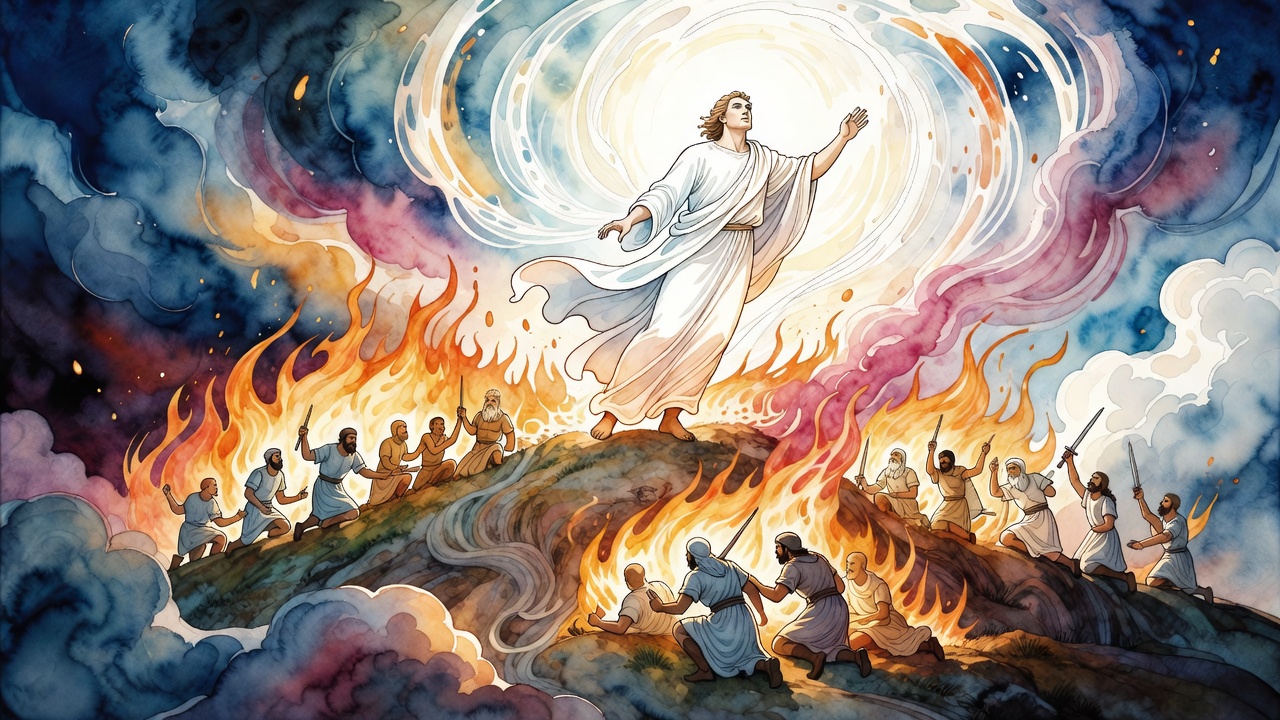
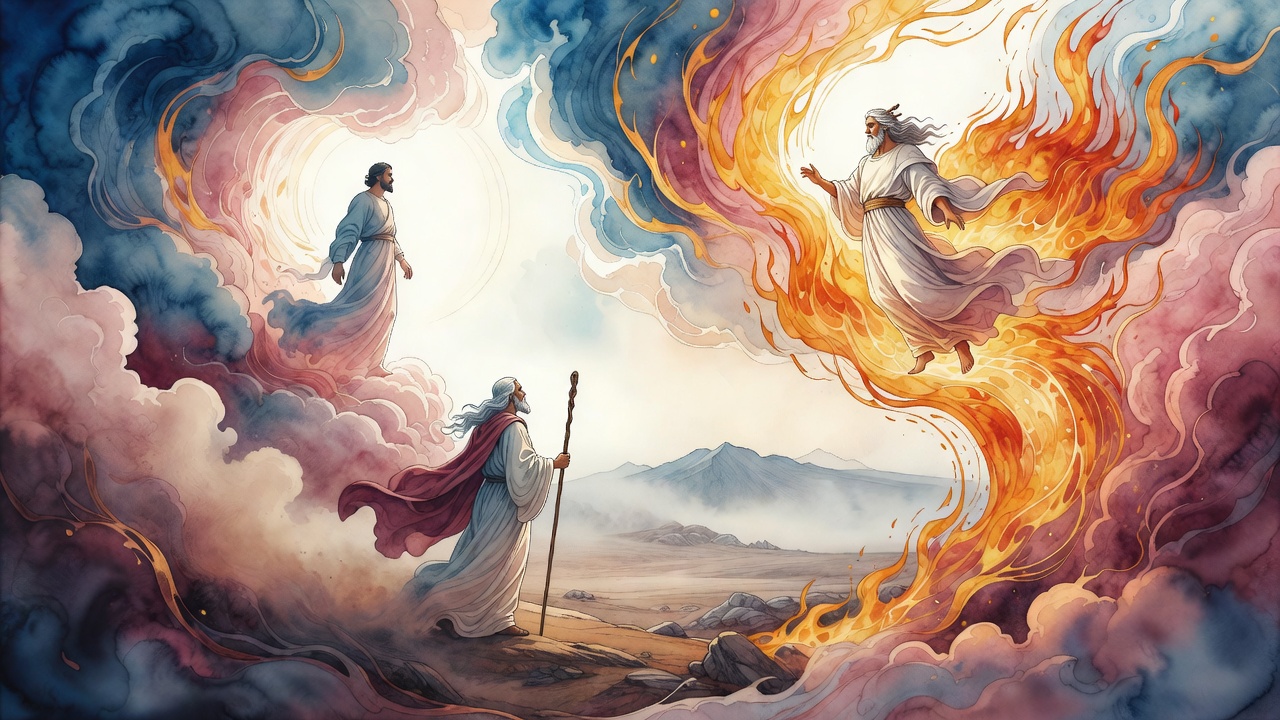
Elijah and Elisha were walking together, and both of them knew what was coming. Then it came. A chariot of fire. Horses of fire. Elijah went up in a whirlwind into heaven (2 Kings 2:11).
No body. No burial. Elisha saw it happen and cried out, "My father, my father, the chariot of Israel and its horsemen," and tore his garments for a departure that was not quite death.
Elisha was left with torn clothes and an empty stretch of ground. The air over the Jordan smelled of smoke. A man taken rather than buried can still be sent back. That is why later rooms keep a place for him.
No One Came Back with a Body
Enoch walked with God and was taken, so the searchers came home with nothing to bury. Moses spoke with God face to face, and God hid the grave, so Israel had no tomb to visit. Elijah called down fire, and fire came for him, so Elisha stood on torn cloth and empty ground.
The field stayed empty. The mountain kept its secret. The air over the Jordan smelled of smoke.
← All myths