Elijah Before the World Was Made and After It Ends
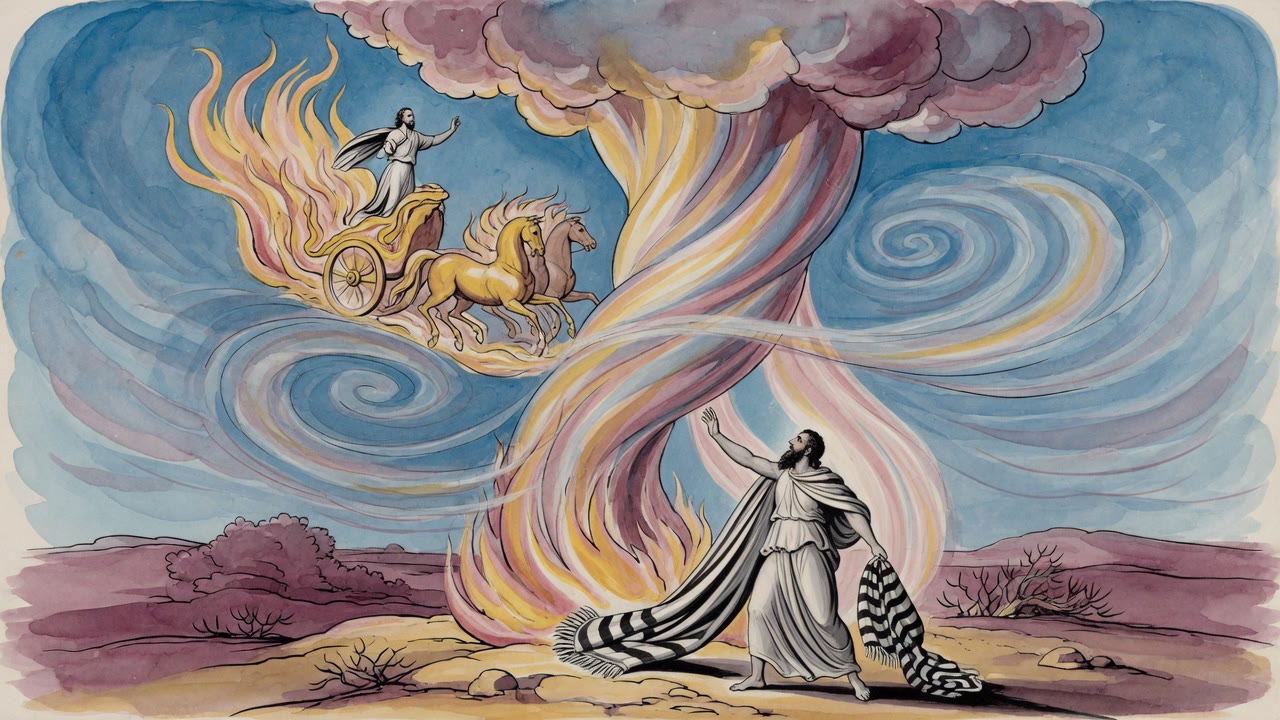
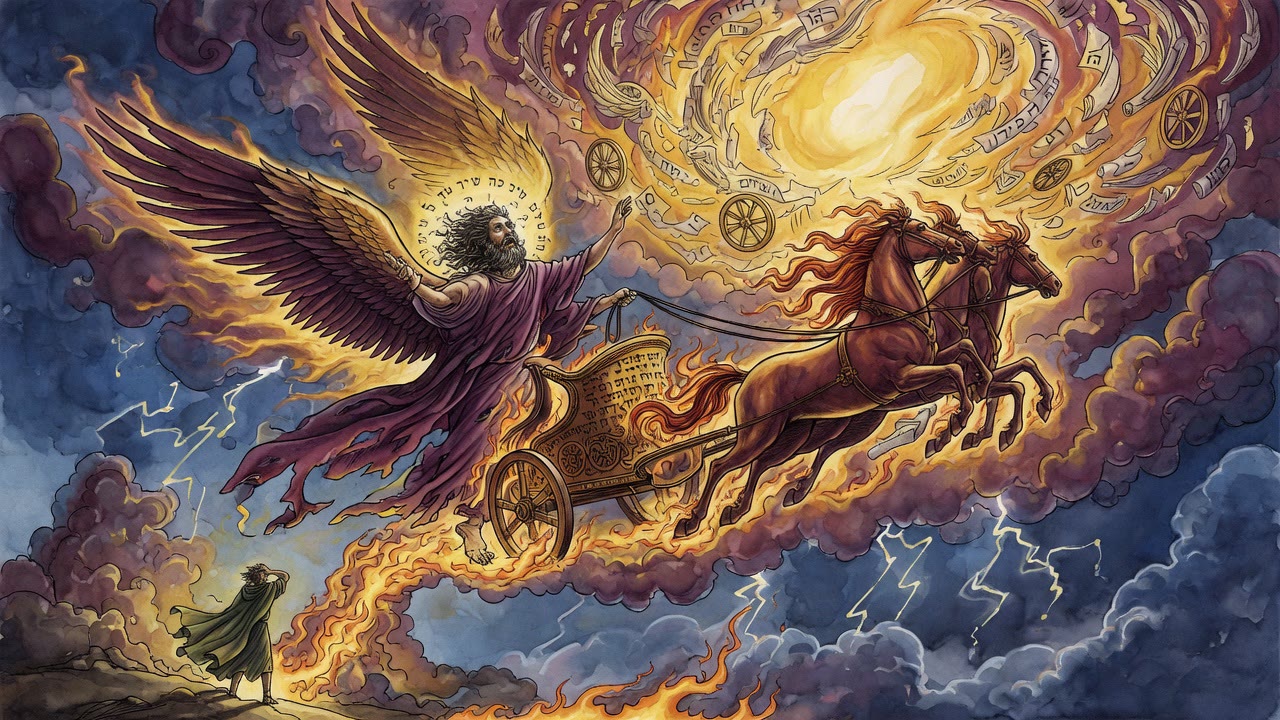
The rabbis placed Elijah at both ends of history, present before creation and appointed to announce the end. On Mount Horeb, God showed him all of time at once.
Table of Contents
 Click for full size
What God Showed Him on Horeb
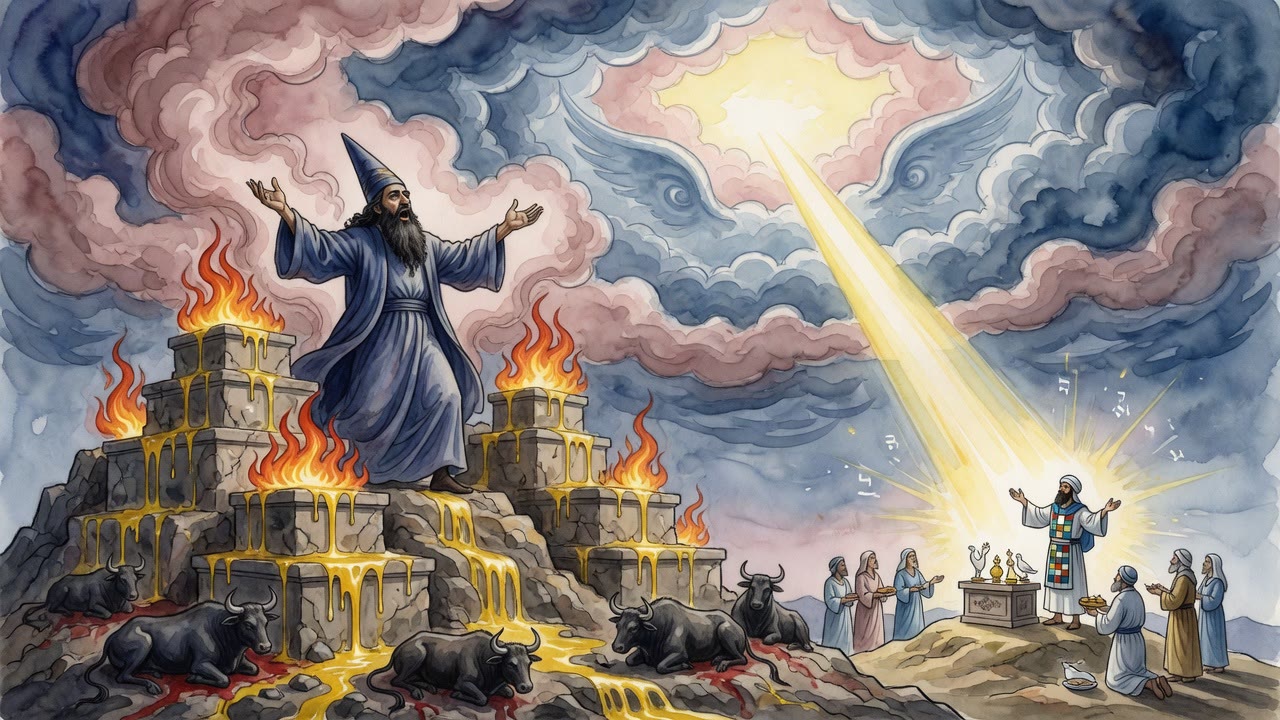
Elijah had been running for forty days. He had outrun Jezebel's messengers, eaten the bread left by an angel, crossed the wilderness to the mountain where Moses had received the law. He was exhausted in a way that goes past the physical, the exhaustion of a man who has performed a public miracle and watched it change nothing. He had called fire from heaven at Carmel and killed four hundred and fifty prophets of Baal, and within hours Jezebel had sent a message promising his death by morning, and he had run.
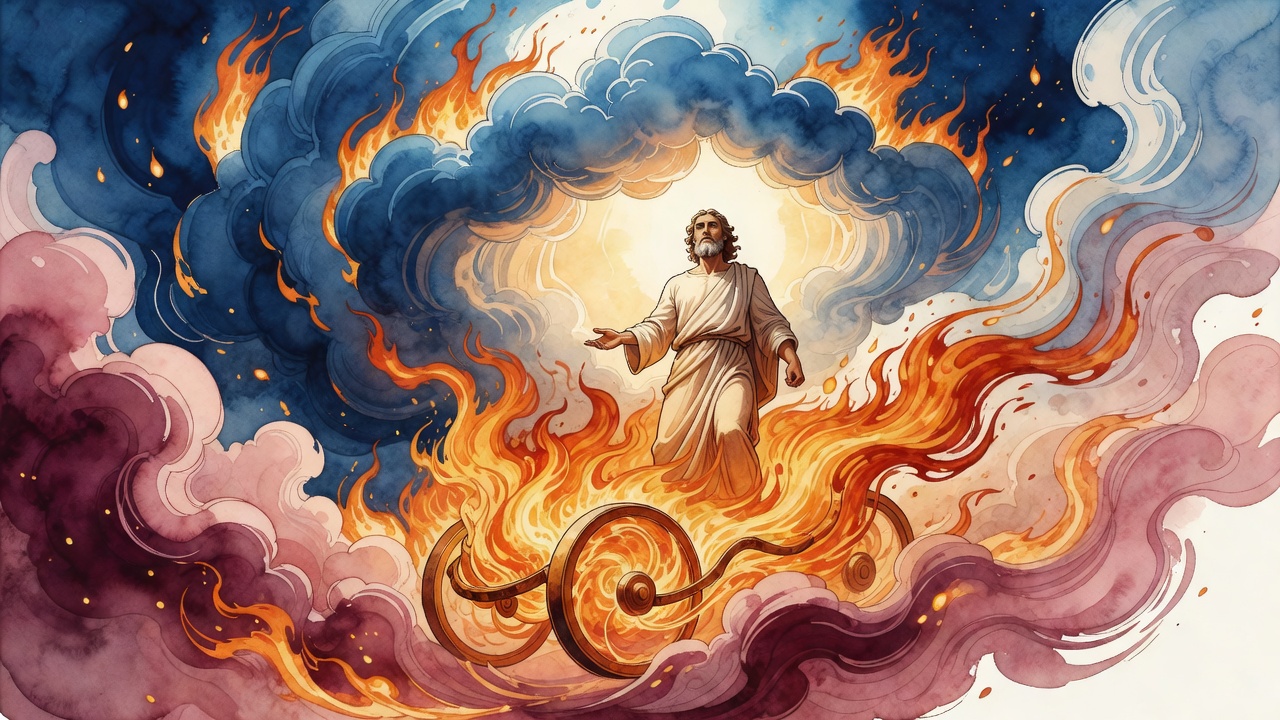
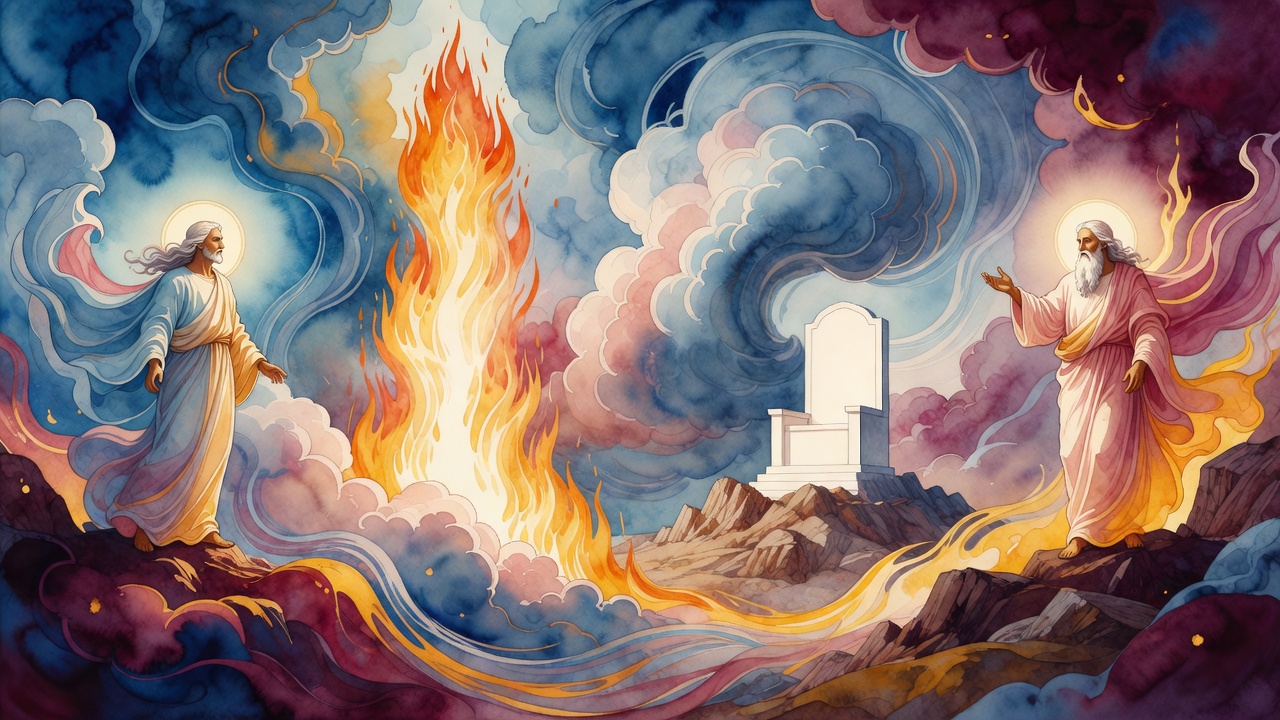
On Mount Horeb, God showed him four things: a mighty wind that split rocks, an earthquake, a fire, and a still small voice. The Legends of the Jews does not read these as four natural events. The wind represents this world, strong and transient. The earthquake is the moment of death, when the body shakes loose from itself. The fire is the tribunal of Gehinnom, the judgment that follows. The still small voice is the absolute quiet of the world to come, when only God remains. In four phenomena on a mountain, God had compressed the entire arc of human existence for Elijah's consideration. This was not comfort. It was information. It was what Elijah needed to understand about the scope of the work he had been assigned.
Before the World Was Made
The rabbis traced Elijah backward as far as creation itself. The angel tradition preserved in the Legends of the Jews places him at the dawn, present before the world existed in its current form. His nature was understood to be different from that of ordinary prophets from the beginning. He had not simply arrived on the stage of history at the right moment. He had been part of the structure of history before the stage was built.
The Midrash Tehillim records that when God was creating the order of kings, Elijah was present in the account of their succession. He was not observing from outside. He was part of the architecture. The tradition that places him before creation and inside the divine plan for kingship is a way of explaining the thing that strikes every reader of the Elijah narratives: he seems to know things he has no natural way of knowing, to appear at moments too precisely timed to be coincidence, to move between realms as if the barrier between them is permeable specifically for him.
The Question He Could Not Answer
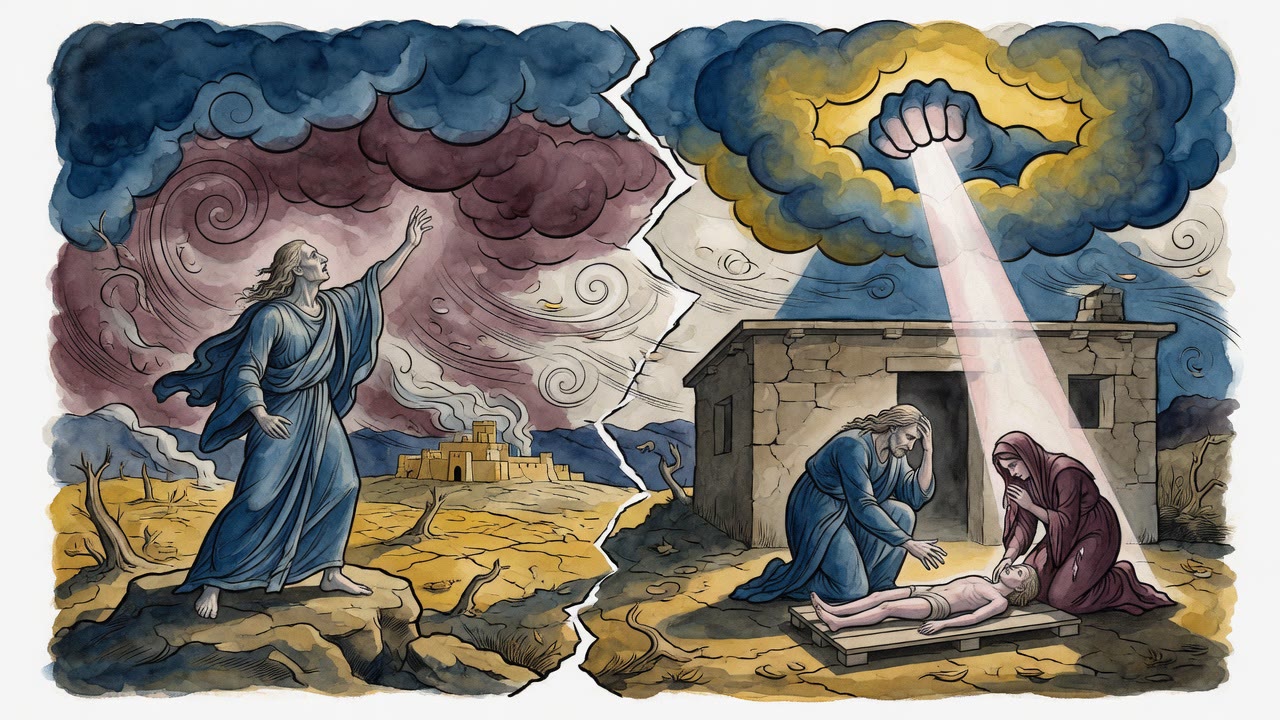
On Horeb, God asked Elijah what he was doing there. Elijah gave an honest answer: he was the only one left. All of Israel had abandoned the covenant. He had been zealous for God and it had produced nothing, and now they were trying to kill him, and he was the last one. God told him to go back. There were seven thousand in Israel who had not bowed to Baal. Elijah had not known about them.
This moment interests the Midrash because it shows Elijah at his most vulnerable and most mistaken. A prophet who has stood in God's presence and watched fire fall from heaven can still have a catastrophically incomplete picture of what is happening among the people. Elijah's certainty that he was alone was sincere and wrong. The tradition preserved in the account of Elijah explaining why bad things happen to good people shows him wrestling with exactly this gap: the righteous suffer, the wicked prosper, and the scales of justice are not visible from inside the story.
Appointed to the End
Malachi's final verses placed Elijah at the other end of history from his origin. Before the great and terrible day of the Lord comes, Elijah will be sent. He will turn the hearts of parents to children and children to parents. This appointment, made explicit at the close of the prophetic books, is the reason the Passover seder sets a cup for him and opens the door. He has not yet arrived. The cup is for a guest expected but not yet seated. The door is opened for a prophet whose assignment is still pending.
The rabbinic imagination found him everywhere in between. He appears in the Talmud as a source, cited by sages who claim he visited them in their studies. He appears in stories of scholars in poverty whose fortune changed after an old man arrived and gave unexpected advice. He is the prototype of the divine agent who moves through the world in ordinary disguise, identifiable only in retrospect.
← All myths