How Jehu Threw Away His Dynasty Over an Old Document
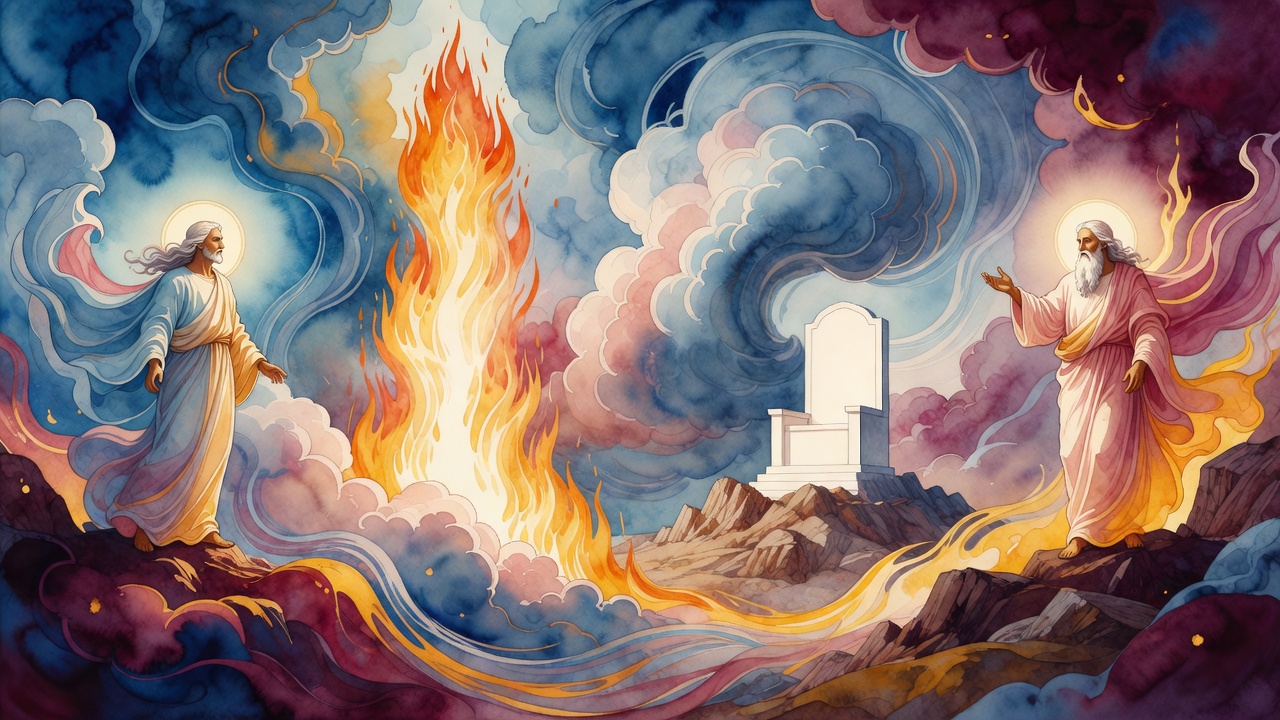
Jonah anointed Jehu out of a clay pitcher, not a horn. Years later Jehu found an old page with a prophet's name on it and left the calves standing.
Table of Contents
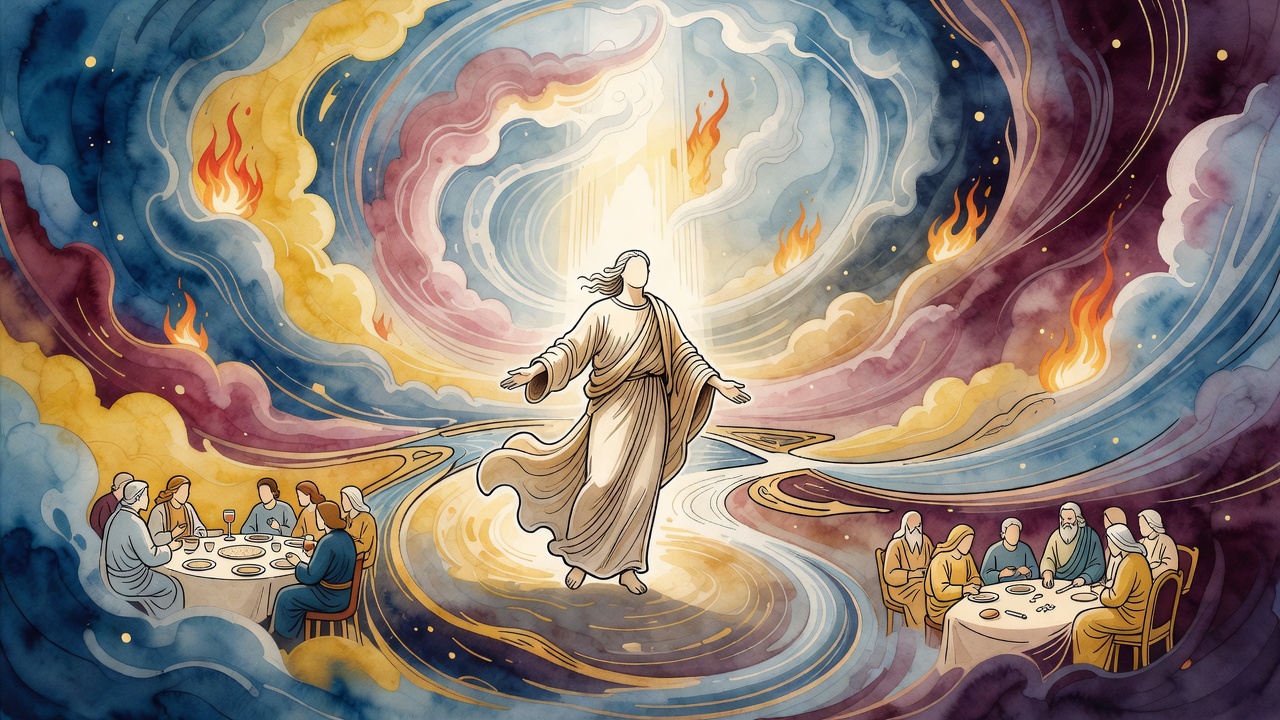
The prophetic spirit came down on Jonah ben Amittai on the road to Jerusalem, and he was not the one it came for first.
 Click for full size
His wife made that walk regularly. Women were not obliged to go up for the festivals, so nobody expected her, and she went anyway, year after year, until the pilgrimage was the thing she was known for in every town along the route. Jonah walked with her. On one of those journeys the spirit that would later hunt him across the Mediterranean and put him inside a fish for three days found him on his wife's errand.
A Pitcher Instead of a Horn
Years on, the word came to Jonah to go and make a king.
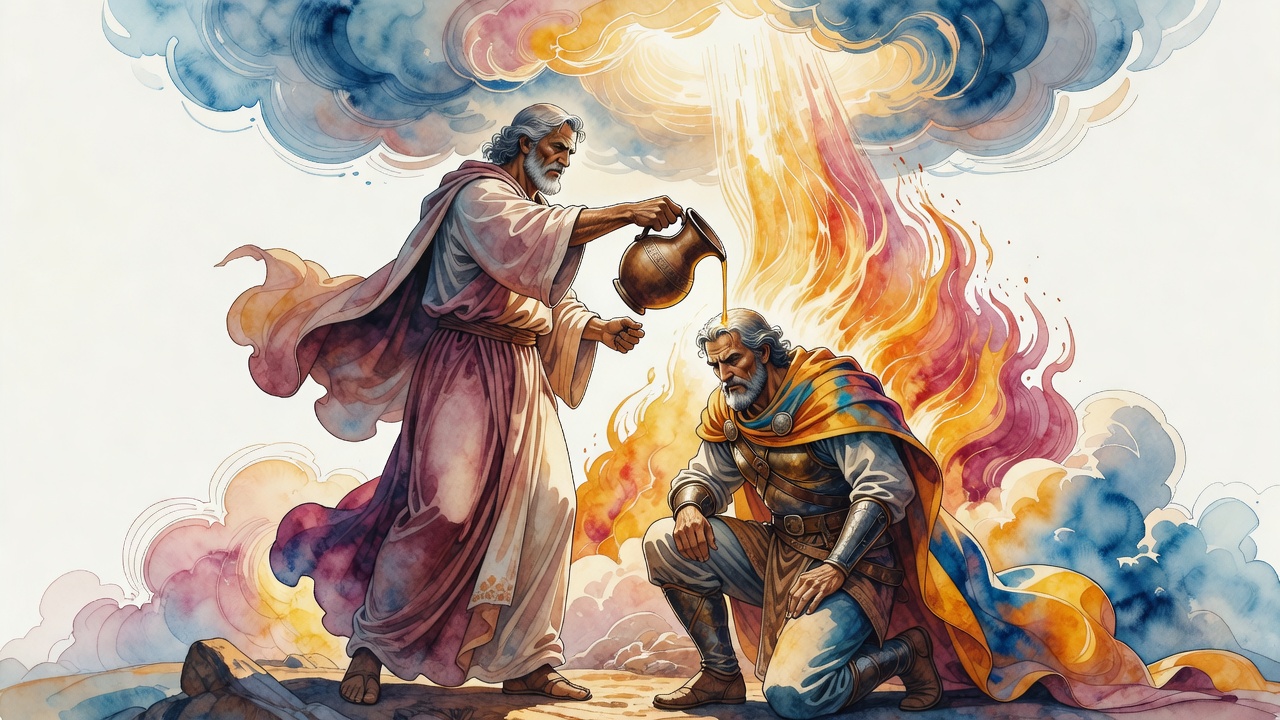
Jehu ben Jehoshaphat was a chariot commander in the Israelite army, sitting with the other officers when the young prophet came in and asked for him by name. Jonah took him aside into an inner room and poured oil on his head.
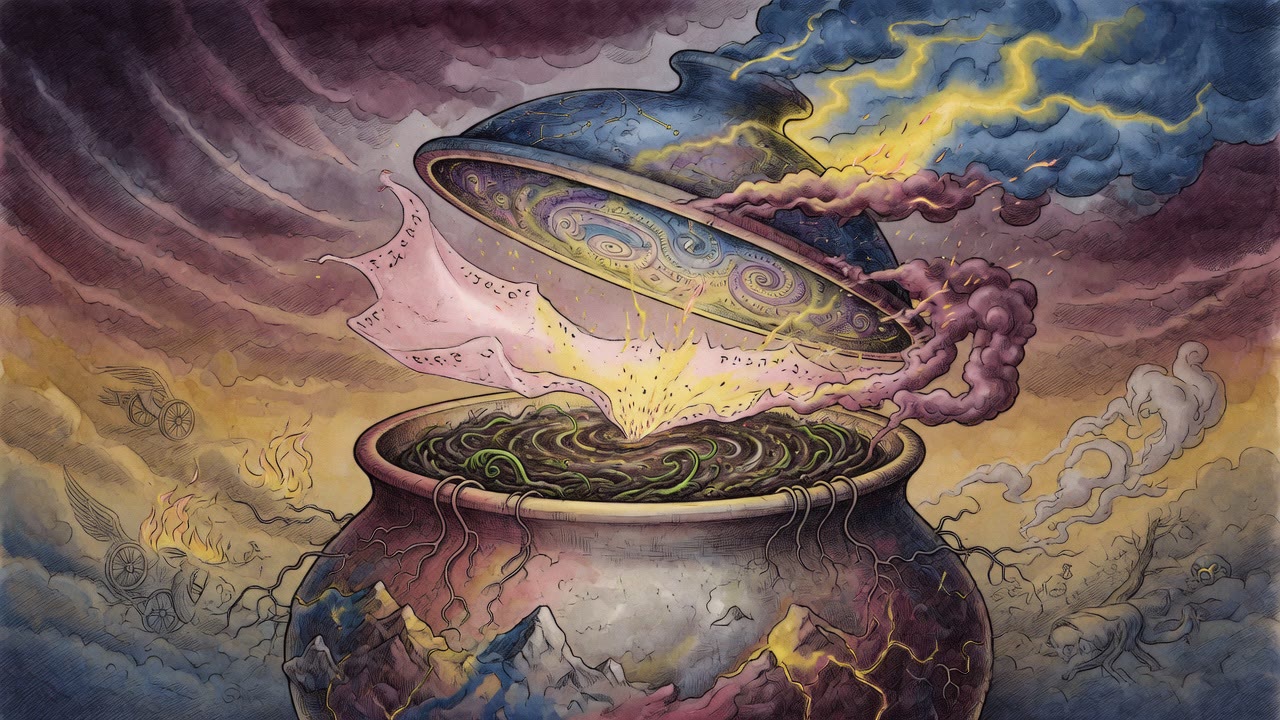
Out of a pitcher.
Every man in that room knew what a horn was for. A horn is bone. You hollow it, you seal it, you hand it to your son, and it outlives the ceremony it was made for. Samuel anointed David out of a horn. A pitcher is fired clay. You use it and you are finished with it.
Nobody said anything. Jonah gave him the commission instead: tear down the house of Ahab, wipe Baal out of Israel, collect the blood of the prophets Jezebel had killed. Then he opened the door and ran.
Jehu came back out to the officers. They asked him what the madman had wanted. He told them. They pulled off their cloaks, threw them down on the bare steps under his feet, blew the horn and shouted that Jehu was king.
He Did Everything He Was Told
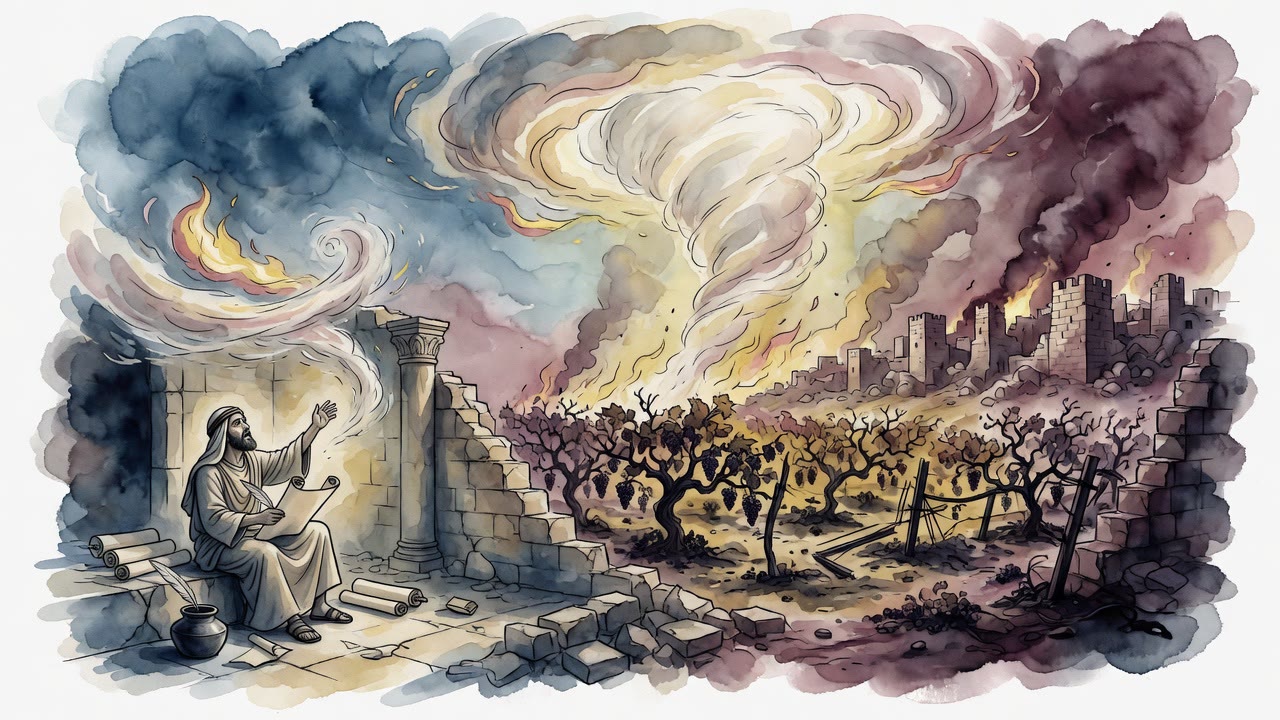
He drove for Jezreel so hard the watchman on the tower recognized the driving before he could make out the face. He killed King Joram with an arrow through the back at close range and had the body thrown onto the plot of ground that had belonged to Naboth, the man Ahab had arranged to have stoned for a vineyard. The ground was chosen. Jehu wanted the account settled in the exact field where it had been opened.
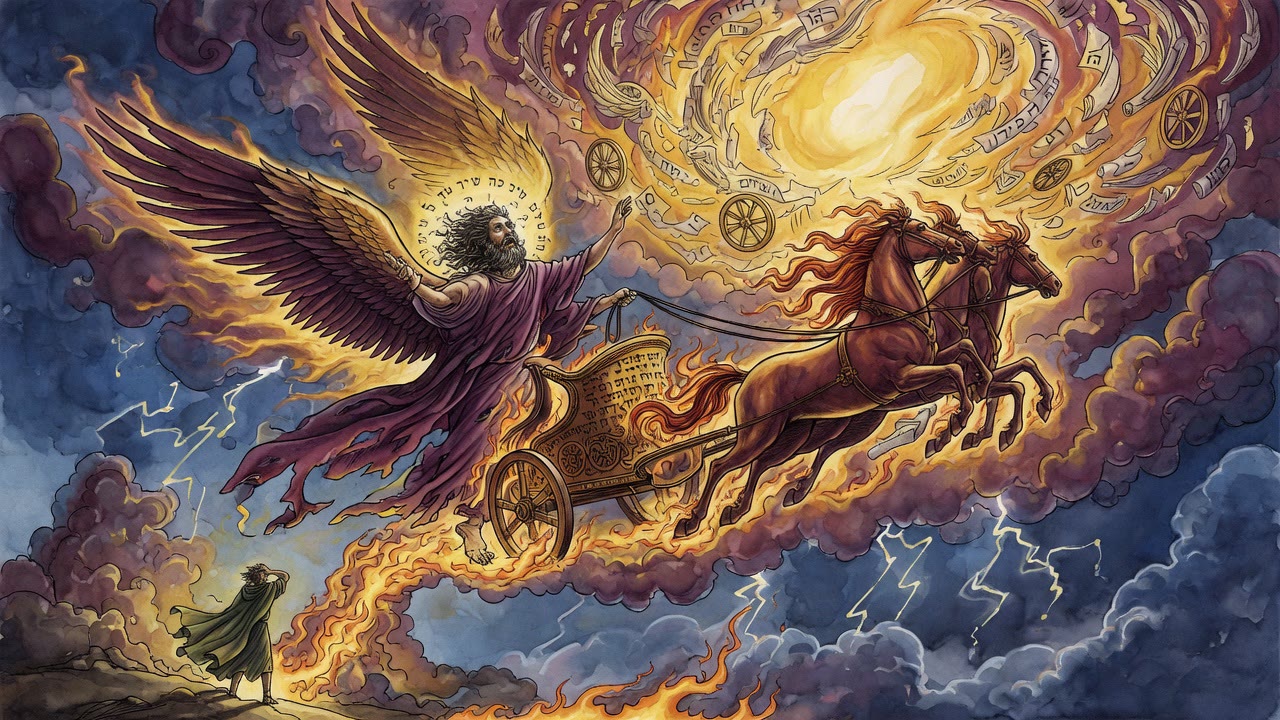
Then Jezebel. She heard him coming, painted her eyes, put up her hair and leaned out of an upper window to insult him. He looked up and asked who was on his side. Two or three servants showed their faces at the window behind her, and he told them to throw her down, and they did. He drove over her and went inside to eat. When he sent men out afterward to bury her because she was a king's daughter, they came back with a skull, two feet and the palms of two hands. The dogs had taken the rest, exactly as Elijah had said they would.
Then Baal. He announced a great sacrifice, called every priest and prophet and worshipper of Baal in the kingdom into the temple, checked the building for anyone who did not belong, posted eighty men outside the doors, and gave the order. The pillar came down. The temple came down. They made the site a public latrine and it stayed one.
The Page With a Prophet's Name on It
He was not a clever man, and for a while it did not matter. He did what he had been told to do and he did it thoroughly, and the record calls him decent enough in those first years.
Then a document came into his hands.
It was old, and it carried the signature of Ahijah of Shilo, the prophet who had torn his own coat into twelve pieces and handed ten of them to Jeroboam. The document bound the men who signed it to obey Jeroboam. That was all it said. It was a loyalty oath, and it had a prophet's name at the bottom.
Jehu read it as a licence.
Jeroboam was the man who had set up two golden calves, one at Bethel and one at Dan, so that Israelites would stop walking south to Jerusalem to worship. If a prophet of God had signed a page telling people to obey Jeroboam, then Jeroboam's arrangements were not the kind of thing a king had to take apart.
The calves stayed. The man who had just made a toilet out of the temple of Baal walked past the golden calves at Bethel for the rest of his life and never touched them.
The Fifth Generation
His sons were worse than he was, and their sons were worse than that. Nothing about the line improved after the page.
In the fifth generation a man came into the room where the last of Jehu's descendants sat and killed him in front of the people, and the dynasty was finished. Jehu had thrown it away over a page he did not understand, and it had taken four kings after him to run out.
The oil had gone on out of a clay pitcher in a back room in Ramoth Gilead, in front of a prophet who said nothing about it and a soldier who did not ask.
← All myths