20 myths
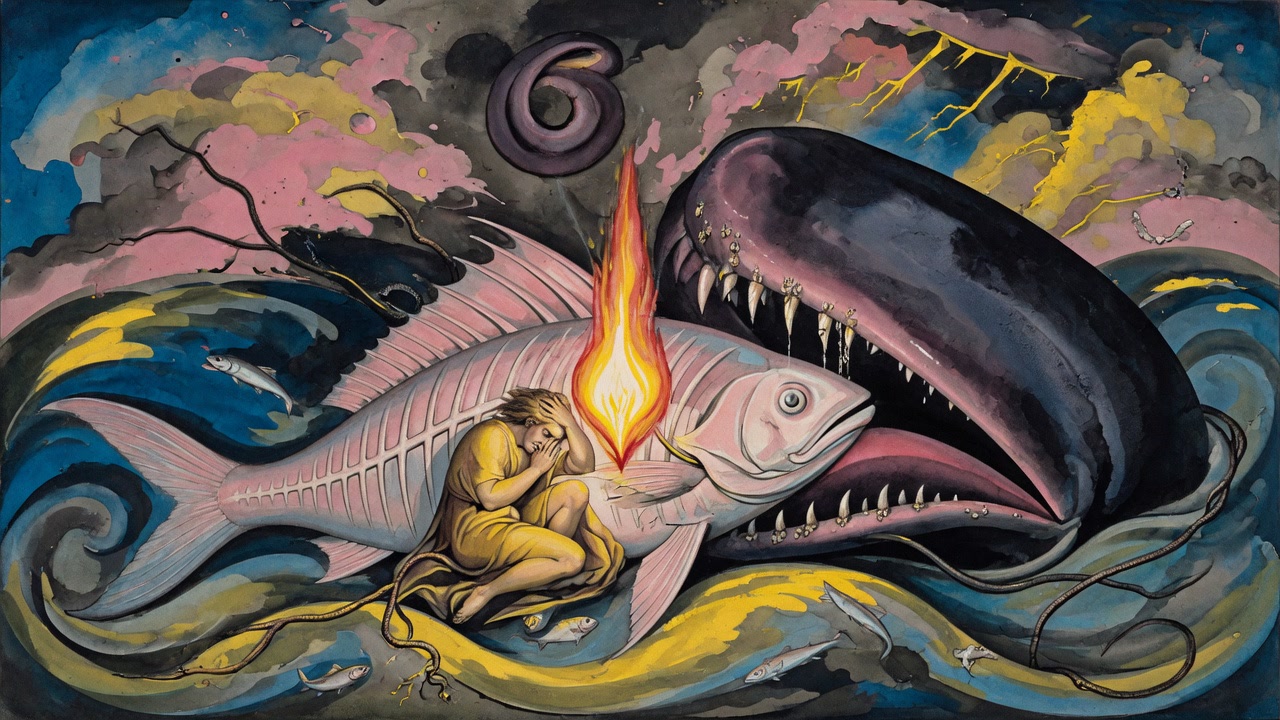
Swallowed whole, Jonah found a diamond burning in the fish's belly, then learned the fish was about to be fed to Leviathan, with him still inside.
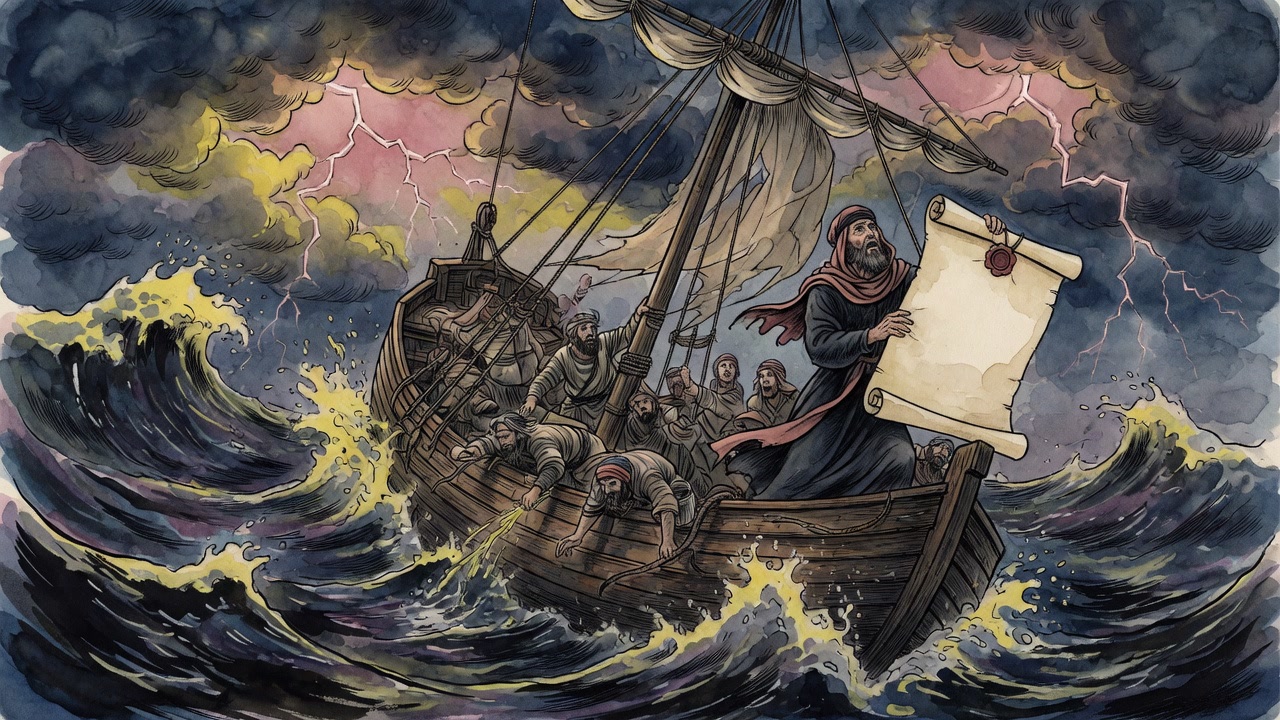
A prophet pays for passage in the wrong direction, planning to drown rather than let Nineveh's repentance shame Israel before God.
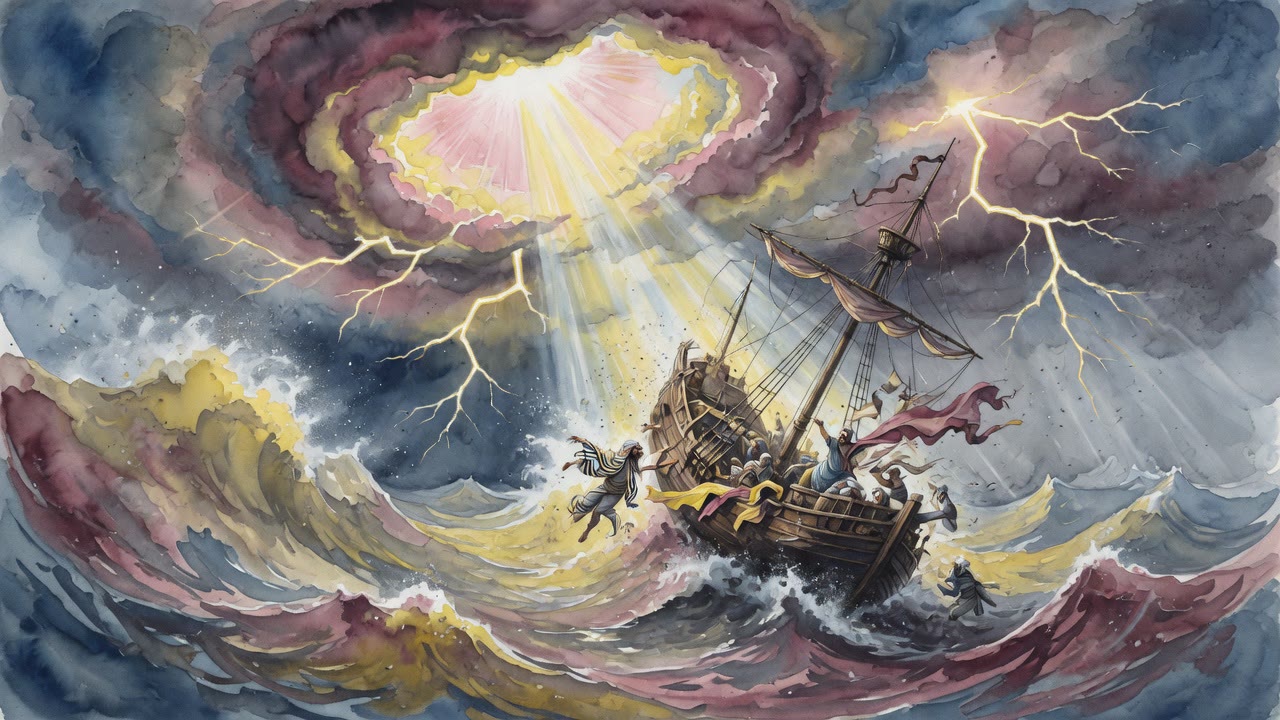
They had already stacked the wood. Tamar sent Judah his ring, his cord, and his staff, and did not speak his name.
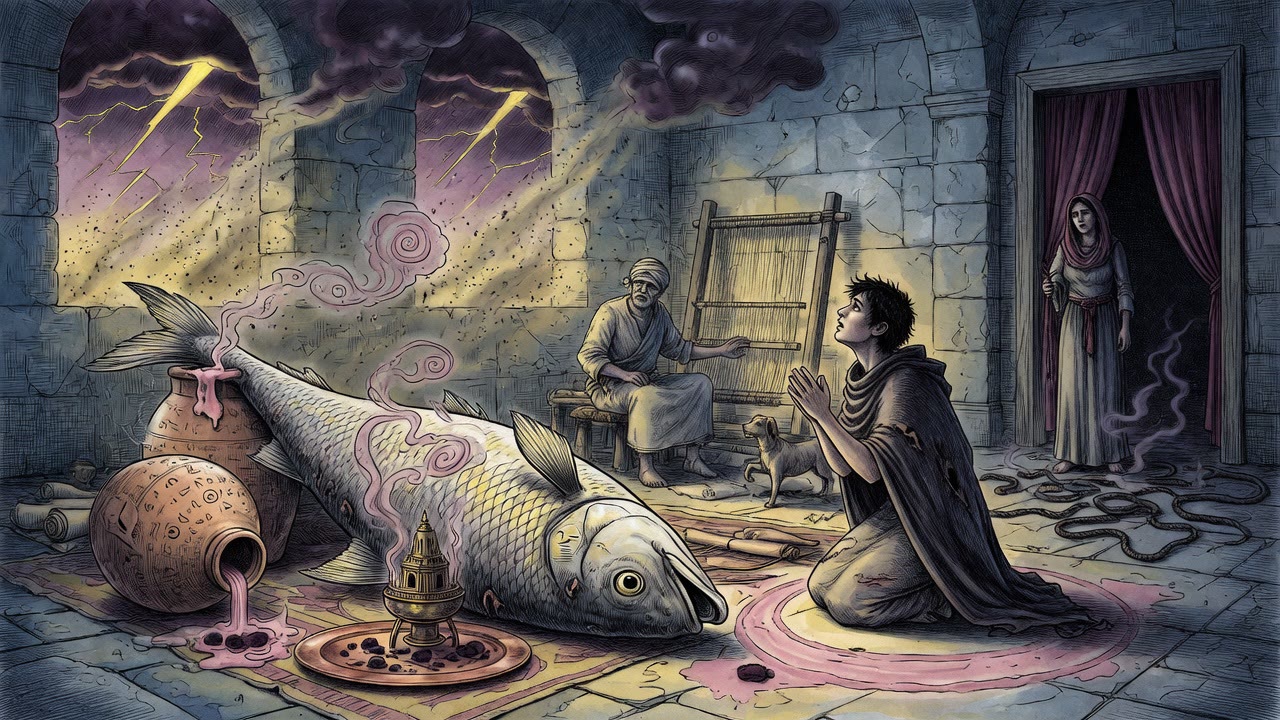
He had already been called a false prophet in Jerusalem. Nineveh would repent. He would rather live on the sea than wear that name twice.
Inside the fish, Jonah had light, space, and no urgency. He sat there for three days without praying once, until God sent a pregnant fish to change his mind.
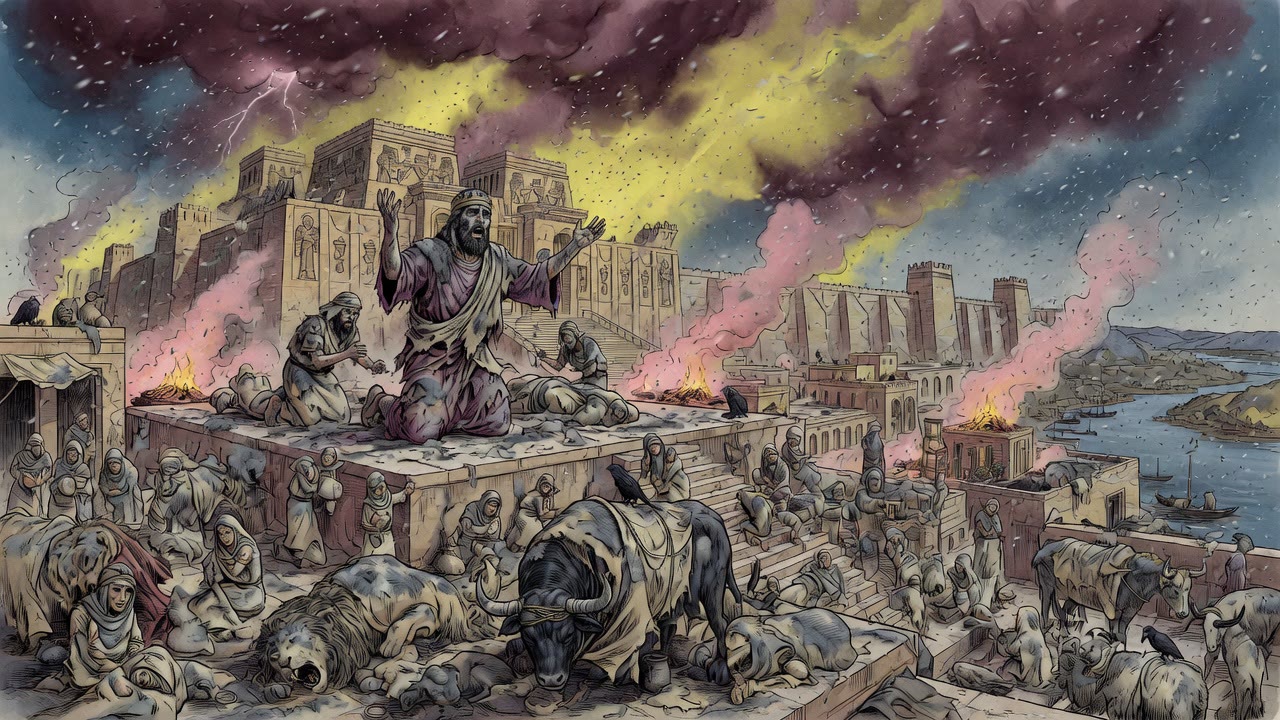
Jonah walked into Nineveh still tasting fish. The king left the throne for the ash heap. Stolen beams had to come out of the houses that held them.
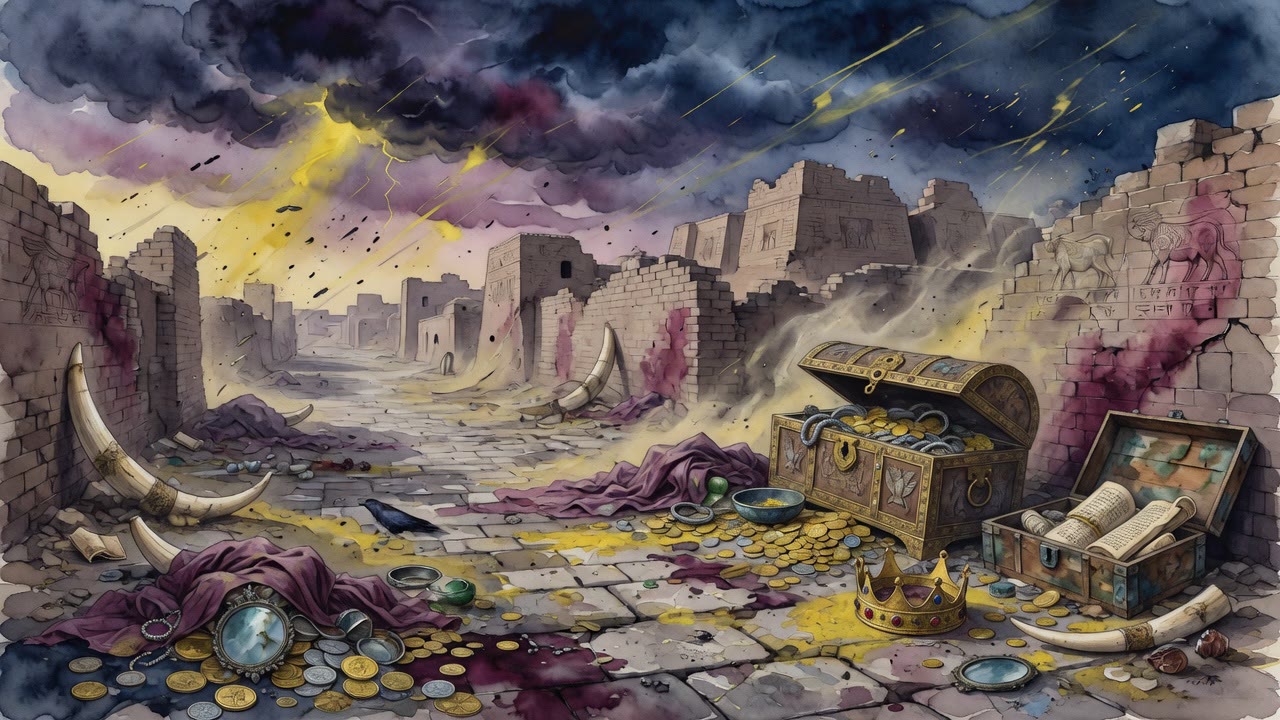
A man in Nineveh pulled his house down for one stolen brick. Two others found gold in a trench and spent weeks trying to give it away.
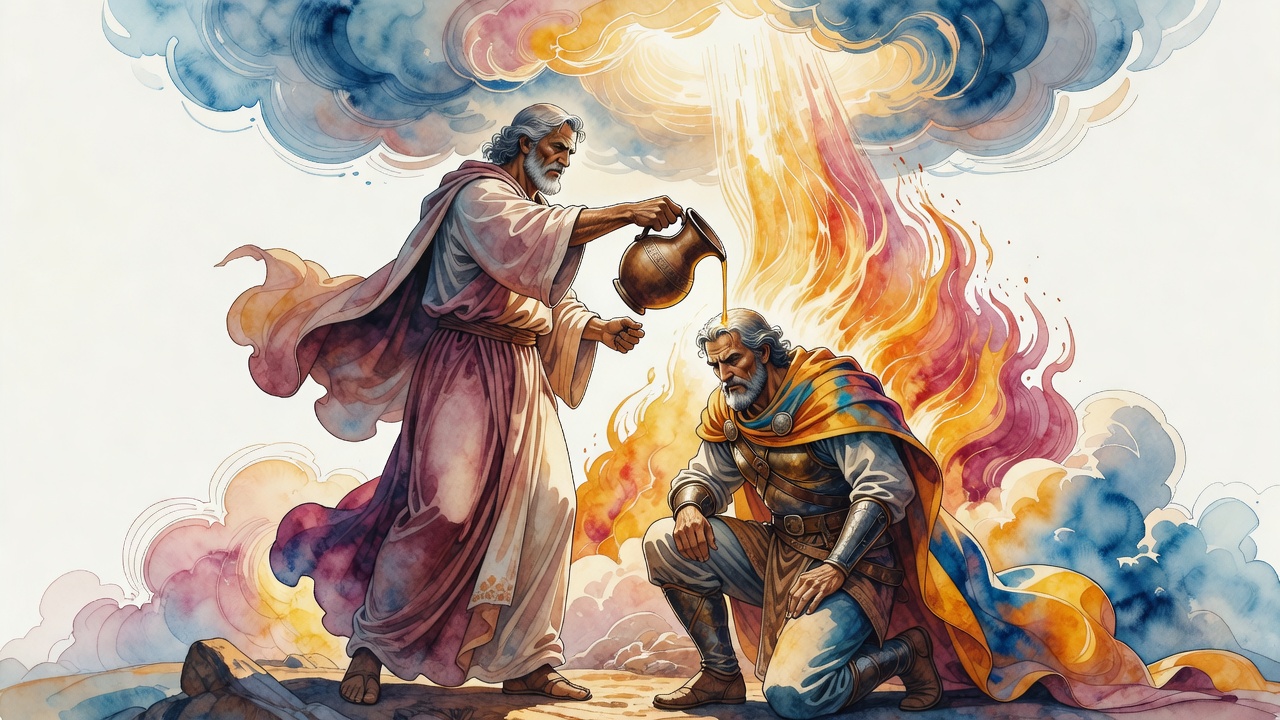
Jonah anointed Jehu out of a clay pitcher, not a horn. Years later Jehu found an old page with a prophet's name on it and left the calves standing.
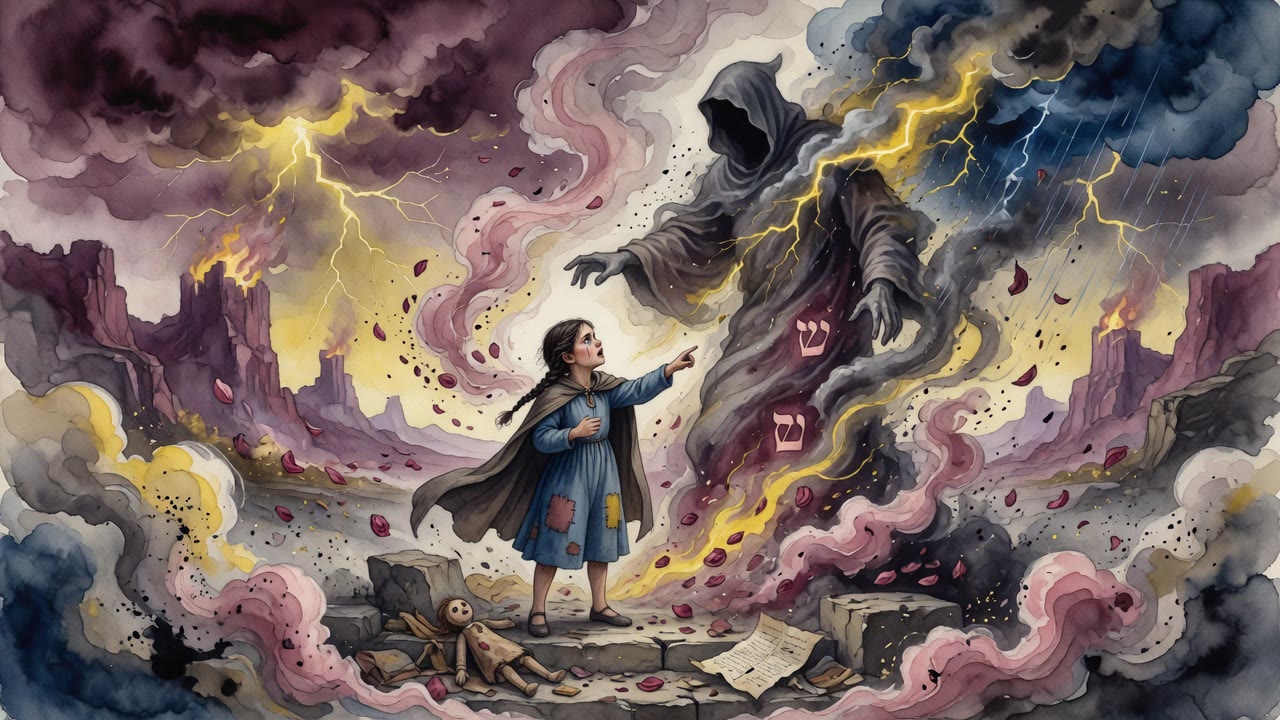
Nineveh was eating the northern kingdom city by city. Jonah paid for a berth toward Tarshish. A fish was already waiting in the sea.
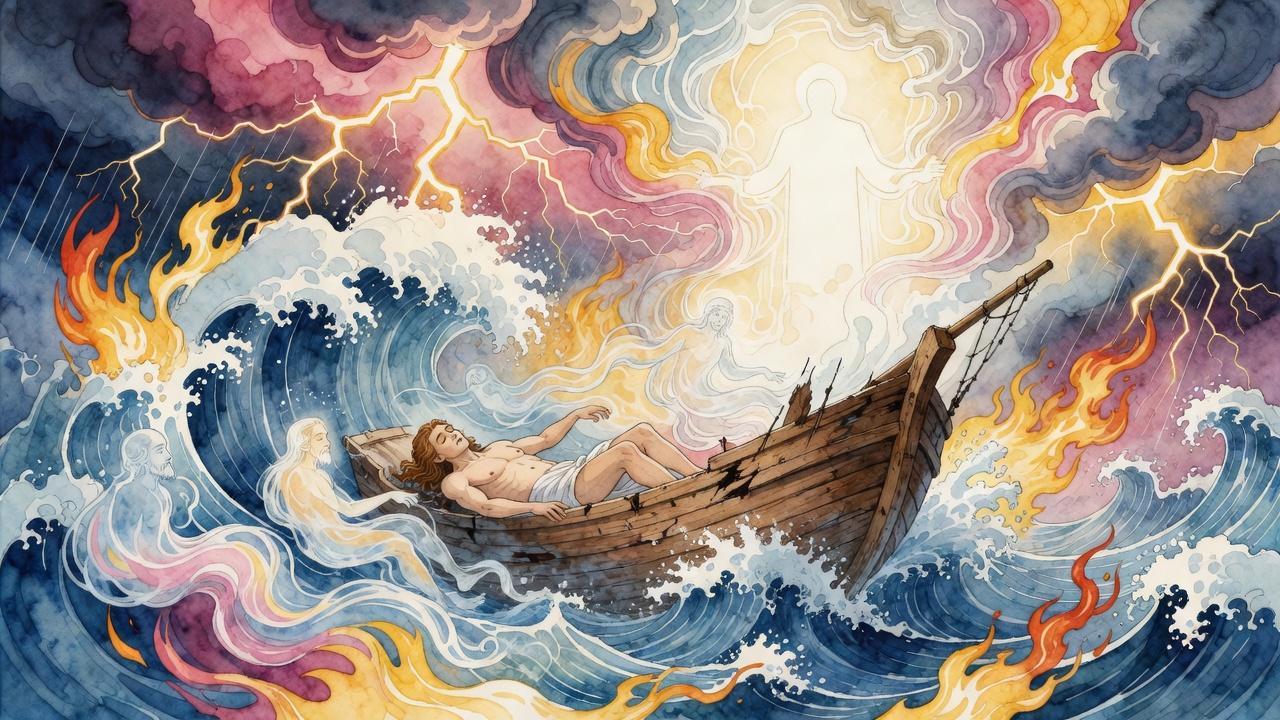
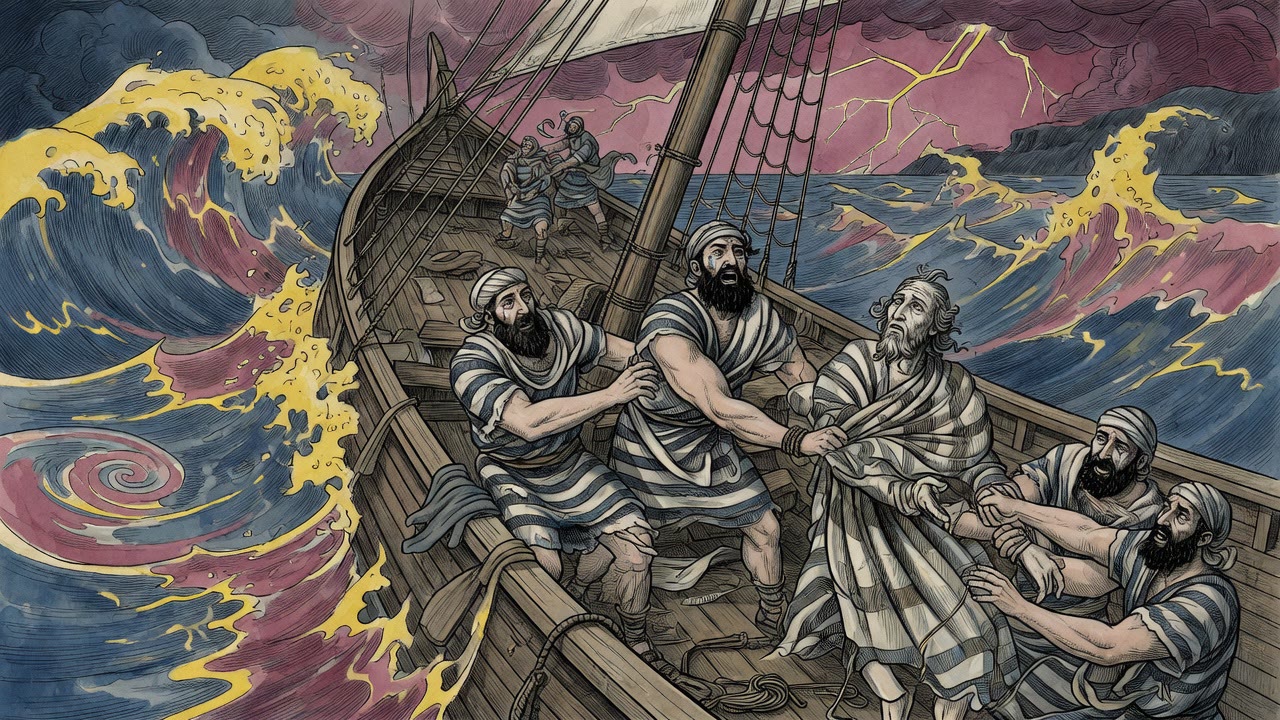
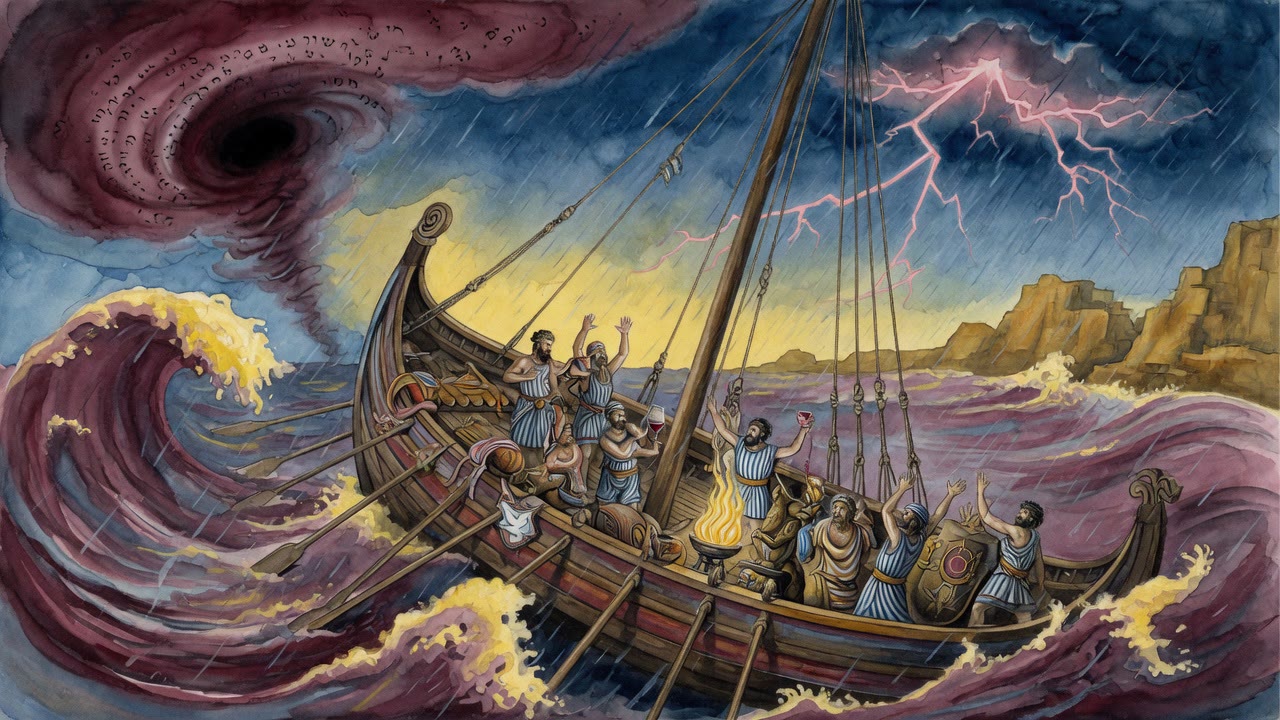
Jonah paid full fare to Tarshish and fell asleep in the storm. The Tikkunei Zohar says his three souls had separated. He slept like the dead.
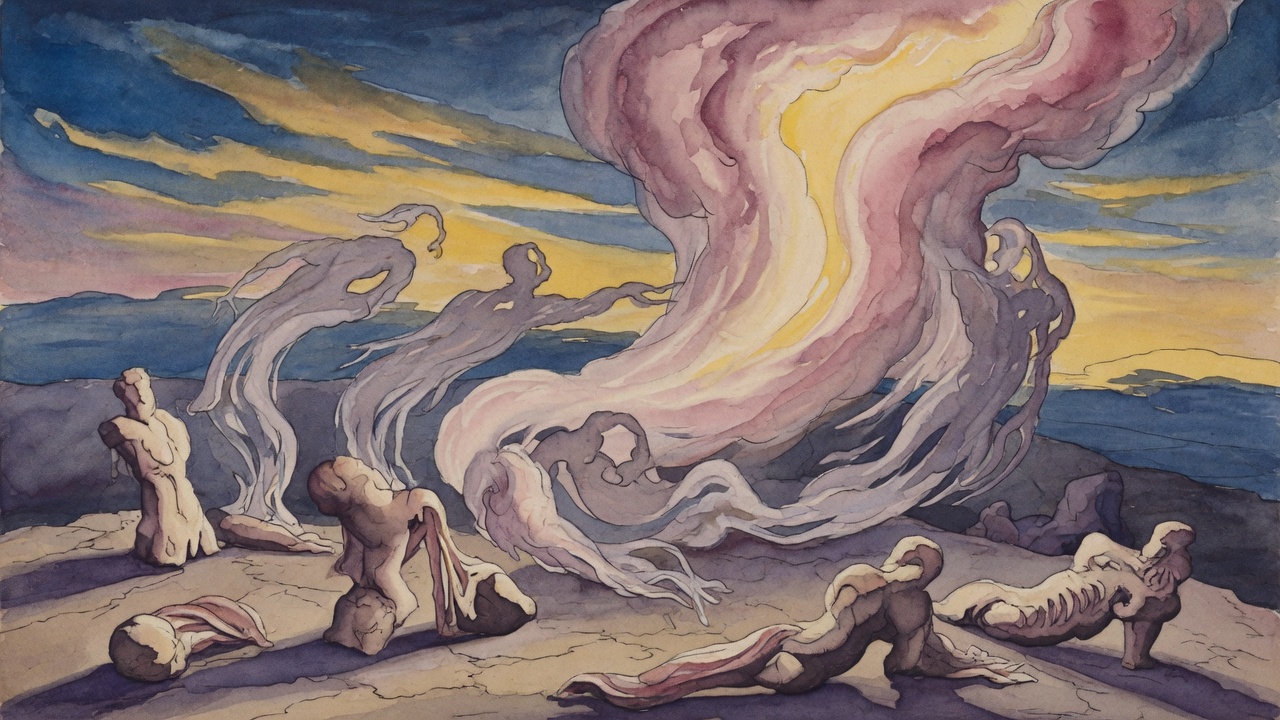
Jonah's ship was the human body. The sailors were the limbs. The captain was the heart. And the Torah was the soul that kept the whole vessel from going under.
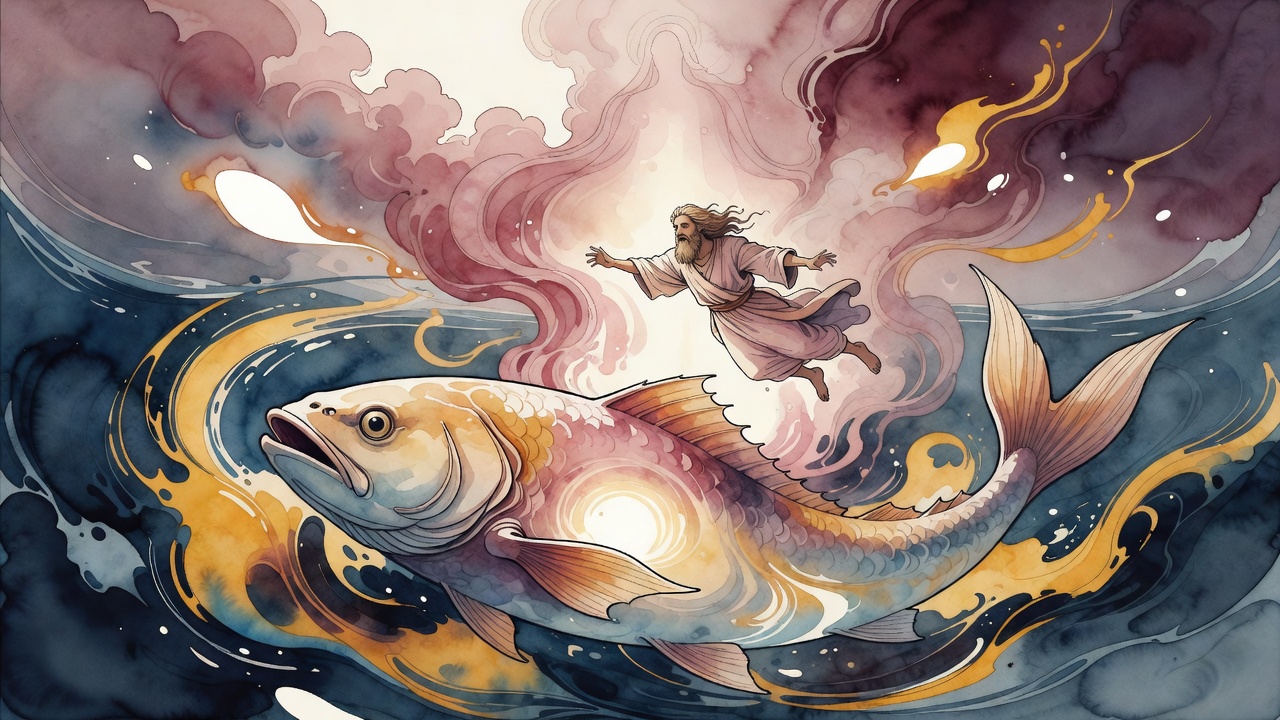
Jonah flees his mission and is swallowed by a fish the Tikkunei Zohar names as the Shekhinah, the Divine Presence, already waiting below.
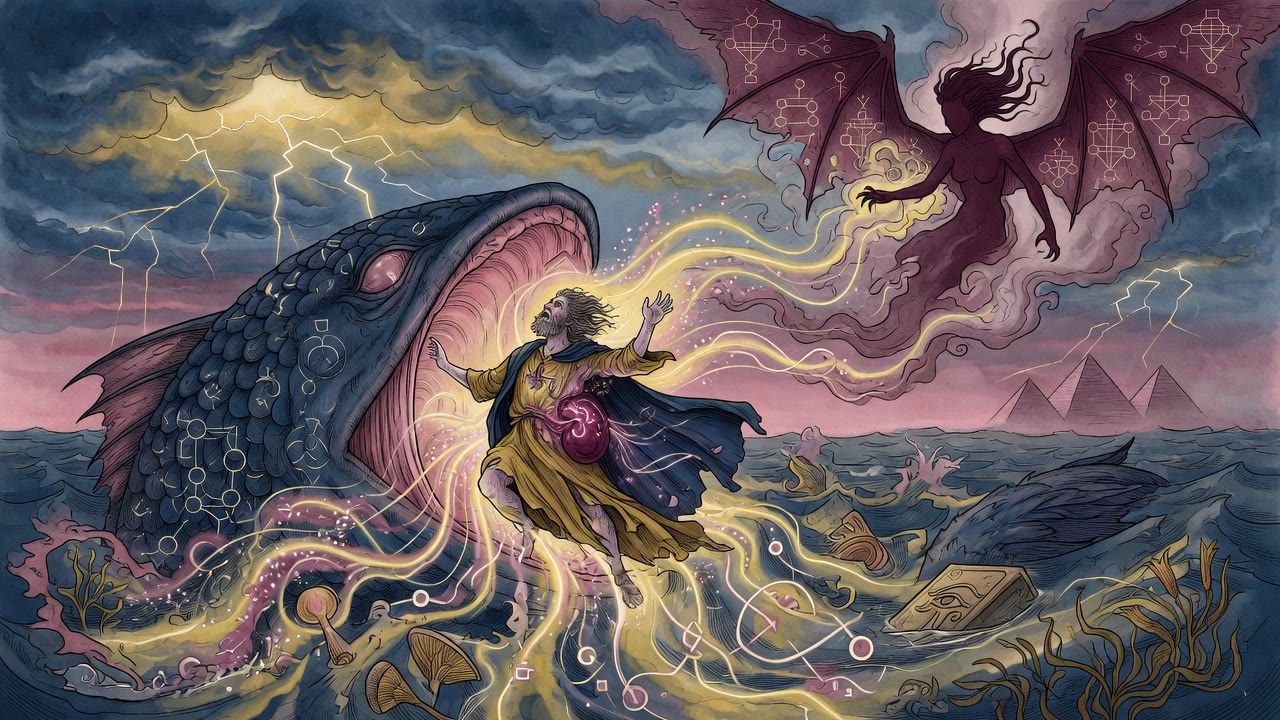
Jonah prays from the bowels of the fish. The Tikkunei Zohar hears the same prayer Israel prayed from the mud of Pharaoh's building projects.
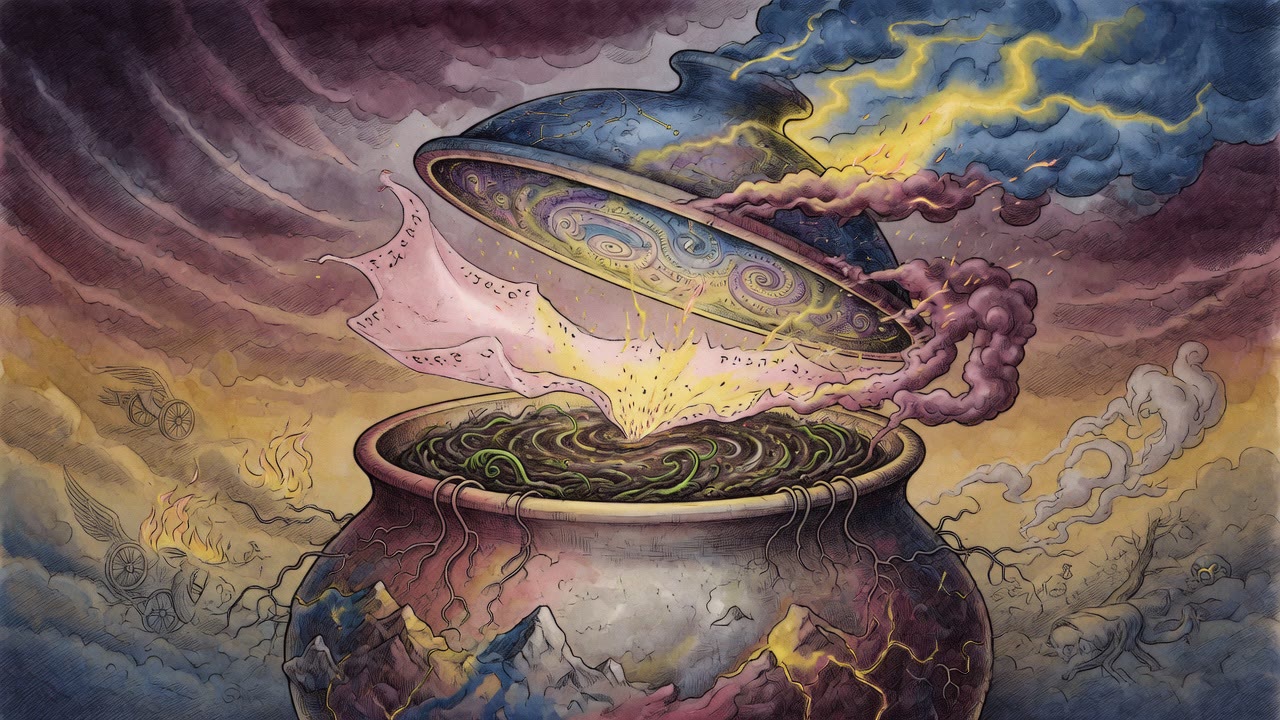
Jonah did not flee from God out of fear. He fled because he already knew what mercy would cost him, and he had already paid that price once.
The sailors on Jonah's ship were not cruel men. They tried their idols, cast lots, jettisoned their cargo, and rowed for shore before they touched him.
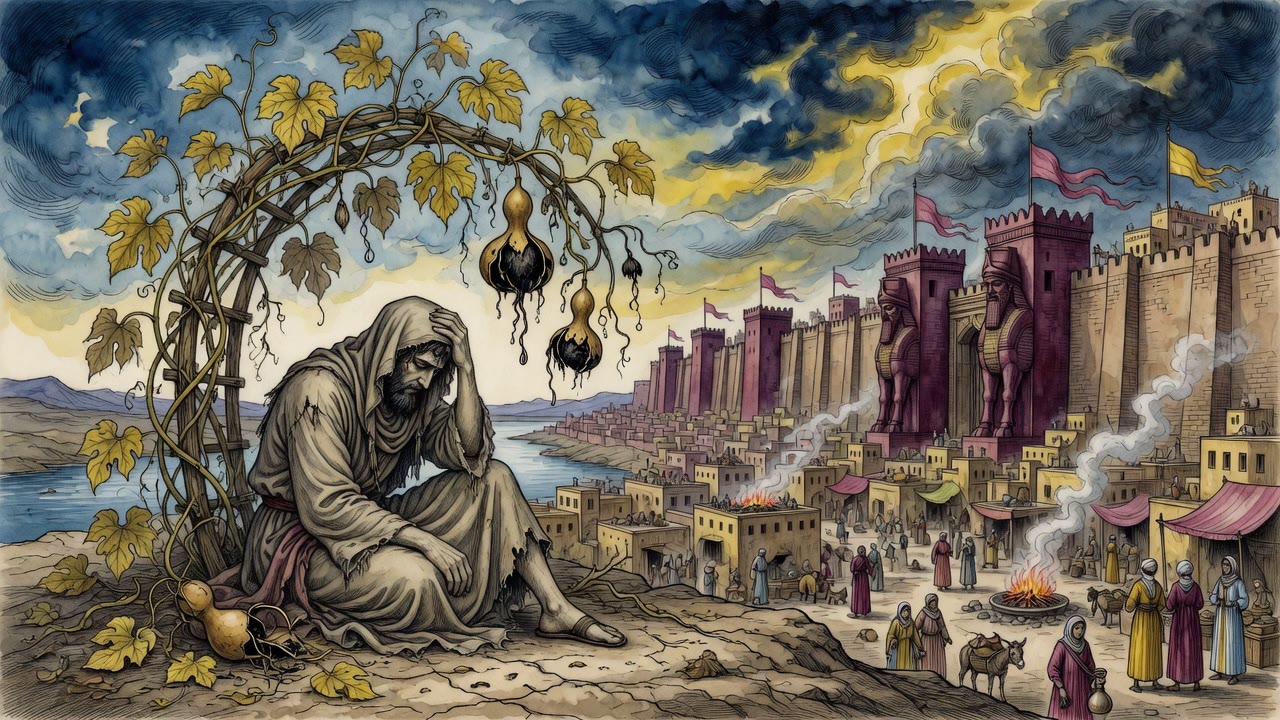
After Nineveh turned, Jonah still burned for his own honor. God grew a plant of two hundred seventy-five leaves, then withered it, and asked who deserves pity.
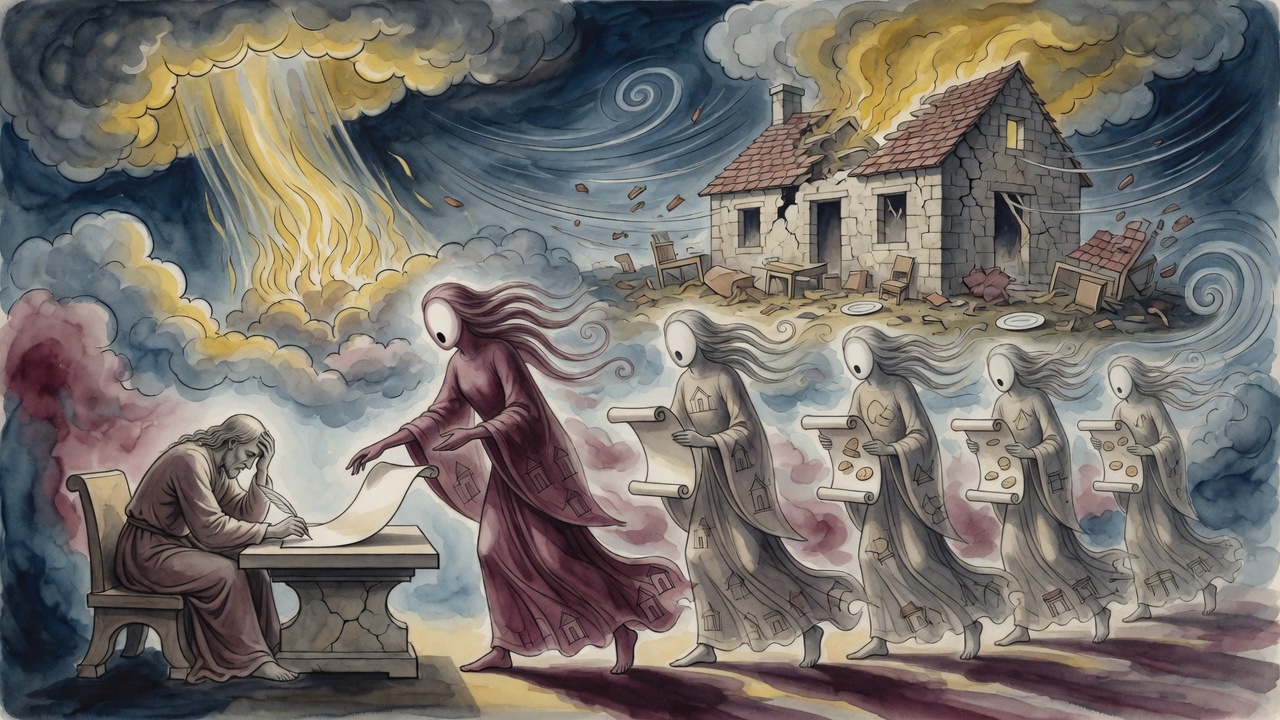
Joseph held the foundation of life-force in Egypt while a great fish of decrees closed its jaw, and prophecy poured into him from sun, moon, and stars.
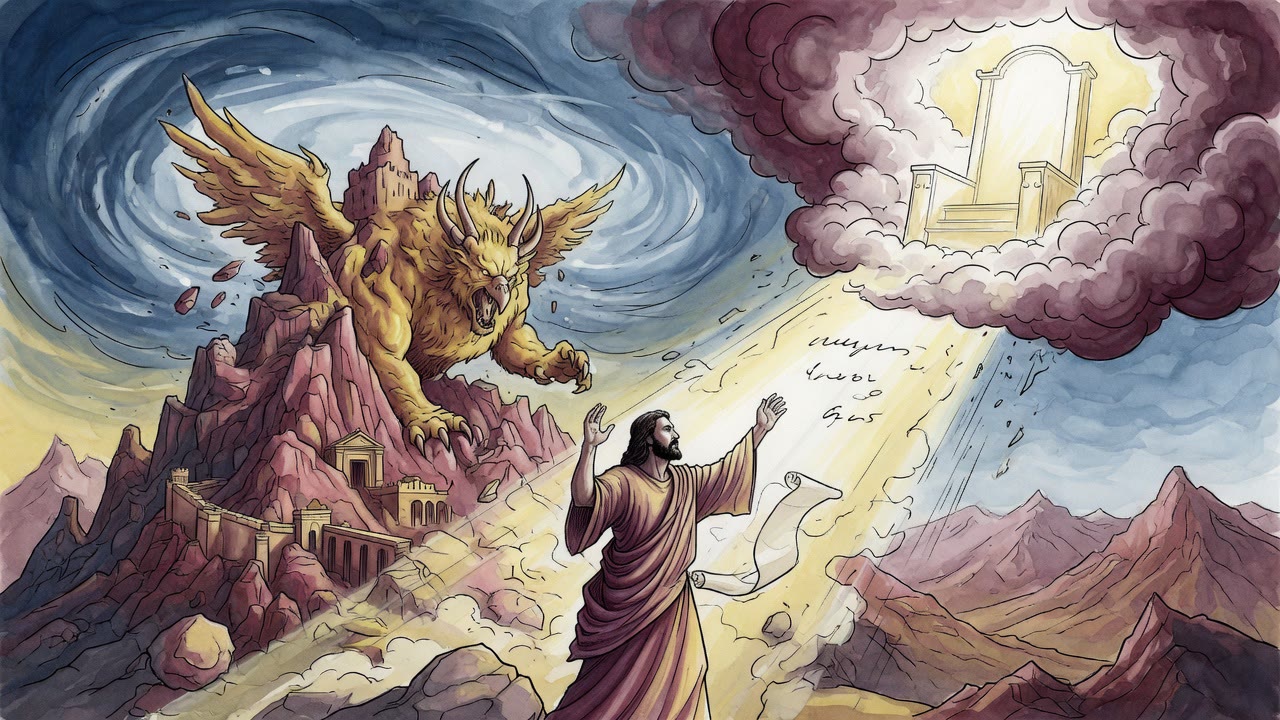
Jonah prepaid his fare to Tarshish in the joy of escape, while Habakkuk stood watch on the rampart demanding God explain how long mercy would wait.
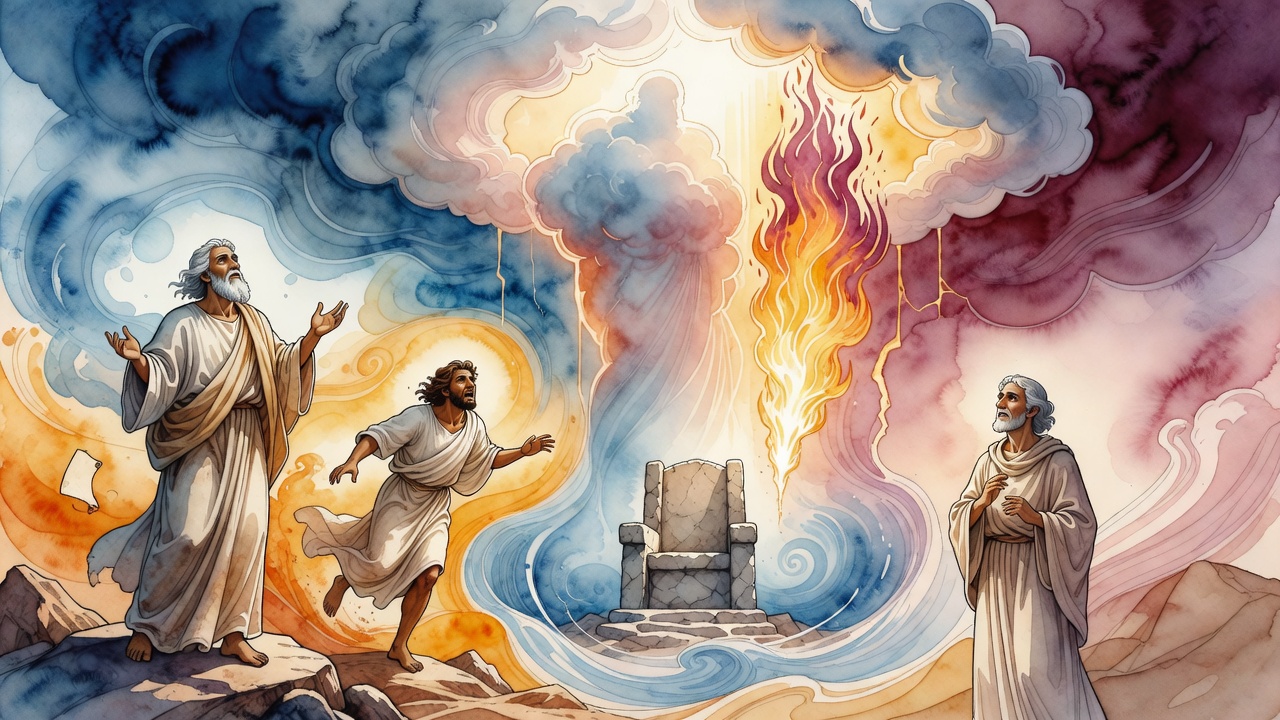
At the bush Moses asked God to send someone else. Let us see whose will shall stand, God answered. Jonah tried a ship the other way and came back by fish.
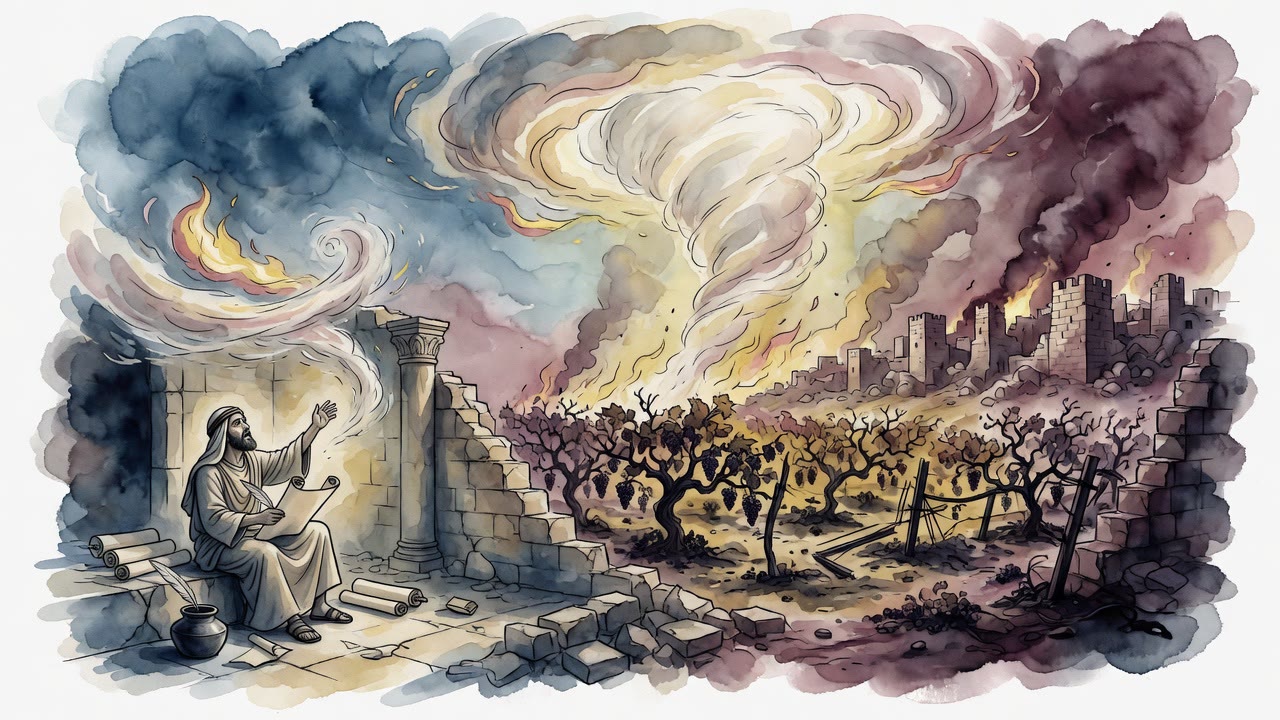
Jeremiah's scribe wants the spirit that rested on Joshua and Elisha. God answers that a ruined vineyard needs no fence, and prophecy is not for him.
