The Buried Treasure That Neither Man in Nineveh Would Keep
A man in Nineveh pulled his house down for one stolen brick. Two others found gold in a trench and spent weeks trying to give it away.
Table of Contents
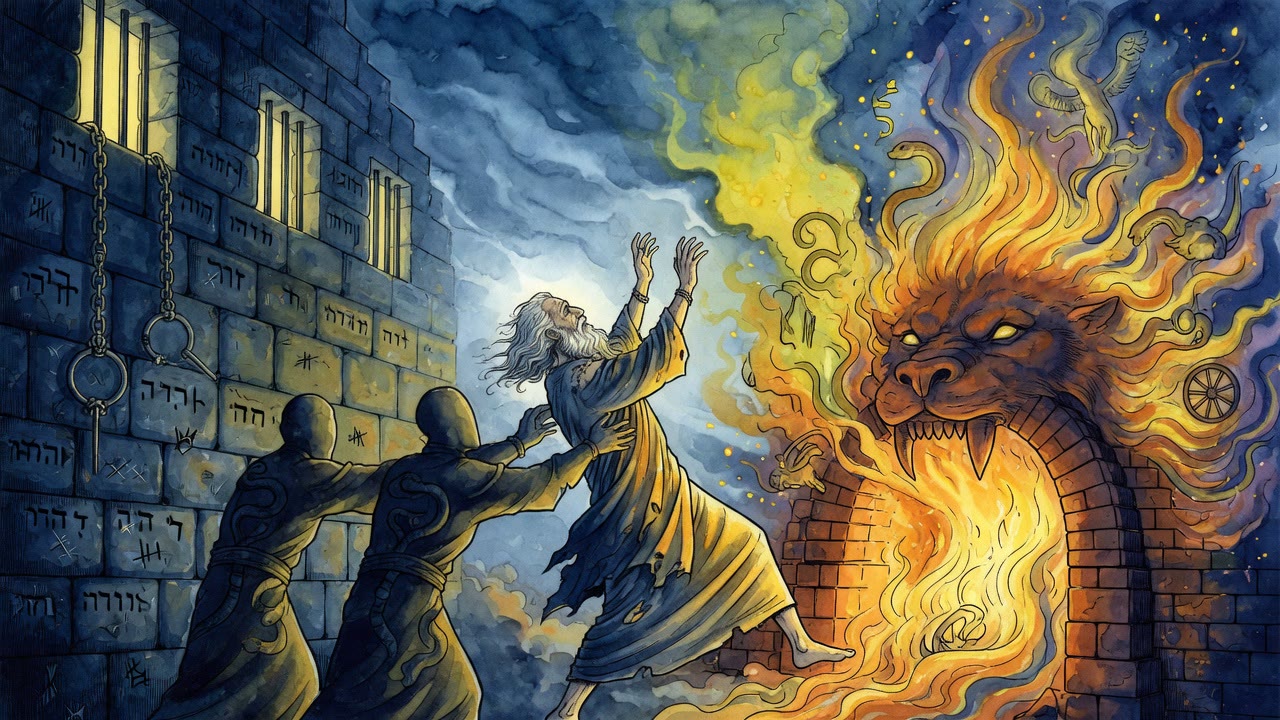
The man took his own house apart with his own hands. Neighbors stood in the street and watched him lower the roof beams, then lift the upper courses, then break into the wall, working toward one brick near the middle. Dust got into their teeth. Children counted the courses as they came down. He had carried that brick from another man's yard years before. He could have sent silver. He could have sent a hundred bricks. He dug this one out of the mortar, carried it across Nineveh, and put it in the hands of the man it belonged to.
 Click for full size
The owner turned the brick over as if it might be a trick. It was only clay. The man who had brought it would not take a blessing for it. He walked back to a house that now had a hole in its wall and began to set the other bricks back, one course at a time, poorer by a theft and richer by a gap he could point to.
The Bricks Kept Coming Back
Others walked into the courts on their own legs that season and named crimes nobody had witnessed. Thefts no one had reported. Killings no one had solved. They told the judges the punishments their own law required and asked for those punishments to be carried out. Some of what they confessed carried death. They confessed it anyway.
A judge tried to send one man home. "No witness came against you," he said. The man would not leave. He named the night, the street, the thing he had taken, and the penalty, and he stood there until the court had to hear him. The clerks wrote until their wrists ached.
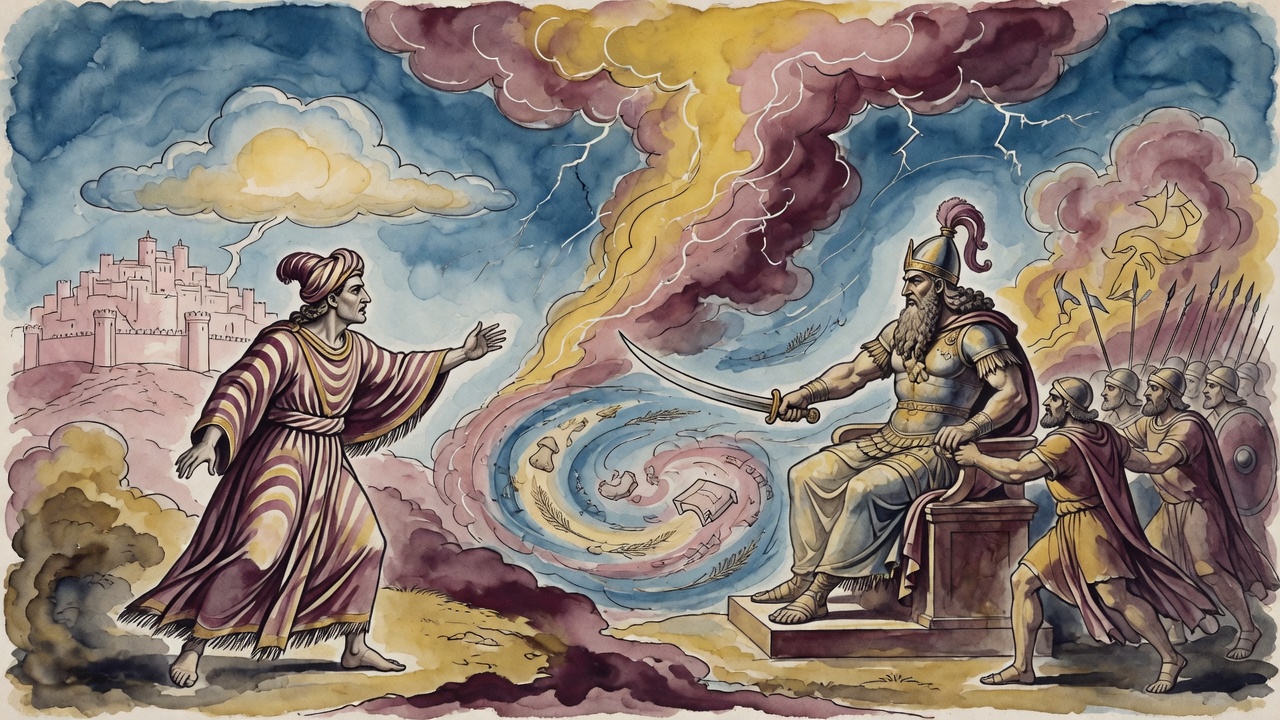
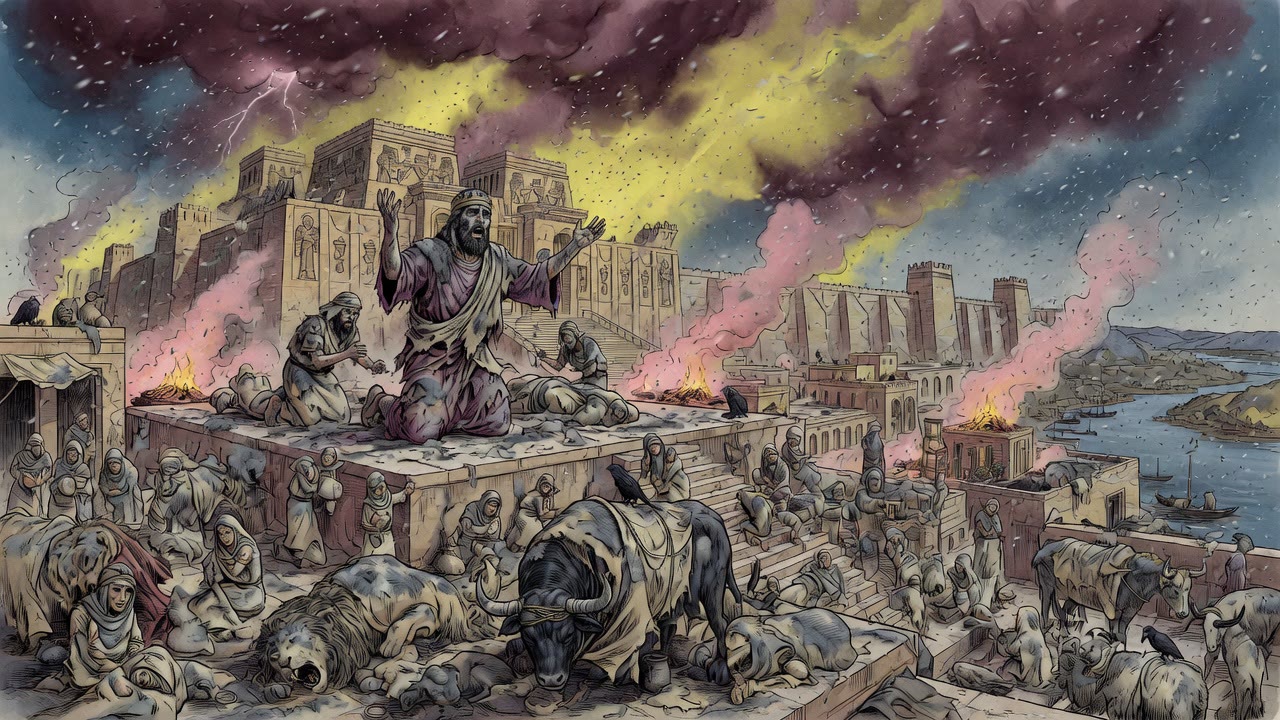
The forty days Jonah had shouted through the streets were long over. The city was still standing. The sackcloth had been folded. The fish was a story people told at night. And the bricks kept coming back.
The Mattock Hit Metal
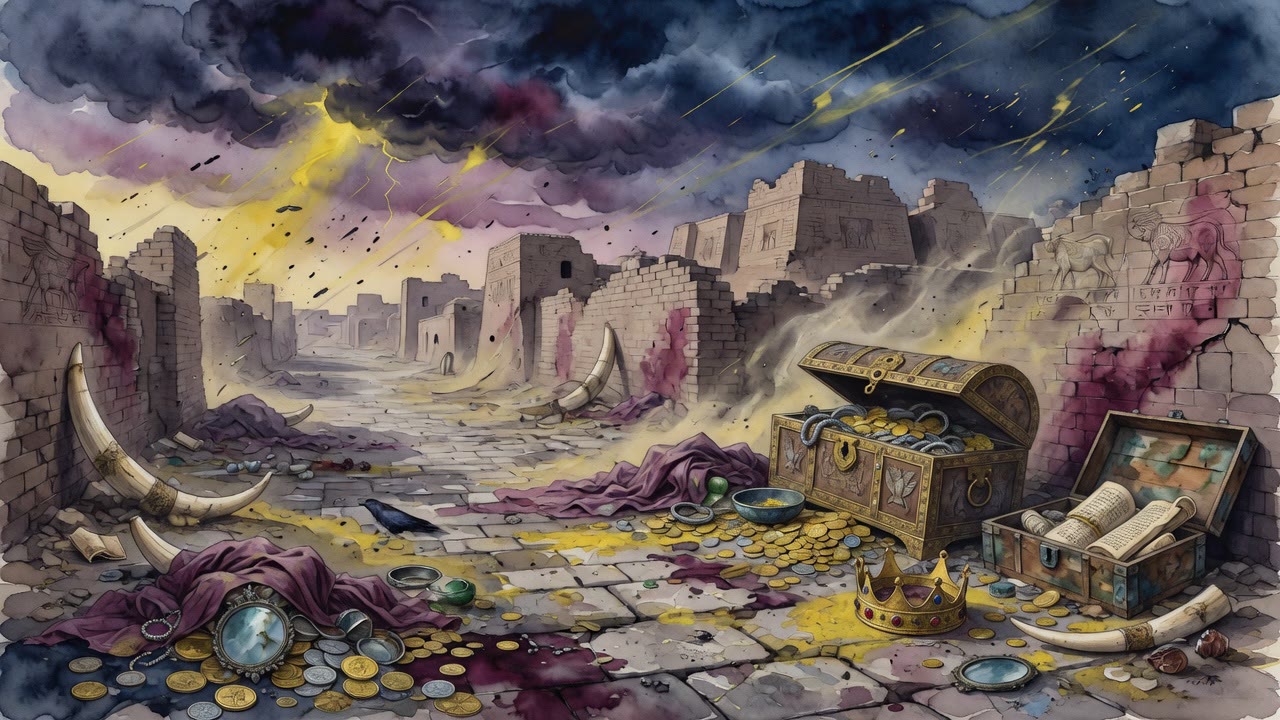
A man bought a building lot from his neighbor, paid for it, and put workers on it to cut a foundation trench. Partway down, a mattock rang on something that was not stone. The workers cleared the dirt with their hands and found metal: silver and gold, packed in the ground by somebody who had wanted it out of sight, buried long enough that the soil above it had settled hard.
The buyer did not set a guard on the trench. He did not send the workers home and come back after dark. He wiped his hands on his robe, looked at the shine, and sent for the man who had sold him the field.
Neither Man Would Reach Down
"This was under your ground," the buyer said. "It was there while the field was yours. Take it."
"I sold you the field," the seller said. "The soil and everything the soil holds. I took your money for all of it. What comes out of it is yours."
"I bought dirt and a place to raise walls. I did not buy this."
"Then you bought badly, and it is still yours."
They stood on either side of the open trench with the gold lying in it, and neither of them reached down. Each had an argument any court in the city would have honored. Each kept pushing the argument at the other. Whoever had put the jar in that ground had not been either of them, and both of them knew it, and that was the thing neither could get past.
They came back at dusk and stood over the same hole. They came back at dawn. A week went by. The gold sat in the dirt and did not move. Neighbors offered to split it for them. They refused the split the way they refused the fortune. They went together to the judge, not to be told which of them owned it, but to be rid of it.
The Judge Went Looking for a Dead Man
The judge did not split the gold in half. He asked who had held the lot before the seller, and who before that. He sent for old men who could remember the far end of the street. He worked backward through the owners of one small piece of ground until he had a name, and the name belonged to a man who had gone into the earth himself years before.
That could have ended it. A dead owner leaves a windfall to whoever is standing over the hole. The judge kept going. He asked where the dead man's people had settled. A clerk walked three streets and found a household that still used the old name on a doorpost.
Strangers Carried the Gold Away
The heirs came and stood in the courtyard. No one accused them of anything. They were told what had been found and where, and they were told to take it. One of them laughed, then stopped, because no one else was laughing.
The buyer and the seller watched strangers load their fortune and carry it off down the street. Both of them were glad, and neither of them hid it. They had spent weeks trying to hand a fortune to each other and had finally handed it to people neither of them had met.
The buyer went back to the lot and laid his foundation over the empty trench. That was all the building he had wanted from the beginning. In a city that had torn down houses for a single stolen brick, the gold could not stay with the men who had only bought and sold dirt.
← All myths