121 myths · Page 1 of 5
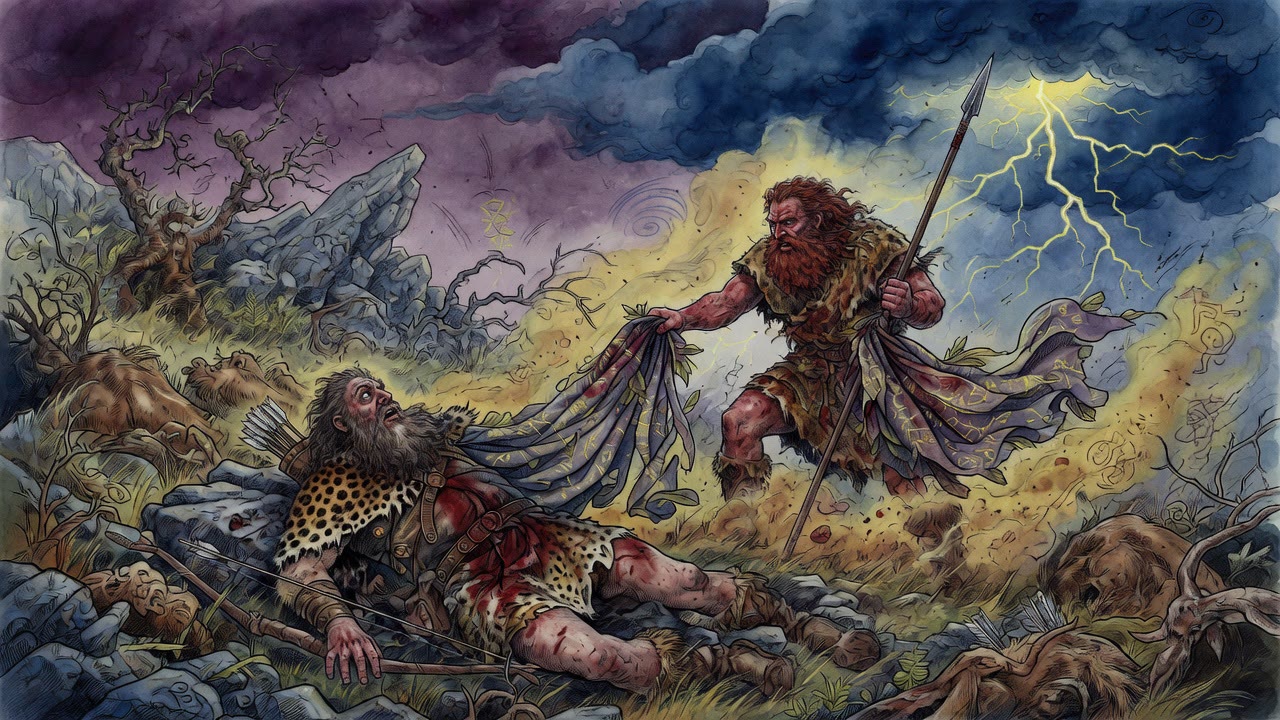
Before Esau sold his birthright, he had already killed a king. The clothes he stripped from Nimrod's body had belonged to Adam himself in the Garden of Eden.
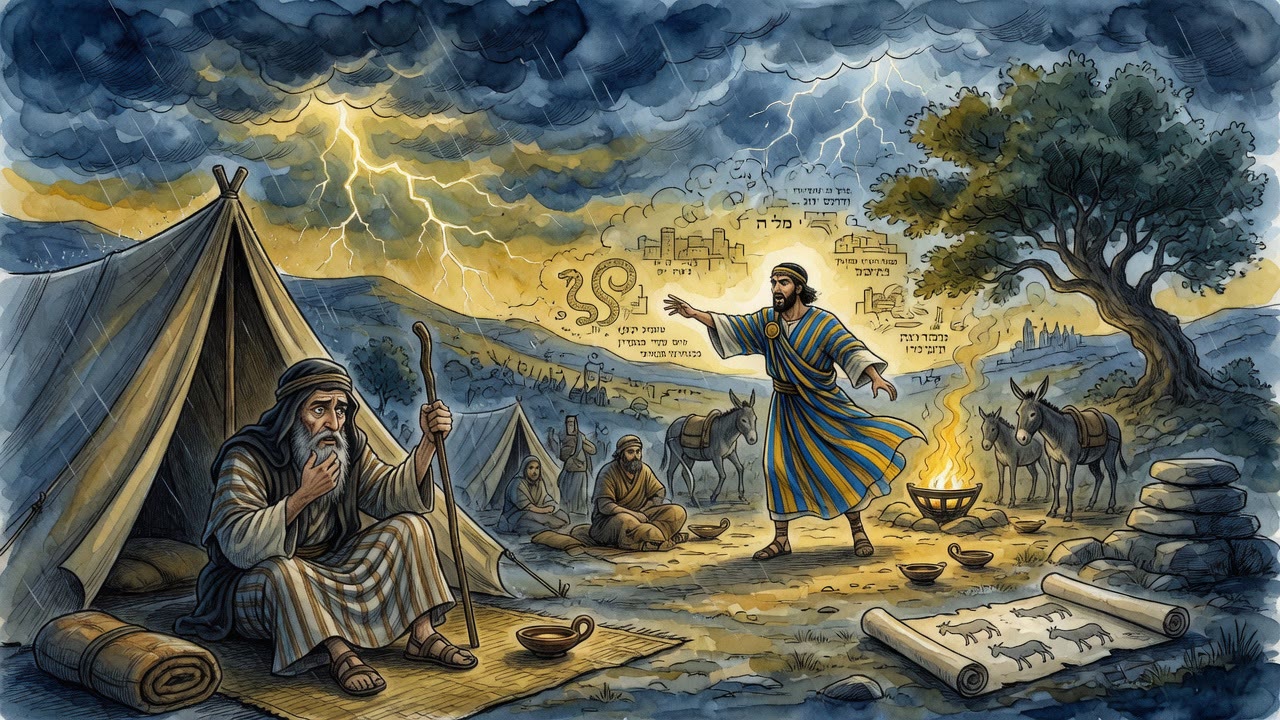
Seven Amorite kings march on Jacob's tents after Shechem burns, and only Judah's words about Noah stand between the family and the swords.
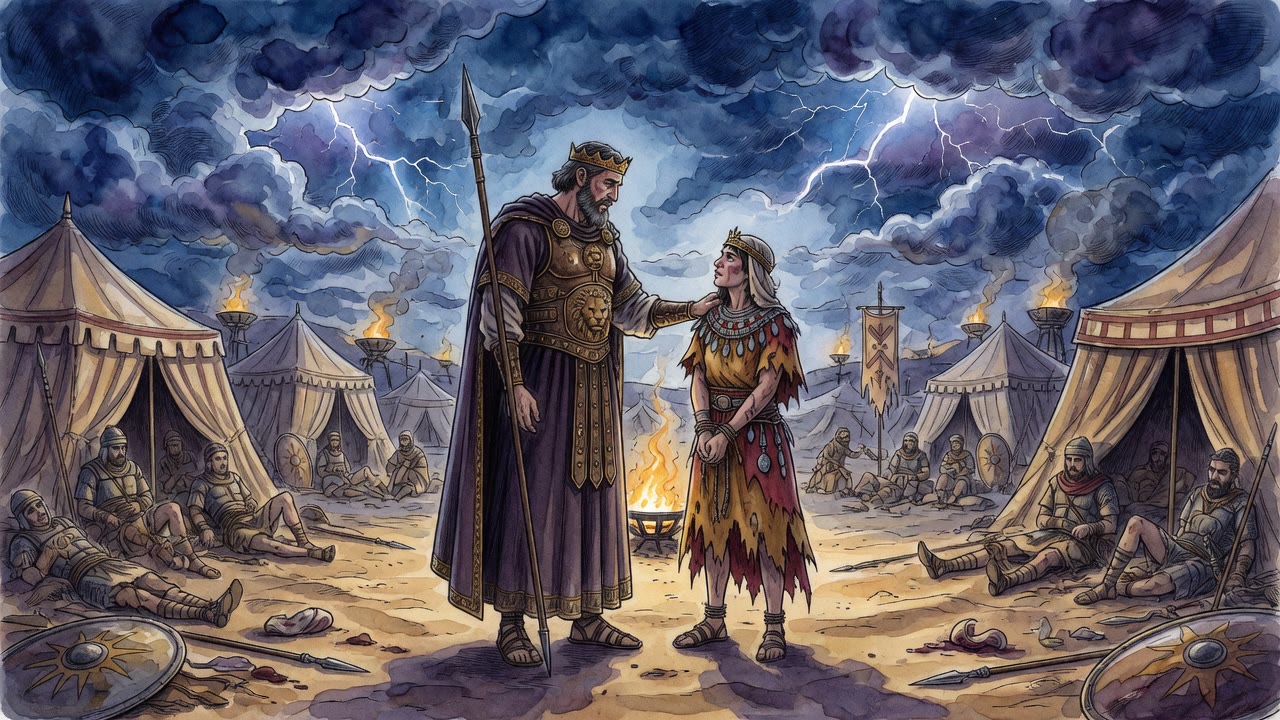
Agag sat bound through the dark while fat sheep bleated in the pens. Samuel came at morning. The line that should have ended did not.
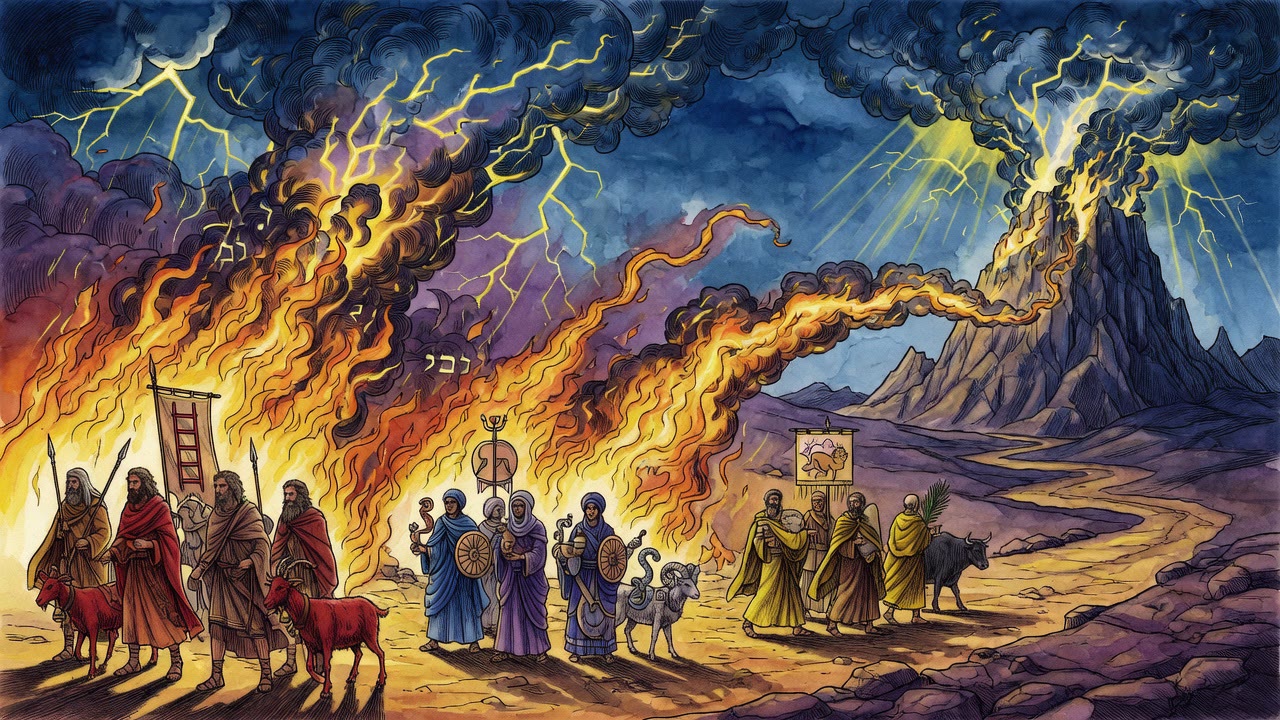
Before Israel ever said yes, God walked to Esau, then to Ammon and Moab, holding out the Torah. Each nation asked one question, then turned away.
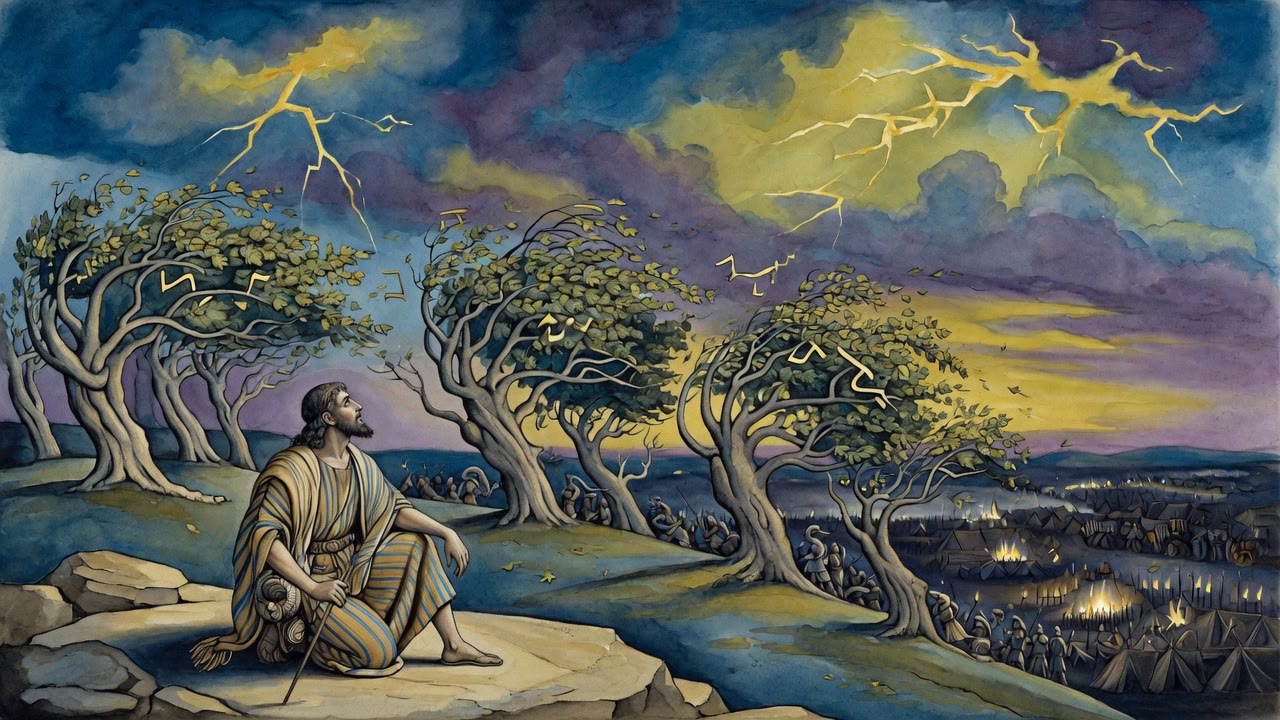
The Philistines stood only four ells away, close enough to kill. David held Israel back until the mulberry trees moved first.
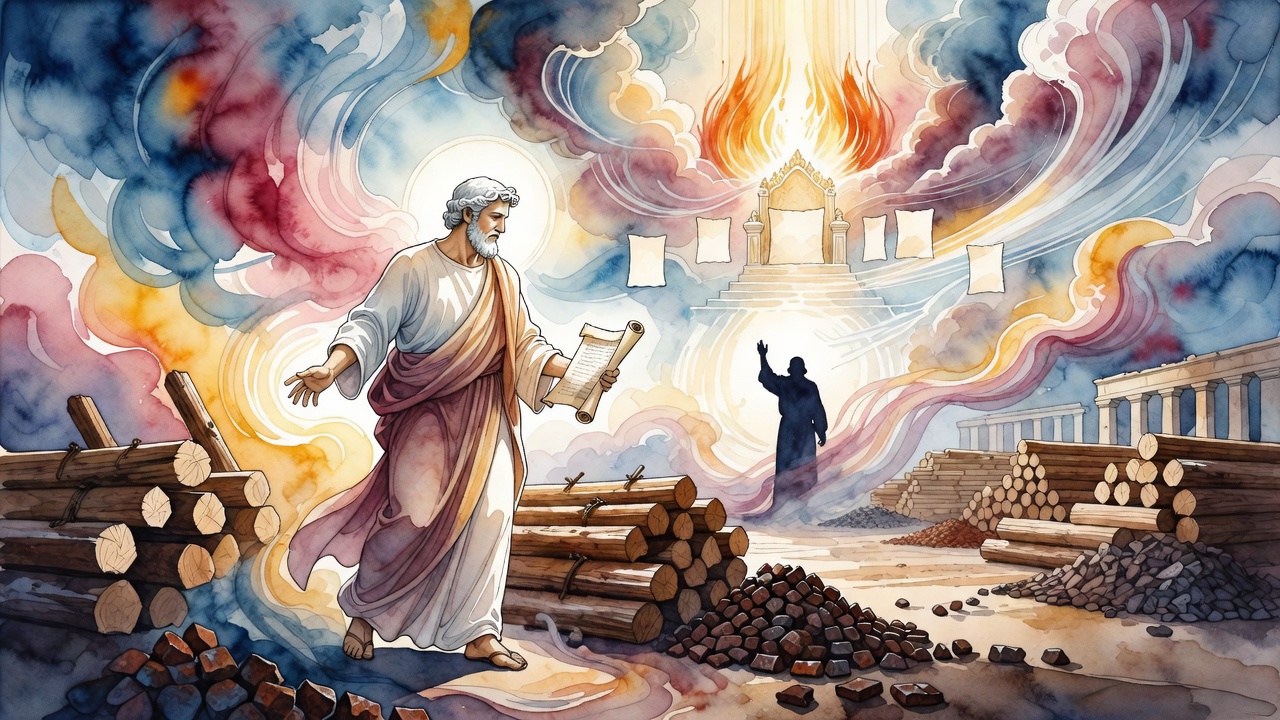
Cedar from Lebanon filled the palace yard. Nathan came back the next morning and would not look at it. If David built the house, it could not fall.
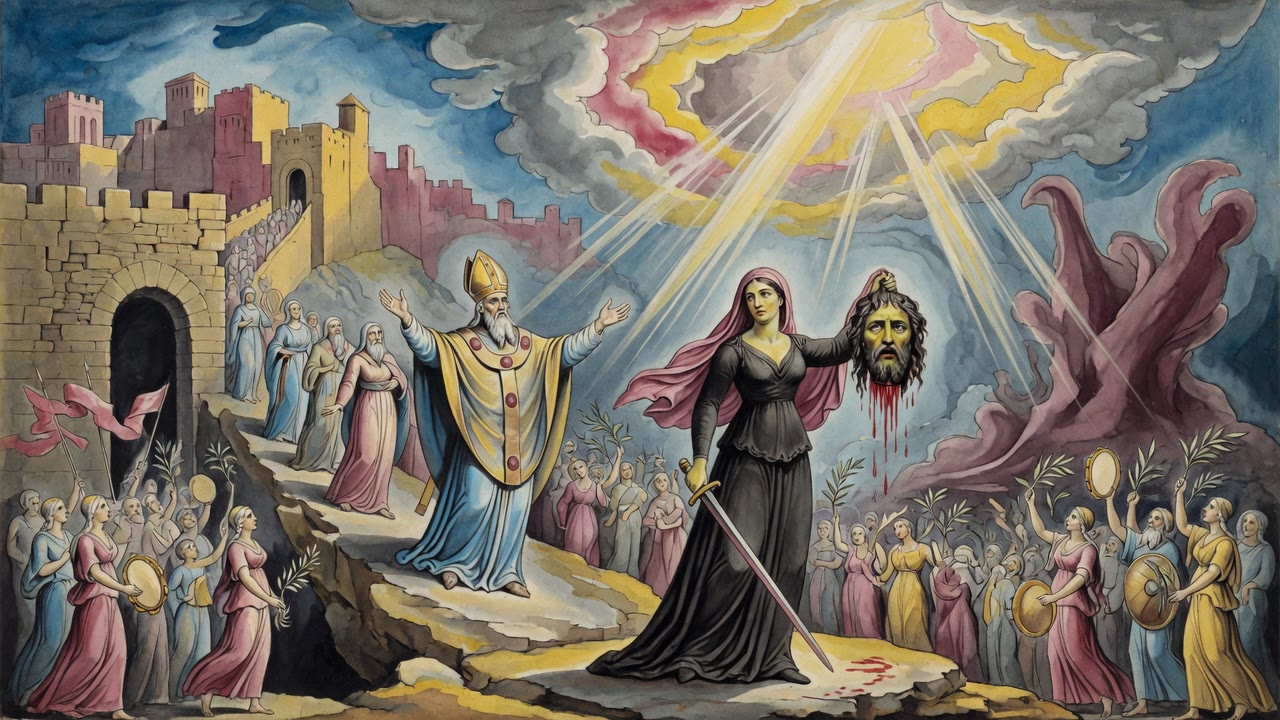
Joakim left Jerusalem and walked to Bethulia to bless a widow. She had come home with the Assyrian general's head in a food bag.
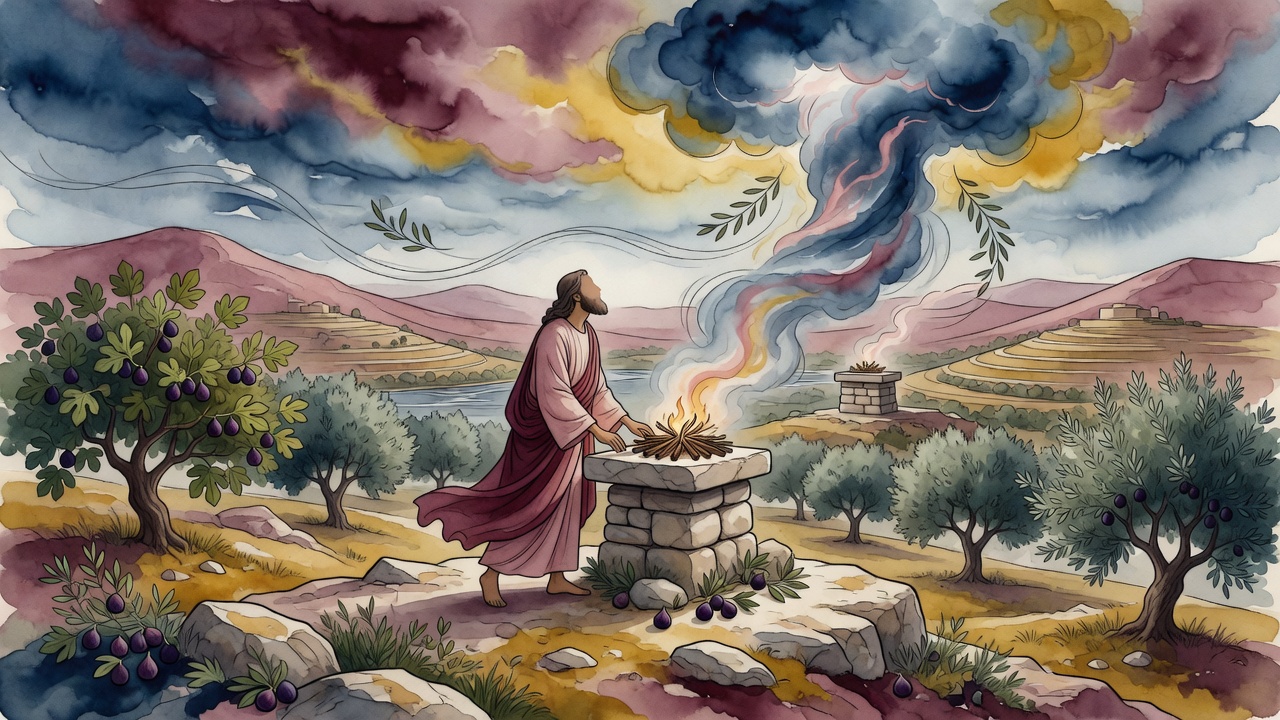
An officer stood up at the war council and told Holofernes the truth. No army can beat the Jews while they keep faith. They lose only when they sin.
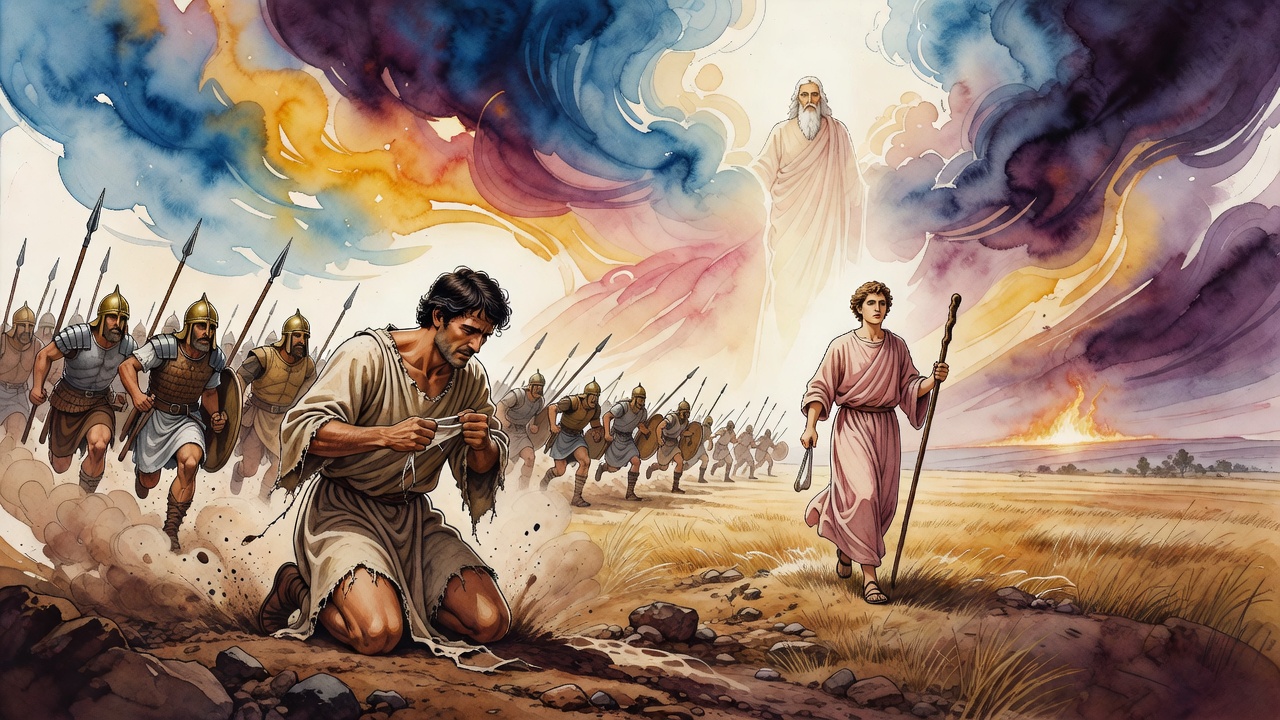
Jonathan the Maccabee tears his clothes in the dirt while his army flees. David walks onto a field no one sent him to. Both win the same way.
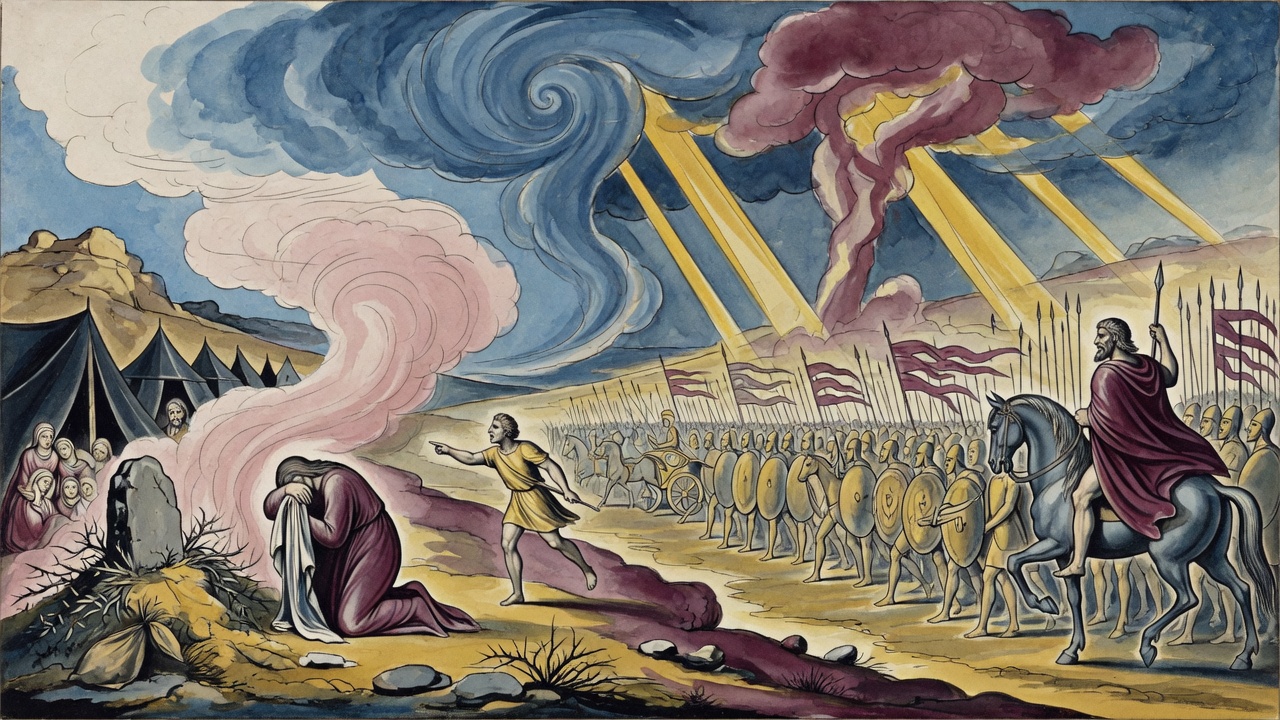
Jacob's wife had just died when the men of Hebron sent warning. His brother was coming with four thousand soldiers, and the timing was deliberate.
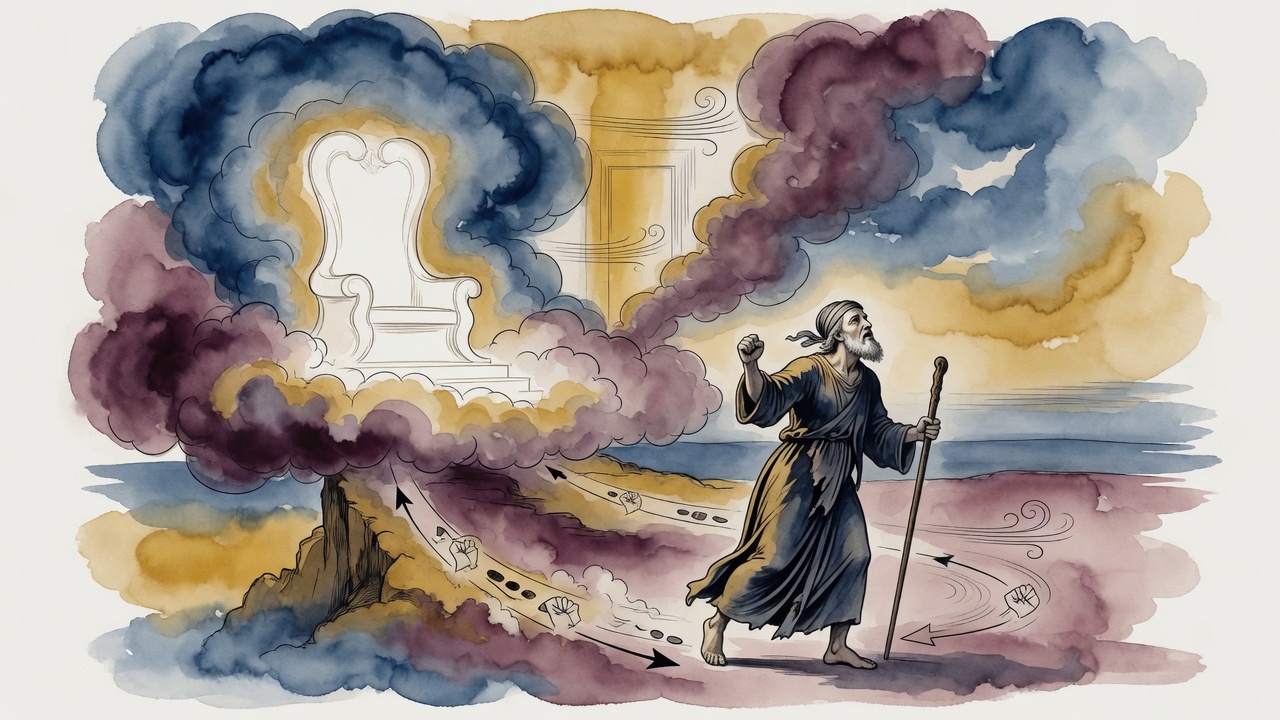
He stood under Jacob's tower with four thousand men. He did not ask for land. He said brotherhood would come when wolves kept peace with lambs.
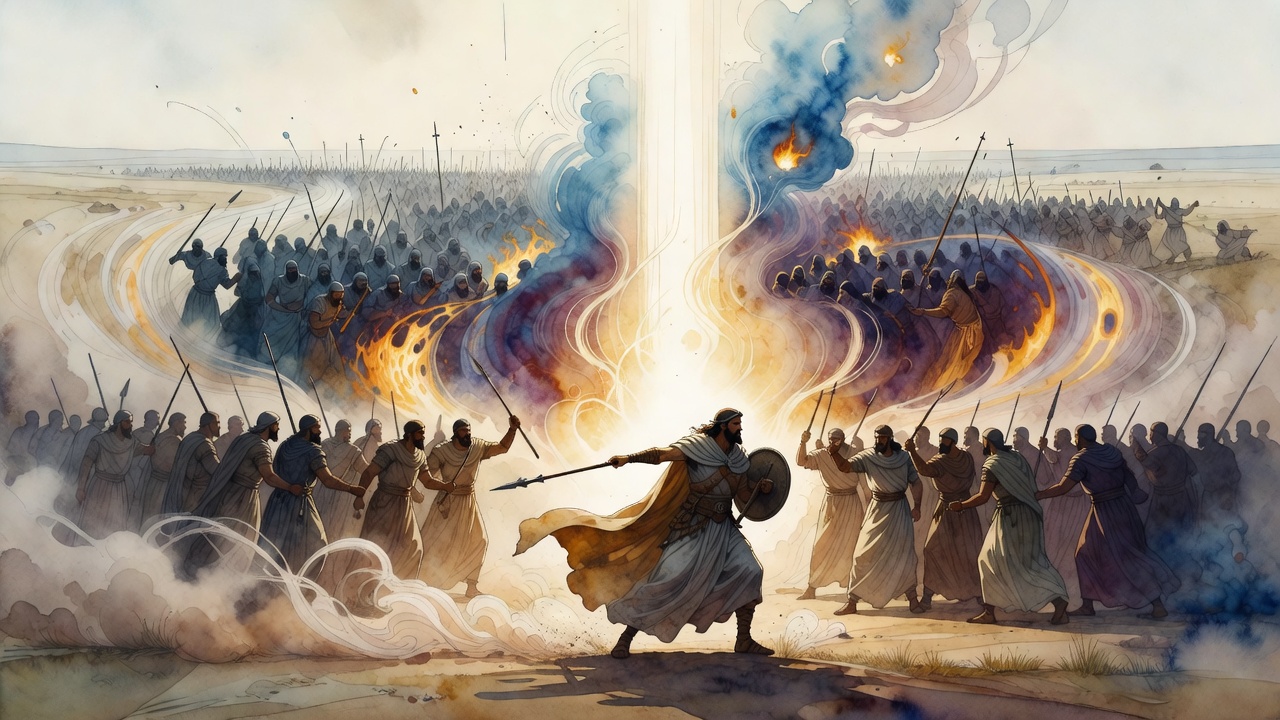
Esau came with four thousand men. Judah went out in front with fifty servants. The south side of the tower went quiet.
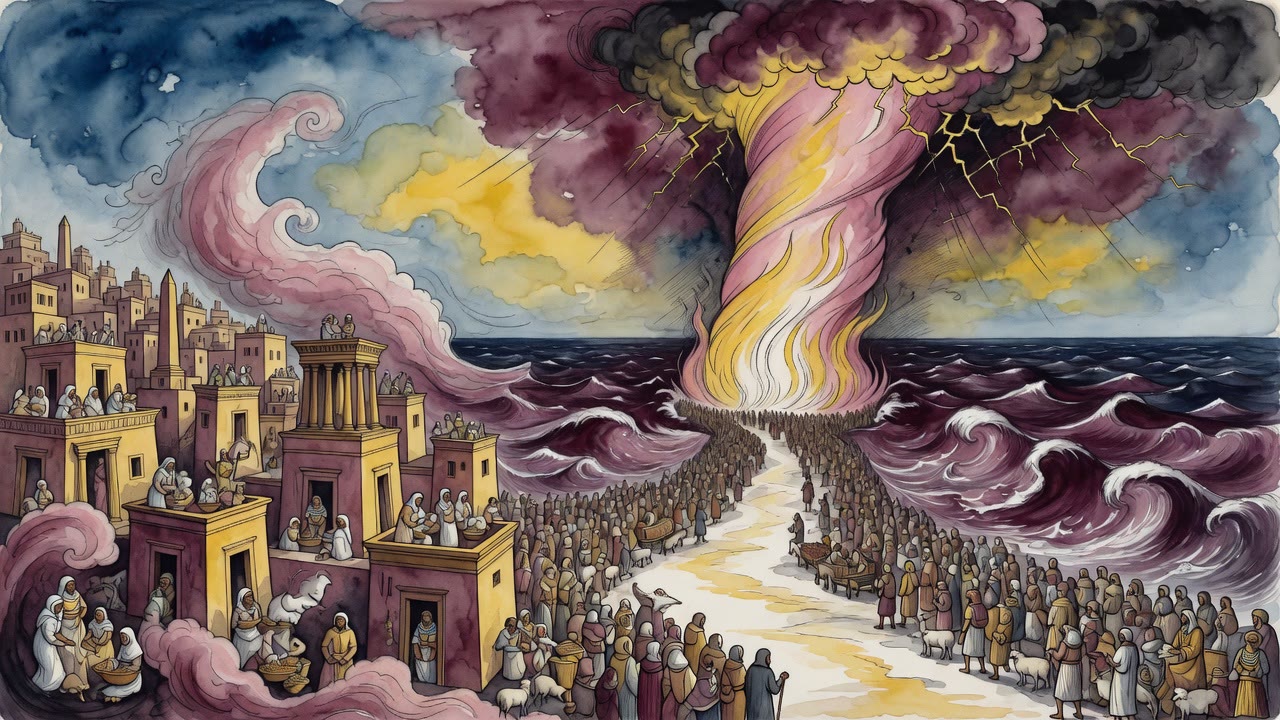
When word of Holofernes spread across Judea, every city fell silent. The priests fasted and the people wept, terrified the Temple would burn next.
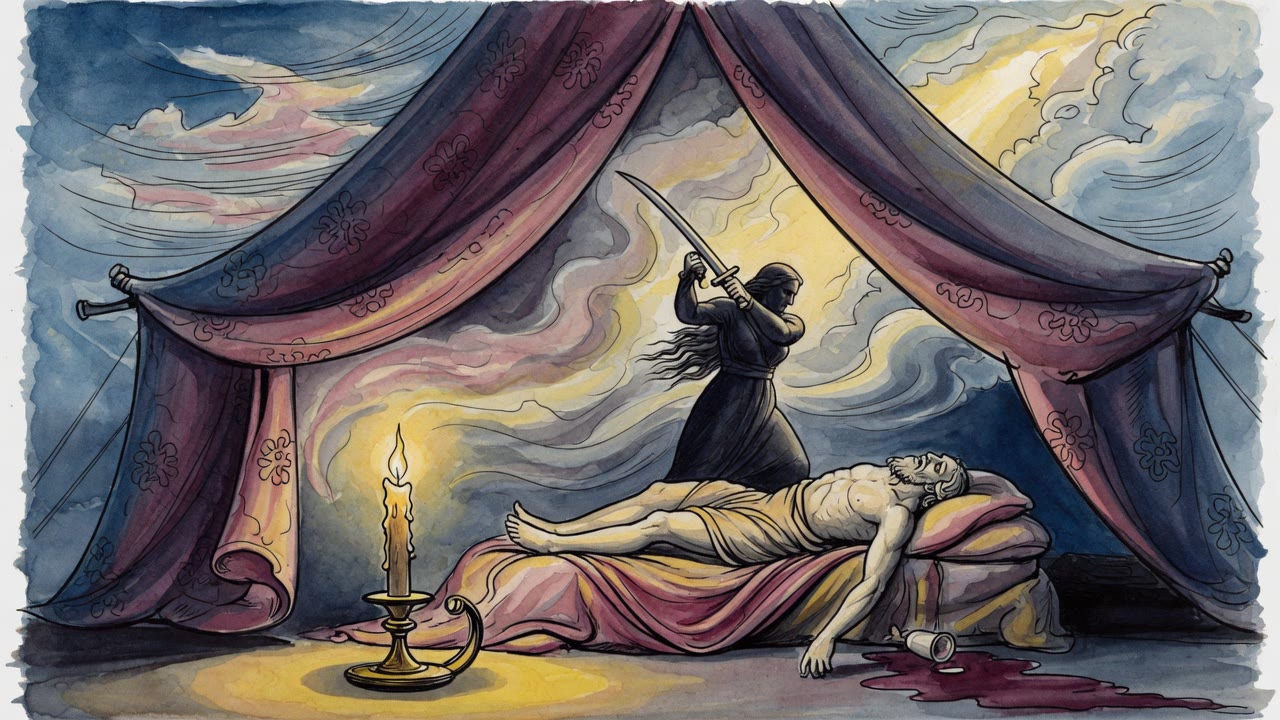
Bagoas shut the tent from the outside and went to bed. The general who had swept the known world lay drunk, his sword hanging from the bedpost.
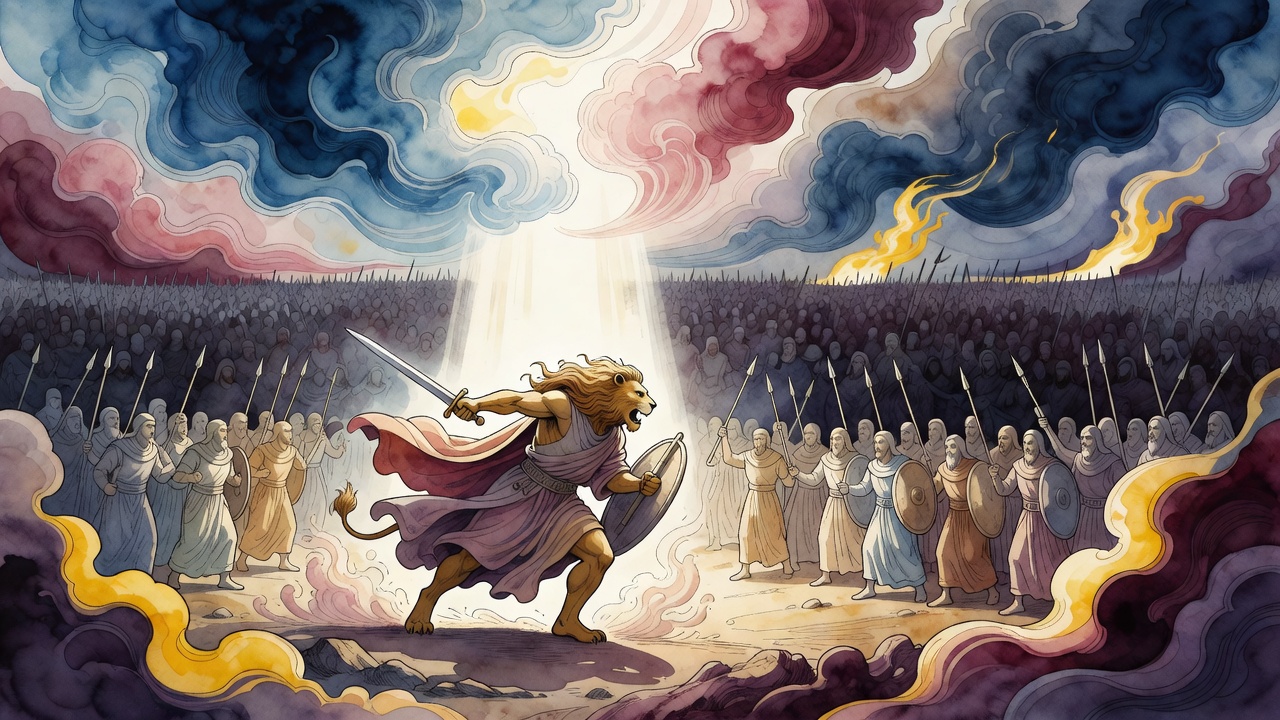
Most of the camp walked off when they finished counting. Eight hundred stayed. Judah looked for the right wing and went at it anyway.
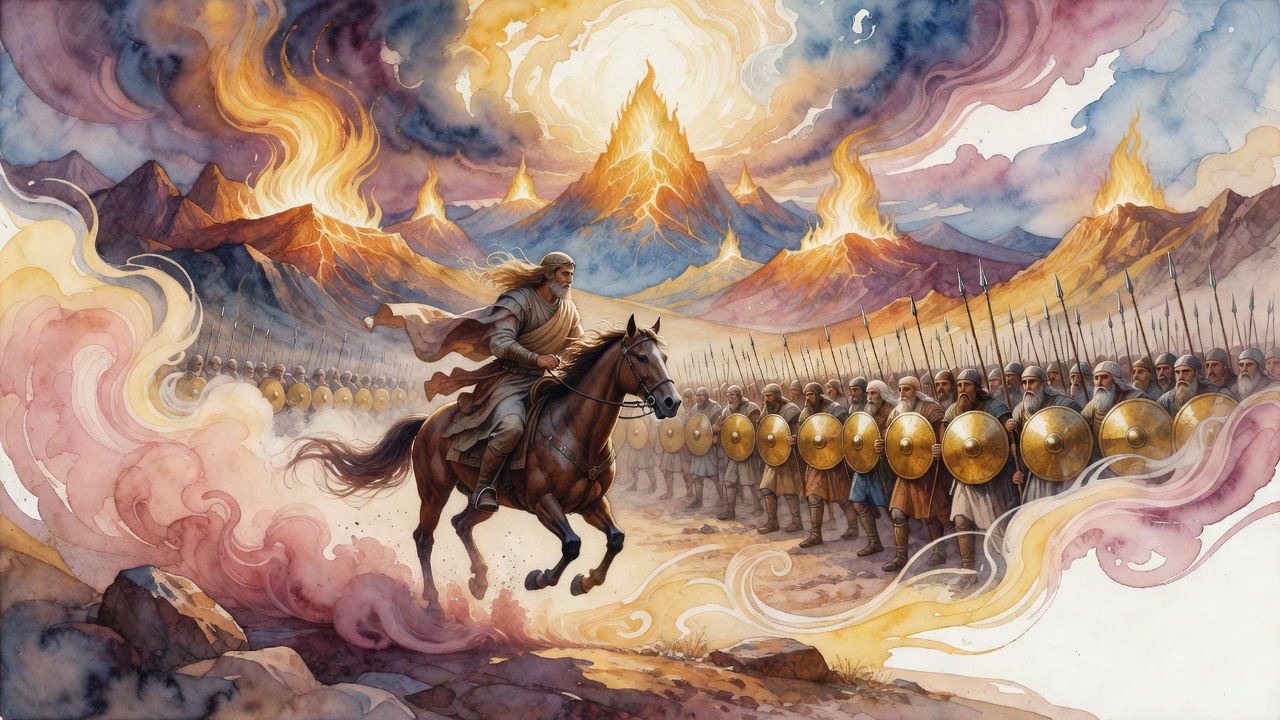
Gold and brass caught the sunrise and the ridges burned like lamps. Judah looked at the shine and still called his men forward.
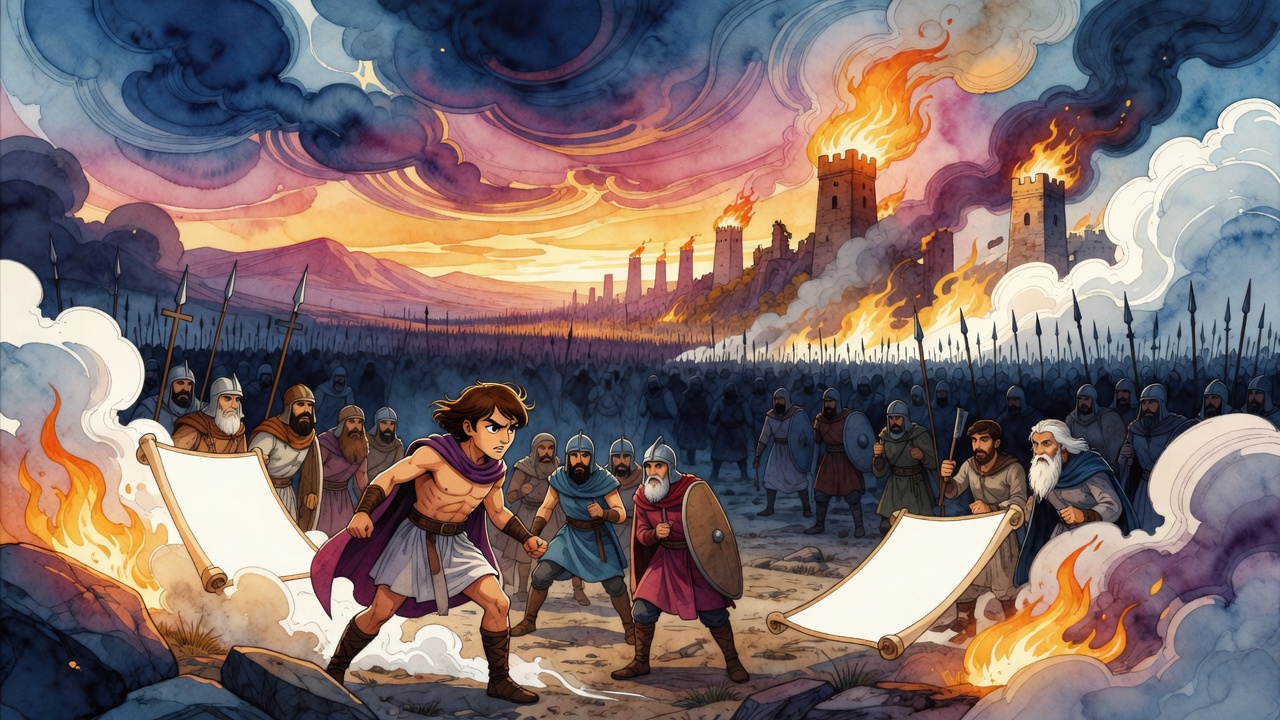
The messenger reached Gazara before the knives did. John took hold of the men Ptolemy had sent, and none of them left the city alive.
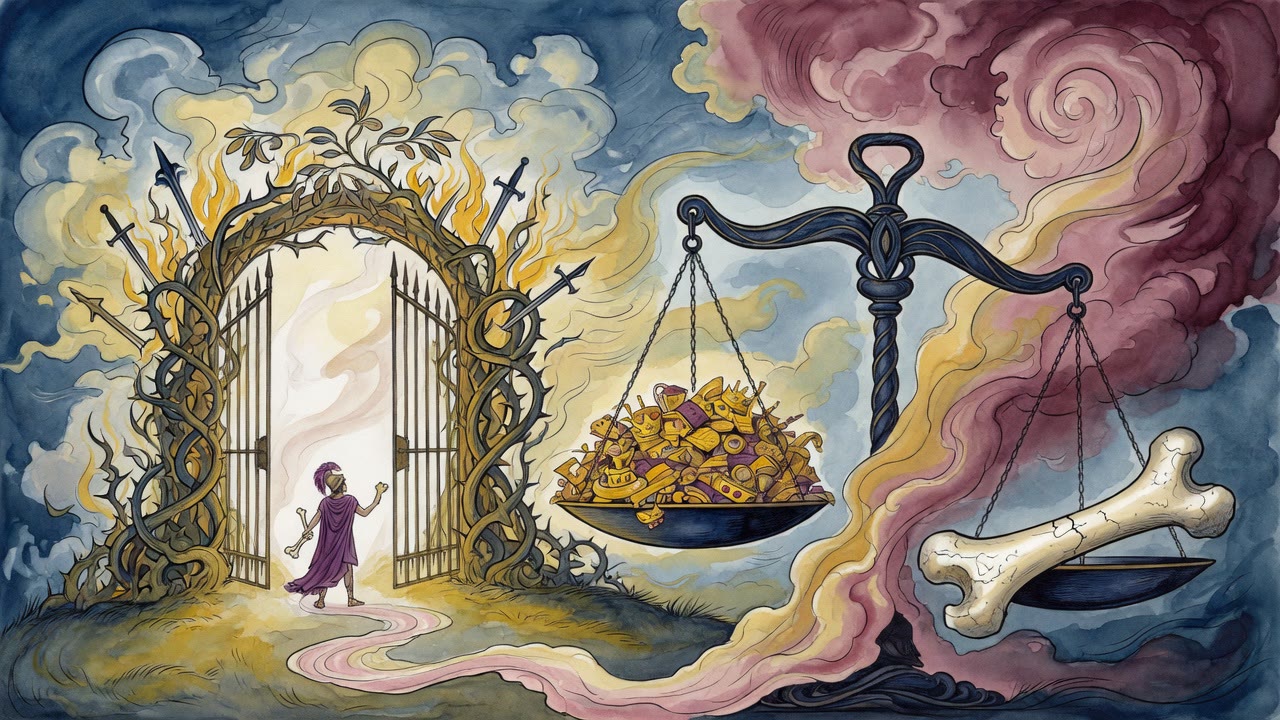
He had silenced the earth, lifted his heart, and taken the ends of the world. Then he fell into bed in Babylon and gave everything away.
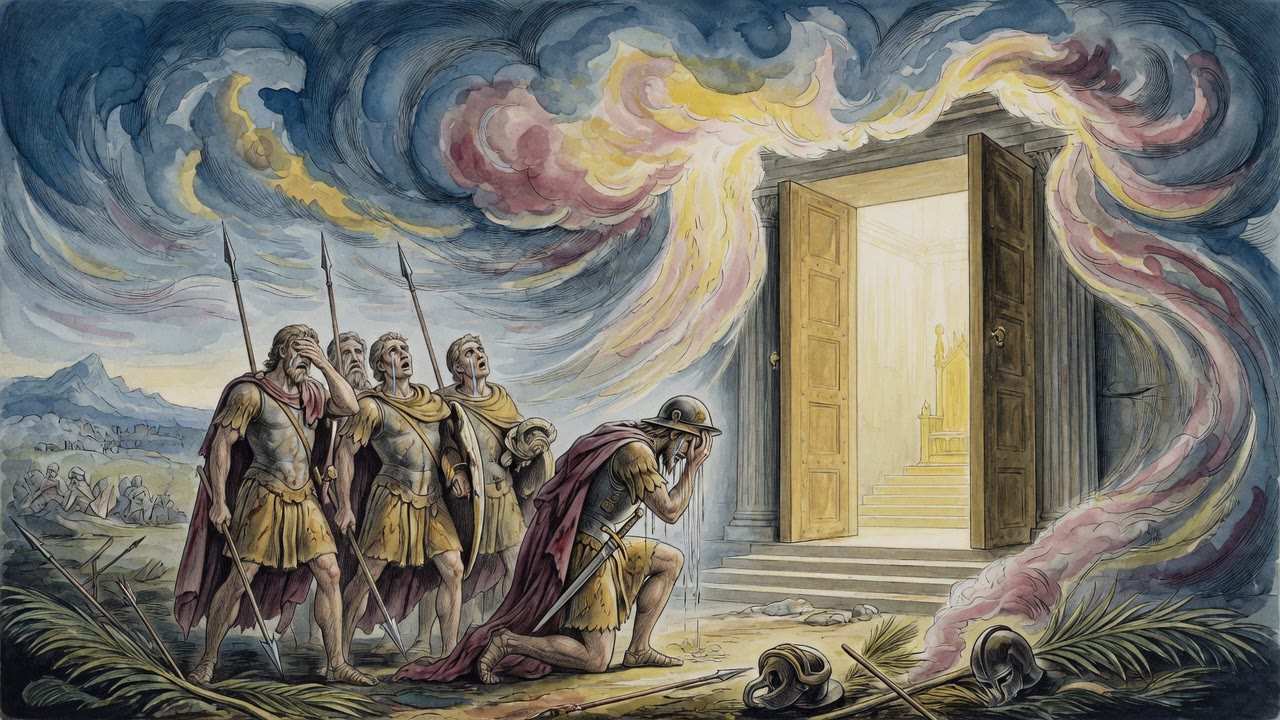
Judah Maccabee defeated four Seleucid generals in sequence, each time outnumbered. After the first battle he took Apollonius's sword and never put it down.
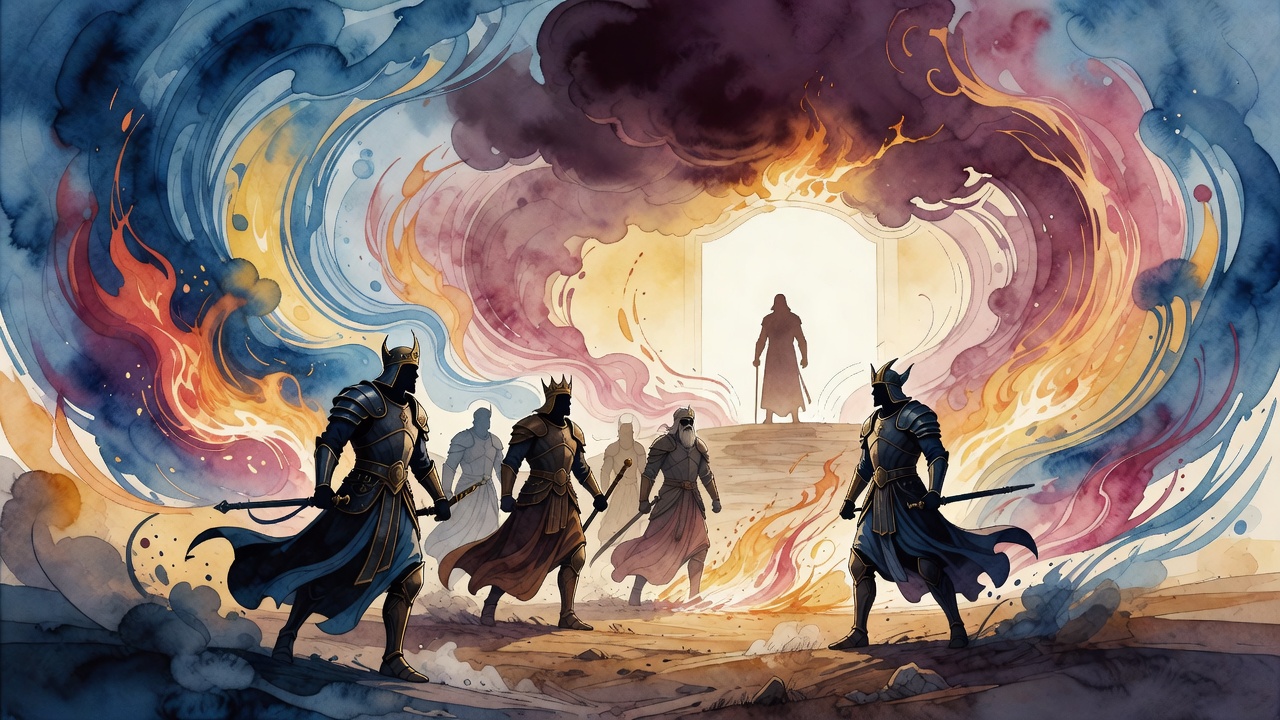
The four kings who captured Lot were not really after Lot. They were after Abraham. The texts trace the grudge back through Nimrod to the furnace at Kasdim.
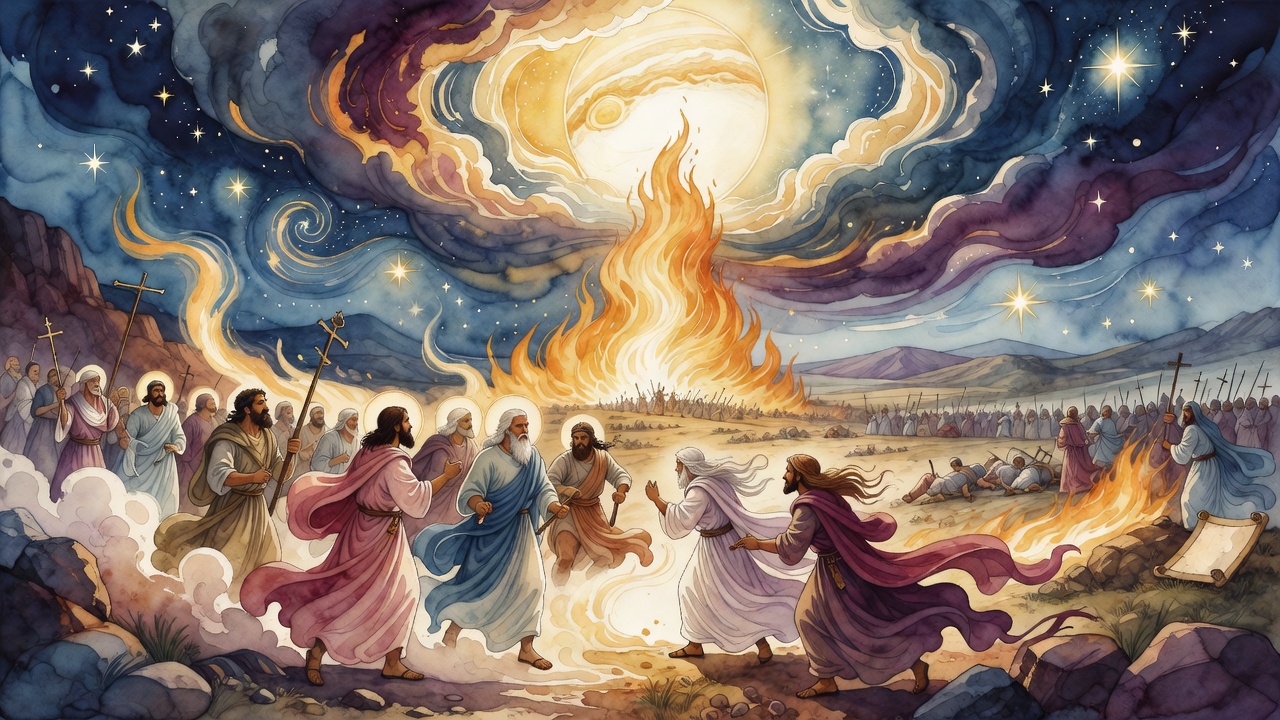
Lot was taken with Sodom's spoils. Abraham rode that night with 318 men. Overhead a planet burned like a torch over the valley.
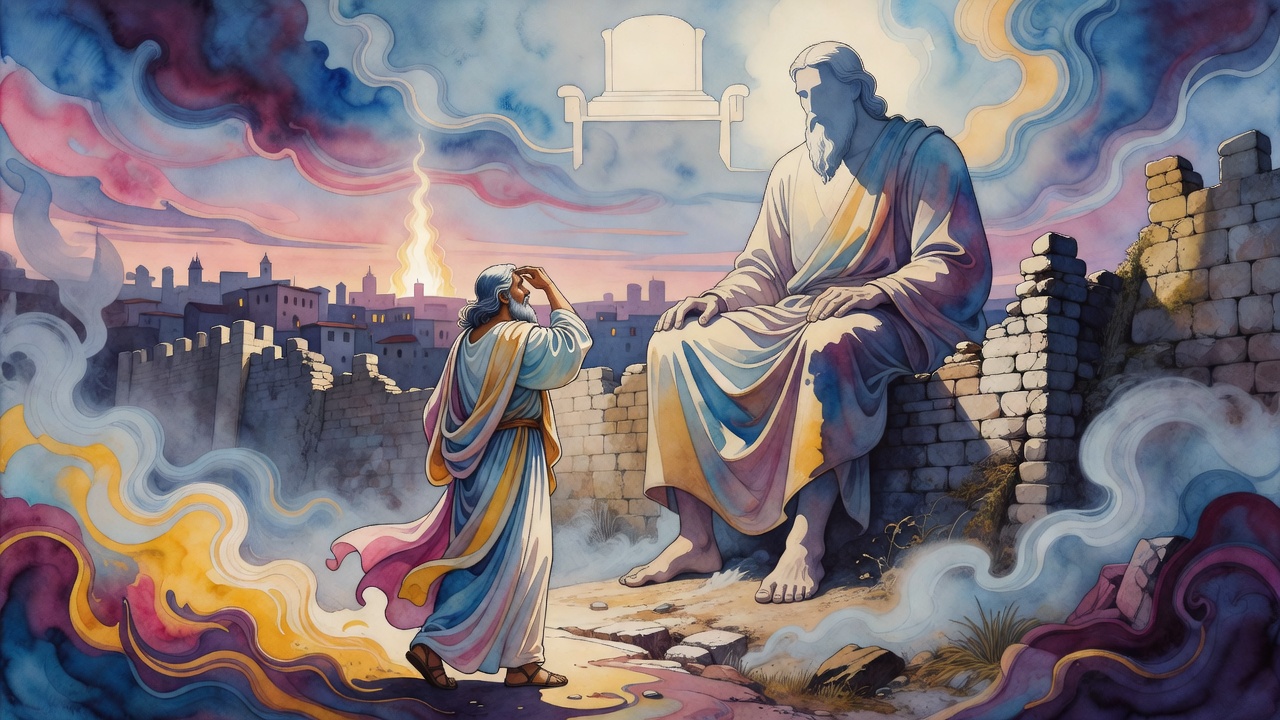
Before dawn Moses looked at Edrei and saw a new wall around the city. There was no wall. It was a man seated on the old one, feet on the ground.
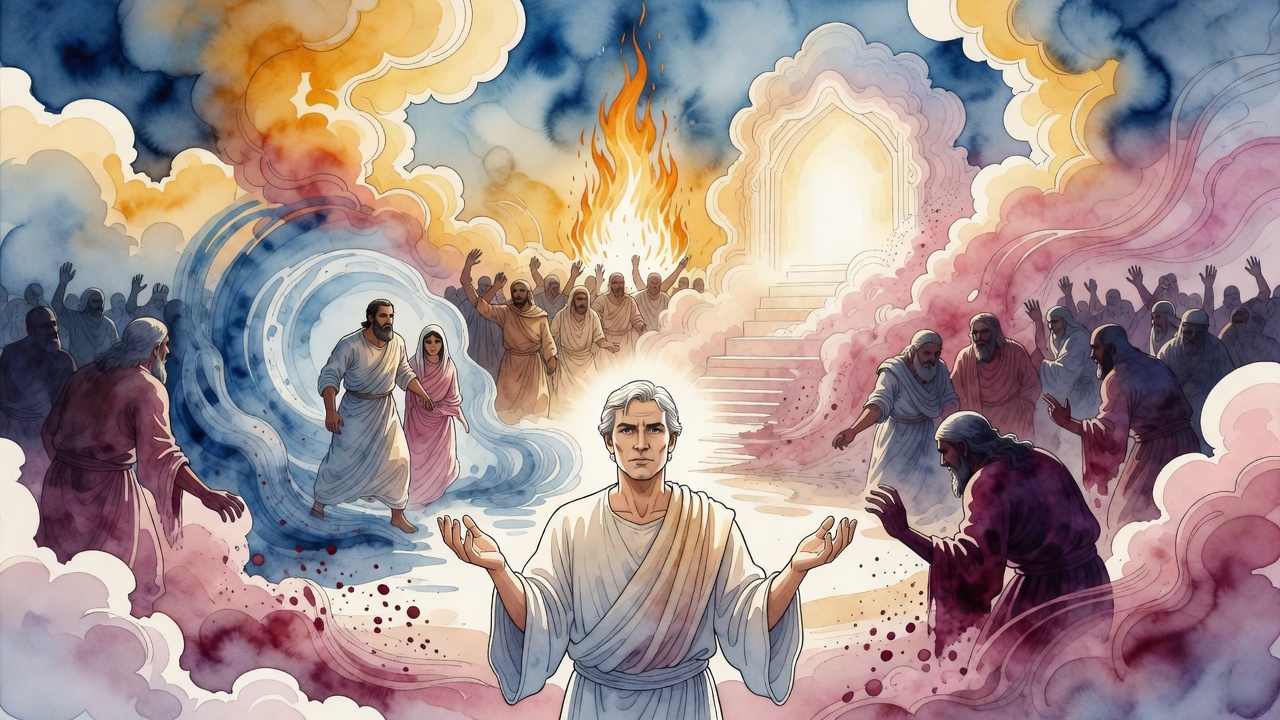
A plague was killing thousands. Zimri stood in the open with a Midianite woman. Every tribal leader was compromised. Only one man had clean hands.
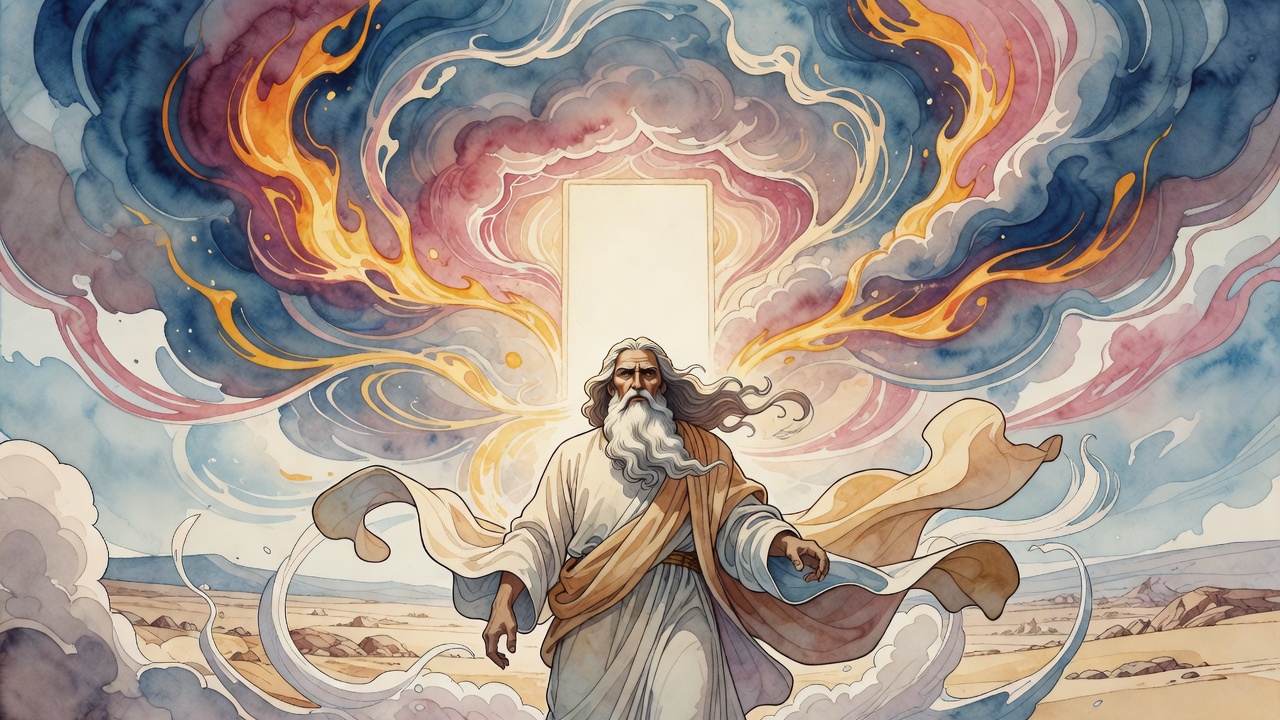
Moses had come to Midian as a fugitive. Jethro took him in, Zipporah married him, his sons were born there. He would not throw a stone into that well.
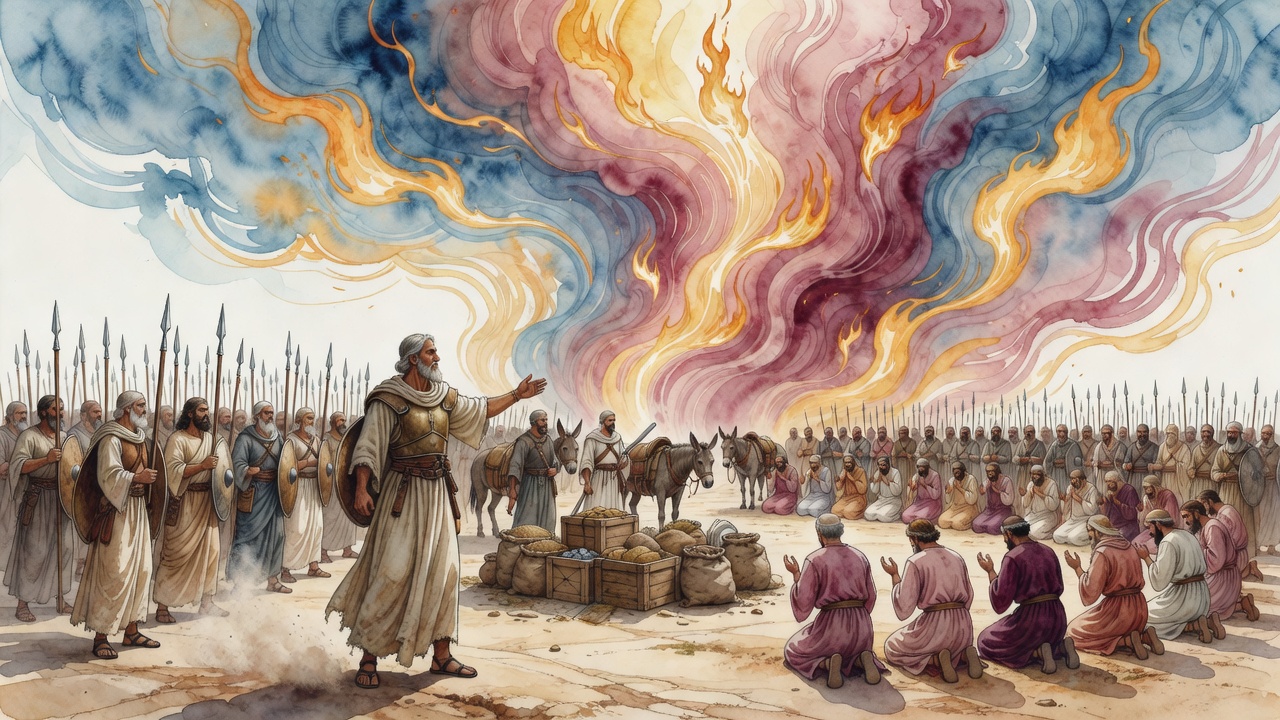
Moses put the gold plate in his hand before they crossed. One third of the men would never draw a sword. They would only pray.
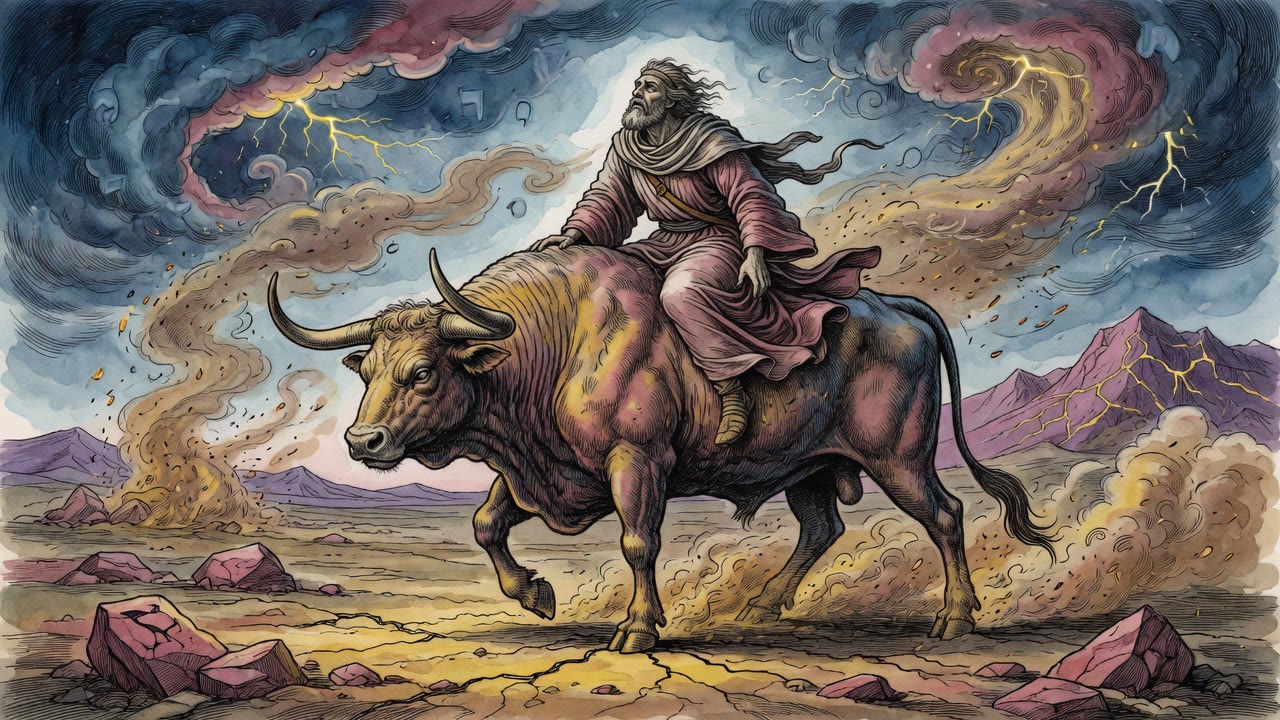
Word reached Canaan ahead of the army. Men pried up their own floors and packed silver into the walls. One nation harnessed its carts instead.
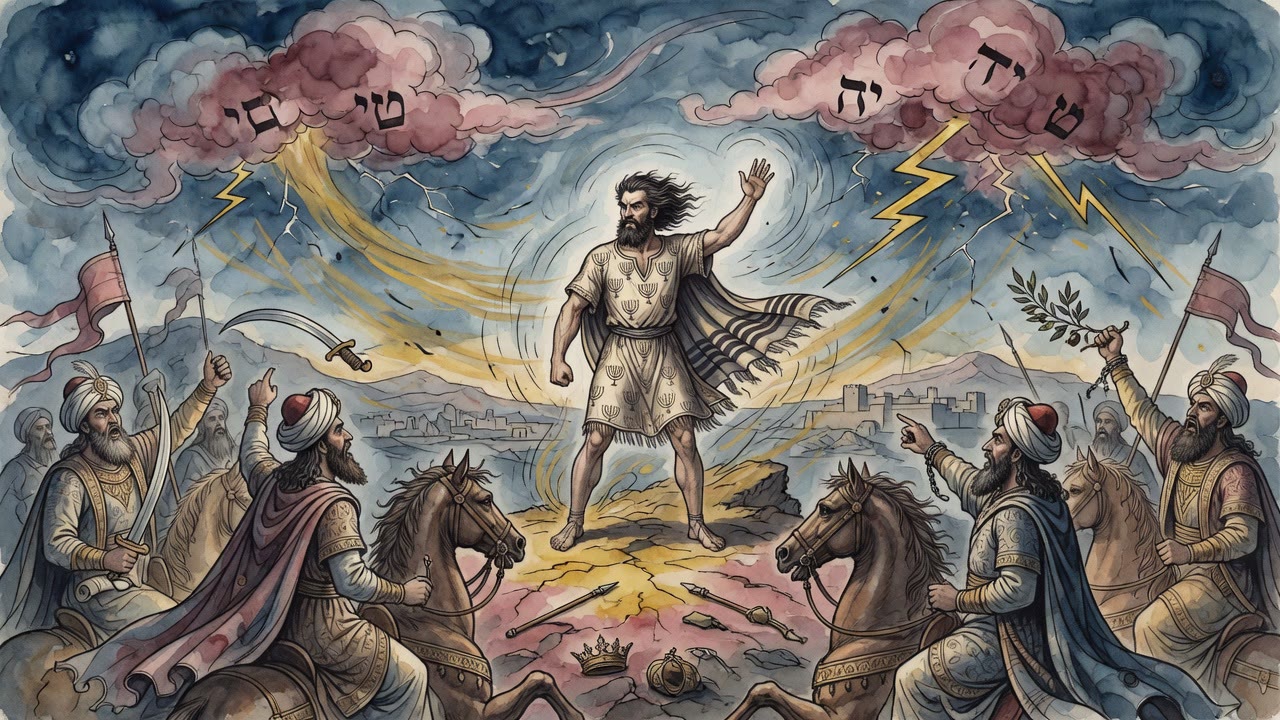
Shobach's letter called Joshua a wolf of the desert and gave him thirty days. Joshua took it to the elders, who put his whole conquest on trial first.
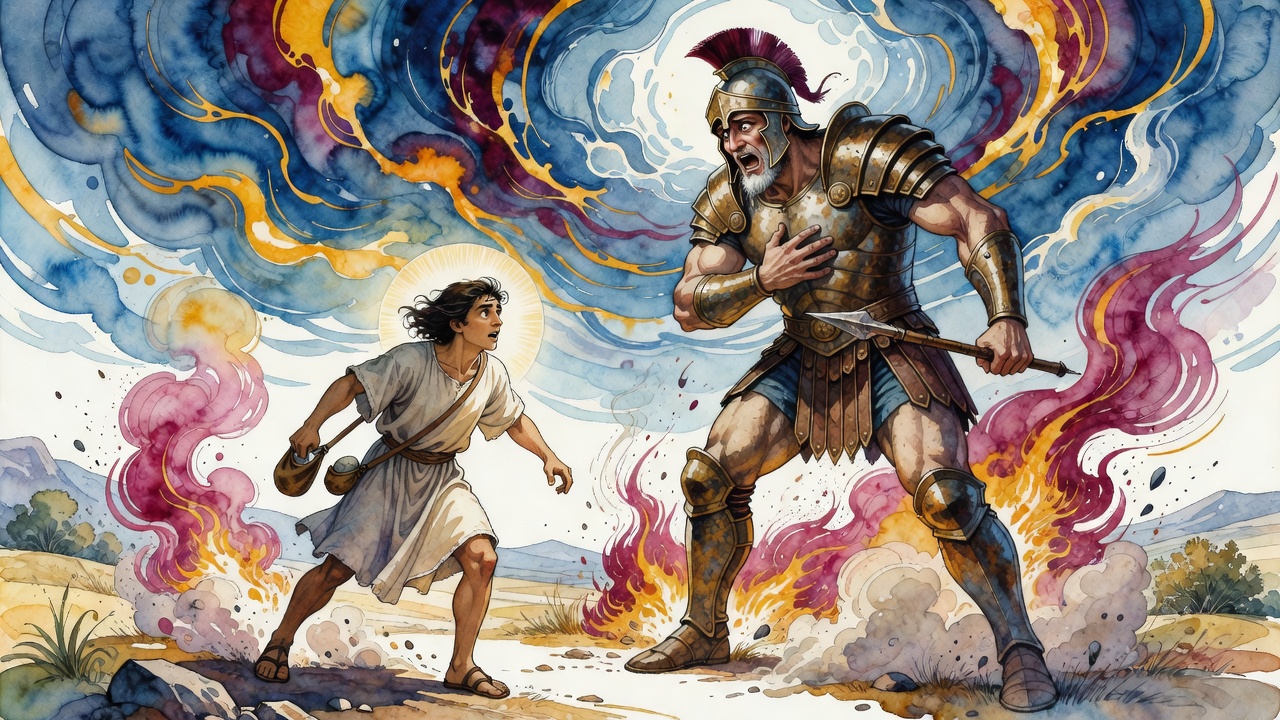
Before the stone left David's sling, something older and stranger had already struck Goliath. The giant felt it the moment David walked toward him.
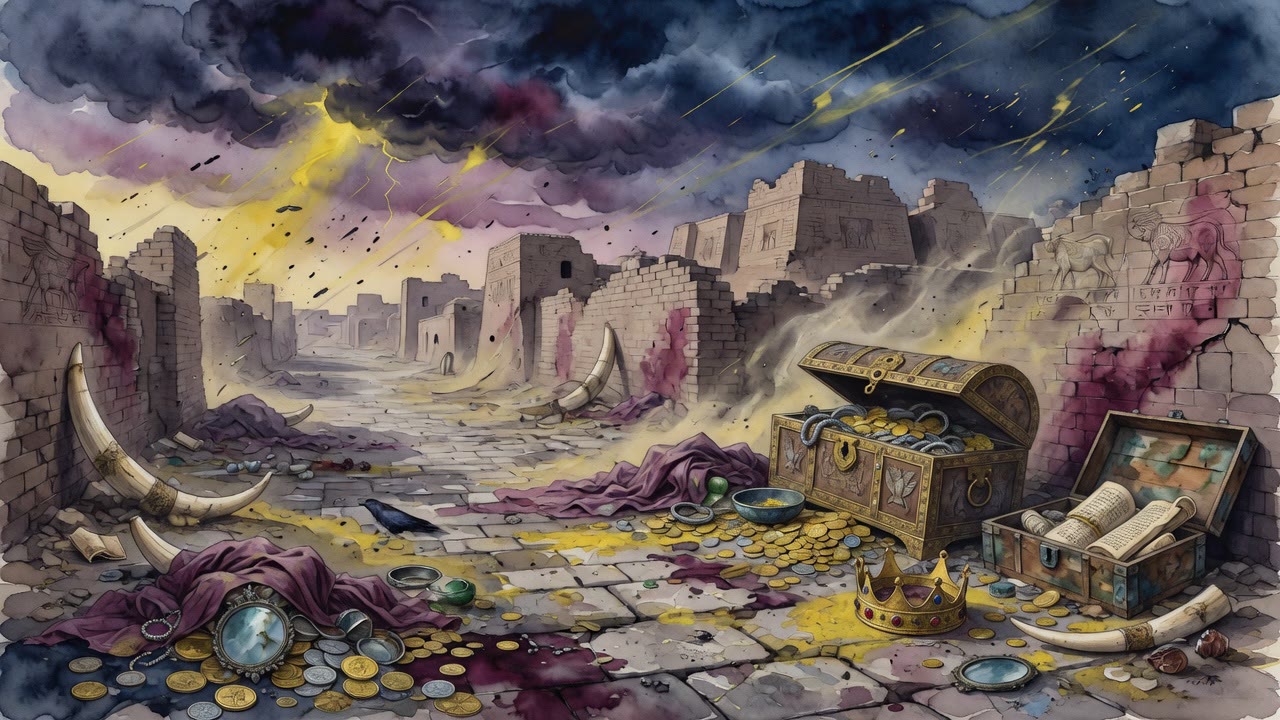
A man in Nineveh pulled his house down for one stolen brick. Two others found gold in a trench and spent weeks trying to give it away.
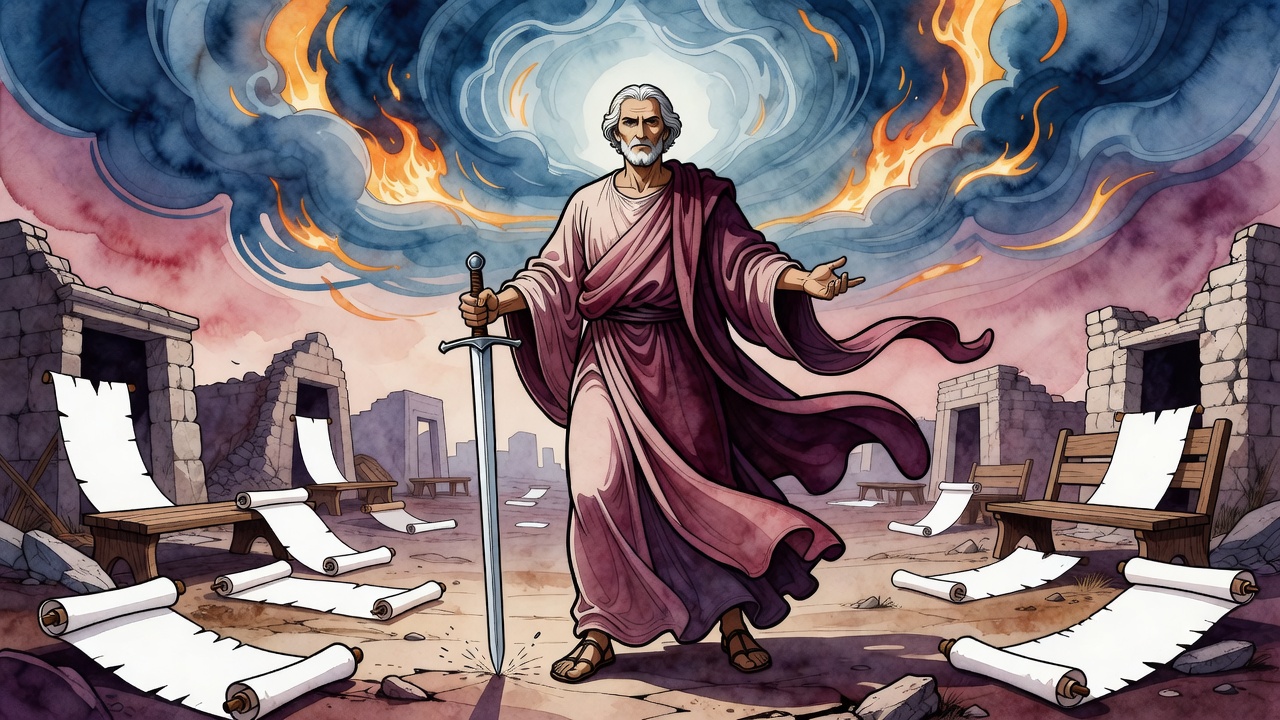
Ahaz had closed every Torah academy in Judah. When Hezekiah became king, he drove a sword into the ground and declared it was time to study or die.
