Abraham Rescued Lot from Four Kings in the Dark
Og ran to Abraham with news of Lot. He hoped the old man would die in the fight and leave Sarai free. Abraham armed anyway.
Table of Contents
 Click for full size
Og Brought News He Hoped Would Kill
The runner found Abraham in the heat of the day and did not bother to hide his size. It was Og, the giant who had lived through the flood, who would one day sit as king of Bashan until Moses killed him. He had a true report. Four kings had beaten five. Sodom and Gomorrah and their three allies had gone down. The goods were gone. The people were gone. Among the prisoners was Lot, Abraham's nephew, who had pitched his tent toward Sodom because the Jordan plain looked like a garden.
Og hoped Abraham would die in the war trying to get Lot back. Then Sarai would be free. The motive was bad. The information was true. Abraham moved anyway.
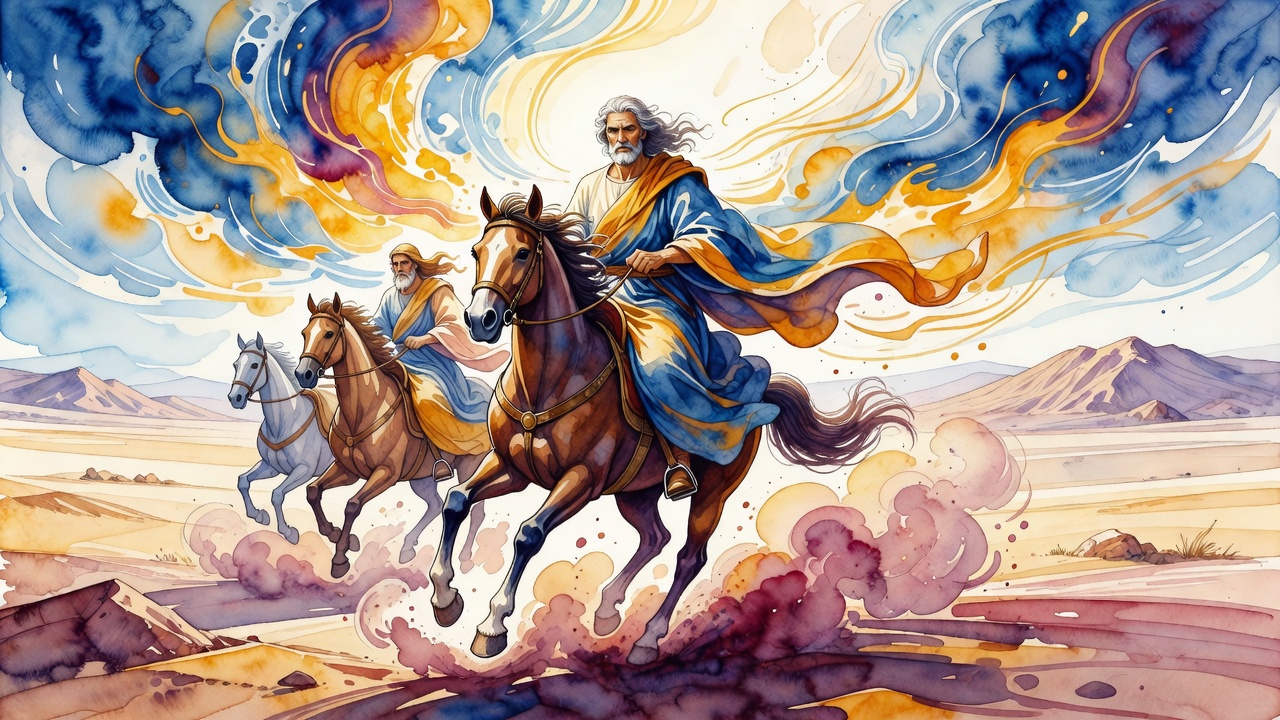
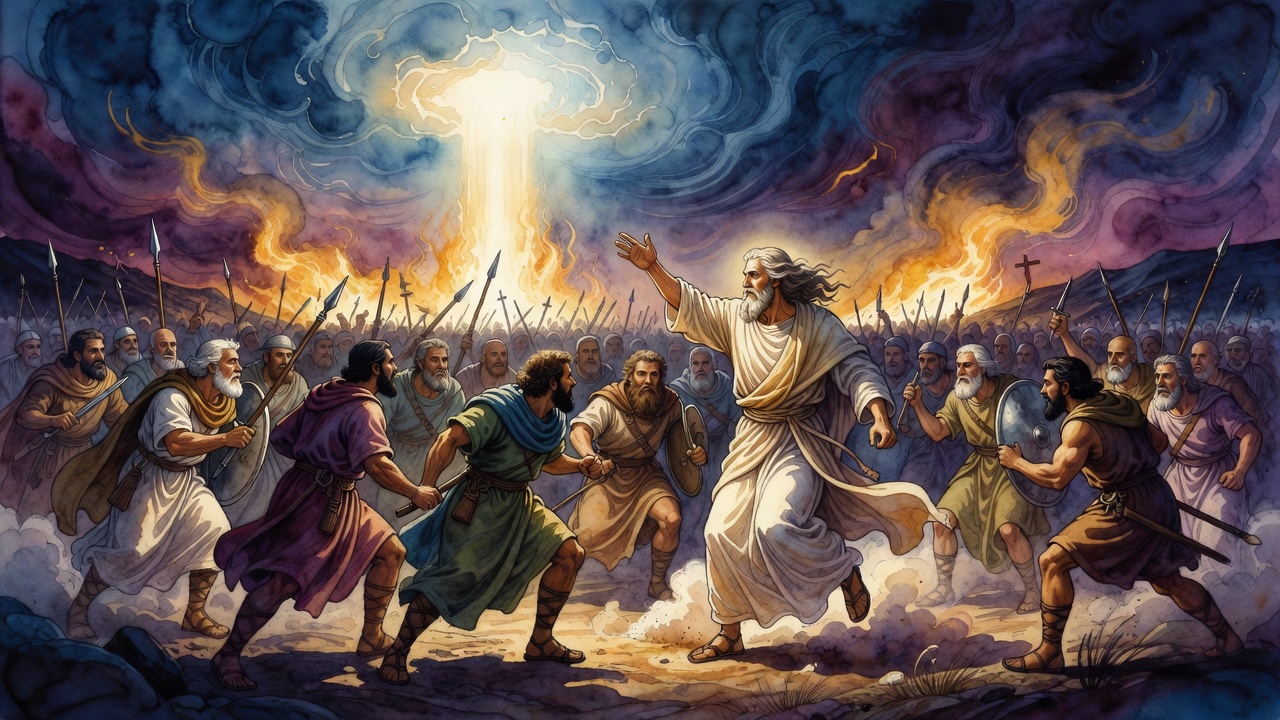
He armed the men born in his house. Three hundred eighteen of them, on paper. He went after four kings in the dark.
Three Hundred Eighteen Who Were One Man
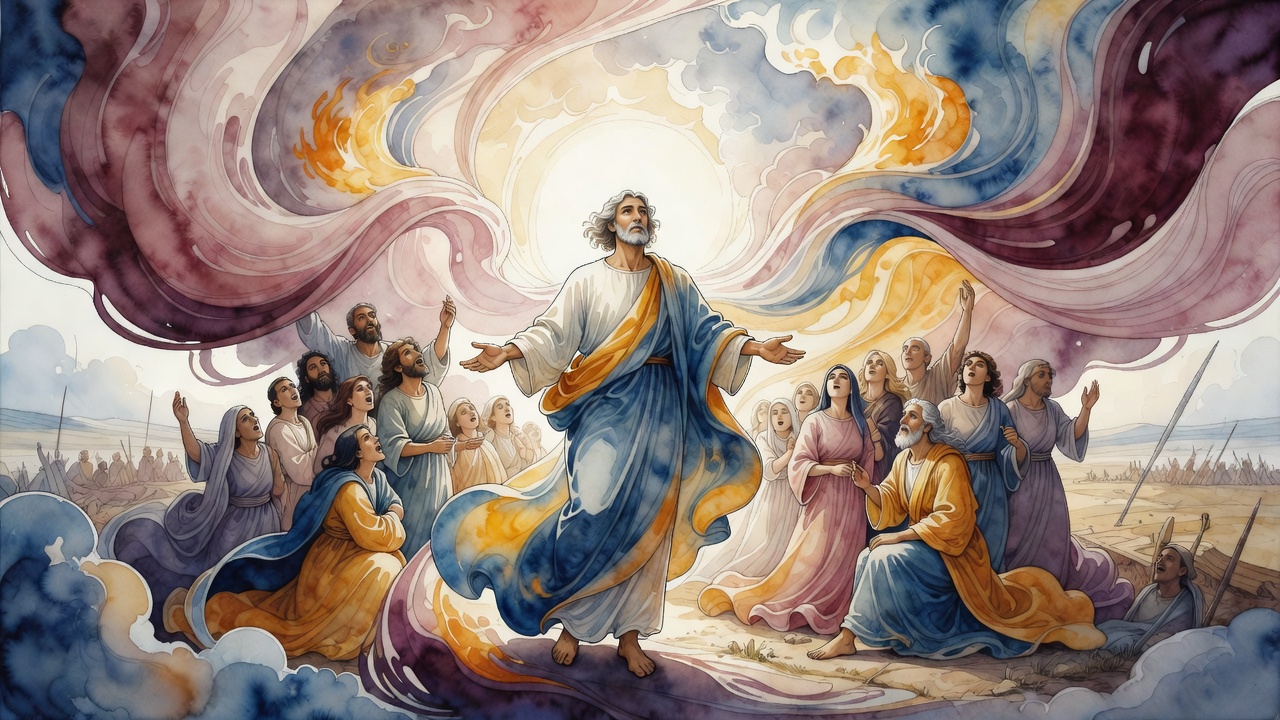
The number was a name. The letters of Eliezer, the servant of Abraham's house, add to three hundred eighteen. The army that left the oaks of Mamre was one man whose loyalty counted as a host.
Some of the household had gone pale at the news. Five kings had not stood against this coalition. How would a tent-camp stand? Abraham went white in the other direction. He said he would go out and fall for the Name if that was what the night required. He emptied them of their fear with weapons, or with jewels, or with the old speech that sends home the man whose heart is soft. Then he took Eliezer and the dark.
Lot was still a prisoner. That was enough.
The Night Split Down the Middle
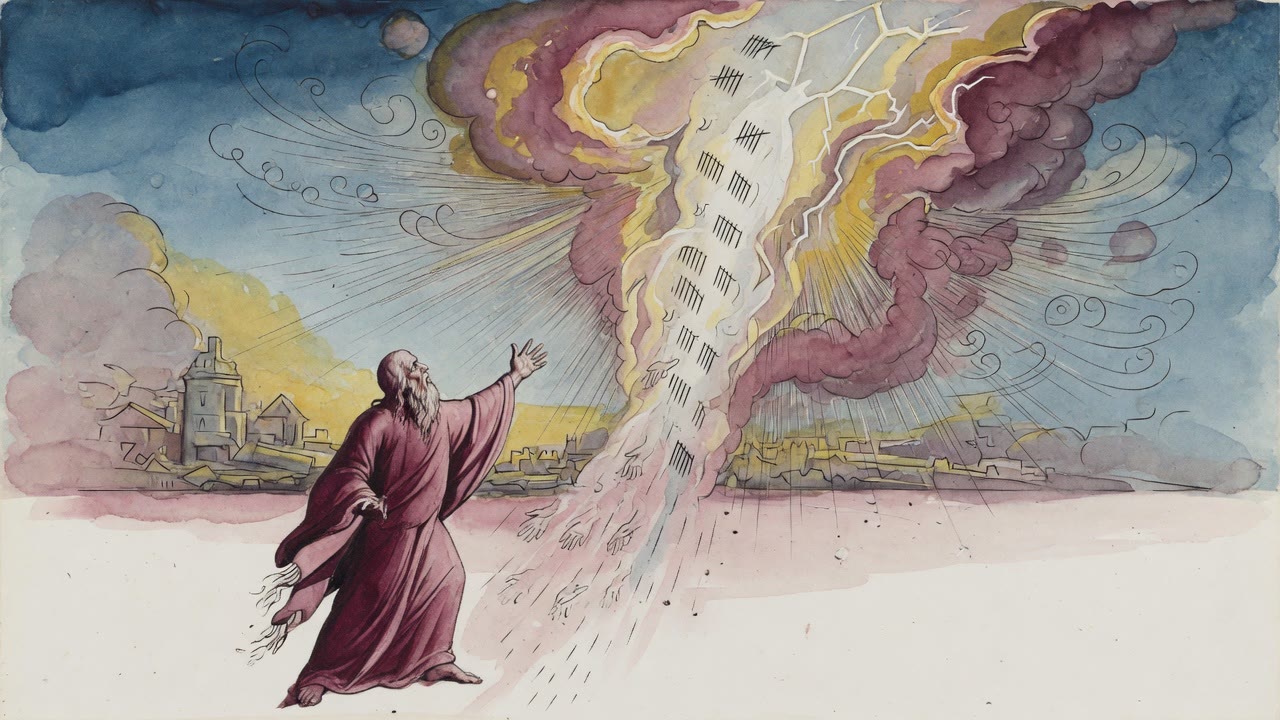
Abraham divided his force, and the night divided with him. He struck until midnight. From midnight on, God struck, the way He would later strike Egypt in the same half of the dark. The coalition broke. Men ran who had not planned to run. Abraham chased them past Dan, a place that would one day stink of a calf, and on to Hovah, the place of a later debt. He did not stop for the idolatry that was not yet built. He was bringing Lot home.
He brought back the nephew. He brought back the women. He brought back the goods the four kings had taken from the five. The war ended in the dark, with Lot alive and the giant's hope unpaid.
Og watched a man he had wanted dead come back with the spoils of four kings. He stored that for later.
Not a Thread from Sodom
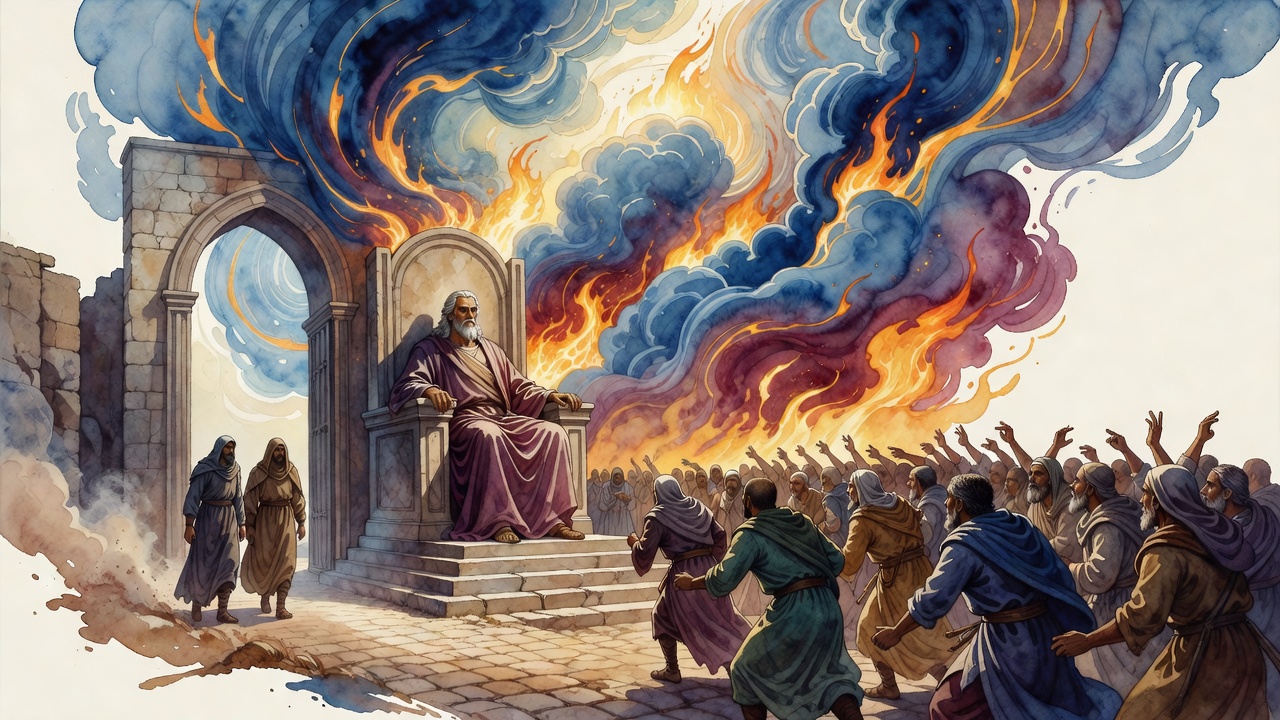
The king of Sodom came out to meet Abraham at the valley of the king. He had been pulled from a slime pit in the same war, and the rescue had made him proud. He made a reasonable offer. Keep the goods. Give me my people.
Abraham had recovered everything. He had a right to the spoils. He refused them.
He had lifted his hand to God Most High, maker of heaven and earth, and sworn he would not take a thread or a sandal strap or anything that was the king of Sodom's (Genesis 14:23). He would take only what his young men had already eaten, and a share for the men who had stayed with the baggage. He would not let any mouth say that Sodom had made Abraham rich. He would not be the client of a city he already knew was tilting toward fire.
The king of Sodom went home with his people and without a claim on Abraham. The treasure sat in the dust and stayed there.
Dust and Ashes When He Opened His Mouth
Later Abraham stood before God and began to bargain for that same city. He did not open with his victory. He opened with his near-deaths.
"I have taken upon me to speak, I who am dust and ashes" (Genesis 18:27). Had Amraphel killed him in this war, he would be dust now. Had Nimrod burned him in the furnace years before, he would be ashes now. The man who would not take a thread from Sodom named himself as the stuff a body becomes when a king finishes with it.
Then he asked for fifty righteous. Then forty-five, because Zoar was small. Then forty. Then thirty. Then twenty. Then ten. He talked God down the list with dust still in his mouth.
Lot was alive in the camp. The four kings were gone. The night had split and closed. Abraham stood in the heat and kept asking, not as a victor, as a man who knew how close he had come to being only a stain on the ground.
← All myths