Esau Said Peace Would Come When Boars Grew Wool
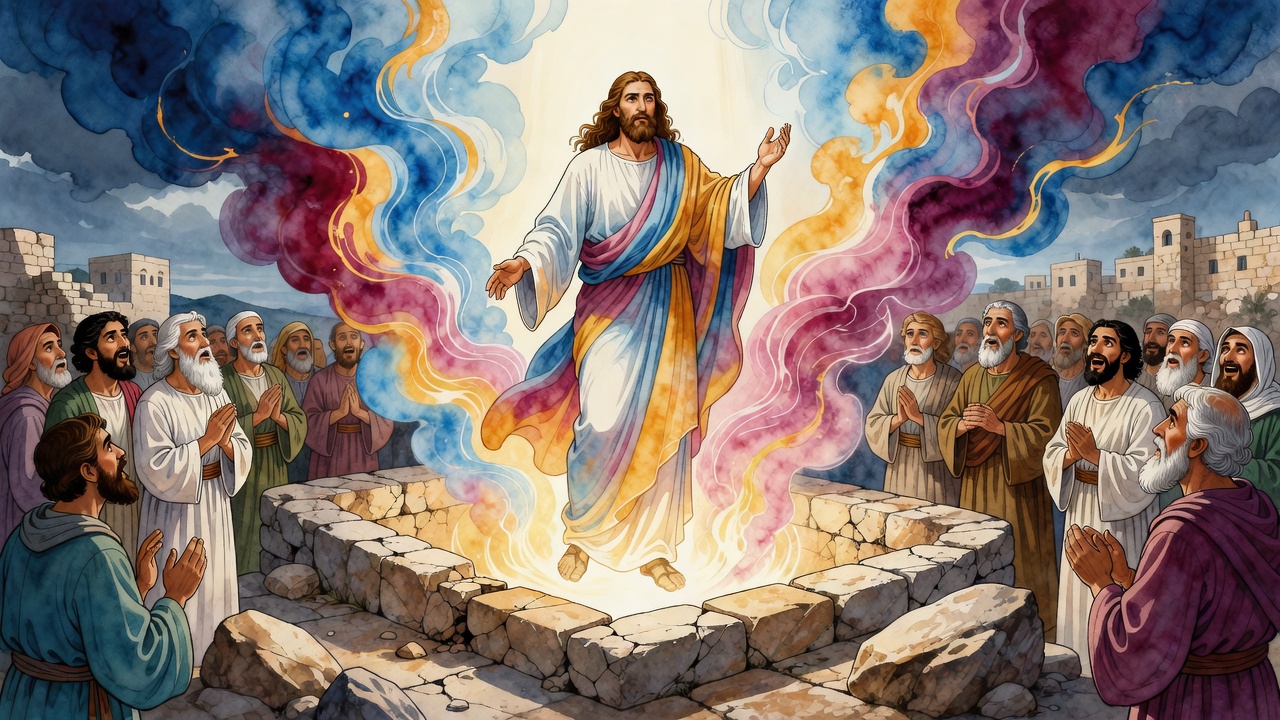
He stood under Jacob's tower with four thousand men. He did not ask for land. He said brotherhood would come when wolves kept peace with lambs.
Table of Contents
 Click for full size
Four Thousand Stood Below the Tower
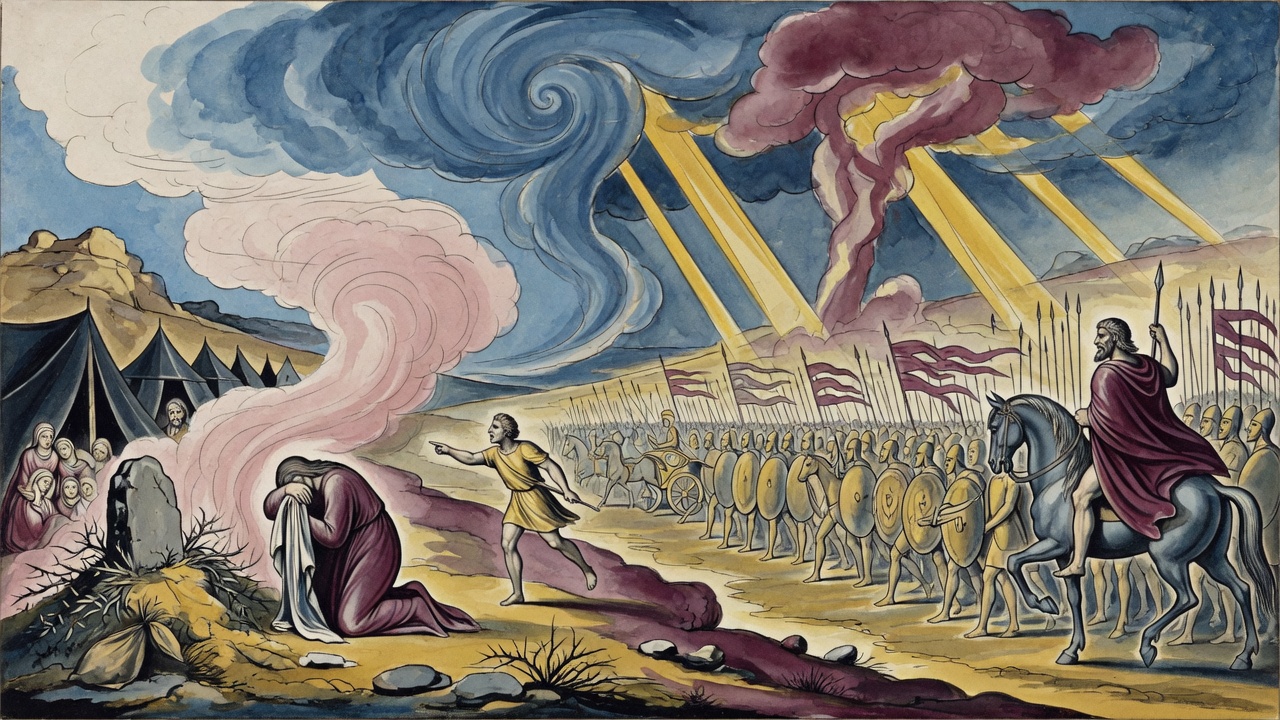
Esau came with four thousand men and stopped under Jacob's tower. He did not send a greeting. He did not ask for a share of the ground. He had finished deciding on the road.
Jacob was inside the walls with his sons. The flocks Esau still named as stolen were in those pens. The blessing Esau still named as stolen was in that house. Twenty years of Haran sat between them, and then the years after the return, and none of it had cooled.
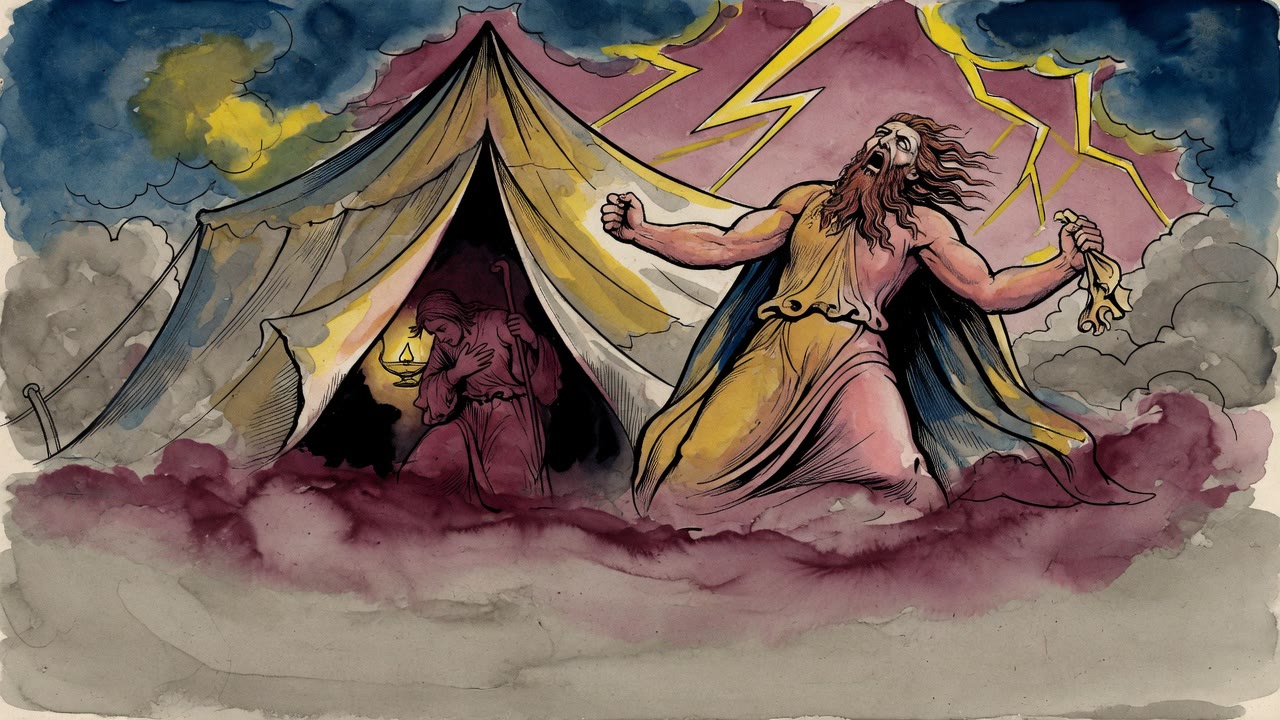
Esau looked up at the tower and opened his mouth. The speech was a declaration built to make the fighting feel like weather, not a choice.
If the Boar Grows Wool
"Hear these words which I declare unto thee," he said.
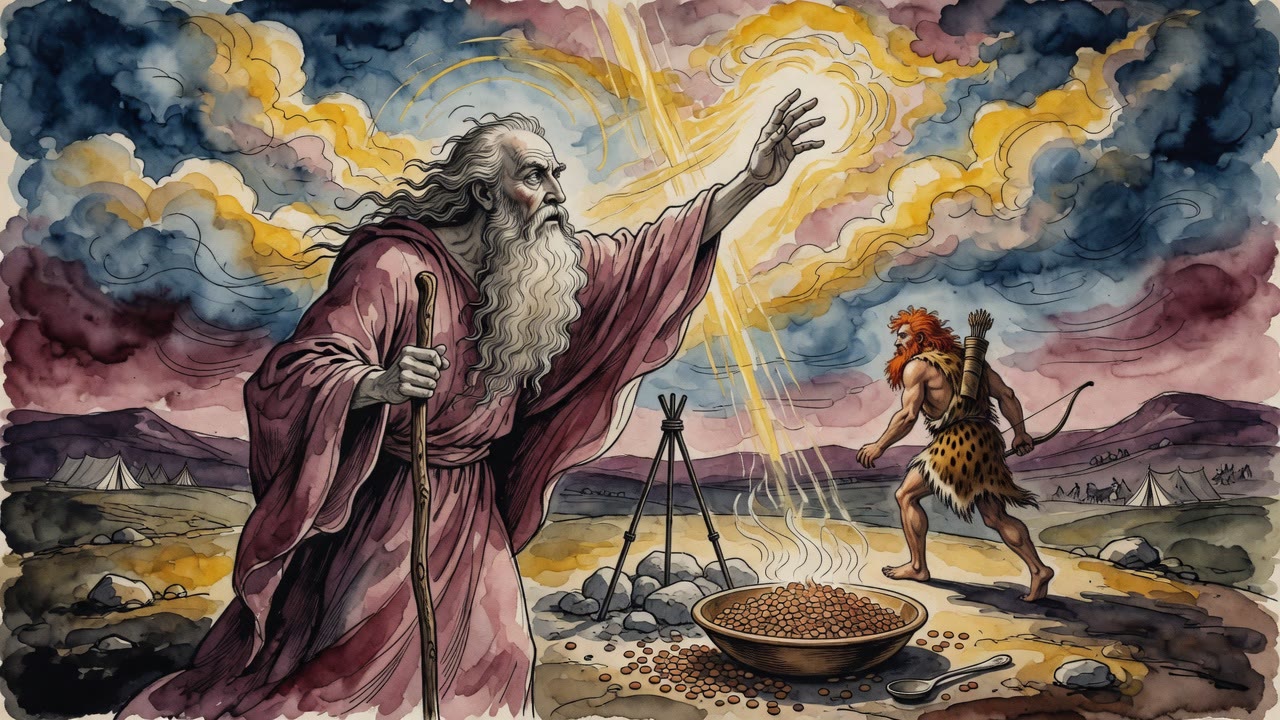
"If the boar can change its skin and make its bristles as soft as wool, or if it can cause horns to sprout forth on its head like the horns of a stag or of a sheep, then shall I observe the tie of brotherhood with thee."
The four thousand heard it. Jacob heard it from the height. A boar does not grow wool. A boar does not put on horns like a ram. Esau had picked an animal that cannot become another animal, and he had put his own name on it.
He was not done.
The Wolf Will Not Spare the Lamb
"And if the wolves make peace with the lambs so as not to devour or do them violence, and if their hearts are towards them for good, then there will be peace in my heart towards thee."
He had not chosen the eagle. He had not chosen the lion. He had chosen the boar with its bristles and its appetite, and the wolf that circles a lamb on purpose. He was telling Jacob what he was, and he was not going to unsay it in the morning.
For years he had performed brotherhood because a dying woman had asked him to. Rebecca had taken his word on her deathbed. He had said peace with his mouth. Standing under the tower, he took the performance off. Brotherhood, he said, would come when wolves kept peace with lambs. Until then there would be none.
Abraham Had Warned Rebecca
Years before that speech, Abraham had watched the two boys and known which one would carry his name. He saw Esau's deeds. He knew that in Jacob his seed would be called.
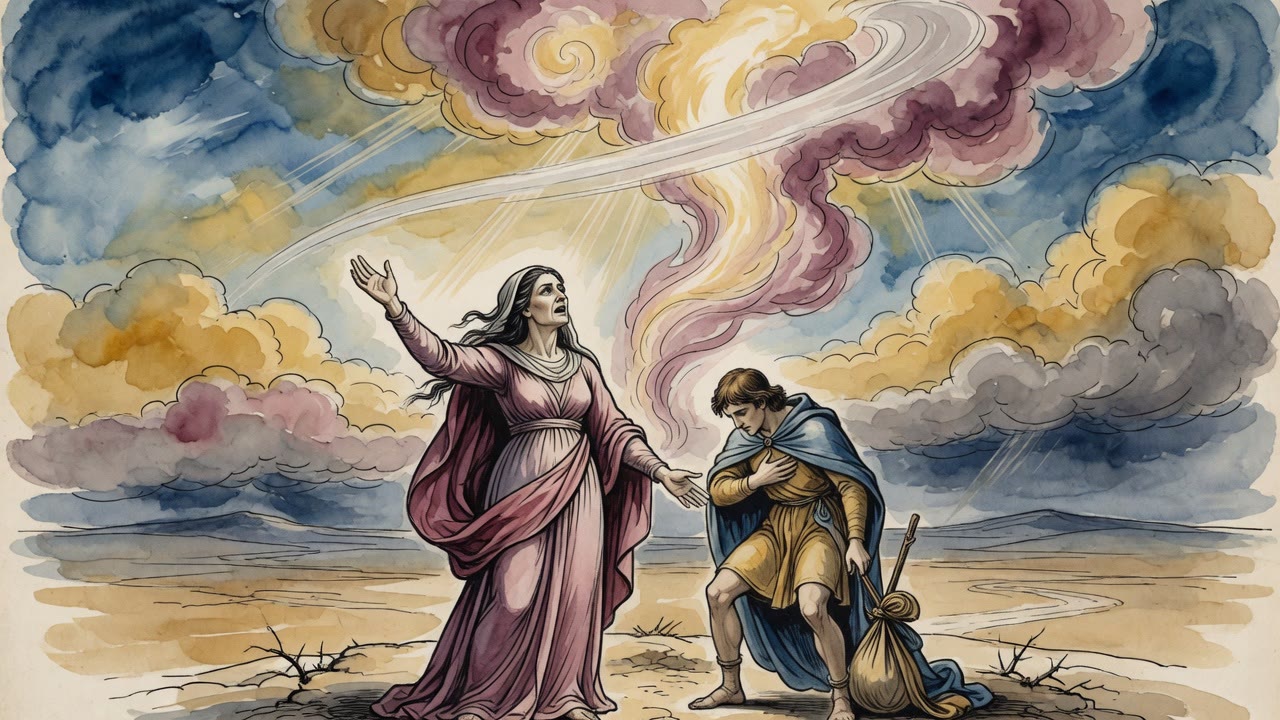
He called Rebecca in. "My daughter, watch over my son Jacob. He shall be in my stead on the earth, and for a blessing in the midst of the children of men, and for the glory of the whole seed of Shem. The Lord will choose him as a people for Himself."
She already loved Jacob more. Abraham did not need to create that love. He needed her to treat it as a charge. Guard this one. The other one is already walking toward a tower with an army, even if the army has not been hired yet.
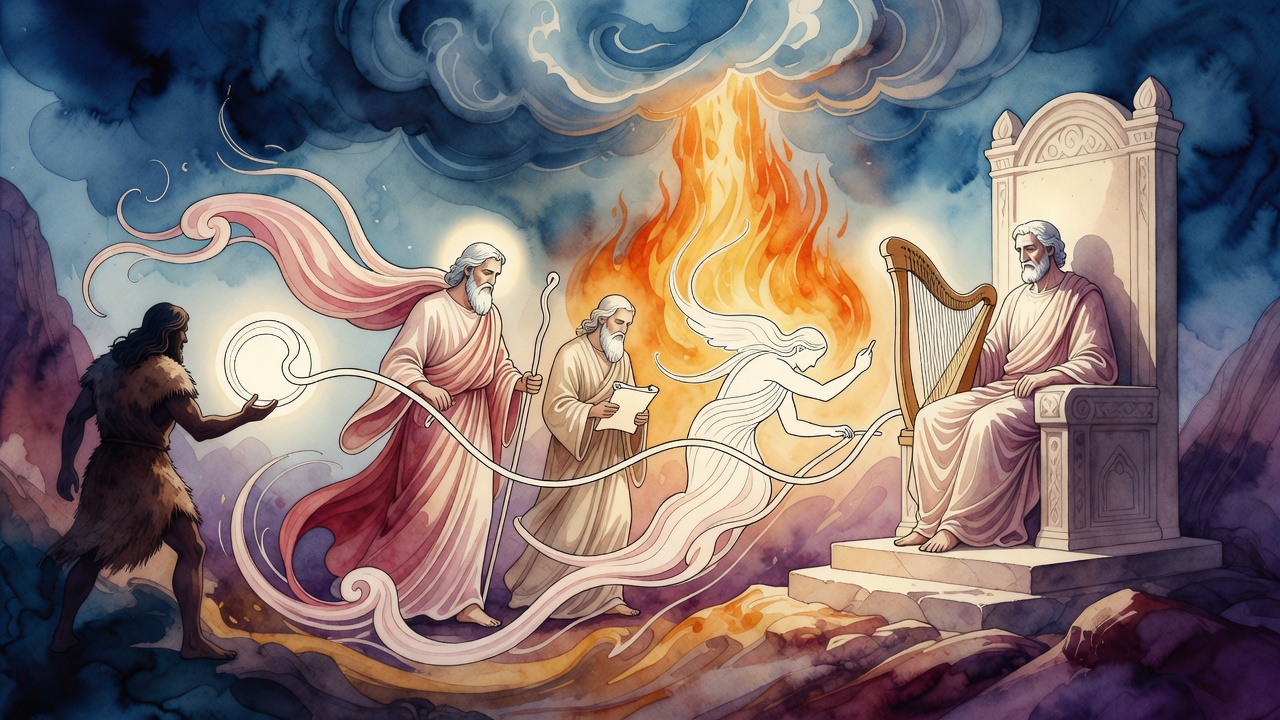
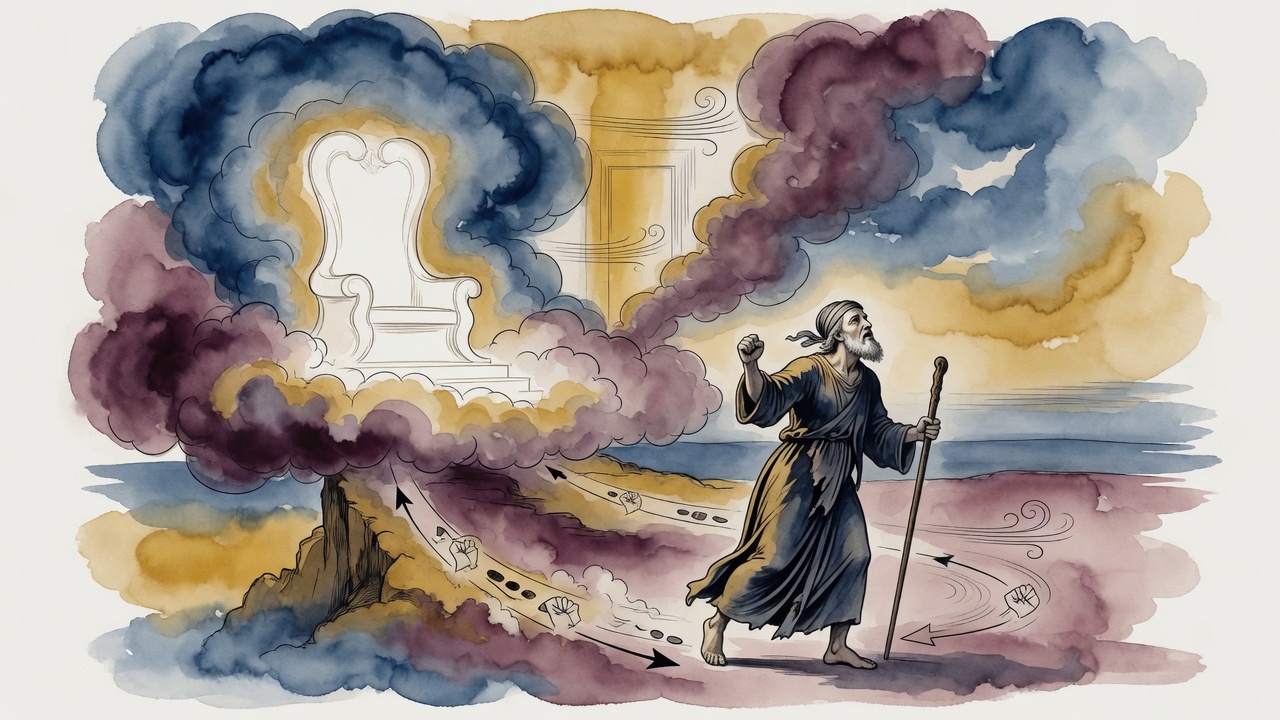
Esau later took the grievance upstairs. He stood before God and named what Jacob had done since the day he left for Haran: forsaken them, done evil, taken the flocks, carried off the possessions, then acted as if he were showing pity when they begged for what was theirs. He was bitter that Isaac had blessed Jacob, the son in whom there was no evil but only goodness. The complaint did not move the blessing. It waited in him until he had four thousand men to put under it.
He Finished Performing Brotherhood
Under the tower the declaration ended. Esau did not offer a door. He had named the conditions that cannot be met, and then he had named himself as the reason they cannot be met.
The men behind him shifted their spears. Jacob's sons looked down from the wall. The peace Rebecca had bought with a dying request ran out on that ground, in that hour, in a speech about a boar that will never grow wool.
Esau turned his face toward the gate. The four thousand moved with him. Brotherhood, he had said, was a skin the boar does not wear. He went to prove it.
← All myths