480 myths · Page 1 of 16
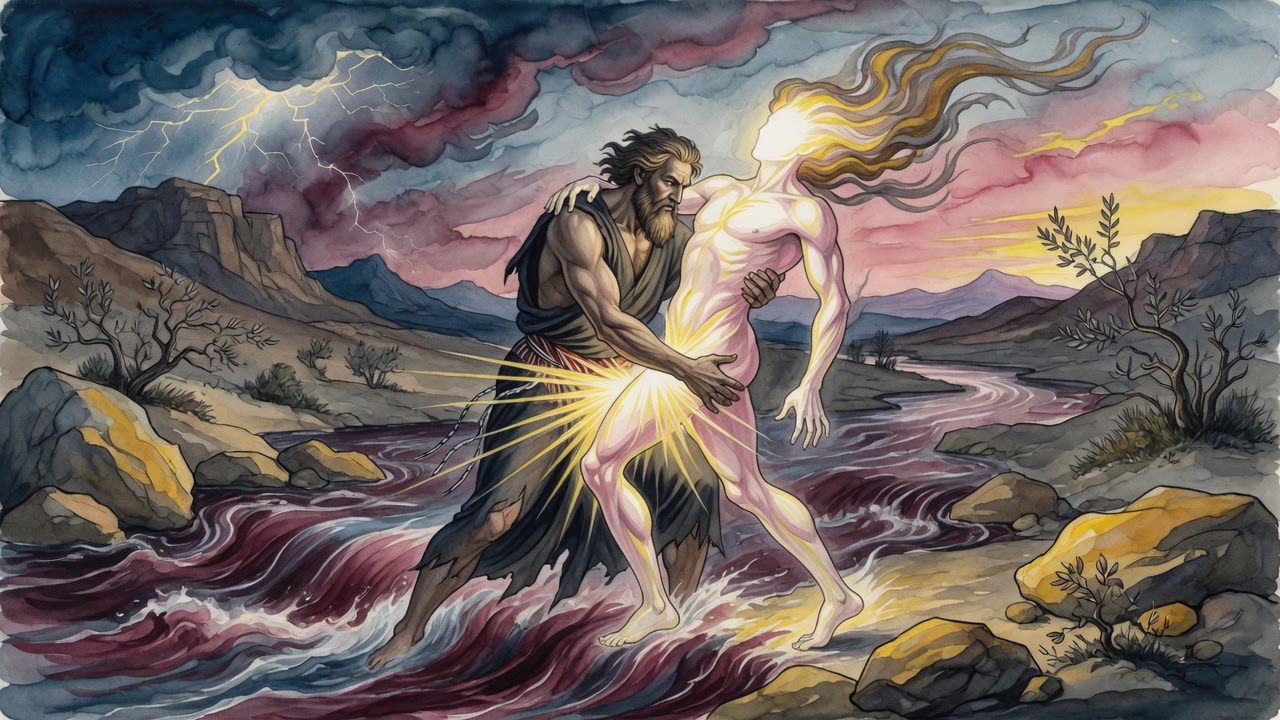
The angel had to be back in heaven before sunrise or the morning song could not start. Jacob had him by the throat and a question about Esau.
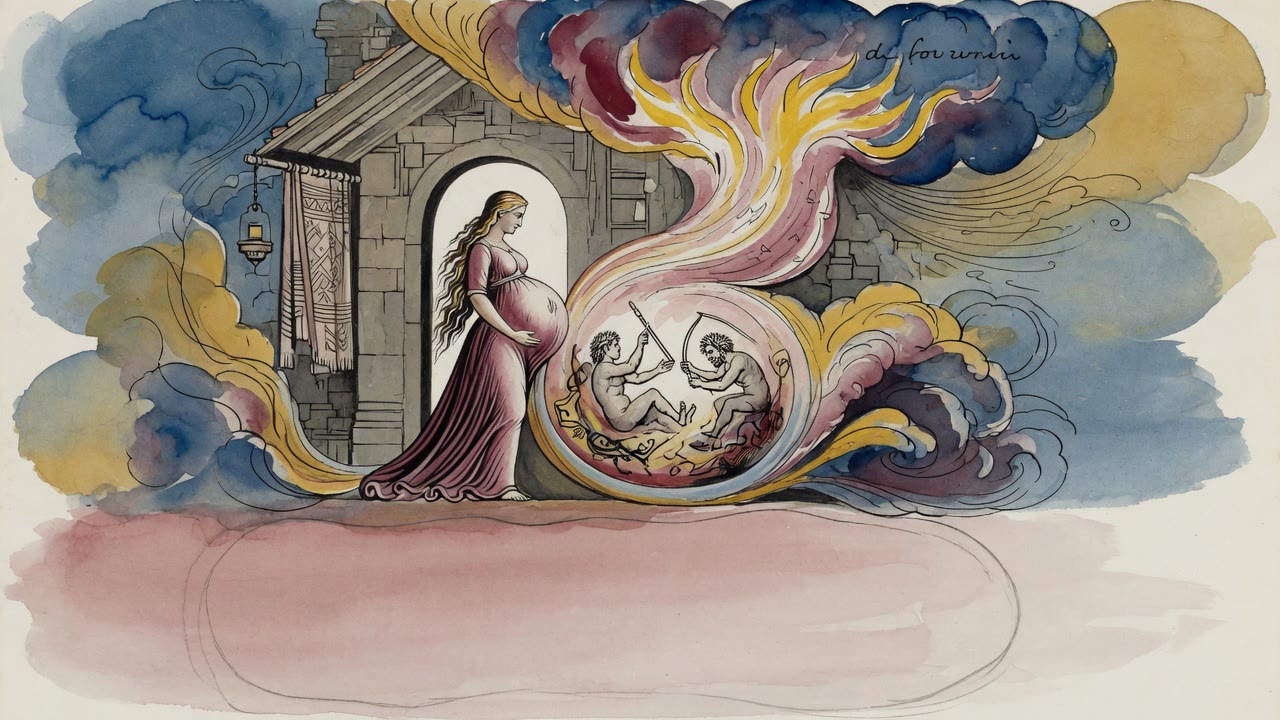
Rebecca's pregnancy became a battlefield before Jacob and Esau were born, forcing her to seek God's answer in the house of Shem.
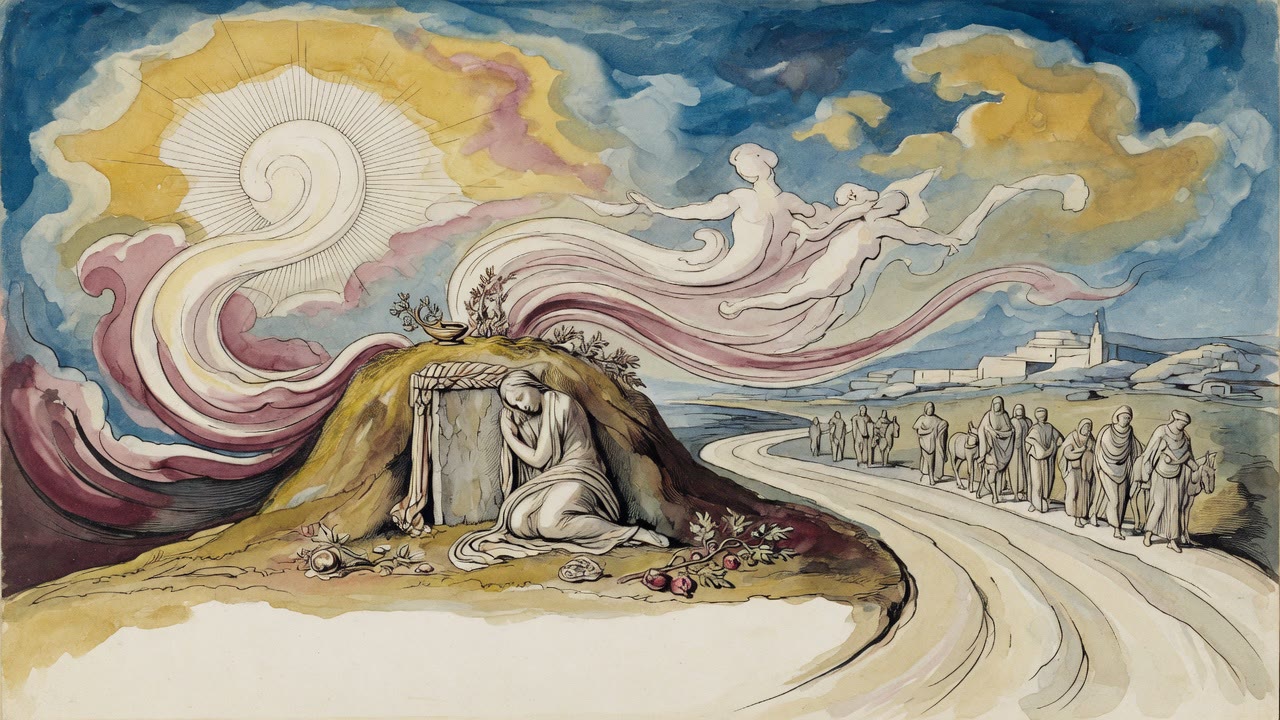
She named the boy Ben-oni and died beside the road. Jacob would not carry her to the cave. He had already seen the exiles marching that same dust.
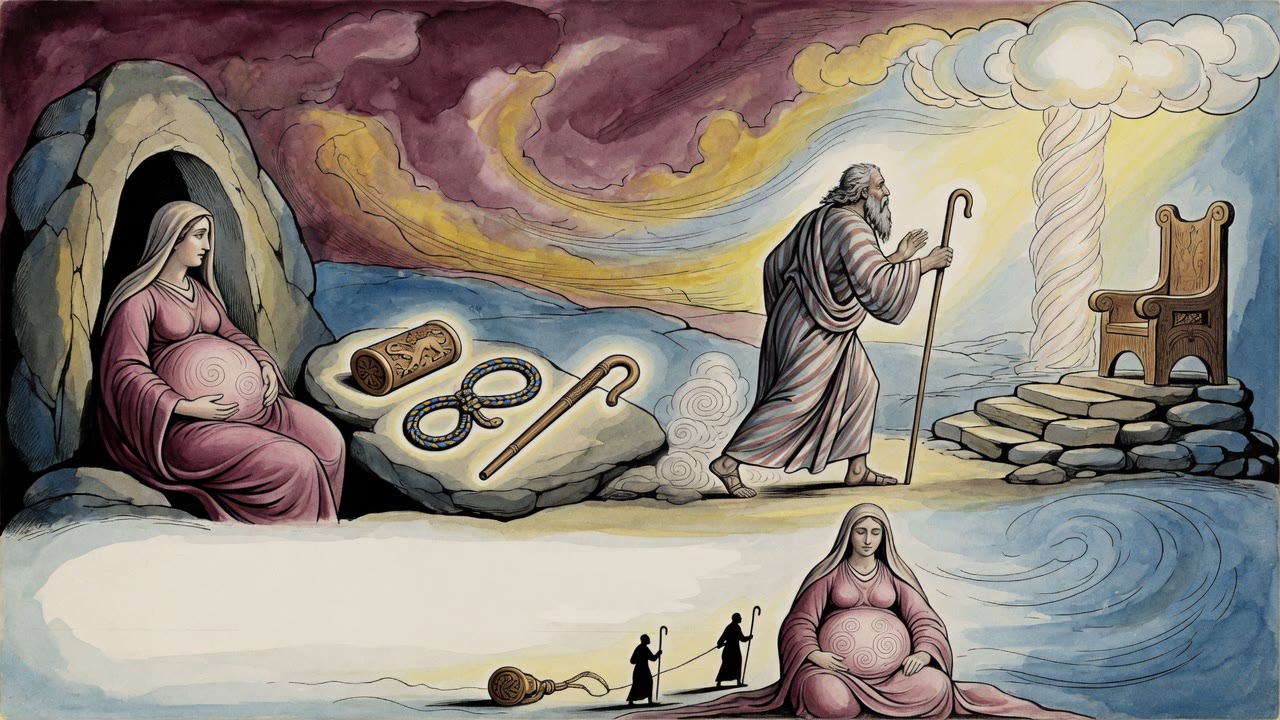
Judah once sent Jacob a bloodied coat and said recognize, please. Years later those same words came back from a woman walking toward the fire.
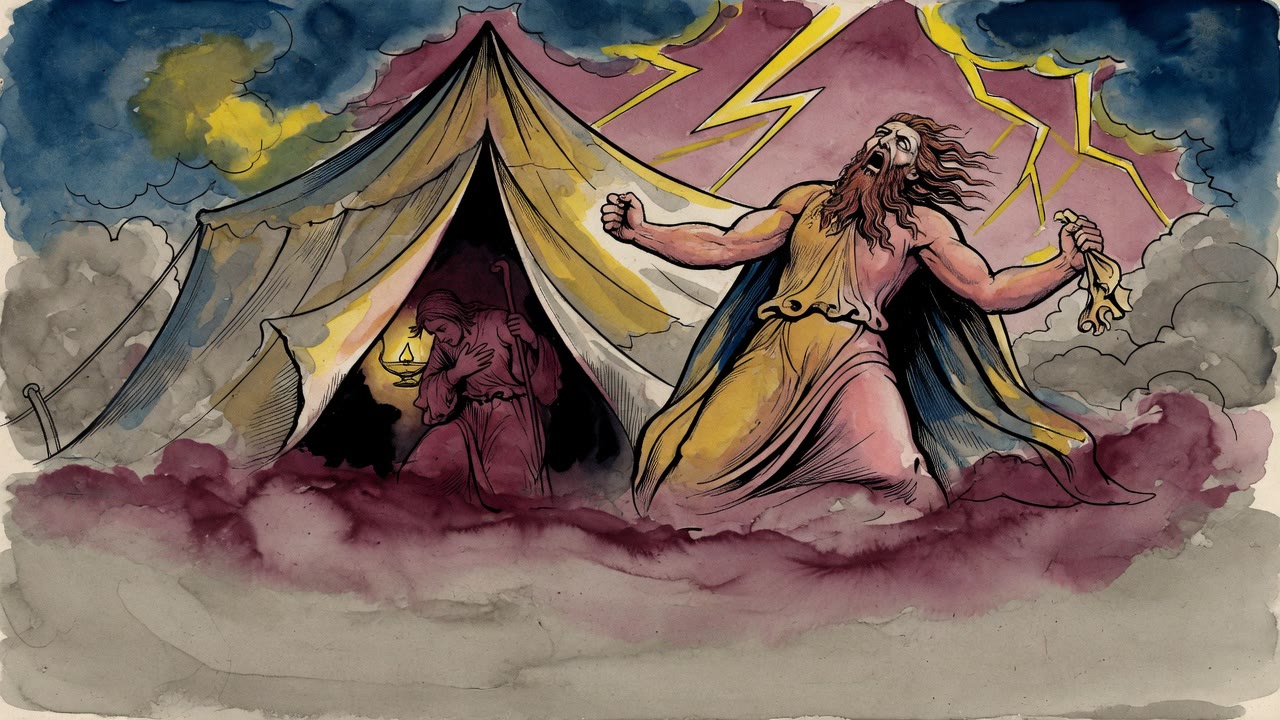
Esau returns from the field to find Jacob wearing his clothes and carrying his blessing. The cry that follows shakes the walls.
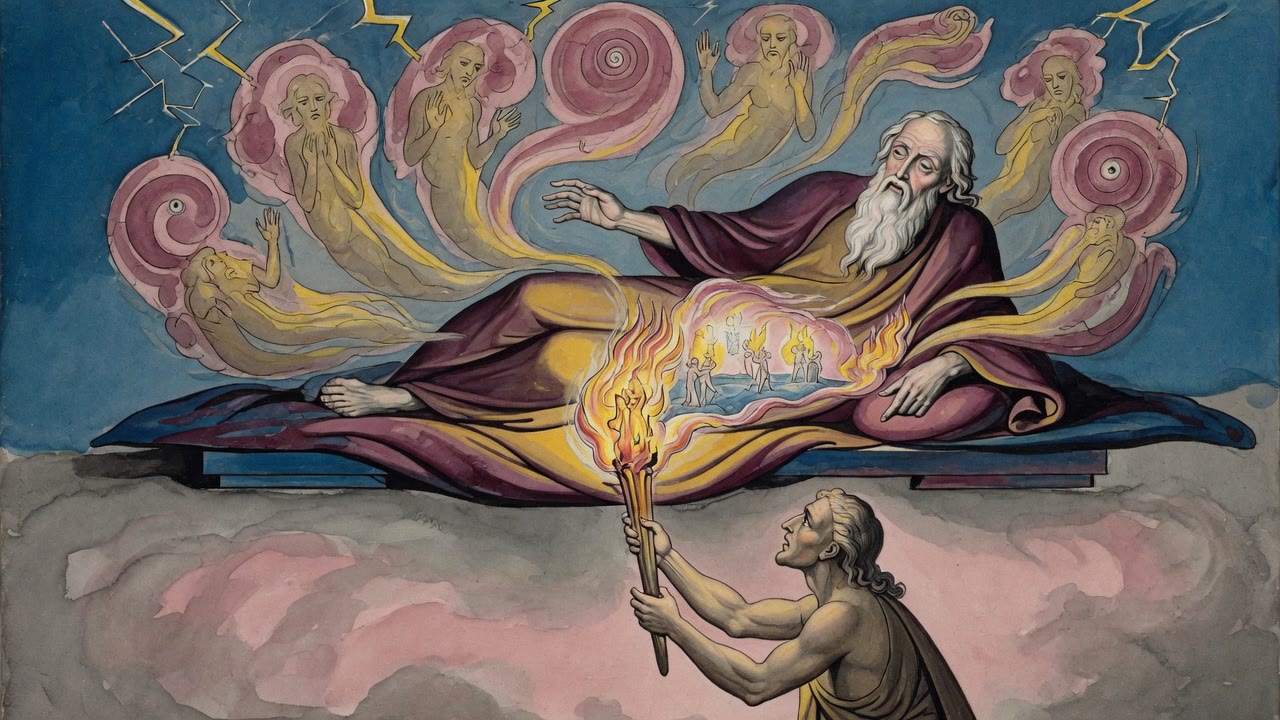
He had worked through all twelve sons, Reuben unstable as water, Judah with the scepter. Then he spoke one more name. The boy was not yet born.
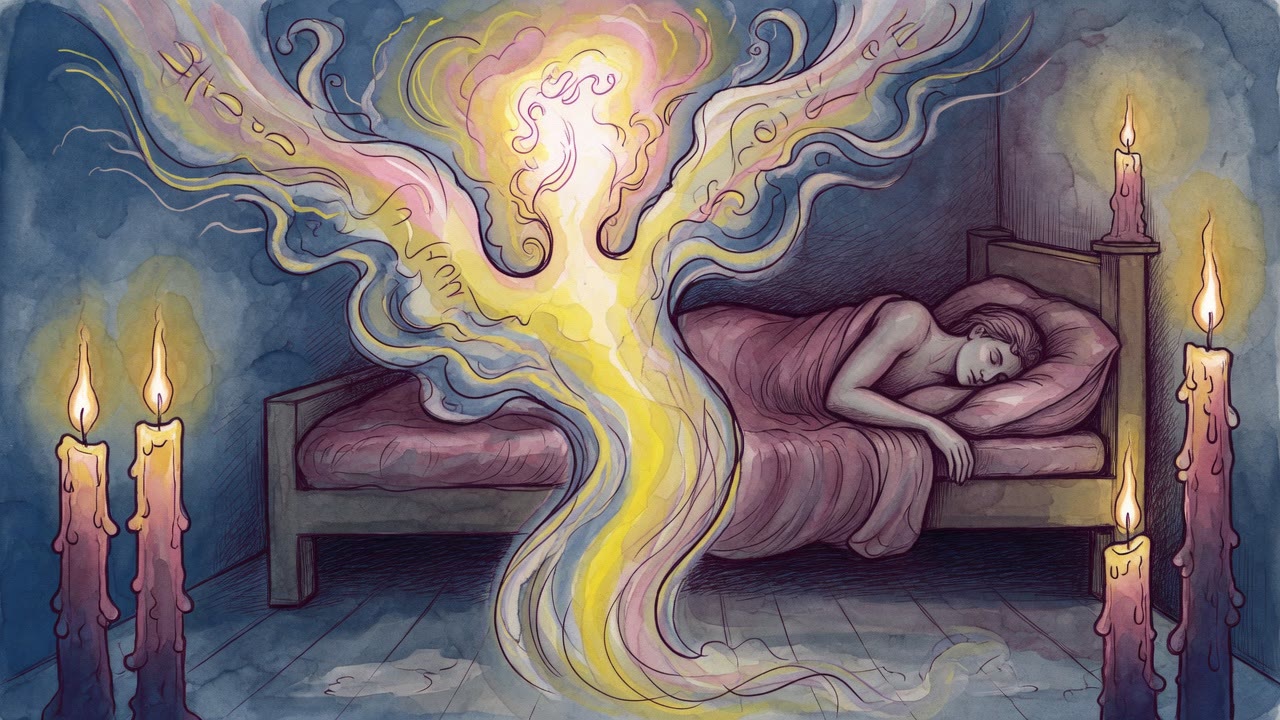
A Hasidic rebbe found proof in something you can watch. When someone is asleep, only one thing wakes them instantly. Their name.
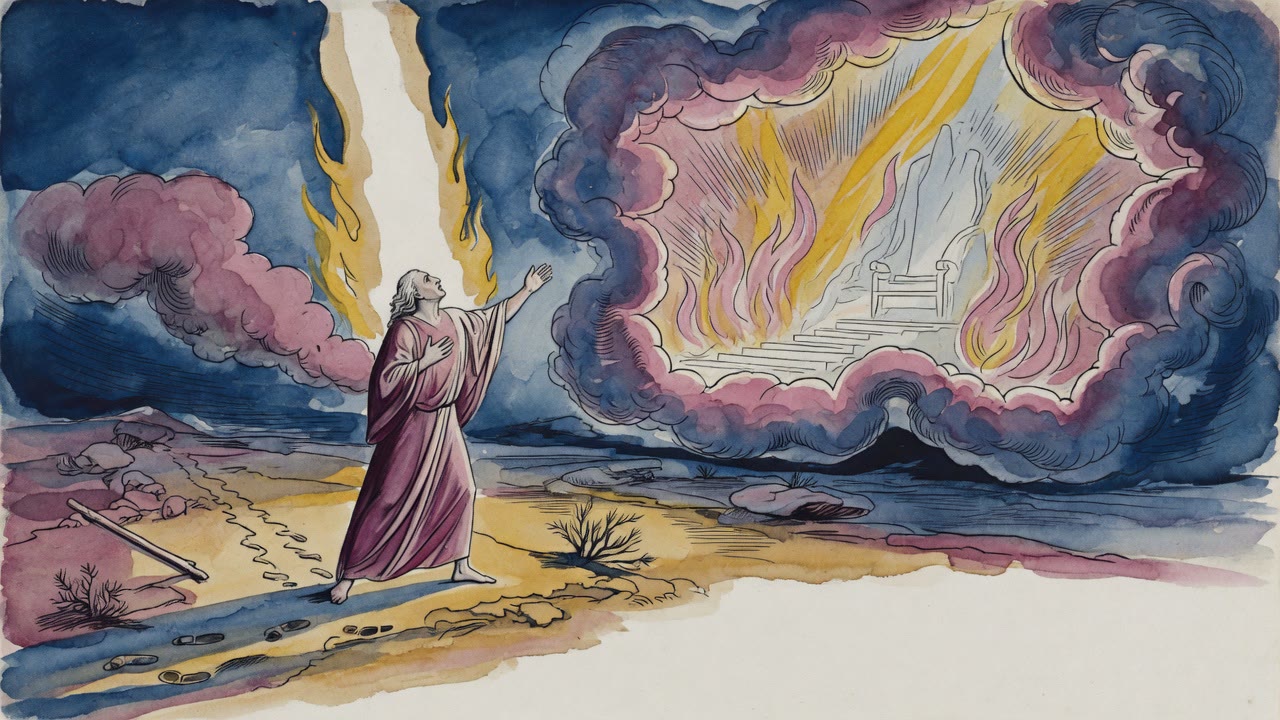
The brothers cut a young goat's throat and dipped the coat in its blood. Their father believed it for more than twenty years.
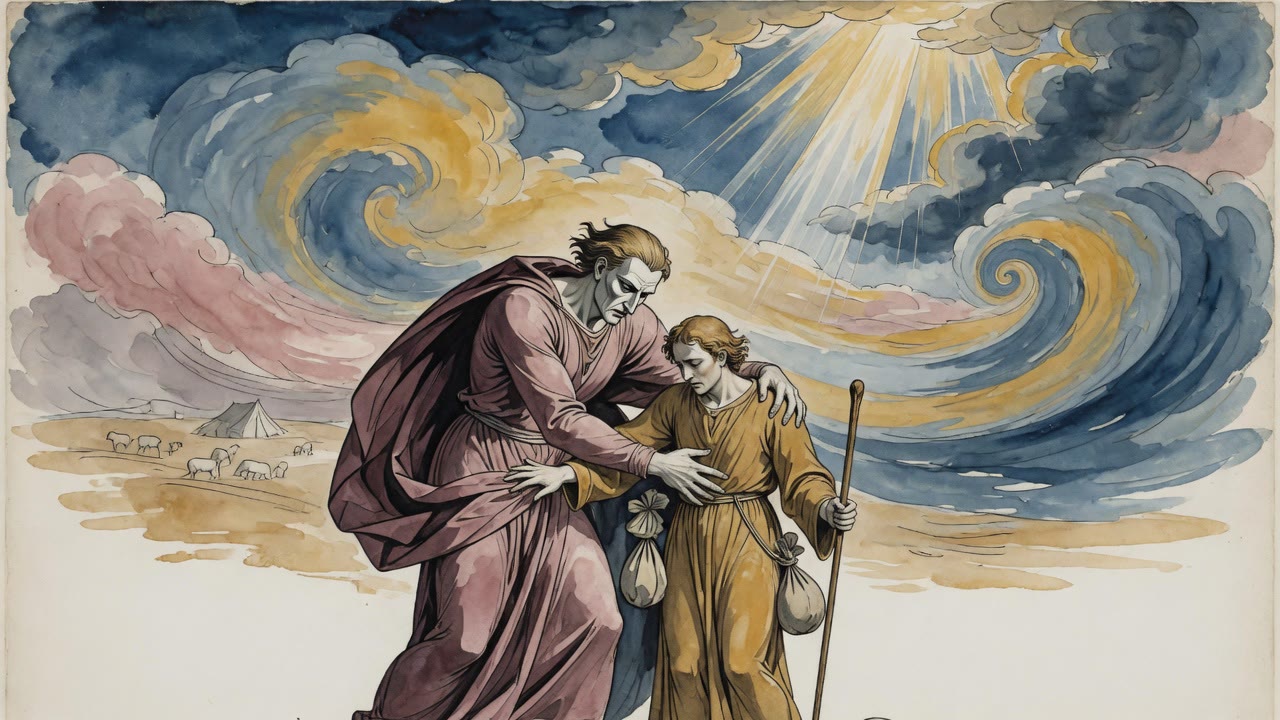
Ten camels had come with Eliezer a generation earlier. Laban ran out expecting the same weight. His hands found a staff.
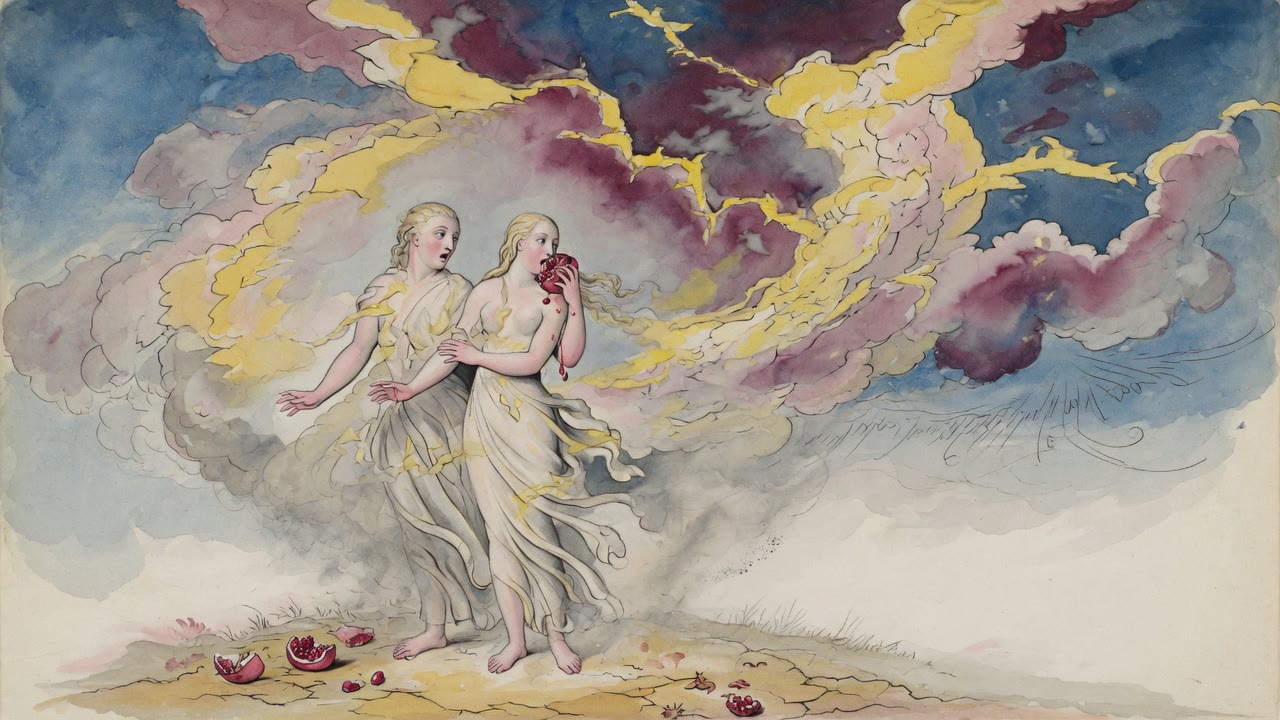
Adam and Eve once wore garments of light, skin smooth as a fingernail under a cloud of glory. One bite stripped all of it away.
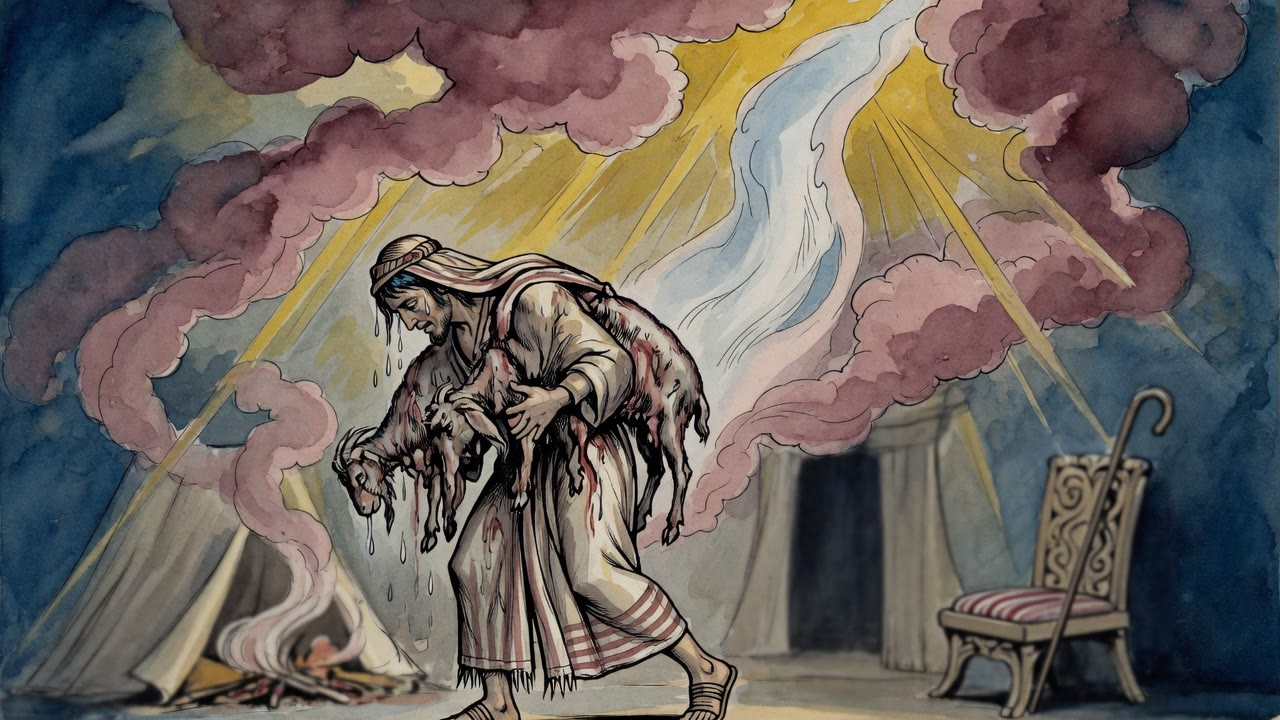
His mother told him to fetch two goats and lie to his blind father. Jacob's hands shook, his body bowed, and the tears would not stop.
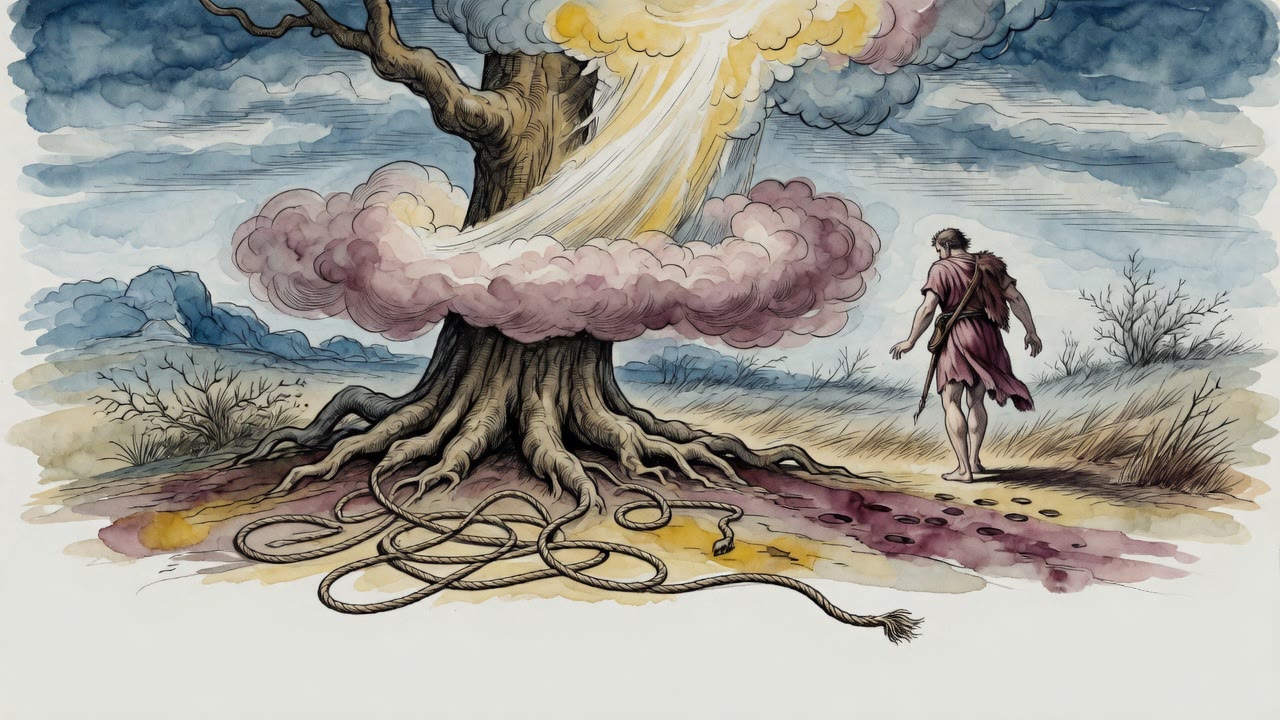
Esau tied the deer to the tree, walked off to hunt more, and came back to a loose rope and bare ground. The kill was gone again.
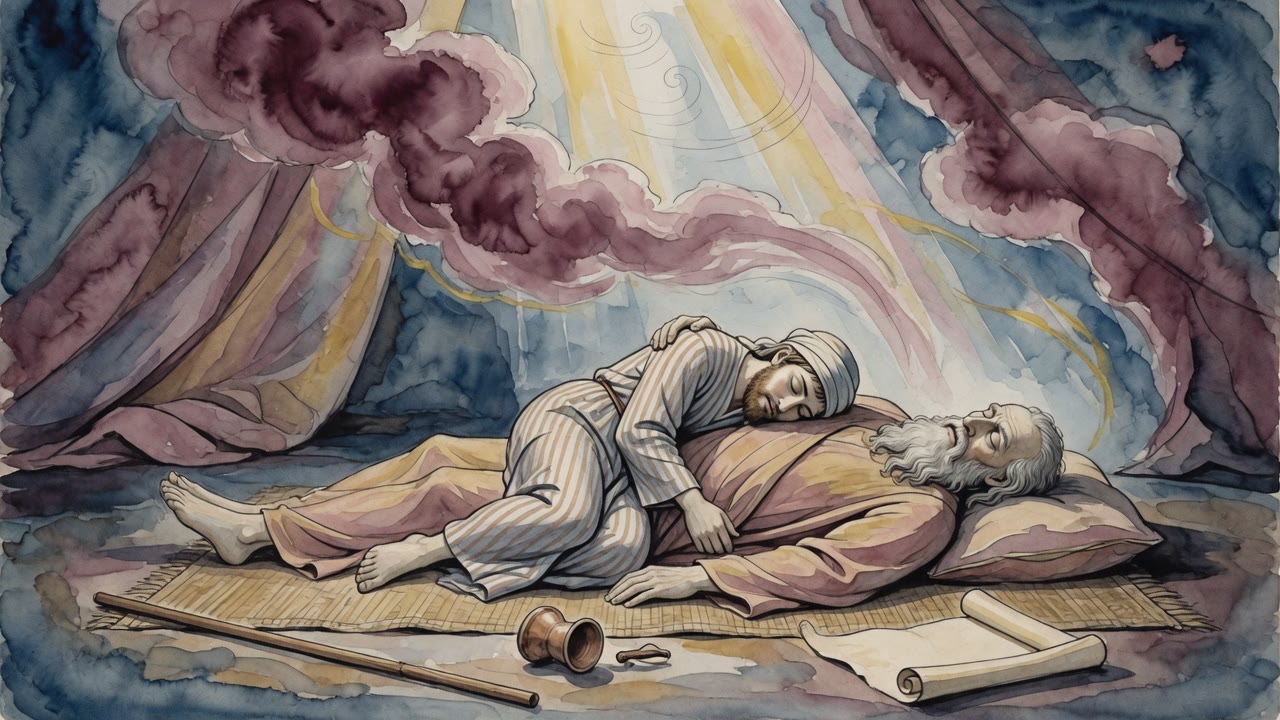
Abraham kissed him seven times and blessed the God who had brought him out of Ur. Then he stretched out his feet and died, without waking the boy.
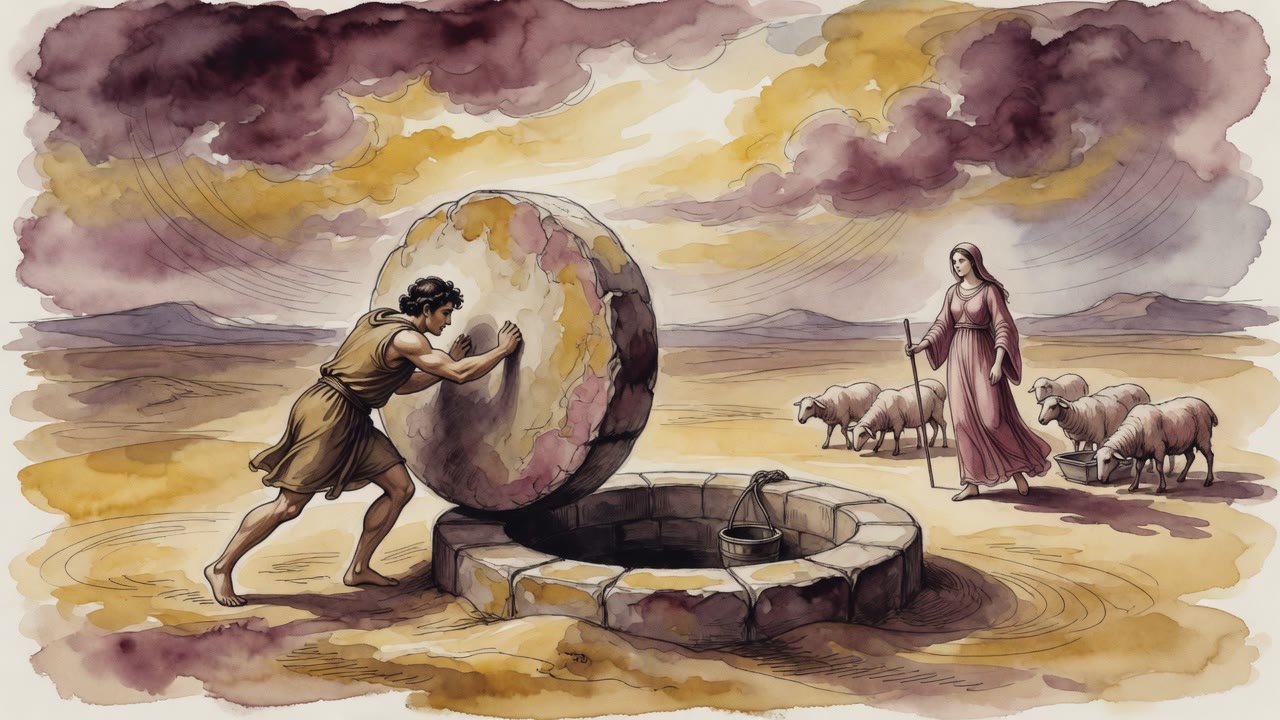
A stone that took a dozen shepherds to move. A seventeen-year-old fugitive. A girl leading her flock. Jacob rolled it off by himself.
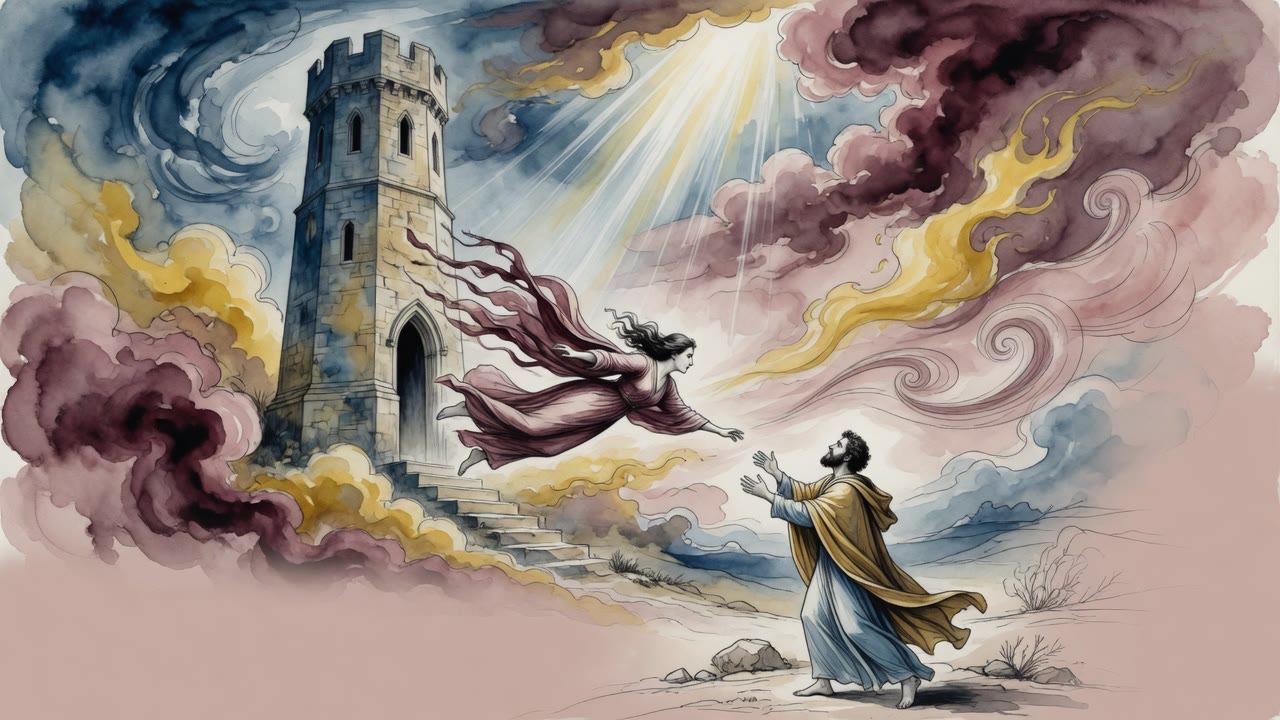
Twenty years after she sent him to Haran, Rebecca was still in the tower. A runner shouted that Jacob was on the road.
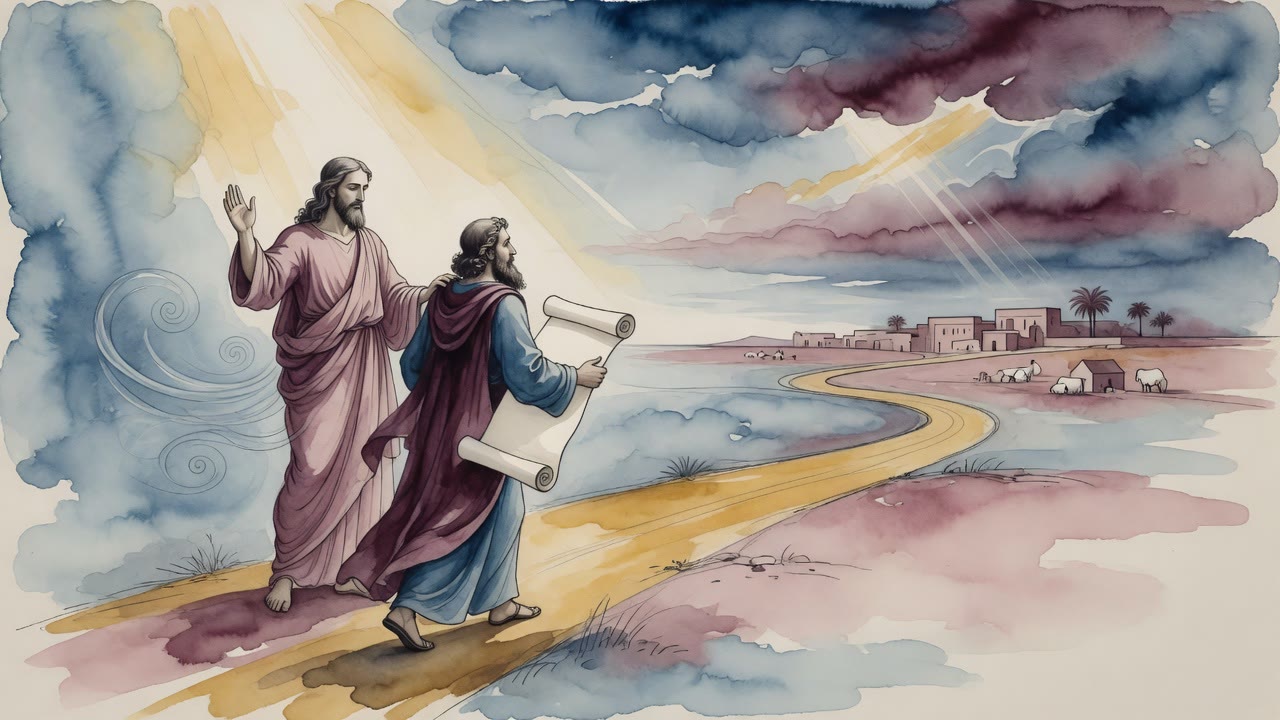
For twenty-two years Jacob secretly blamed Judah for selling Joseph. Then on the road down to Egypt, he handed Judah the keys to the family's future.
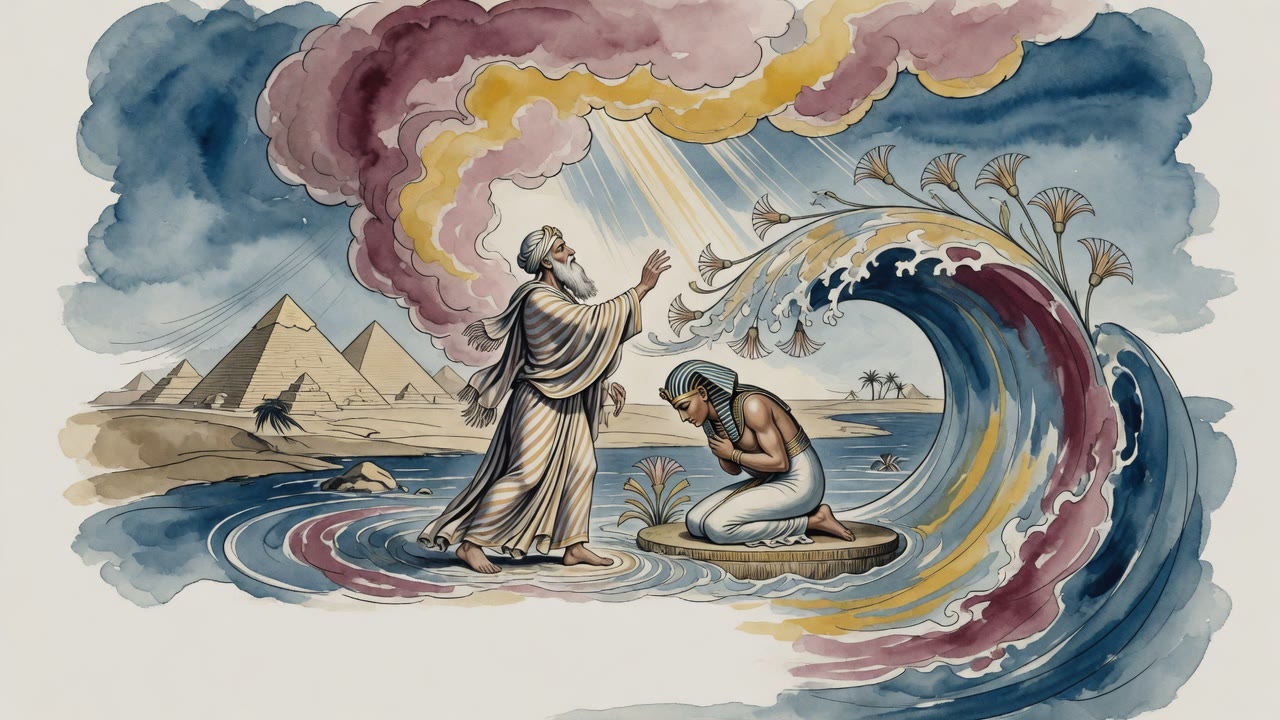
A hundred and thirty years old, leaning on a staff, Jacob walked into Pharaoh's throne room and blessed the most powerful man in the world. The Nile answered.
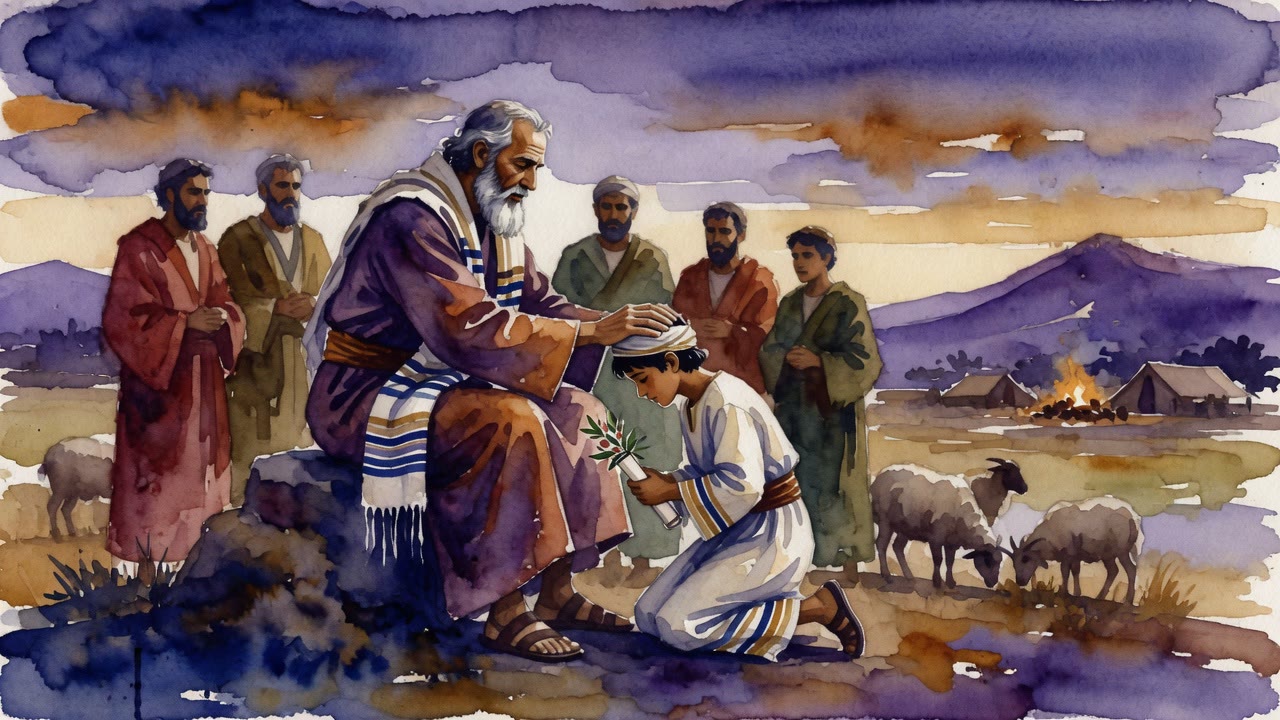
Centuries before a single Levite served in the Tabernacle, Jacob counted his sons at Bethel and picked one out for God. It was not the one you would expect.
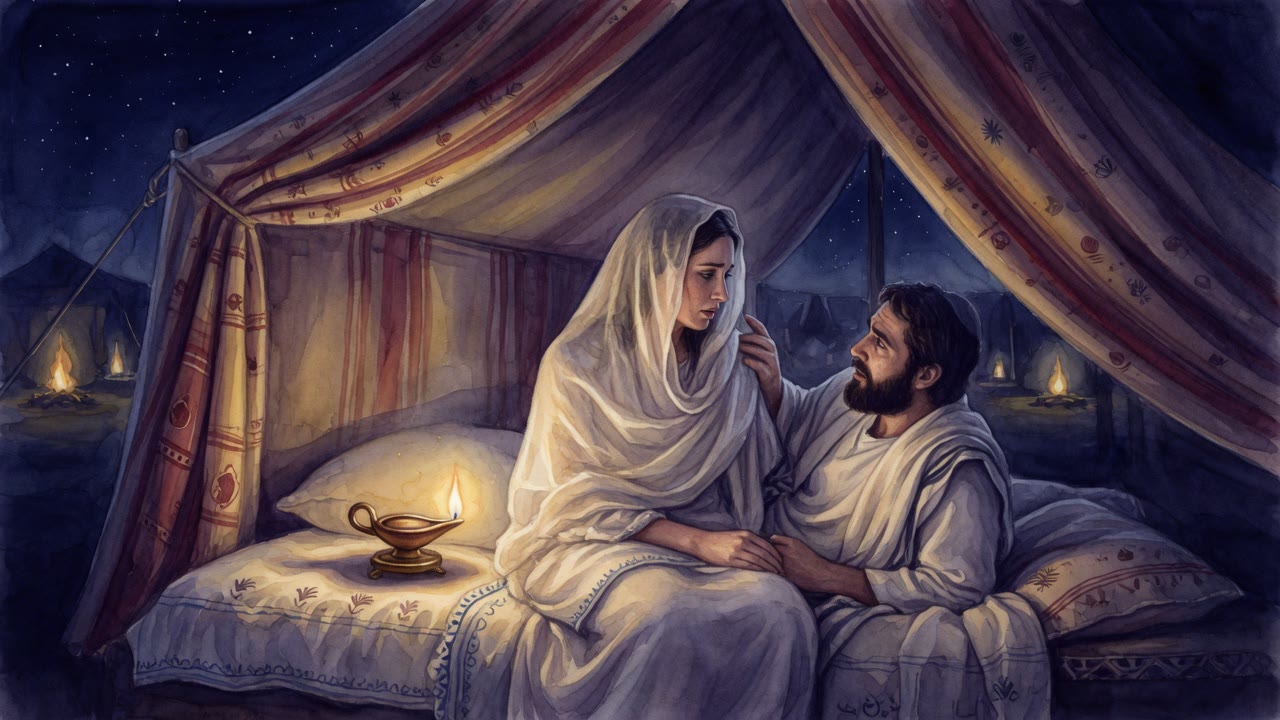
Laban spent the town's pledges on wine and meat. All day the guests sang two words into Jacob's face. He smiled and never heard them.
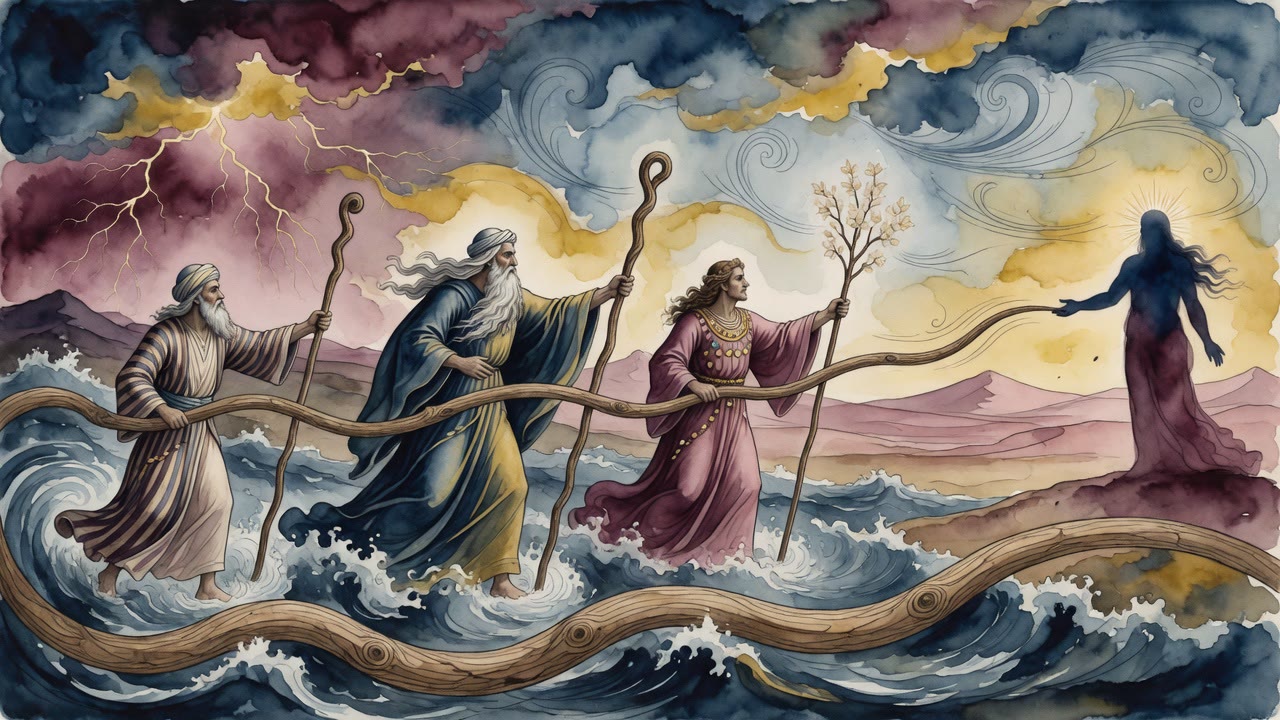
Jacob crossed the Jordan holding one staff. Centuries later that same wood was in Moses's hand, then Aaron's. The Messiah will hold it last.
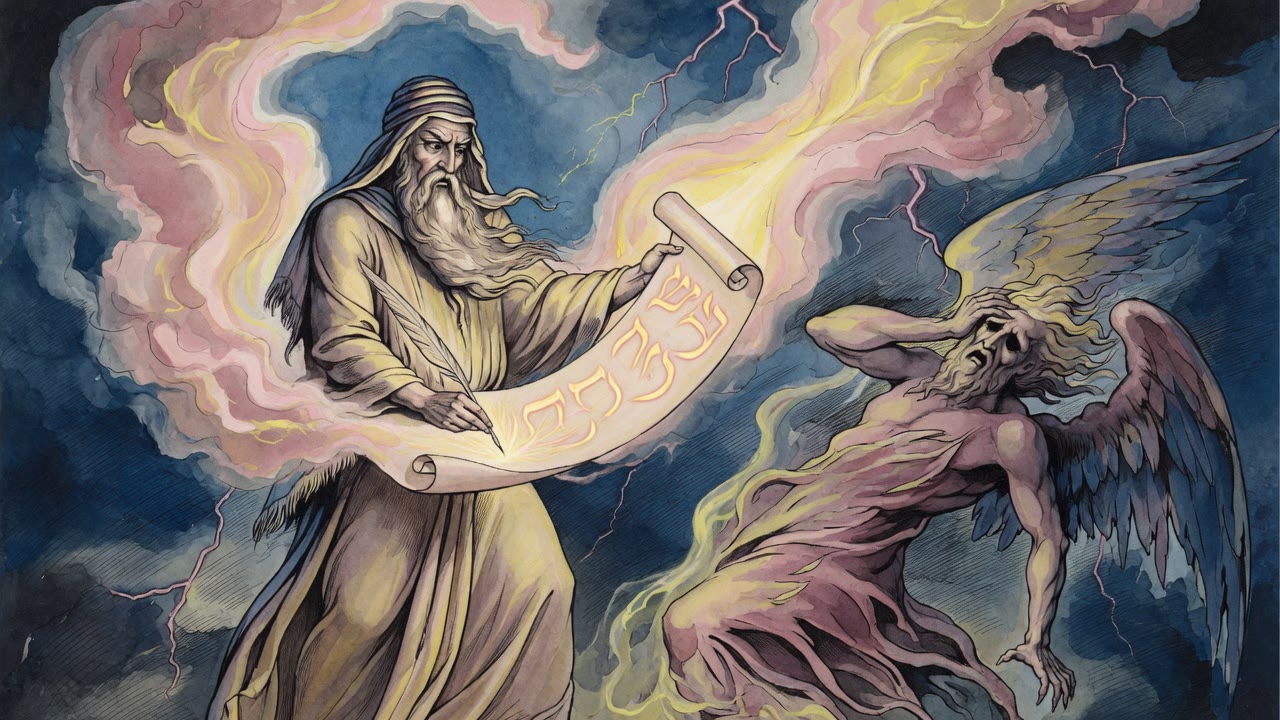
Joshua cast lots to divide Canaan among the twelve tribes. The rabbis said the lots already knew the answer. Jacob had written it four centuries earlier.
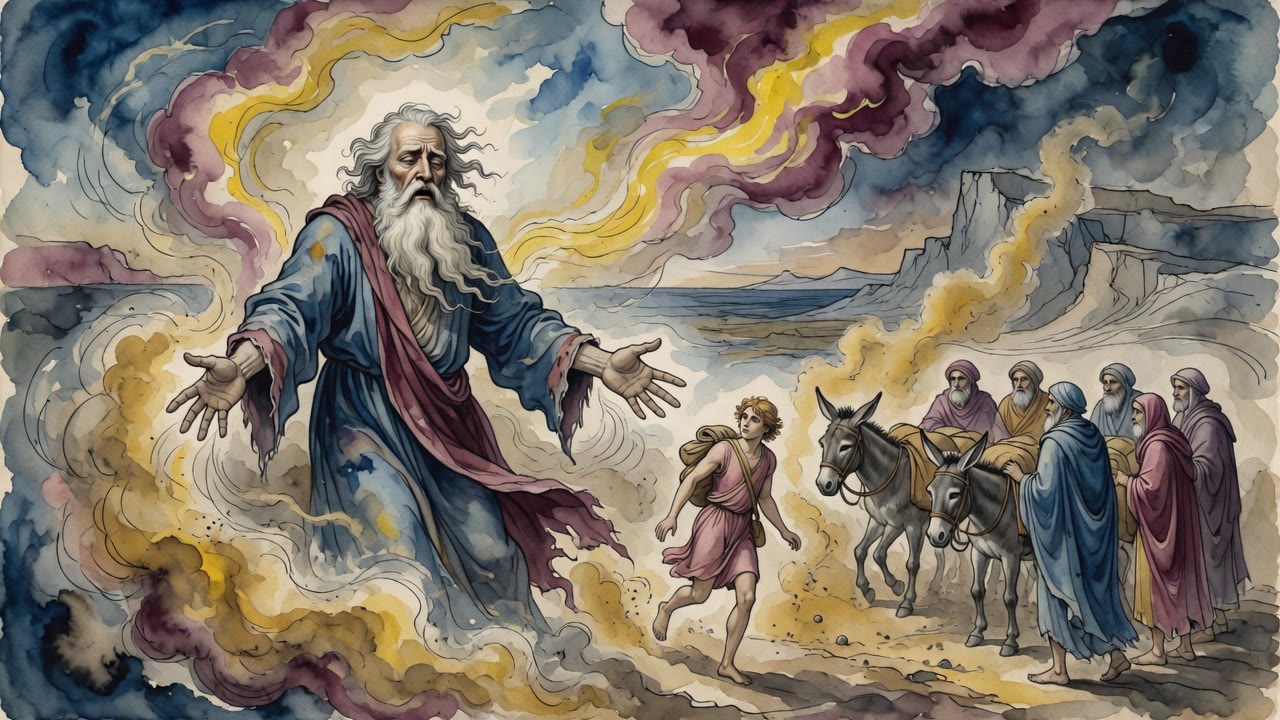
Benjamin was the last son Jacob could bear to lose. When famine pressed hard enough, even a father twenty-two years into grief had to open his hands.
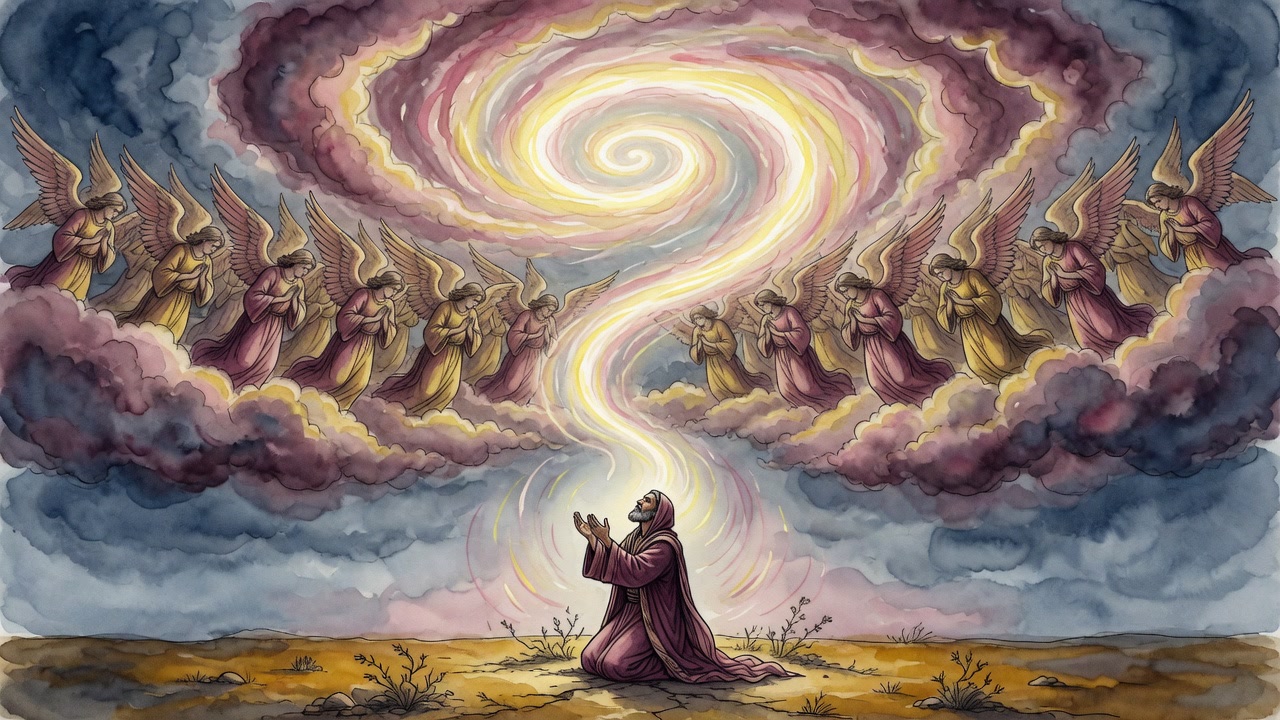
Ezekiel saw four creatures whose wings sounded like rushing water. Then the wings went slack. They were not resting: their legs are straight and do not bend.
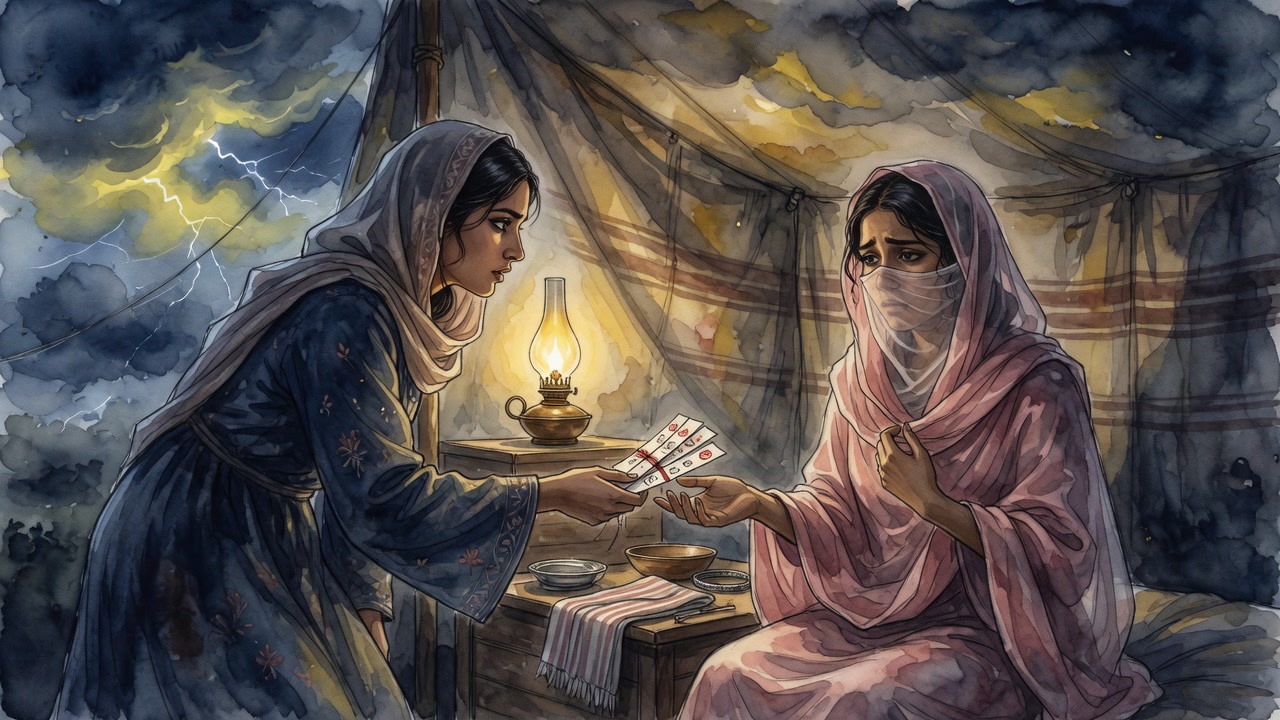
Jacob gave Rachel secret signs so no veil could fool him. Then Laban bought a town's silence, and Rachel handed the signs to Leah.
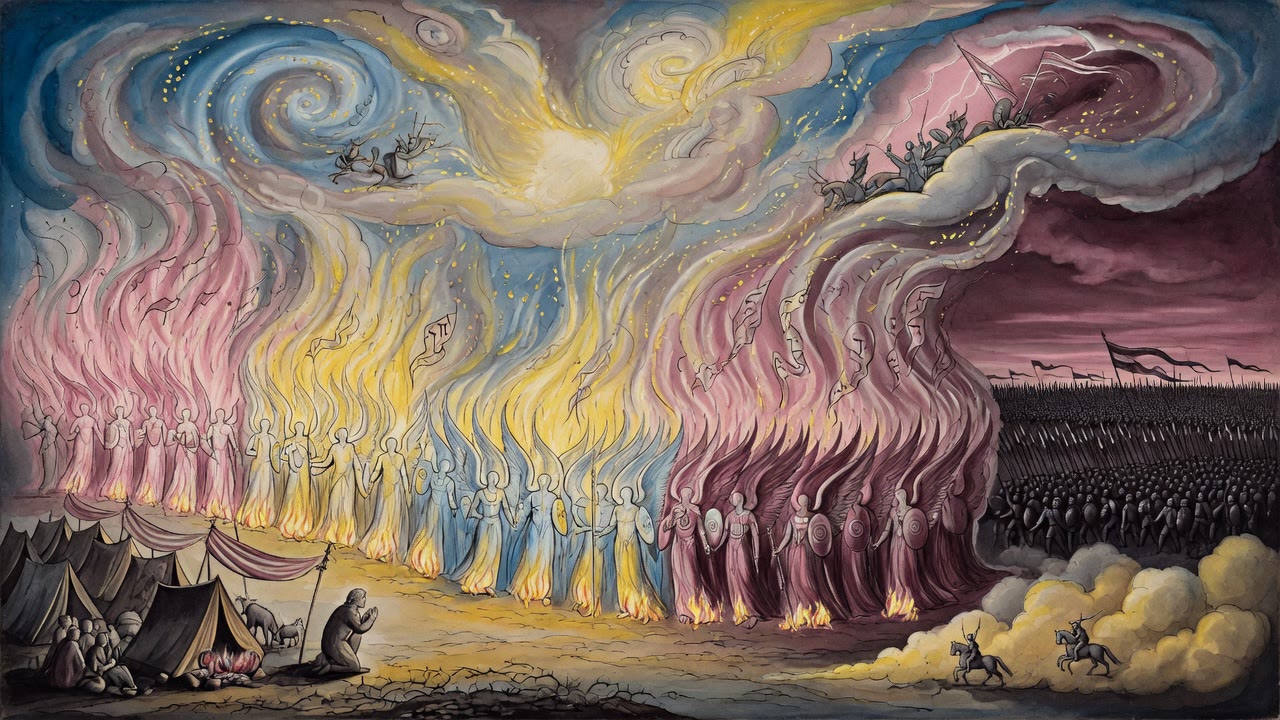
Esau came up the road with four hundred armed men. Something met them on that road in the night, and Jacob went to his grave not knowing.
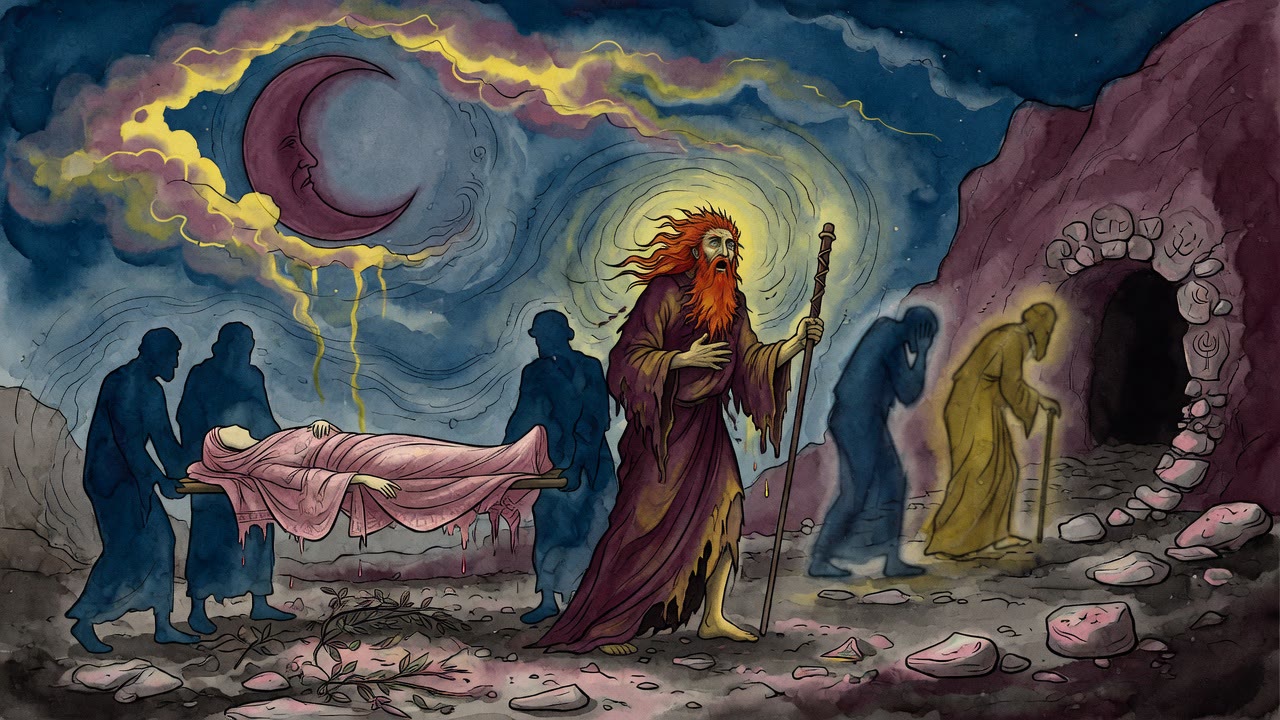
Rebekah died with only the disgraced Esau free to walk at the head of her burial, so the family carried her body out at night.
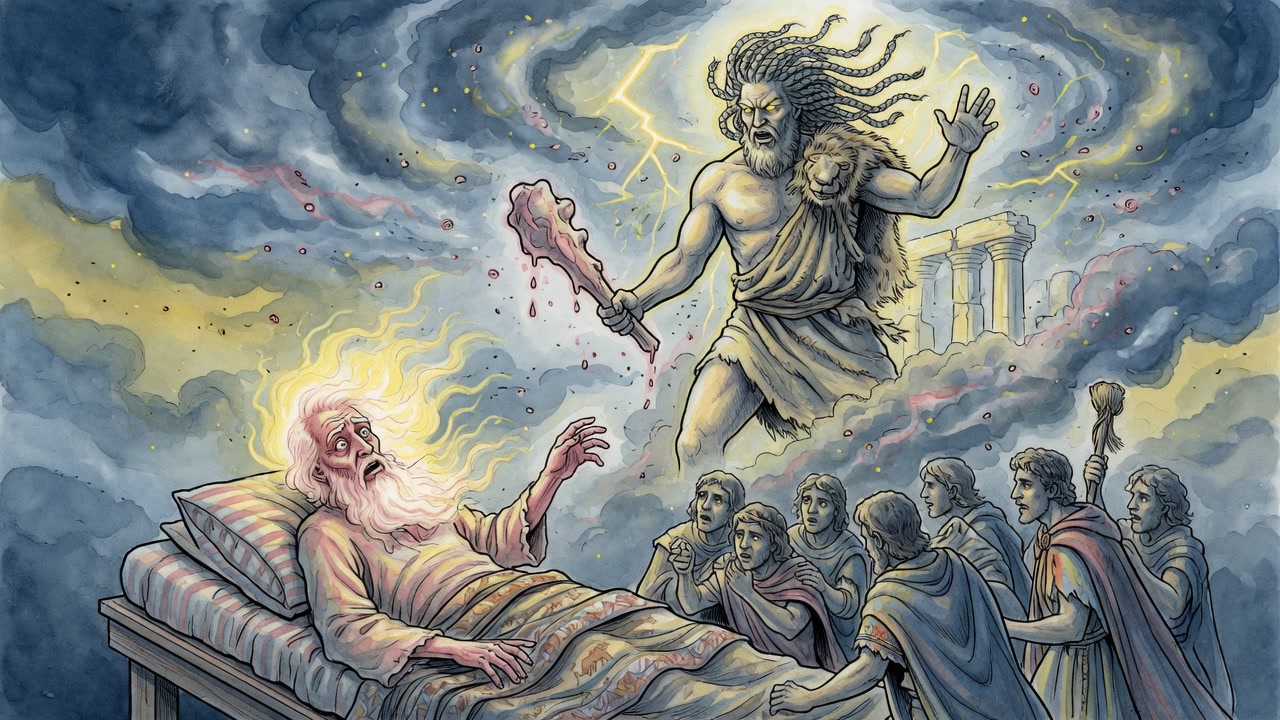
On his deathbed Jacob blessed Dan and saw Samson fighting alone, and for one breath he believed the Messiah had finally come to Israel.
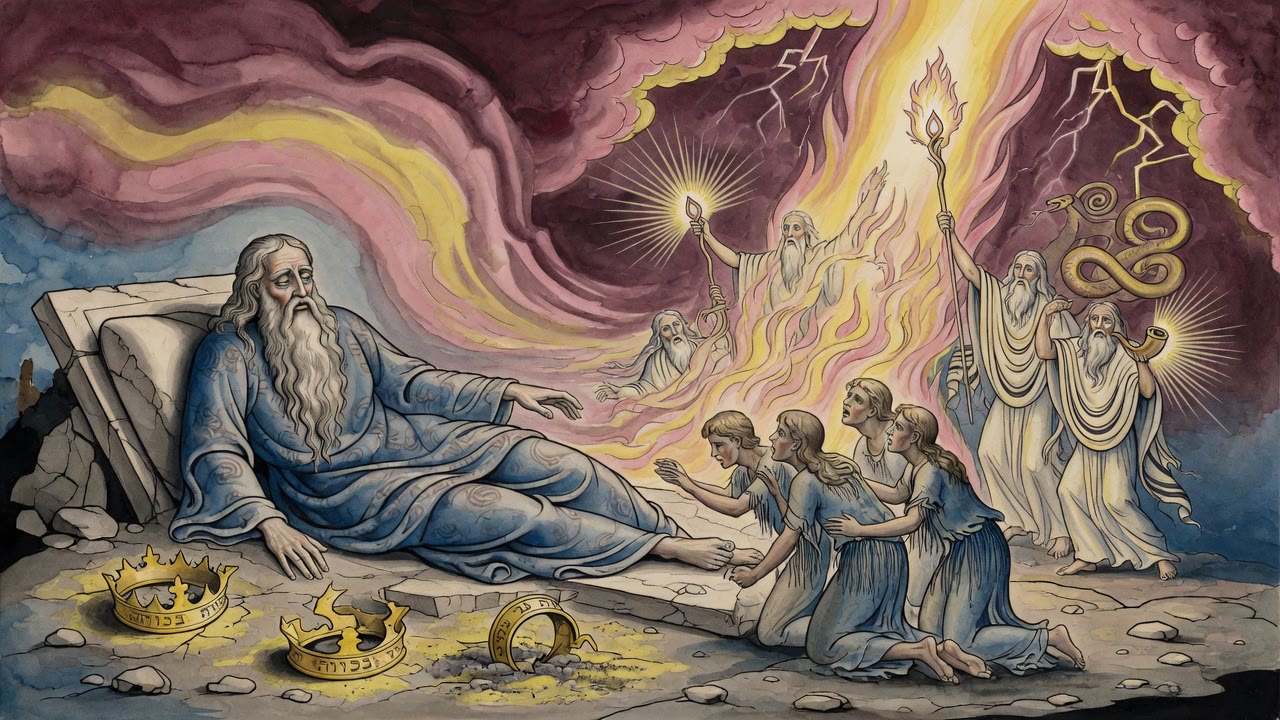
Reuben was born first and lost three crowns. Dying, he gathered his sons and told them to cleave to Levi, who would carry the priesthood.
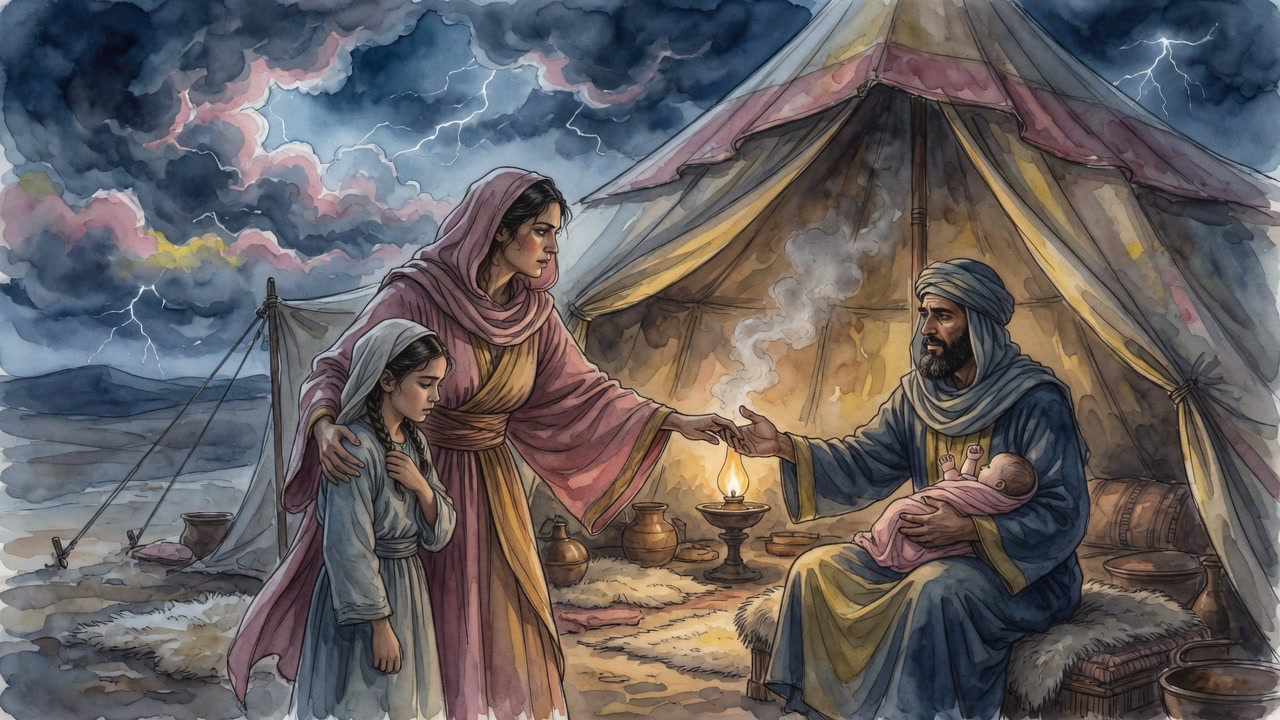
When Leah gave her handmaid Zilpah to Jacob and the child was born, she chose a name pointing forward to a prophet not yet born for another thousand years.
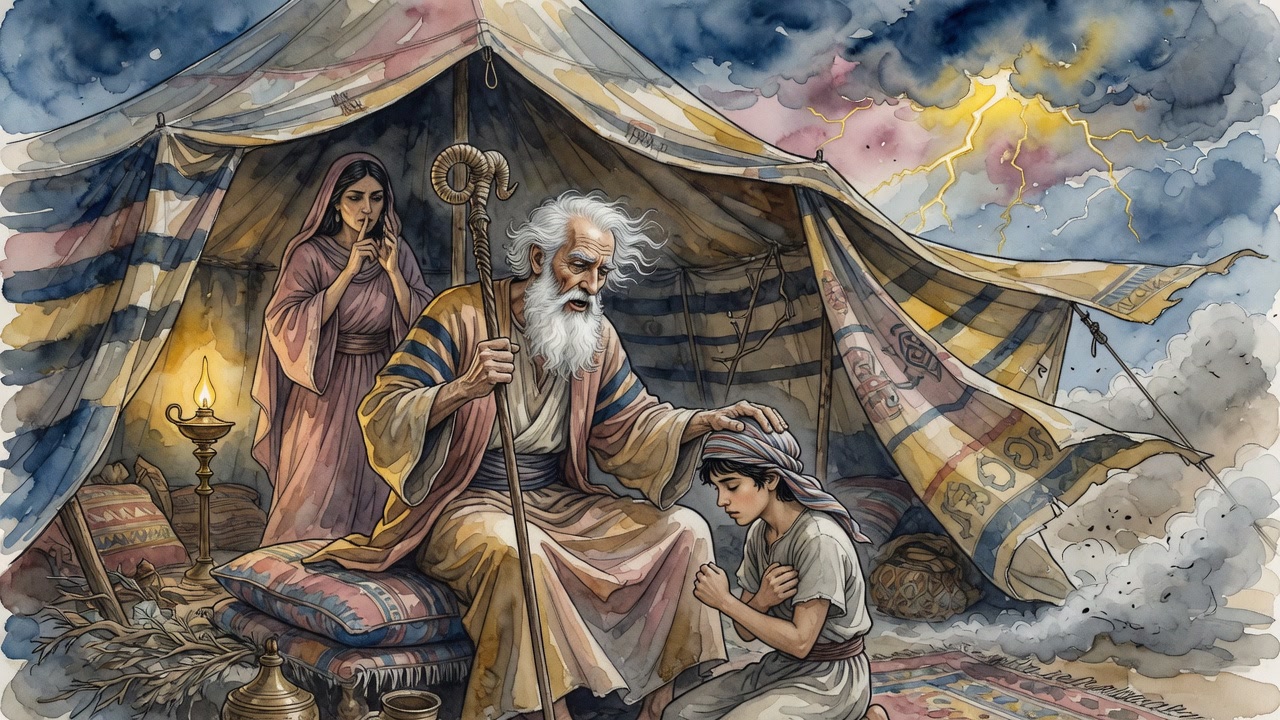
Old Abraham passes the tent flap and calls not Isaac but young Jacob to Rebecca's side, to hand him a blessing reaching back to Adam.
