Jacob Closed the Door Until Edom's Kingdom Fell
Jacob did not run because courage failed him. Aggadat Bereshit says he closed the door until Edom's kingdom spent its hour.
Table of Contents
Jacob ran because the hour had teeth.
 Click for full size
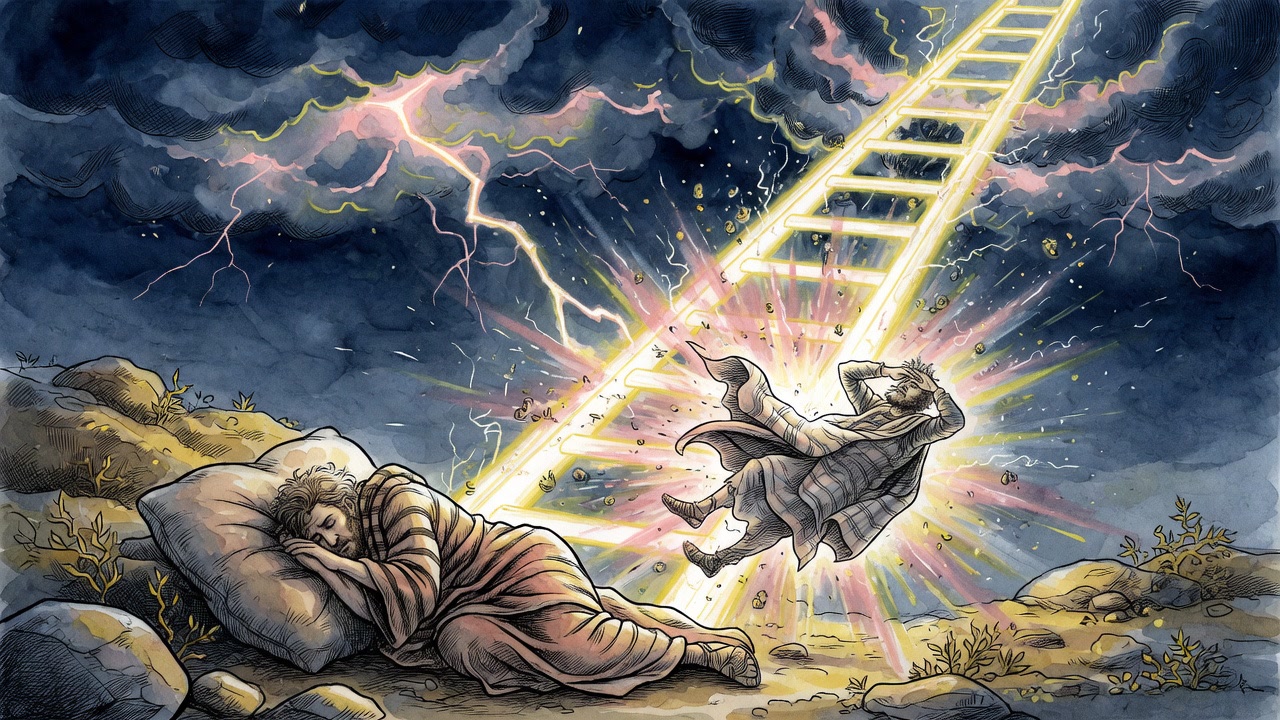
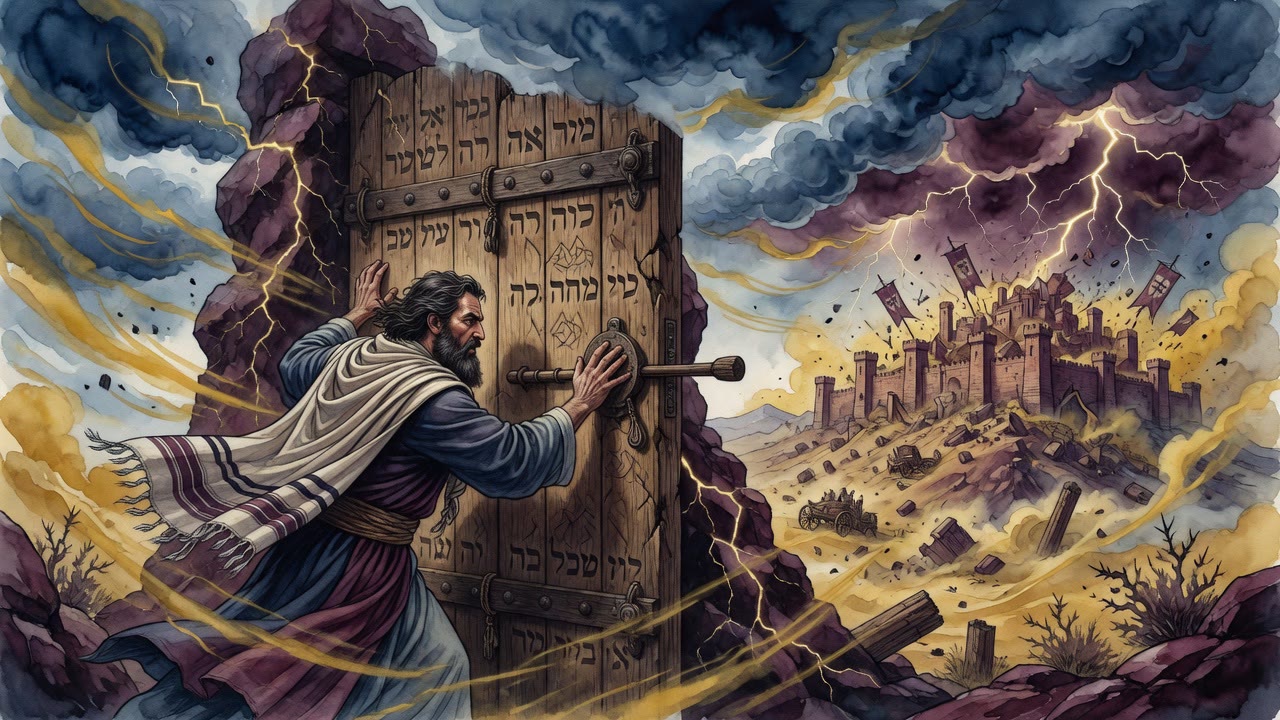
Esau's anger filled the house behind him. The blessing had crossed from one son to the other, and the elder son wanted blood. The road to Aram opened like a wound in front of Jacob. He took it. The prophet later compressed the whole flight into one line: "Jacob fled to the field of Aram" (Hosea 12:13). Aggadat Bereshit refuses to let that line sit flat on the page.
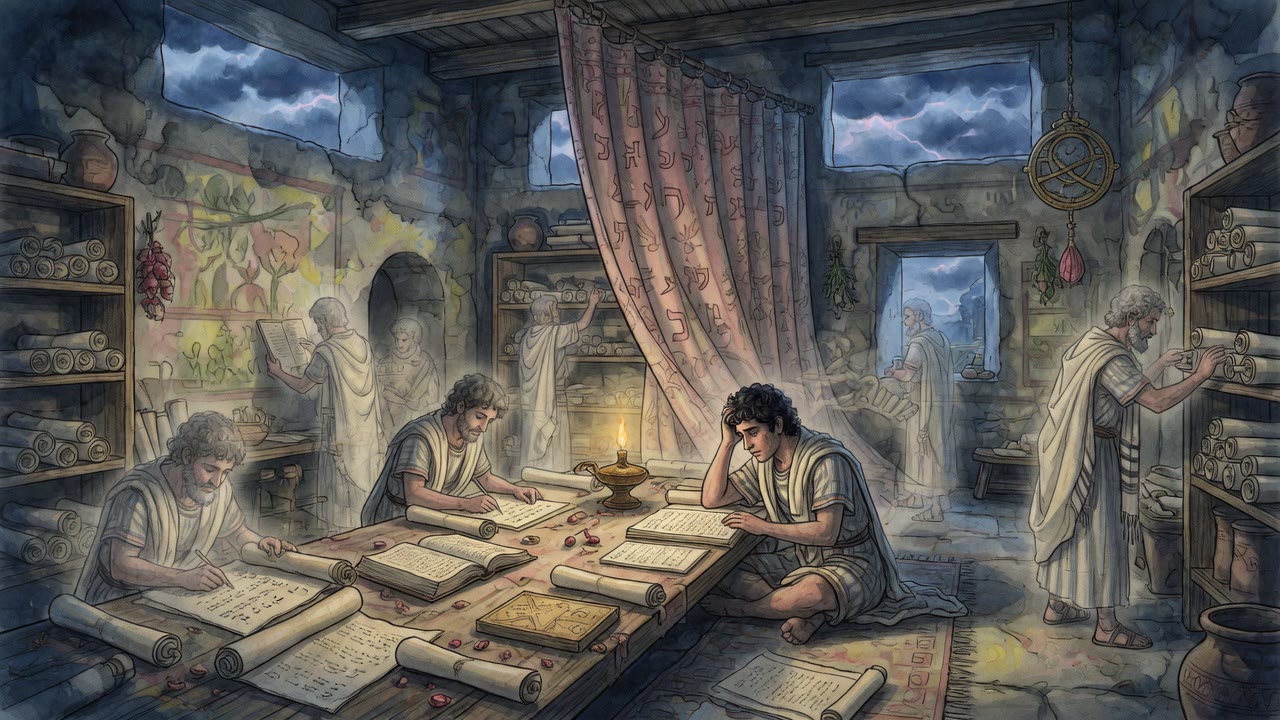
The Chamber Closed Around Him
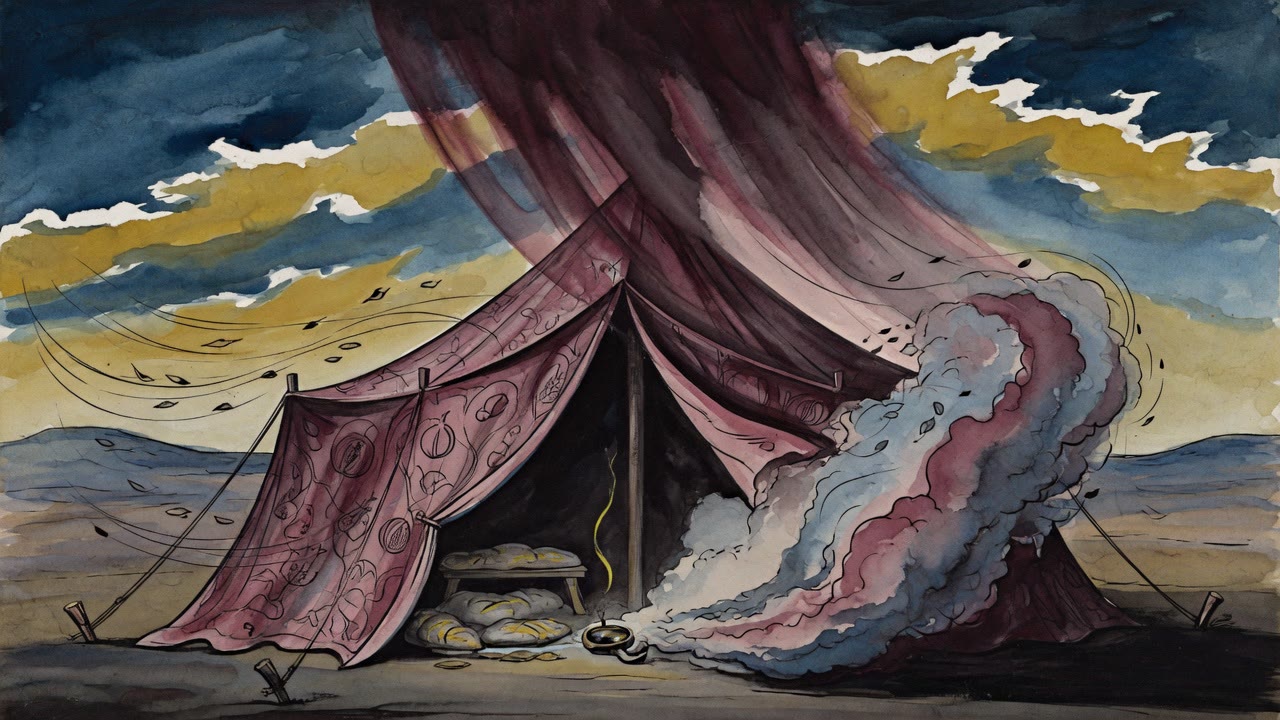
The midrash places Isaiah's voice over Jacob's road: "Come, my people, enter your chambers and shut your doors behind you; hide yourself for a little moment, until the wrath passes" (Isaiah 26:20). Jacob's flight becomes obedience to timing. The door closes. The anger passes outside.
The chamber is not only a room. The sages locate it inside the body, in the hidden seat of counsel. A person under pressure must sometimes stop speaking, stop proving, stop fighting the storm with bare hands. Jacob listened to the inward chamber. He left before the house became a grave.
The door did not make him smaller. It kept him alive long enough for the blessing to grow legs. Outside the room was Esau's fury. Inside the chamber was a different kind of strength, the strength to let time become an ally rather than an enemy.
Withdrawal Became a Weapon
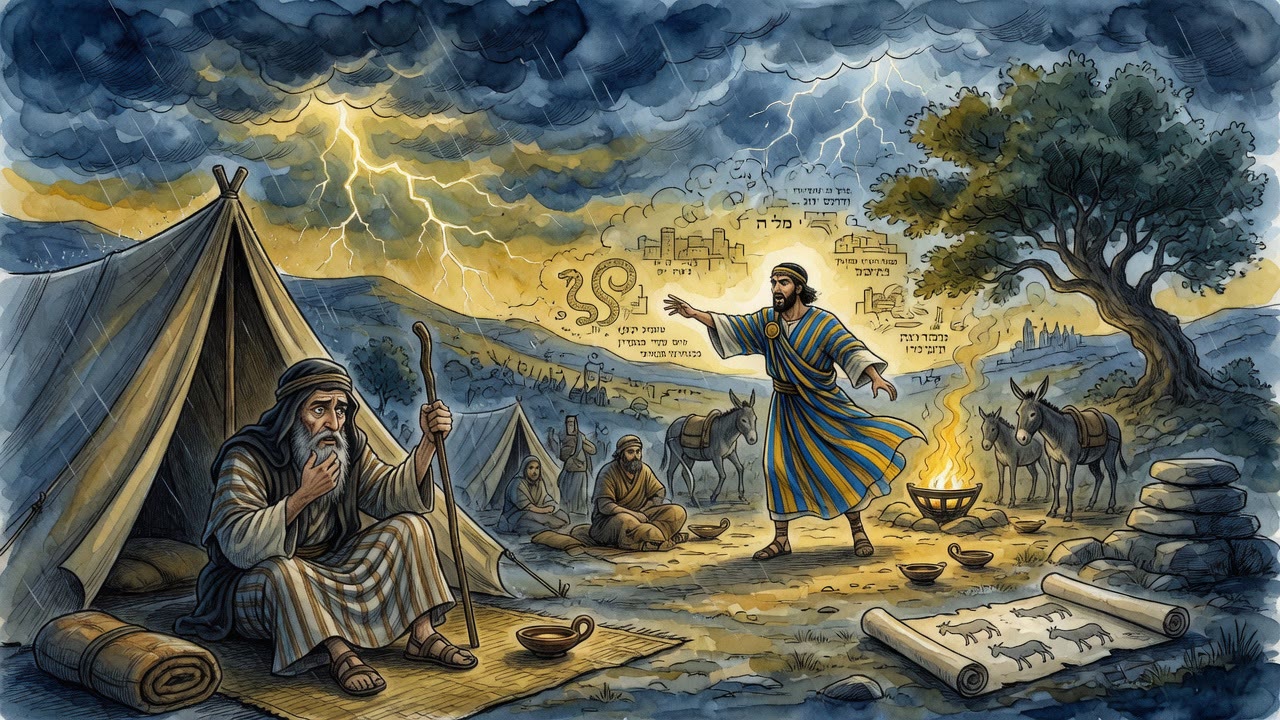
Abraham had done the same when Nimrod hunted him. Joseph did it when the traders carried him down to Egypt and silence was the only life left to him. Jacob joined their company. He survived by stepping back from the moment that wanted to devour him.
This kind of withdrawal is not surrender. It is refusal to serve the wrong hour. Jacob could not defeat Esau inside Isaac's tent. He could not argue his brother out of rage. He could not force the blessing to become peaceful. So he gave time room to do what strength could not.
The road to Aram was long enough to change him. It would give him Laban, wives, children, wages, fear, and the night wrestler at the river. None of that could happen if Jacob stayed home to answer rage with rage. Flight preserved the future from the present.
Edom Still Had a Prince
Aggadat Bereshit looks past Esau the brother and sees Edom, the kingdom that would bear his name. Malachi promises that Israel's eyes will see Edom fall and say, "Great is the Lord beyond the border of Israel" (Malachi 1:5). The promise matters because the danger was never only domestic.
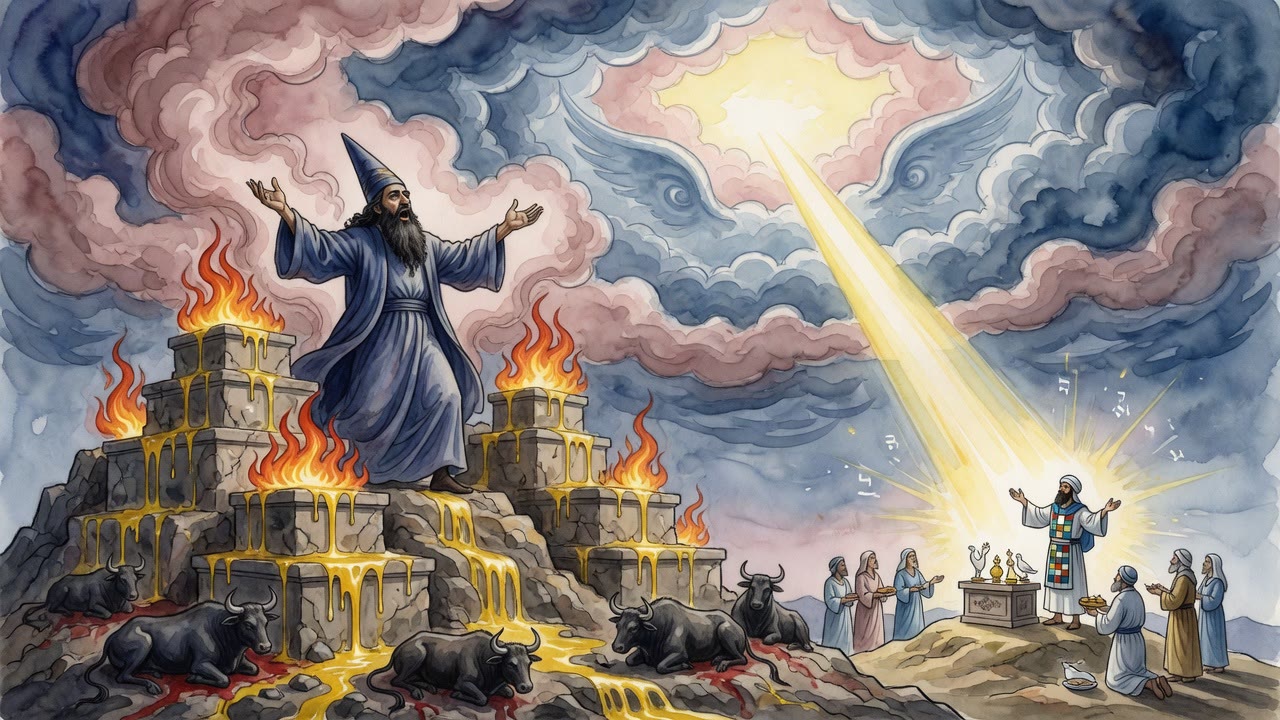
Behind Esau stood a power with borders, armies, pride, and a heavenly prince. Jacob's flight becomes the first motion in a much longer contest. He leaves as one man with a staff. The midrash hears the footsteps of nations behind him. Edom can rage for centuries, but the chamber remains closed until the appointed collapse.
Malachi's promise turns the private escape into public vindication. The same family wound that drove Jacob from home becomes, in the prophet's mouth, a horizon where Israel will watch arrogance lose its throne. What began with a brother at the doorway ends with a people at its border.
Israel Watched From Its Own Border
The end of the motion is not Jacob striking Esau down. It is Israel standing within its own border and seeing what God has done. The fall of Edom is not the center of the song. Recognition is. The eyes see, and the mouth praises.
Jacob fled into darkness and came back with children, wealth, wounds, and a new name. His descendants would learn the same discipline in exile after exile. Close the door. Guard the inward chamber. Do not mistake the enemy's hour for forever. The wrath passes. The border remains. The eyes will see.
At the river years later, Jacob would stop running and wrestle until dawn. That moment had its own hour. The midrash's wisdom is that he did not demand dawn while it was still night. First he fled. First he closed the door. First he allowed the blessing to survive long enough to become a people.
Only then could he face what had followed him from home. The limp came after the hiding, not before it. Survival had prepared him for struggle.
That order protects the dignity of the flight. Jacob was not escaping destiny. He was carrying it out of reach until it could stand.
The blessing needed a body that knew when to move.
← All myths