38 myths · Page 1 of 2
Each story names the sources it was written from.
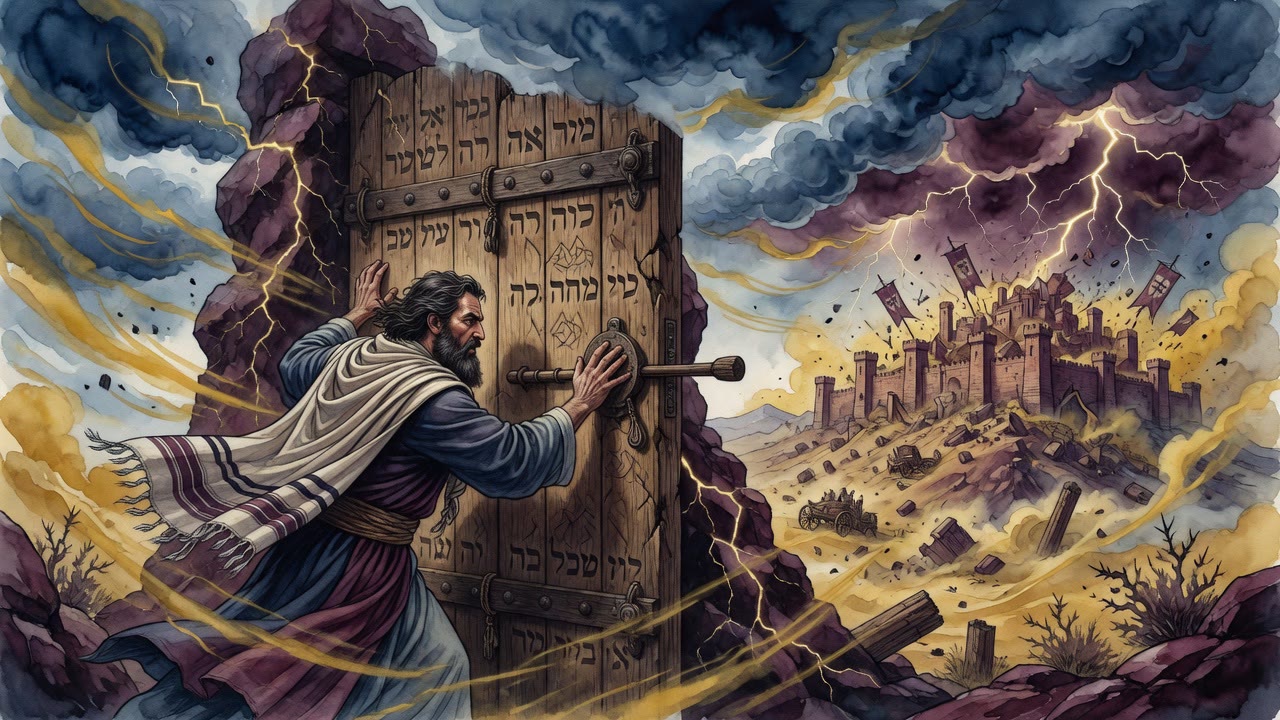
Jacob did not run because courage failed him. Aggadat Bereshit says he closed the door until Edom's kingdom spent its hour.
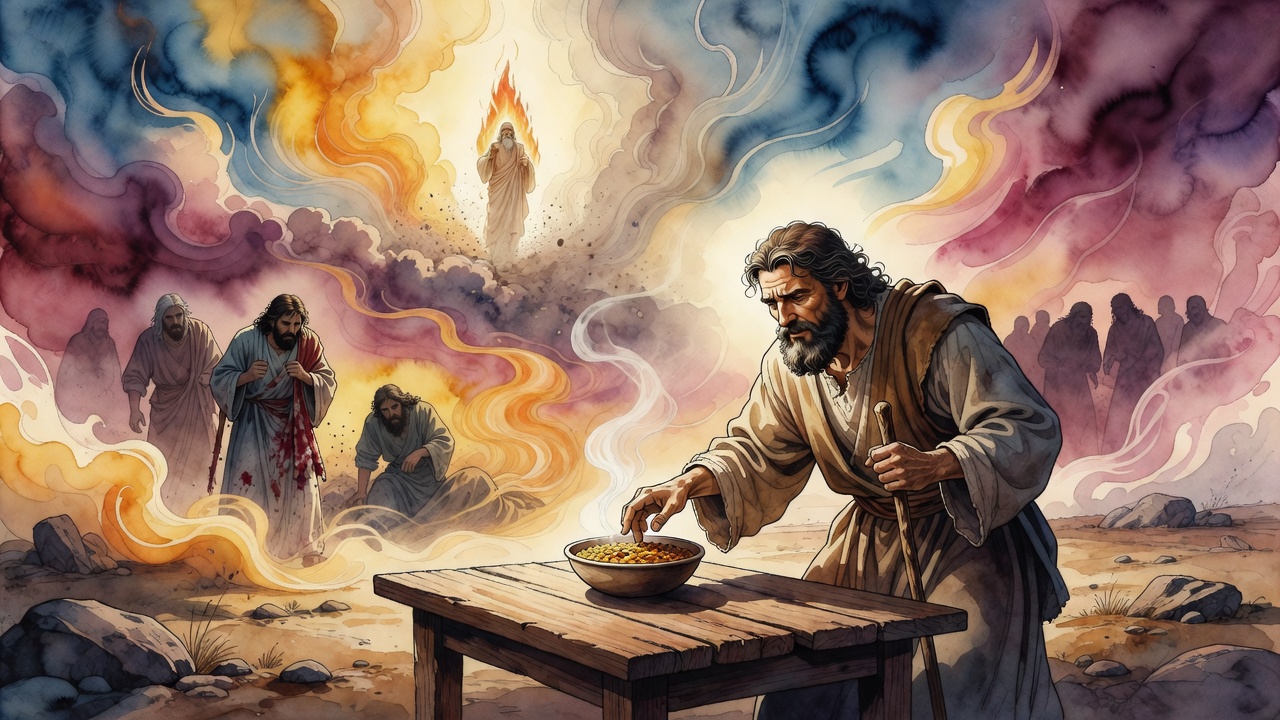
The stew was still hot. Esau sold the firstborn's portion for a mouthful and walked out. His sons later took Seir the same way.
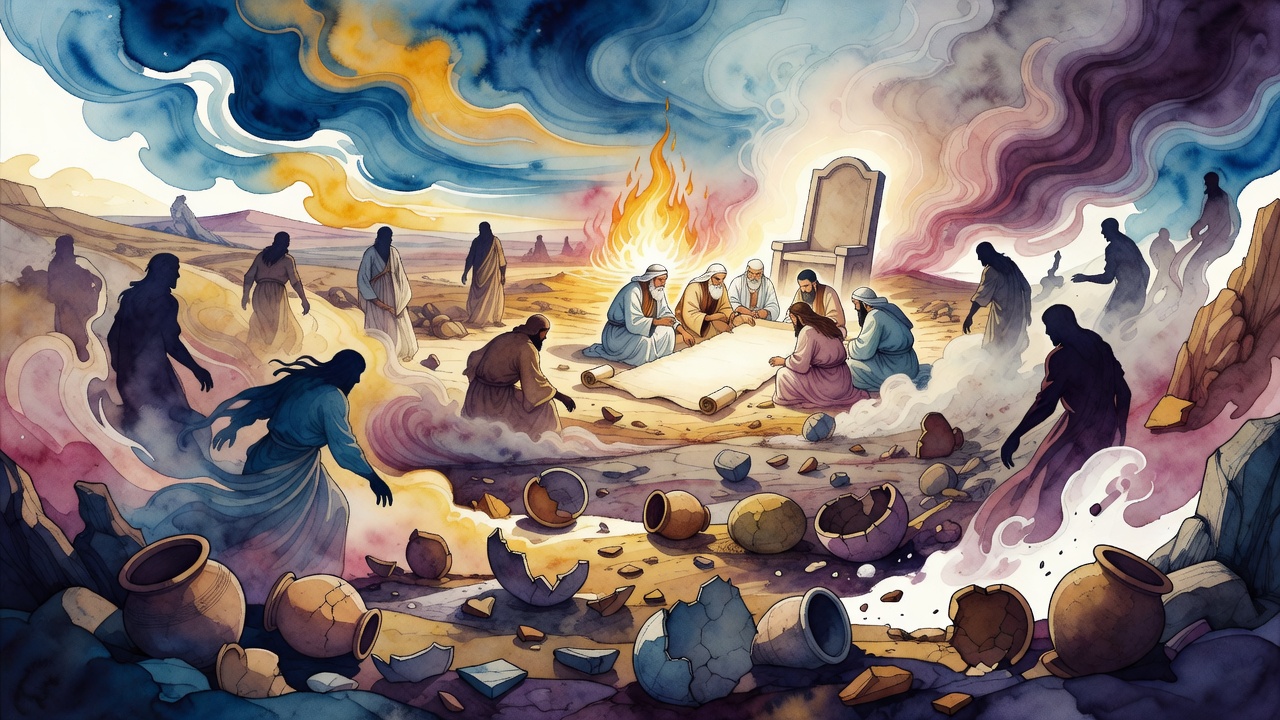
Bela sat in Dinhabah and died. The next king was not his son. Eight times the chair of Edom filled, and eight times it emptied.
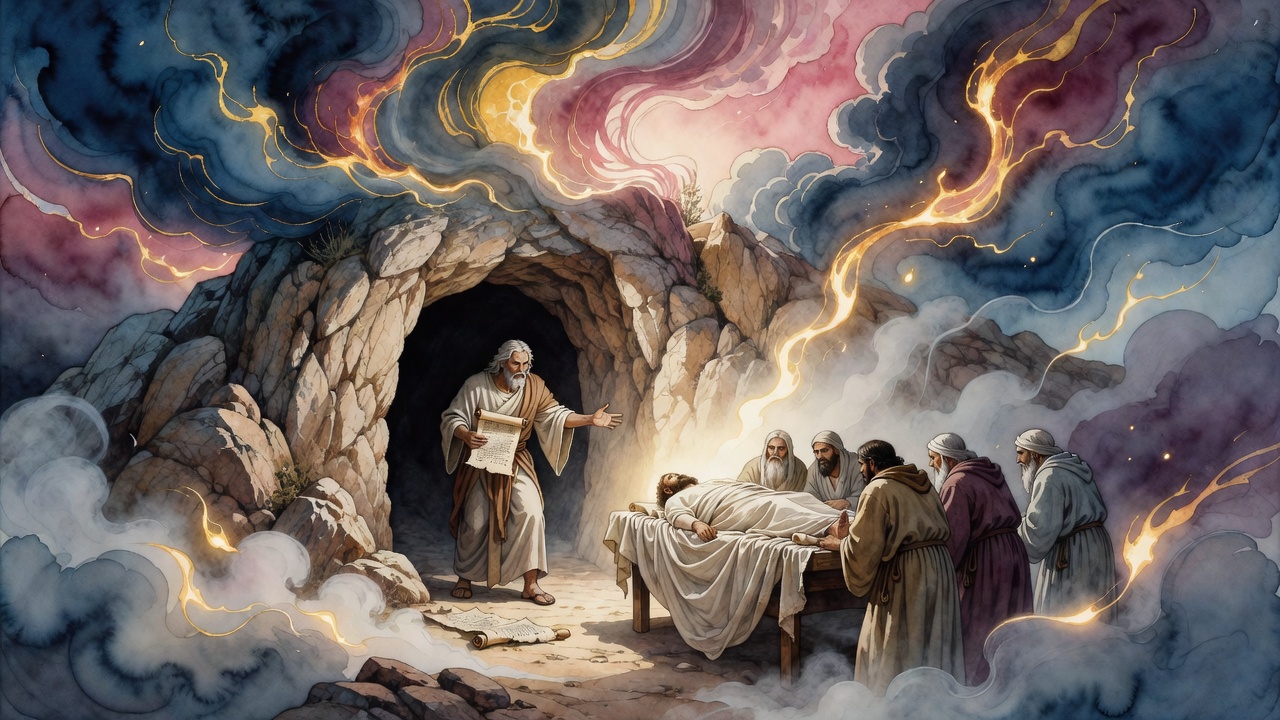
The funeral from Egypt stopped at the cave mouth. Esau filled the doorway and said the last empty place inside belonged to him.
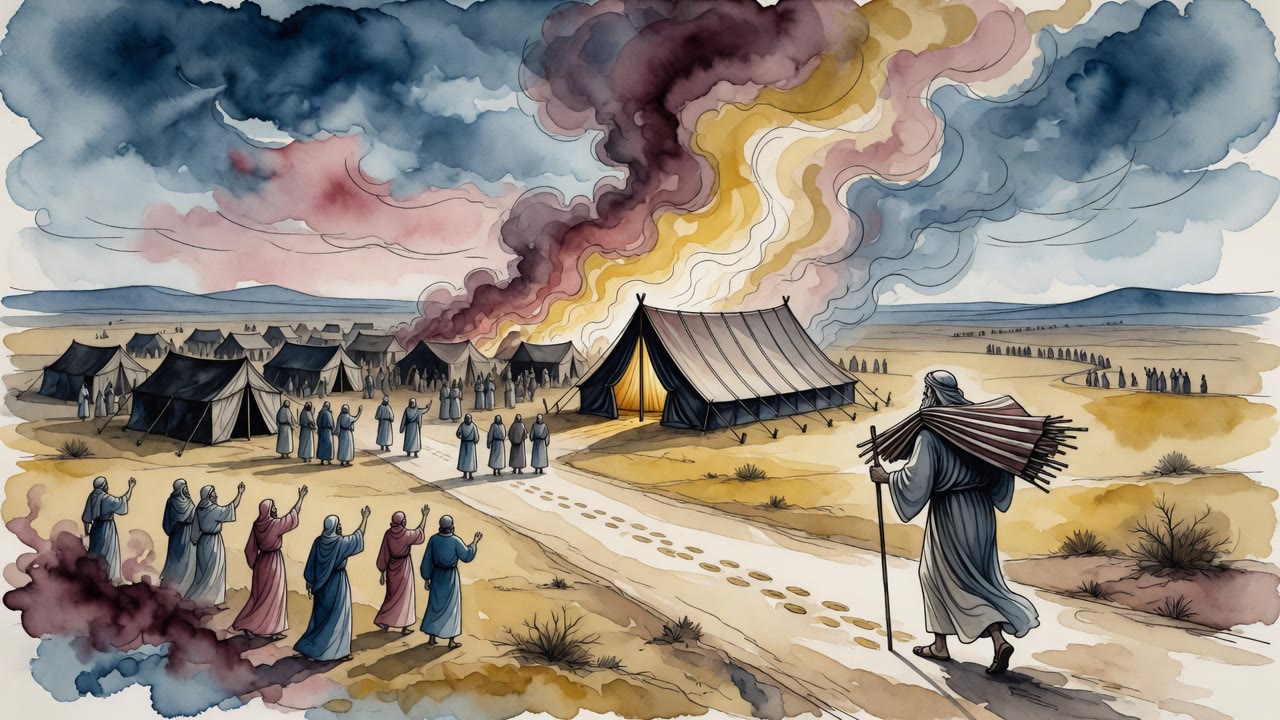
Moses prays 515 times at the Jordan's edge, draws a circle in the dust, and prays until heaven trembles. God finally says: enough, do not continue.
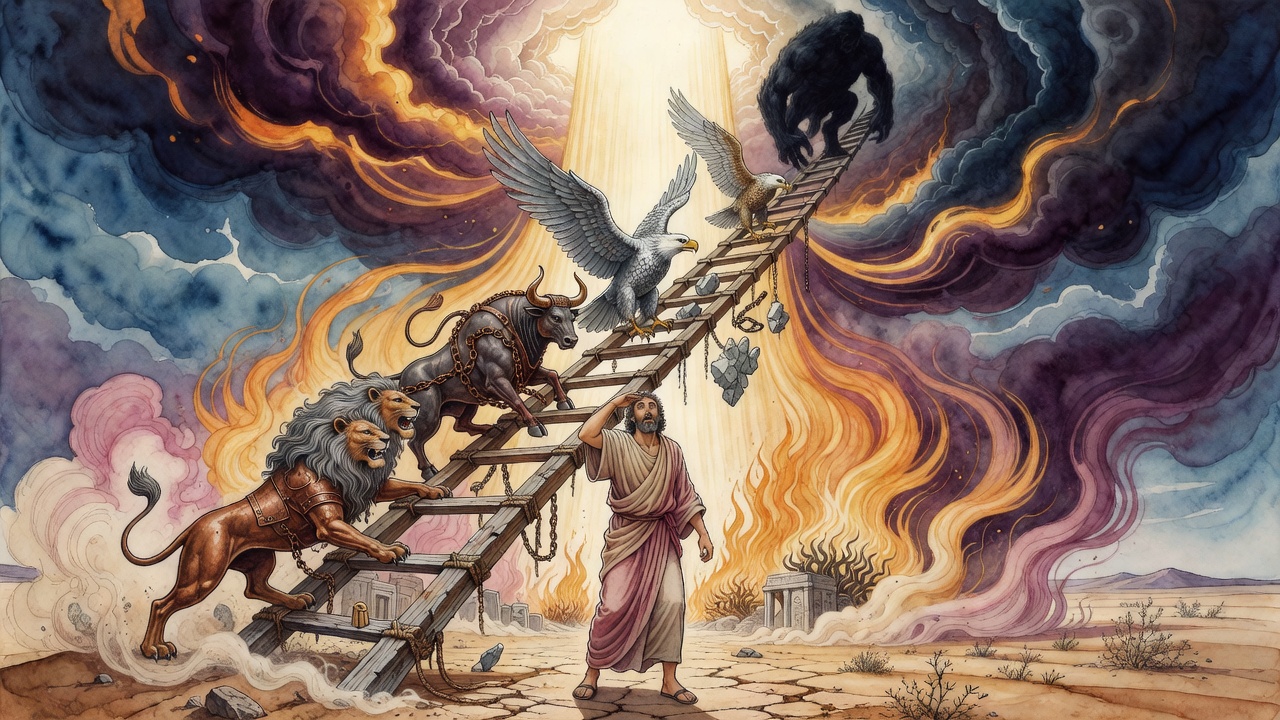
Each empire climbed the ladder and descended. The fourth climbed so high Jacob could no longer see the top and terror seized him until God spoke.
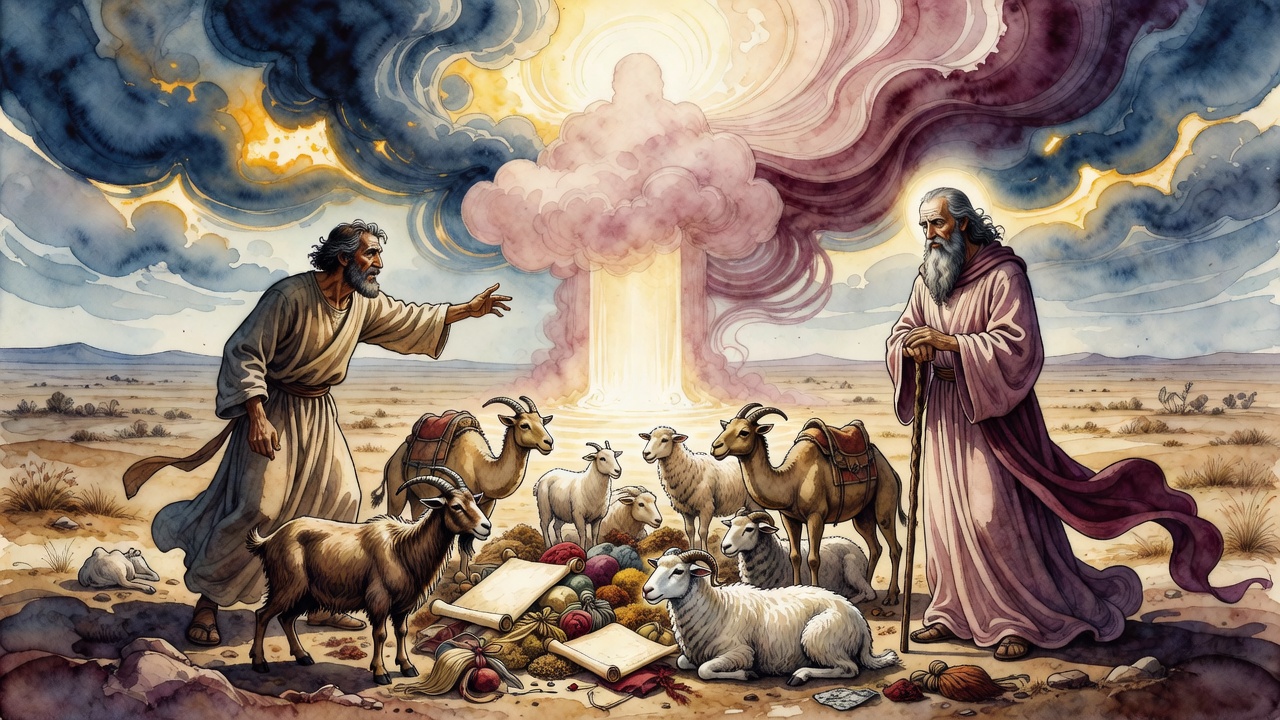
An unlearned man told a rabbi that Jacob's tribute to Esau was never really given away. It was lent, and it comes due in the days of the Messiah.
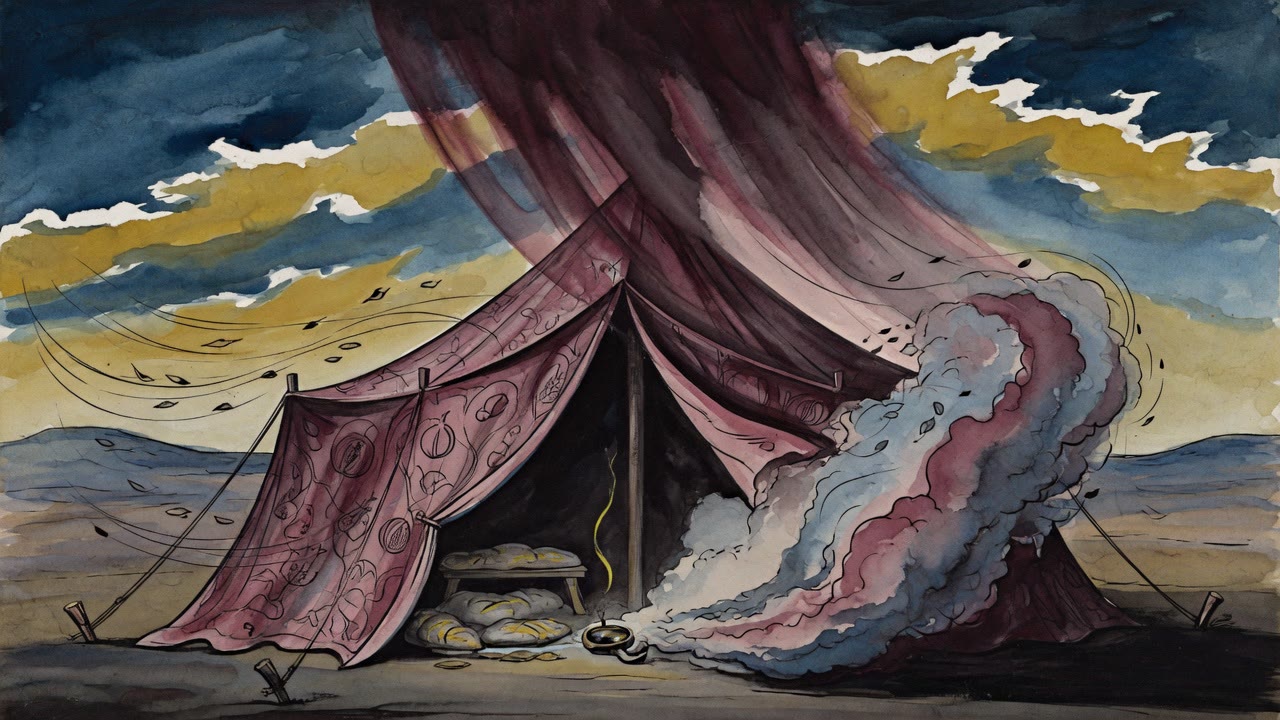
The knife came down on nothing. When Abraham looked up, an animal was fighting free of one thicket only to catch in the next, and it would not stop.
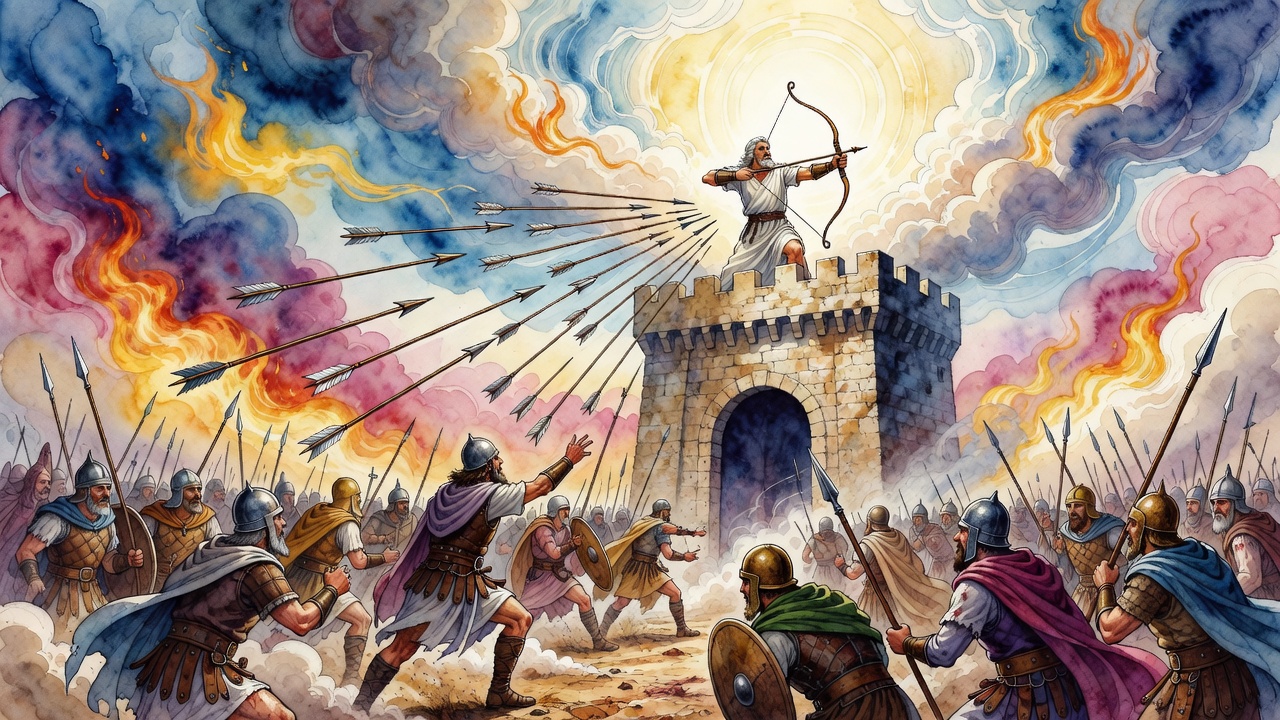
Esau brings a host to besiege the tower, deaf to every oath of peace, and Jacob looses twelve arrows that scatter the army and end the war.
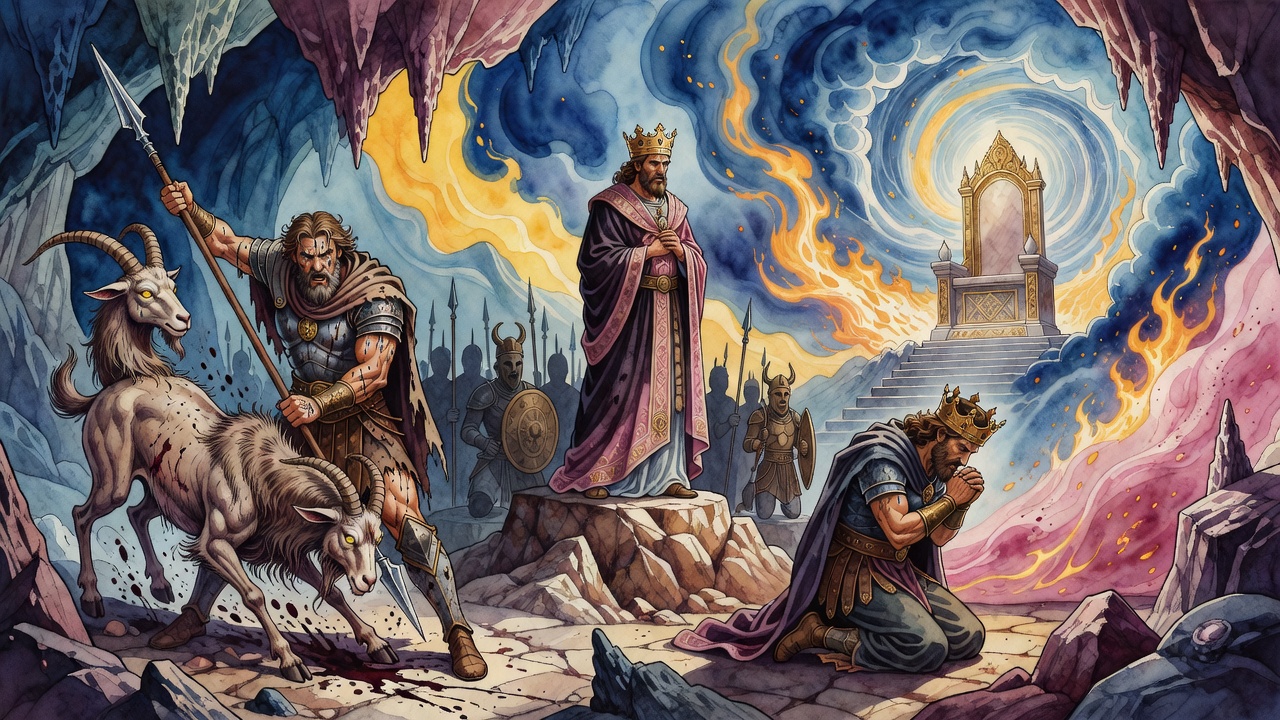
Esau's grandson Zepho slays a half-goat beast in a mountain cave, is crowned king of Kittim, then begs the God of Abraham to save his idol army.
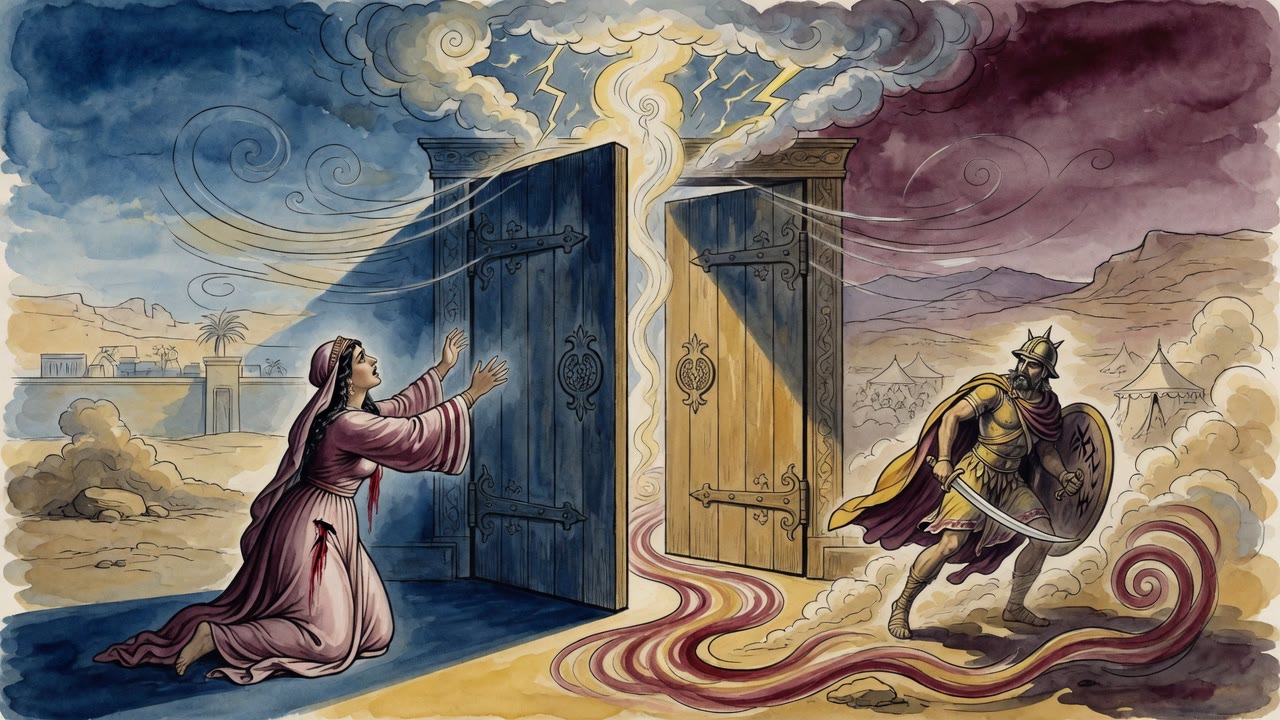
Anah went out alone after his father's strayed donkeys. He came back running and still shaking. The men sent after them found nothing but empty ground.
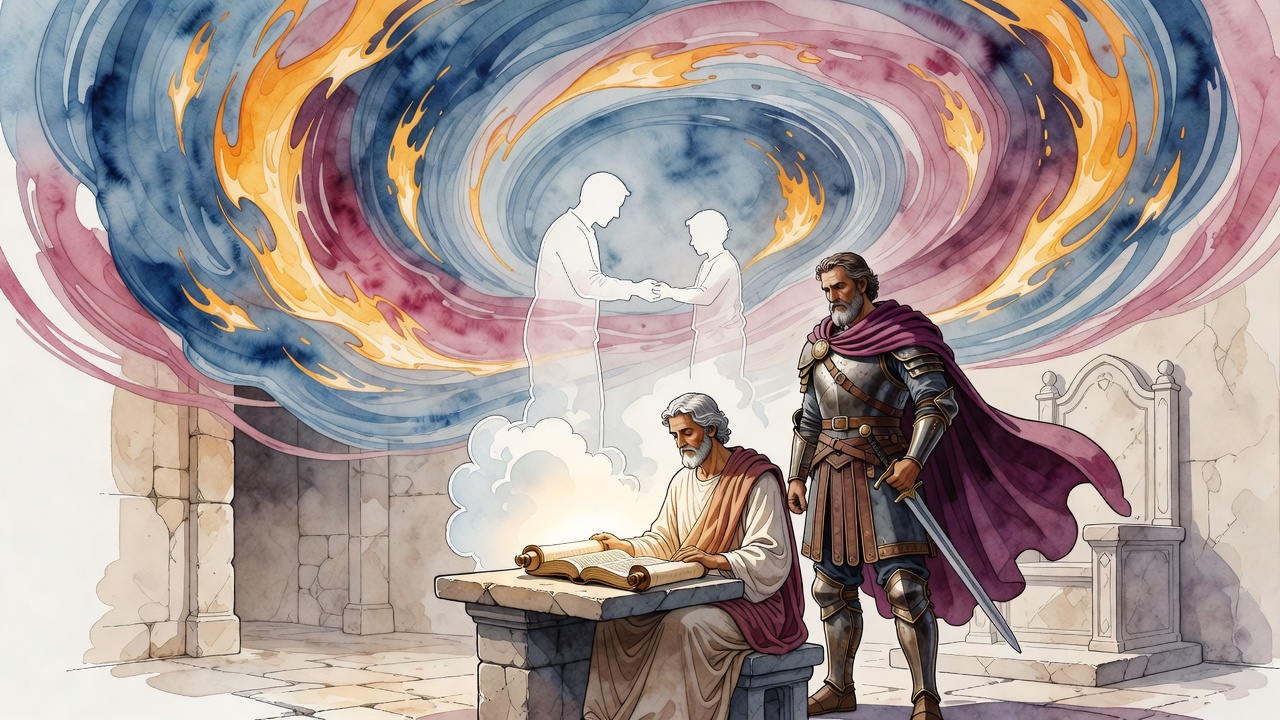
David studied Torah in peace because Joab held the borders, ran the Sanhedrin, and once bought a poor man's child to test a verse.
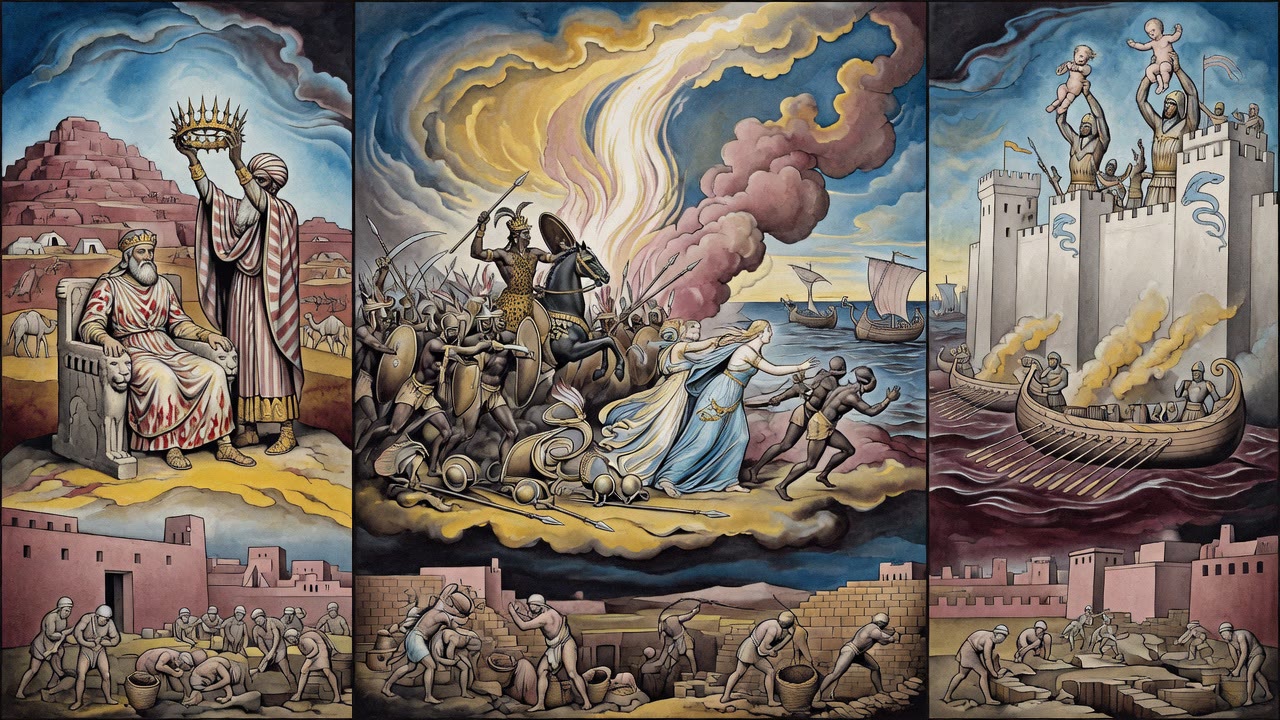
Edom crowns Hadad, Africa wars over a stolen bride, and Chittim hoists infants on its walls, all while Israel groans unseen in Egypt's brickyards.
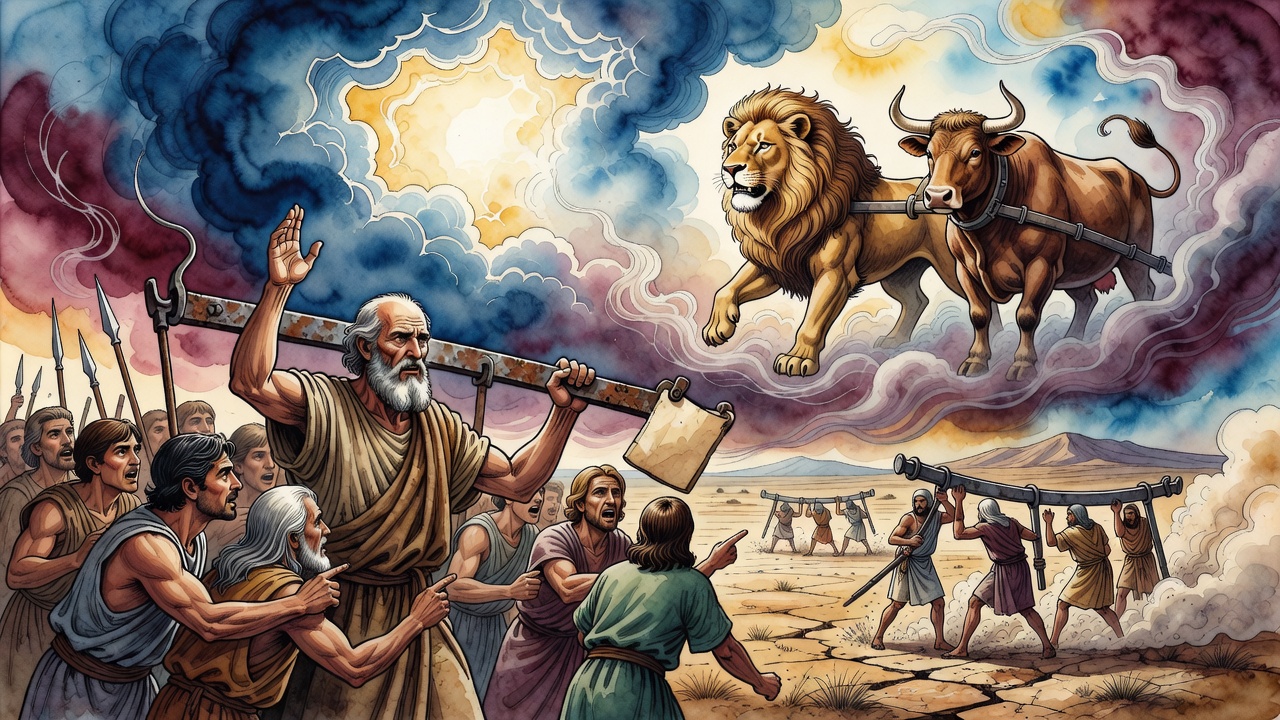
His sons would not let the old quarrel sleep. Four thousand men came down from Seir. Esau named a lion yoked to an ox as the price of peace.
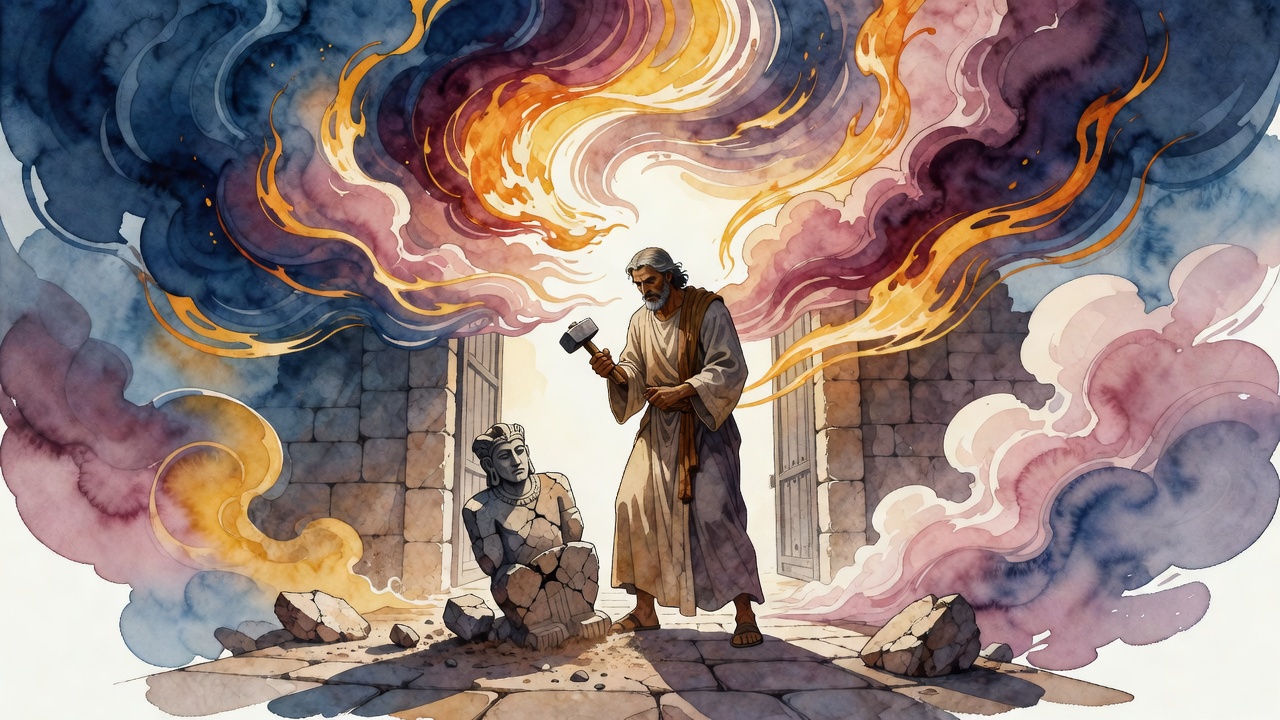
An archangel woke King Jobab in the dark and told him the idol his people fed was the tempter's handiwork. He took fifty men up and broke it.
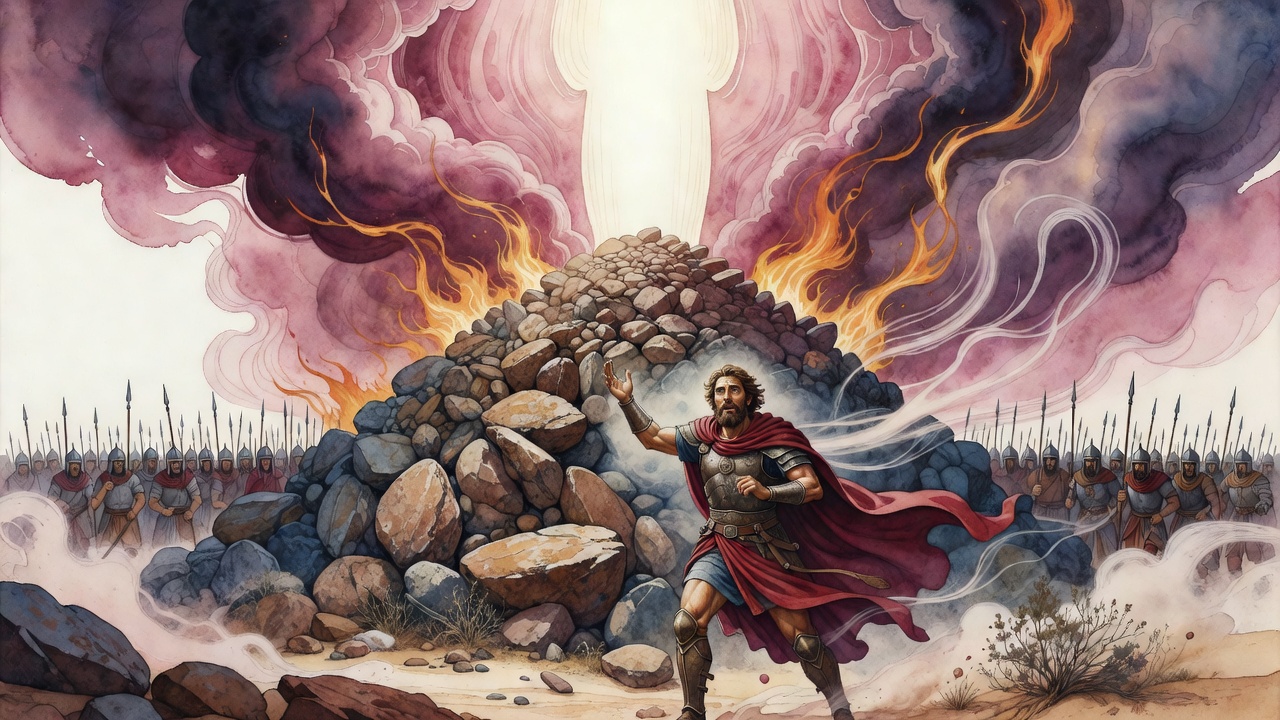
David marshaled his army against Edom and Philistia, but a covenant Jacob swore to Laban at a heap of stones held the warrior-king's hands.
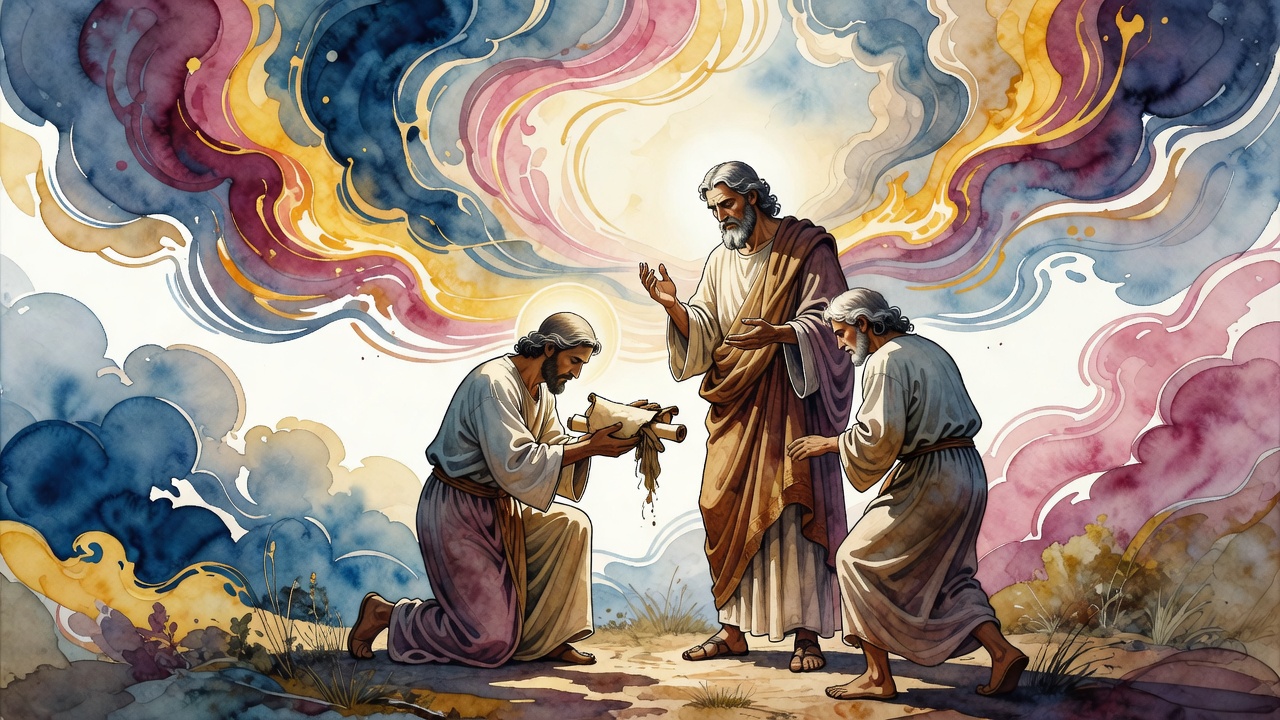
Jacob sent sacred tithes to Esau and named himself servant. Heaven rebuked the profaned gift, then Eliphaz refused to fight his teacher Jacob.
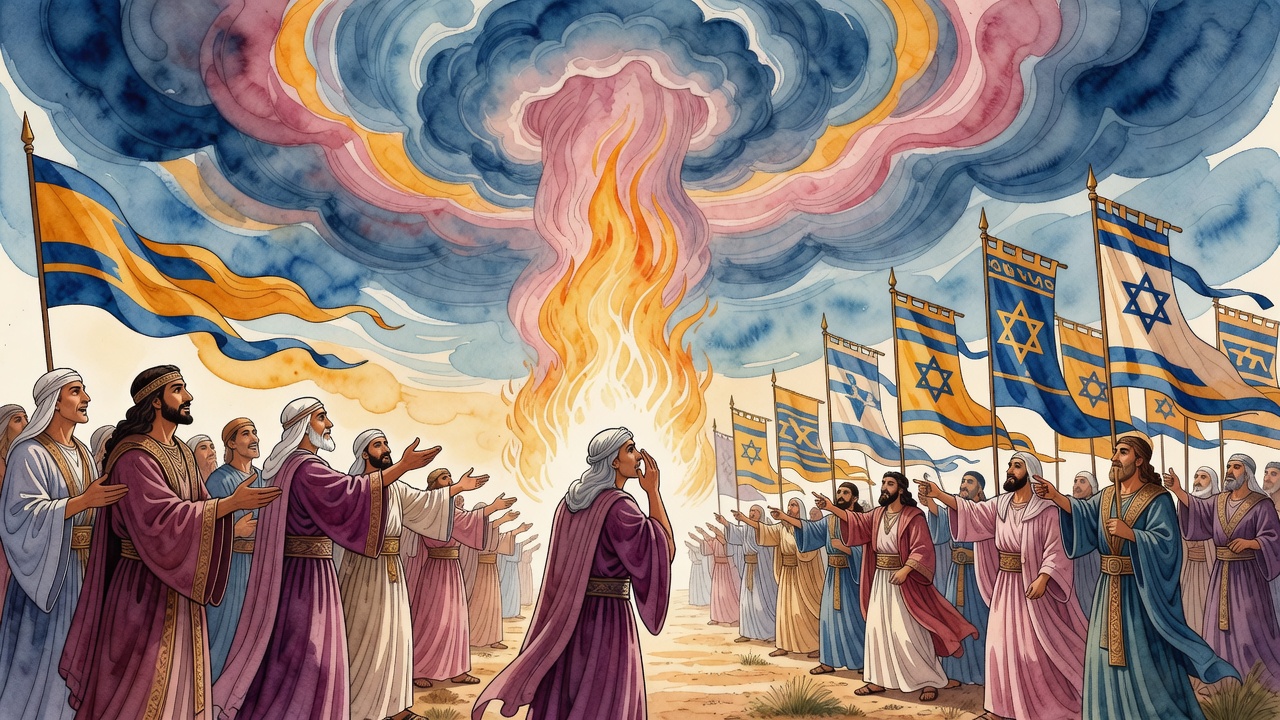
From the ridge the tents looked like one body. Then they sharpened into Judah and Reuben. Bilam could not find a gap for the curse.
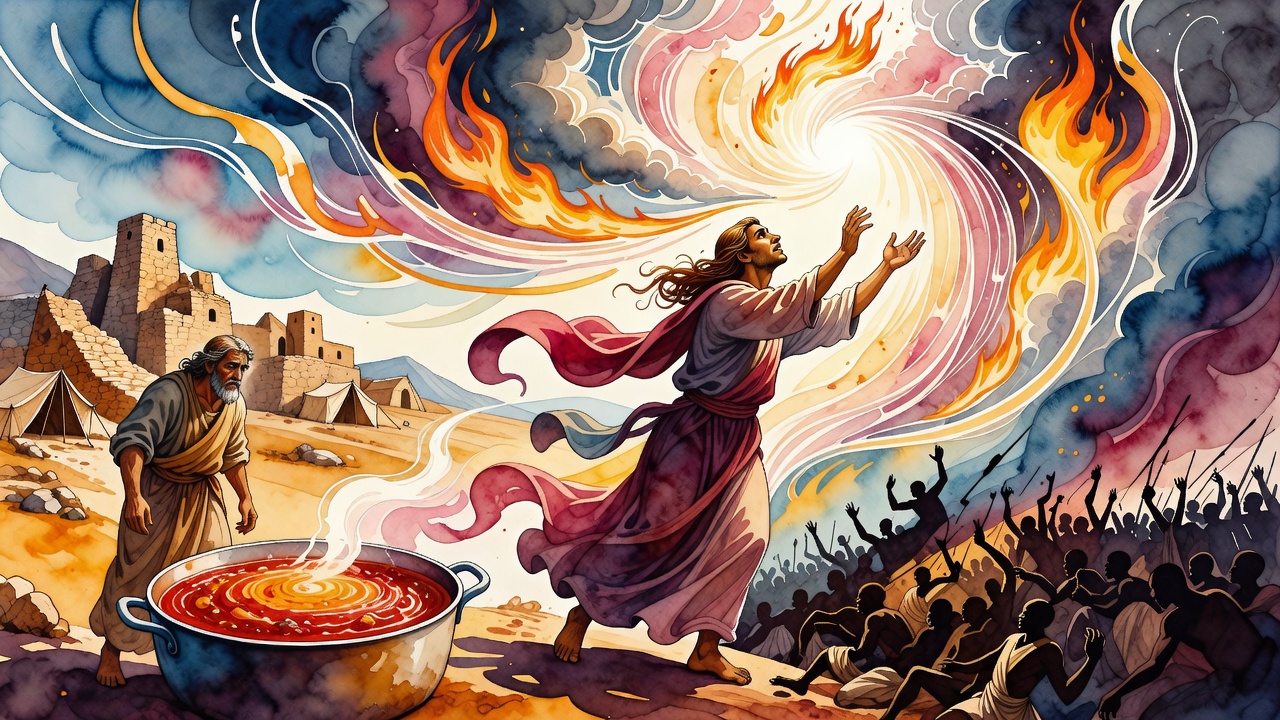
King Agnias would not accept the first day's loss. He ordered every male in Africa into the ranks, even boys of ten, on pain of death.
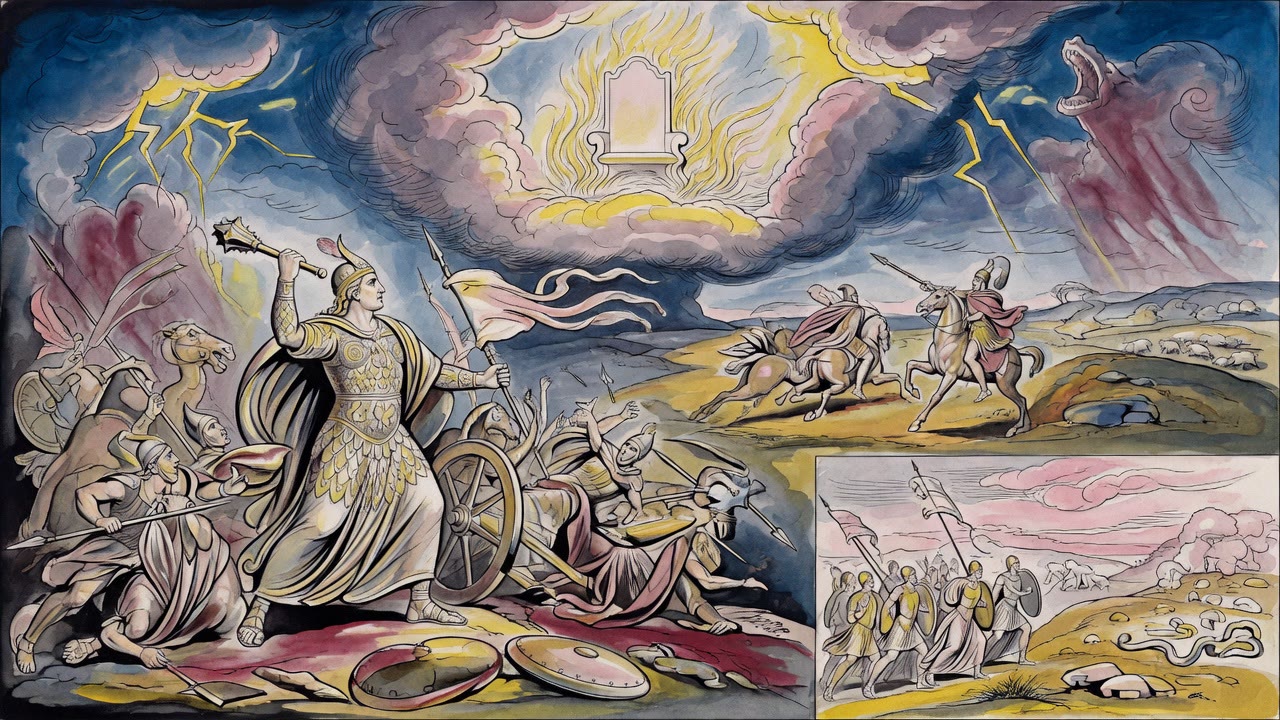
The Moabite line broke first. Midian stayed and died under Hadad's host. A year later the same king crushed their revenge.
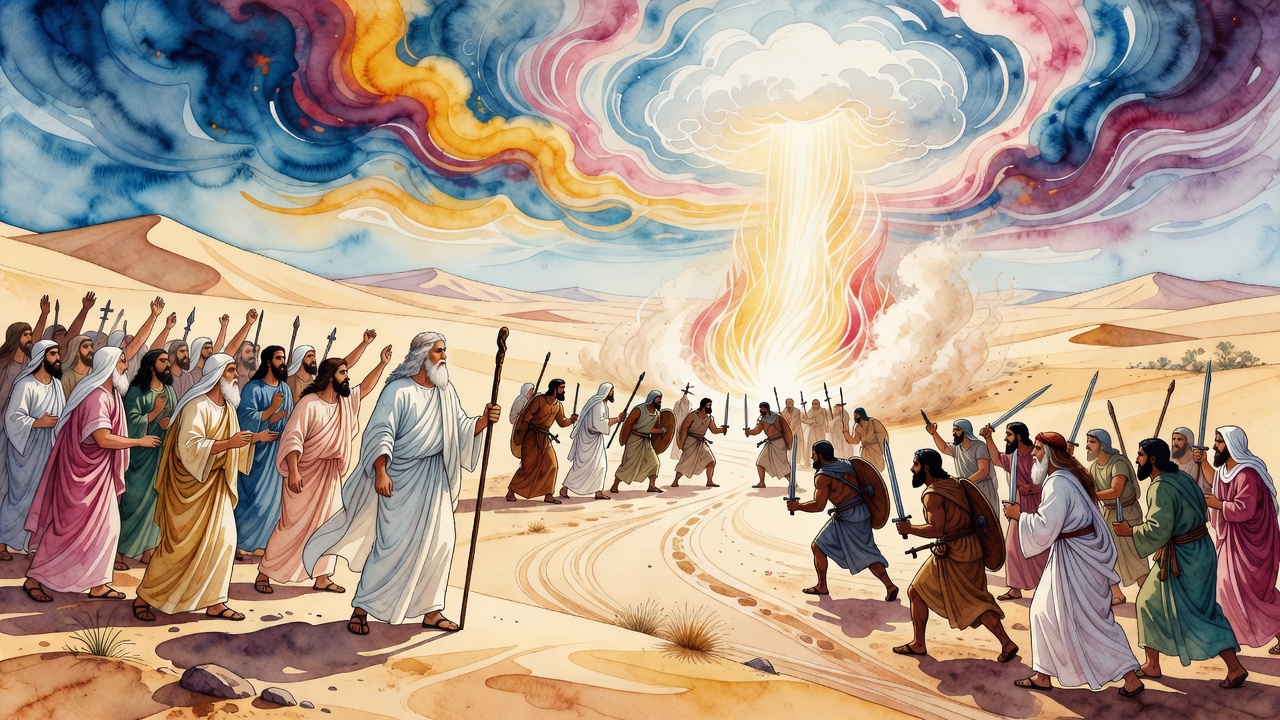
Families waited outside the house of study until Moses stepped out. They poured Egypt onto him, the life without law.
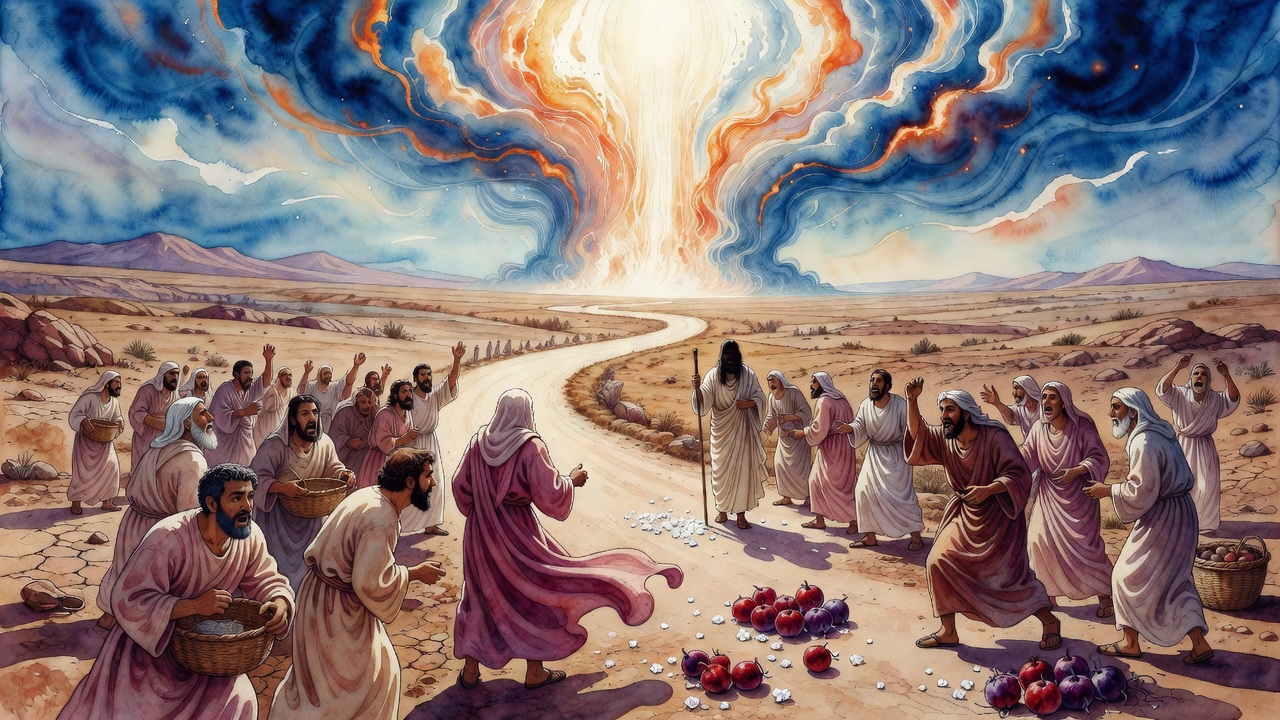
Merchants opened baskets of fruit from the Land in front of that generation and men died looking at it. The fruit was not poison. The sentence was.
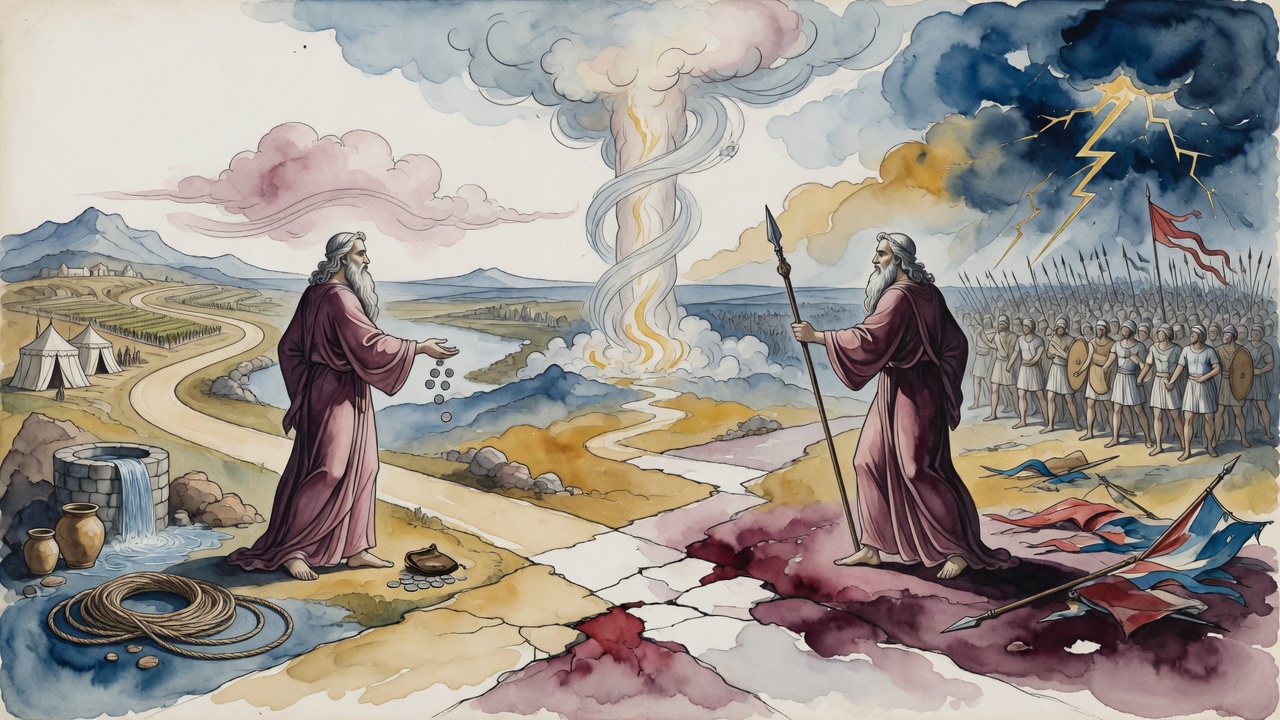
Moses asked Edom for a highway and paid for water he did not need. Against Sihon the same peace became war, and Moses equaled all Israel.
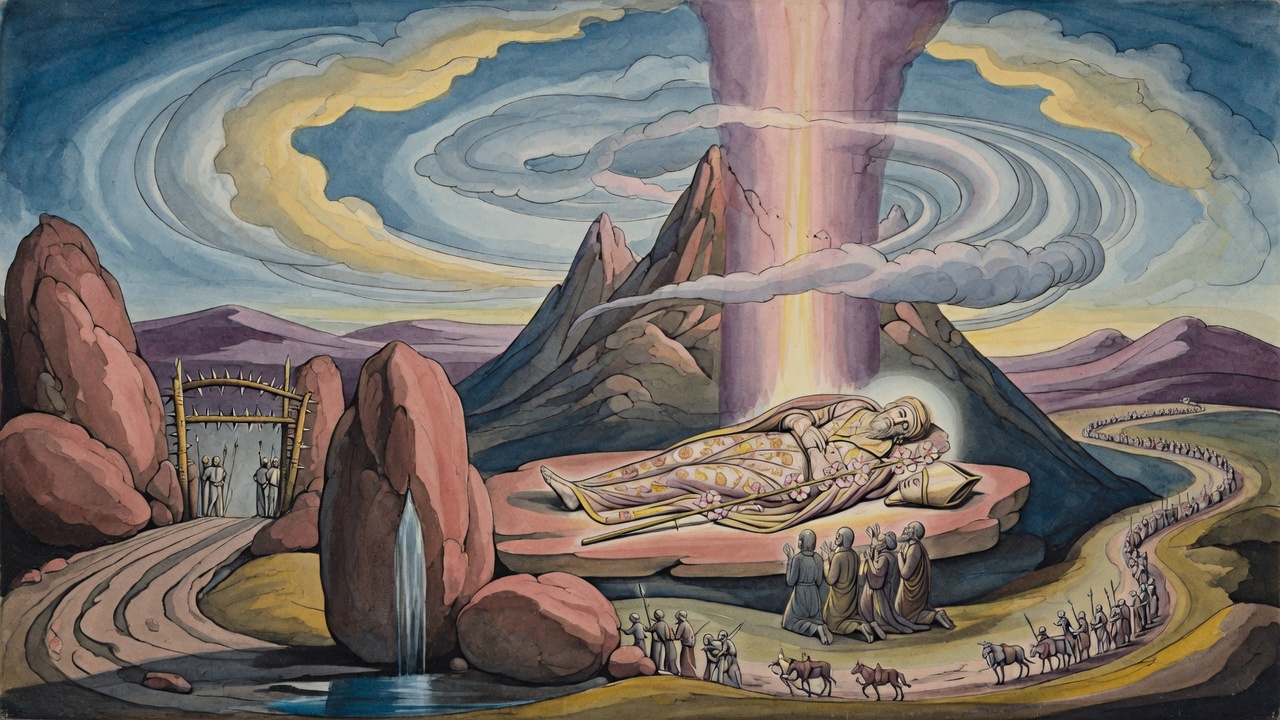
Edom would not open the road. Aaron climbed a mountain like a small apple on a large one. The garments left him while he stood.
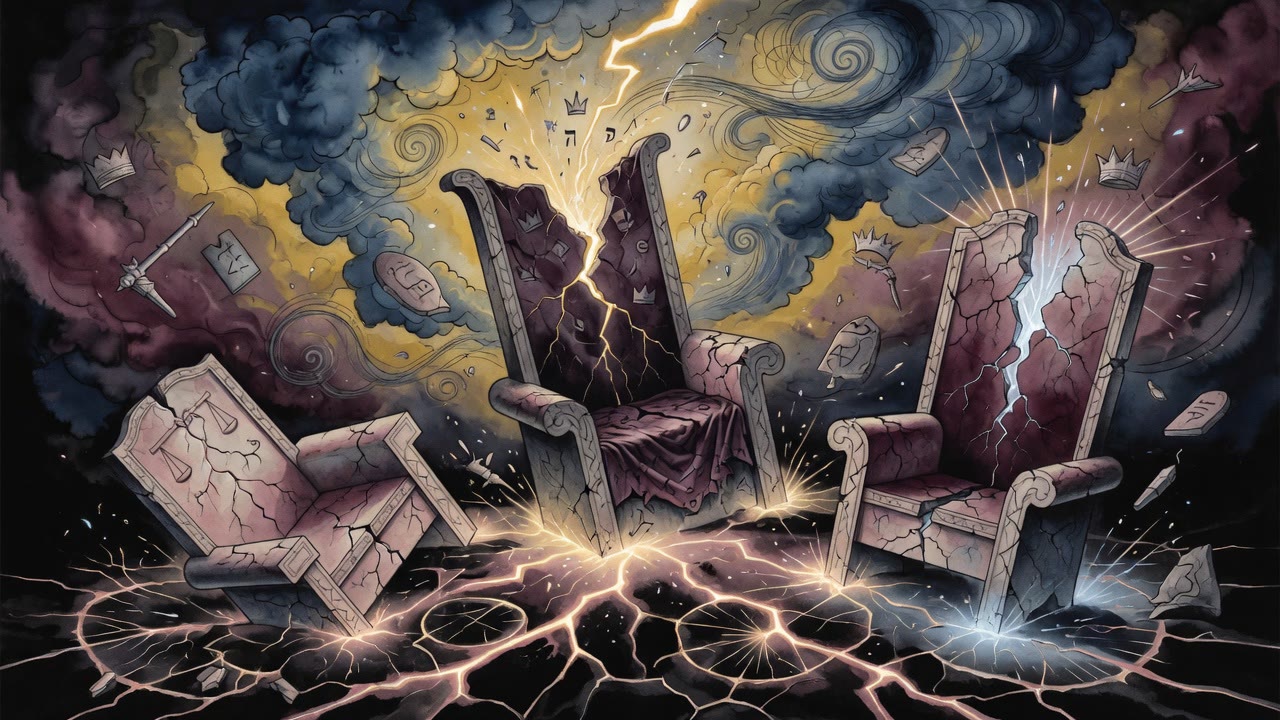
Before Adam stood, kings ruled in a world of pure din. Their thrones cracked. Malchut was both their wound and the door of their repair.
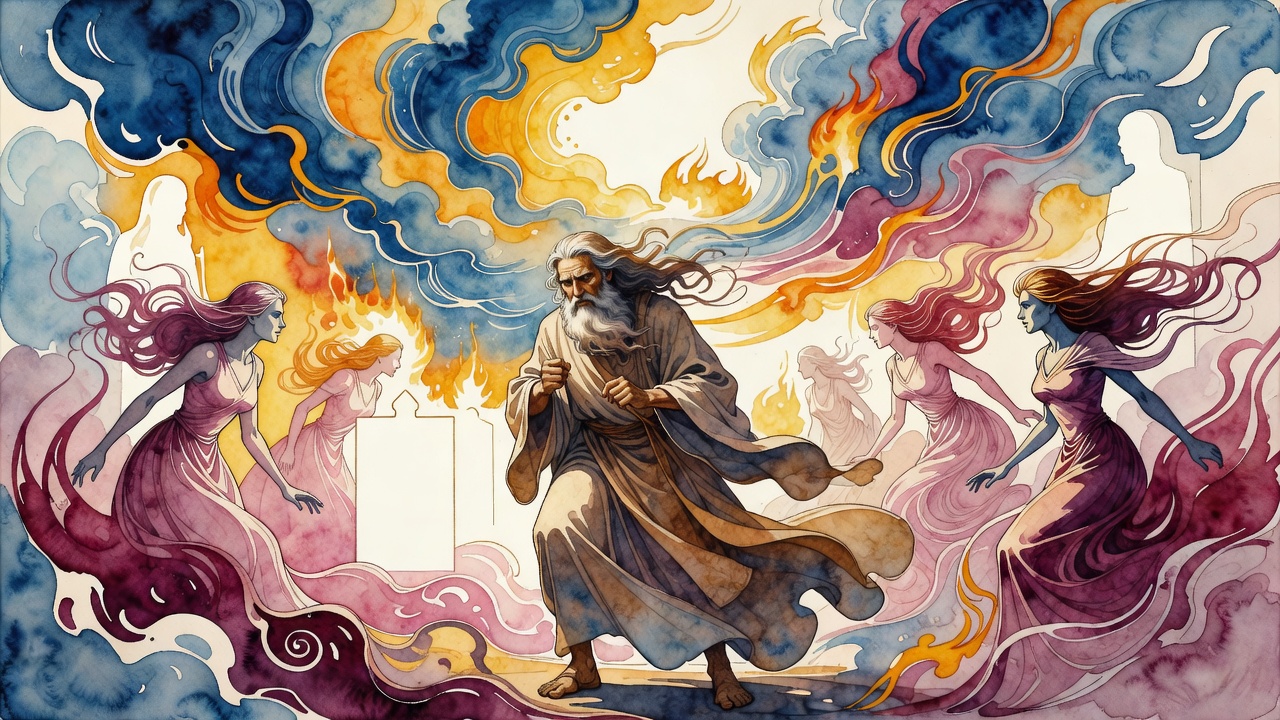
Young men oiled spearheads and waited for a war they could see. Moses wanted them angry at the trap that had already entered the camp.
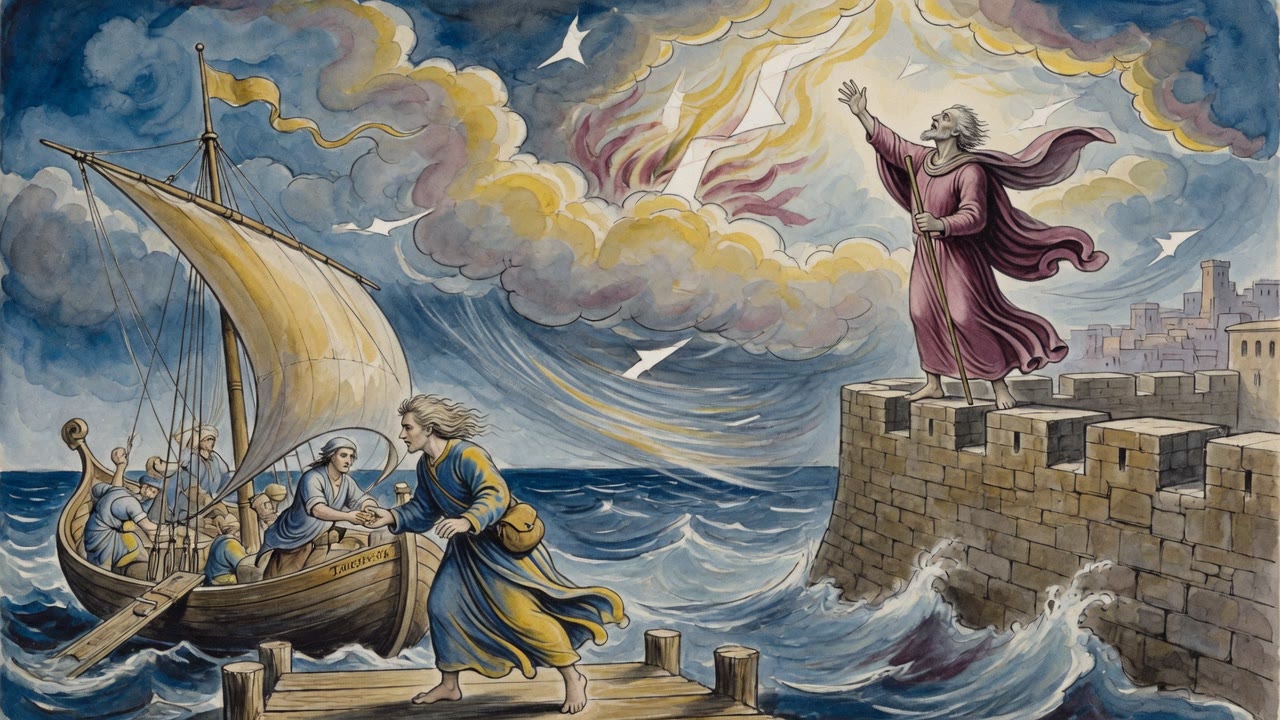
Edom rose as the terrible beast of Habakkuk and Daniel. From Edoms own ranks God raised Obadiah the convert, whose single oracle turned terror into verdict.
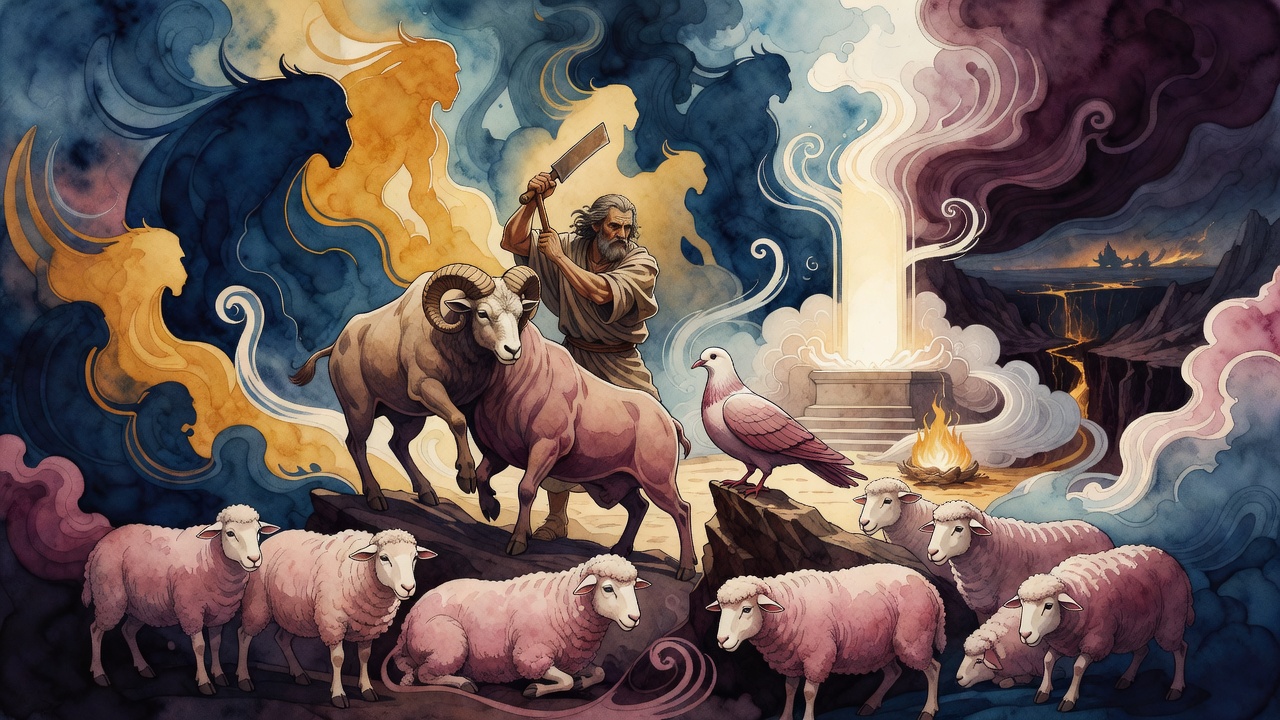
Abraham hands Abimelech seven ewe-lambs and seals a peace over a well. Heaven counts the lambs and sends the bill: seven righteous men, seven sanctuaries.
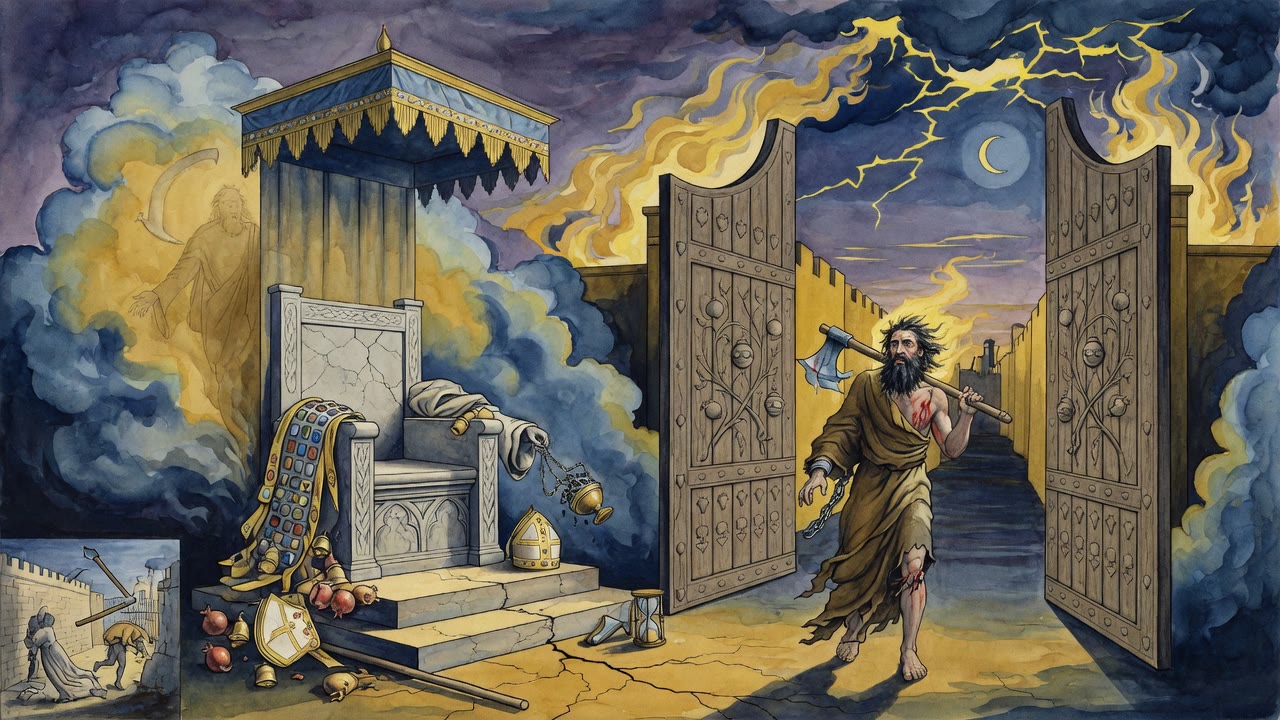
Balaam and Jethro had sat in Pharaoh's council together. From a hill above Moab, Balaam said what he thought of the man who walked out.
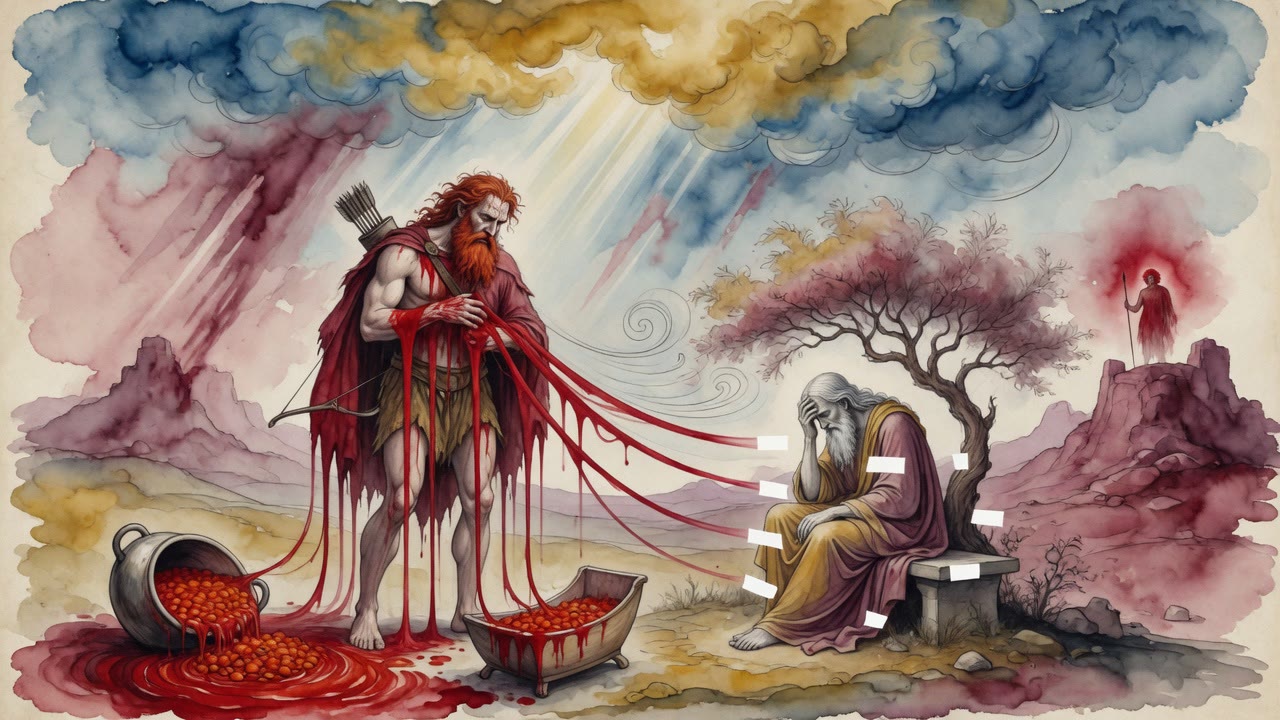
Esau's crimes cut five years from Abraham's life so the patriarch would not see his shame, and the color red clung from cradle stew to Edom's reckoning.
