61 myths · Page 1 of 3
Each story names the sources it was written from.
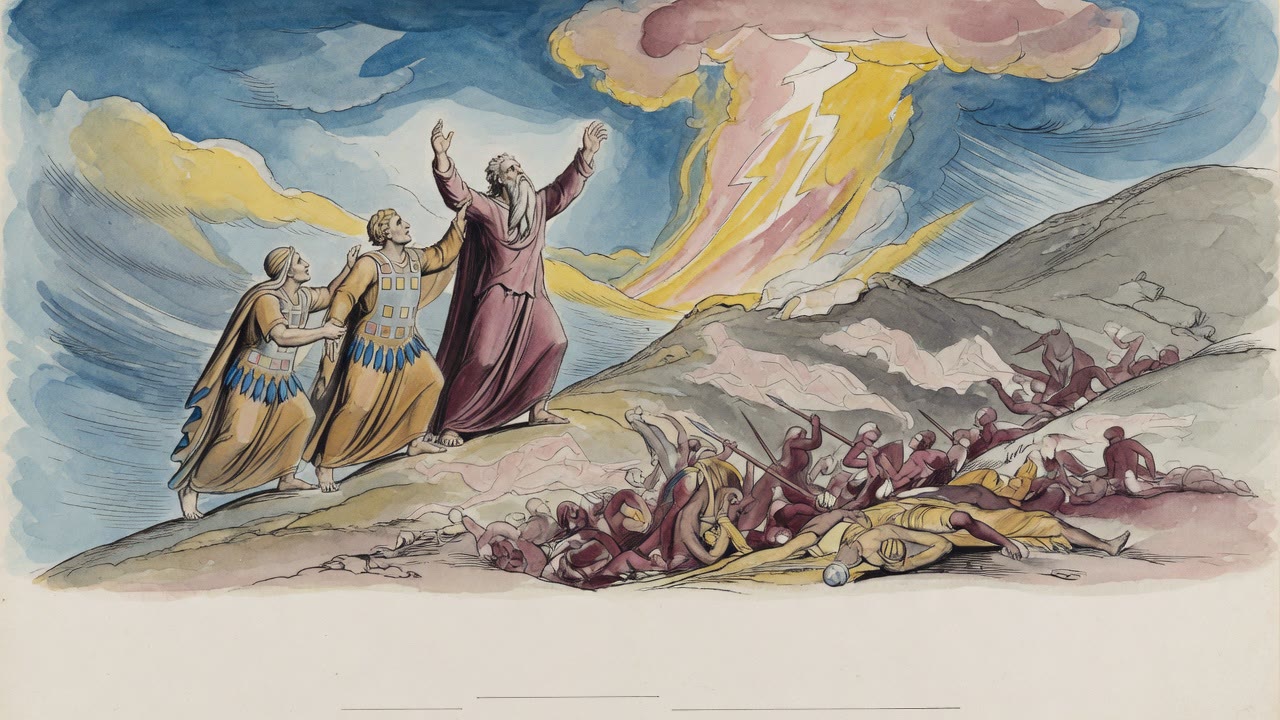
Moses, Aaron, and Hur climb a hill above the battle with Amalek, and the names they carry up are not the living but the dead.
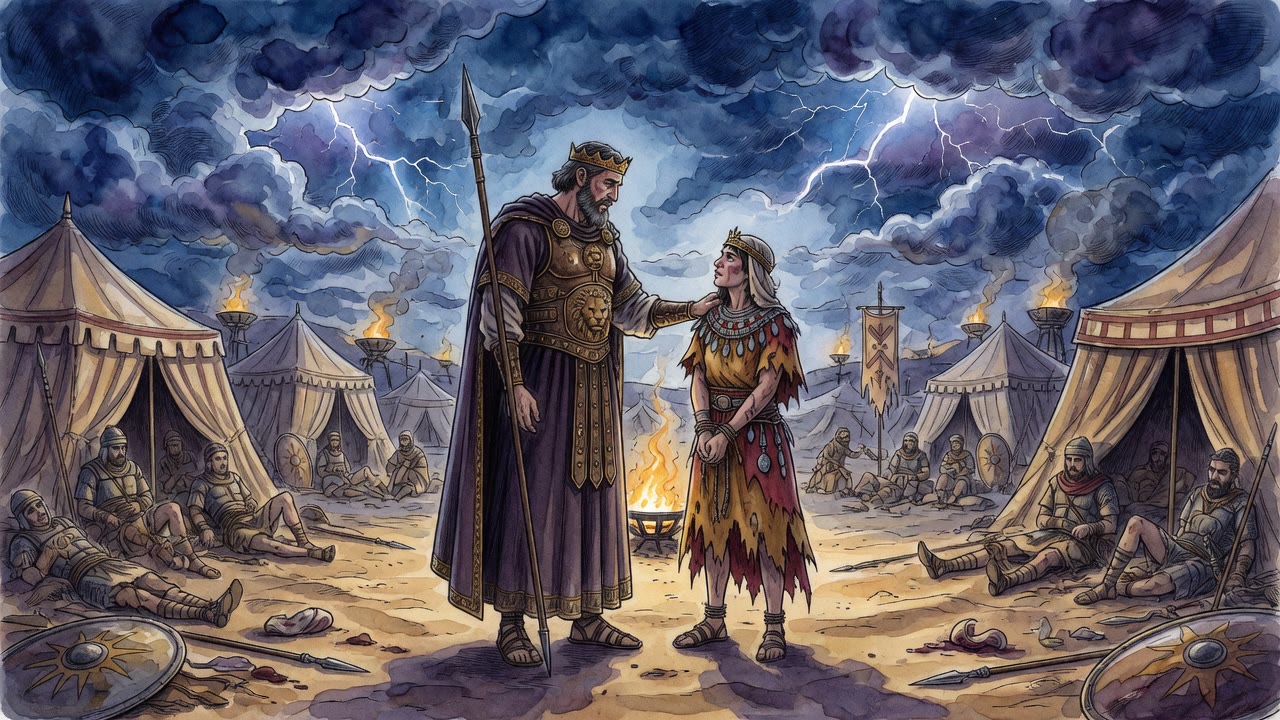
Agag sat bound through the dark while fat sheep bleated in the pens. Samuel came at morning. The line that should have ended did not.
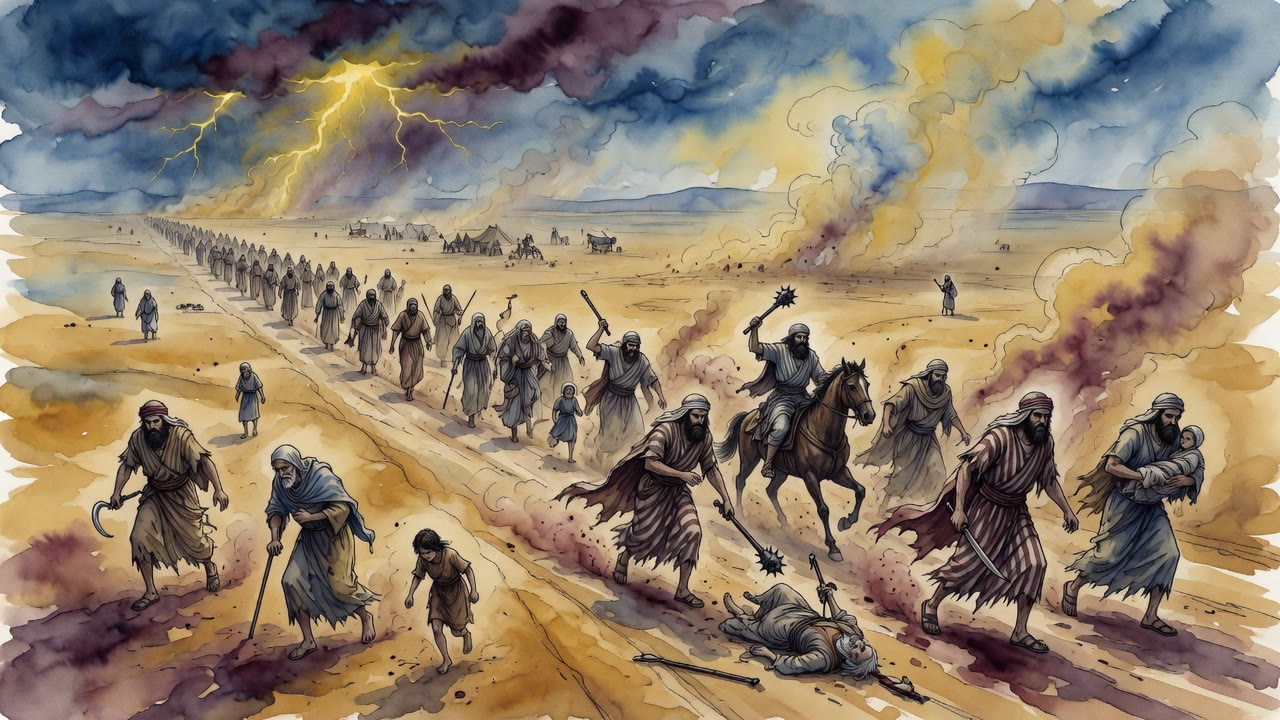
Eliphaz asked his son who would own this world and the next, then let it drop when the boy ignored him. The boy's name was Amalek.
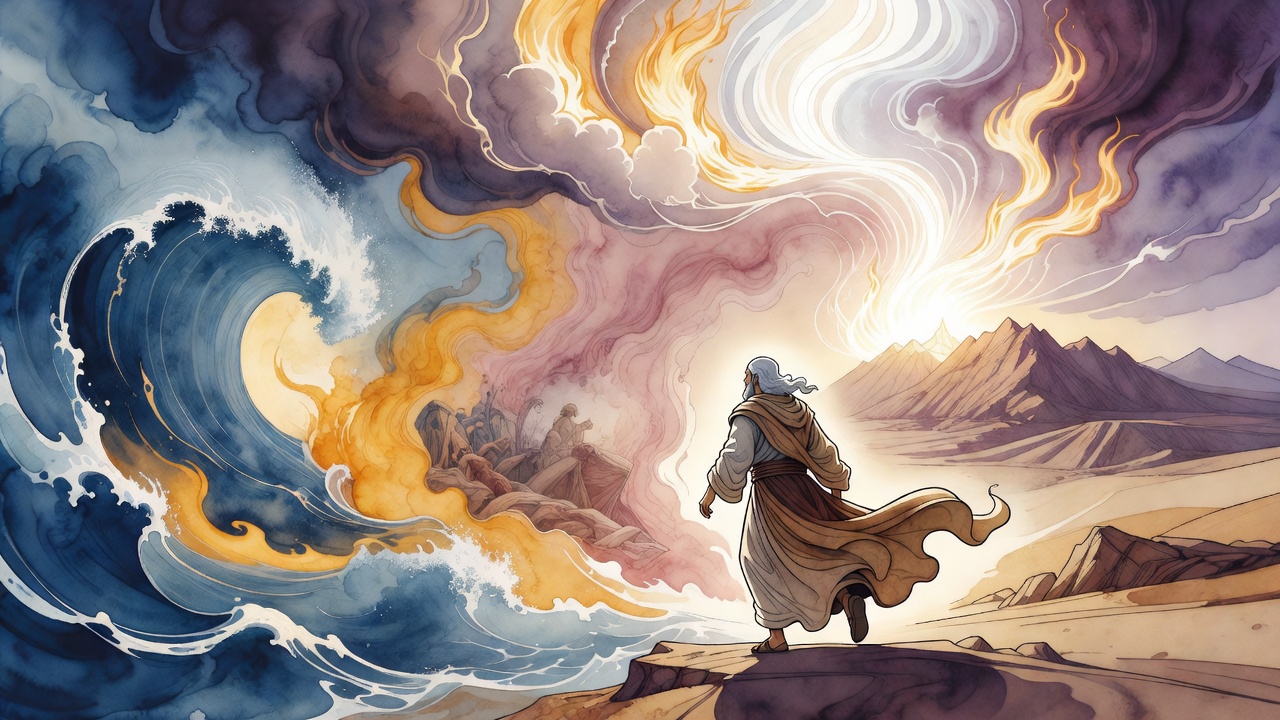
The kings of the earth asked Balaam whether another flood was coming. He told them no, and every one of them went home relieved.
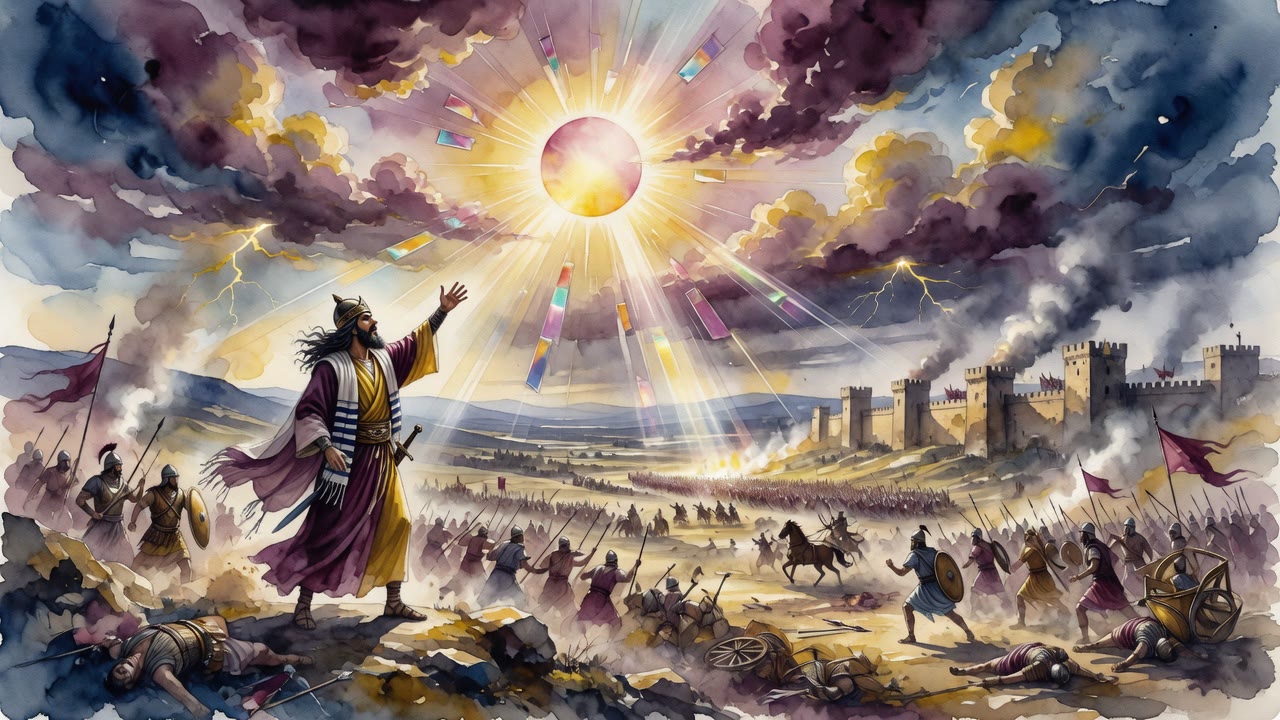
Moses called him an equal and sent him downhill. Later two men said Moses would die in the desert. Joshua wanted them locked away.
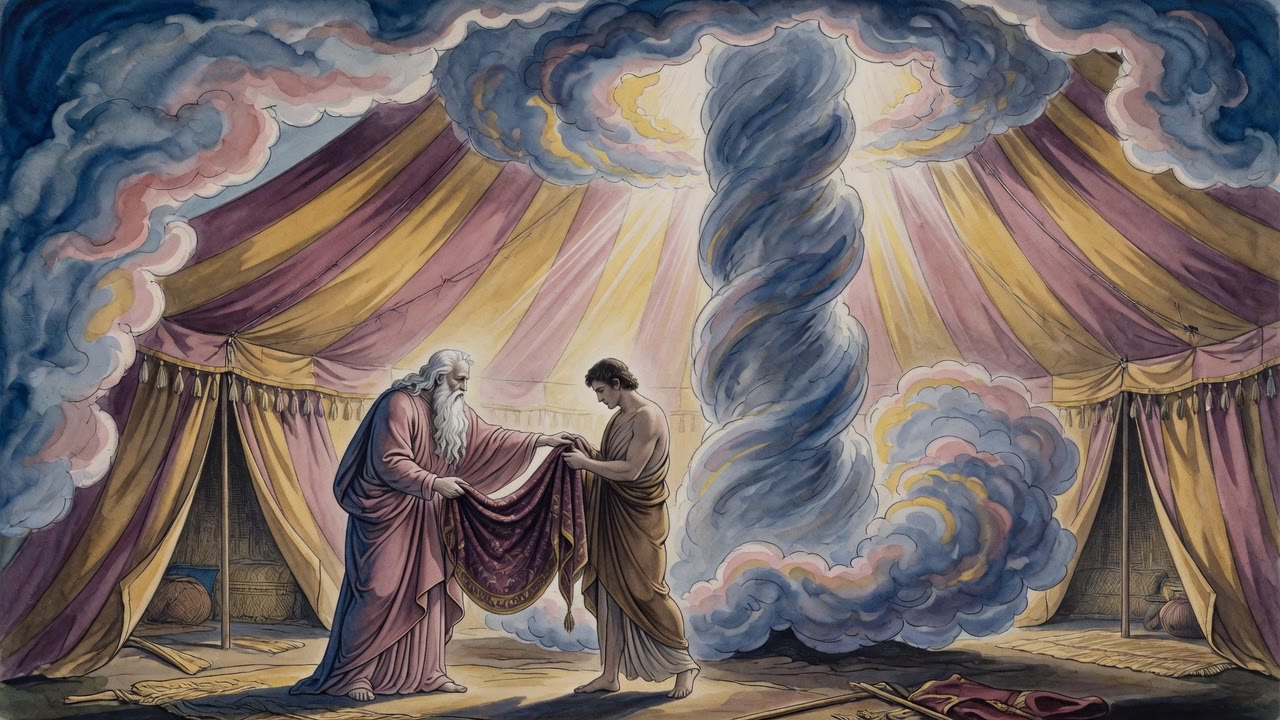
Three men advised Pharaoh about the Hebrews. One was thrown out for defending them, one said nothing useful, and one of them thought of the river.
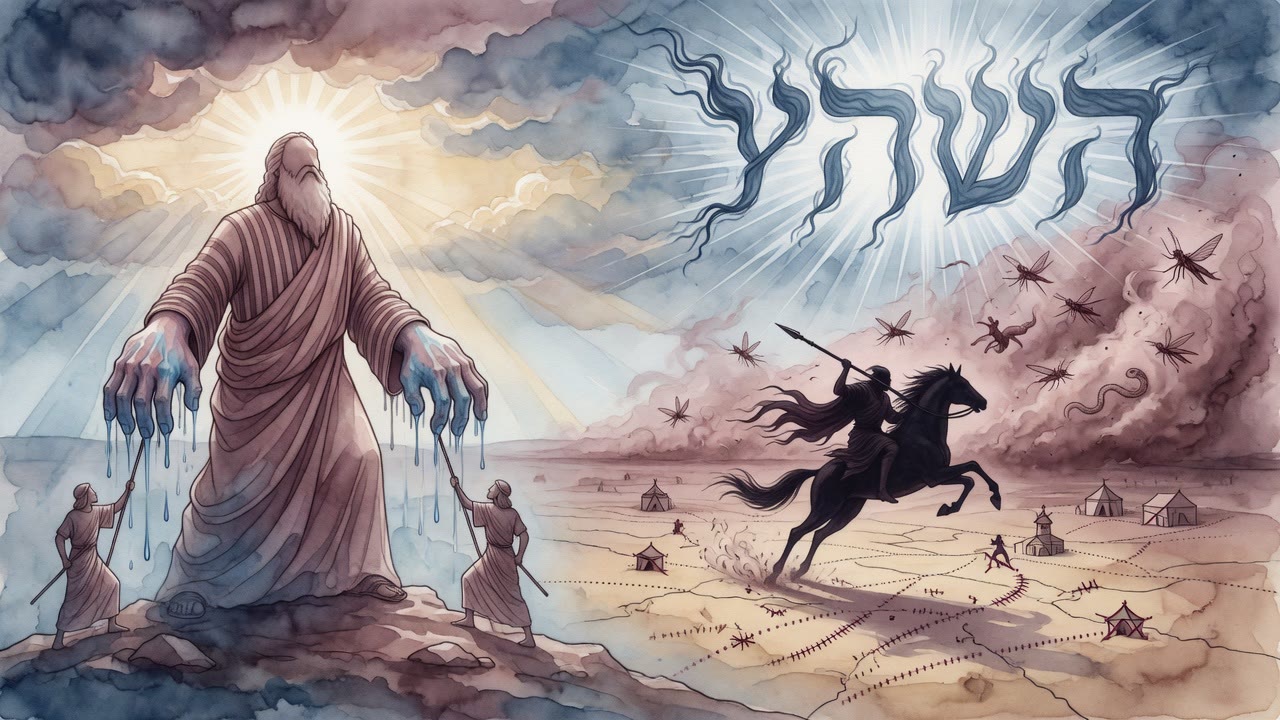
Israel would not ask God out loud whether He was still with them. They held the question in their hearts and waited to see if He knew.
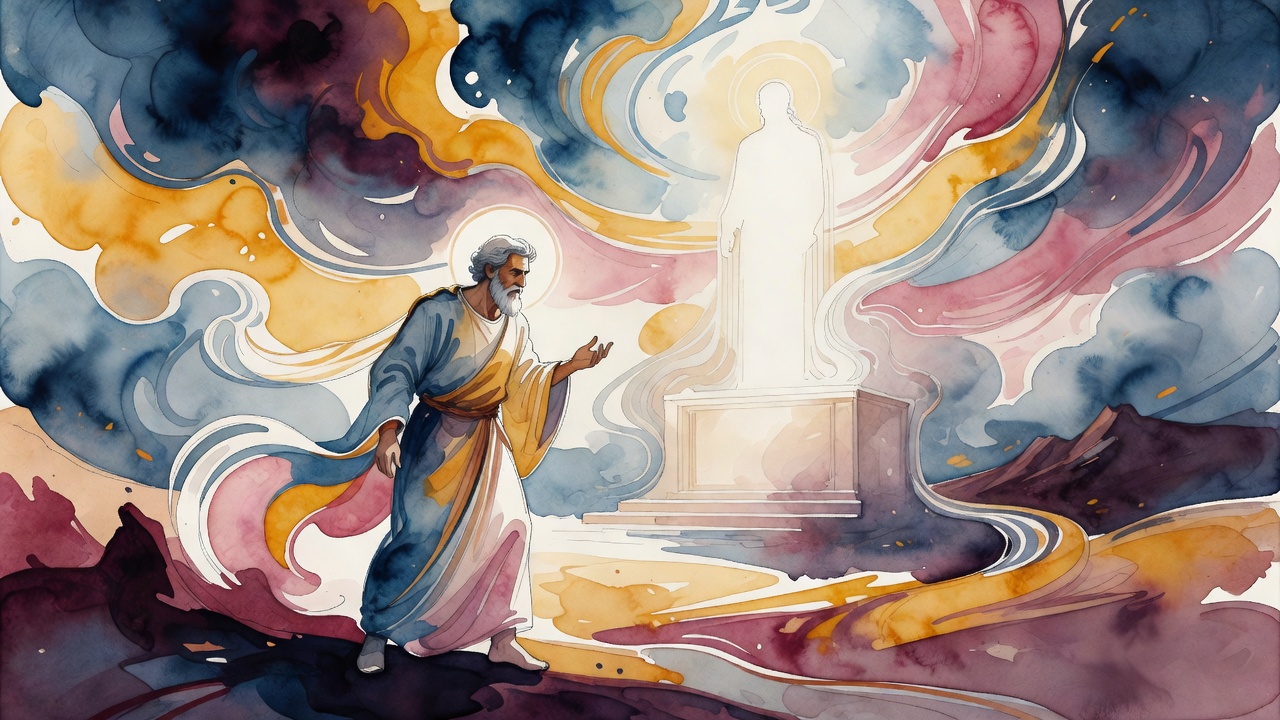
Before attacking Amalek, Saul asked God what wrong the children had done. A voice answered: do not be overjust. He ignored the warning and it destroyed him.
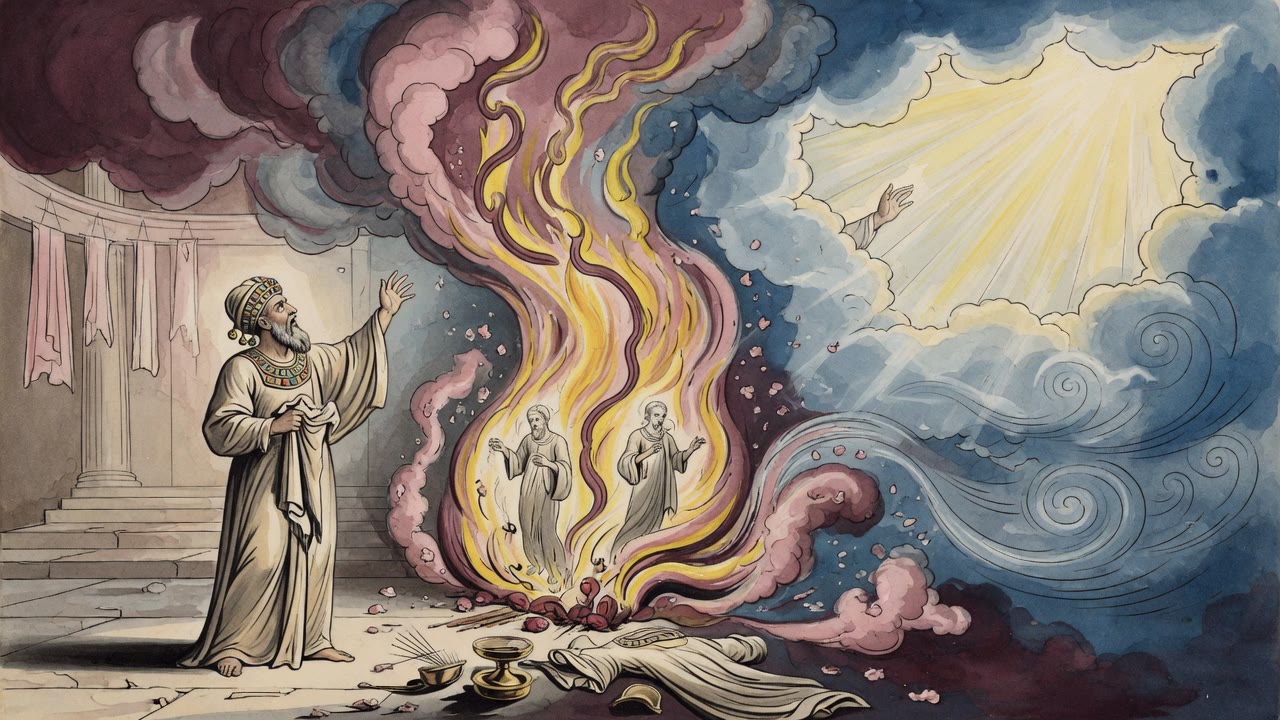
At the Golden Calf the Levites would come forward with swords. Judah's banner would lead every march. Neither had happened yet when Moses' arms went up.
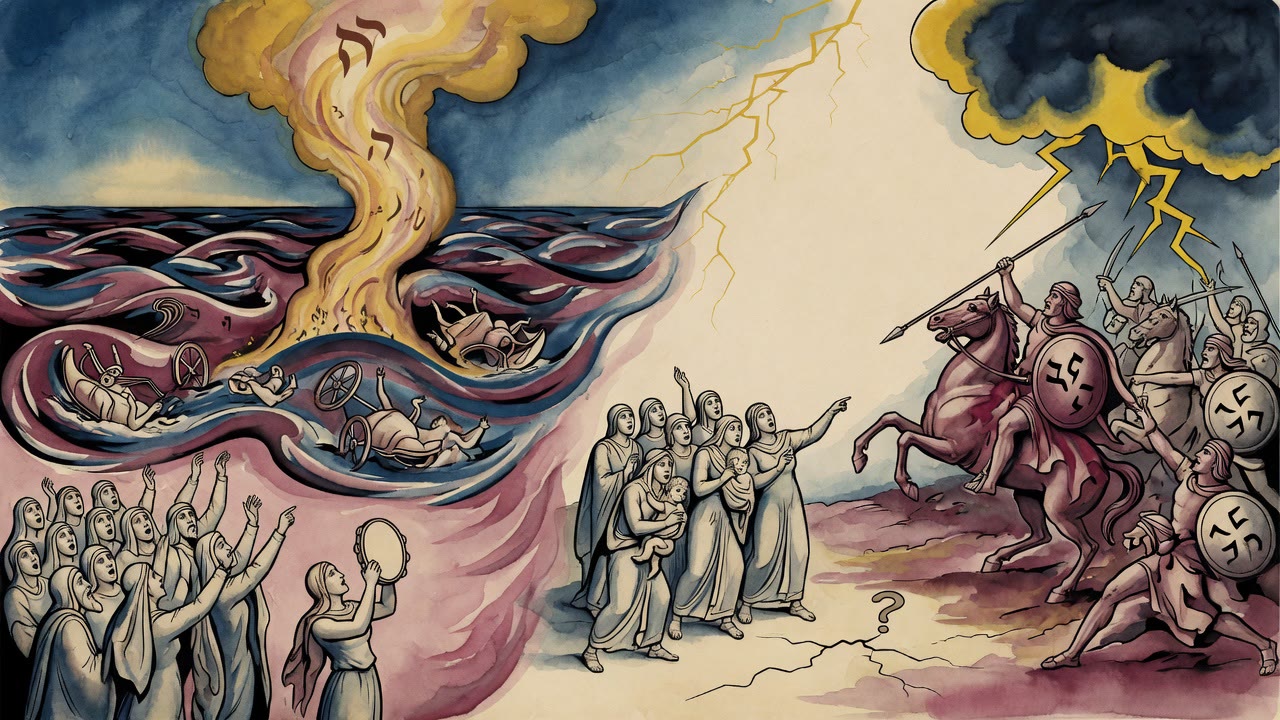
Israel crossed the sea, watched Egypt drown, and sang. Then they asked whether God was really among them. Amalek came the next moment.
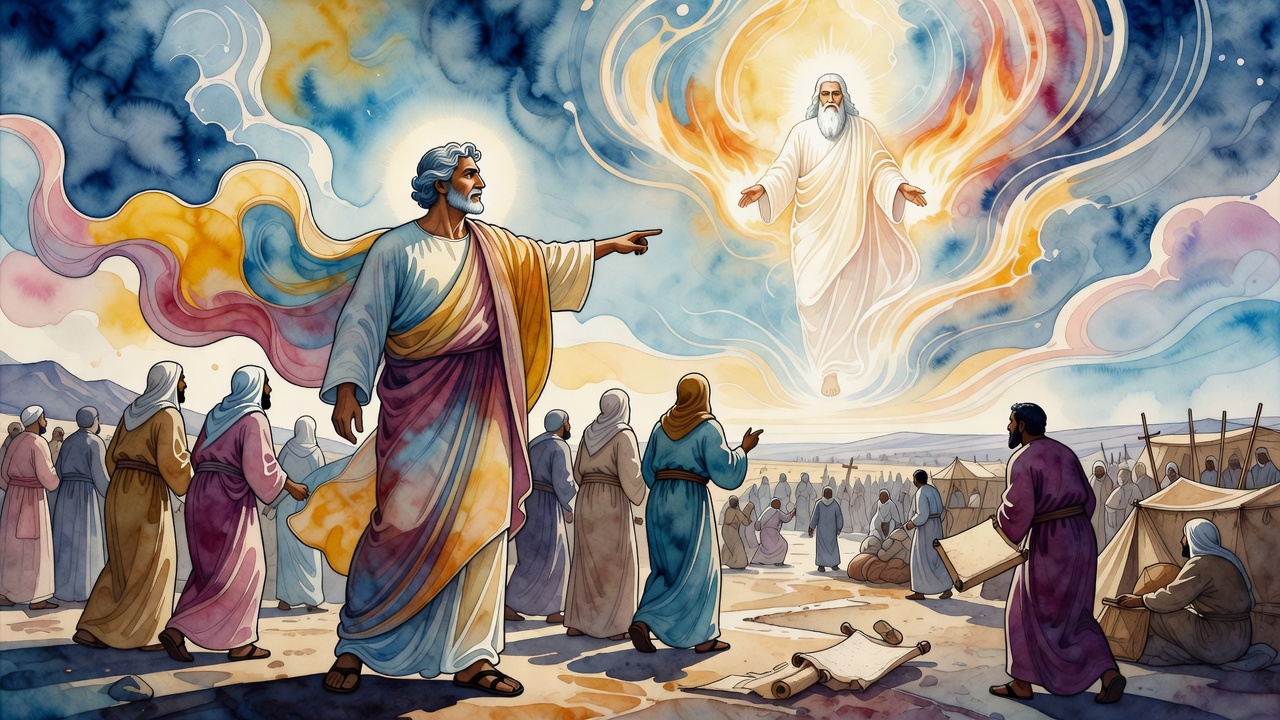
Saul had orders to destroy Amalek completely. His first act was to warn the Kenites to leave. Jethro's old kindness to Moses still carried weight.
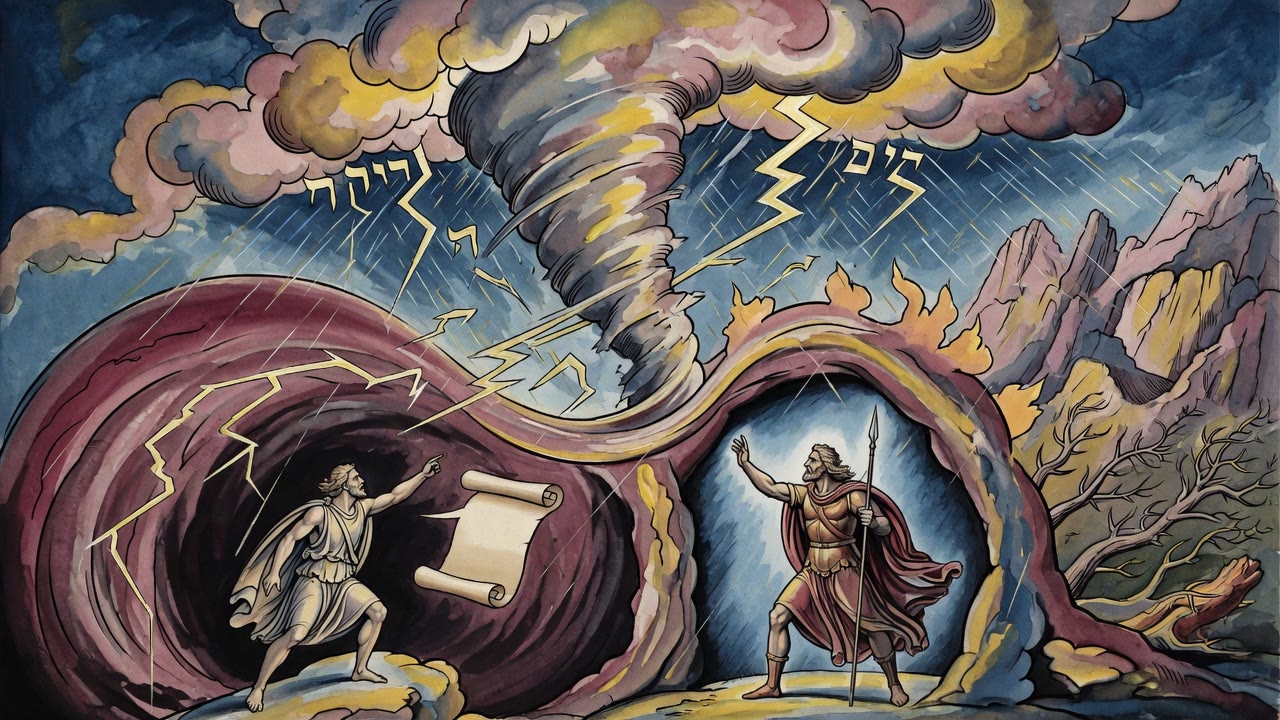
Samuel prays through the night, and the prayer strikes before the sword does. Agag lives one day too long and fathers the line that will become Haman.
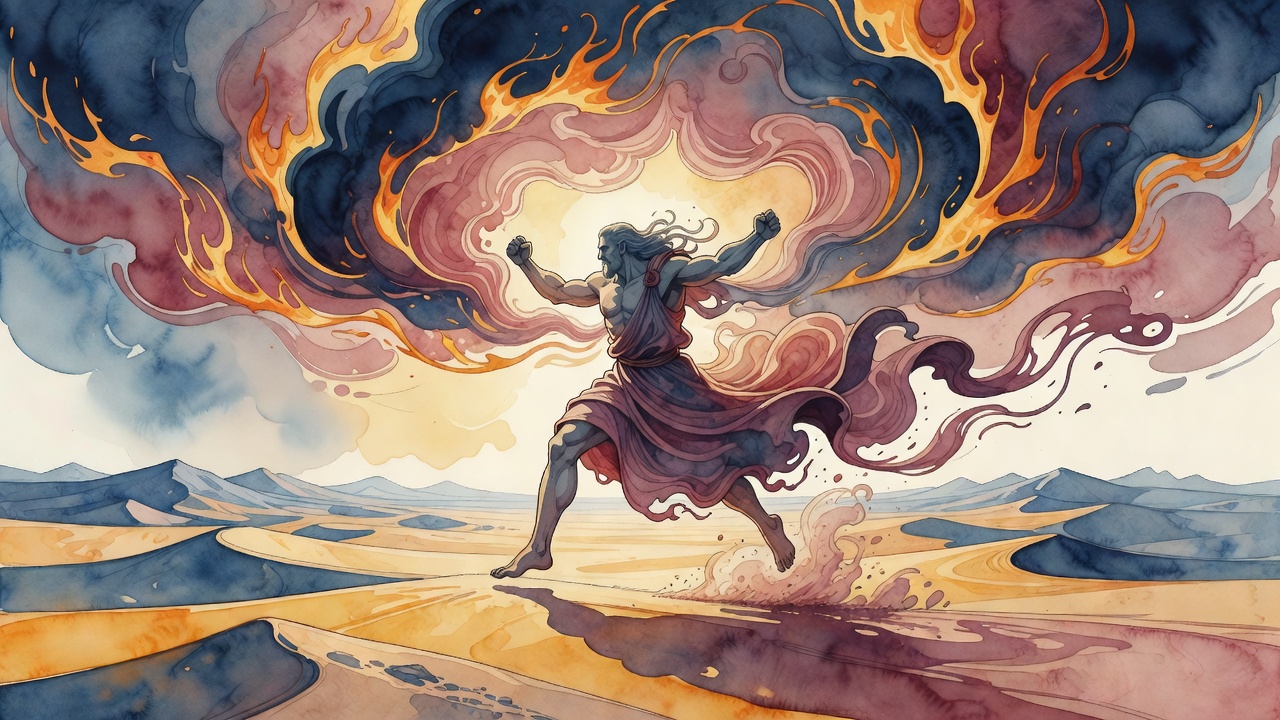
Amalek came from the far south and covered sixteen hundred miles in a single night, driven by a grudge that ran back to Esau and Jacob in the womb.
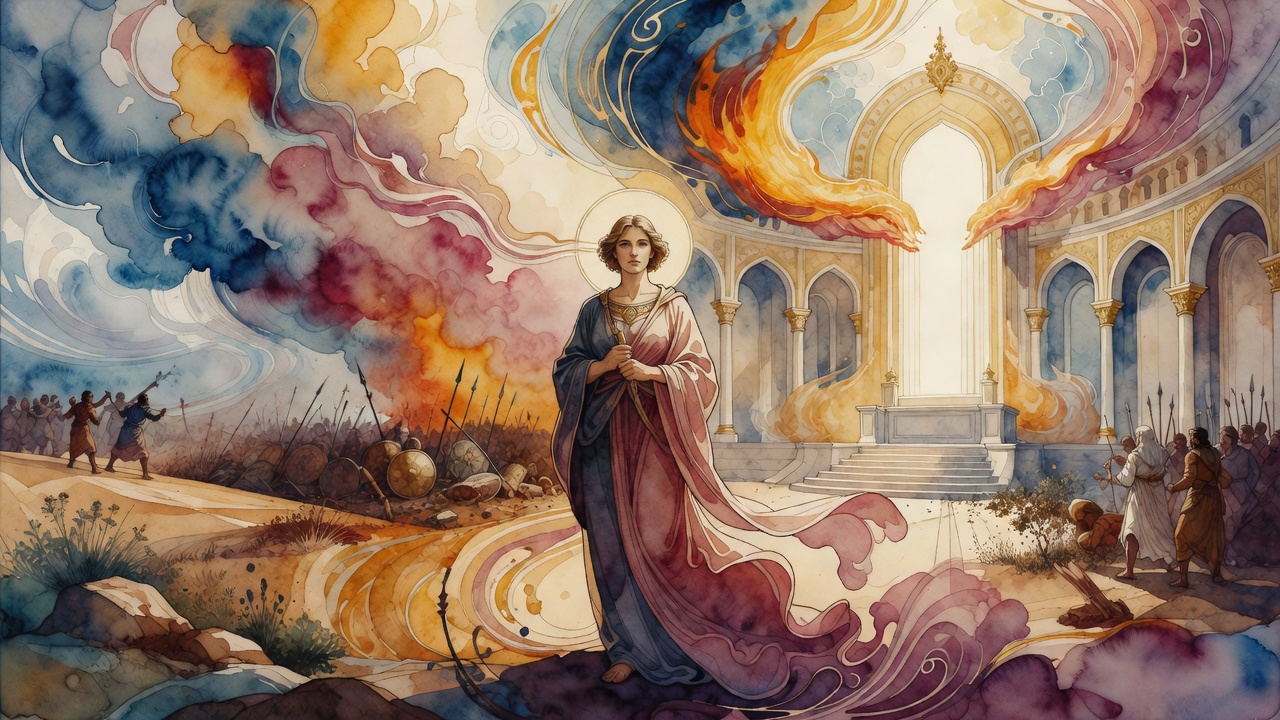
Her father died before he could teach her much. What he did teach her was one promise God made through Moses, and she held God to it on the floor.
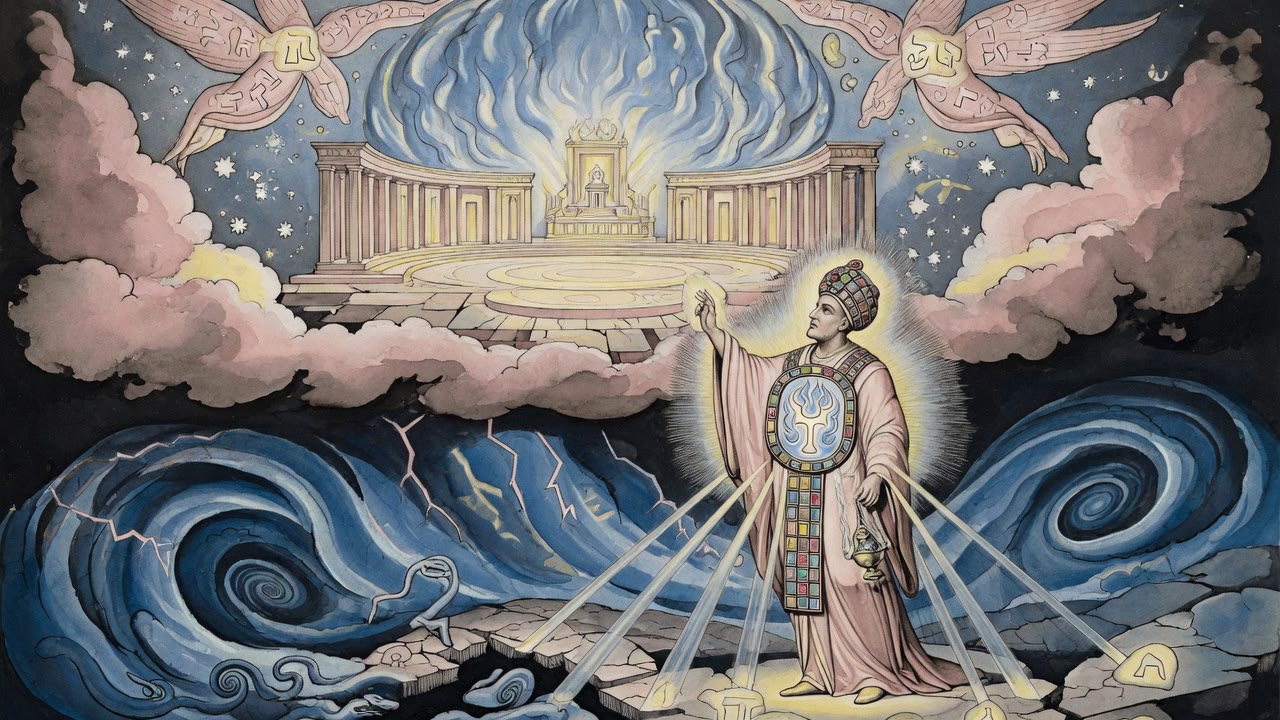
Joseph rises in Egypt and needs his father's arrival to silence whispers. Moses kills with the Name, Amalek attacks, and Korah opens the earth.
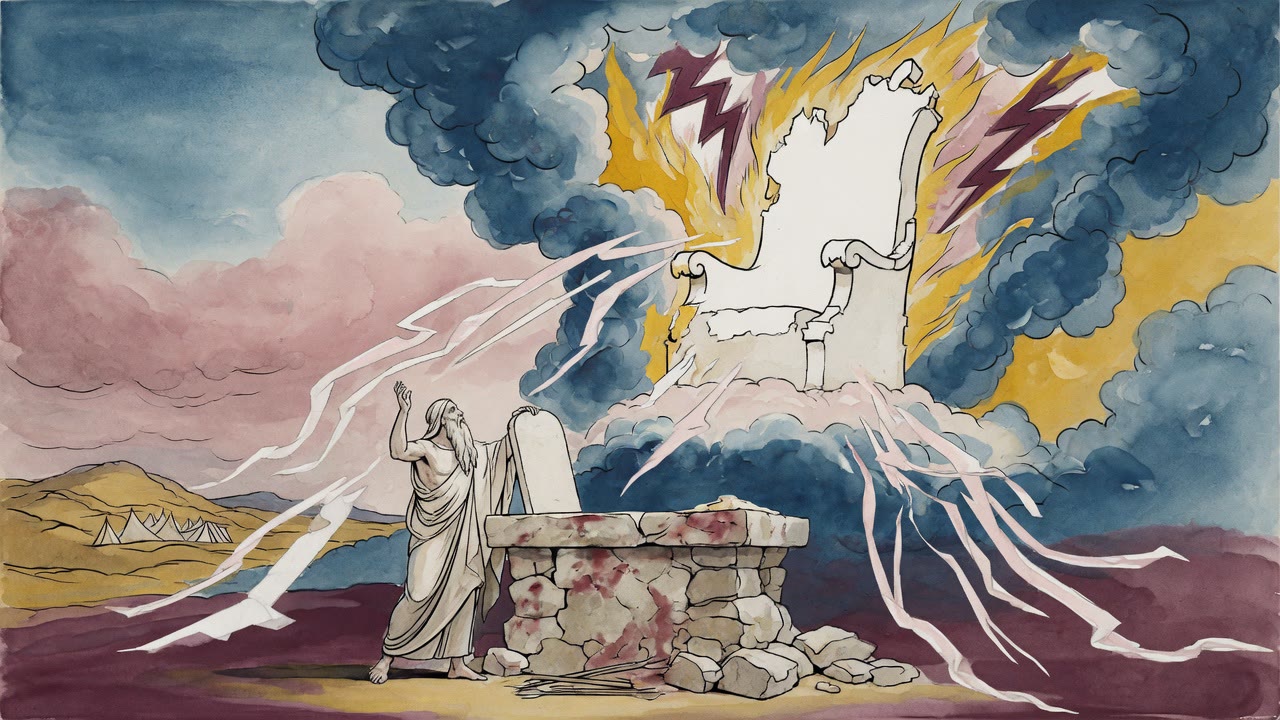
After Rephidim, Moses names shared trouble at the altar while God swears the divine name and throne stay incomplete until Amalek is erased.
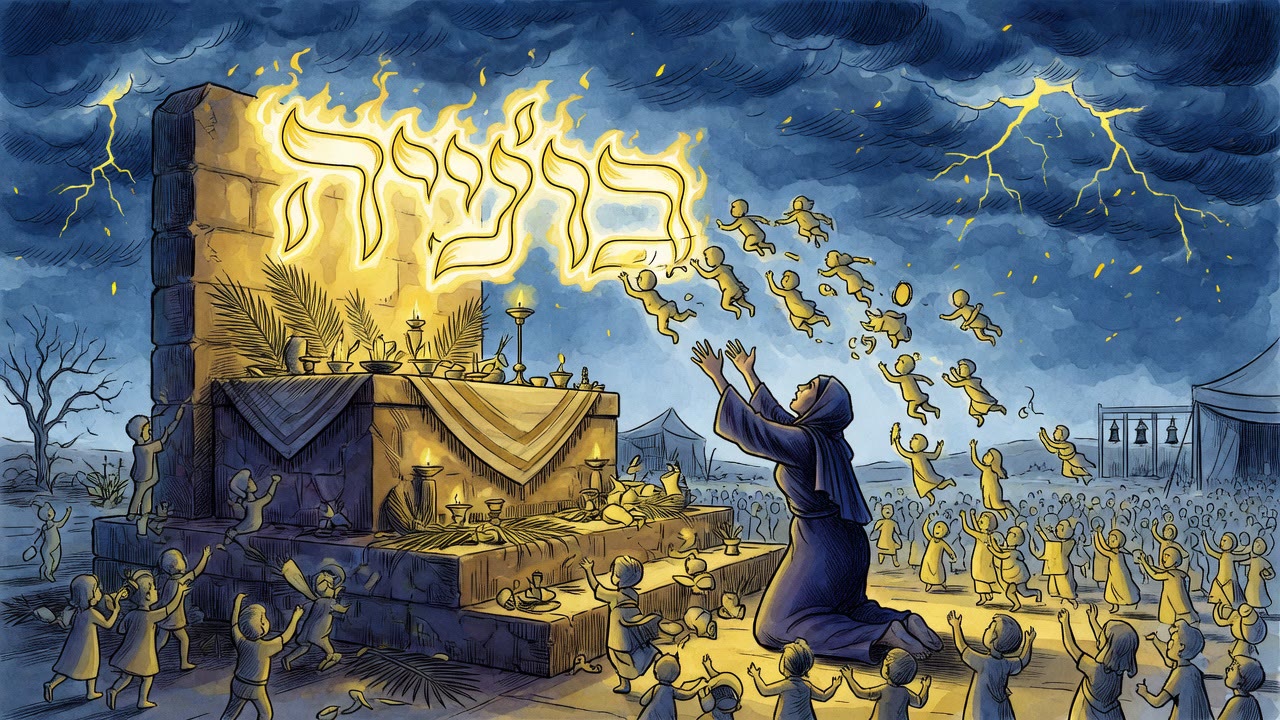
Peninnah came in every morning to ask whether Hannah was washing her children's faces. Hannah went into the shrine at Shiloh with a threat.
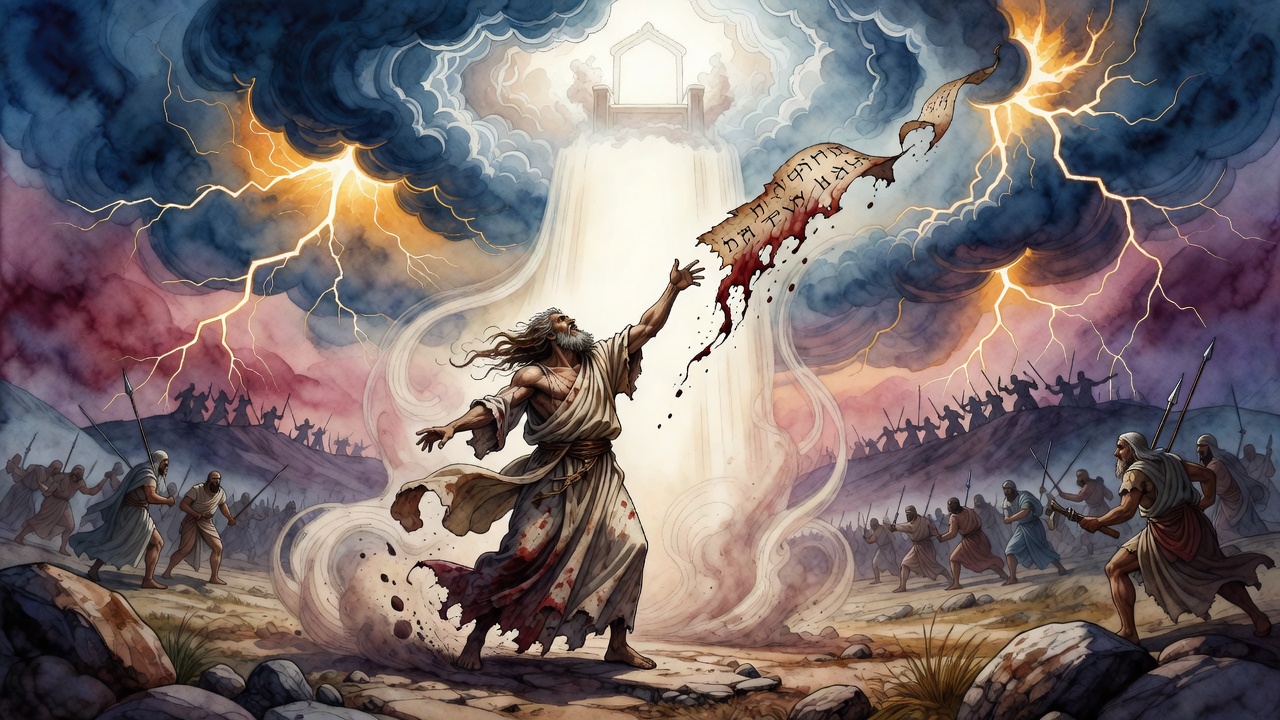
Amalek cut the sign of the covenant from the dead and flung it at the sky. The wars over that covenant began long before, with Jacob's sons.
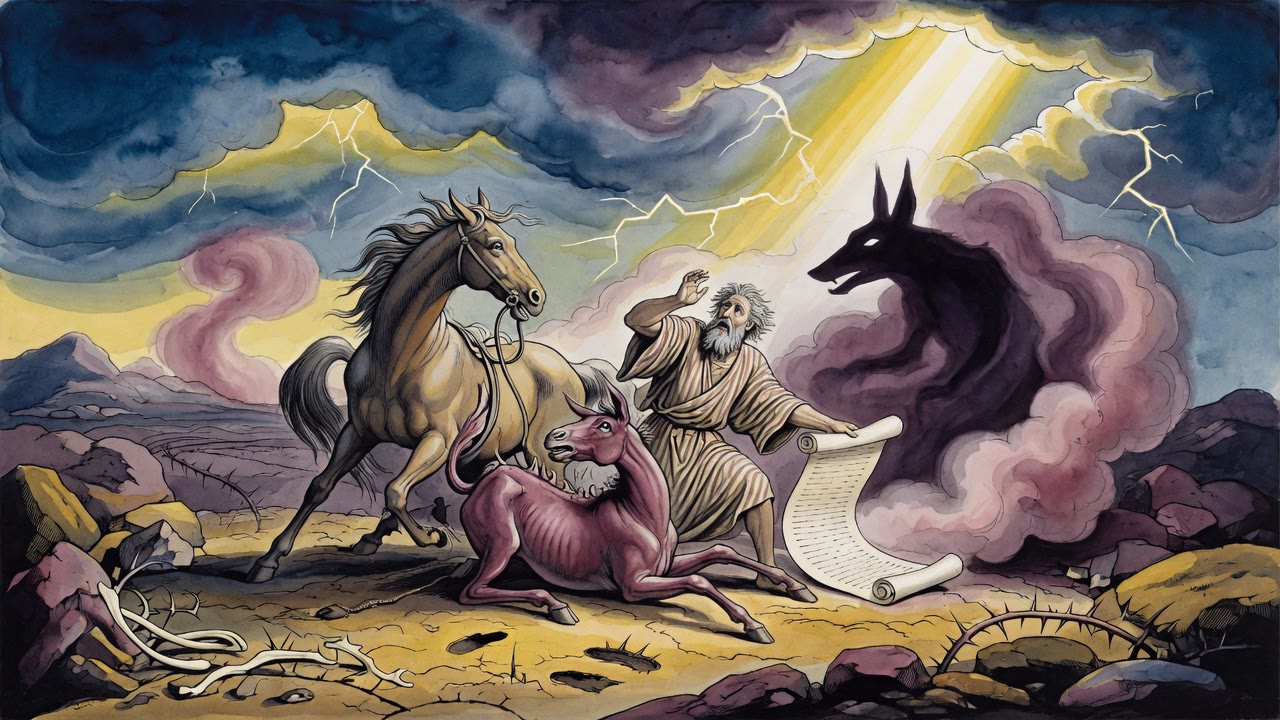
A princess of royal blood begged to join the covenant of Abraham, was turned from the door, and from that wound she bore Amalek.
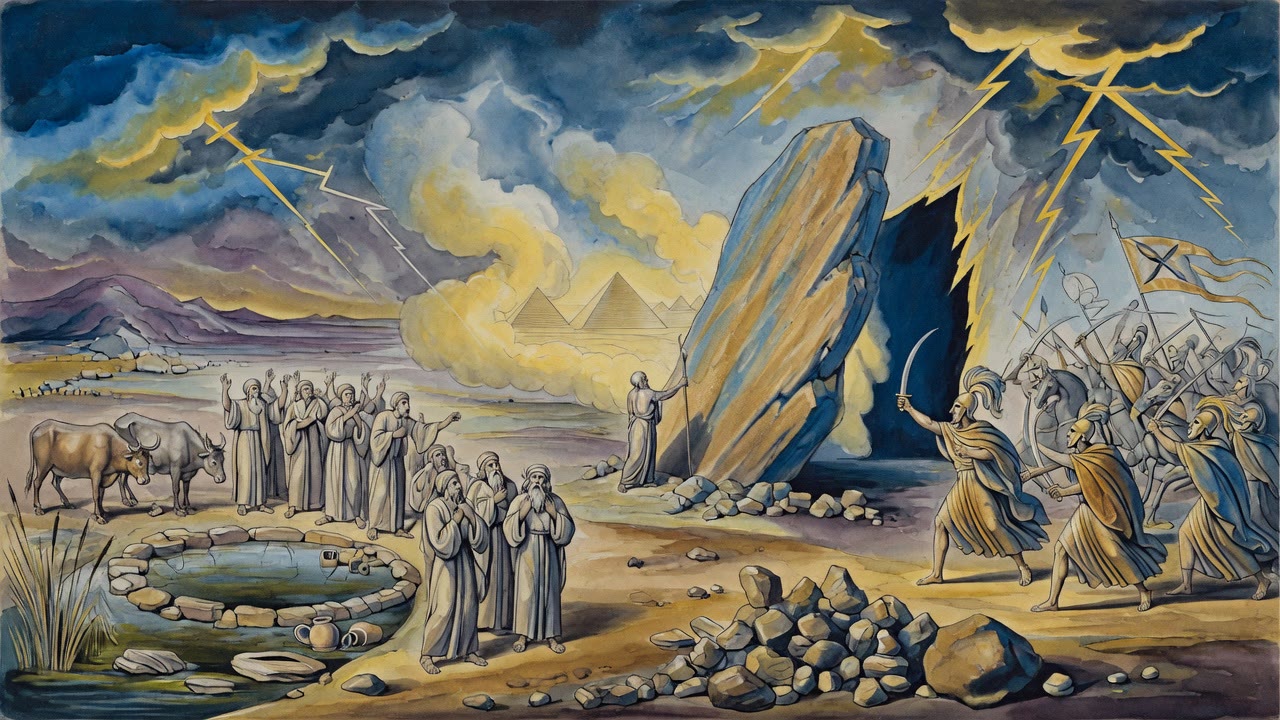
Three months out of Egypt, Israel found water the cattle refused. Doubt opened the door, and Amalek walked through it with swords.
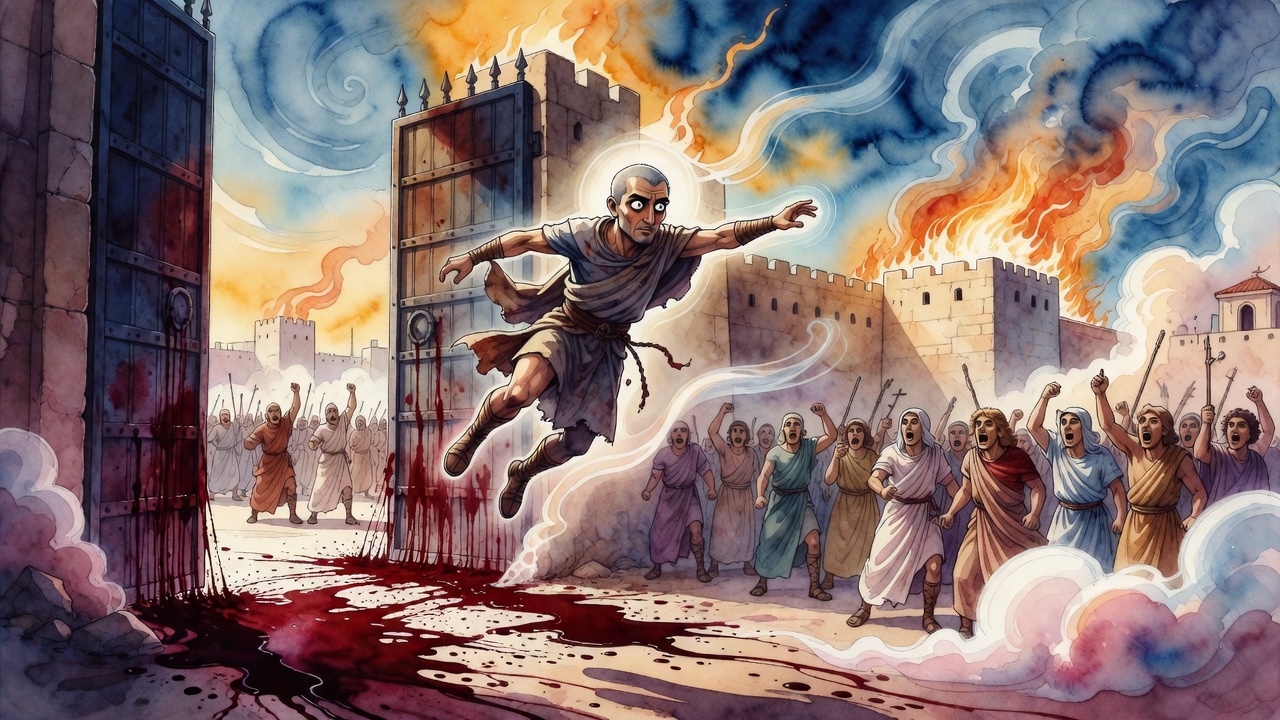
The army wanted to go home. Joab told them to sling him over the wall and watch the gates for forty days. Blood would mean he still lived.
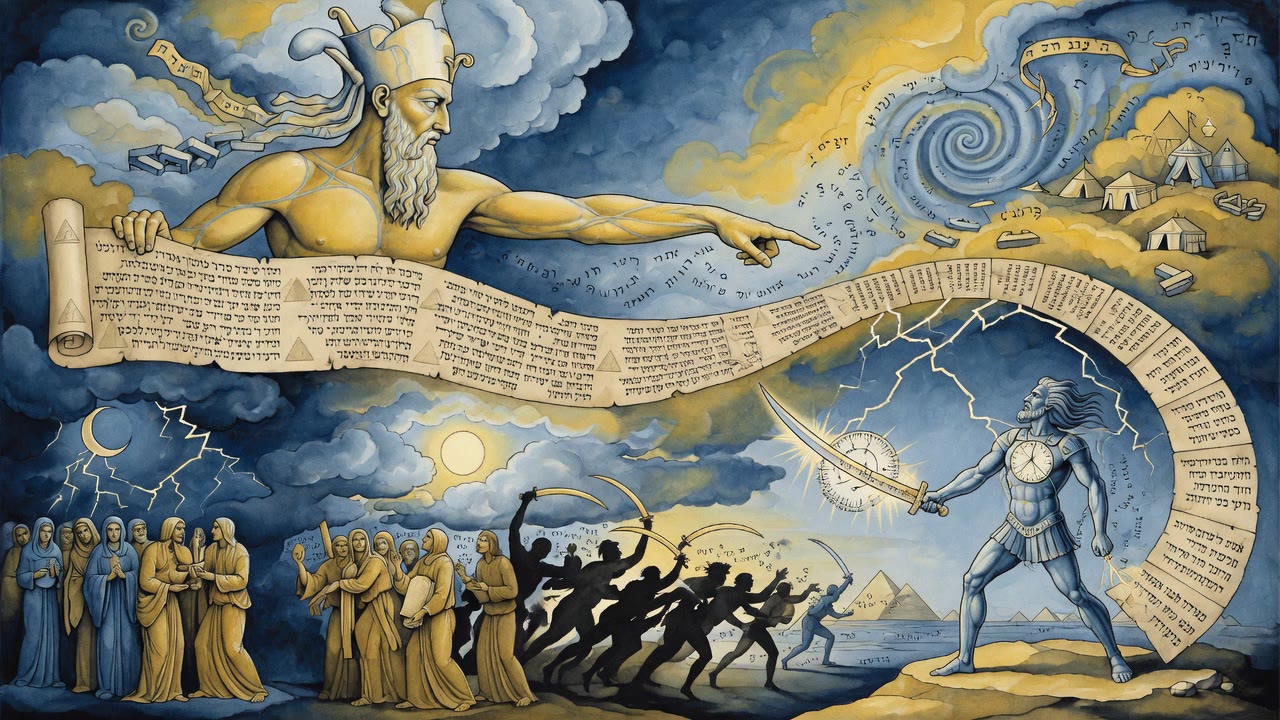
Every Hebrew had marked his name on the bricks of forced labor. Amalek got hold of those lists. Outside the camp he called out: Reuben. Simeon. Levi.
King Agnias would not accept the first day's loss. He ordered every male in Africa into the ranks, even boys of ten, on pain of death.
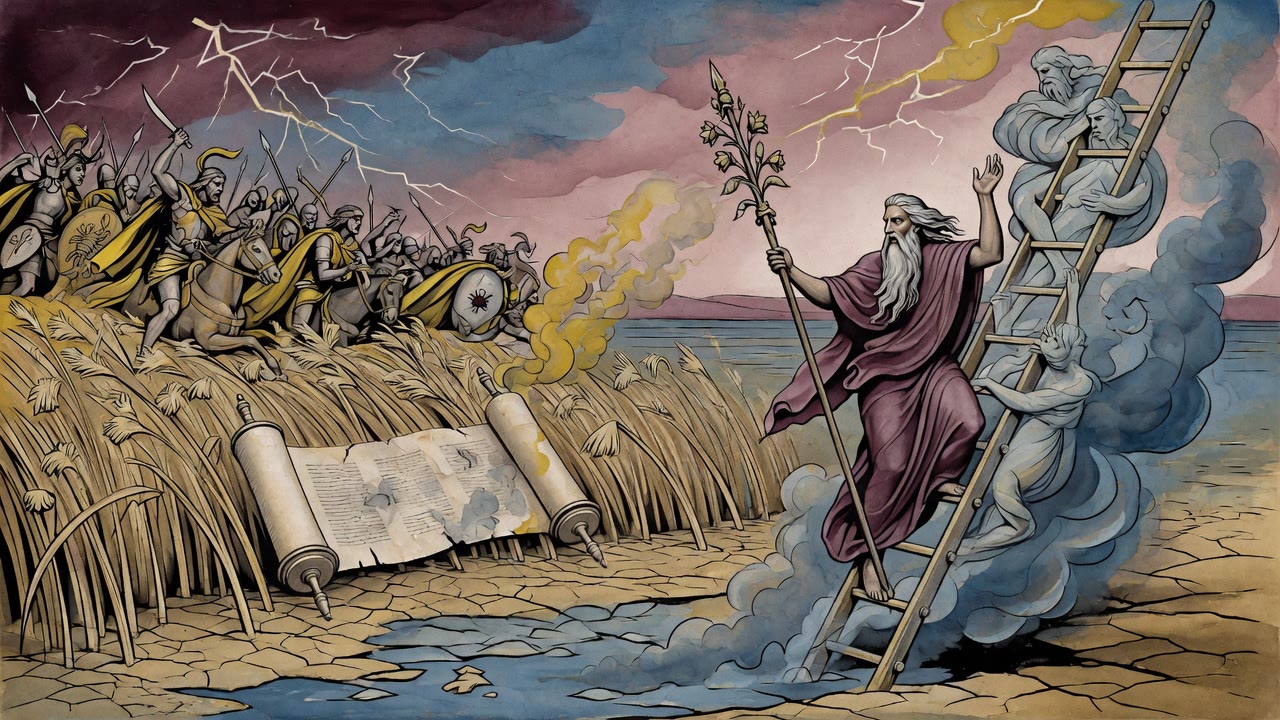
The well at Rephidim had gone dry. By morning an army stood on the sand, and Moses had only the staff that once split the sea.
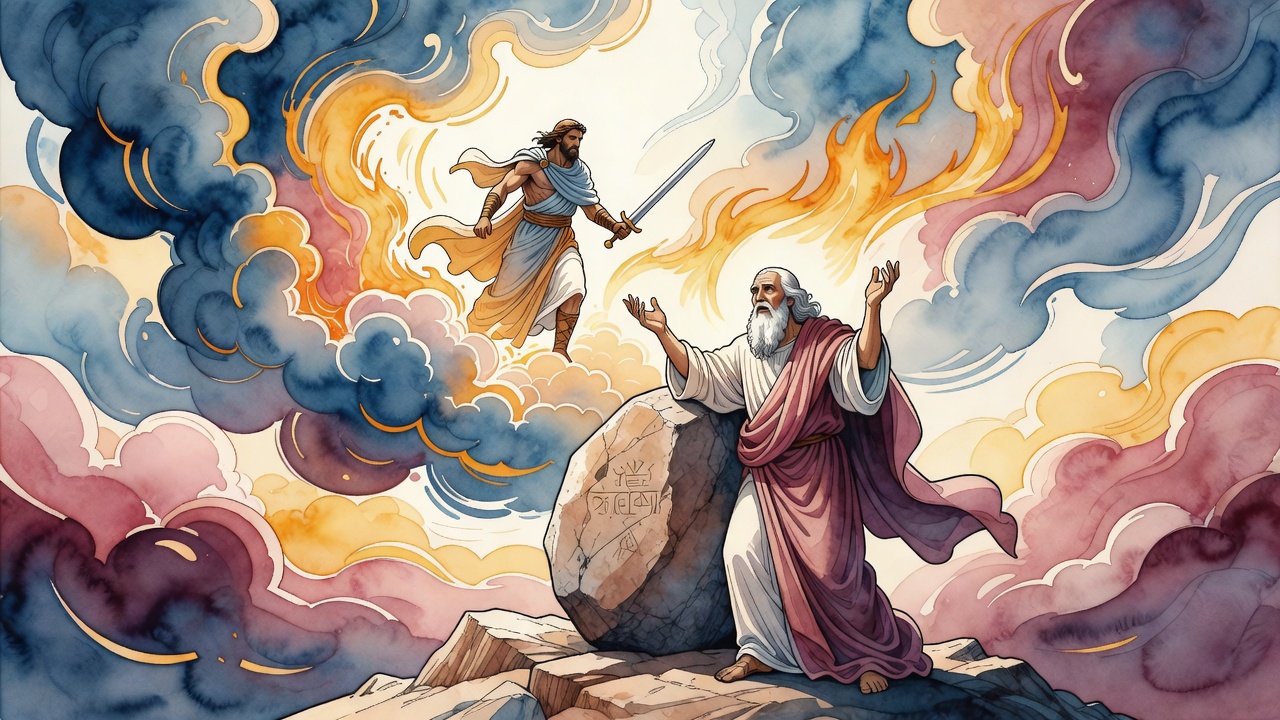
Moses could not hold his own arms in the air. They put a rock under him, and what took his weight was the deeds of Abraham, Isaac, Jacob, and the mothers.
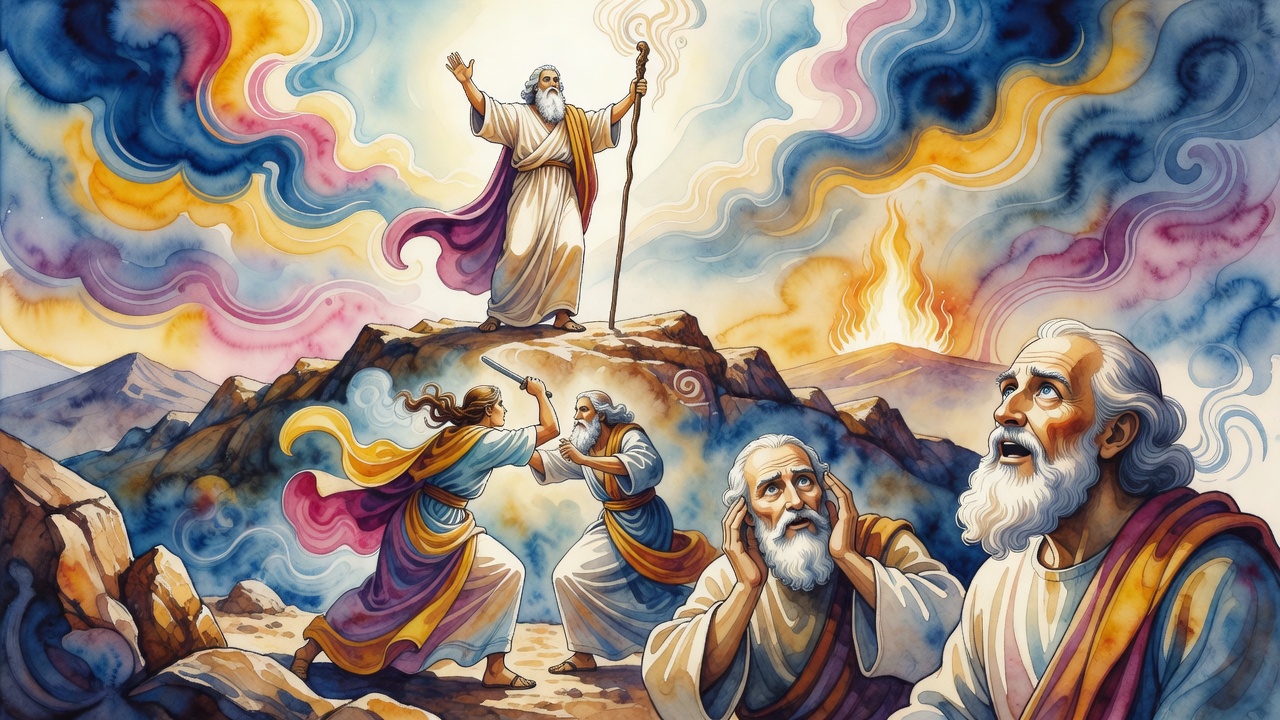
At Refidim, Amalek struck and Moses promised the hill. One sage heard tactics; another heard Abraham, Isaac, and Jacob fighting in the staff.
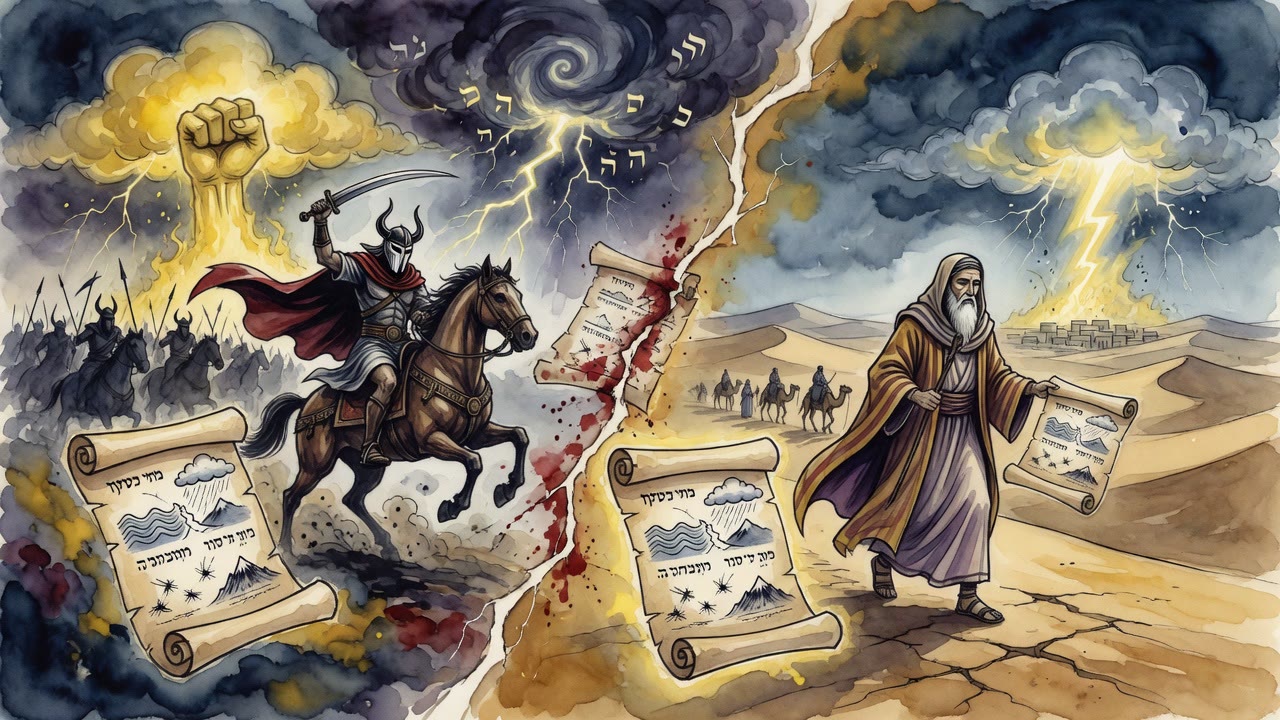
Dust rose on a horizon that should have been empty. The riders had skipped five nations and four hundred parasangs to reach one camp.
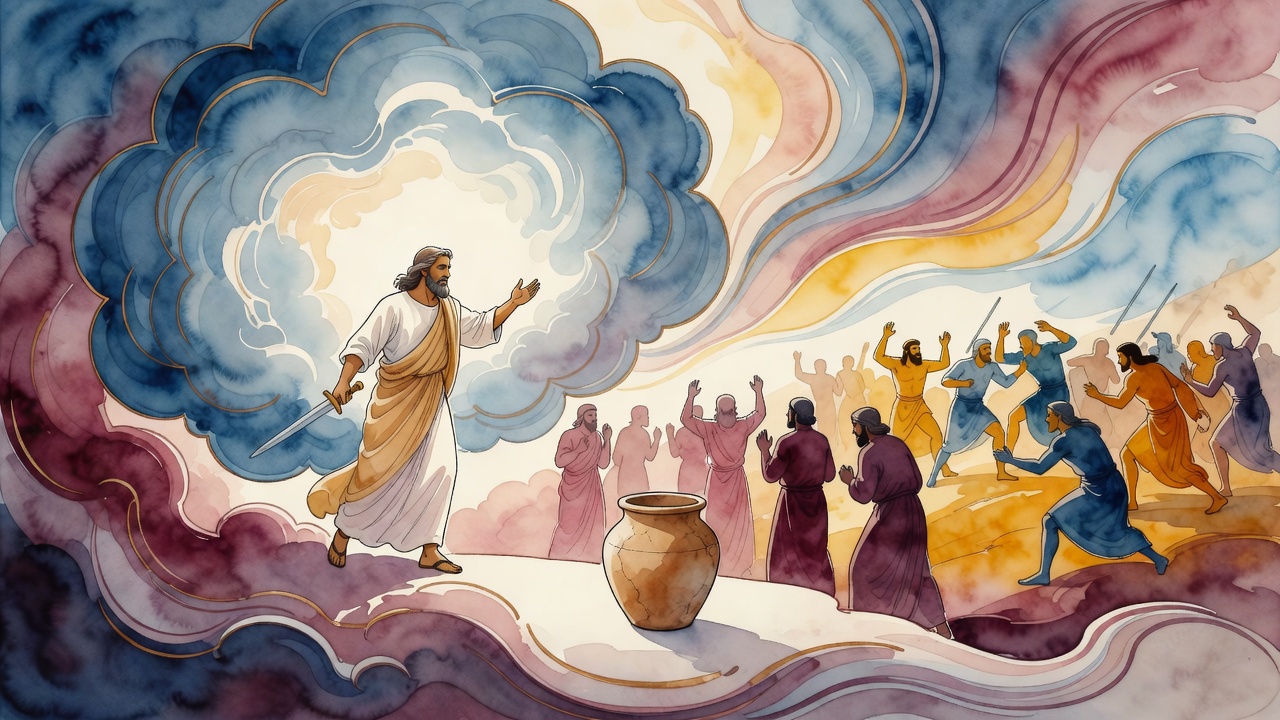
Pharaoh's officers would not chase runaway brickmakers for nothing. He threw open the treasure houses and promised every man an equal share.
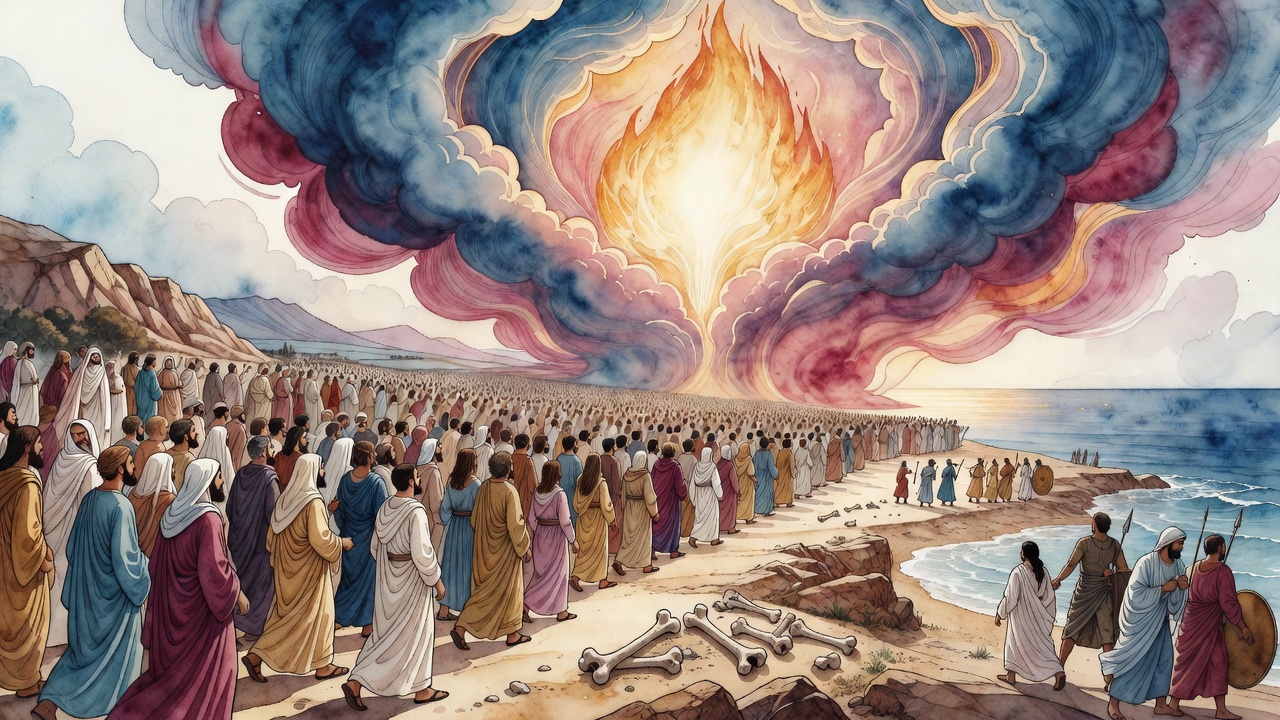
The coastal road was shorter. Along it lay Philistine war and Ephraimite bones. God took the people the long way so they would not turn back.
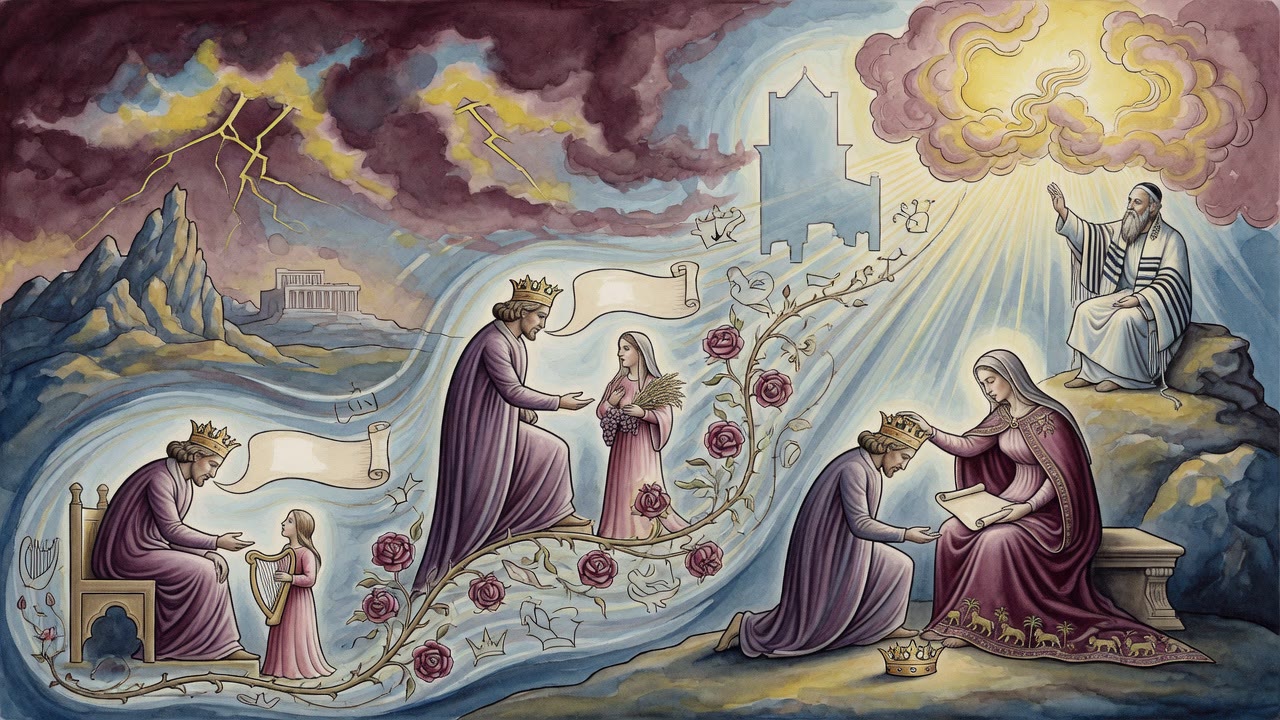
The army leaked into the hills on the seventh day. Saul put fire on the altar where no king belonged, and Samuel walked in on the smoke.
