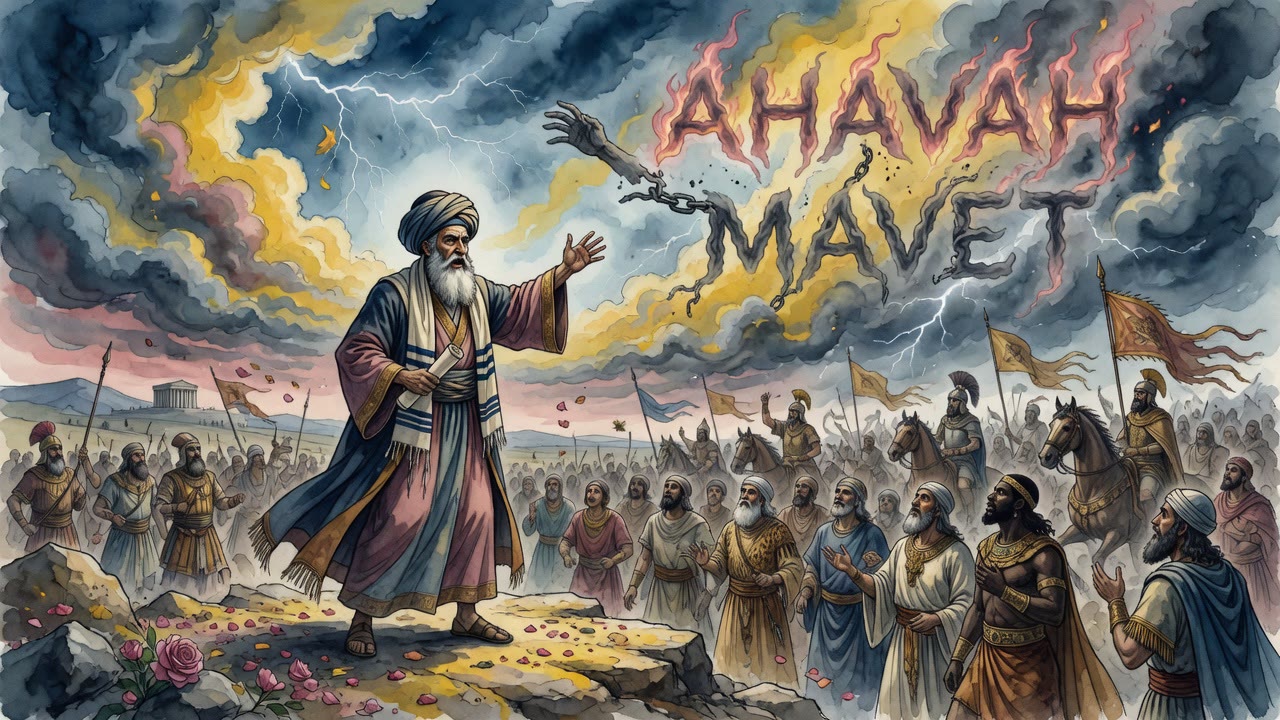
Amalek Attacked the Moment Israel Stopped Being Afraid
Israel crossed the sea, watched Egypt drown, and sang. Then they asked whether God was really among them. Amalek came the next moment.
Table of Contents
 Click for full size
After the Song
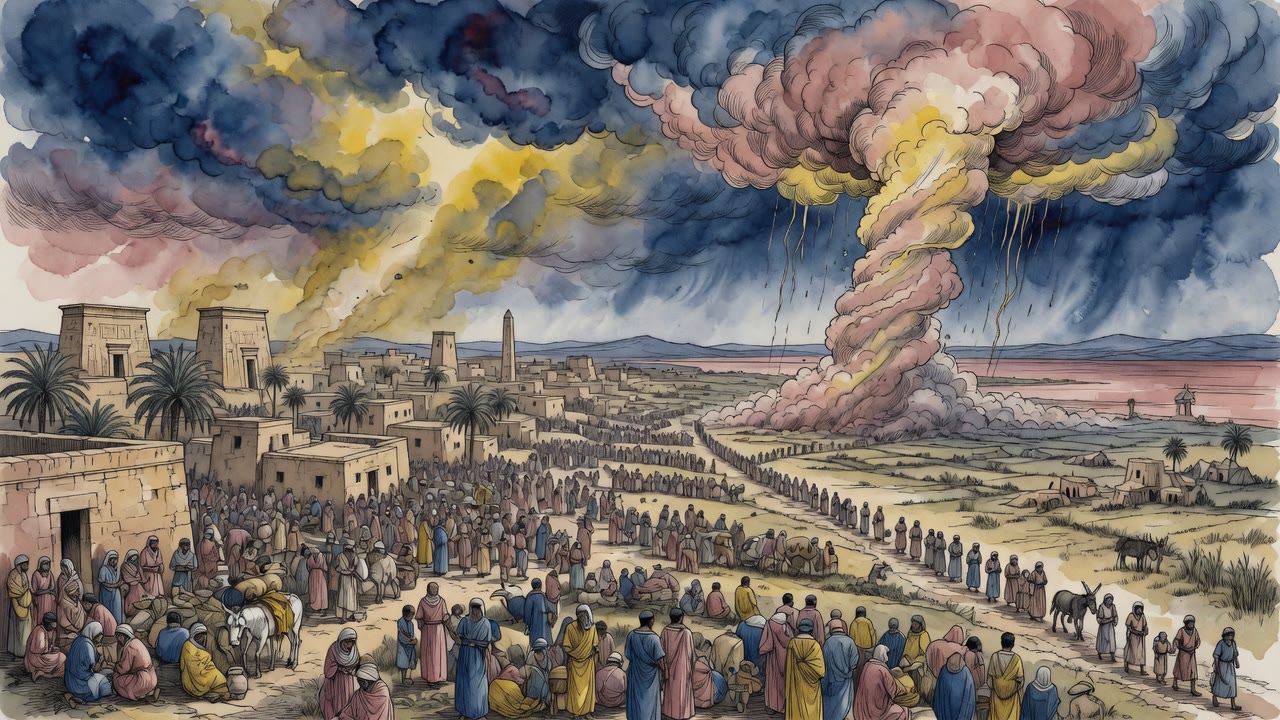
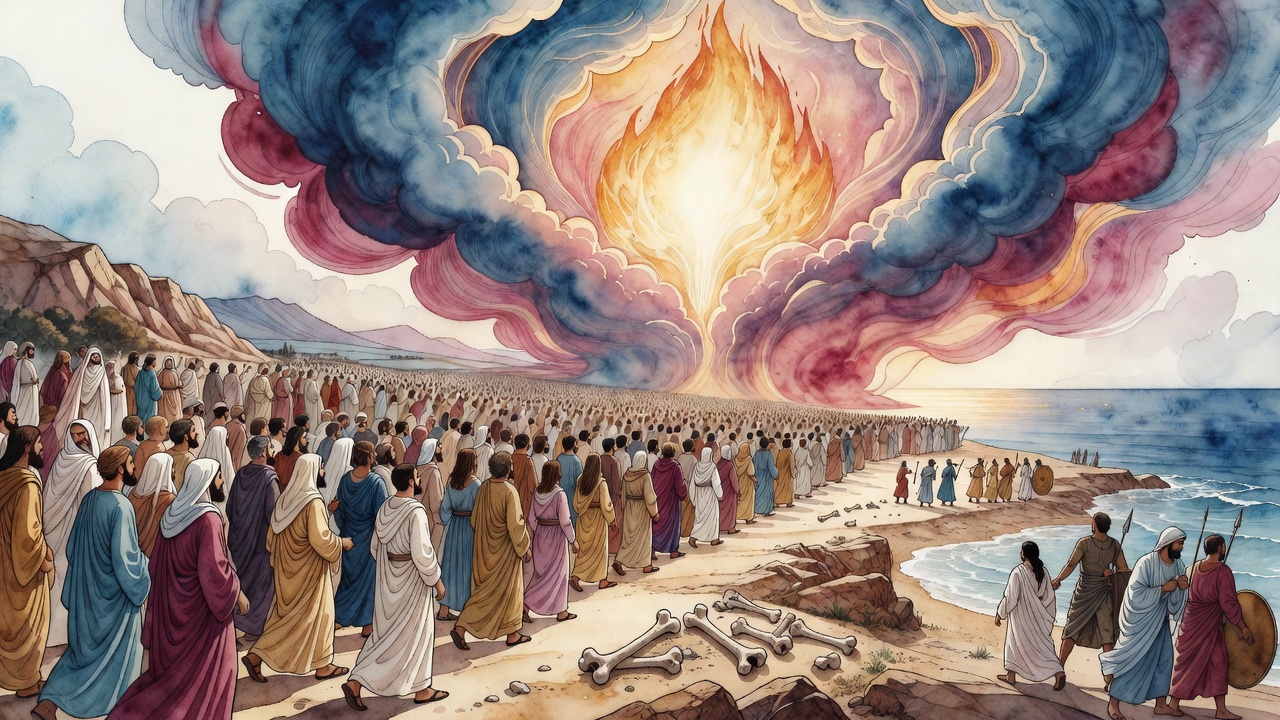
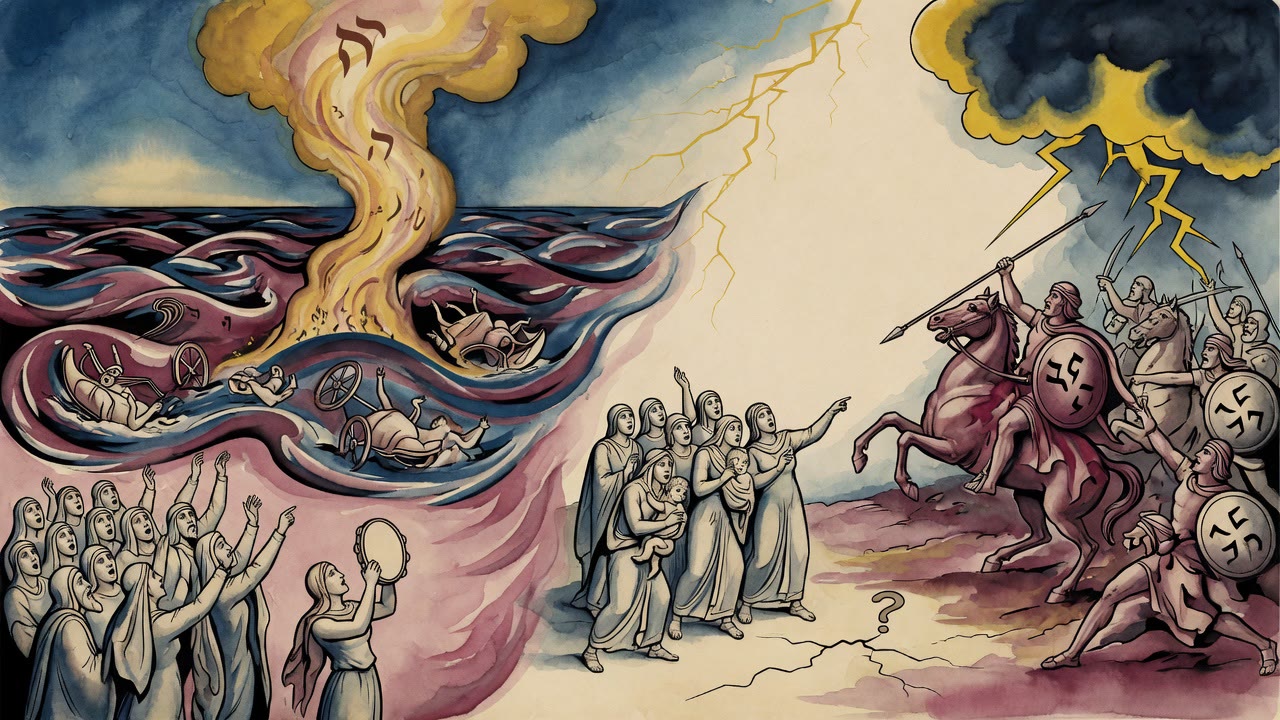
The sea had split. Pharaoh's cavalry had drowned in it. Israel had walked through on dry ground and stood on the far side and sung the greatest song in the Torah: I will sing to the LORD for He has triumphed gloriously, the horse and its rider He has thrown into the sea. Miriam had taken her tambourine and led the women in dance. The Egyptian army was gone.
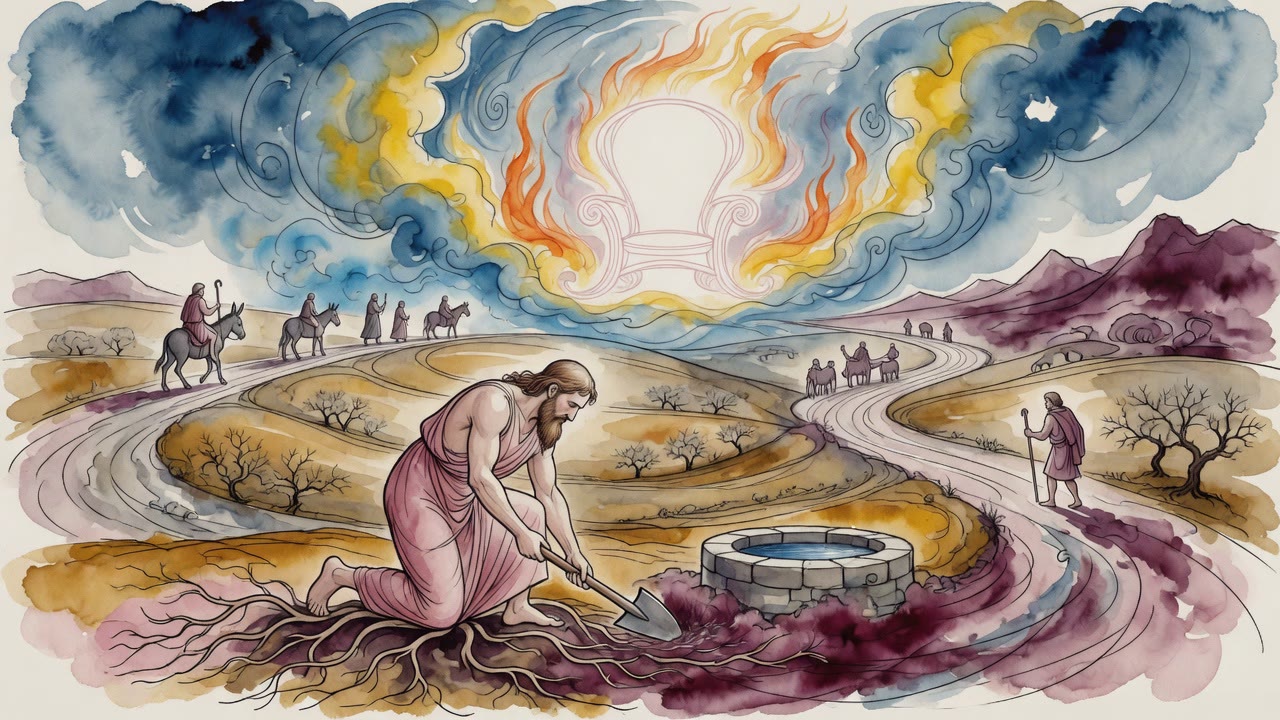
Then they walked into the wilderness and ran out of water at Rephidim.
The thirst was real, and the fear was real, and the question that came out of the thirst and fear was the one that would echo through the tradition for centuries: is the LORD among us, or not?
The question did not stay in the air long. Amalek came.
Why the Enemy Arrived at That Moment
Rabbi Joshua son of Korchah read the sequence as a verdict. First Israel tests God. Then comes Amalek. The connection was not chronological coincidence. It was moral causation. A people who had seen the ten plagues, the parted sea, the drowning army, the pillar of fire, the cloud of protection, and the manna. A people who had watched all of that happen and still asked is God among us had created an opening.
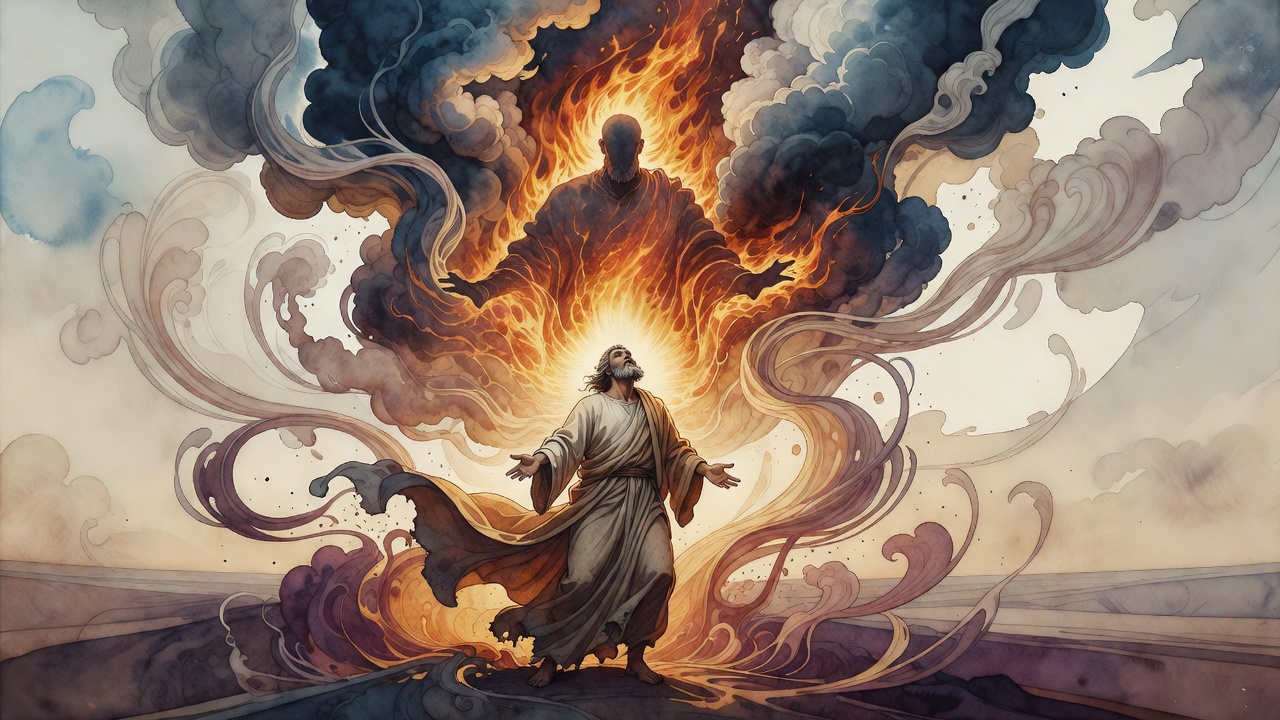
The tradition described the opening in physical terms. As long as the divine protection covered Israel, no enemy could find purchase against them. The cloud deflected attacks. The pillar of fire drove back threats. But the cloud was not simply weather. It responded to Israel's spiritual condition. When Israel doubted, when the covenant was weakened by the question that should not have been asked after so much evidence, the cloud thinned. The pillar pulled back. Amalek walked through the gap.
Tanchuma put this in an image that the tradition preserved for its precision: Amalek was like a man who got into a boiling bath after being told it was too hot for anyone to enter. He was burned, but he made it possible for others to follow. Amalek could not defeat Israel at Rephidim. But by attacking after Israel had doubted, it demonstrated that the protective envelope could be breached. It cooled the bath.
Moses, Aaron, and Hur on the Hill
Joshua fought in the valley. Moses, Aaron, and Hur went up to the top of the hill. When Moses held up his hands, Israel prevailed. When his hands dropped, Amalek prevailed. The tradition asked the obvious question: was Moses' hand holding up the battle? The answer was that the gesture had no mechanical power. What it did was direct Israel's eyes upward, toward heaven, toward the source of the protection the doubt at Rephidim had questioned. When Israel looked up, they remembered who had opened the sea. When Moses' hands fell and they looked at each other and at the fighting and forgot what they were looking for, the battle turned.
Aaron and Hur held Moses' hands up until the sun set. Amalek was defeated that day but not destroyed. The tradition carried the incompleteness forward: Amalek would return. The incomplete victory at Rephidim would require a complete reckoning in the time of Saul, and even then the reckoning would be incomplete, and the incompleteness would echo through to Persia and Haman. The attack at Rephidim was the first term in a sequence that ran for centuries.
What the Pillars Had Already Expelled
The Amalek who reached Israel at Rephidim was already diminished. The cloud of glory had been protecting Israel since Egypt, and part of its function was active: it expelled from the camp those Israelites who had committed sins serious enough that they could not remain under divine protection. These expelled members were exposed, walking outside the cloud's perimeter.
Amalek found them first. The description in Deuteronomy, that Amalek struck the stragglers at the rear who were faint and weary, was read by the tradition as a more specific claim: the stragglers were not randomly weak people who had fallen behind. They were those the cloud had pushed out. Amalek was attacking Israel's failures, the parts of the community that the divine protection had already identified as incompatible with what was being built in the wilderness.
← All myths