3 texts
Israel in Jewish mythology is documented here through 3 source passages from 2 distinct source names represented in this theme. The strongest clusters come from Kabbalah & Mysticism (3), with frequent witnesses in Zohar (2) and Pardes Rimonim (1). These texts preserve how Jewish writers, sages, and mystics described israel across biblical interpretation, rabbinic storytelling, medieval compilation, and kabbalistic teaching.
This page is a topic hub, not a single article. Use it to compare how different Jewish sources treat israel: where the theme appears in narrative, how it changes across source families, which figures or symbols recur, and which passages are most useful for citation. Representative entries include Knesset Yisrael Gathers the Heavenly Camps, The Lily Among Thorns Holds Israel in Exile, and Balak Sees Israel Through the Windows of Stars. For synthesized anthology narratives, start with The Sabbath Asked God Why It Had No Partner, Why Israel's Prayer Precedes the Angels and Sabbath Takes the Throne, and Abraham Sat at God's Right Hand in Midrash.
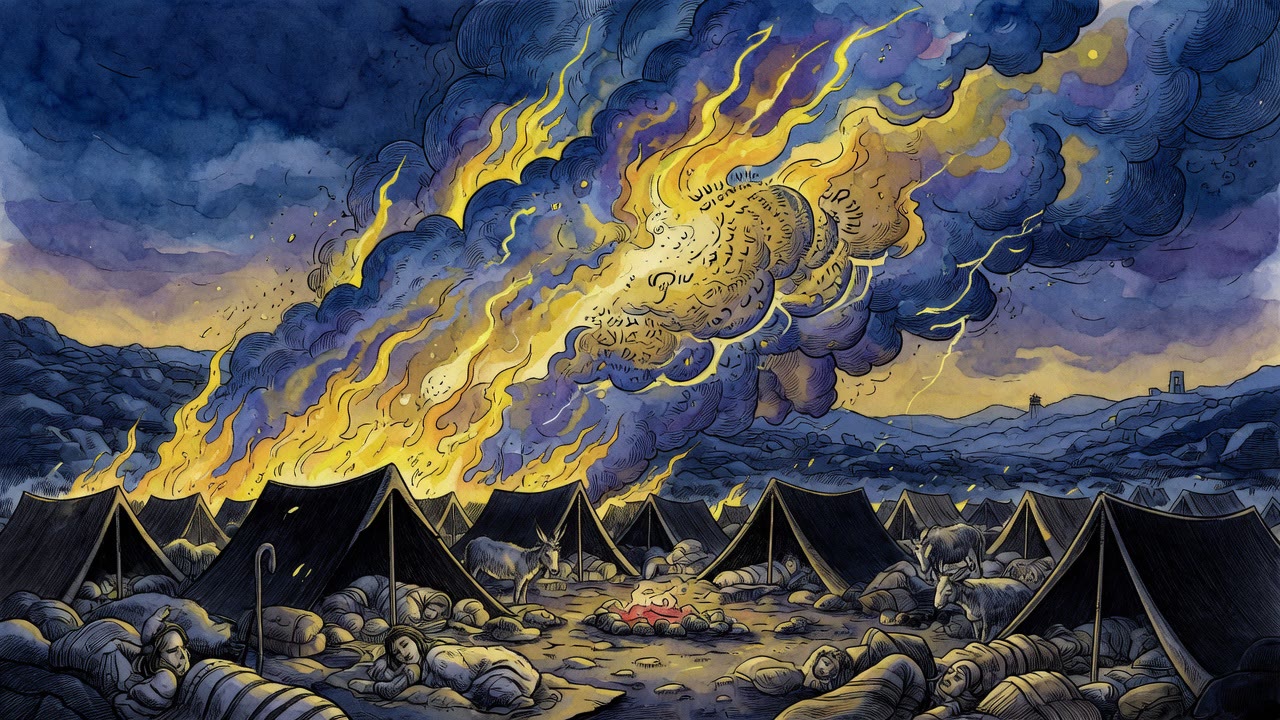
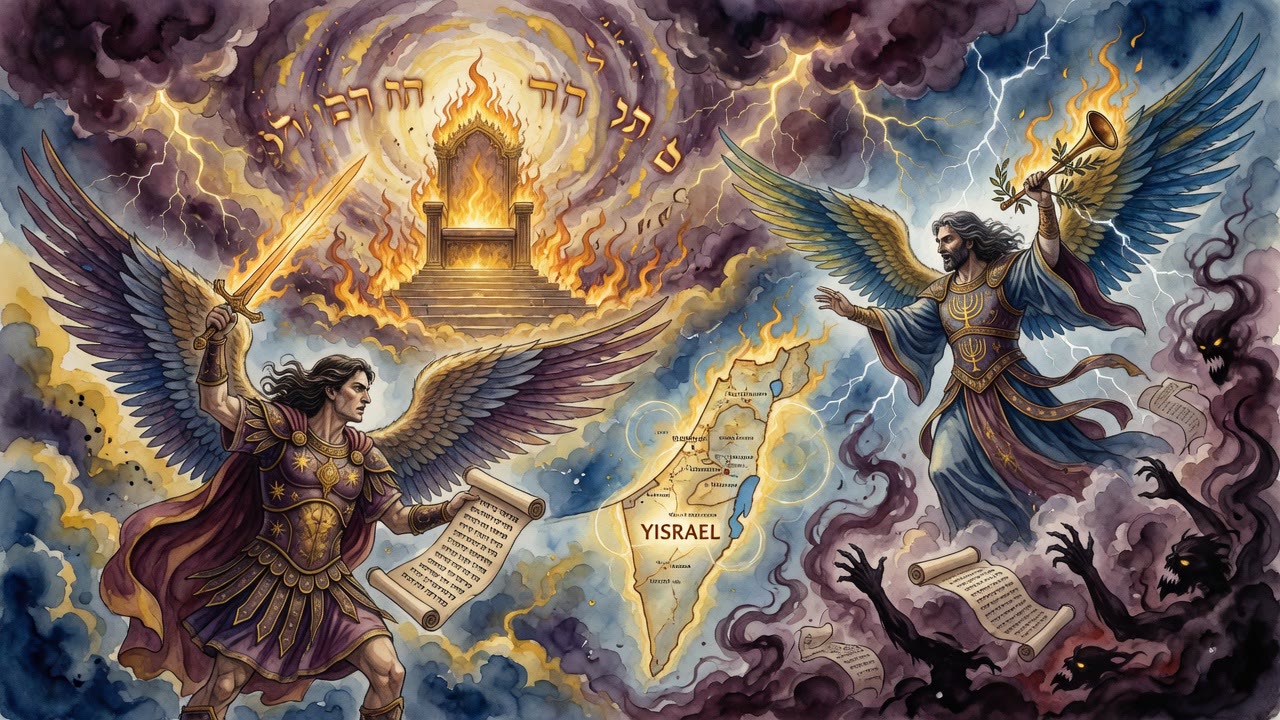
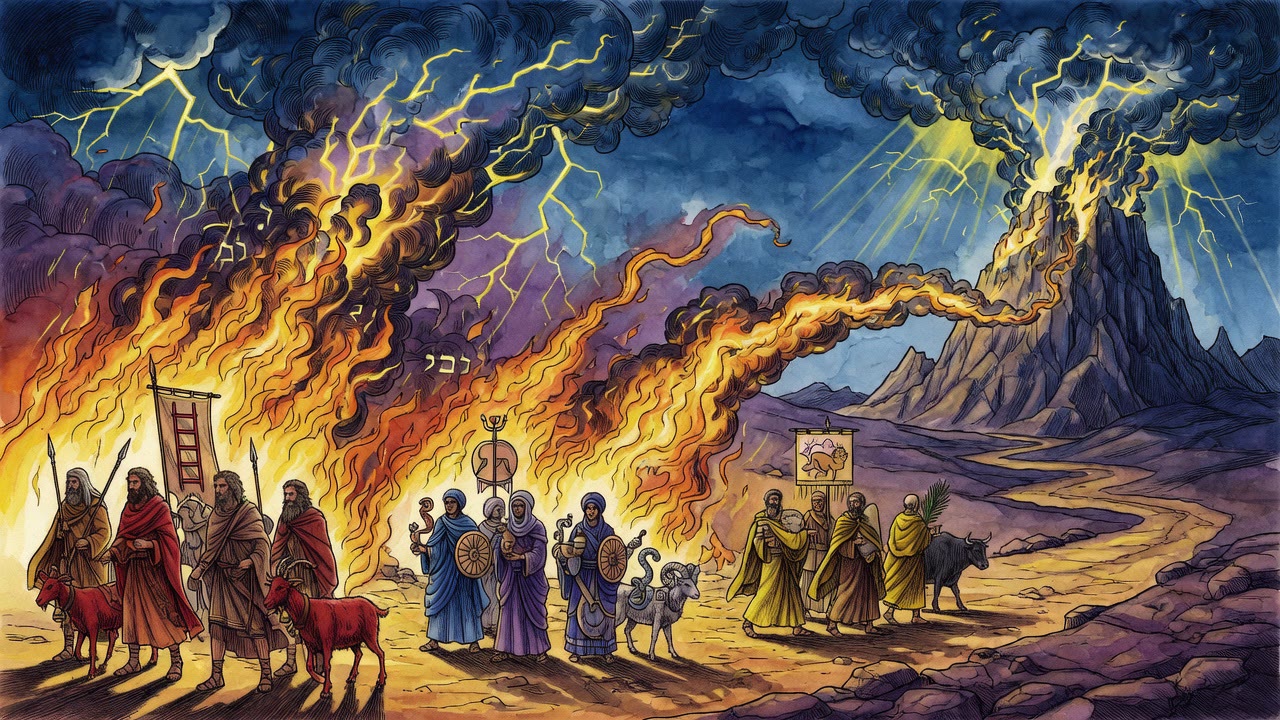
Knesset Yisrael, the Assembly of Israel, is not only a name for the people below. In Pardes Rimmonim 23:11:21, Cordovero identifies Knesset Yisrael with Shekhinah and Malkhut. She ...
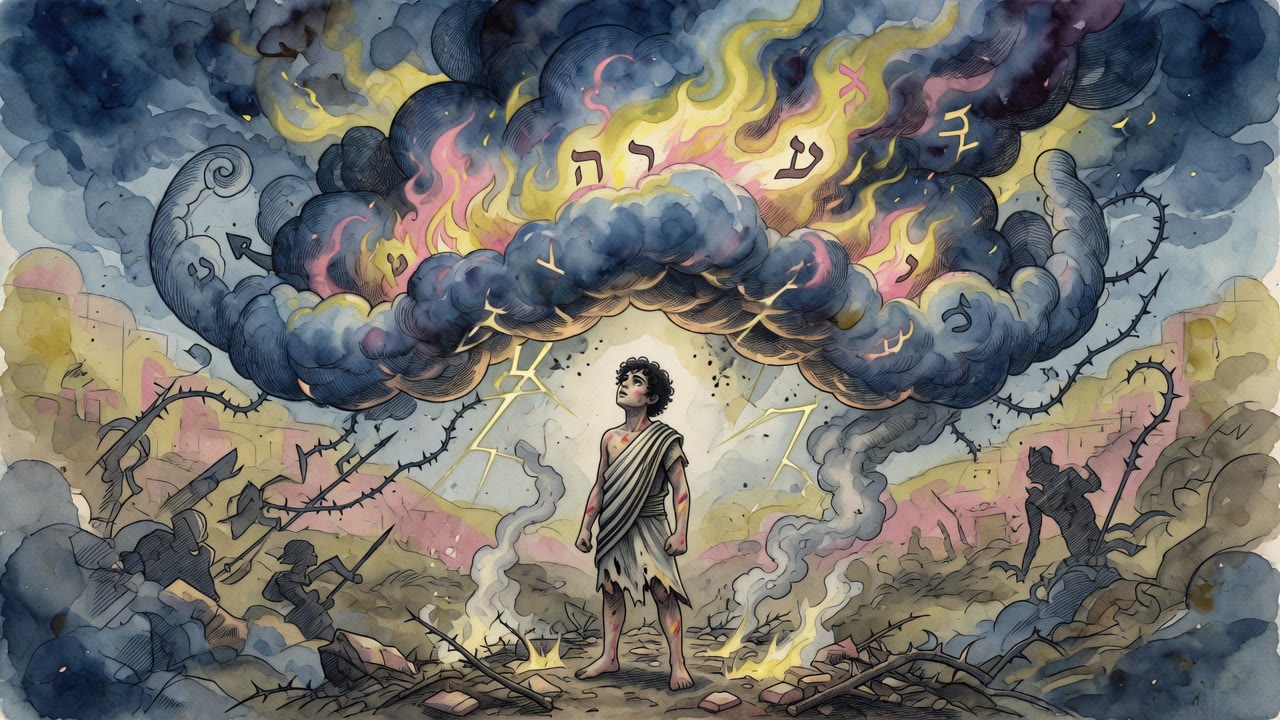
Rabbi Hizkiah sees a lily trapped among thorns, and he sees Israel. In the opening of the Zohar, he reads "as a lily among thorns" (Song of Songs 2:2) as an image of Knesset Yisrae...
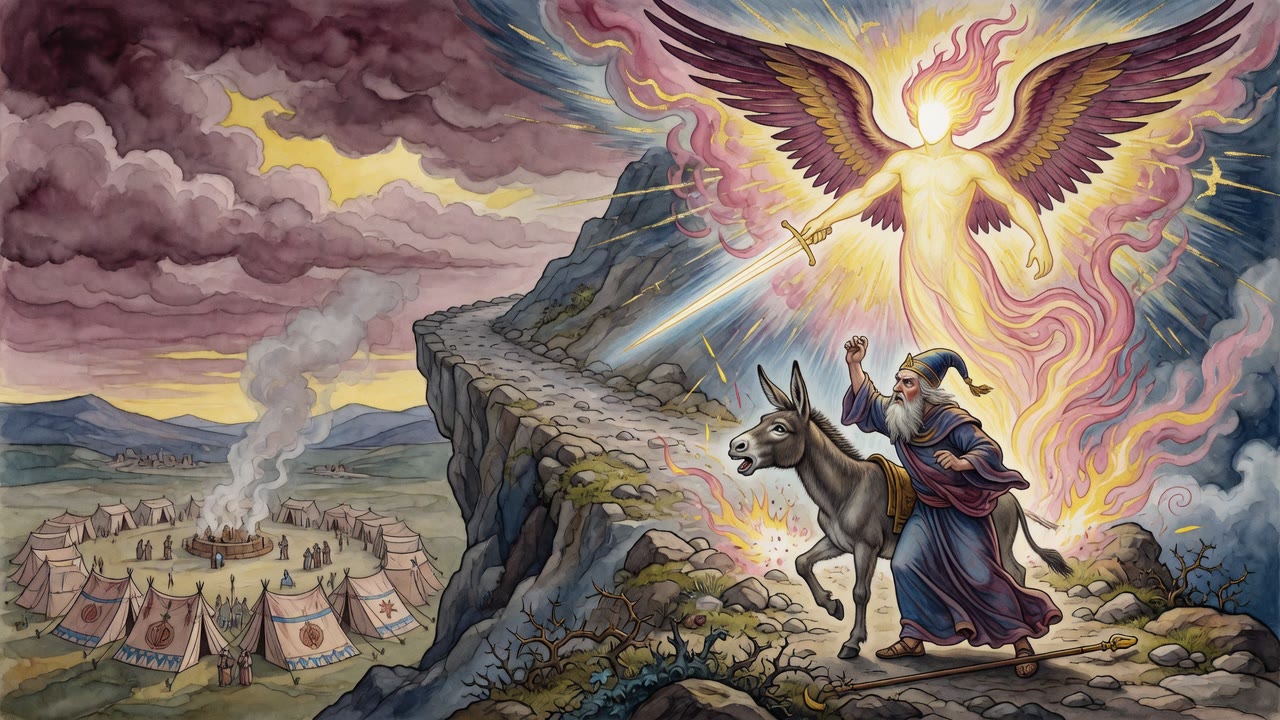
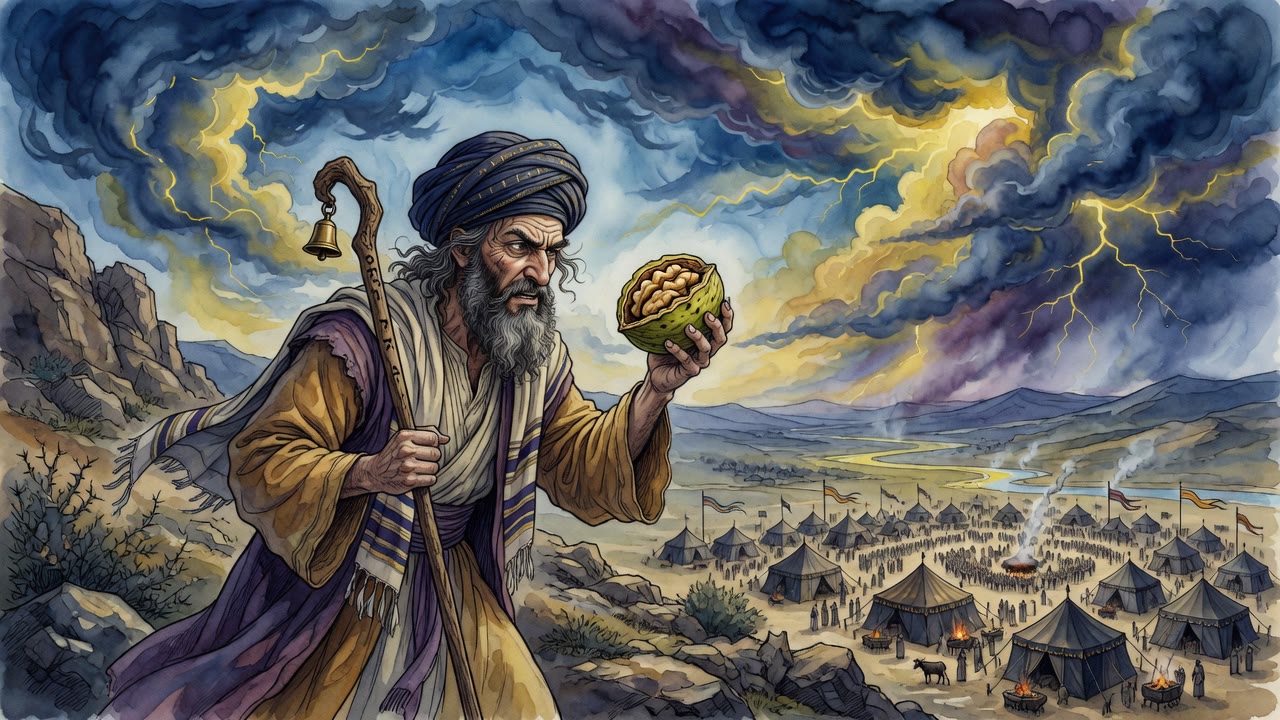
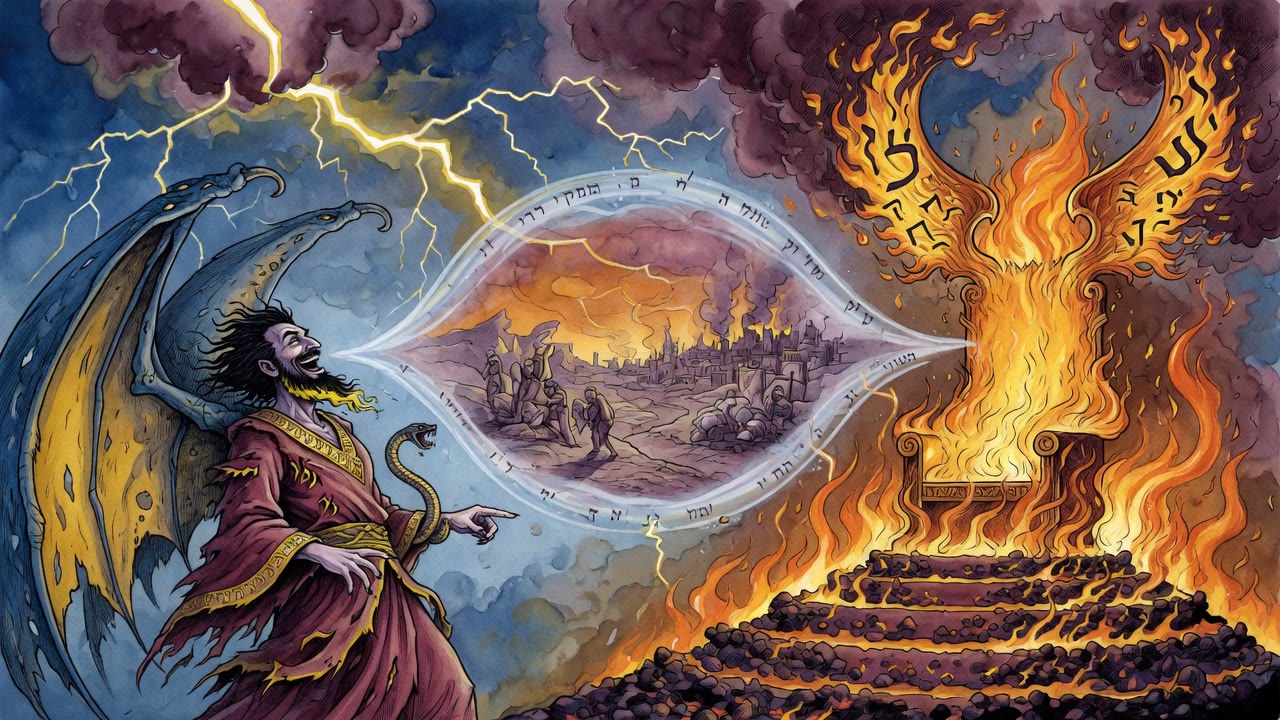
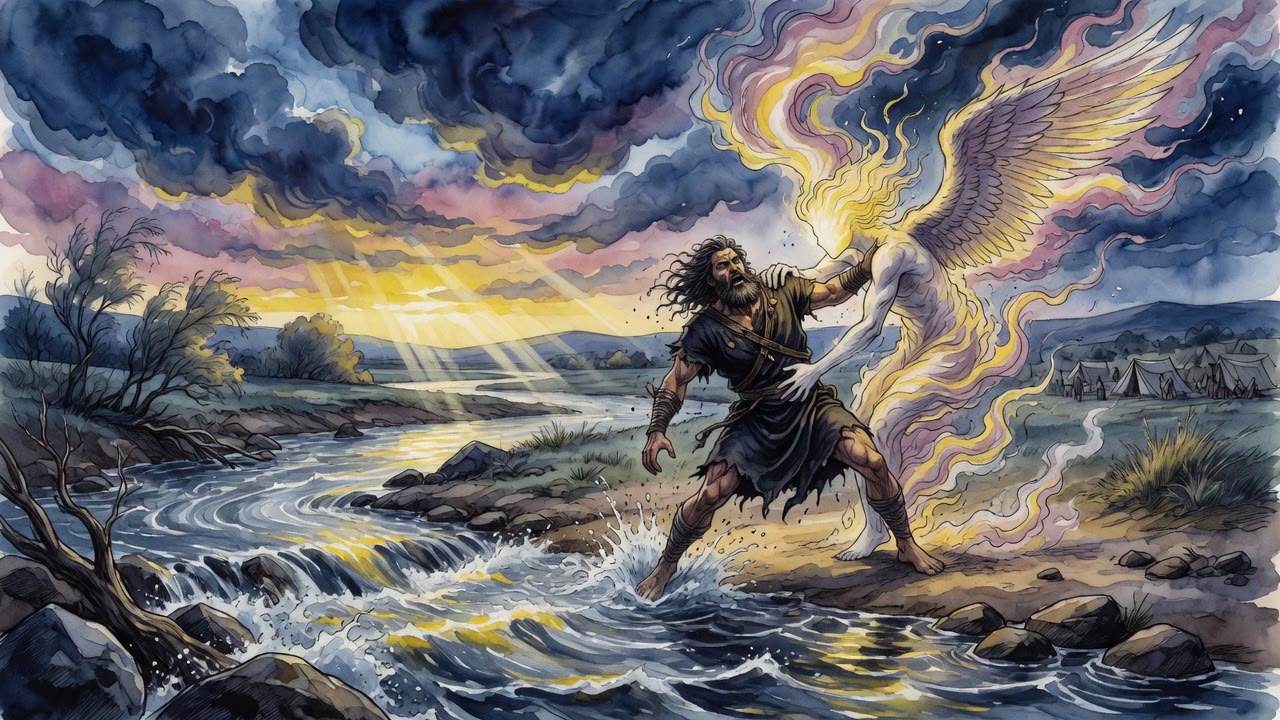
Balak looked at Israel with his eyes and with a darker wisdom. Zohar, Balak 1:1 asks what Balak saw when the Torah says he saw what Israel had done (Numbers 22:2). He saw through o...
Bereshit Rabbah and Jubilees imagine Shabbat as a lonely holy day whose partner becomes Israel and whose rest reaches heaven.
Ginzberg reads the angels waiting for Israel's prayers and the Angel of Sabbath taking the throne of glory as twin pictures of the cosmic ordering of praise.
Most people think the patriarchs were servants. Aggadat Bereshit says something stranger: Abraham earned a seat beside God at the throne, as a counselor...
Esau sold the birthright for soup, but Bereshit Rabbah says he gave away something far greater: his right to stand before God in sacred service.
Jacob's famous wrestling match was no roadside ambush. His opponent was Michael, commander of the heavenly host - and God had to intervene to stop the fight.
After twenty years of exile, wrestling angels and outmaneuvering his father-in-law, Jacob came home. The Torah uses one word to describe it: shalem. Whole.
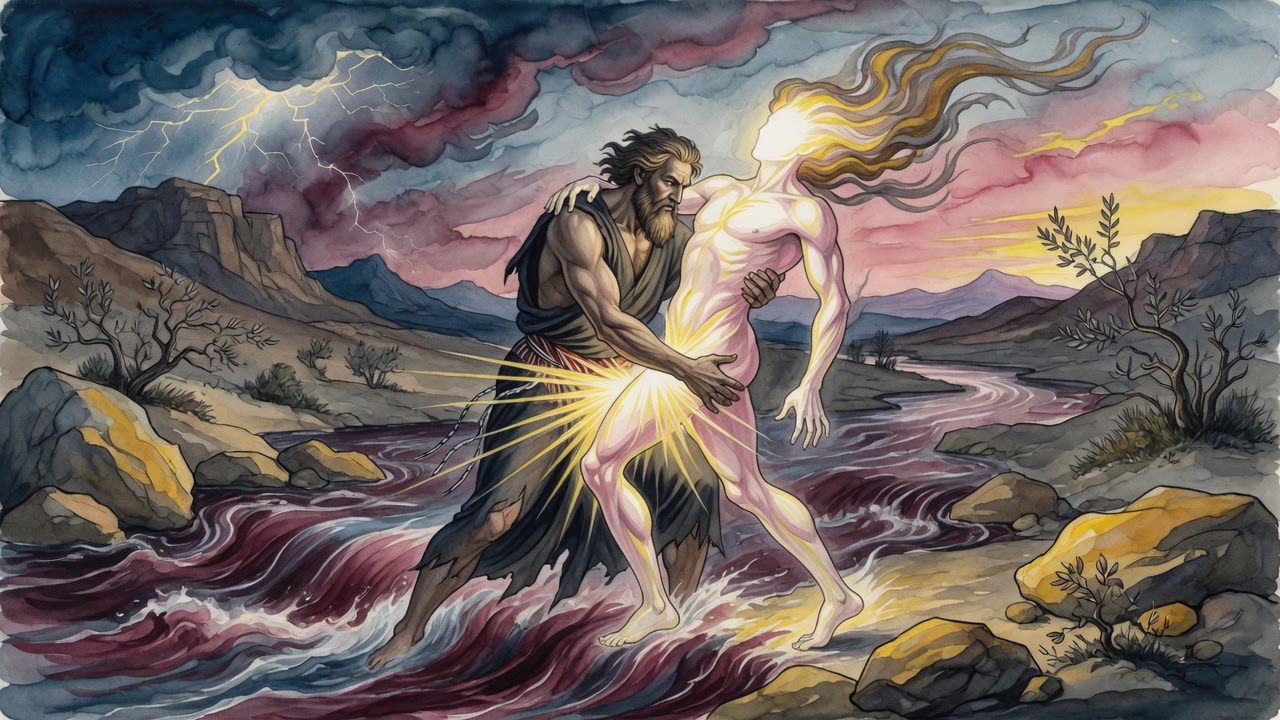
At the river Yabbok, Jacob was attacked by something the Torah only calls a man. The midrash names it. The name changes everything about what that night cost.
The Baal HaSulam taught that every person contains an Israel within. The Heikhalot mystics found what God keeps in storehouses prepared for Israel.
When Jacob wrestled an angel until dawn, the texts reveal what the angel was really fighting for, and why he had waited since the first day of creation.
Abraham received the promise and Isaac confirmed it -- but Jacob was the hinge on which all of it turned. Texts from Jubilees, Legends of the Jews, and the...
Alone by the Jabbok, Jacob grabs a stranger in the dark and refuses to release him until dawn. He walks away limping with a new name and a nation.
Every nation has an angelic representative who can accuse it before God. When those angels turn on Israel, two archangels stand up to argue the other side.
One ancient text says Jacob did not merely wrestle an angel at the Jabbok. He wrestled one because he was one, and had forgotten it.
When dawn came at the Jabbok, the angel begged to be released. Not asked. Begged. The rabbis explained exactly why he was terrified of being held.
Jubilees warned that forgetting Shabbat would cost Israel everything. The Zohar said Israel's giving is what holds the cosmos flowing.
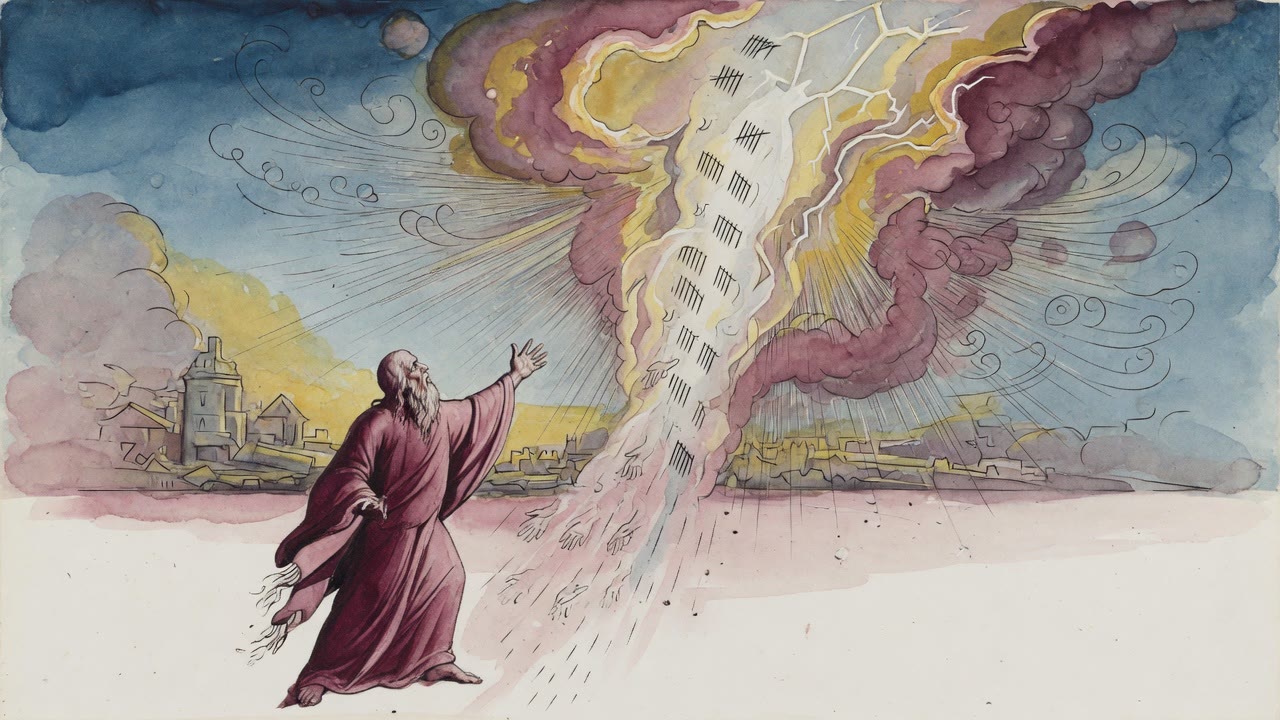
Jubilees says an angel brought Jacob seven tablets with his entire future inside. The Midrash says Israel was briefly immortal at Sinai, then lost it.
From preparing Adam for burial to counting bricks in Egypt, Michael appears in every crisis in Israel's history, watching and interceding.
The archangel Michael harmed God's firstborn son. His punishment was to become Israel's eternal guardian. The sentence and the gift were the same thing.
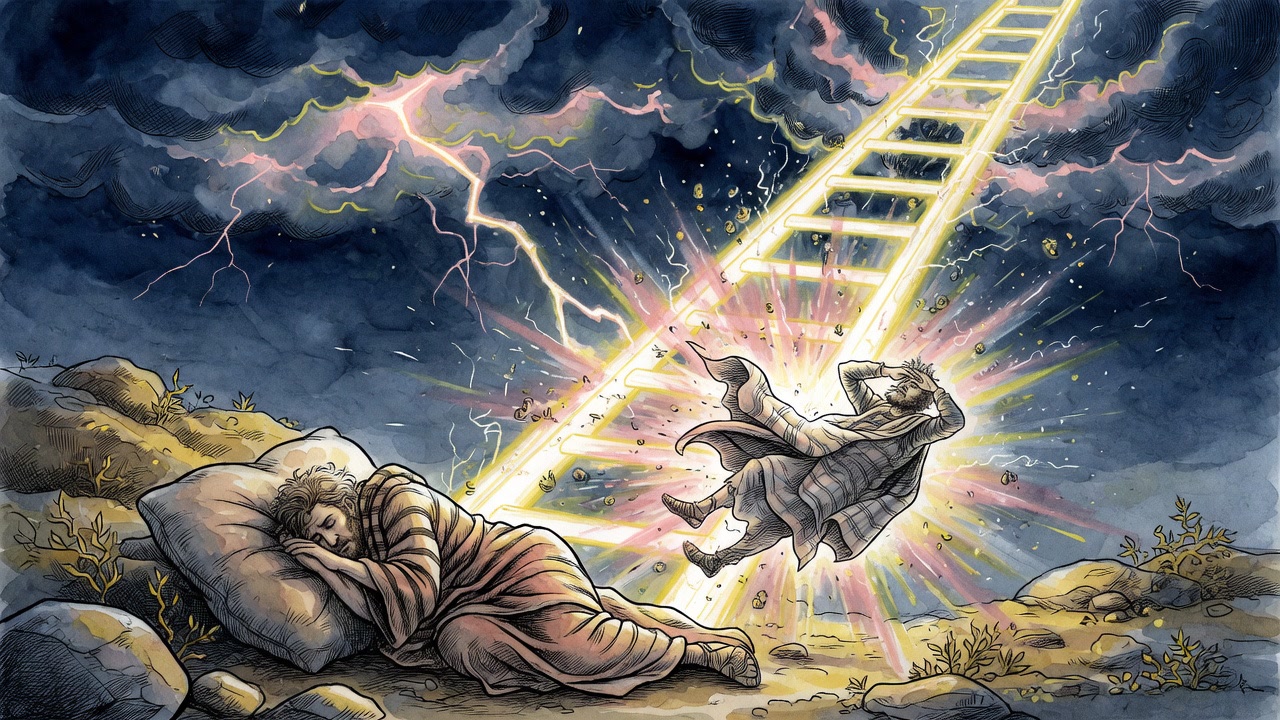
Jacob was stopped at the gate of heaven by the world itself. Then Moabite women used wine to draw Israel into the worst idolatry since the Golden Calf.
When Abraham and Jacob refuse to plead for Israel at the last judgment, Isaac steps forward and negotiates a number so small even God has to agree.
The Mekhilta reads the Sabbath commandment in Exodus 31 not as a schedule but as a signature, the sign of the covenant between God and Israel that marks...
Genesis begins with a word, Bereshit, that the rabbis could not leave unexamined. Why does the Torah start with creation rather than the first commandment?...
The word 'chosen' sounds like favoritism. The rabbis of Sifrei Devarim knew it wasn't. They traced the same verb from the priesthood to the entire nation...
When Moses begins his final speech with 'Listen, O heavens,' Sifrei Devarim reads this not as poetry but as legal procedure. Heaven and earth are summoned...
Naphtali had a physical gift that made him uniquely valuable to his father: he could run like a deer. The Legends of the Jews record that Jacob sent...
When Jacob wrestled through the night and received the name Israel, something more than a renaming happened. Ancient texts from the Prayer of Joseph, 3...
The first commandment God gave Israel was not a moral law. It was a calendar. Shemot Rabbah says that gave Israel authority over time itself.
Shir HaShirim Rabbah reads God leaping over time and over merit and Israel as the nut tree as twin pictures of how redemption transcends linear bookkeeping.
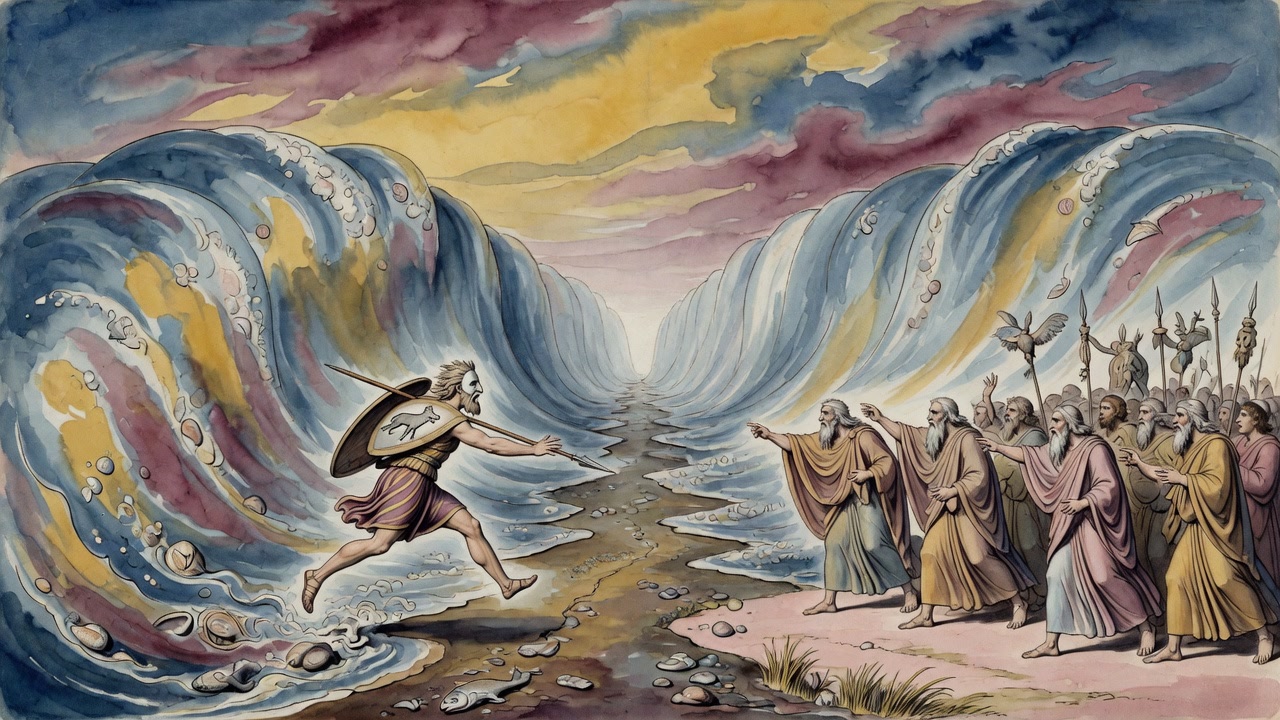
When Israel stood frozen at the water's edge with Egypt at their backs, the tribes argued over who would go first. One prince made the decision for everyone.
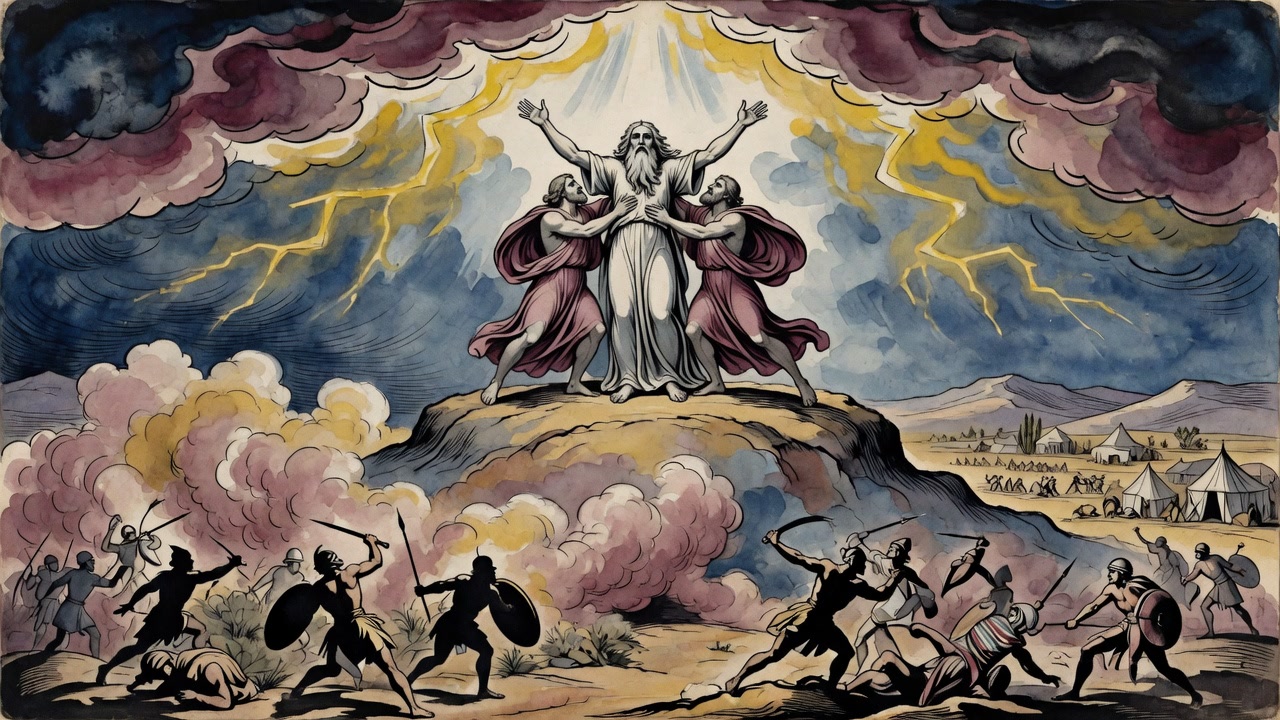
At Rephidim, Moses faced a thirsty mob ready to stone him, then an enemy who attacked without provocation. The Mekhilta reveals what both crises taught...
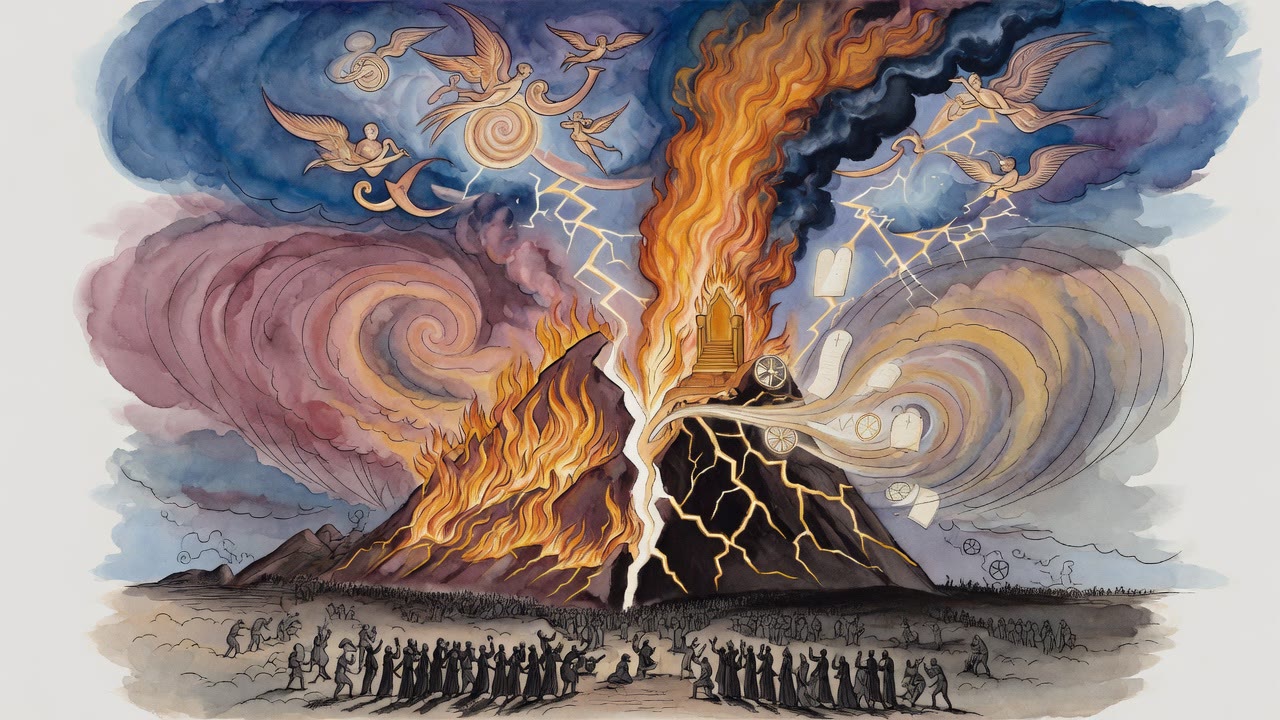
At Sinai the people told God they could not bear His voice. God did not rebuke them. He agreed, and that request became the founding of all prophecy.
Shir HaShirim Rabbah reads God progressing from daughter to sister to mother and the watching gazelle as twin pictures of how divine love deepens with Israel.
After the Golden Calf, God offered Israel an angel instead of His presence. Moses refused. What followed was the most consequential negotiation in Torah.
Pesikta DeRav Kahana reads the Tabernacle's dedication as God's bridal homecoming and Israel as the loincloth that cleaves to God as twin pictures of intimacy.
The Torah says the Israelites left Egypt armed. The rabbis read a second meaning in that word and concluded most of Israel never made it out at all.
Israel calls God their glory. God turns and calls Israel His glory. The Mekhilta sees this exchange as the most remarkable fact in the universe.
The nations confronted Israel with a brutal question: why suffer and die for a God you cannot see? Rabbi Akiva answered with Song of Songs.
The Mekhilta finds four things called acquisitions in Scripture: Israel, heaven and earth, the Temple, and the Torah. The rabbis say they belong together by...
Twelve men scouted the Promised Land. Ten came back afraid. The rabbis said that fear was the most expensive emotion in Jewish history.
Moses performed the greatest miracles in Jewish history. It did not make his job easier. The rabbis were not surprised. Faith does not stick.
Freed from Egypt, fed by miracles, facing no enemies they could not escape. Israel still found ways to fail. The Midrash tracks every stumble with something...
Bride. Grapevine. Scattered sheep. Strength of the world. The rabbis noticed God could not stop reaching for new language to describe the same beloved people.
They received the Torah at Sinai, then retreated from it. Each commandment sent them reeling backward. The rabbis measured the distance exactly.
Balak hired the most feared curser in the ancient world to destroy Israel. The curses came out as blessings. Josephus and the Midrash agree on why.
Before Israel received the Torah, they underwent the same rites as a convert. The gold given at Sinai was not decoration. It was a wedding gift.
The spies came back from Canaan with a bad report, the people wept all night, and God fixed the calendar around their grief.
From Egypt to the Golden Calf to Moses on Mount Nebo, the angels protecting Israel kept withdrawing. The rabbis knew exactly why.
Seven clouds surrounded Israel in the wilderness. Seven kings rose over Rome as Israel suffered. The sevens are not coincidence.
The mountain was called Horeb before Moses arrived. A burning bush renamed it. The cloud that settled over it killed trespassers. The silver dish of the...
A parable about a king's favorite robe, a camp of thirsty pilgrims who worried about their animals, and what God saw when he looked at Israel in the wilderness.
Before Israel was chosen, every land was equally holy. Before Jerusalem, every city could host an altar. The rabbis called this narrowing a gift. Here is why.
At Sinai, sixty myriads of angels clothed every Israelite with divine names. After the golden calf, those same angels came back for their gifts.
At the bitter spring of Marah and in the great prayer of Pirkei DeRabbi Eliezer, Israel discovers that confession and cosmic priority are the same argument.
When Israel said 'we will do and we will listen,' angels brought two crowns each. When the Golden Calf fell, twice as many angels came to take them back.
At the Red Sea, Moses began the song and Israel completed each verse instinctively. The spirit of God moved between them like breath through a single body.
When Egypt closed in at the sea, Israel split into four camps: fight, flee, pray, or surrender. The Mekhilta records God's response to each camp separately...
The Israelites had just crossed the Red Sea, watched Pharaoh's army drown, and sung their great song of victory. Then Amalek attacked. Pirkei DeRabbi...
When Israel entered Canaan, they found houses already full, cisterns already dug, orchards already bearing fruit. The rabbis of Sifrei Devarim asked the...
Deuteronomy 32 says God found Israel in the wilderness. The Sifrei reads Hosea's parallel image of finding grapes in the desert and builds from it a...
After forty years of miraculous bread falling from heaven, Israel called the manna disgusting. A heavenly voice fell from the sky and answered the complaint...
The Mekhilta contrasts hollow praise for human kings with true praise for God, then says touching Israel is like touching the pupil of God's eye.
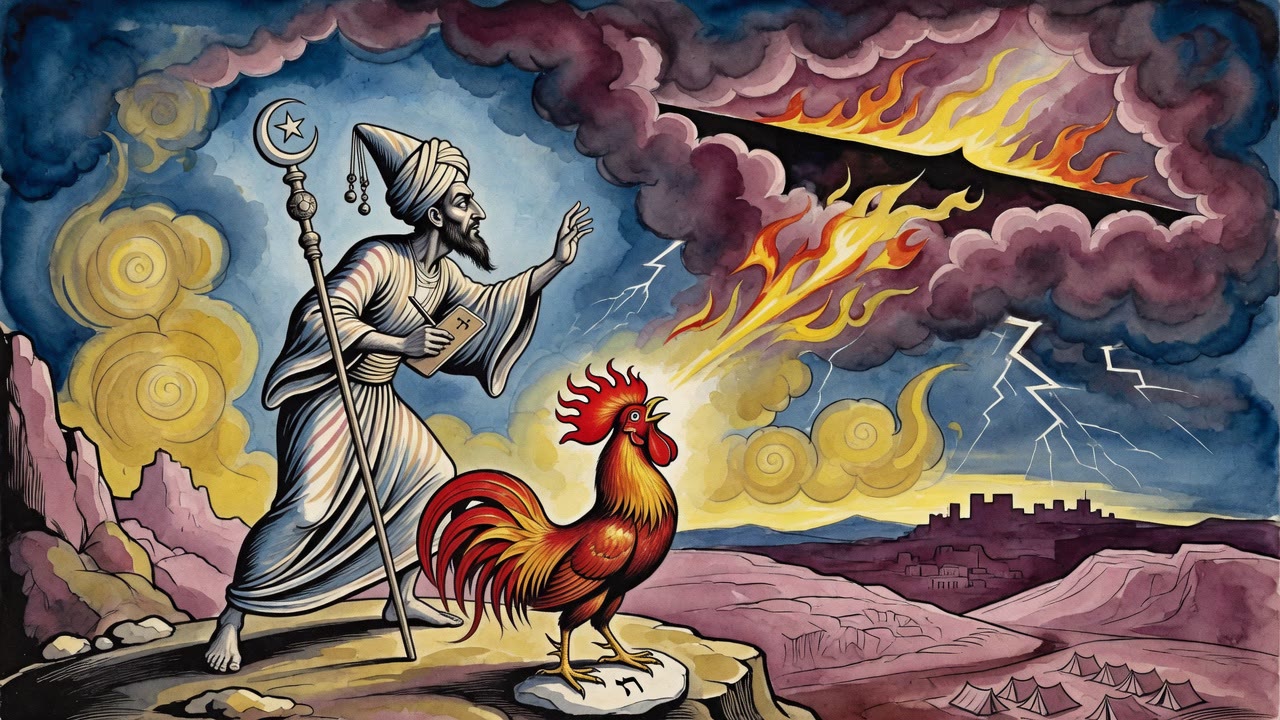
Balaam's rival sorcerers could not figure out how he worked. The rabbis said he had learned to read the comb of a rooster, and it told him when God was furious.
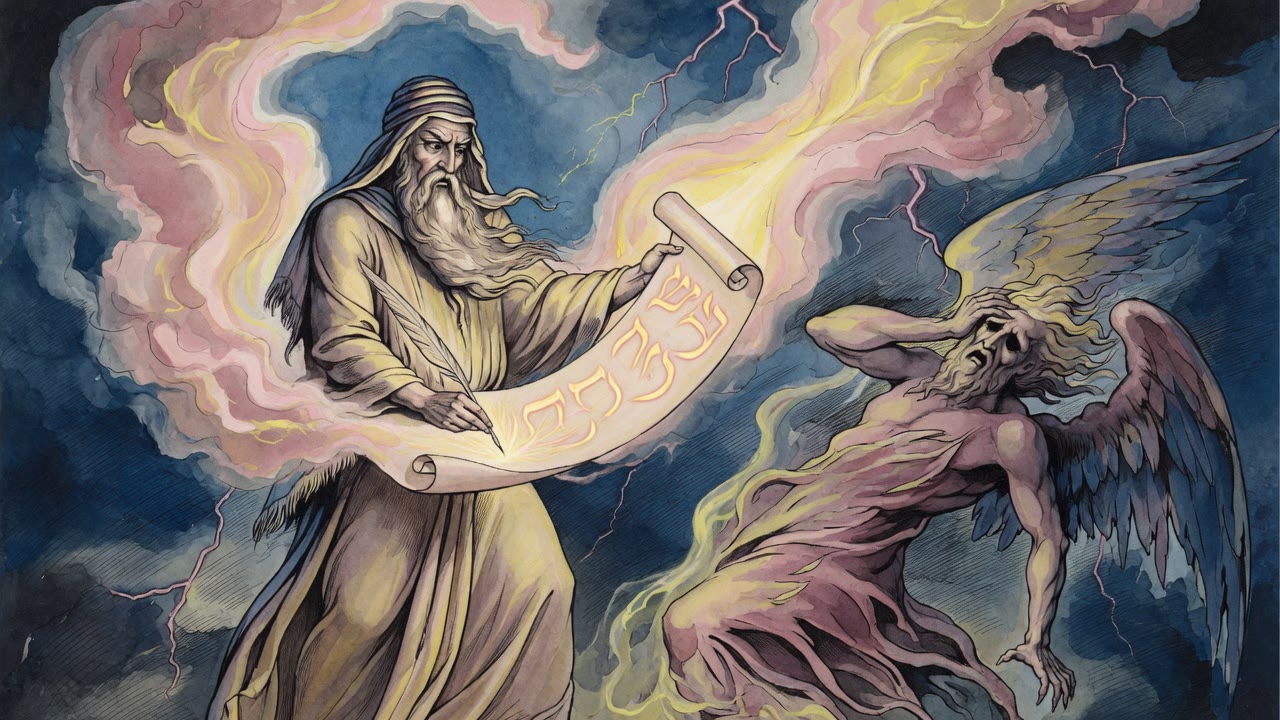
A pagan prophet hired to curse Israel couldn't find the words. A walnut tree explains why. The rabbis connected them and found the same answer in both.
God told Israel to avert their eyes from their own spiritual power. When a nation grows too certain of its righteousness, even God looks away first.
Balaam told Balak that sorcery could not touch Israel: they used the Urim and Tummim. And one day, angels would come to Israel to learn Torah.
In his third prophecy, Balaam admitted the one thing Balak never wanted to hear: God looks only at Israel's merit, not their transgressions.
God issued three separate prohibitions against returning to Egypt. Israel broke every single one - and the rabbis tracked exactly when, how, and at what cost.
Devarim Rabbah reads rain, city mitzvot, field generosity, and Israel's merit as one shared economy moving from heaven into human hands.
Every time Israel proclaims God's oneness, a voice from heaven answers back. The Mekhilta says the Shema is a two-way exchange, not a one-directional cry.
The Book of Judith and the Sifrei Devarim agree on one thing: the Land of Israel is conditional. What holding it required and what letting it go meant is...
God's arrows of punishment will run out before Israel does, and Israel's sacred bread cannot truly be consumed by those who seize it wrongly.
A single verse in Deuteronomy, 'The Lord led him, alone,' became the foundation of a rabbinic theology of mutual isolation: because Israel derived no...
Rabbi Yehudah in Sifrei Devarim imagines a future confrontation where Israel demands that the nations account for all the resources they invested in their...
Joshua cast lots to divide the land, but the rabbis said the lots already knew. Jacob had written it four hundred years earlier on his deathbed in Egypt.
After a humiliating military defeat that killed thirty-six men, Joshua fell to the ground before the Ark in anguish. God told him to stand up. Someone had...
In Midrash Tehillim, the collective soul of Israel speaks directly to God in an audacious reversal: if we, your people, are suffering, what does that say...
Midrash Tehillim on Psalm 104 opens with a cosmic puzzle about the new moon and ends with a confrontation between David's hope and the nations who deny it...
The request for a king in 1 Samuel has always seemed like a simple political demand. Rabbi Nehorai read it as a confession of something far darker, a...
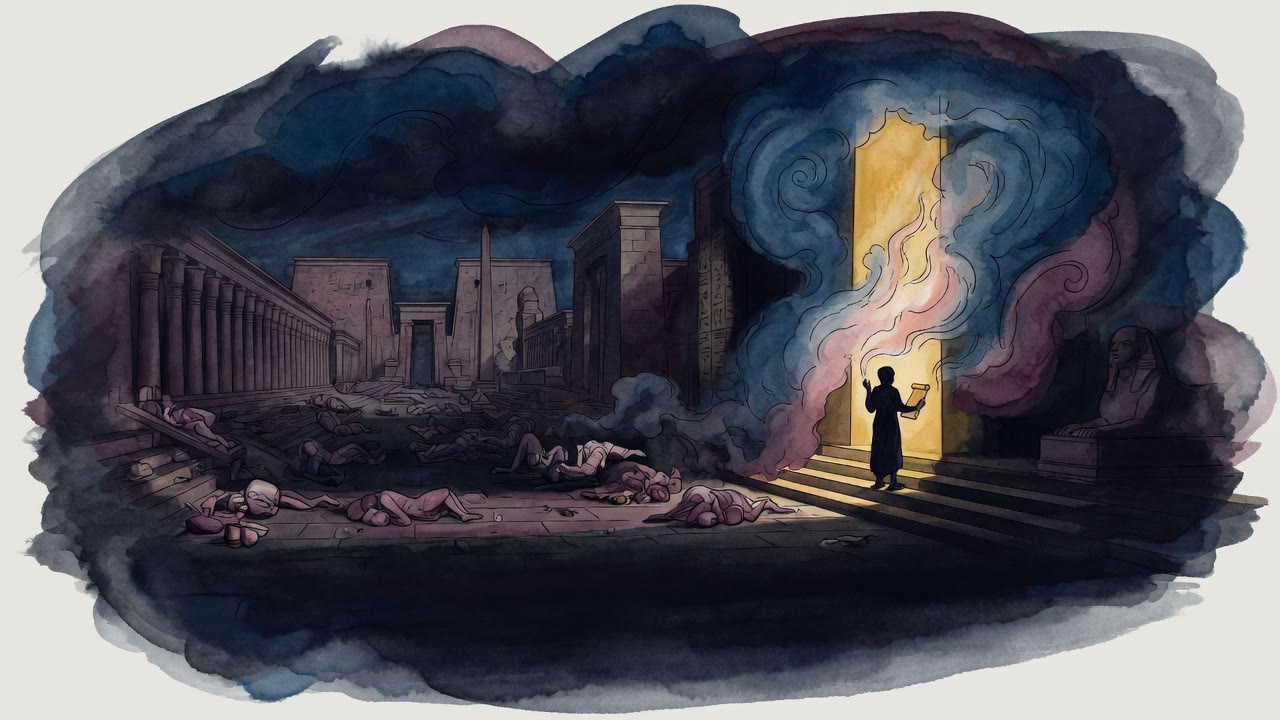
The three days of darkness over Egypt were not only punishment for Pharaoh. Targum Jonathan reveals that God used the blackness to let the Israelites...
When the Israelites camped at the Red Sea with Pharaoh's army behind them, they were not simply waiting in terror. Targum Jonathan says they were gathering...
Israel carried two arks through the desert, one with the Torah, one with the broken tablets. They also carried idolatry straight out of Egypt. The rabbis...
At Solomon's table, roses bloomed in winter and cucumbers ripened in summer. But the day he sold Israel, he didn't know what he was giving away.
Shemot Rabbah pairs the court that sanctifies the new month with Israel's confession at the sea that it is dark and comely.
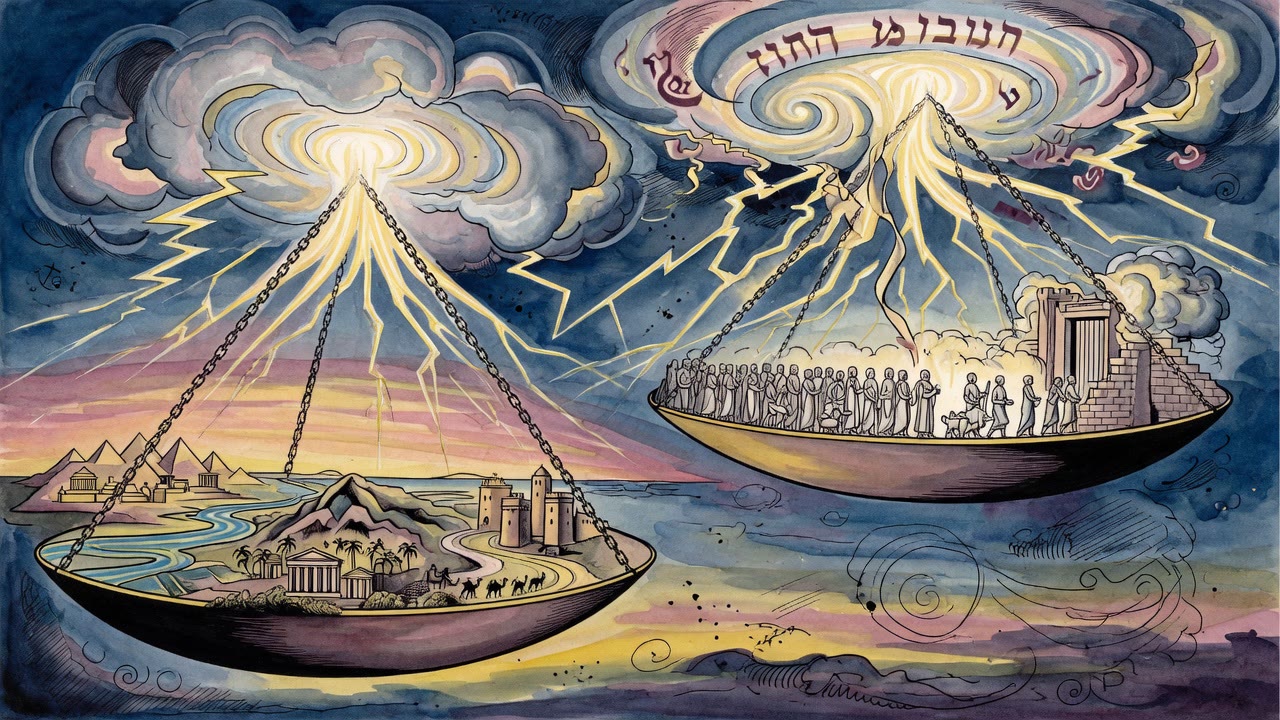
The prophet Isaiah says God gave Egypt, Ethiopia, and Seba as ransom for Israel. A midrash on Israel's covenant name asks a darker question - was Israel...
The Assembly of Israel says two things at once in exile: we know why we suffer, and the suffering has not won. The rabbis held both truths without letting...
Sifrei Devarim finds a painful parallel between Moses's accusation that Israel is 'a people ignorant and not wise' and Isaiah's lament that Israel did not...
Rabbi Yehudah's question in Sifrei Devarim cuts to the bone: which lineage do you actually belong to? The vine of Sodom, whose grapes are poison, or the...
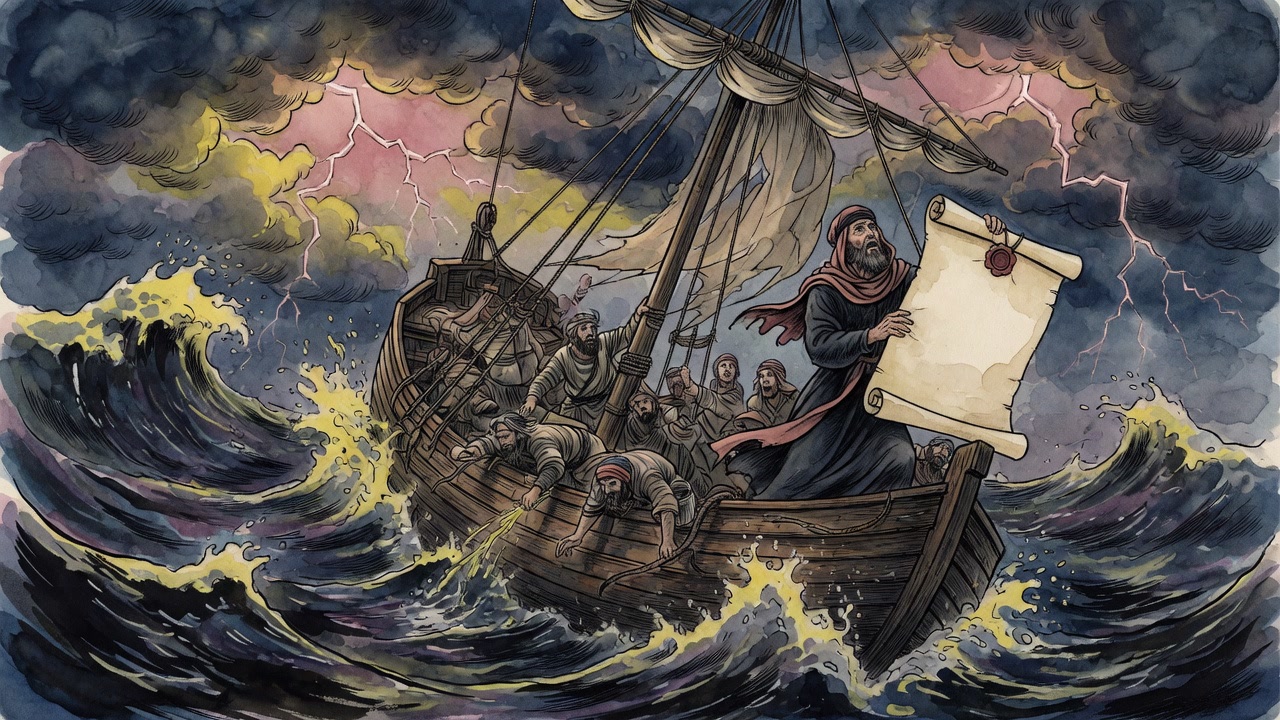
The Mekhilta de-Rabbi Ishmael reveals that Jonah's flight to Tarshish was not cowardice. It was an act of self-sacrifice, cut from the same cloth as Moses...
Every nation has an angelic patron. Israel has none. The Mekhilta explains why direct divine protection is both the greatest privilege and the hardest burden.
Midrash Tehillim poses a sharp question: if the nations who keep only seven commandments enjoy worldly peace, why should Israel, burdened with 613, feel...
Psalm 129 opens with a confession that sounds almost unbearable: many times from my youth they have oppressed me. The rabbis of Midrash Tehillim turned that...
Midrash Tehillim joins Amalek, Rebecca's twins, Joseph's restraint, and Psalm 118 into a courtroom story of divine kinship.
A remarkable passage in the Mekhilta reads the Song of Songs as a dialogue between the nations of the world and Israel about whether God can be shared...
Shir HaShirim Rabbah reads Israel's shame, Egypt, Moses' knock, Torah gems, lost shepherds, and return from exile as one love song.
A midrash on the timing of divine judgment reveals something unexpected: God judges the nations at night, when they are at rest, but judges Israel precisely...
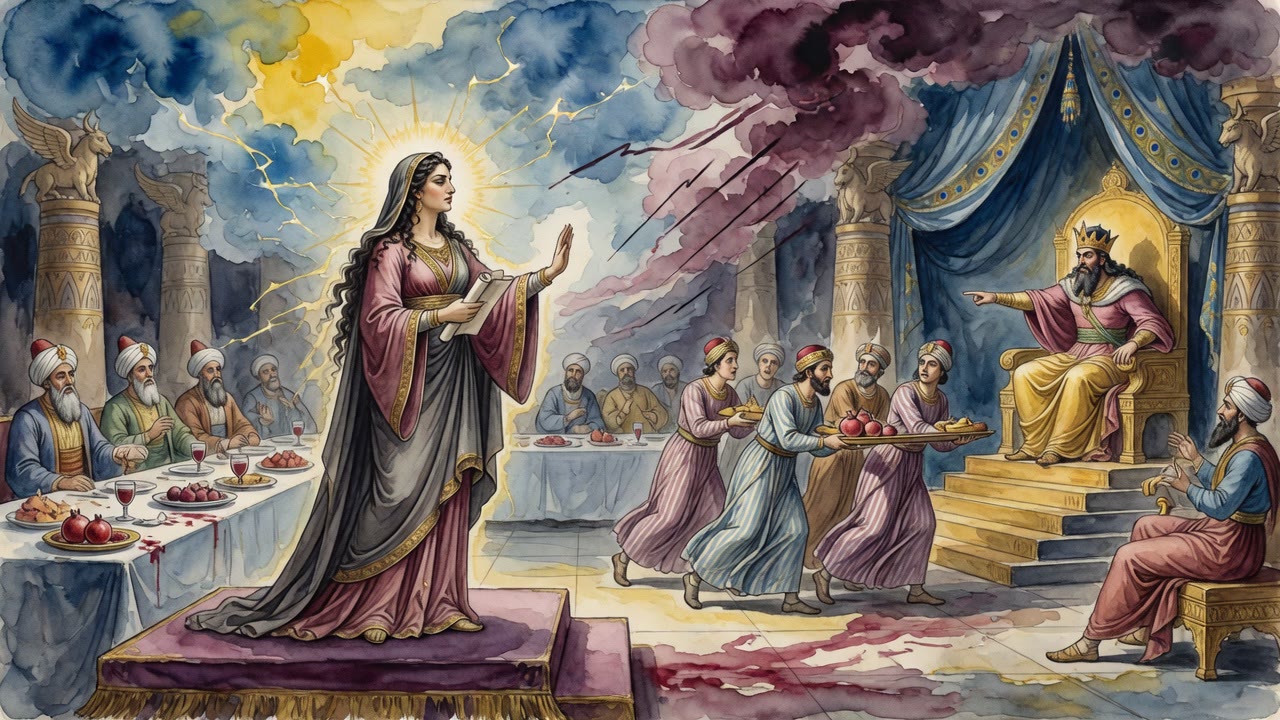
Queen Vashti was ordered to appear naked before her husband's banquet guests. The Midrash records exactly what she said to him - and why it sealed her fate.
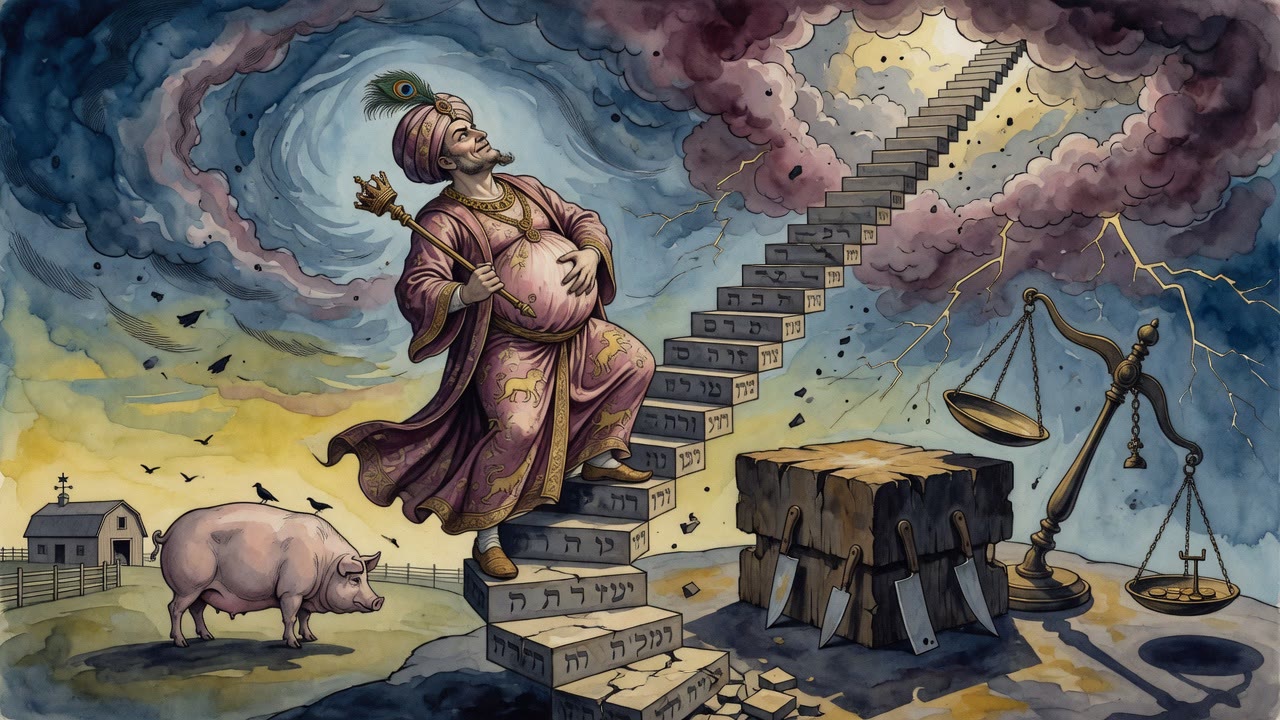
The Midrash explains why Haman rose so high so fast - and why his every accusation against the Jewish people was answered in heaven before he finished speaking.
The Sifrei Devarim teaches that divine favor is not a birthright but a daily renewal. Three sources wrestle with what it costs to be a chosen people.
The rabbis mapped every property of olive oil onto Israel and Torah, and the comparison holds at every point: bitter start, sweet end, and all.
Psalm 88 is the darkest psalm in the Hebrew Bible. It ends without resolution, without hope, without even a request for relief. The rabbis saw in its...
Pirkei DeRabbi Eliezer uses the fate of rivers as a mirror for the fate of Israel: sweet and life-giving in their course, but bitter when cut off from their...
Chullin 92a, Sanhedrin 44a, and Ginzberg turn Hosea's silver and barley into forty-five hidden people holding the world steady.
Before the exile, God revealed to Samael exactly what would happen and offered a reward for treating Israel with dignity. Samael chose mockery instead.
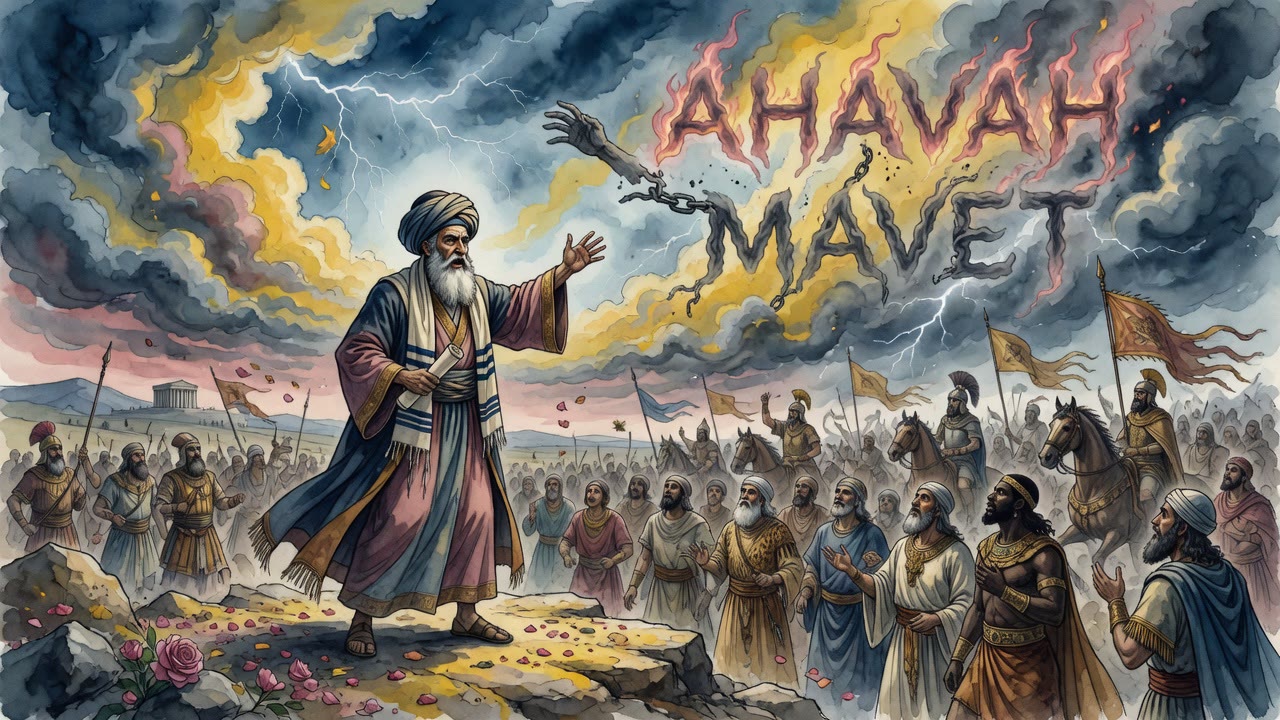
The Tikkunei Zohar says Israel is not merely God's people but the feet of the Shechinah. When Israel goes into exile, the divine presence goes too.
Baal HaSulam taught that what happens among the Jewish people is not separate from what happens in the world, in ways the Zohar traces through cosmic structure.
The blessing Balaam spoke against his will contained a claim so radical the Tikkunei Zohar could not move past it. He said God looks at Israel and sees no...
Heikhalot Rabbati imagines God cherishing Israel's breath, sighs, and Torah-longing more than all the wonders of creation.
When the Assyrian general Holofernes assembled his war council, one of his officers gave him intelligence that was really theology: Israel only loses when...
After seven years of famine, rain returned on one day in Nisan and grain grew in eleven. The miracle was not the speed. It was the promise attached to it.