199 myths · Page 2 of 7
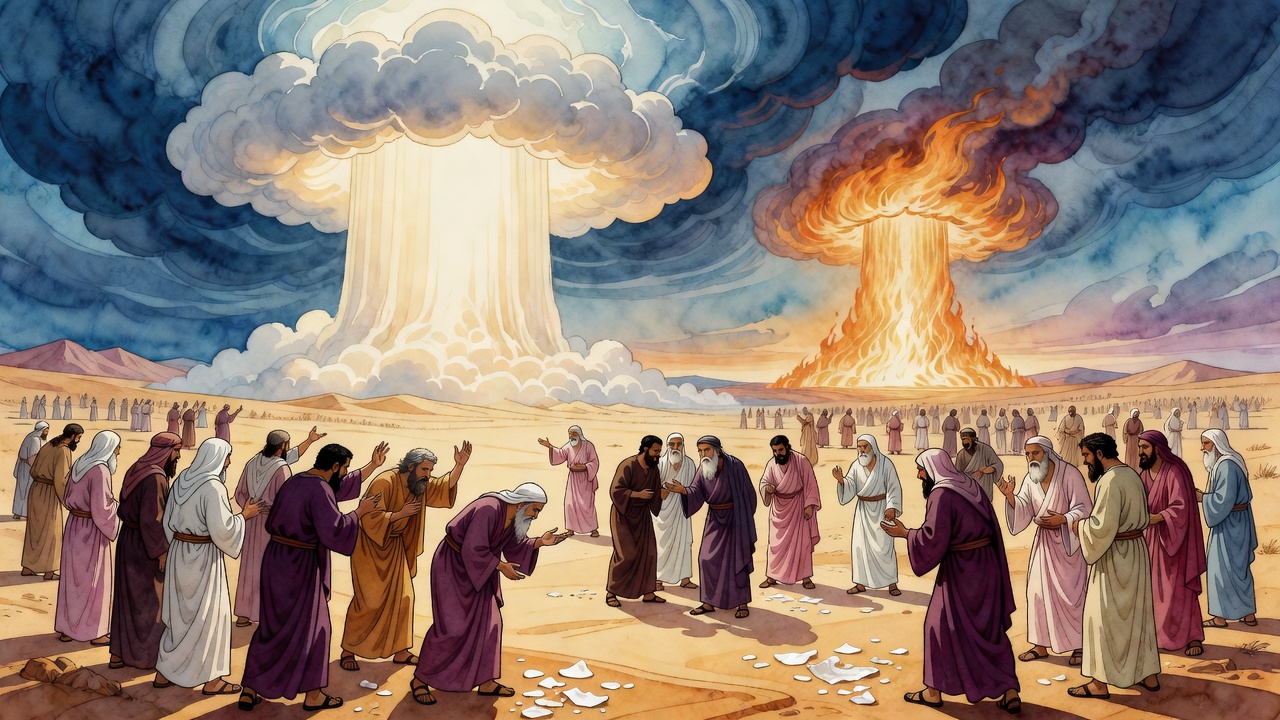
The bread came down with the dew in the exact right amount and rotted if anyone hoarded it. It bought them free mornings for forty years.
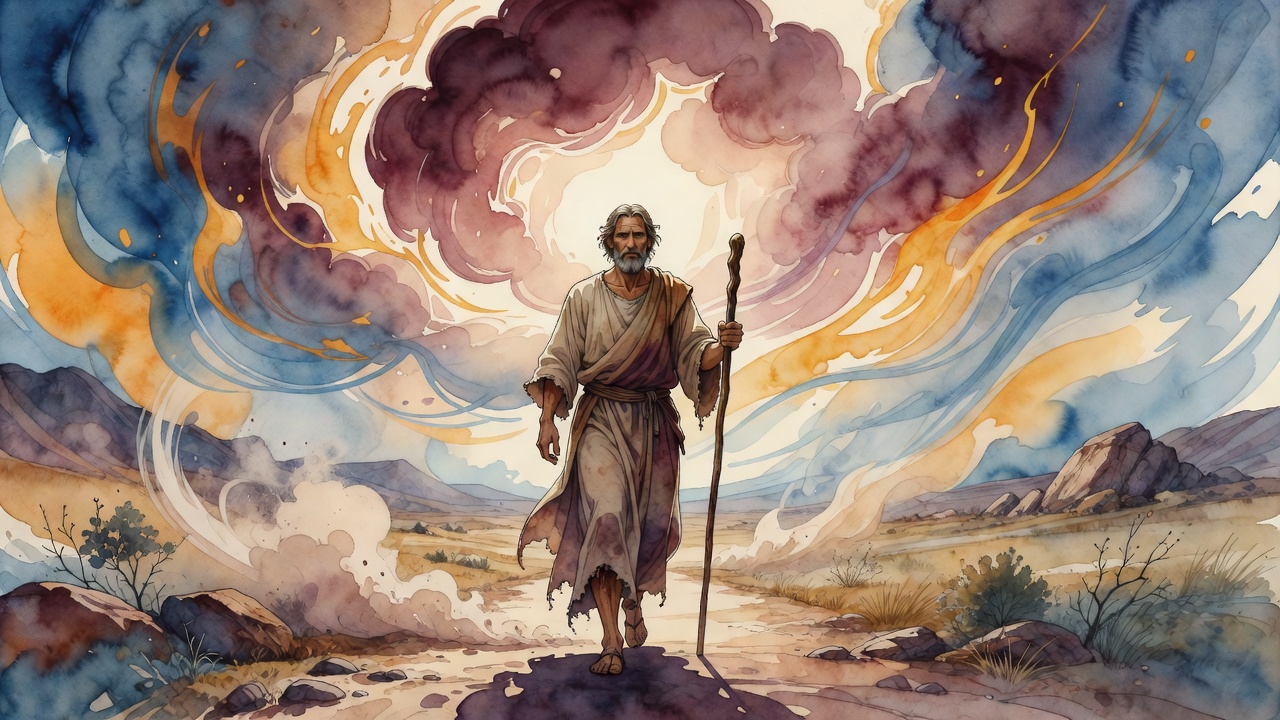
Twenty years in Laban's house. He worked seven of them for Rachel and got Leah instead. Jacob crossed back at the river limping, with his flocks and children.
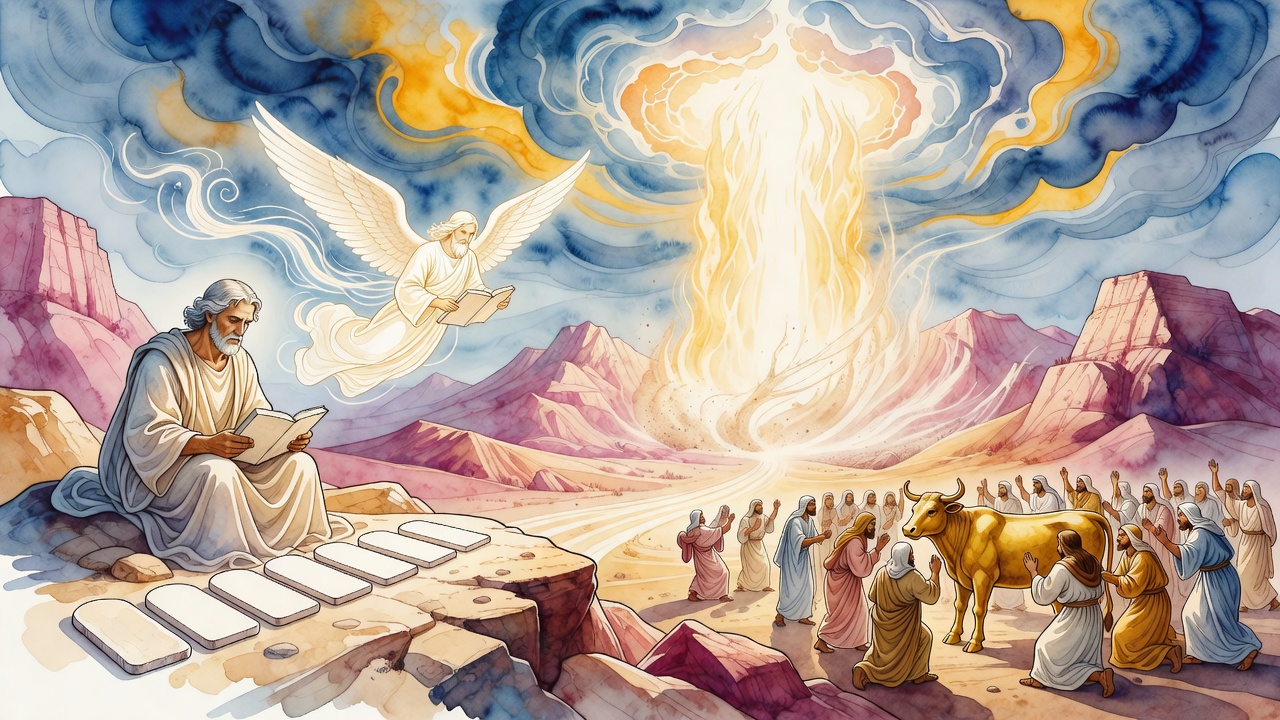
Jacob wanted to build a sanctuary at Bethel and make it permanent. The answer came back the same night, in a vision, from an angel holding seven tablets.
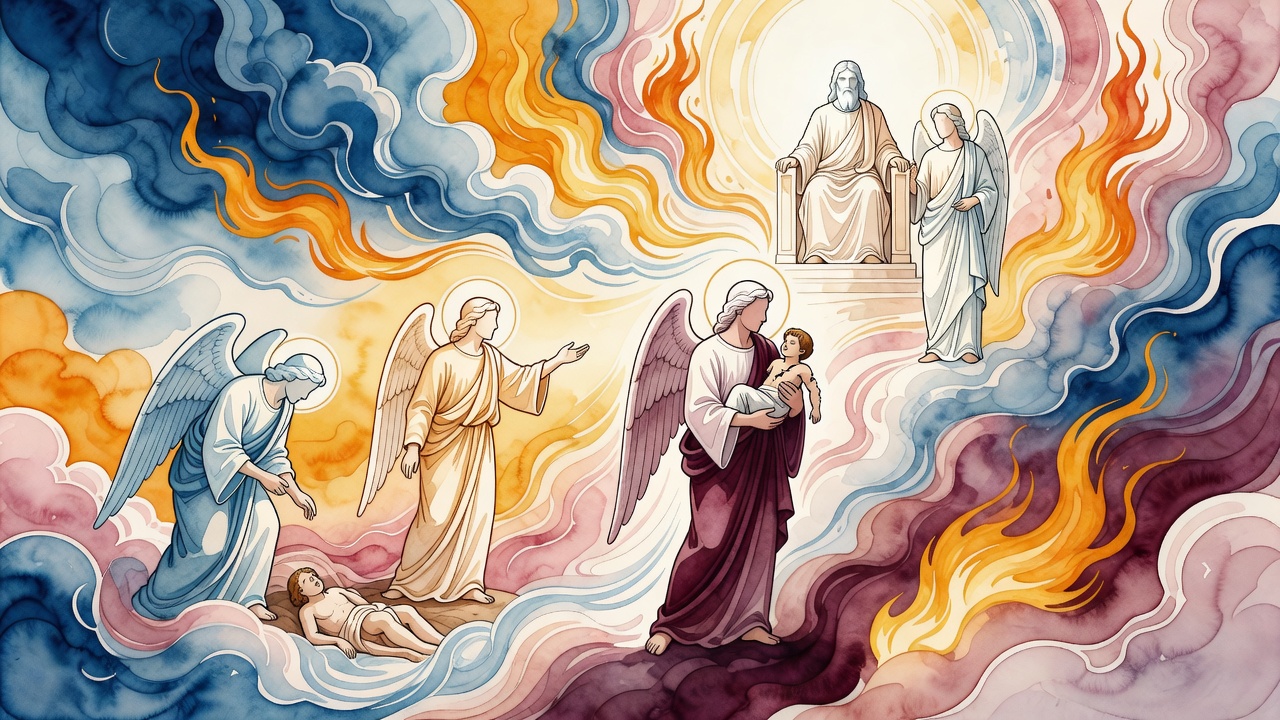
Rachel's heels were already cut by straw from the wilderness. She was still treading mortar when the child left her and stuck in the brick.
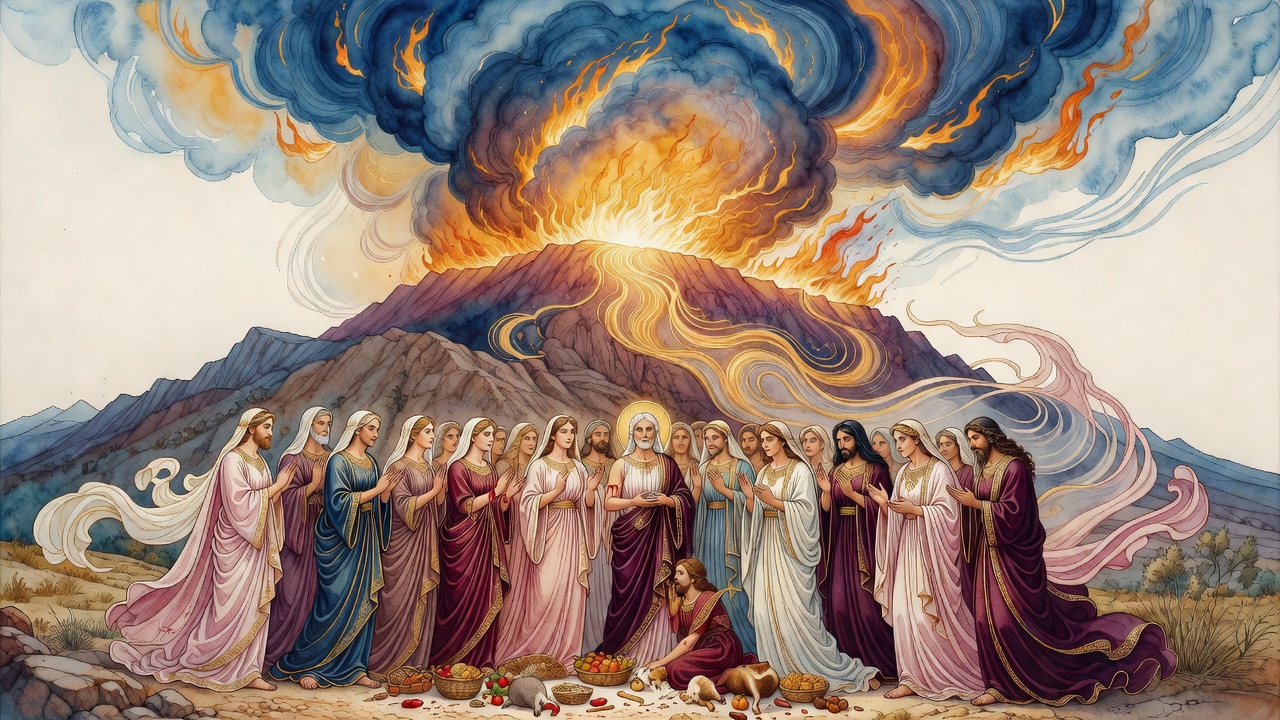
For two days the camp washed and beat its clothes clean. Some of the gold they wore came from Egypt, the rest from the sea after Pharaoh's army drowned.
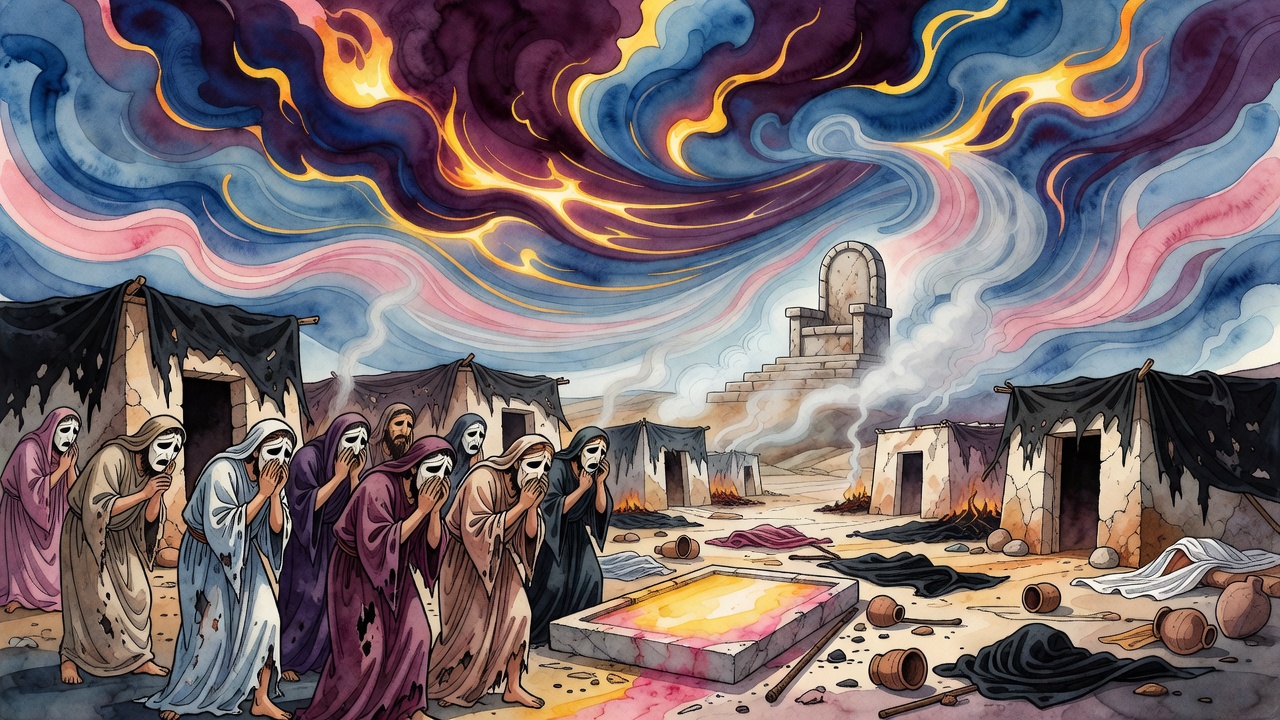
The spies dressed their homes in grief, made Israel cry through the night, and turned a false funeral into a real date of mourning.
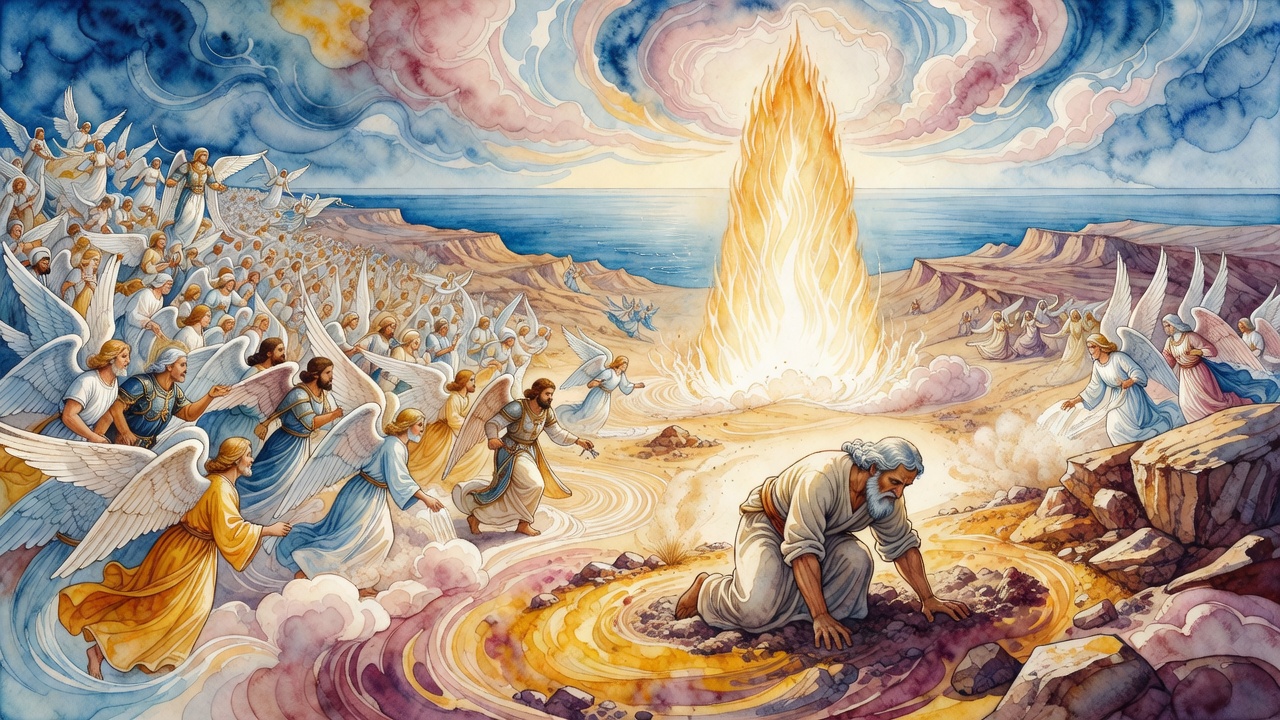
Angels rushed armed to the sea and crowded Sinai in myriads, but after the calf, Moses had to bury fierce anger in the earth.
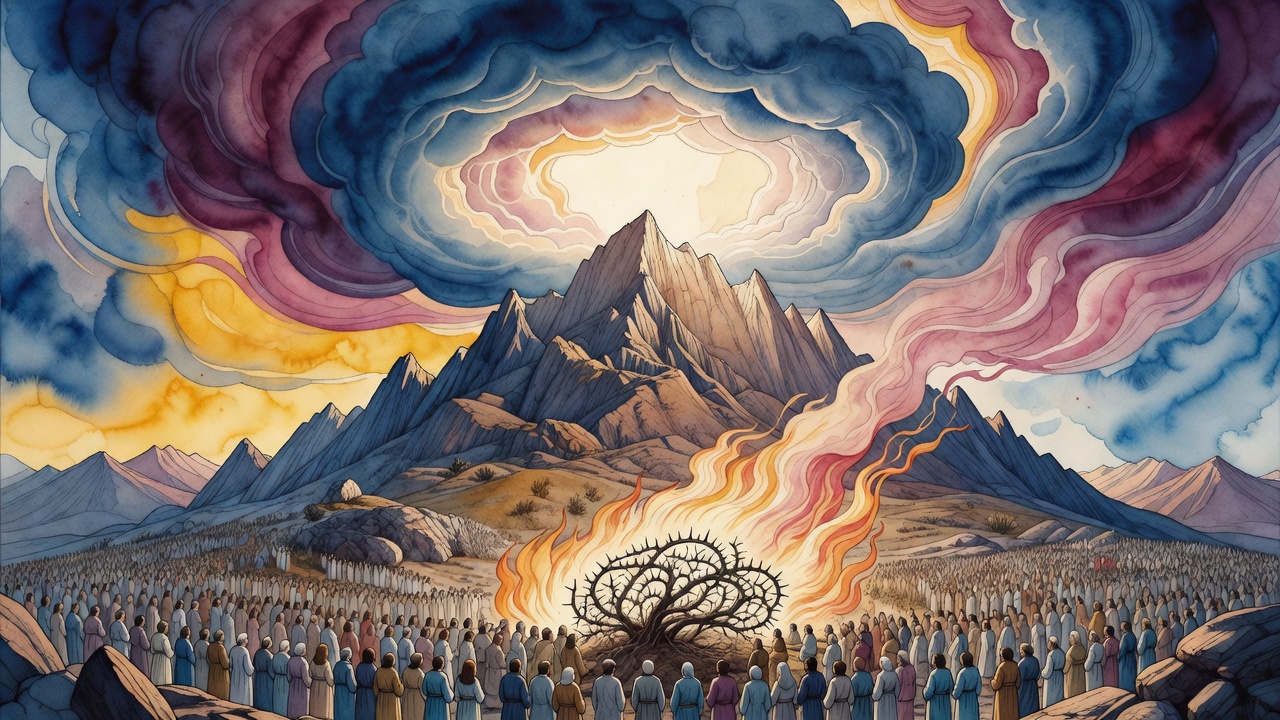
The mountain had a name before Moses climbed it. A thornbush renamed it. A killing cloud settled over it. Then six hundred thousand stood at its base.
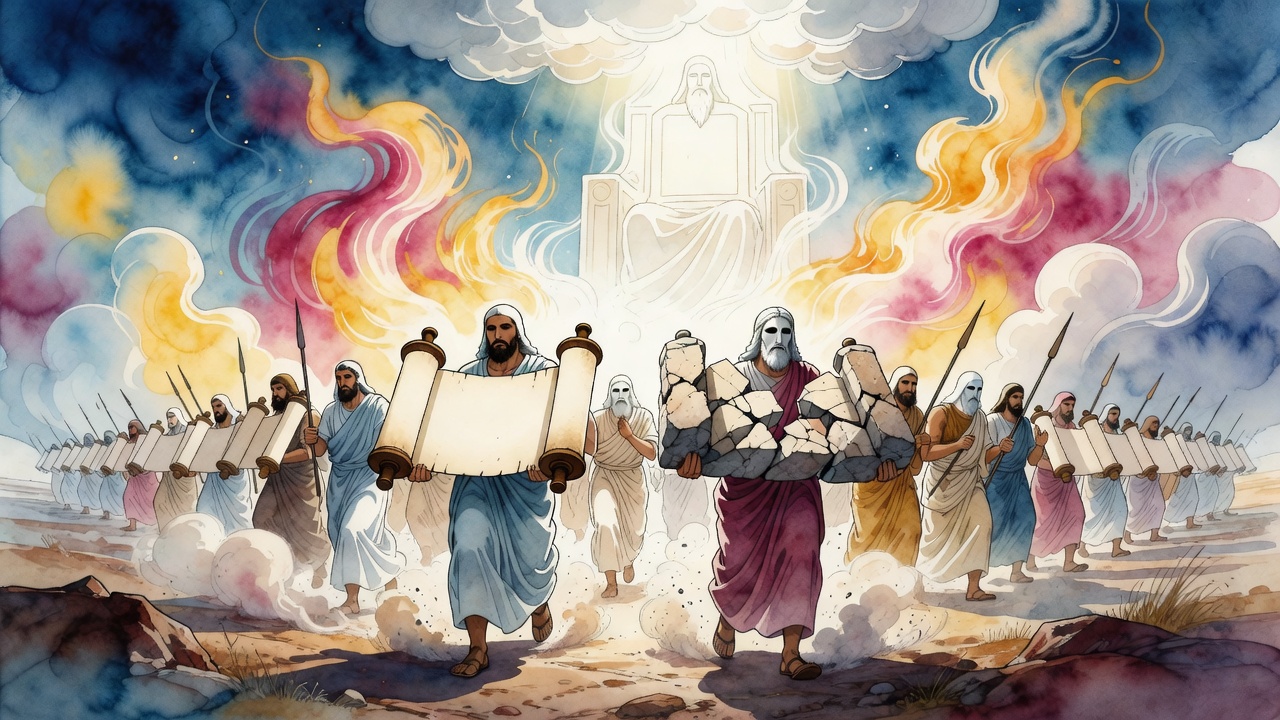
Bezalel built the gold ark everyone knows. The other box held smashed stone, and Israel marched it into every desert fight.
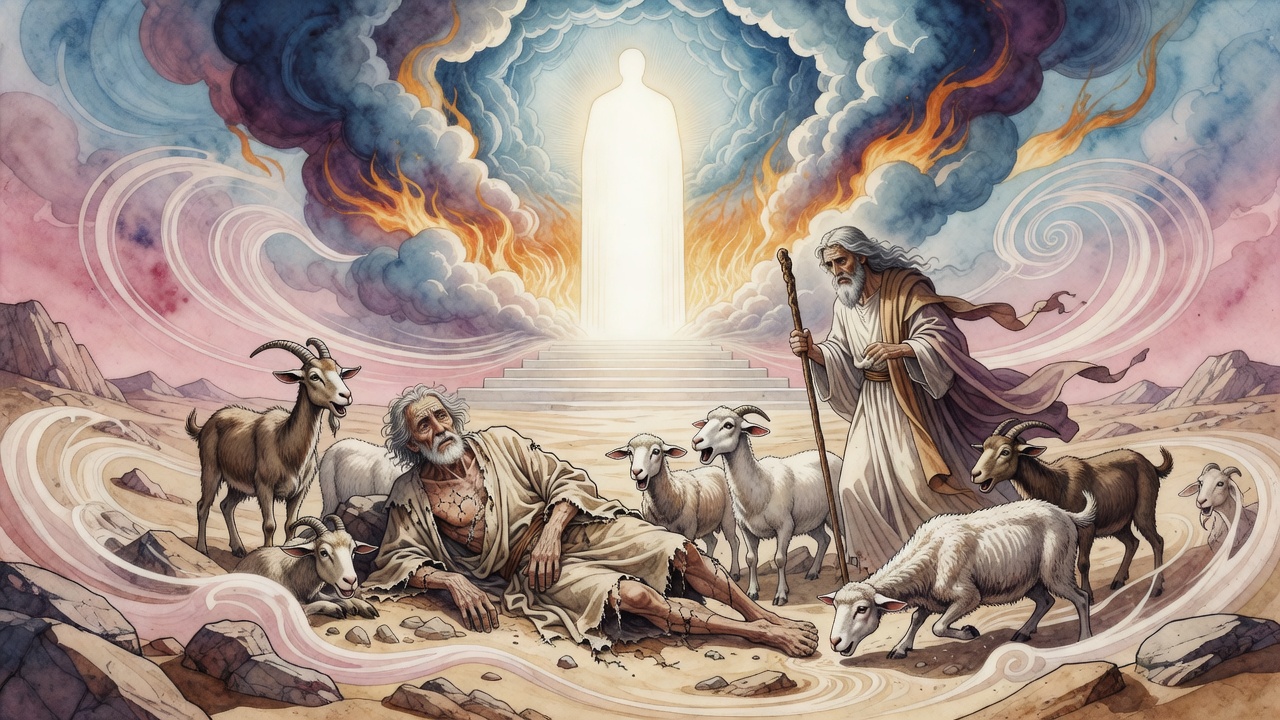
Moses and Aaron were sitting with their sister's body when God told them to get up. My children are dying of thirst, He said, and you mourn an old woman.
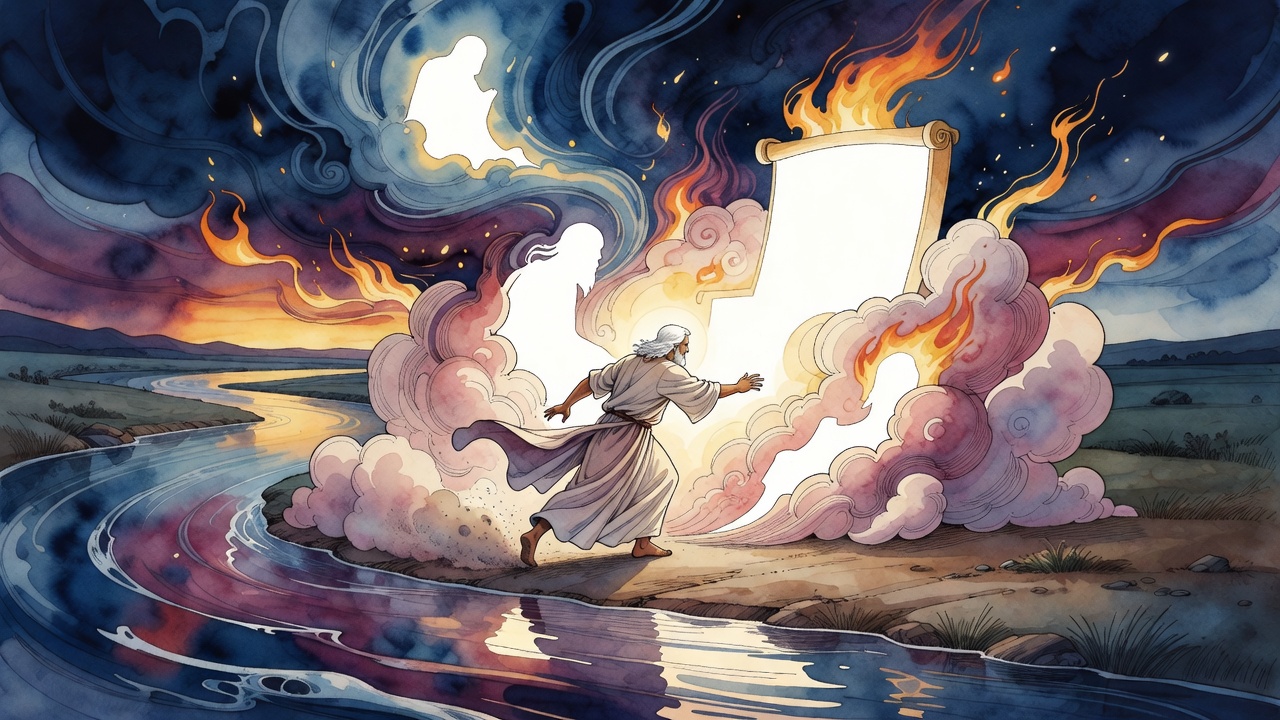
Four hundred armed men were a day away. Jacob sent everything ahead and stayed alone by the river, and something found him in the dark.
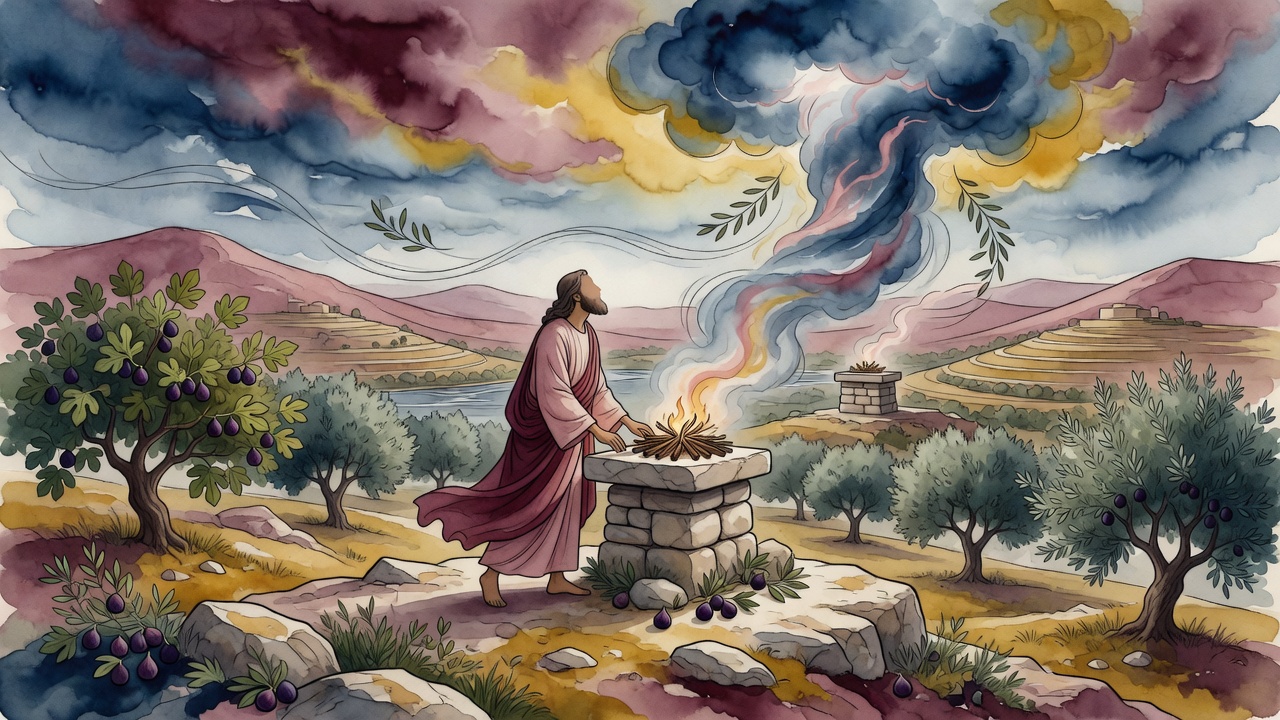
An officer stood up at the war council and told Holofernes the truth. No army can beat the Jews while they keep faith. They lose only when they sin.
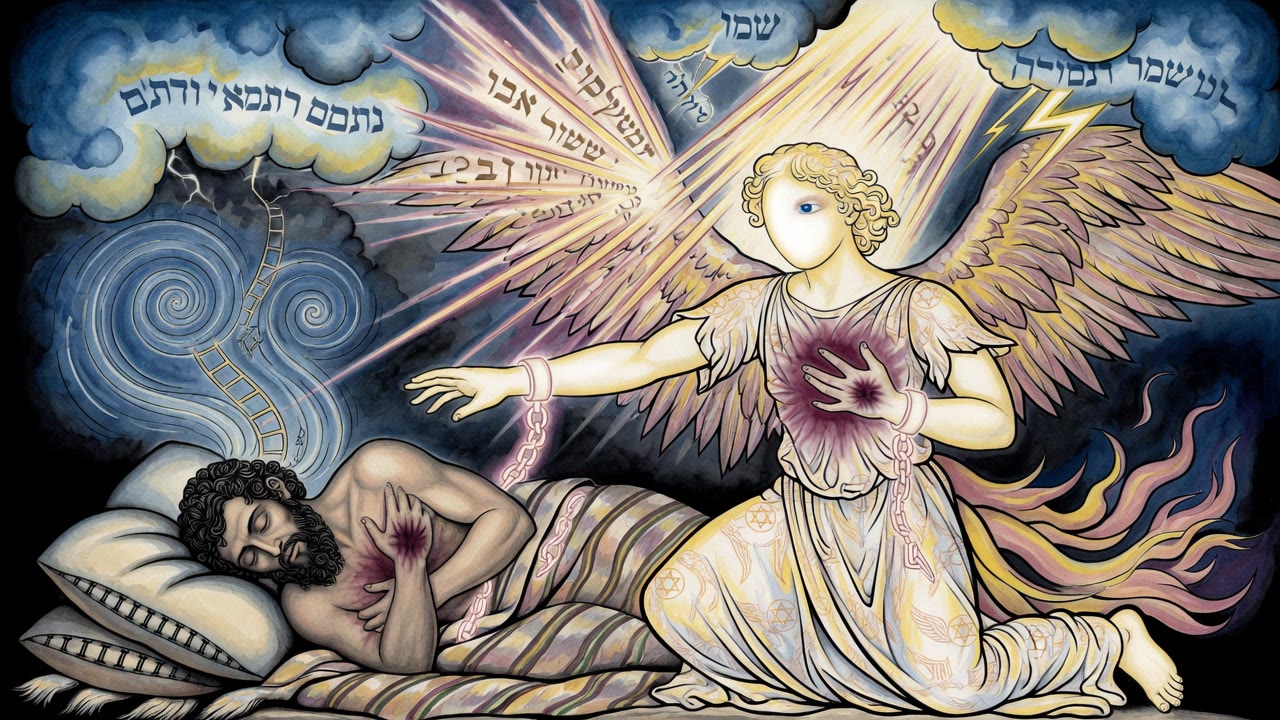
Uzza held the four hundred years like a signed bond. Michael stood in court with no answer, and Egypt's angel waited for the ruling.
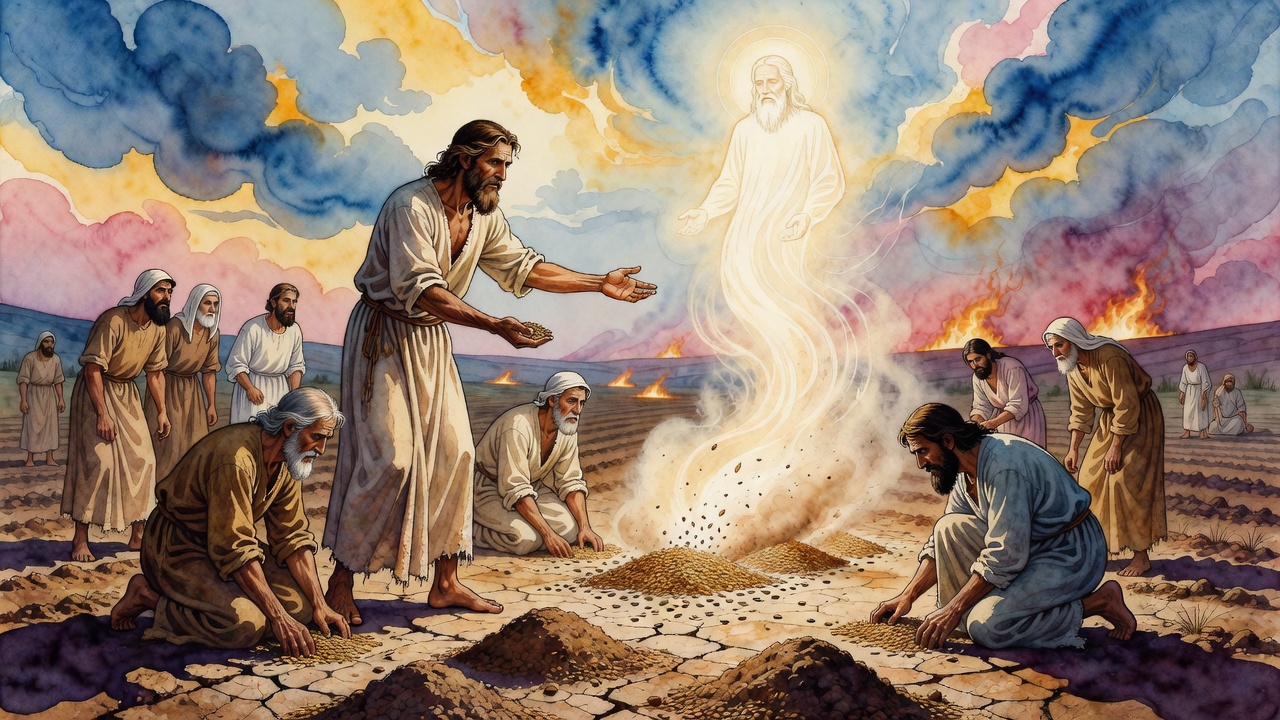
Rain hit the roofs on the first of Nisan. The last grain was still in the sacks. Joel told the hungry to bury it in the fields.
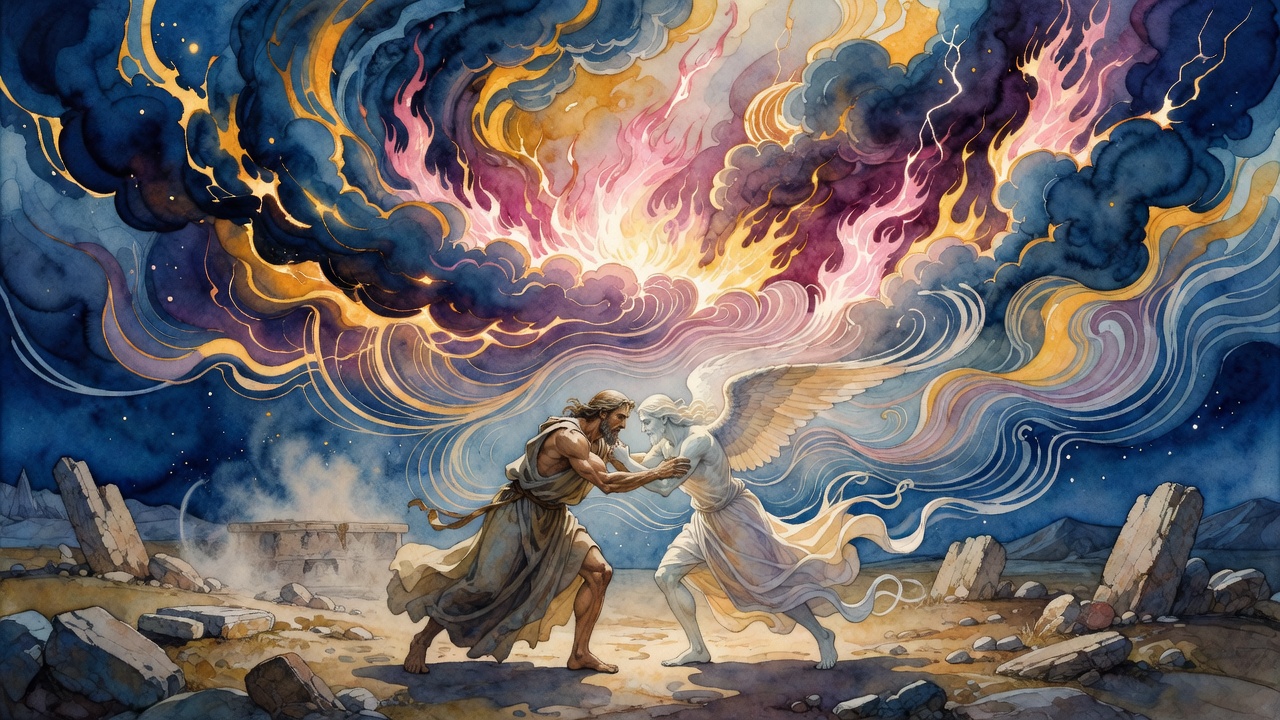
Jacob wrestles through the night over a forgotten tithe, a stolen blessing, and an angel whose first song waited since creation.
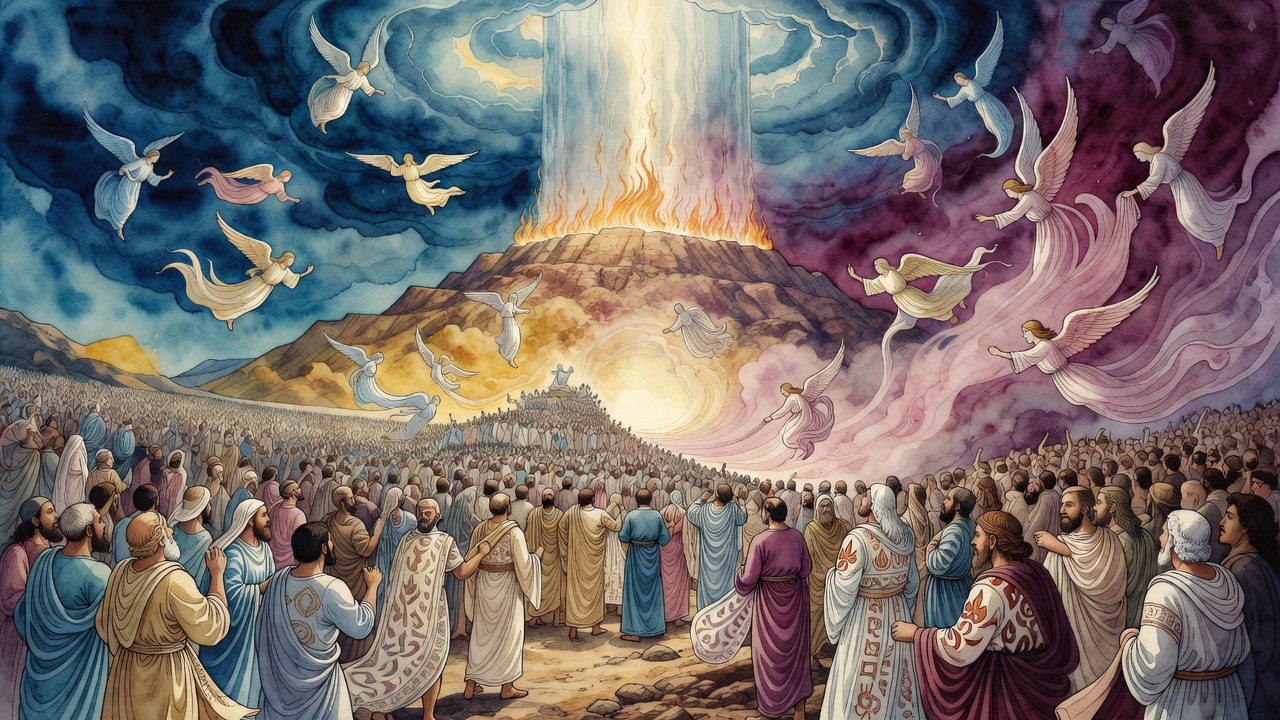
A hand closed on the Name at his shoulder. He pulled. The angel pulled. By morning the camp stood in ordinary cloth.
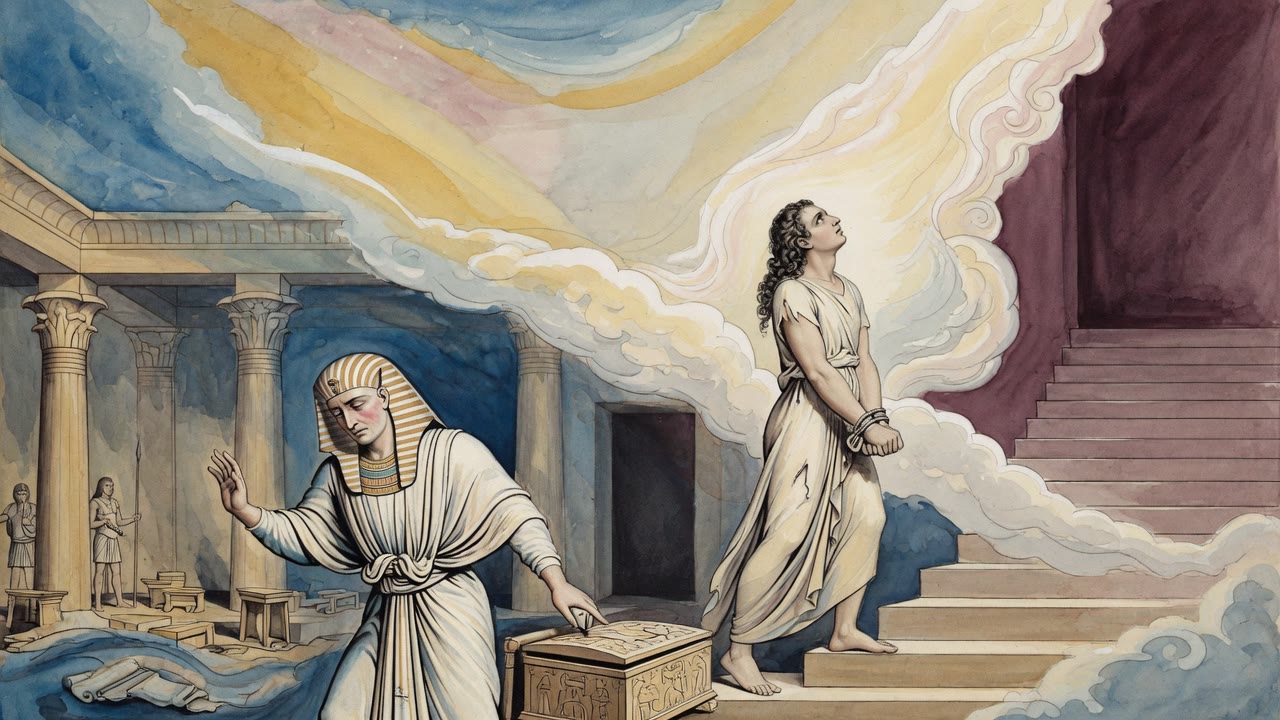
Three days after the sea split, Israel met water it could not drink and learned that confession can sweeten a bitter world.
They said they would do, then they would hear. Angels tied two crowns on every head. While they wore them, no one in the camp died.
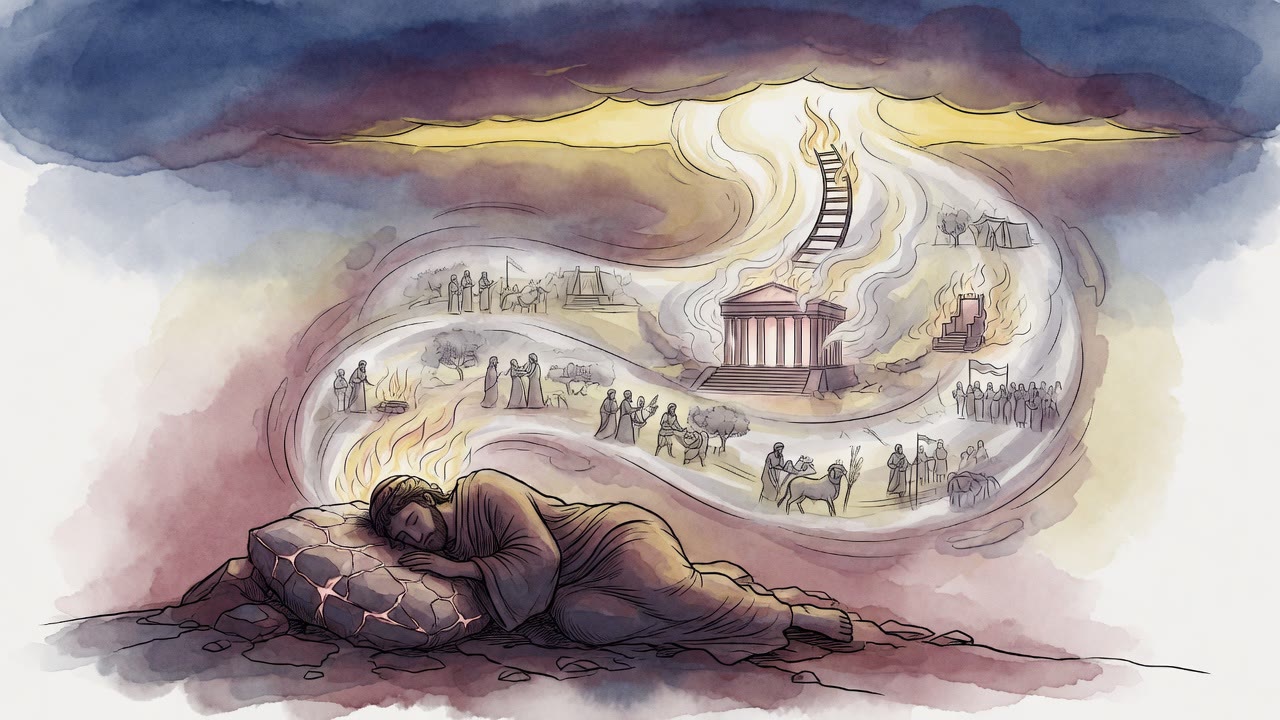
The sun dropped before its hour. Stones fought for his skull. God made them one pillow, and Jacob slept at a gate he had not asked for.
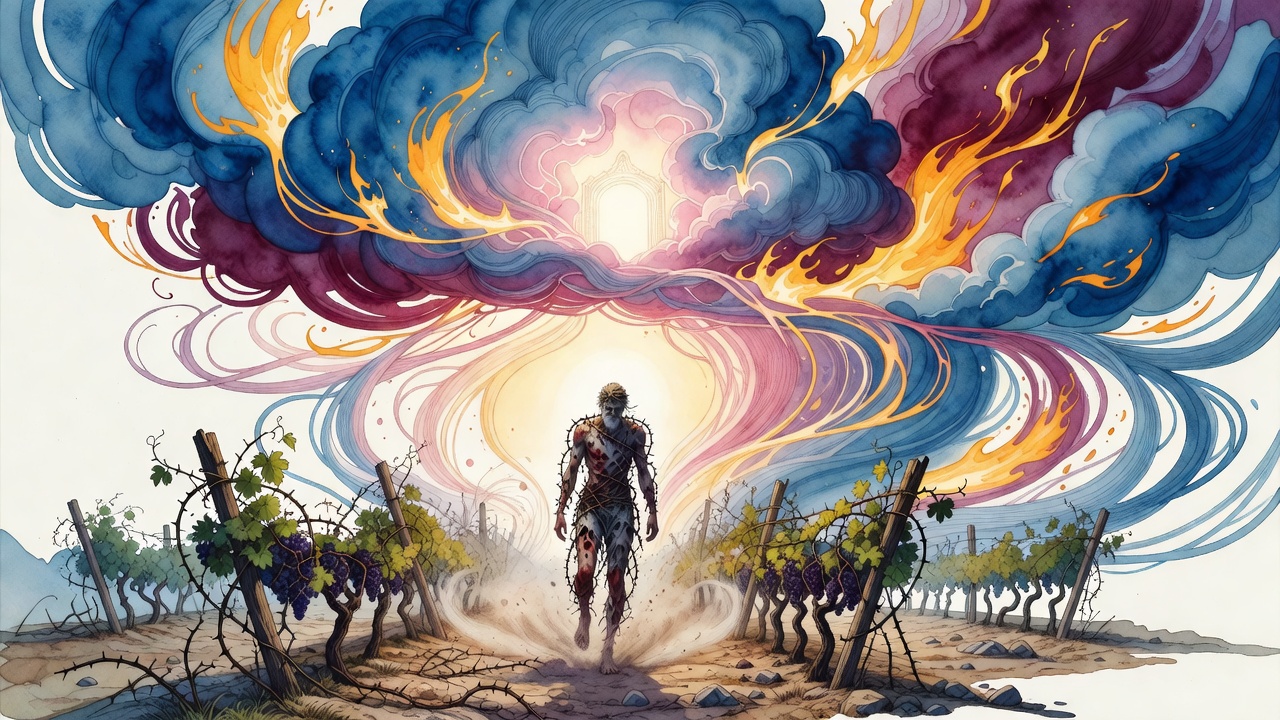
In the clay pits God did not wait for Israel to look like a nation. He called the bent workers His kin while the lash was still up.
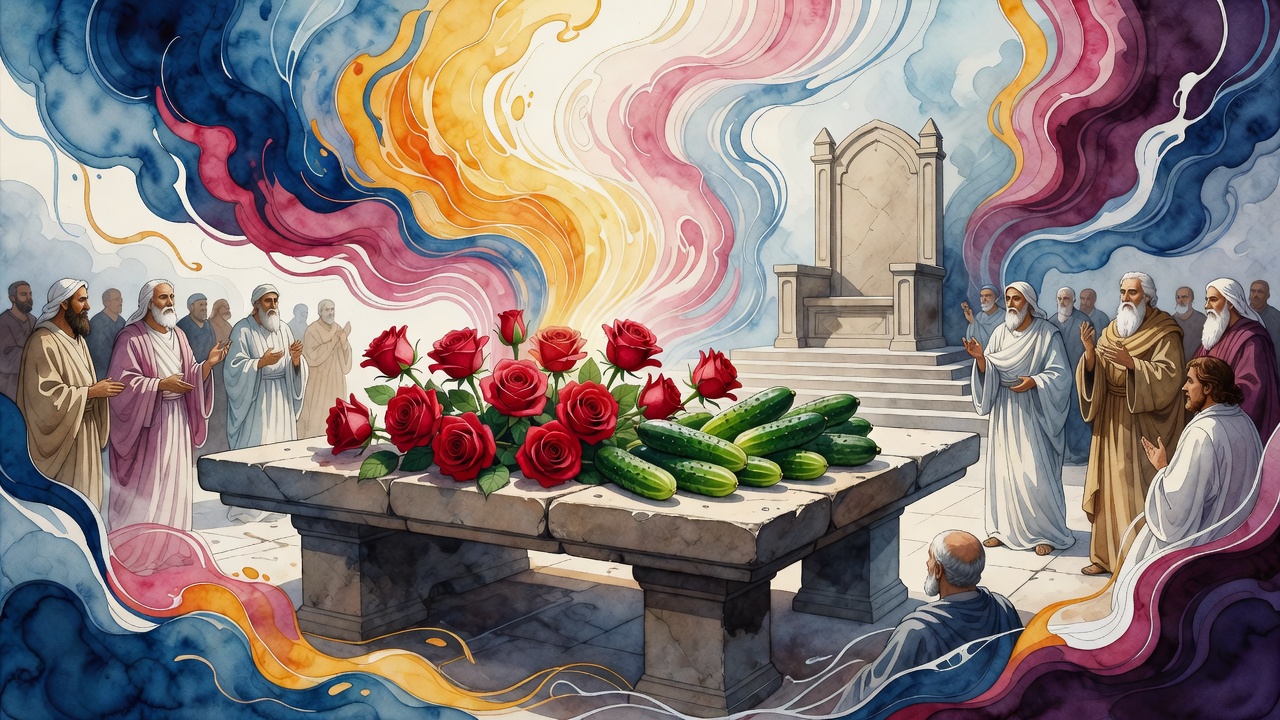
Below deck the crew talked as if the hold were empty. Two kav of gold dinars still lay under the merchant's hand.
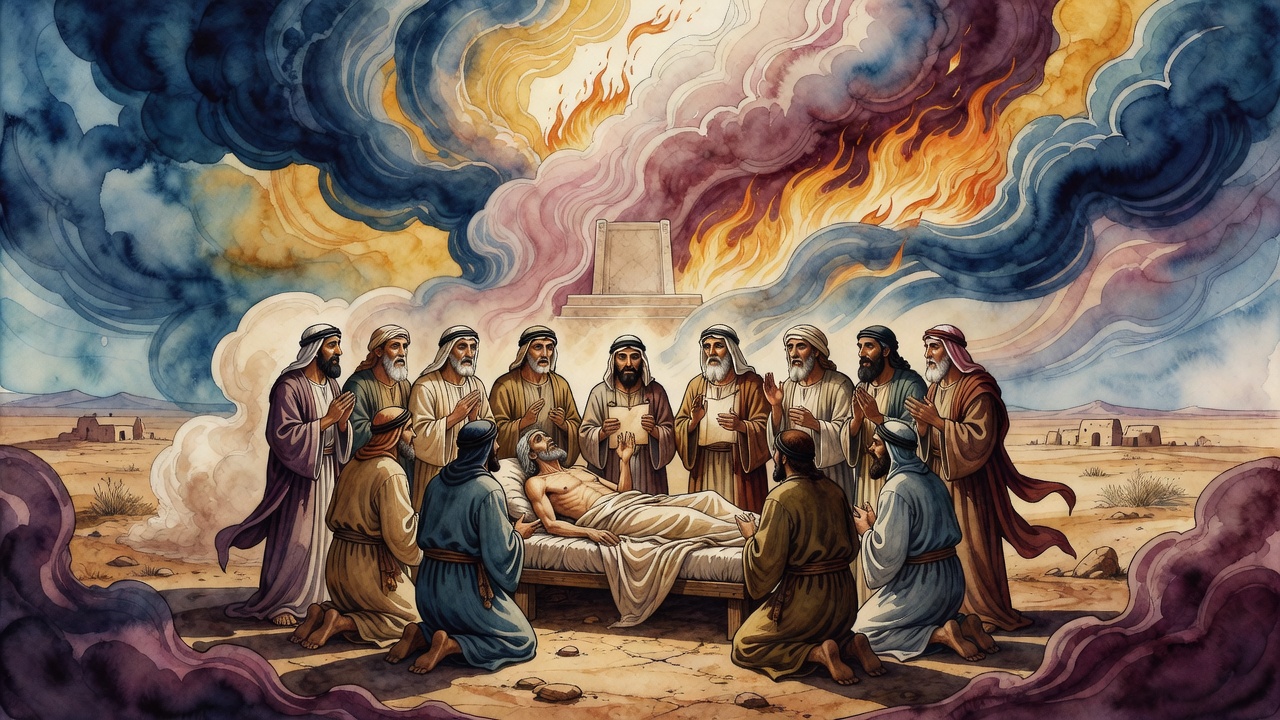
Will you bow down to another god when I am gone? All twelve sons answered in one voice: the Lord is our God, the Lord is one.
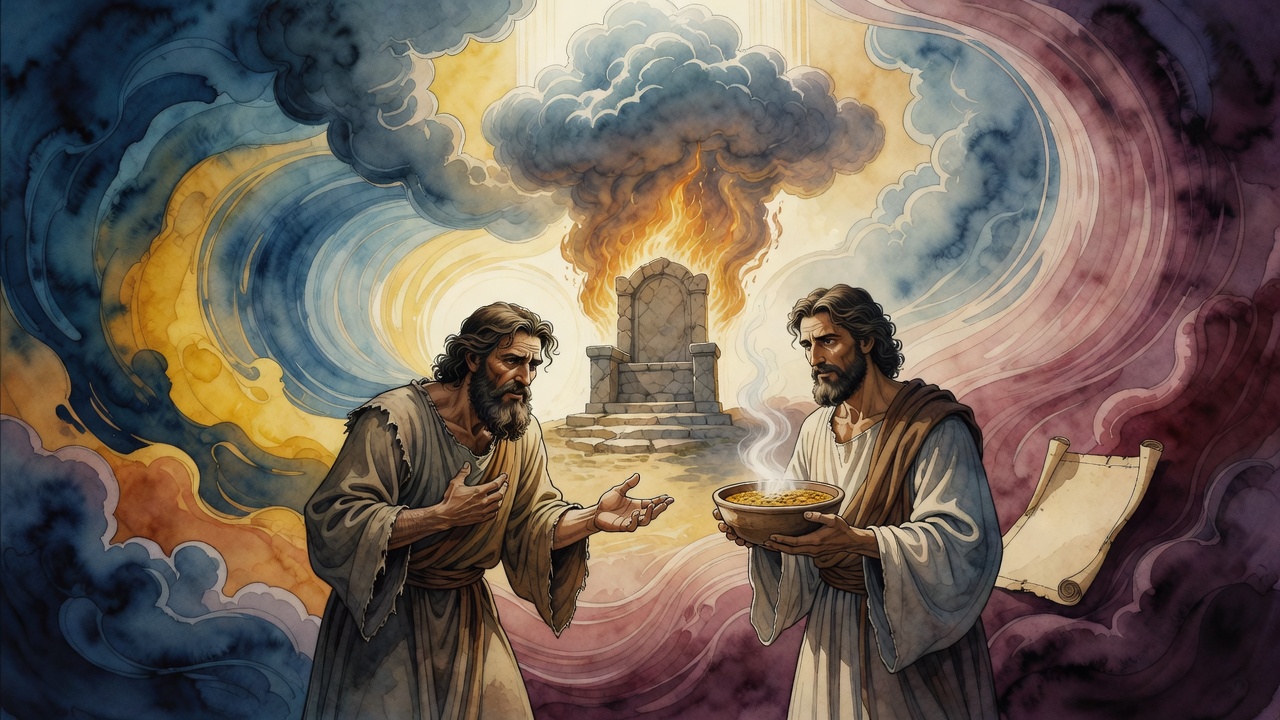
The soup was real. So was the hunger. But Jubilees and the Midrash say Esau traded away his burial place beside the patriarchs along with his inheritance.
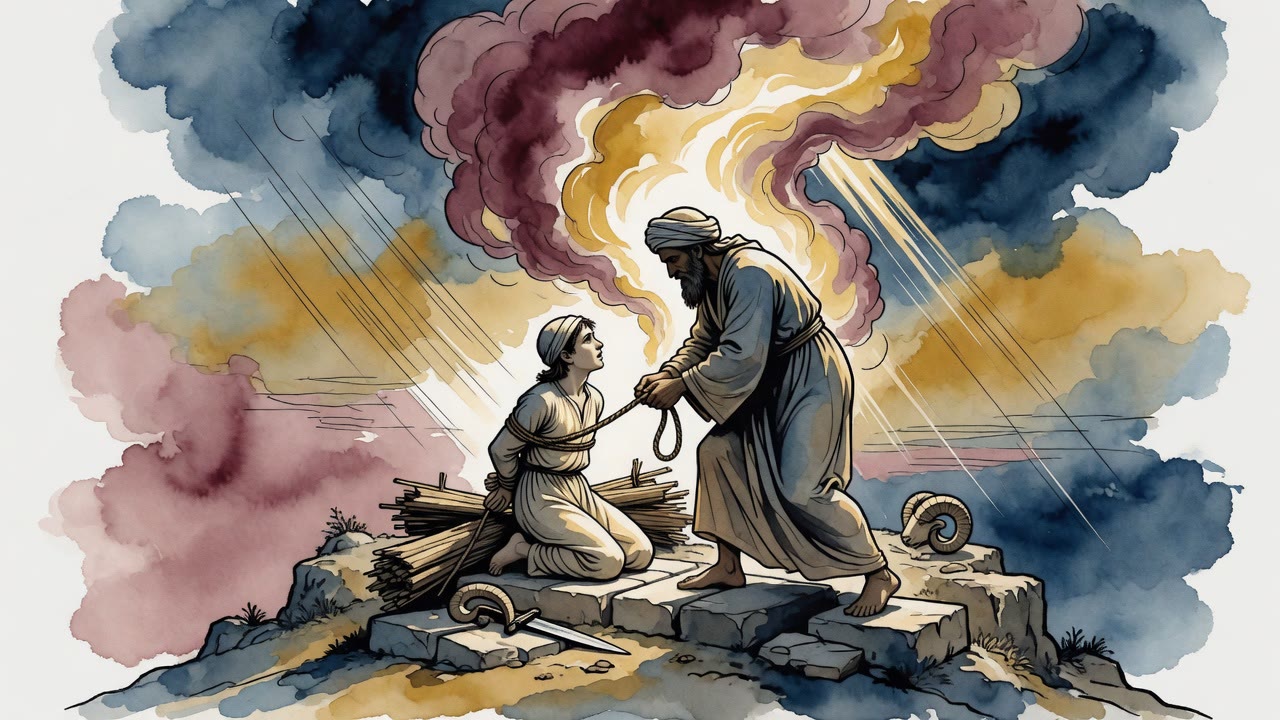
Abraham told God to wipe Israel out so the Name would stay holy. Jacob said the same. Isaac, who had been on the altar, began to count.
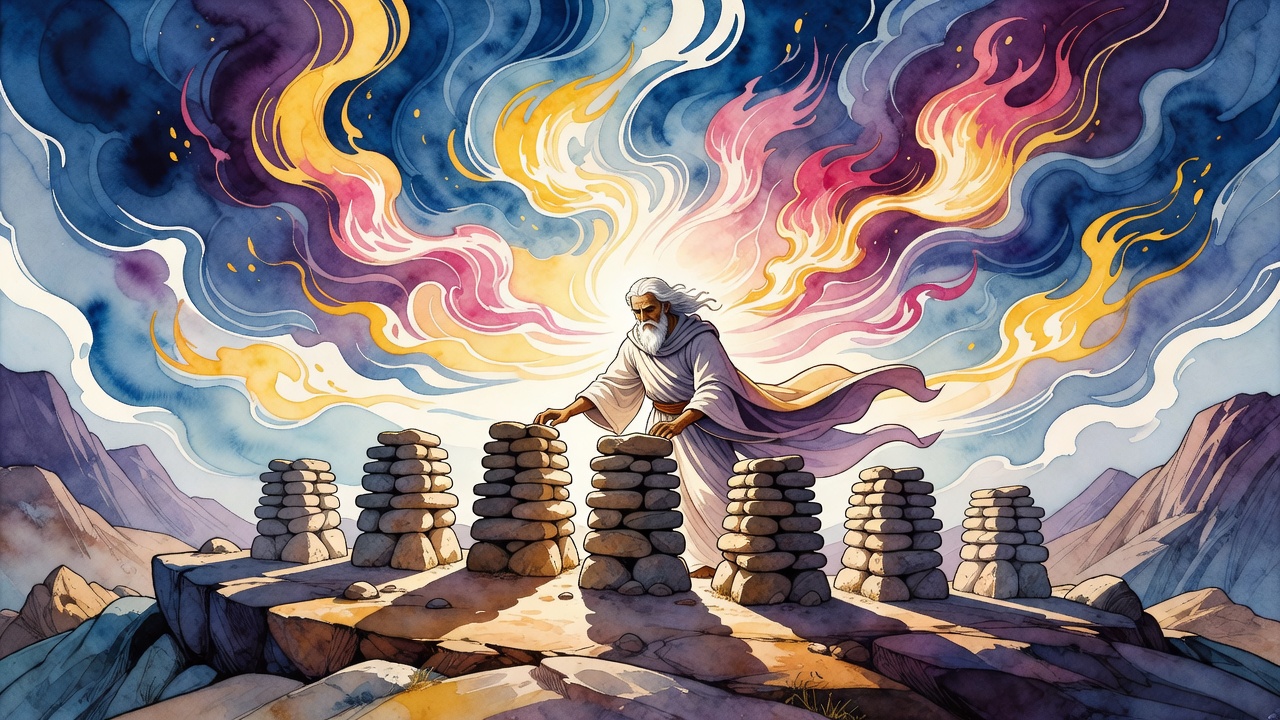
Balaam counted every altar the patriarchs had ever built, then built the same number to match their merit. God answered with a single verse about dry bread.
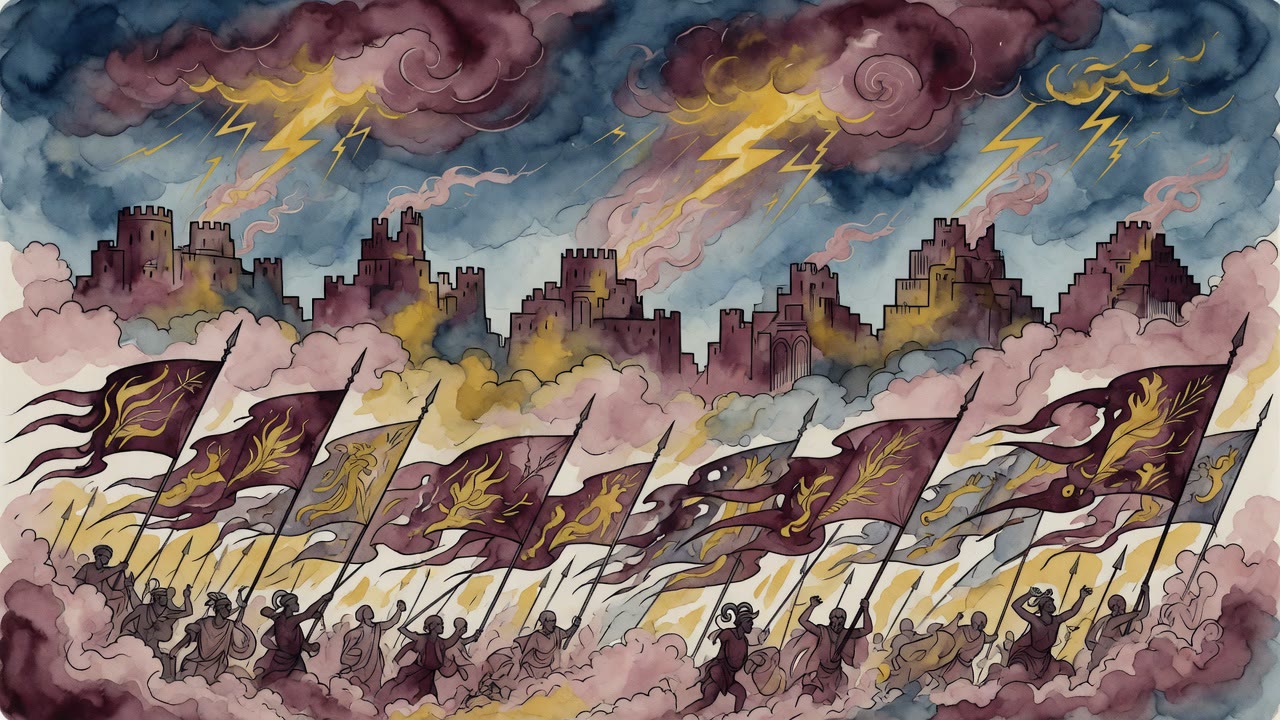
Joshua lay on his face before the Ark until evening. Thirty-six men were already dead. A cloak from Shinar still lay buried in a tent.
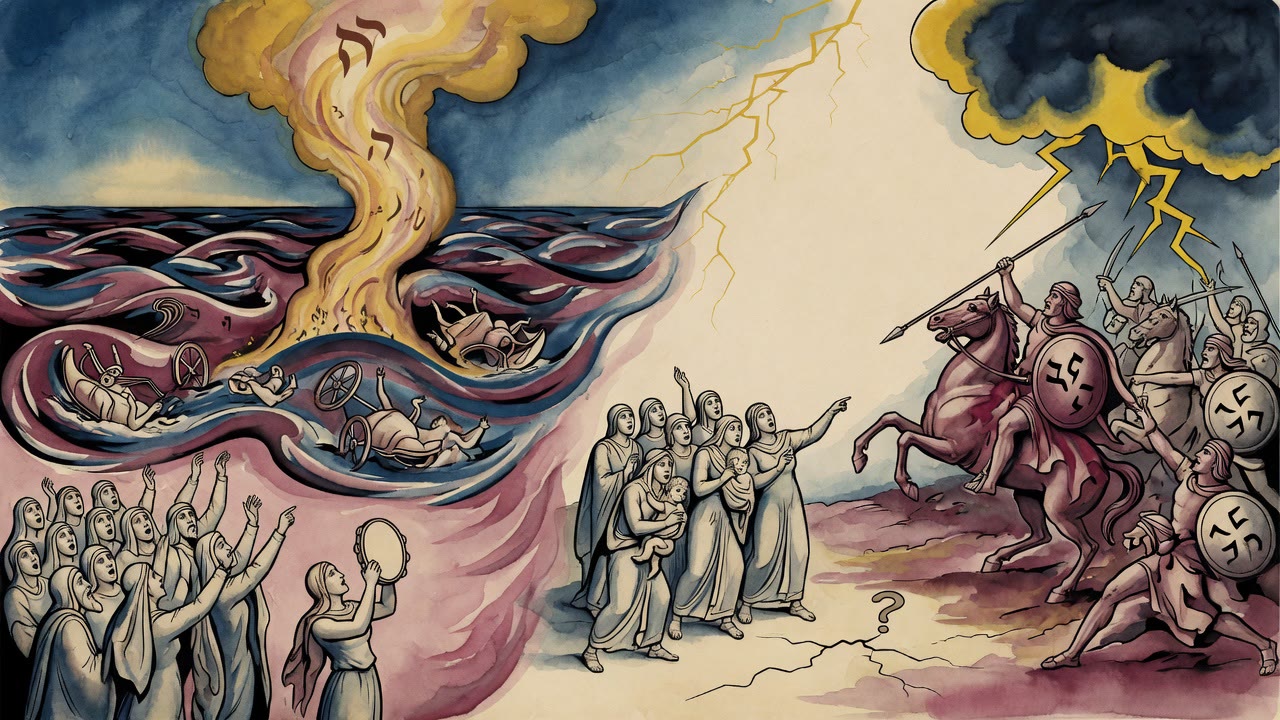
Israel crossed the sea, watched Egypt drown, and sang. Then they asked whether God was really among them. Amalek came the next moment.
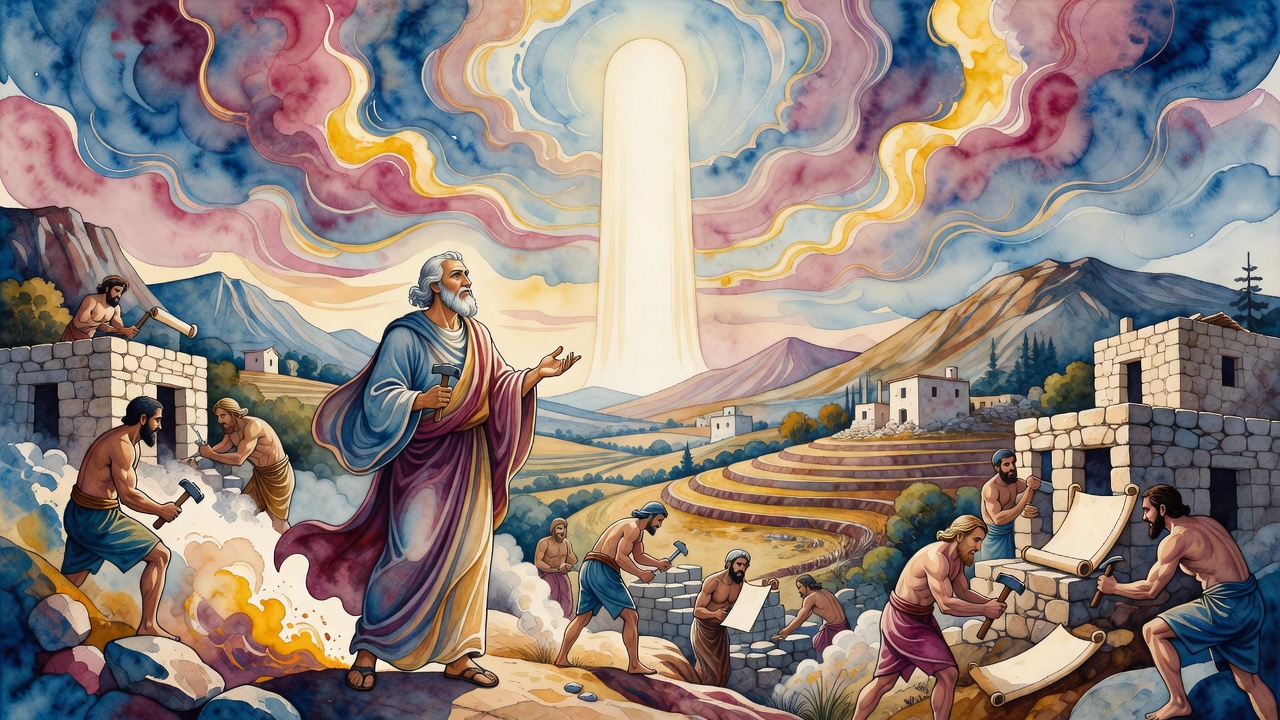
A boy watched his father torch the grain. Forty years later that boy packed figs he was not allowed to eat, and left the jars sealed.
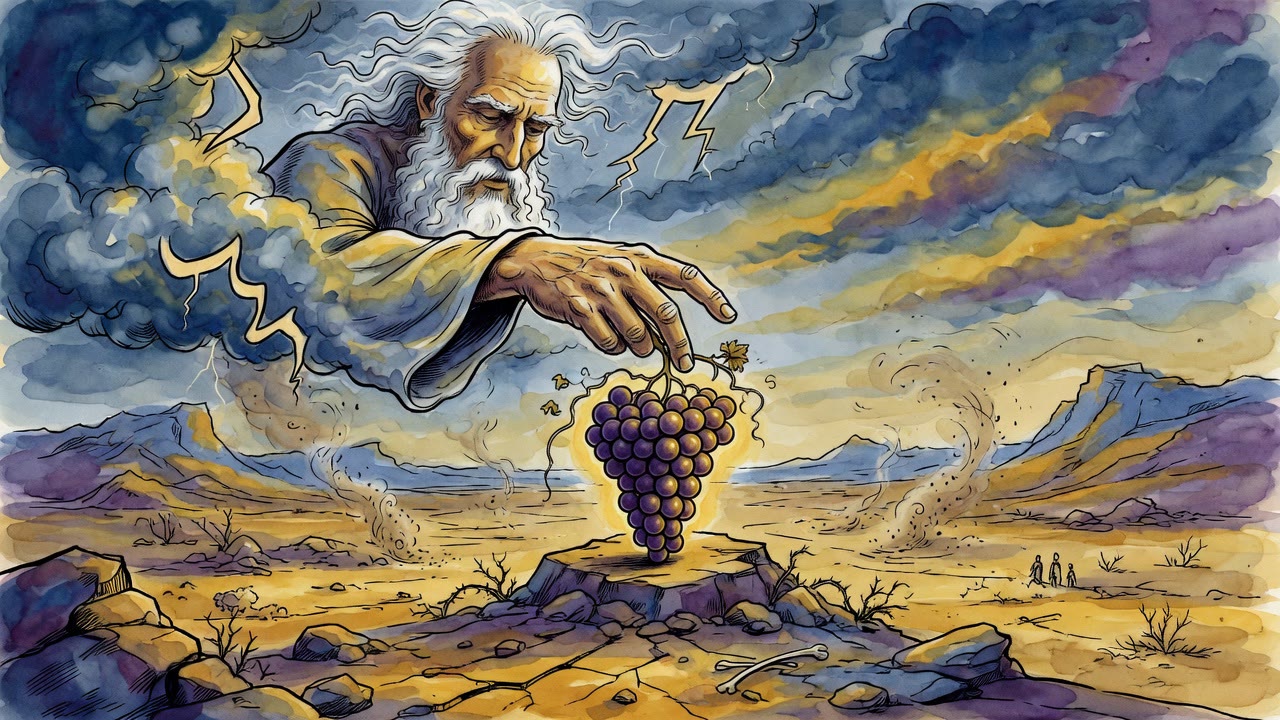
Moses asked heaven for two more years in the land and was refused. Then he asked to be carried in dead, and he was refused that too.
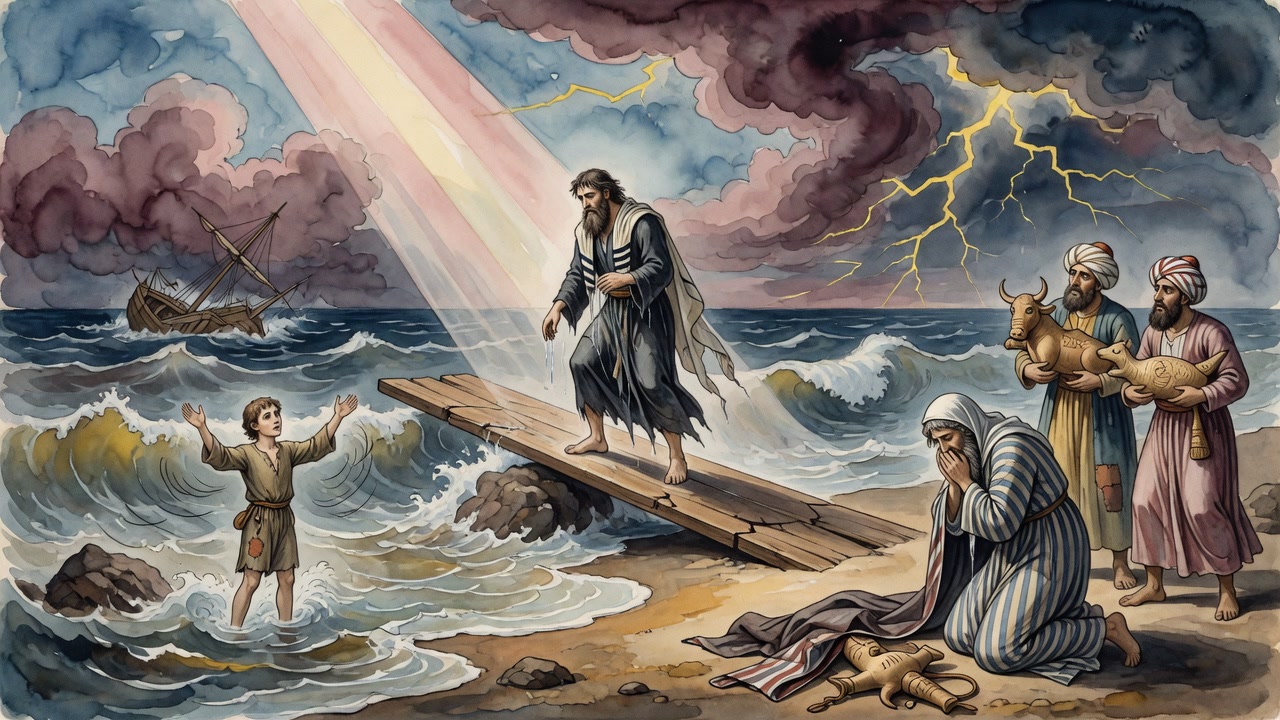
The nations gave their gods armies, taxes, and the fat of sacrifices. Rabbi Yehudah said a reckoning was coming and the gods would have nothing to show for it.
