5 min read

Prayer Made Bitter Waters Sweet for Israel

Three days after the sea split, Israel met water it could not drink and learned that confession can sweeten a bitter world.

Curated by Arthur · Told by Maggid ·
Table of Contents
  1. The Spring Refused the Camp
  2. The Complaint Became a Prayer
  3. The Tree Entered the Water
  4. Mercy Held the Mountains
  5. The Land Waited Ahead

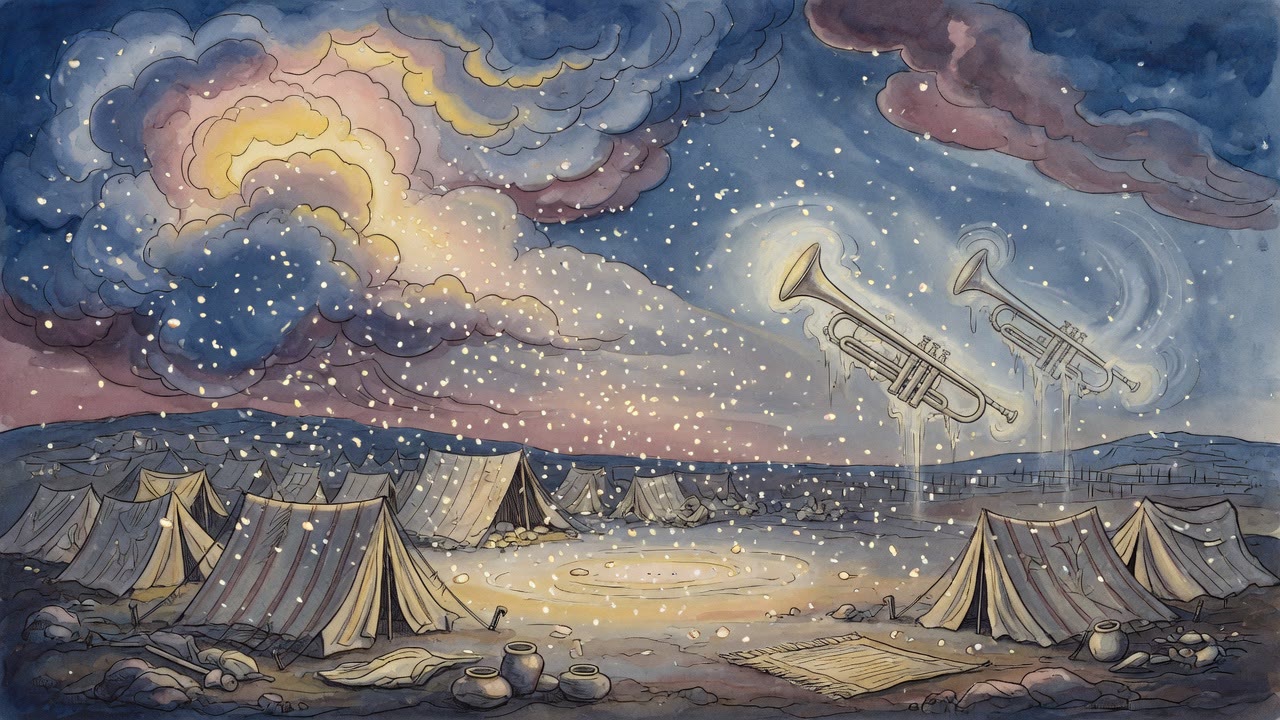
The water was close enough to hear and too bitter to swallow.
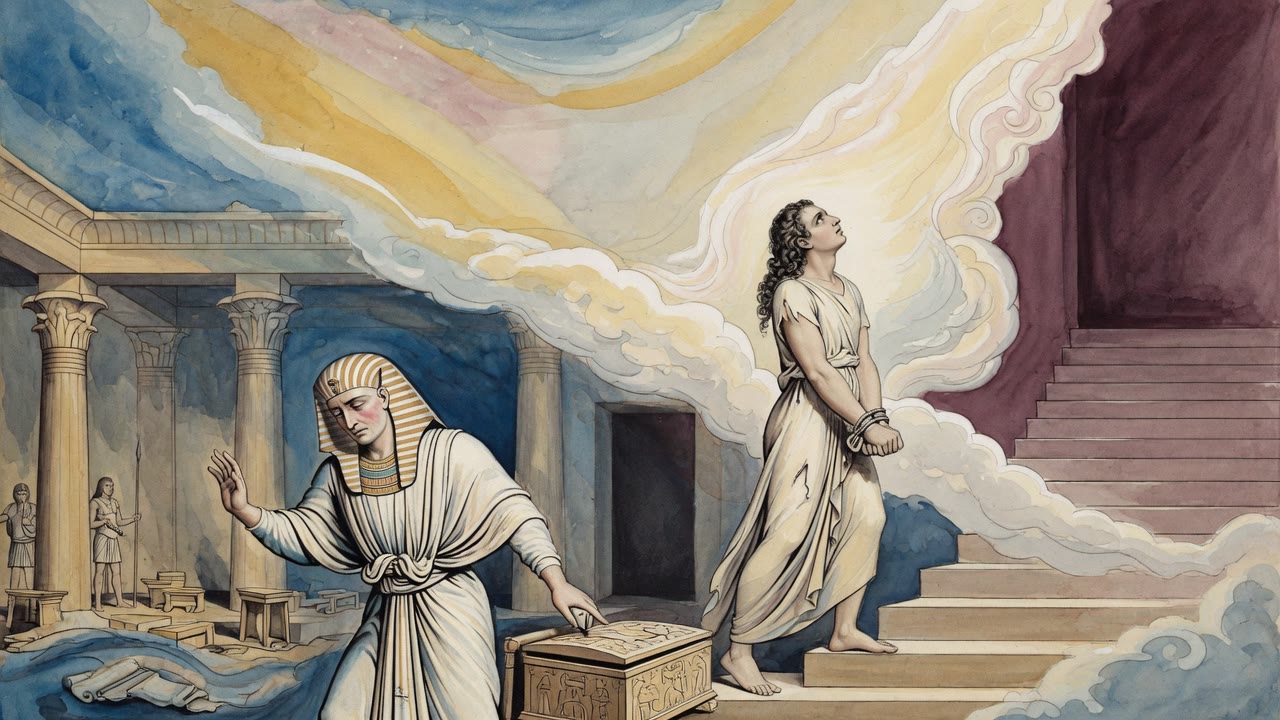
Three days after the sea opened, the camp reached Marah with cracked lips and children crying against empty skins. The people had walked out of terror into song, out of song into sand, and now the spring itself refused them.

The Spring Refused the Camp

Israel crowded around the water and recoiled. A man cupped it first, eager enough to burn his throat if it meant life. He spat it into the dust. Another tried. Then another. The spring was real, and that made it worse. Thirst can endure distance. It breaks differently when salvation sits in the hand and tastes like poison.

The murmuring began low. Mothers pulled children away from the edge. Elders looked back toward the wilderness as if Egypt itself might be hiding in the glare. The sea had drowned the chariots, but thirst did not care about yesterday's miracle.

There are moments when the body makes theology brutally small. A dry tongue does not recite songs. A child with dust on his lips does not ask whether the sea has already proved enough. The camp needed water, not memory.

The Complaint Became a Prayer

The noise could have hardened into accusation. Instead, the camp bent under the weight of its own mouth. The people had quarreled at the sea. They had watched water stand like walls and still carried suspicion in their throats.

So they spoke upward like children before a father whose face they feared to lose. "Master of the worlds," they said, "sin has already passed through these lips. By the sea, bitterness came out of us before sweetness came out of You. Guard us from our own complaint."

No one drank yet. No one pretended the water was sweet. Confession did not change the taste by denying it. It changed the camp. The first bitter thing placed before God was not the spring. It was the people.

The Tree Entered the Water

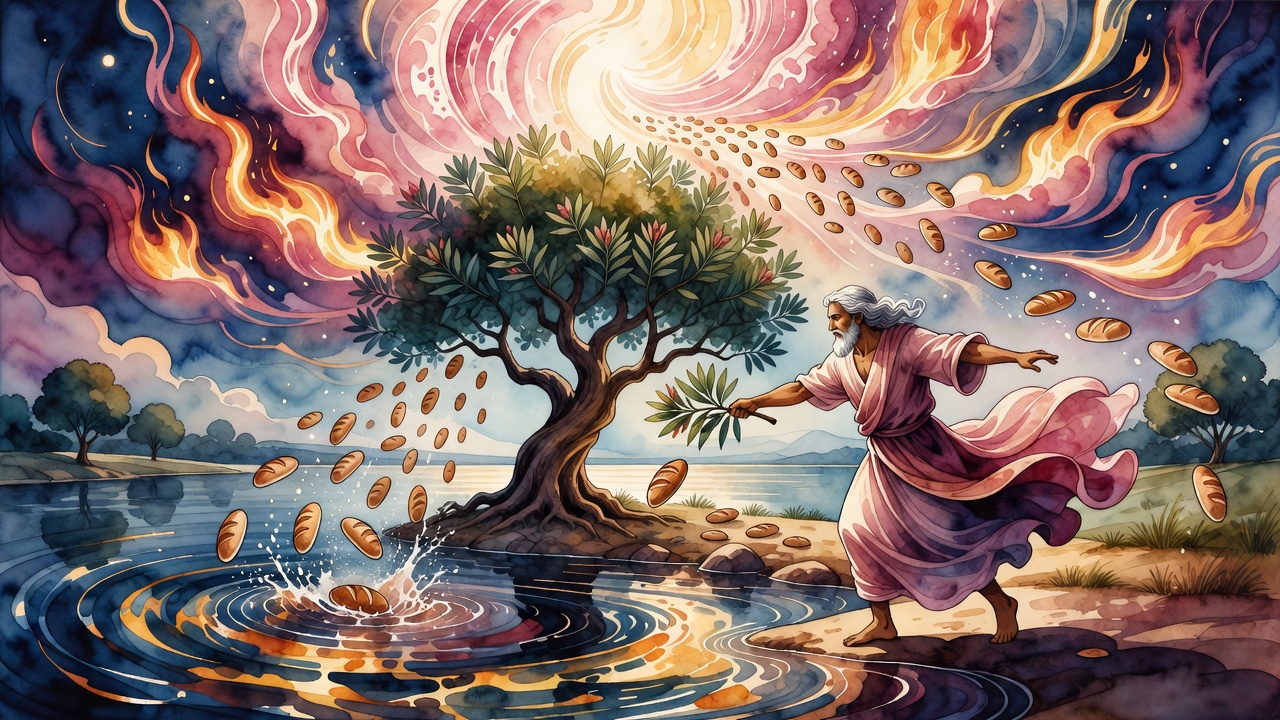
Moses cried out, and God showed him wood.

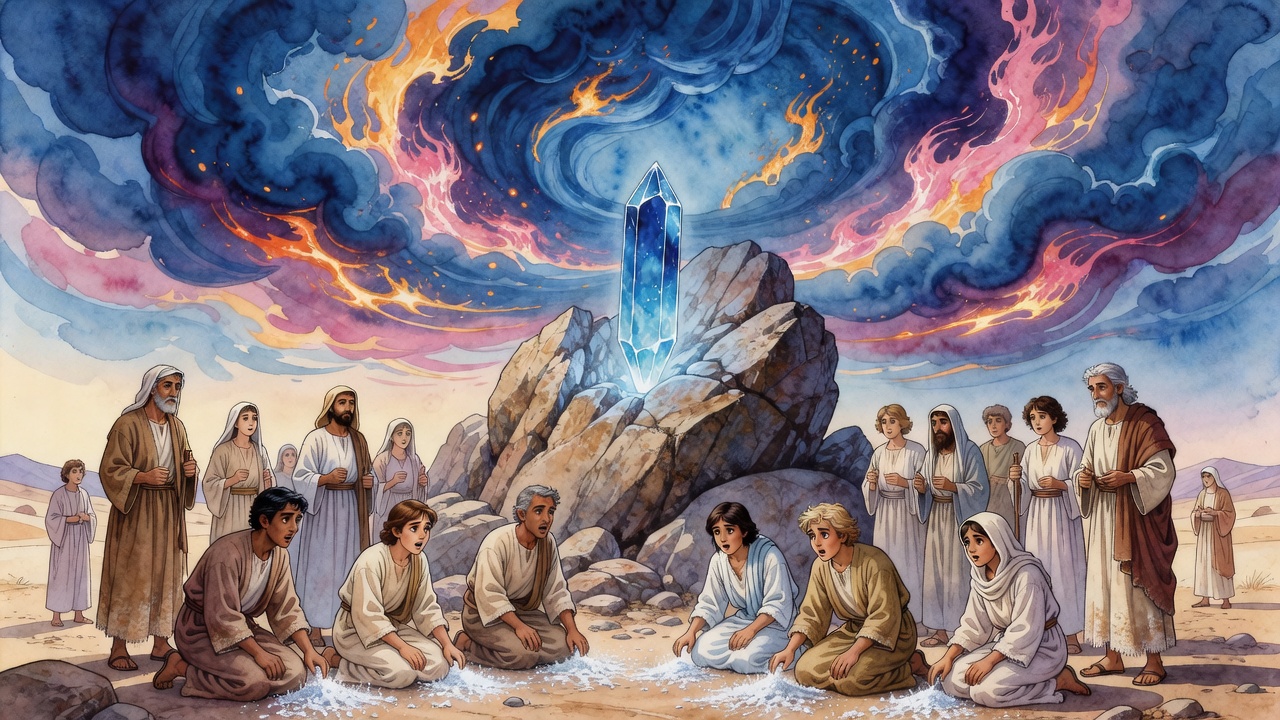
A tree stood there, ordinary enough to miss until the command made it strange. Moses took it and cast it into the spring. Wood struck water. Ripples spread across the face of Marah, thin circles moving through the bitterness as if the spring had been waiting for one exact touch.

The next handful did not bite the tongue. A woman drank and stopped shaking. A child reached with both hands. Men lowered skins into the water and watched them swell. The spring that had refused the camp now entered their bodies as life.

Some would remember the bitterness as brief, a sharp hour that passed when the tree fell in. Others would insist it had been bitter from the beginning, bitter in its source, bitter before any mouth accused it. Both memories kept the same fear. Some wounds arrive suddenly. Some have been waiting under the ground.

Mercy Held the Mountains

The prayer did not end at Marah. Once Israel had learned to place thirst, guilt, and hope in one cry, the words grew large enough for creation itself.

"Sovereign of the worlds," they said, "You completed heaven and earth, made them, created them, called them into being. Do not hold back mercy and chesed, steadfast kindness. If mercy stops, no creature can stand. If chesed is withheld, breath loses its lease."

Mountains looked permanent from far away. Hills seemed nailed into the earth. Israel had already seen walls of water rise and fall, so even stone could no longer boast. Let mountains depart. Let hills be moved. The world rests on kindness older than its rocks.

That prayer was larger than thirst, but it did not float above thirst. It came from throats that had just learned how quickly a miracle can turn into need. Creation was not a finished palace locked behind its maker. It was a tent held up each day by mercy.

The Land Waited Ahead

Beyond the desert, the Land of Israel waited without opening yet. Its hills were promise, not shelter. Its springs were still hidden from the feet that would need them. Between Marah and the land lay hunger, dust, law, rebellion, graves, manna, and years.

But a people who had tasted bitter water and lived carried a new argument on their tongue. Remember Your mercies from of old. Remember the kindness that stood before their tents, before their thirst, before the first footprint found the promised soil. The camp lifted its skins from Marah and walked on with sweetness sloshing at its side.


← All myths
From the tradition

Sources

4 sources

The texts this telling draws on, in full. Open a card to read inline, or expand it for a wider, quieter read.

Mekhilta Tractate Vayassa 1:18Mekhilta DeRabbi Yishmael

This teaching of the Mekhilta DeRabbi Yishmael sits at the bitter waters of Marah, three days after the splitting of the sea, where the people found water they could not drink. The verse says that Moses cried to the L-rd, and the L-rd showed him a tree, and he cast it into the waters, and the waters were sweetened (Exodus 15:25). The midrash reads the casting of the tree not only as a physical remedy but as an image of repentance.

One opinion holds that with this act Israel were imploring mercy and praying before their Father in heaven. The teaching draws an analogy from family life. As a son pleads and conducts himself carefully before his father, so were Israel pleading and guarding their conduct before their Father in heaven. They confessed openly, saying before Him, in the words the midrash places in their mouths, "L-rd of the universe, we sinned before You by caviling against You at the sea." The bitter water becomes the occasion for owning the complaint they had raised earlier.

The sages then dispute the timing of the miracle. Rabbi Yehoshua says the waters were bitter only for a short while and then were sweetened, so the bitterness was real but brief. Rabbi Eliezer Hamodai says the waters were bitter from the very beginning and remained so until the tree was cast in, and he anchors this in the wording of the verse, where the word for the waters is written twice. The doubling, in his reading, marks the bitter waters as a fixed condition that only the L-rd's intervention could change.

Full source
Pirkei DeRabbi Eliezer 18:3Pirkei DeRabbi Eliezer

Pirkei DeRabbi Eliezer, if you aren't familiar, is a fascinating early medieval text that retells and expands upon stories from the Torah. It's full of amazing imagery and profound insights.

In chapter 18, we find a powerful moment: Israel, representing the Jewish people, speaks directly to God.

What do they say? It’s a plea, a heartfelt acknowledgment of our dependence on divine grace. "Sovereign of the worlds!" Israel exclaims, "Thou didst complete the heavens and the earth… let not Thy mercy and loving-kindness be withheld." The heavens and the earth, everything around us, brought into being through God's creative power. But the creation isn't a one-time event, a set-it-and-forget-it kind of deal. No, according to this passage, the world's continued existence depends on God's ongoing mercy and loving-kindness, that constant flow of chesed (loving-kindness) that sustains everything.

Israel continues, "If Thou withholdest Thy mercy and loving-kindness we are unable to exist, because the world rests upon Thy mercy and loving-kindness." It’s a pretty stark statement, isn't it? We are utterly dependent. The world is utterly dependent.

It's not about being weak, though. It's about recognizing a fundamental truth: that our existence is a gift, a constant act of divine generosity.

To emphasize this point, the passage then quotes the prophet Isaiah: "For the mountains shall depart, and the hills be removed; but my kindness shall not depart from thee… saith the Lord that hath mercy on thee" (Isa. 54:10). Even if the seemingly most stable things in the world – mountains and hills – were to vanish, God's kindness will remain. That's quite a promise.

And it doesn't stop there. The passage also draws upon the Psalms: "Remember, O Lord, thy tender mercies and thy loving-kindnesses; for they have been ever of old" (Ps. 25:6). This is both a reminder and a request. Remember your past acts of mercy, God, because they are the foundation of our hope for the future.

So, what does this all mean for us today?

Perhaps it's an invitation to cultivate a greater sense of gratitude. To recognize that every breath we take, every moment we experience, is a gift. And maybe, just maybe, it's a call to action. If the world rests on God's mercy and loving-kindness, then we, as partners in creation, have a responsibility to embody those qualities in our own lives. To extend kindness, to show mercy, and to act with loving-kindness towards others, thereby helping to sustain the world, one small act at a time. Because, according to Pirkei DeRabbi Eliezer, the fate of the world might just depend on it.

Full source
Yalkut Shimoni on Torah 255:4Yalkut Shimoni on Torah

"And they came to Marah" (Exodus 15:23). Rabbi Yehoshua says: Israel came to three places at that time, as it is said, "And they came to Marah," and so forth. Rabbi Elazar of Modi'in says: They came only to one place. "And the people murmured" (Exodus 15:24). Rabbi Yehoshua says: Israel ought to have first taken counsel with the greatest among them, saying, "What shall we drink?" Instead they stood and spoke words of complaint against Moses. Rabbi Elazar of Modi'in says: Israel were accustomed to speaking words of complaint against Moses, and they spoke not against Moses alone, but rather against the Might [on high]. Therefore it is said, "saying, What shall we drink?"

Full source
Legends of the Jews 1:77Legends of the Jews

Real, desperate thirst in the desert. Then imagine spotting water! Relief washes over you, you rush to drink… and it’s bitter. Undrinkable. That’s what happened to the Israelites in the desert.

Can you imagine the collective groan? The Legend of the Jews, as retold by Ginzberg, paints a vivid picture of this moment. Their joy at seeing the springs turned to “keenest disappointment.” It wasn’t just physical discomfort. It was a spiritual blow.

It’s heartbreaking, isn't it? The text emphasizes that their grief wasn’t just for themselves, but for their children. Picture those little ones, begging for water, and their parents, helpless, tears streaming down their faces.

Then, something darker creeps in. Doubt. Some of the people, described as “thoughtless and fickle of faith,” began to murmur. They questioned God’s motives. Was the manna, the miraculous food, and the earlier acts of kindness just a setup for this even greater suffering?

They even went so far as to say that death by the sword would be preferable to dying of thirst. Powerful stuff. This wasn't just complaining; it was a profound questioning of their fate.

Now, this sentiment echoes a fascinating philosophical idea. These Israelites, in their despair, articulated a perspective on death. They argued that a quick, painless death is almost indistinguishable from immortality. It's the slow, agonizing death that truly terrifies us. "The dread lies not in being dead, but in dying," they cried.

This wasn't just about water. It was about faith, about suffering, and about the very nature of life and death. It's a reminder that even in moments of profound desperation, we confront the biggest questions of all. And it makes you wonder, doesn't it? When faced with unbearable hardship, where do you turn? And what do you believe?

Full source