Every Creature Bowed to Adam and Adam Refused It
In the first moments after creation, every animal prostrated itself before Adam as if he were their god. What Adam did next set the pattern for all worship.
Table of Contents
 Click for full size
The Animals Recognized Something Real
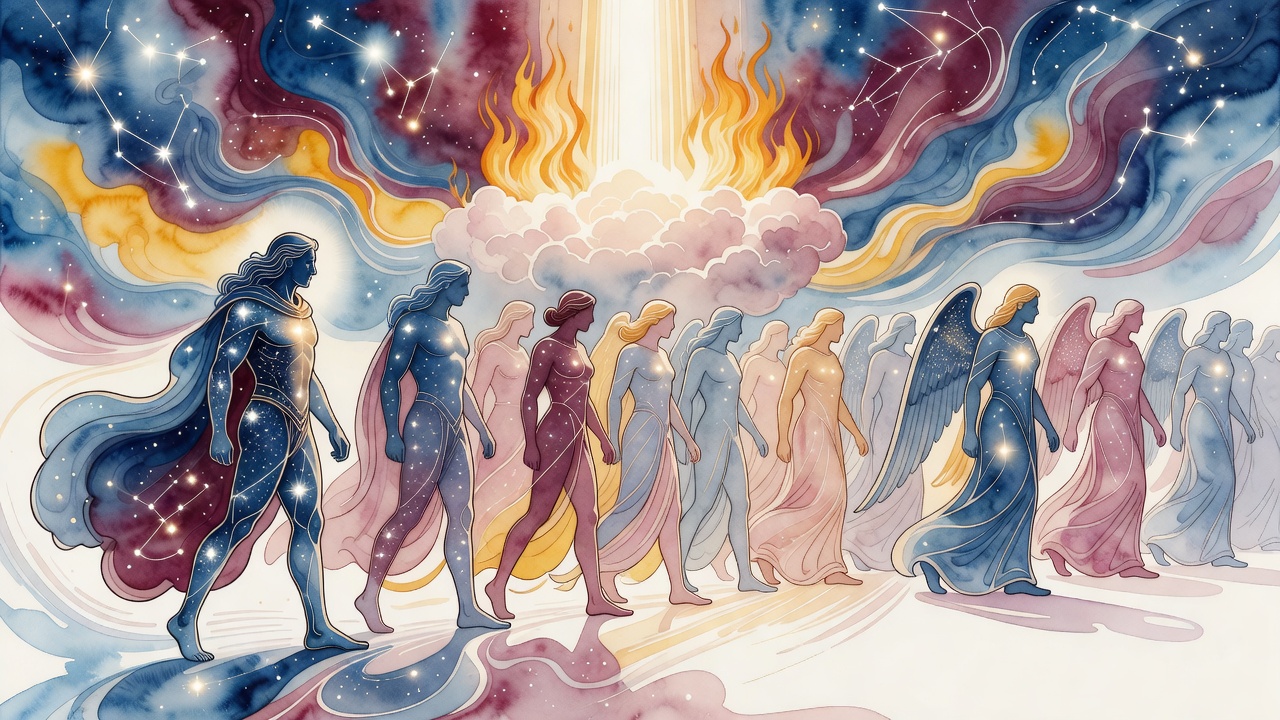
Adam was newly alive. The breath had just entered him. He had not yet named a single creature, had not yet spoken a word, had not yet understood what kind of world he was standing in. And every animal, every bird, every crawling thing came and bowed.
Pirkei DeRabbi Eliezer, the early medieval narrative midrash from Palestine, gives the scene without preamble. The creatures of the world saw the divine image in human form and responded to it. A true glory shone in him, and they bent toward it. Adam had been made last and placed at the summit of the created order. He had been given a speaking soul that no other creature possessed. The animals were not confused. They saw what was real.
Their error was subtler than confusion. They stopped with what they could see. The glory in Adam was real, but it was borrowed. It was not his own. It had been breathed into him by the One who made him, and what the animals were bowing toward, without knowing it, was not Adam but the One whose image Adam reflected. They reached the mirror and stopped, never looking for the face behind it.
Adam's First Act Was a Refusal
He did not accept the worship. Before he named anything, before he spoke to any creature, before he had done a single thing that would justify reverence, Adam turned the moment. He called out to the animals and told them what he knew, that the glory they were perceiving in him had a source, and that source was behind him, above him, the one who had just formed him from earth and breathed him into life.
Come, he said, according to the tradition, and let us bow before the Lord our maker. He made them join him. The first religious act in human history was not a sacrifice or a prayer. It was a redirection of worship that had already begun and was aimed at the wrong object. Adam became the first priest not by performing a rite but by refusing to stand in the place where the rite was being performed to him. He stepped down out of the place of the god and took his stand among the creatures, his own face turned with theirs toward the one above them all, so that the bowing that had ended at him now passed through him and continued upward.
The Worship That Had to Keep Going
Battei Midrashot preserves the song Adam sang on the Sabbath, the poem that would become Psalm 92. But the tradition surrounding that song notes that God questioned Adam about it: you sang to the Sabbath but not to the one who made the Sabbath. The same instinct that the animals had shown, stopping at the nearest glory, could rise again even in the one who had corrected it. Adam had turned the creatures from himself to his maker, yet he could still let his own praise come to rest on the day instead of its giver.
The redirection that Adam performed with the animals was not a single act done once and finished. It was a posture he had to hold for the length of his life, the constant work of refusing to let any glory become a final destination, and it did not always succeed. But in the first moment, at the first bow, it held.
The Sabbath and the First Song
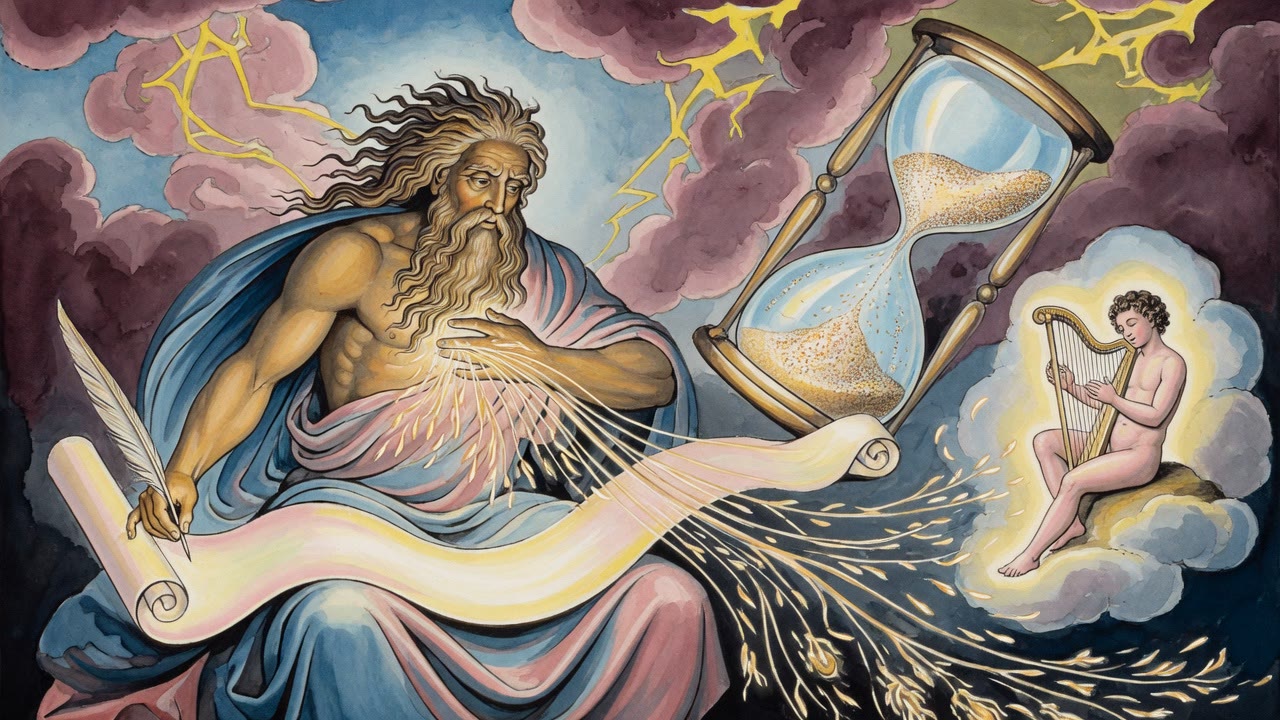
Adam was there for the first Sabbath. Midrash Tehillim records that David, centuries later, gave voice to what Adam experienced on that first evening when the work of creation was complete and everything rested. The psalm David wrote was not his own invention. It was the articulation of a moment that had never been properly recorded, the gratitude of the first human being at the end of the first week, standing in a world that had just been made and was already more than he could name.
The connection between Adam's redirection of the animals and the Sabbath song is thematic but also structural. Both are responses to what God made. The animals bowed to a creature; Adam turned the bow toward the Creator. The Sabbath arrived and Adam sang to the day; God asked where the song for the day's maker was. Again and again, in Adam's first hours, the same pattern returned: the glory in what God made is real, and it keeps pointing past itself, and Adam's task was to keep following the pointing until it reached its source.
← All myths