104 myths · Page 1 of 4
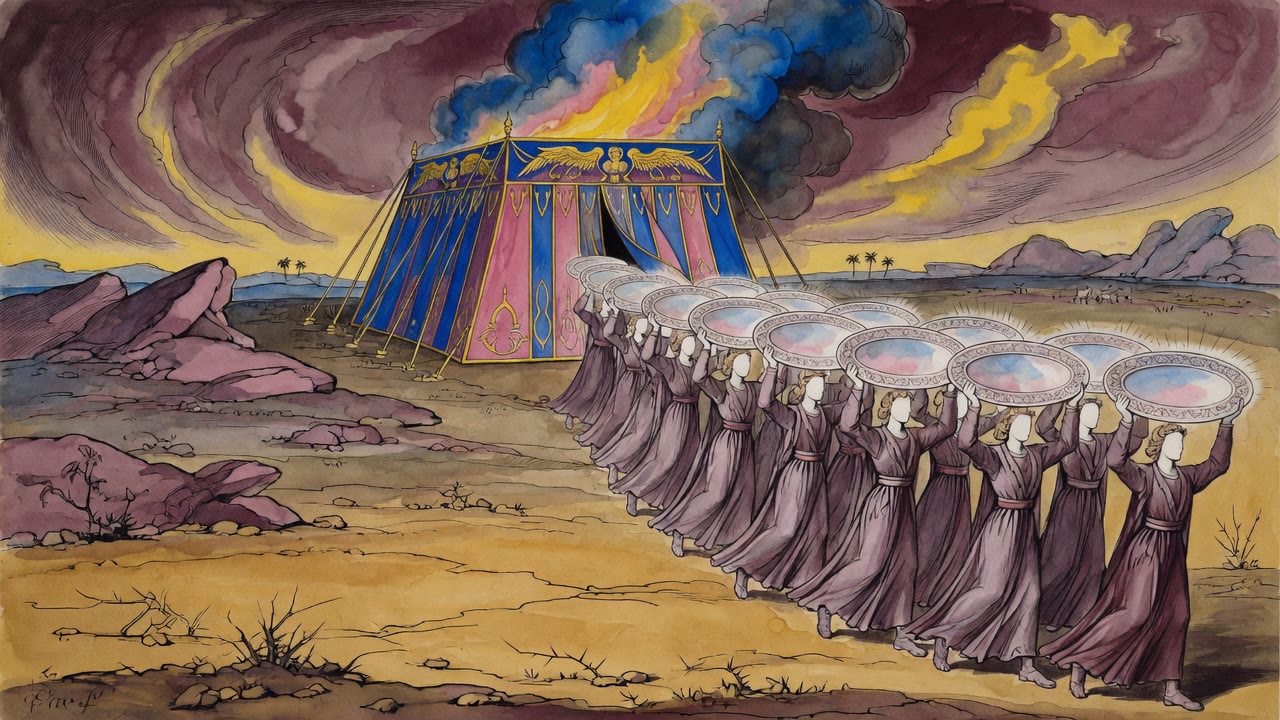
Twelve tribal princes walked toward the Tabernacle, each carrying a silver plate, a silver bowl, a gold spoon. None weighed a feather more than another.
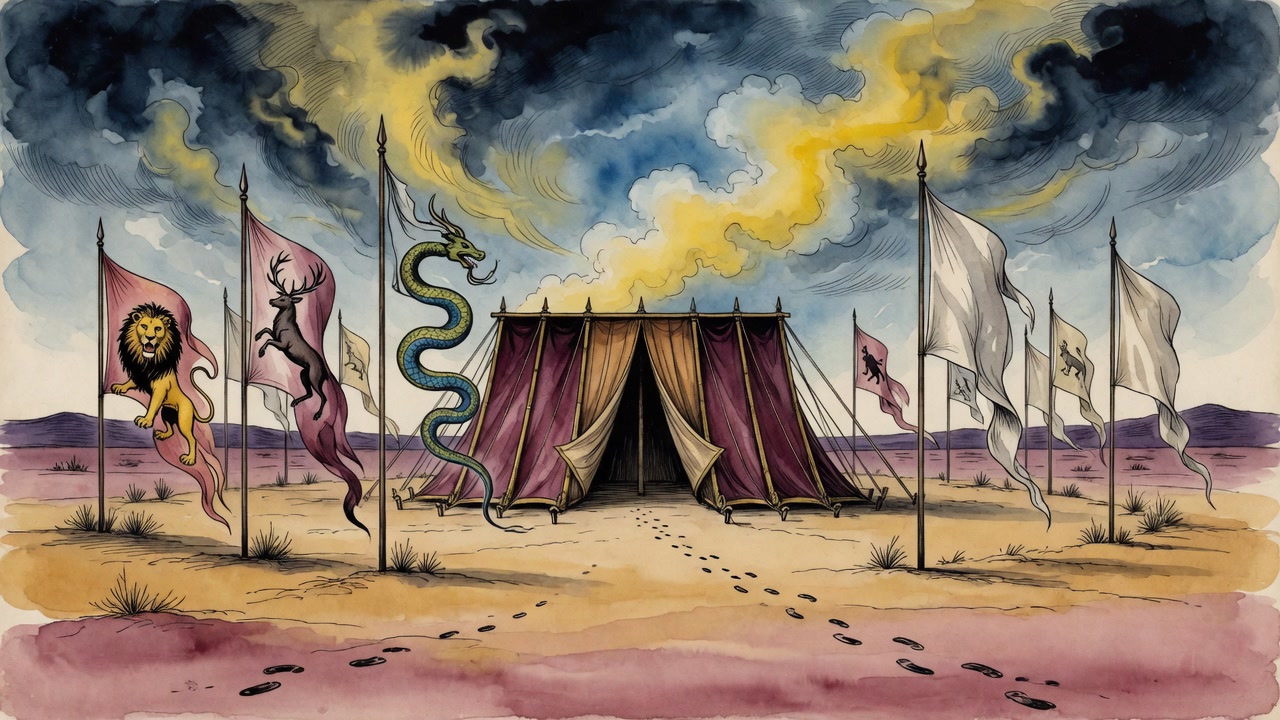
A lion on blue silk, a stag where an ox should stand, and a serpent to the north. Israel raised twelve banners and turned the wilderness into a map of heaven.
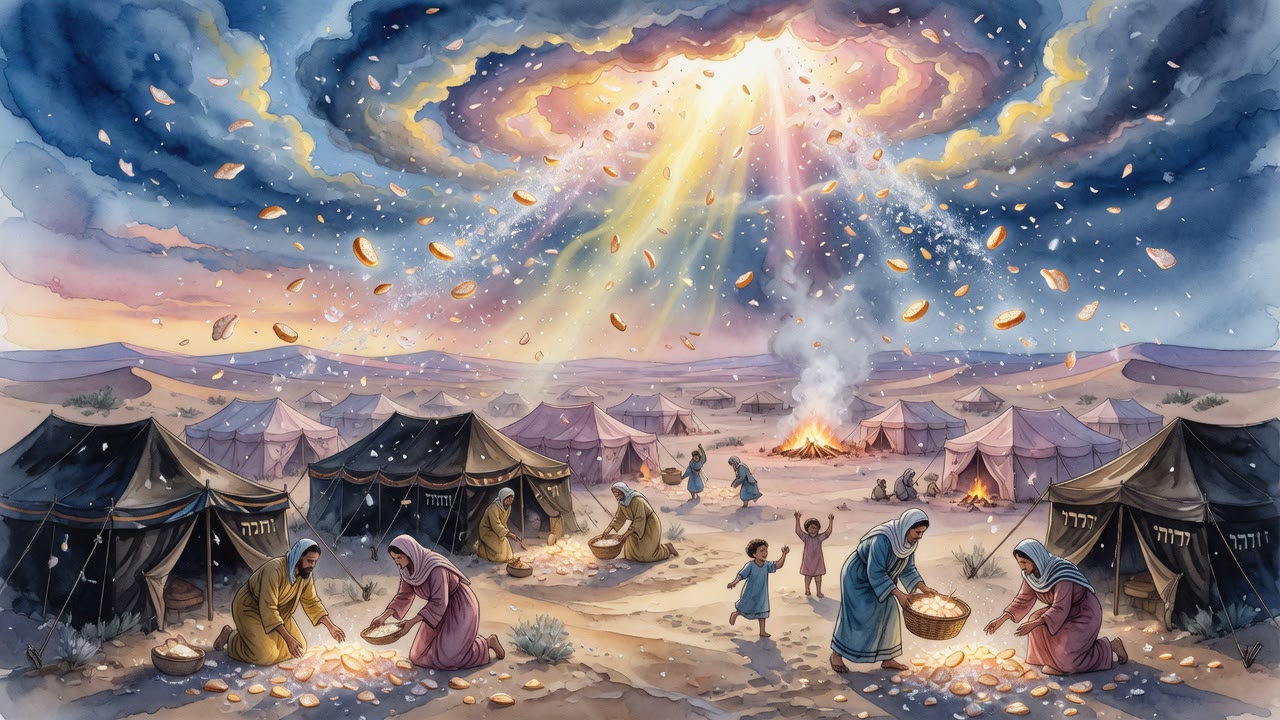
Moses said leave none until morning. One household hid a jar anyway. Dawn found worms first, then rot, which is the wrong order for ordinary bread.
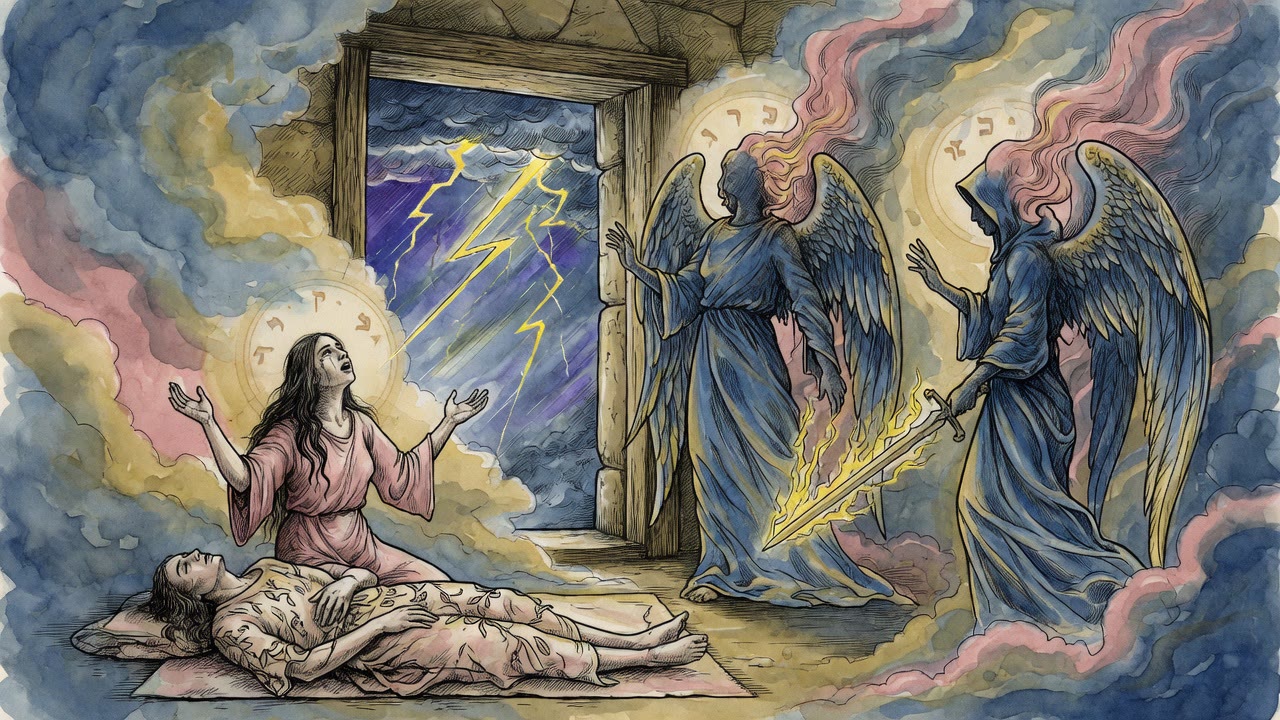
Eve stands outside the gate of paradise begging heaven for relief while Adam lies dying inside and two angels keep watch at the door.
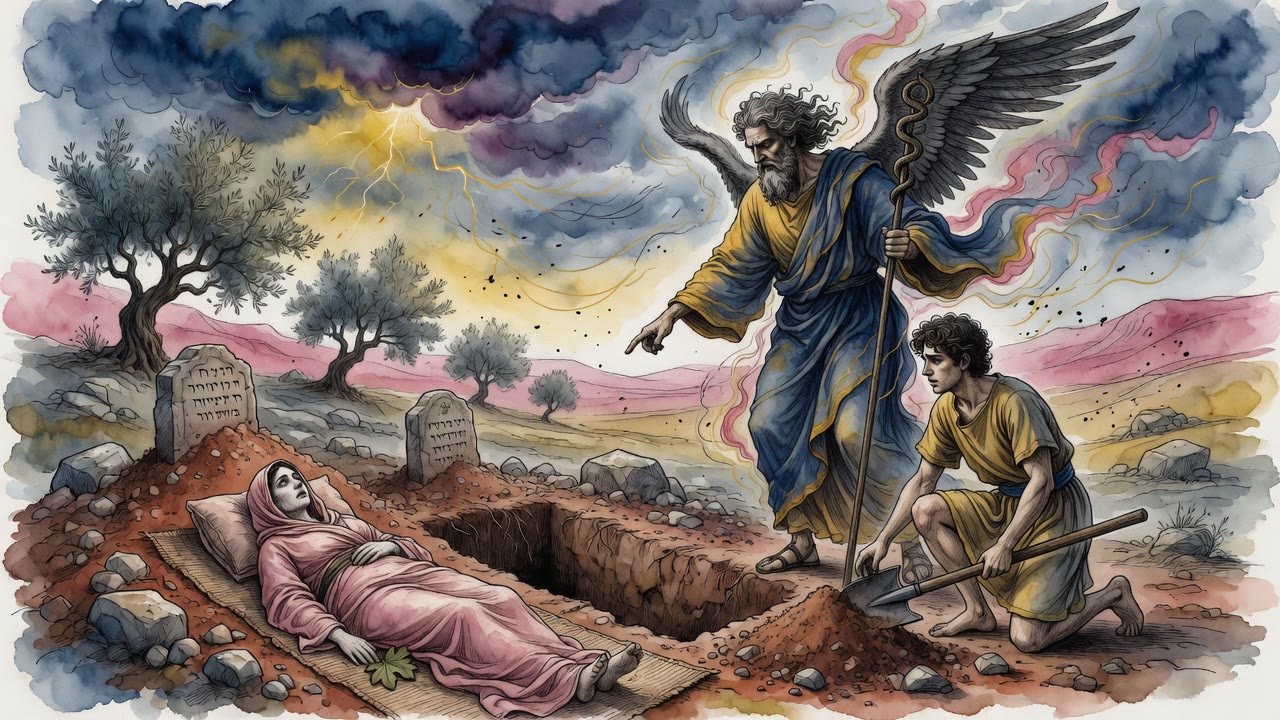
Eve begged to lie beside Adam, but only Seth had seen the grave. So an archangel came down to teach the first burial.
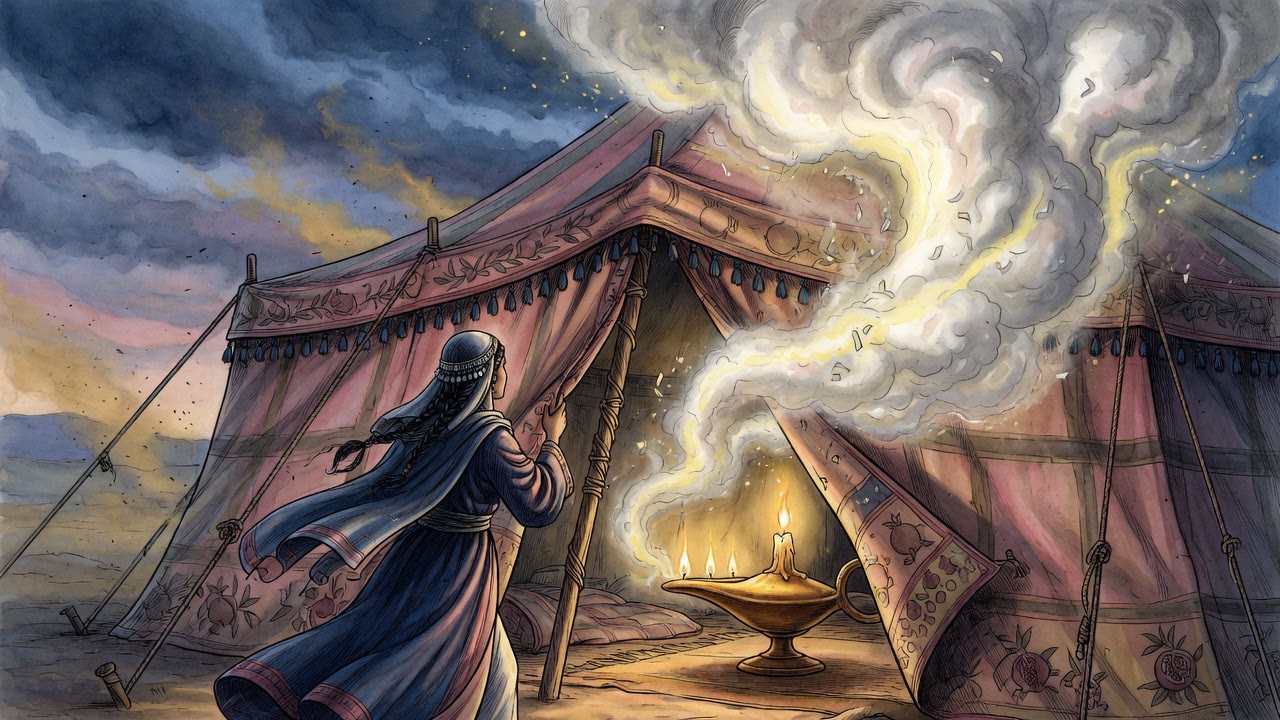
Sarah's tent had gone dark and empty. Then Isaac led Rebekah inside, and the cloud returned, the candle relit, the bread rose.
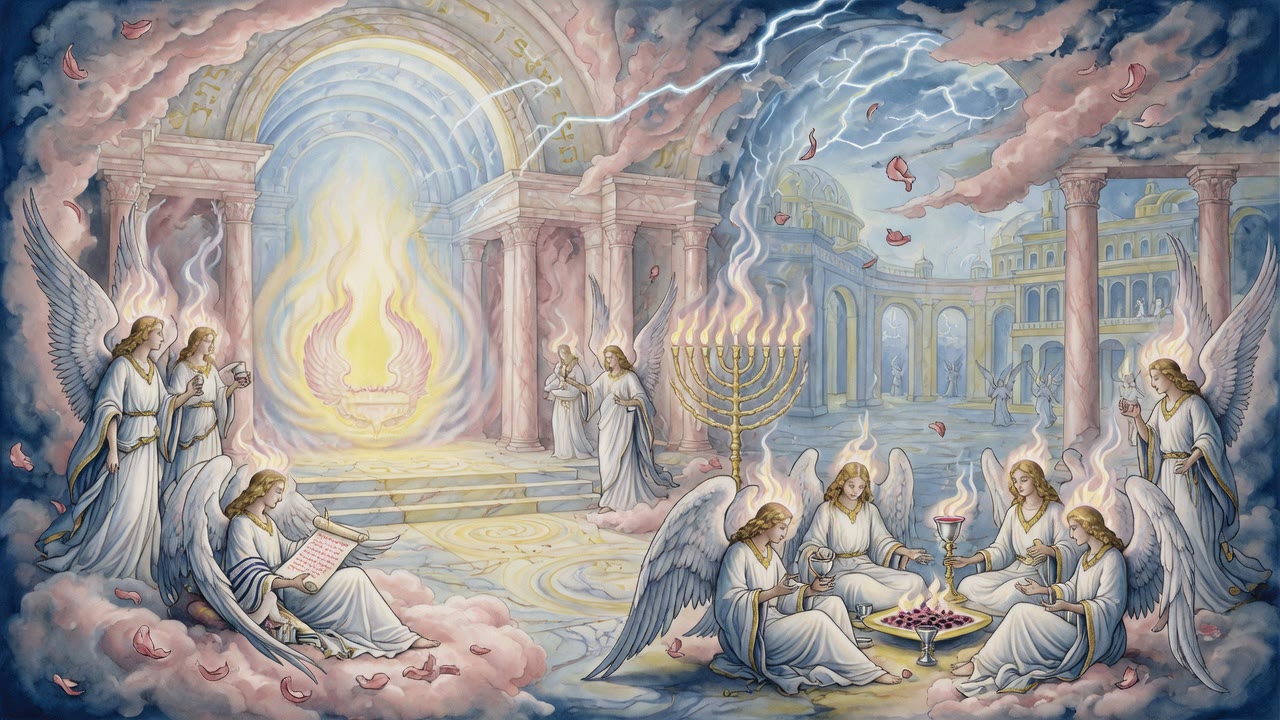
An overseer and four seraphim walked the Sabbath tables. Joy bought shelter from the River of Fire. A still face bought the river itself.
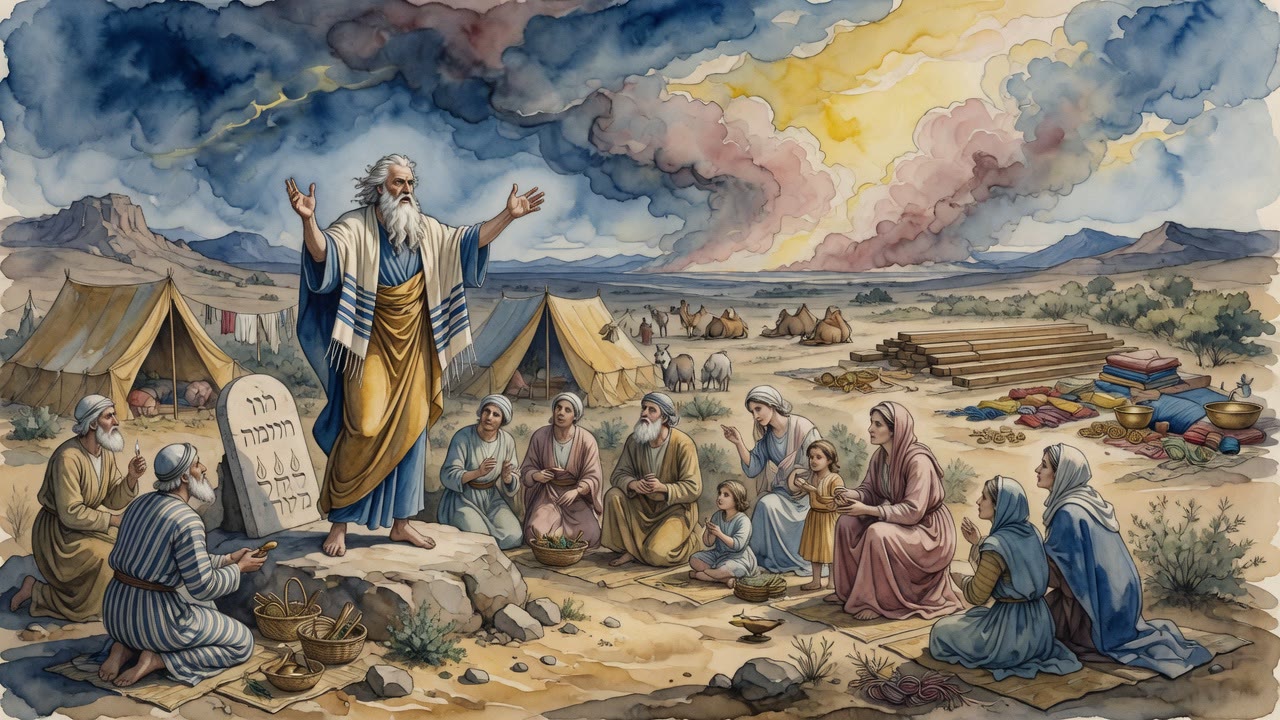
The gold was donated and the craftsmen were ready. Moses stopped the entire assembly first to teach them one rule that overrode everything else.
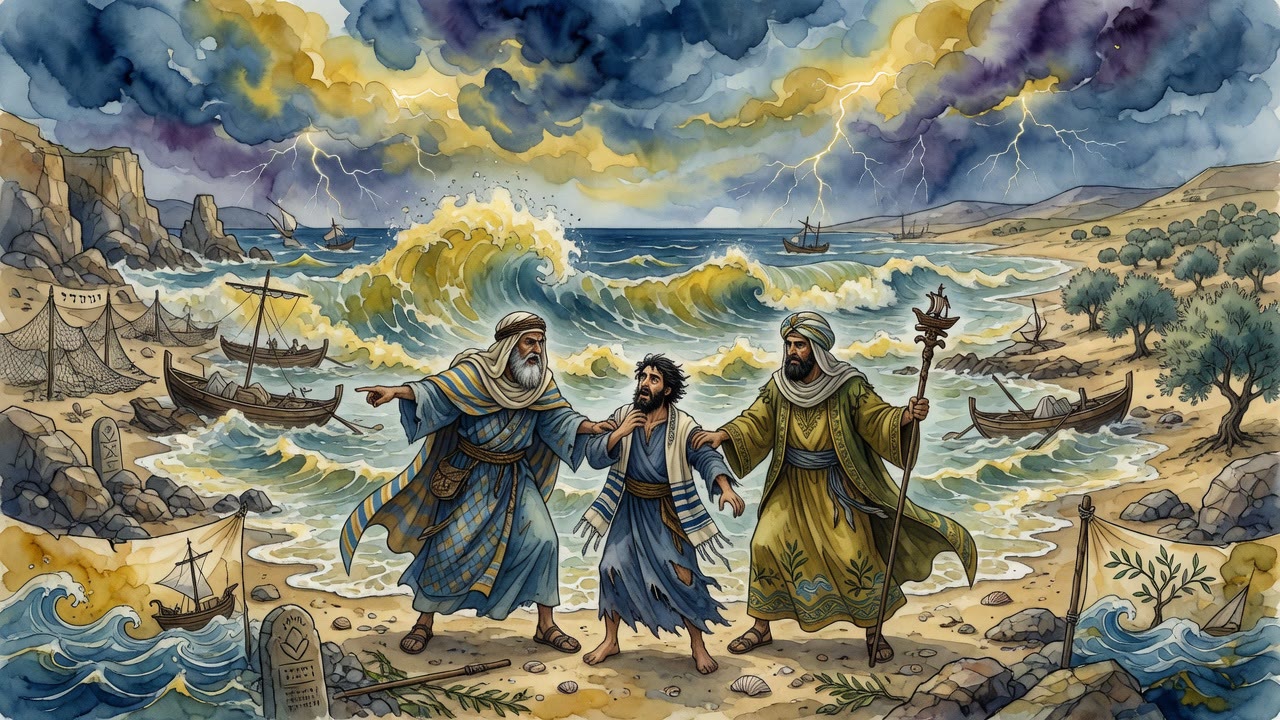
Two sela paid Rabbi Levi to hold the hall until the master arrived. He used the hour to put Jonah on Zebulun's shore.
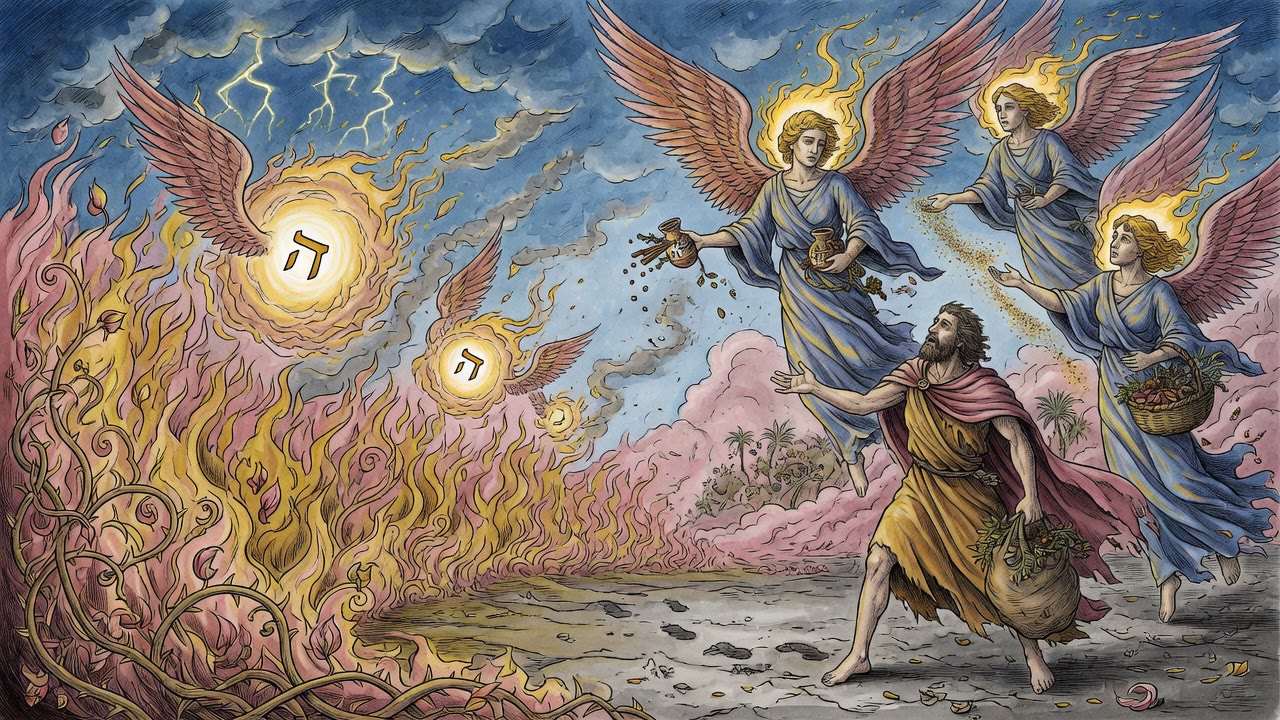
Driven from the Garden in the twelfth hour, Adam wept and begged the angels for one thing before the gates closed: spices, so he could still pray.
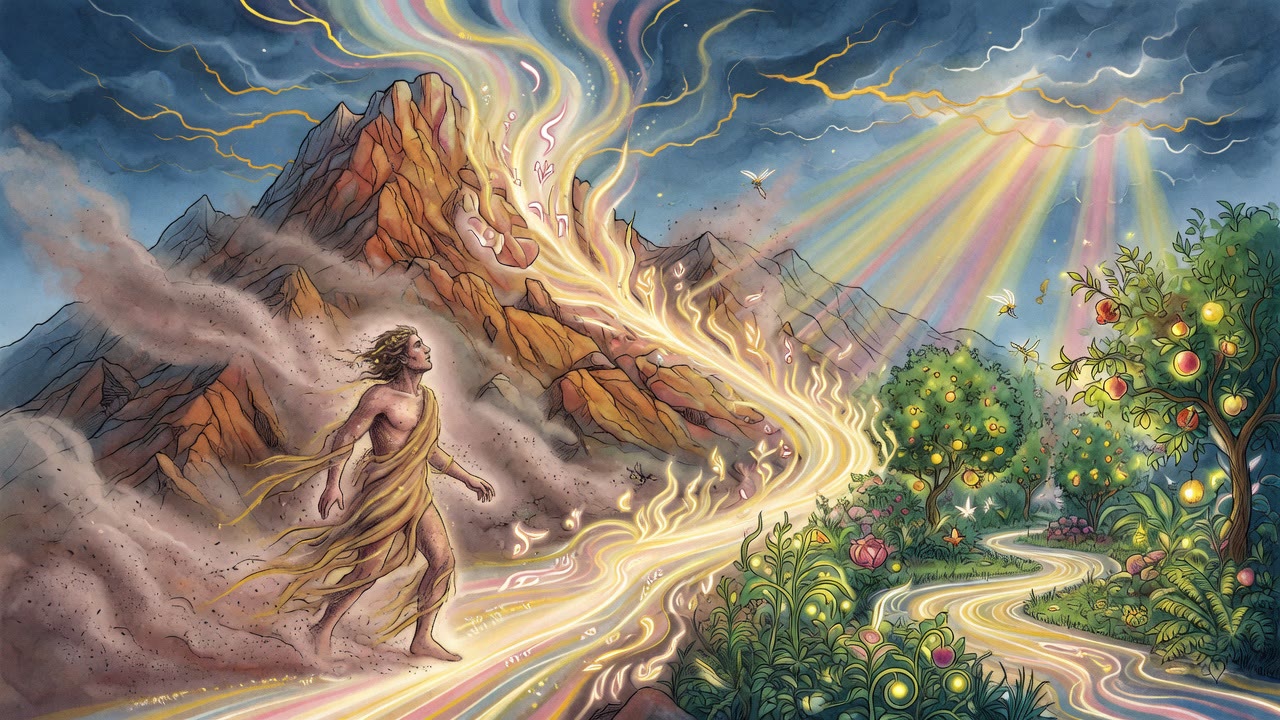
Angels brought Adam his meat and his wine. Animals ate out of his hand and understood every word he said. All of it ran backward in a single afternoon.
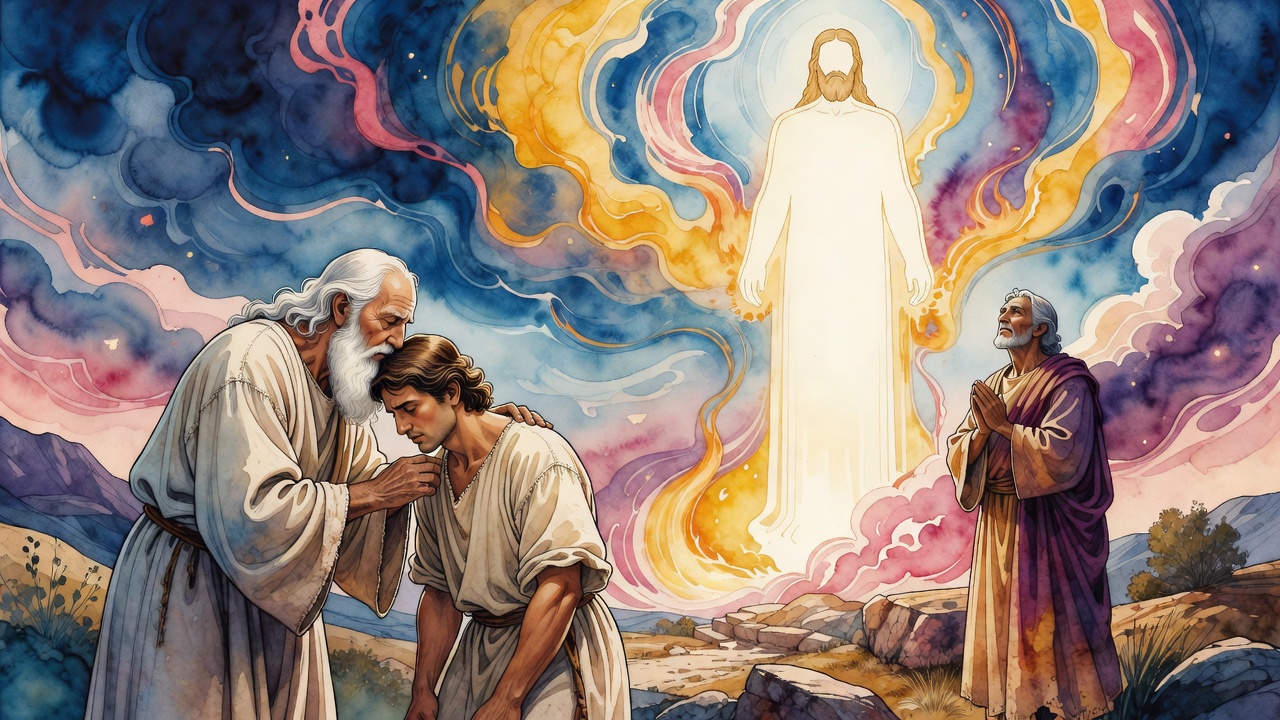
Abraham blessed Jacob and died that night. Later Jacob found the Shekhinah, the Divine Presence, waiting at Bethel, and night prayer became law.
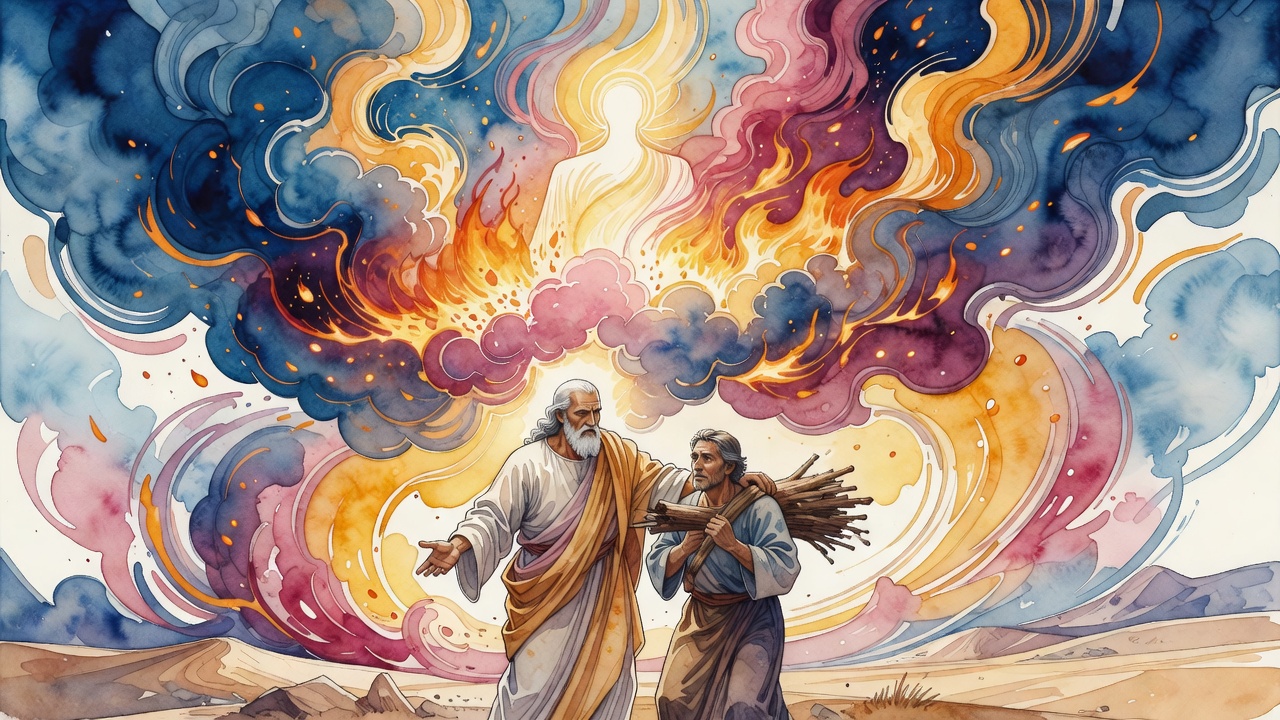
The man gathered sticks on the Sabbath and Moses held him, because even Sinai had not named the death. He said he had not heard.
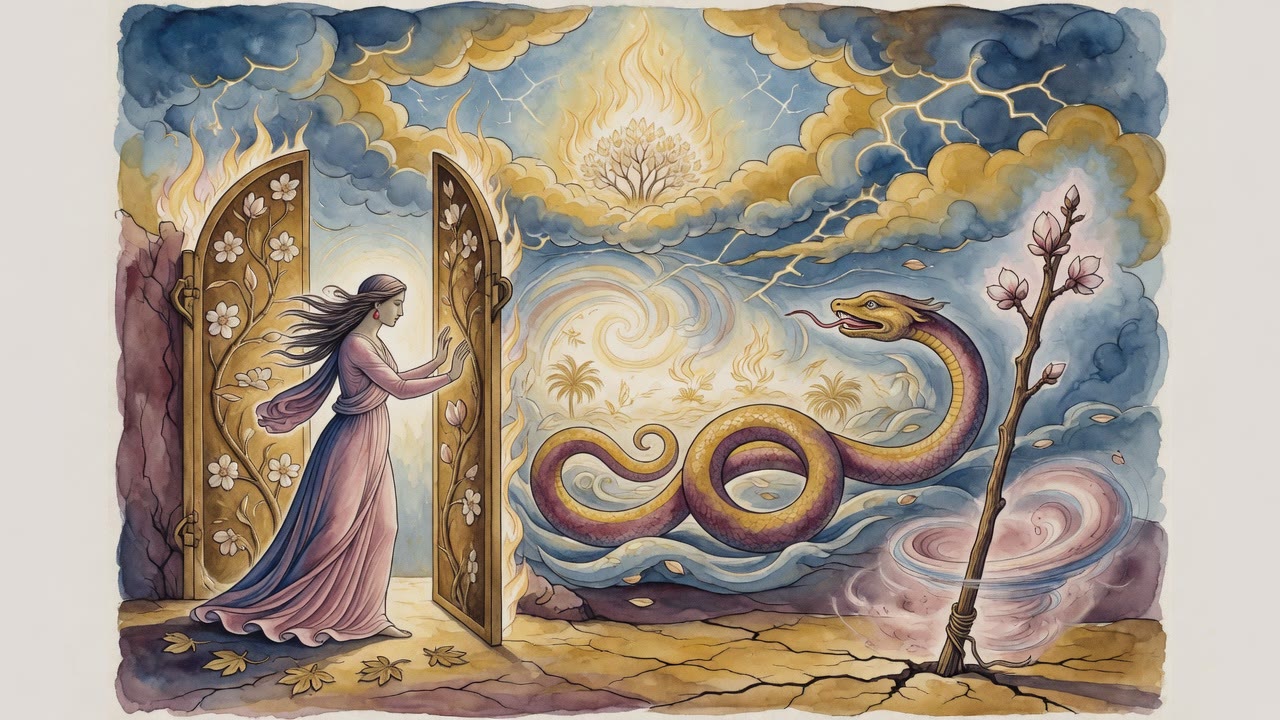
Eve opened the gate of Paradise for a lying serpent; in that same final hour, the staff that would split the sea entered the world.
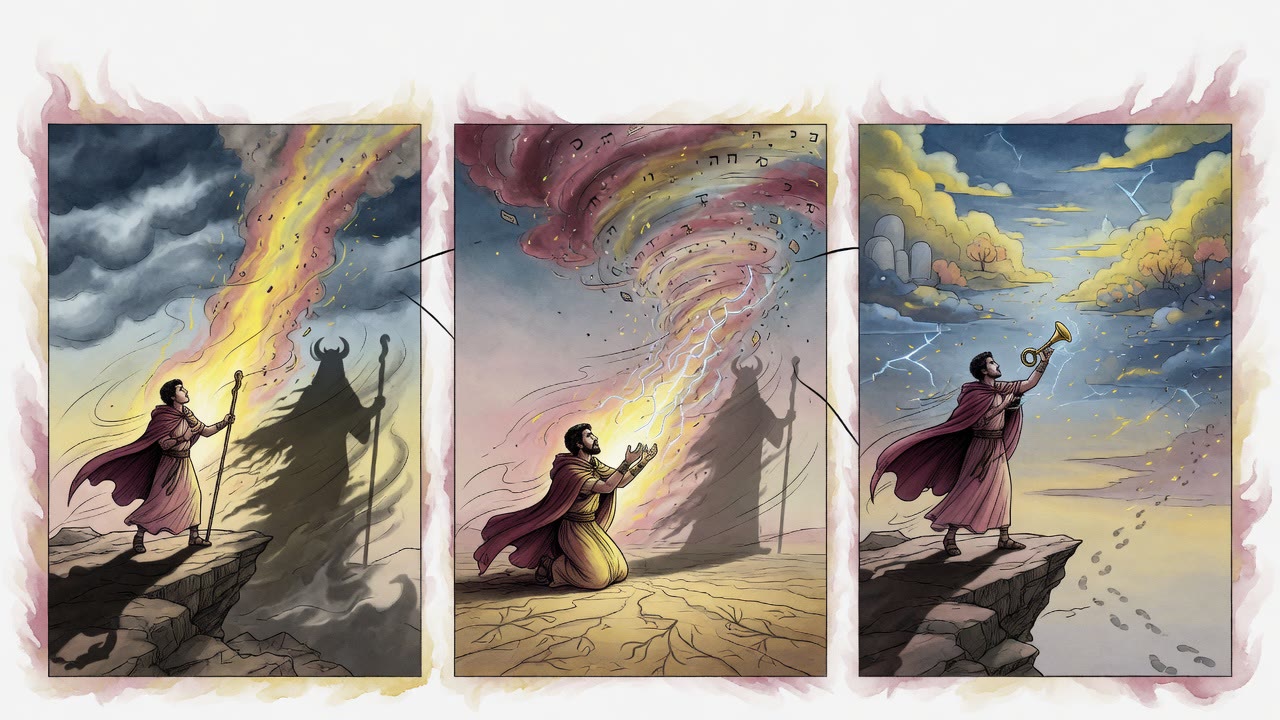
The sun refused Joshua's command at Gibeon, insisting it was older than any man. Joshua answered it, and the sun stood still.
The Book of Jubilees records God's declaration that one nation would keep the Sabbath. The choice was made at creation, long before Jacob was born.
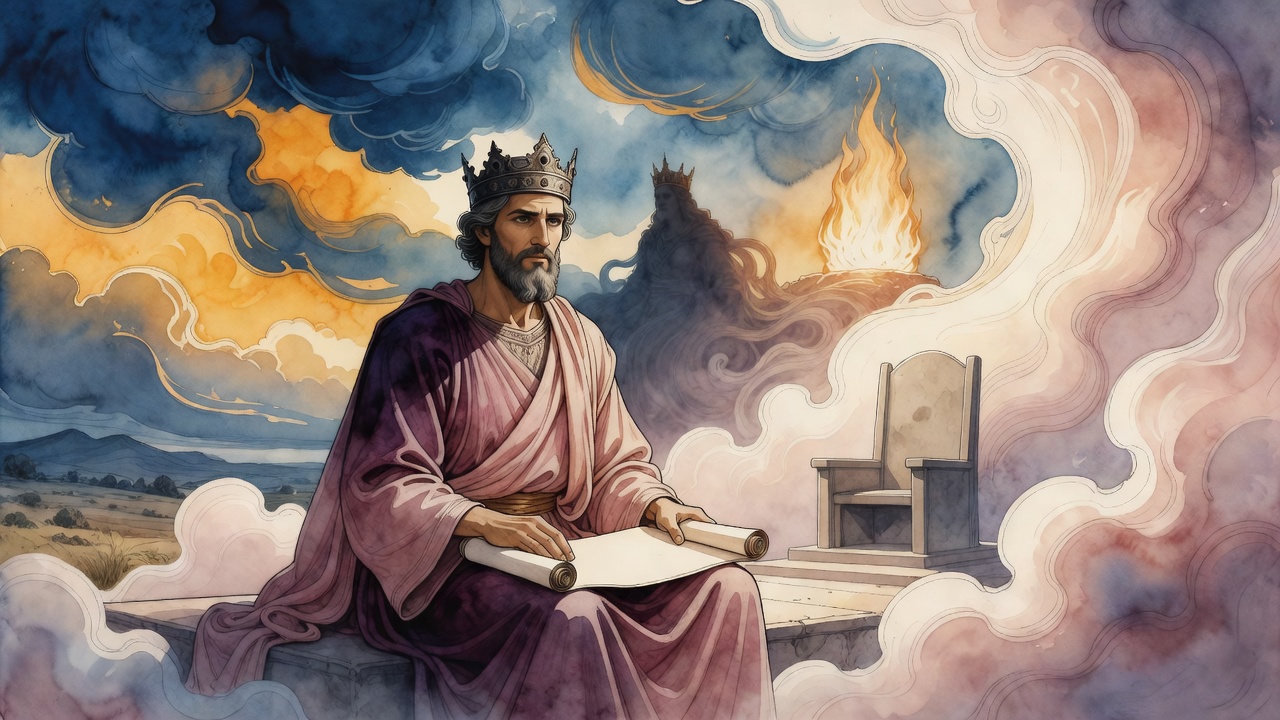
At twenty-seven they put a crown on him he had not asked for. He kept Shabbat in that court for forty years, and he would not take the queen.
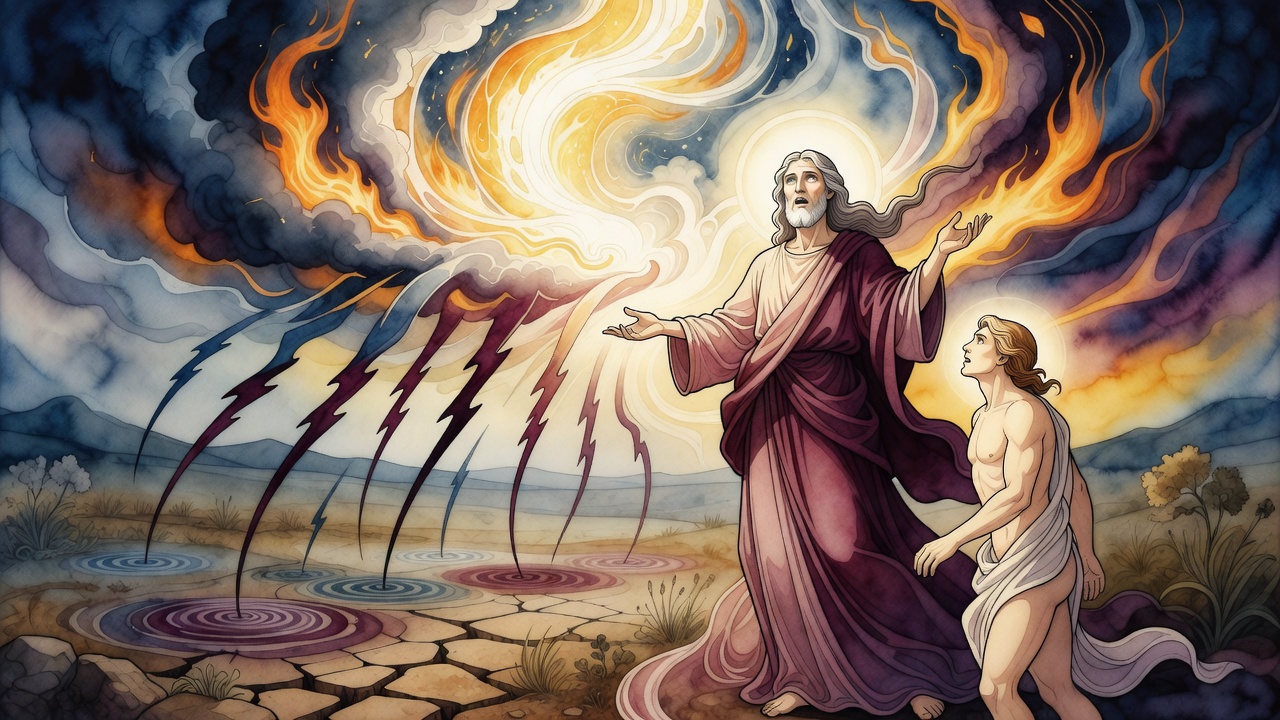
Before Adam was cursed and expelled, Shabbat stepped forward and argued against the first death. Then nine curses fell, and the silent earth received one too.
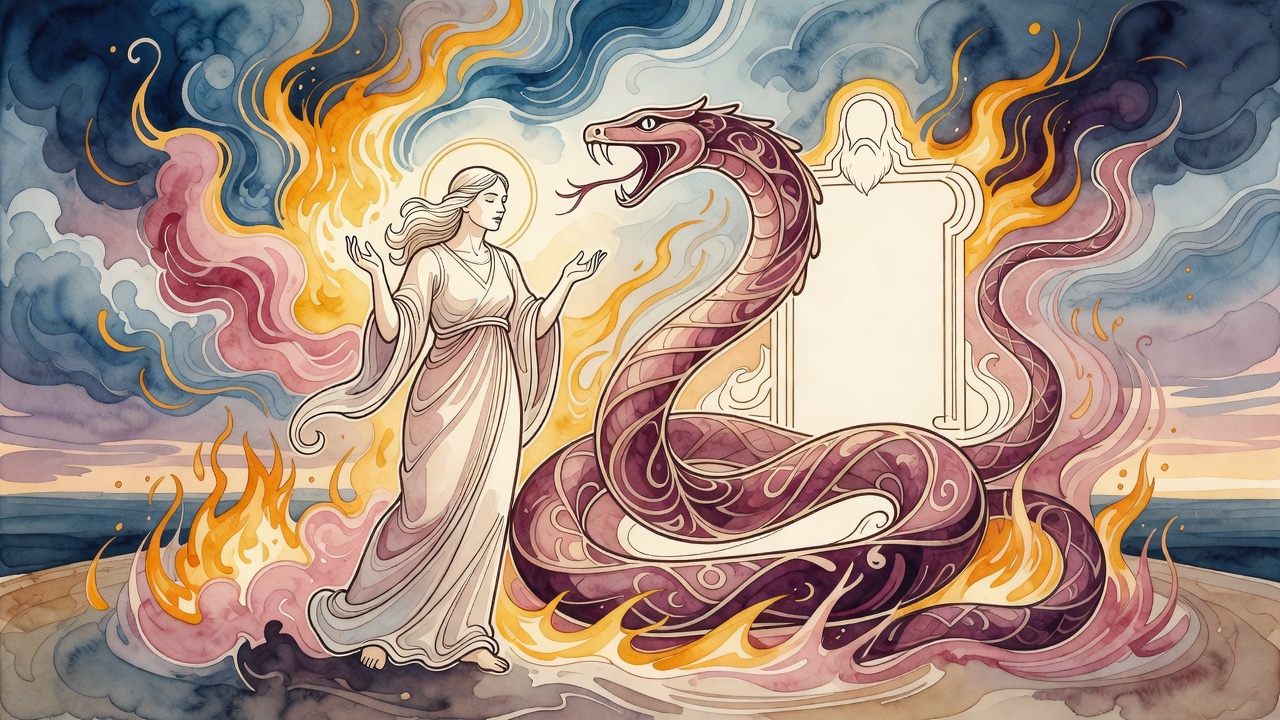
Adam's first Sabbath Eve began with expulsion at twilight. Hours before, the serpent wrapped one truth inside its lie and Eve could not find the seam.
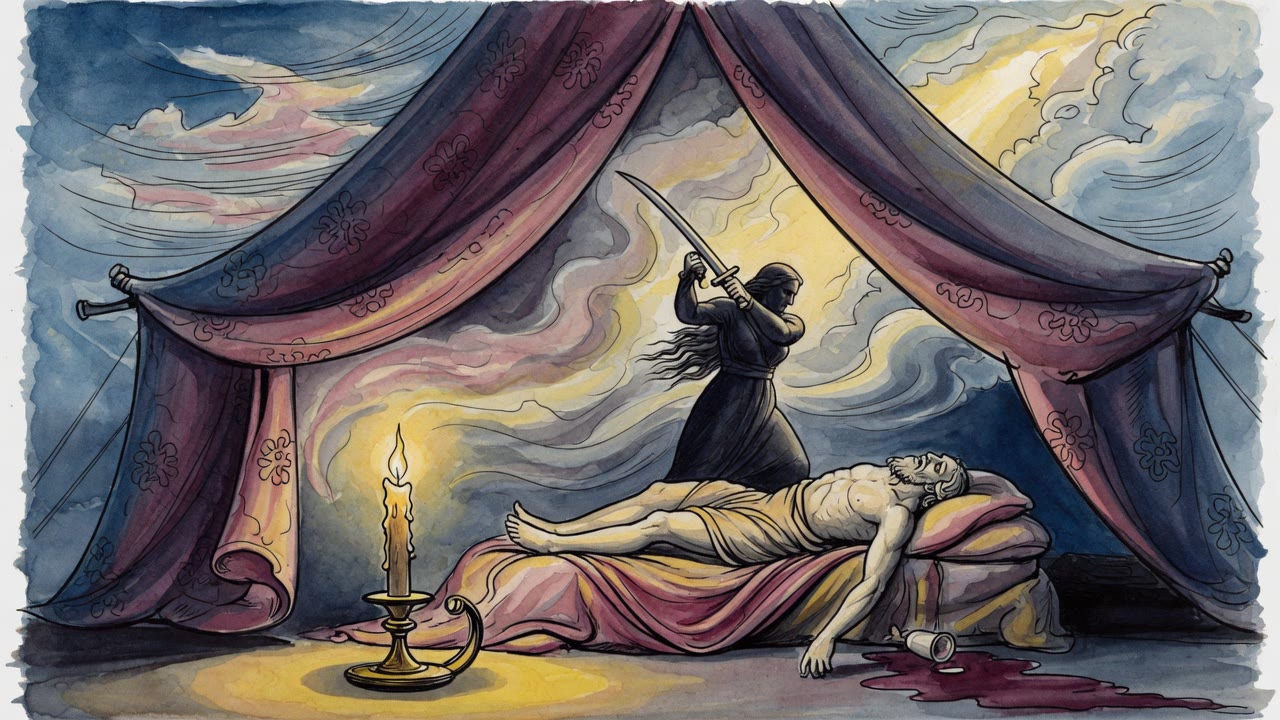
Bagoas shut the tent from the outside and went to bed. The general who had swept the known world lay drunk, his sword hanging from the bedpost.
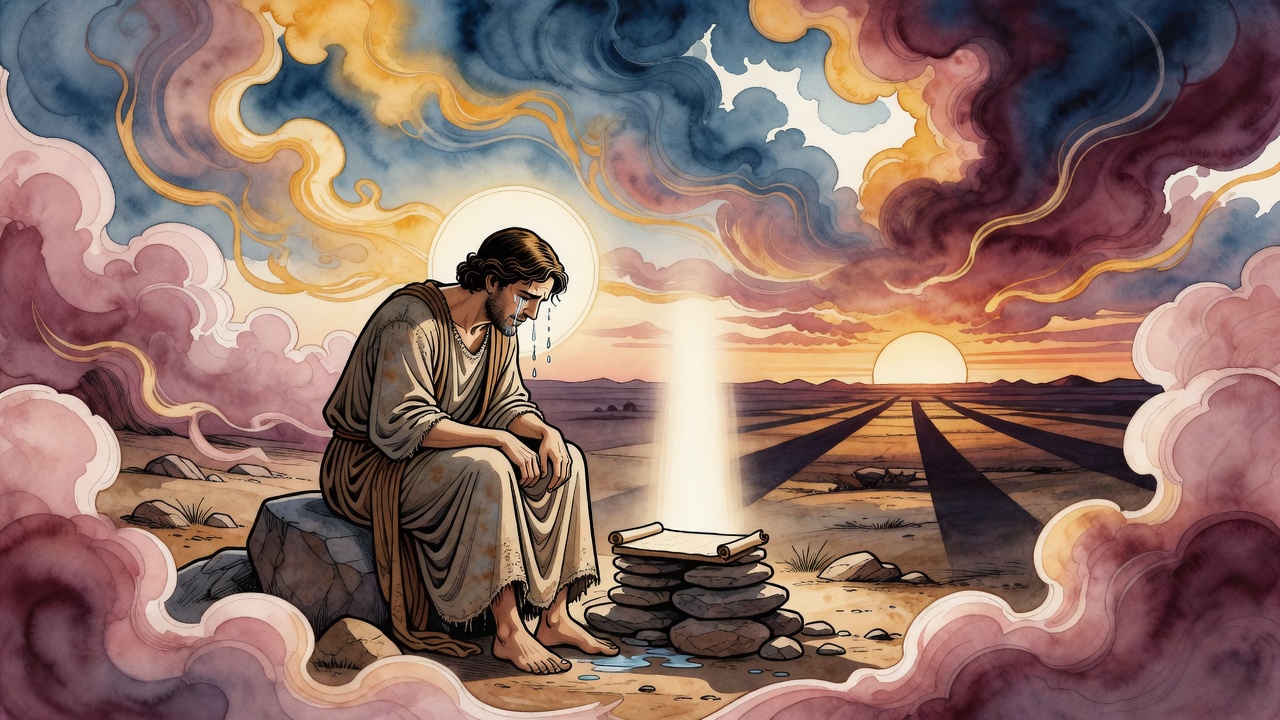
Eve sat facing him on the dark ground and wept because he was weeping. Neither of them knew that mornings existed until the hills went gray.
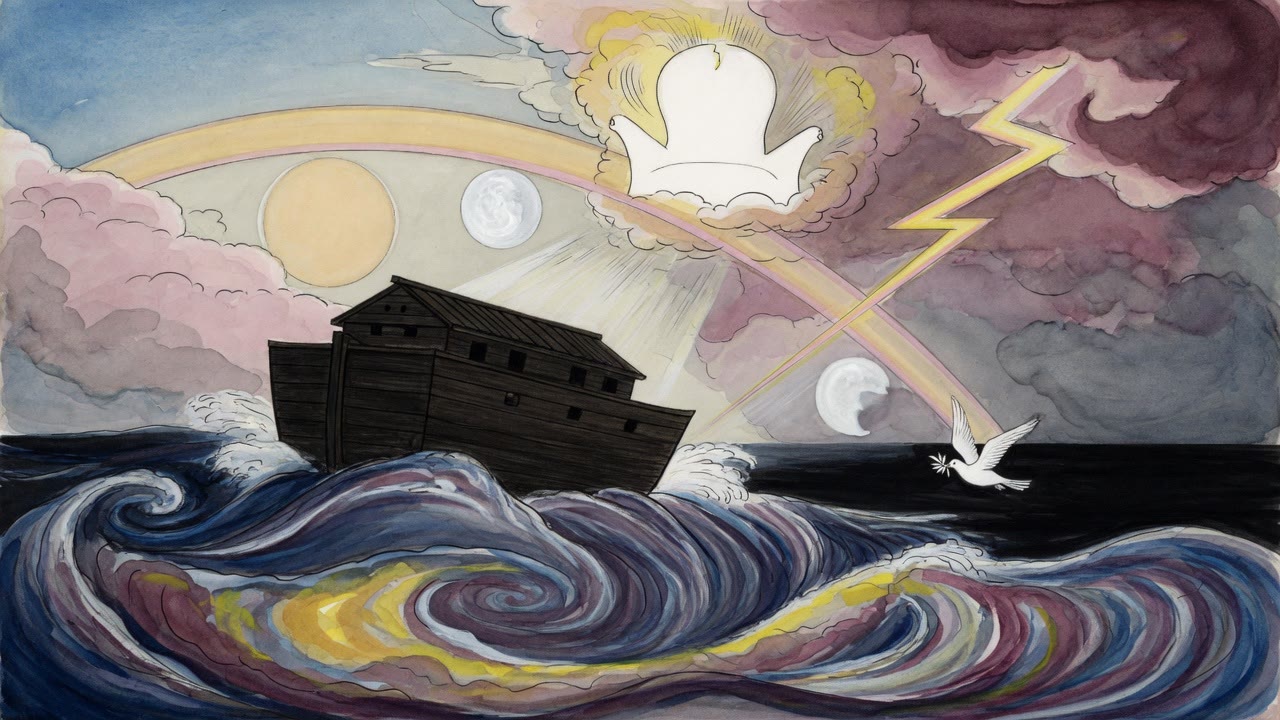
The flood lasted a precise solar year. Inside the ark, Noah tracked every day and dove flight. He was not just surviving. He was keeping time for the world.
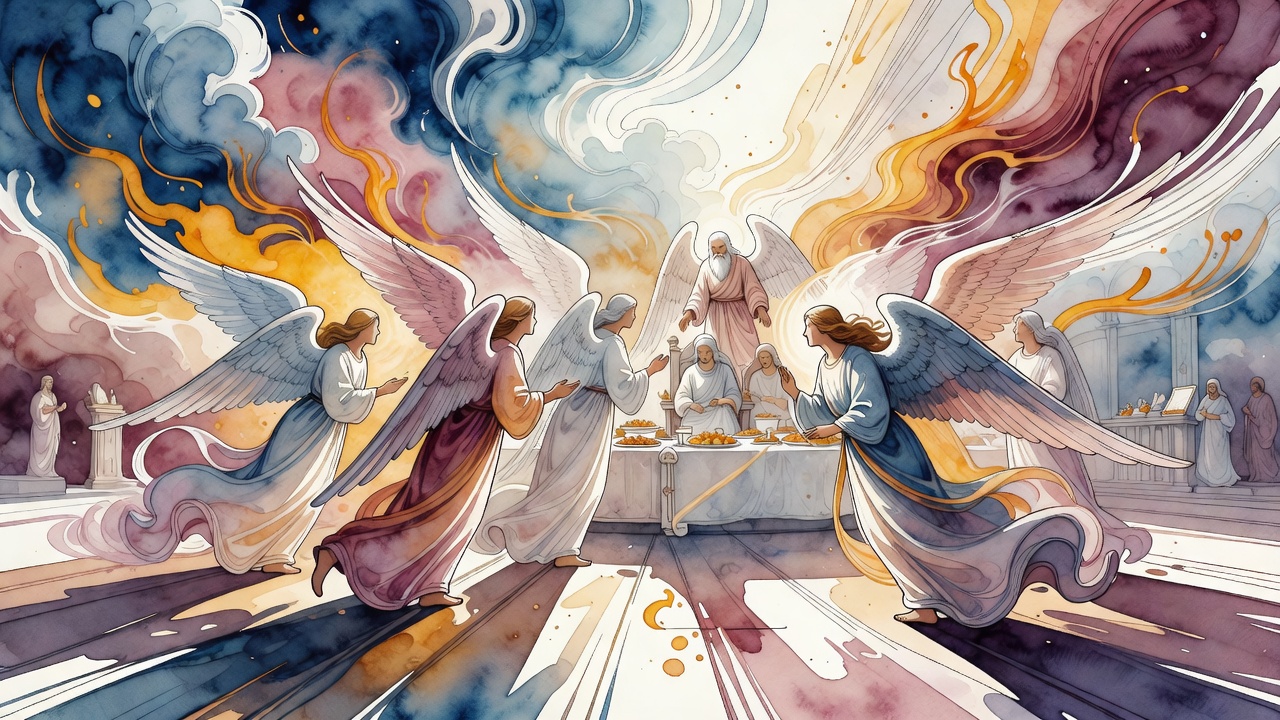
The wine sat in gold cups taken from Jerusalem. Mordecai fasted six days, then ate on the Sabbath. That was when the names arrived.
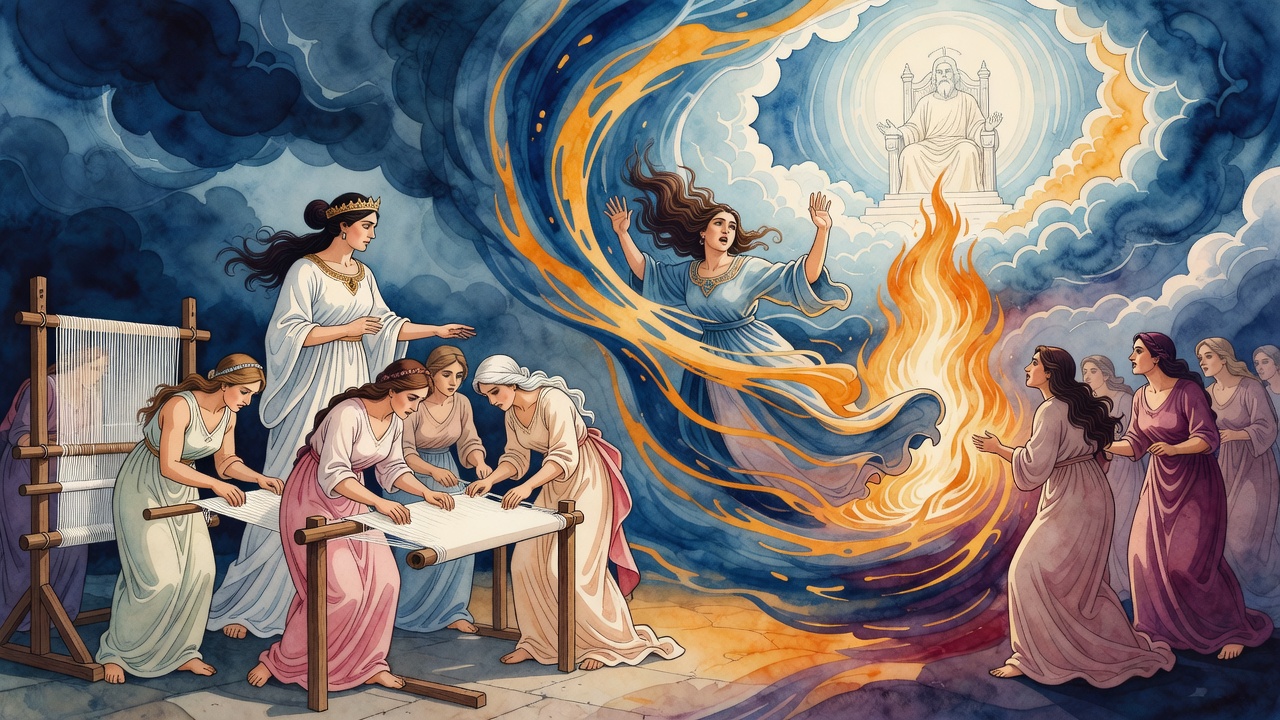
Every Sabbath Vashti stripped Jewish women and forced them to weave. When her own humiliation came, it came on the seventh day.
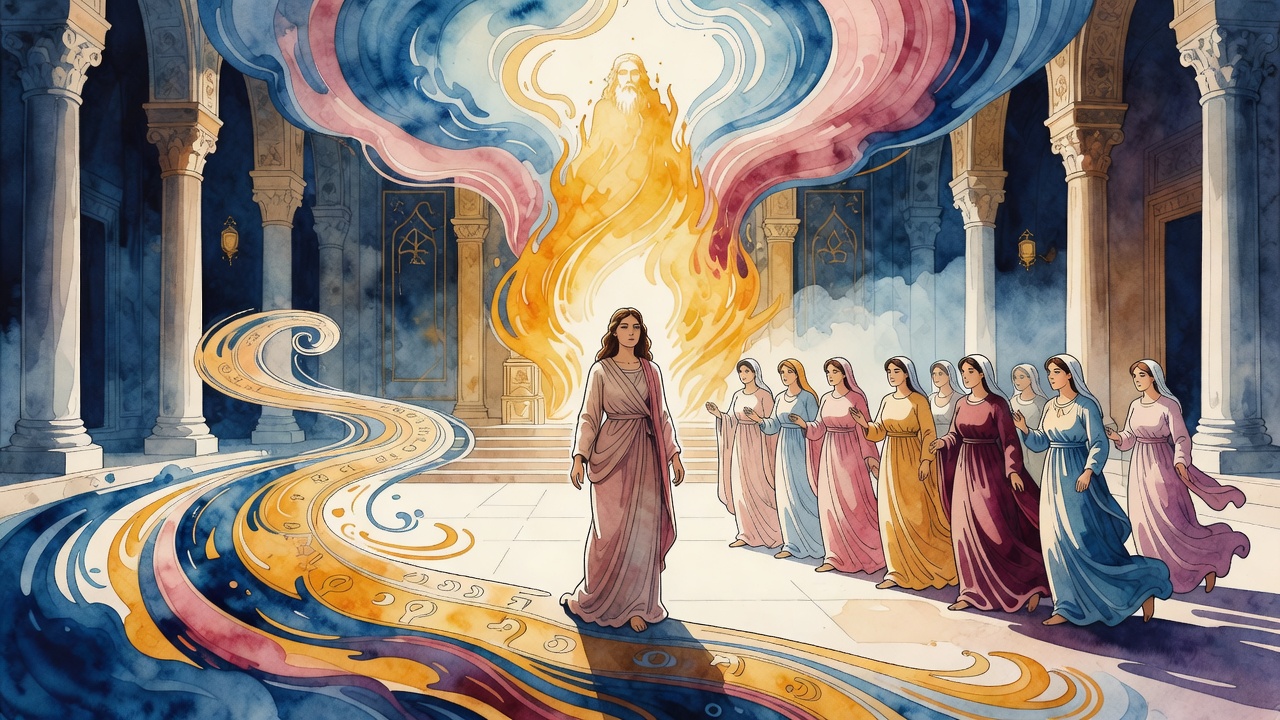
Hegai gave her seven attendants and Esther gave them names. Nobody in the palace heard anything strange in them. She was counting to the Sabbath.
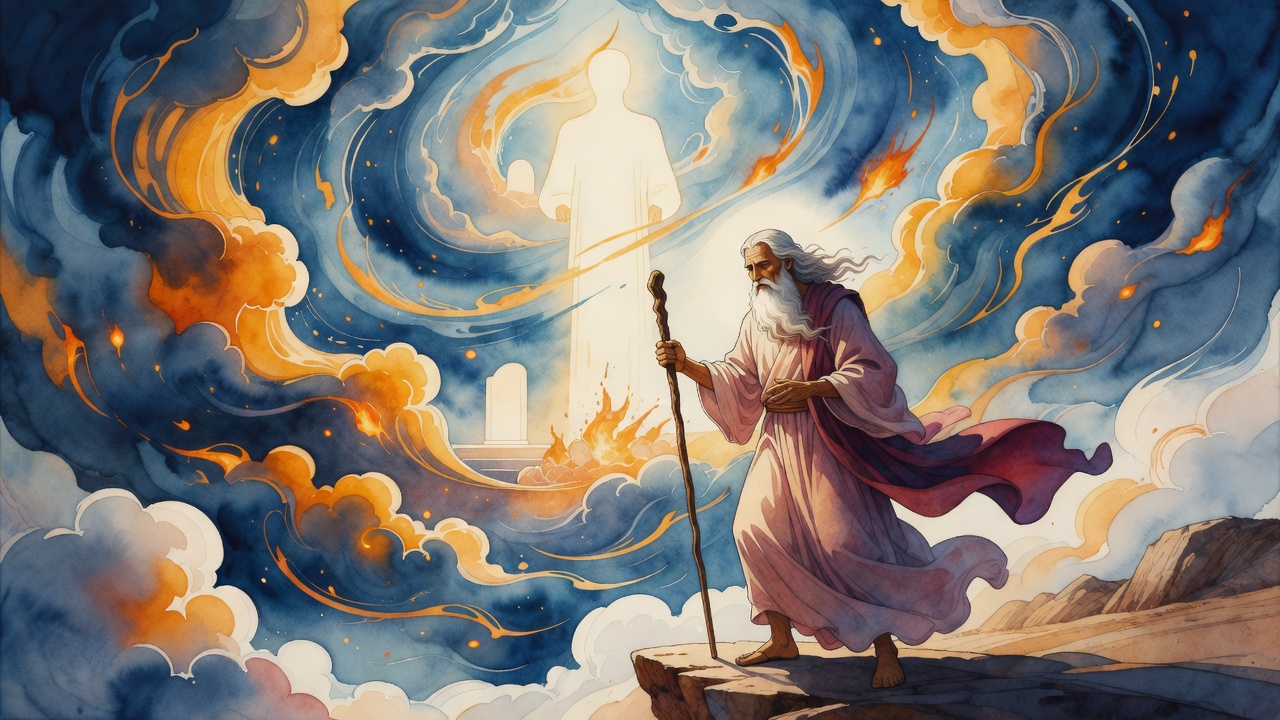
God told him to make the lampstand and Moses could not do it. God built a model out of four fires. Moses looked at it and still could not do it.
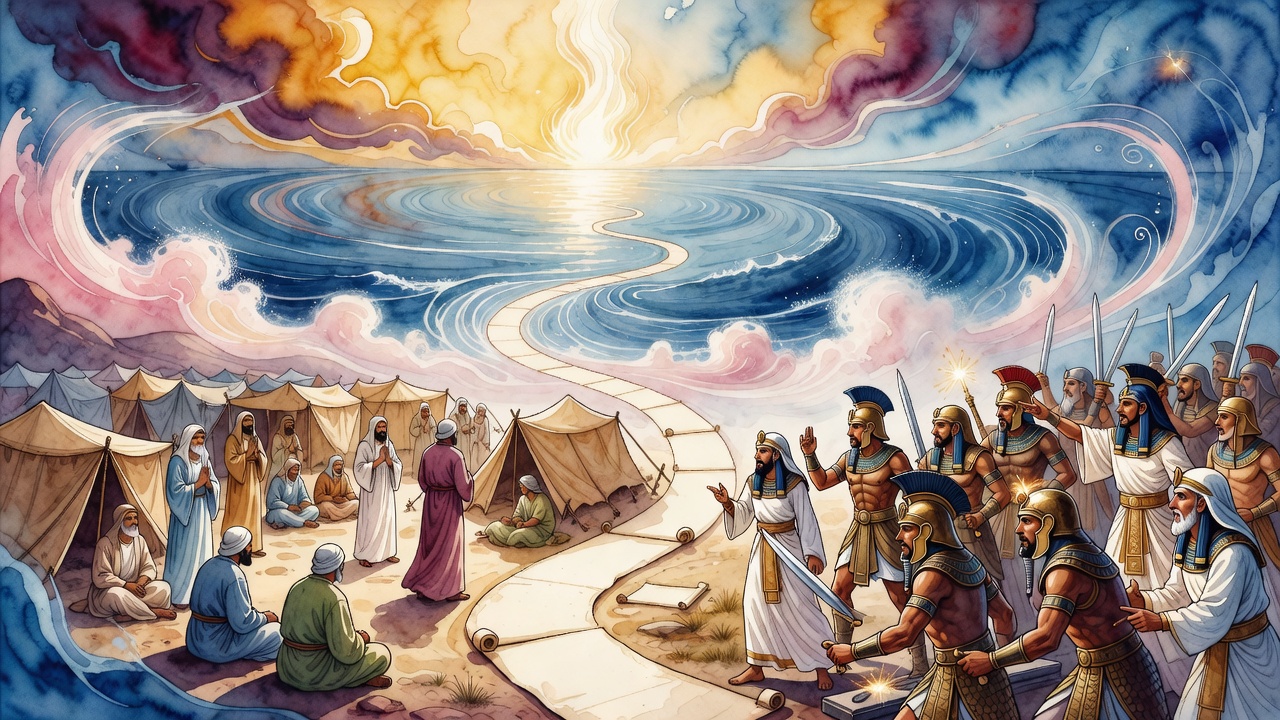
Egypt's envoys reached the camp at Ramses and said the three days were up. The argument lasted about a minute before somebody drew.
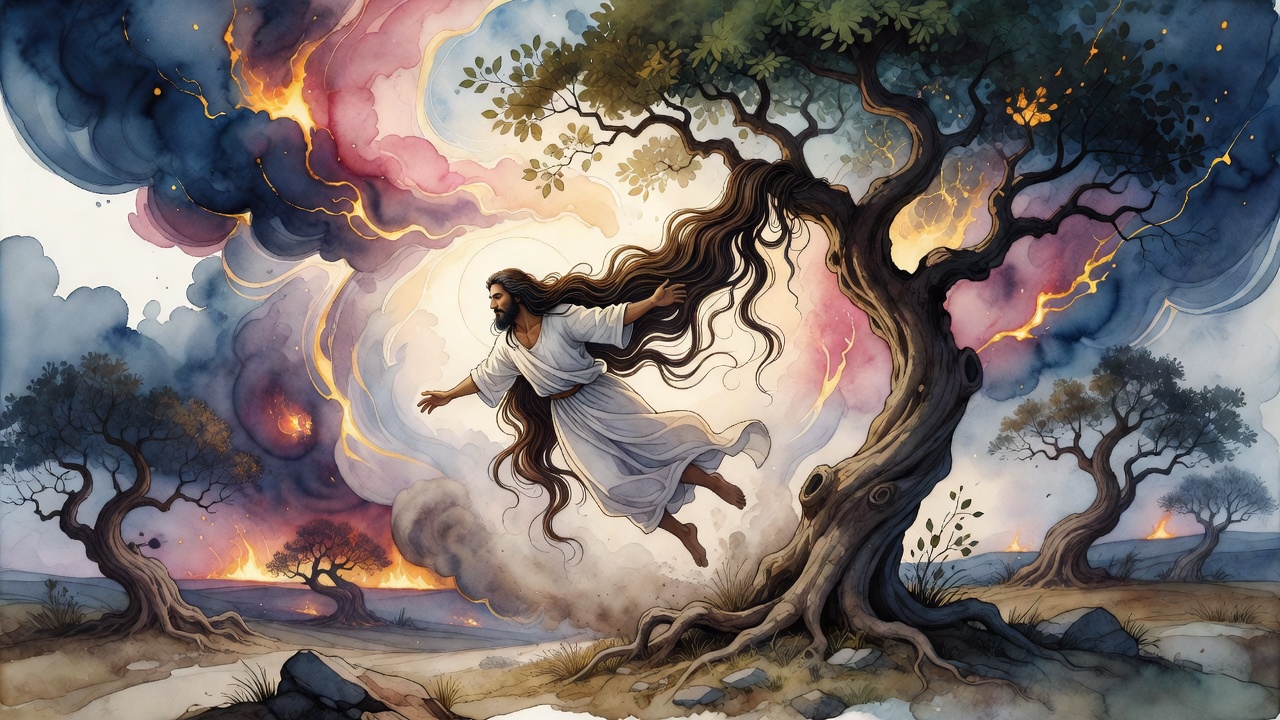
The Mekhilta records that Absalom cut and weighed his hair every Shabbat eve. That same hair caught in a tree and held him there for Joab.
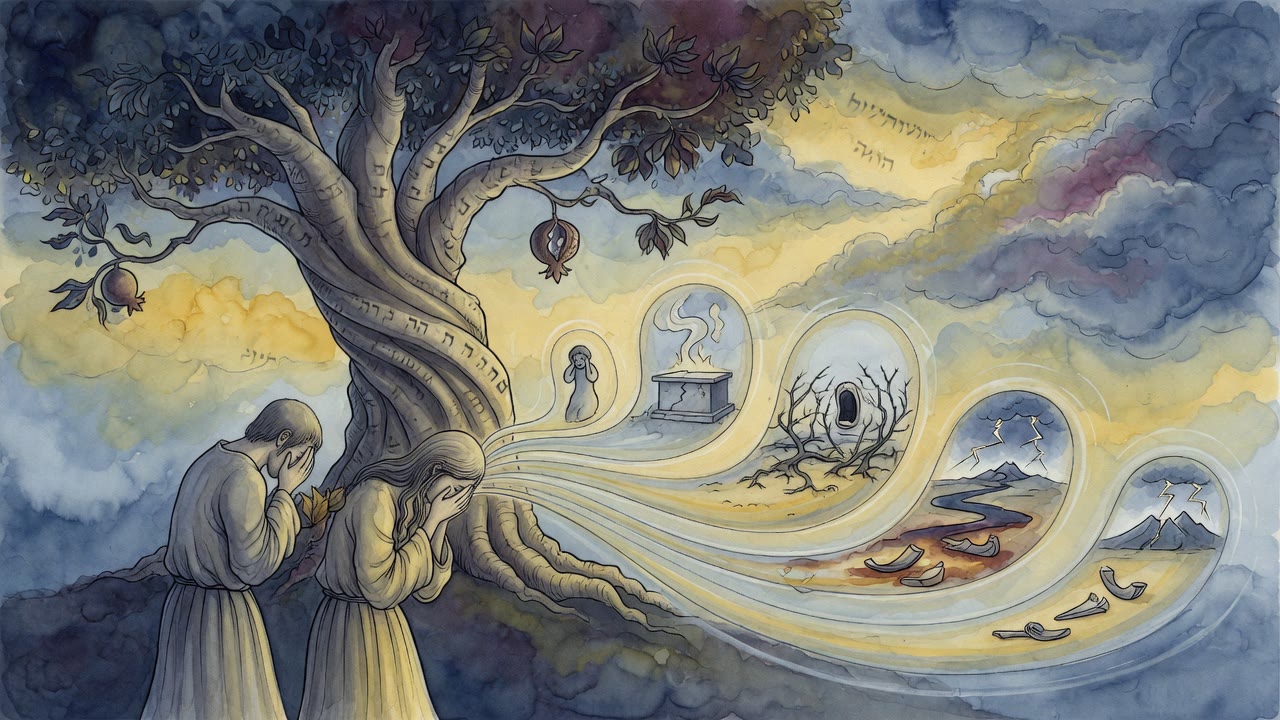
In the first moments after creation, every animal prostrated itself before Adam as if he were their god. What Adam did next set the pattern for all worship.
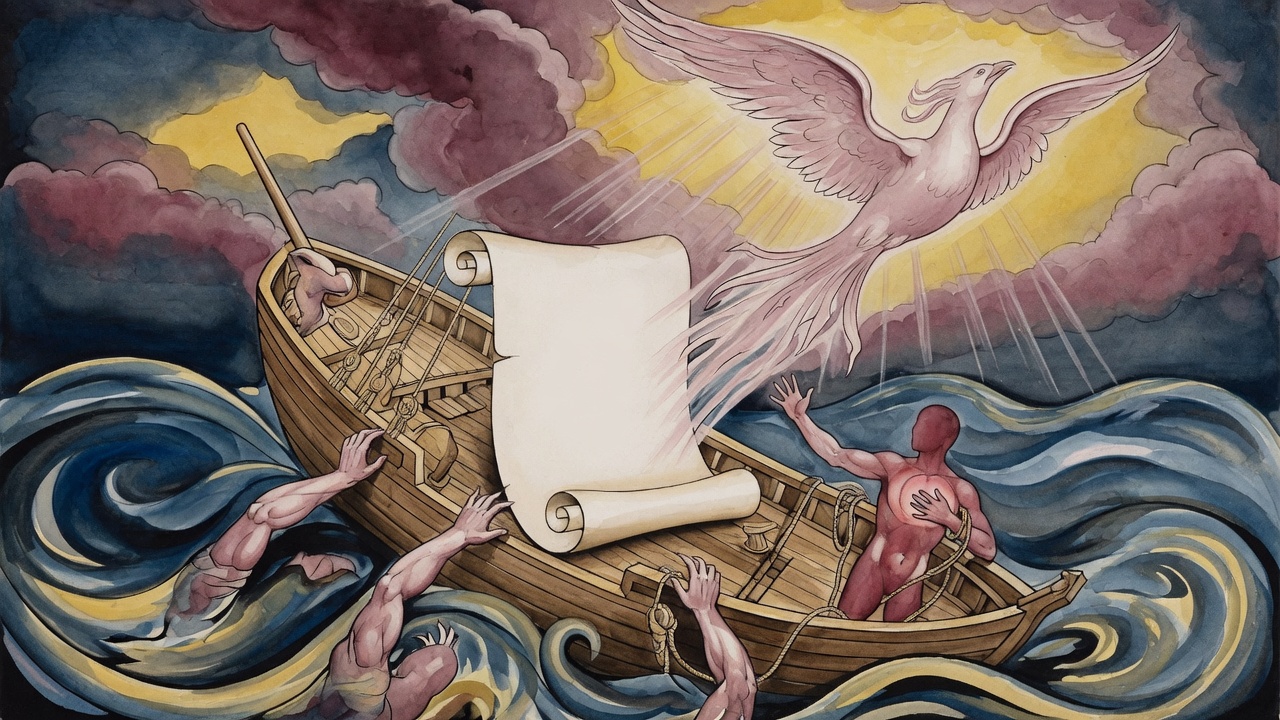
The Zohar and Pirkei DeRabbi Eliezer agree on the origin of demons: God stopped creating before their bodies were finished. The Sabbath did not wait.
