God Chose Jacob's Descendants Before They Existed to Keep the Sabbath
The Book of Jubilees records God's declaration that one nation would keep the Sabbath. The choice was made at creation, long before Jacob was born.
Table of Contents
 Click for full size
The Decision Made Before the People
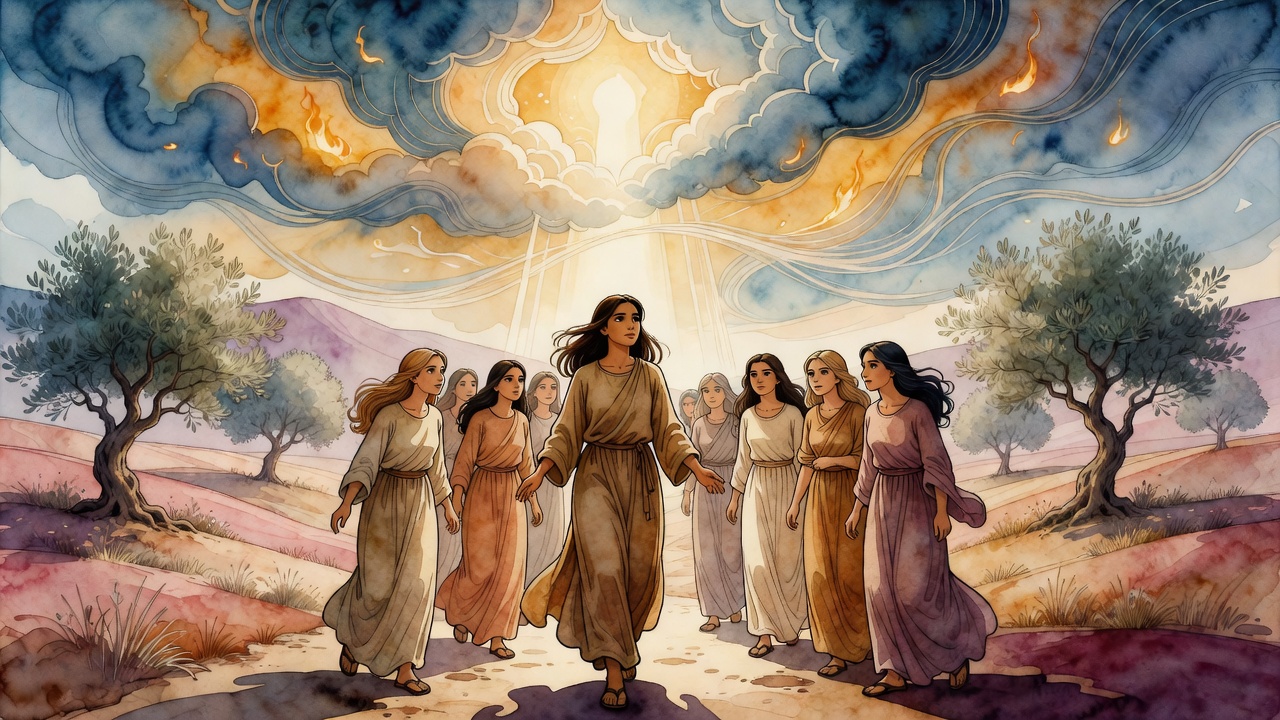
The declaration came at creation, before any particular people existed to receive it. Not as a reward for prior faithfulness. Not as a prize earned through trial. As a statement about the structure of time itself, built into the cosmos at the moment the cosmos was made.
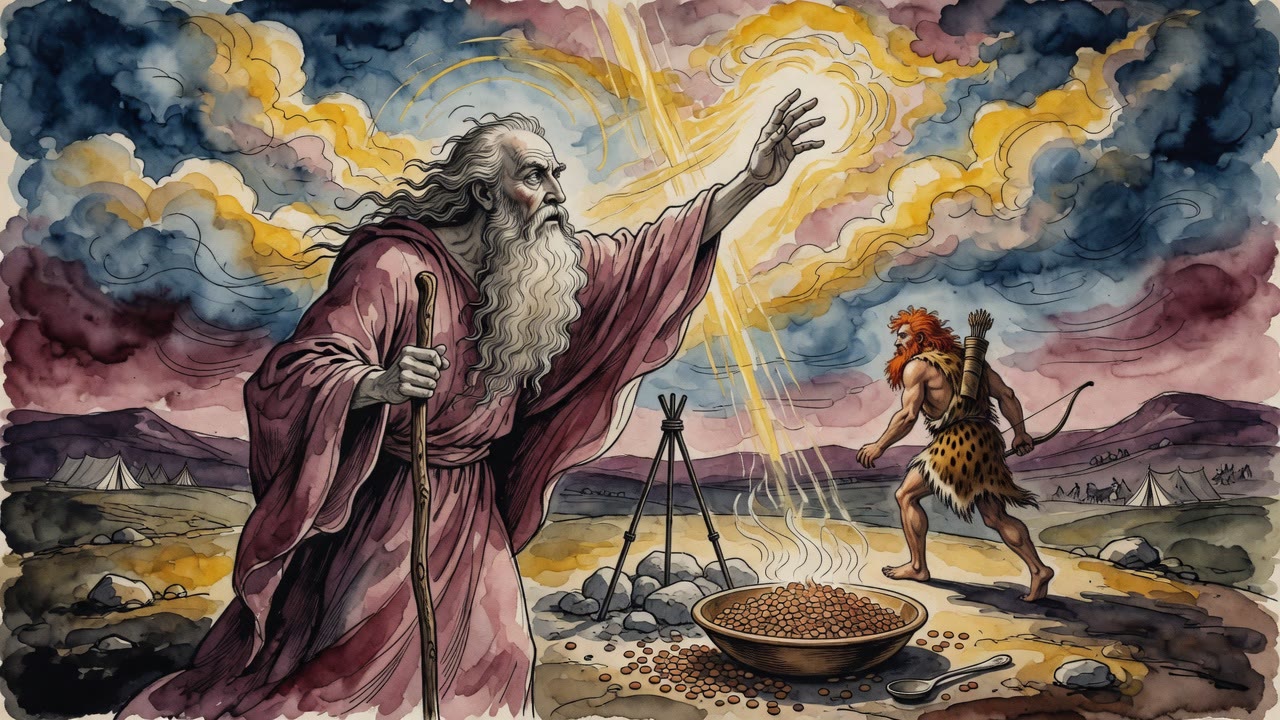
"Behold, I will separate unto Myself a people from among all the peoples, and these will keep the Sabbath day."
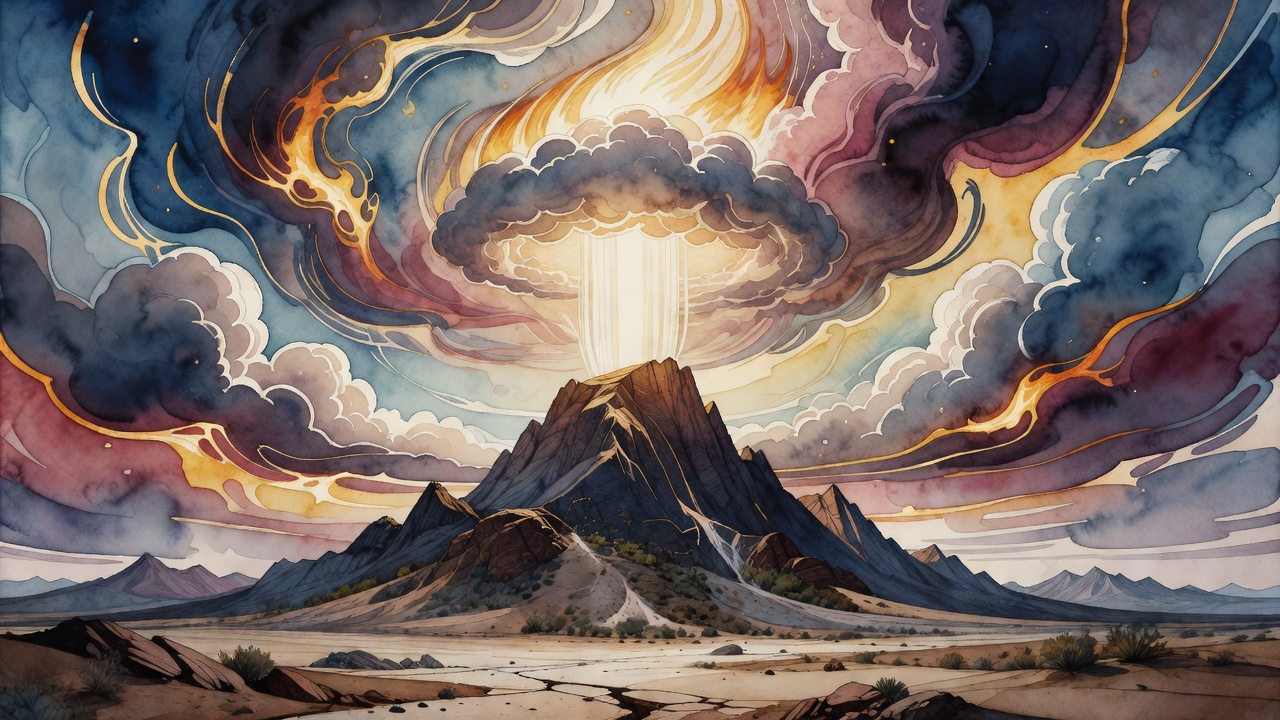
God did not say: this people will prove worthy and then receive Shabbat as a prize. He said: I am going to separate a people, and the marker of that separation will be the Sabbath. The two things, the choosing and the Sabbath, were the same act. The Book of Jubilees, composed in the second century BCE and presenting itself as the record of what was revealed to Moses by an angel on Mount Sinai, treats this declaration as the foundational act of Jewish identity, prior to every covenant, every miracle, every law that would follow.
A People Chosen Before They Existed
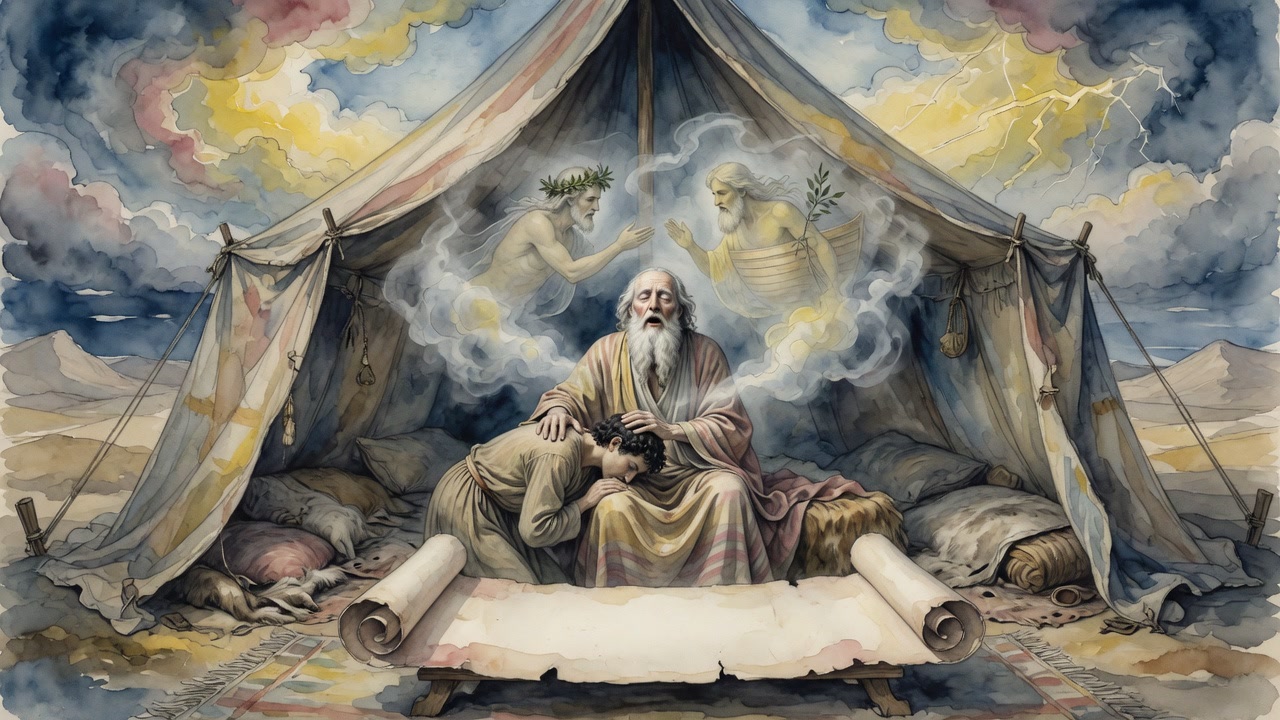
The declaration in Jubilees 2 is direct and unqualified: God blessed the seventh day and sanctified it. Not only among all the people of the earth but also among the angels of the presence, among the holy ones. Then he declared that one nation, specifically, would keep this day with him forever. The Sabbath in this framework is not merely a day of rest. It is a weekly re-enactment of the moment God stopped creating and looked at what existed and called it very good. The people who keep it are not observing a custom. They are participating in a cosmic event that has been repeating since the first seventh day of all.
The choice fell, in historical time, on the family of Jacob. Before Jacob wrestled the angel, before his sons became the twelve tribes, before the family became a nation. The Book of Jubilees traces the chain forward from creation through the patriarchs, establishing that the Sabbath was always meant for this particular line and that what happened at Sinai was the formal confirmation of what had been decided at the foundation of the world. Jacob is not the occasion for the choice. He is the point at which the pre-existing choice becomes visible in history.
Jacob's Defense of the Family
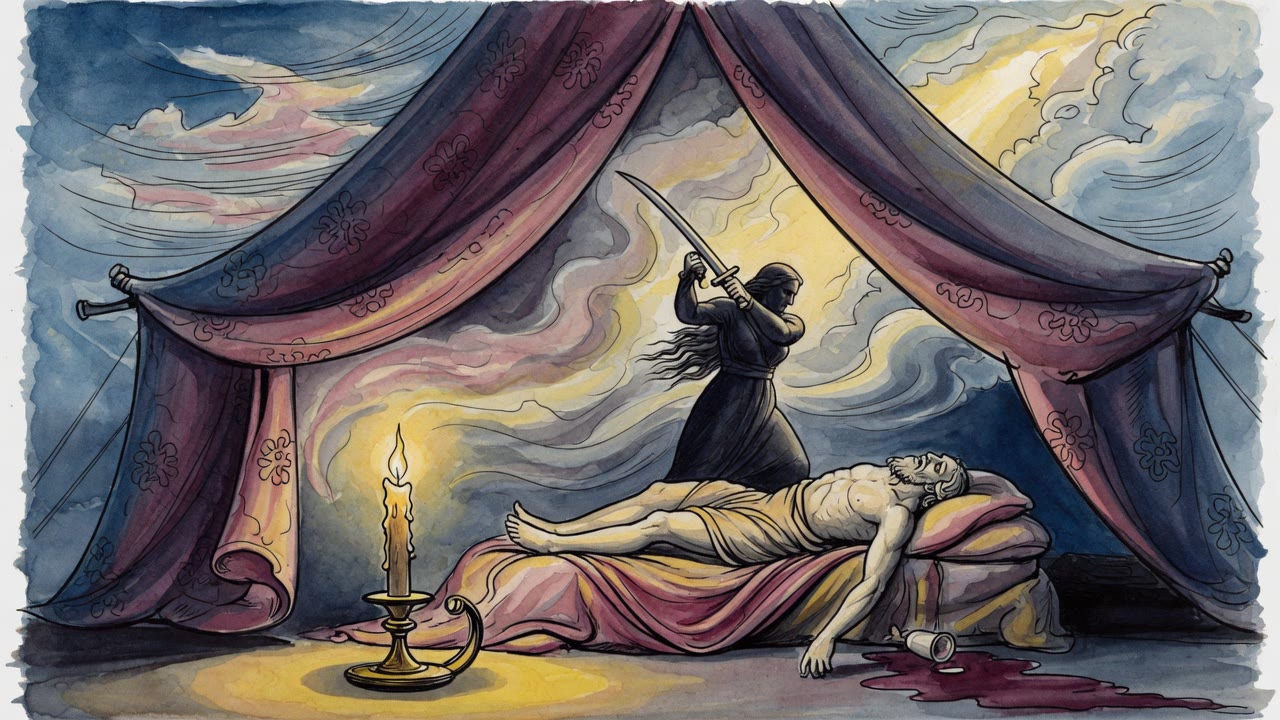
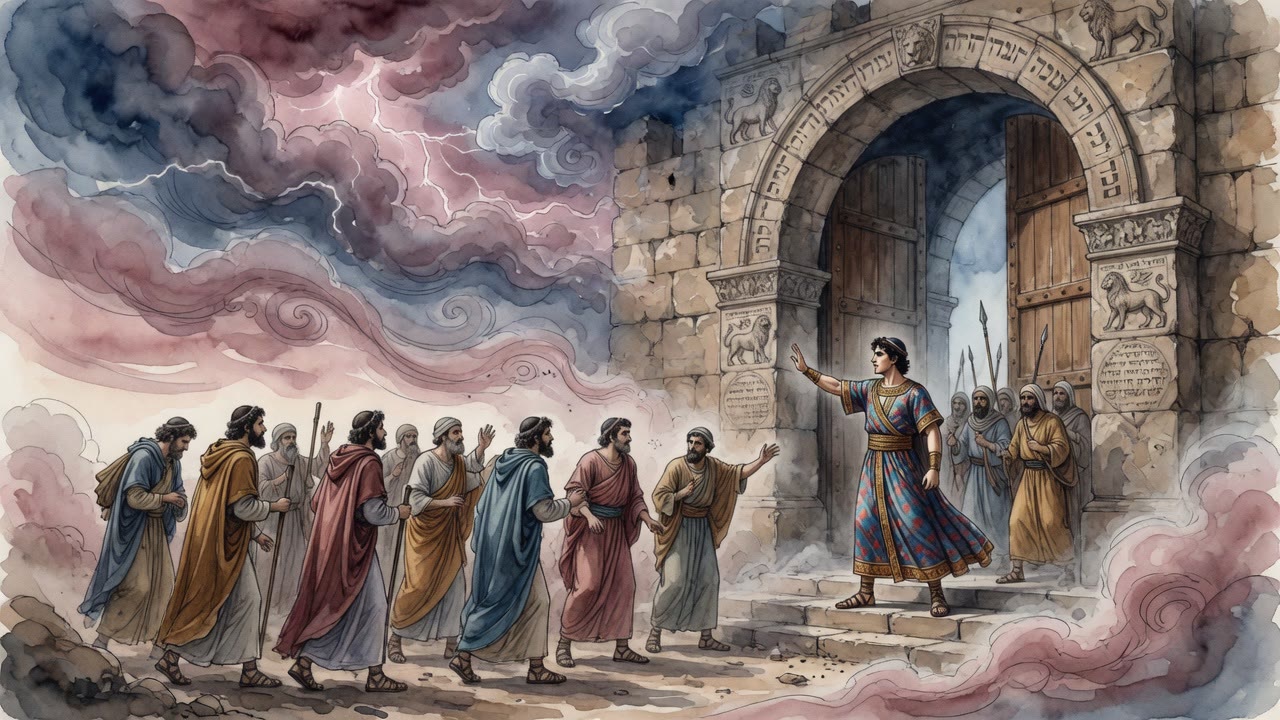
The same tradition that places Jacob at the receiving end of the primordial Sabbath covenant also places him on a battlefield. Ginzberg's Legends of the Jews, compiled between 1909 and 1938 from Talmudic and midrashic sources, preserves an account of Jacob and his twelve sons defending their household against the warriors of King Nimrod in a second assault. After the initial attack failed and Nimrod's warriors retreated, they gathered reinforcements and came again. Jacob turned to his sons with words that were not prayer or prophecy but command: "Take courage and be men. Fight against your enemies."
The twelve sons took their positions strategically, flanking the enemy with a tactical precision the narrative attributes to Jacob's direction. The battle that followed showed the twelve functioning as a unit under their father's command, the same family structure that would eventually become the tribal structure of the nation. The man chosen to carry the Sabbath covenant was also the man who organized his sons as warriors, not as spiritual abstractions but as twelve men with swords and the coordination to use them together.
The Sabbath as Covenant Signature
Jubilees 2 frames the Sabbath with a theological precision that goes further than the Torah's own account. The Torah gives the Sabbath as a command tied to creation and then, in Exodus, ties it to the Exodus narrative as well. Jubilees strips the historical layers away and insists on the creation layer as the only foundational one. The Sabbath belongs to creation. The people chosen to keep it are identified with that cosmic structure. When they rest on the seventh day, they are not just imitating God's rest. They are marking themselves as the people who were written into that rest from before the world had a week to count.
The consequence Jubilees draws from this is absolute: the Sabbath belongs to Israel and to God, and no other nation shares it. This is not a legal exclusion. It is a cosmological one. The structure was built this way. Every seventh day, the people Israel enters a category that no other people enters with them.
← All myths