The Bread That Fell From Heaven Every Morning
Moses said leave none until morning. One household hid a jar anyway. Dawn found worms first, then rot, which is the wrong order for ordinary bread.
Table of Contents
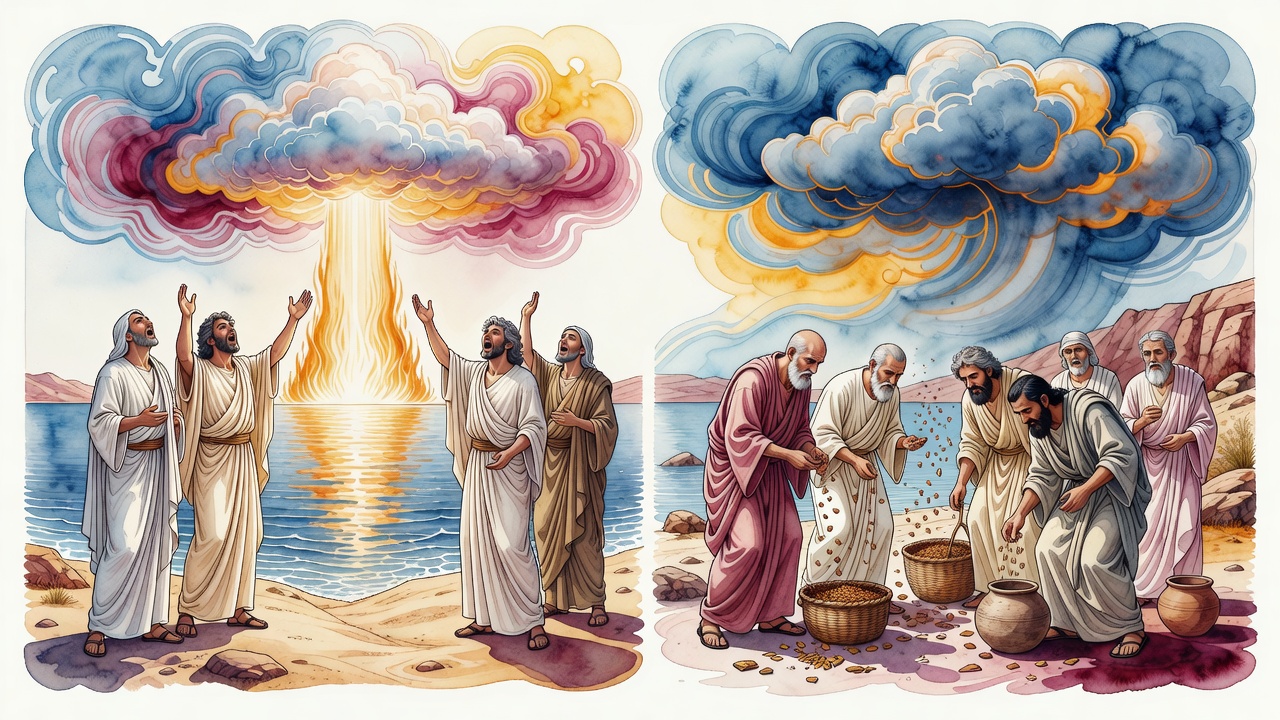
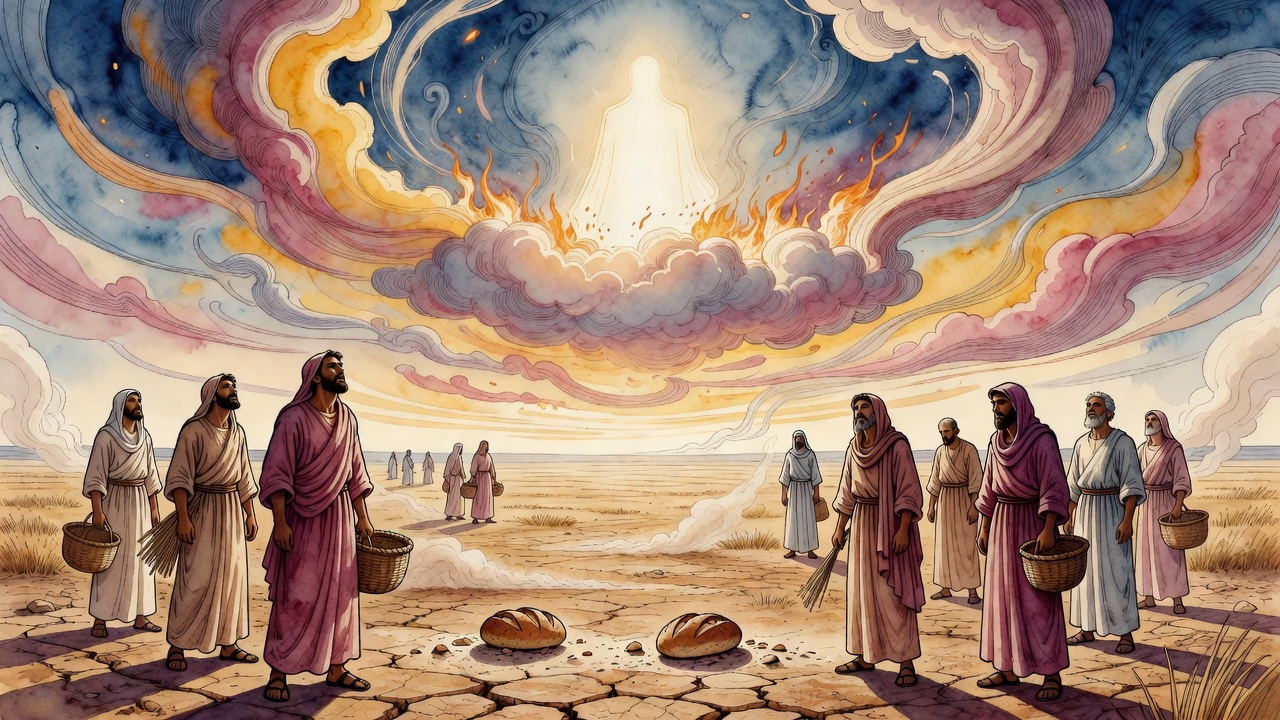
They stood in the wilderness of Sin with empty hands and named the pots of Egypt. Six weeks out, and the meat they remembered had already become a kind of chain they wanted back. Moses and Aaron took the complaint in their faces. At least there we sat by pots of meat, the people said. At least we had bread. You brought us out here to die.
 Click for full size
Hunger reorganized every other priority. The chains had been terrible. The chains had come with food.
God Answered Hunger With Bread
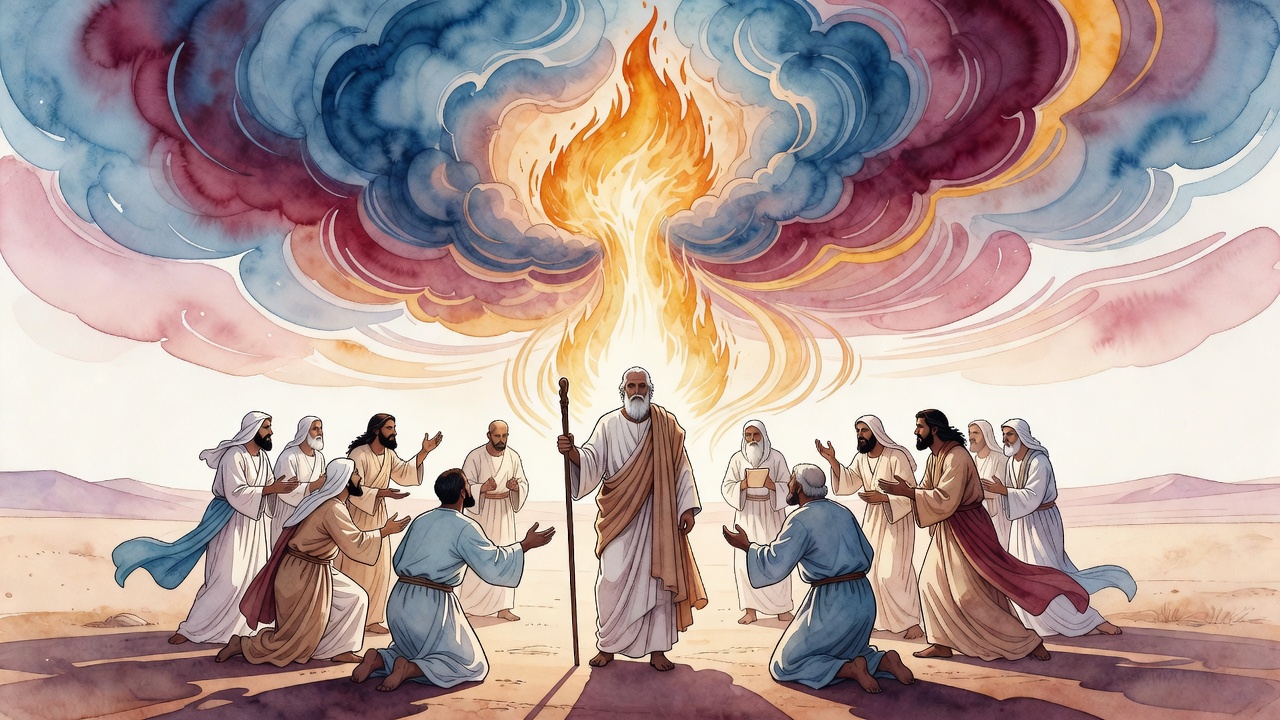
God answered with one word: Hineni (הנני). Here I am. Behold, I will rain down bread for you from the heavens.
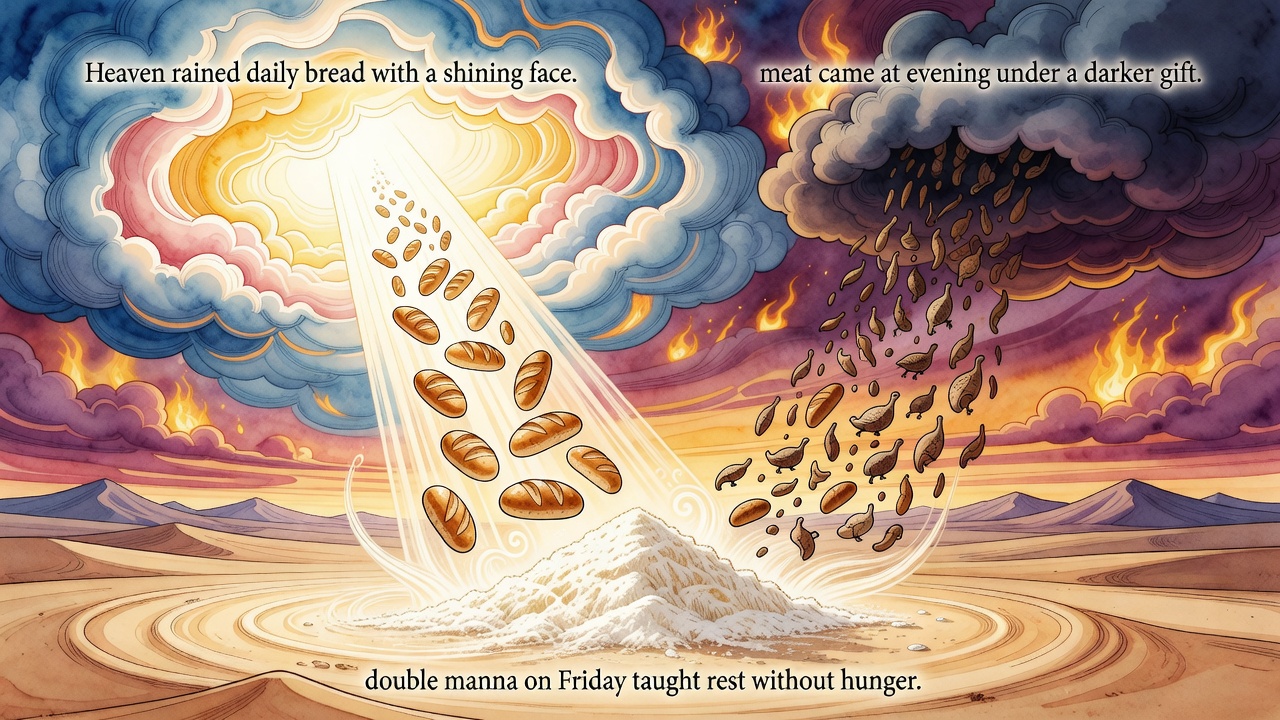
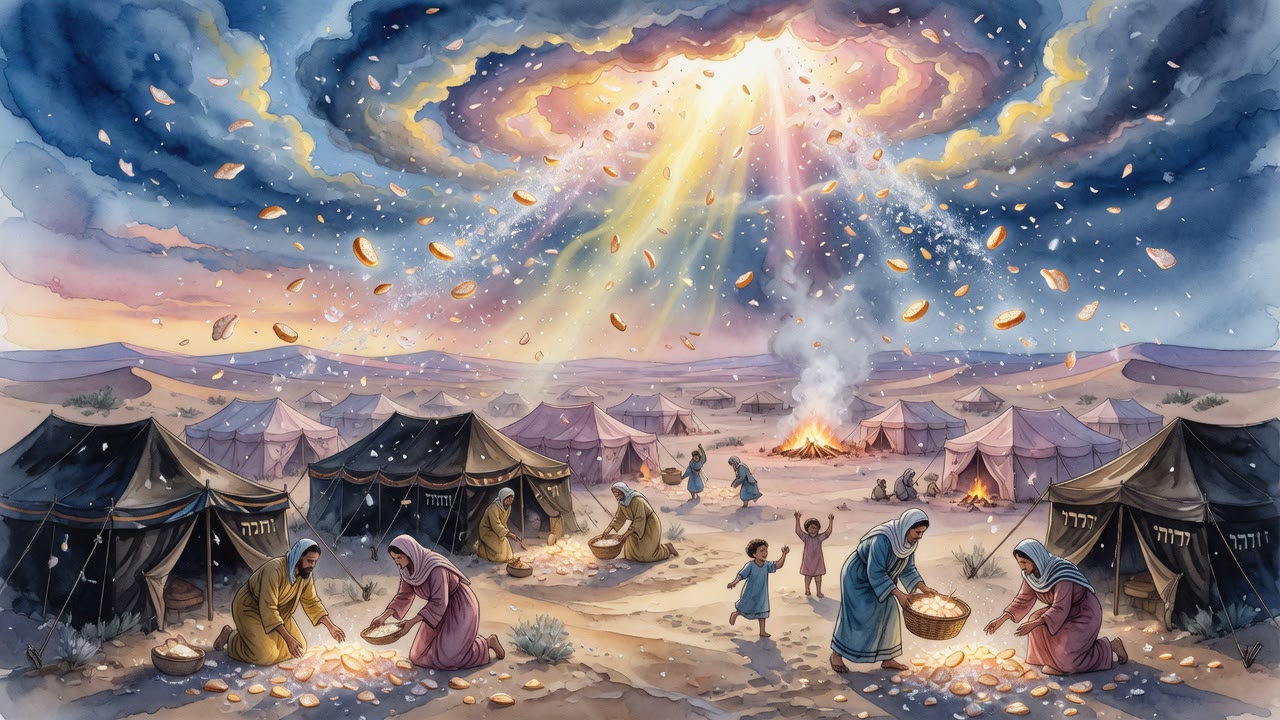
The bread did not wait for a schedule. It fell. Fine, like frost, on the face of the wilderness. They went out and gathered it, each according to what he could eat. They called it manna because they did not have another name for a thing that arrived without planting.
God spoke as a man who is already present, not as a distant storehouse. The need was immediate. The bread was immediate. Long before, on a mountain, Abraham had answered a call with that same word. Here I am. Now God used Abraham's word back, over a camp that was starving.
Moses gave a simple instruction. Leave none of it until morning.
A Jar Hid Until Morning
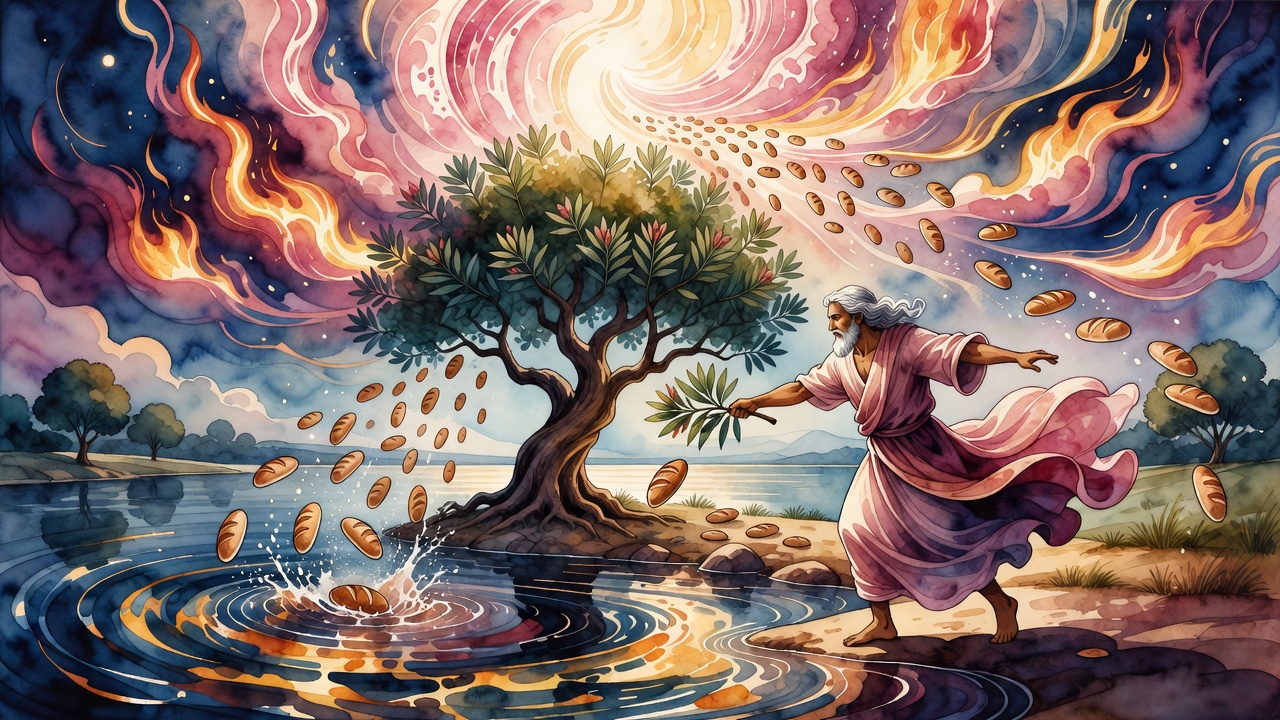
Most of the camp ate what they gathered and slept. One household did not. A man looked at the portion in his tent and thought about tomorrow. He had watched Egypt's storehouses. He had watched empty wilderness. He put some of the bread in a jar and hid it until morning, because trust for twenty-four hours felt thinner than a lid.
Moses did not call him wicked. He called him not good. The man had not stolen. He had stored. The jar still counted as a refusal.
Dawn came. He opened the jar.
Worms Came Before Rot
The leftover manna raised worms, then rotted. Worms first. Rot second. That is the wrong order. Ordinary bread goes soft, then the worms come. This bread bred worms while it was still itself, and only after that did it rot.
He dumped it. The camp smelled it. Moses was angry. The instruction had been one sentence long. Do not leave any until morning. The jar had answered anyway, and the answer crawled.
Ordinary rot would have taken days. This bread failed in a direction bread does not fail. The household that had hedged against tomorrow dumped a crawling portion and learned, in one hour, that tomorrow was not theirs to store.
They gathered again that day. The ground was white again. The lid stayed off the jar.
They Found Nothing on the Seventh Day
On the sixth day they gathered double, as they had been told. On the seventh some of them went out anyway. They walked the same ground. They found nothing. No frost. No portion. Empty earth, and a commandment they had already been given at Marah, before Sinai, still sitting in their mouths unused.
God spoke to Moses, not about one morning's violation, but about the accumulated record. "How long will you refuse to keep My commandments and My laws?"
"I took you out of Egypt. I split the sea. I brought down the manna. I brought up the well. I swept in the quail. I fought Amalek. I wrought miracles without counting. And after all of that, this single commandment, the Sabbath, you have not kept. Do not say I imposed too many obligations. This was one. You have not kept it."
The bread that rotted before morning and the bread absent on the Sabbath were the same test. Could Israel trust for twenty-four hours, then for a seventh day. The nation that had failed the test left Egypt carrying that failure forward. The manna fell every morning anyway.
← All myths