117 myths · Page 1 of 3
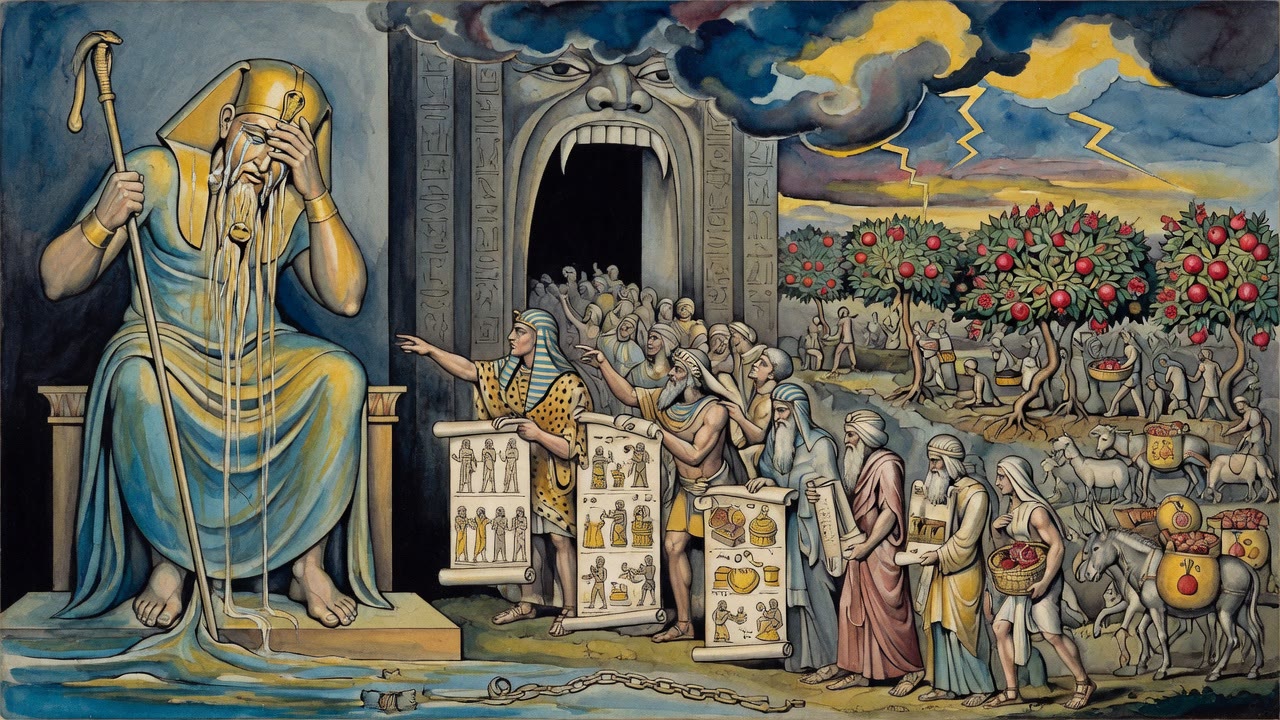
Pharaoh thought he was releasing slaves. His advisors catalogued what walked out, wise men, artisans, wealth, an orchard of pomegranates.
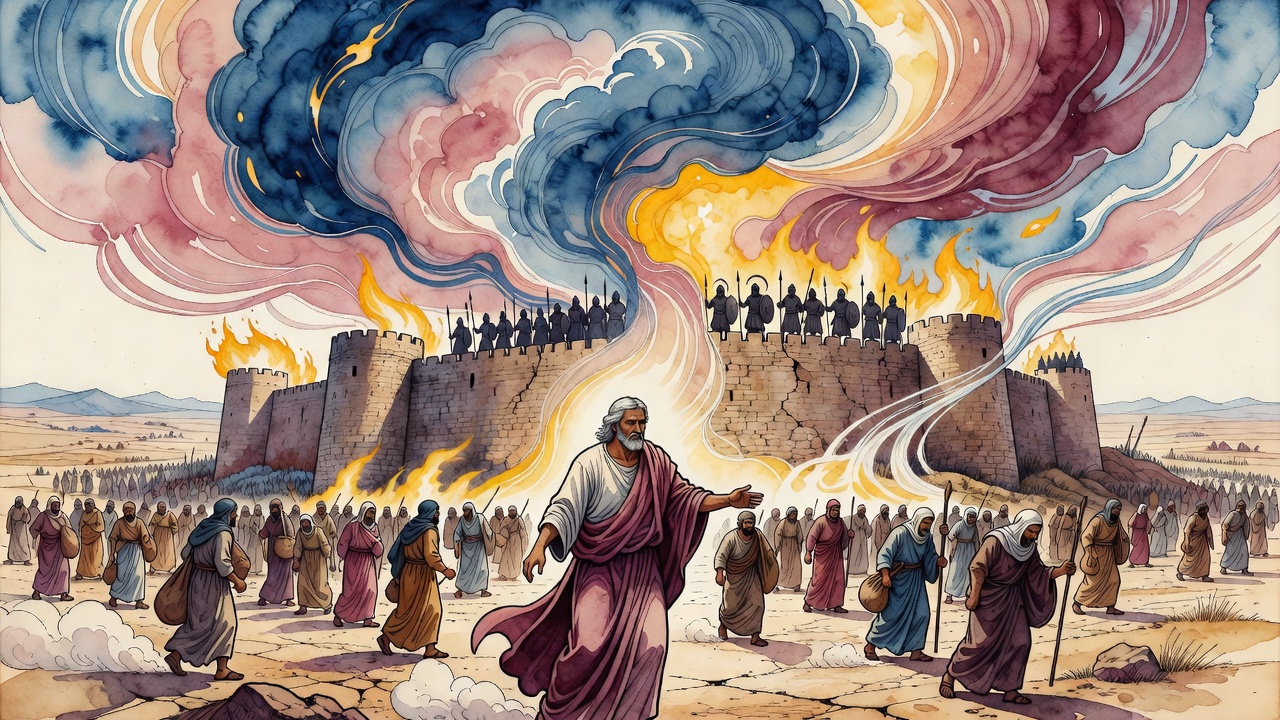
Ganon told Ephraim that God had sent him out of Egypt. They packed gold and swords and no bread. At Gath the shepherds would not sell sheep.
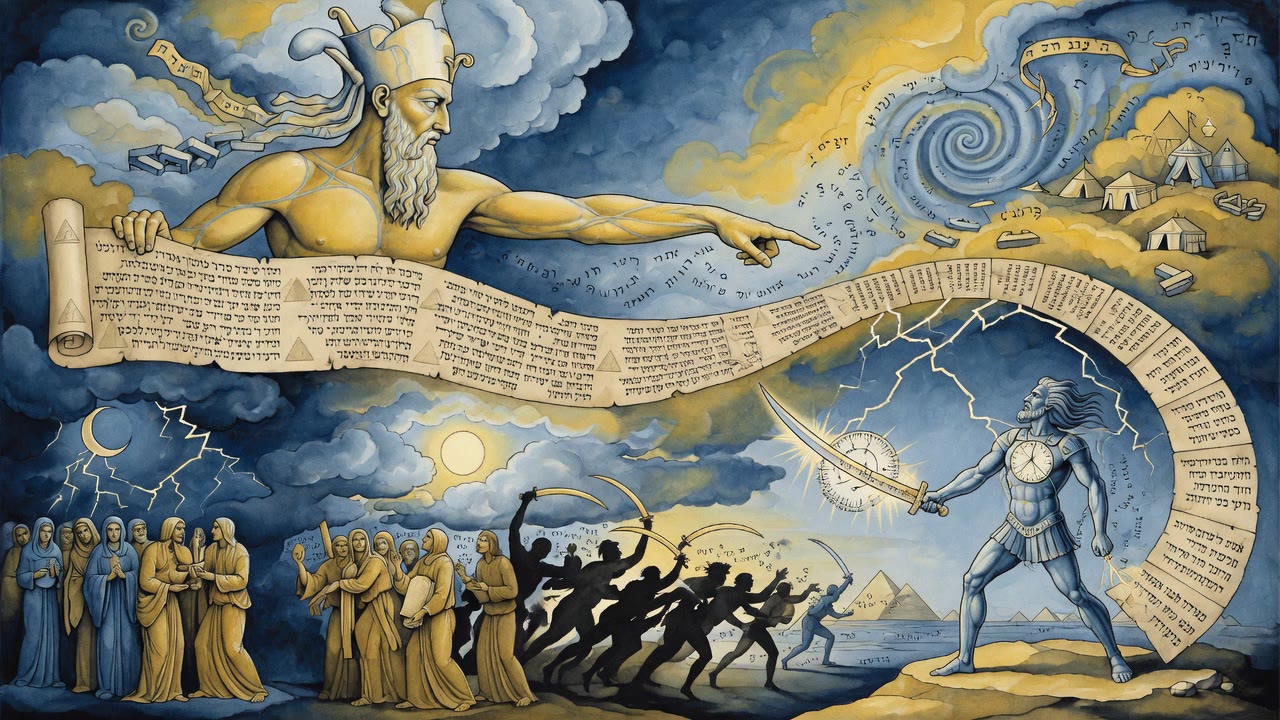
Every Hebrew had marked his name on the bricks of forced labor. Amalek got hold of those lists. Outside the camp he called out: Reuben. Simeon. Levi.
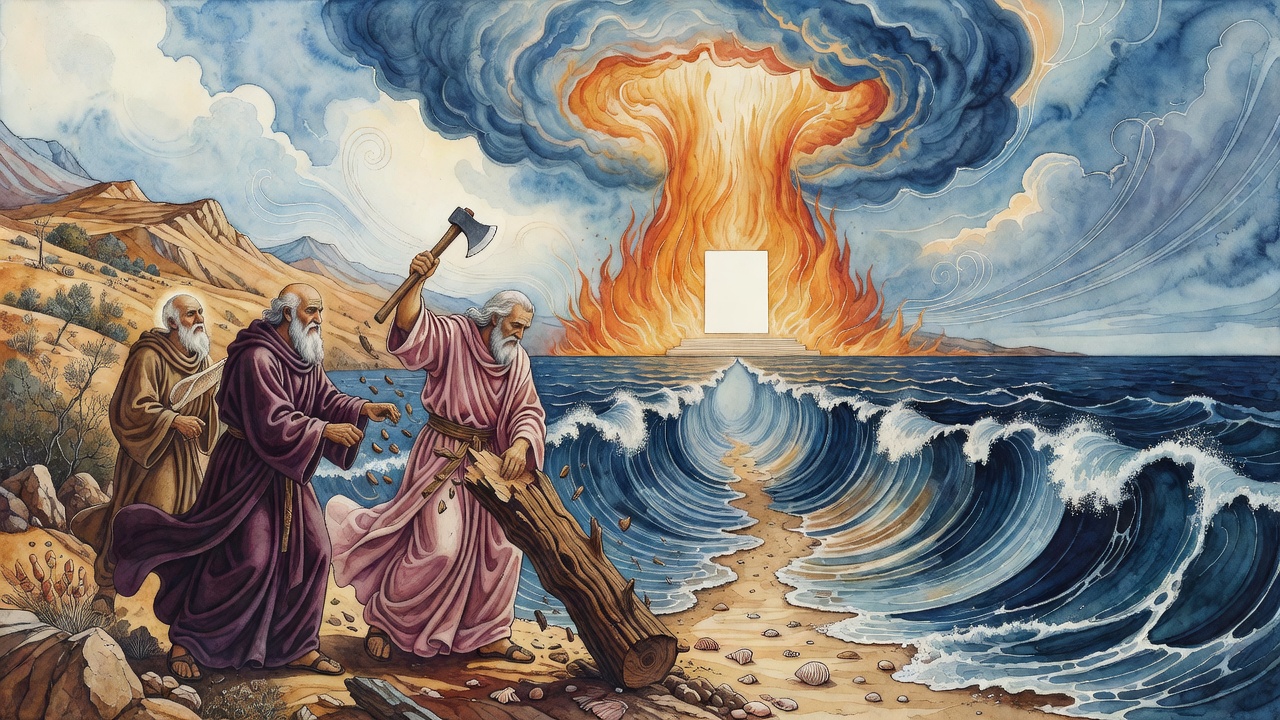
Isaac watched the grain open under the blade. At the sea the same split ran through water. In Babylon they asked for pulse and ten days.
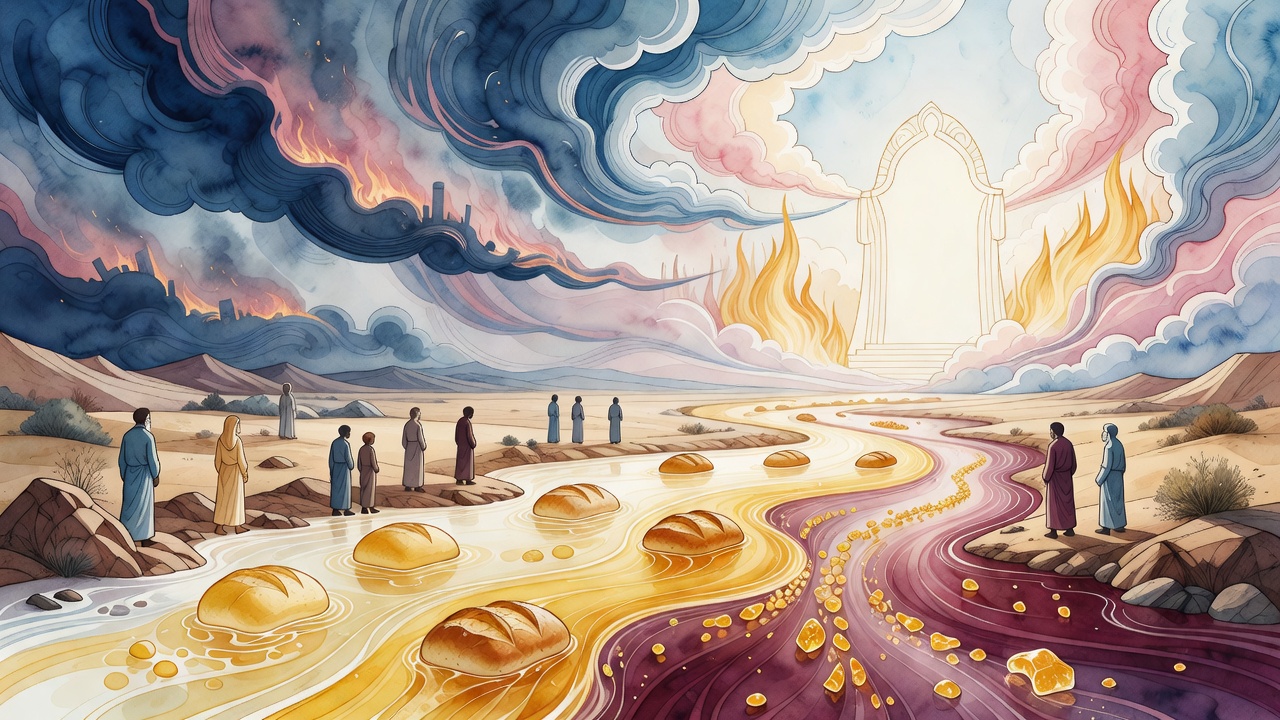
Heaven's bread shifts by the eater's years. It melts into rivers for the righteous, while the same sky that burned Sodom rains mercy on Israel.
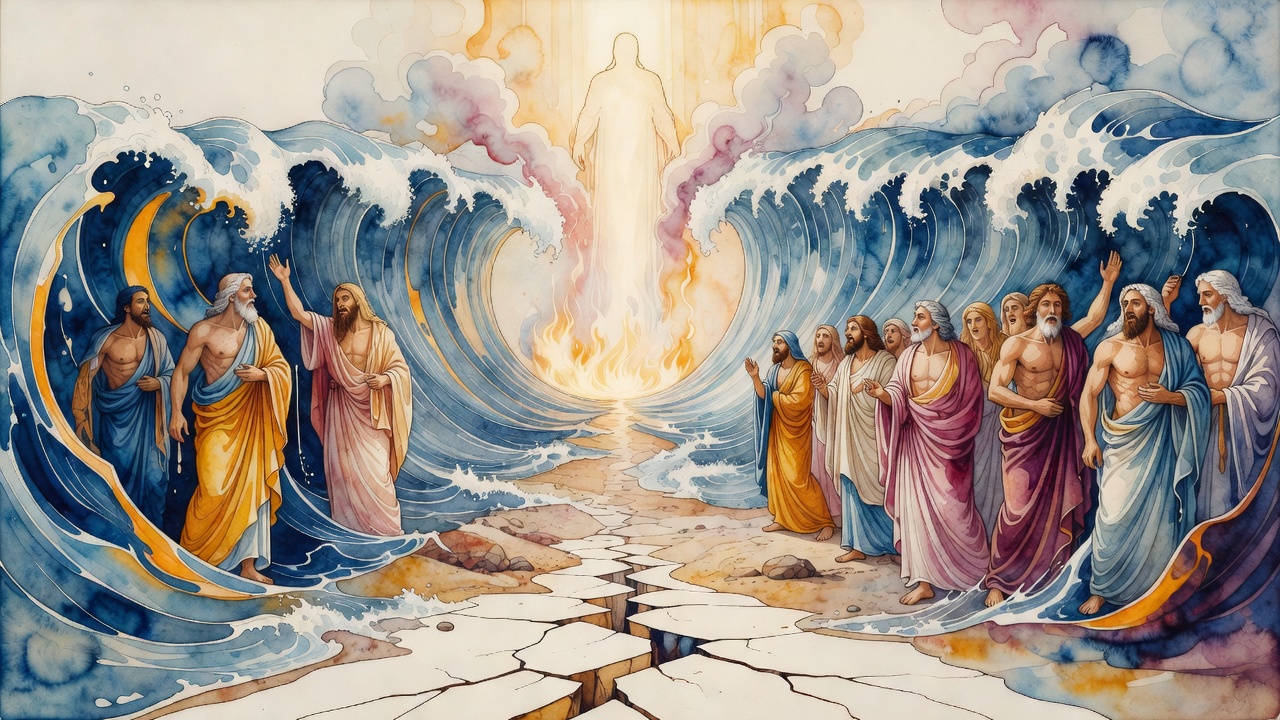
Serah bat Asher stood at the edge of the water and saw angels massed above the crossing. Everyone else saw walls of water and a dry path.
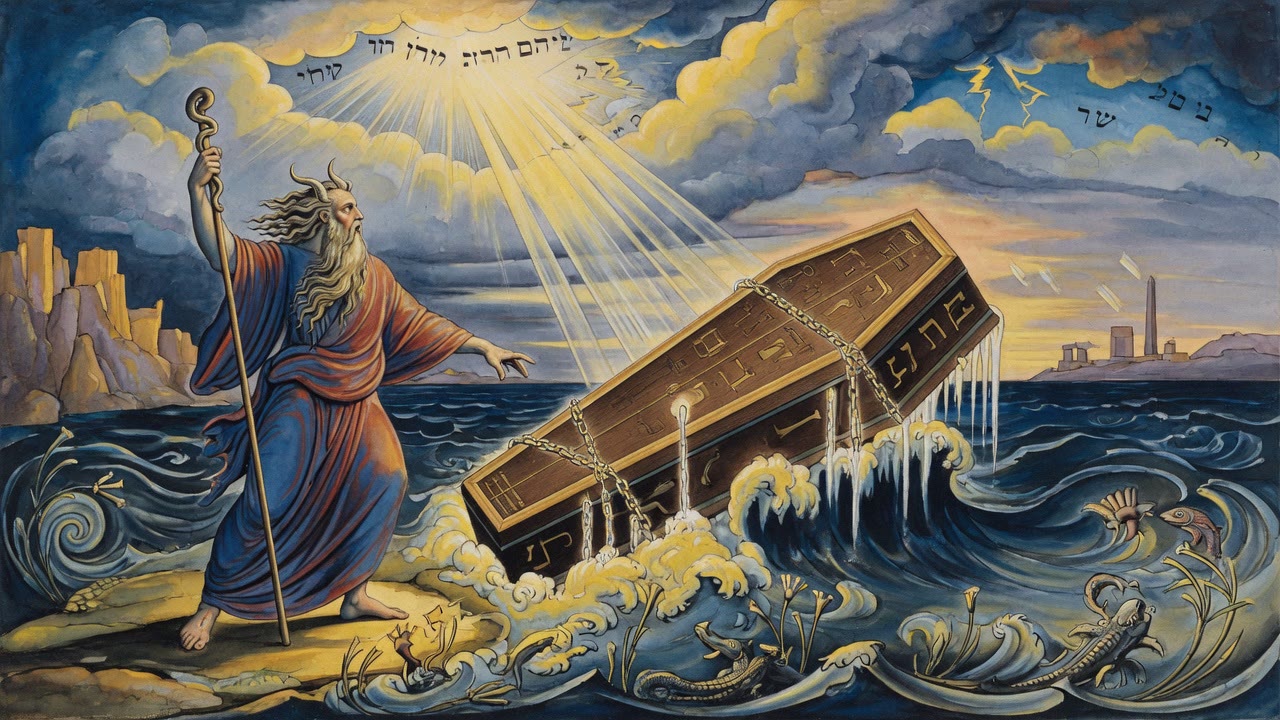
While Israel grabbed Egyptian gold, Moses spent three days hunting Joseph's sunken coffin until Serah bat Asher led him to the river's secret.
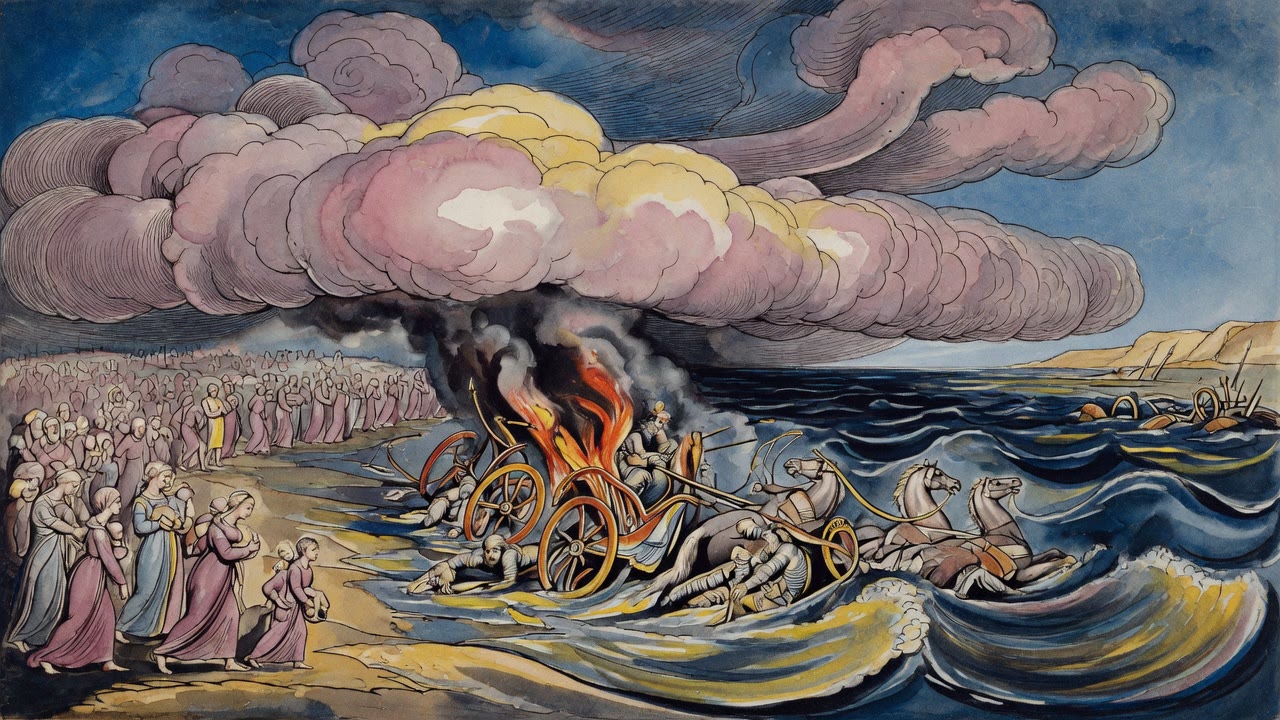
Hatred makes a king his own stable hand, six hundred chariots rise from Egyptians who once feared hail, and at the sea Israel splits into four panicked plans.
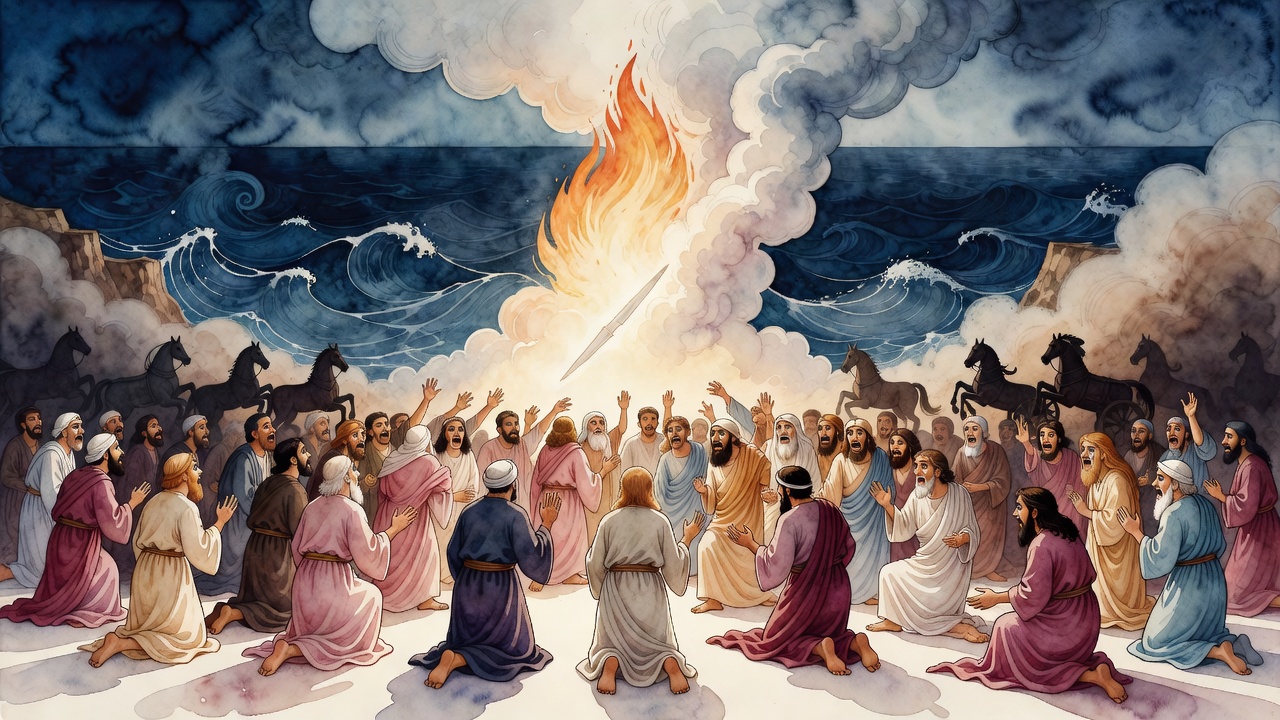
Pharaoh's chariots behind them and a sea that will not open ahead, and God answers Israel's weeping by remembering a knife on Moriah.
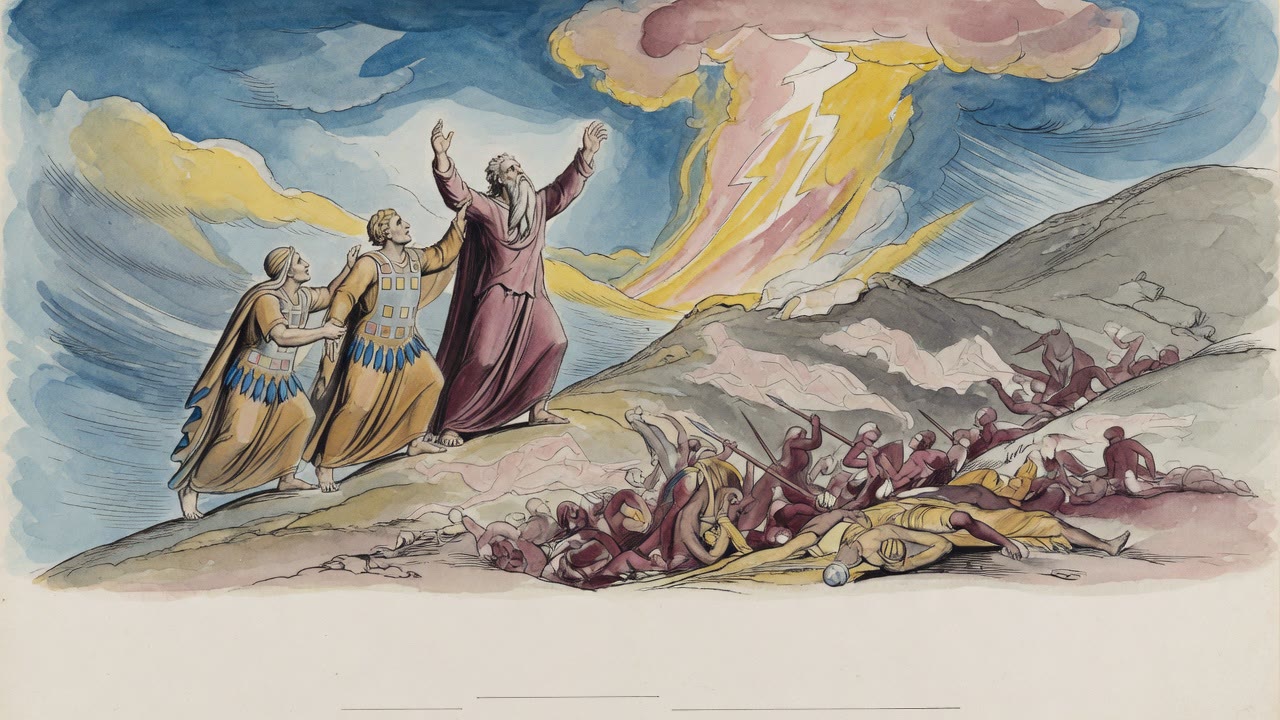
Moses, Aaron, and Hur climb a hill above the battle with Amalek, and the names they carry up are not the living but the dead.
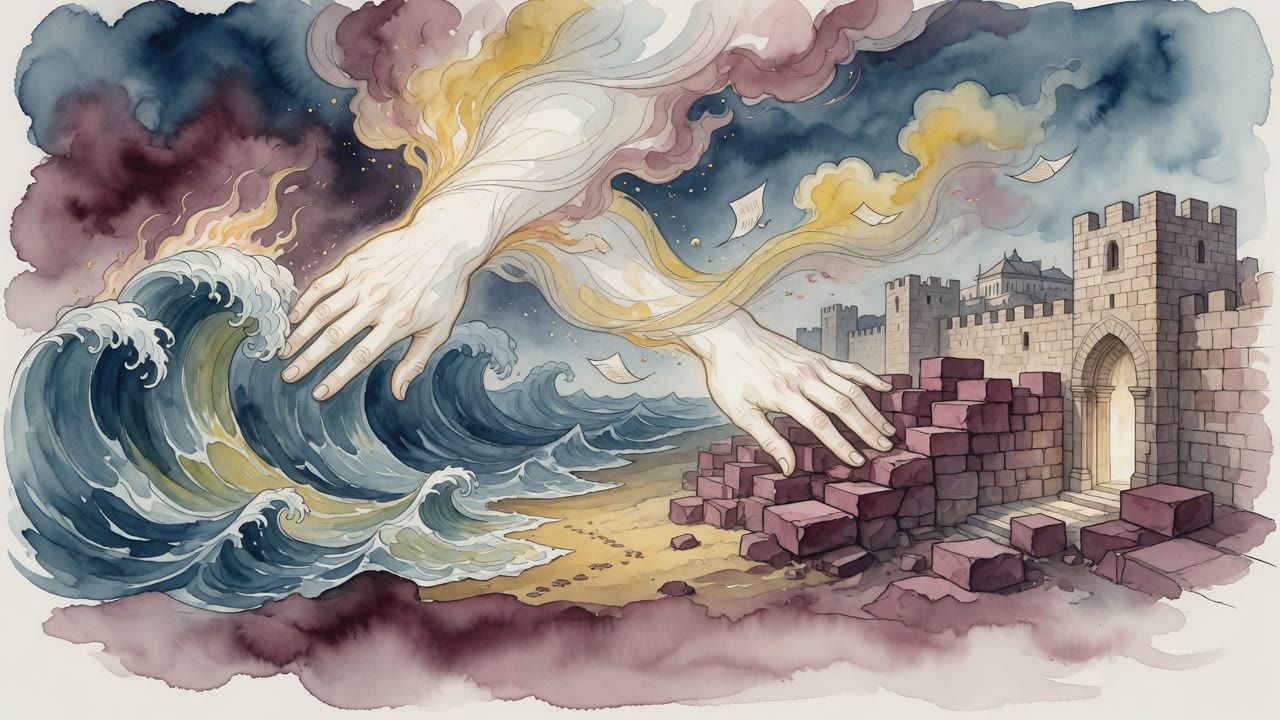
The sea had already closed. Moses still sang about the hand that pulled them out. Later he cursed the sun for lighting the burned house.
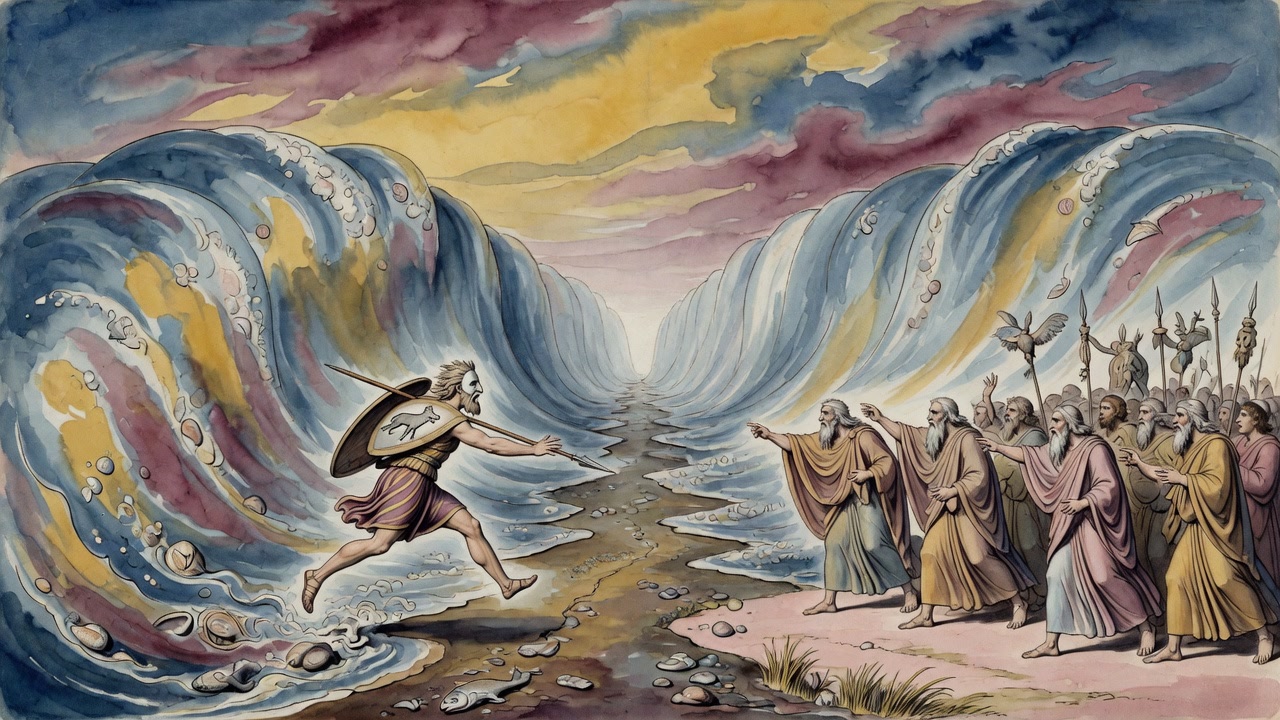
The tribes argued at the water's edge over who would lead Israel into the divided sea. Benjamin acted while they were still talking. Judah threw stones.
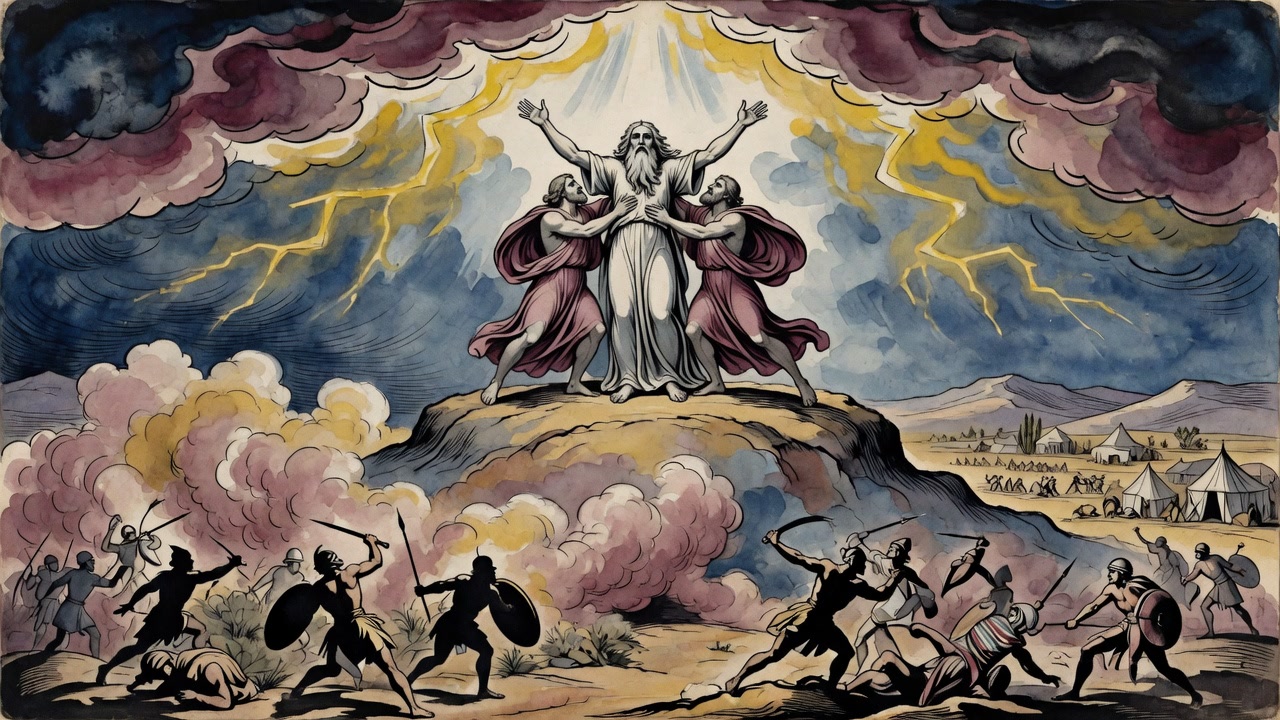
At Rephidim, Moses faced a mob ready to stone him and then an army attacking without cause. The Mekhilta reads both crises as a single lesson about Moses.
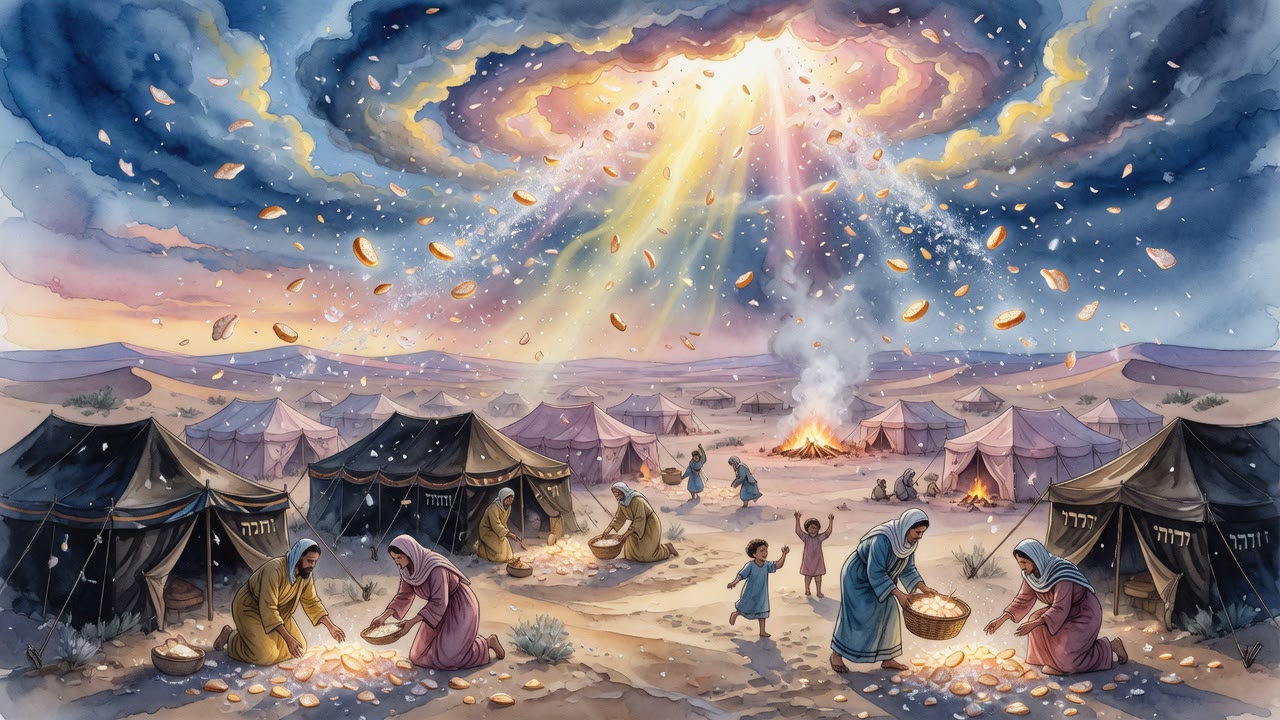
Moses said leave none until morning. One household hid a jar anyway. Dawn found worms first, then rot, which is the wrong order for ordinary bread.
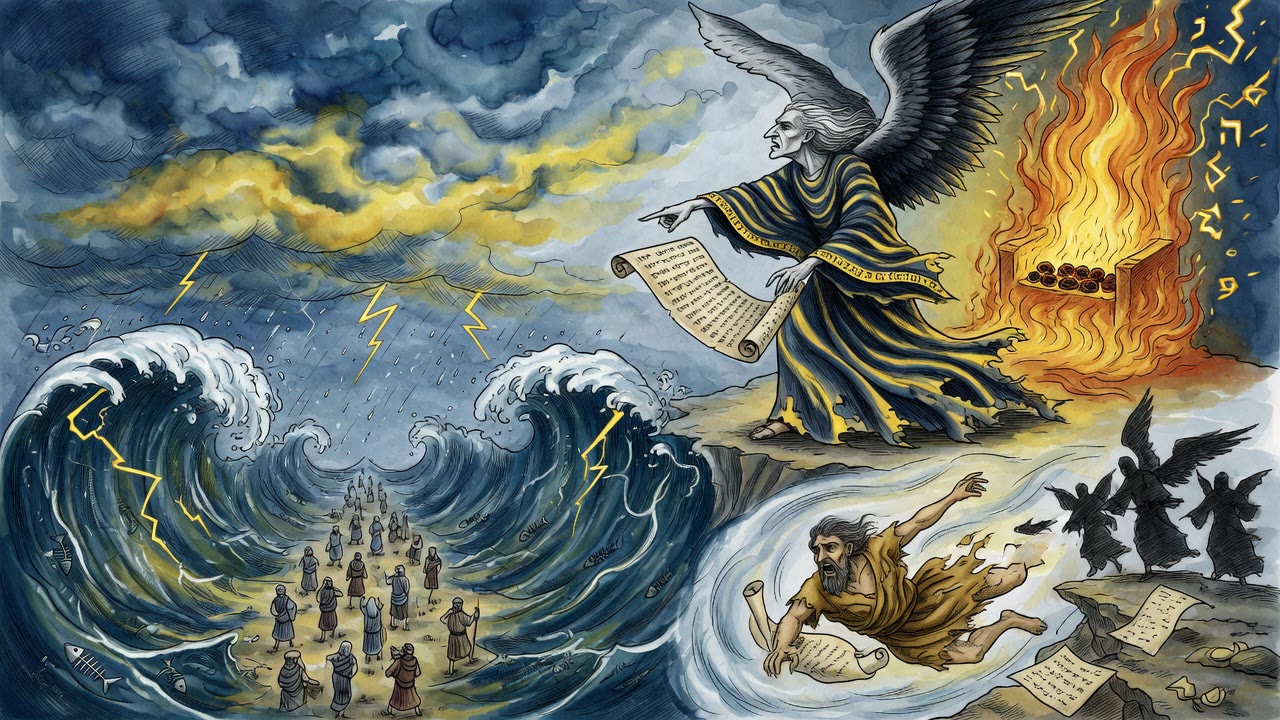
Chariots shook the reeds. In heaven Samael opened a true ledger against Israel. God did not argue. He threw the accuser a ram named Job.
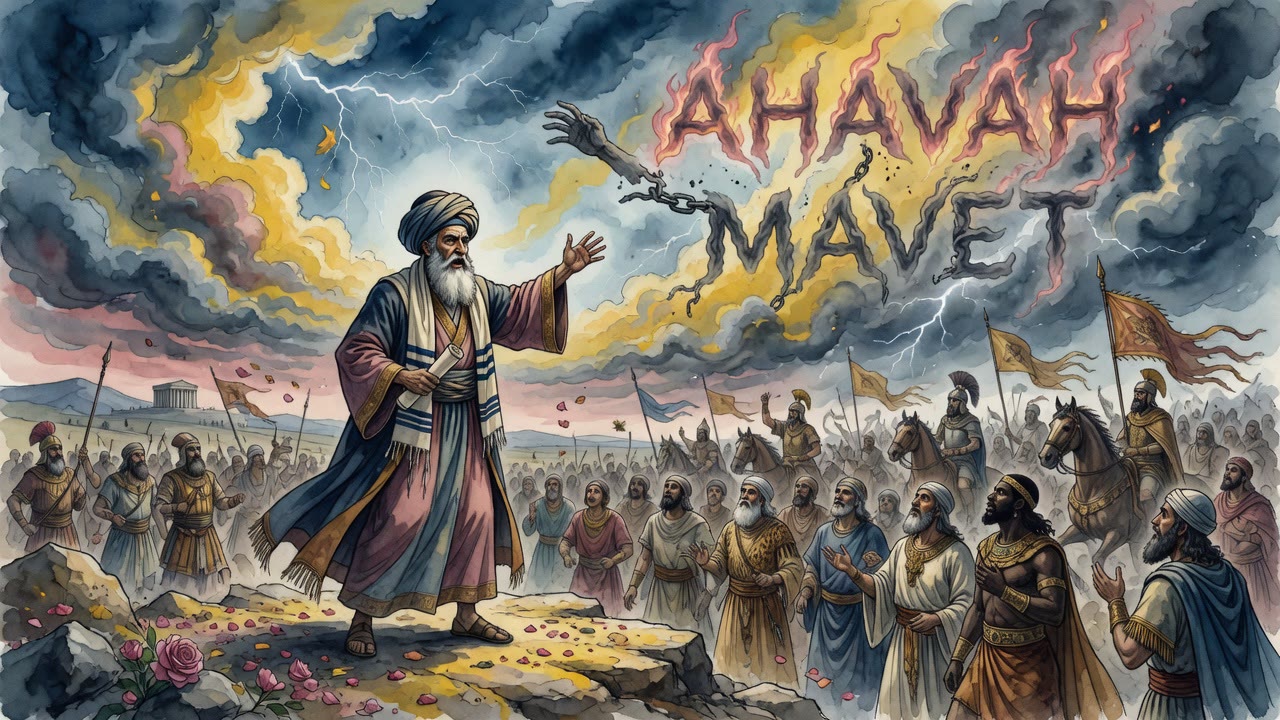
The nations asked Rabbi Akiva why a beautiful, strong people would die for an invisible Beloved. He answered from a love poem, reading one word as above death.
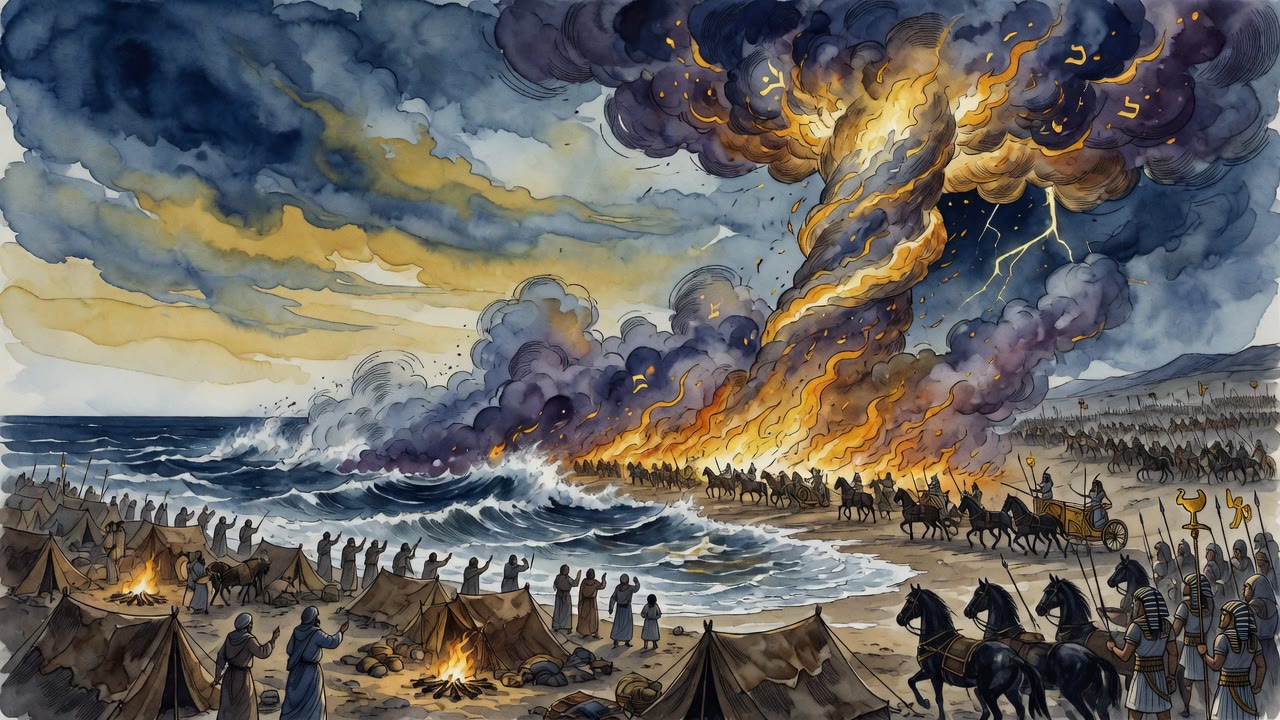
The angel moved from the front of the camp to the rear, set itself between Israel and Pharaoh's chariots, and a different Name rode with it.
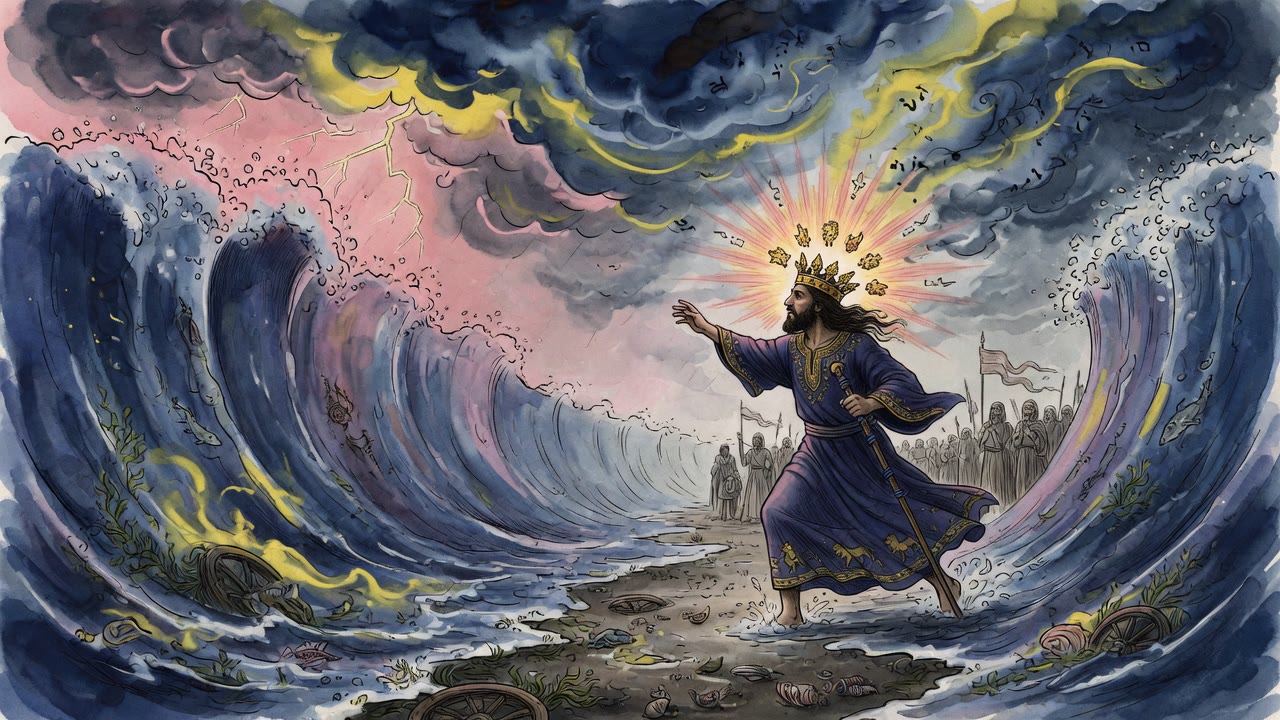
Before a single wave moved, one man waded into the crashing sea up to his throat, and that step decided who would rule Israel.
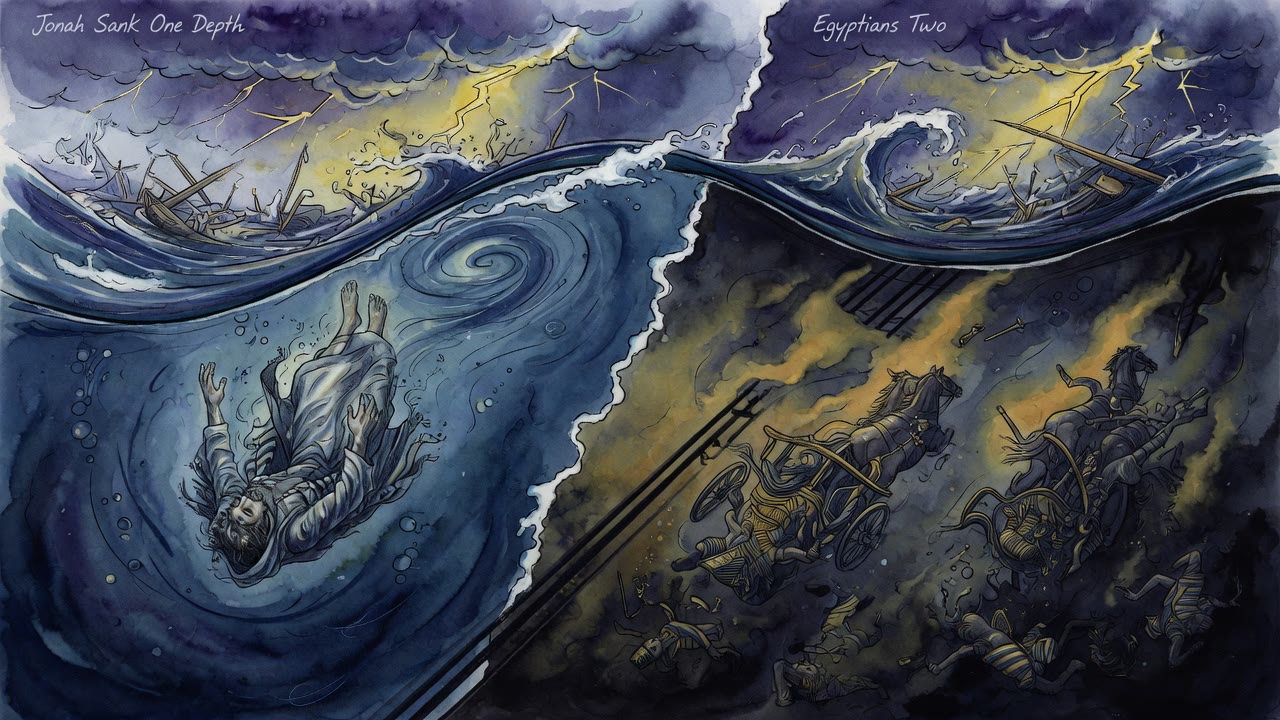
The army at the water could not agree. Some wanted the gold and no killing. Some wanted the killing and no gold. The third group wanted both at once.
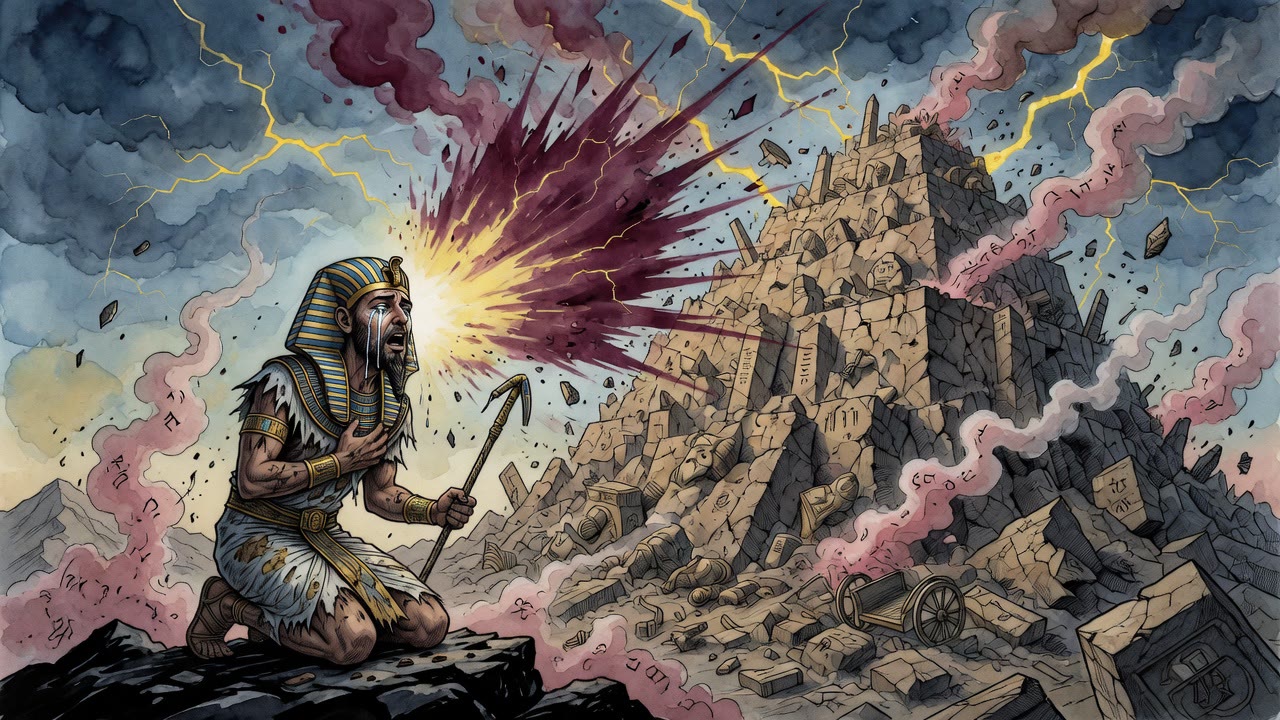
Lions paced the dunes so no fugitive could get through. Pharaoh called Israel nevuchim, lost. The word also names Nevo, the mountain where Moses would die.
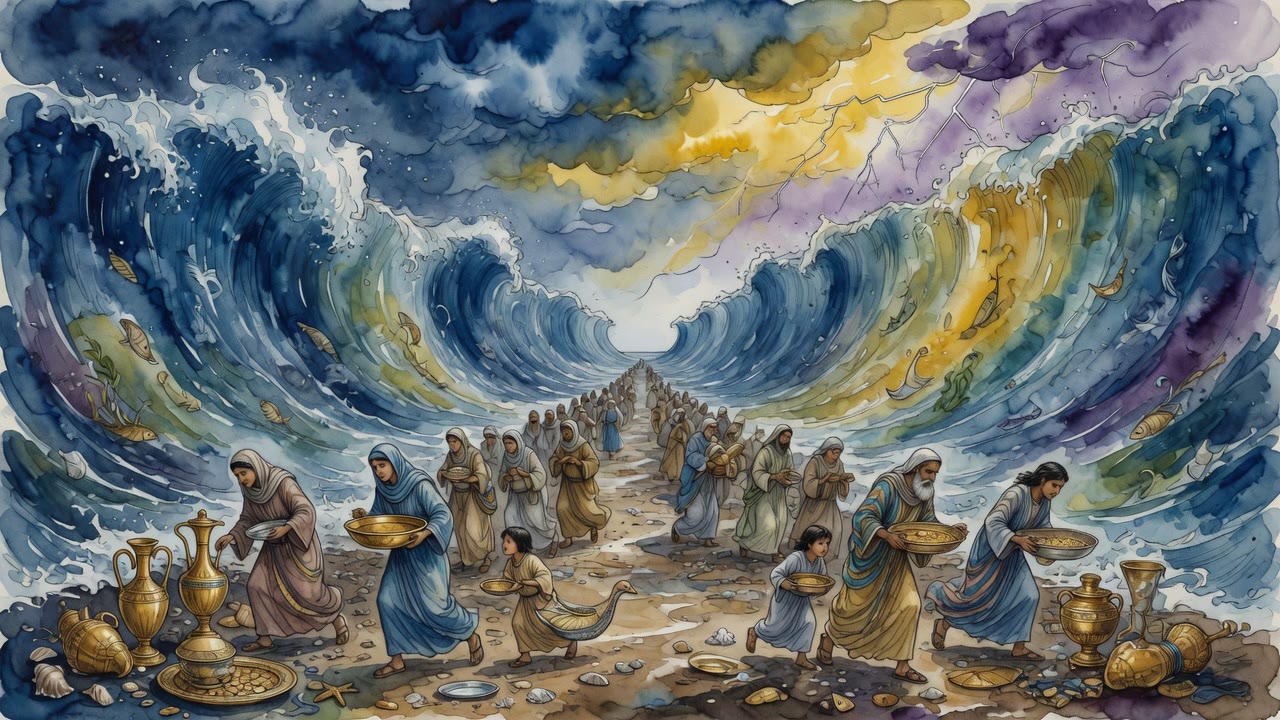
Israel filled their vessels with sweet water from the parted walls of the sea. Three days into the wilderness, every last skin ran dry.
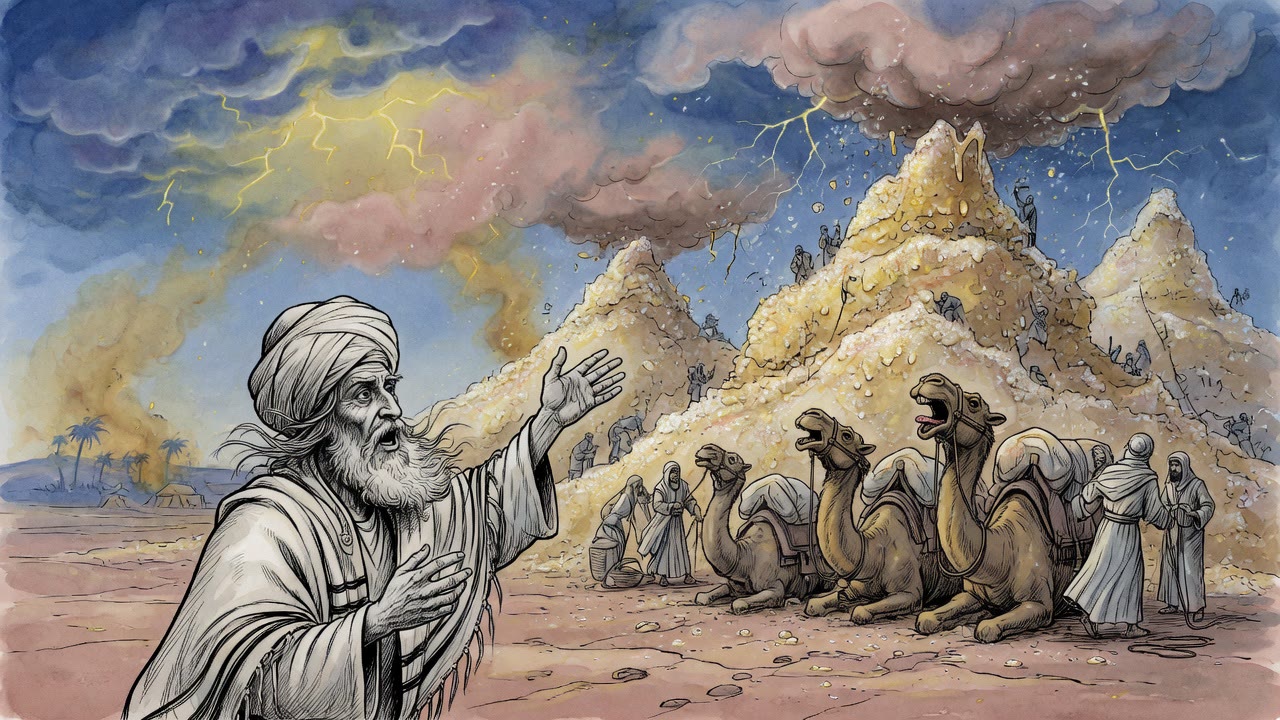
Tarfon groaned loud enough for the row to hear. Elazar of Modiim did not smile. He asked which of God's two measures was larger. Then he counted doors.
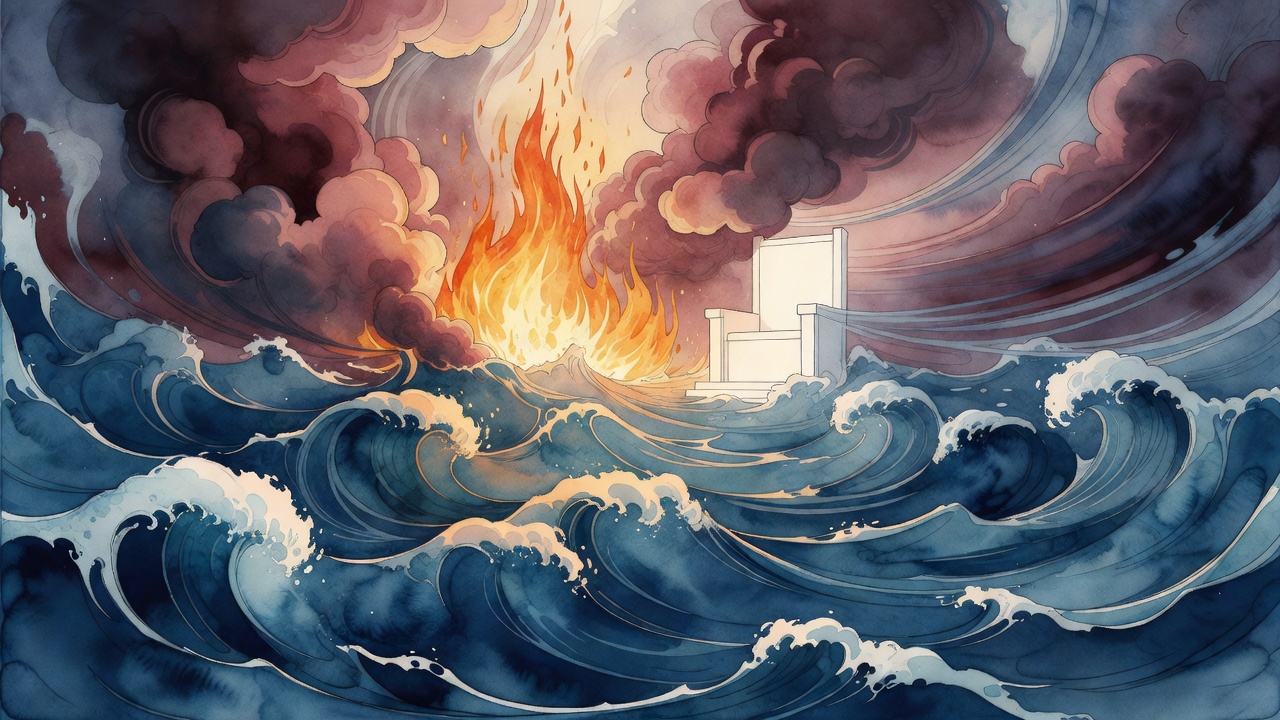
Rabbi Yochanan read one word in Exodus and found a secret deal: the sea was told to split for Israel before the world was three days old.
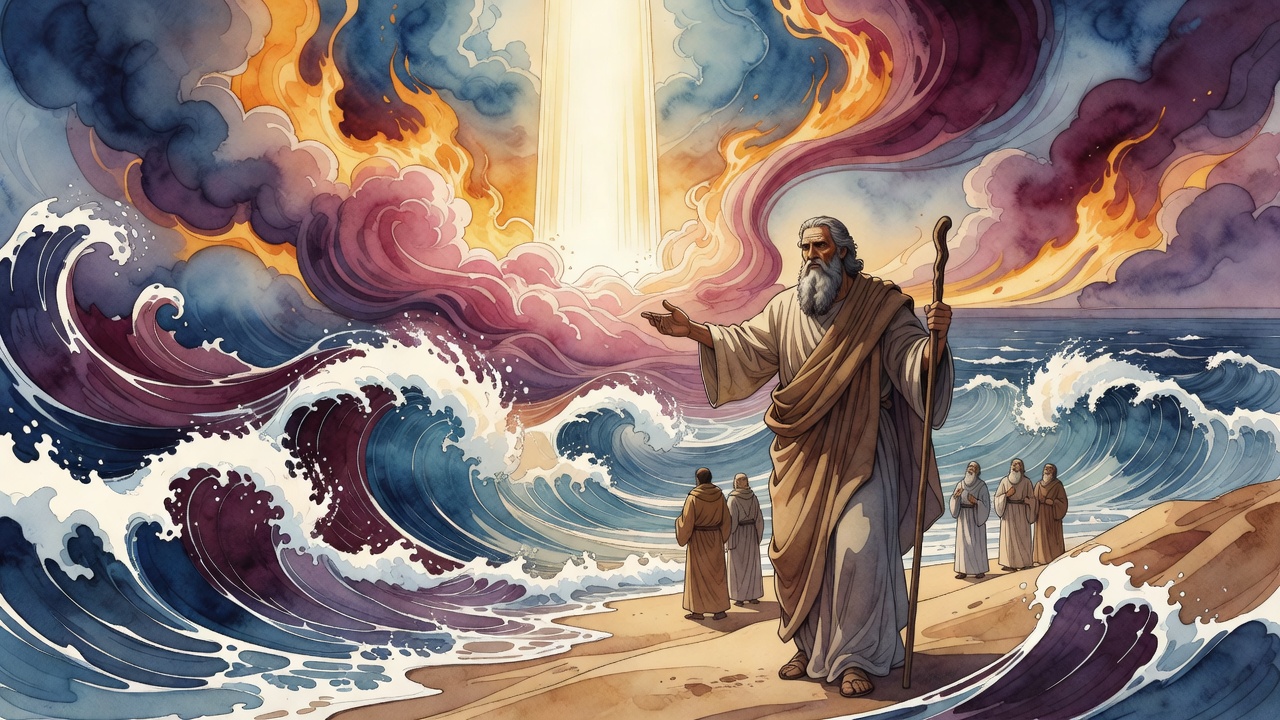
The water said it was three days older than Moses. He did not argue. He walked back to God with a complaint from the sea.
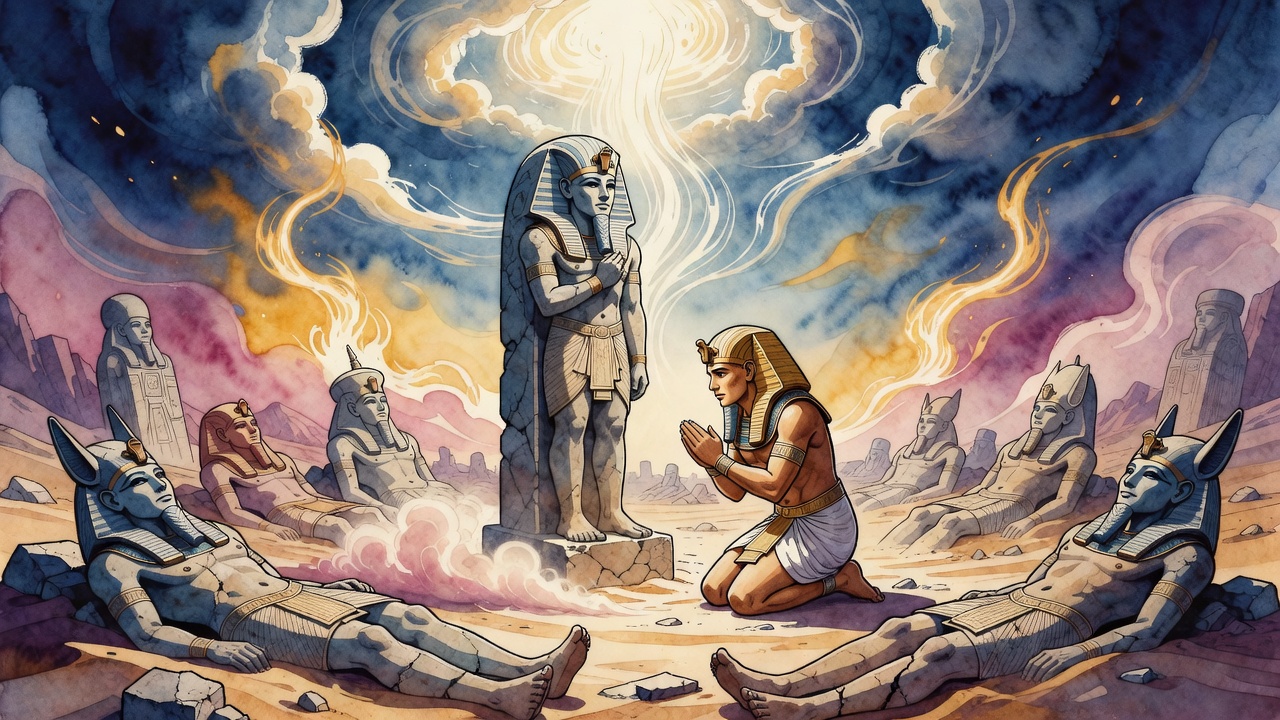
Every Egyptian idol fell during the plagues, but Baal-zephon still stood. God left it standing so Pharaoh would pray there, trust the sign, and charge.
She sang the women through the morning on the shore. Later she opened her mouth about the Cushite, and her skin went white to the wrist.
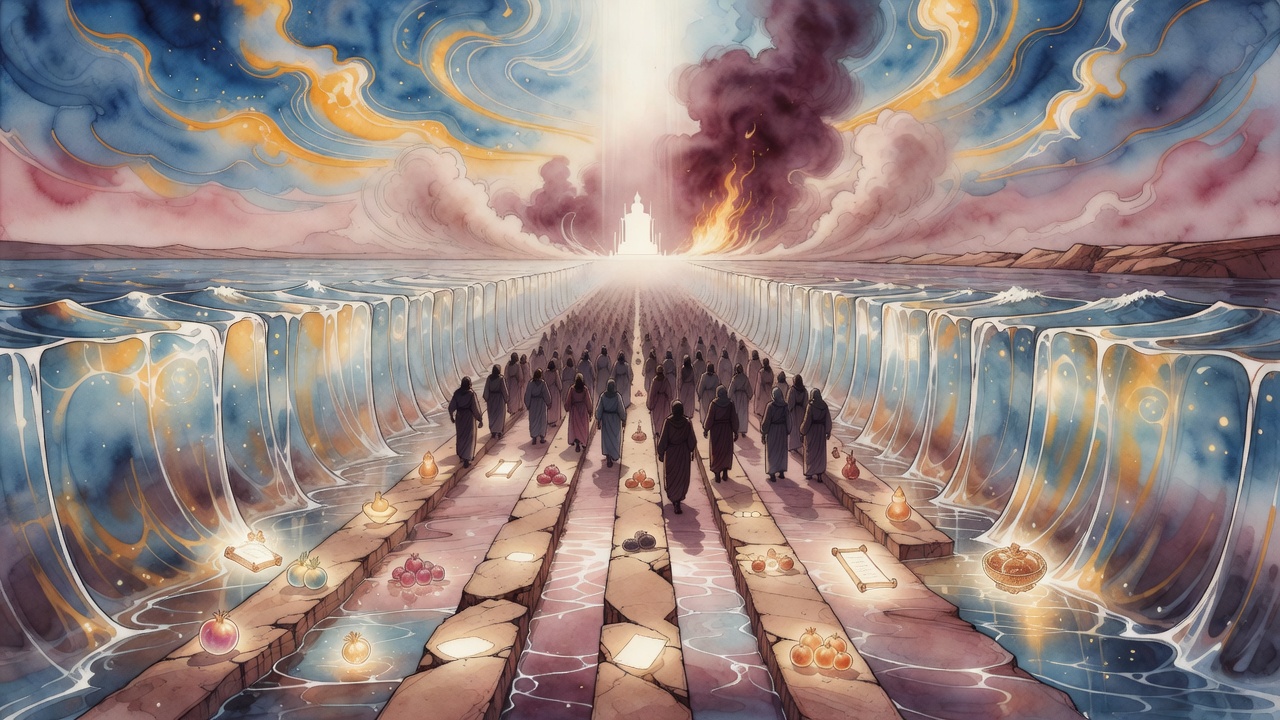
Two tribes were already in the waves. God turned on Moses, who was still praying, and told him to lift the rod over the water.
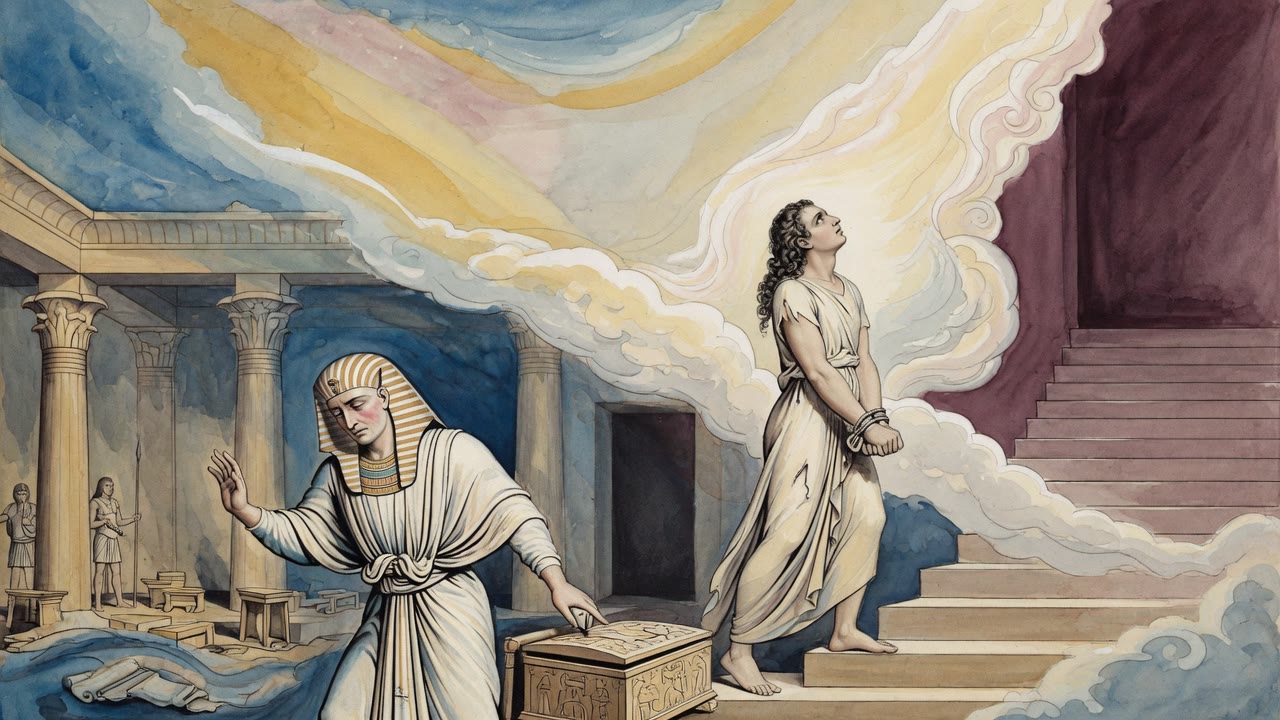
Three days after the sea split, Israel met water it could not drink and learned that confession can sweeten a bitter world.
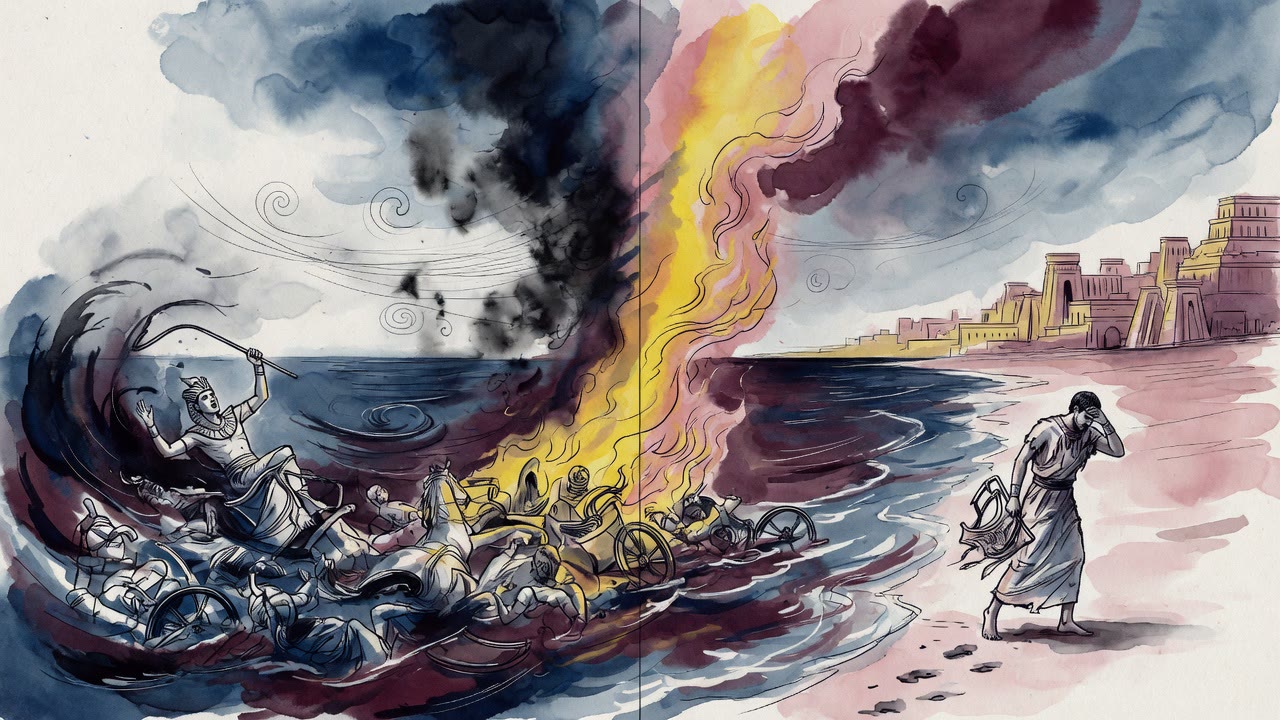
The rabbis could not agree whether Pharaoh drowned at the Red Sea or walked out to rule Nineveh as a witness to God's power.
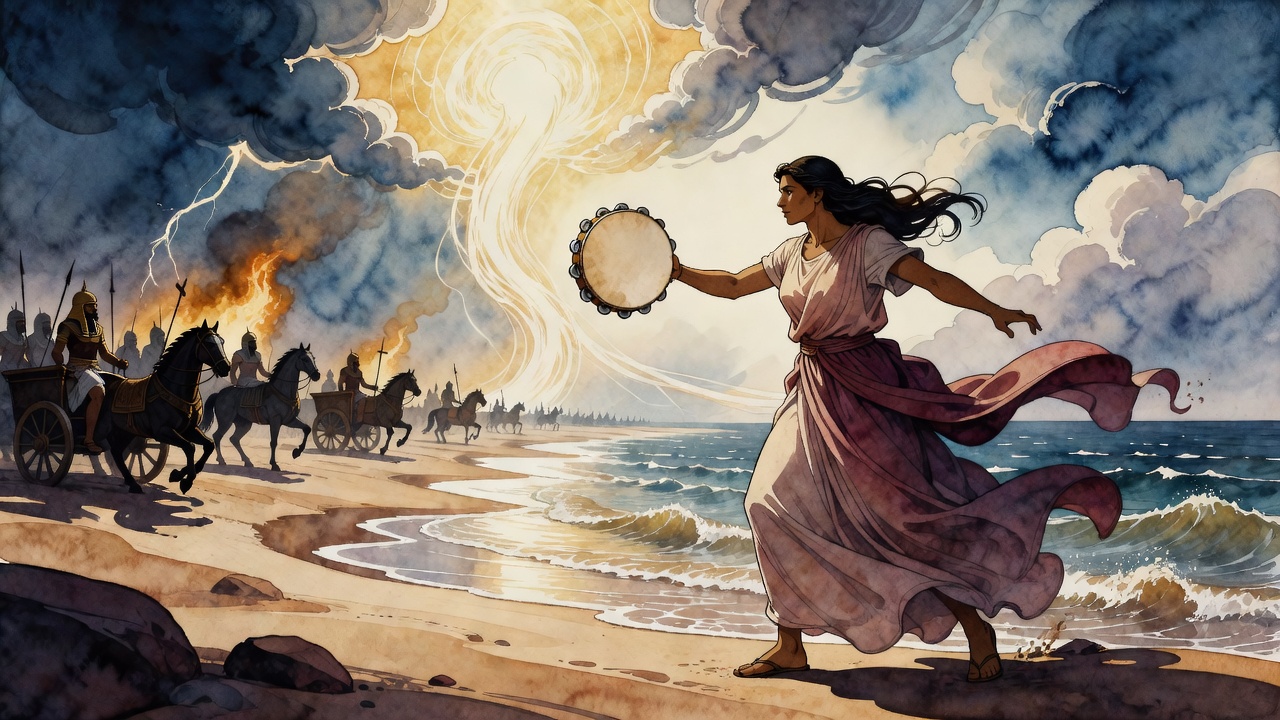
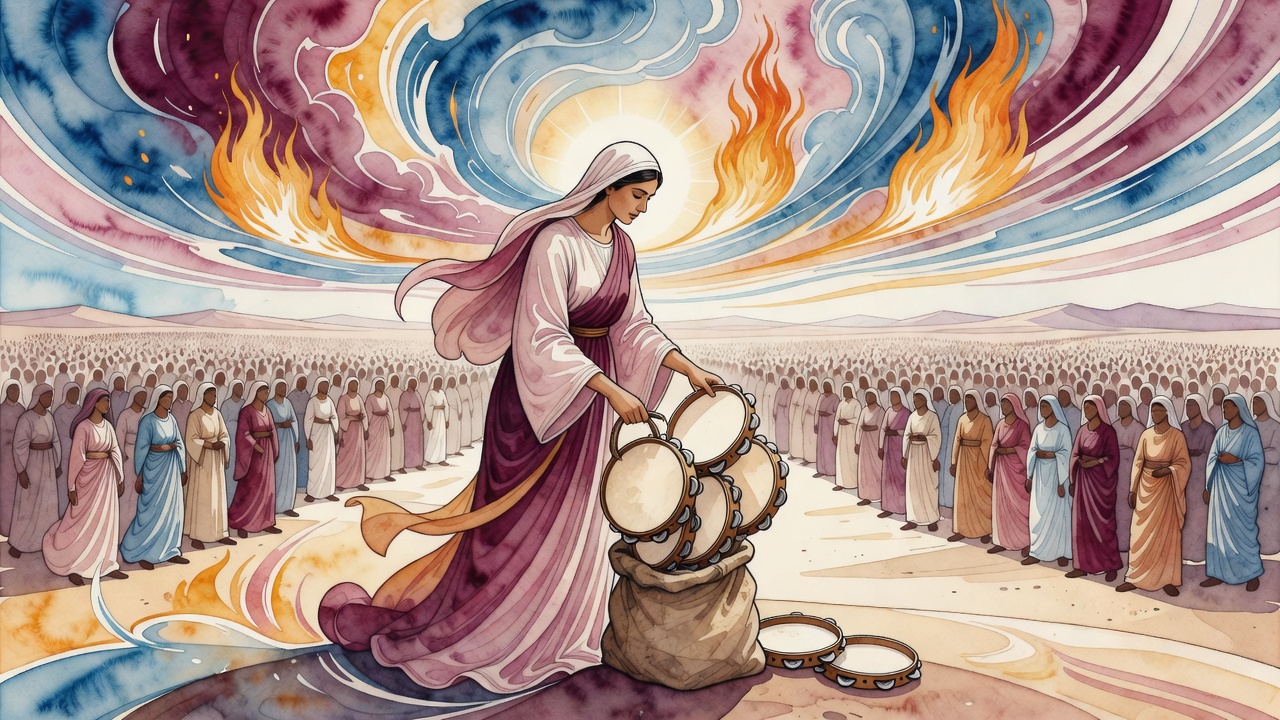
When Miriam led the women at the Red Sea, she had a tambourine ready. She packed it in Egypt while Pharaoh's army lived and the plagues were still running.
Esau told his grandson he had failed to kill Jacob and left him the job. Watch for the stumble, he said. That is the only opening you get.
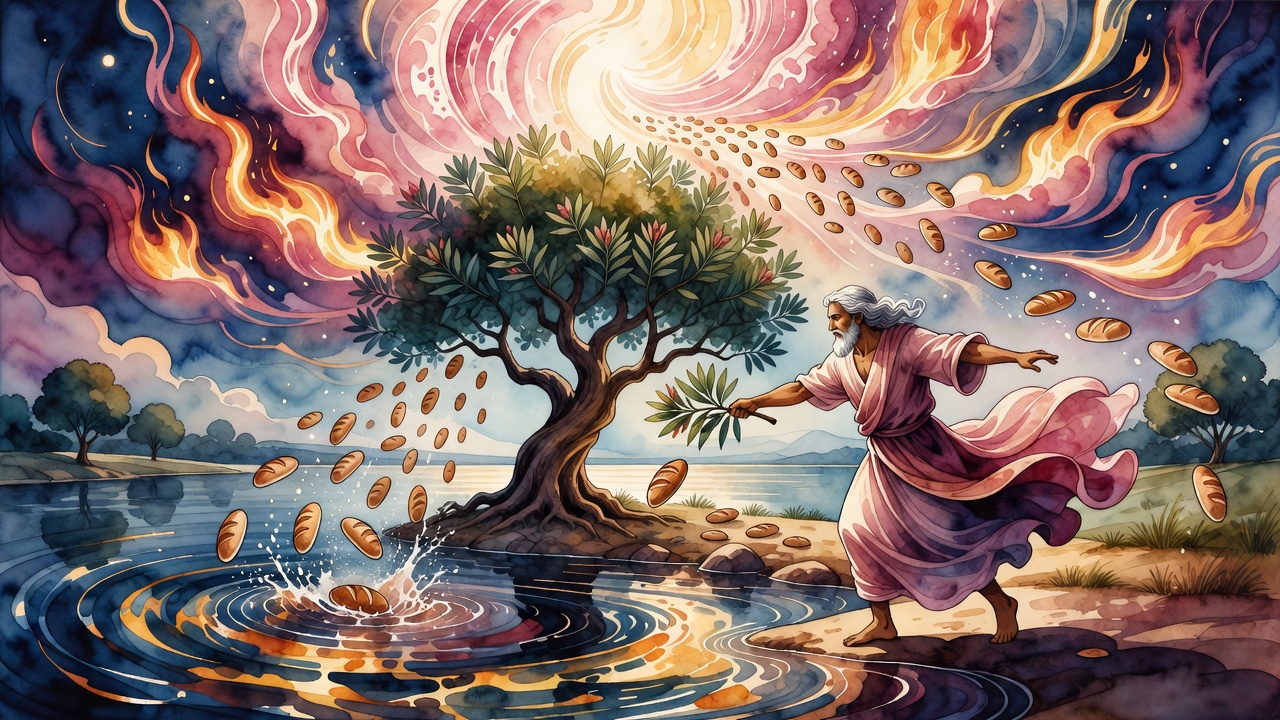
Moses writes God's Name on poisonous oleander and throws it into bitter water. Weeks later, heaven drops bread stored there since the first week of creation.
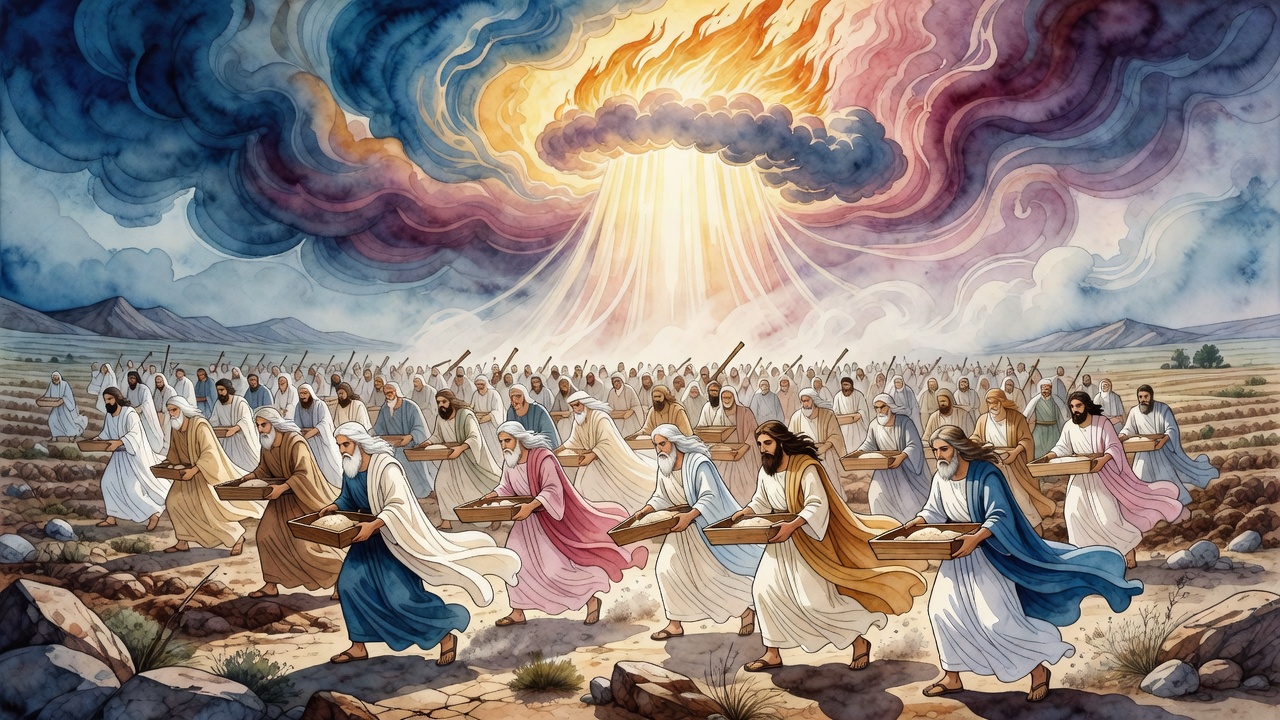
Israel leaves Egypt with kneading troughs but no food planned, and God remembers that trust as the love of a bride following into untilled land.
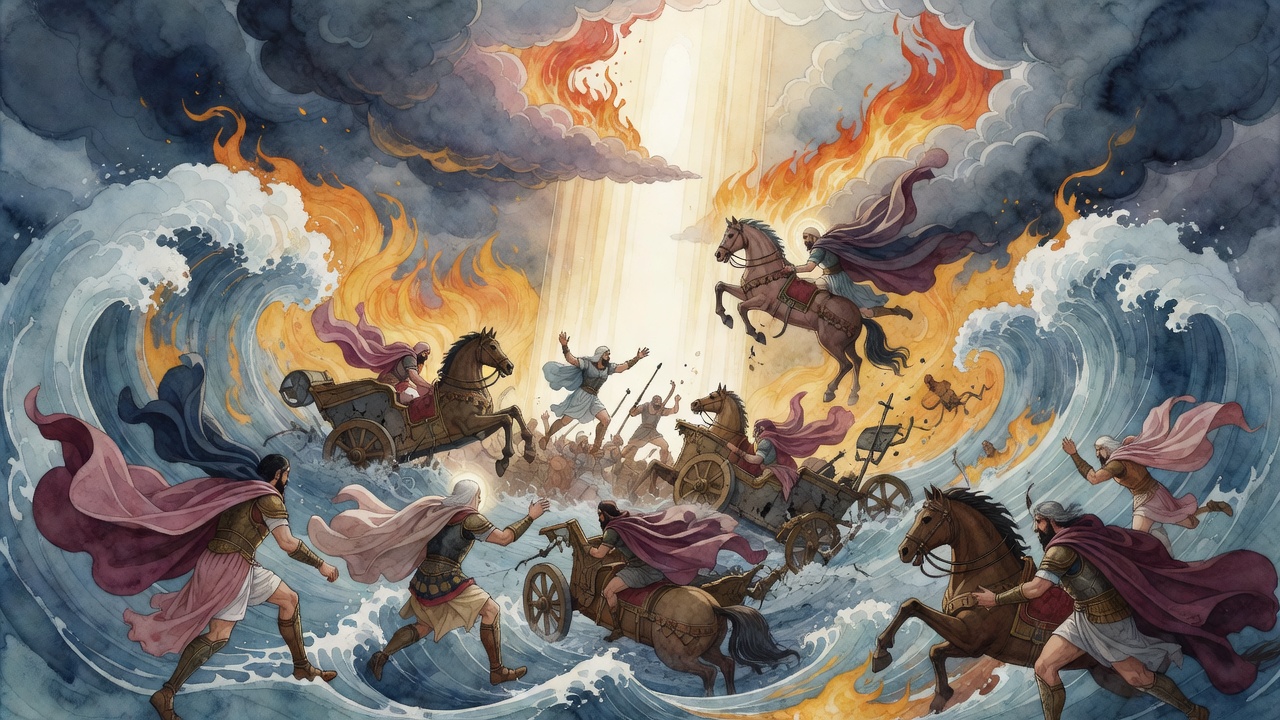
Two words in the Song at the Sea fight each other. One says God hurled the chariots down. The other says He lifted them. Both are right, in that order.
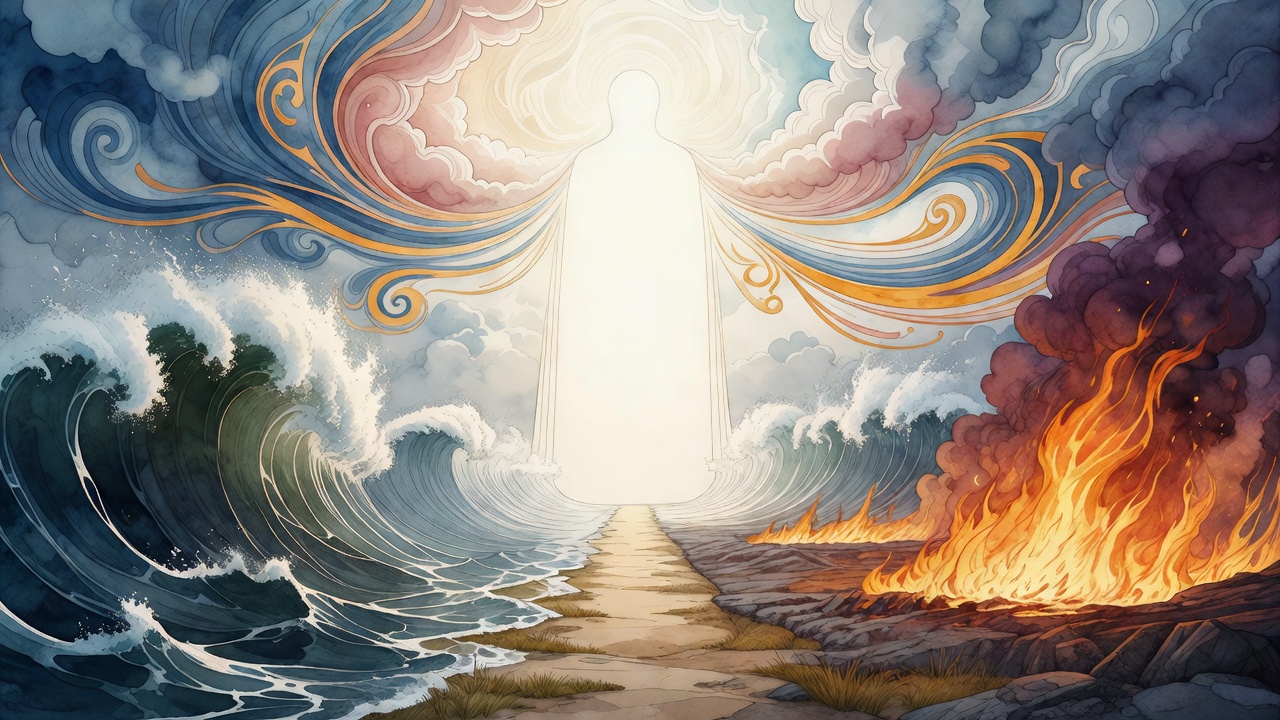
One wind blew all night at the sea. It dried a road for Israel and drowned Egypt in the same water. The rabbis called that one act, seen twice.
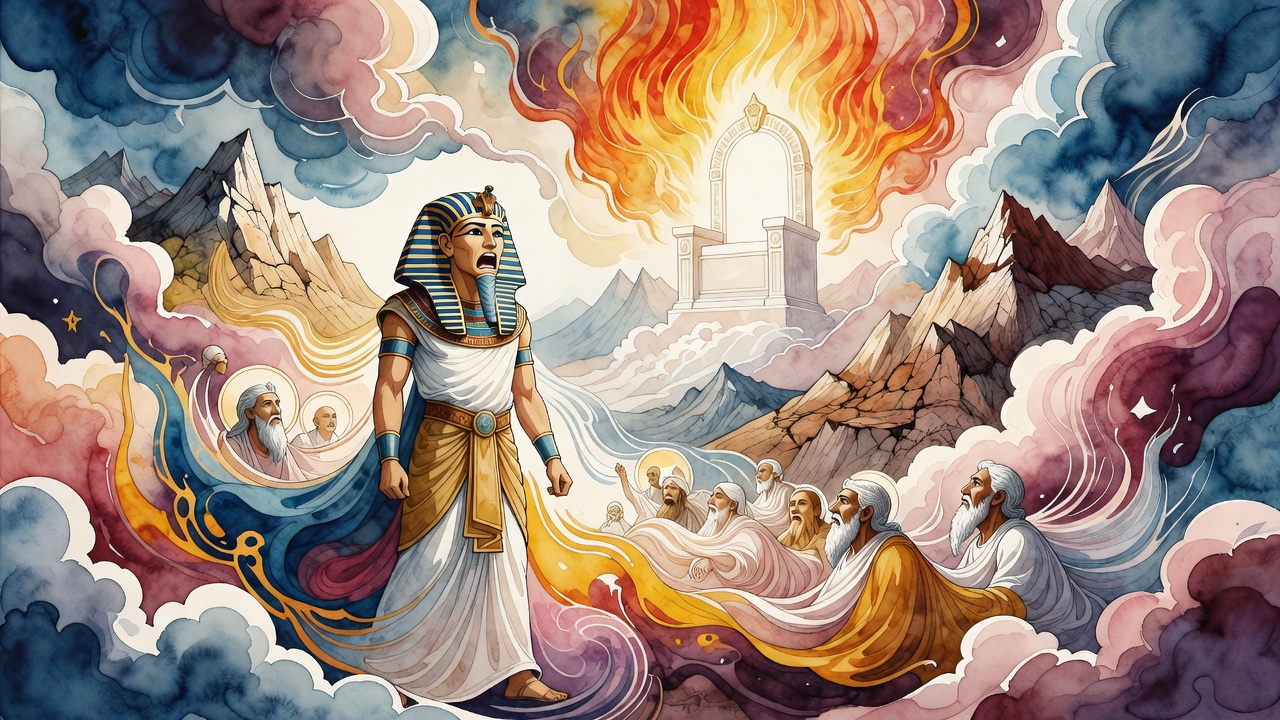
Pharaoh had said he did not know the Lord. At the sea his own men were shouting that the Lord was fighting for Israel, and fleeing as the water came back.
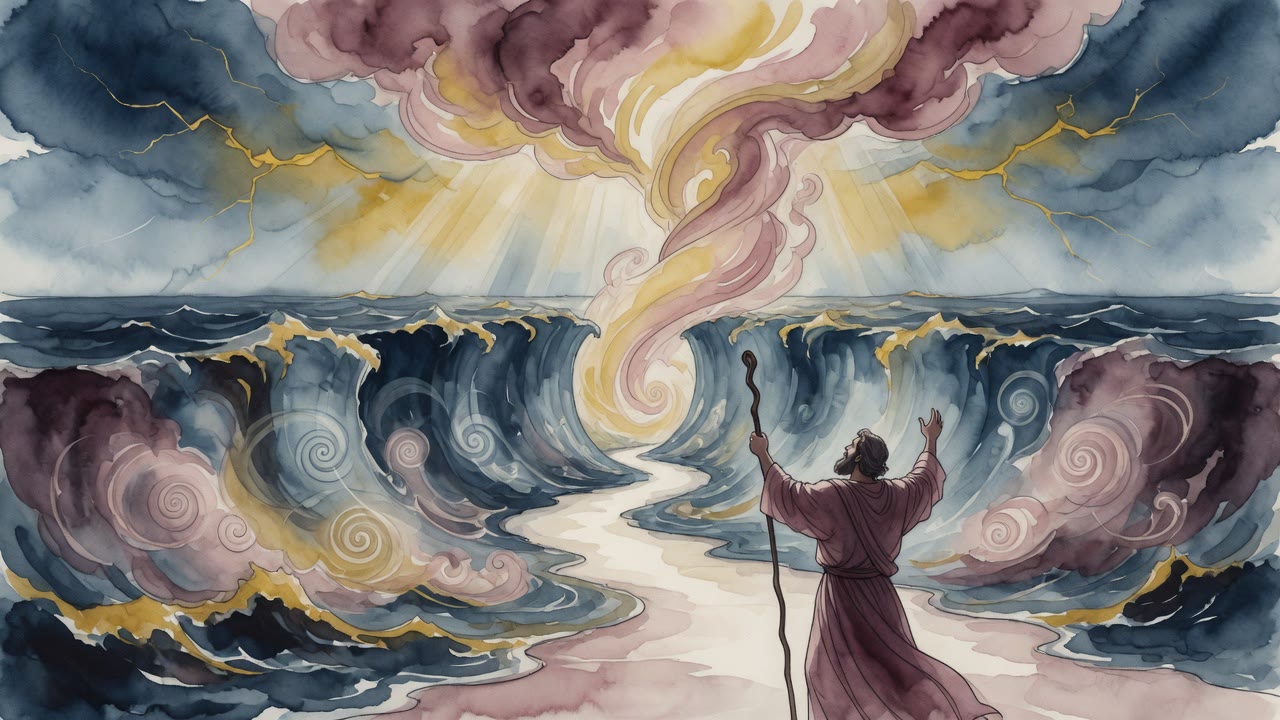
Before Moses lifts his staff at the sea, the sea already knows. God built a condition into creation the day the waters were gathered, and this is the day.
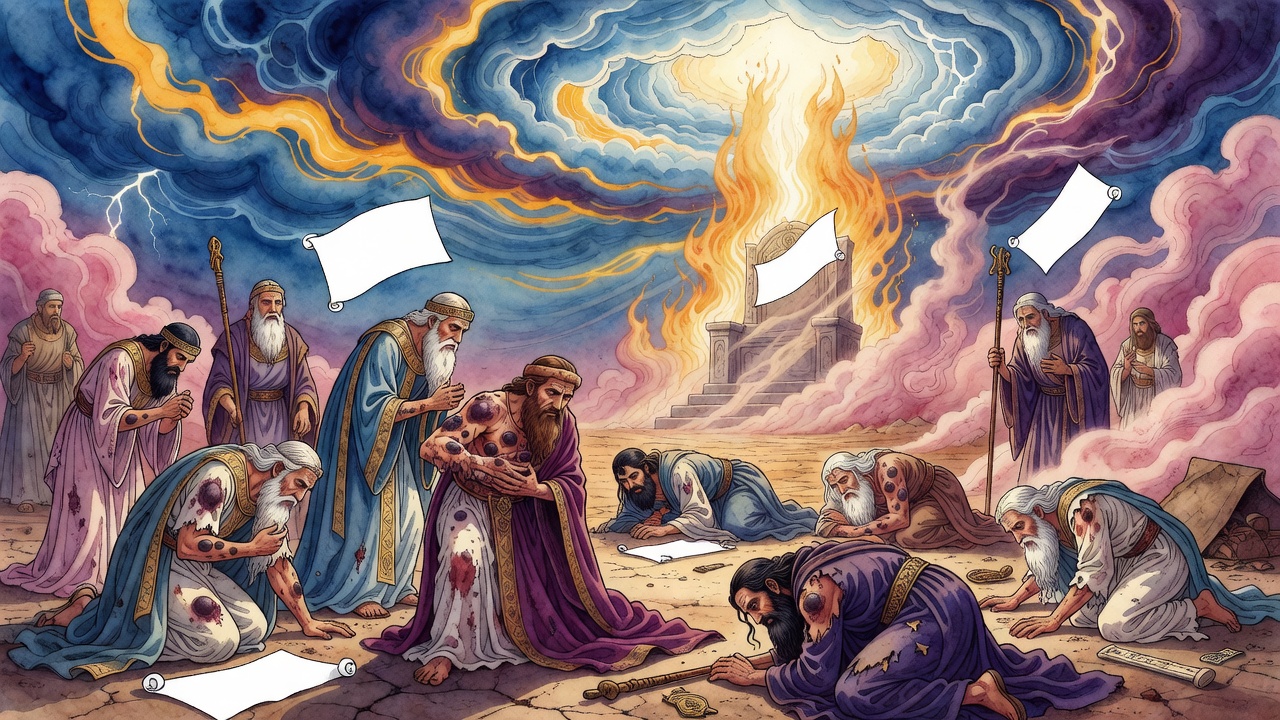
Balaam's sons copied the blood and the frogs. Dust would not become lice for them. When the boils came they could not even stand in the hall.
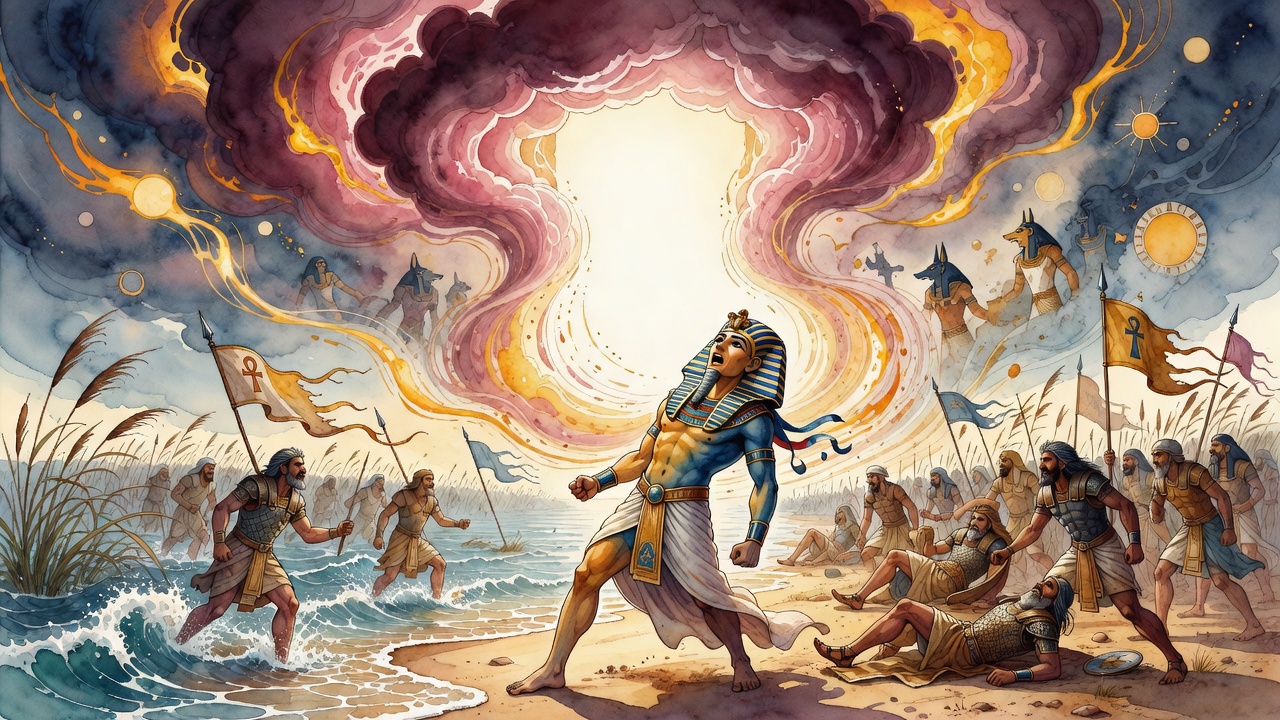
At the Sea of Reeds, Pharaoh's mouth was forced to confess, his army lost its banners, and the nations heard that Egypt's gods had been judged.
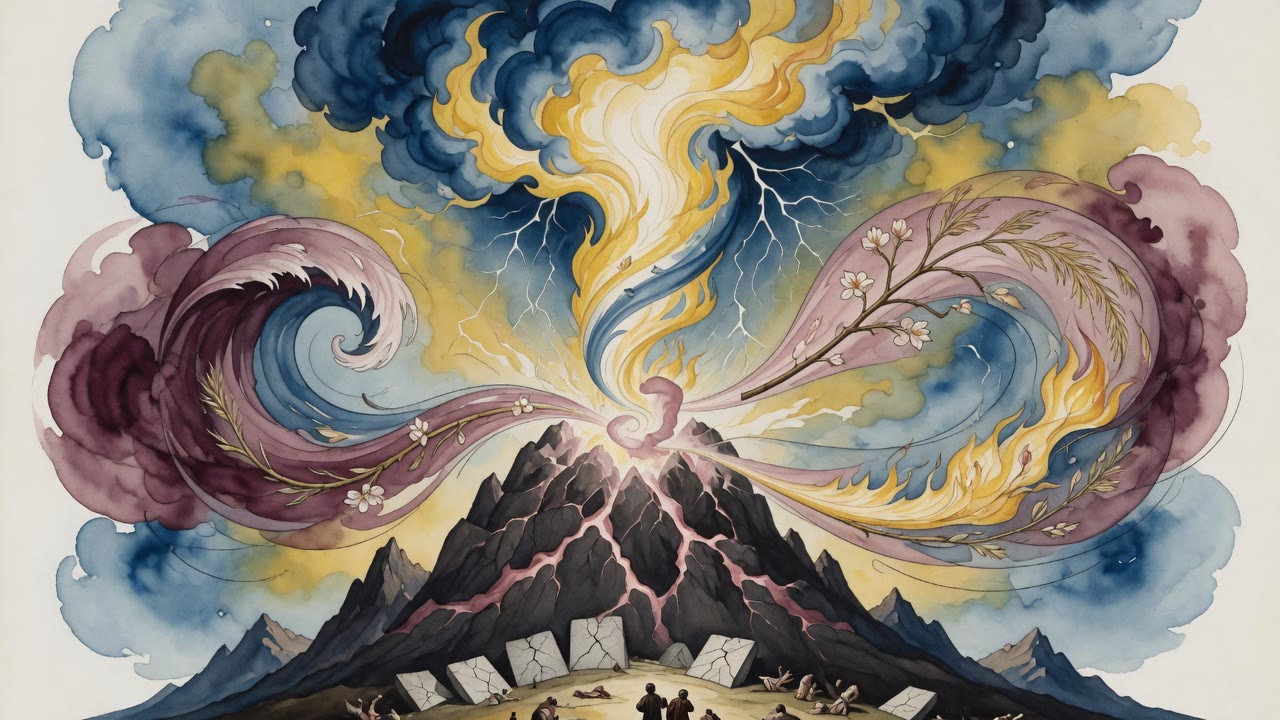
When the angels rose to sing as the Egyptians drowned, God stopped them with a sentence that cut through triumph and made mercy part of the judgment.
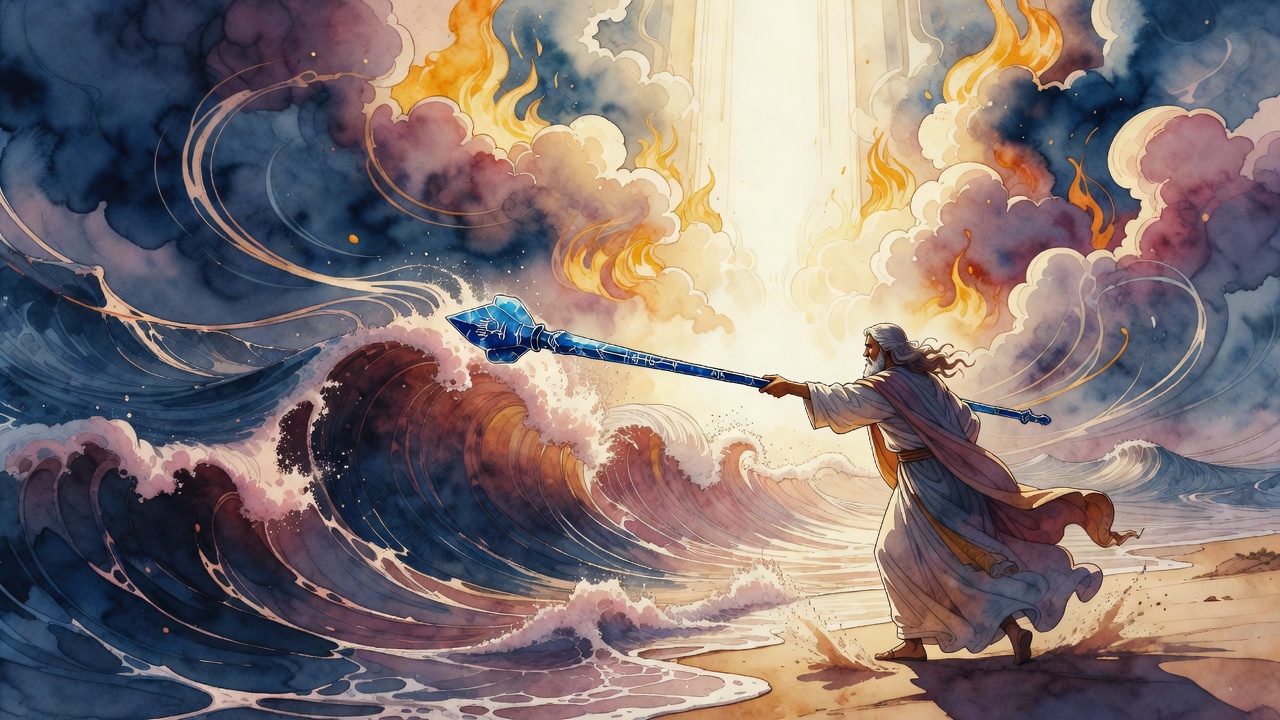
Moses stretched out the ancient sapphire staff over the water and the sea refused him, standing firm until the King Himself appeared at the shore.
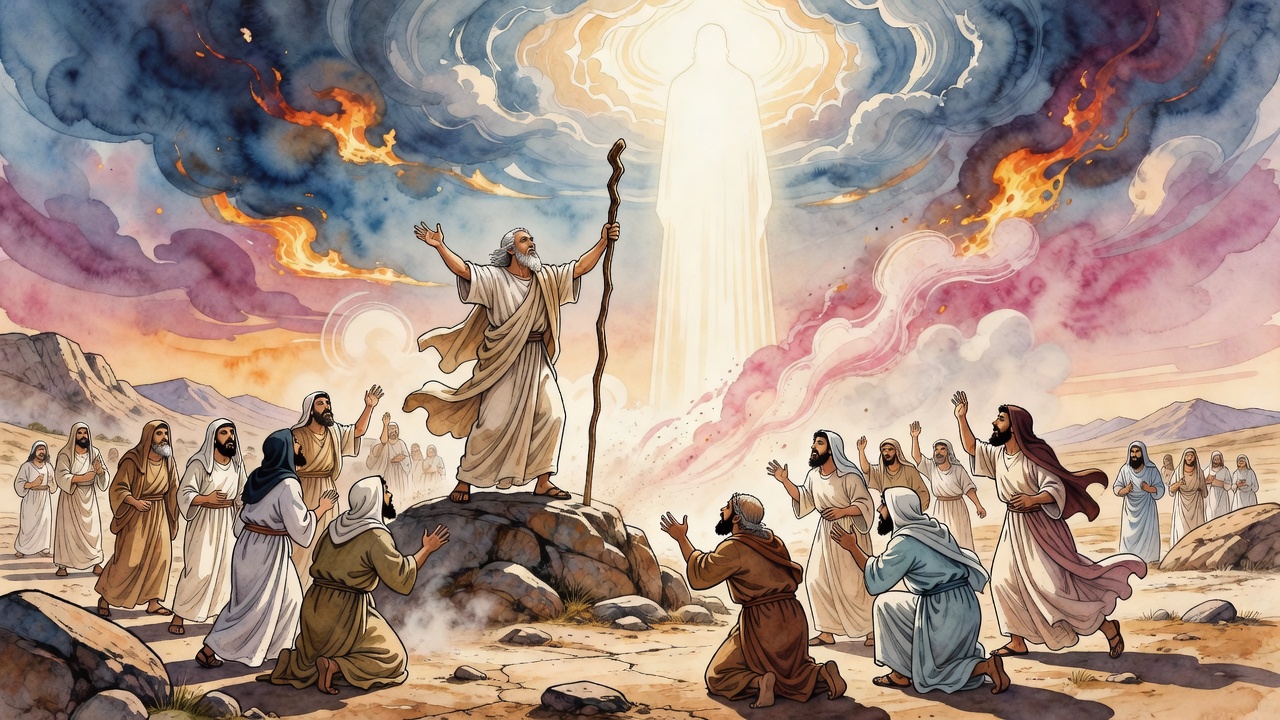
The camp was ready to stone Moses. God told him to pick up the staff they feared and walk ahead of them until the rock opened.
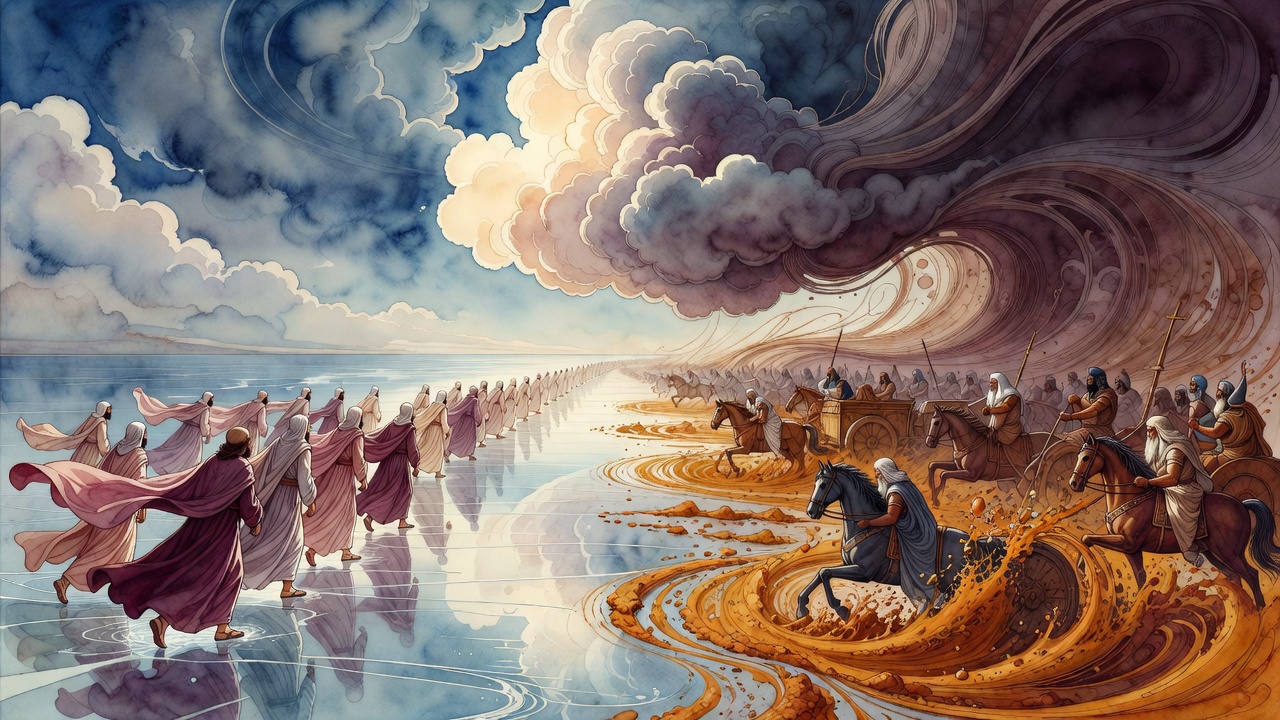
The same water that opened smooth as glass beneath Israel's feet turns to mud under Egypt, and one cloud becomes both lantern and blindfold at once.
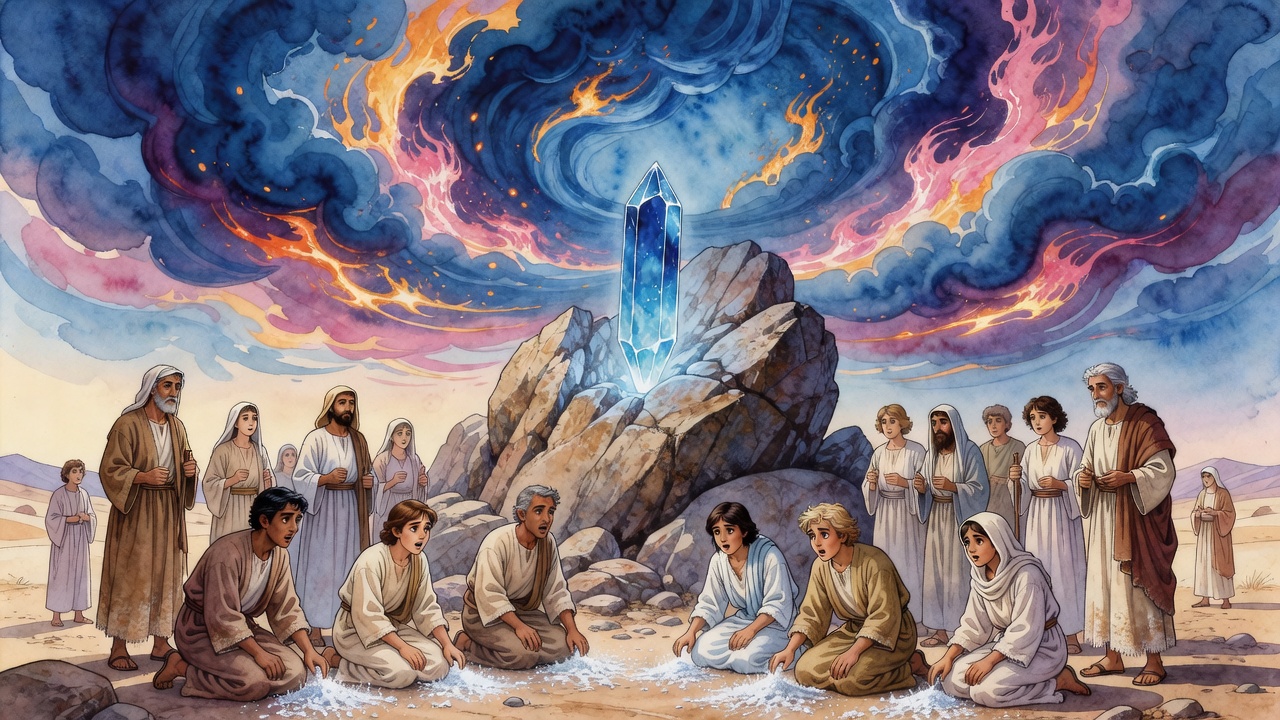
The desert was white before anyone had a name for the stuff on it. A man turned to his neighbor. Man hu, he said. The question became breakfast.
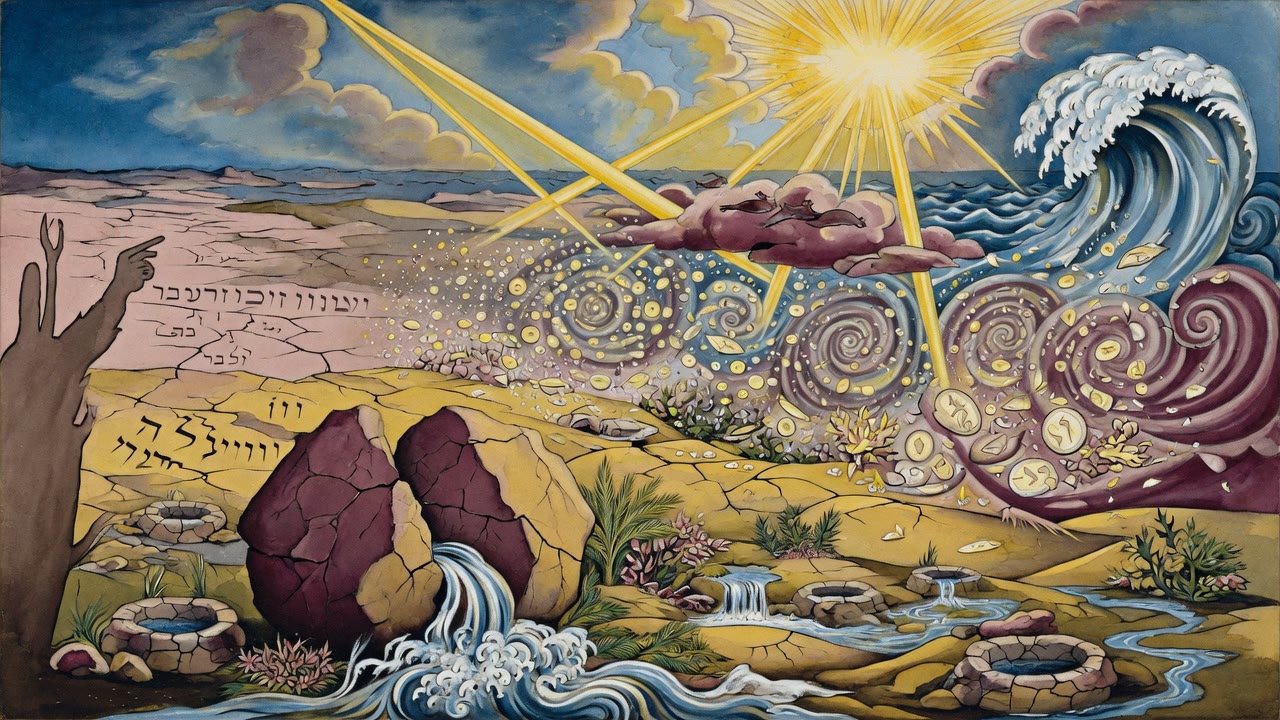
The people said the desert was empty and God had brought them there to die. So the sea split twelve ways, a cloud flattened the road, a rock followed them.
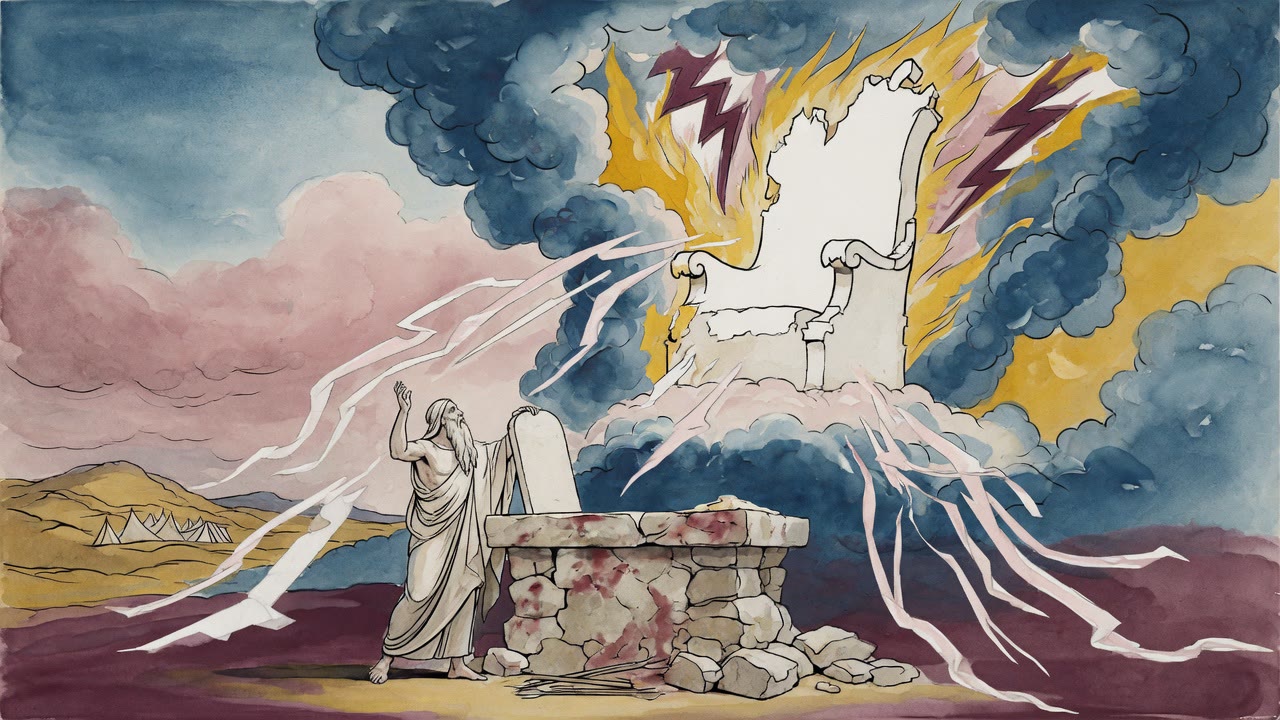
After Rephidim, Moses names shared trouble at the altar while God swears the divine name and throne stay incomplete until Amalek is erased.
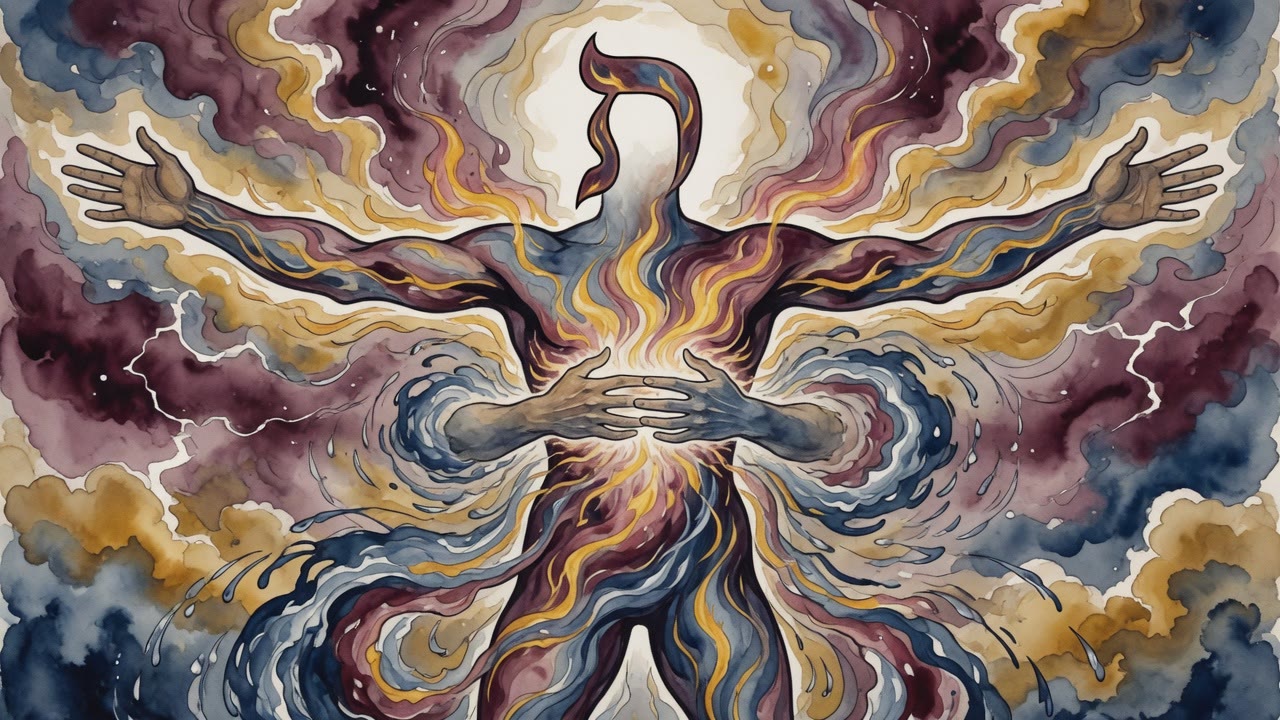
Fire makes peace with hail, Gabriel holds back at the sea, and Michael waits for dawn to drown Egypt's sorcerers, because destruction must wait for command.
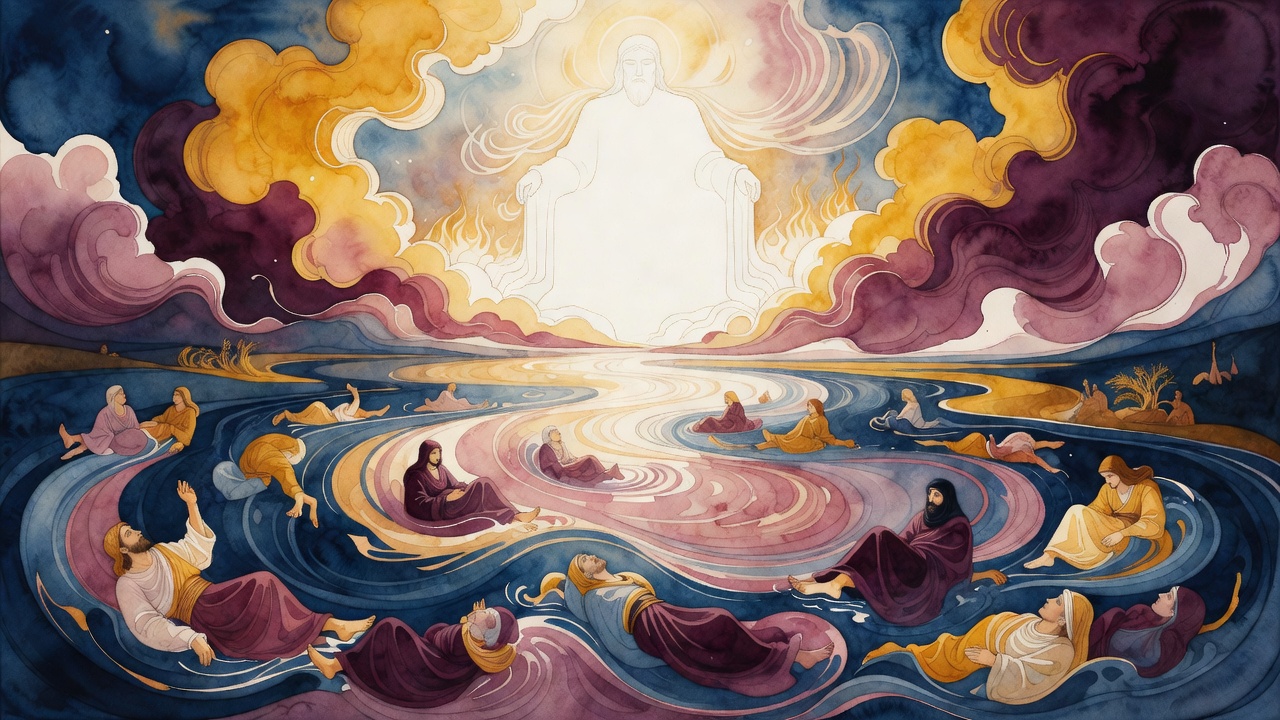
A horse's hooves found mud that would not let go. The water that had taken Hebrew boys now held Egypt's best chariots down.
