Israel Walked Into the Wilderness Without Provisions
Israel leaves Egypt with kneading troughs but no food planned, and God remembers that trust as the love of a bride following into untilled land.
Table of Contents
 Click for full size
The Dough Was Still on Their Shoulders
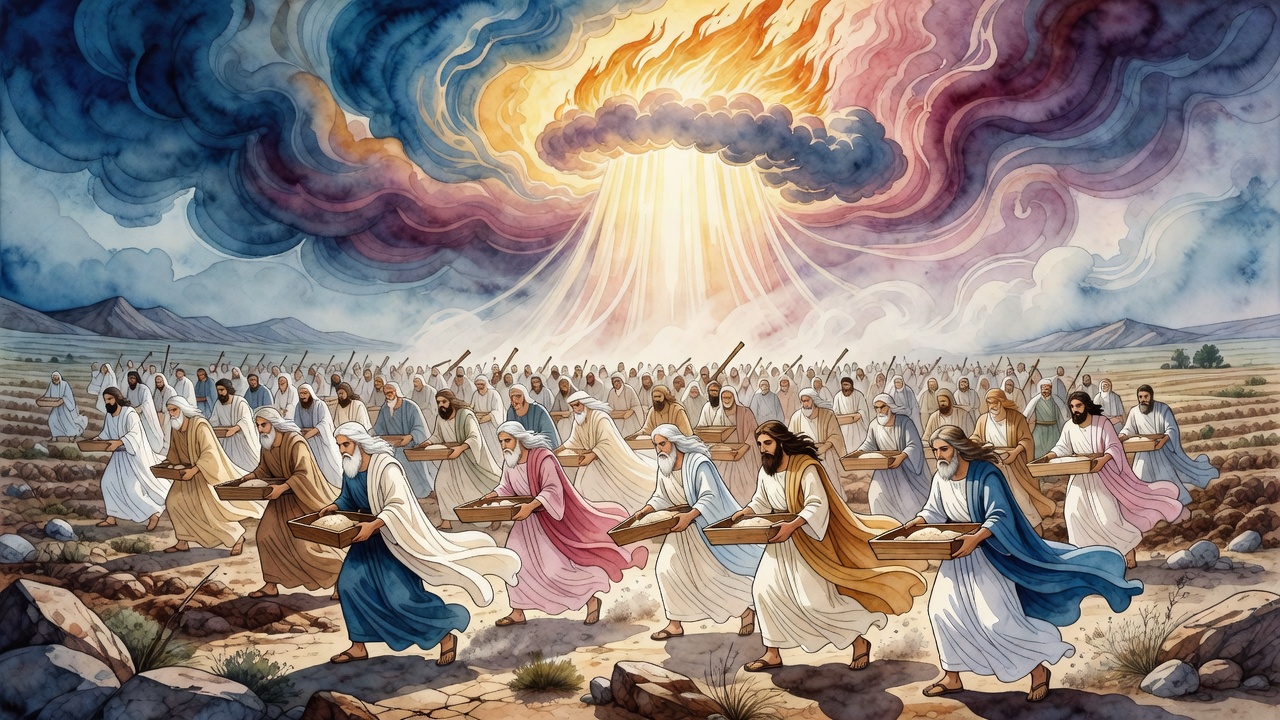
They left with kneading troughs wrapped in their clothing on their shoulders, the dough not yet risen, no time for anything to set. No grain sacks planned for the road ahead. No dried meat measured out for the road. No calculation of how many days the wilderness would take and how many mouths needed feeding each of them.
A nation that had just been enslaved for generations walked into an unmapped wilderness without food for the trip.
The rabbis paused over that fact and heard something in it that was not stupidity or panic. They heard trust. They heard the particular trust of a people who had been told to go and had gone, without first demanding that survival be guaranteed in advance.
They Did Not Ask What They Would Eat
The Mekhilta, the early rabbinic commentary on Exodus, notices what the people did not say at this moment. They did not turn to Moses and ask how a million people intended to survive in a land not sown. They did not demand a logistics plan before they took the first step. They did not negotiate terms. They packed the unrisen dough on their backs and walked.
That silence becomes the text's evidence for something real. The people could have said many things at the edge of Egypt. They said nothing about the road ahead. They trusted that the One who had brought the plagues, who had split the night between Egypt and Israel, who had told them to mark the doorposts and wait, would not stop caring about them the moment the last task in Egypt was complete.
Jeremiah Remembered the Wedding Road
Centuries later, the prophet Jeremiah gave God's own memory of that first movement. I remember the devotion of your youth, God says through him, the love of your betrothal, your following Me in the wilderness, in a land not sown. The verse does not remember the panic or the later complaints or the times the people looked back toward Egypt and wished they had stayed. It remembers the first step. The one they took before experience had taught them what deserts do to people.
The wilderness becomes a wedding road in that memory. Israel is the bride who followed into an untilled land not because survival was assured but because the relationship demanded it. That is not foolishness. That is what love looks like before it becomes complicated.
The Empty Hands Drew the Sea
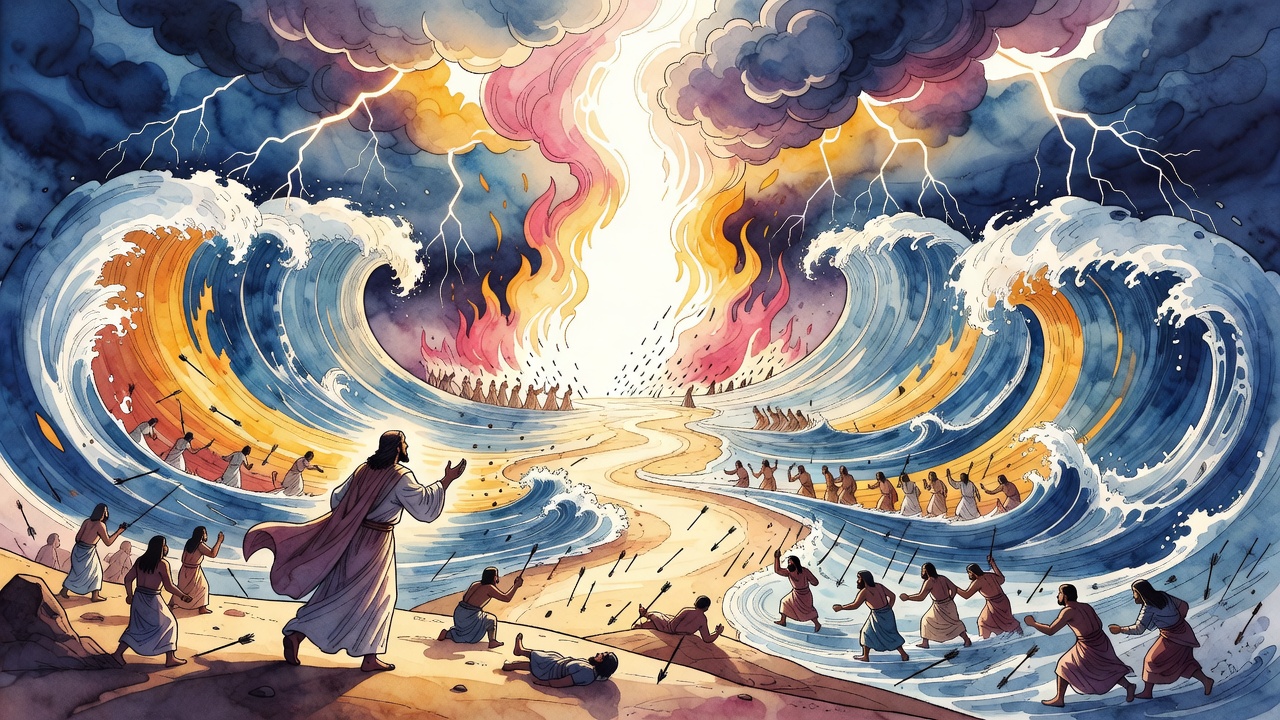
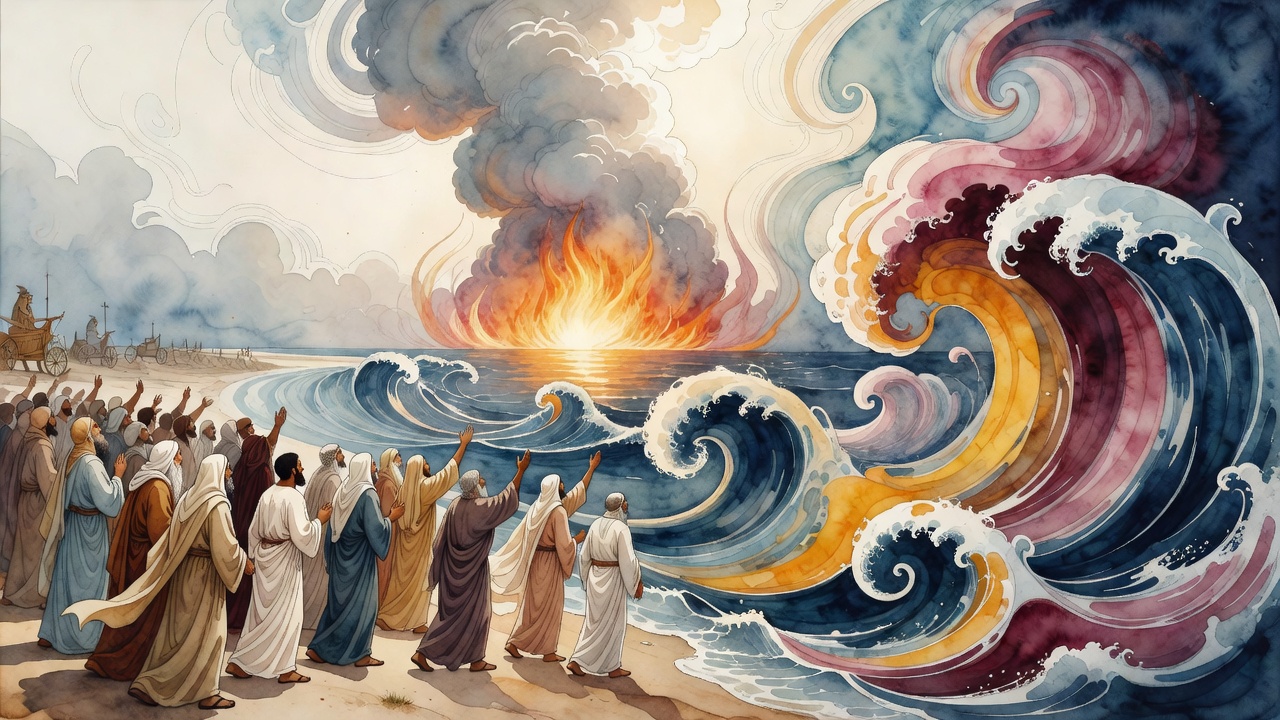
When Israel reached the sea with Egypt behind them, the rabbis asked what merit split the water. One answer the Mekhilta preserves is the merit of the fathers. Another is that Judah was first into the waves. But the background to all of it is the faith that started before the wilderness even began, when a nation picked up unleavened dough and walked.
God does not respond only to desperate prayer at the water's edge. God responds to the act that preceded the crisis: the willingness to go without provisions into a land not sown, on the word of a God who had just demonstrated power over Egypt but had not yet offered any logistical support for the road ahead.
That initial trust was the statement Israel made before any threat arrived. The sea answered it later.
The Enemies Who Followed Got Caught
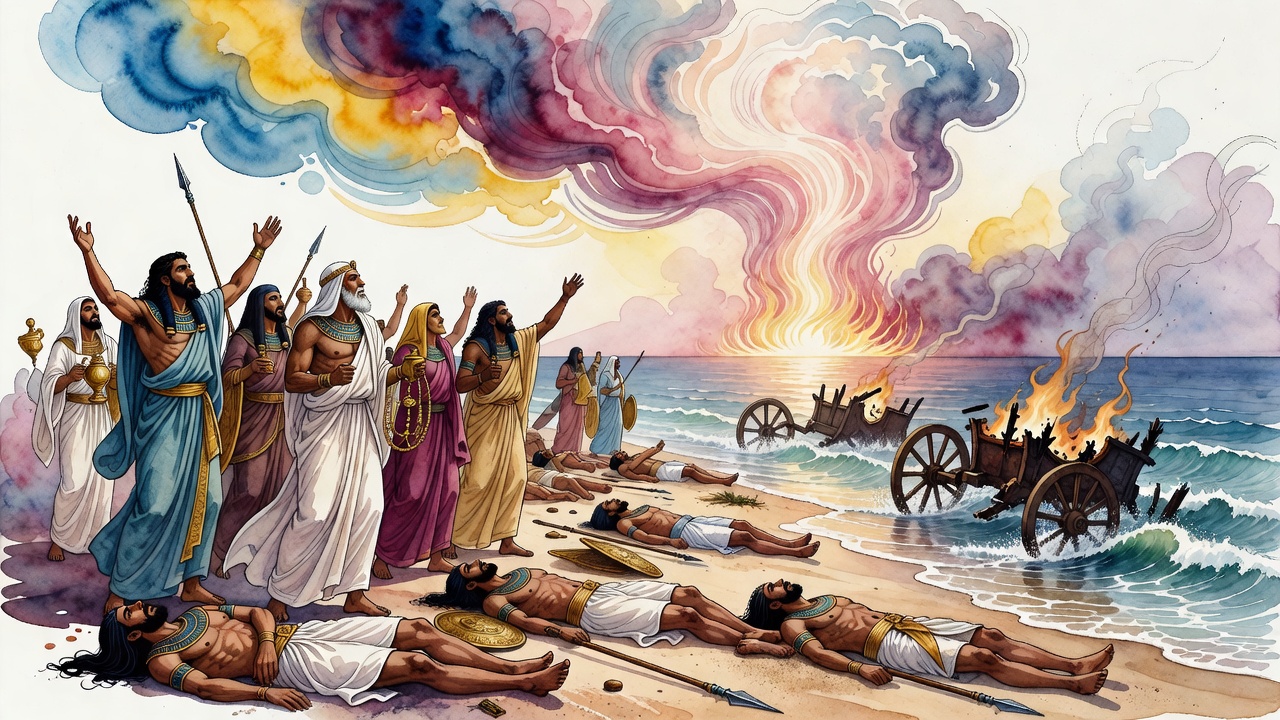
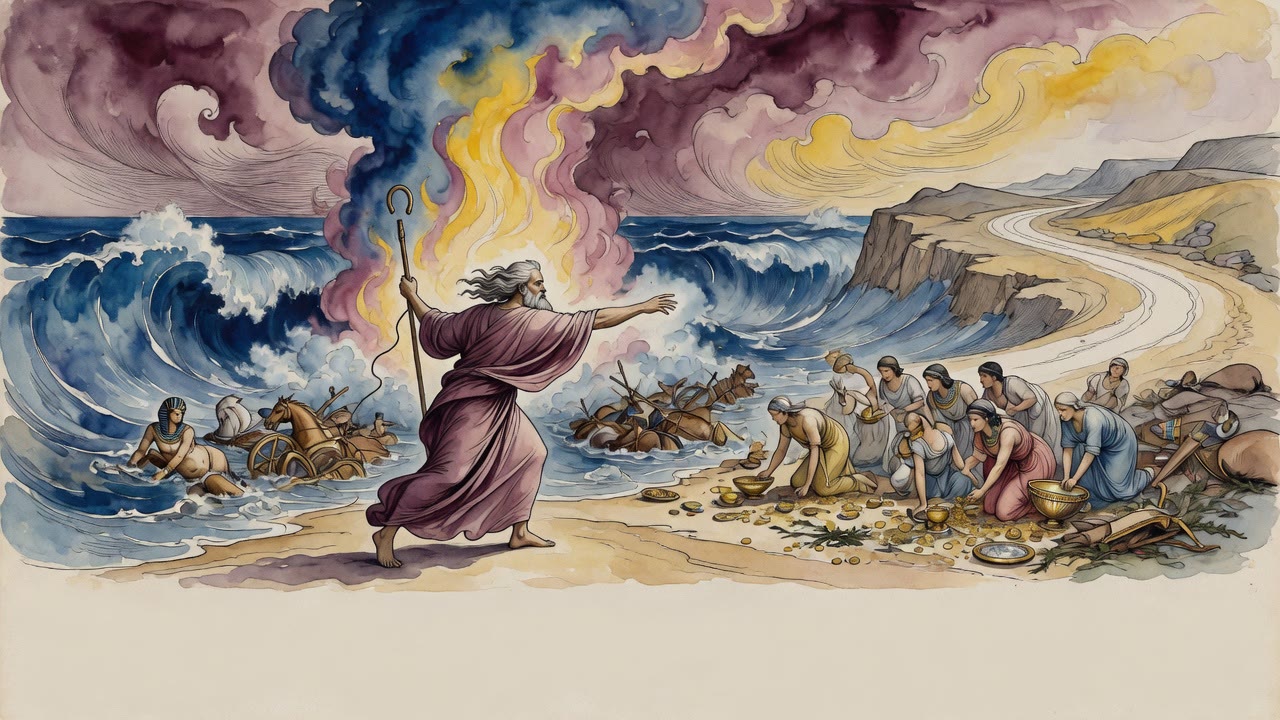
Israel's empty hands also set up the judgment of those who had filled their hands with the labor of others for four hundred years. Egypt followed them to the sea, and Egypt did not cross. The Mekhilta notes that Israel was not the only nation whose fate was decided by water. Whoever tried to destroy Israel through water was destroyed through water. The Nile had been a weapon. The sea became the answer.
Trust and punishment share the same element. The people who walked into the wilderness with kneading troughs and no food walked through the sea on dry ground. The army that drove the largest chariot force in the world did not.
← All myths