94 myths · Page 1 of 4
Each story names the sources it was written from.
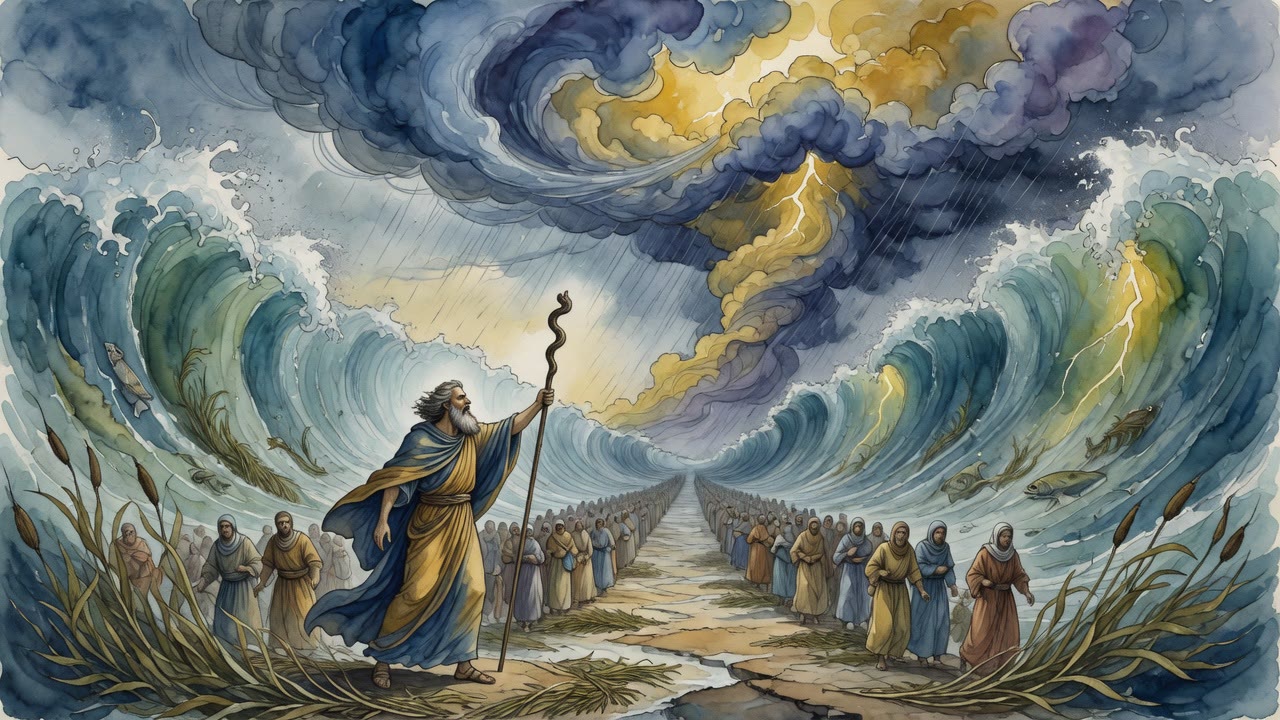
Moses raised the staff and the water held its shape. Nachshon walked in until the sea sat at his nostrils. Only then did the walls stand.
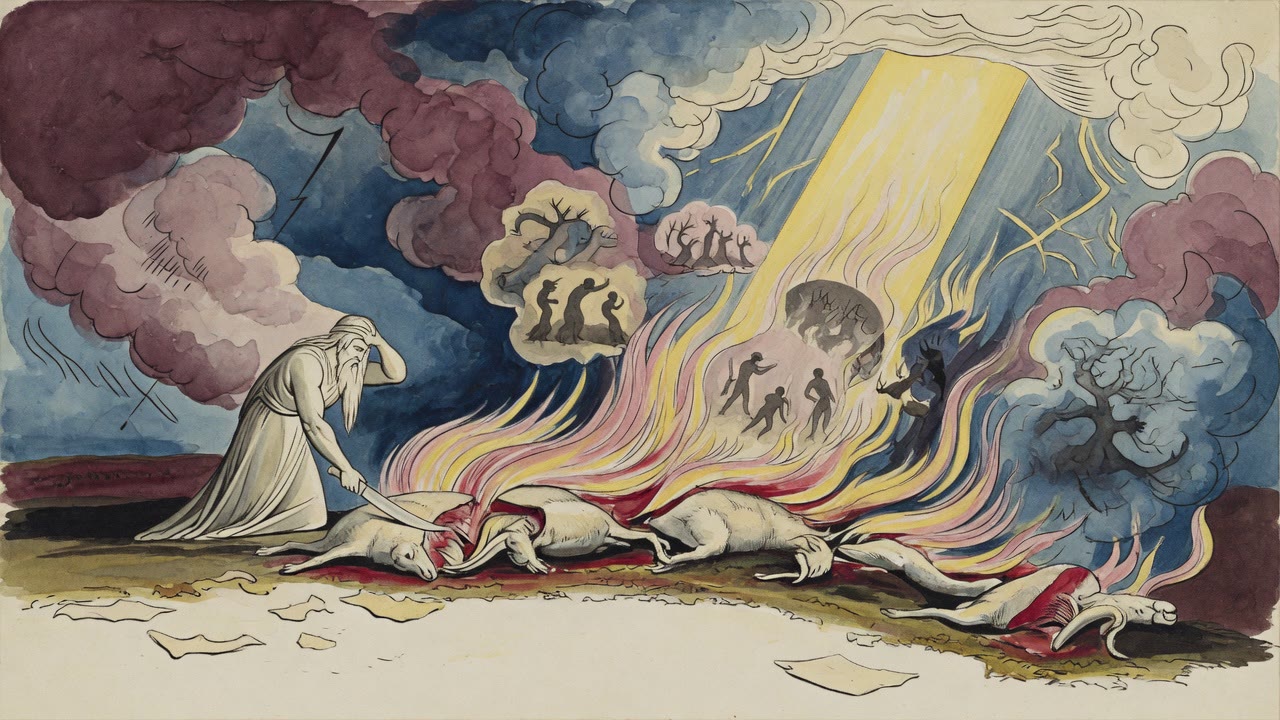
Abraham cuts the covenant animals at God's command. When darkness falls, fire passes through the pieces and shows him hell.
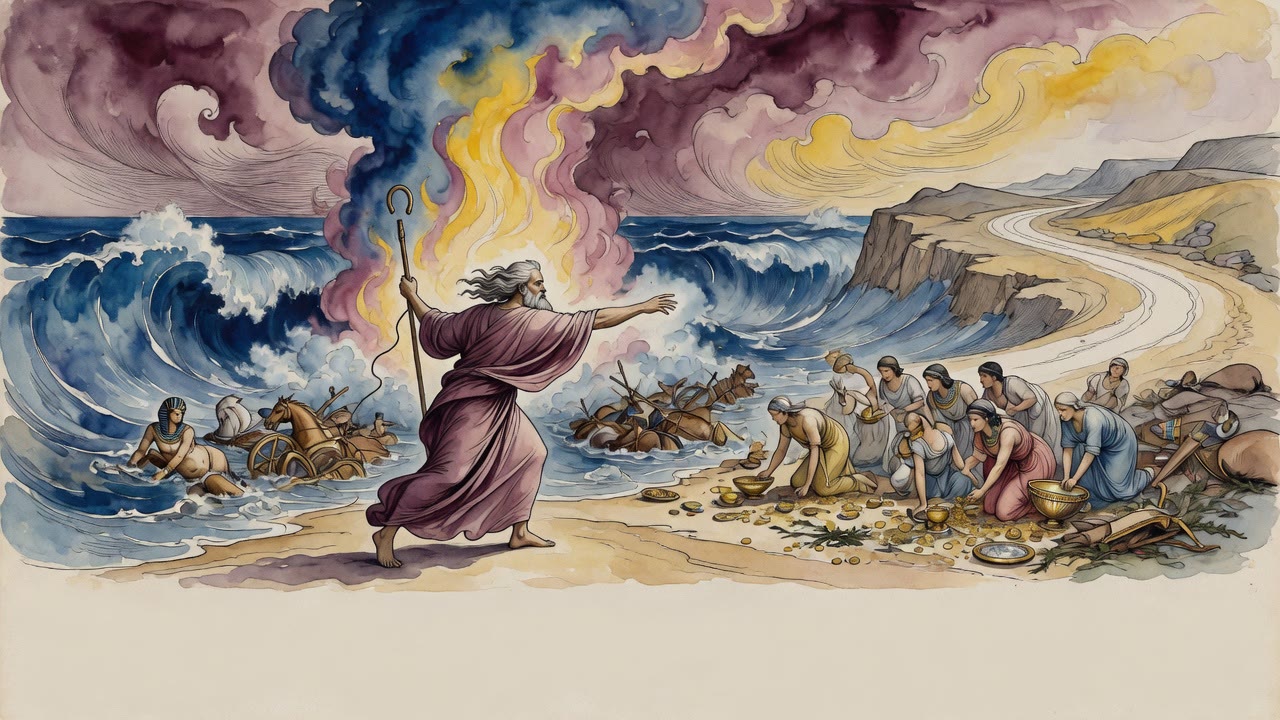
The drowned officers still wore Pharaoh's gold. Israel waded into the surf for it. Moses told them to form up and march. Nobody moved.
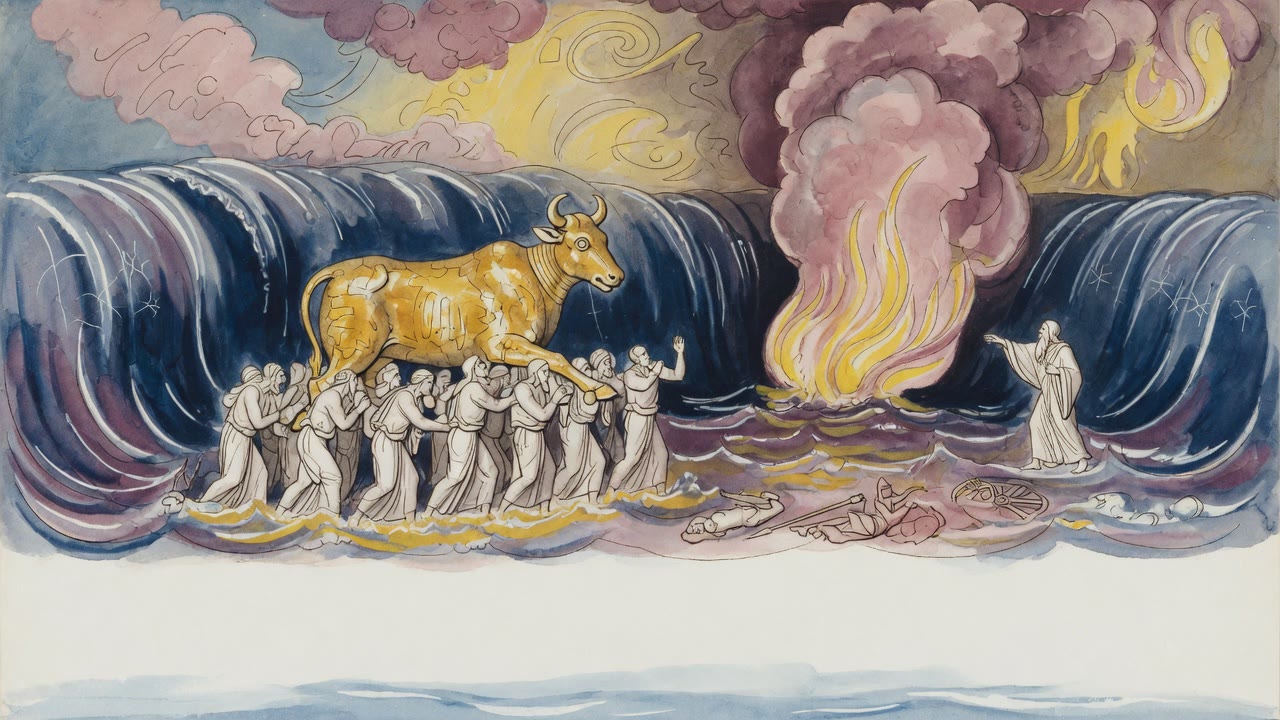
Most people think the Red Sea left Egypt behind. A second-century rabbi says Israel carried something through the water Moses had to strip away.
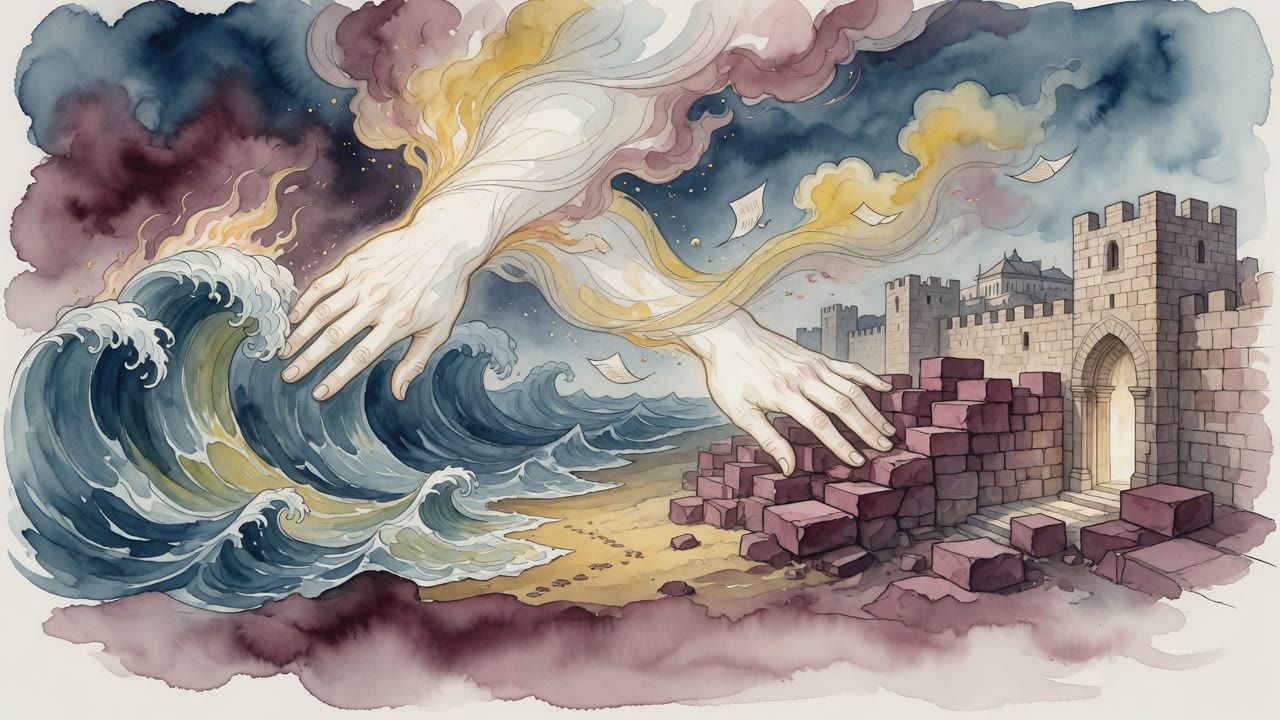
The sea had already closed. Moses still sang about the hand that pulled them out. Later he cursed the sun for lighting the burned house.
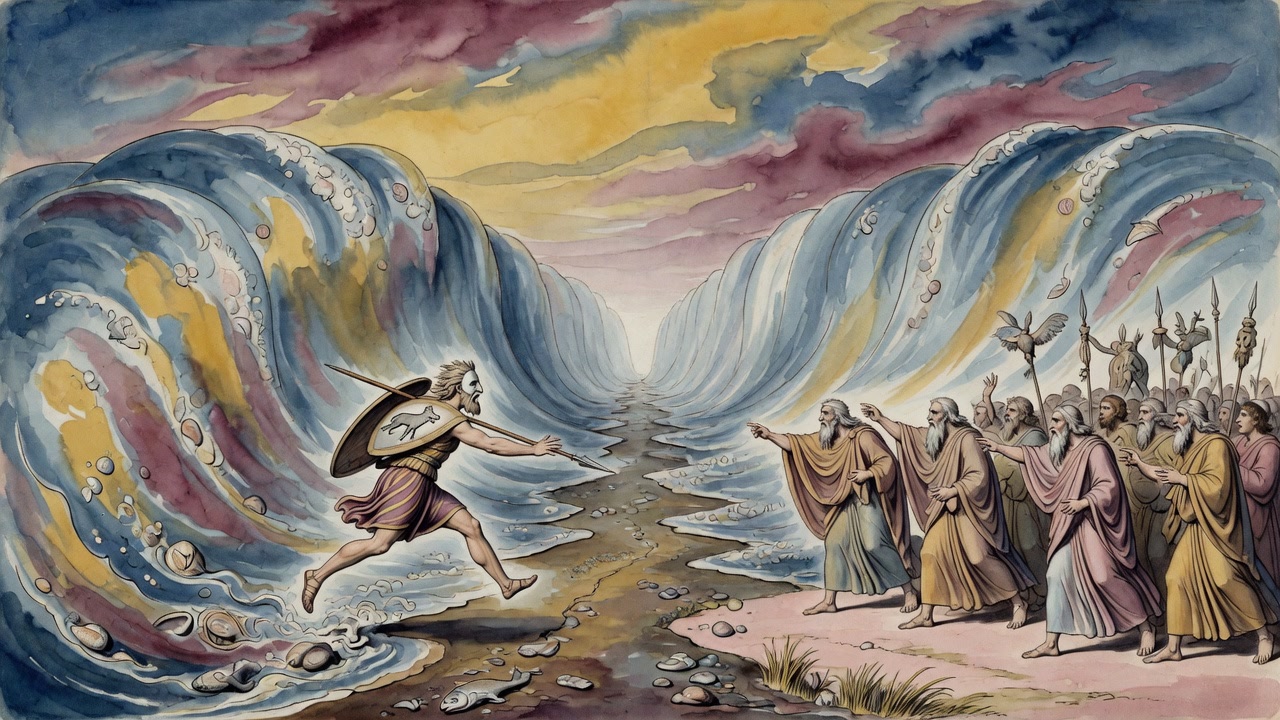
The tribes argued at the water's edge over who would lead Israel into the divided sea. Benjamin acted while they were still talking. Judah threw stones.
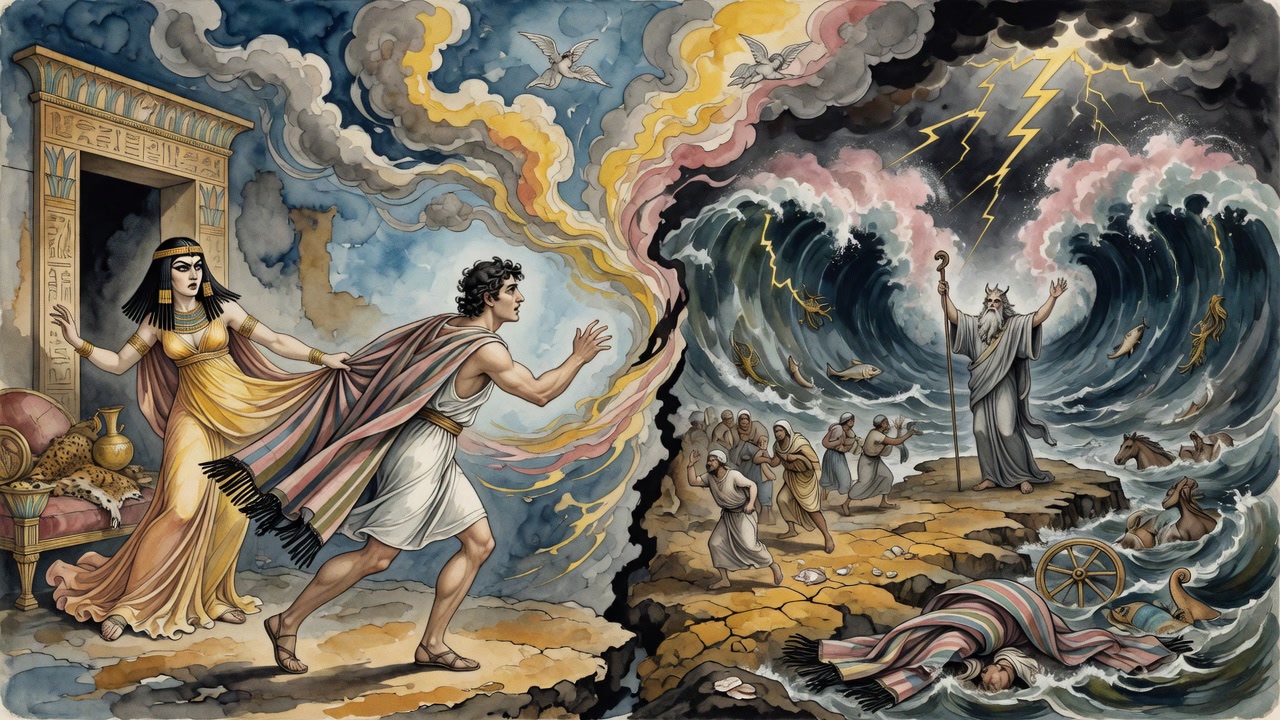
The Red Sea did not split because Moses raised his staff. One rabbi traced it to a single act of moral courage Joseph made in a private room centuries before.
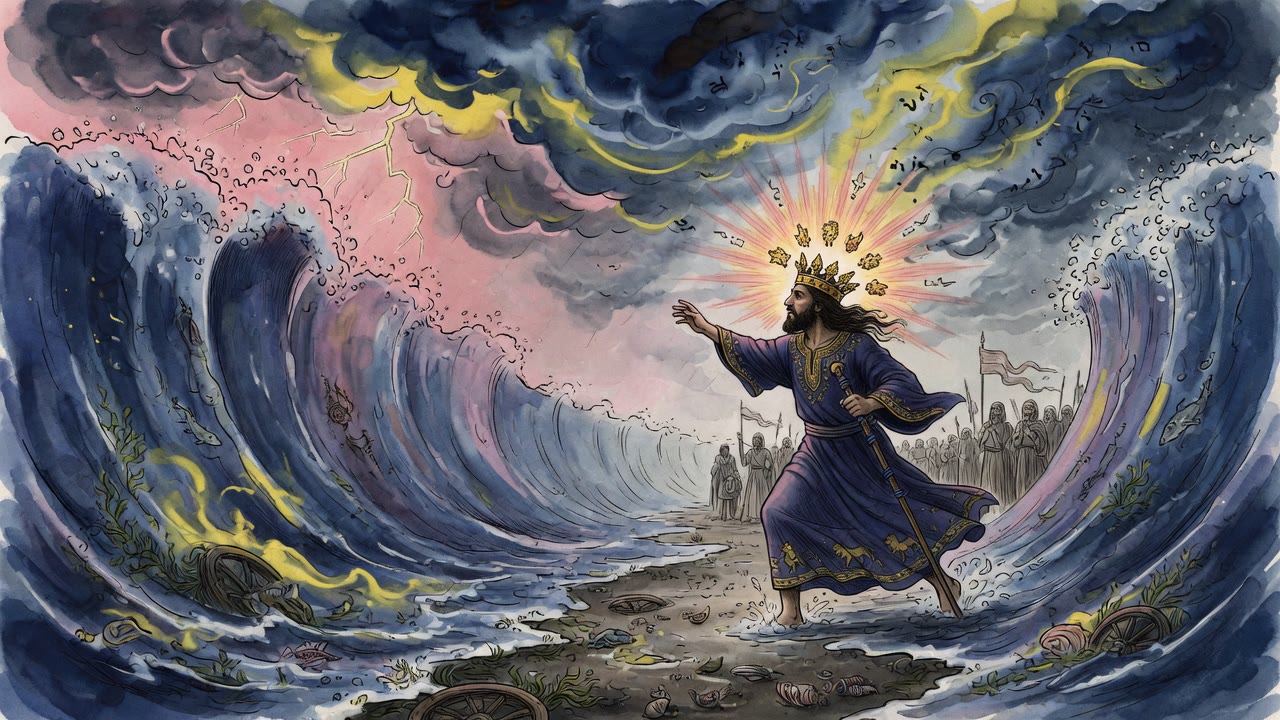
Before a single wave moved, one man waded into the crashing sea up to his throat, and that step decided who would rule Israel.
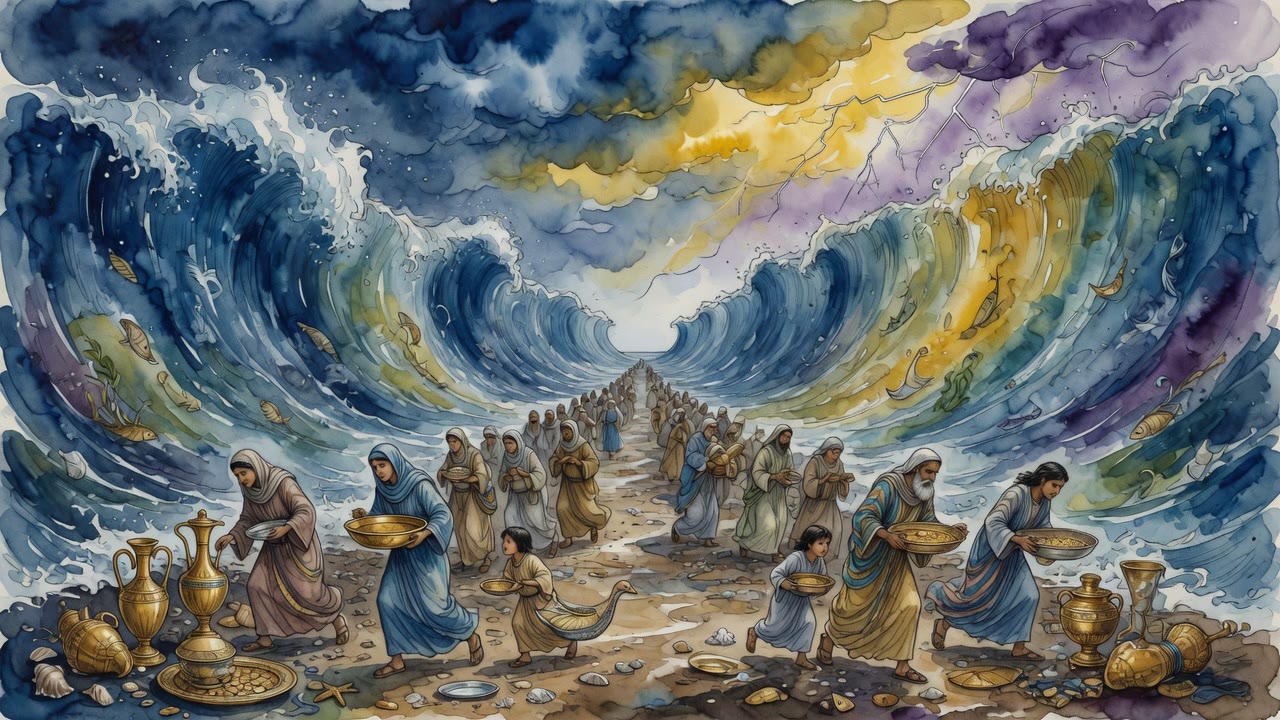
Israel filled their vessels with sweet water from the parted walls of the sea. Three days into the wilderness, every last skin ran dry.
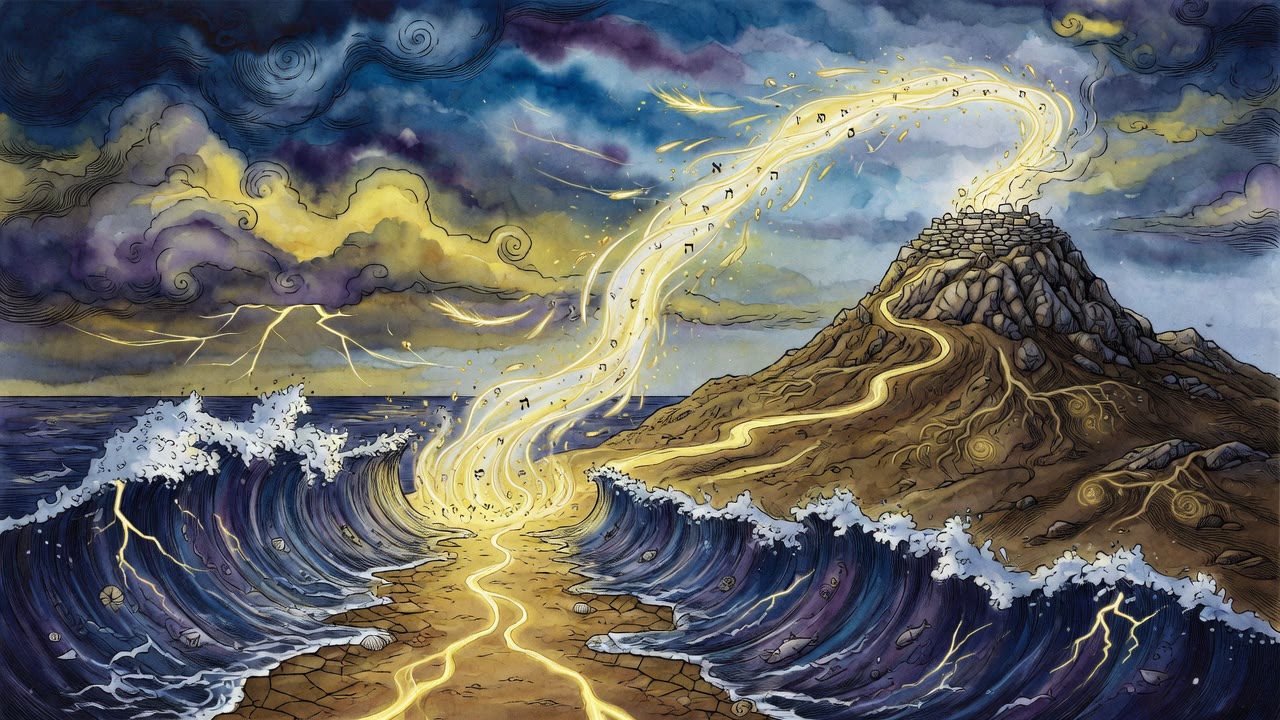
Israel stood at the sea with nowhere to go. The rabbis asked what finally moved God to split it. The answer started with a promise made centuries before.
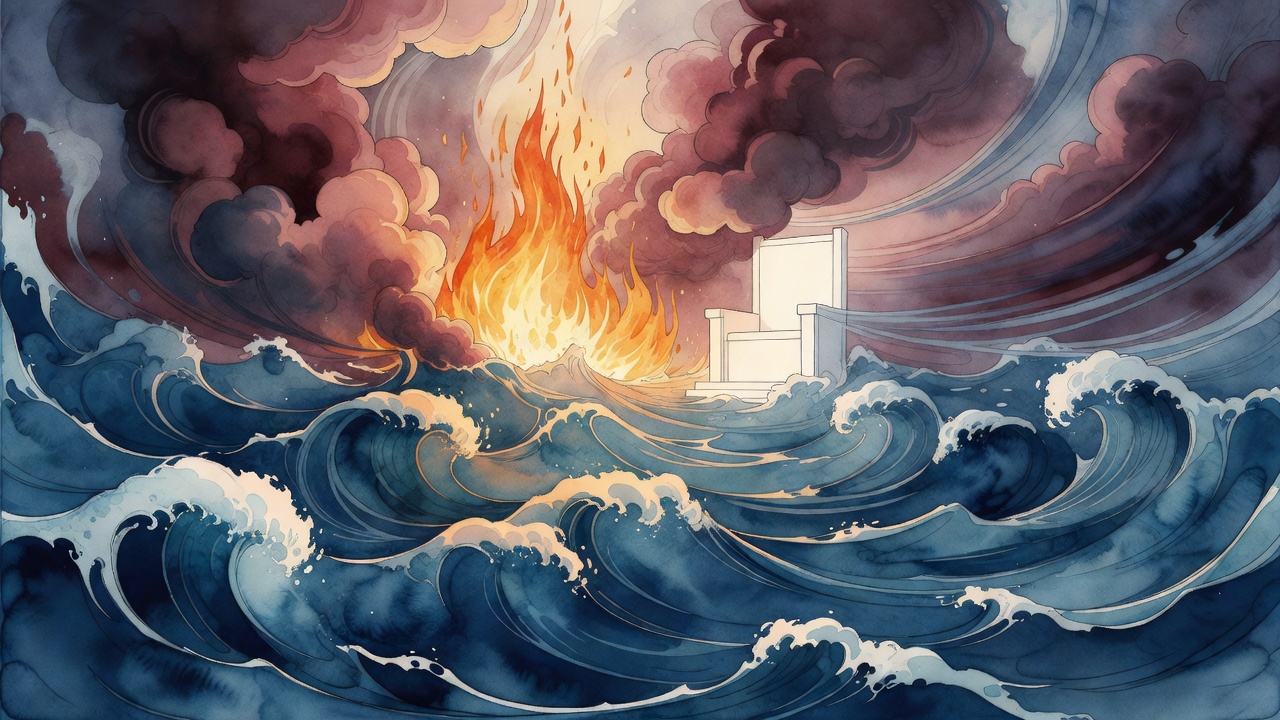
Rabbi Yochanan read one word in Exodus and found a secret deal: the sea was told to split for Israel before the world was three days old.
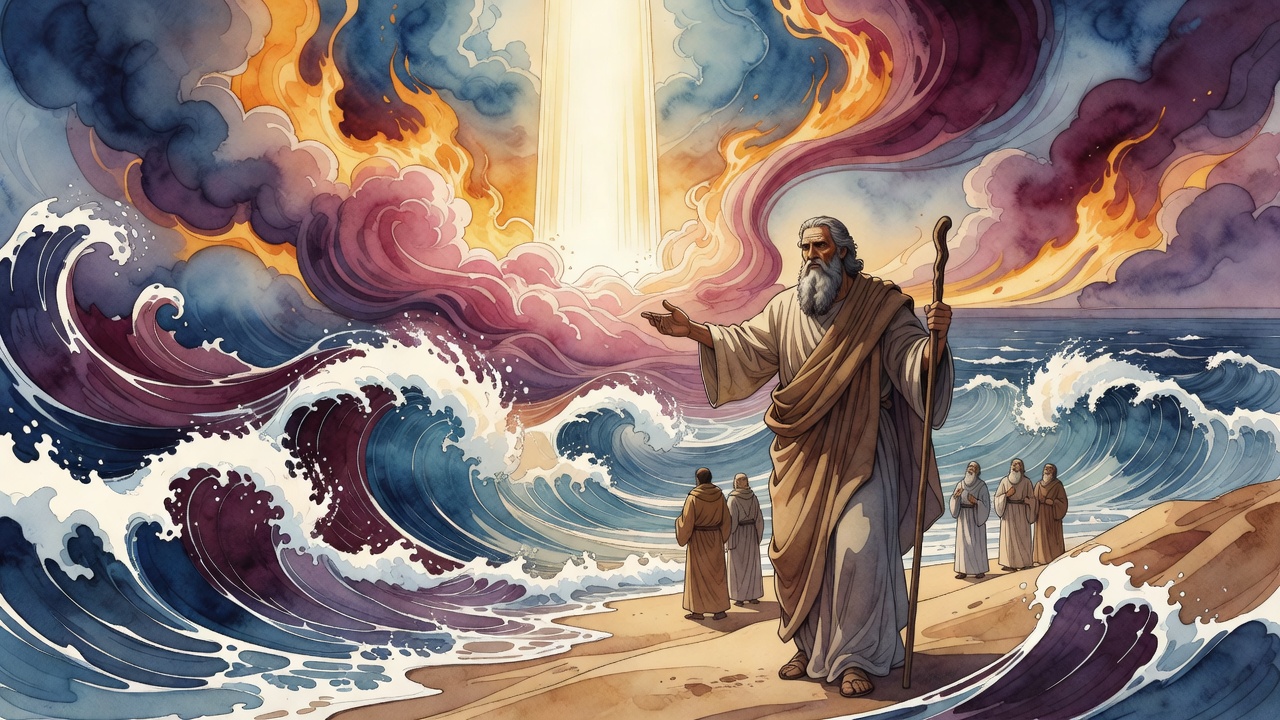
The water said it was three days older than Moses. He did not argue. He walked back to God with a complaint from the sea.
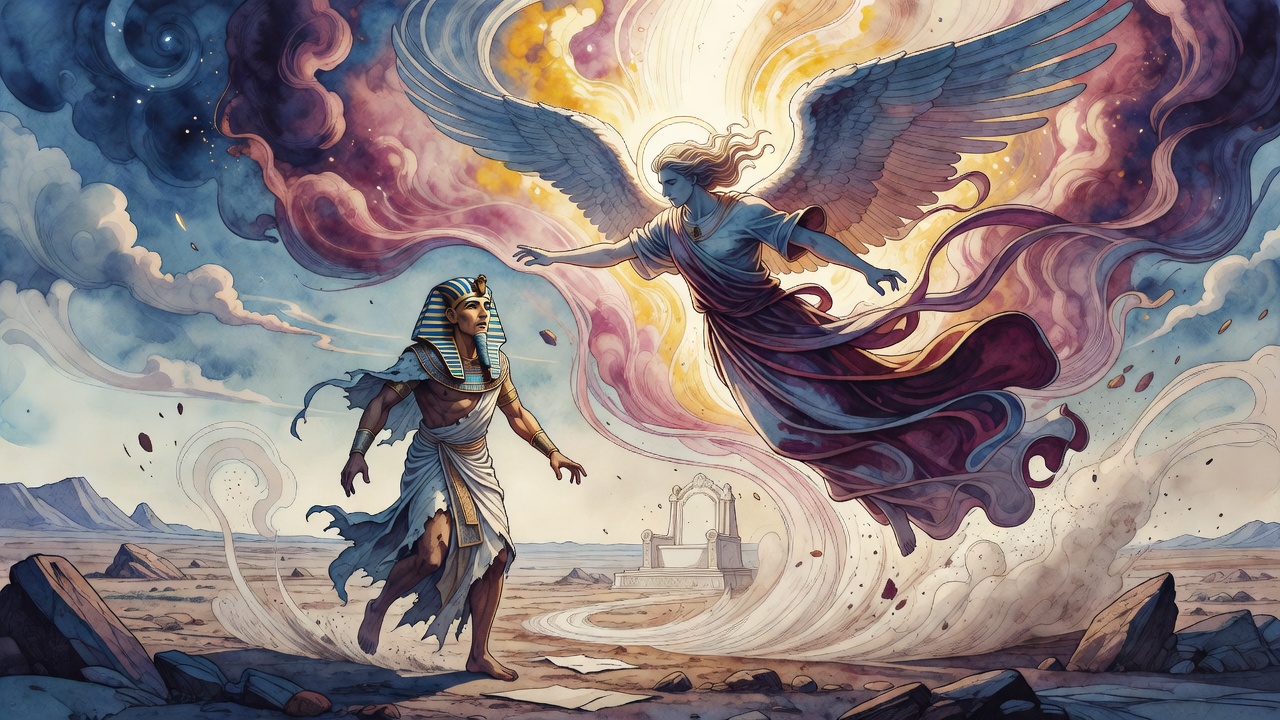
The last horse went under first. Pharaoh confessed into the wave, and Gabriel answered with an iron chain, not a rescue.
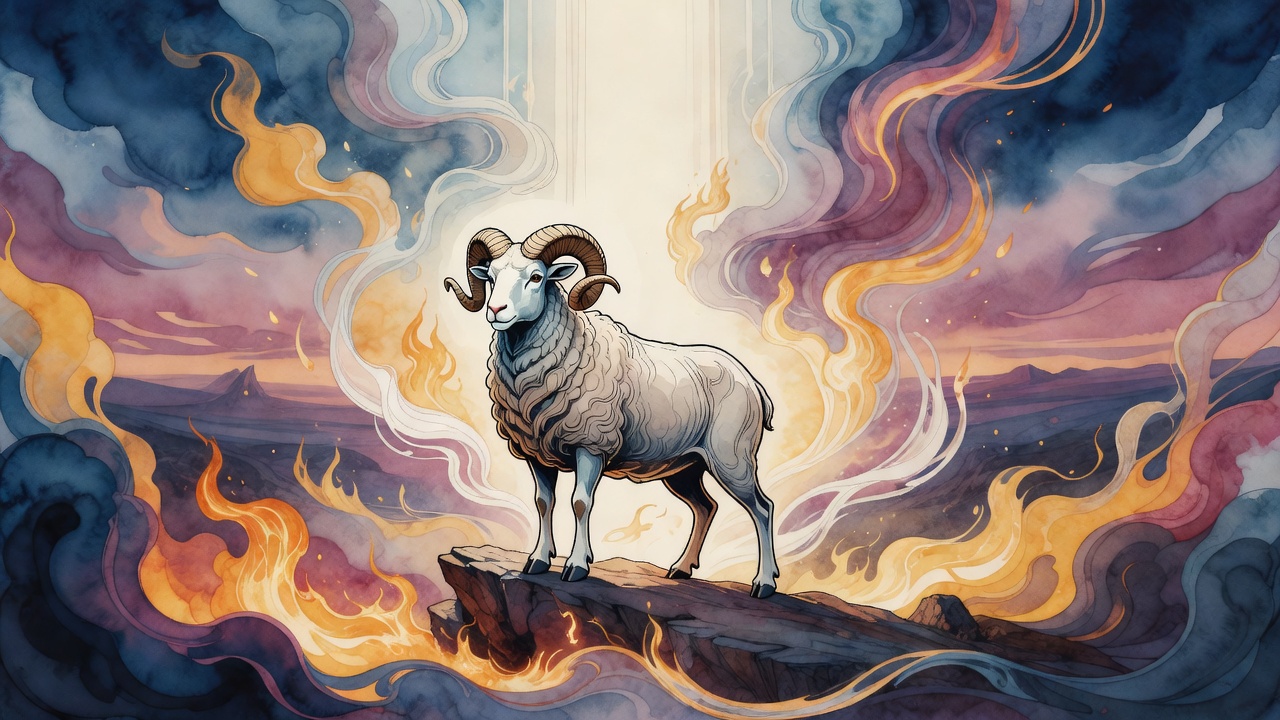
The ram had been waiting since the first dusk. Samael tangled its horns in the thicket. Abraham looked up from the knife and saw it catch his shawl.
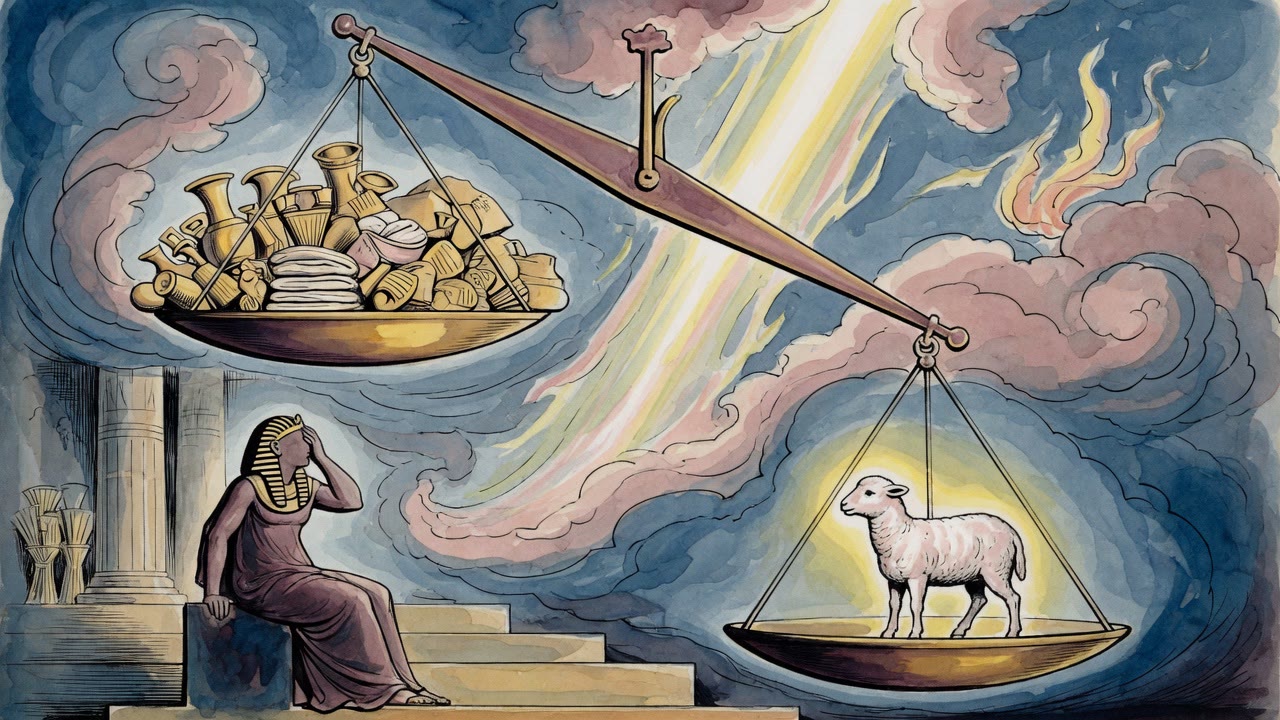
The officers of Israel came out of the palace beaten and found Moses at the gate. You have put a sword in their hand to kill us, they said.
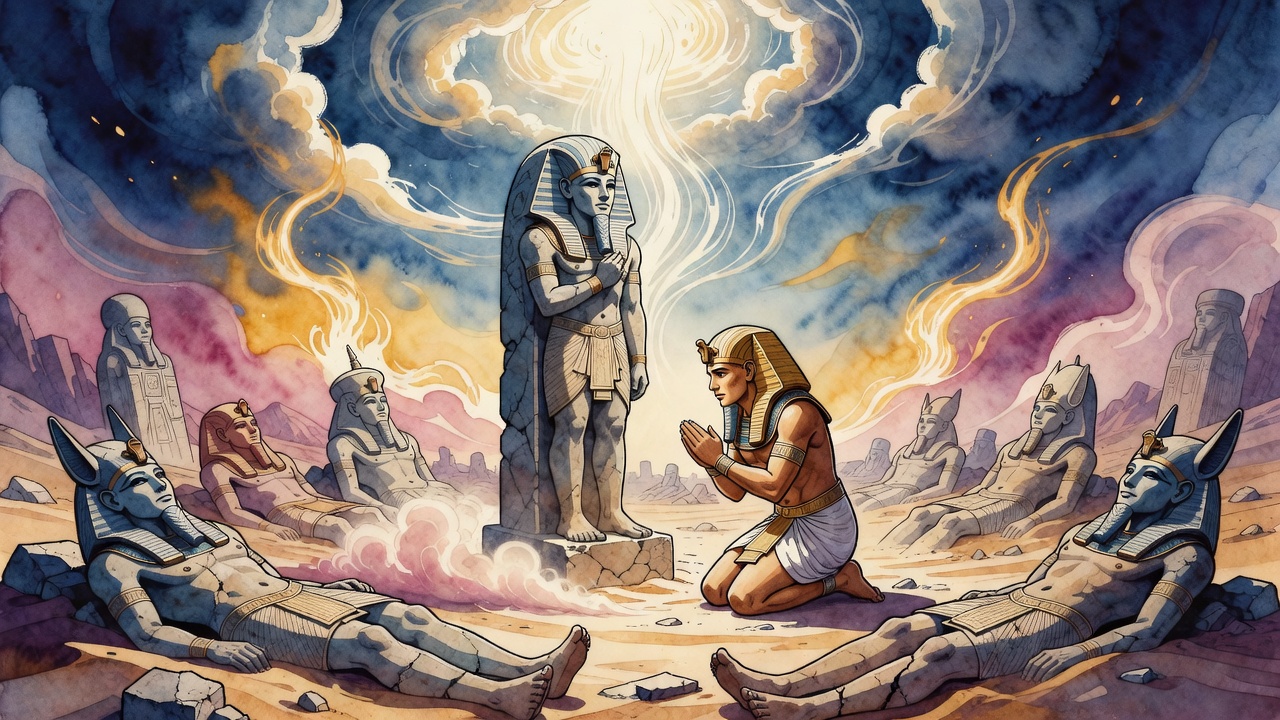
Every Egyptian idol fell during the plagues, but Baal-zephon still stood. God left it standing so Pharaoh would pray there, trust the sign, and charge.
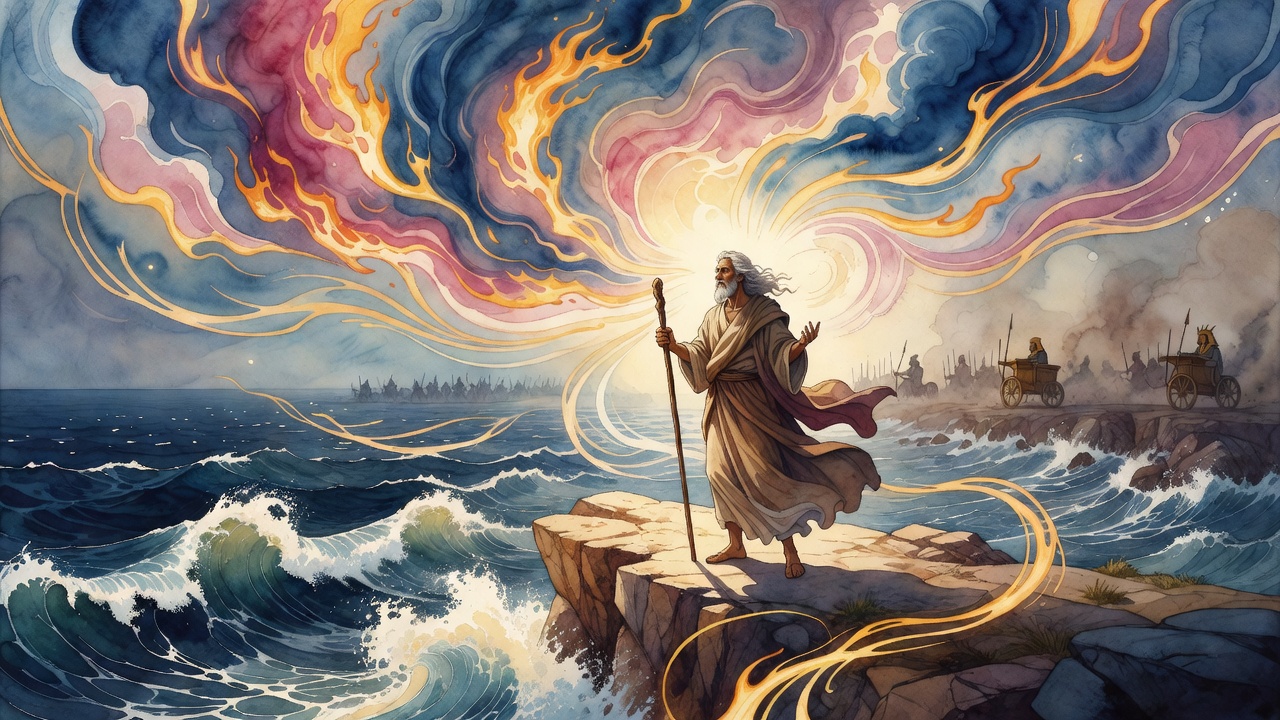
Trapped between Pharaoh and the sea, Moses confessed he had no plan. The same man had already written eleven psalms for Israel to pray.
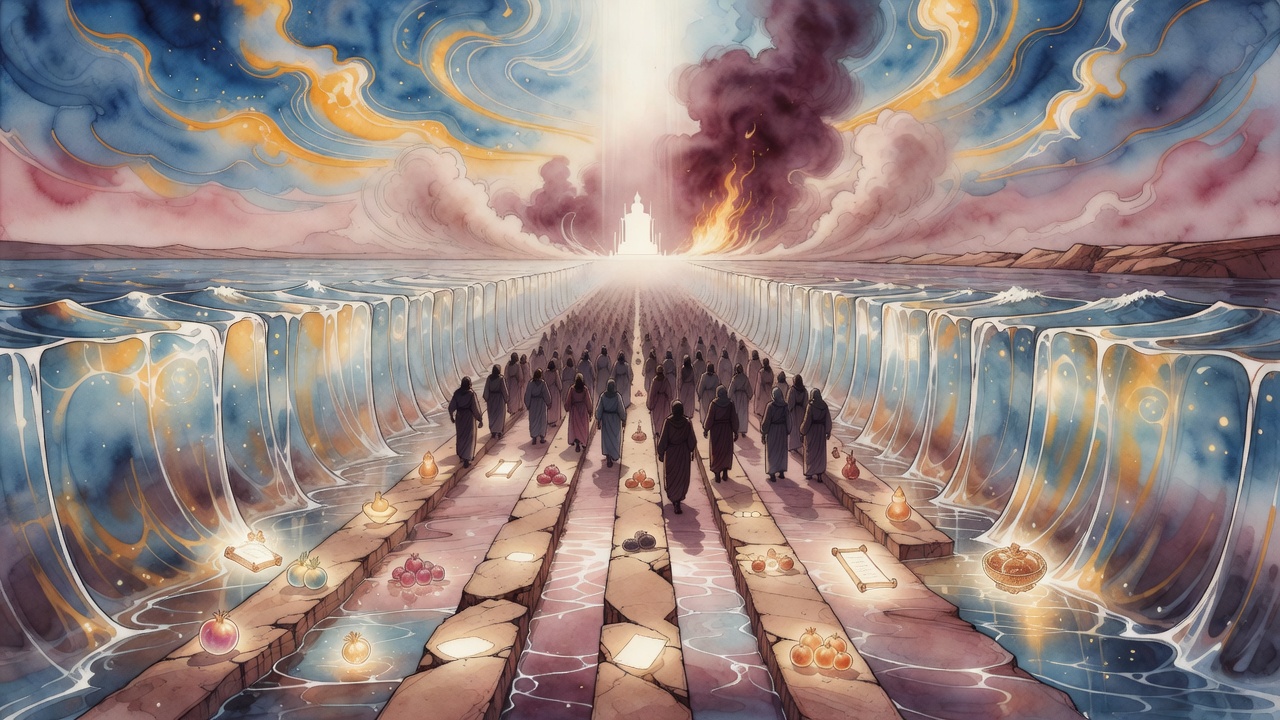
Two tribes were already in the waves. God turned on Moses, who was still praying, and told him to lift the rod over the water.
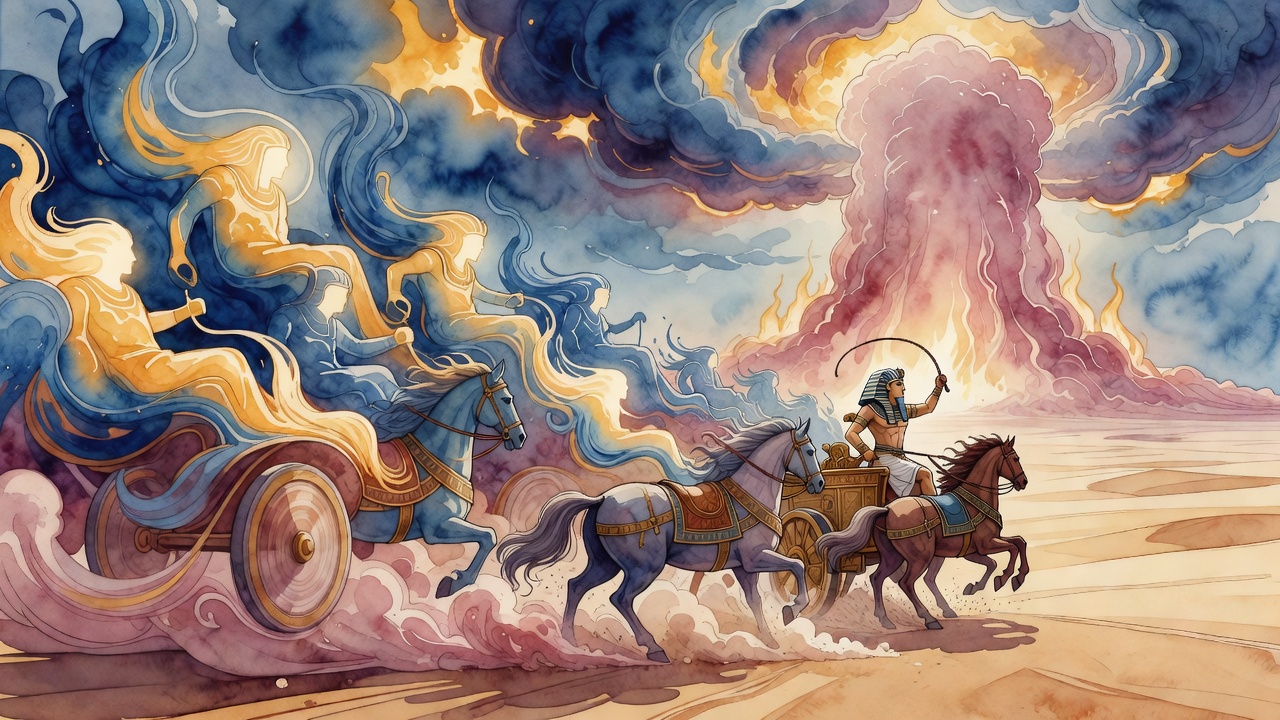
Pharaoh drove his own chariot toward Israel. Samael had already added six hundred supernatural chariots to lead the Egyptian vanguard.
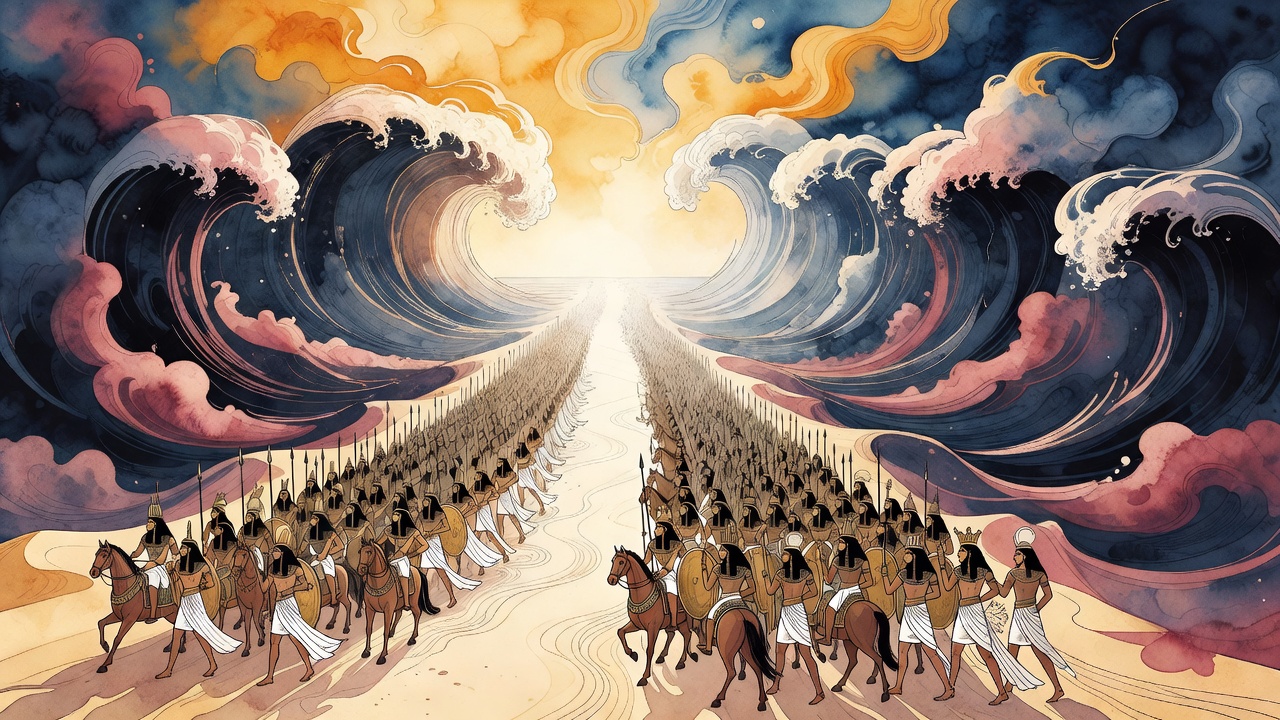
Israel stood with water ahead and chariots behind. Moses kept praying. God told him the sea would not wait on a longer speech.
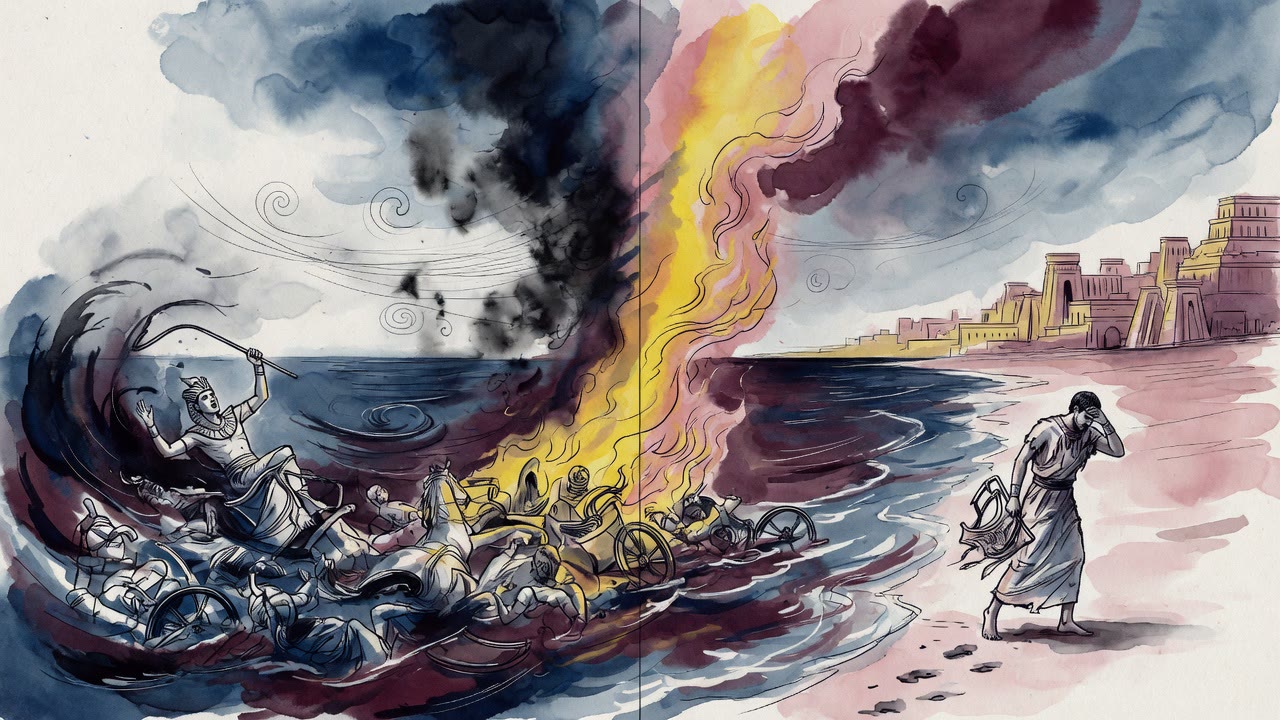
The rabbis could not agree whether Pharaoh drowned at the Red Sea or walked out to rule Nineveh as a witness to God's power.
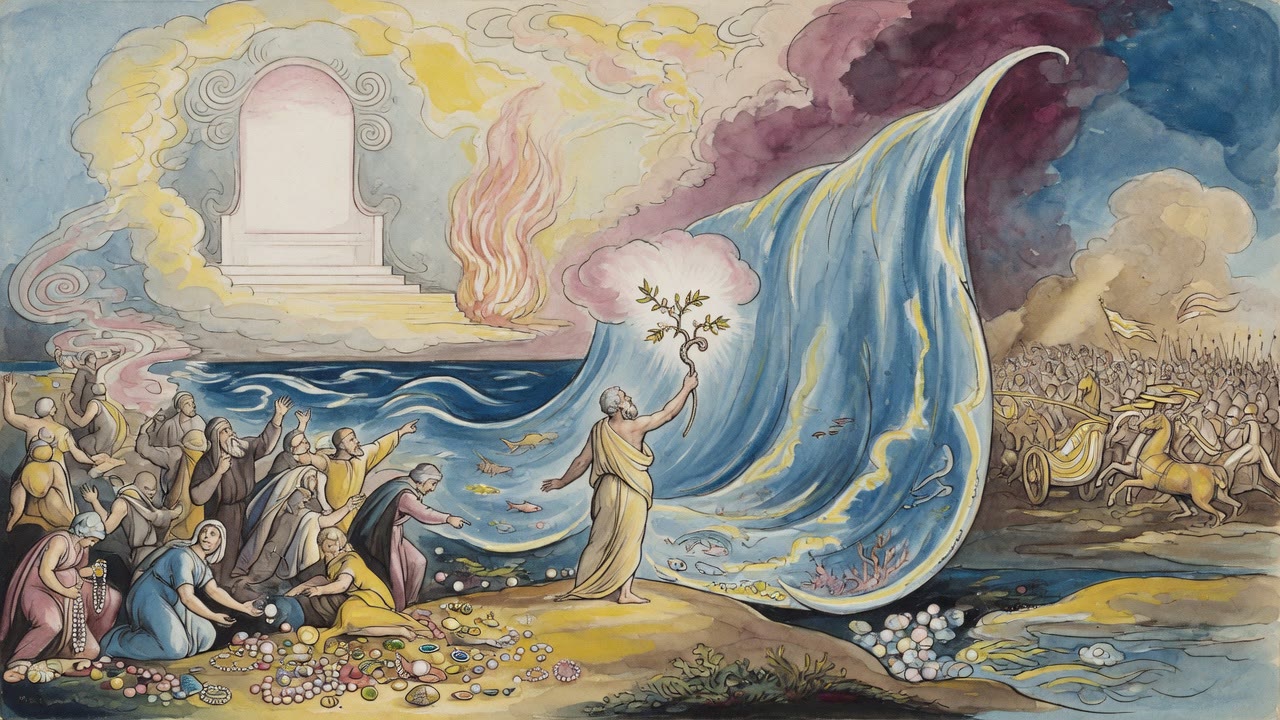
The Egyptian army was closing in, and the people at the water were picking up pearls. The river Pishon had washed them out of Eden.
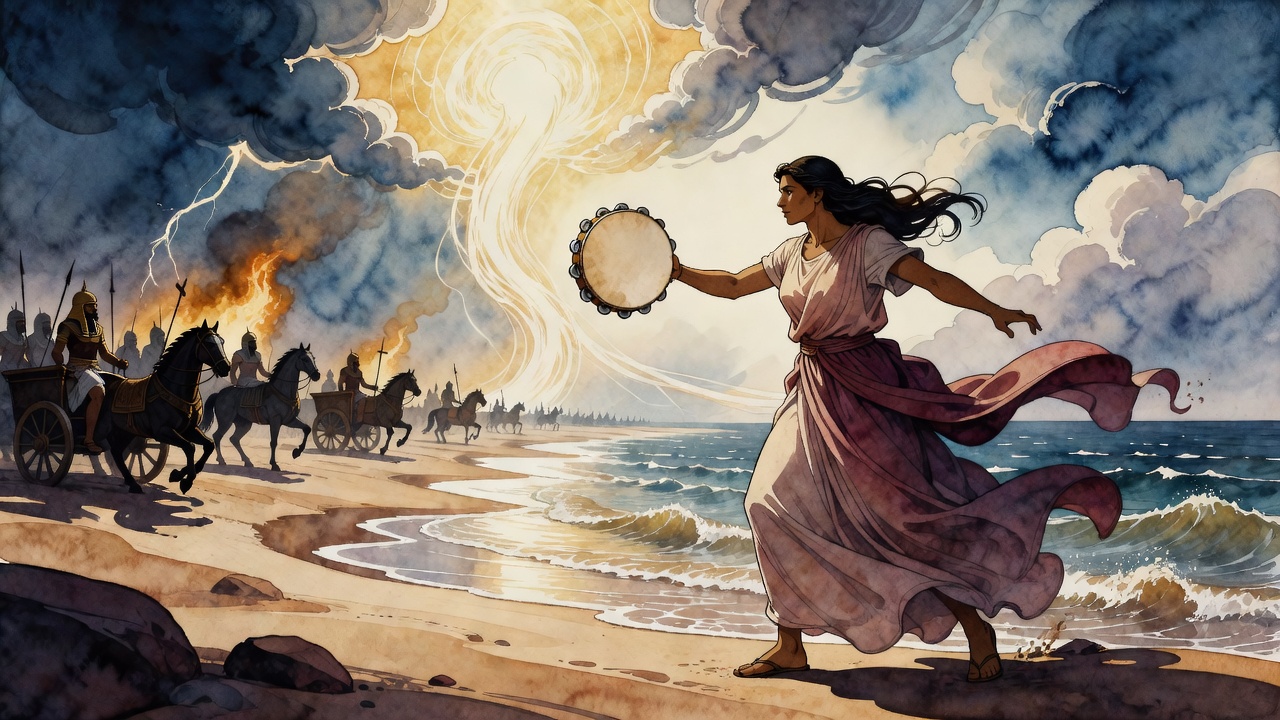
When Miriam led the women at the Red Sea, she had a tambourine ready. She packed it in Egypt while Pharaoh's army lived and the plagues were still running.
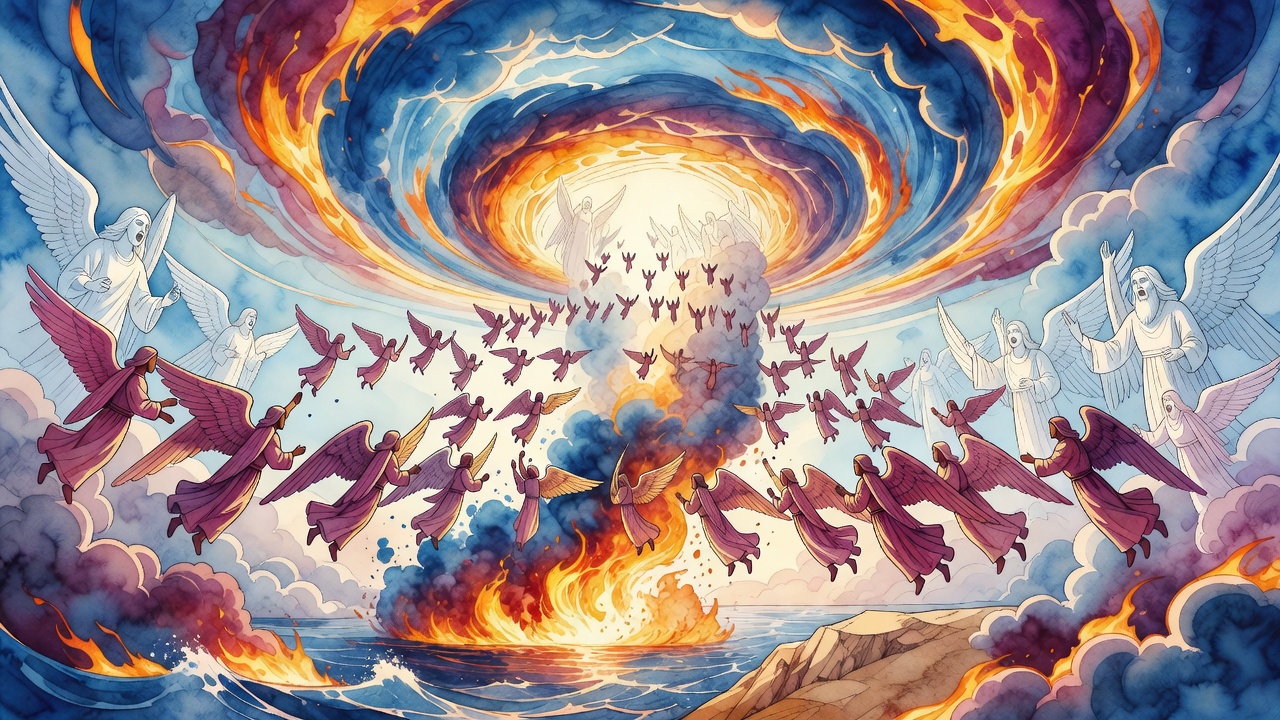
Nine hundred million destroying angels descended with God over Egypt. The morning host was already singing when God looked down and threw fire at the sea.
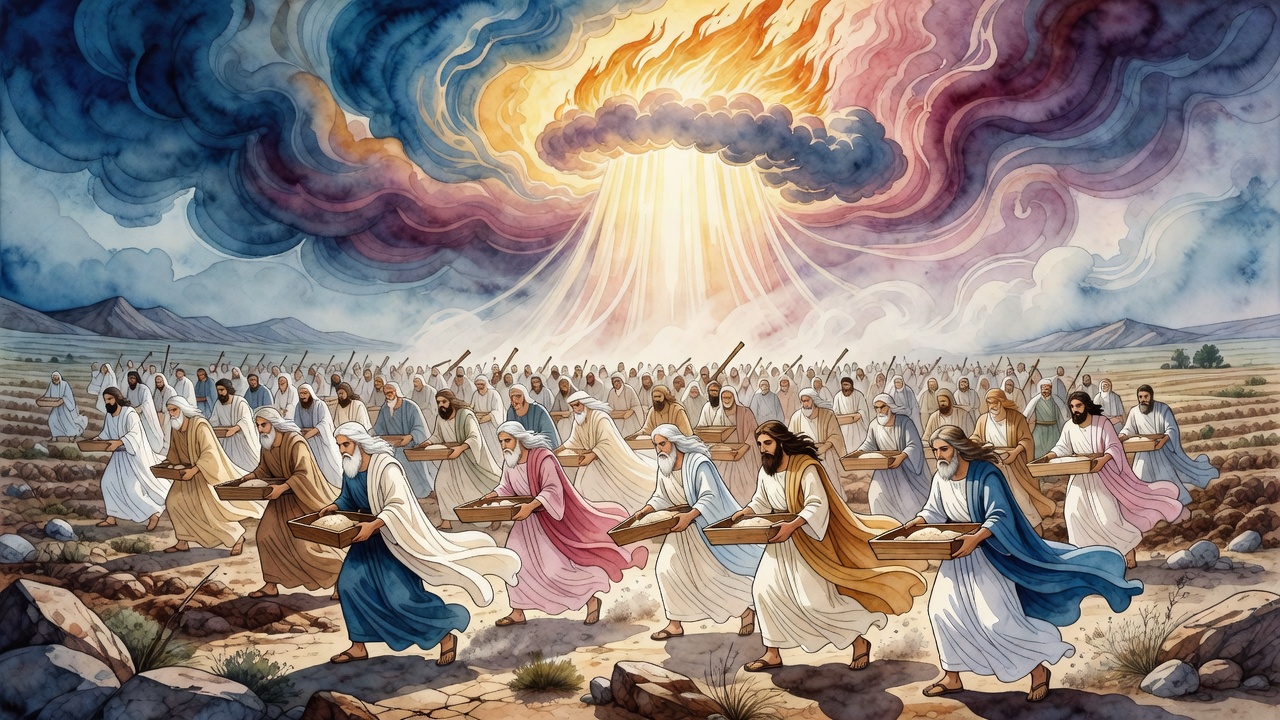
Israel leaves Egypt with kneading troughs but no food planned, and God remembers that trust as the love of a bride following into untilled land.
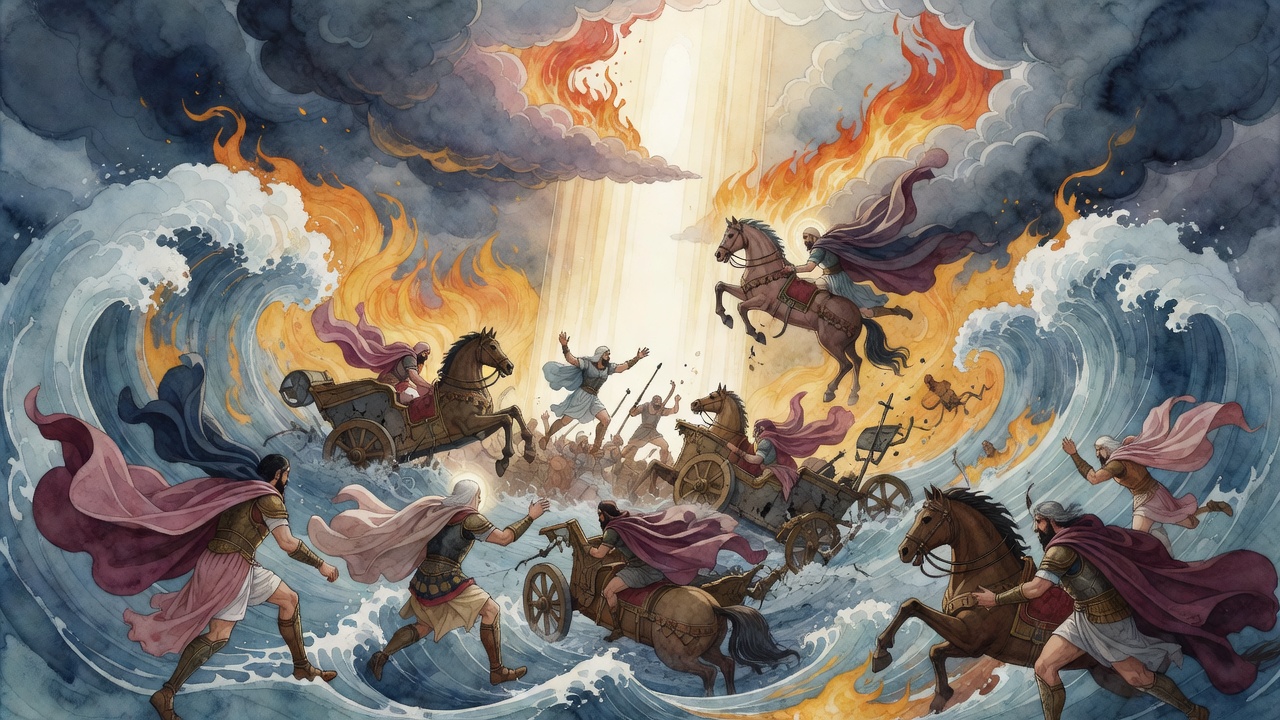
Two words in the Song at the Sea fight each other. One says God hurled the chariots down. The other says He lifted them. Both are right, in that order.
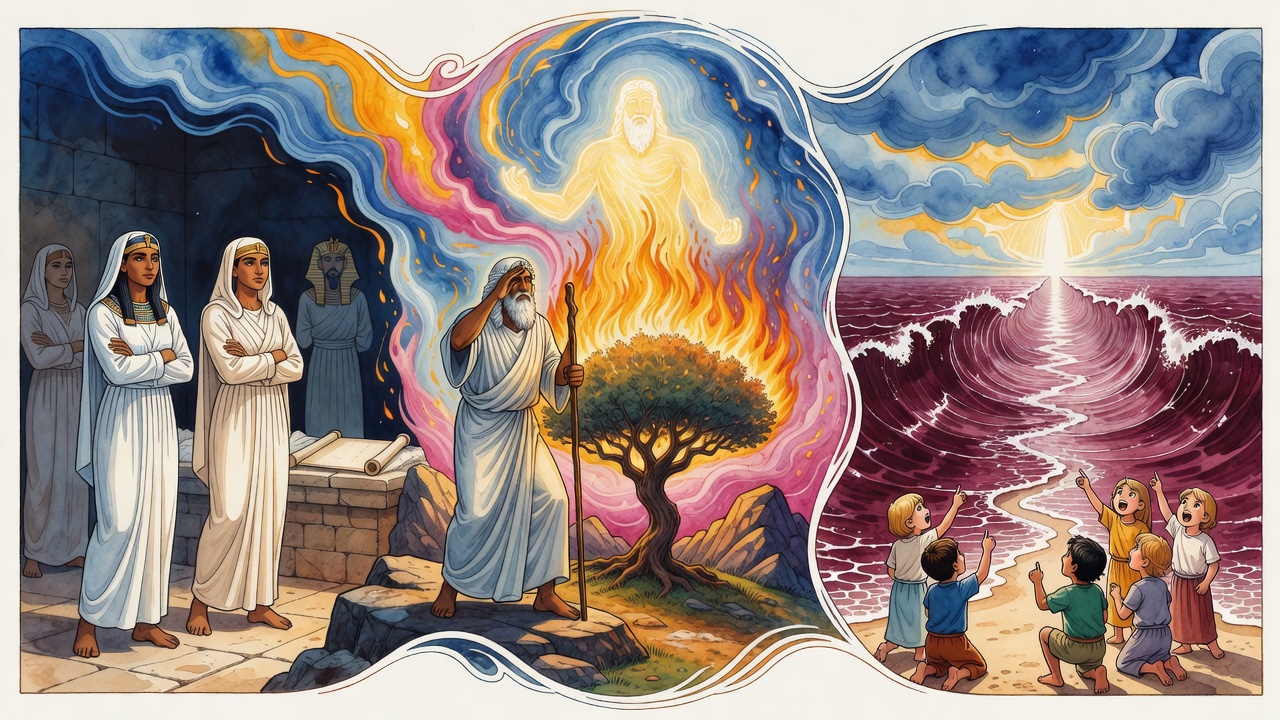
Pharaoh's order reached the birth stool first. Shifra and Puah kept their hands off the boys. A child at the sea later pointed and named God.
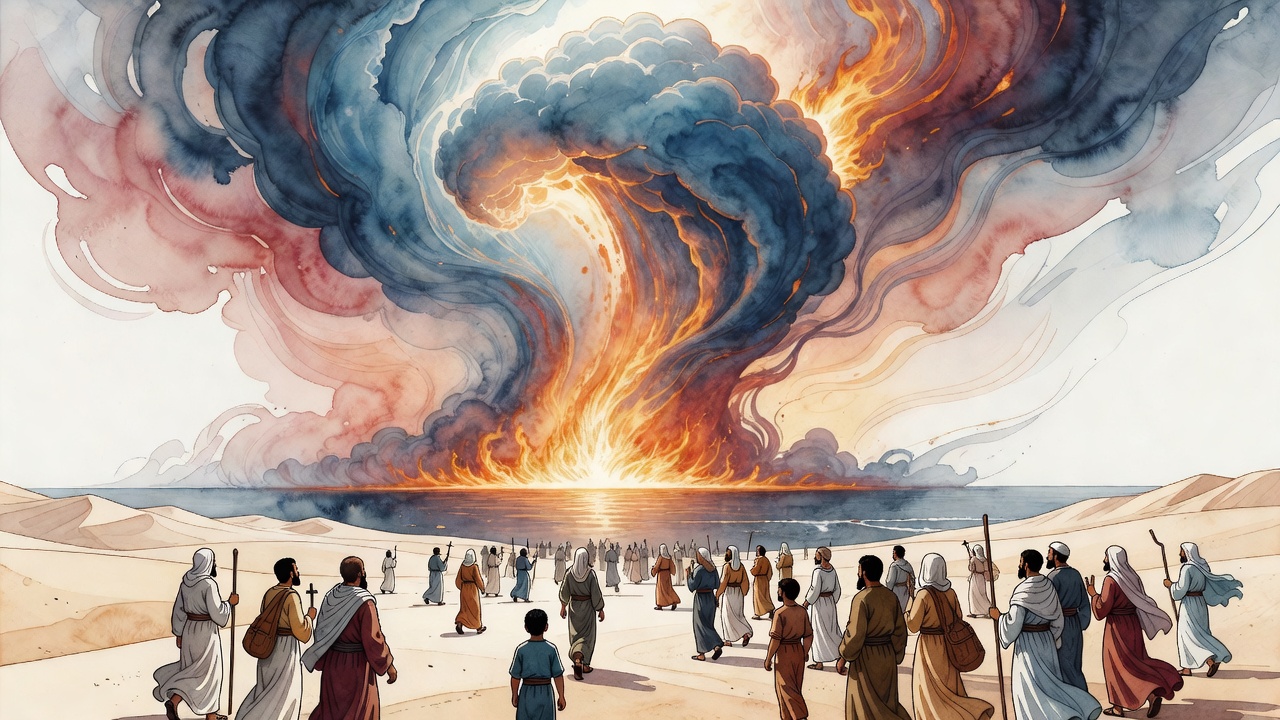
Moses told the people to stand firm and watch. God was telling Moses something else: stop crying out to Me and get them moving toward the water.
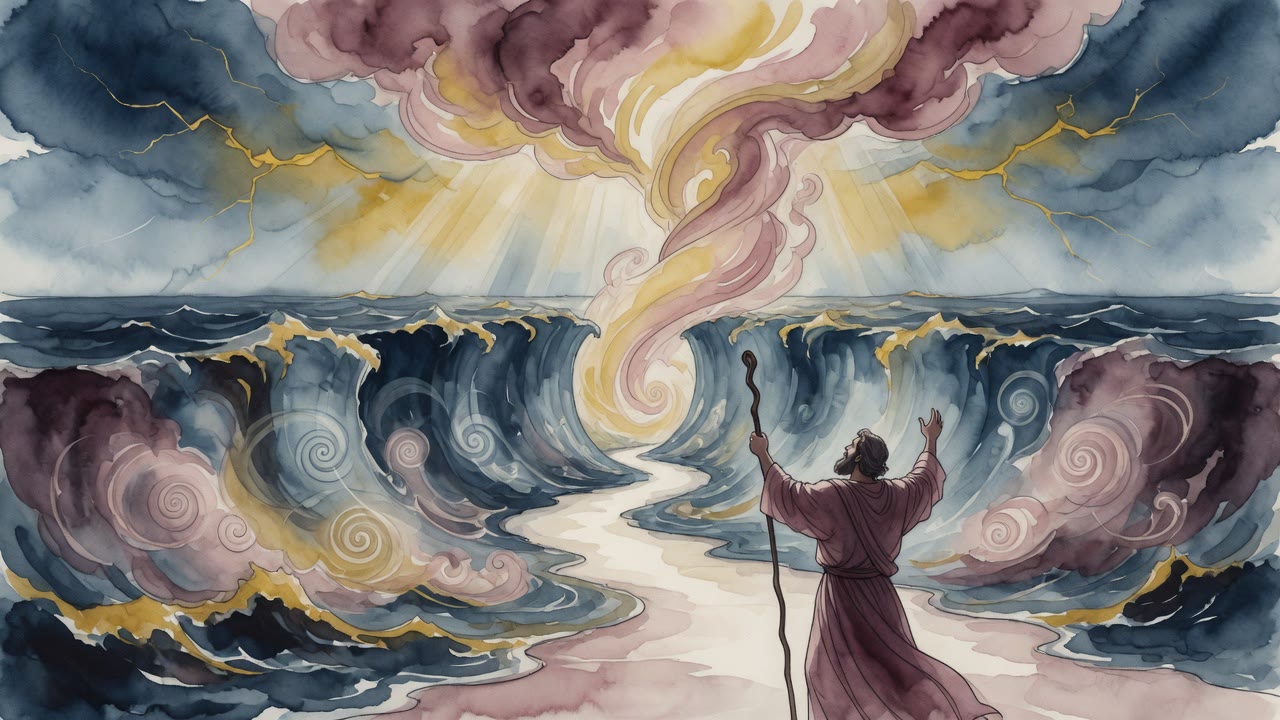
Before Moses lifts his staff at the sea, the sea already knows. God built a condition into creation the day the waters were gathered, and this is the day.
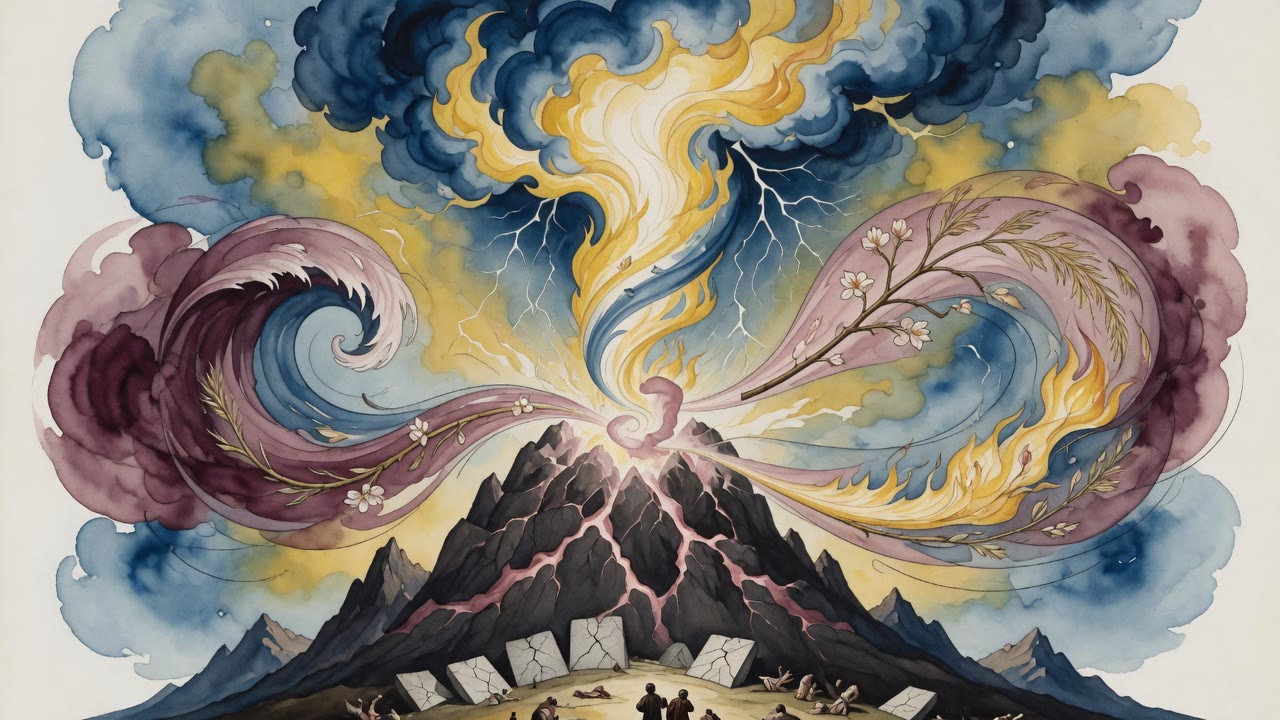
When the angels rose to sing as the Egyptians drowned, God stopped them with a sentence that cut through triumph and made mercy part of the judgment.
