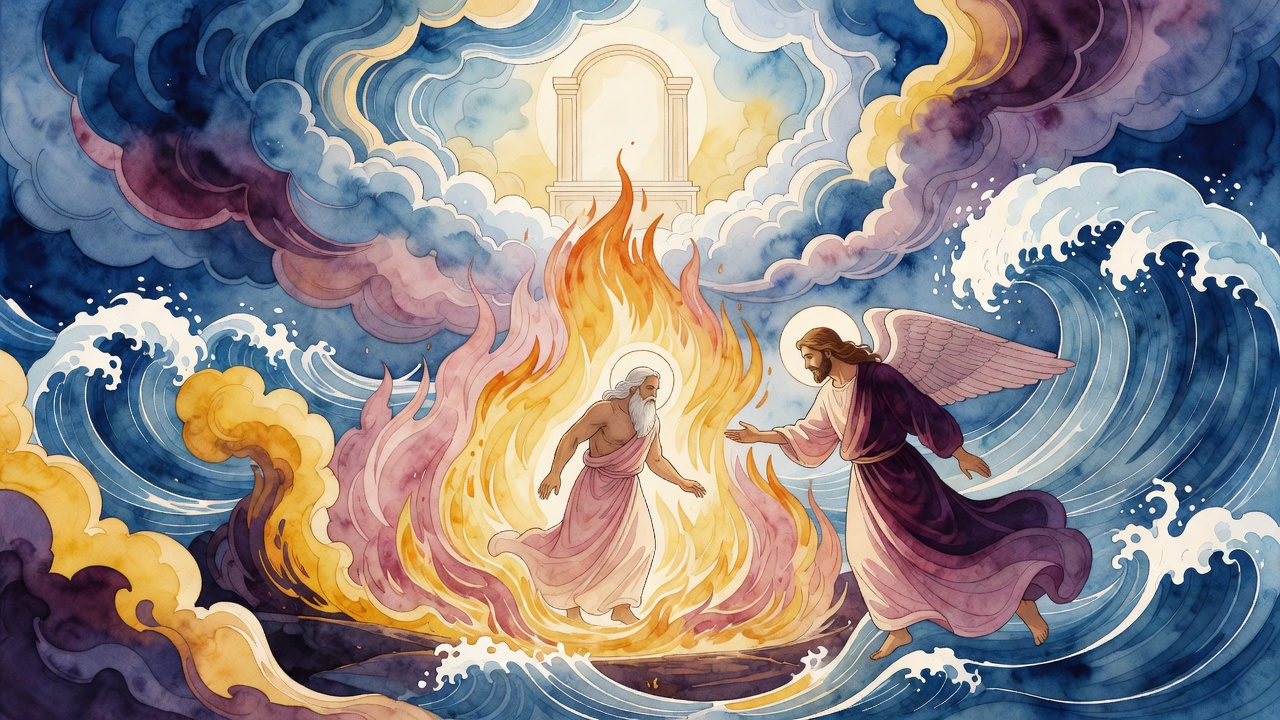
Egypt Drowned Hebrew Boys in the Nile, So the Sea Drowned Egypt
A horse's hooves found mud that would not let go. The water that had taken Hebrew boys now held Egypt's best chariots down.
Table of Contents
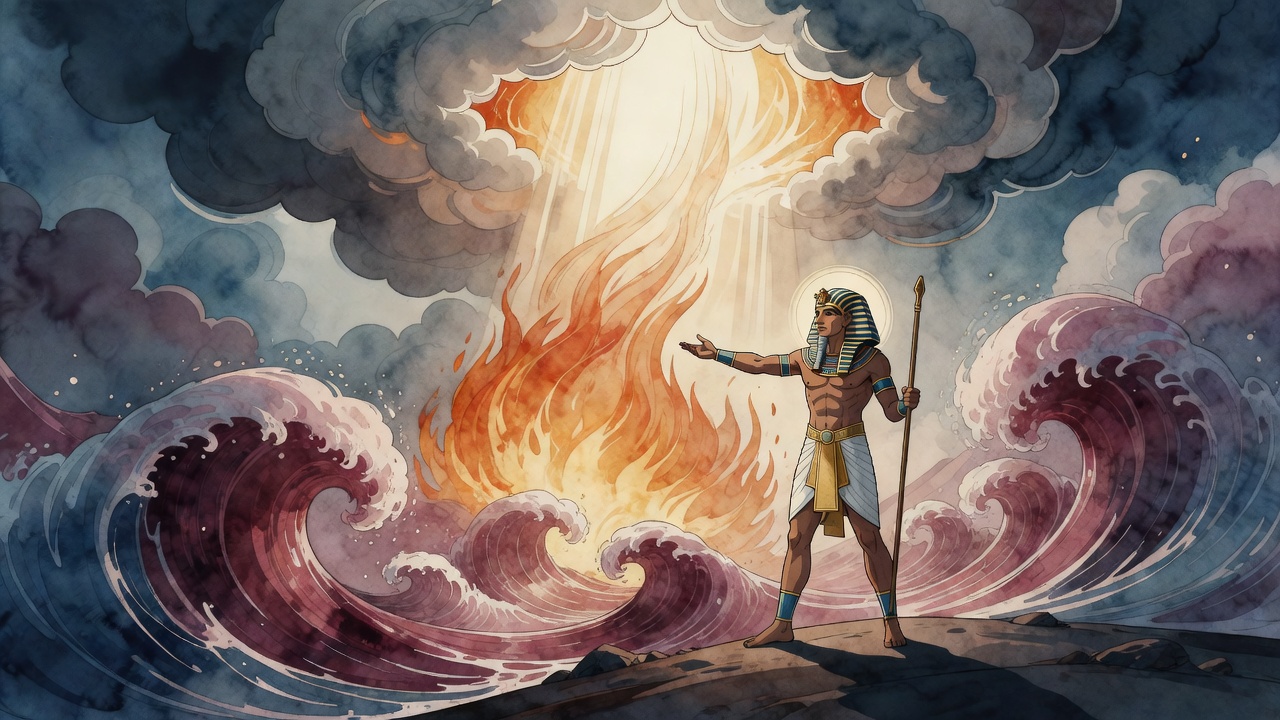
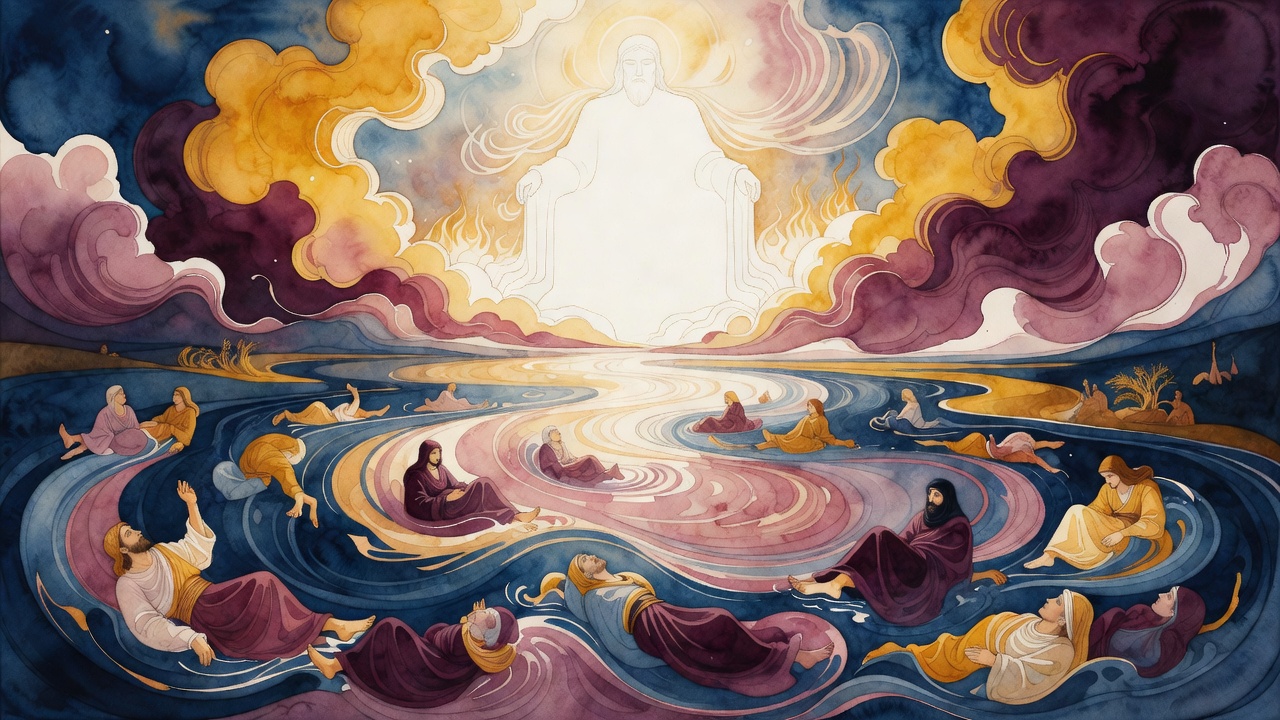
The first Hebrew boy hit the Nile with a sound the river already knew how to swallow. Pharaoh had ordered it. Every son born to Israel, thrown in. Mothers in Goshen learned the decree in the weeks after it left his mouth. The Nile, which Egypt treated as its food and its god, became a grave for children.
 Click for full size
The account opened then. The sea would close it.
The Nile Took the Boys
Soldiers did the work. Hands that knew brick quotas learned a smaller weight. A mother ran and did not outrun the order. The water took what the throne wanted taken.
Years later Israel stood on the far bank with a song in its mouth. Miriam's drum. Horses and riders gone under. The other side finally reachable. Under the music sat a colder fact. Egypt had used water on the helpless. Water would now close over Egypt.
Six Hundred Chariots Entered the Same Water
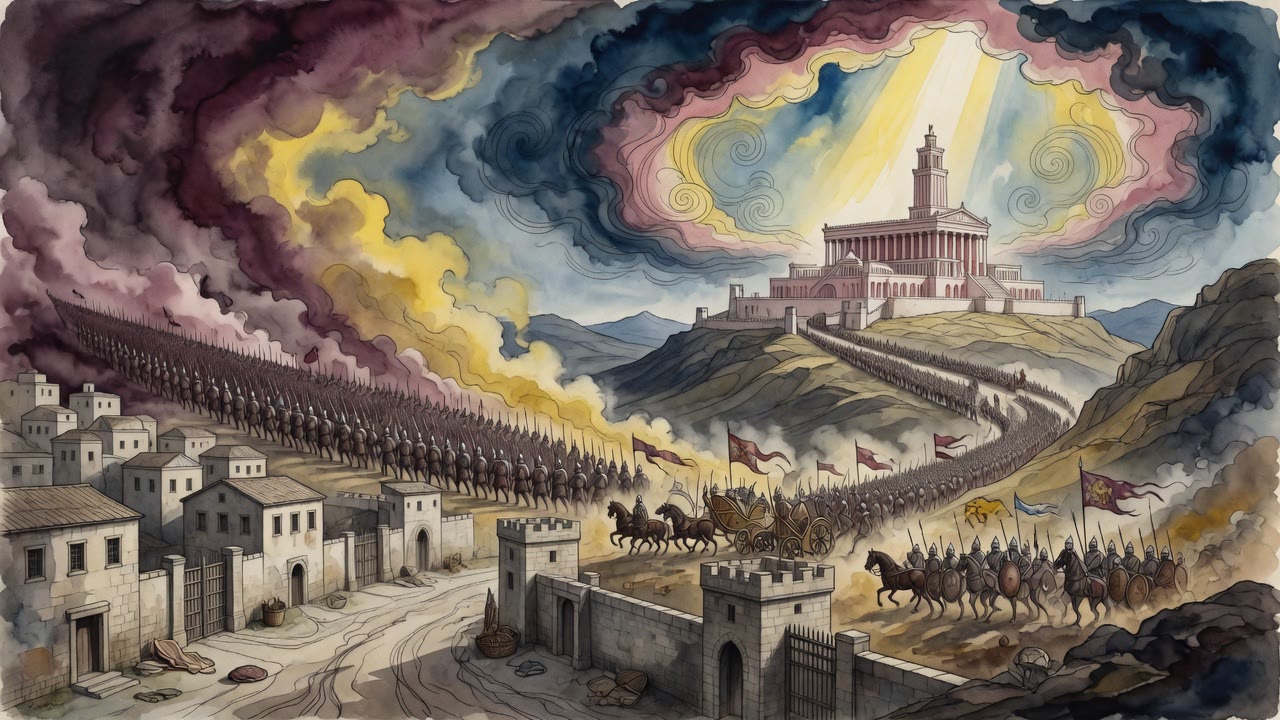
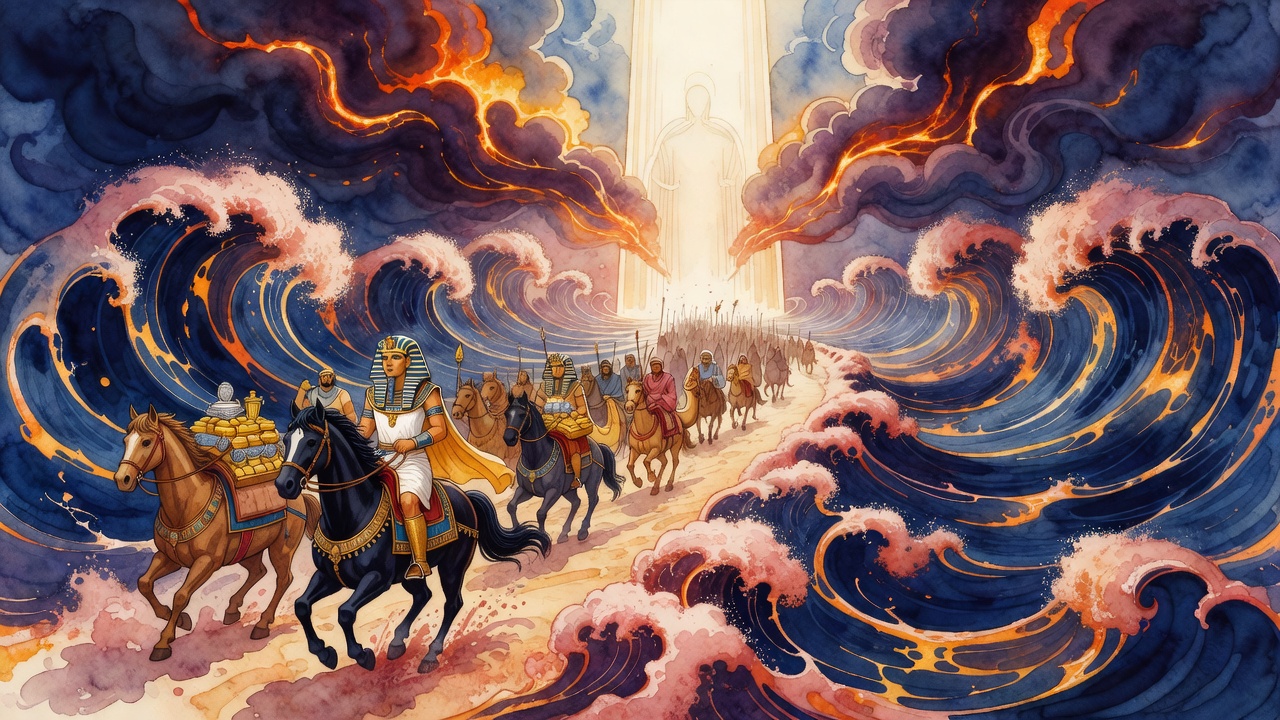
Six hundred chosen chariots. The best of what Egypt had. The elite corps of the army that had owned the known world. They went in after a people who had walked through on dry ground.
They had taken six hundred chariots to hunt Israel (Exodus 14:7). The song answers with Pharaoh's chariots and his army cast into the sea (Exodus 15:4). Officers too. They had set third-men over all of them. The sea took the chosen third-men as well.
The weapon Egypt used against infants became the weapon used against chariots, turned back in kind. Middah keneged middah (מדה כנגד מדה), measure against measure. Boys into a river. Horses into a sea.
The Sea Floor Turned to Clay
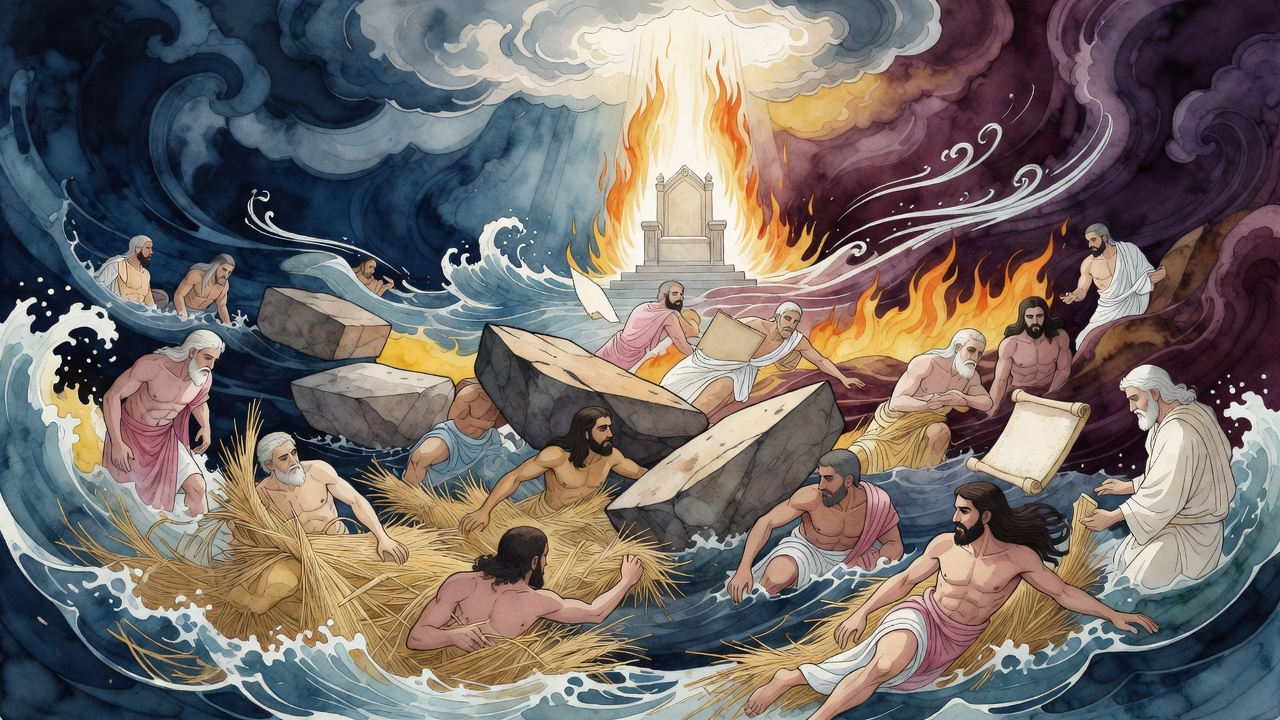
The sea did not only drown Egypt. It held Egypt down. They had embittered Israel's life in clay, in mortar, in the mud of brick pits. The sea floor at the crossing went soft. Horses that went in did not drown in open water. They sank into mud and could not rise.
A horse's hooves found no bottom it could trust. The animal went in up to the knees, then the belly, then the chest. The rider pulled and the reins came up empty of help. Clay closed around legs that had run down slaves. The same heaviness that had held a child's body under the Nile current now held a warhorse that could not surface.
Foot soldiers, horsemen, officers: each according to the work they had done. Those who had supervised the throwing of infants were cast in. Those who had driven the chariots that ran down the fleeing were submerged in the mire.
Angels Stared at Dry Ground
While Egypt drowned in mud, Israel walked on dry ground. The same sea. The same hour. Two different experiences of the water.
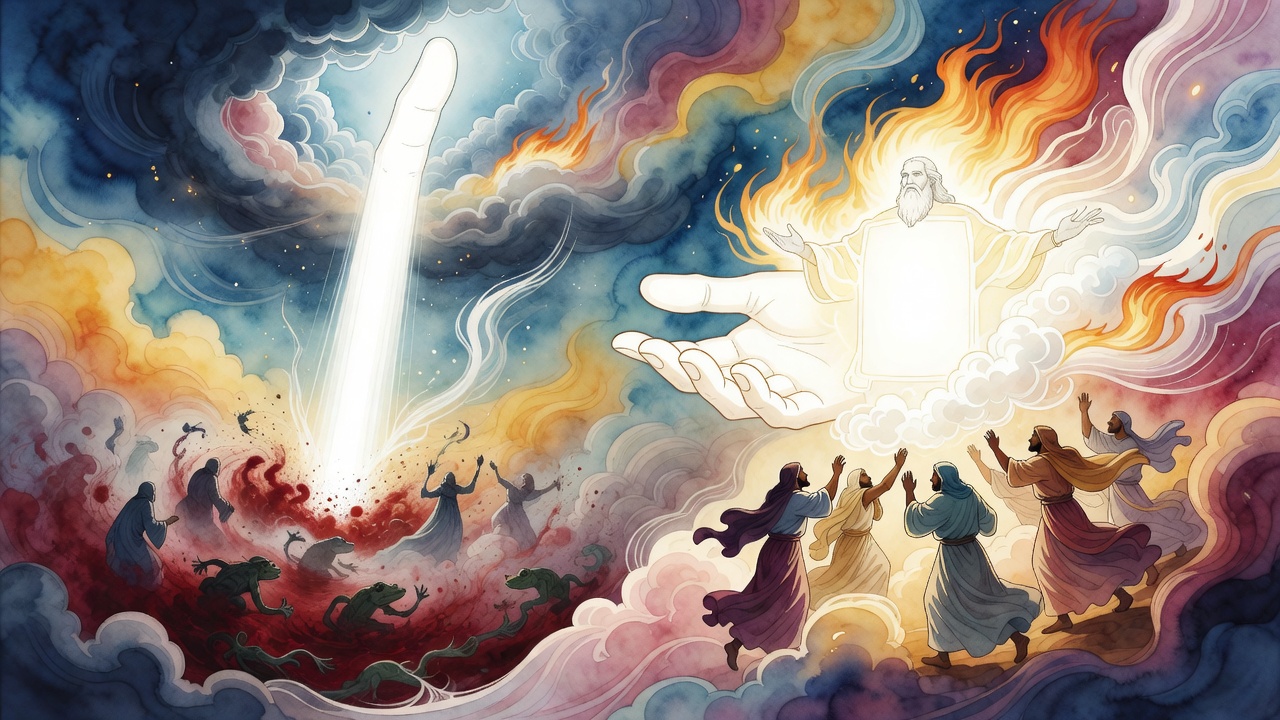
Angels of service stared and were astounded. "The children of Israel, idolaters that they are, are coming on dry land?" The water itself filled with rage. The walls on their right and their left could be read as anger, not only as architecture.
What held the rage back? From the right, the Torah they would later receive, a fiery law. From the left, tefillin. They walked on a future they had not yet earned, through a sea that did not love them, away from an army the mud would not release.
The Mouth That Decreed Drowning Went Under
Even Pharaoh, some said, went down. The song names the chariots of Pharaoh and his army. Others said he was the exception, kept standing so the world would hear why he had been raised. Still others said that in the end the horse of Pharaoh came into the sea, and the mouth that had said "every son that is born, into the river you shall throw him" (Exodus 1:22) was thrown in after the children.
Jethro heard and named it. Now I know that the Lord is stronger than all gods, he said, because by the very thing with which Egypt meant to punish Israel in water, Egypt was punished in water.
Israel's feet were dry. Egypt's horses were not. The Nile had opened an account. The sea closed it, and the clay would not let go.
← All myths