The Only One Who Could Save the Unique One
Gabriel offered to pull Abraham from the furnace and God refused. Some rescues cannot be handed to a deputy, and the sea split because of what came before it.
Table of Contents
 Click for full size
Gabriel Steps Forward
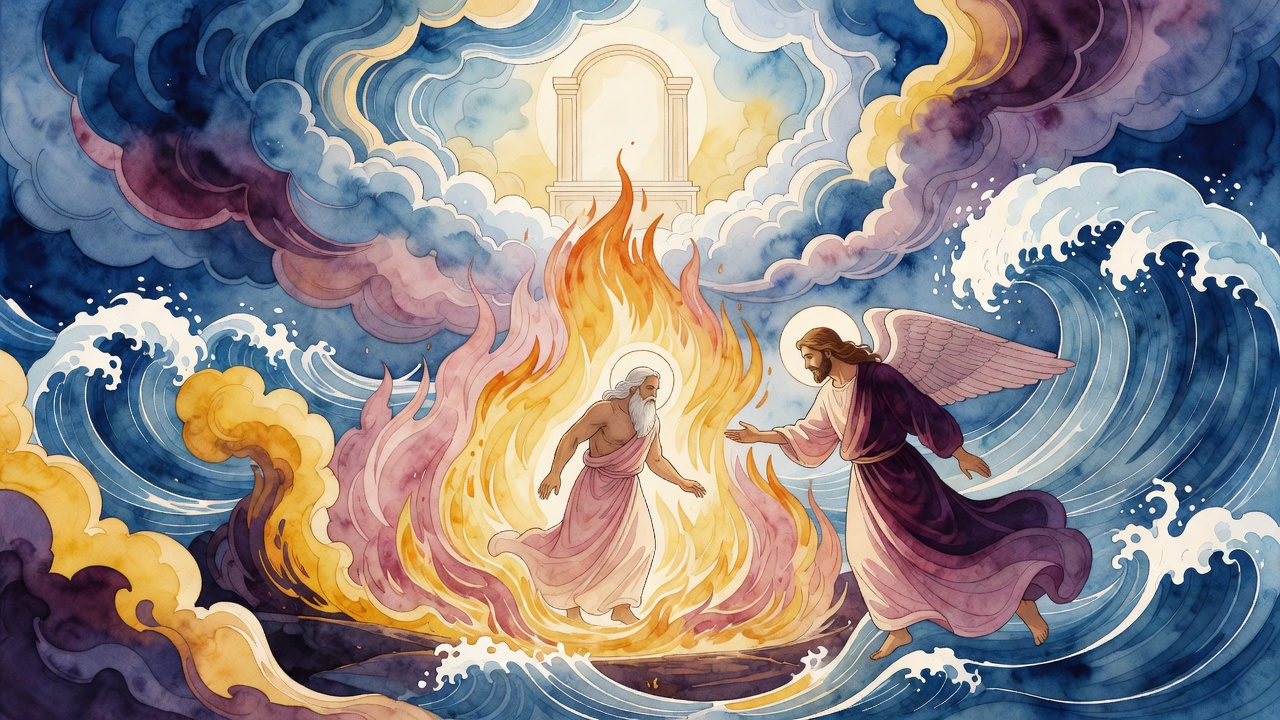
Fire was Gabriel's element. He was the angel of fire, the one who moved in heat, and when Nimrod had Abraham bound and thrown into the blazing furnace at Ur, Gabriel stepped forward without hesitation before the throne. Master of the Universe, he said, let me go down and pull the righteous man out of the flames. It was a loyal request from a willing servant. He was qualified. He was ready.
God said no.
The Reason That Cannot Be Delegated
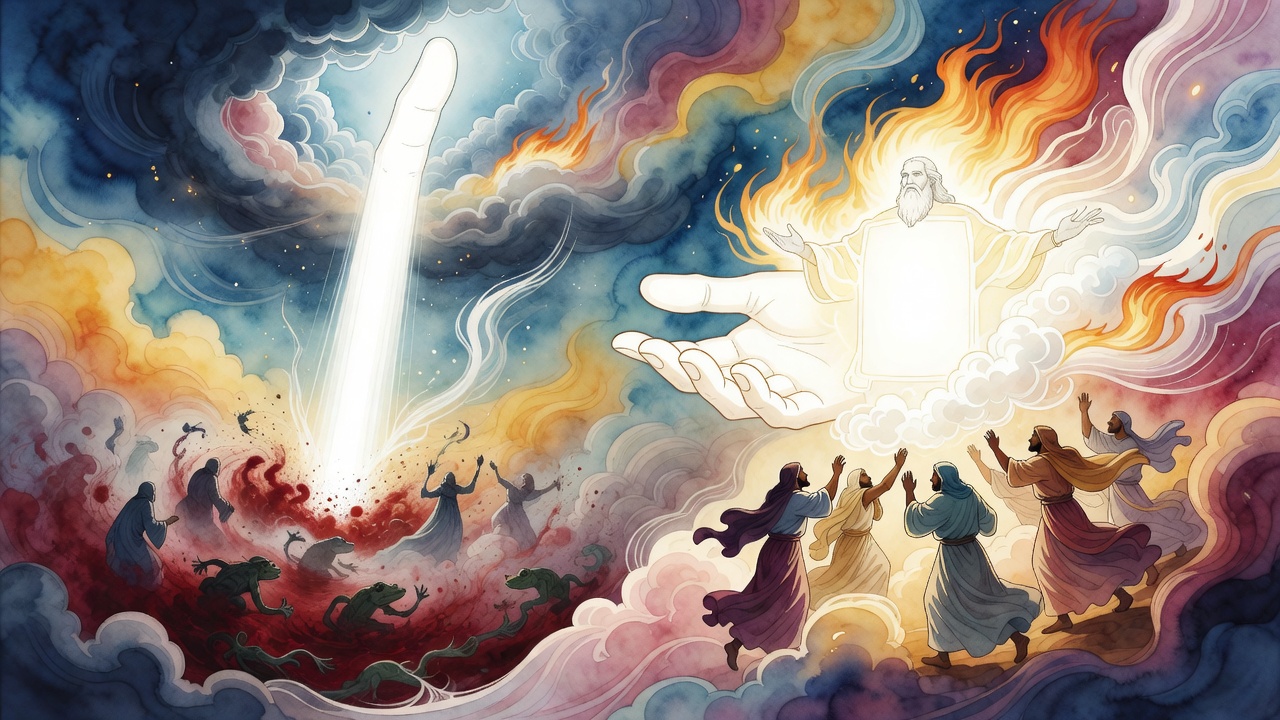
The refusal carries a line the tradition has never stopped repeating. I am unique in My world, God answered, and he is unique in his world. It is fitting for the Unique One to save the unique one.
Abraham was not one righteous man among several good candidates. He was the single human being who had looked at a whole world bowing to idols and recognized one God, alone, before any tradition existed to support that recognition. That insight stood entirely by itself. A rescue built on it could not be handed to a deputy, because the meaning of the moment was in the match: the solitary God reaching down for the solitary believer. Send Gabriel and the rescue becomes just another divine errand. The Holy One coming down personally said something about the value of what was being saved, something that no angel carrying the same message could have said.
So God came down and lifted Abraham out of the fire Himself.
Gabriel's Deferred Reward
God does not let devotion go unrewarded, and Gabriel had offered himself with real eagerness. His reward was not refused but deferred. You will merit, God told him, to save three of Abraham's children. The promise sat in reserve for generations, patient, accumulating interest while history continued its business.
Then Nebuchadnezzar built his golden image and commanded every nation to bow before it at the sound of the horn and the pipe. Three young men from among the exiles of Judah refused: Hananiah, Mishael, and Azariah. They were thrown into a furnace heated seven times its normal heat, hot enough that the soldiers who threw them in died at the mouth of the fire. Gabriel's deferred appointment came due at last. He went down and pulled them out, three descendants of Abraham paying off the promise that had sat in reserve since Ur.
The furnace at Babylon answered the furnace at Ur, and the angel who had been turned away from the first was sent to the second.
In Whose Merit Was the Sea Split
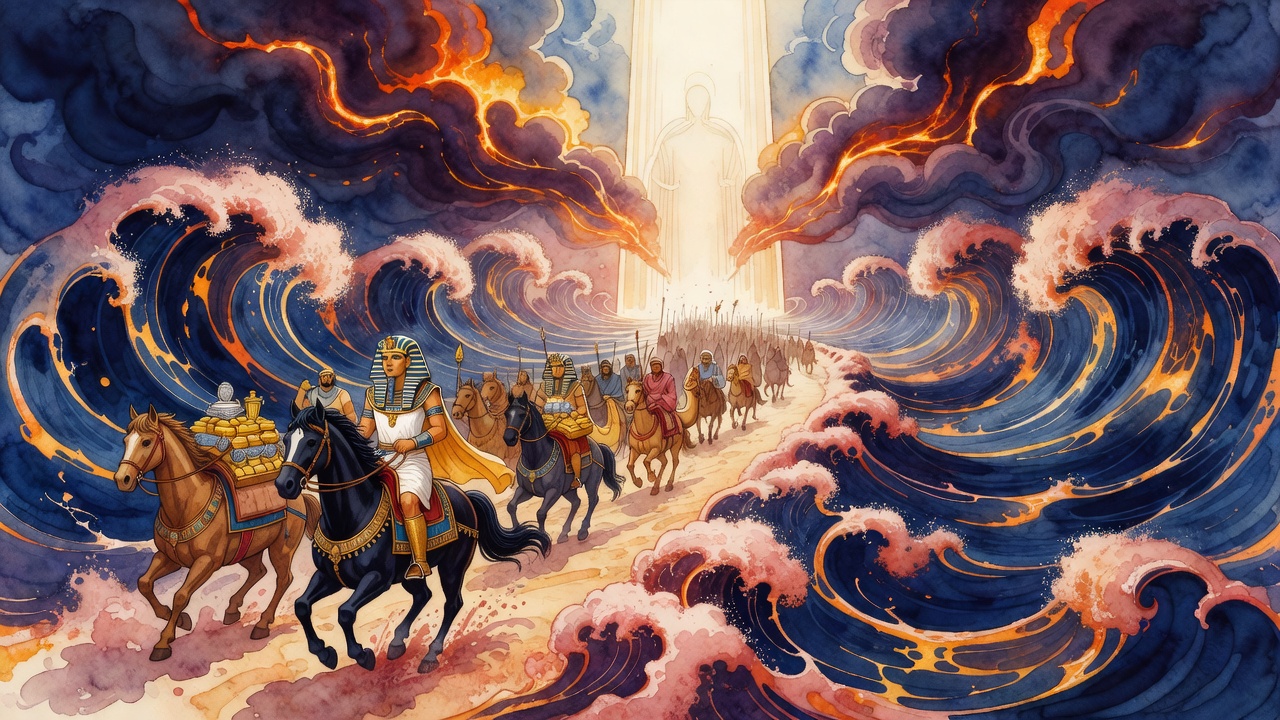
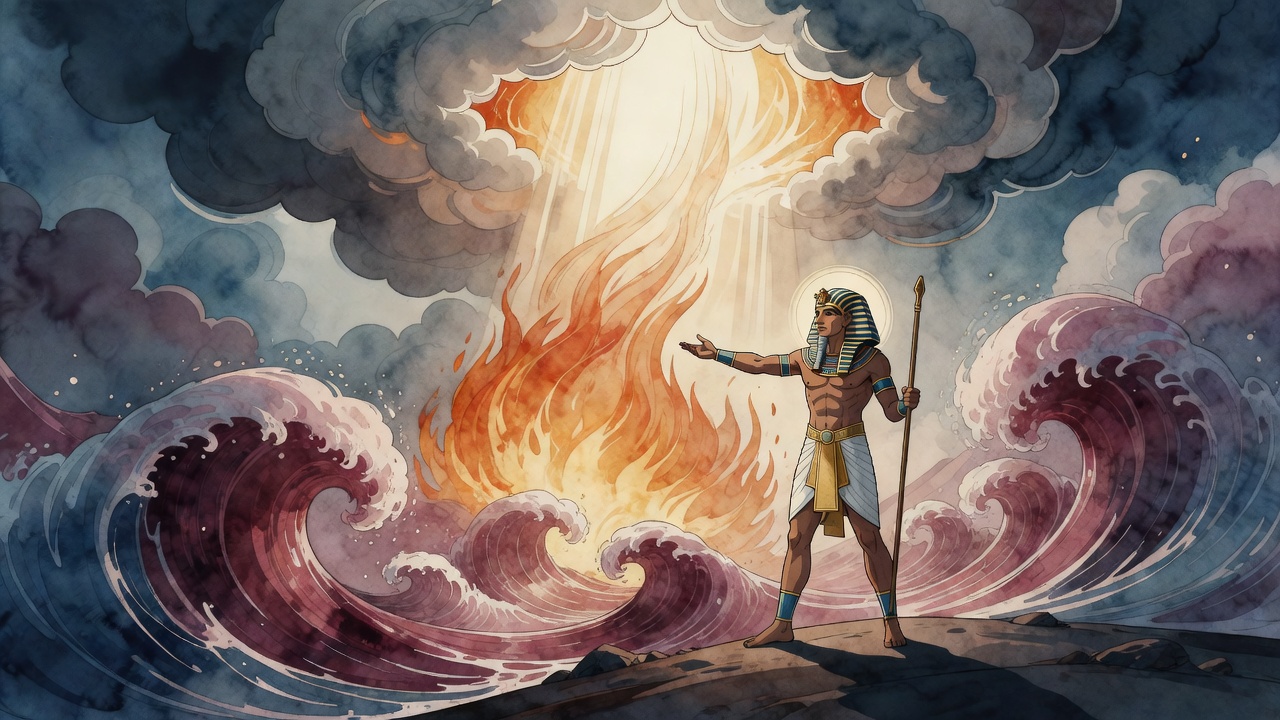
The Yalkut Shimoni on Torah pairs the Ur tradition with a different question: what was the sea actually responding to when it split? Not a prayer, not a command, not only the immediate urgency of a nation trapped between an army and deep water. The sea split because of accumulated merit, a treasury of righteous acts that had been building since before the Exodus began.
In whose merit? The tradition counts them off. The merit of the patriarchs, who walked with God in a world that did not yet know what walking with God meant. The merit of the matriarchs, who held their households together through decades of difficulty. The merit of circumcision, the physical mark of covenant that the men of Israel had accepted and carried. The merit of the Torah that would be given but had not yet arrived, given as credit against a debt not yet incurred.
The sea did not split for the moment. It split because of the weight of everything that had led to the moment.
← All myths