Exodus

289 texts · Page 1 of 7

The liberation from Egypt, the parting of the sea, and the journey from slavery to Sinai that defined the Jewish people.

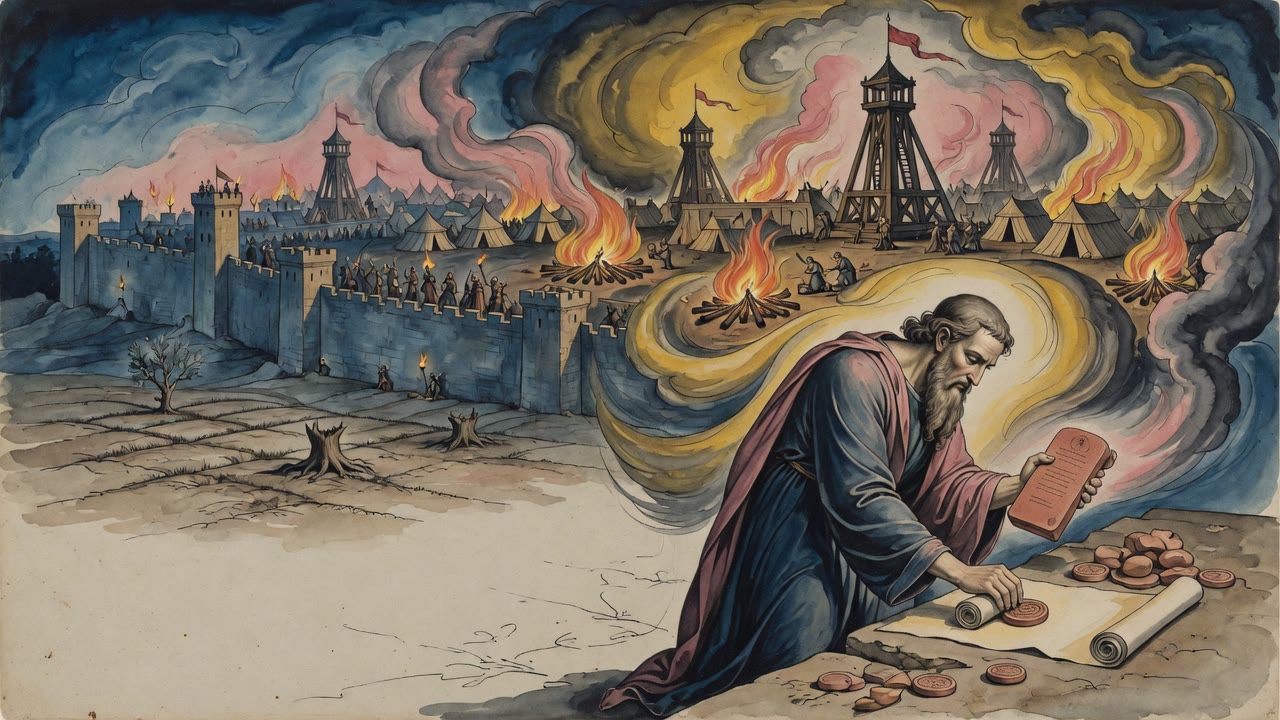
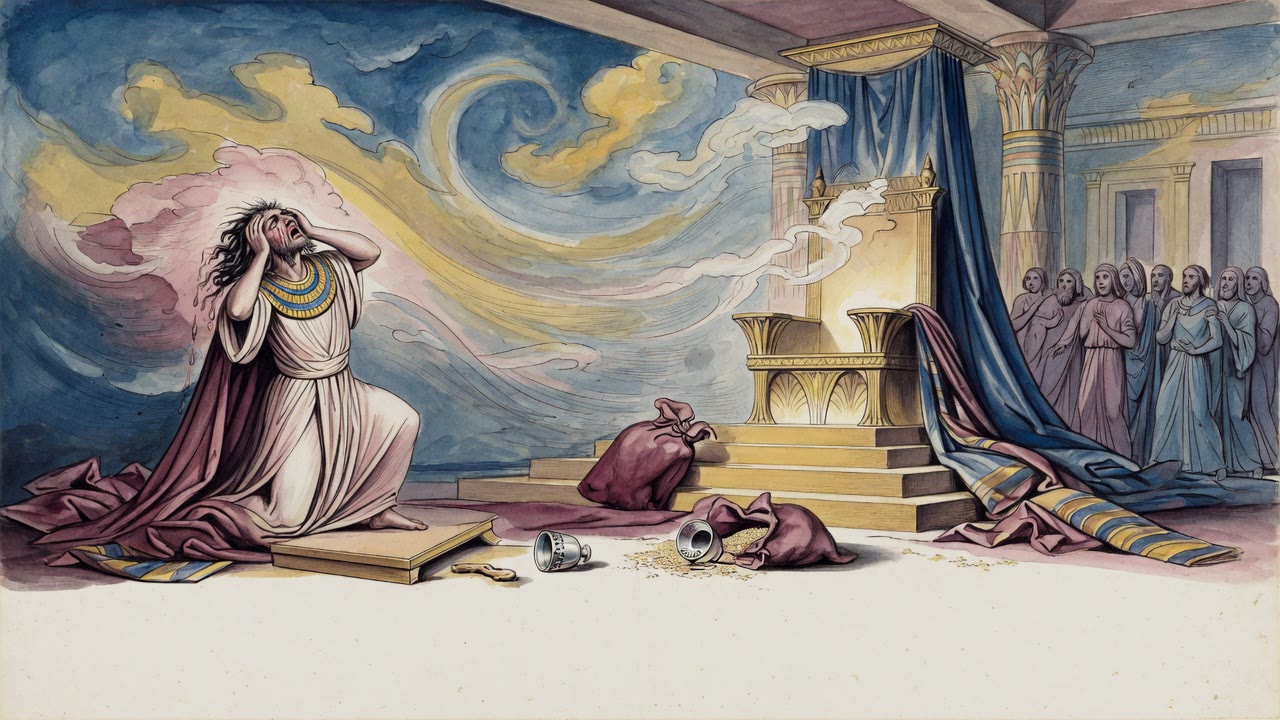
Demons Build the Temple and Solomon Falls Through Idolatry

Apocrypha & Pseudepigrapha Apocrypha & Pseudepigrapha

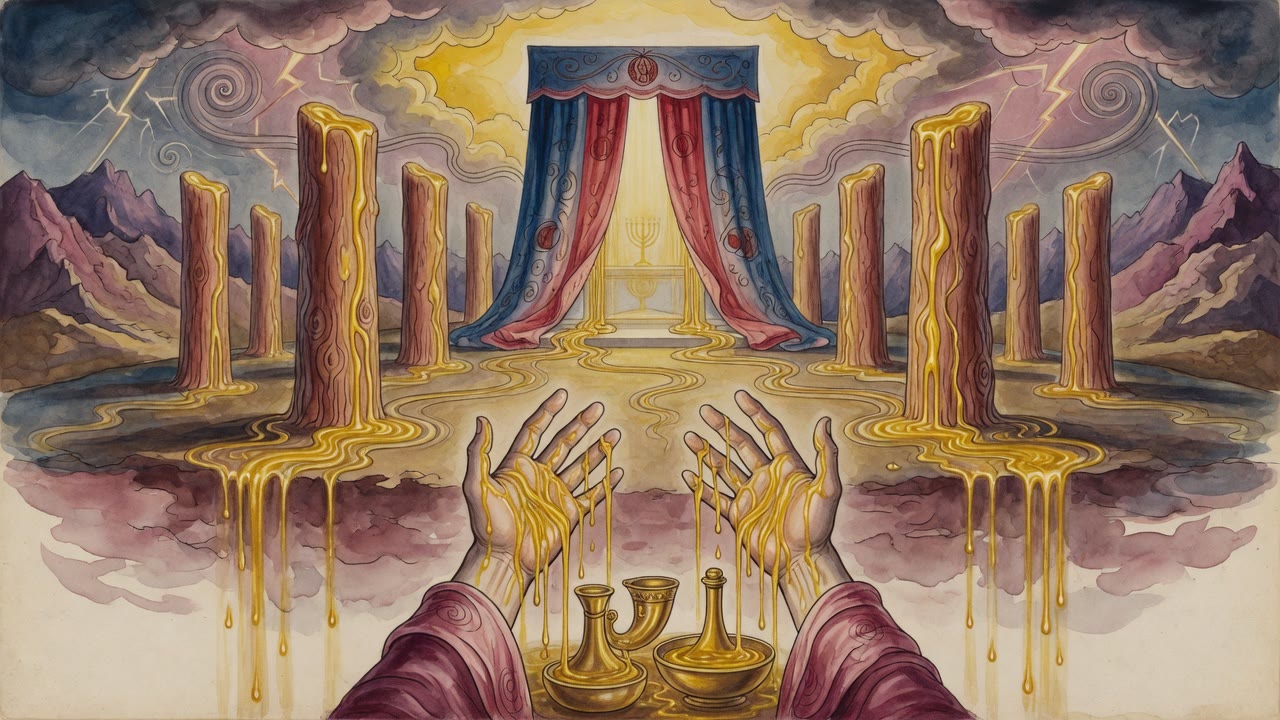
The thirty-sixth and final zodiac demon, Bianakith, confessed: "I lay waste houses and cause flesh to decay. But if a man writes certain holy names on the front door of his home, I...

Moses Became King of Ethiopia at Age Twenty-Seven

Ginzberg Legends of the Jews (Ginzberg)

Not just the Moses who led the Israelites out of Egypt, received the Torah, and spoke to God face-to-face. But a Moses who was also a conquering king in Ethiopia? It sounds wild, d...

Marriage of Manetho

Josephus Josephus

to one such instance, where the Egyptian historian Manetho gives us a glimpse into how the ancient world viewed the Israelites' exodus from Egypt. Josephus, in his work Against Api...

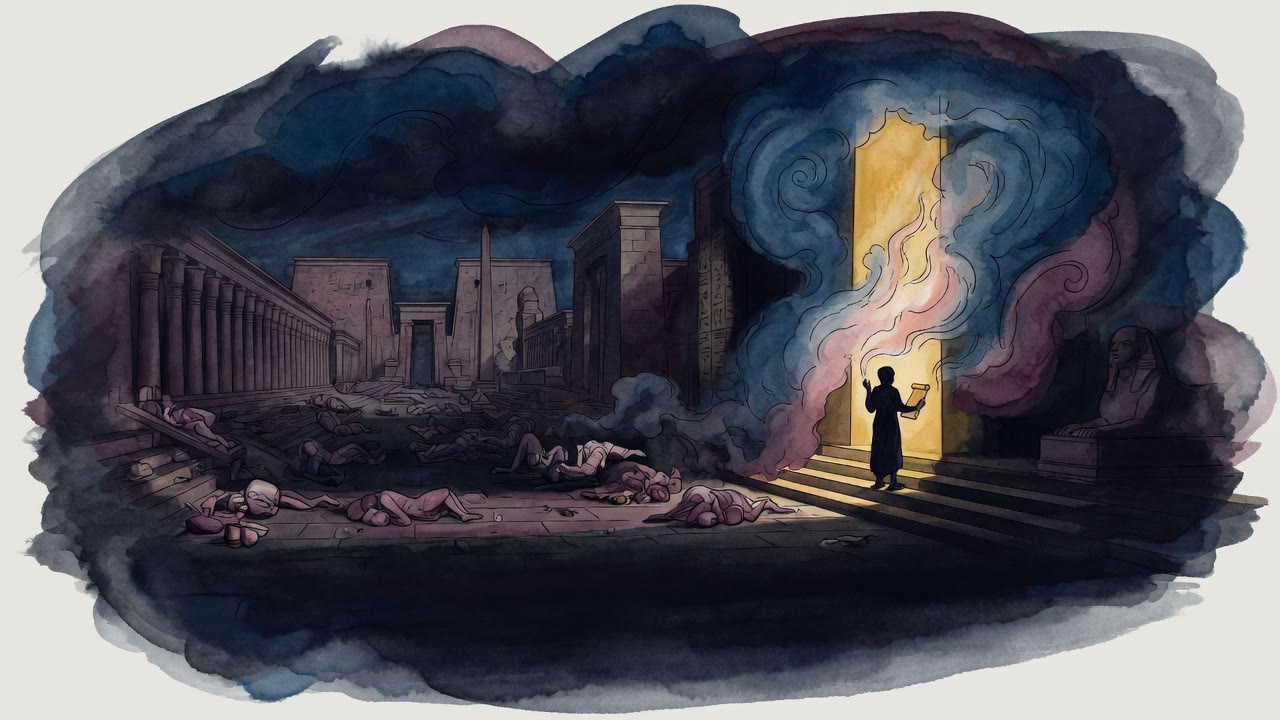
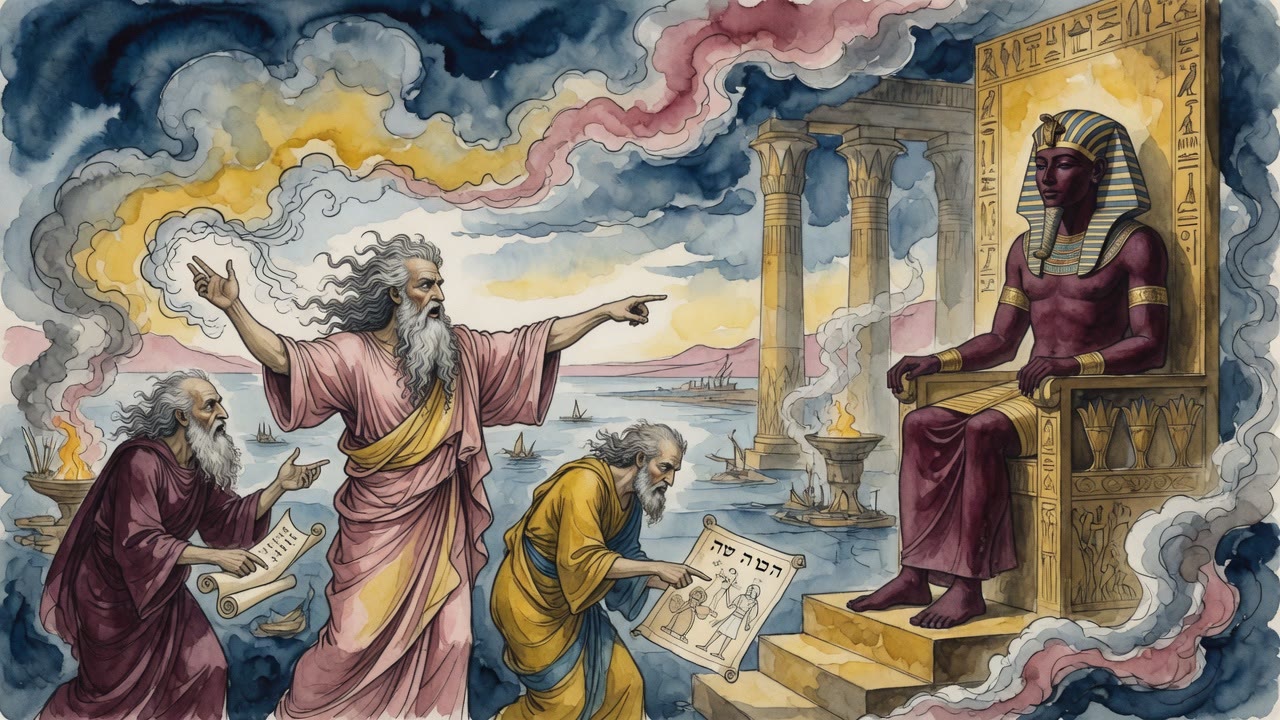
The Ten Plagues That Broke Egypt

Josephus Josephus

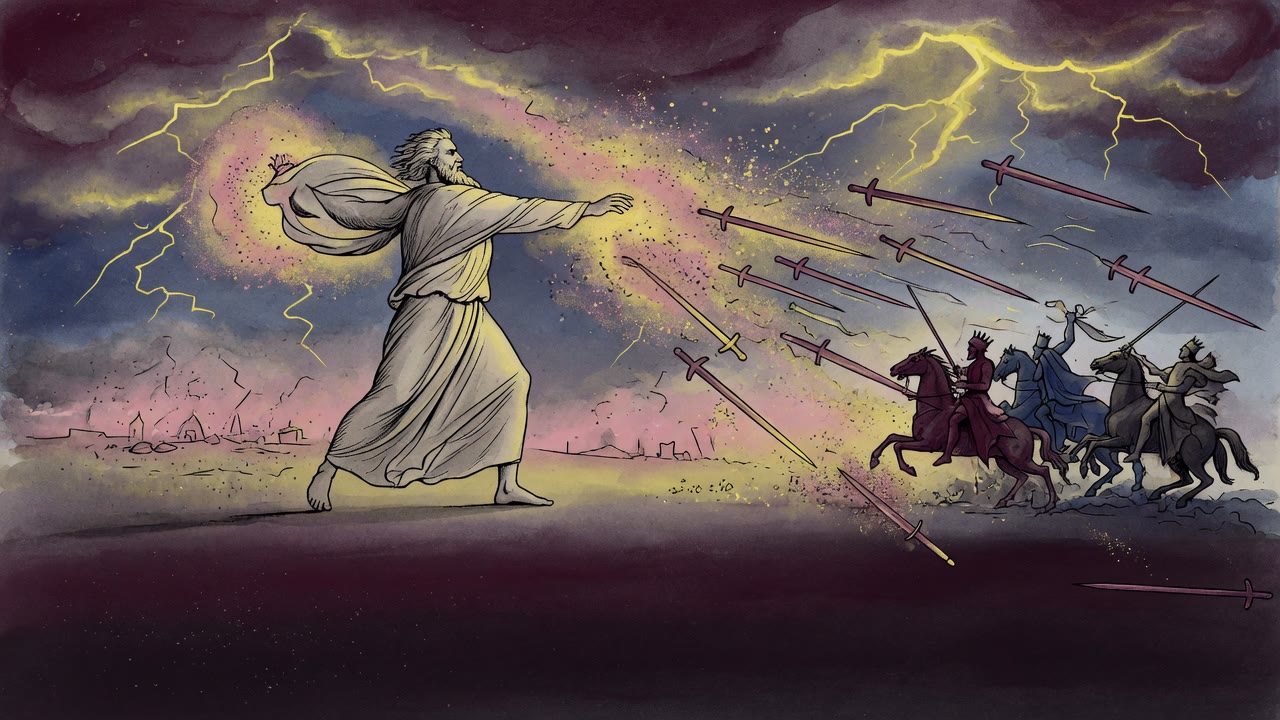
Six hundred chariots. Fifty thousand horsemen. Two hundred thousand infantry. That was the army Pharaoh sent racing after the Hebrews barely three days after letting them go—and he...

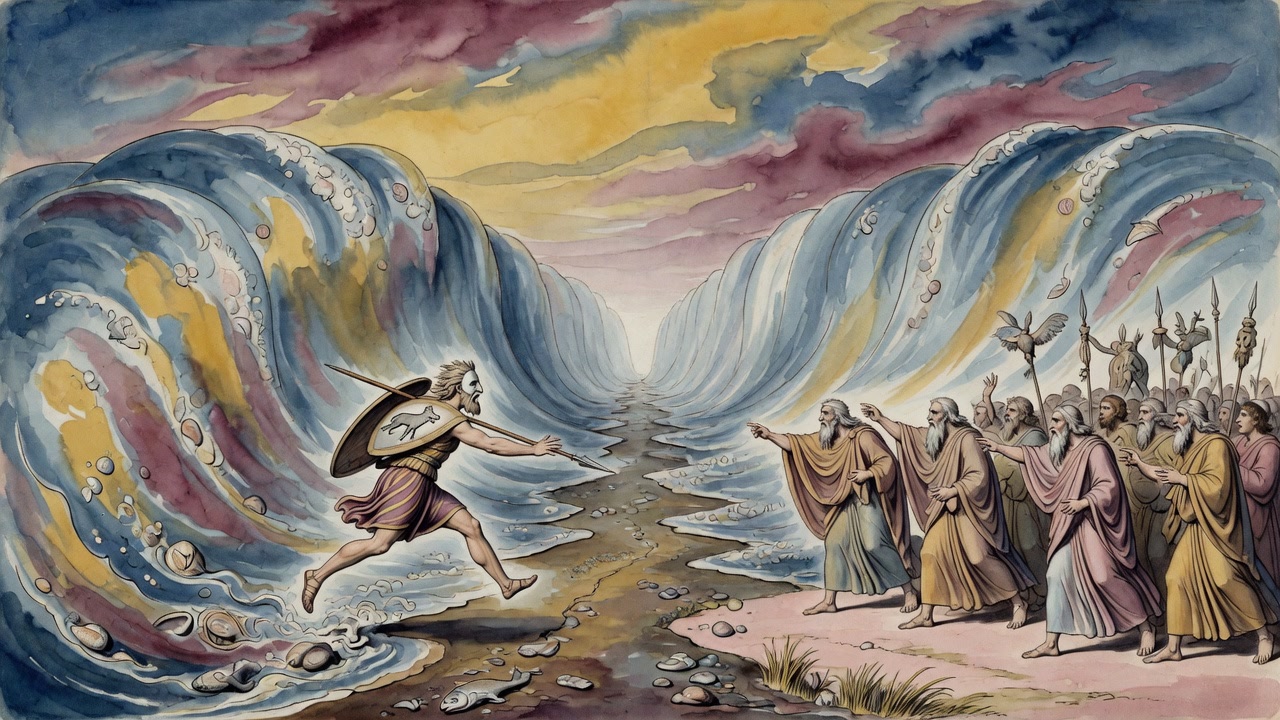
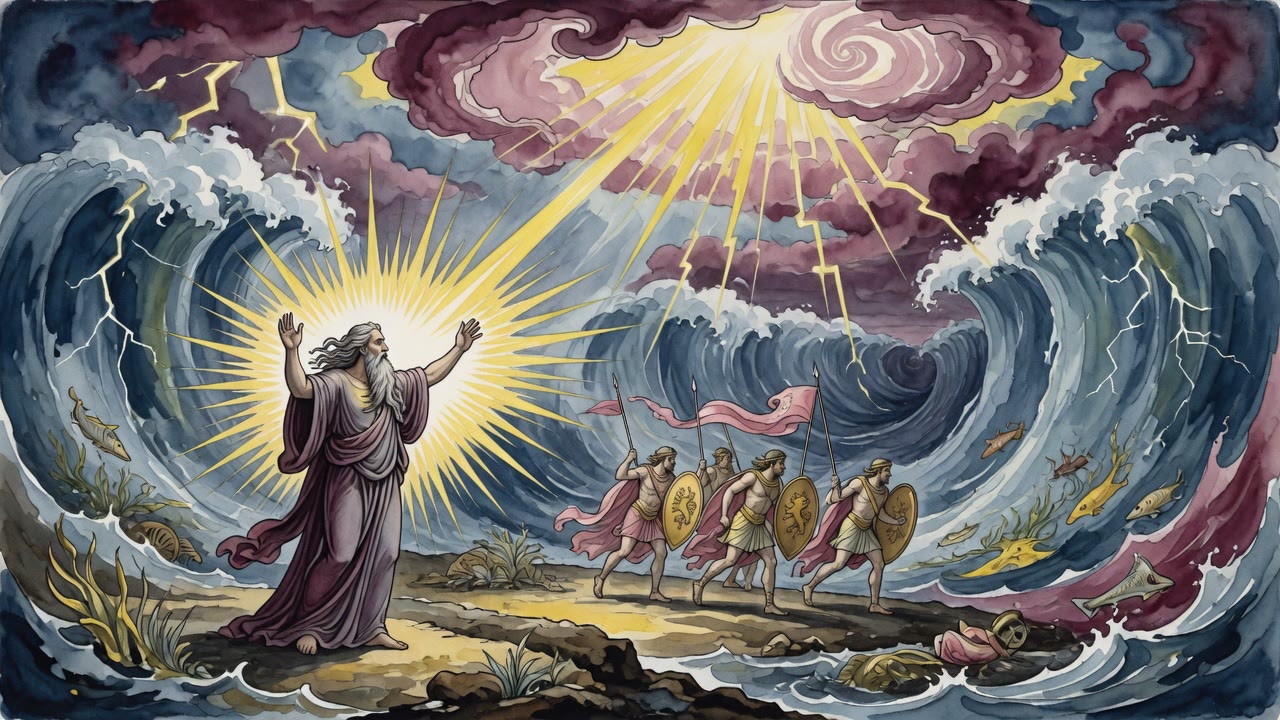
The Israelites Cross the Red Sea

Josephus Josephus

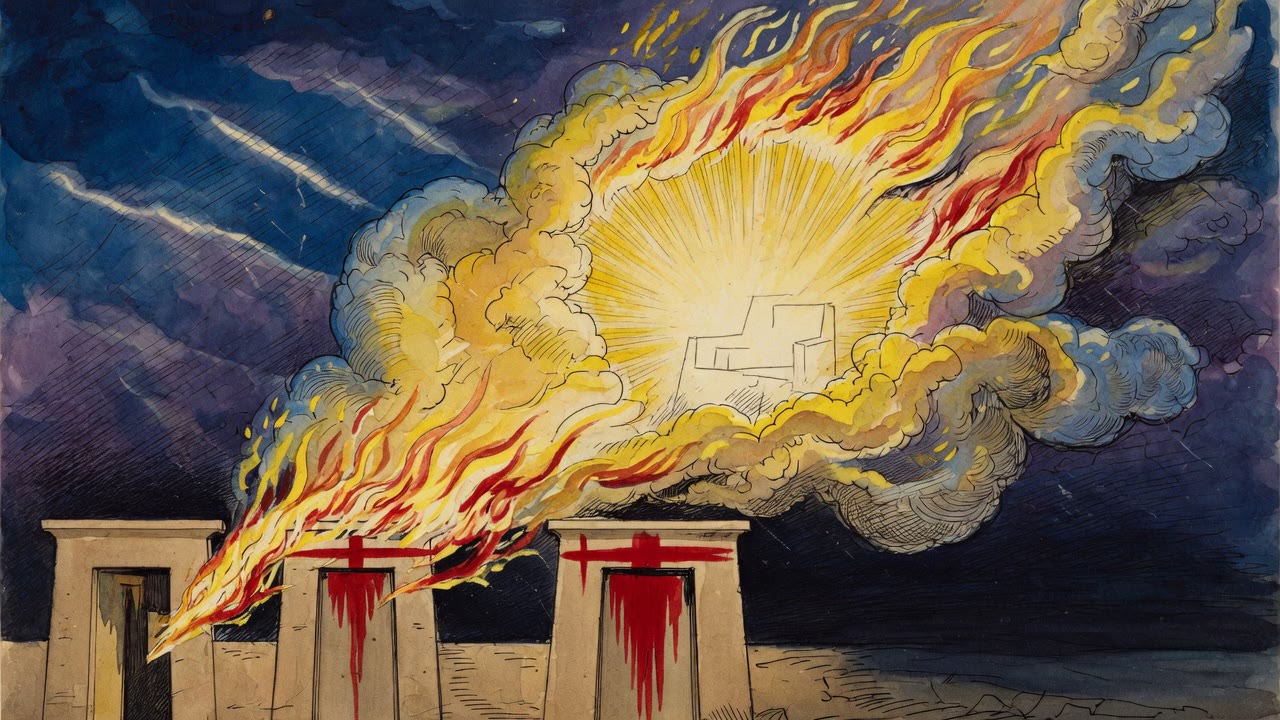
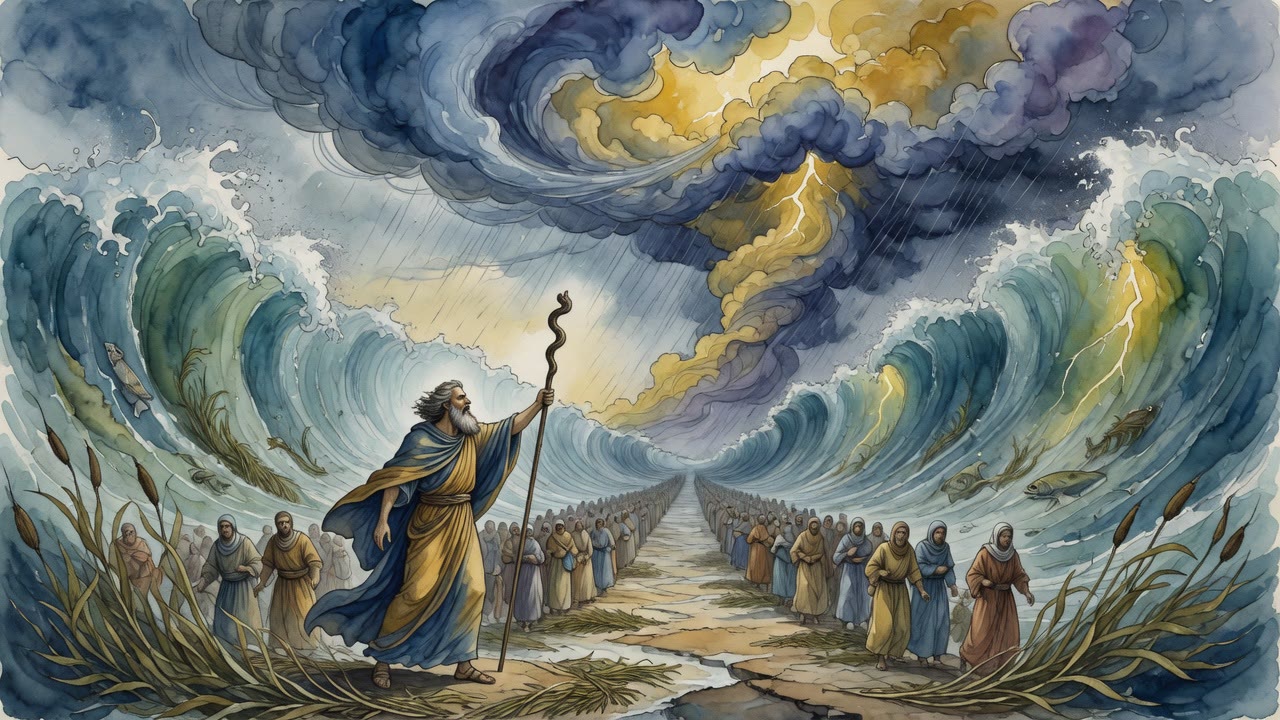
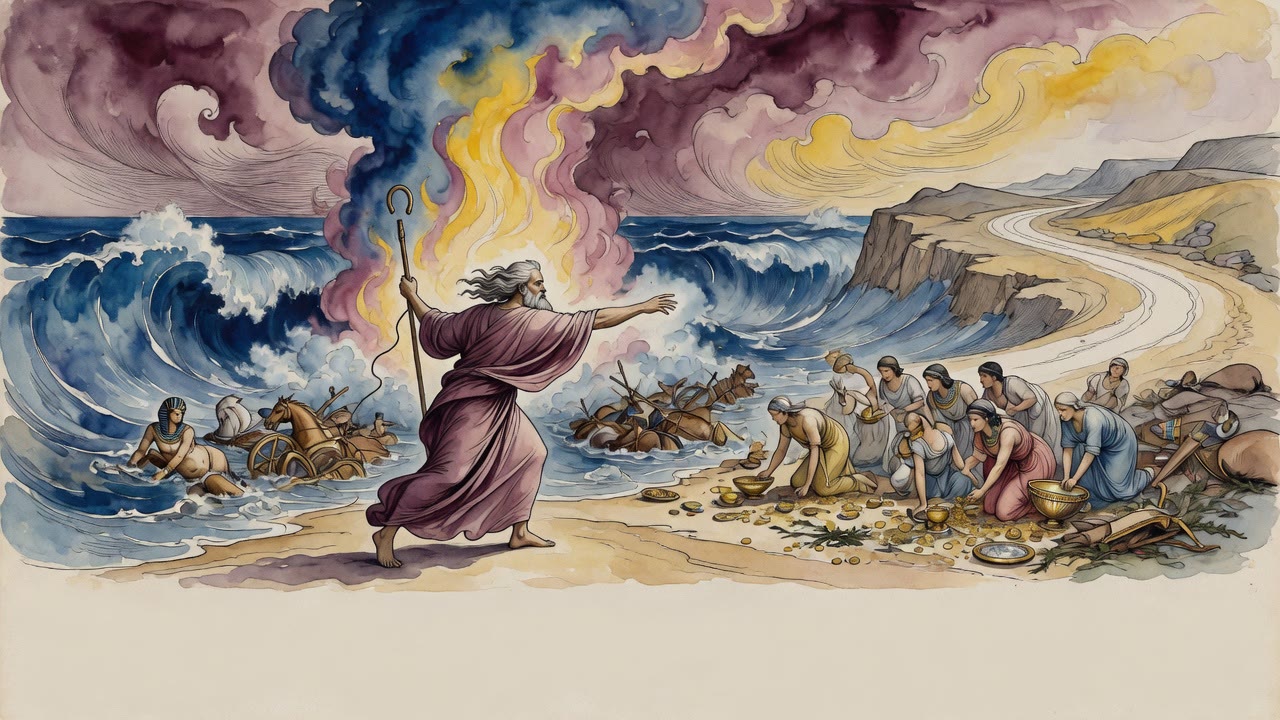
The Egyptians who chased the Hebrews into the sea did not drown quietly. According to Josephus, the water came crashing back accompanied by storms, rain, thunder, lightning, and th...

Israel Reaches Sinai and Drinks Bitter Water

Josephus Josephus

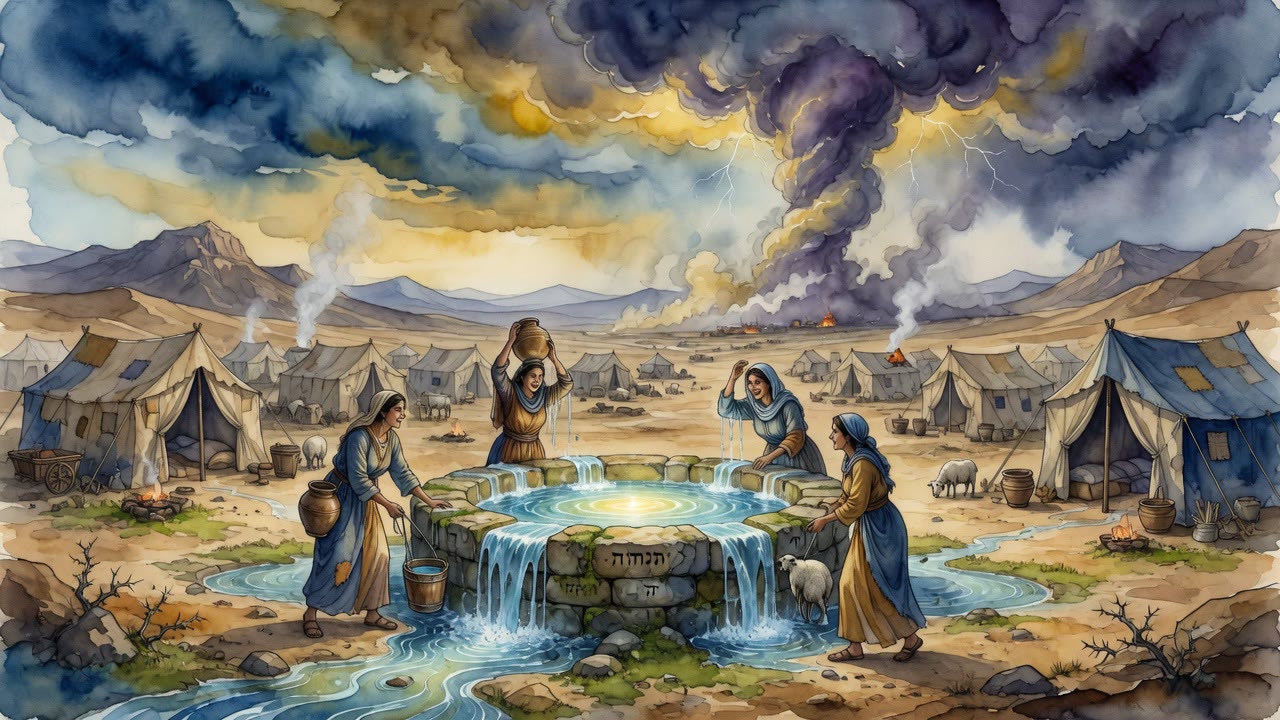
Moses struck a rock and a river came pouring out. Not a trickle, not a seep—a full river, bursting from dry stone in the middle of the desert, clear and sweet enough to make an ent...

Isaiah's Vision and the Wilderness

Other Texts Kabbalah & Mysticism

The prophet Isaiah did, and his vision is breathtaking. "The arid desert will be glad and the wilderness will rejoice and blossom like a rose, it shall greatly flower and also rejo...

Mochin - Mental Powers That Approach but Never Reach Perfection

Other Texts Kabbalah & Mysticism

The Kalach Pitchei Chokhmah, a Kabbalistic text whose very name implies unlocking wisdom, wrestles with this very idea. It tells us that even when things seem their most sublime, i...

The Ten Plagues and the Shattering of Egypt

Kabbalah & Mysticism Kabbalah & Mysticism

Rabbi Levi Yitzchak of Berditchev opens his commentary on Parshat Va'era with a question about the nature of prophecy. God tells Moses, "I appeared to Abraham, to Isaac, and to Jac...

The Night God Struck Down Every Firstborn

Kabbalah & Mysticism Kabbalah & Mysticism

Why does God sometimes tell Moses to "go to Pharaoh" (lekh el Par'oh) and other times to "come to Pharaoh" (bo el Par'oh)? Rabbi Levi Yitzchak of Berditchev discovers two entirely ...

When the Sea Split and Angels Sang

Kabbalah & Mysticism Kabbalah & Mysticism

When the sea split, the angels fell behind. Rabbi Levi Yitzchak of Berditchev reads the verse, "The angel of God who had been traveling in front of the Israelite camp moved to thei...

God Hardened Pharaoh so Egypt Would Break

Kabbalah & Mysticism Kabbalah & Mysticism

"And God spoke to Moses" (Exodus 6:2). The Hebrew word for "spoke" (vayedaber) implies harshness, while "said" (vayomer) implies gentleness. Rebbe Elimelech of Lizhensk uses this g...

One Man Jumped Into the Sea Before It Split

Kabbalah & Mysticism Kabbalah & Mysticism

"And it came to pass when Pharaoh sent out the people" (Exodus 13:17). Rebbe Elimelech of Lizhensk reads the entire Exodus story as a map of the soul's struggle against the evil in...

Variantly — From (Exodus 7 — 1) "See I have made you an

Mekhilta DeRabbi Yishmael Mekhilta DeRabbi Yishmael

When God told Moses in (Exodus 7:1), "See, I have made you an overlord to Pharaoh," a question immediately arose in the minds of the ancient rabbis. The verse seems to single out M...

Moses and Aaron Were Equal in Status Despite the Torah Listing Moses First

Mekhilta DeRabbi Yishmael Mekhilta DeRabbi Yishmael

The Torah speaks "to Moses and to Aaron" — in that order. Moses first, Aaron second. A natural reading would assume this reflects a hierarchy: Moses is the greater, Aaron the lesse...

Similarly, (Exodus 3 — 6) "I am the G–d of your father, the

Mekhilta DeRabbi Yishmael Mekhilta DeRabbi Yishmael

The Torah lists the patriarchs in a specific order: Abraham, Isaac, and Jacob. In (Exodus 3:6), God introduces Himself to Moses at the burning bush as "the God of your father, the ...

(Exodus 12 — 1) "in the land of Egypt" — (He spoke to them)

Mekhilta DeRabbi Yishmael Mekhilta DeRabbi Yishmael

(Exodus 12:1) "in the land of Egypt":(He spoke to them) outside the city. But perhaps in the city itself? (This cannot be, for it is written (Exodus 9:29) "When I leave the city" (...

Akiva says (Exodus 12 — 1) "saying" — Go and say to them that

Mekhilta DeRabbi Yishmael Mekhilta DeRabbi Yishmael

Rabbi Akiva found a hidden message in a single word from (Exodus 12:1) — the word "saying." When God spoke to Moses, the instruction included "saying," which Akiva interpreted as a...

(Exodus 12 — 2) "the beginning of months" — I might think, for

Mekhilta DeRabbi Yishmael Mekhilta DeRabbi Yishmael

(Exodus 12:2) "the beginning of months": I might think, for the minimum of months, two (i.e., the most distinctive of months, Sivan and Tishrei). It is, therefore, written (Ibid.) ...

(Exodus 12 — 4) "And if the household is too small for one

Mekhilta DeRabbi Yishmael Mekhilta DeRabbi Yishmael

The Torah introduces a practical problem in the laws of the Passover sacrifice. What happens when a household is too small to consume an entire lamb? (Exodus 12:4) addresses this d...

Yonathan says — sheep for the Pesach and cattle for the chagigah

Mekhilta DeRabbi Yishmael Mekhilta DeRabbi Yishmael

R. Yonathan says: sheep for the Pesach (Passover) and cattle for the chagigah. You say this, but perhaps (the meaning is) both for the Pesach? And how would I understand (Exodus 12...

And whence is it derived that they were not suspect of

Mekhilta DeRabbi Yishmael Mekhilta DeRabbi Yishmael

The Israelites spent twelve months in Egypt after Moses first appeared before Pharaoh. Twelve months of escalating plagues, mounting chaos, and growing anticipation of departure. D...

And whence is it derived that they did not change their language

Mekhilta DeRabbi Yishmael Mekhilta DeRabbi Yishmael

The Mekhilta identifies one of the hidden miracles of the Egyptian exile: the Israelites never abandoned the Hebrew language. Despite living for centuries among Egyptian speakers, ...

(Exodus 12 — 6) "And the entire assembly of the congregation

Mekhilta DeRabbi Yishmael Mekhilta DeRabbi Yishmael

The Mekhilta asks a practical question about Passover night in Egypt that reveals something extraordinary about how communal sacrifice works. The Torah commands, "The entire assemb...

It is, therefore, written (Devarim 16 — 6) "There shall you

Mekhilta DeRabbi Yishmael Mekhilta DeRabbi Yishmael

The Mekhilta uncovers a contradiction in the Torah's timeline that forces a radical rethinking of when the Passover sacrifice actually happened. Deuteronomy commands, "There shall ...

When Exactly Is 'Between the Evenings' for Slaughtering the Passover Lamb

Mekhilta DeRabbi Yishmael Mekhilta DeRabbi Yishmael

Ben Betheira tackled one of the most practical and debated questions in all of Passover law: when exactly should the Paschal lamb be slaughtered? The Torah gives a poetic instructi...

(Exodus 12 — 7) "And they shall take from the blood" — I might

Mekhilta DeRabbi Yishmael Mekhilta DeRabbi Yishmael

(Exodus 12:7) "And they shall take from the blood": I might think either by hand or by vessel; it is, therefore, written (Ibid. 22) "And you shall dip it in the blood which is in t...

(Exodus 12 — 7) "And they shall place it on the two side

Mekhilta DeRabbi Yishmael Mekhilta DeRabbi Yishmael

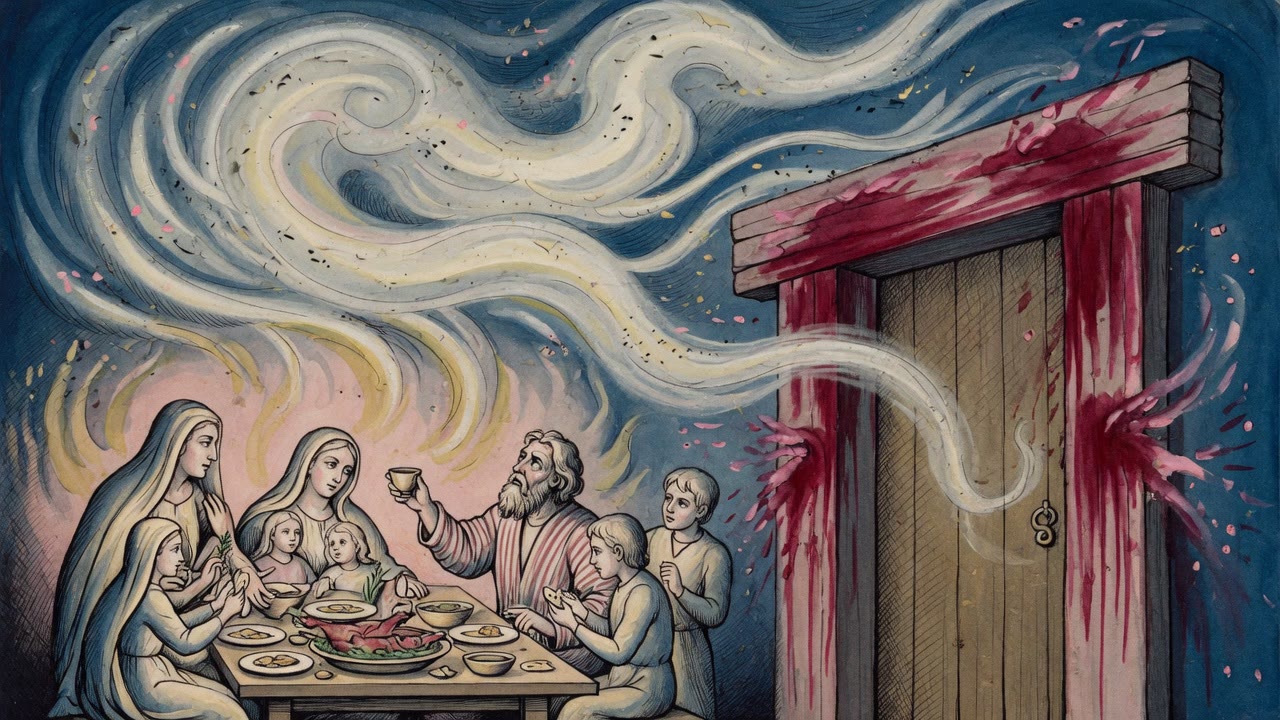
On the night that would change everything, God told the Israelites to paint blood on their doorframes. But where exactly? On the inside of the doorposts and lintel, or on the outsi...

(Exodus 12 — 10) "And you shall not leave over anything of it

Mekhilta DeRabbi Yishmael Mekhilta DeRabbi Yishmael

The Torah gives strict instructions about Passover leftovers: "You shall not leave over anything of it until the morning, and what is left over of it until the morning, in fire sha...

The Passover Meal Was Eaten Like Travelers Ready to March

Mekhilta DeRabbi Yishmael Mekhilta DeRabbi Yishmael

"And thus shall you eat it" (Exodus 12:11) — the Torah prescribes not just what to eat on Passover night, but how to eat it. Loins girded. Sandals on your feet. Staff in hand. Eat ...

(Exodus 12 — 14) "And this day shall be for you as a

Mekhilta DeRabbi Yishmael Mekhilta DeRabbi Yishmael

(Exodus 12:14) "And this day shall be for you as a remembrance": The day which is a remembrance for you, you celebrate. But we have not yet heard which day it is (that is a remembr...

(Exodus 12 — 15) "Seven days shall you eat matzoth" — I might

Mekhilta DeRabbi Yishmael Mekhilta DeRabbi Yishmael

The Torah commands in (Exodus 12:15), "Seven days shall you eat matzot." But which grains actually qualify for making matzah? The Mekhilta digs into this question with characterist...

(Exodus 12 — 16) "On the first day, a calling of holiness, etc

Mekhilta DeRabbi Yishmael Mekhilta DeRabbi Yishmael

The Torah declares in (Exodus 12:16), "On the first day, a calling of holiness." The Mekhilta asks what it actually means to "call" a day holy — and the answer is surprisingly conc...

Yonathan says — This (derivation) is not needed

Mekhilta DeRabbi Yishmael Mekhilta DeRabbi Yishmael

Rabbi Yonathan arrives at the same conclusion as Rabbi Yoshiyah — that a non-Jew may perform labor for a Jew on the festival — but takes a completely different route to get there. ...

(Exodus 12 — 17) "And you shall watch over the matzoth" — that

Mekhilta DeRabbi Yishmael Mekhilta DeRabbi Yishmael

The Torah commands in (Exodus 12:17), "And you shall watch over the matzot." The Mekhilta takes this verse as the foundation for one of the most detailed areas of Passover law: the...

I took out your hosts" — the hosts of Israel

Mekhilta DeRabbi Yishmael Mekhilta DeRabbi Yishmael

The Torah describes the Exodus with the phrase "I took out your hosts." The Mekhilta asks a question that might seem obvious but carries deep theological weight: whose hosts are be...

(Exodus 12 — 19) "Seven days se'or (leavening) shall not be

Mekhilta DeRabbi Yishmael Mekhilta DeRabbi Yishmael

(Exodus 12:19) "Seven days se'or (leavening) shall not be found in your houses": This tells me only (that the transgression) against finding (it). Whence do I derive (the same for)...

19) "whether he be a proselyte or a citizen of the land"

Mekhilta DeRabbi Yishmael Mekhilta DeRabbi Yishmael

The Torah specifies in (Exodus 12:19) that the laws of Passover apply to both "the proselyte and the citizen of the land." The Mekhilta explains why this explicit mention of the co...

(Exodus 12 — 20) "All leavening you shall not eat" — What is

Mekhilta DeRabbi Yishmael Mekhilta DeRabbi Yishmael

The Torah states in (Exodus 12:20), "All leavening you shall not eat." The Mekhilta asks why this verse is needed at all — since the Torah has already forbidden chametz in an earli...

(Exodus 12 — 22) "And you shall take a bunch of hyssop" — From

Mekhilta DeRabbi Yishmael Mekhilta DeRabbi Yishmael

The Torah instructs in (Exodus 12:22), "And you shall take a bunch of hyssop," referring to the bundle of hyssop used to apply the blood of the Paschal lamb to the doorposts in Egy...

and you shall not go out, a man from the door of his house

Mekhilta DeRabbi Yishmael Mekhilta DeRabbi Yishmael

"and you shall not go out, a man from the door of his house: We are hereby taught that once permission has been given to "the destroyer" to destroy, he does not distinguish between...

(Exodus 12 — 25) "And it shall be, when you come to the

Mekhilta DeRabbi Yishmael Mekhilta DeRabbi Yishmael

The Mekhilta, compiled around the 2nd century CE as a halakhic commentary on Exodus, addresses a critical question about when the Passover laws took effect. The verse states plainl...

Similarly, (Leviticus 10 — 3) "This is as the L–rd spoke

Mekhilta DeRabbi Yishmael Mekhilta DeRabbi Yishmael

The Mekhilta, the tannaitic midrash on Exodus, explores a striking rhetorical pattern found throughout the Hebrew Bible: moments where a prophet says God "has spoken," and the rabb...

Similarly, (Devarim 11 — 25) "The L–rd your G–d will put the

Mekhilta DeRabbi Yishmael Mekhilta DeRabbi Yishmael

The Mekhilta, the halakhic midrash on Exodus from the tannaitic period, continues its investigation of a recurring biblical formula: when Scripture says God "has spoken," where exa...

(Devarim 12 — 20) "When the L–rd your G–d broadens your

Mekhilta DeRabbi Yishmael Mekhilta DeRabbi Yishmael

The Mekhilta, the tannaitic midrash on Exodus compiled in the 2nd century CE, traces another instance of the Bible's "as He spoke" formula — a device the rabbis use to link later p...

God and Israel Chose Each Other on the Same Day

Mekhilta DeRabbi Yishmael Mekhilta DeRabbi Yishmael

The Mekhilta reveals a breathtaking symmetry in the covenant between God and Israel. The verse in Deuteronomy says, "And the Lord has affirmed this day to make you His chosen peopl...

Similarly, (Isaiah 58 — 14) "then you will rejoice in the

Mekhilta DeRabbi Yishmael Mekhilta DeRabbi Yishmael

The Mekhilta, the tannaitic midrash on Exodus, examines a soaring promise from the prophet Isaiah: "Then you will rejoice in the Lord, and I will 'ride' you on the heights of the e...

Similarly, (Devarim 17 — 16) "And the L–rd said to you — You

Mekhilta DeRabbi Yishmael Mekhilta DeRabbi Yishmael

The Mekhilta, the tannaitic commentary on Exodus, addresses a verse with massive implications for the Exodus narrative. Moses tells Israel in Deuteronomy: "And the Lord said to you...