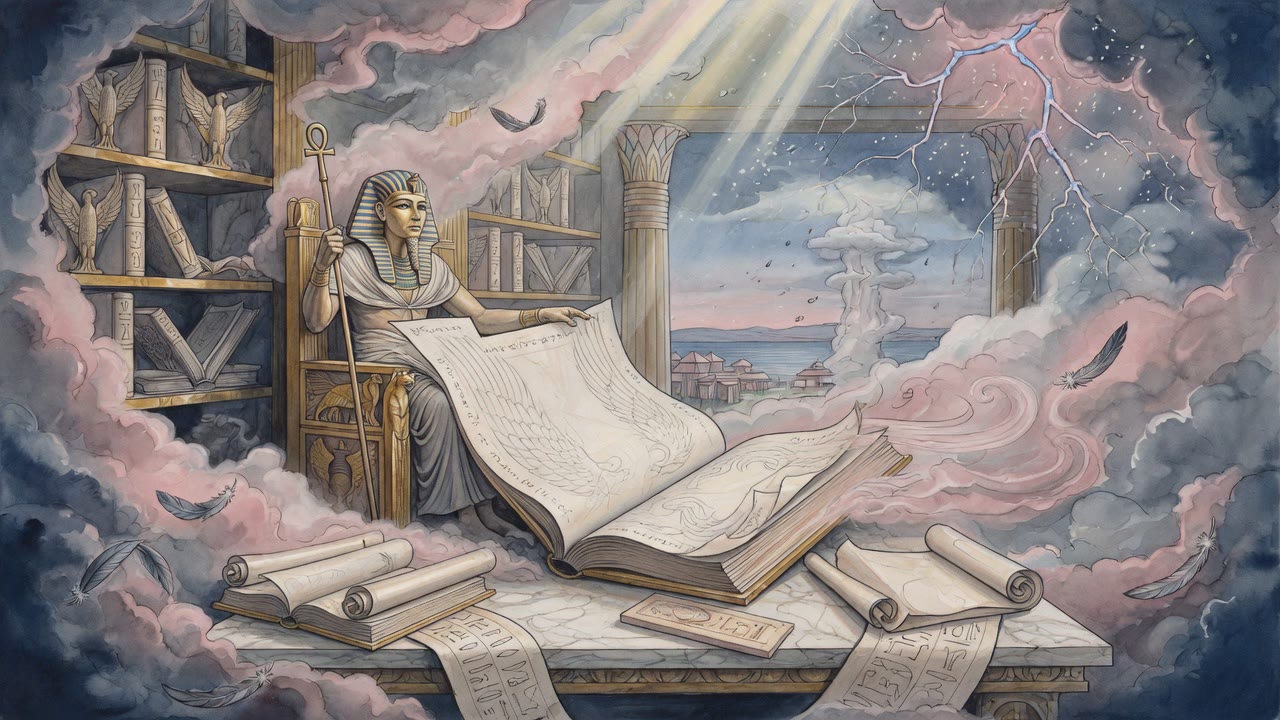
Aaron and the Secret Word That Unlocked Belief
Israel did not believe because Aaron made signs in Egypt. They believed when his mouth carried the phrase Joseph had buried in memory.
Table of Contents
Moses came back from Midian with signs in his hand and fear in his throat. Aaron had to turn the message into a voice the slaves could trust.
 Click for full size
The Signs Waited in Aaron's Hand
The elders gathered in Egypt with brick dust still worked into their skin. Some had learned not to look too long at hope. Hope could get a man beaten when quotas rose, when straw disappeared, when a foreman needed someone to blame.
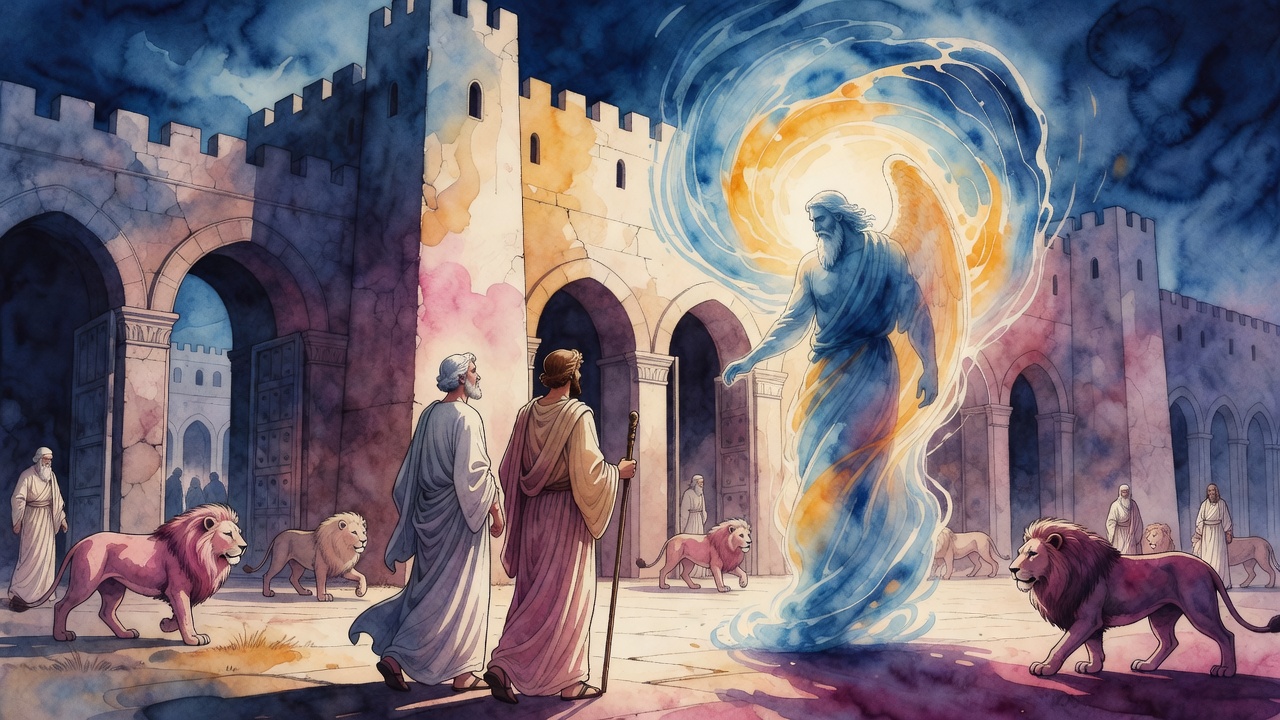
Aaron stood before them because Moses had said his own mouth was heavy. The staff was ready. The hand that could turn white and heal again was ready. Wonders stood near the edge of the meeting like servants waiting for a signal. Every eye in the room could have been forced toward spectacle.
But Aaron began with words.
The Password Passed Through the Dying
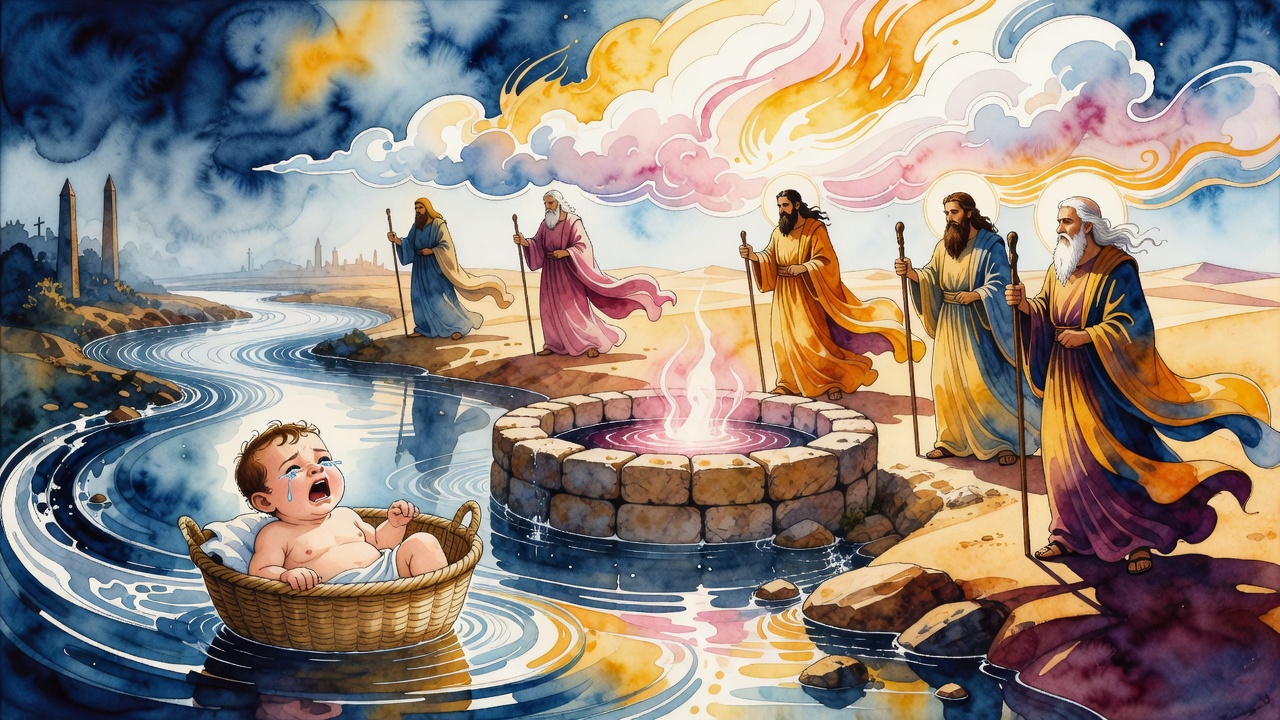
The phrase was older than the meeting. It had been carried through bedsides and whispered rooms, from Jacob to Joseph, from Joseph to the brothers, from the brothers into the memory of the tribes. A redeemer would come one day, and his mouth would carry the sign of remembrance.
The old ones guarded it because Egypt had a talent for making promises sound childish. A secret can survive where a speech would be crushed. It can pass under a taskmaster's eye, folded into a name, a blessing, a deathbed breath.
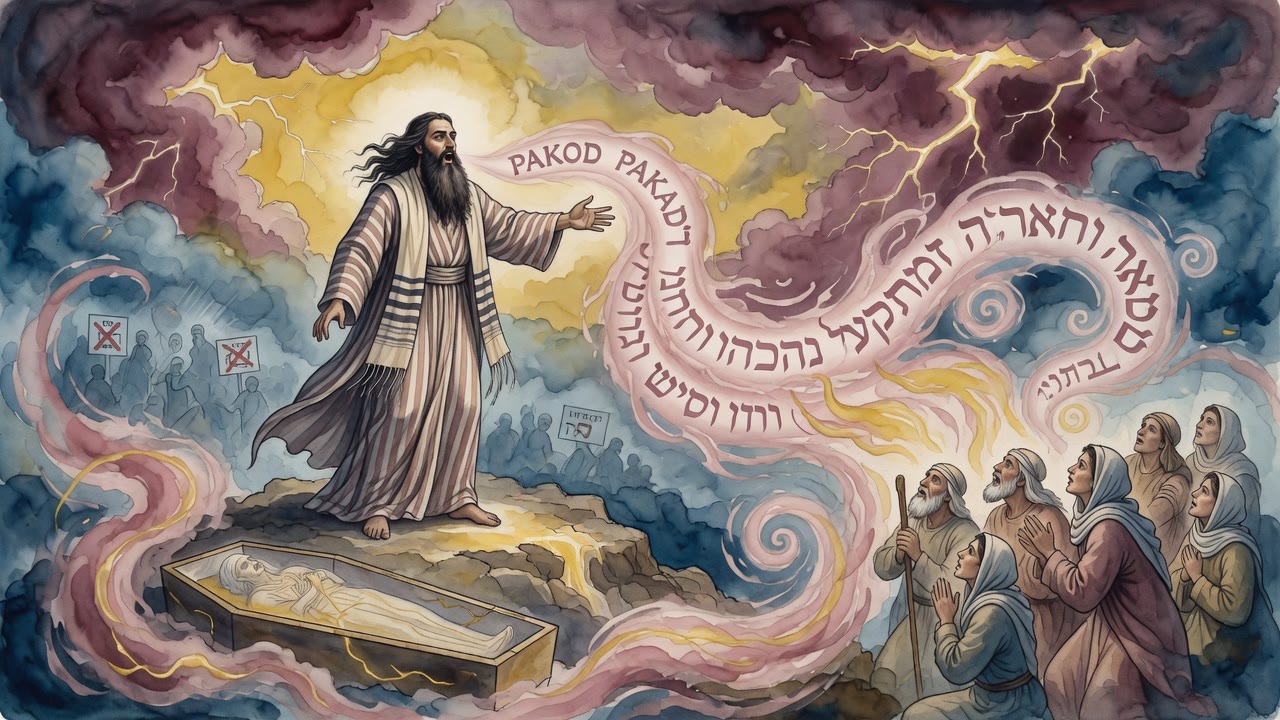
Pakod pakadti. I have surely remembered you.
The doubled root struck twice, like a knuckle on a locked door. Remembered did not mean that God had misplaced Israel and suddenly found them. It meant counted, attended to, visited, taken account of. The groan under the labor was not air. The blood in the mud was not lost. The children born under decree had names in heaven.
The Word Reached Them Before Wonder
Aaron spoke the phrase, and the room changed before the staff moved. Old men heard Joseph's buried promise rise out of Aaron's mouth. Women who had wrapped infants against Egyptian orders heard that heaven had not turned away. The elders looked at one another, not because a trick had dazzled their eyes, but because the password had opened what fear had sealed.
Some promises need the right mouth. Moses had met God at the bush, but Aaron had lived among the people. He knew the shape of their silence. He knew when to raise his voice and when to let two ancient words do the work.
Then the signs came. The staff could coil. The hand could whiten and return whole. Those signs mattered, but they did not build belief from nothing. They stood behind the word like lamps behind a door already opened.
The people bowed their heads. Their bodies reached the ground before freedom reached their hands.
The Peacemaker Knew How to Enter a Room
Aaron's mouth could carry the secret because his life kept teaching people that speech could repair what force had broken. He did not only speak before Pharaoh or beside Moses. He walked the camp. He went between husband and wife, neighbor and neighbor, anger and shame.
He knew the pause before a quarrel turns permanent. He knew how a proud man lowers his eyes when he wants forgiveness but cannot ask for it. He knew how to let each side believe the first step had come from the other. Peace, shalom, was not a slogan in his mouth. It was footwork. Tent to tent. Face to face. Day after day.
A man like that does not only deliver messages. He carries thresholds. He knows how to stand where distrust has made a wall and place one careful word where a door might be.
Thirty Days Proved What His Voice Had Built
The same voice that unlocked belief in Egypt kept unlocking people from one another in the wilderness. That is why his death did not leave only an office empty. It left unfinished reconciliations, cold hearths, and couples waiting for the footstep that would no longer stop at the entrance.
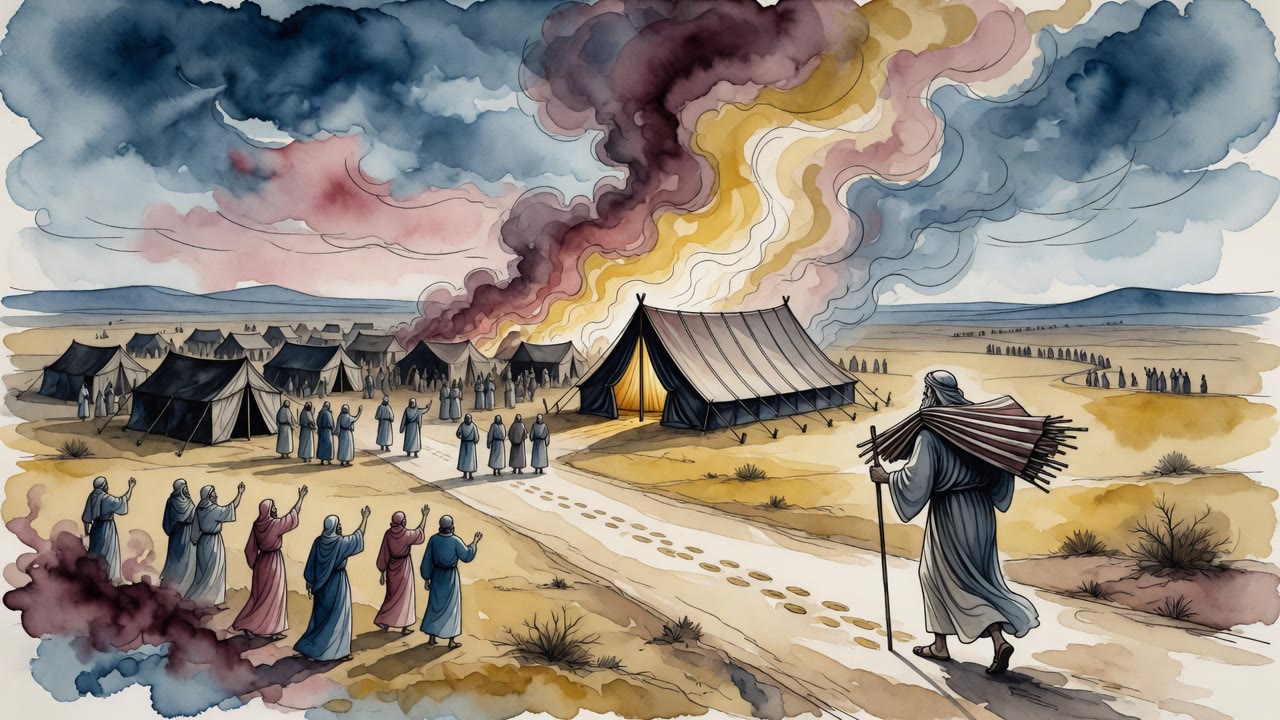
When Aaron died, the whole congregation wept for thirty days. Not a faction. Not only his family. All of them. The nation that had first believed because he spoke the remembered word mourned because the voice of peace had gone silent.
Long before the sea split, belief entered through a mouth. Long after the signs had passed, Israel remembered the man who knew which word could open a locked human heart.
← All myths