Pharaoh Took Away the Straw and the Sea Was Already Waiting for Him
The officers of Israel came out of the palace beaten and found Moses at the gate. You have put a sword in their hand to kill us, they said.
Table of Contents
 Click for full size
The Morning After the First Request
Moses and Aaron came to Pharaoh's court and said: "let my people go." Pharaoh said: "who is God that I should obey him? I do not know this God and I will not let Israel go." The audience ended.
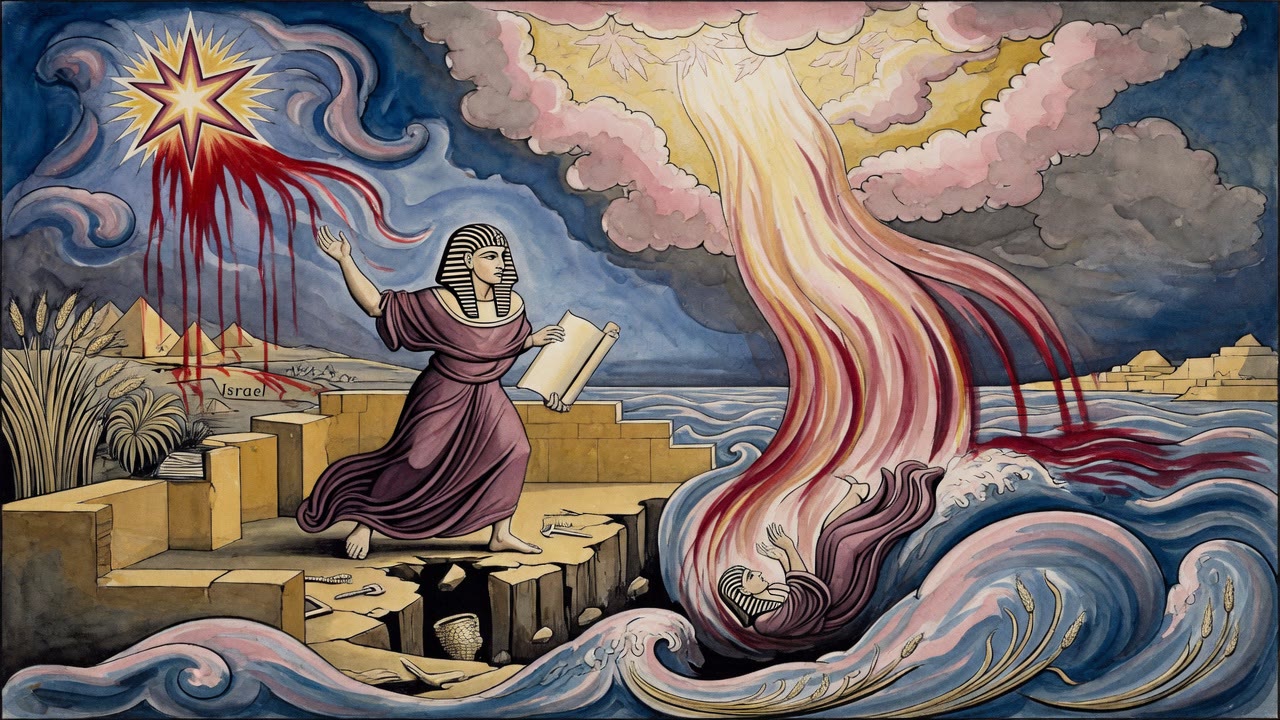
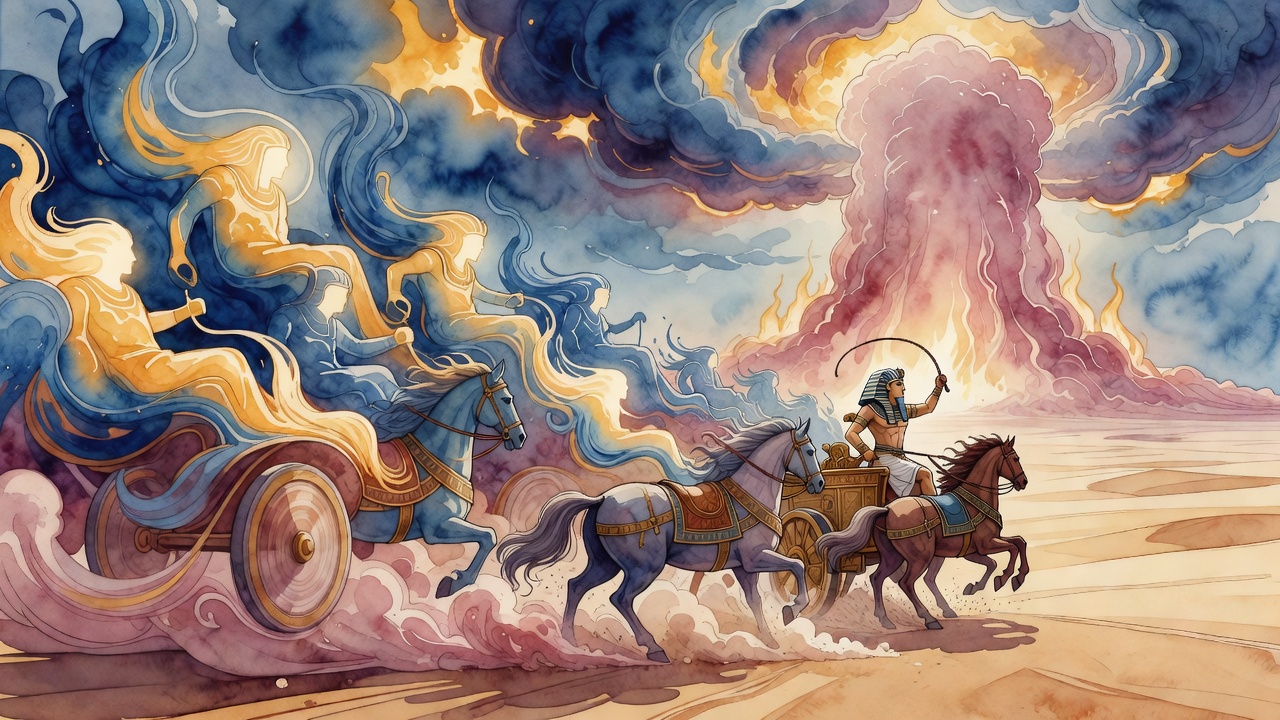
The next morning Pharaoh issued a new decree. Not a simple refusal. An escalation. The straw that the Israelites had been using to make bricks would no longer be provided. The quota of bricks would remain identical. Every brick that could not be made because there was no straw to bind it would be counted against the workers in blood. "Go," Pharaoh said to the taskmasters, "and find your own straw wherever you can. But the tally must not decrease."
The Israelites scattered through Egypt looking for stubble in the fields after the harvest. The taskmasters beat the officers of Israel for the shortfall. The officers went to Pharaoh. Pharaoh dismissed them. "You are lazy. That is why you say let us go sacrifice to God. You are idle. Get back to work."
What Pharaoh Understood About Hope
The ancient rabbinic compilations were precise about what Pharaoh was doing and why. On that same day, the traditions record, he also forbade the Israelites from resting on the Sabbath. He knew they used the Sabbath to read scrolls that spoke of their coming redemption. He understood, at some level, what those scrolls were doing: they were keeping alive, week after week, the story the people told themselves about what was coming. The story that God had made a covenant. That the covenant would be kept. That the suffering was not the end of the narrative.
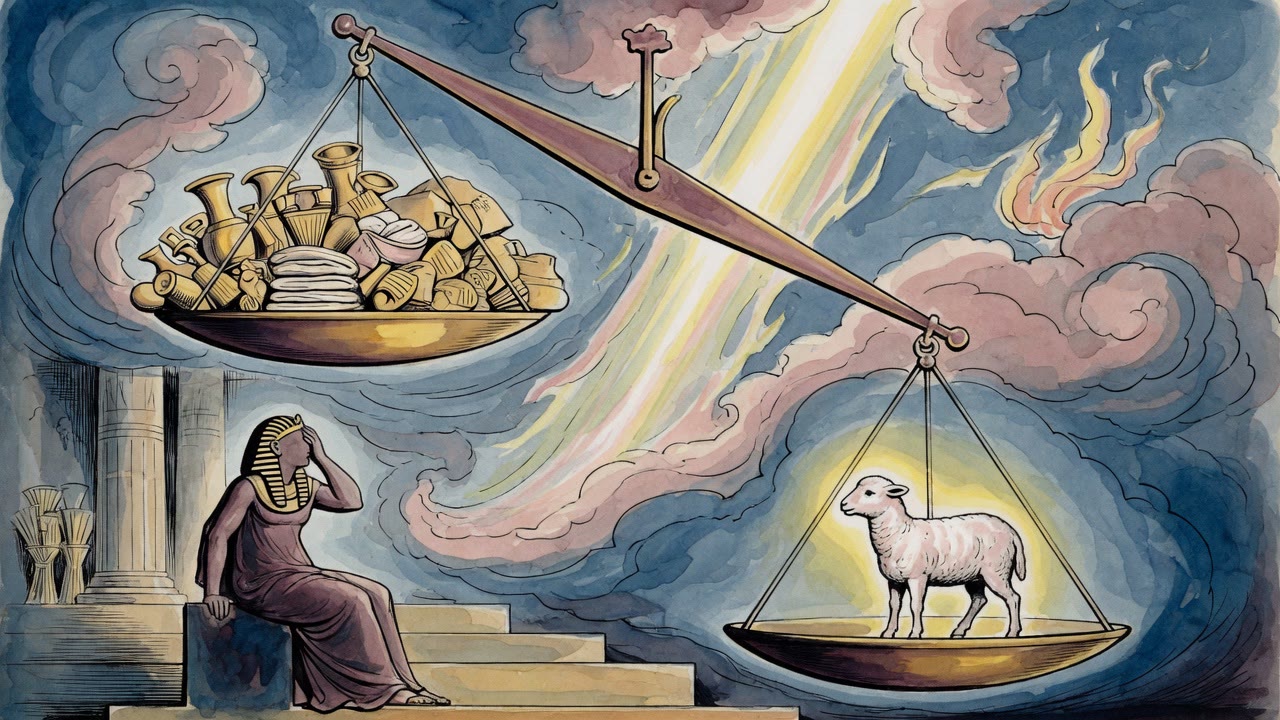
Pharaoh was not trying to break their bodies. He had been doing that for years and it was not breaking them. He was trying to break the story. He moved to extinguish hope at its source, at the weekly gathering around the texts that carried it. He was, in his way, more sophisticated about what was keeping Israel alive than the taskmasters with their rods.
When the Slaves Turned on Their Rescuers
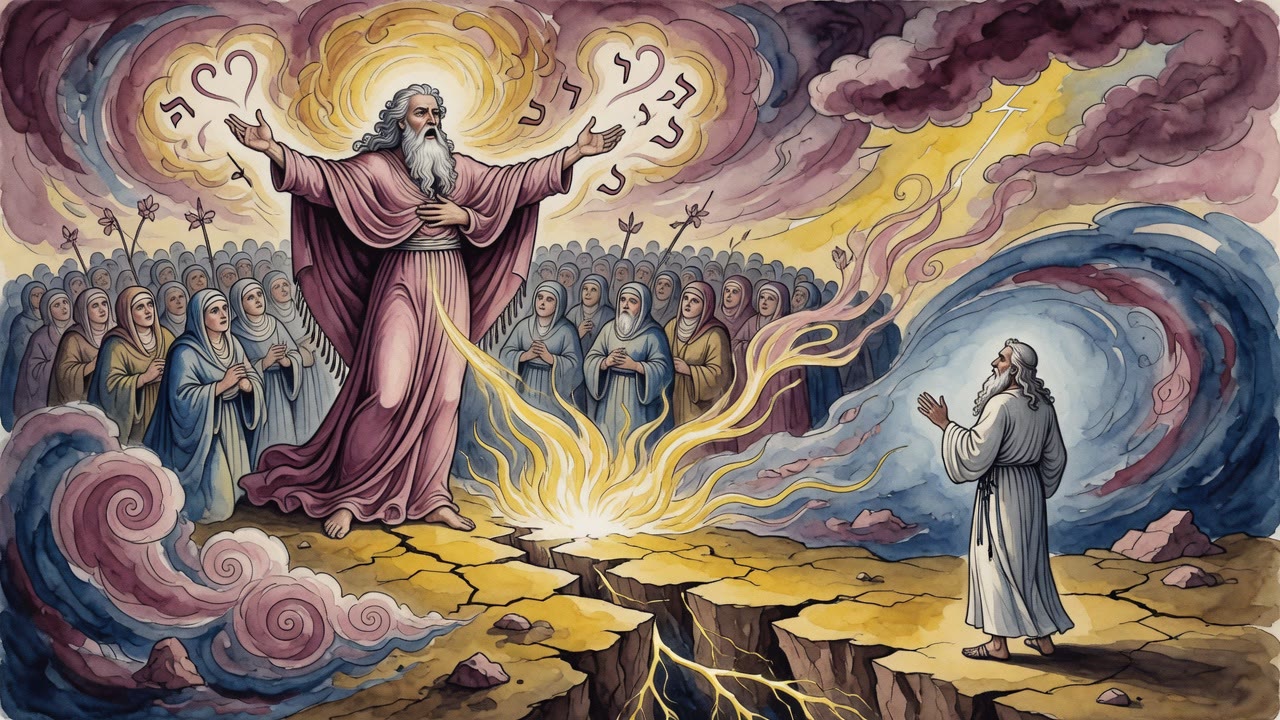
The officers of Israel came out of Pharaoh's court and ran into Moses and Aaron waiting for them at the gate. And they turned on their rescuers with a fury that the tradition recorded without softening. "You have made us odious in the eyes of Pharaoh and in the eyes of his servants," the officers said. "You have put a sword in their hand to kill us. You have done this."
Moses went to God with this. He was not calm about it. "Why have you done evil to this people? Why did you send me? Since I came to Pharaoh to speak in your name, he has done evil to this people, and you have not delivered them at all."
The ancient midrash on Exodus preserved the heavenly response to this accusation with a frankness that the tradition did not flinch from: the angels asked God the same question Moses was asking. When Israel suffers, heaven suffers with them. The suffering in Egypt was not invisible from above. The question Moses shouted at God was a question the divine court was already holding.
The Sea That Had Been Waiting
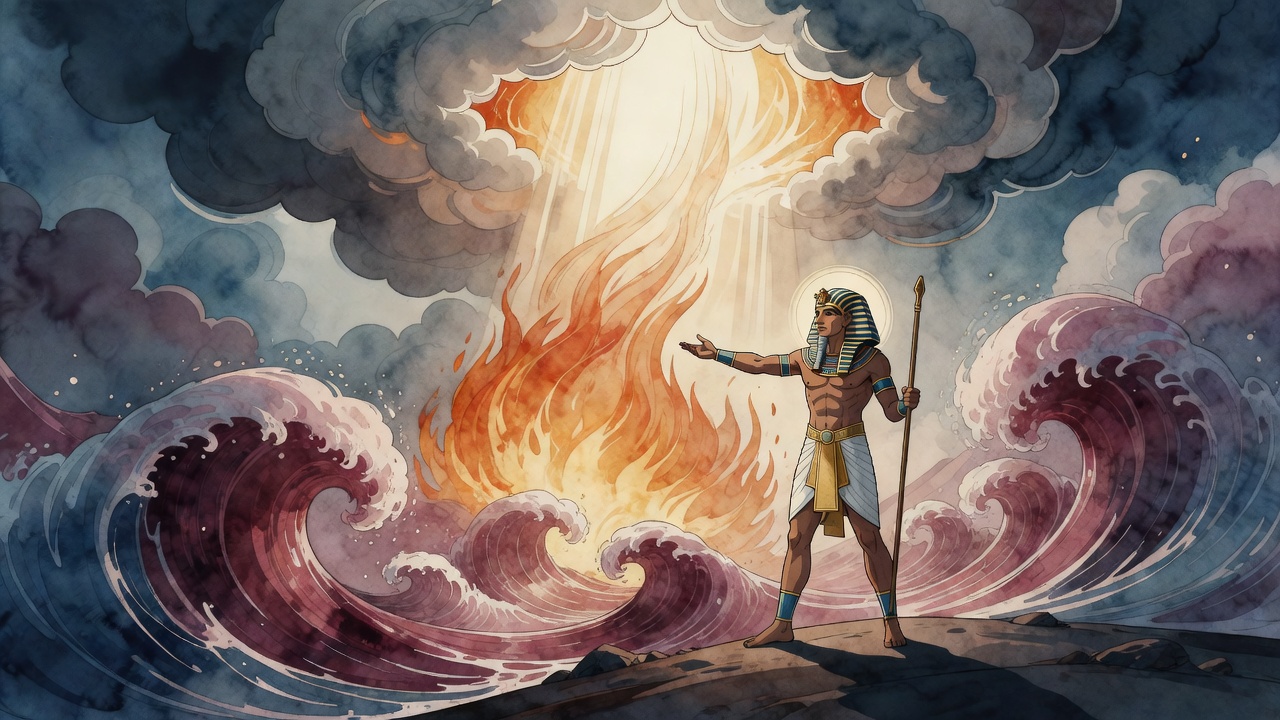
The answer God gave Moses was not an explanation of the delay. It was a statement of what was coming: "now you will see what I will do to Pharaoh. With a strong hand he will send them out. With a strong hand he will drive them out of his land."
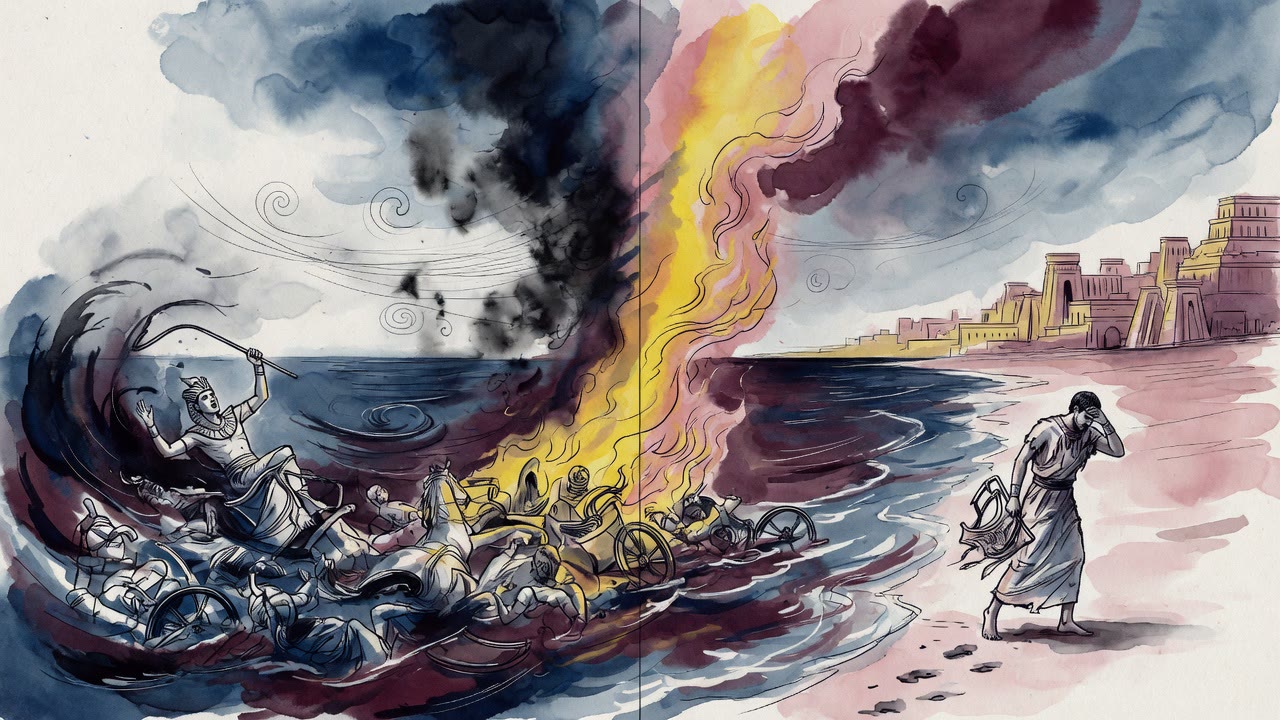
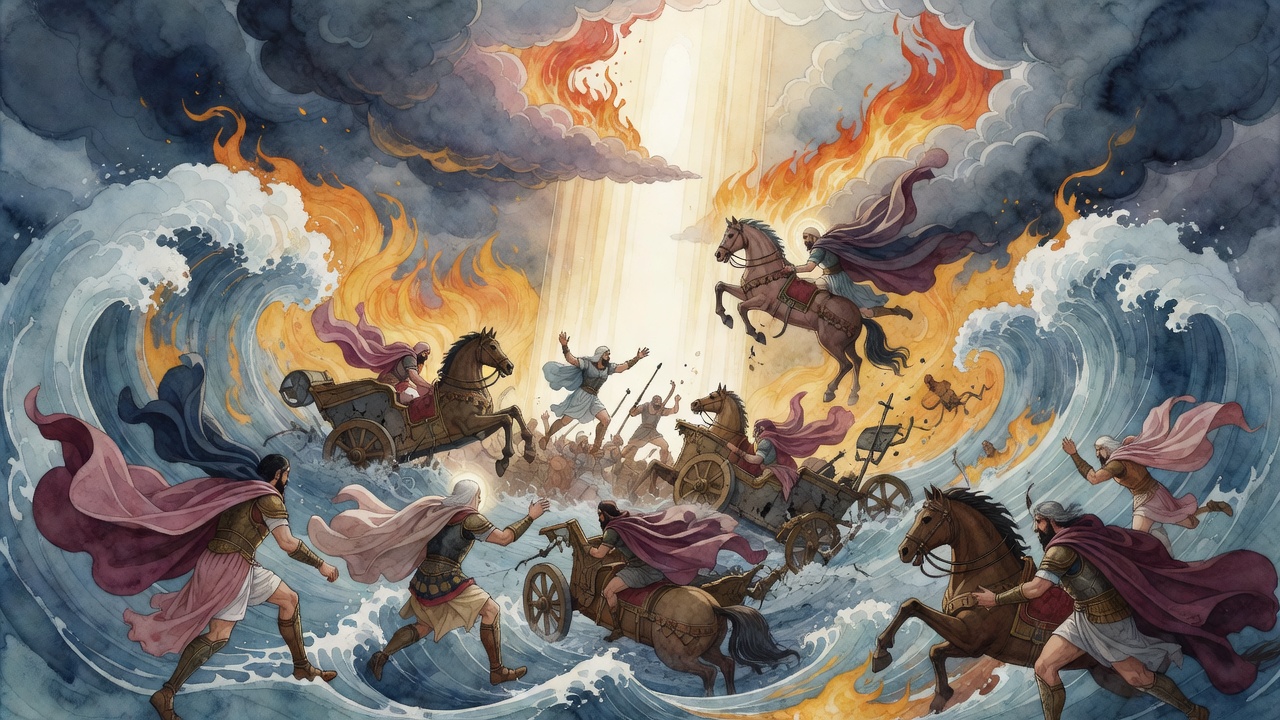
What neither Pharaoh nor Moses nor the officers at the gate knew was that the sea that would destroy the Egyptian army had already been prepared. The tradition that described the ten things created at twilight before the first Sabbath included the mouth of the sea. The Red Sea crossing was not an improvisation. It was a mechanism built into the structure of creation at the beginning and waiting for the day when Pharaoh's chariots would race into it.
Pharaoh doubled the labor. He took away the straw and kept the quota and banned the Sabbath rest. He was eliminating hope with each decree, removing every source of sustenance the people had. And the sea was already there, at the bottom of the sequence, patient in the way that things prepared before the world began are patient, waiting for the morning when Pharaoh would look at the horizon and see Israel crossing on dry ground and decide that what God had done once, Pharaoh could also do.
Did He Repent Before He Drowned
The tradition kept one question alive across the centuries because it could not quite let it go: did Pharaoh actually repent before the sea closed over him? The Midrash on Exodus noted that when Pharaoh finally said at the sea, "I have sinned against the Lord your God and against you," he used the third person. Your God. Not my God. He acknowledged the reality without making it his own. He saw the power at work and named it correctly but did not cross into the relationship that naming implies.
The tradition that tracked this question was asking something harder than whether Pharaoh made a deathbed confession. It was asking whether the recognition that arrives too late counts as anything. The answer it worked toward was careful: he saw. He understood. He said the words. But the repentance that saves requires more than accurate perception of where the power lies. It requires the turning that Pharaoh, even in the final moment, could not quite make.
← All myths