228 myths · Page 1 of 8
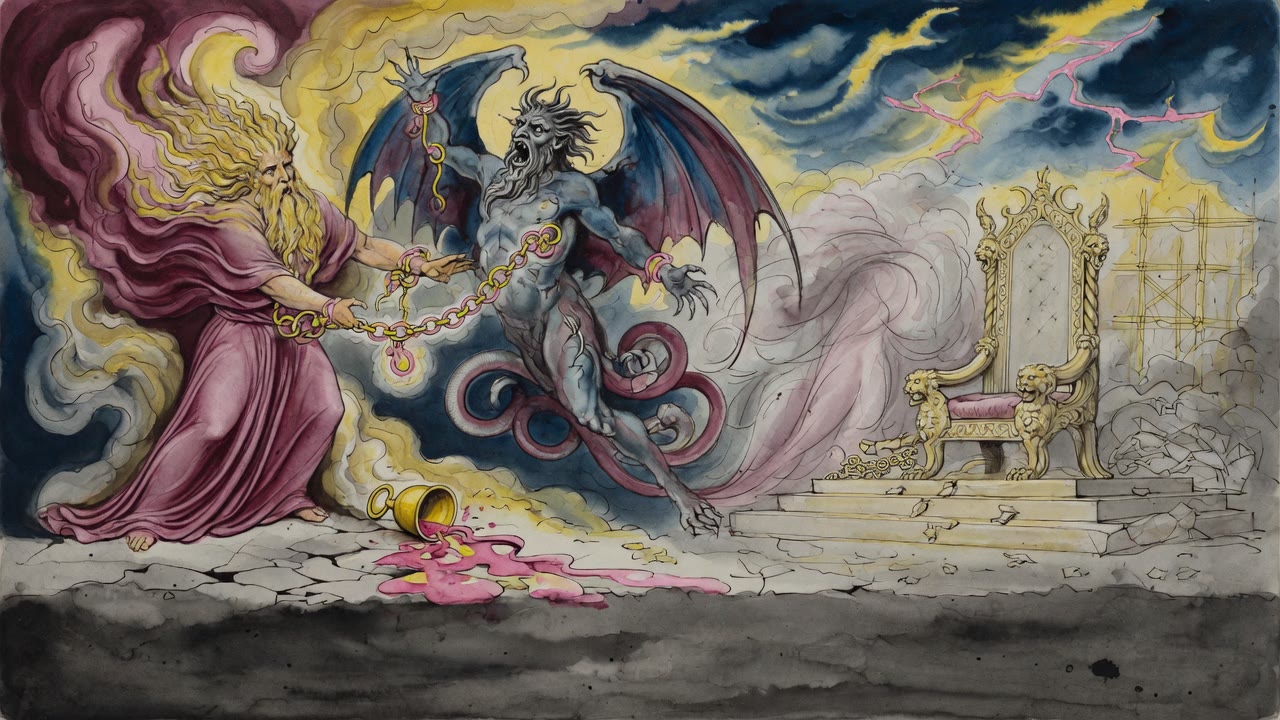
Solomon needed a demon to build the Temple. He caught the king of demons with wine, used him, then kept him chained. The demon got his revenge.
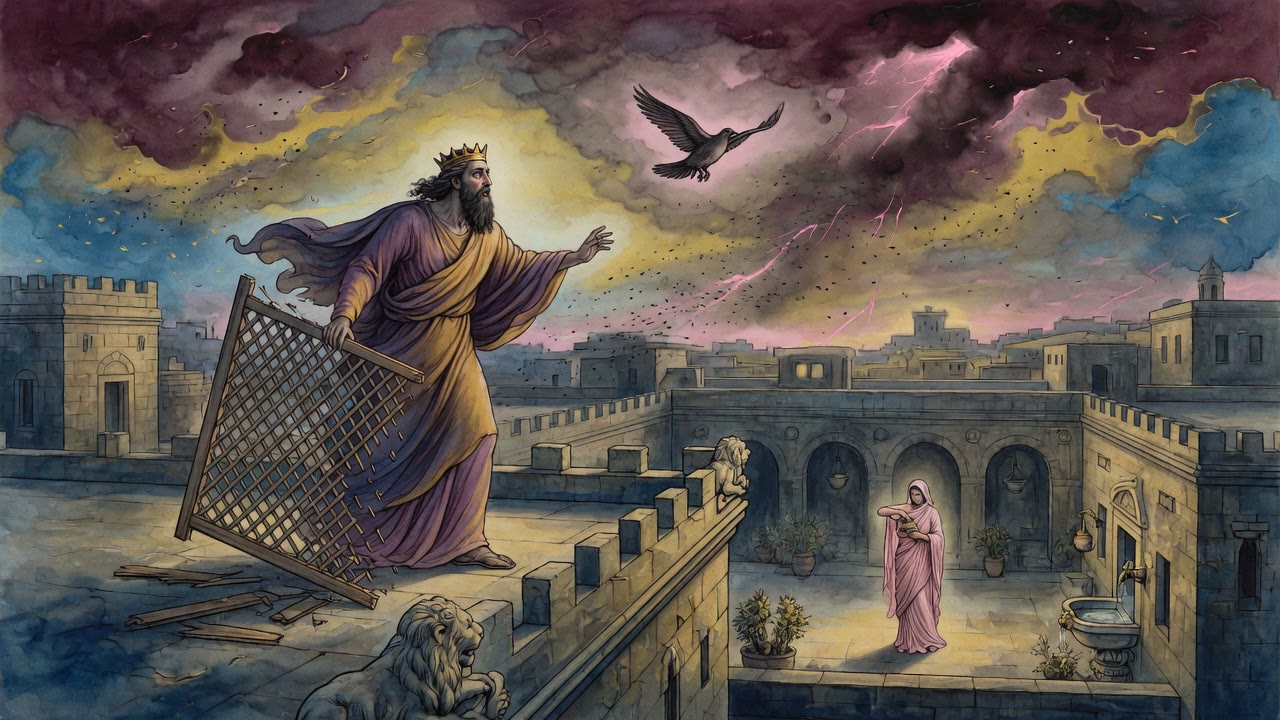
God warned him first. You will be tested, and you will fall, and it will be through a woman. David wanted the test anyway.
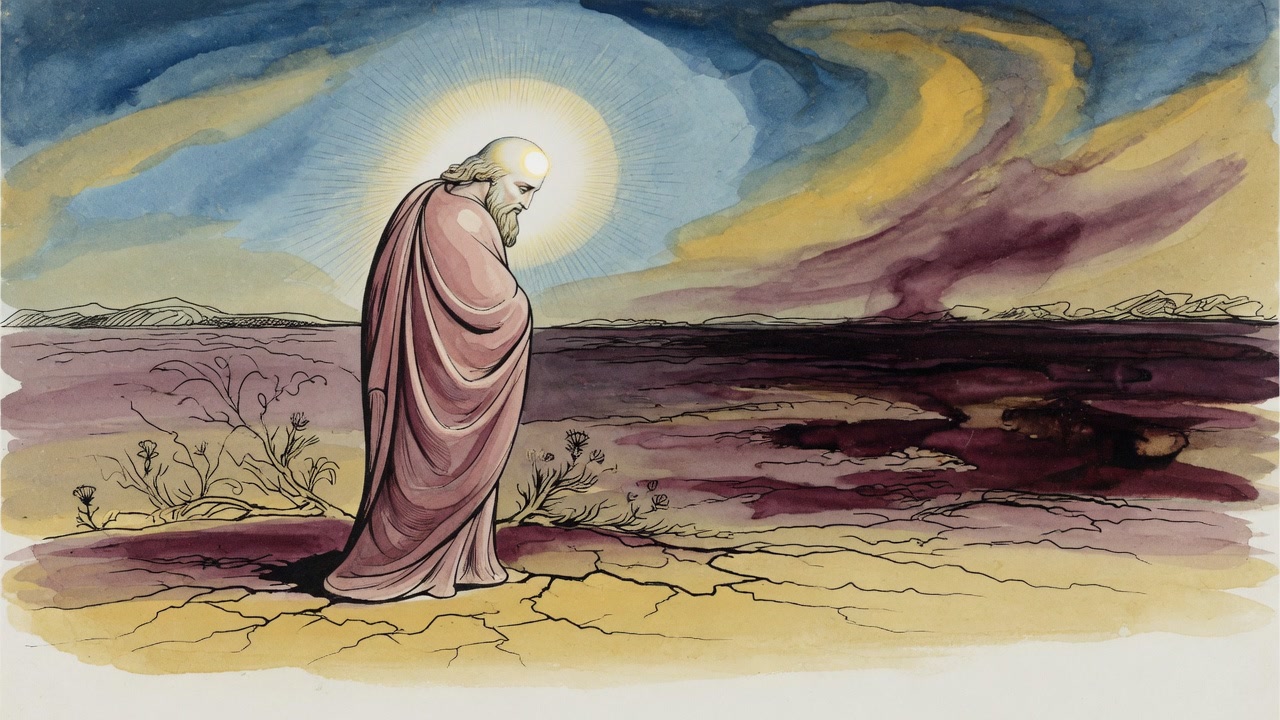
Cain killed his brother and expected to be hunted. God sealed the divine name on his forehead instead, and no one who saw it could touch him.
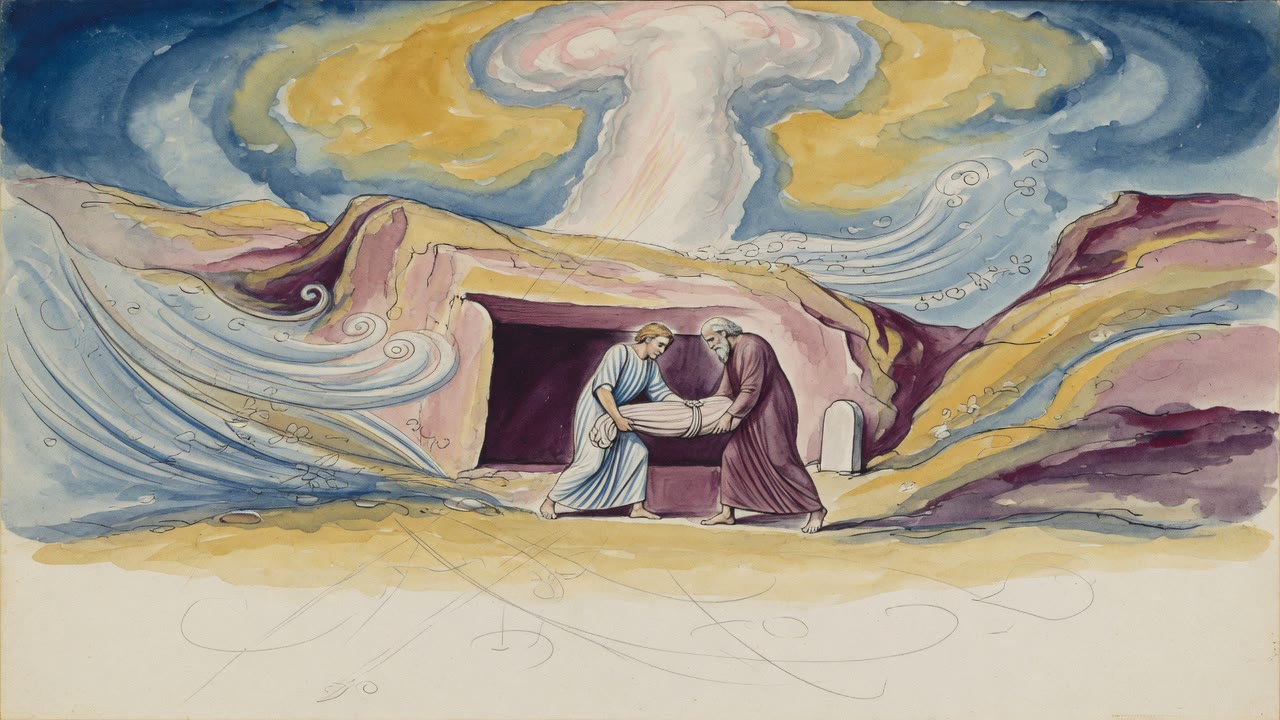
Ishmael was the older son. When Abraham died, the Torah listed Isaac's name first. The rabbis read that as Ishmael stepping back.
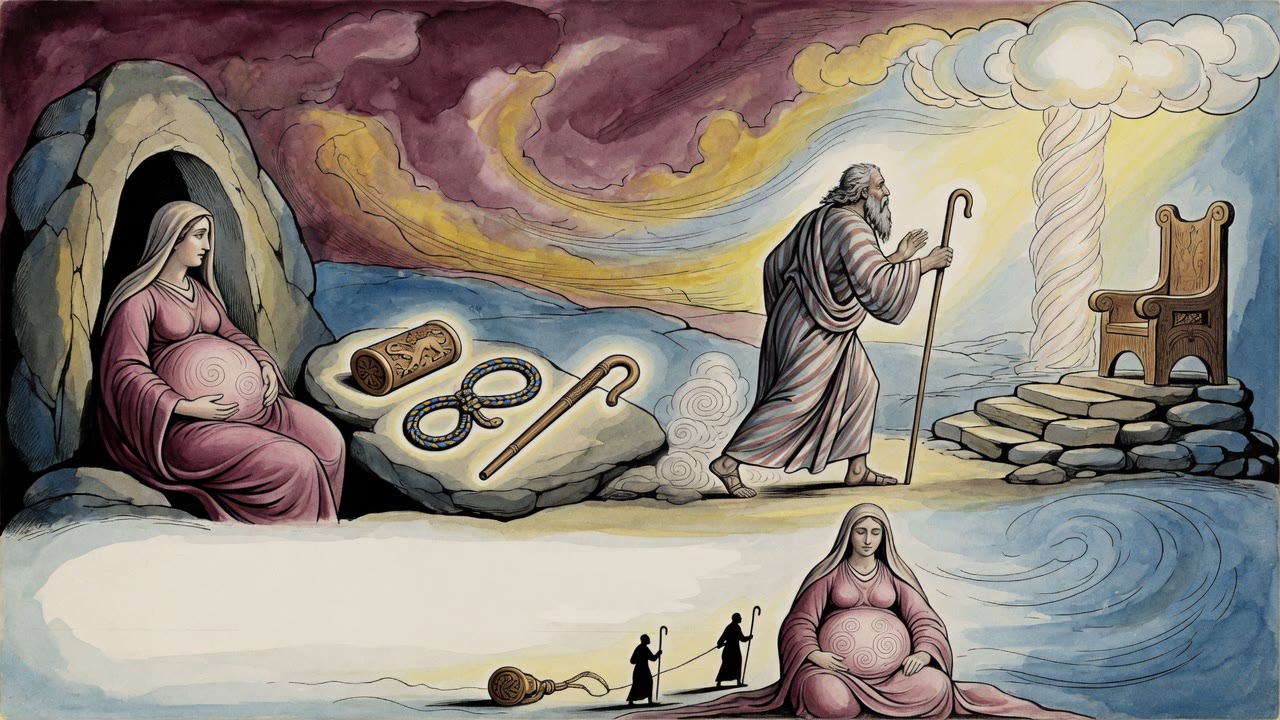
Judah once sent Jacob a bloodied coat and said recognize, please. Years later those same words came back from a woman walking toward the fire.
Joseph was already dead. Simeon sat up in Egypt, kissed each son on the mouth, and named the liver that had never pitied his brother.
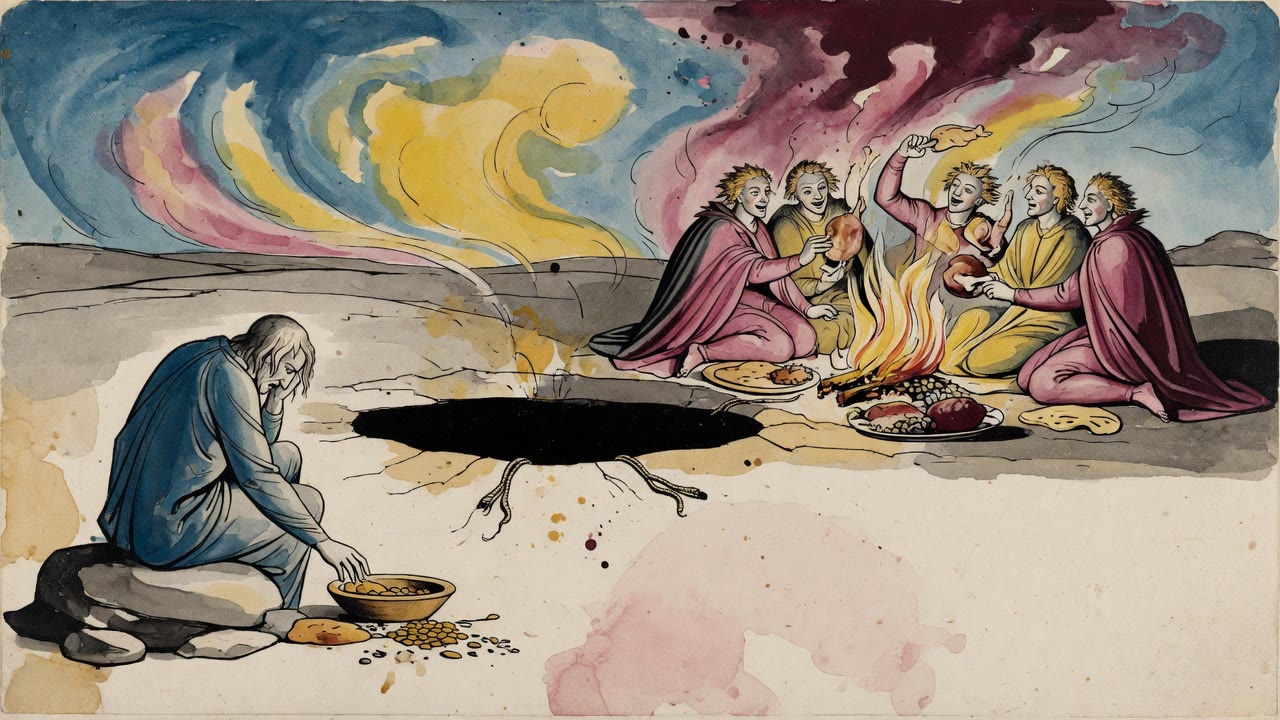
The brothers spread a meal beside the pit. One of them could not swallow anything, so they made him the guard and he watched the sale.
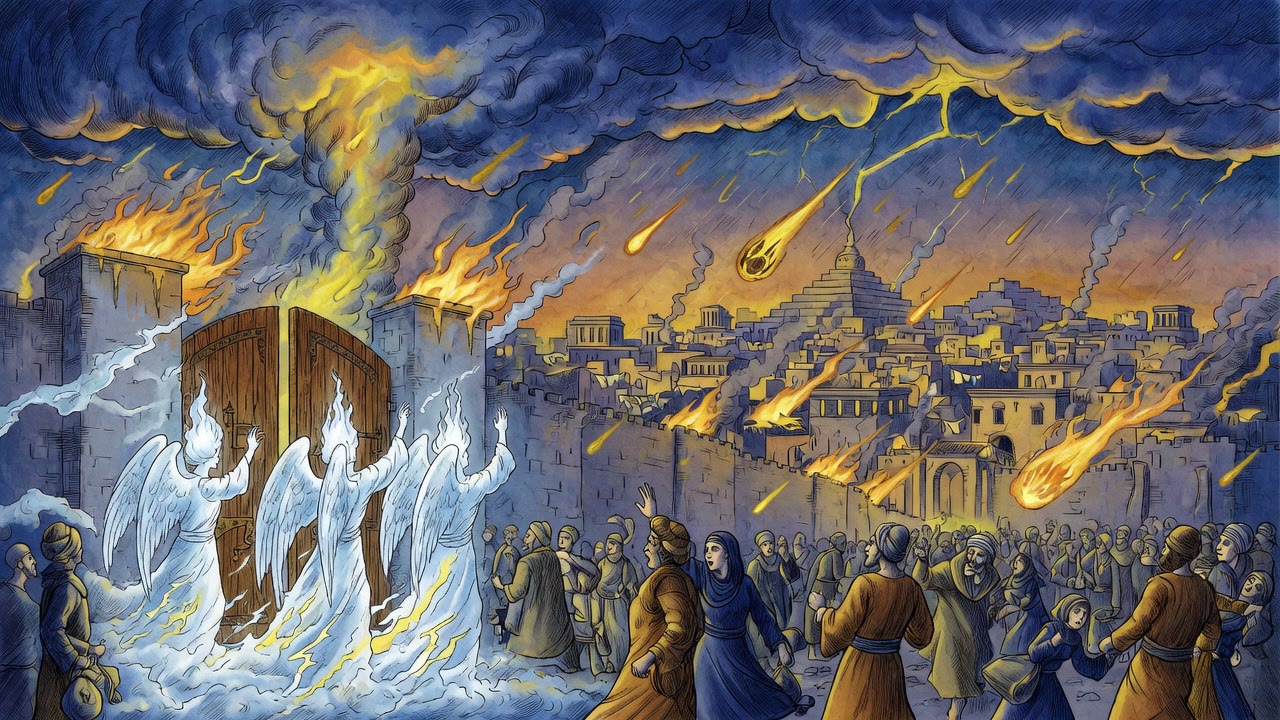
God said he would rain down on Sodom. The rabbis found a hidden offer in that word: rain can be water or fire. Sodom chose fire.
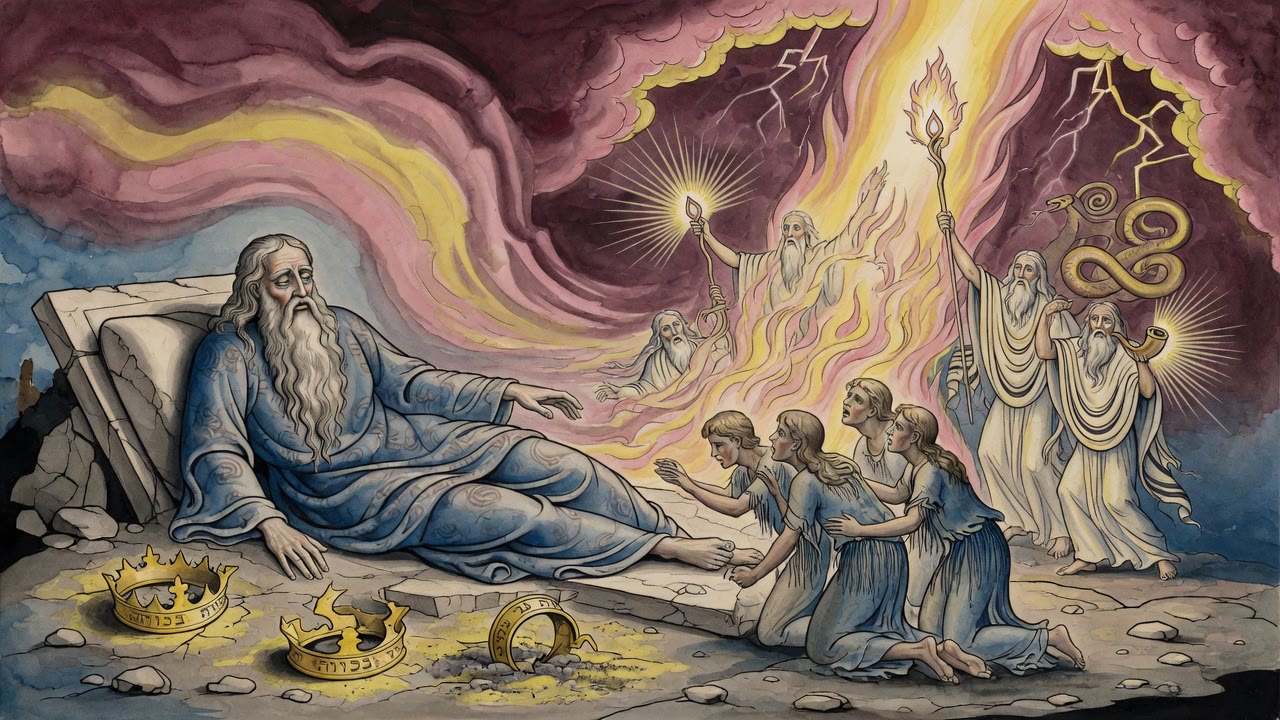
Reuben was born first and lost three crowns. Dying, he gathered his sons and told them to cleave to Levi, who would carry the priesthood.
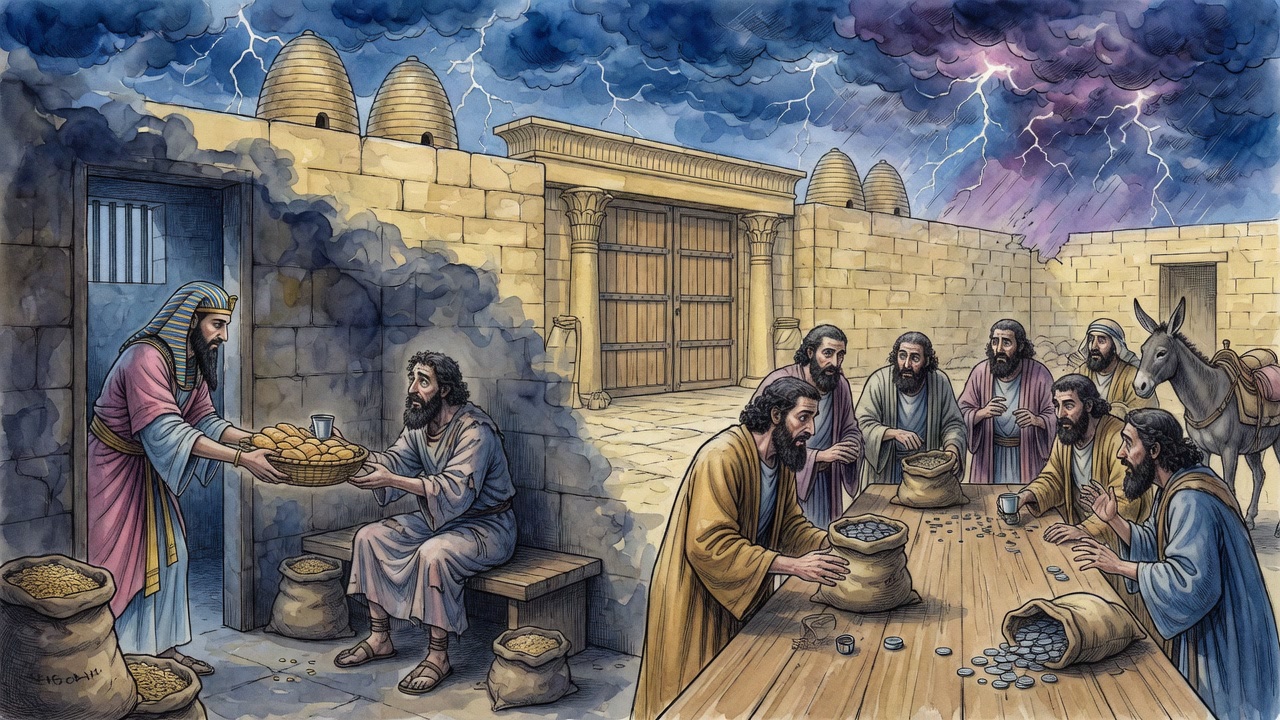
Joseph chained Simeon in front of his brothers, then ordered good food sent to the cell as soon as they left. The cruelty and the care were the same plan.
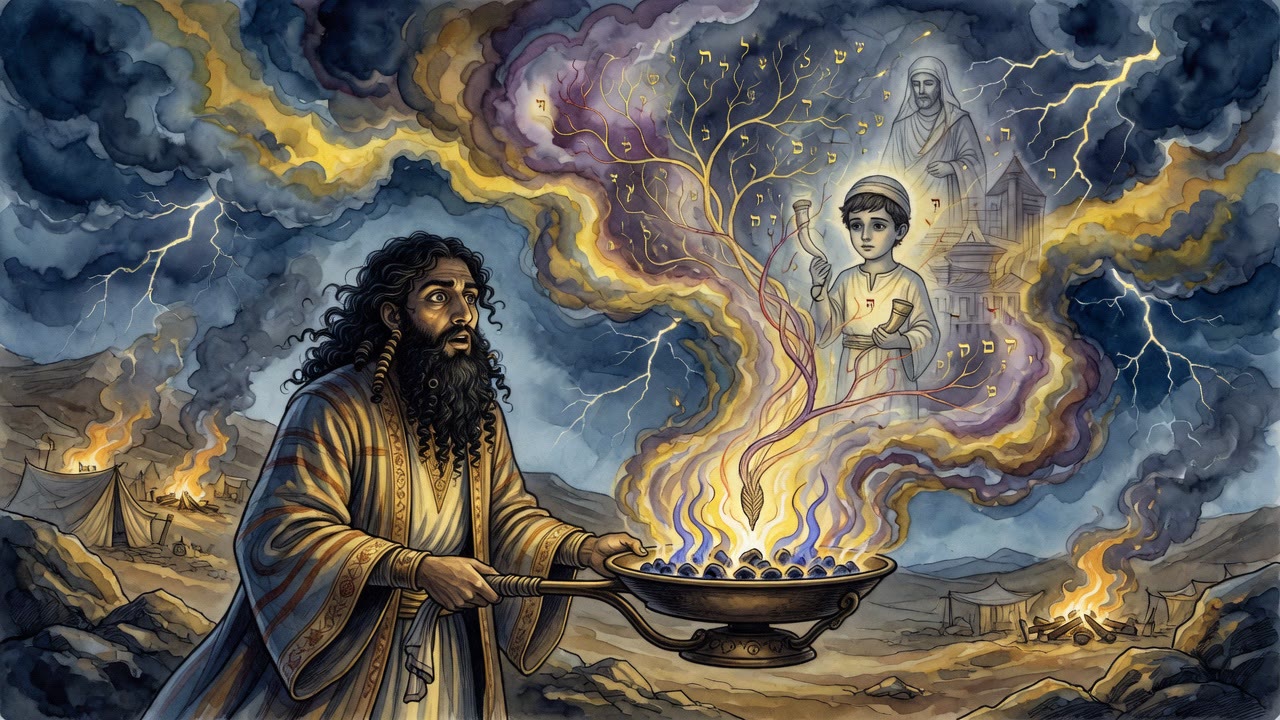
Korah saw Samuel shining in his bloodline and read the vision as permission. He reached for the fire-pan, and the fire reached back.
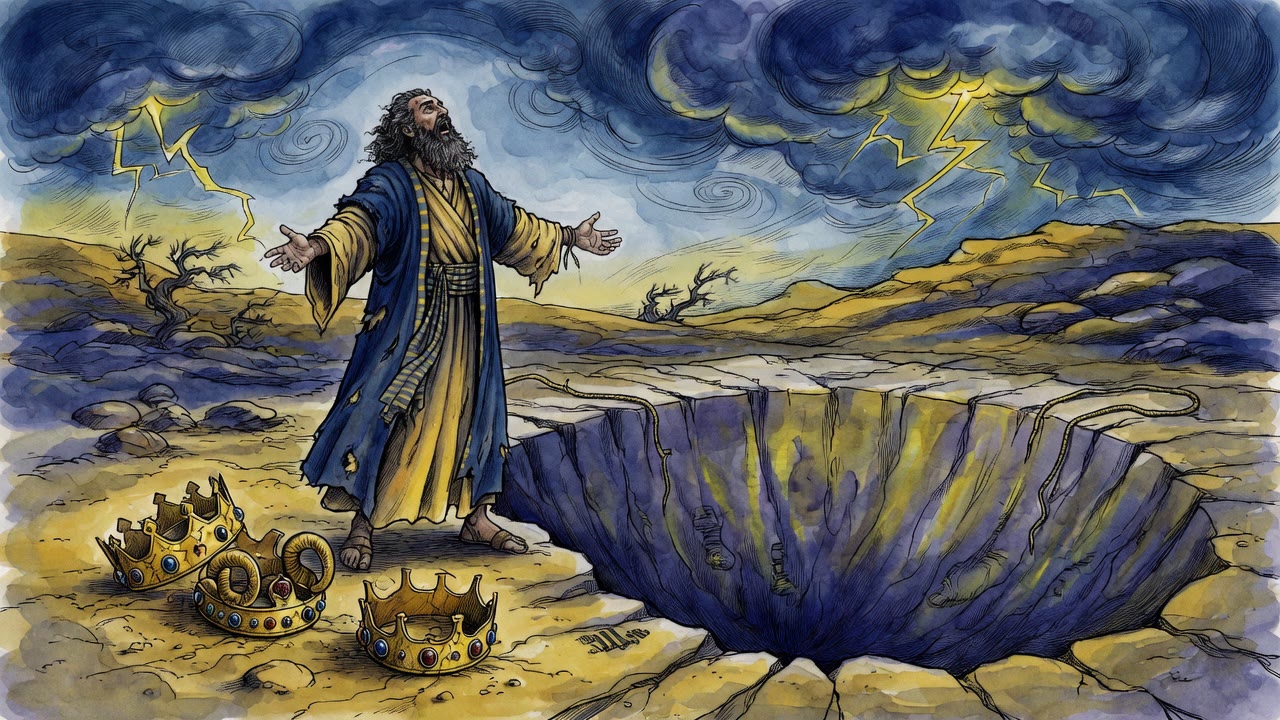
The pit was empty when Reuben got back. He tore his clothes. The three crowns had already left his head for other brothers.
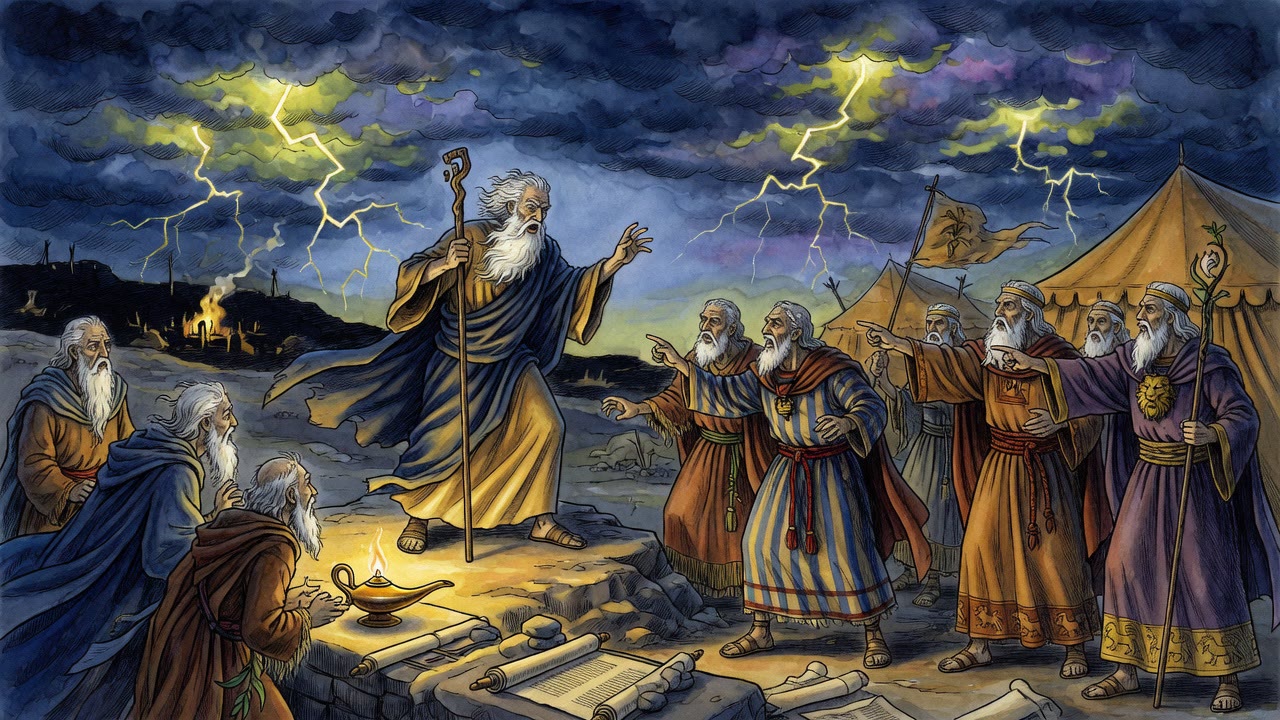
On his last night, Moses would not bless Reuben and Judah quietly. He argued for two sons who had no grounds to stand on, and refused to stop.
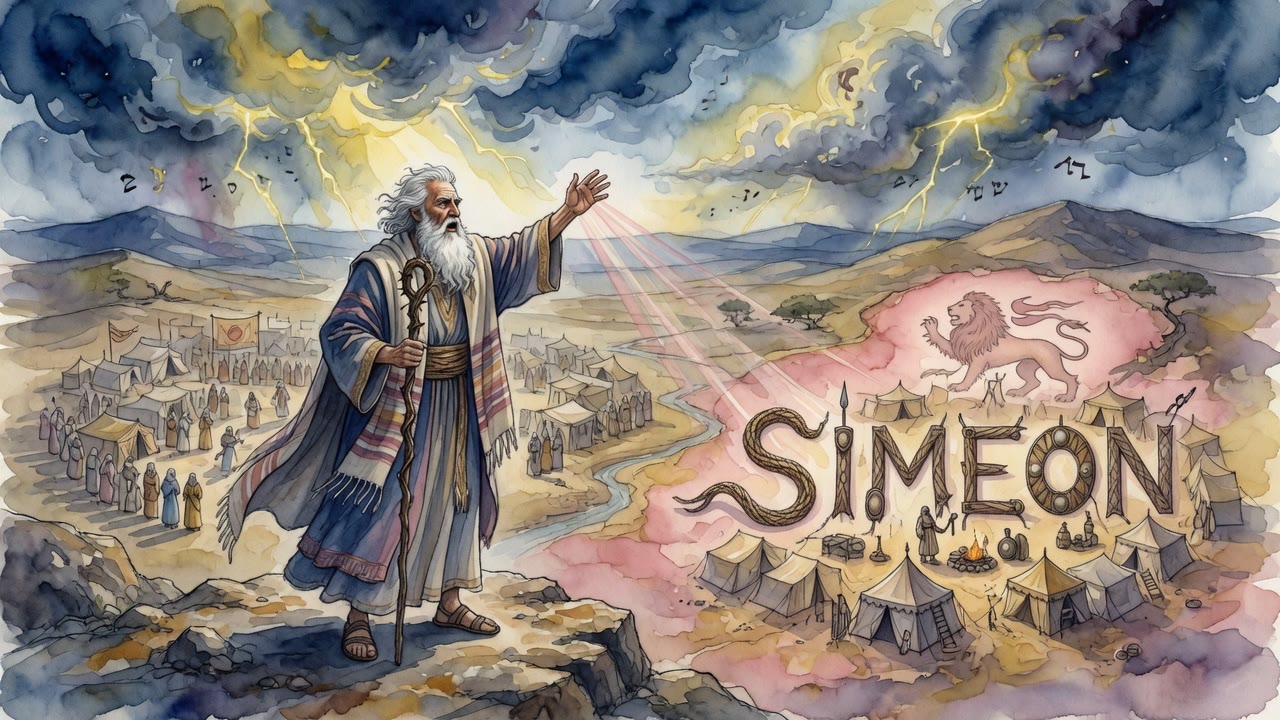
Eleven names left Moses's mouth. The Simeonites waited for the twelfth. He looked at Judah instead and hid the missing blessing there.
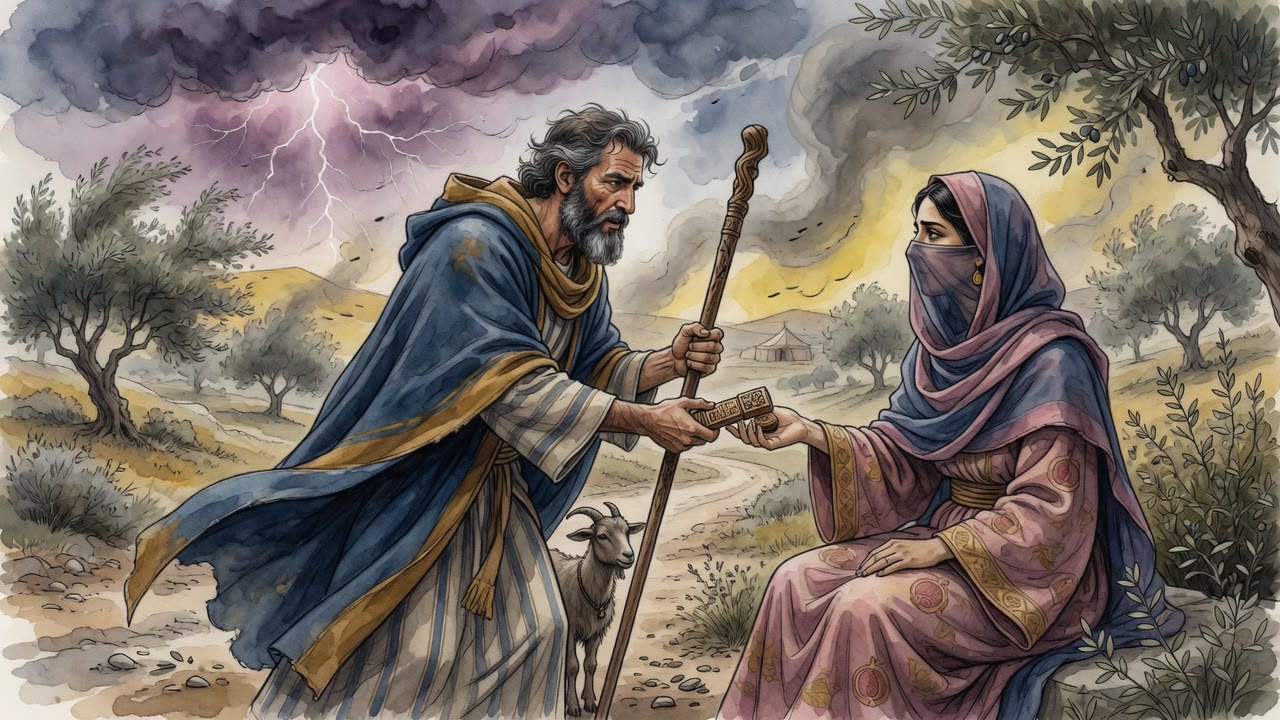
He had killed a lion bare-handed and dragged a king off his horse. At a town gate, drunk, he handed a veiled stranger the three signs of his rank.
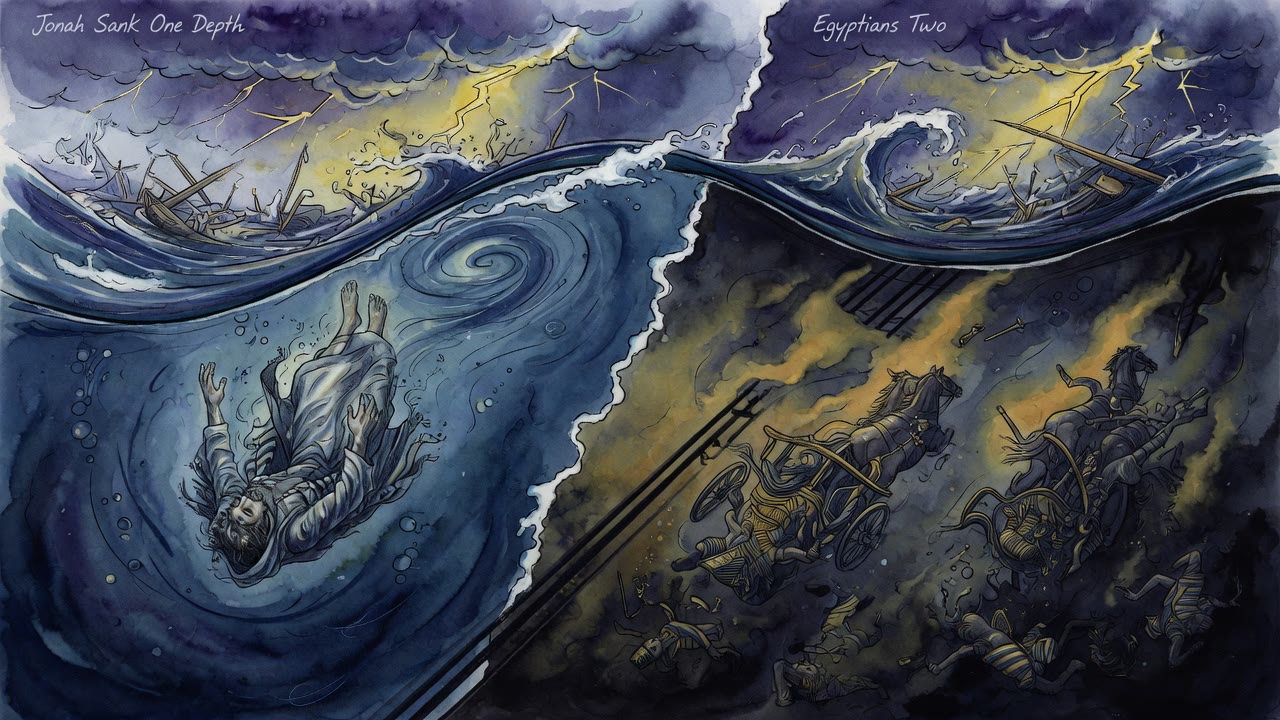
The army at the water could not agree. Some wanted the gold and no killing. Some wanted the killing and no gold. The third group wanted both at once.
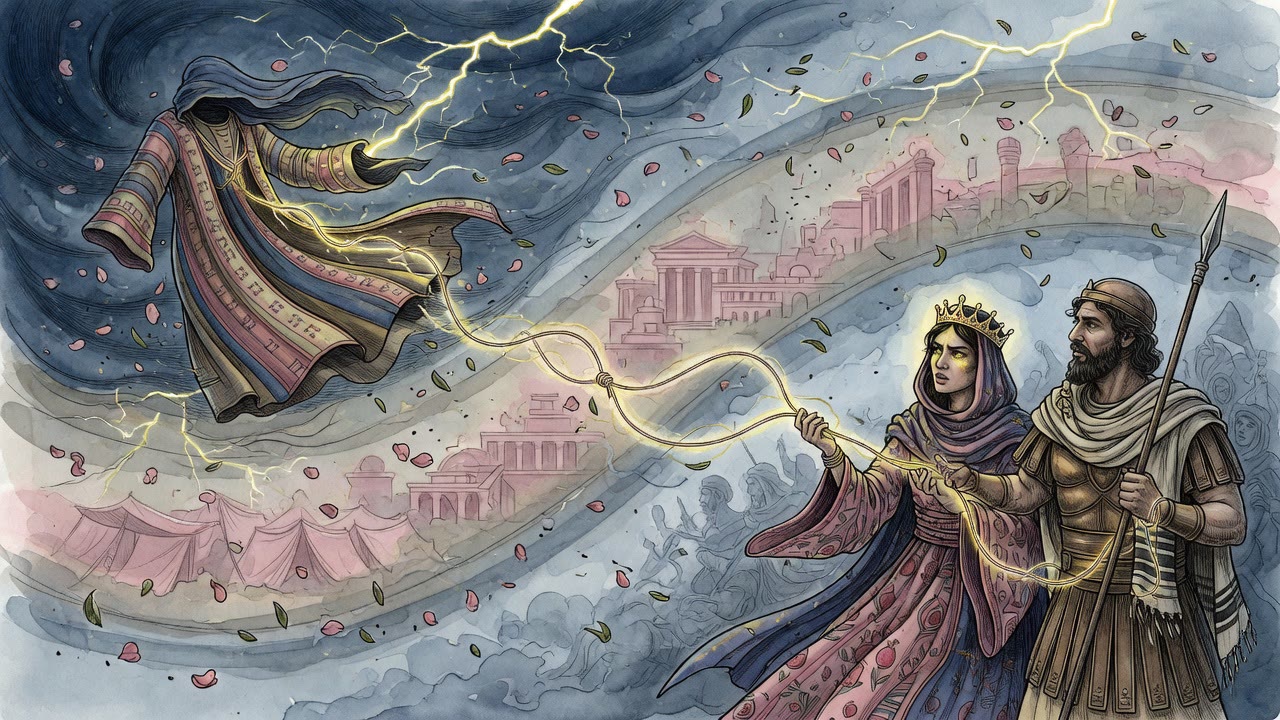
Twenty pieces of silver split ten ways is two pieces a man. The brothers spent theirs on shoes and sat down to eat while Joseph was still in earshot.
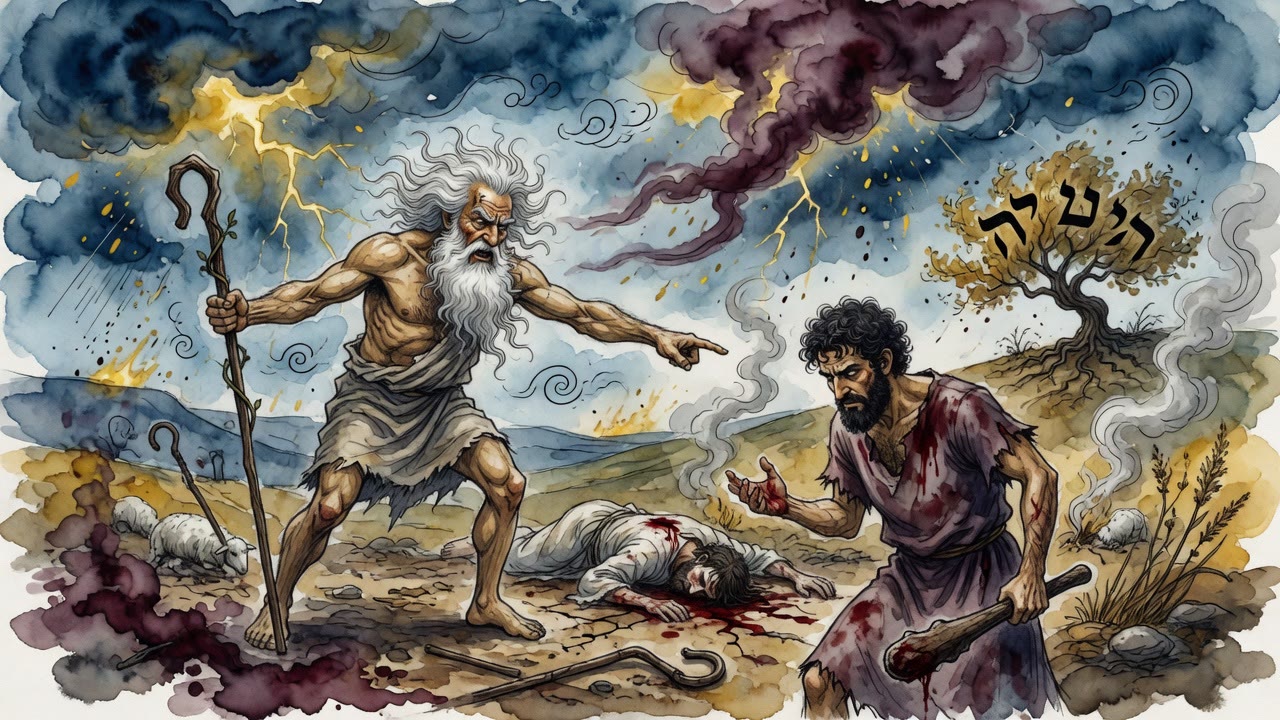
The first murderer walked out of his sentencing in a good mood. His father, who had only eaten fruit, never got out from under his own.
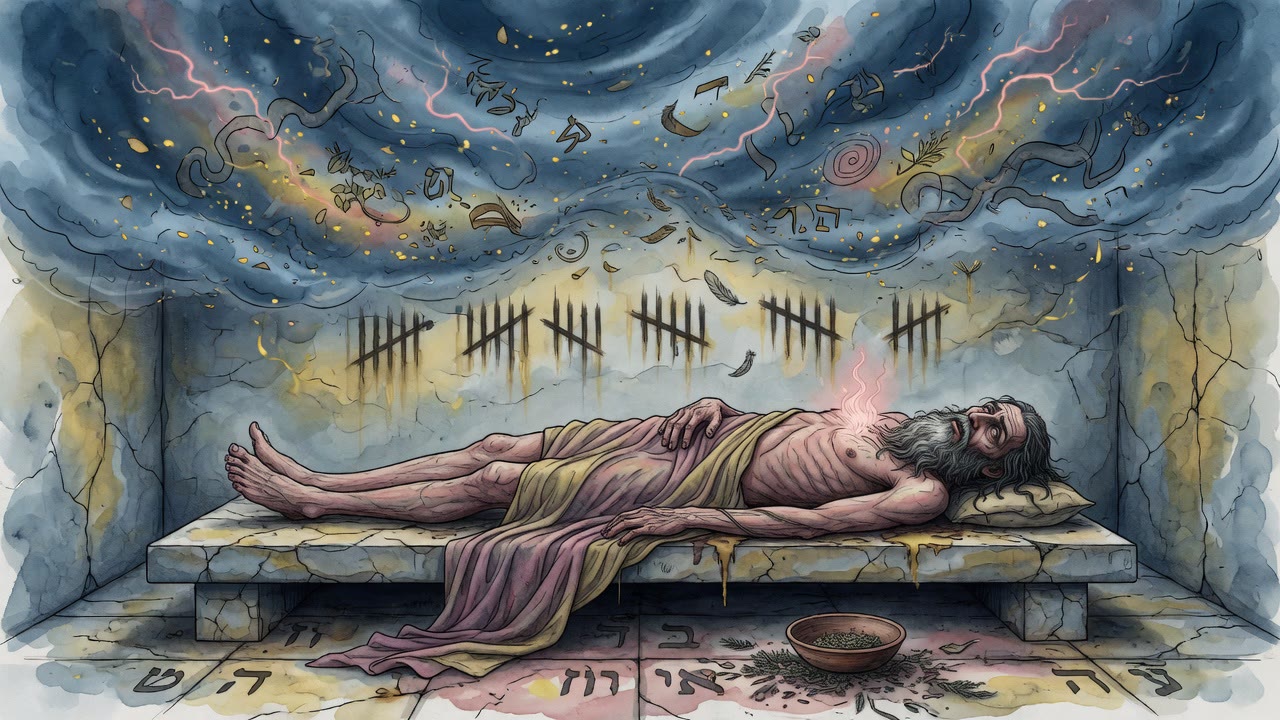
Seven sheep were laid against David each day for warmth, and none of it reached him. He had counted Israel, and seventy thousand men died in the plague.
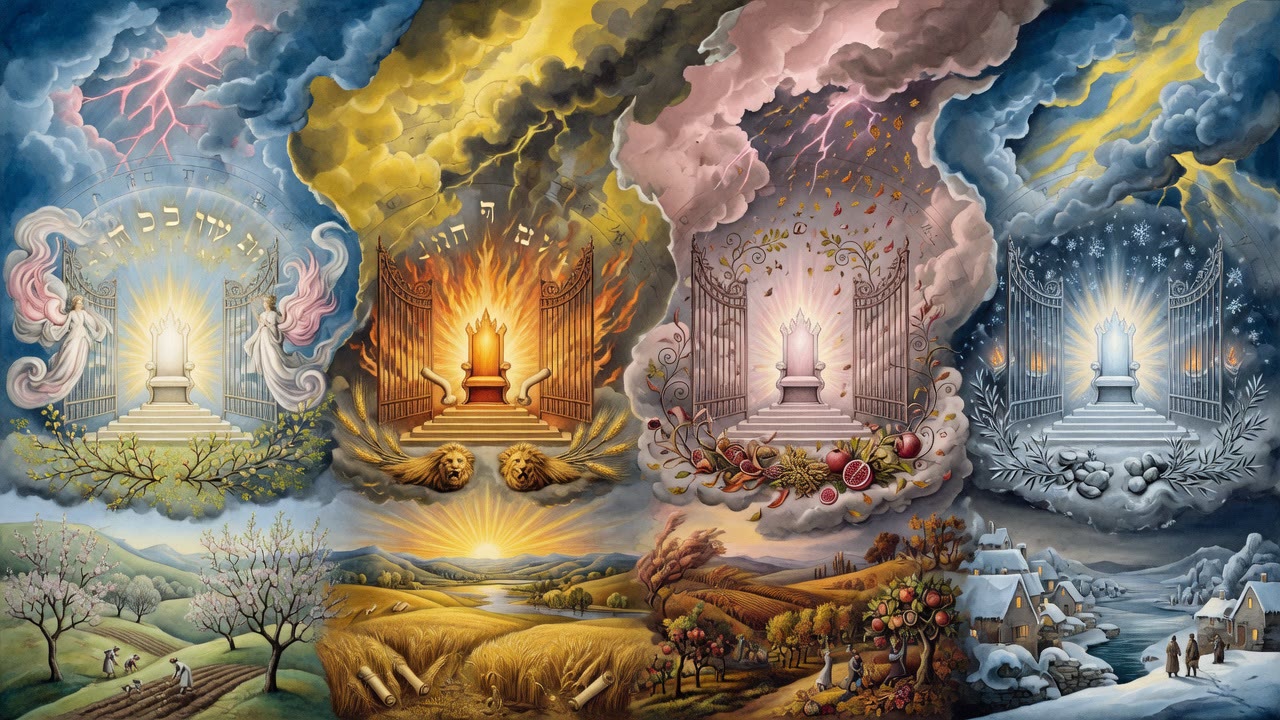
Abaye sent a man to sow the fast grain while the slow crop still thrived. A sick scholar's friends kept praying. The court might still be open.
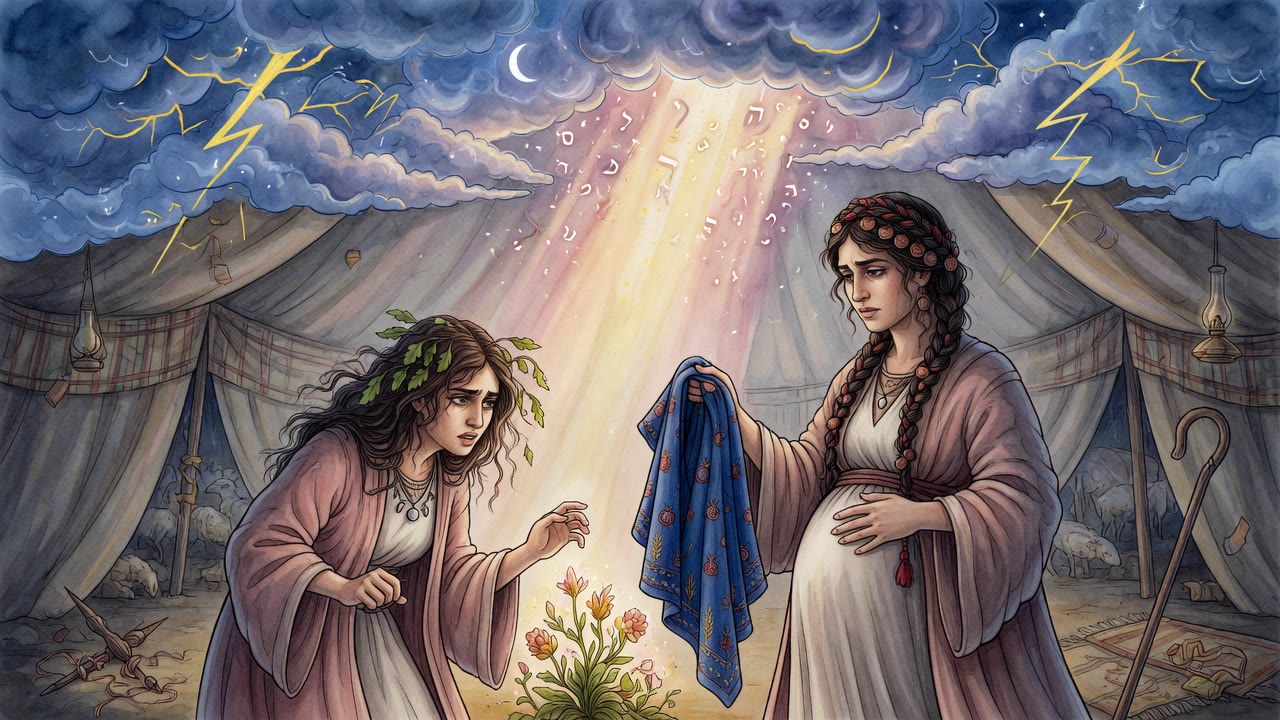
Jacob had given her signs for the dark. She pressed them into Leah's hand so her sister would not be caught. Years later the womb was still closed.
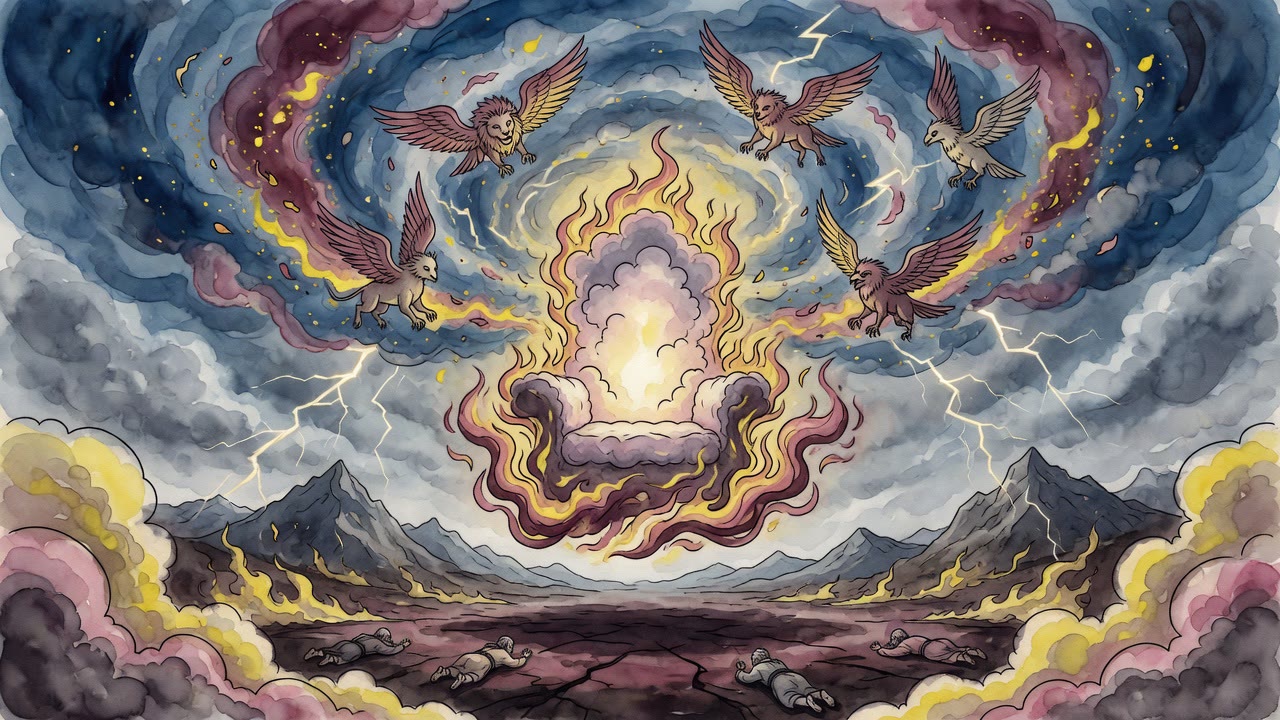
Benjamin was trapped, Joseph was hidden, and Judah stepped forward. The brothers had to answer for the sale they buried.
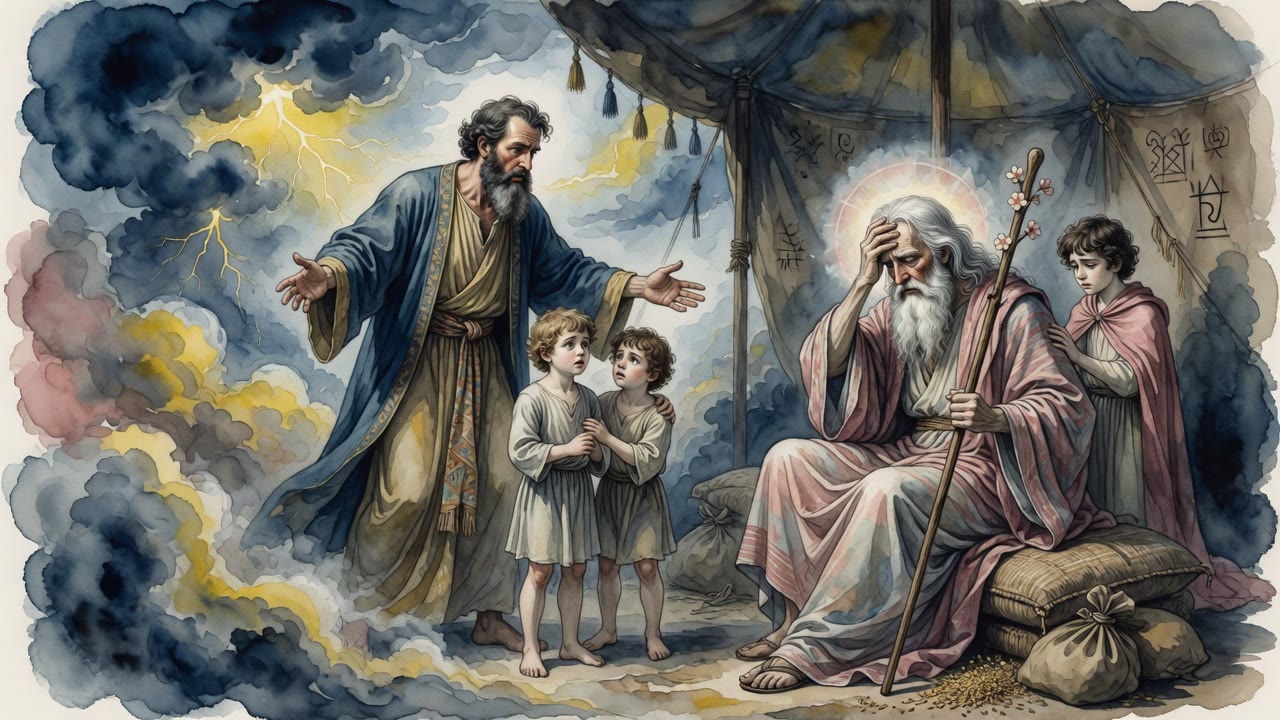
Joseph is gone, Jacob said, and you would take Benjamin. Reuben put his two sons forward as if they could fill that hole.
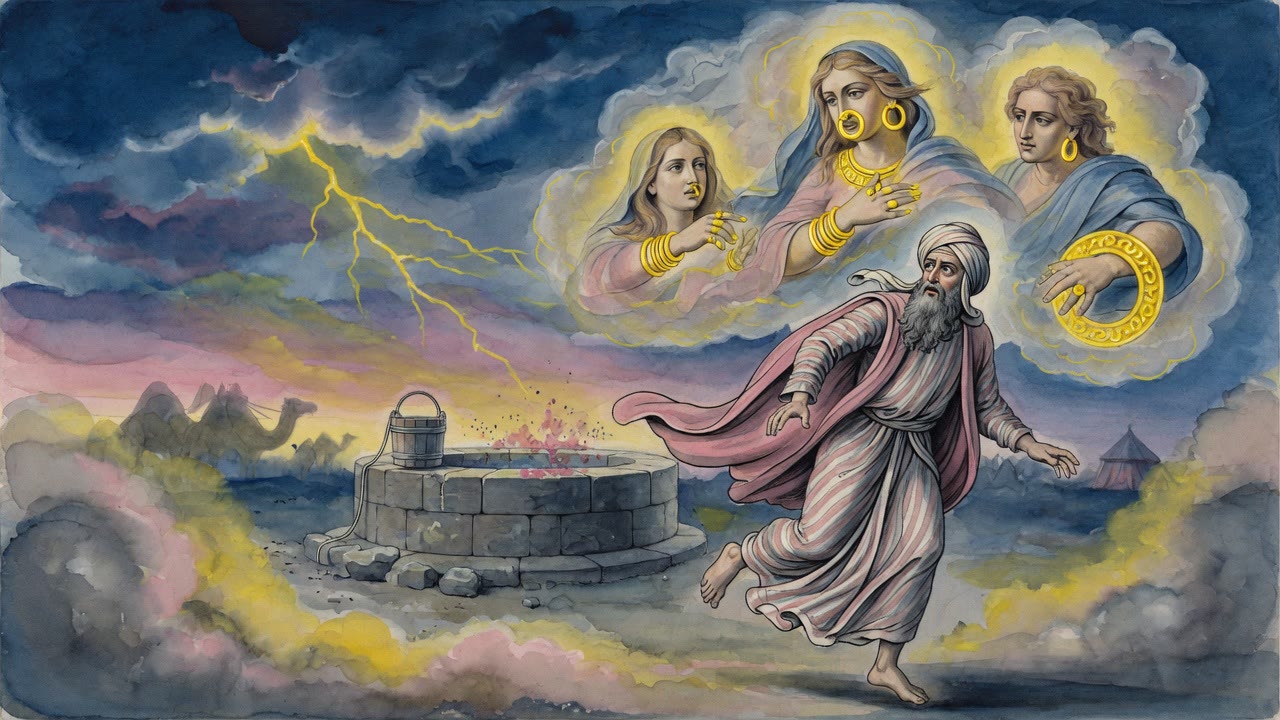
Laban looked like a gracious host when he ran to greet Abraham's servant. Bereshit Rabbah says he was chasing the jewelry.
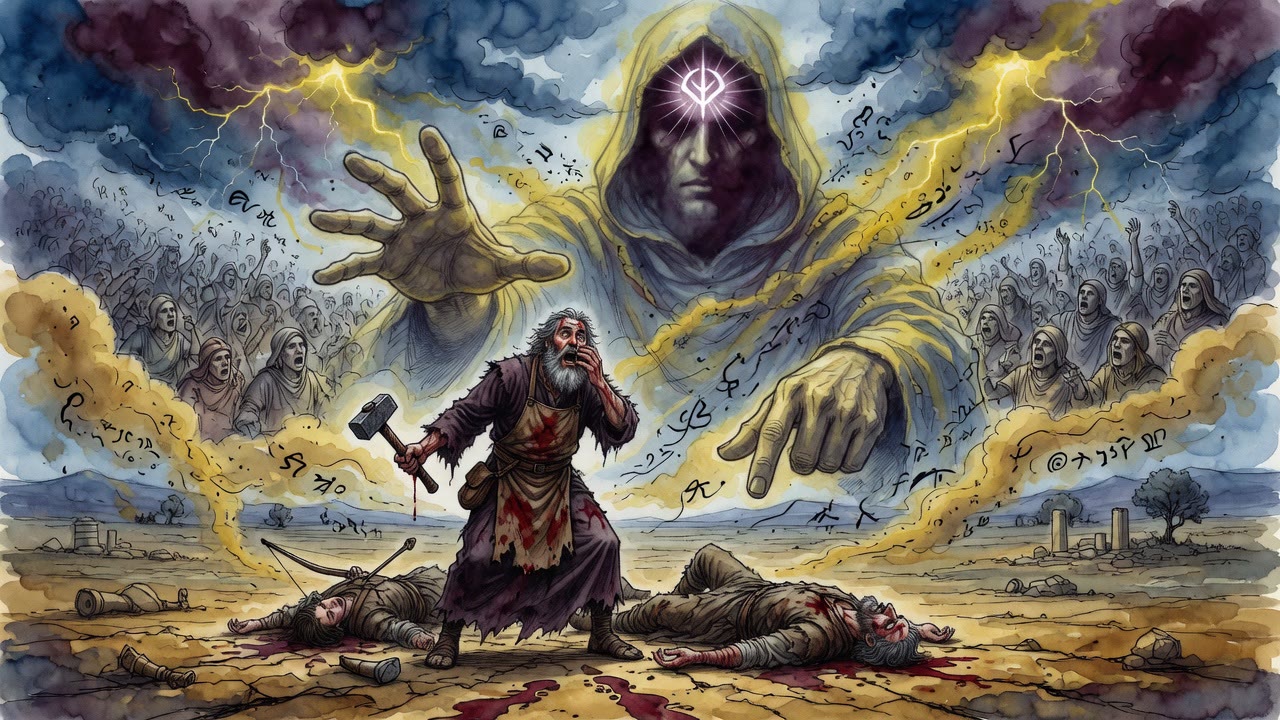
Cain murdered before anyone knew what murder was. Lamech killed after Cain had become the warning, and that made the blood heavier.
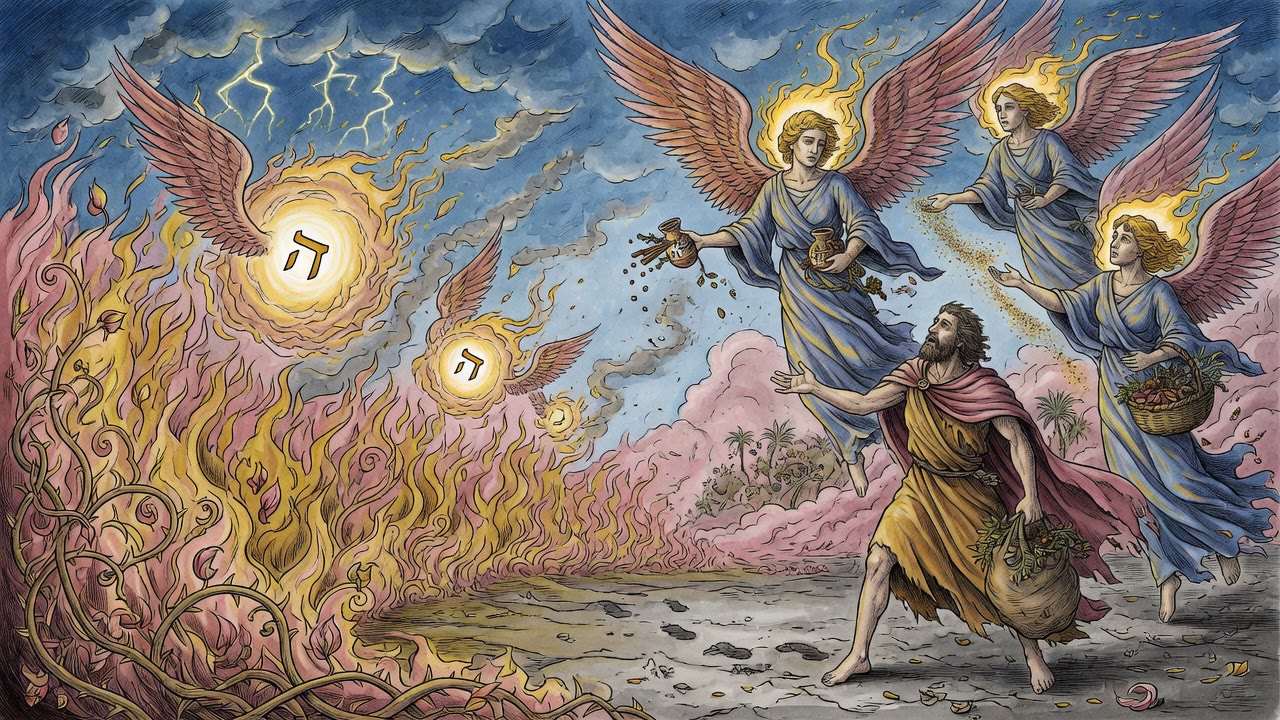
Driven from the Garden in the twelfth hour, Adam wept and begged the angels for one thing before the gates closed: spices, so he could still pray.
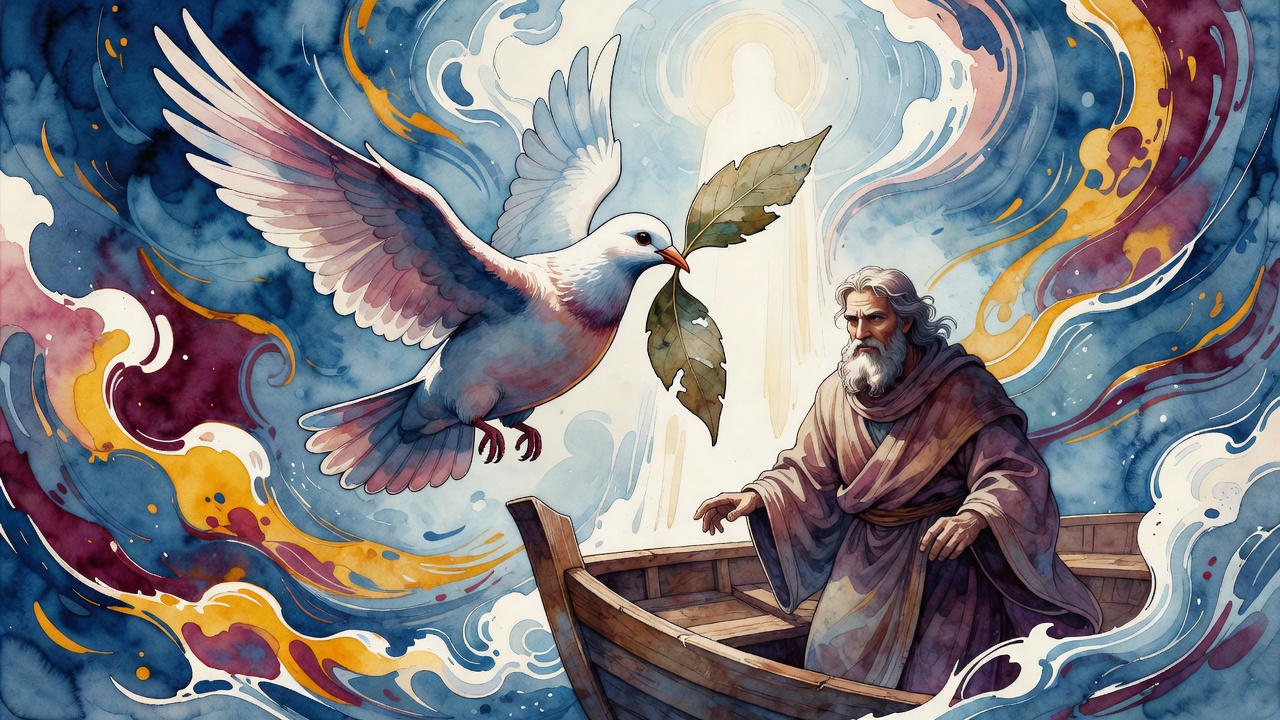
Noah sent the raven first. It circled the drowned world and would not finish the errand. He put out his hand when the dove came back empty.
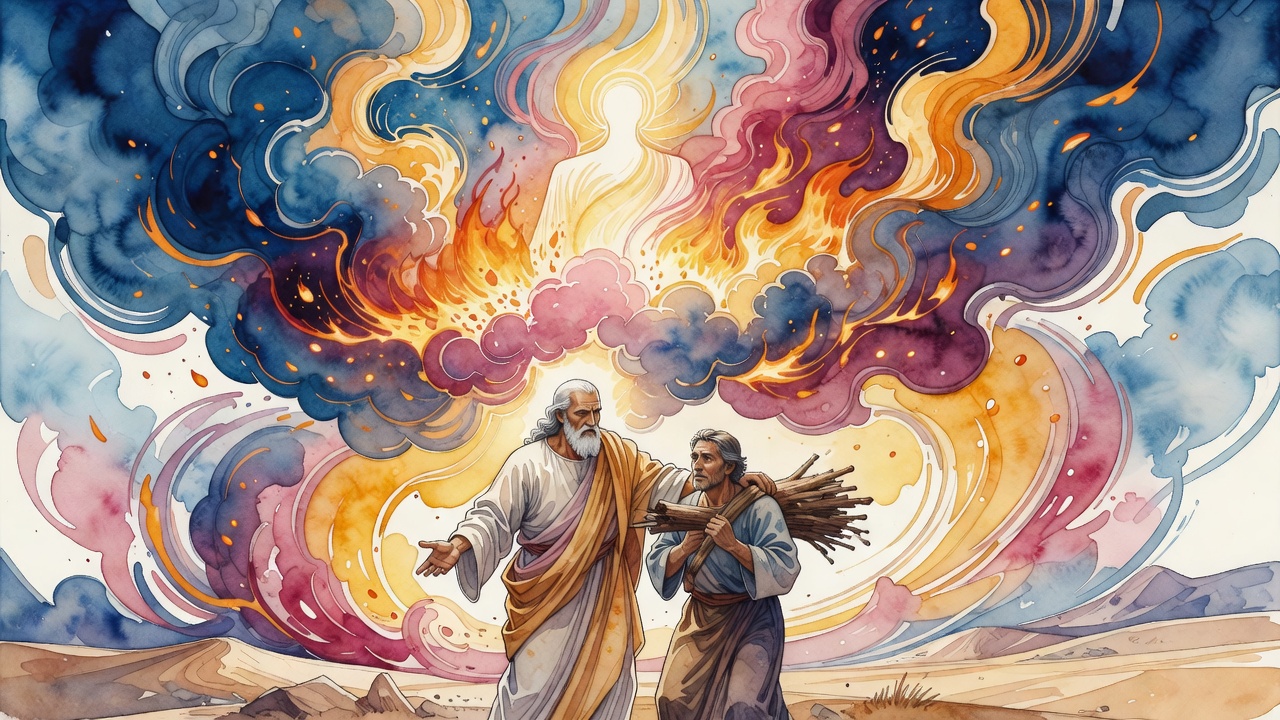
The man gathered sticks on the Sabbath and Moses held him, because even Sinai had not named the death. He said he had not heard.
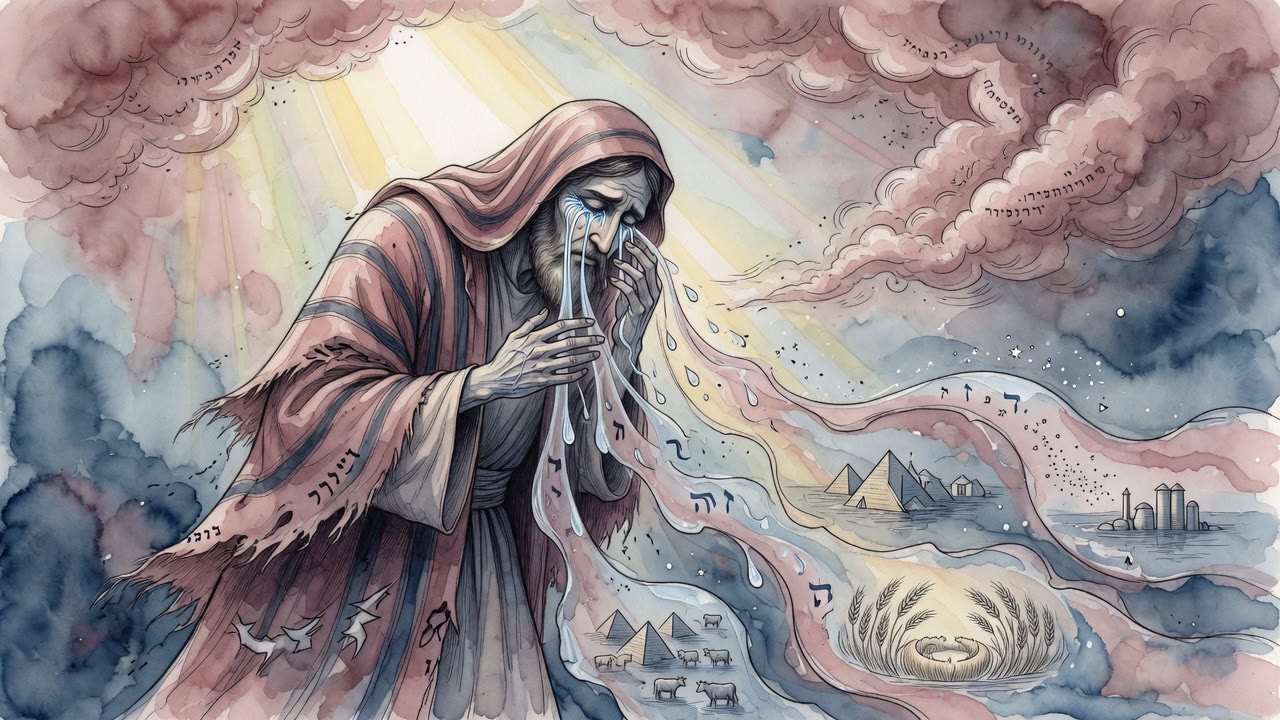
Three times Joseph excused himself from the table to cry in private. His brothers thought nothing of it. The tradition knew he was seeing centuries ahead.
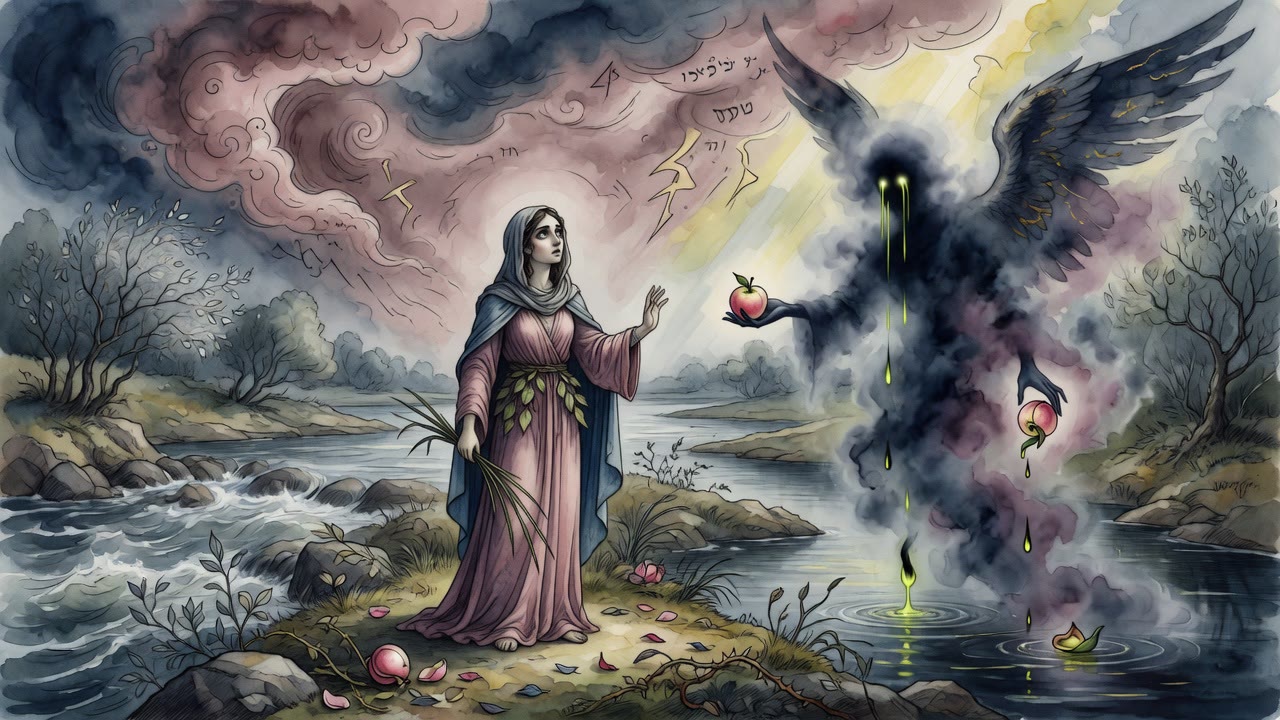
Eighteen days in the Tigris without bread. A stranger wept on the bank and told Eve that heaven had already said yes.
