Simeon Confessed at 120 That He Wanted Joseph Dead
Joseph was already dead. Simeon sat up in Egypt, kissed each son on the mouth, and named the liver that had never pitied his brother.
Table of Contents
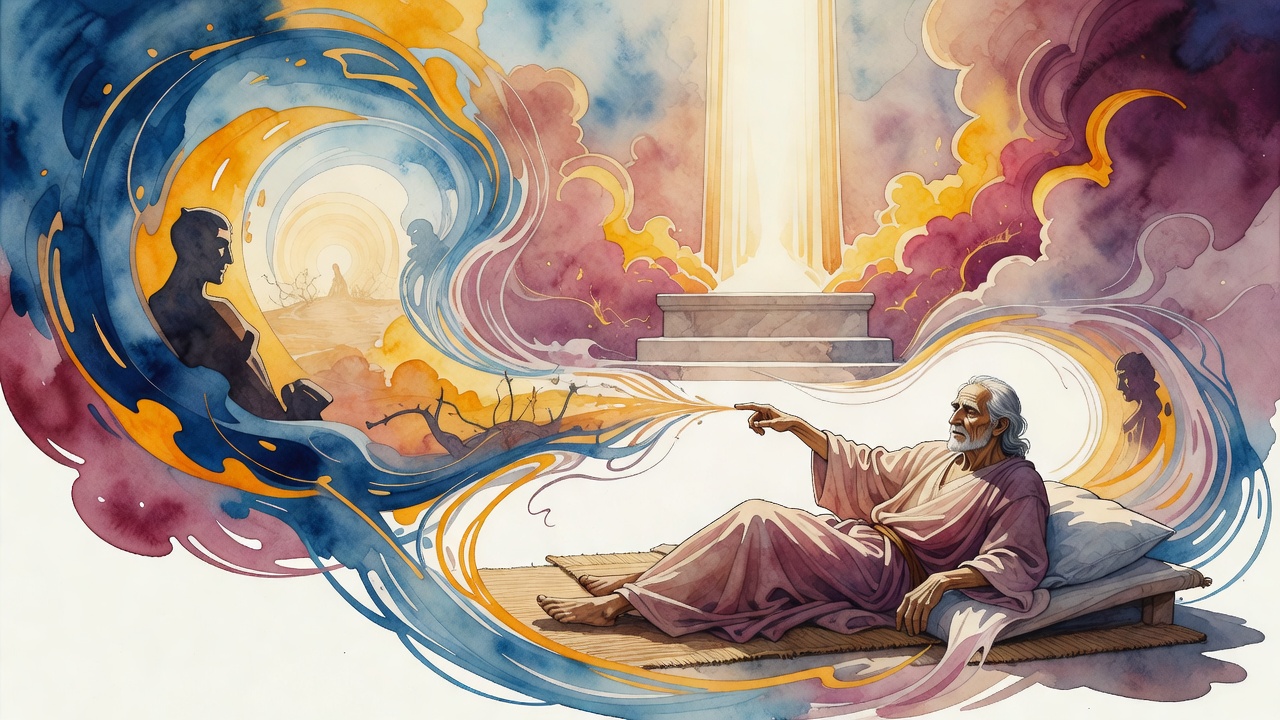
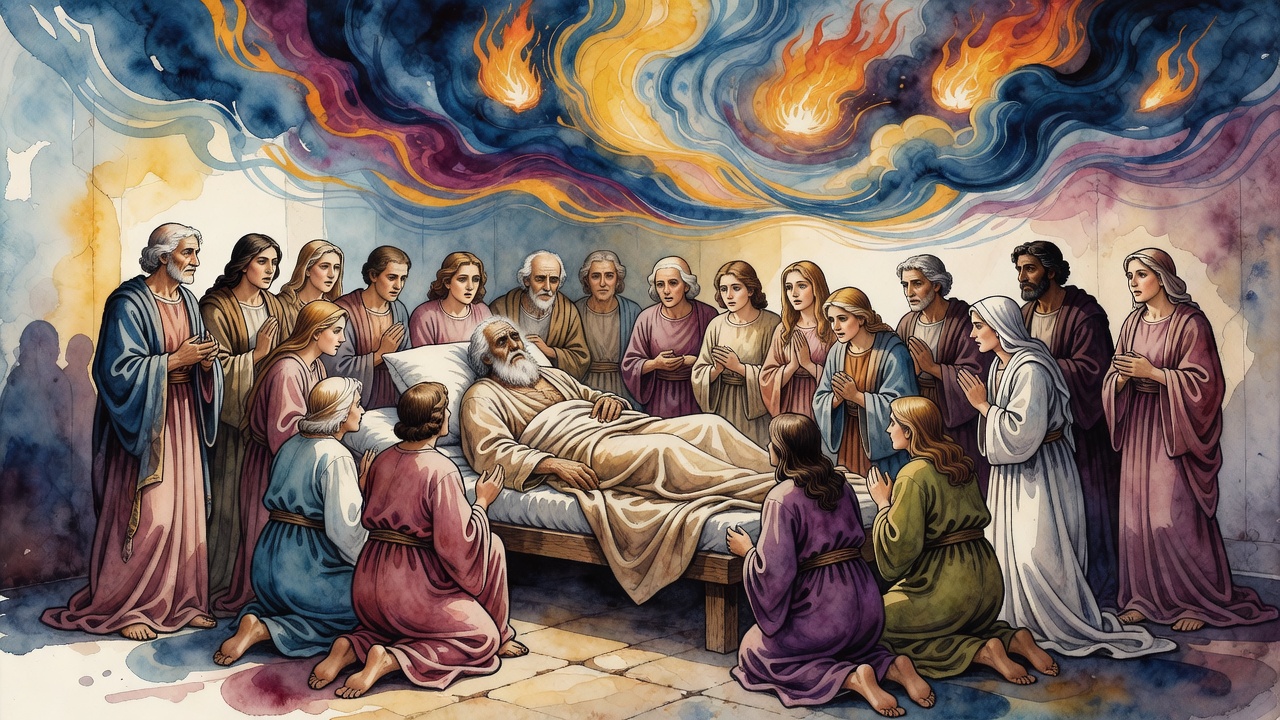
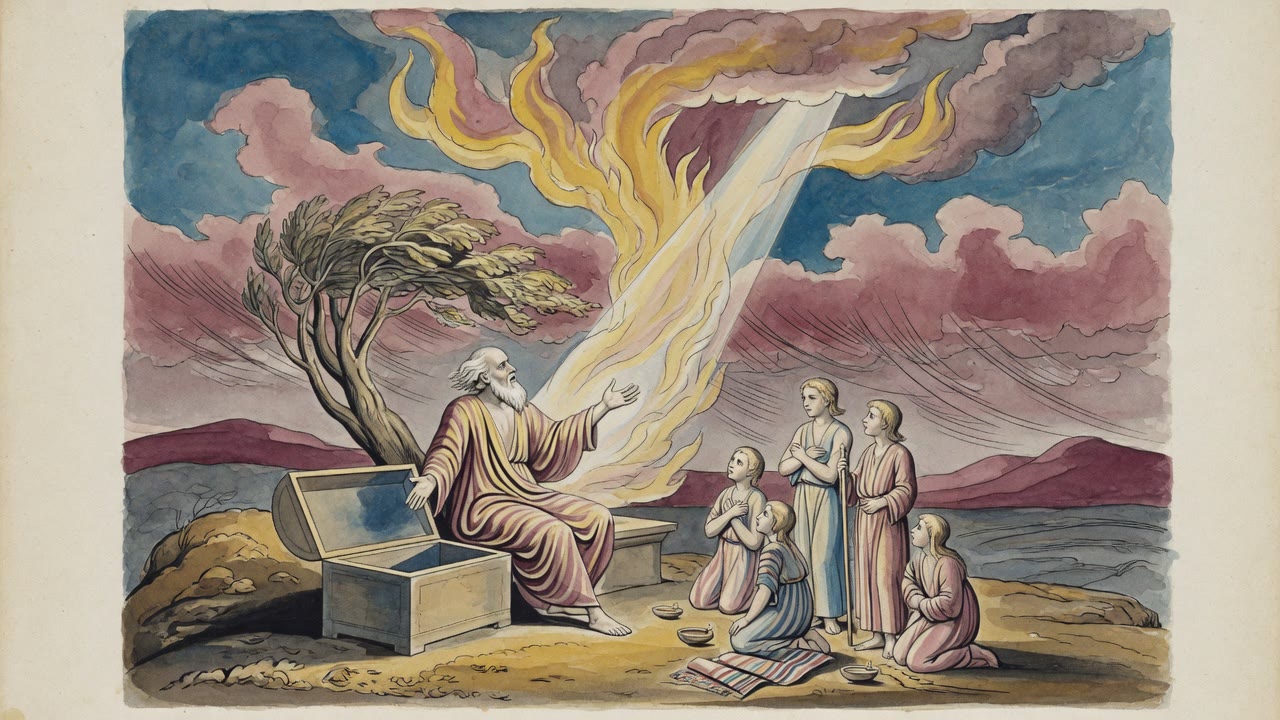
Simeon sat up on the bed in his sons' house in Egypt with a hundred and twenty years on him. Joseph was already in the ground. The sons had come to watch him die, and he did something he had not done in a hundred years. He strengthened himself. He kissed each of them on the mouth.
 Click for full size
Then he told them what his body had been holding.
The Liver That Would Not Move
"I was strong exceedingly," he said. "My heart was hard. My liver was immovable. My bowels were without compassion." He pressed his palm into his own side as if the organ were still there, locked. In his youth he had not looked at Joseph and seen a brother. He had looked and seen an enemy who had stolen what belonged to him.
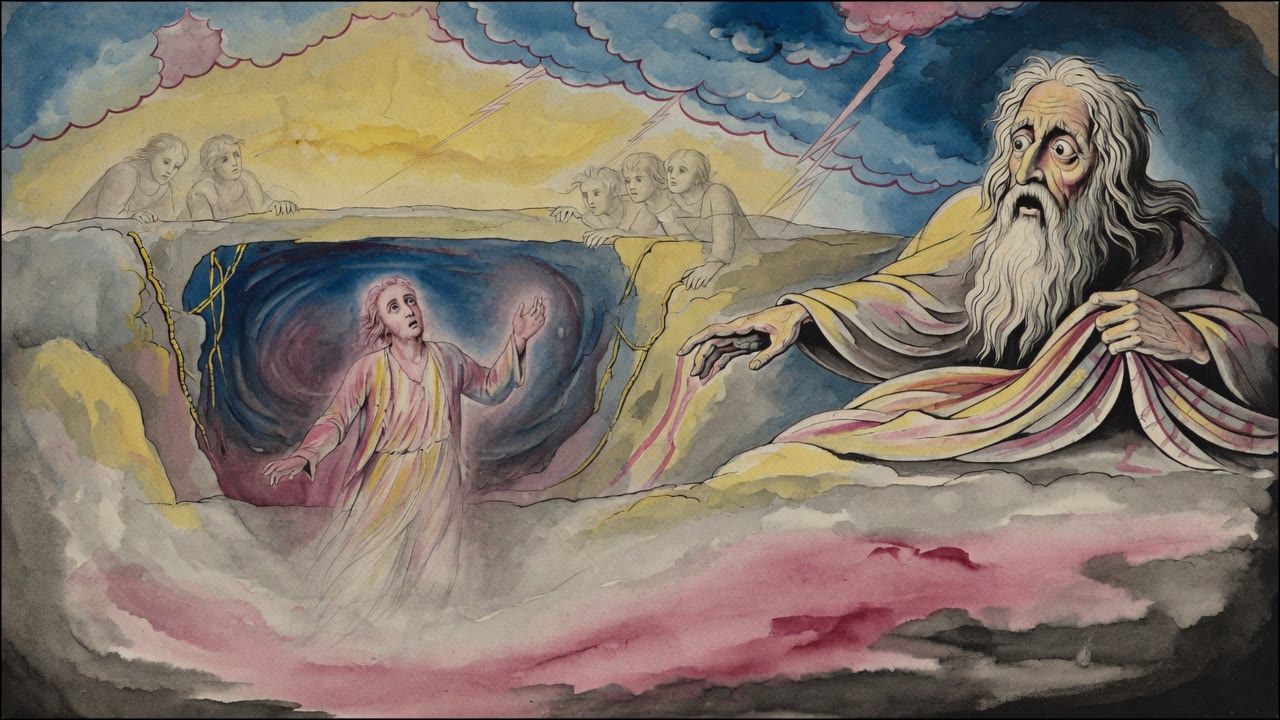
Jacob loved Joseph beyond the rest, and every brother knew it. The prince of deceit sent forth the spirit of envy and blinded Simeon's mind. He set himself to destroy the boy. He did not spare even Jacob his father. An angel of Joseph's God pulled the child out of his hands before the killing could finish.
Envy, he told them, does not let a man eat. It does not let him drink. It whispers, every hour, that the other one should die. While Joseph flourished, Simeon faded. Even in sleep the thing gnawed. It woke the mind in confusion. It made the body tremble on the mat.
He Wanted Joseph Dead at Dothan
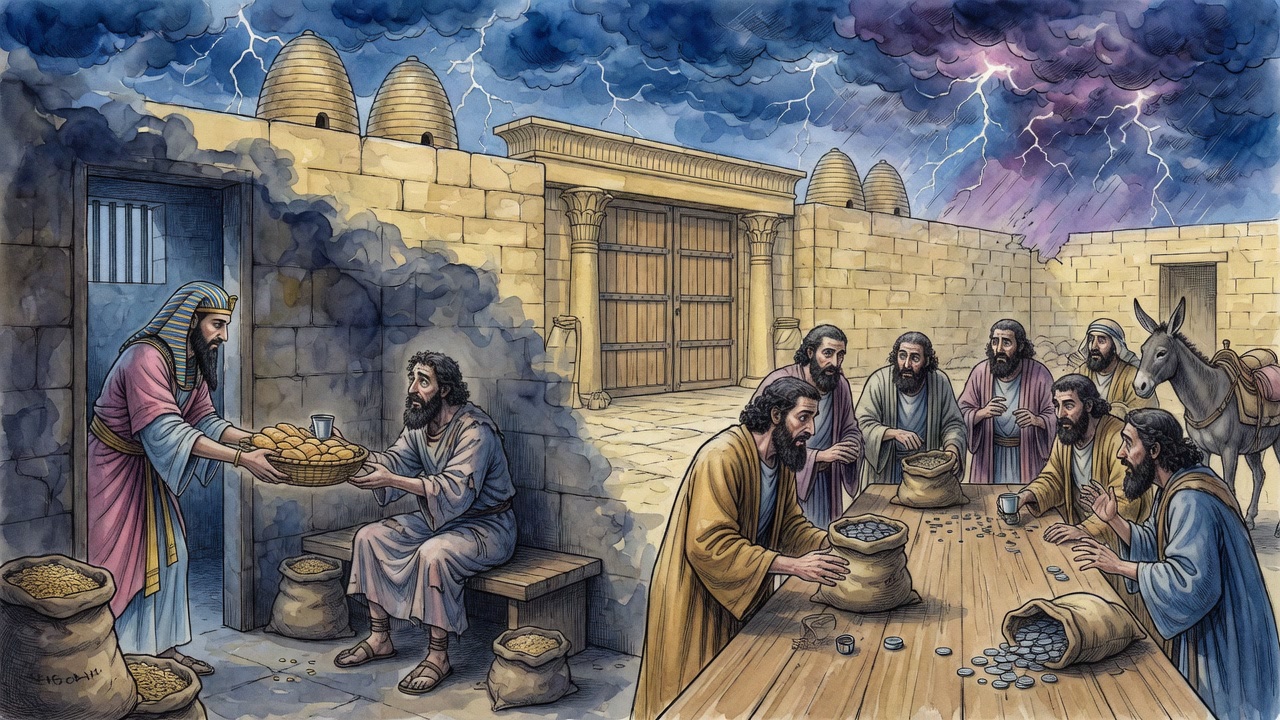
He named the day. He had gone to Shechem for ointment for the flocks. Reuben had gone to Dothan for stores. Judah sold Joseph to the Ishmaelites on the road (Genesis 37:28). Reuben came back grieving. He had wanted to restore the boy to their father.
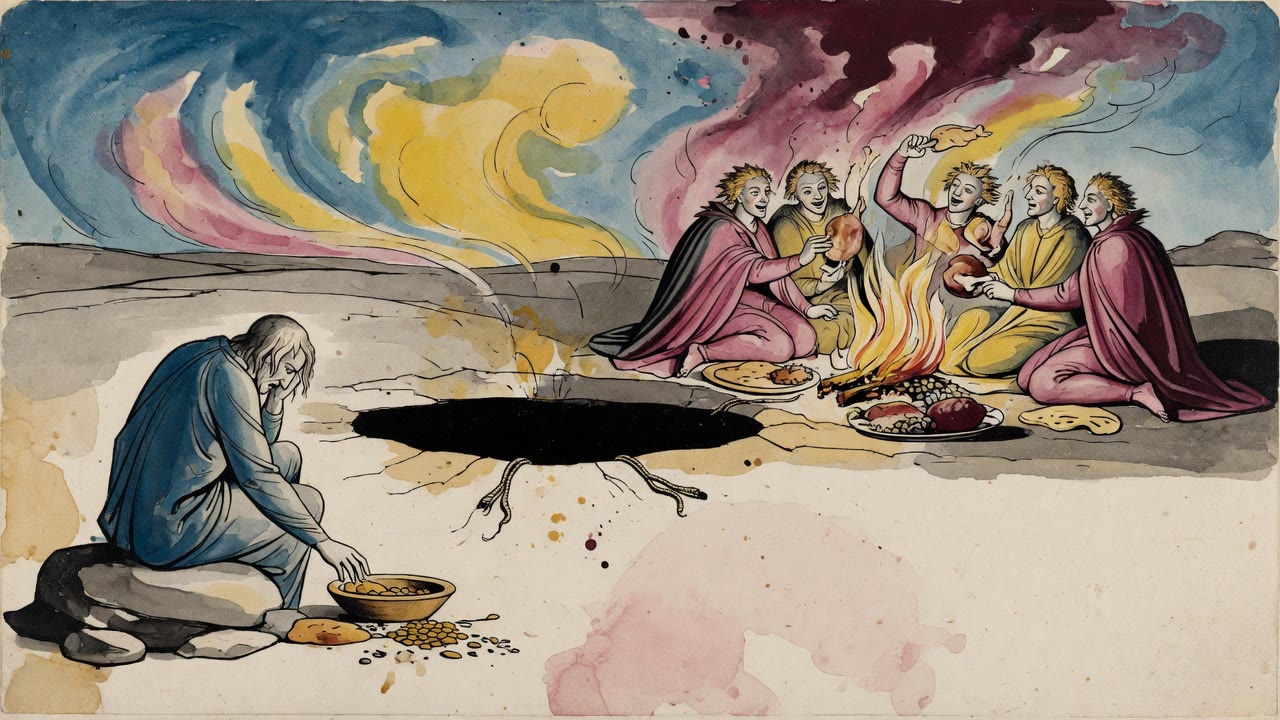
Simeon was not grieving. He was furious that Judah had let Joseph go alive. For five months he stayed wrathful against Judah. Selling had not been enough. He had wanted a body in a pit that never climbed out.
Then God withheld the power of his hands. His right hand withered halfway for seven days. He knew why. Because of Joseph this had befallen him. He wept. He begged the Lord to restore the hand and to keep him from envy and from folly. The hand came back. The memory did not leave.
Two Years of Fasting
He afflicted his soul with fasting for two years in the fear of the Lord. He learned that the evil spirit runs when a man flees to God. His mind lightened, late. He began to pity the one he had wanted dead.
Jacob saw him sad and asked. Simeon said, "I am pained in my liver." He mourned more than they all because he was guilty of the selling. When they went down to Egypt and Joseph bound him as a spy, he knew he was suffering justly. He did not fight the rope.
Joseph bore no malice. He loved Simeon as he loved the rest. He gave them riches and cattle and fruit. He glorified them beyond his own sons. Simeon told his children to look at that face and to love each brother with a good heart, so the spirit of envy would withdraw.
"Do not look at a man's appearance and desire his place," he said. "Envy will not introduce itself. It will feel like justice. You will not know you have stopped seeing a person until you are standing in a field with your hands already dirty."
What Jacob Already Knew
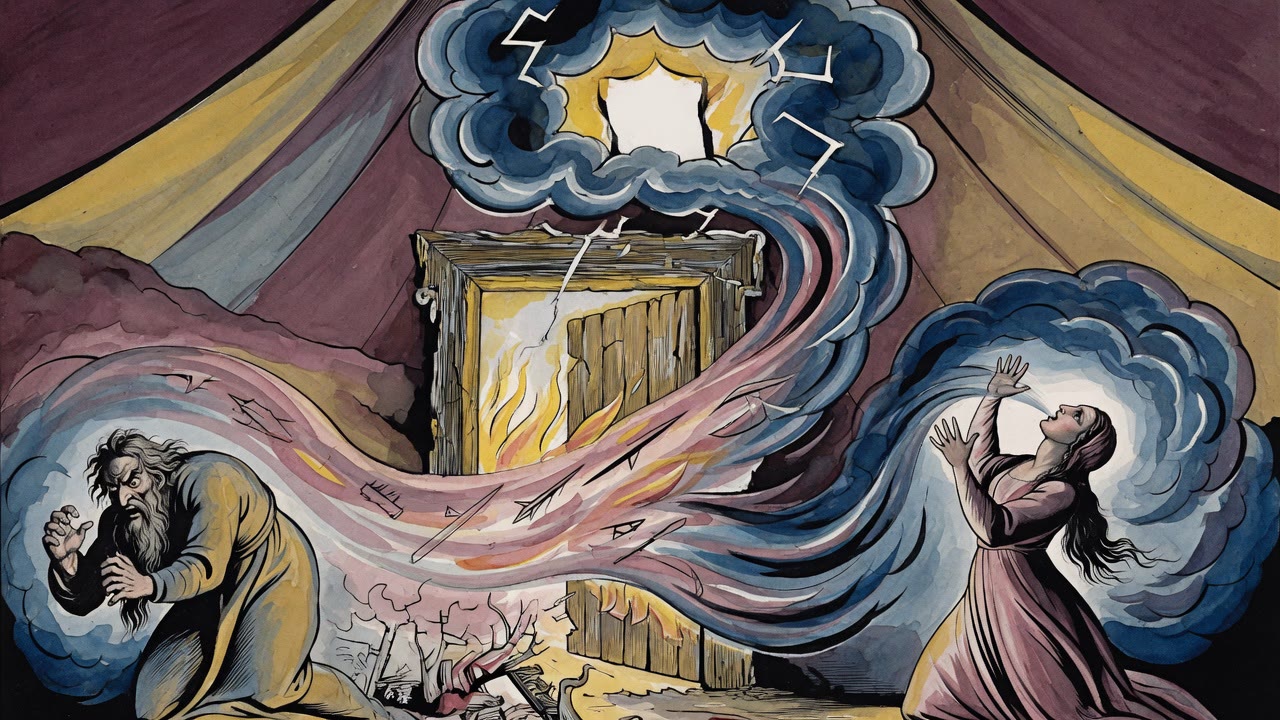
Years before the deathbed, Jacob had already read their faces. When they came home with a coat dipped in goat's blood, he said, "Me have ye bereaved of my children." It was not only a lament. It was an accusation. He took their reports for inventions. He suspected them in Joseph's death, and later in Simeon's disappearance in Egypt, and he would not send Benjamin after them.
Reuben offered his own two sons as collateral. Jacob gave him no answer. "My first-born is a fool," he said to himself. "His sons are equally mine." Judah told the brothers to stop pressing. Bread would run out. Then the old man would have to move.
On the last bed Simeon was confirming what Jacob had smelled in the tent years ago. The father had not been fooled. The son had only waited a hundred years to say it out loud.
He Asked for Hebron
He asked them to pray for him. After his death he wanted no labor done over him, only the anointing of the body, and burial in Hebron in the cave where the fathers lay.
The sons stood around the bed with the kiss still on their mouths. One of them reached for the side Simeon had pressed. Simeon shook his head. The liver was his to name. It had not moved for Joseph in the field. It had not moved for Joseph in the pit. It had taken a withered hand, two years of fasting, and a century of silence to make it speak.
He died at the end of that first day of his hundred and twentieth year. They anointed him. They carried him toward Hebron. The confession rode with the body.
← All myths