Simeon's Deathbed Confession About What Envy Almost Made Him Do
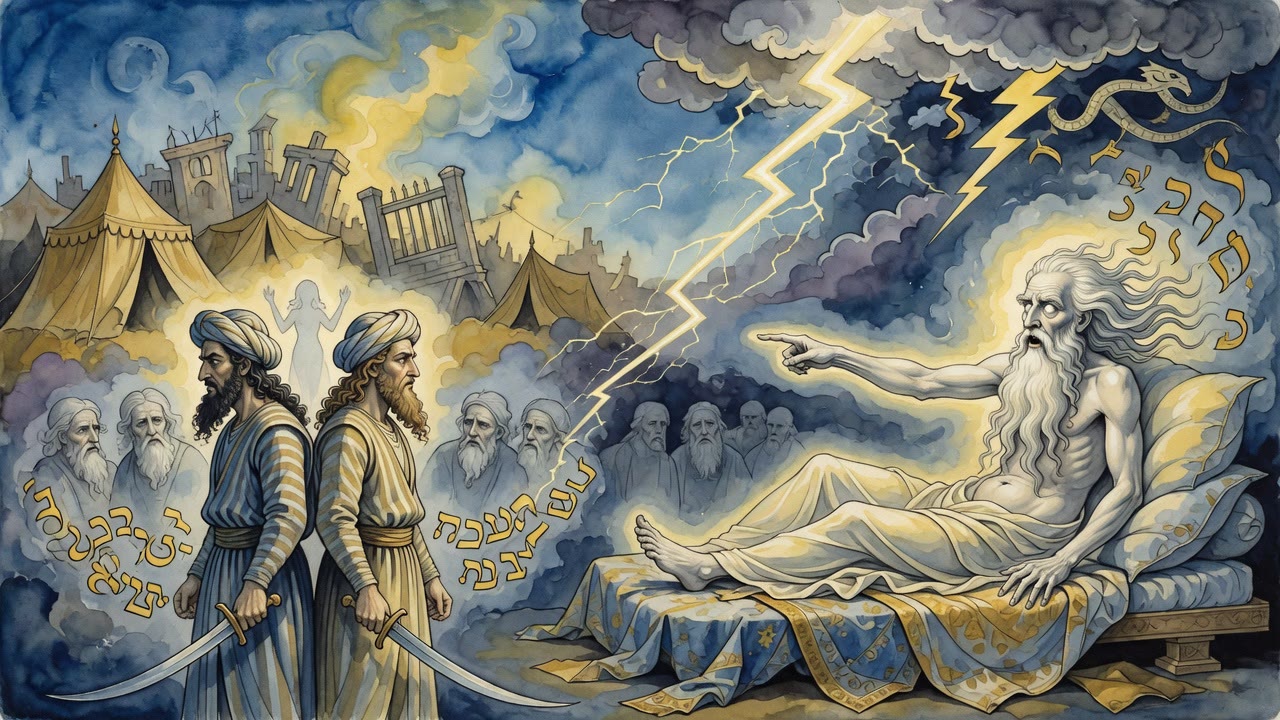
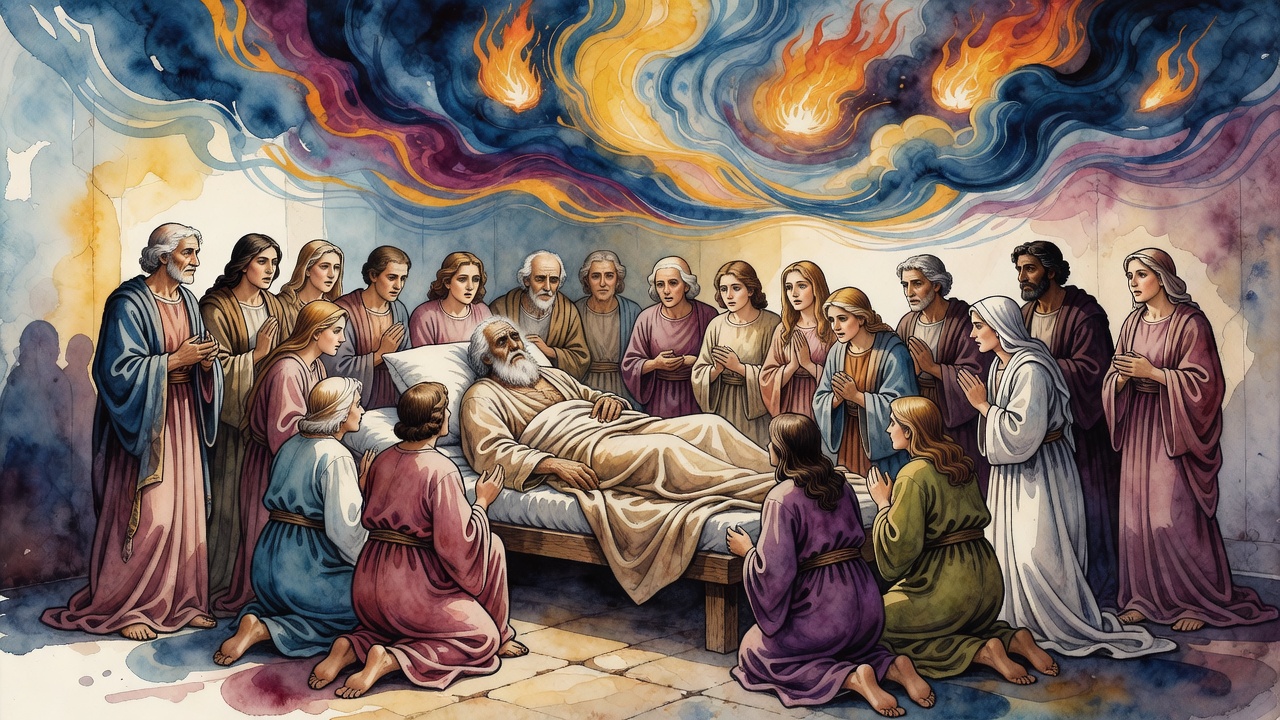
On his deathbed, the patriarch Simeon gathered his children and named the force that had once brought him to the edge of fratricide: not hatred, but envy.
Table of Contents
 Click for full size
The Peacemaker Who Was Planning Murder
Simeon had spoken with Joseph peacefully in their father's presence. The words were calm. The face was composed. The soul was planning something else entirely.
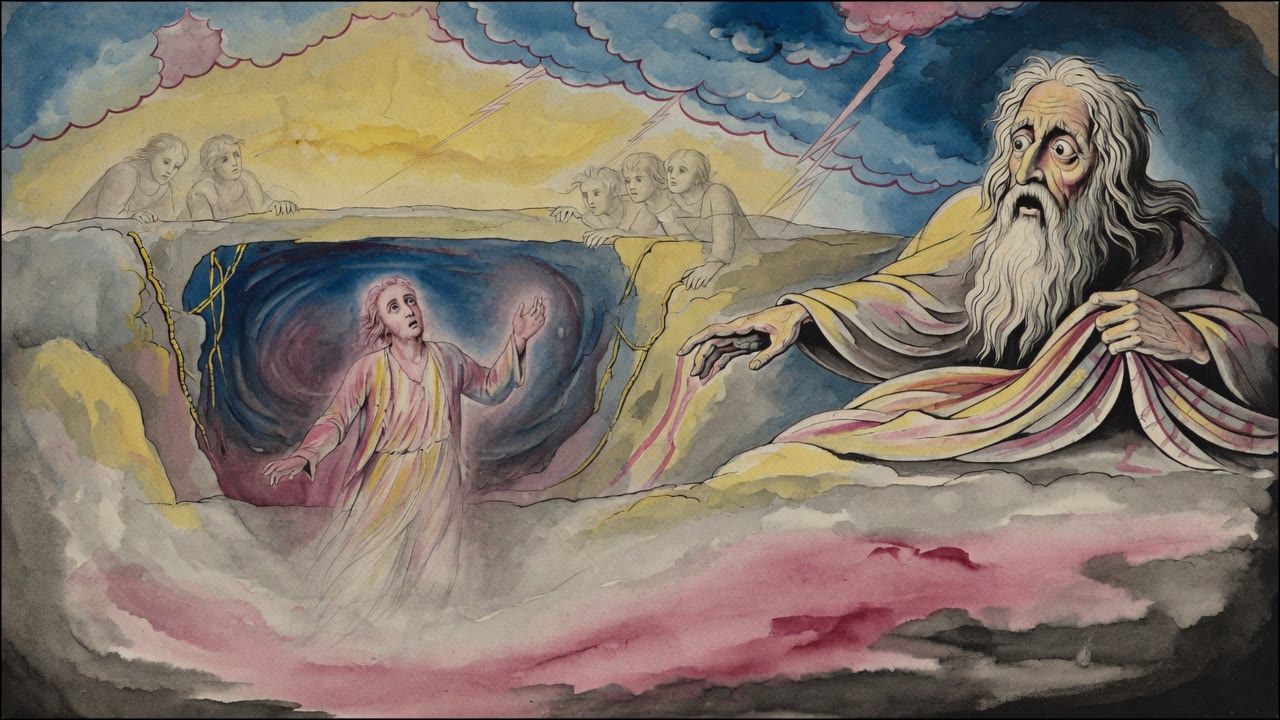
He had wanted to kill Joseph. Not out of sudden rage but out of the slow corrosion of envy, the feeling that had started the moment Jacob gave the boy the coat of many colors and had not stopped. Every gift Jacob gave Joseph was a subtraction from what Simeon had. Every dream Joseph reported was an insult delivered in the language of prophecy. The pit and the sale had been a compromise, a group decision when Simeon had wanted something worse.
Now, decades later, dying, Simeon gathered his children and told them exactly this. He did not soften it.
What the Testament of Simeon Says
Guard yourselves from the spirit of envy, he told them. Guard yourselves in word, in deed, and in the thoughts of the soul.
The three levels are deliberate. Envy in words is the most visible: the comparison that diminishes, the praise that carries a hidden barb, the silence that lets someone be hurt while you watch. Envy in deeds is more serious: the action taken not from principle but from resentment of what someone else has. But envy in the thoughts of the soul is the one Simeon had lived with, the kind that produces a pleasant face and violent intentions simultaneously, that allows a man to speak peacefully to a brother while privately measuring the distance to a pit.
He knew what he was describing because he had been it.
How Envy Works From the Inside
The tradition notes that Simeon's specific case involved a distortion of perception. When he looked at Joseph, he did not see a younger brother with a gift. He saw a rival whose gifts were subtractions from his own. The coat was not given to Joseph. It was taken from Simeon. The dreams were not Joseph's experiences. They were provocations. Envy does not add a second value to the world. It converts every other person's gain into its own loss, and it does this so completely that the envier genuinely cannot see what he is doing.
This is why Simeon's confession is addressed to his children rather than to Joseph. Joseph by the time of the deathbed scene has already forgiven the brothers, has already wept over them, has already installed them in the best land of Egypt. The damage from Simeon's envy was absorbed and dissolved by someone who had every reason not to dissolve it. What Simeon wants to address is the mechanism, not the outcome. He wants to describe envy accurately enough that his children can recognize it before it reaches the stage of speaking peacefully while planning something worse.
The Angel Who Stood Opposite
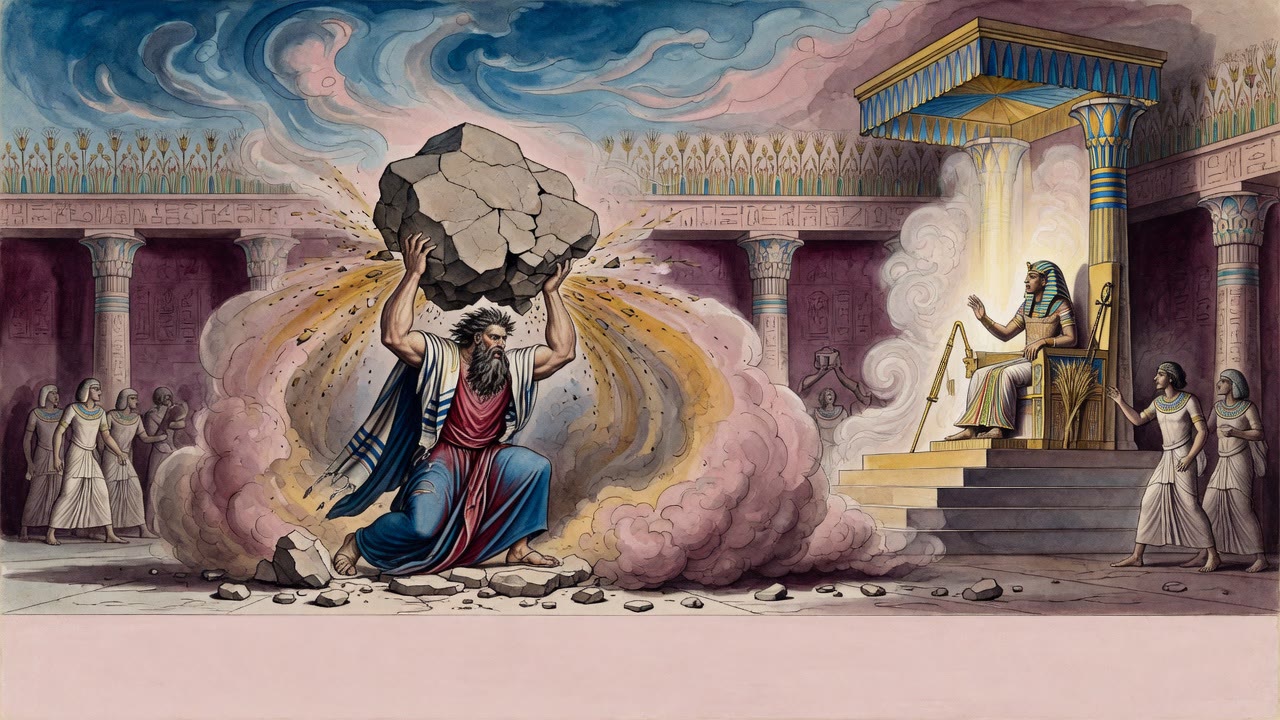
The tradition also records that during Joseph's time in Egypt, when Simeon was held as a hostage at the court, the angel of envy stood opposite him and watched. The image is precise: envy is not internal to Simeon alone. It has a presence, an angelic adversary assigned to exploit the crack that was already there. The years of captivity in Egypt were, in this reading, not merely political detention. They were a kind of forced confrontation with the spirit Simeon had carried for decades.
He came out of Egypt different. The tradition does not describe a sudden conversion. It describes a slow recognition of what had been governing him. By the time he was dying, he had named it clearly enough to pass the warning to his children.
Envy and the Cure
Simeon's prescription is simple and impossible-sounding: put the love of God in your heart, and the love of what is right will follow, and envy will have no foothold. The tradition does not promise this is easy. It promises it is the only cure that works at the root level. Everything else treats symptoms. The man whose soul is fully oriented toward what God loves cannot simultaneously organize itself around the calculation of what others have that he does not.
The deathbed confession was not theater. Simeon was not performing remorse for his children's admiration. He was reporting what he had learned by living through the consequences, and the report was specific and clinical: here is what envy looks like from the inside, here is the stage where it becomes unmanageable, here is the only place it can be stopped before it reaches that stage.
← All myths