25 myths
Each story names the sources it was written from.
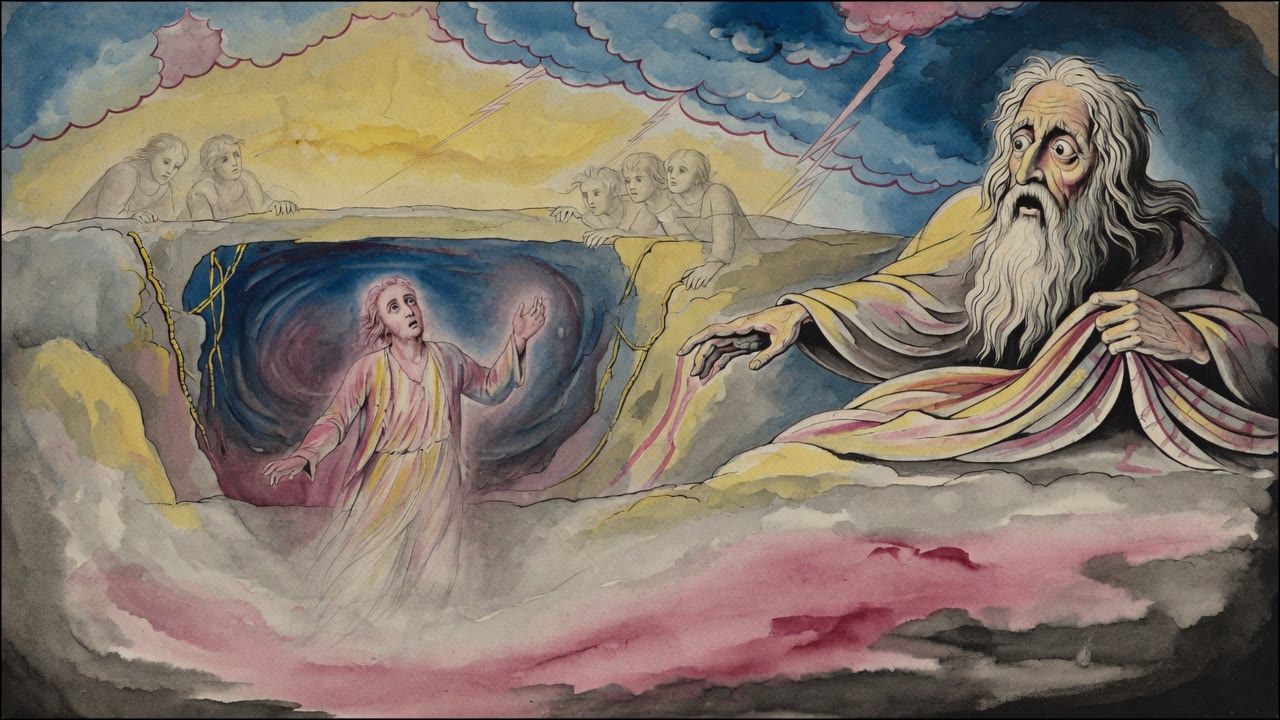
Joseph was already dead. Simeon sat up in Egypt, kissed each son on the mouth, and named the liver that had never pitied his brother.
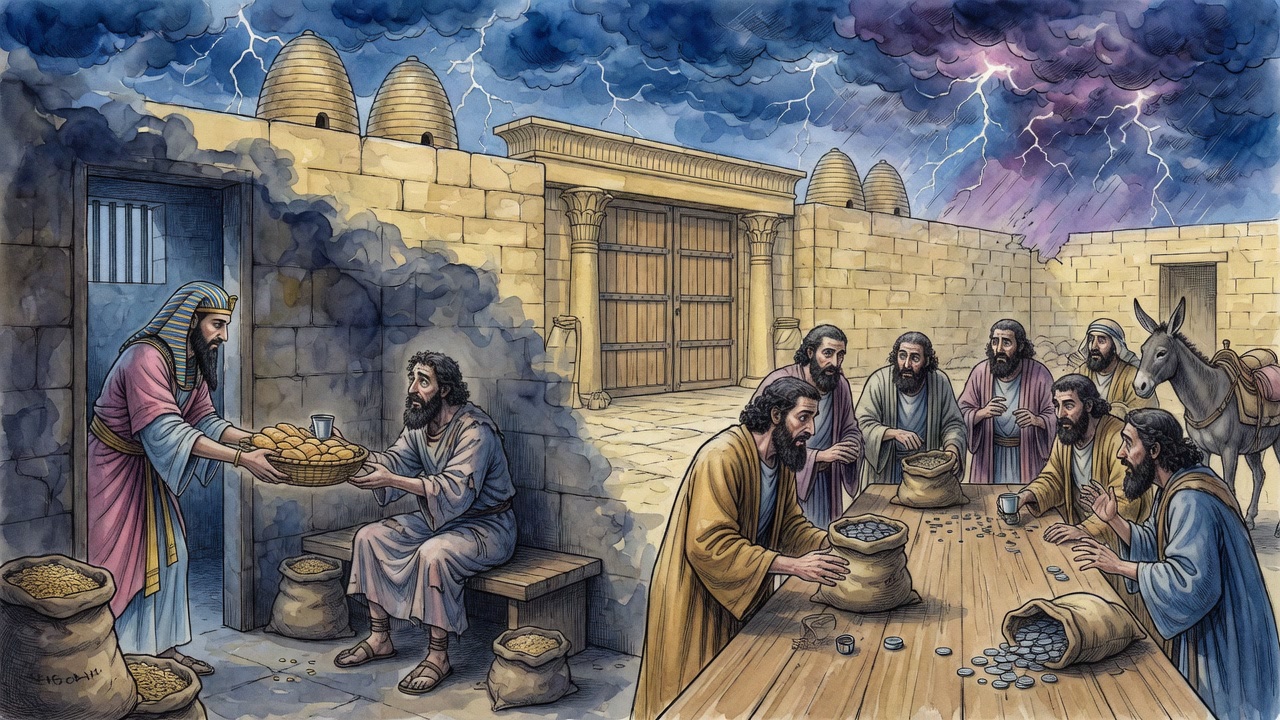
Joseph chained Simeon in front of his brothers, then ordered good food sent to the cell as soon as they left. The cruelty and the care were the same plan.
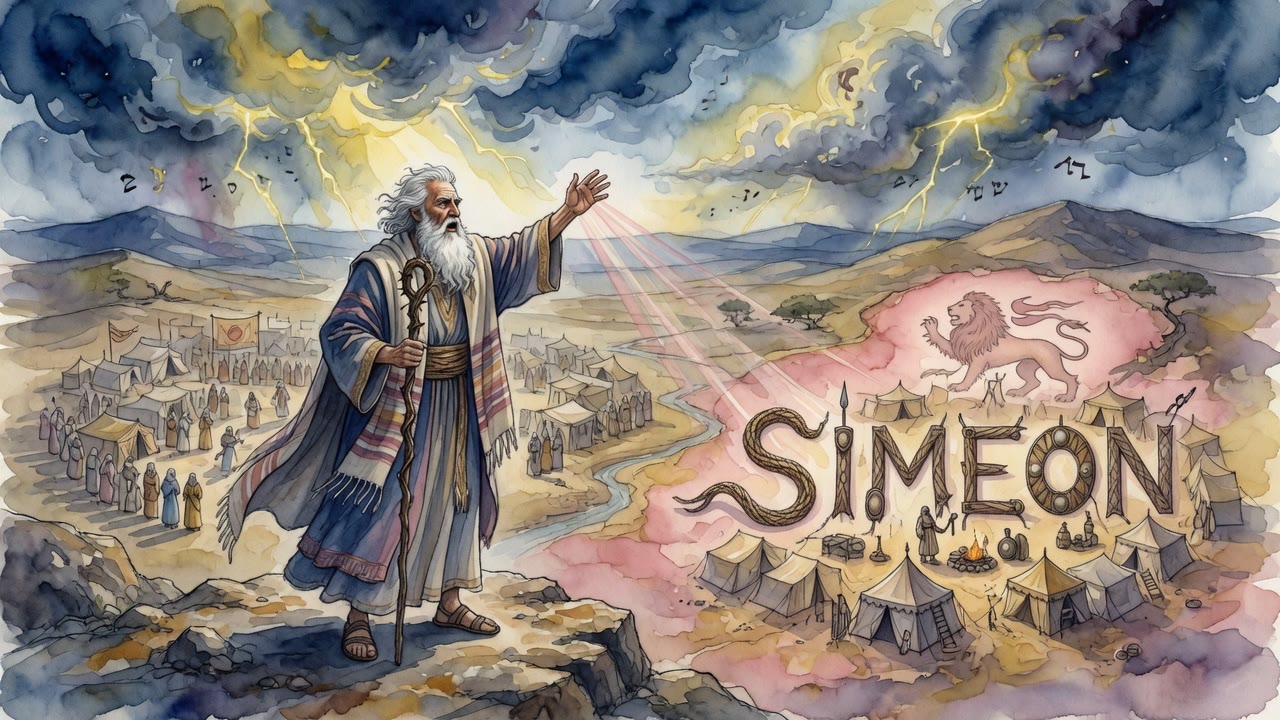
Eleven names left Moses's mouth. The Simeonites waited for the twelfth. He looked at Judah instead and hid the missing blessing there.
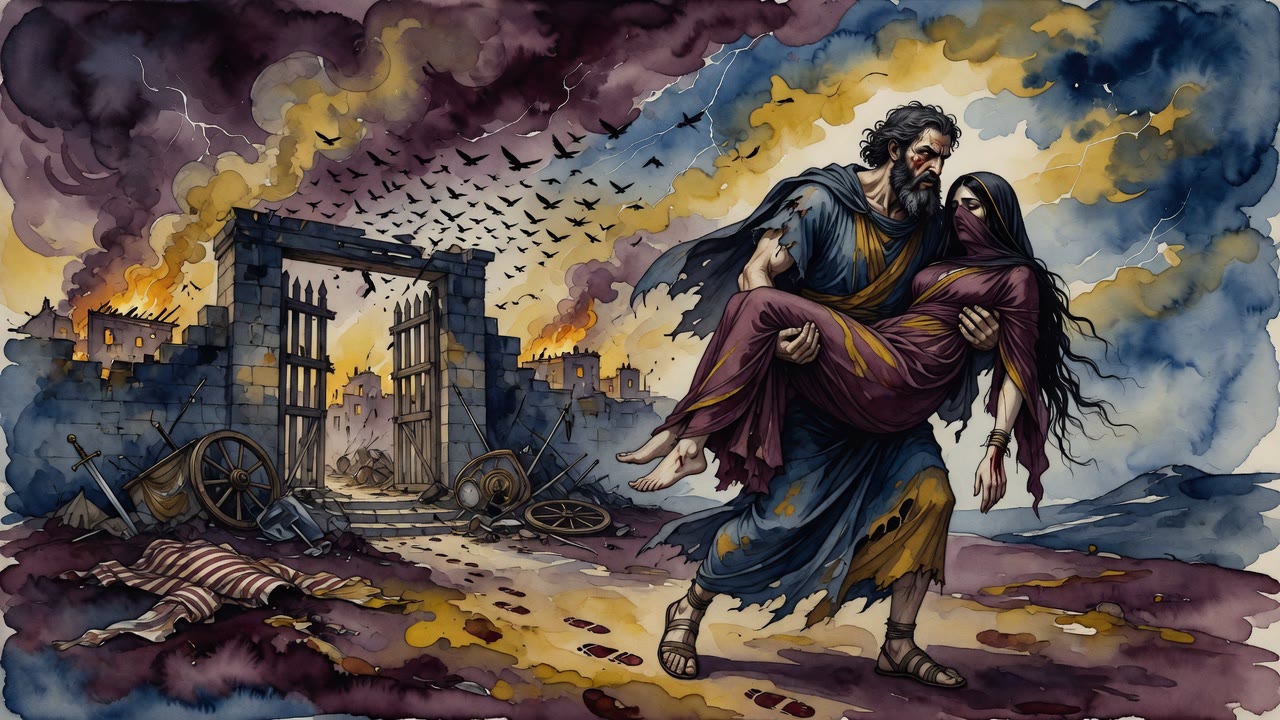
Her brothers killed every man in the city and pulled her out of the house. Then Dinah asked the question none of them had thought about.
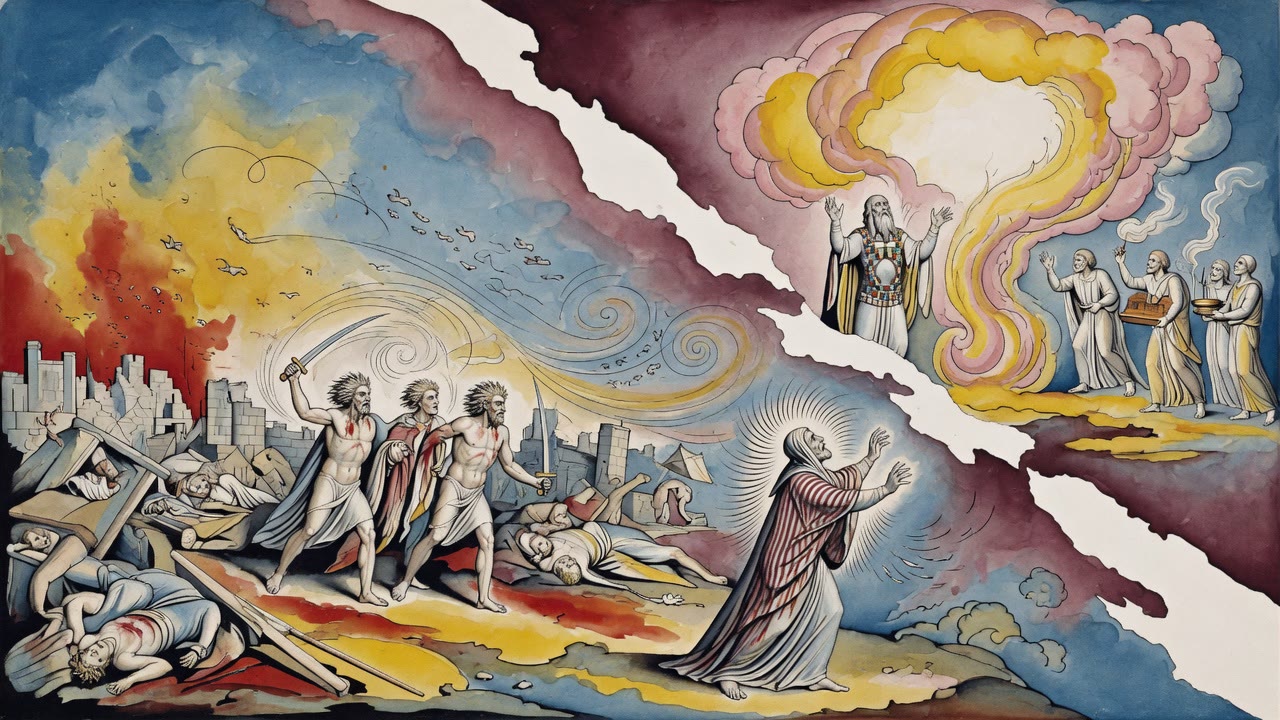
Levi and Simeon killed every man in Shechem and Jacob cursed them for it. Within a generation, God chose Levi for the priesthood. Jubilees explains why.
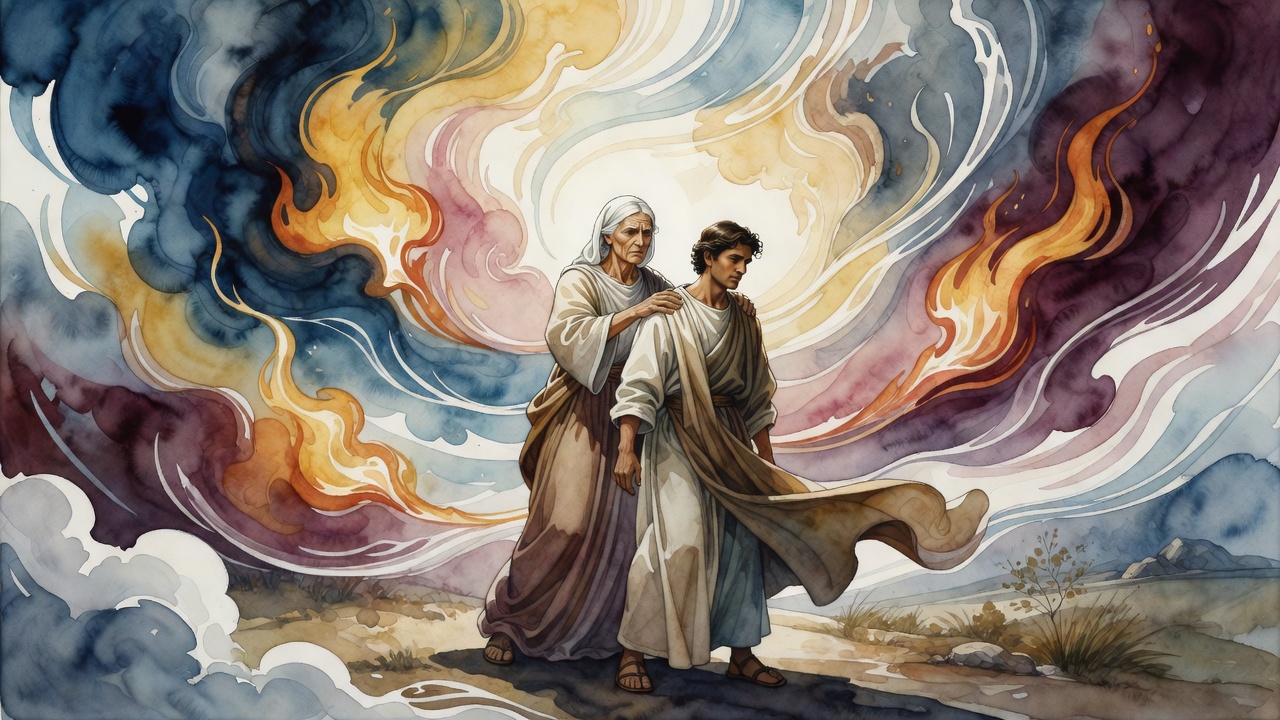
Rebekah laid hands on Jacob, dressed him in priestly garments, and sent him from Esau. Her warning became prophecy at Jacob's burial.
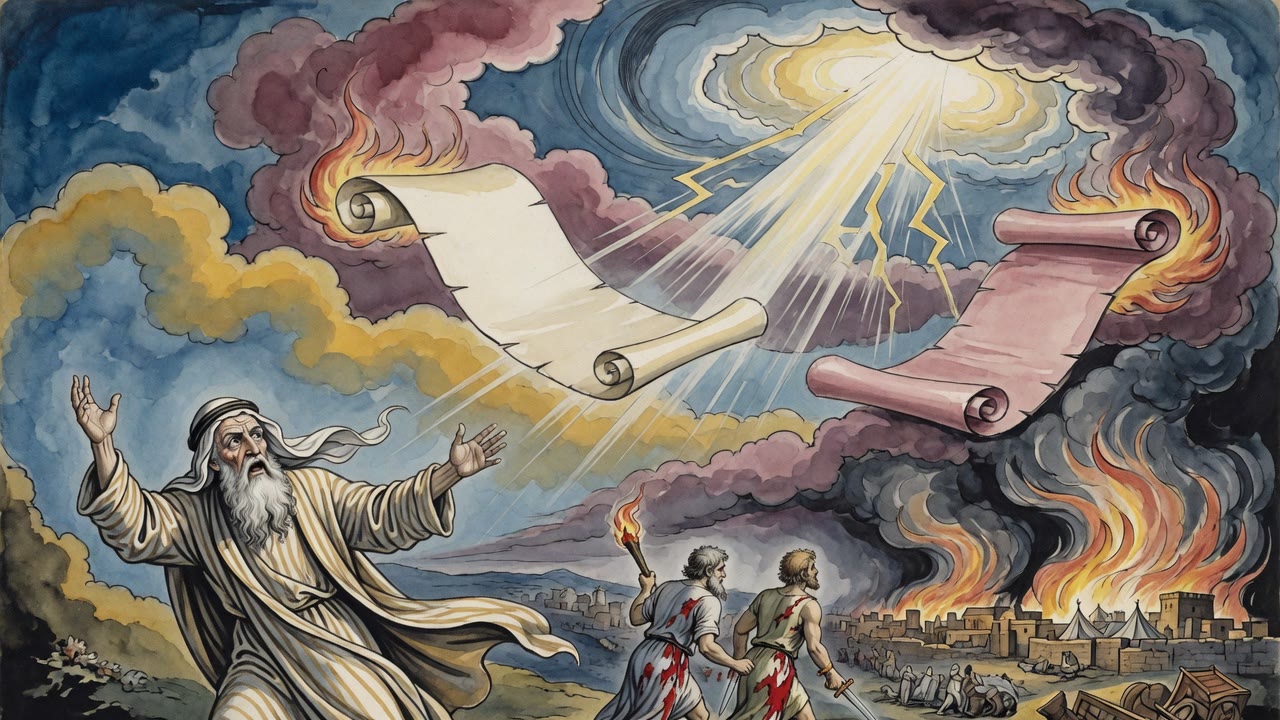
Jacob rebuked his sons for the slaughter at Shechem. A heavenly record reached a different verdict. Both accounts survived.
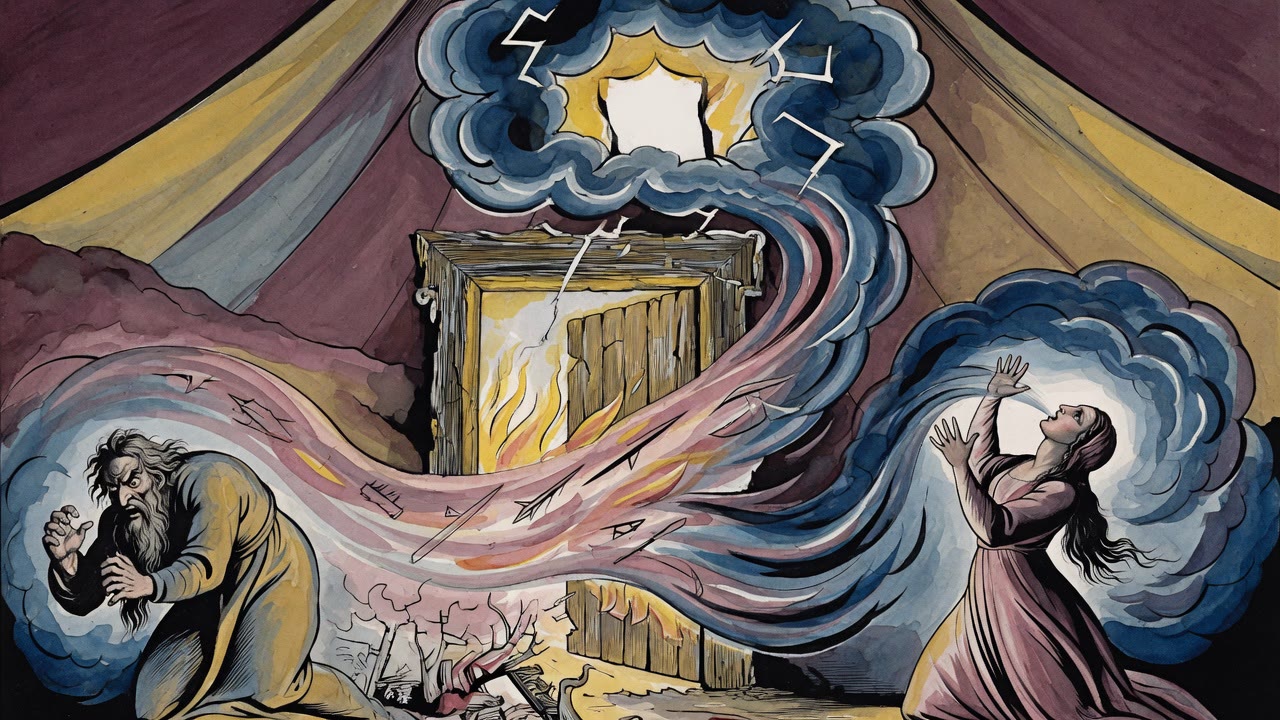
She rose from the floor with dust on her mouth. The name she had used was Simeon, the son who walked into Shechem with a sword.
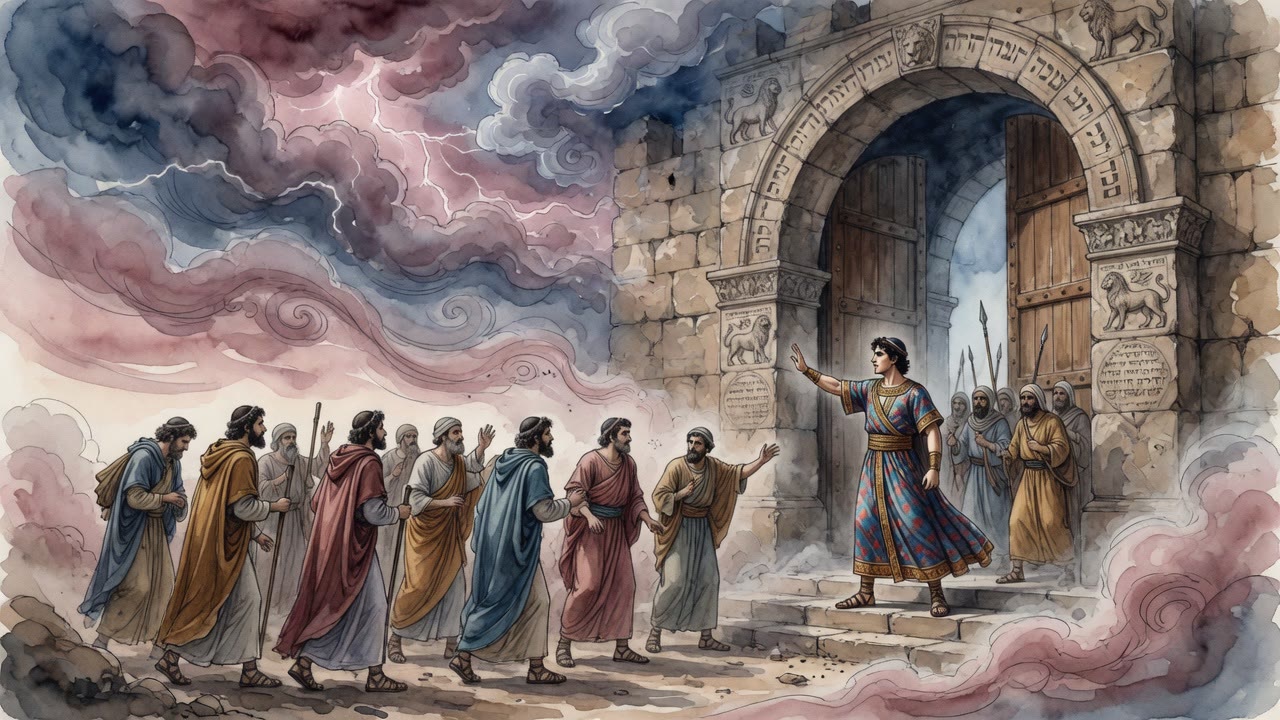
Shechem seized Dinah while his city watched. Jacob's sons invoked the covenant of Noah, and the tradition holds the whole city answered for it.
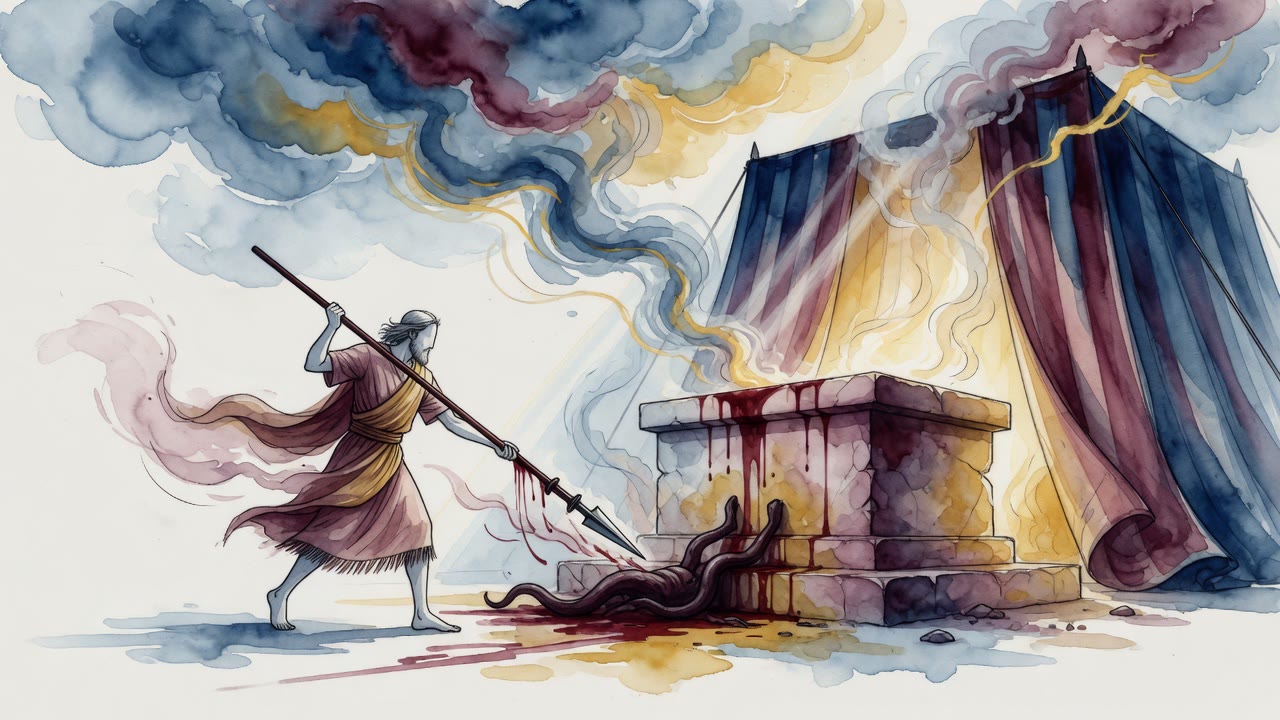
Levi asked the angel for a name he could cry on a bad day. He woke holding a sword, and found the brass shield lying in the road.
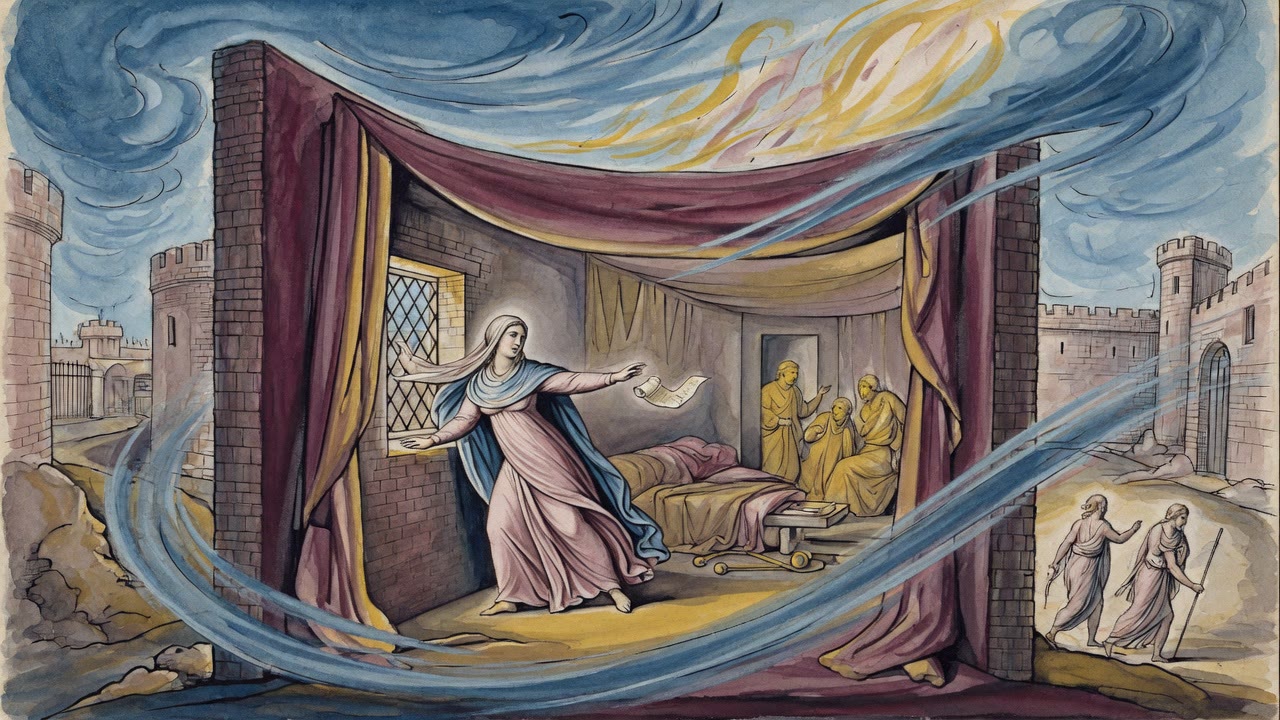
She was twelve and she was being held in the prince's house when she overheard what the men downstairs were planning to do to her family.
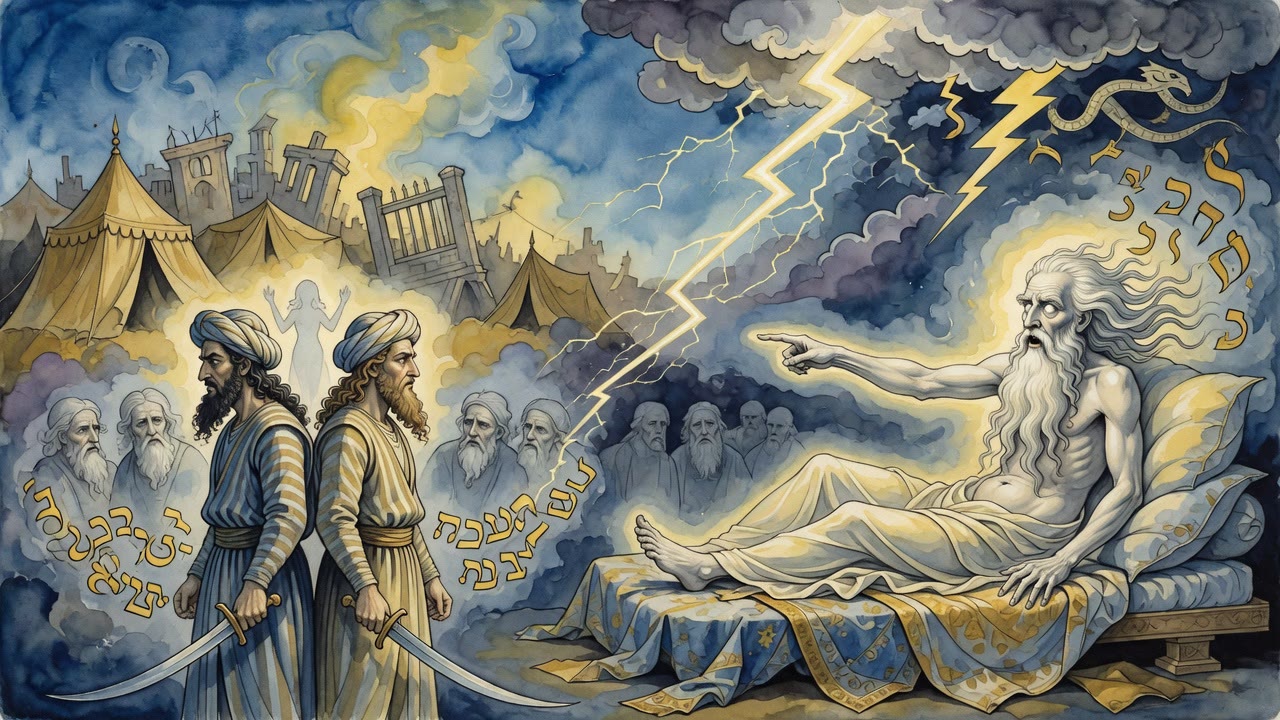
Simeon and Levi avenged Dinah at Shechem. Jacob cursed their anger at his deathbed, forty years after the swords were put away.
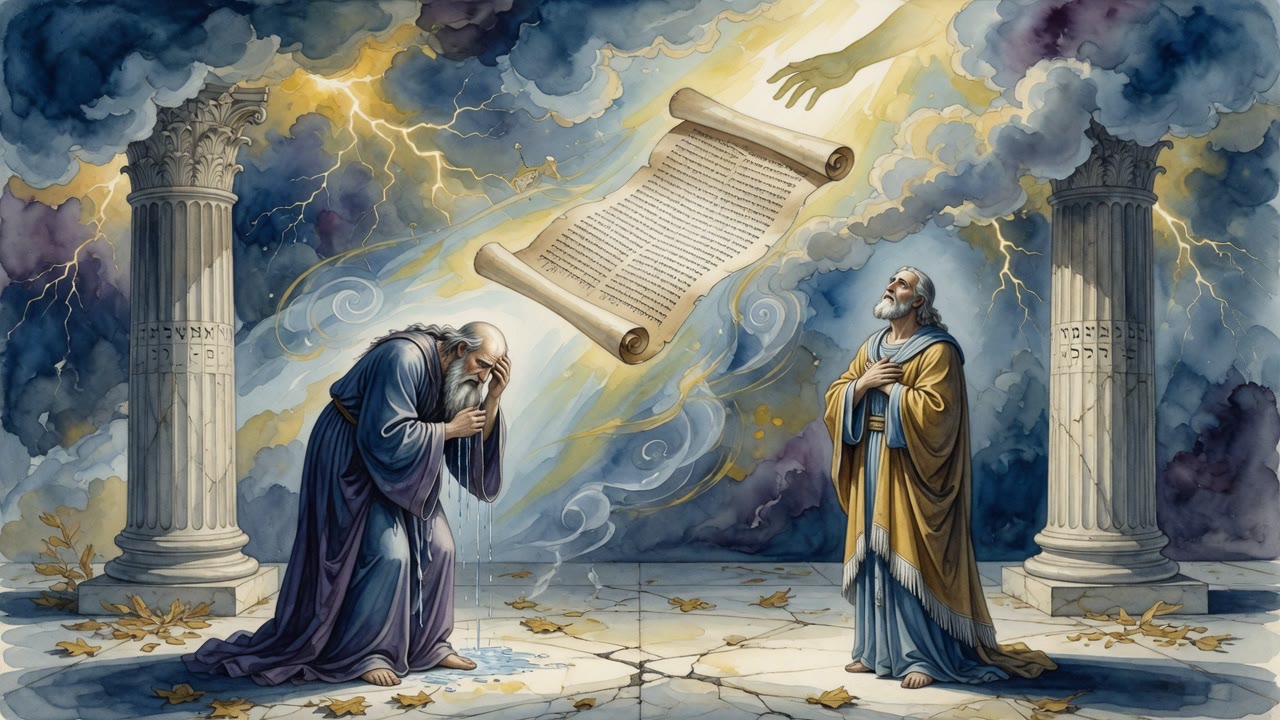
Rabban Shimon walked in Roman chains and wept because he could not name his sin. Rabbi Ishmael, bound beside him, told him to listen.
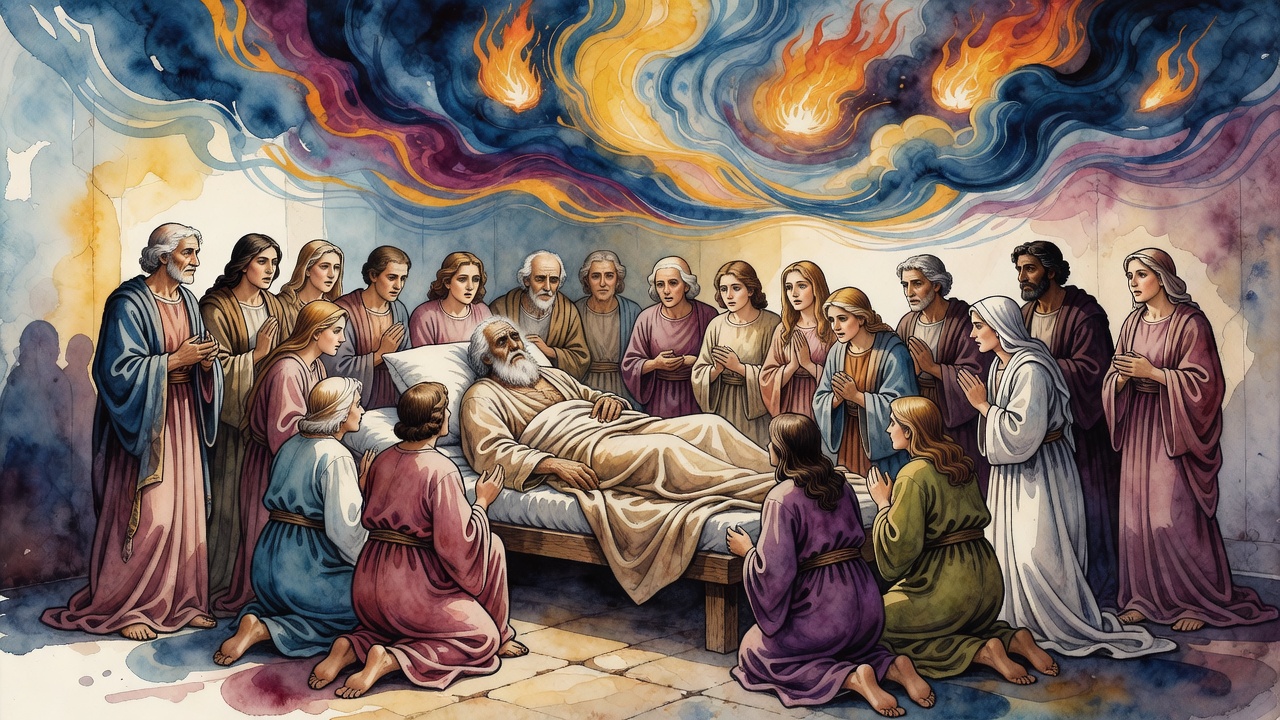
On his deathbed, the patriarch Simeon gathered his children and named the force that had once brought him to the edge of fratricide: not hatred, but envy.
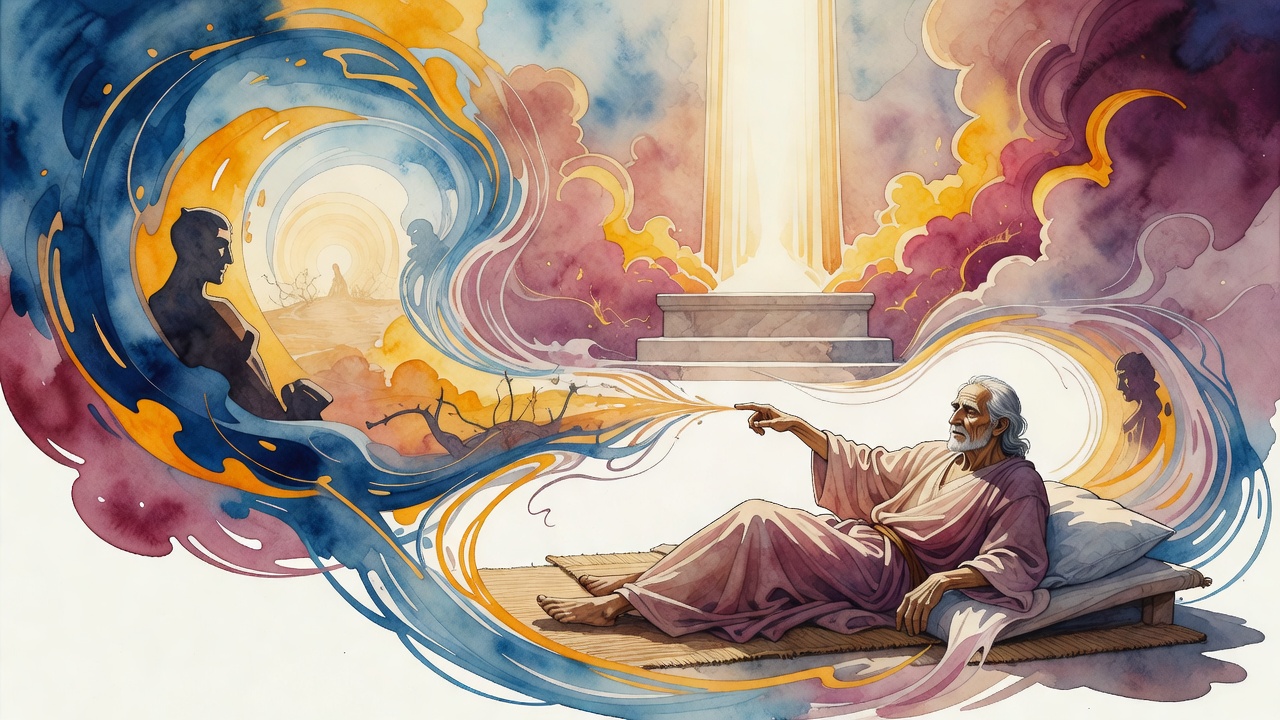
On his deathbed, Simeon confessed he had planned Joseph's murder in his heart and traced the same spirit back through Cain to the first morning of the world.
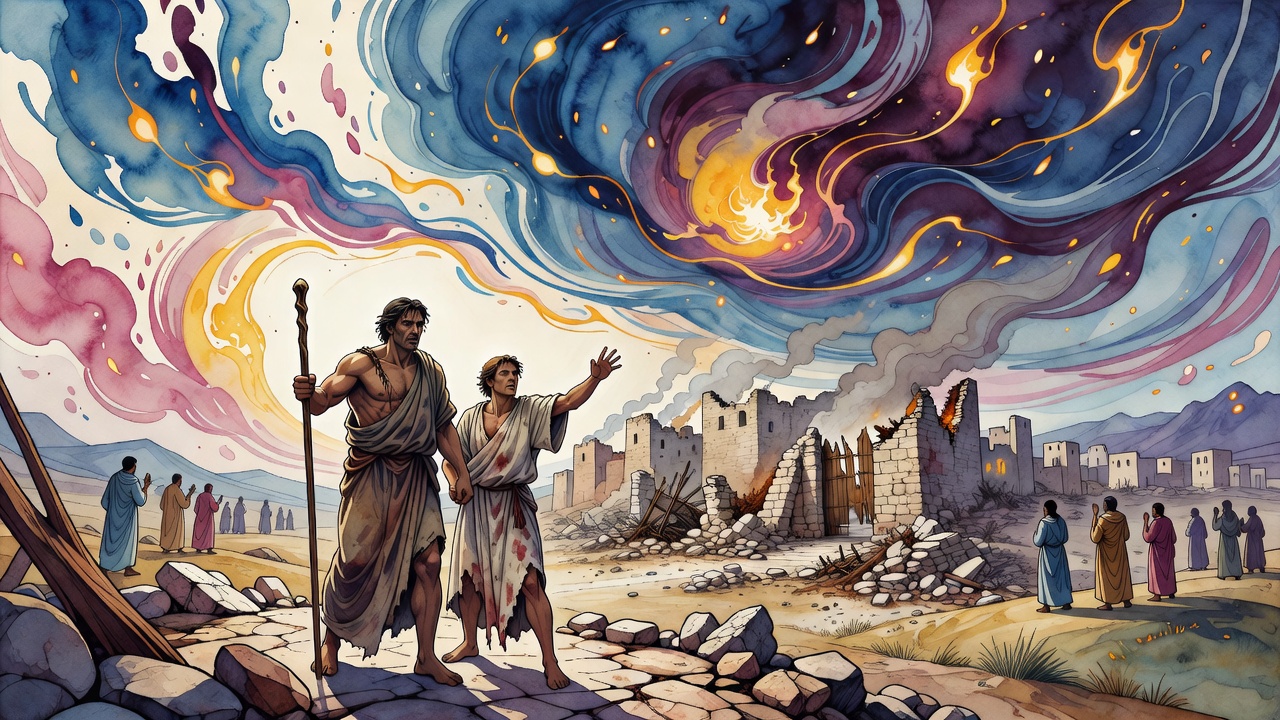
Simeon and Levi emptied a whole city after Dinah's shame, and surrounding nations whispered that if two sons could do this, twelve would end the world.
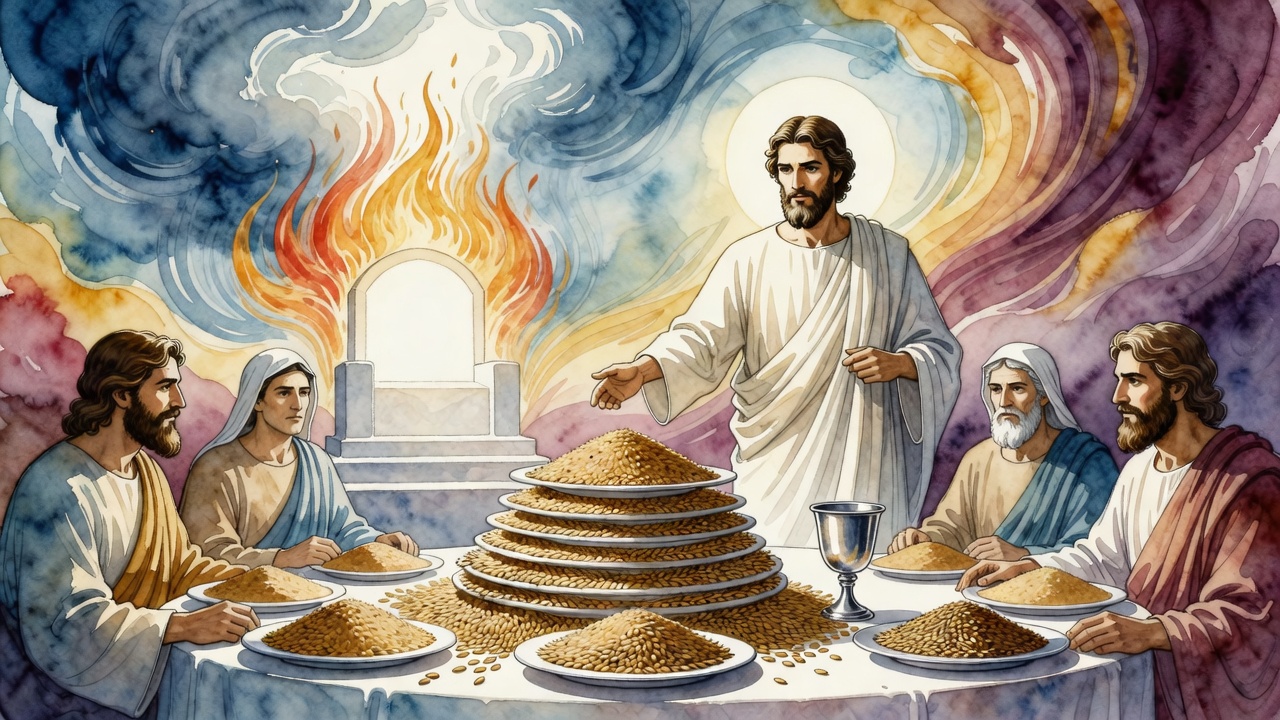
Jacob would not send Rachel's last boy down to Egypt. At the table a man they did not know piled Benjamin's plate seven times higher than theirs.
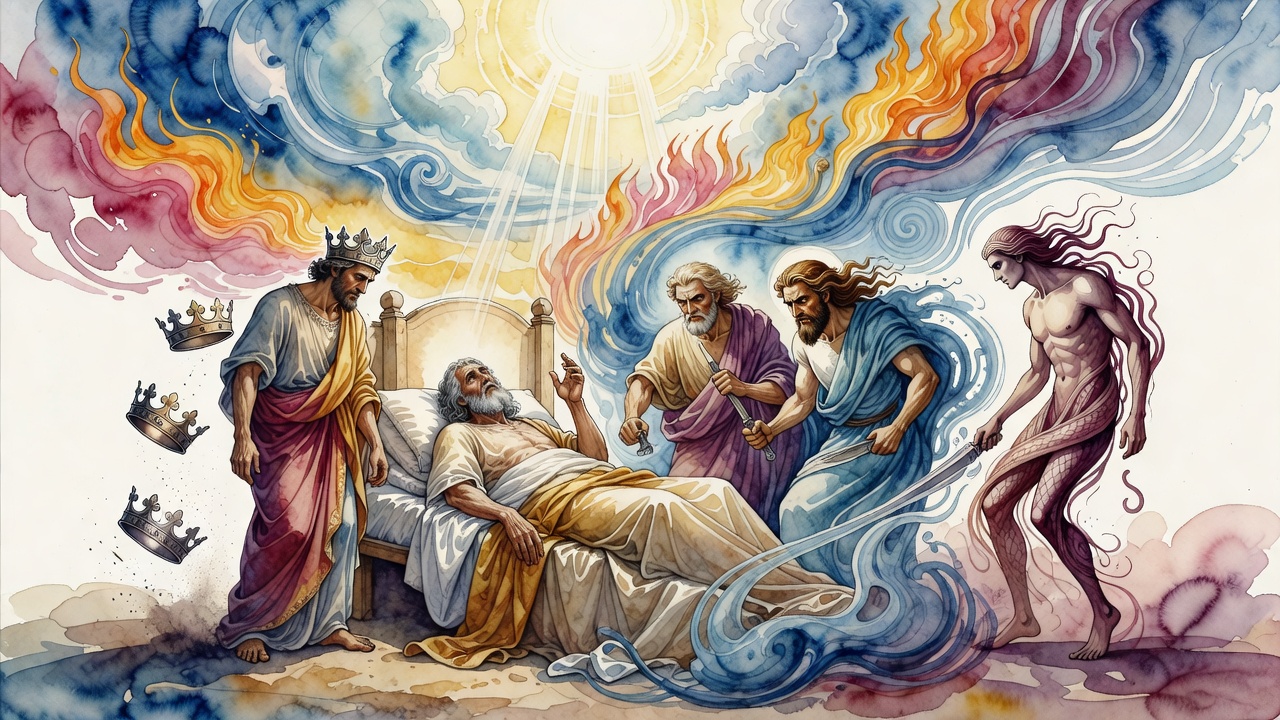
Reuben had three crowns waiting on the bed. Jacob poured them out like water from a flask. The firstborn left with his ears ringing.
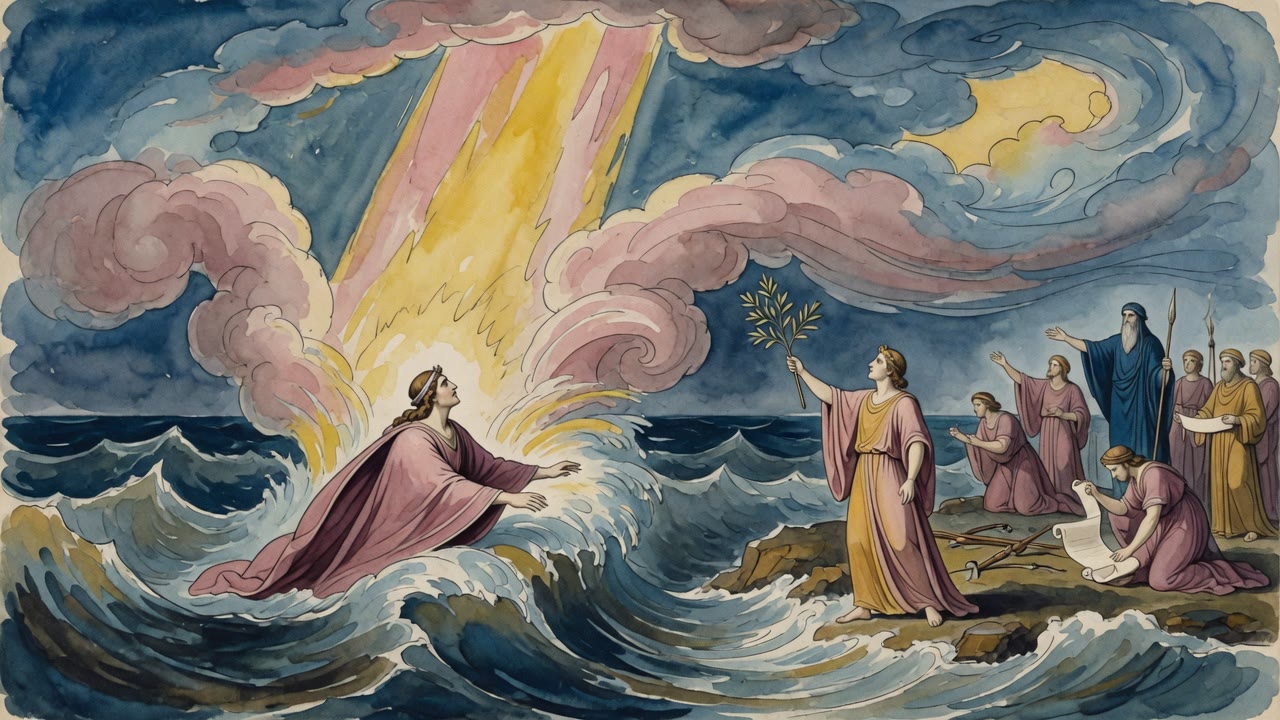
Chariots behind them, deep water in front, and nobody moving. Then Judah's prince walked in alone until the water came up over his mouth.
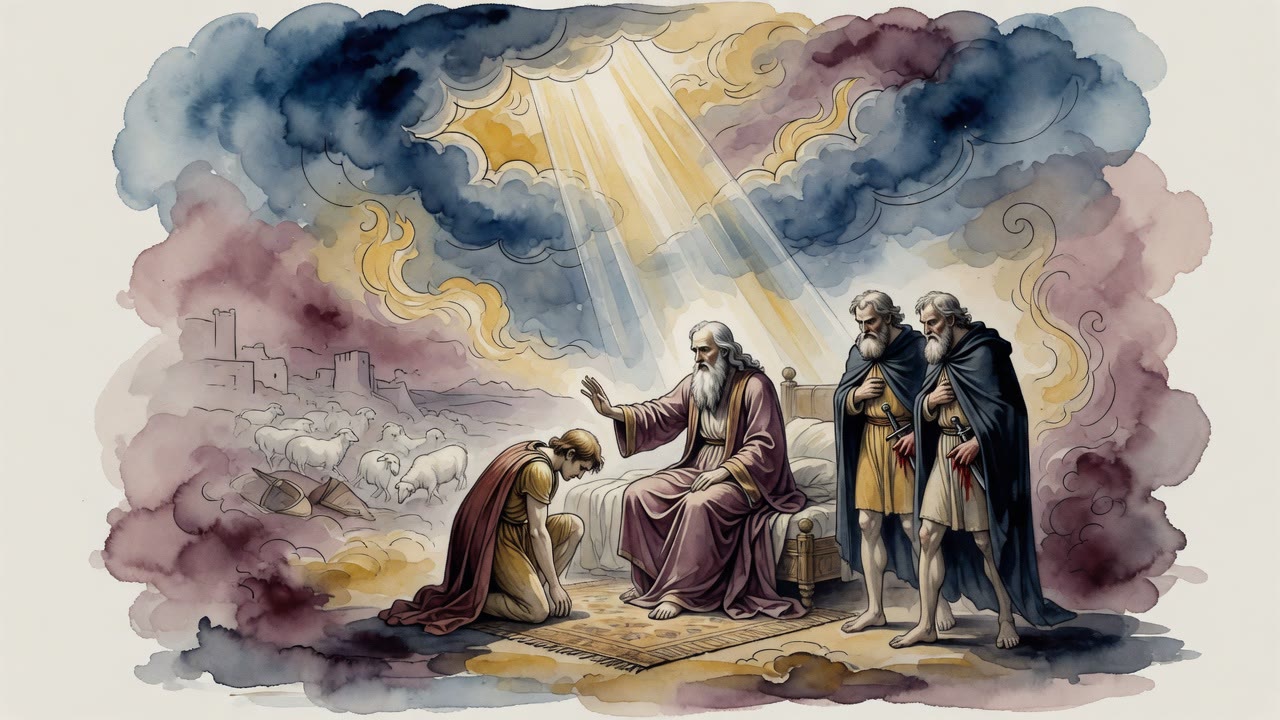
Jacob still calls Reuben firstborn despite the bed. He, not Esau, summons sons to bless. He bars his name from Simeon and Levi's future sins.
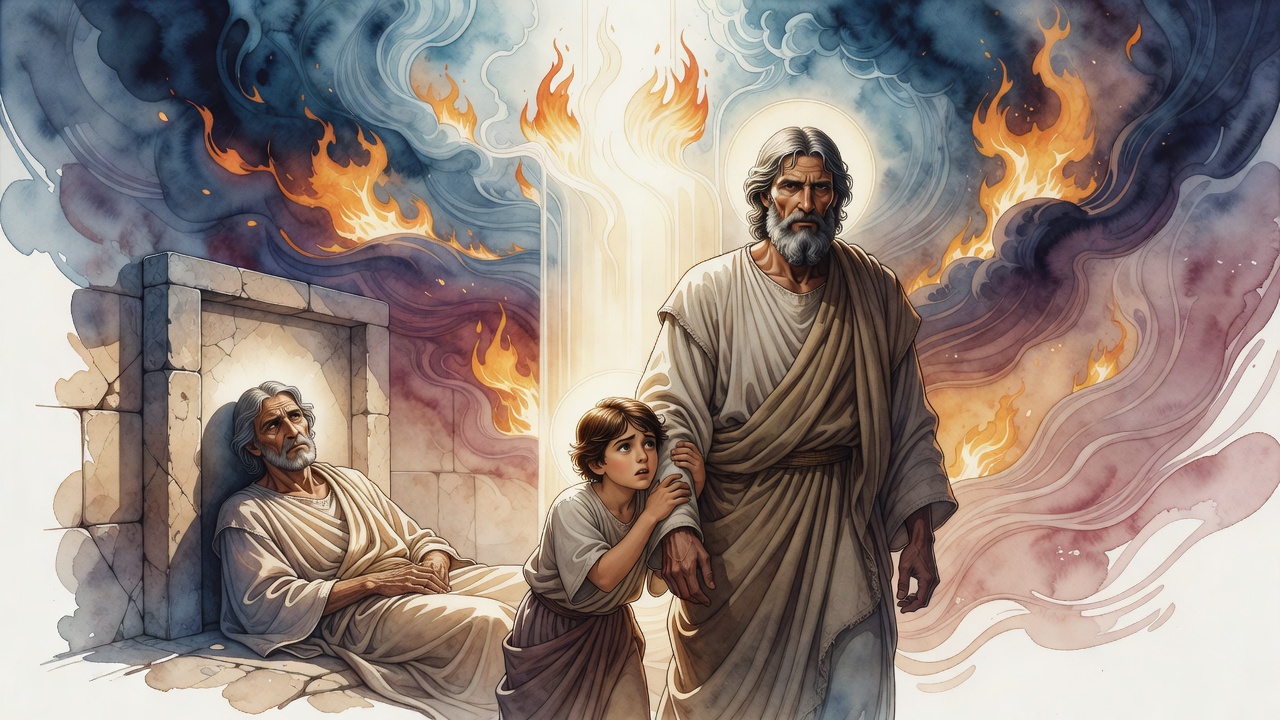
Simeon sat in an Egyptian cell. Benjamin clung to Jacob's sleeve. Hunger pressed the house until Judah forced the choice.
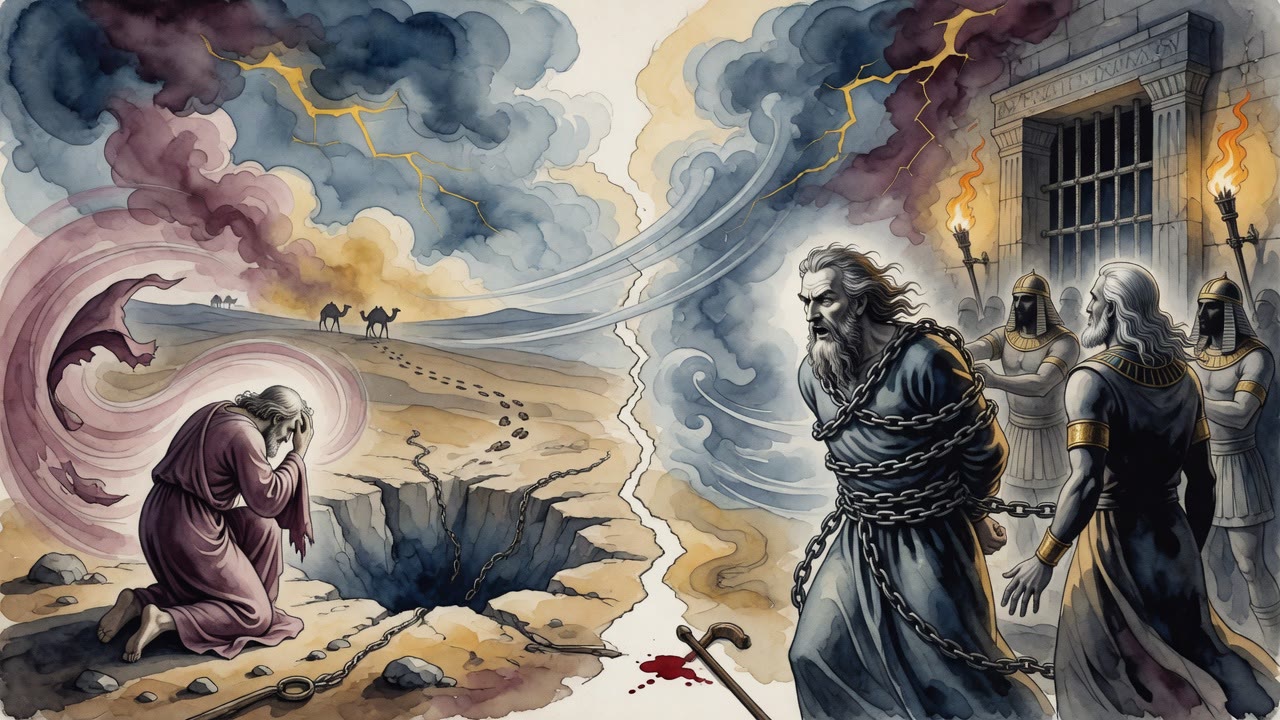
Jacob bought a field at Shechem and opened meat stalls. The stone at Bethel still waited for the altar he had promised on the run.
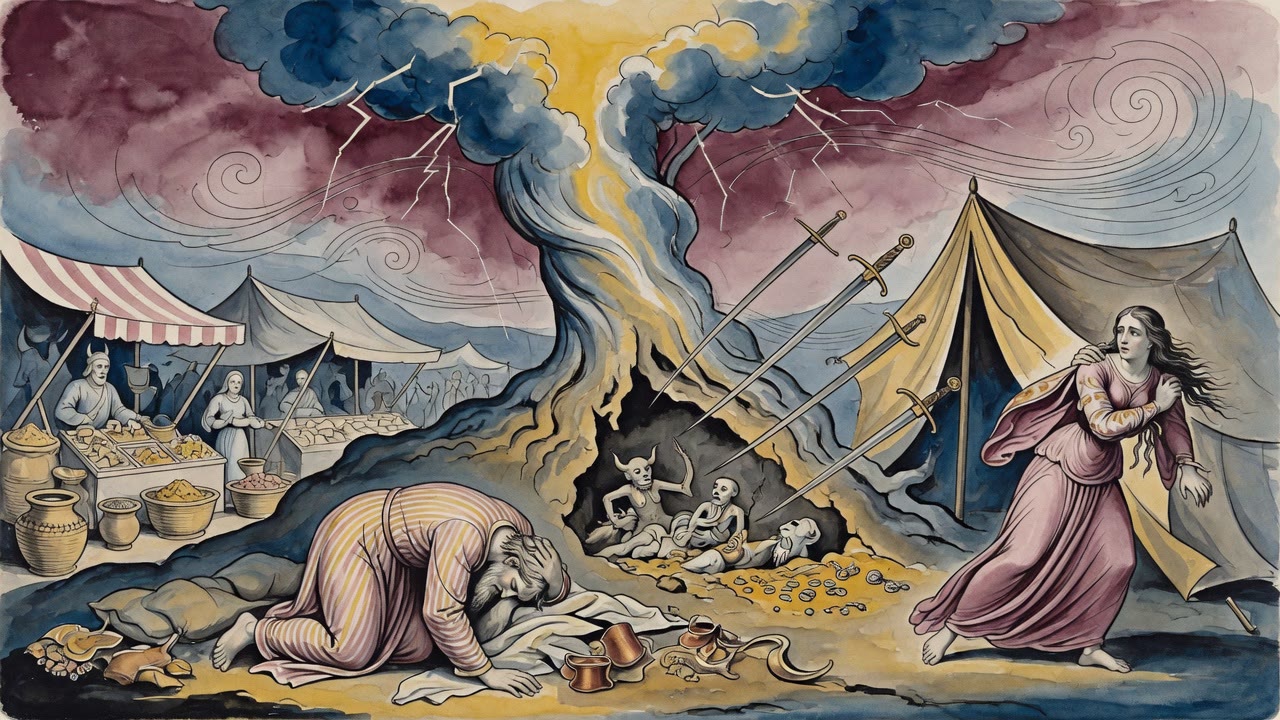
Reuben sat in sackcloth on a hill, saving his own soul. Below him Joseph waited in the pit for a rope that never came.
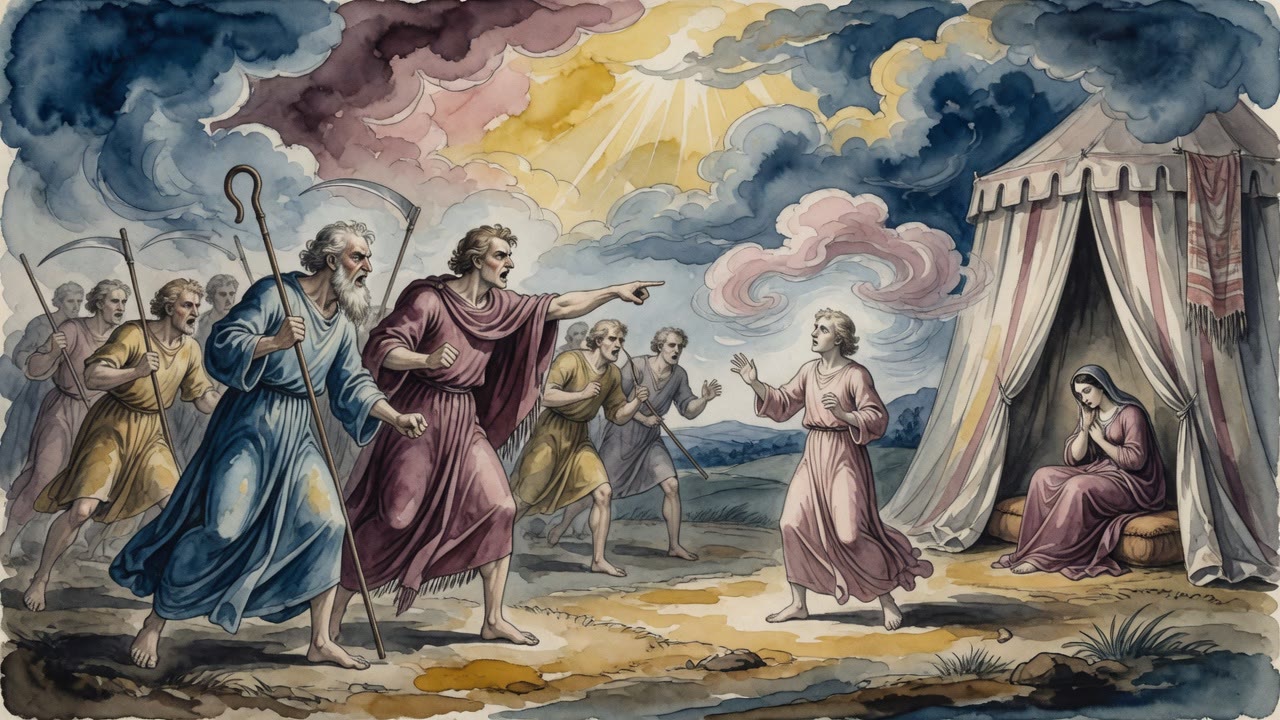
The brothers came in from the field with tools still in hand. Jacob counted tents. They would not let one word settle on Dinah.
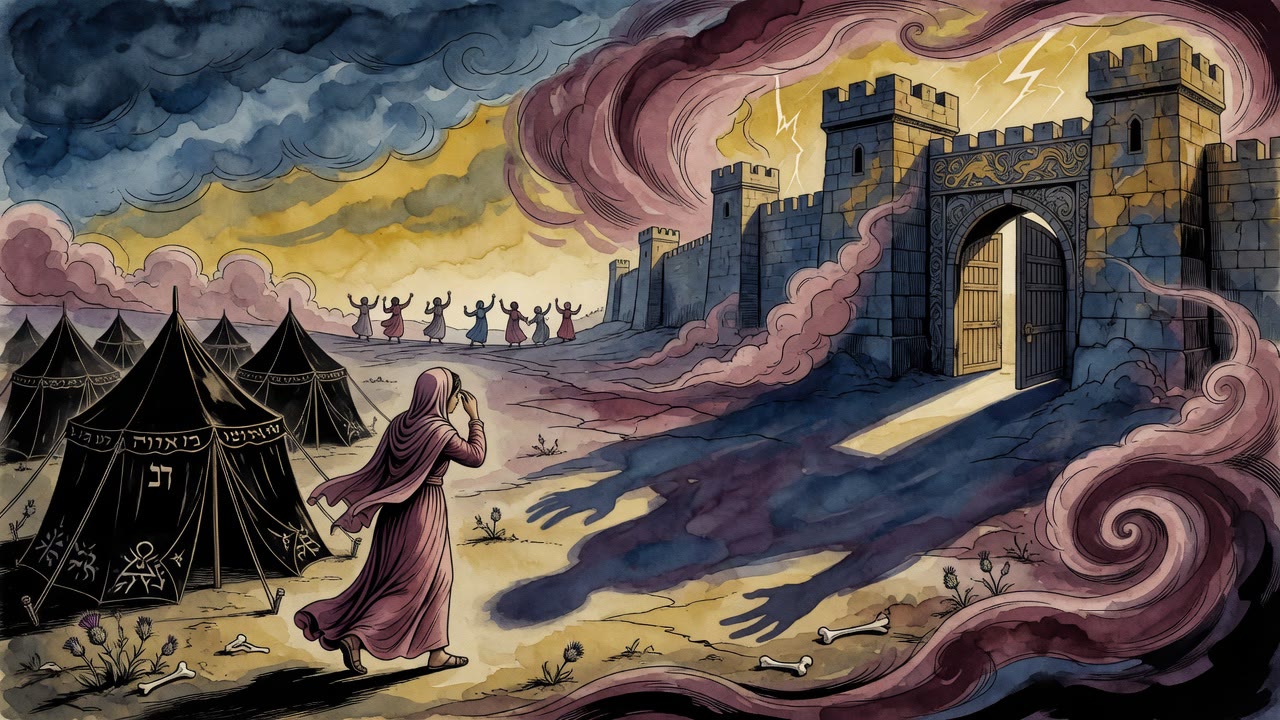
Jacob's stalls at Succoth stood open. His daughter wanted faces that were not her brothers'. A prince's eyes got there first.
