Parshat Vayishlach5 min read

Simeon Carried Dinah's Shame Out of Shechem

After Shechem, Dinah asked where she could carry her shame. Bereshit Rabbah answers with Simeon's vow and a son named Shaul.

Curated by Arthur · Told by Maggid ·
Table of Contents
  1. The Priests Who Gathered for Vengeance
  2. The Shame Had Nowhere to Go
  3. Simeon Took Her Into His House
  4. A Family Could Not Undo the City

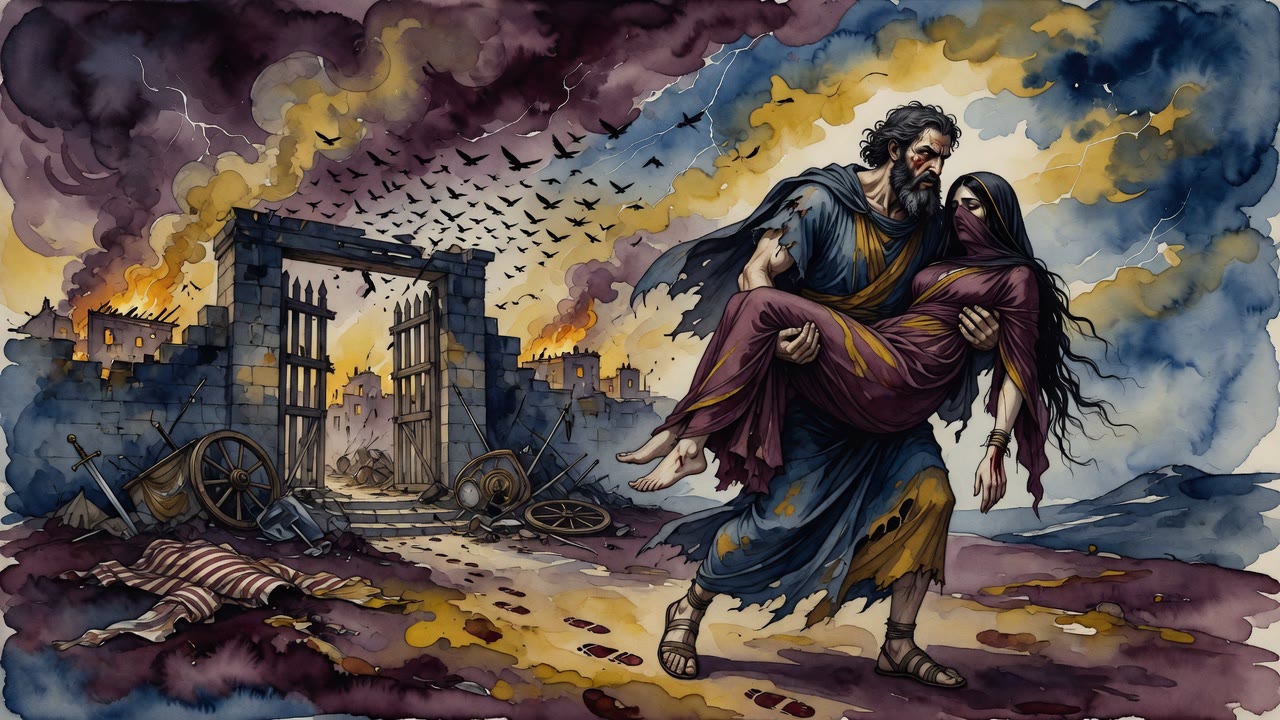
Dinah did not simply leave Shechem. She had to be carried out of what had happened there.

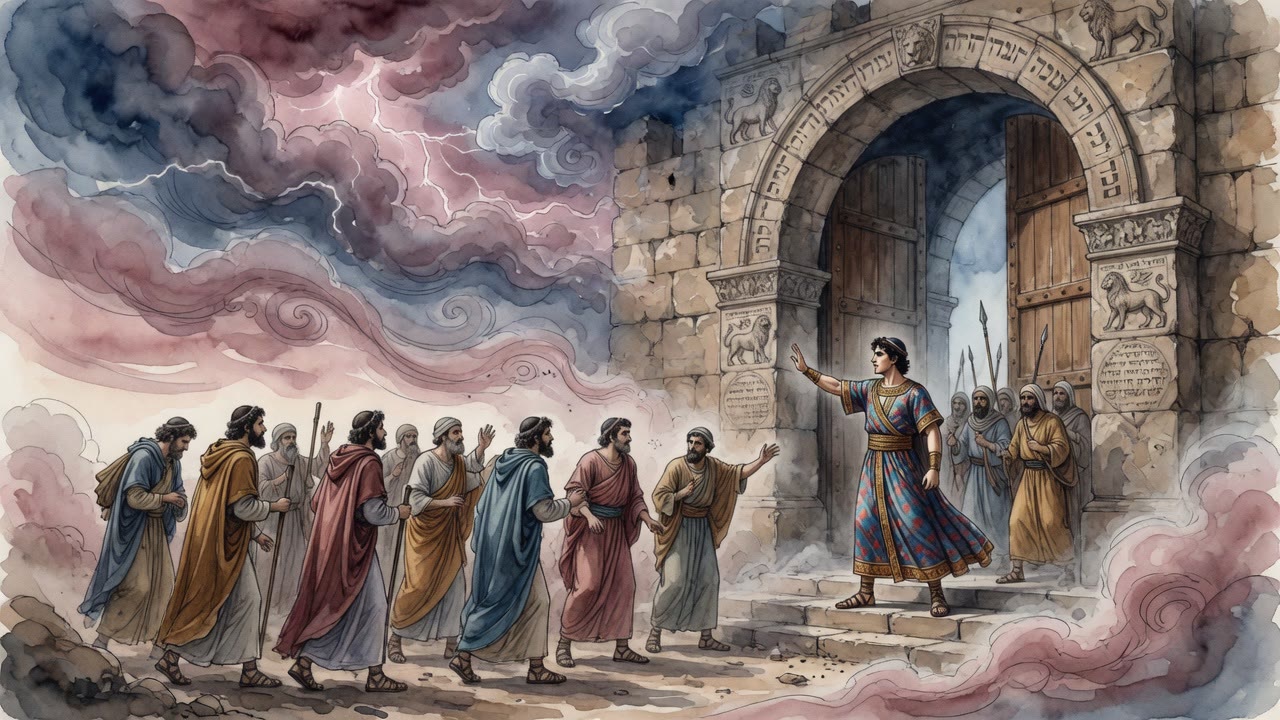
Genesis tells the story quickly. Dinah, daughter of Leah, went out to see the women of the land. Shechem son of Hamor saw her, took her, violated her, and then wanted to marry her (Genesis 34). Her brothers answered with deception. The men of the city were circumcised. On the third day, while they were in pain, Simeon and Levi entered with swords and killed the males of the city.

The Priests Who Gathered for Vengeance

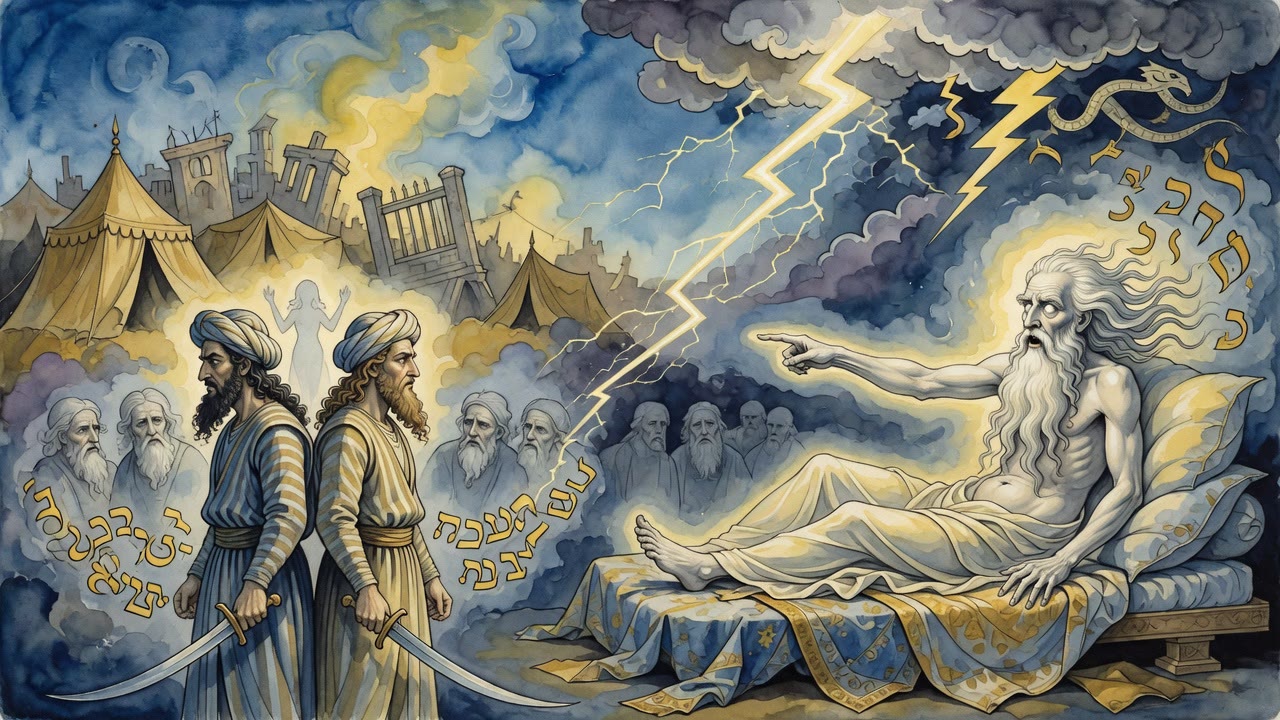
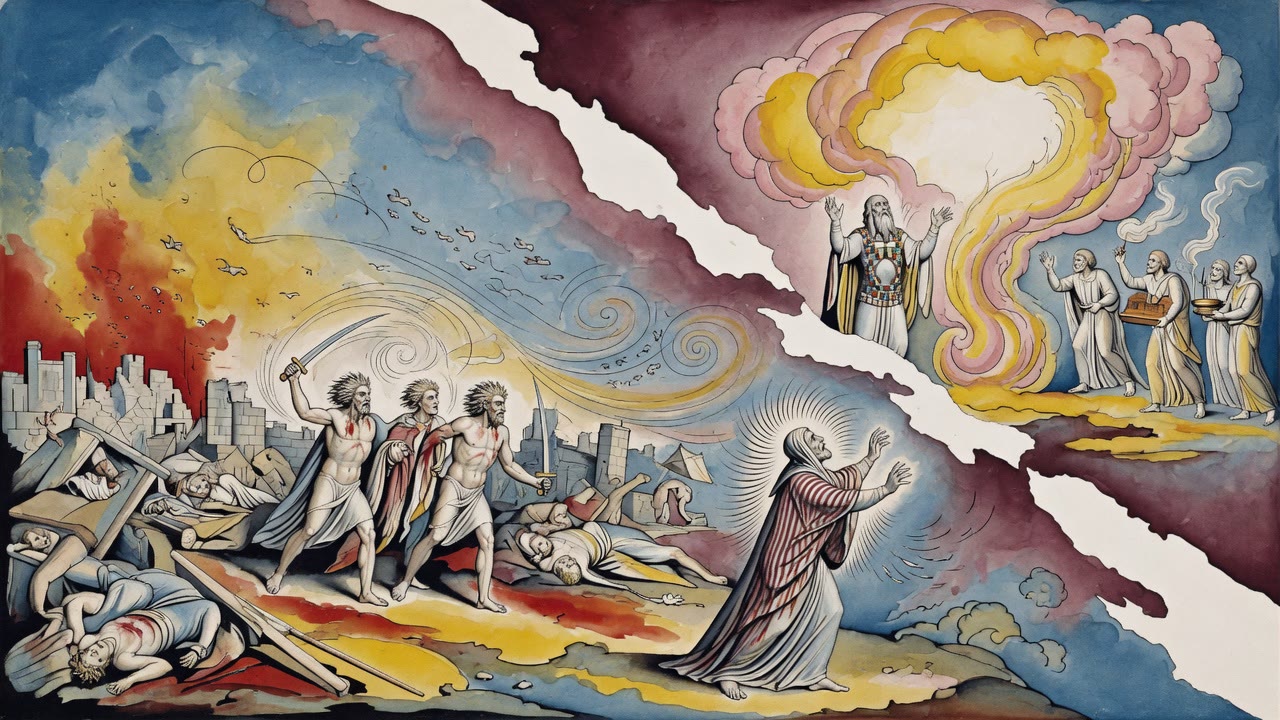
Bereshit Rabbah opens the scene with Hosea's harsh image: like bands of robbers lying in wait, a company of priests murders on the road to Shechem (Hosea 6:9). Priests should gather for holiness. Here the comparison is turned. Priests gather at the threshing floor to receive their due. Simeon and Levi gathered at Shechem to take what they believed was due for their sister's humiliation.

The midrash does not let the scene become clean. Shechem's act was a violation. The brothers' answer was blood. Their own words still burn: shall he make our sister like a harlot? (Genesis 34:31). Honor, shame, rage, and kinship all crowd into one sentence. The city becomes the place where a family's refusal to absorb disgrace turns into slaughter.

Who caused the chain to begin? Bereshit Rabbah points to the Torah's opening line: Dinah went out. The old phrasing is severe and difficult, but the midrash is tracing consequence, not clearing Shechem or the brothers. It is asking how one movement out of the house became the first step in a road no one could stop once it started.

The Shame Had Nowhere to Go

Then the midrash looks at Dinah herself. "And he took Dinah" (Genesis 34:2). Rabbi Yudan imagines the taking as something that clung to her after the act. She was not merely rescued and restored to ordinary life. The experience still held her. Her brothers could pull her out of the city, but they could not easily pull the city out of her.

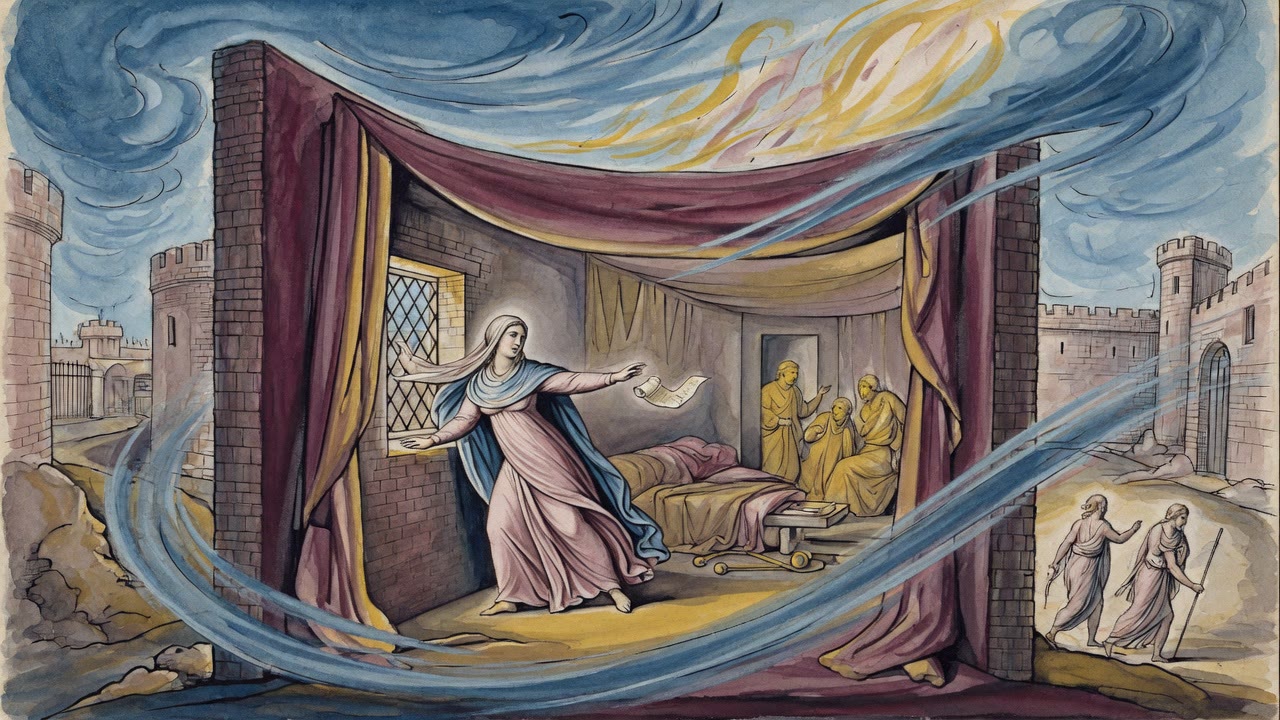
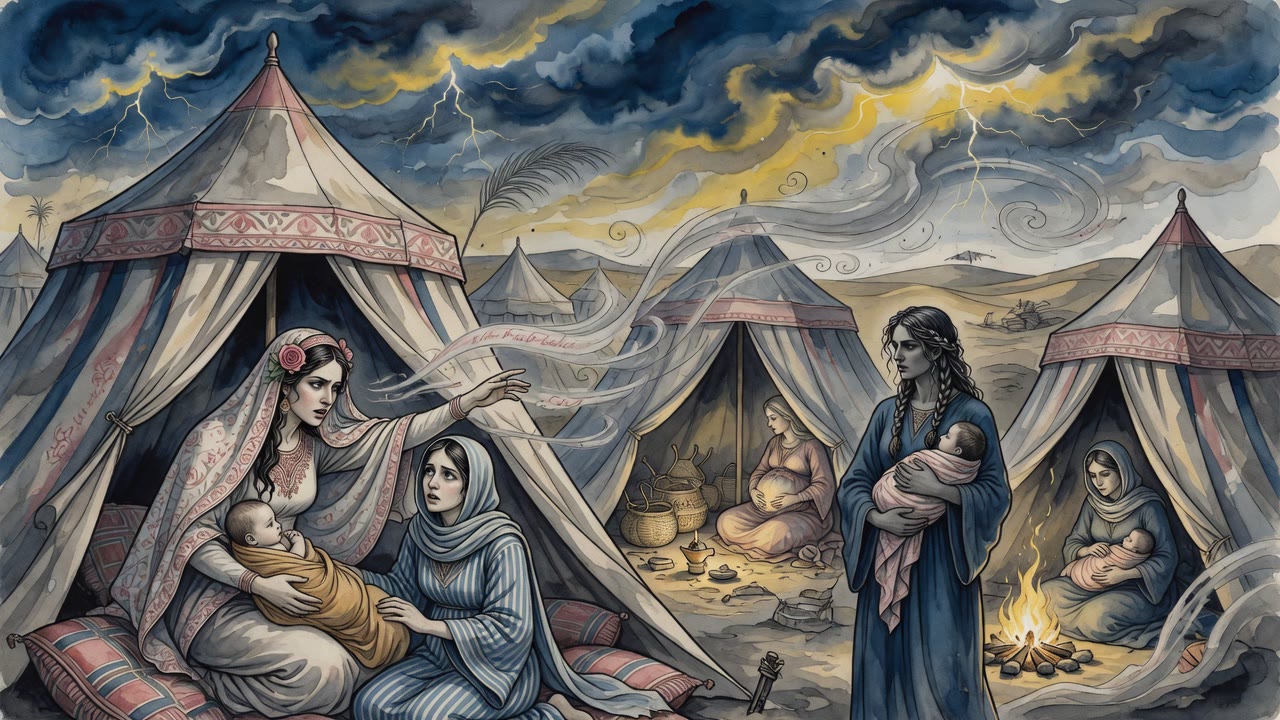
Rav Huna gives Dinah a sentence that cuts through all the male speech around her: "But I, where will I carry my shame?" The question stands almost alone. Jacob speaks. Hamor speaks. Shechem speaks. The brothers speak. In the midrash, Dinah finally speaks the thing the narrative itself leaves suspended. Where does a person put shame after violence has made the body public?

The answer is not therapy, not explanation, not a neat restoration. Simeon steps forward.

Simeon Took Her Into His House

Bereshit Rabbah says Simeon vowed to take her. The meaning is stark: he would marry her, bringing her into his own house so she would not be left abandoned under the weight of what had been done to her. The vow is not romance. It is family responsibility in a world where shame could crush a woman long after the assailant was dead.

Then Genesis later lists among Simeon's descendants "Shaul, son of the Canaanite woman" (Genesis 46:10). The rabbis hear Dinah behind that phrase. Who is the Canaanite woman? One reading says it is Dinah, so named because of the episode with Shechem, a Hivite counted among the peoples of Canaan. Shaul becomes the child tied to the aftermath, the name that keeps the story from being buried.

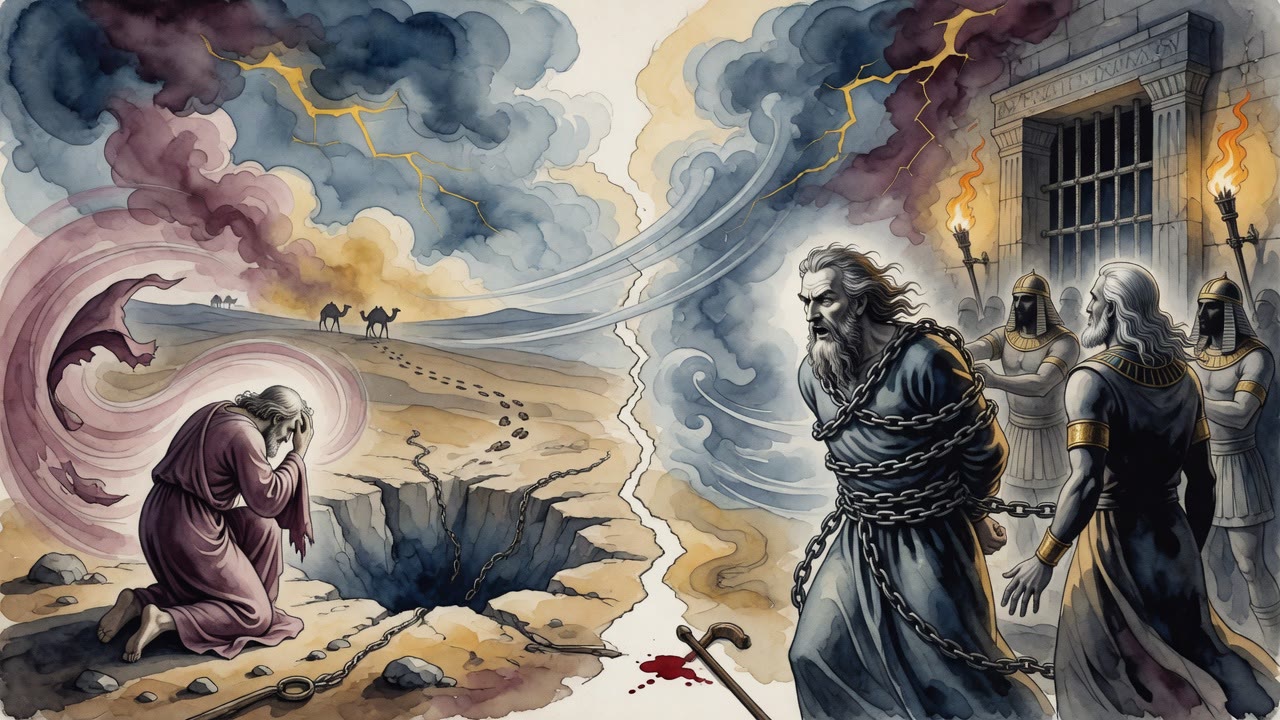
Other rabbis preserve a darker ending: Simeon took Dinah and buried her in the land of Canaan. The ambiguity is part of the wound. Did he marry her and she later died? Did the story end in a silence the text refuses to open? Bereshit Rabbah lets the questions remain because Dinah's aftermath is not tidy enough to resolve.

A Family Could Not Undo the City

Simeon and Levi could destroy Shechem. They could not make Dinah untouched. Simeon could take her into his house. He could not make the question vanish. Where will I carry my shame? The midrash leaves that sentence at the center because it knows revenge does not answer everything.

Jacob later curses the brothers' anger, not Dinah's grief. "Cursed be their anger, for it was fierce" (Genesis 49:7). The family survives, but the cost does not disappear. Levi will become priesthood. Simeon will become a tribe. Dinah remains the sister whose going out revealed how quickly a household can become a battlefield.

The old sources do not give Dinah an easy ending. They give her a voice, a brother's vow, a descendant's strange title, and a burial shadow. That is not enough to heal the story. It is enough to prevent her from being treated as a plot device in the story of her brothers.

She left Shechem with the question still in her mouth.


← All myths

From the tradition

Sources

2 sources

The texts this telling draws on, in full. Open a card to read inline, or expand it for a wider, quieter read.

Bereshit Rabbah 80:11Bereshit Rabbah

The ancient rabbis grappled with that very feeling when they looked at the story of Dina, Jacob’s daughter, in the Book of Genesis.

The Torah tells us that Dina went out to visit the women of the land and was then seized and violated by Shechem, son of Hamor the Hivite (Genesis 34). But the story doesn’t end there. It's what happens after that caught the eye of the rabbis in Bereshit Rabbah, the great rabbinic commentary on Genesis. They weren't just focused on the act itself, but on the long, messy aftermath.

“And [he] took Dina,” the Torah says. Rabbi Yudan sees something heartbreaking in those words. He pictures Dina being dragged away, the experience clinging to her, refusing to release its grip. He paints a picture of her brothers leaving with her in this state, in tow, still captive in many ways.

Rav Huna offers a rather blunt, but perhaps insightful, observation. He says, “One who engages in relations with an uncircumcised man, it is difficult to pull away." It’s a stark statement, and you can interpret it in a few ways. Was he speaking literally, about the physical act? Or was he using it as a metaphor for the spiritual and emotional entanglement that can happen in relationships, especially those that cross cultural or religious boundaries?

Then, Rav Huna adds a poignant detail. He imagines Dina crying out, “But I, where will I carry my shame?” It's a raw, vulnerable question echoed in other parts of the Bible (II (Samuel 13:1)3). Where does one put such a profound sense of violation? How does one move forward, carrying such a burden?

the verse says in Bereshit Rabbah, Simeon steps forward and vows to take her, meaning to marry her. But the story takes another dark turn. We read in (Genesis 46:10) about “Shaul, son of the Canaanite woman,” among Simeon’s descendants. The rabbis saw in this a connection. They suggest that Shaul was actually the son of Dina, conceived during her encounter with Shechem.

Rabbi Yehuda offers one interpretation: that Shechem performed deeds like the Canaanites, deeds of harlotry. Rabbi Nehemya suggests that Dina actually engaged with a Hivite, a group included within the broader category of Canaanites.

But then the Rabbis offer a different, almost unsettling, ending. They say that Simeon ultimately took Dina and buried her in the land of Canaan. Buried her? This raises so many questions. Did he marry her and she died? Or…did something more tragic occur? The text leaves it chillingly ambiguous.

These rabbis, wrestling with the implications of Dina's story, weren't just interested in the plot points. They were searching for meaning, for understanding the complexities of trauma, shame, and the lasting impact of a single, devastating act. They saw it not just as a historical event, but as a reflection of the human condition.

So, what do we take away from this? Maybe it’s a reminder that the consequences of violence ripple outwards, touching not only the victim but also their family and community. Maybe it’s a call to acknowledge the lingering pain and shame that can haunt individuals and societies long after the initial event. And perhaps, most importantly, it’s a challenge to confront the uncomfortable, unresolved questions that these ancient stories continue to pose.

Full source
Bereshit Rabbah 80:2Bereshit Rabbah

That’s a feeling that echoes through the story of Dinah in the Book of Genesis, and it explodes with dramatic force in the rabbinic interpretations.

Dinah, daughter of Leah, ventures out. It A young woman wanting to see the world. But according to Bereshit Rabbah, specifically section 80, that act sets off a chain of events that leaves us confronting questions of justice, revenge, and collective responsibility.

The verse from Hosea (6:9) that opens this section is stark: "Like troops of robbers waylay a man, a company of priests murders its way to Shekhem, for they have formulated a plot." A powerful, unsettling image, isn't it? The Rabbis of the Midrash (rabbinic interpretive commentary) aren’t pulling any punches here. They're using this vivid comparison to paint a picture of what Simeon and Levi did in response to the rape of their sister, Dinah.

The text asks, is the comparison to "a company of priests" surprising? After all, priests are supposed to be holy. Shouldn’t they be paragons of virtue? The Midrash answers by pointing out that priests come together at the threshing floor to claim their due portion. Similarly, Simeon and Levi gathered in Shekhem to take what they believed was their due: vengeance. The Rabbis aren't necessarily condoning their actions. But they're trying to understand the mindset, the sense of righteous indignation that fueled such a violent response. Was it justified? The text implies that the brothers felt it was: “Murders its way to Shekhem” – it was proper for Simeon and Levi to have killed in Shekhem."

But why?

Because, as the brothers themselves exclaimed, "Shall he render our sister a harlot?” In other words, “Are we going to stand by and let our family be treated with such disrespect?" It’s a question of honor, of maintaining their dignity in the face of a terrible transgression.

And then comes the kicker. The Midrash lays the blame, at least in part, at Dinah’s feet: "Who caused it? 'Dinah, daughter of Leah…went out.'"

Ouch.

Now, before we jump to conclusions, let's remember this isn't about victim-blaming. It's about exploring the complexities of cause and effect. The Rabbis are asking us to consider how even seemingly small choices can have enormous repercussions. This idea of personal responsibility rippling outwards is something that resonates deeply within Jewish thought.

The Rabbis aren't letting Simeon and Levi off the hook for their violent actions, nor are they completely excusing Shekhem's crime. Instead, they're creating a multi-layered narrative, forcing us to confront uncomfortable truths about human nature and the cyclical nature of violence. It's a story that continues to challenge us, thousands of years later, to examine our own actions and their potential consequences. What do you think?

Full source