The City of Shechem Watched and Said Nothing
Shechem seized Dinah while his city watched. Jacob's sons invoked the covenant of Noah, and the tradition holds the whole city answered for it.
Table of Contents
 Click for full size
The Day Dinah Went to Watch the Dancing
The daughters of Shechem had come out into the streets for a festival. Prince Shechem son of Hamor had hired women to play music and lead the dancing, and people had gathered from the city and the surrounding country to watch. Dinah, daughter of Jacob and Leah, went with them. She was young. She wanted to see how the daughters of the land celebrated.
Shechem saw her in the crowd. He asked his companions whose daughter she was. They told him. He looked at her until something in him fixed, went still, and hardened into decision. He had her taken by force. Then he kept her in his house and would not give her back.
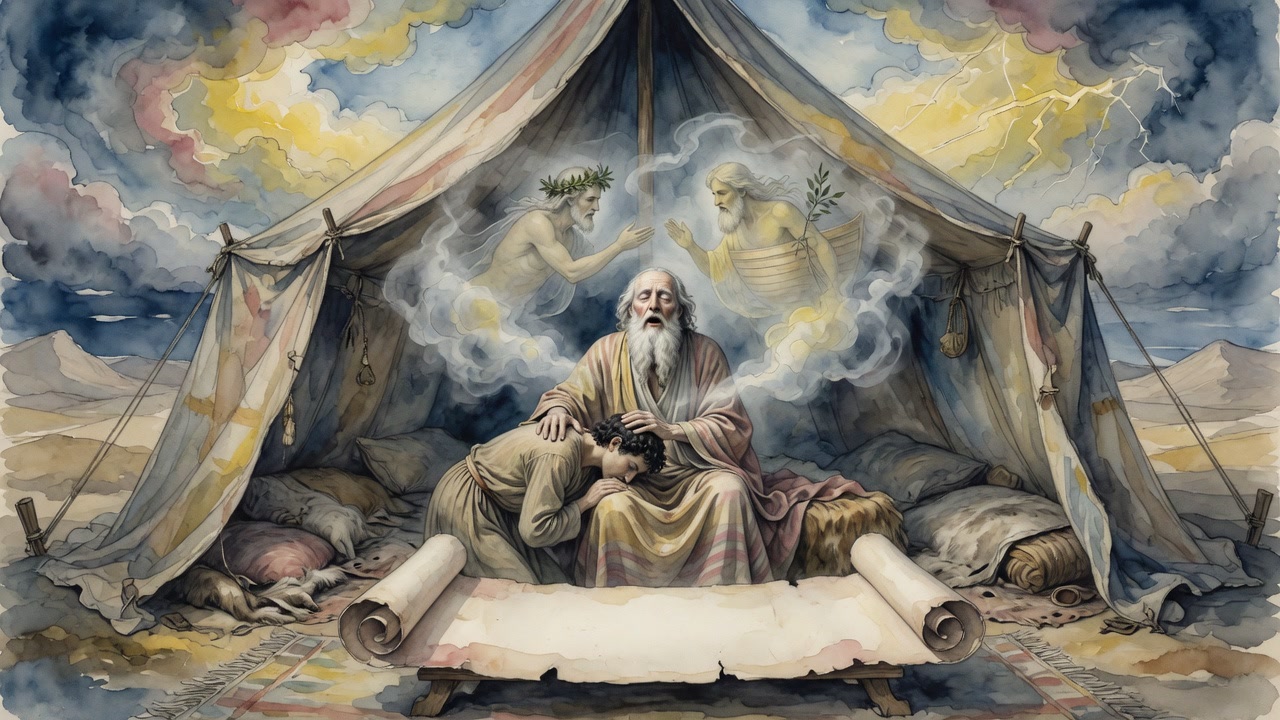
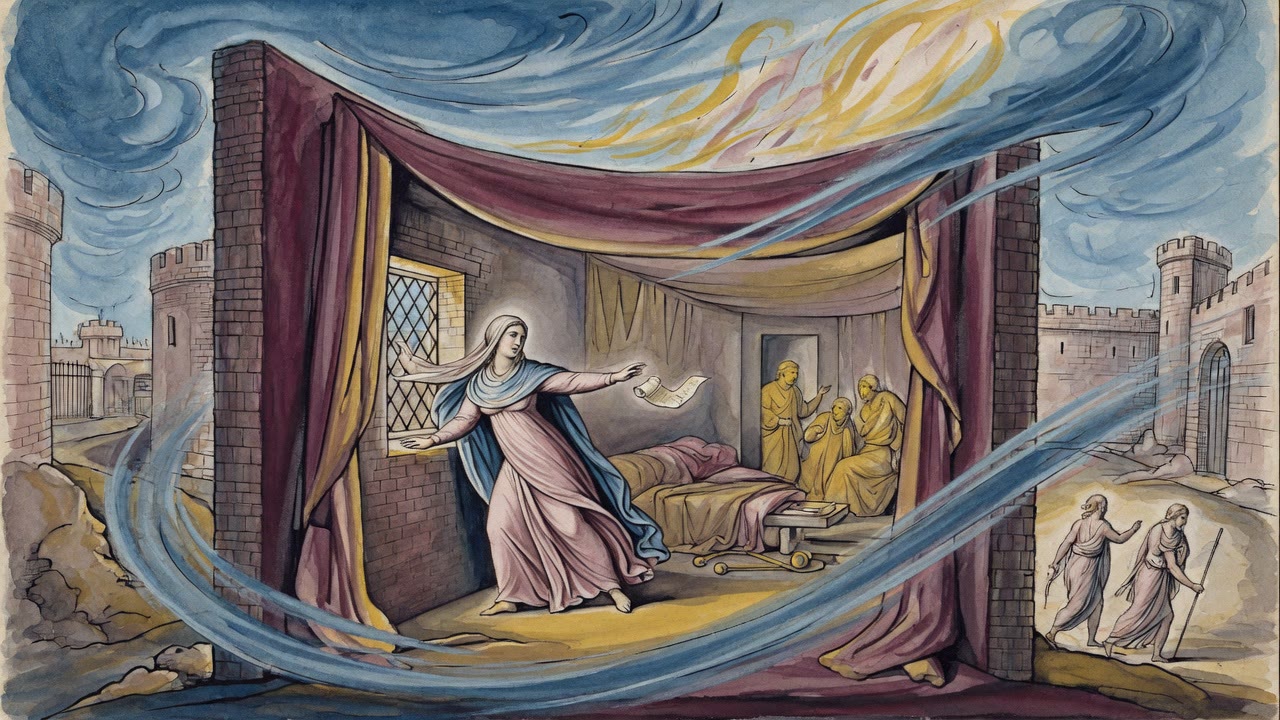
Jacob heard and said nothing until his sons came home from the fields. While he waited, he sent two of his maidservants' daughters into Shechem's compound to stay with Dinah and care for her. It was the most he could do from outside. He sat in his tent and waited for his sons to arrive.
Jacob Sends Twelve Servants and Shechem Sends Them Away
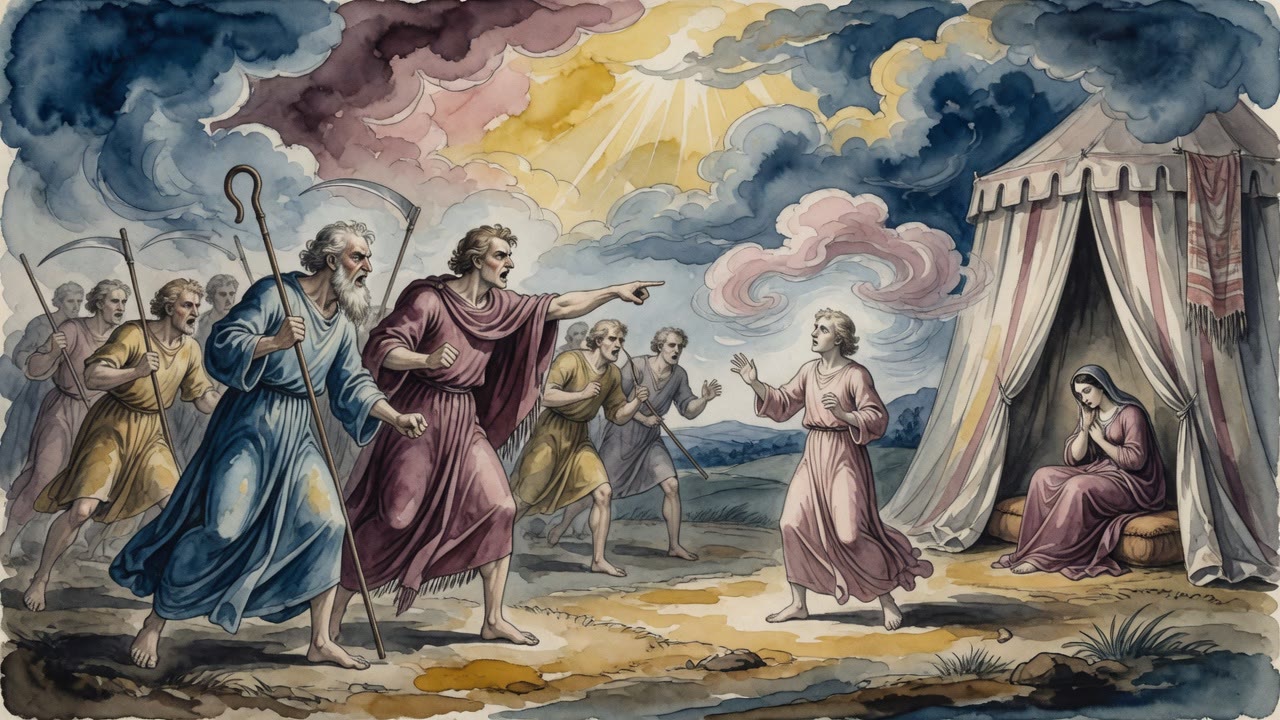
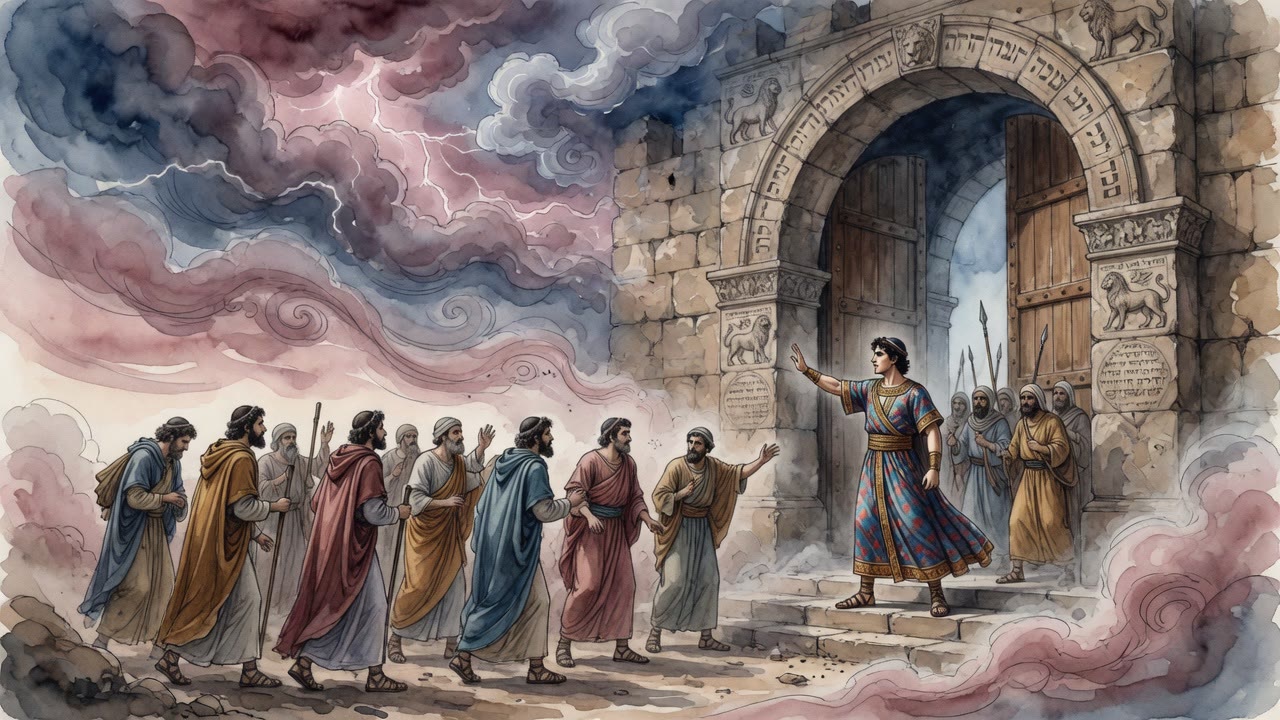
When the sons came home, Jacob sent twelve of his servants to Shechem's house to bring Dinah back. Twelve men, the full weight of a patriarch's household standing at the door of a prince's compound, demanding the return of a daughter.
Shechem came out with his own men and drove them away. Then he went back inside, returned to Dinah, and kissed and embraced her in full view of Jacob's retreating servants. He made sure they could see. He made sure they would have to describe it to Jacob when they returned.
The sons came home. They heard what the servants reported. They sat with their father in silence for a time, and then they began to speak about what had to happen next.
The Covenant That Made the Whole City Guilty
The argument the brothers made was precise. The covenant God had given to Noah after the flood included a universal law against murder and its variants, the law that covered what Shechem had done to their sister. That law applied to every nation. It was not given only to Israel. It was given to all the descendants of Noah, which meant every human being standing in that city.
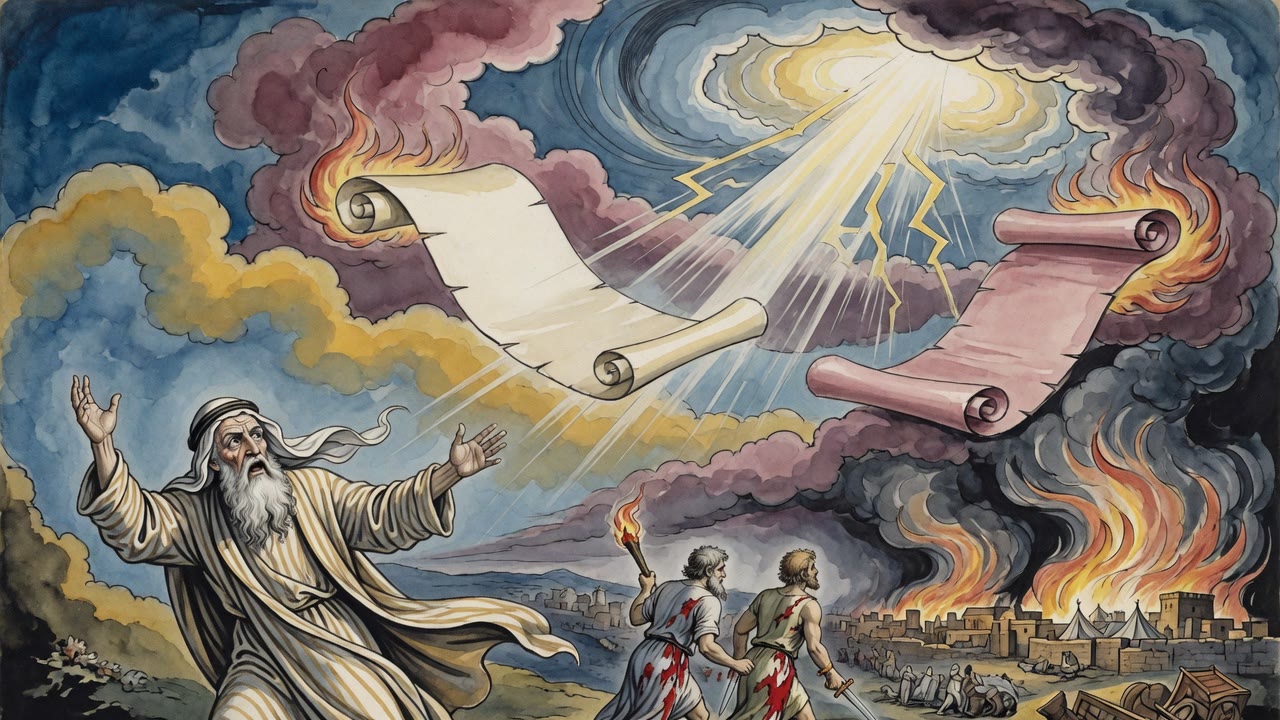
The city had watched. The city had seen Shechem commit his violation, and not one man had spoken against it or tried to stop it. This was not ignorance. This was complicity at the level that the Noahide law recognized and condemned. Simeon and Levi took up their swords not simply to avenge their sister but to execute a judgment the whole city had earned by its silence.
Jacob did not see it that way. When his sons came back from the rubble of Shechem, he was afraid. He told them they had made him a stench among the inhabitants of the land, that the Canaanites and Perizzites would gather against the household of Israel and destroy it. But his sons answered him with the question that the tradition remembers: "Shall our sister be treated as a harlot?"
The Midrash Defends Dinah
The midrashic tradition is careful not to lay the blame for any of this on Dinah. She went out to celebrate with the daughters of the land. She was seized by force. She stayed in Shechem's house because she was kept there, not because she chose to stay. The maidservants Jacob sent were sent to comfort her, to make sure she was not entirely alone in the house of the man who had violated her.
The tradition's focus is not on Dinah's conduct but on Shechem's, and on the city's. Shechem's embrace of Dinah in front of Jacob's servants was not a gesture of love. It was a demonstration. It said: "I have taken this woman, I am keeping this woman, and there is nothing your father can do about it." The city that went about its business while that demonstration was made had made itself a party to it.
← All myths