126 myths · Page 1 of 5
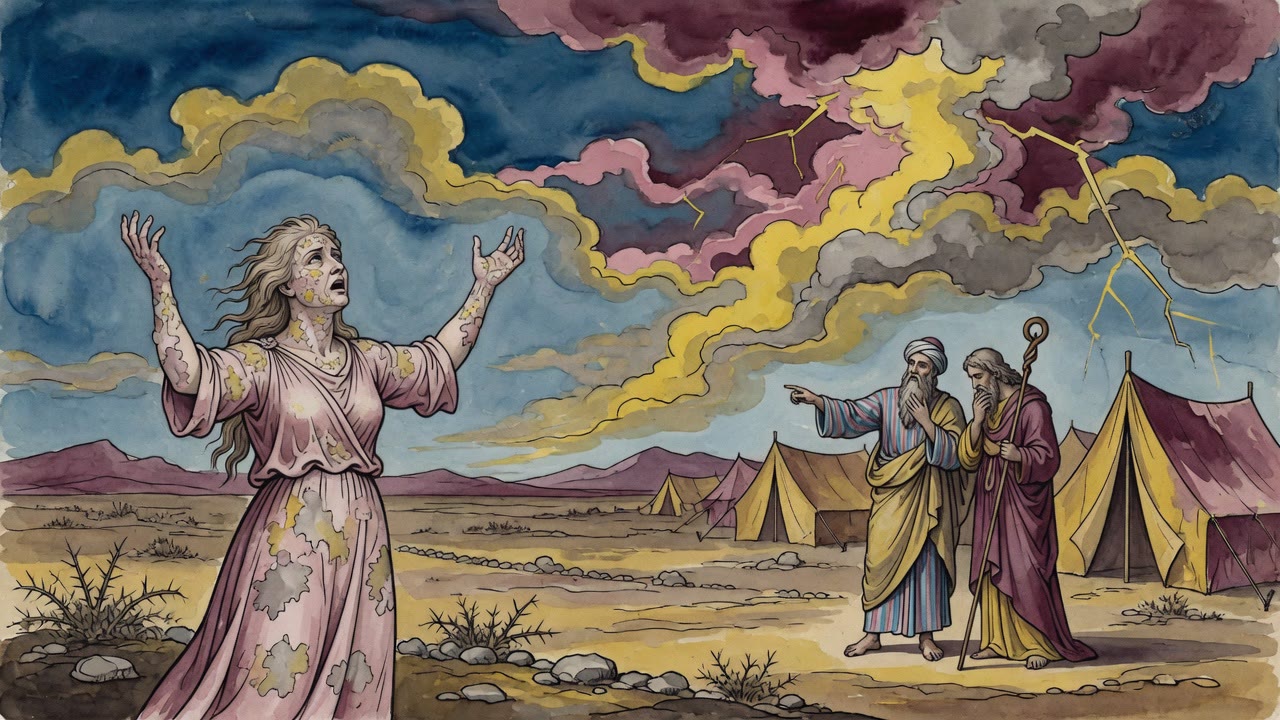
They kept their voices low outside the tents. Nothing happened while the cloud stood there. Then it lifted, and Aaron saw white spreading on his sister's skin.
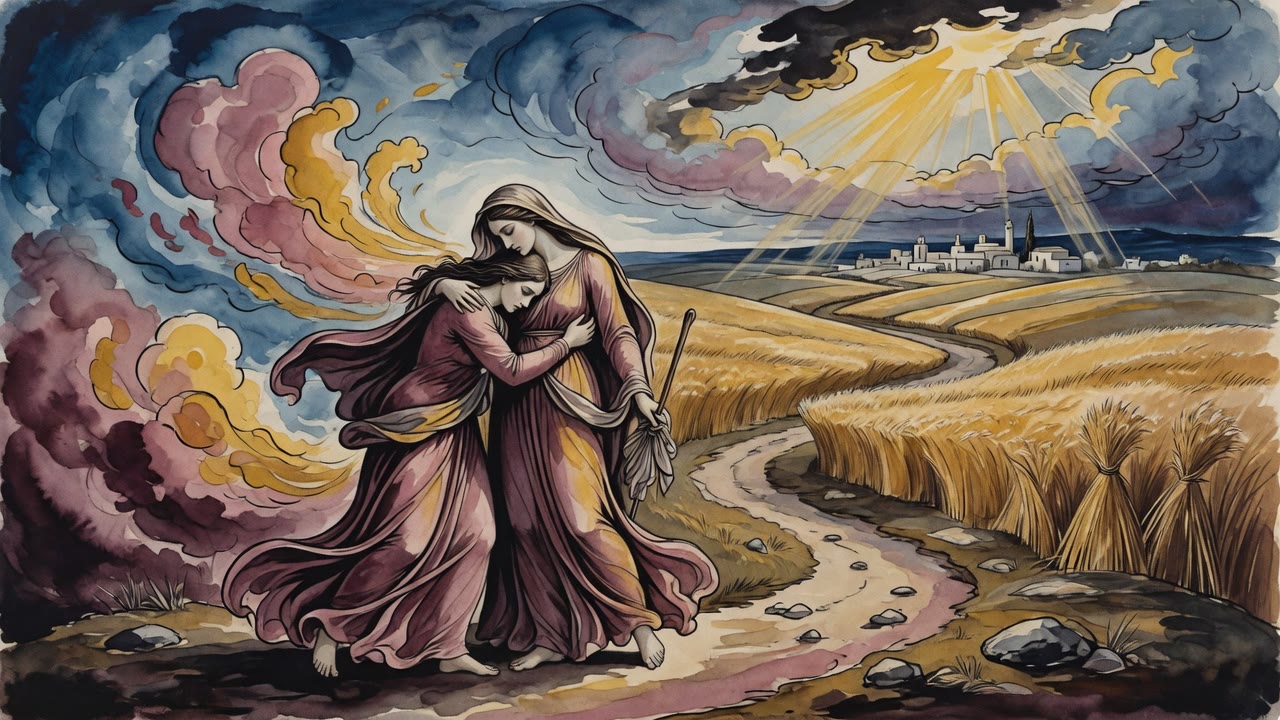
Orpah kissed her and took the road back to Moab. Ruth's hands stayed on the older woman's sleeve. Neither of them was carrying bread.
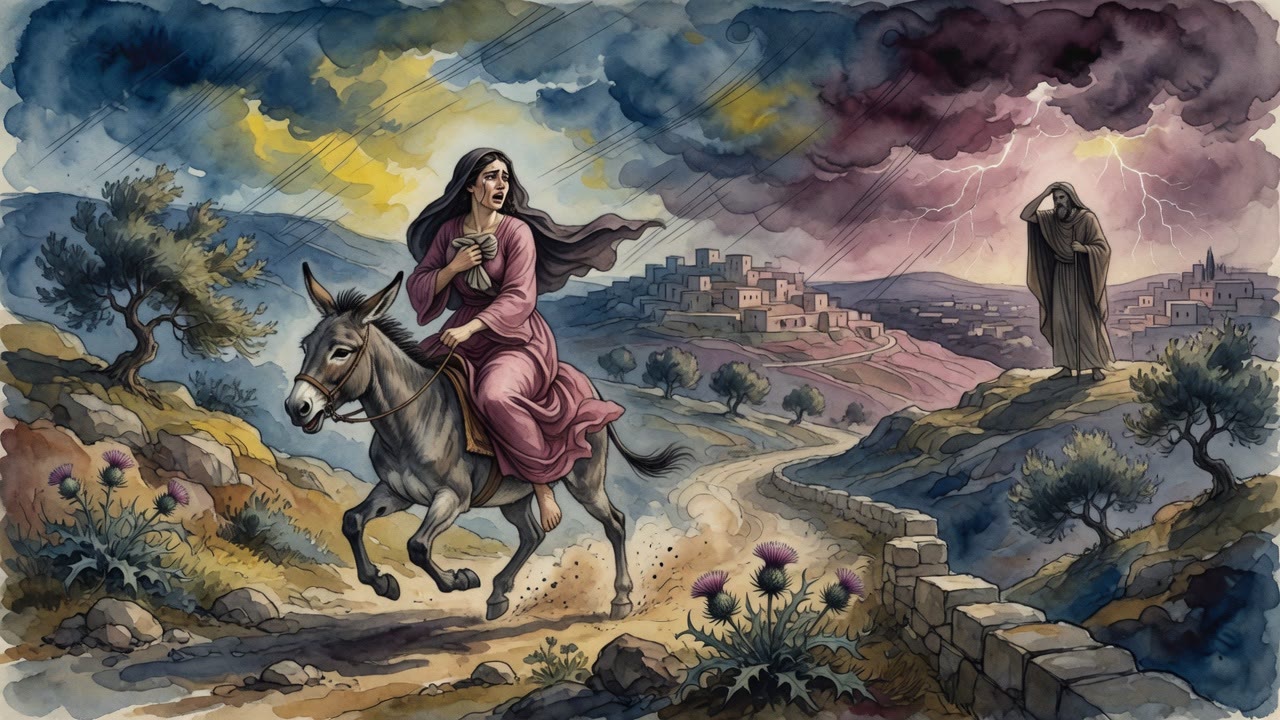
A woman who built a room for a prophet so he could rest, who had asked for nothing, now rode hard toward him with her dead son lying upstairs.
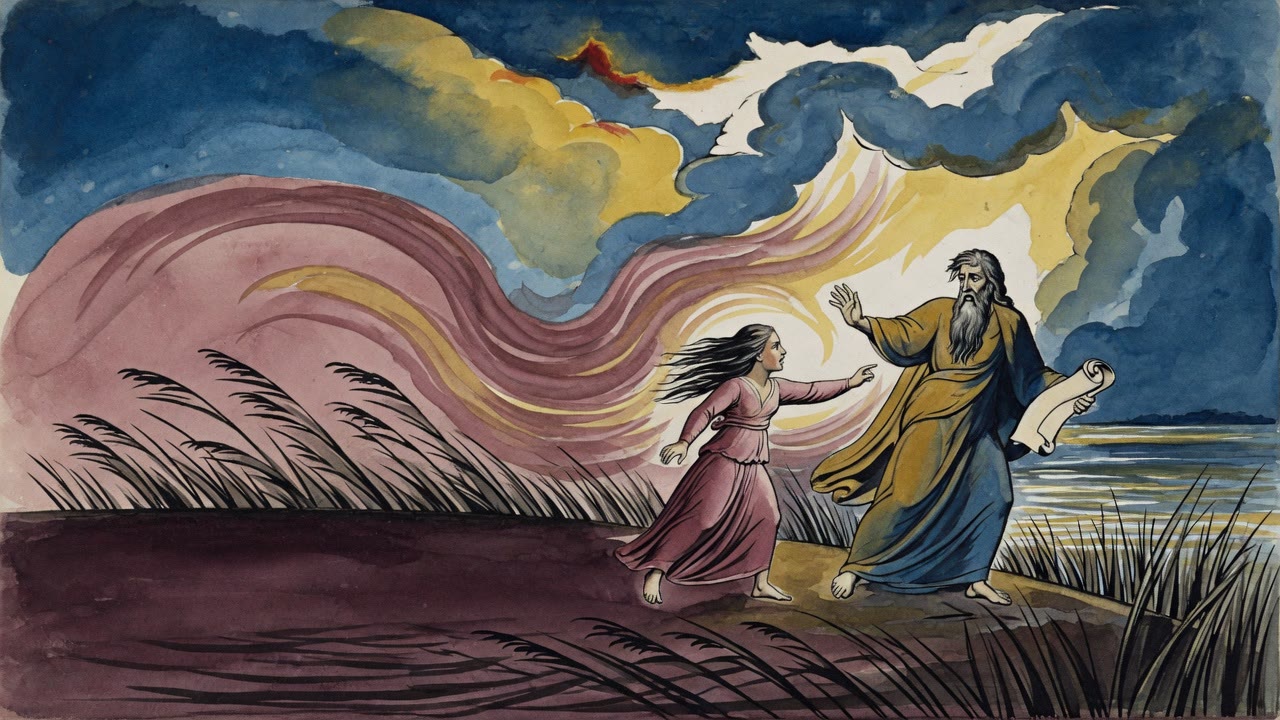
A six-year-old girl told her father his decree was worse than Pharaoh's. Then Miriam prophesied the child who would save Israel.
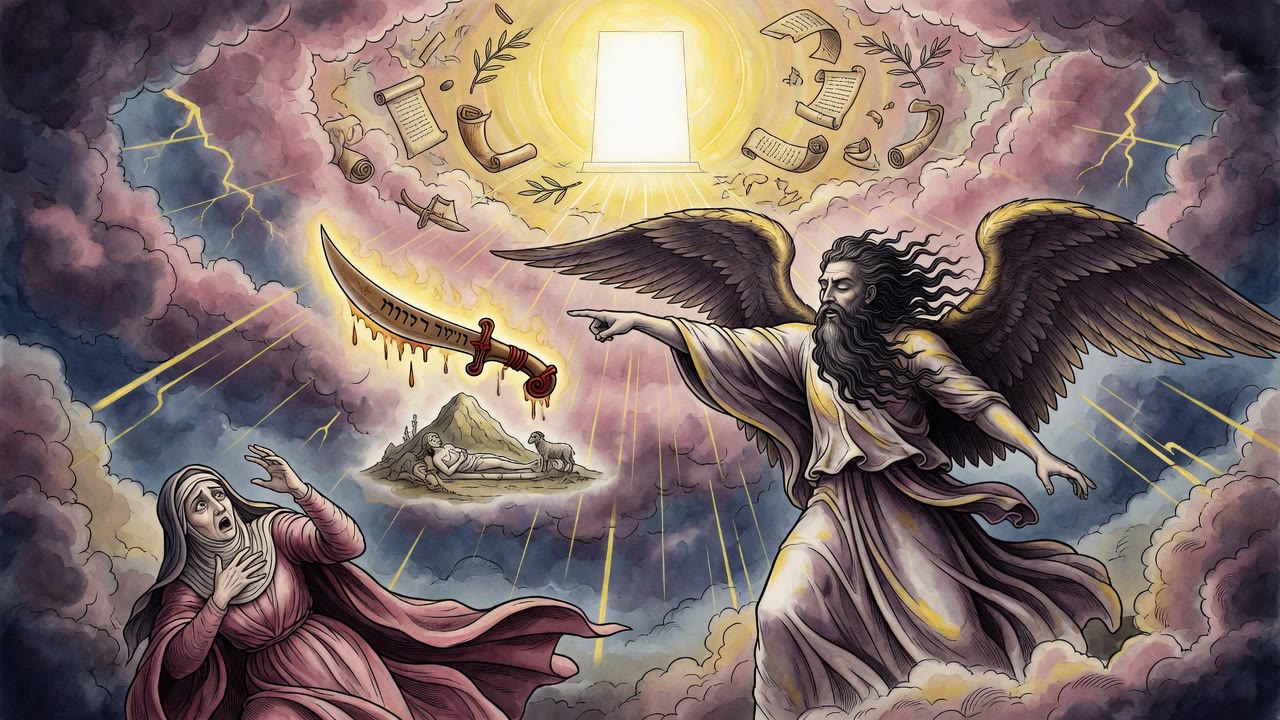
Abraham took Isaac up the mountain, and a stranger came to Sarah's tent with a vision of the raised knife. She screamed once, and her soul left.
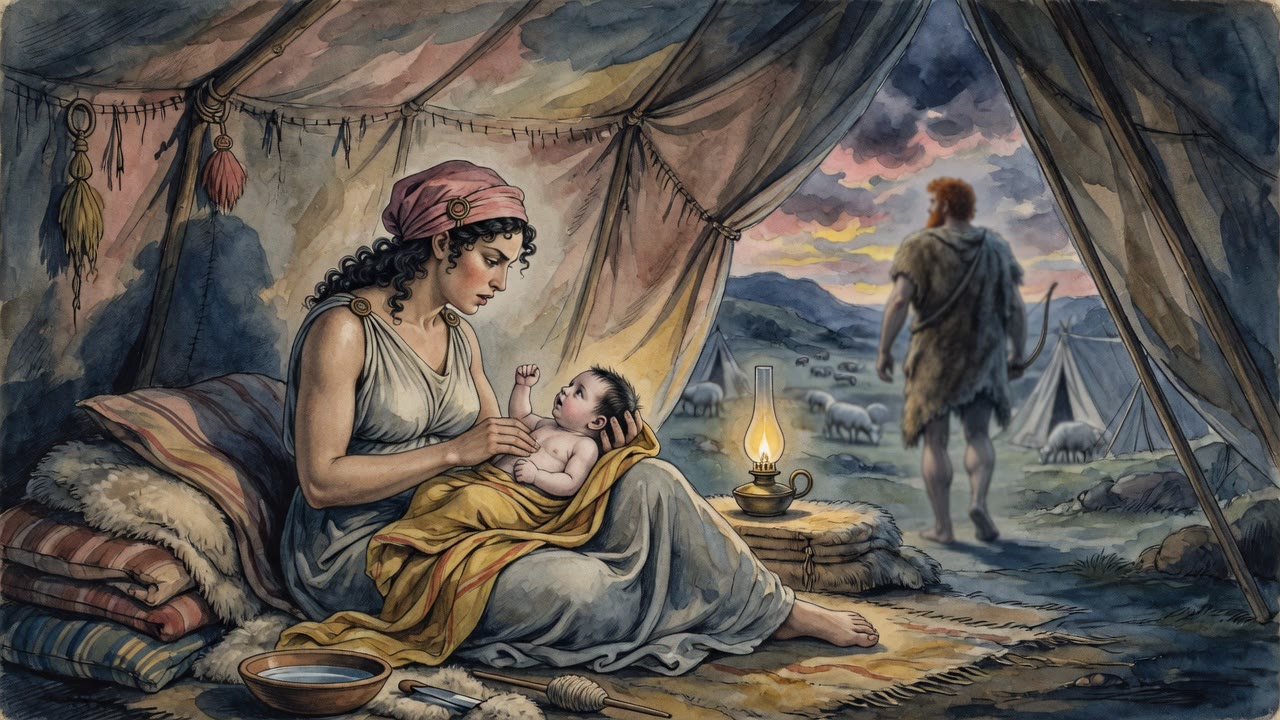
Leah lays her firstborn son against her chest and names him Reuben, behold a son, with a quiet shot fired straight at Esau.
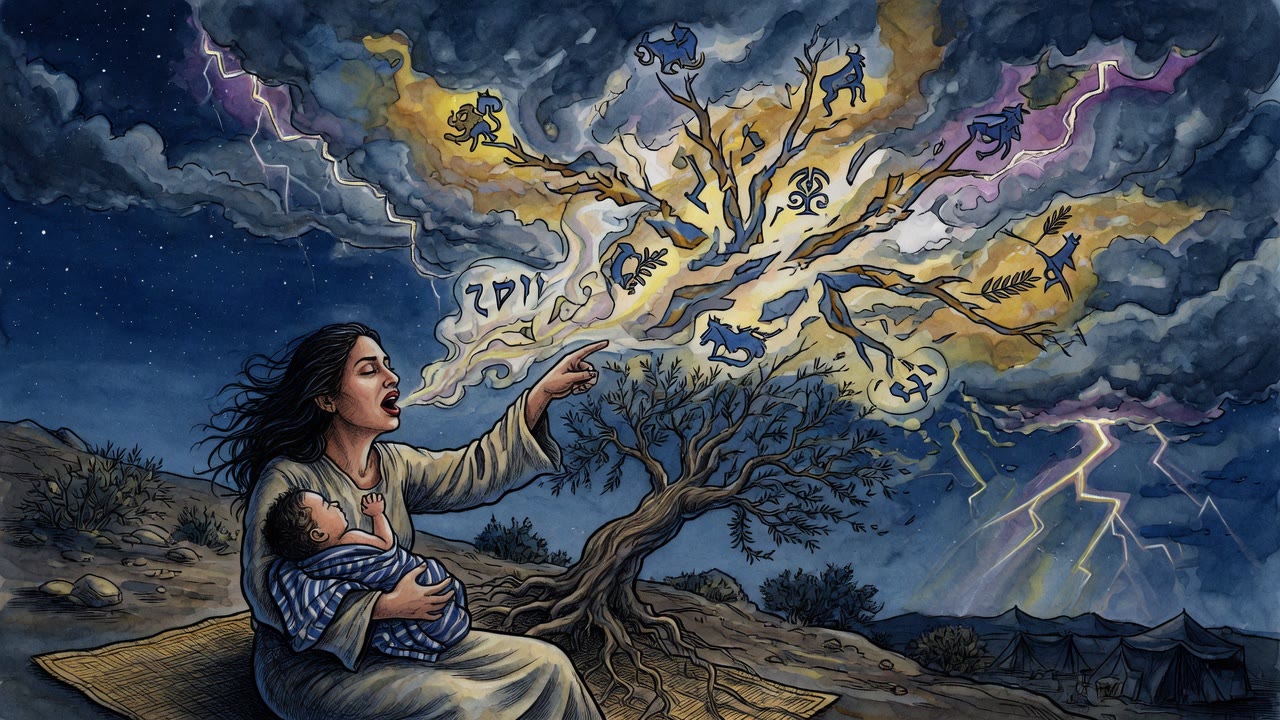
Joseph was still wet from birth when Rachel named him. She asked God for one more son. The name already looked past her death.
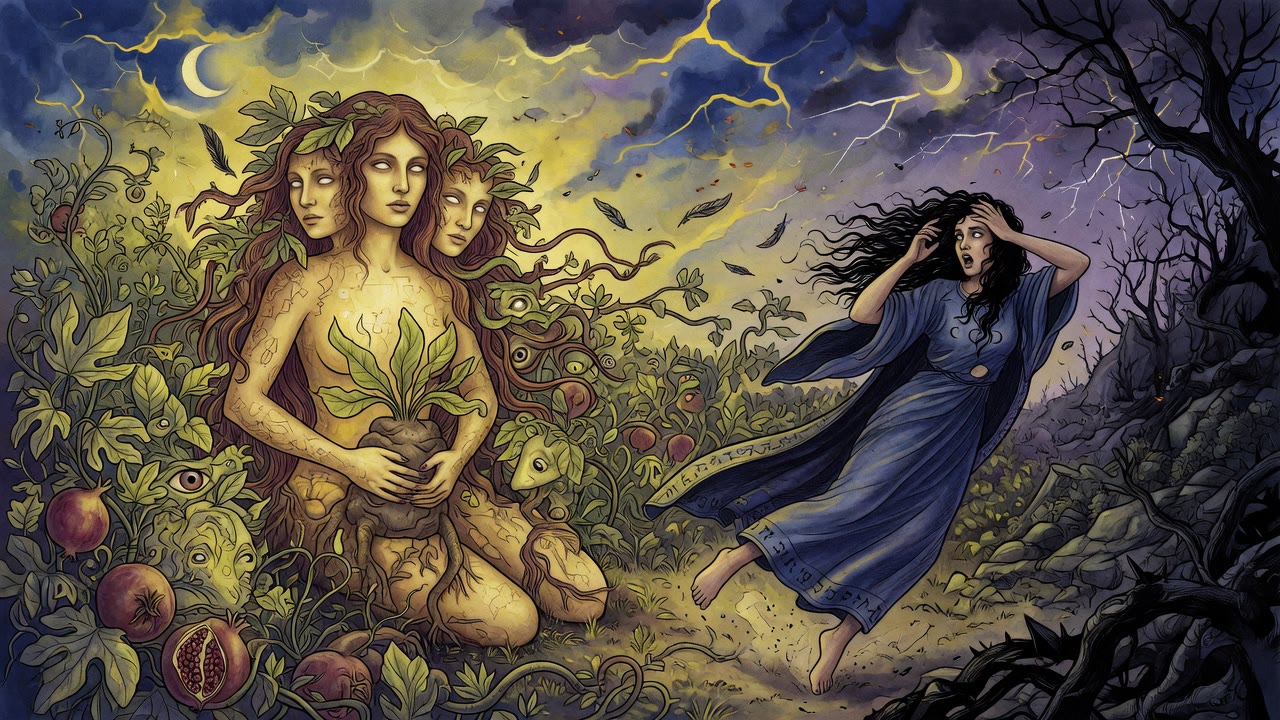
Lilith circles the newly made Adam and claims him, then sees what is attached to his back. She flees to the coasts of the sea and does not return.
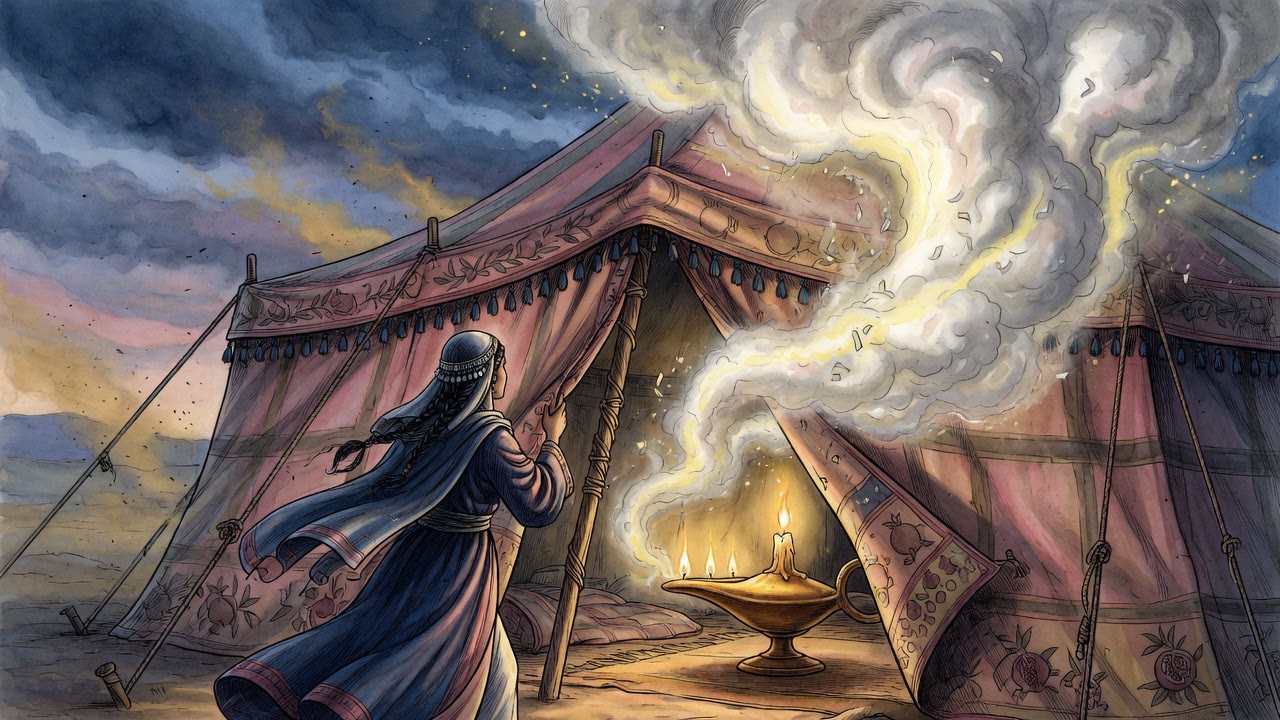
Sarah's tent had gone dark and empty. Then Isaac led Rebekah inside, and the cloud returned, the candle relit, the bread rose.
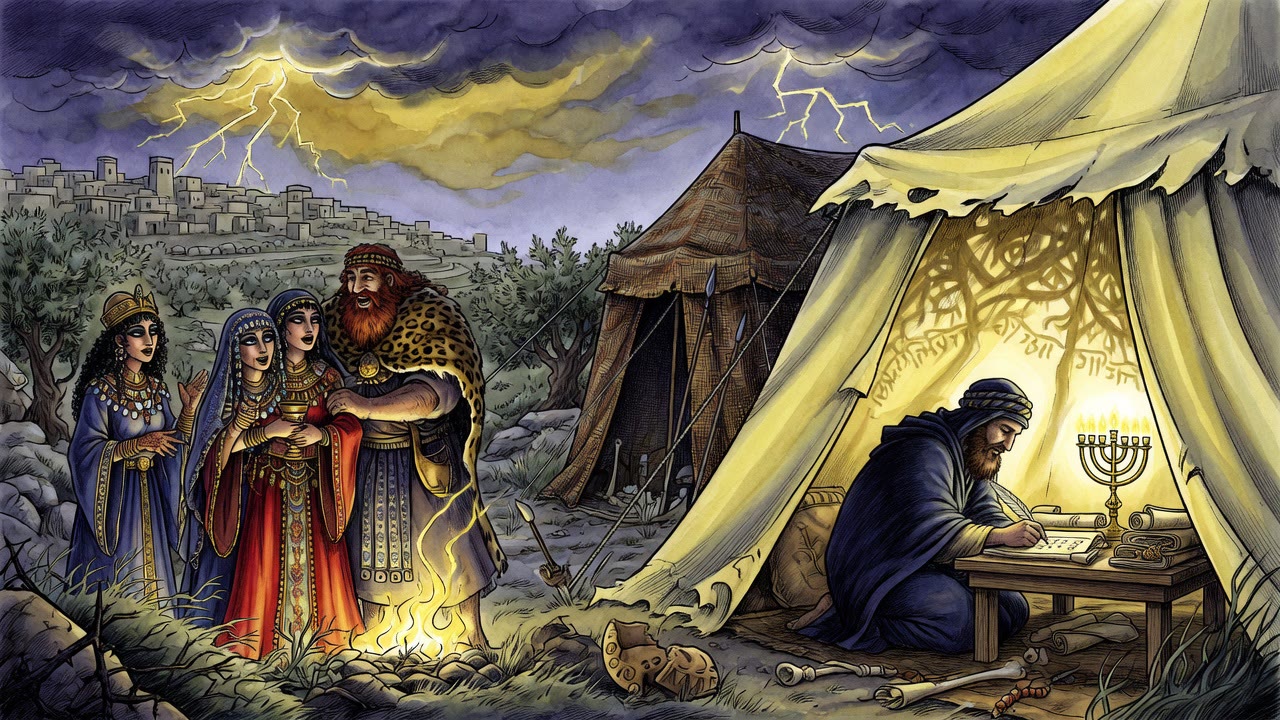
Esau hauls Judith back from the mountains of Seir to Hebron the same day, while Jacob waits unmarried at the house of study.
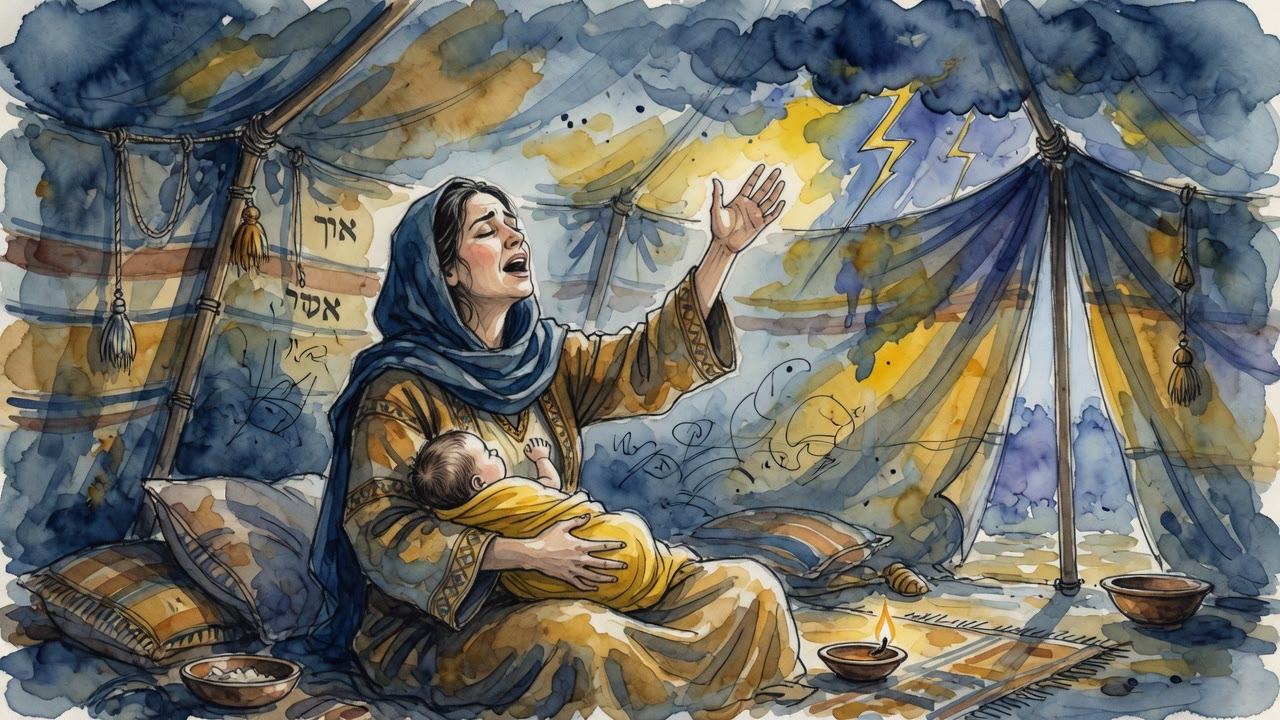
Leah holds Zilpah's newborn son, names him Asher, praise, and says aloud that every mouth will praise her. Why does she dare?
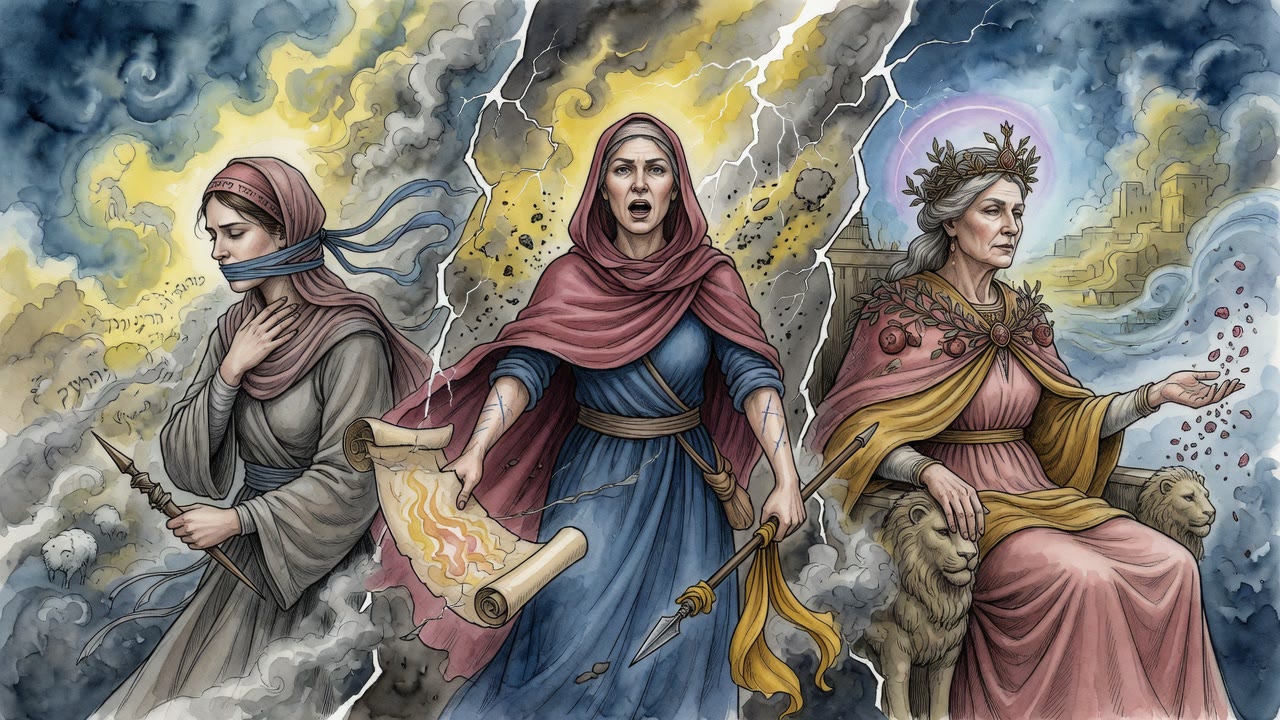
Rachel said nothing on her wedding night, Saul said nothing to his uncle, and a thousand years later Esther found the silence she needed.
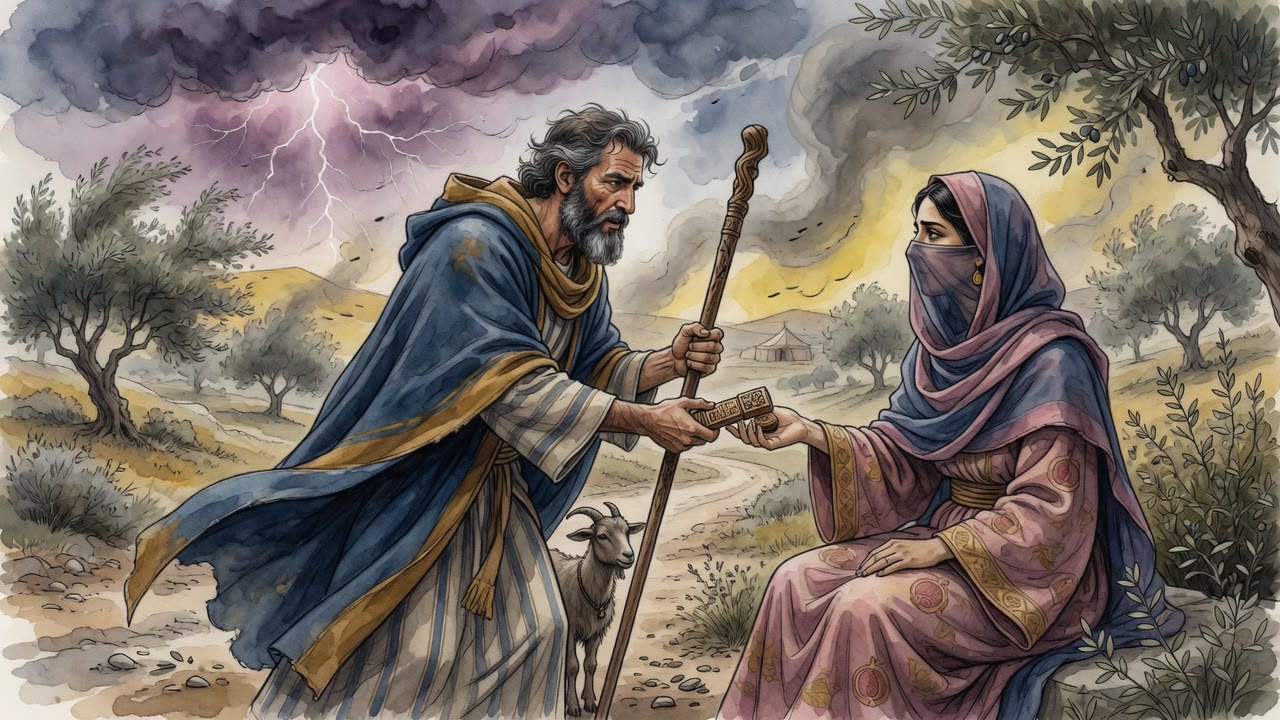
He had killed a lion bare-handed and dragged a king off his horse. At a town gate, drunk, he handed a veiled stranger the three signs of his rank.
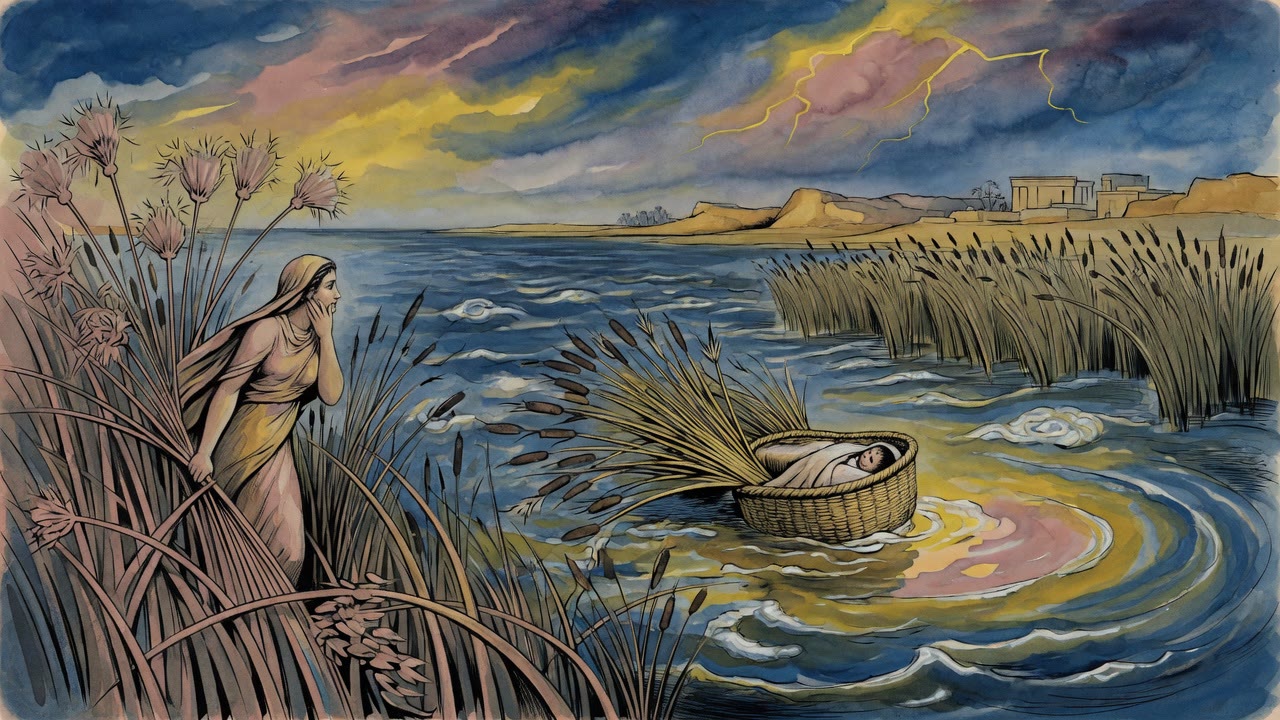
A girl plants her feet on the riverbank and watches her brother's basket drift, while her father's question still rings: where is your prophecy now?
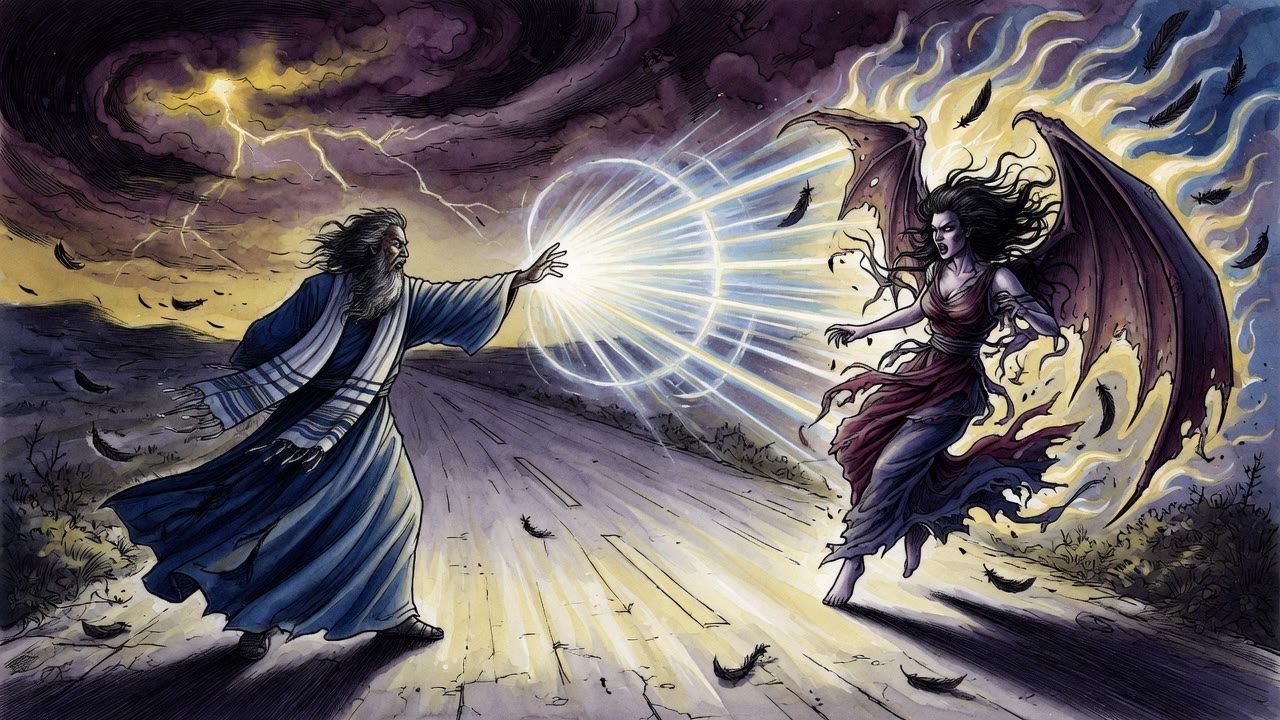
Lilith crossed a night road hunting a birthing mother, but Elijah stood in her path and bound her hunger with an oath by the Name.
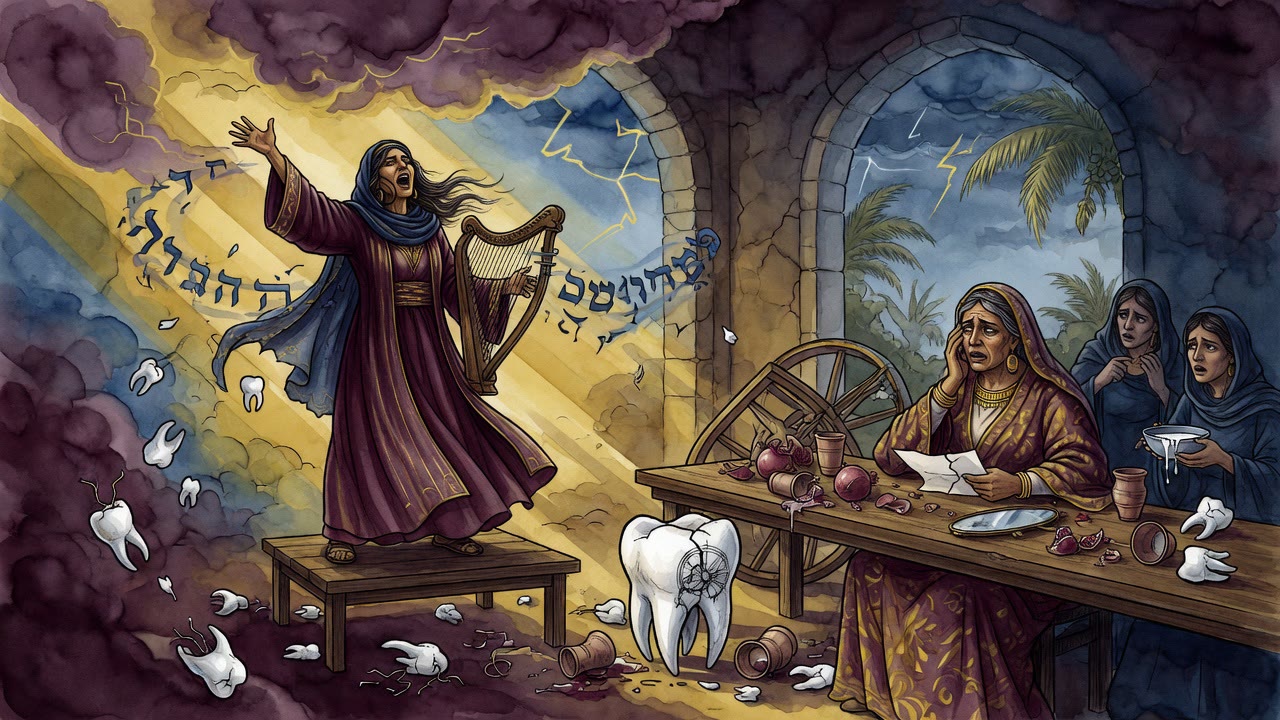
After the Kishon swallowed Sisera's iron, two travelers sat down at the same inn. One ordered the whole table. His teeth did not survive the bill.
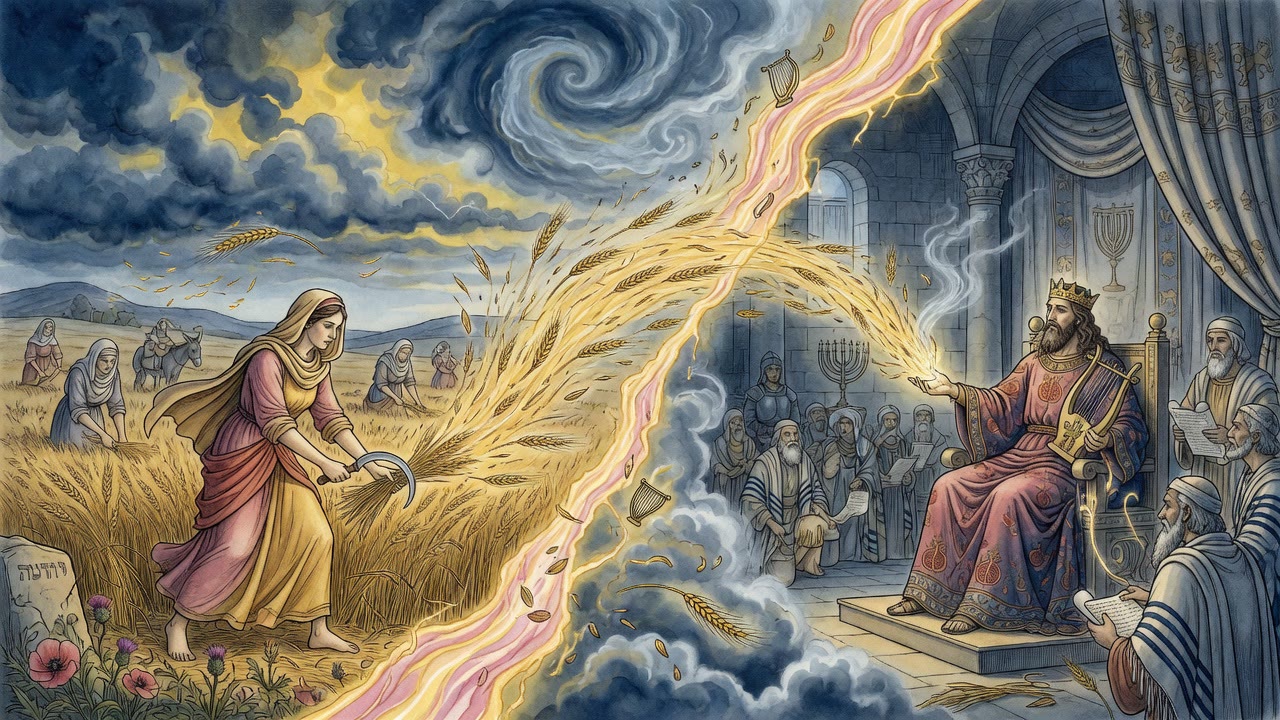
King David had every reason to claim noble blood. Instead he traced his lineage to Ruth the convert and called himself a slave purchased from outside the house.
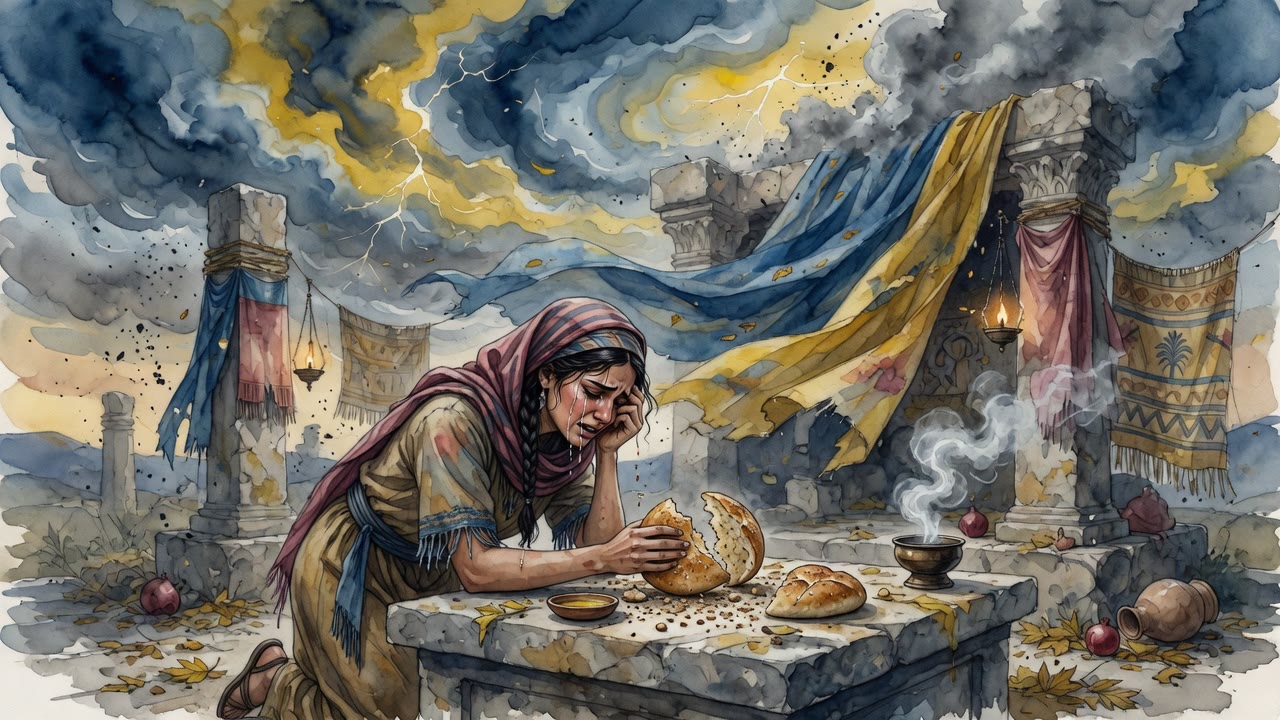
At Shiloh, Hannah pushed her portion away and wept before the altar. Her tears were her bread, and her grief became the meal that fed her.
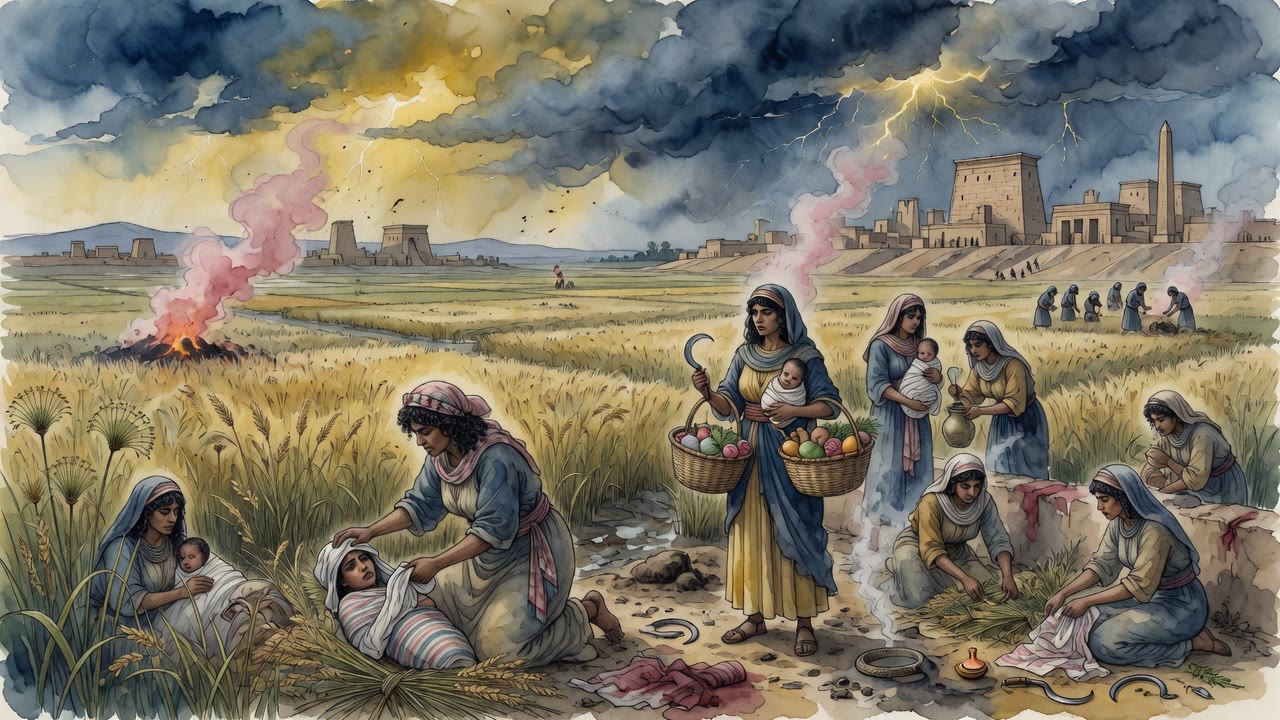
The men came home from the mud too tired to hope. Their wives carried two pots into Pharaoh's fields and put husbands back into Israel.
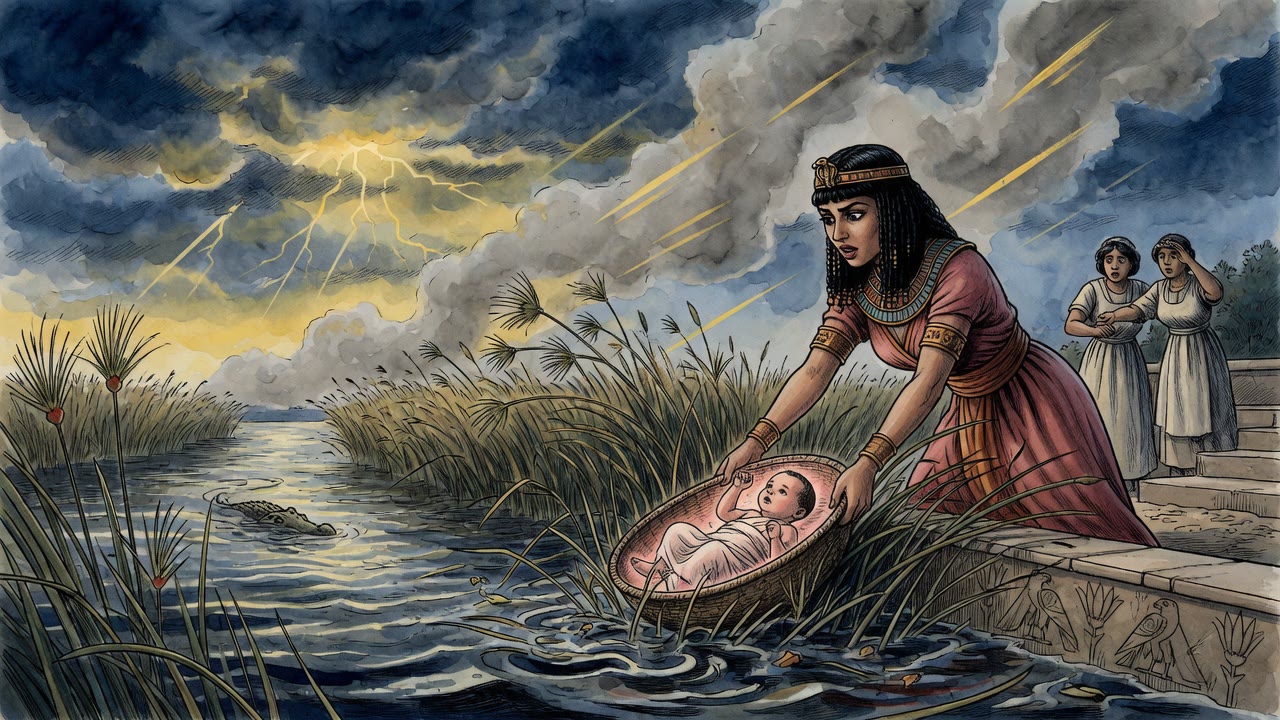
Pharaoh's daughter came to the Nile that morning to wash away her father's idolatry. She walked away with a Hebrew infant and a new name from God.
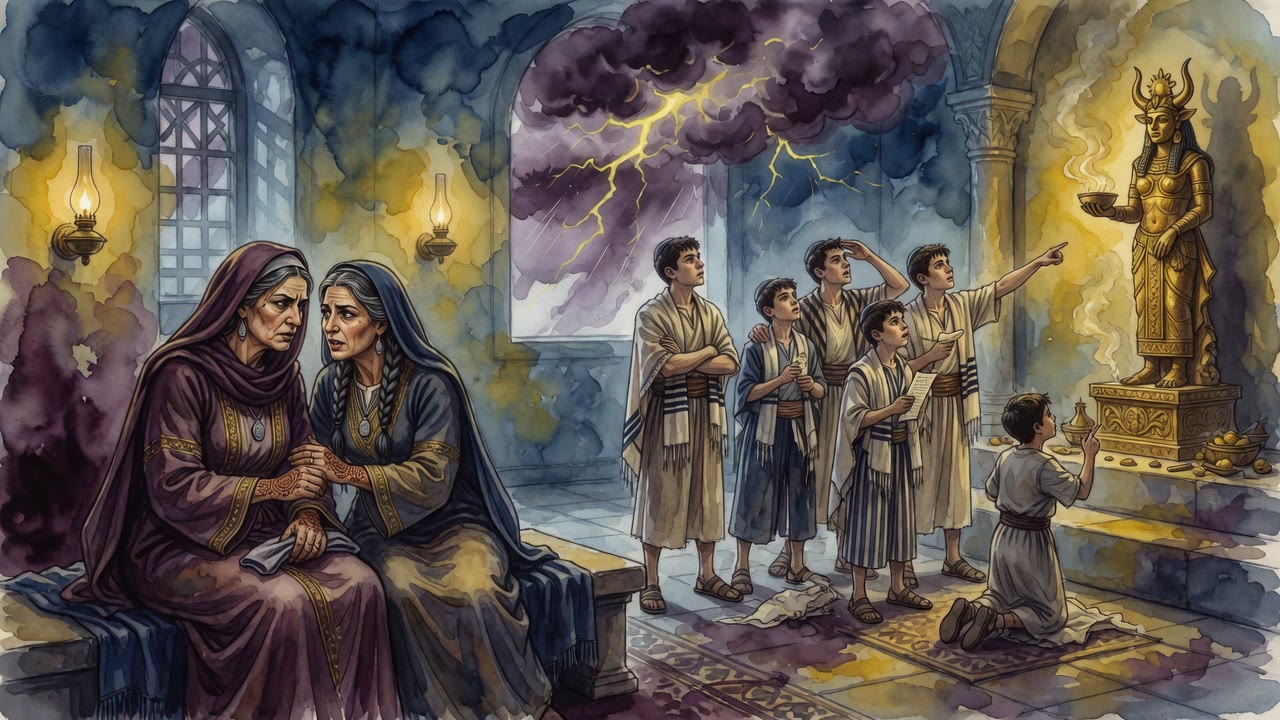
A tyrant killed seven sons one by one for refusing an idol. Their mother answered Abraham with seven altars before heaven replied.
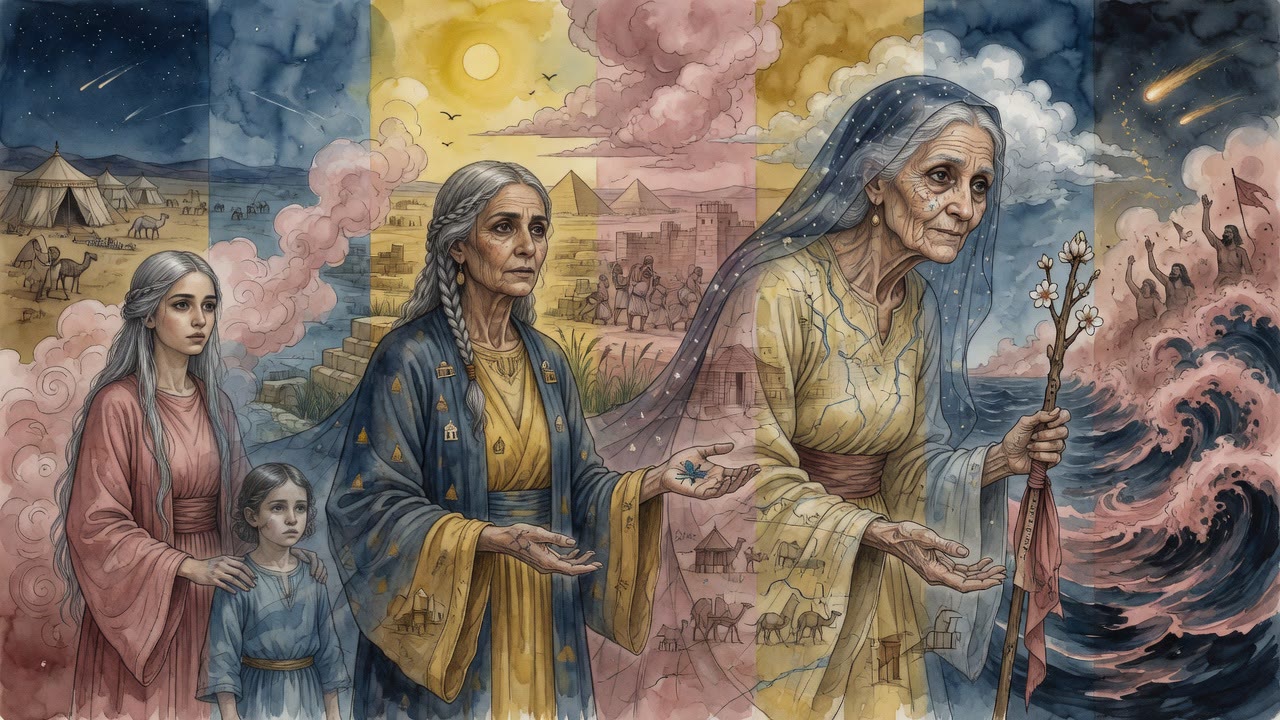
She appears in Genesis, then again in Numbers a generation later. The rabbis asked the obvious question and found an answer hidden inside a harp song.
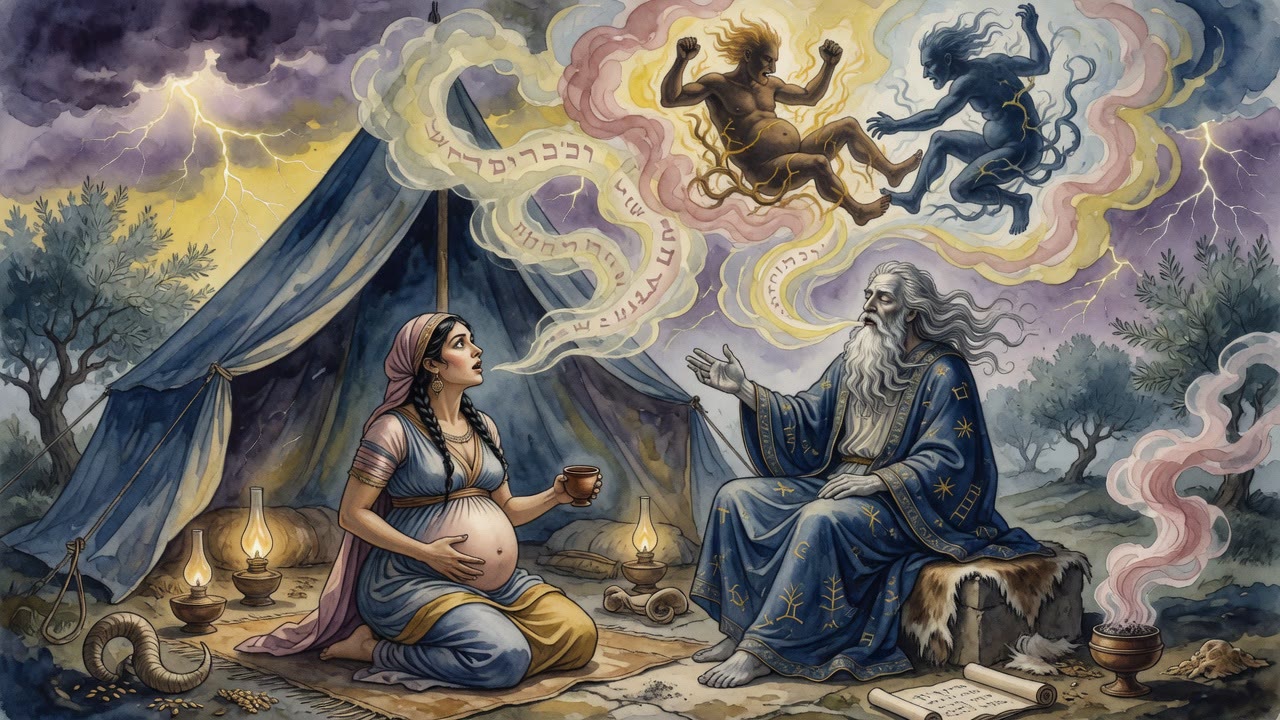
Rebecca sought God while the twins struggled inside her. The midrash says the answer came through Shem, not straight from heaven.
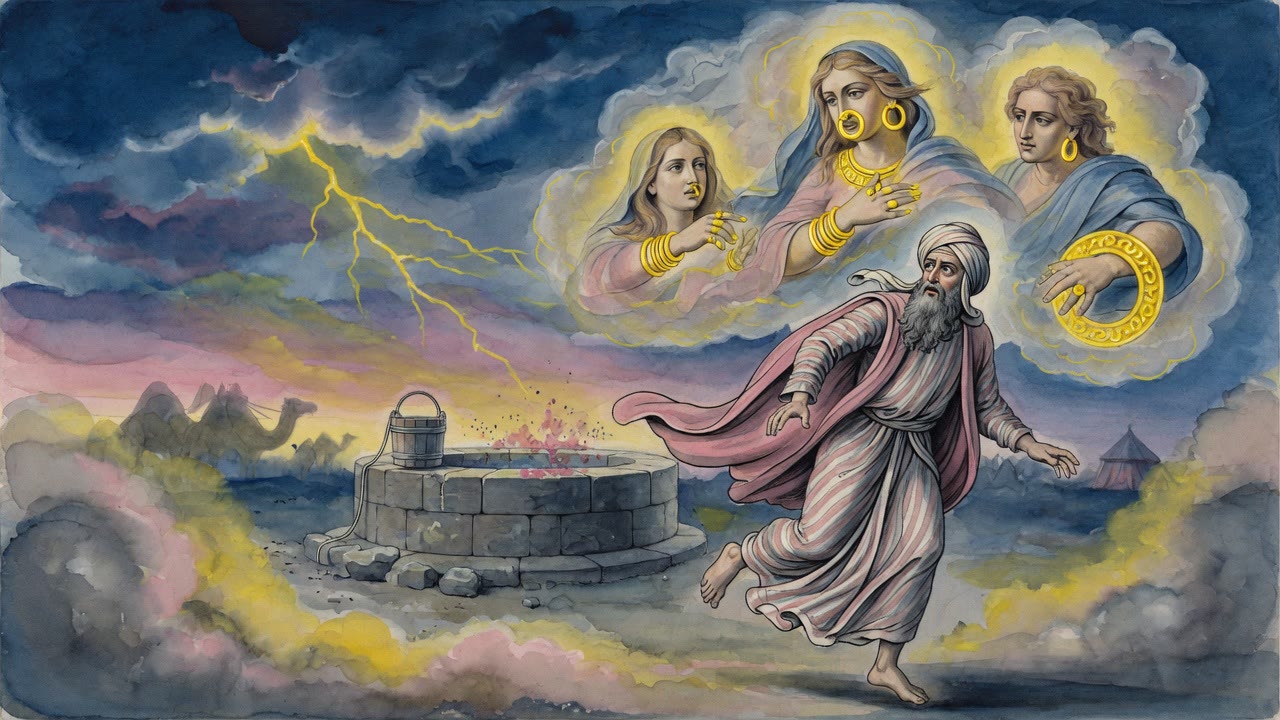
Laban looked like a gracious host when he ran to greet Abraham's servant. Bereshit Rabbah says he was chasing the jewelry.
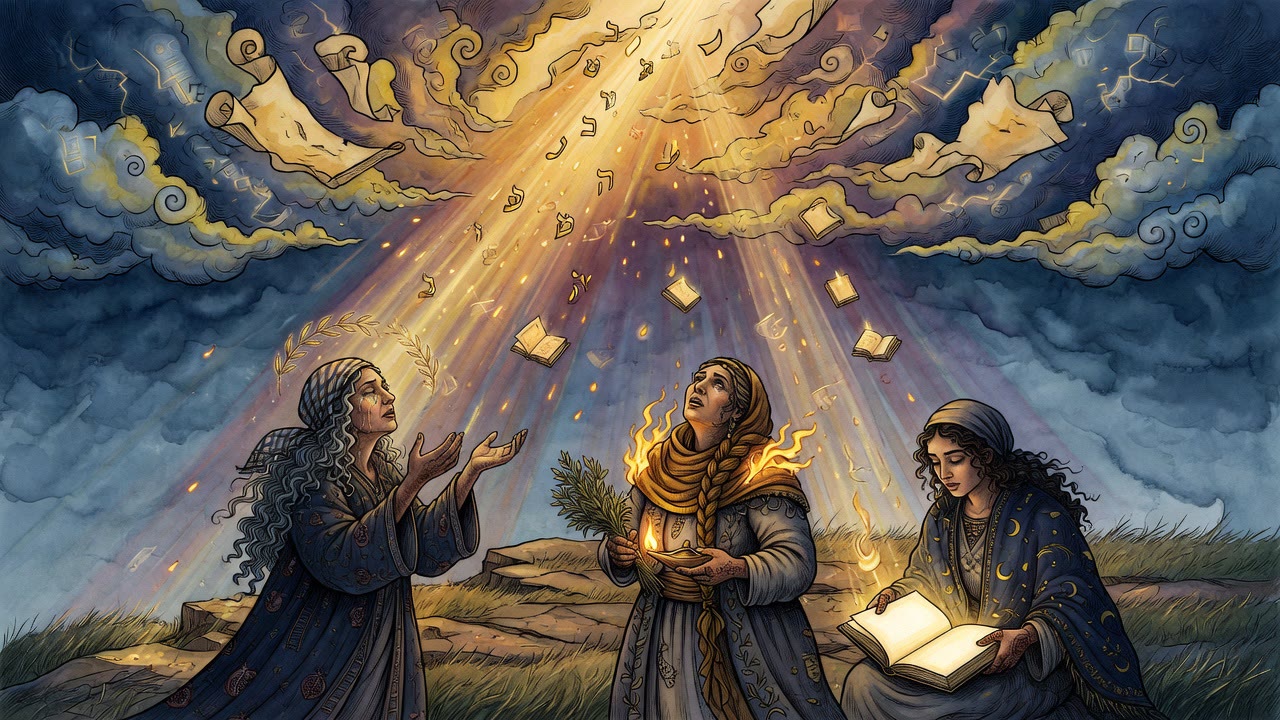
The ram's horn sounded on the Day of Remembrance. Three closed wombs were on the books. Sarah was already old enough to laugh at the promise.
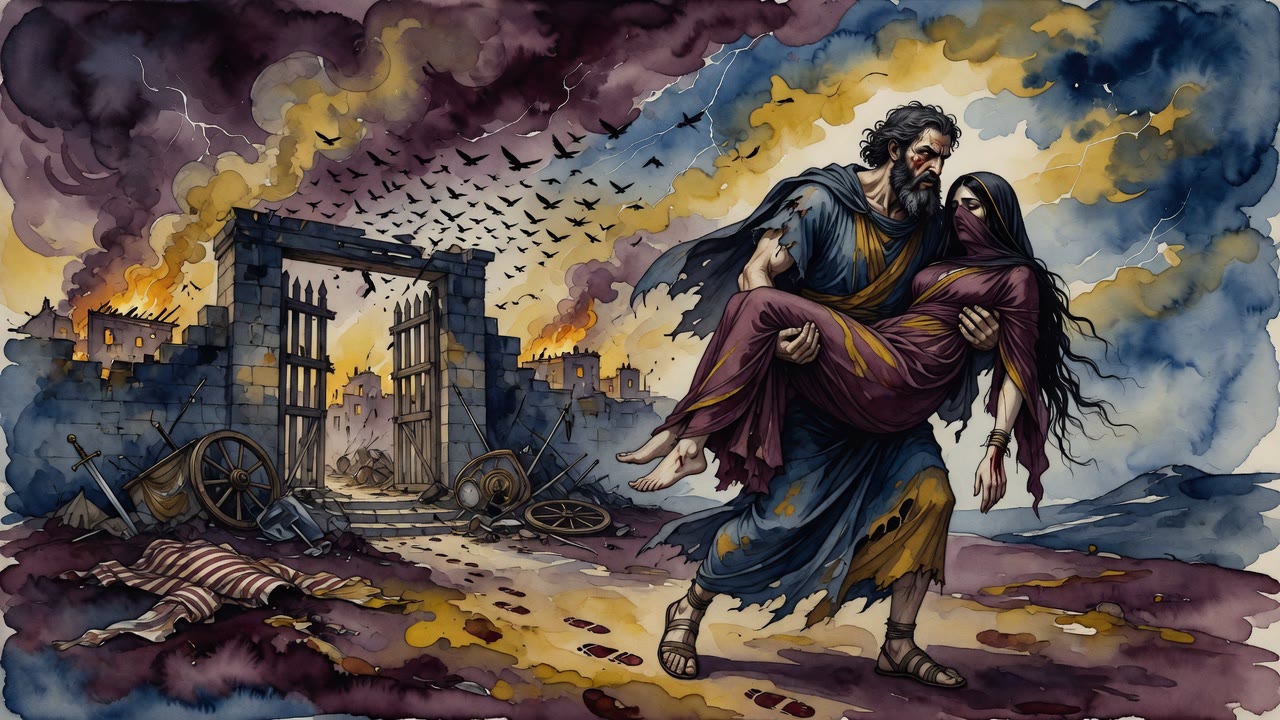
Her brothers killed every man in the city and pulled her out of the house. Then Dinah asked the question none of them had thought about.
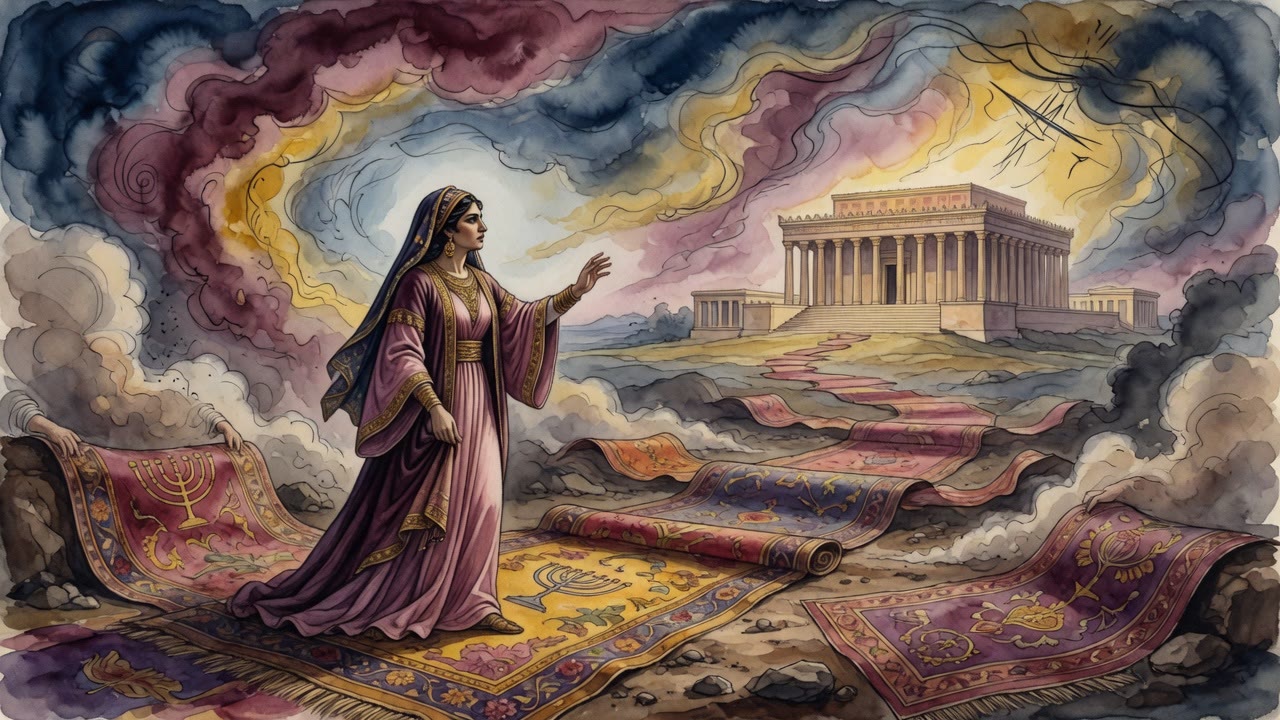
The richest woman in Jerusalem lays carpets from her door to the Temple so her feet never touch the ground, until one day they must.
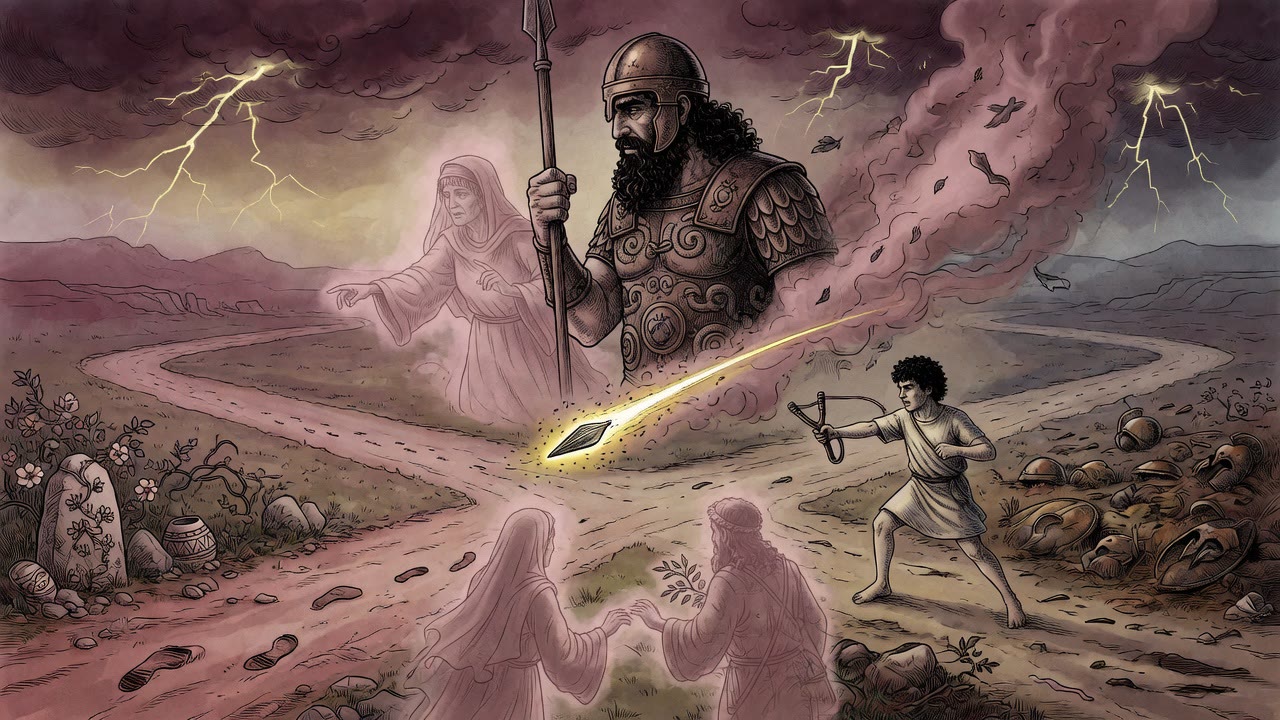
Naomi told both women to go home. Orpah kissed her and walked forty steps. Ruth held on. Their lines met in a valley with a sling.
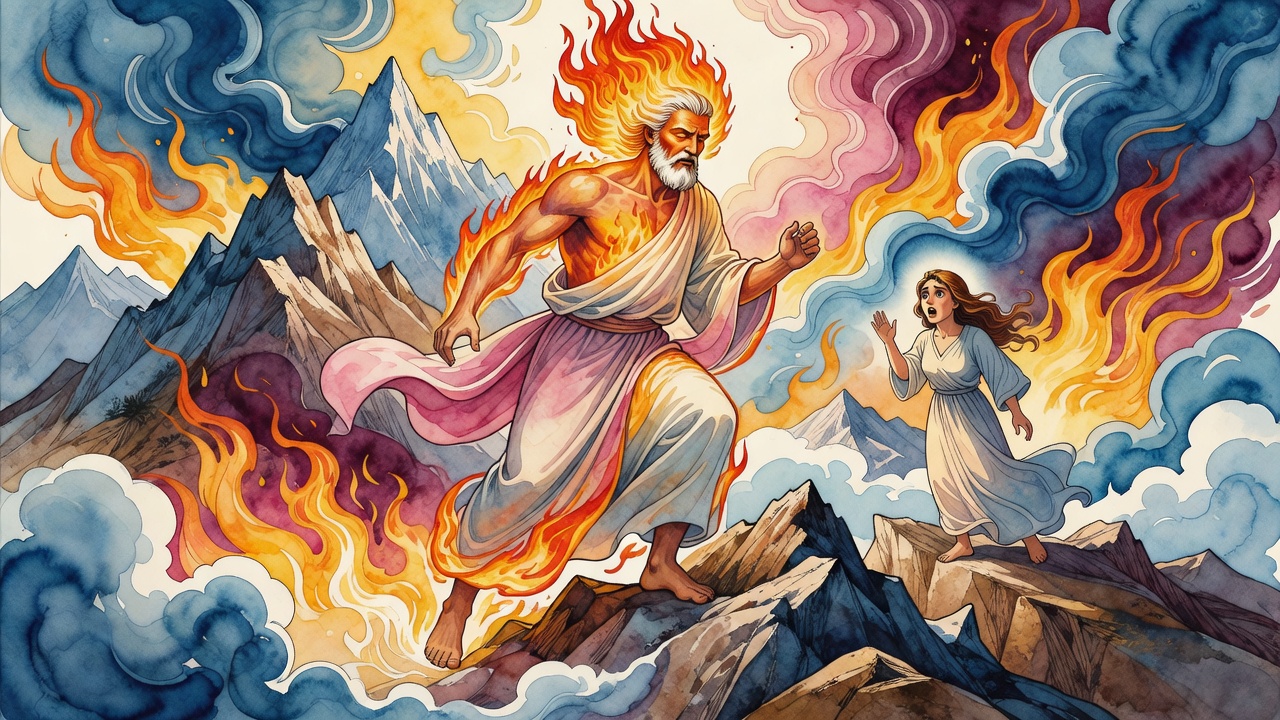
Elisha carried divine fire so concentrated his face burned lethal to look at. He traveled mountain to mountain, and one woman saw him coming.
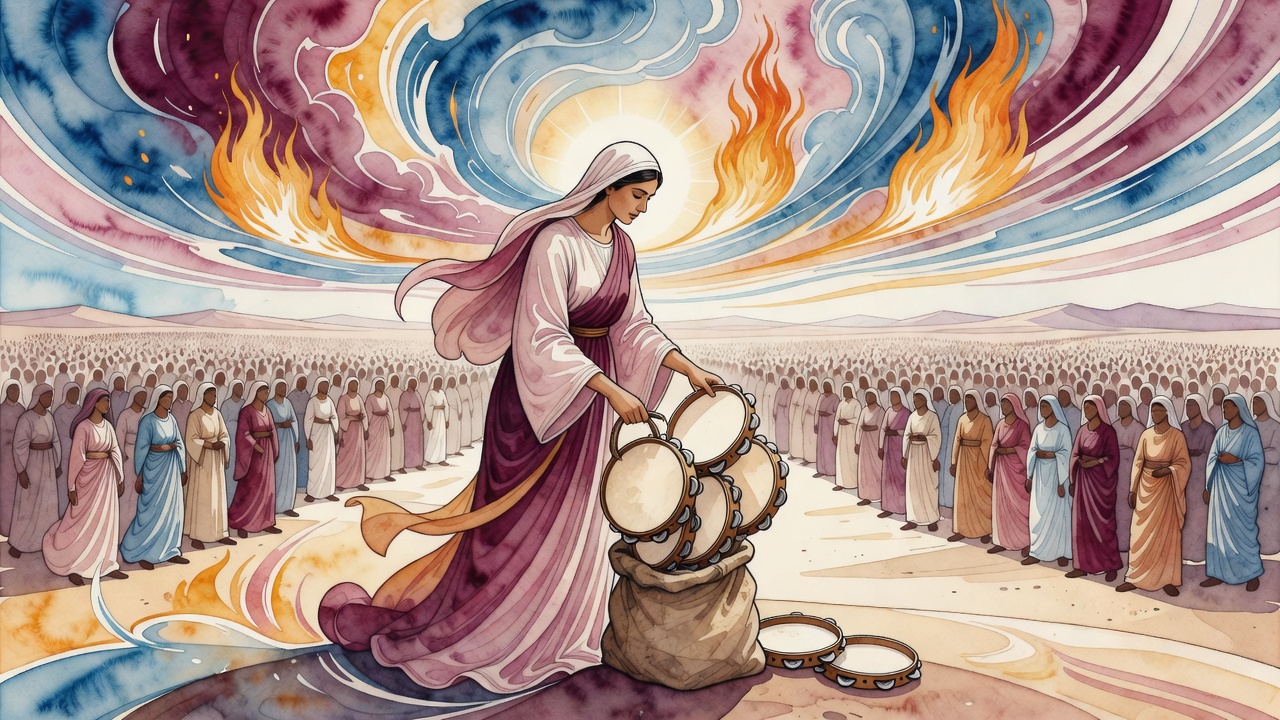
She sang the women through the morning on the shore. Later she opened her mouth about the Cushite, and her skin went white to the wrist.
