Lilith Fled When She Saw What Eve Actually Was
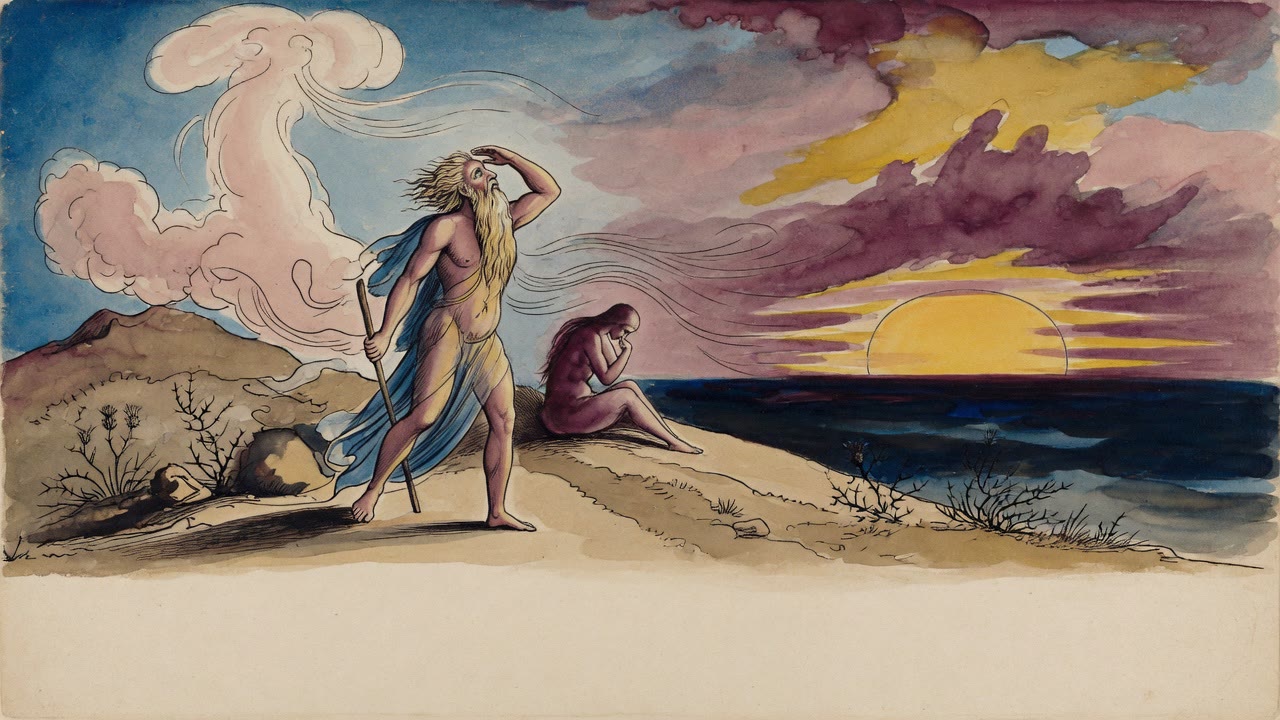
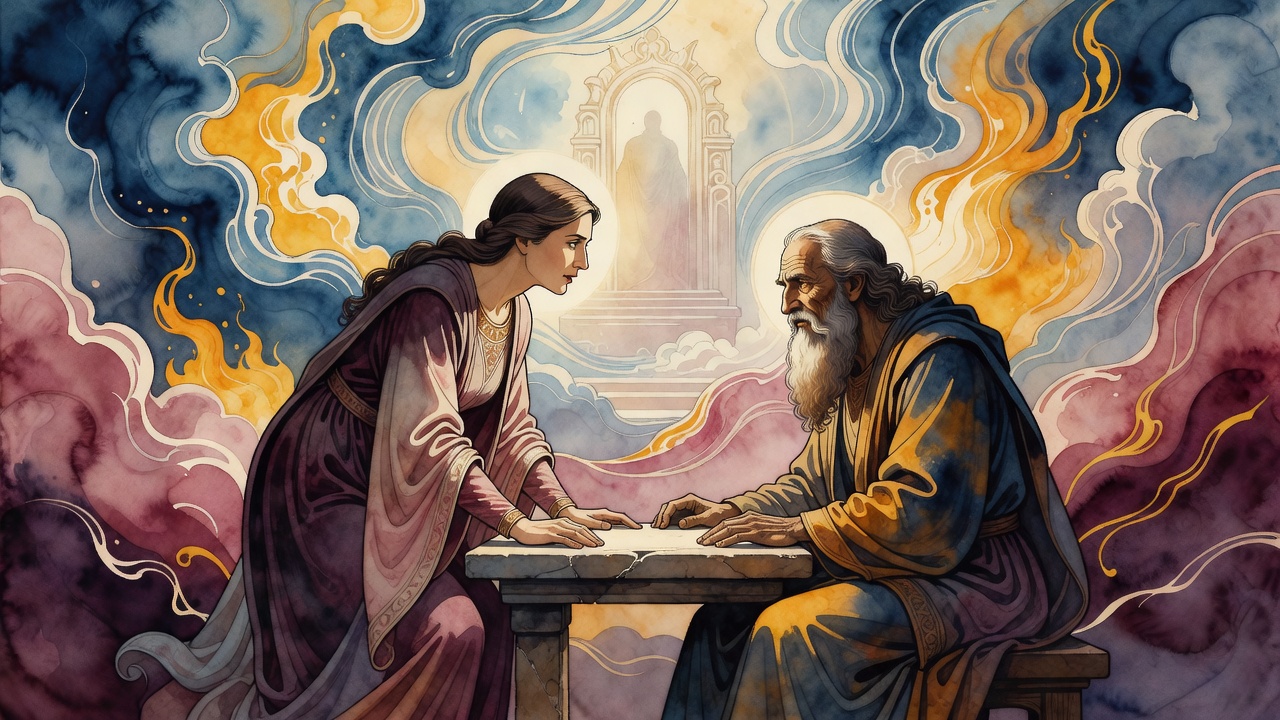
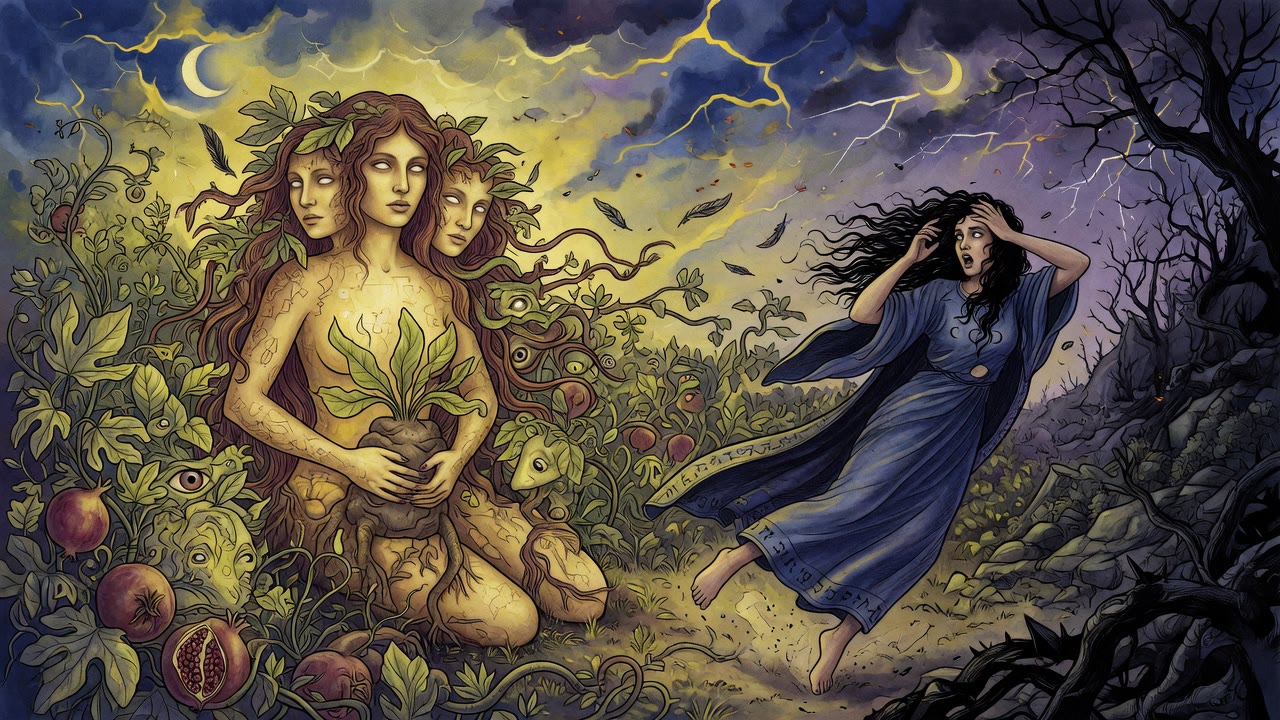
Lilith circles the newly made Adam and claims him, then sees what is attached to his back. She flees to the coasts of the sea and does not return.
Table of Contents
 Click for full size
Before the Separation
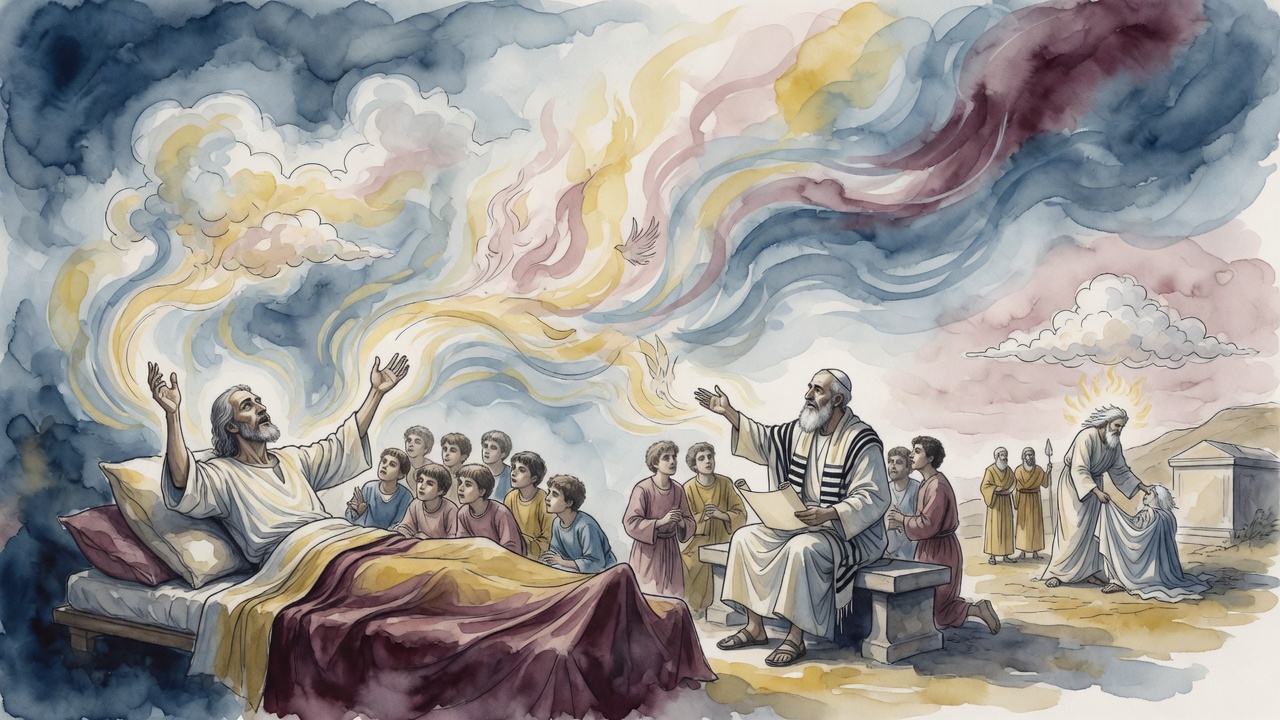
Adam was not yet two people when Lilith first came to him. The creation the Zohar describes is not the familiar one from the plain text of Genesis: a man shaped from dust, a woman made from his rib. In this version, Adam and Eve were formed together, face pressed against the back of the other, a single body with two faces looking in opposite directions. Eve had not yet been separated out. She was there, present, but not yet distinct.
Lilith watched. She had been made too, from the same primordial stuff, and she understood herself as Adam's rightful consort. She moved toward him.
The Apparition
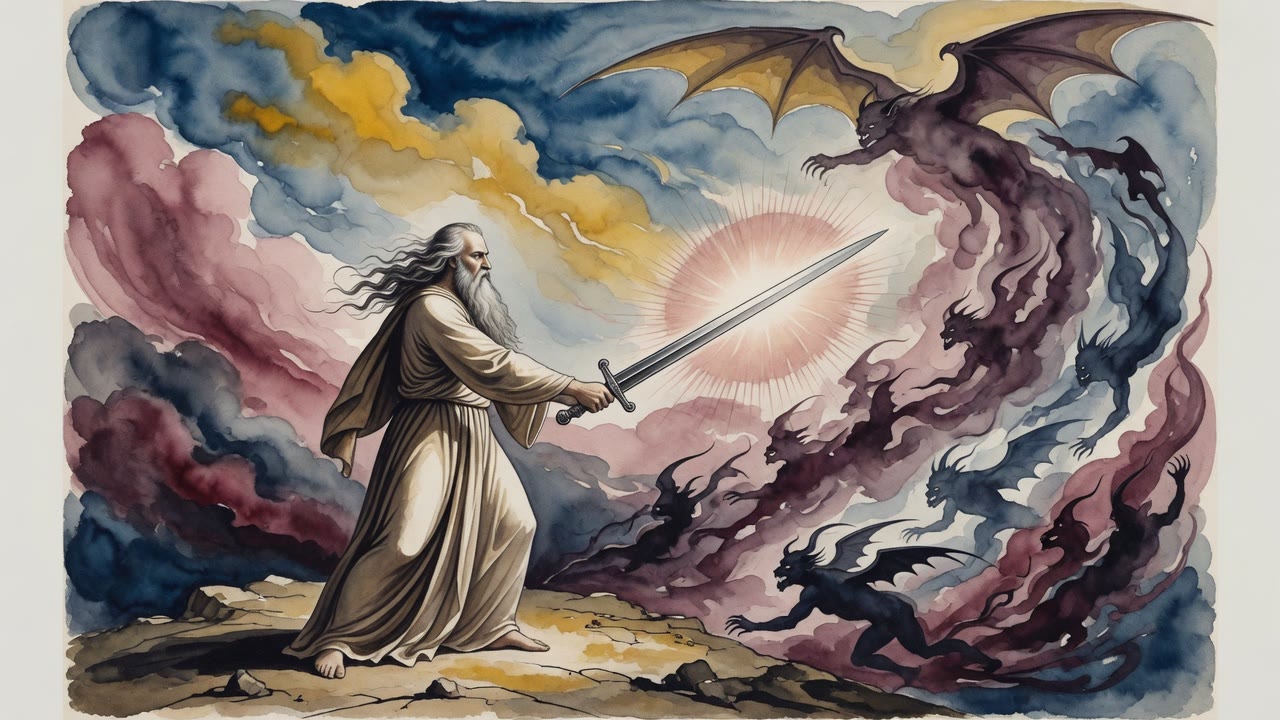
Then she saw what was attached to Adam's back, the figure whose face she could not see but whose nature was unmistakable. Something in the presence of Eve, even unrevealed, even still joined, registered to Lilith as a power she could not match. The Zohar is not entirely explicit about what Lilith perceived in that moment, but the effect is clear: she fled. She went to the cities of the sea and the coastal places, establishing herself as far from that presence as she could get.
This was not a strategic retreat. It was a rout. The creature who would later be the consort of the angel of death, who would exercise dominion over certain hours of the night, who would be powerful enough to make Samael's attention divided, was running. Running from what Eve was before Eve was even separate.
The Shekhinah and the Hidden Paths
The Kabbalists who developed this tradition understood Eve's nature as connected to something higher than a single human being. Before the world was made, God had gathered all the paths of divine wisdom and concentrated them, embodied them, in the Shekhinah, the feminine aspect of the divine presence. The Shekhinah carried what could not be revealed directly, holding the divine secrets in a form accessible to those who knew where to look.
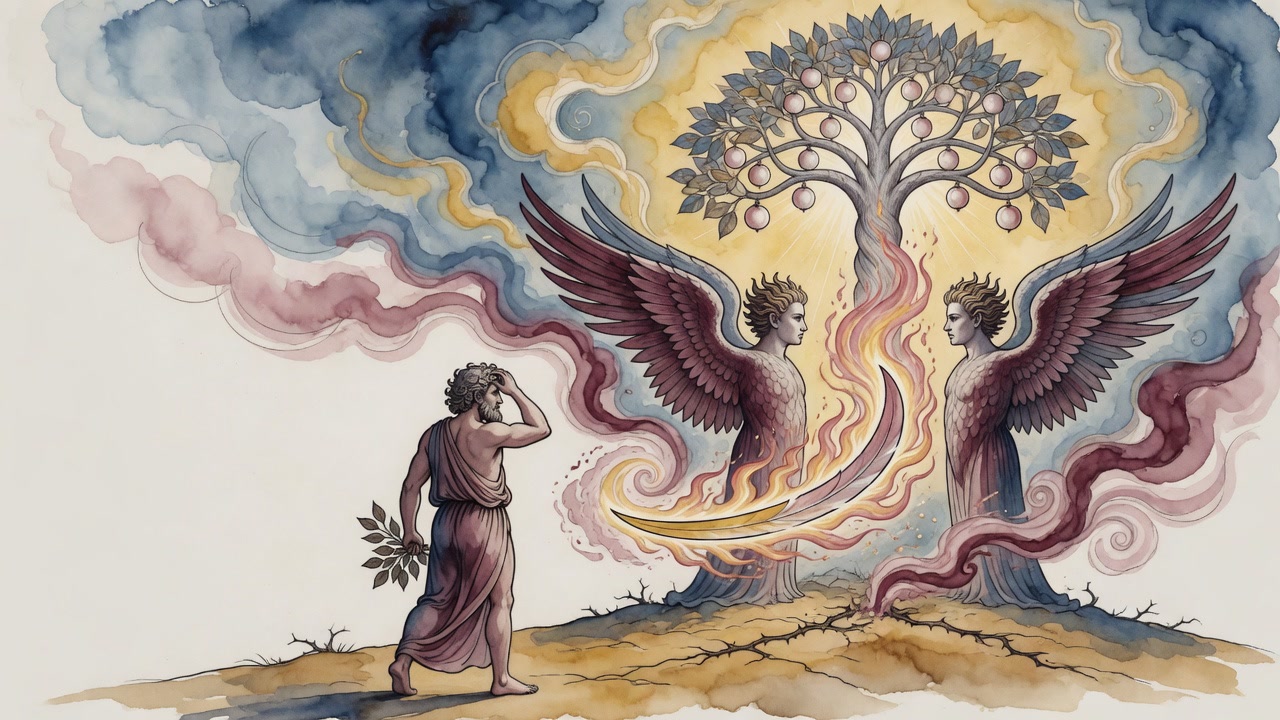
Eve's creation reflected that structure. She was made as the earthly image of the Shekhinah's (the Divine Presence) role: the vessel of hidden wisdom, the presence that could not be fully seen or named directly. What Lilith encountered at Adam's back was not simply another woman. It was the divine feminine as a concentrated force, the earthly echo of what the Shekhinah was in heaven.
What Samael and Lilith Built in Exile
Lilith's flight from Eve did not leave her powerless. It redirected her. Samael was the dark mirror of the divine hierarchy, the accuser who charged humanity before the heavenly court, and when Lilith came to him they built something together: a demonic system that inverted the divine one, with its own authority and its own claims on the world.
They had been made together, back to back the way Adam and Eve had been made, and like Adam and Eve they could never be fully reunited. The jealousy between them, Samael's reaching toward Naamah and other consorts, Lilith's reaching toward mortal men in retaliation, was the dark version of the love story that played out in the garden. On Yom Kippur they went out separately, each seeking connections that should have been found in each other.
Two Liliths, the Pardes Rimmonim says. One consort of Samael, one consort of Ashmedai the king of demons. The duplication is its own kind of wound: even in the demonic realm, the one who should have been singular has become multiple, scattered, unable to hold herself together the way Eve was held together even before she was separated from Adam.
← All myths