6 texts
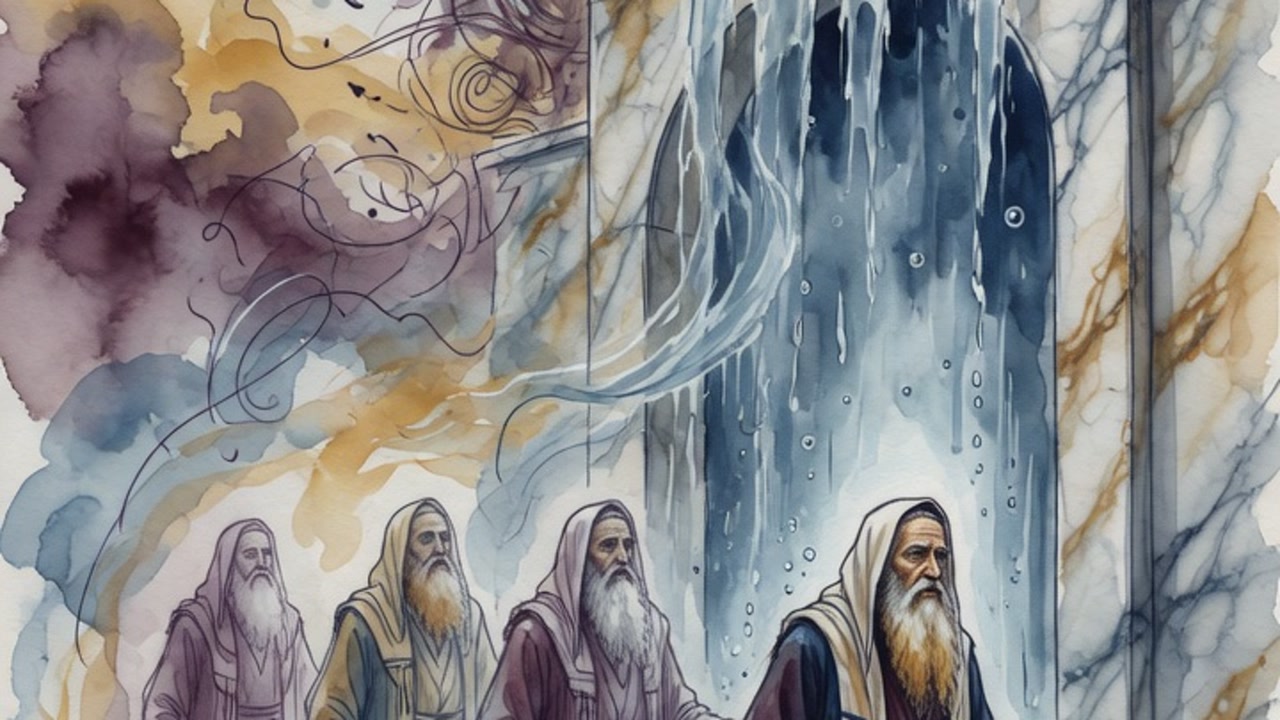
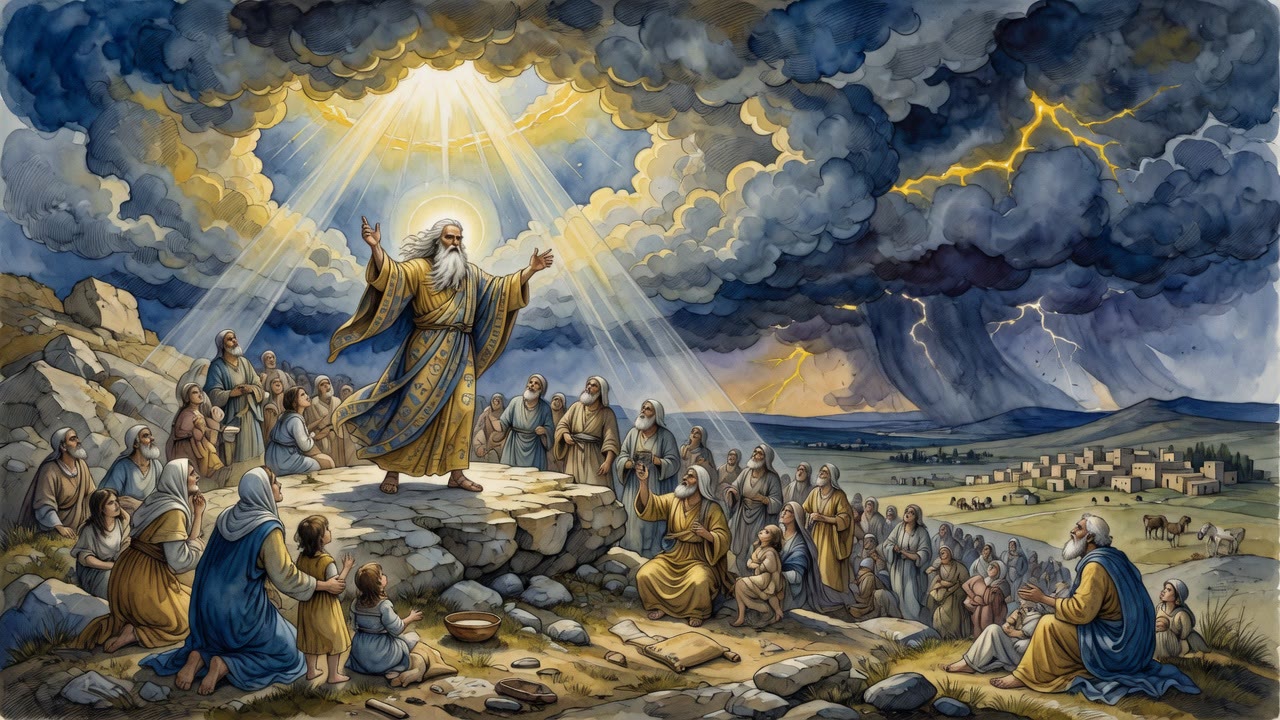
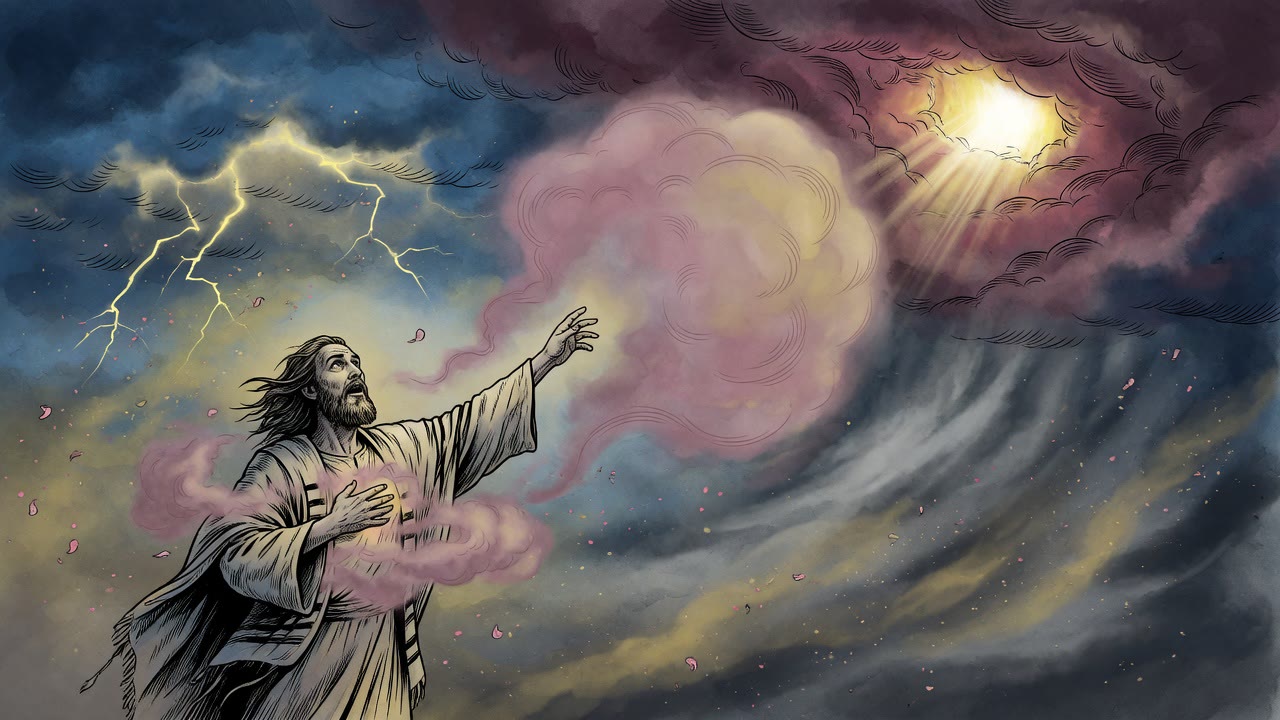
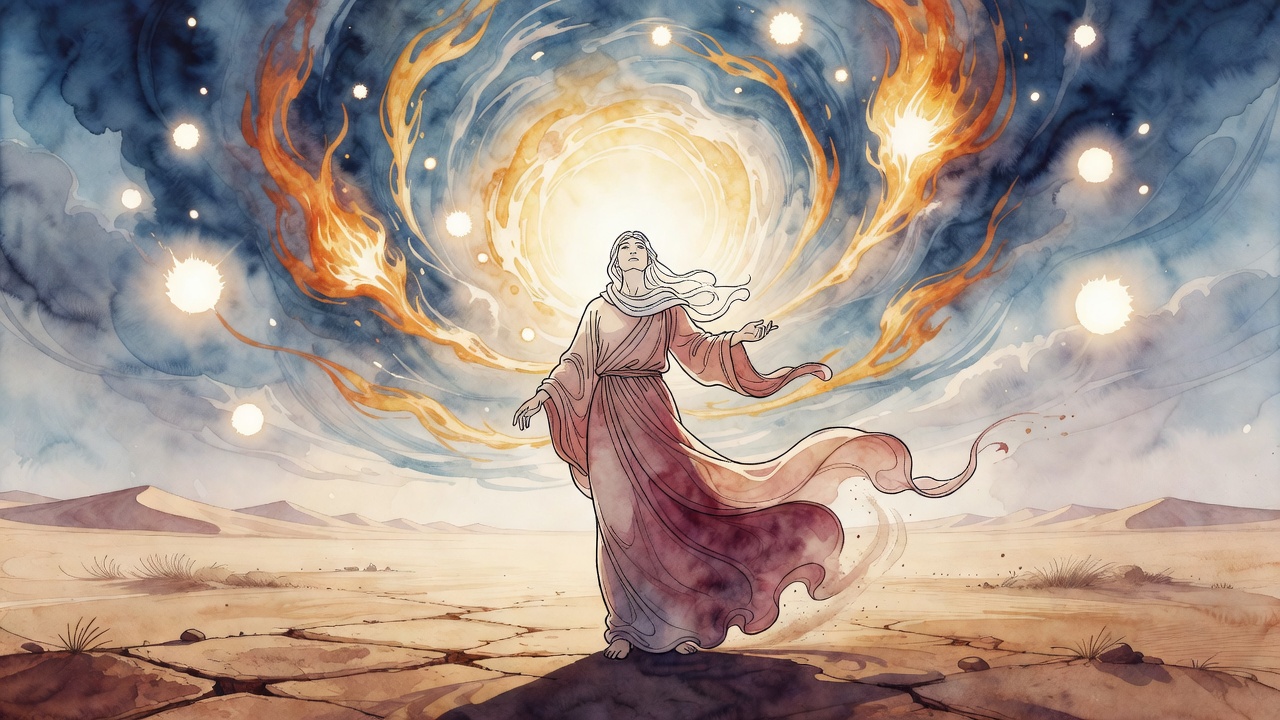
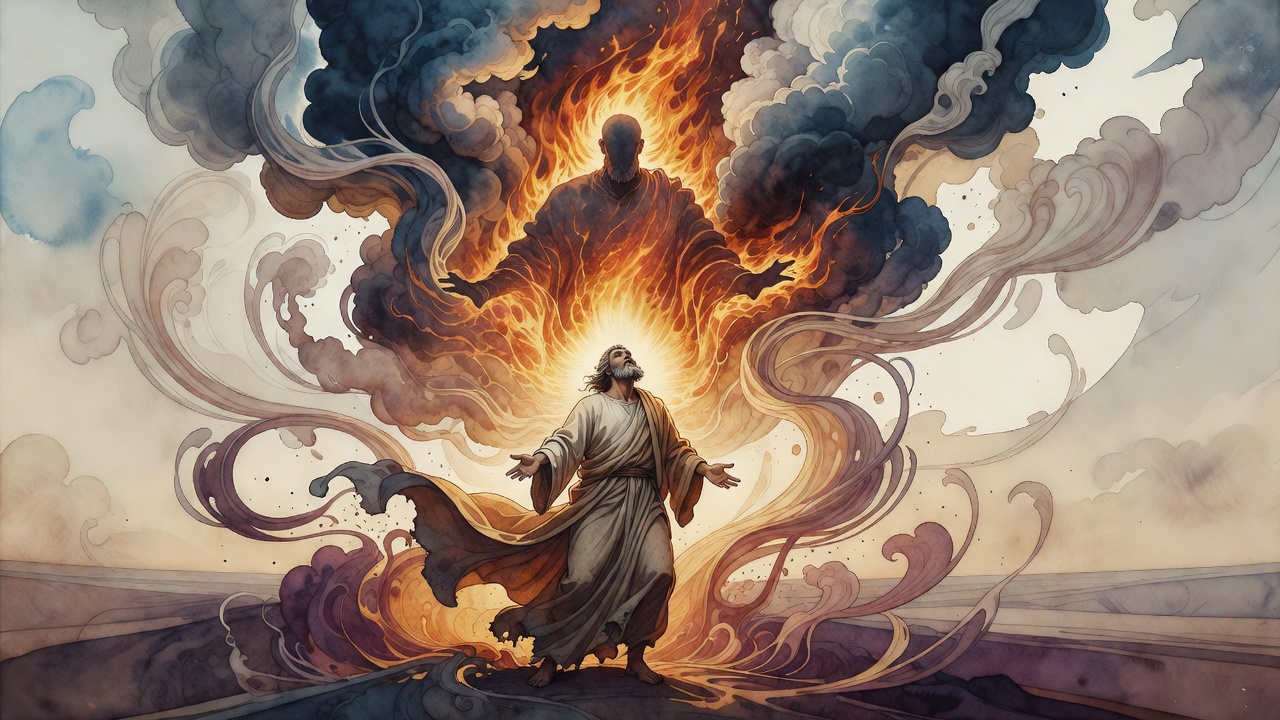
It all boils down to two fundamental characteristics: hester panim, the "concealment of the countenance," and gilui panim, the "illumination of the countenance." Think of it like t...
"And these are the names of the children of Israel" (Exodus 1:1). The Torah lists the twelve tribes again, even though they were already named in Genesis. Rabbi Levi Yitzchak of Be...
"They shall take for Me a contribution" (Exodus 25:2). The first commandment God gave after the revelation at Sinai was to build Him a home. Rabbi Levi Yitzchak of Berditchev finds...
Parashat Pekudei opens with an accounting of the Tabernacle's materials (Exodus 38:21), but the Kedushat Levi (Rabbi Levi Yitzchak of Berditchev) sees something far deeper than a l...
"And you shall plate it with pure gold" (Exodus 25:11). The Talmud (Sukkah 45b) reads the verse about the Tabernacle's acacia wood—"standing up" (Exodus 26:15)—to mean that the woo...
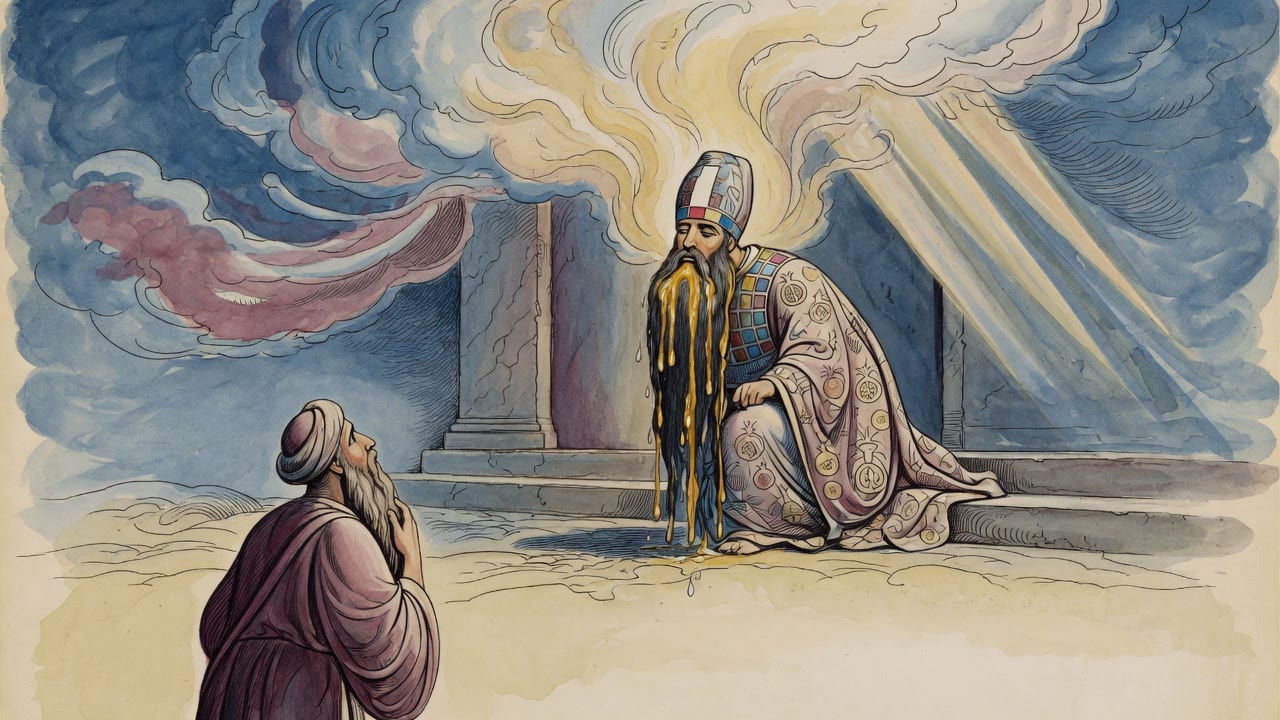
"And you shall command the Children of Israel" (Exodus 27:20). Rebbe Elimelech of Lizhensk, in Parashat Tetzaveh, asks a question that cuts to the heart of what tzaddikim (a righte...
Jacob set out for Haran and God intervened twice — collapsing the sun at noon and then folding the earth itself to carry him home.
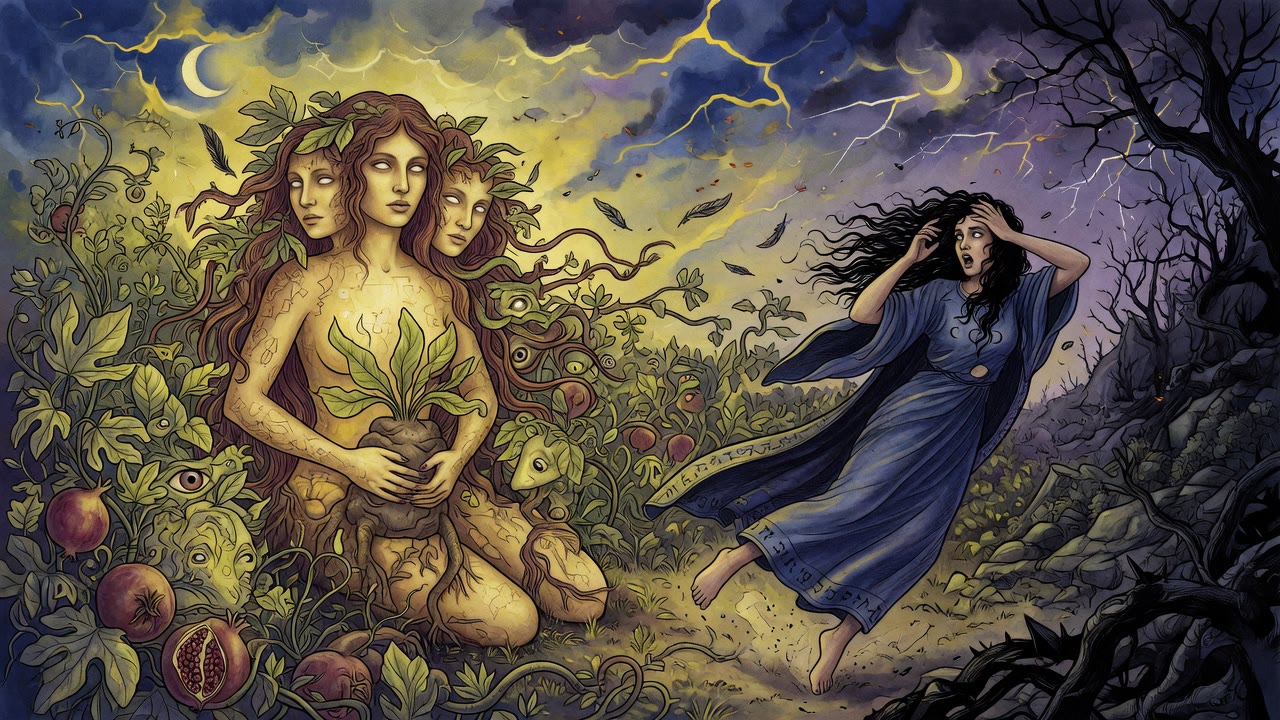
The Zohar says Lilith approached Adam seeking to seduce him. Then she saw Eve, still fused to his back as divine light, and ran from what she recognized.
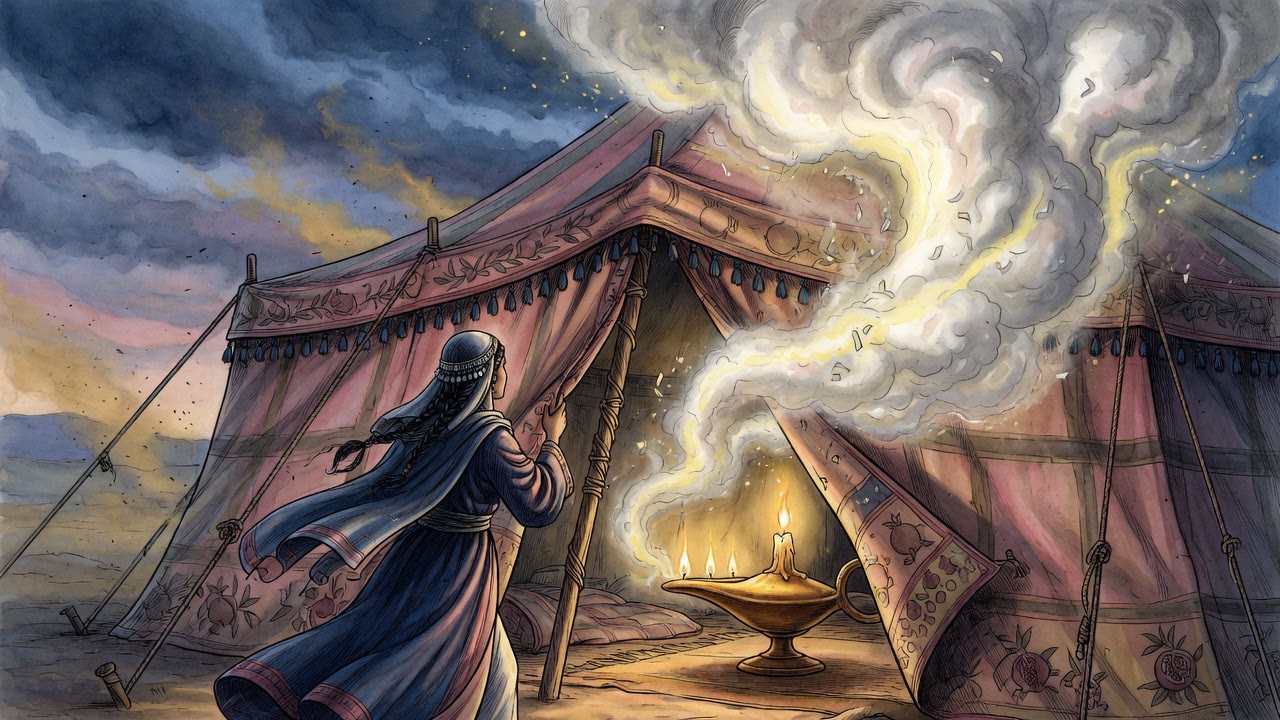
When Isaac brought Rebekah to his mother's tent, the cloud returned, the Shabbat candle relit itself, and the bread multiplied again. The miracles knew her.
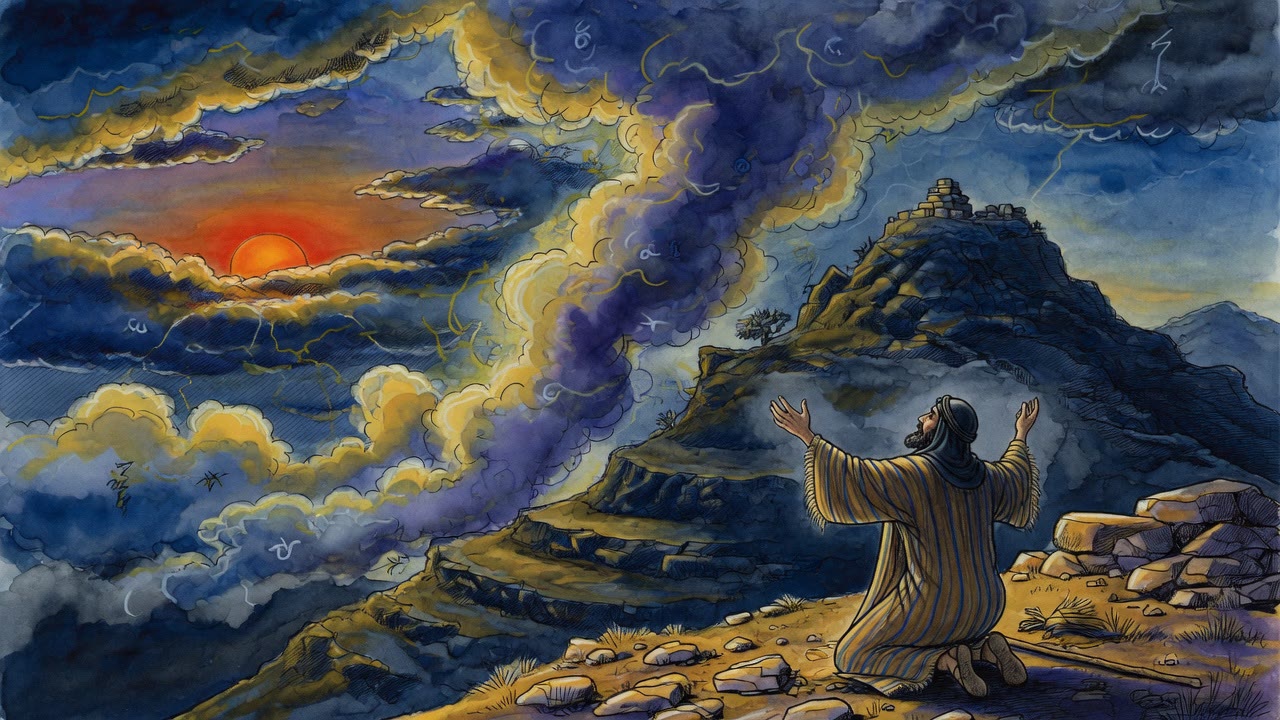
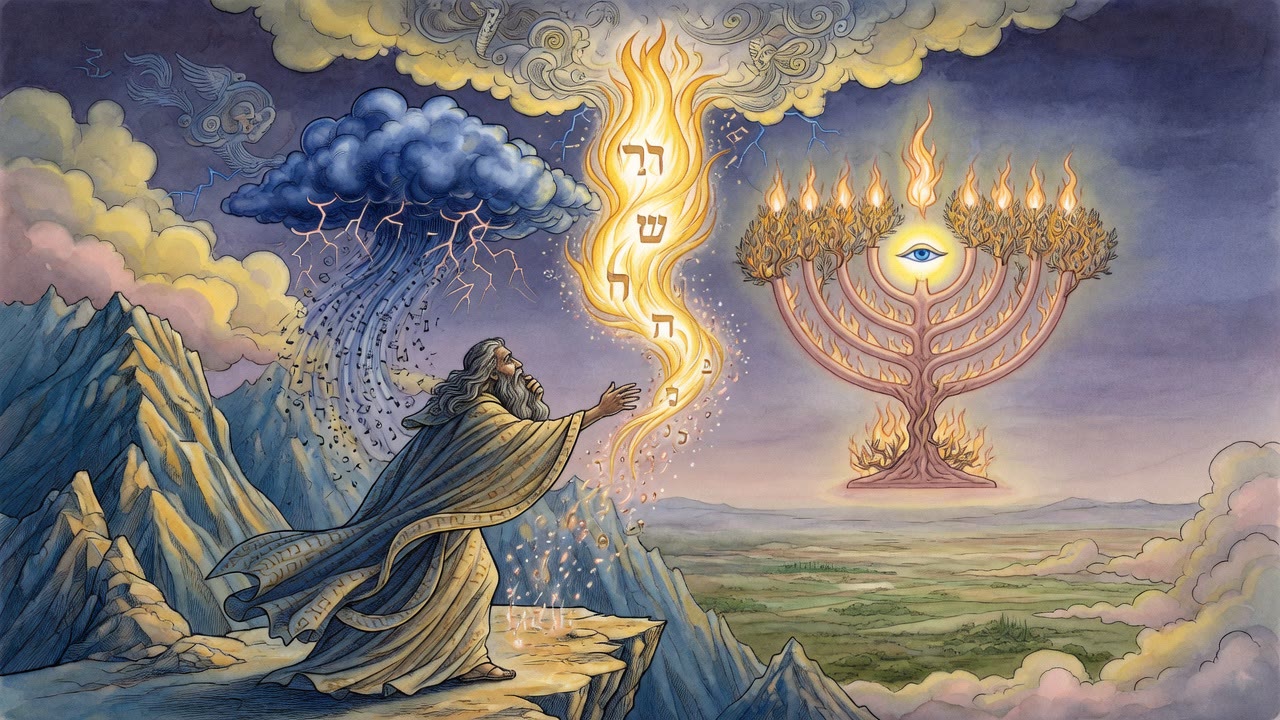
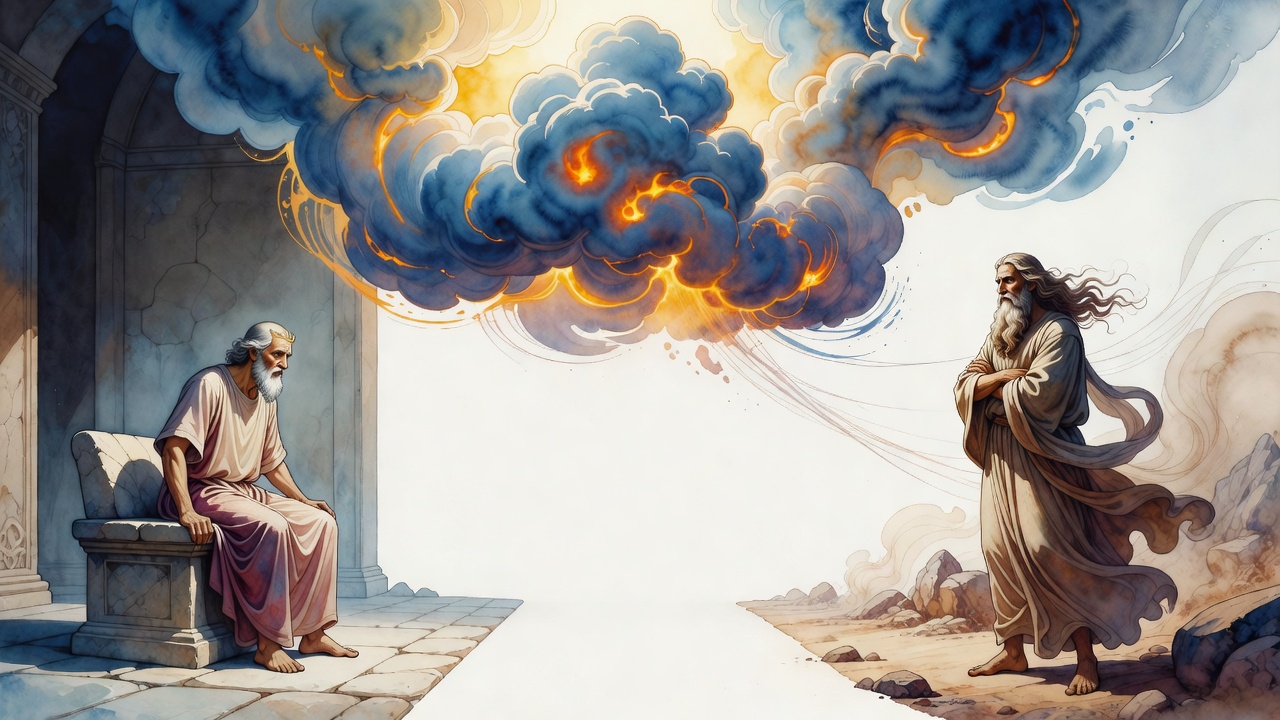
Every great prophet had a moment when God deliberately hid the answer from them. Aggadat Bereshit says this was not punishment. It was the point.
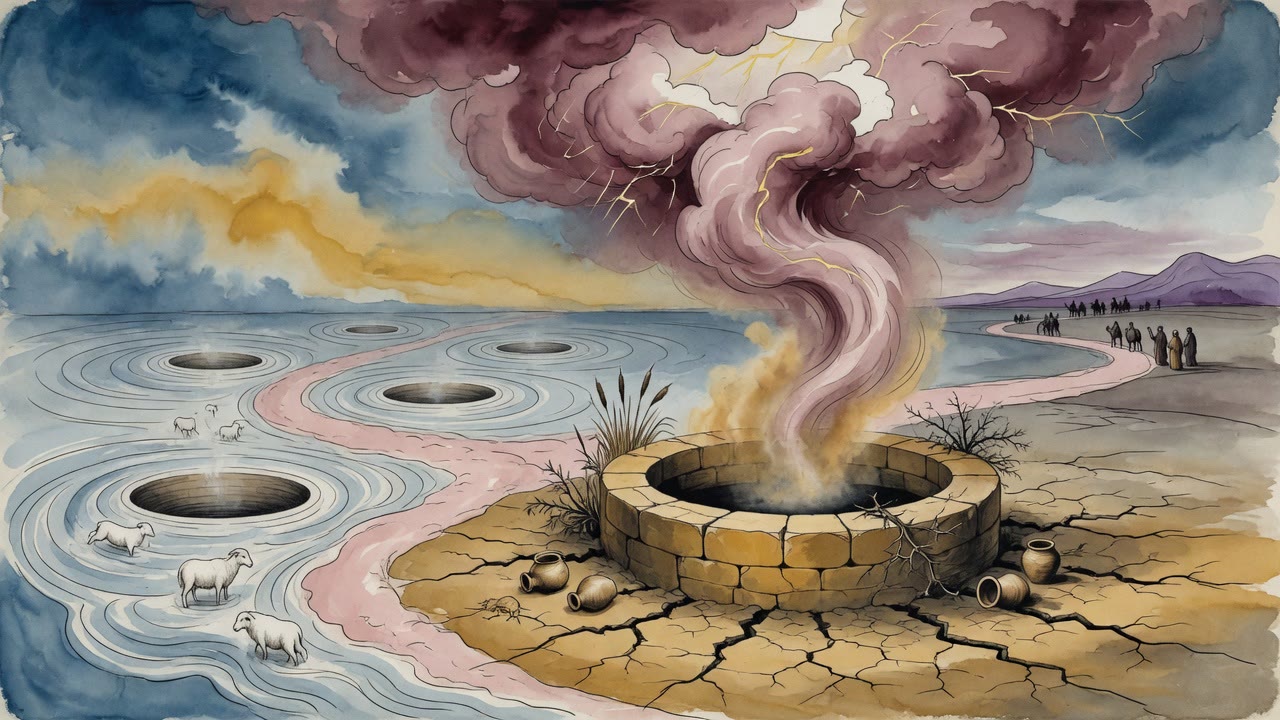
Jacob kept Haran's wells flowing for twenty years. When the holy spirit told him to leave, the abundance departed with him within three days.
Three patriarchs named God the same thing without knowing the others had done it. The rabbis of Midrash Tehillim noticed and built a major argument from it.
Rabbi Yitzchak made a startling claim: the Shekhinah surpasses even Abraham's hospitality, feeding the worthy and the wicked alike without distinction.
Benjamin was beaten at Egypt's gates for a theft he did not commit. He answered his brothers once, then went silent. That silence earned him the Temple.
Hagar is the only person in the entire Torah to give God a new name. The Tikkunei Zohar reads her story alongside the Book of Lamentations and finds that exile, whether ancient or recent, always receives the same divine response.
Every tribe wanted the honor. Benjamin said nothing and wept. The Sifrei Devarim explains why silence earned what ambition could not.
The Torah says Abraham fell on his face when God spoke to him. The ancient Aramaic tradition says he fell because his uncircumcised body lacked the spiritual capacity to remain upright in God's presence. The covenant was not just a sign. It was a transformation.
When Israel brought offerings for the Tabernacle, the Targum Jonathan reveals that heavenly clouds made their own contribution, flying to the Garden of Eden to collect gemstones from its rivers.
The rabbis of Bereshit Rabbah and the Zohar make a stunning claim: Sarah's greatness was not derived from Abraham's. She was named and prepared at creation independently, a prophetess whose vision exceeded her husband's and whose role in the covenant was primary, not secondary.
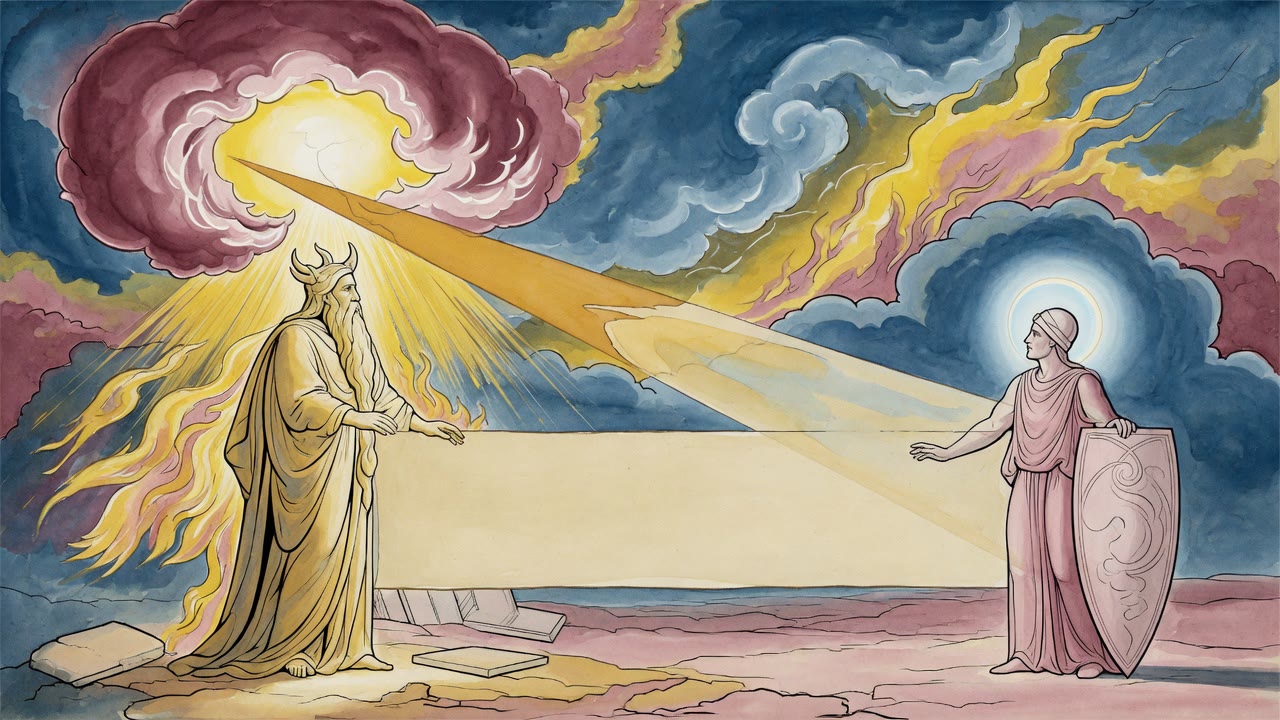
After the Golden Calf, God offered Israel an angel instead of His presence. Moses refused. What followed was the most consequential negotiation in Torah.
Those born in the wilderness had never seen the sun. The divine clouds that covered the camp were there for Aaron. When he died, so did the clouds.
At Sinai, Moses walked into the cloud where God dwelled while everyone else stepped back. The Mekhilta says it wasn't power that got him there — it was humility.
The rabbis read a single verse in Exodus and concluded something radical: when Israel suffers, God suffers. Not as a metaphor. As a fact.
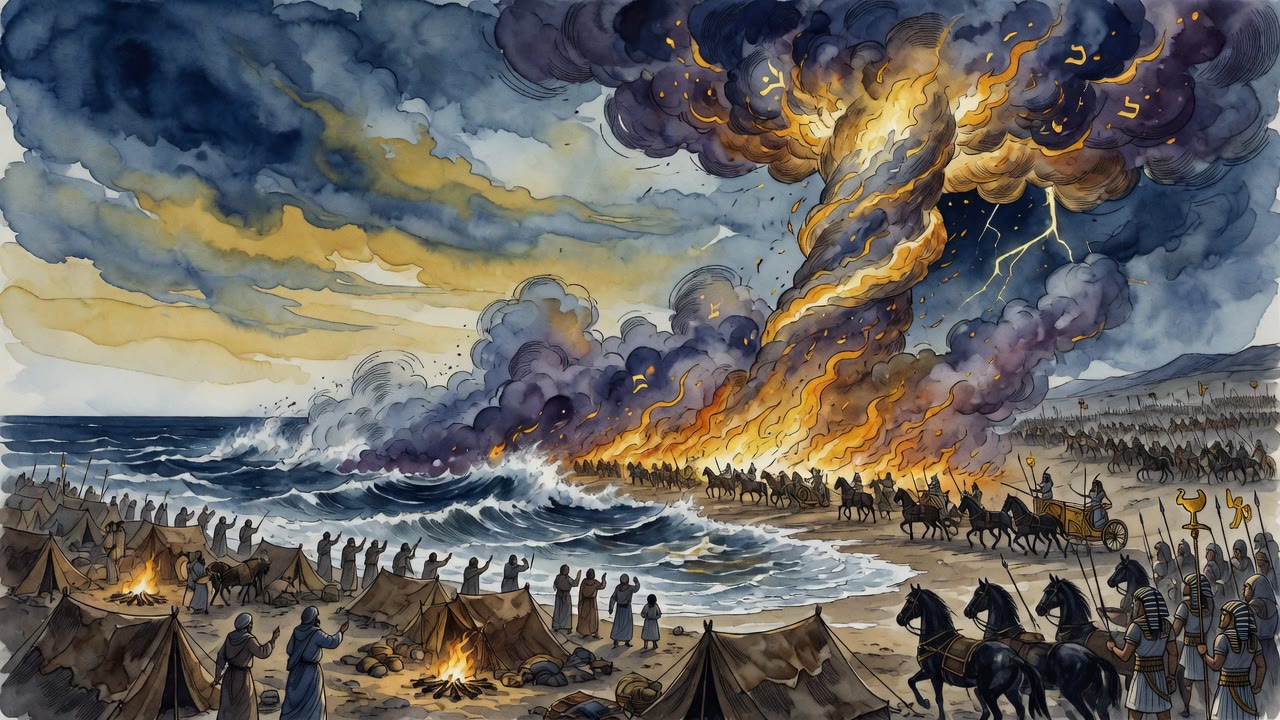
The Mekhilta describes Israel at the sea using an image from nature: a dove fleeing a hawk who finds shelter in a cliff where a serpent waits. Sea in front. Pharaoh behind. God watching.
Israel calls God their glory. God turns and calls Israel His glory. The Mekhilta sees this exchange as the most remarkable fact in the universe.
Rabbi Shimon ben Yochai read Jeremiah and found something stunning: the sun rising each morning is testimony that the God who split the sea still rules.
In Exodus the divine messenger is called the angel of God, not the angel of the Lord. Rabbi Shimon ben Yochai explained what that change means, and it is not reassuring.
From Abraham's dawn walk to the Binding of Isaac to the morning watch at the Red Sea, the Mekhilta traces a secret pattern running through all of Torah: God answers in the morning.
Israel was trapped at the sea with the Egyptian army behind them. What they did not know was that God had also sealed the desert with wild beasts.
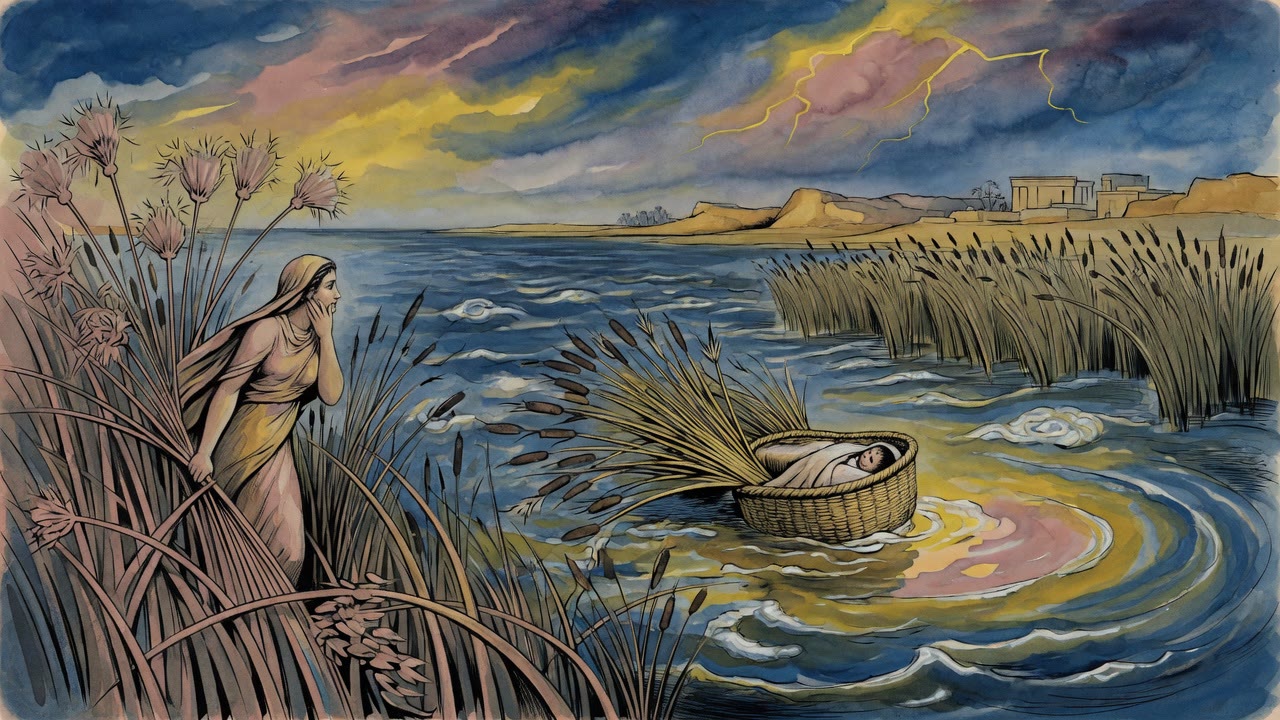
The Mekhilta reads three words from Exodus 2:4 as a three-part proof that Miriam carried genuine prophetic power the day her brother floated downstream.
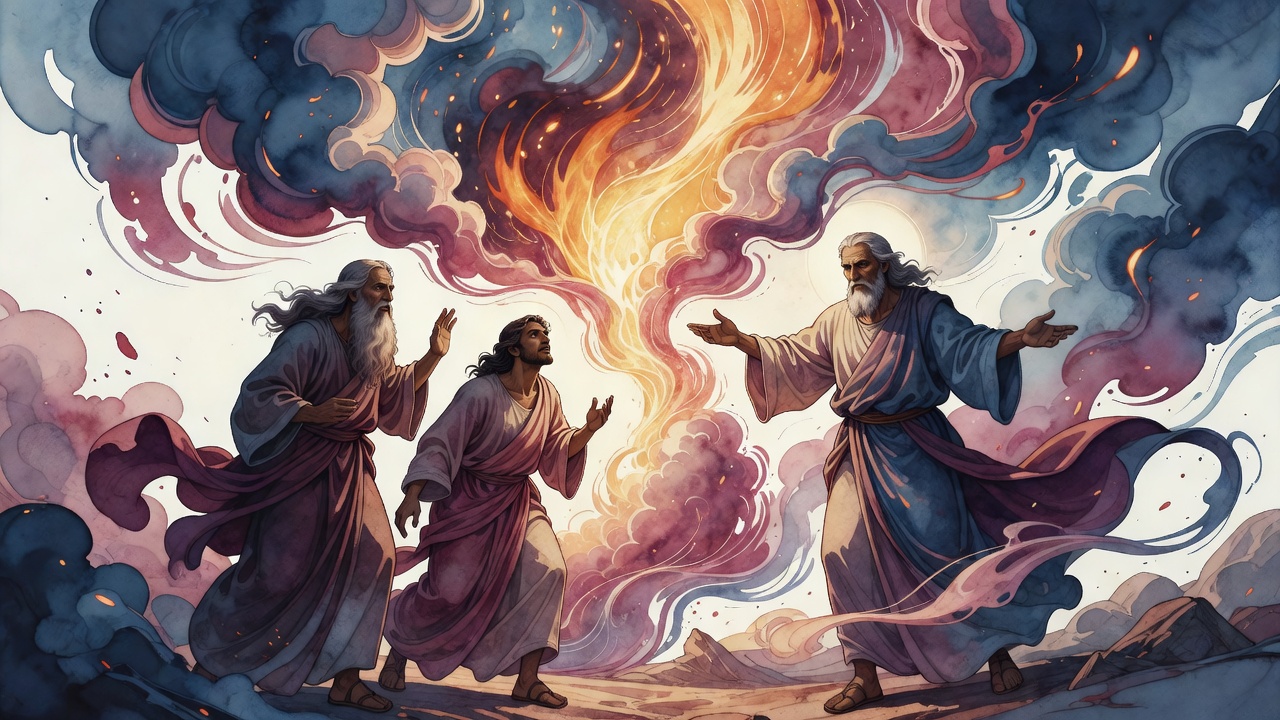
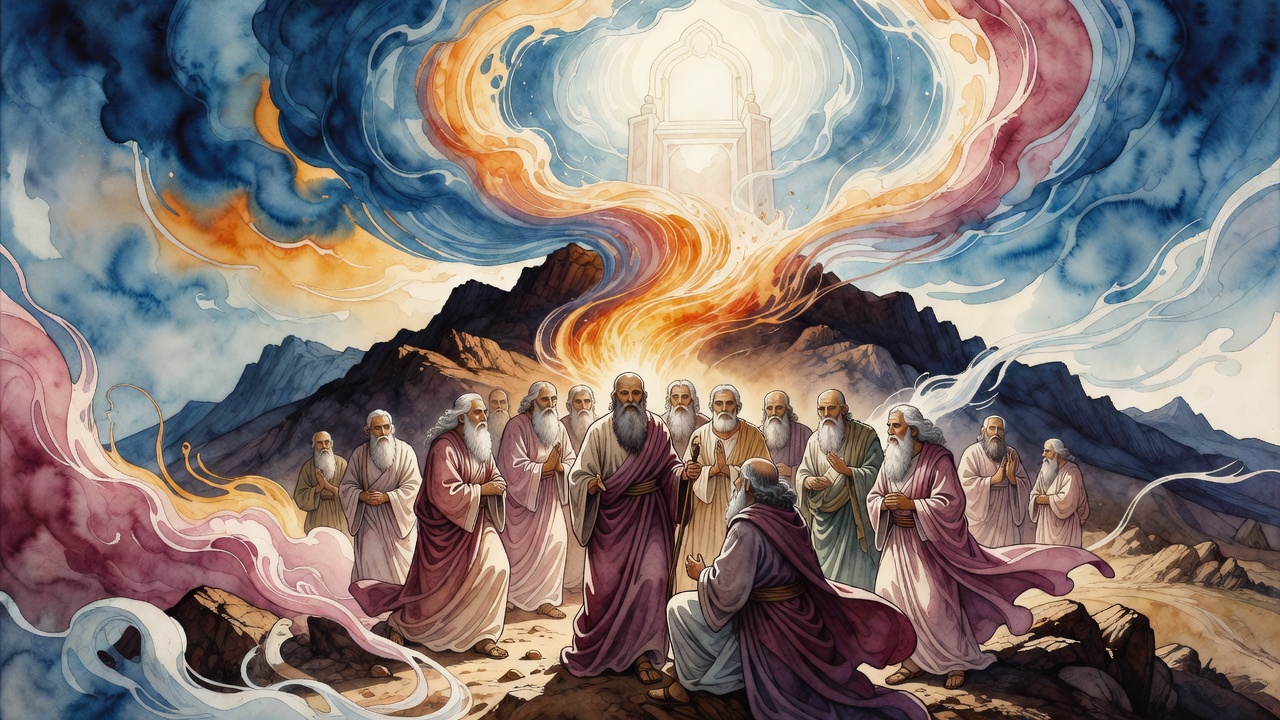
Moses, Aaron, and seventy elders climbed Sinai and saw God. That is what the Torah says. Onkelos and the rabbis spent centuries explaining why that cannot mean what it appears to mean.
The Song of Songs describes cheeks lovely with ornaments. The rabbis read those cheeks as Moses and Aaron, and the ornament as something rarer than gold.
Moses asked God to show him his glory. God said no — then offered something stranger than yes would have been: a glimpse of the divine wake.
When Pharaoh's daughter opened the basket in the Nile, the Tikkunei Zohar says she was not the only one who saw the crying infant. The Shekhinah was weeping too, and her tears were about an exile that had not yet happened.
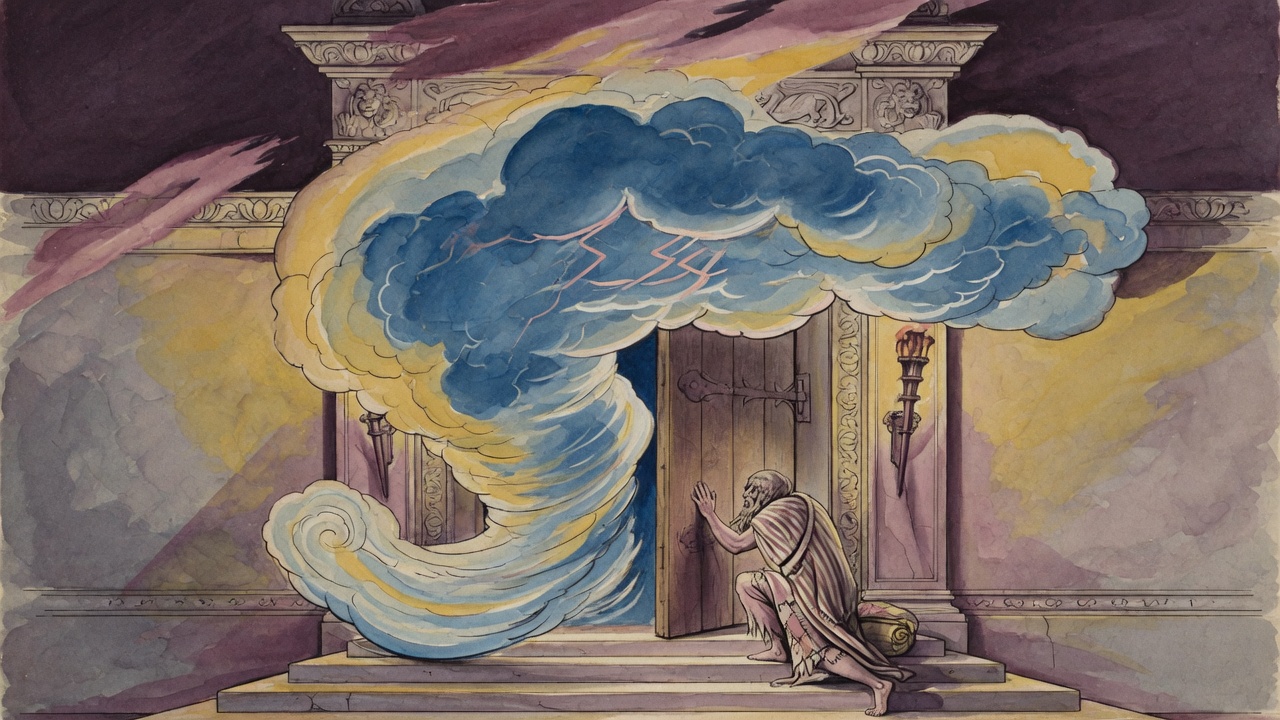
At Sinai, God did not appear in blinding light. He appeared in thick darkness. The Mekhilta DeRabbi Yishmael explains why the deepest encounter with the divine requires passing through a darkness that light cannot penetrate.
The Talmud preserves an extraordinary account of Moses ascending to heaven to receive the Torah and finding the angels furious at the intrusion. They demanded God keep the Torah in heaven, where it belonged. Moses answered them.
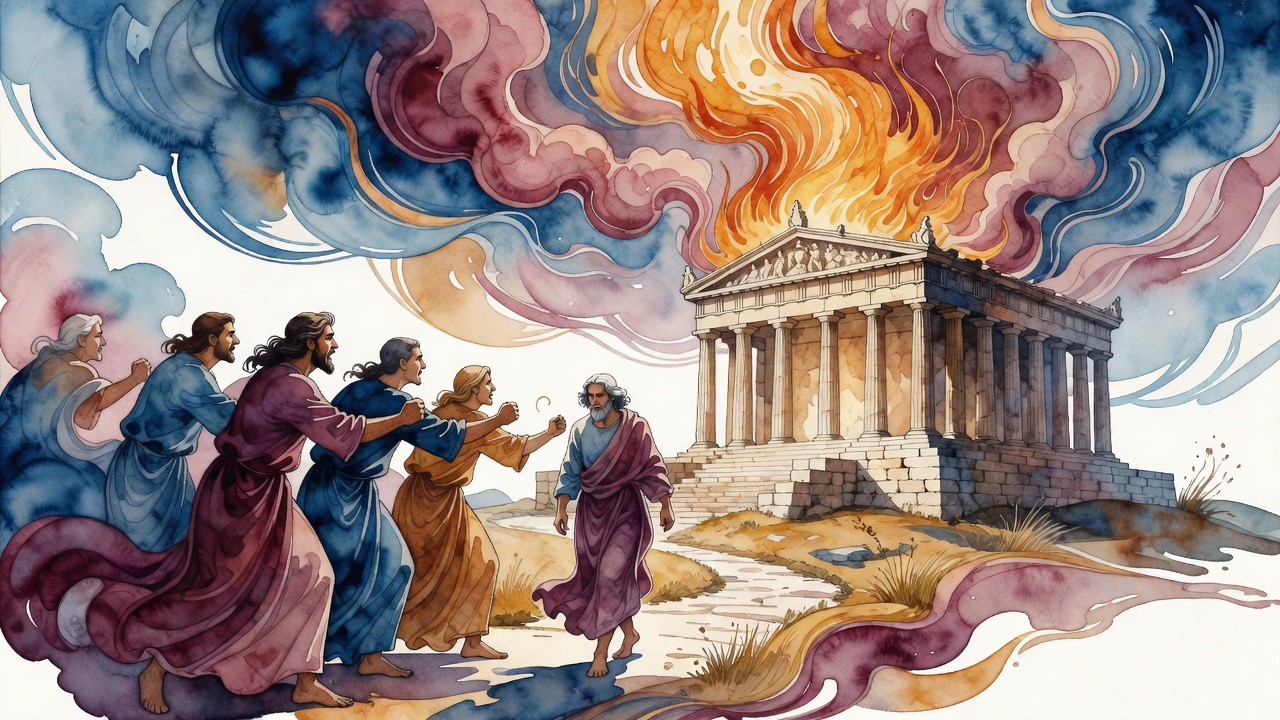
Deuteronomy's laws about maintaining camp sanitation seem like military hygiene. Sifrei Devarim reveals they are about something far more serious: the divine presence traveled with Israel in the wilderness, and its departure was a catastrophe worse than any military defeat.
Every prophet received visions and dreams. Moses received something different, something the Torah calls face-to-face speech, and the rabbinic sages spent centuries trying to explain what that difference actually cost him.
After the golden calf disaster, Moses asked to see God's glory. What he glimpsed instead was the back of God's head, and something knotted there that no human being had ever seen.
The Hebrew Bible mentions a cloud over the Tabernacle. The Targum Jonathan transforms it into a sentient navigation system with absolute authority over 600,000 people and no tolerance for independent movement.
Philo of Alexandria, writing around 20 CE, made a claim that should have been impossible: Moses did not just speak to God. He sat on God's throne.
The most uncomfortable sections of Leviticus, the ones about bodily discharge and skin disease, are the ones God says are pleasant. The Midrash explains why.
Psalm 65 declares 'blessed is the one you choose and bring near.' Midrash Tehillim identifies this not as a statement about the distant righteous but about the Sons of Korah, the descendants of the rebel who was swallowed alive, who were chosen to serve in the Temple's inner courts and stand closer to the divine presence than almost any other human beings.
Moses begged God to let him enter the Land of Israel. When God refused, He attended to Moses in death the way no human being ever could.
God told Israel that a sigh is enough to reach the Throne. But the blessing it brings can only be received in one place on earth.
Even when God declares he will hide his face from Israel, Rabbi Meir insisted the very next verse proves the relationship is unbreakable: no matter how angry, God still calls Israel 'sons.' The Shekhinah's withdrawal is real, but the parent-child bond survives it.
Psalm 27 records David's famous request to dwell in God's house all his days, but Midrash Tehillim catches a contradiction: David immediately adds a second request. The rabbis use this small verbal slip to open a meditation on what it really means to long for the divine presence, and why God's answer surprised David more than his question surprised God.
Psalm 65 opens with a paradox: silence is praise to God in Zion. Midrash Tehillim connects this to Isaiah's description of God restraining himself like a woman in labor, holding back a cry. Two of Israel's greatest voices, David and Isaiah, converge on the same insight: sometimes God's power is most present in what is not said.
The rabbis of Midrash Tehillim saw in Psalm 119 a map of David's entire spiritual life, from his plea for divine attention to his struggle to keep his feet on the right path. They found there a teaching about how God and the human soul turn toward each other in a rhythm older than time.
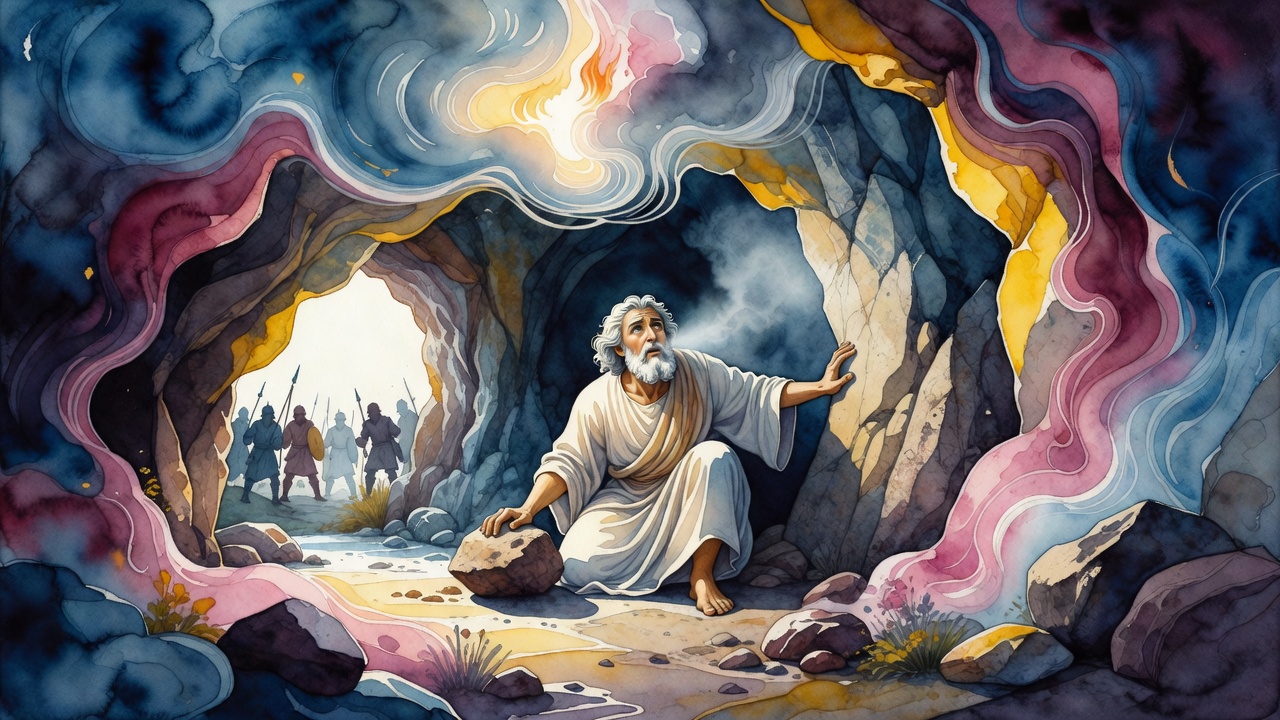
Psalm 142 was written in a cave, with Saul's army searching outside. The rabbis of Midrash Tehillim found in that moment of total isolation something deeper than despair: the discovery that divine presence becomes most tangible precisely when every human protection has failed.
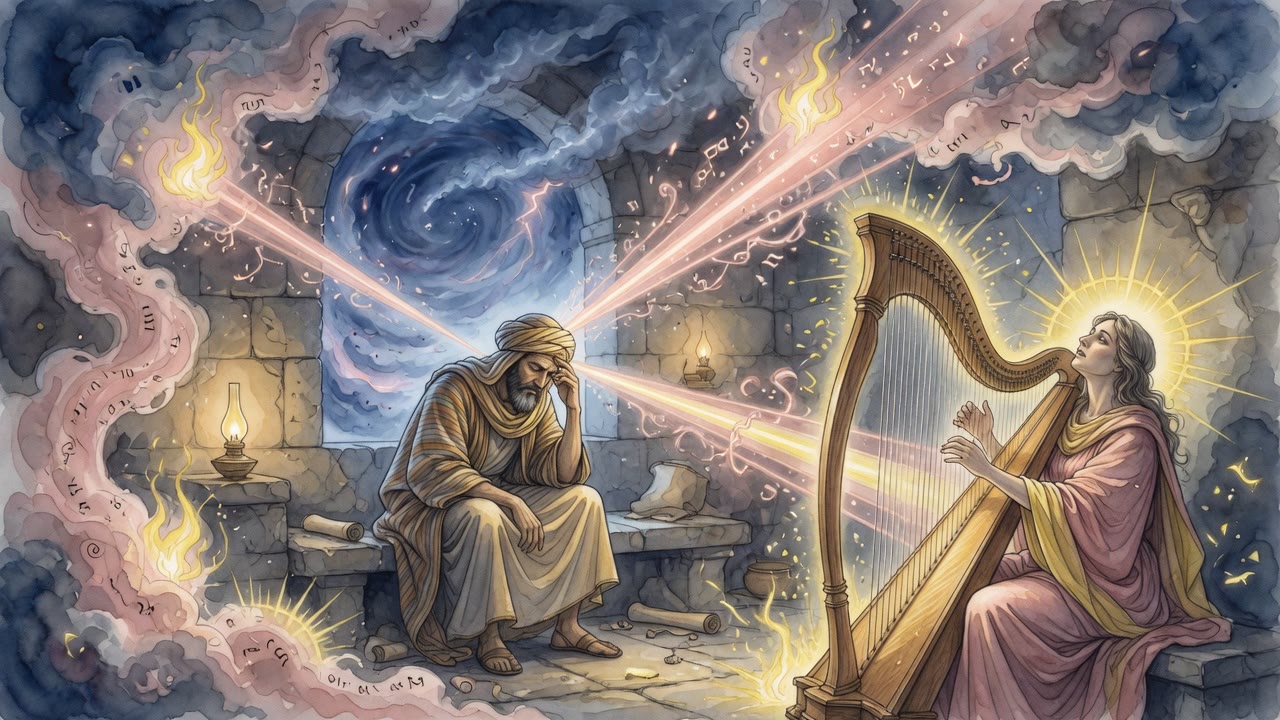
Elisha could not prophesy until a musician played. Midrash Tehillim finds in that moment a whole theology of how humans receive the divine.
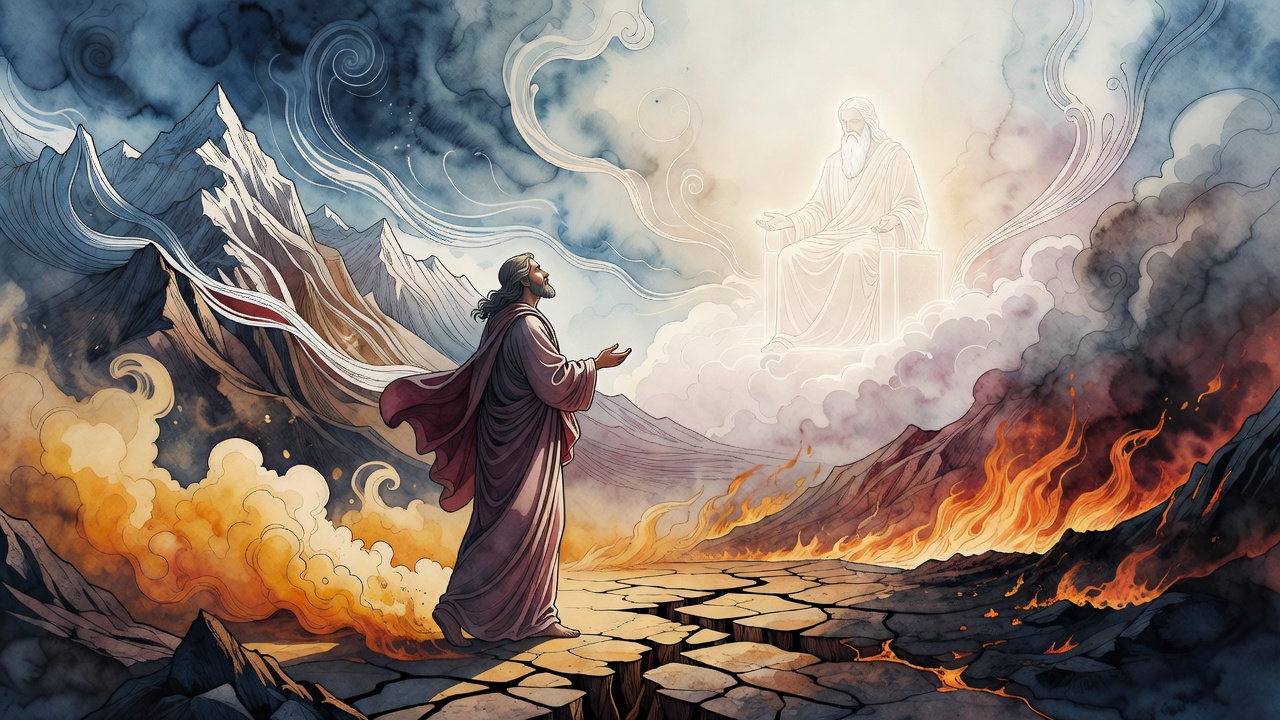
Elijah looked for God in wind, fire, and earthquake. He found nothing. Then came a still small voice. The Zohar explains why only silence could carry the divine presence, and what that means for prayer.
Midrash Tehillim reads the opening of Psalm 42, 'as the deer longs for streams of water,' through the lens of Esther's hidden identity in the Persian court. The deer is not what you expect, the grammar is strange on purpose, and Solomon's Proverbs connects the thirst for God to the very survival of a people in exile.
Moses said God's cloud traveled with Israel through the desert. Jeremiah said that same cloud now blocked every prayer. The rabbis asked what changed.
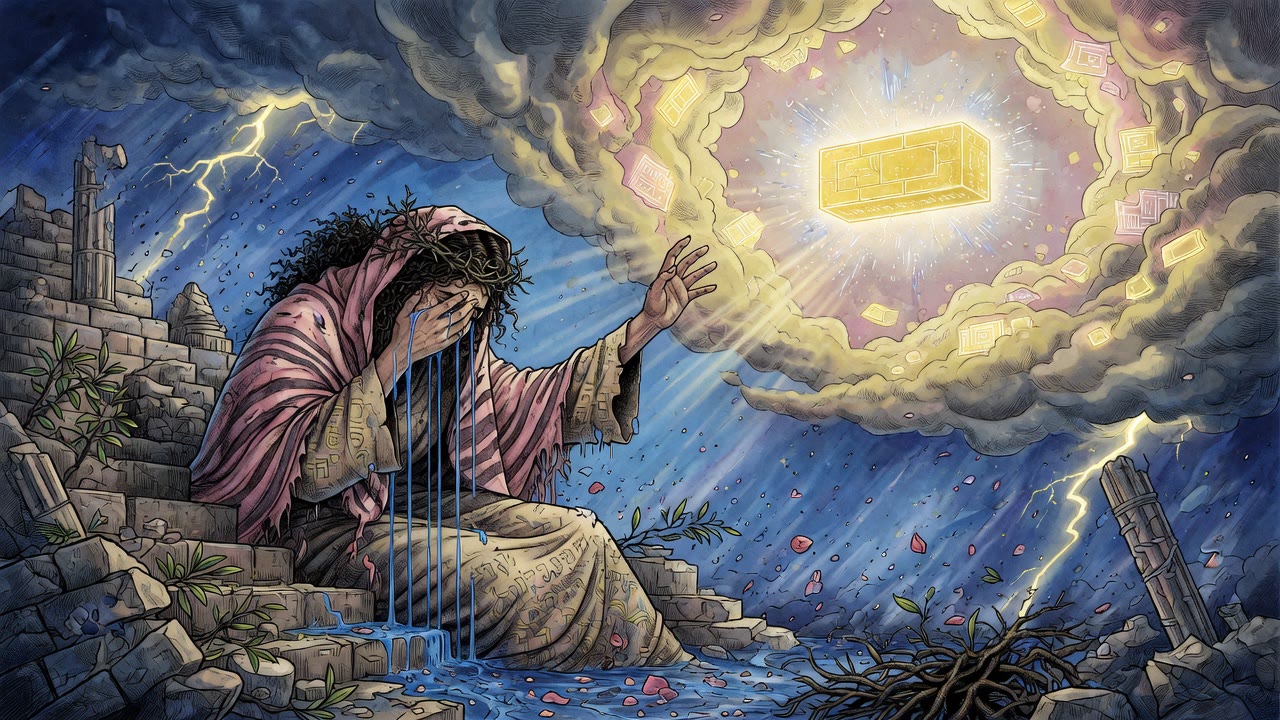
When the Temple fell and God asked why His beloved was still in His house, the Talmud records that it was Abraham, standing in the ruins, refusing to leave until he heard an answer for his children's fate.
When Israel was exiled to Babylon, the rabbis had to answer an impossible question: does exile mean God has abandoned his people?
A 2nd-century rabbi taught that God follows the people wherever they pray. Even one person alone in a room draws the Shechinah near.
Psalm 104 opens with David blessing God with his soul. Midrash Tanchuma asks why the soul, of all things, and the answer turns the entire psalm into a mirror.
Balaam warned his king: if you curse Israel, you touch God. The two are bound together like a man and his garment. Even Lamentations knows this. Even exile cannot cut the cord.
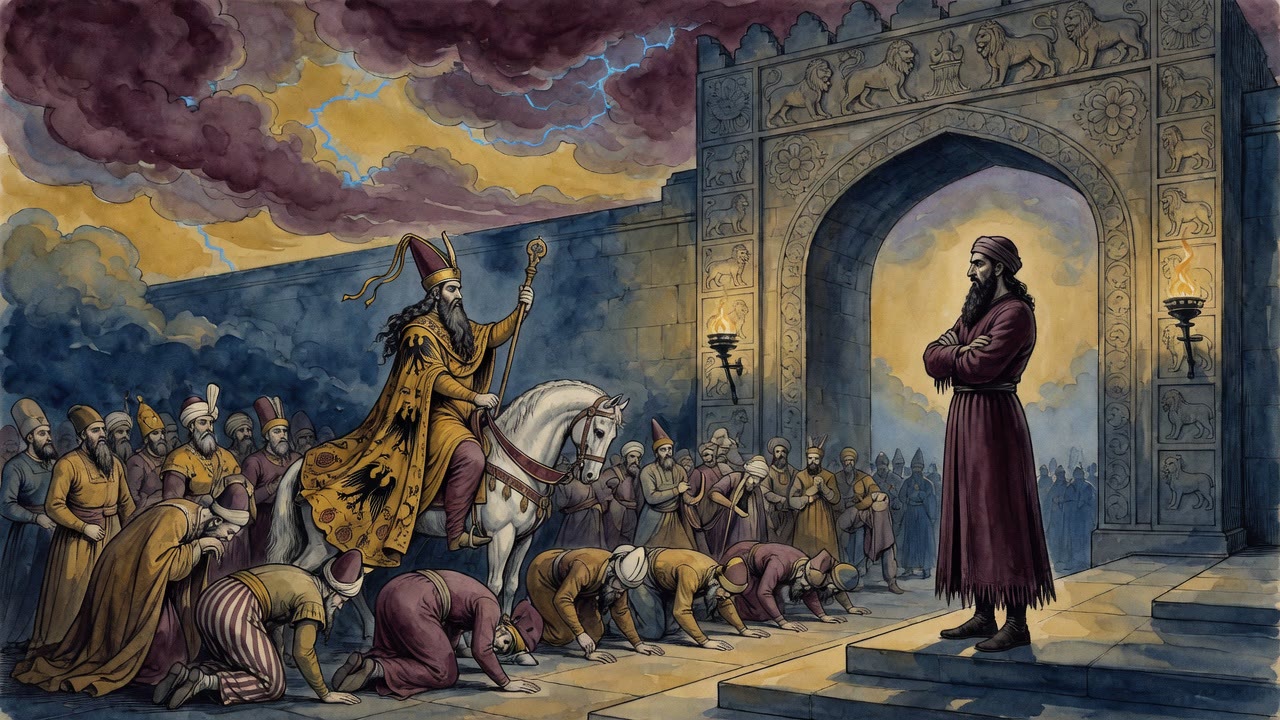
When the Persian court demanded Mordecai bow to Haman, he answered with a genealogy no one could refute and a principle no king could override.
Moses, Jacob, David, and Mordechai all received advance notice that destiny was turning. According to the rabbis, two of them recognized the message and two did not. The difference mattered.
The greatest sage of his generation could not heal his own son. The reason he gave explains everything the rabbis believed about prayer, authority, and the difference between knowledge and intimacy with God.
The Tikkunei Zohar says Israel is not merely God's people but the feet of the Shechinah. When Israel goes into exile, the divine presence goes too.
When Israel was exiled to Babylon, Elam, and Edom, the Shekhinah went too. And when the return comes, the tradition says she will not return without her people.
The Tikkunei Zohar makes a radical claim: God is not watching Israel from afar in exile. The Shekhinah, the divine feminine presence, descends into exile with Israel, and in Her love, God is bound with Her there.
When Rebekah lifted her pitcher at the well in Genesis, the Tikkunei Zohar saw something hidden in plain sight: the divine presence itself, drawing from the source that sustains all worlds.
The Tikkunei Zohar teaches that Lilith is not merely a demon. She is the name for the sadness that blocks the divine presence from entering human life.
Enoch returned from heaven and stood before his sons. He had seen God's face and written 366 books. He had to find words for what no language was built to say.