Parshat Chukat7 min read

When the Clouds of Glory Vanished with Aaron

Those born in the wilderness had never seen the sun. The divine clouds that covered the camp were there for Aaron. When he died, so did the clouds.

Table of Contents
  1. Why the Clouds Were There for Aaron's Sake
  2. What the Desert-Born Generation Saw Overhead
  3. How Did Aaron Stop a Plague by Standing Between the Living and the Dead?
  4. Mourning a Man Who Was Mourned More Widely Than Moses

There are people alive in this story who had never seen the sun.

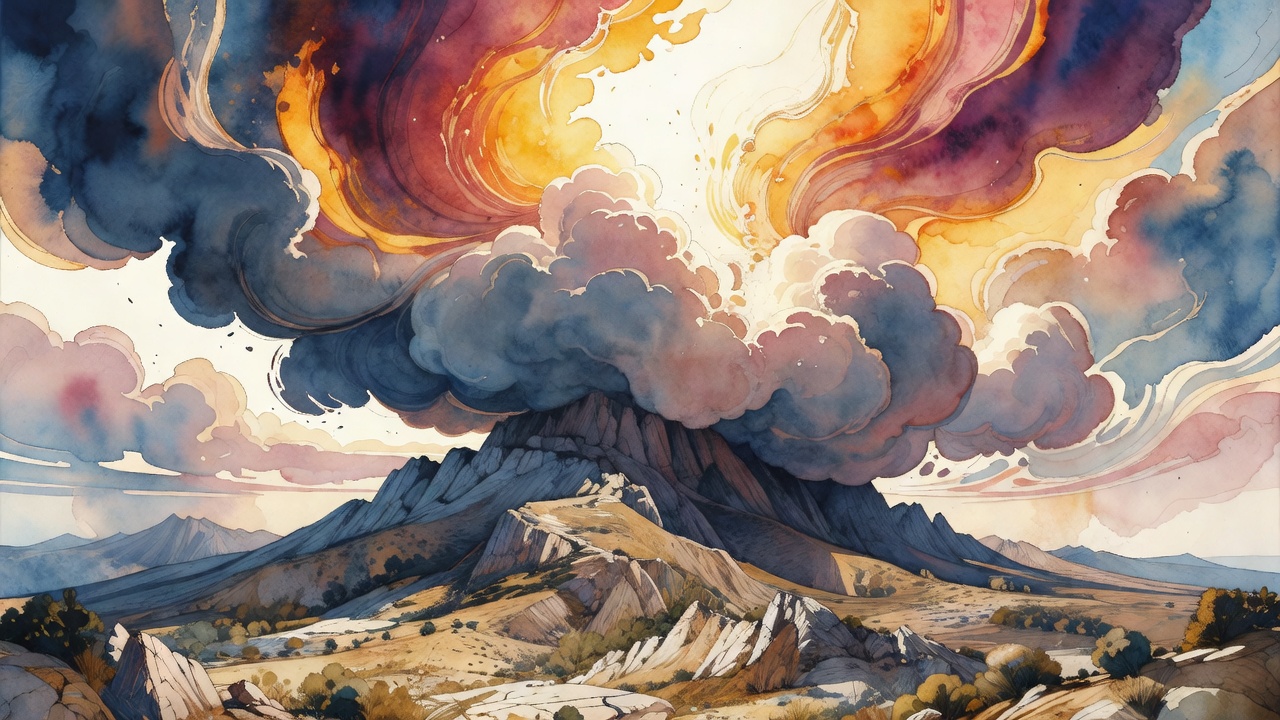
Not because they were blind. Because for their entire lives, the Ananei HaKavod, the clouds of divine glory that accompanied Israel through the wilderness, had covered the sky above the camp. Anyone born after the Exodus had grown up beneath a canopy that filtered out the direct light of sun and moon and stars. The Legends of the Jews notes this as one of the remarkable features of the wilderness generation: they were protected from the elements in a way that had no parallel before or since, and the protection was so complete that when it ended, the world they stepped into was almost unrecognizable.

It ended the day Aaron died.

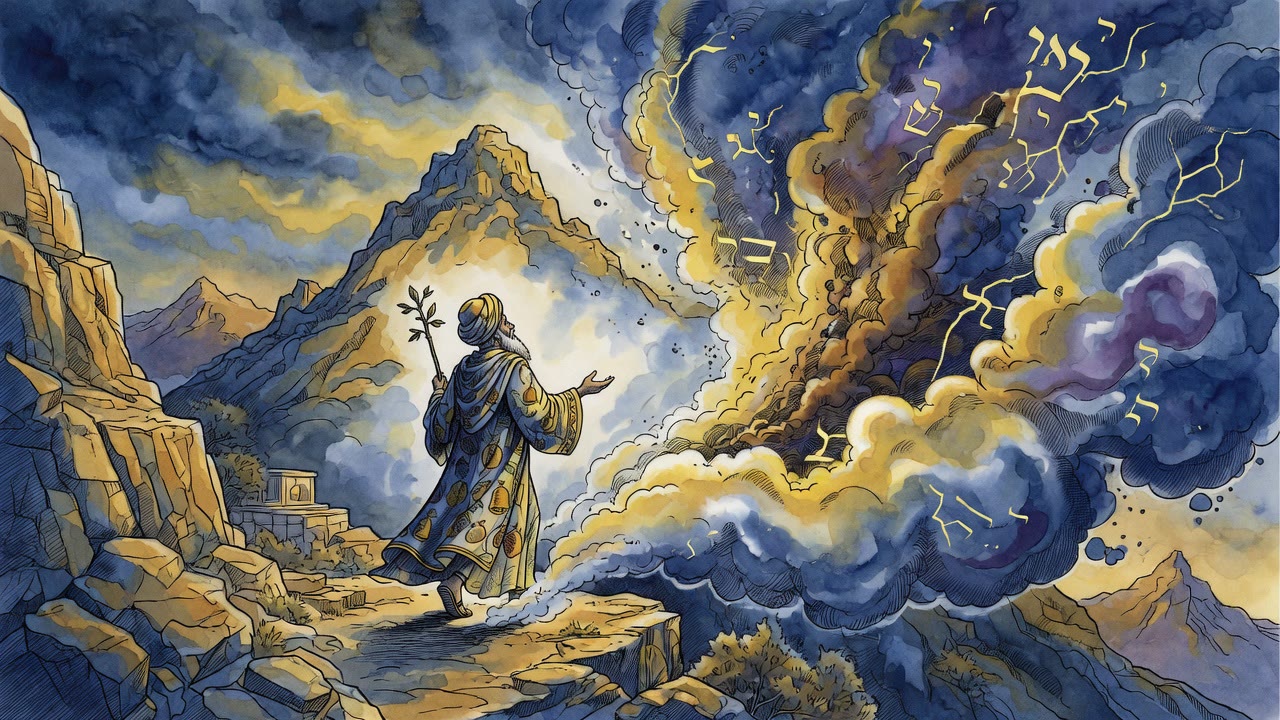
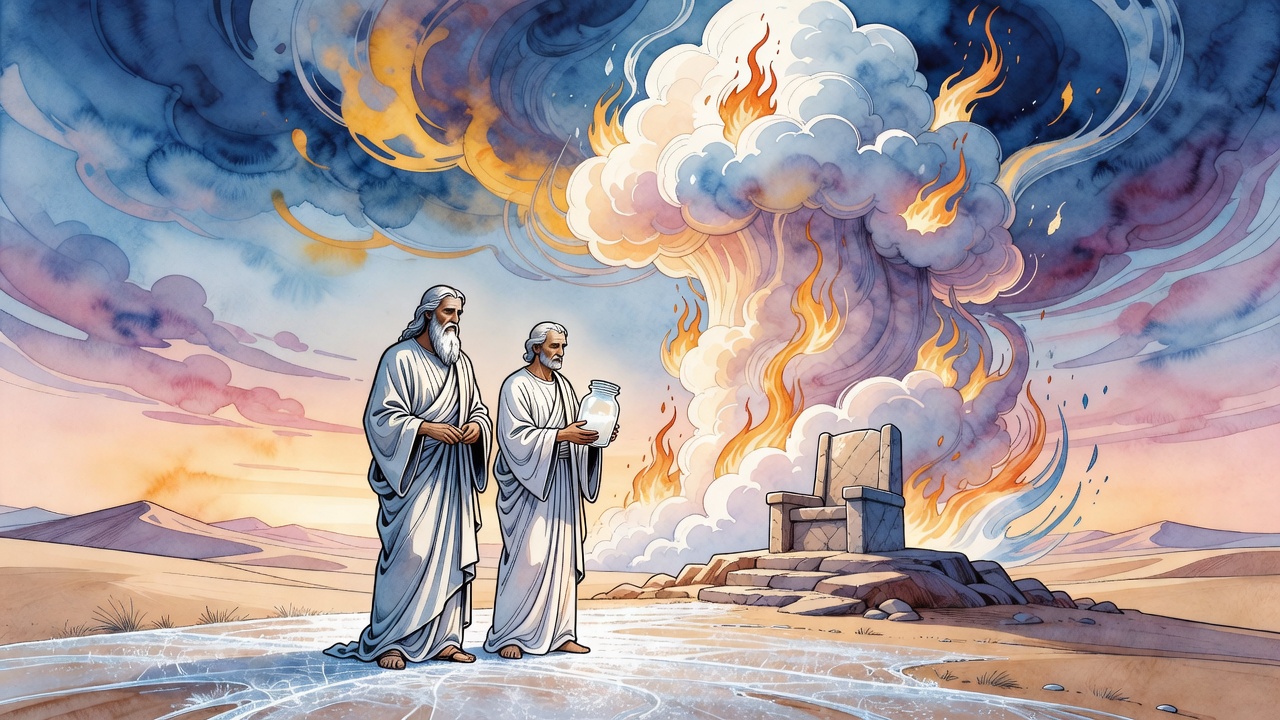
Moses and his nephew Eleazar had gone up to Mount Hor with Aaron. The Torah describes what happened there in compressed, almost clinical terms: Aaron's priestly garments were transferred to Eleazar. Aaron died. Moses and Eleazar came back down alone (Numbers 20:27-29). But below, in the camp, the people had been watching, and what they saw from a distance was that two men had gone up and two men had come down, and the third was not with them.

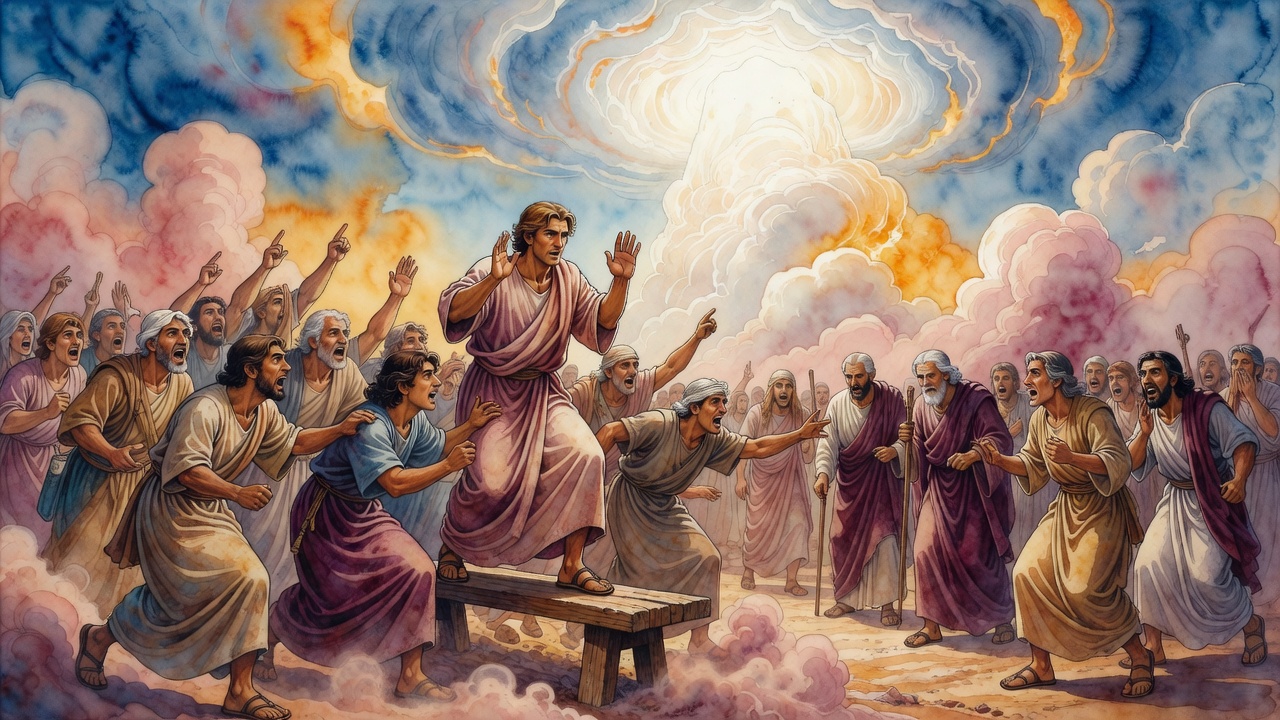
The moment Moses and Eleazar returned without Aaron, the clouds began to dissolve.

Why the Clouds Were There for Aaron's Sake

The tradition's explanation for this is specific and striking. The clouds of glory had not been given to the whole nation as a generic blessing. They had been given, specifically, in the merit of Aaron. His presence among the people, his priestly intercession, his role as the one who brought peace between neighbors and reconciled estranged spouses, the man who had stood with incense between the living and the dead and stopped a plague, all of this generated a kind of spiritual shelter that extended outward from him and covered the entire camp.

When he was gone, the shelter was gone.

The Midrash Tanchuma, a fifth-century homiletical commentary, draws the connection explicitly: the Israelites knew, in that moment, what Aaron had actually been providing them. Not because it was ever hidden, but because the knowledge had been abstract until the morning they woke up and the sky looked different. A whole generation stood under an open heaven, feeling sunlight directly on their skin for the first time, and understood by that sensation what they had lost.

What the Desert-Born Generation Saw Overhead

The sun. The moon in its phases. Stars at night in numbers that staggered them. The Legends of the Jews records a detail that the Torah does not: some of the people, seeing these celestial bodies for the first time as adults, were tempted to worship them. Not because they were foolish or disloyal. Because the sun and moon and stars were genuinely overwhelming when encountered without preparation, and the human response to something so vast and beautiful and apparently powerful can tip, in an unguarded moment, toward reverence.

God's response to this moment of temptation was neither punishment nor silence. It was a reminder. The Talmud Bavli, compiled in sixth-century Babylonia, records that God spoke to them about the covenant, about what the Torah had already said regarding the celestial bodies: these were made for you, not to be worshipped by you. The same God who created the sun is the God who brought you out of Egypt. The awe you feel looking at the sky is appropriate. The direction of that awe matters.

How Did Aaron Stop a Plague by Standing Between the Living and the Dead?

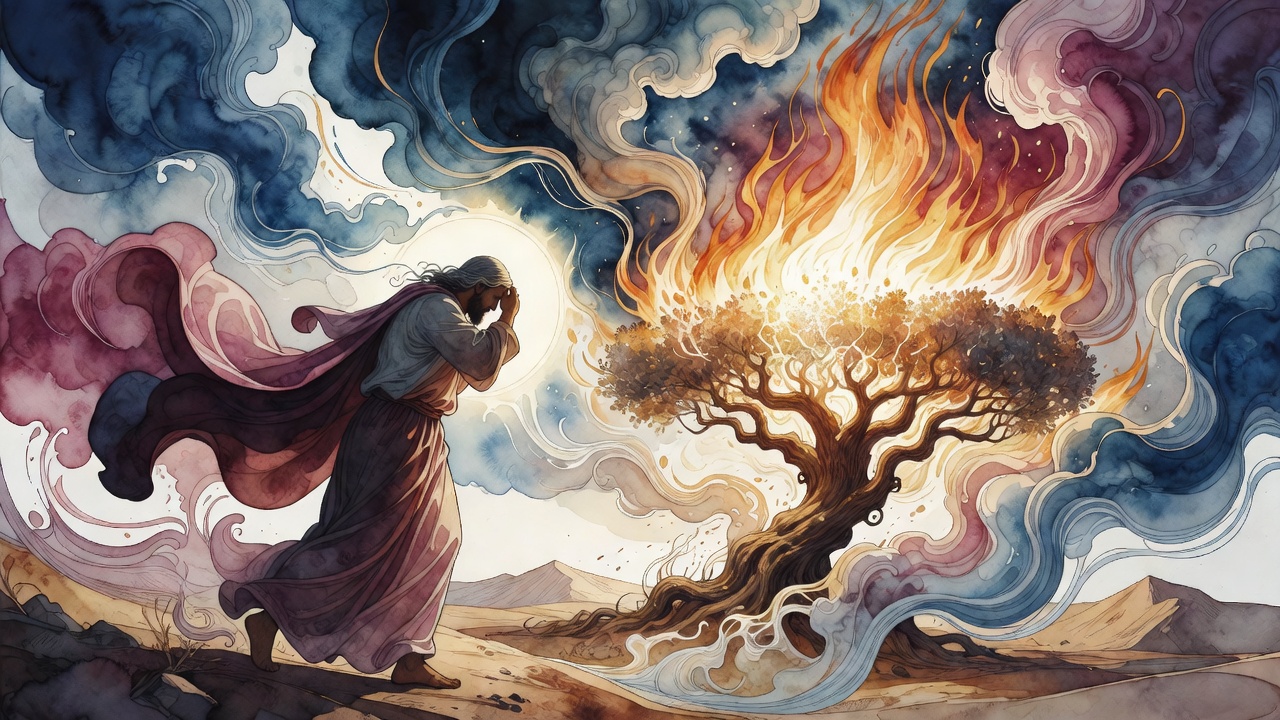
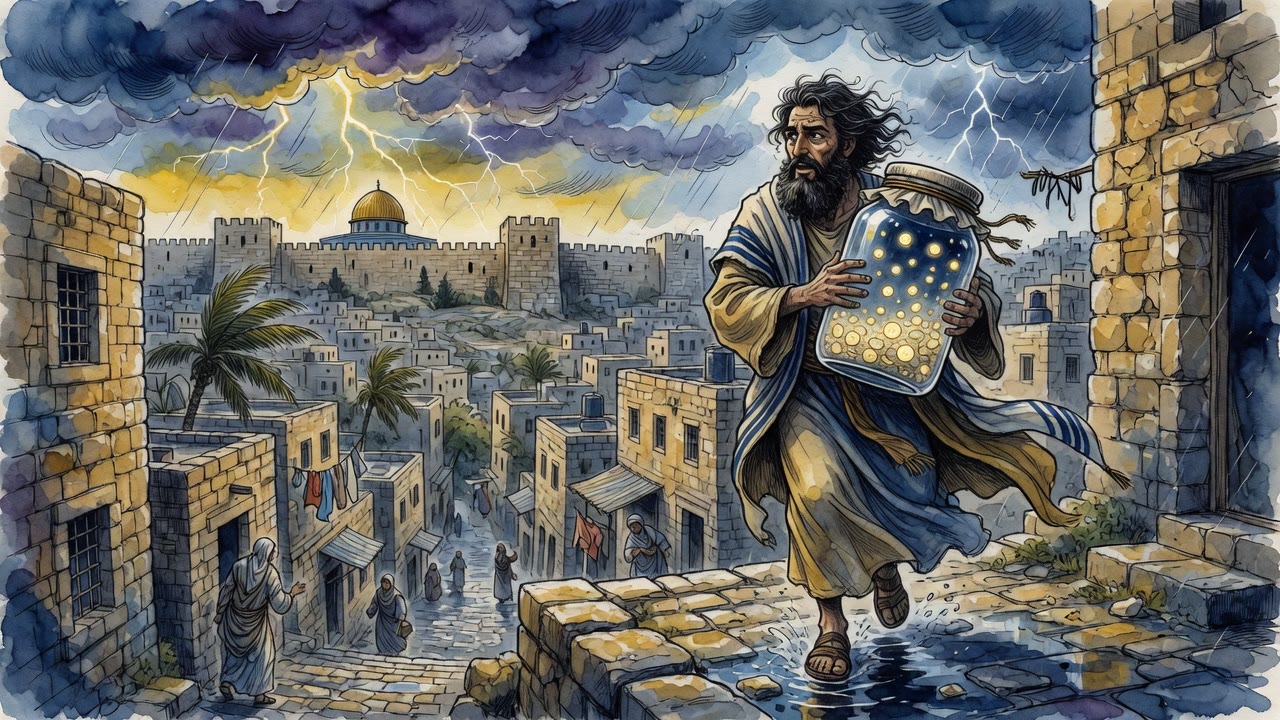
The detail that makes Aaron's death so disorienting for the tradition is not simply that the nation lost its High Priest. It is that the High Priest they lost had recently done something no one else had done. When God sent a plague after Korah's rebellion, fourteen thousand seven hundred people died before Aaron ran through the camp with his incense censer and stood at the boundary between the section of the camp where the dying had not yet reached and the section where it had. He stood there until the plague stopped (Numbers 17:13). He did not call out to God from a distance. He inserted himself into the gap.

Numbers Rabbah, compiled in fifth-century Palestine, reads Aaron's intercession as the defining act of his priestly career. The High Priest's role was always to stand between the people and the consequences of their failures, to carry the names of the tribes on his breastplate into the sanctuary, to perform the atonement rituals on the Day of Atonement that maintained the covenant despite the nation's recurring failures. What Aaron did with the incense was that role made visceral and immediate. He turned his body into the barrier. He held the line between the living and the dead with his own presence until the dying stopped.

Pirkei DeRabbi Eliezer, the eighth-century Palestinian compilation, notes that when Aaron died on Mount Hor, the people who survived the plague he had stopped were still alive because he had stopped it. Some of them were now watching from below as Moses and Eleazar came down without him, and the clouds that had always covered the sky above the camp began to thin and disappear. The man who had once stood between them and death was gone, and the absence was physical before it was anything else.

Mourning a Man Who Was Mourned More Widely Than Moses

The Torah records that Aaron was mourned for thirty days by the entire house of Israel (Numbers 20:29), men and women both. Moses, by contrast, when he died, was mourned by the children of Israel, with the tradition noting the distinction. Aaron was mourned by everyone. The Midrash Rabbah, compiled in fifth-century Palestine, explains this difference with a quality that defined Aaron's entire life: he was the one who made peace. When two neighbors were in conflict, Aaron would visit each one separately and tell each that the other was ashamed of the quarrel and wanted to reconcile. When a husband and wife were estranged, Aaron worked to bring them back together. By the time these people stood before Aaron having been reconciled by his efforts, they loved him for what he had done without knowing he had done it.

When he died, they did not fully understand why they were so devastated. They knew they had lost the High Priest. They did not always know that they had lost the man who had quietly been holding their relationships together.

The clouds that had covered the camp for decades faded out gradually as the mourning period went on. Eleazar was invested as the new High Priest. The Shechinah, God's divine presence, remained among the people, though the form it took had shifted. What had been visible shelter became something more interior, the covenant still present but the physical protection withdrawn.

Pirkei DeRabbi Eliezer, the eighth-century Palestinian text, preserves a quiet observation about what happened next: the generation born in the desert had to learn how to walk in direct sunlight. They had to adjust to weather. They had to see the moon change and not be frightened. They had to discover that the world outside the clouds was habitable, that the God who had covered them was also the God who had made the sun and the stars, and that both forms of care were the same care.

Aaron's death taught an entire generation to see the sky. The lesson arrived at a cost that none of them would have chosen to pay.

← All myths