David Looked Right and Found Only God in the Cave
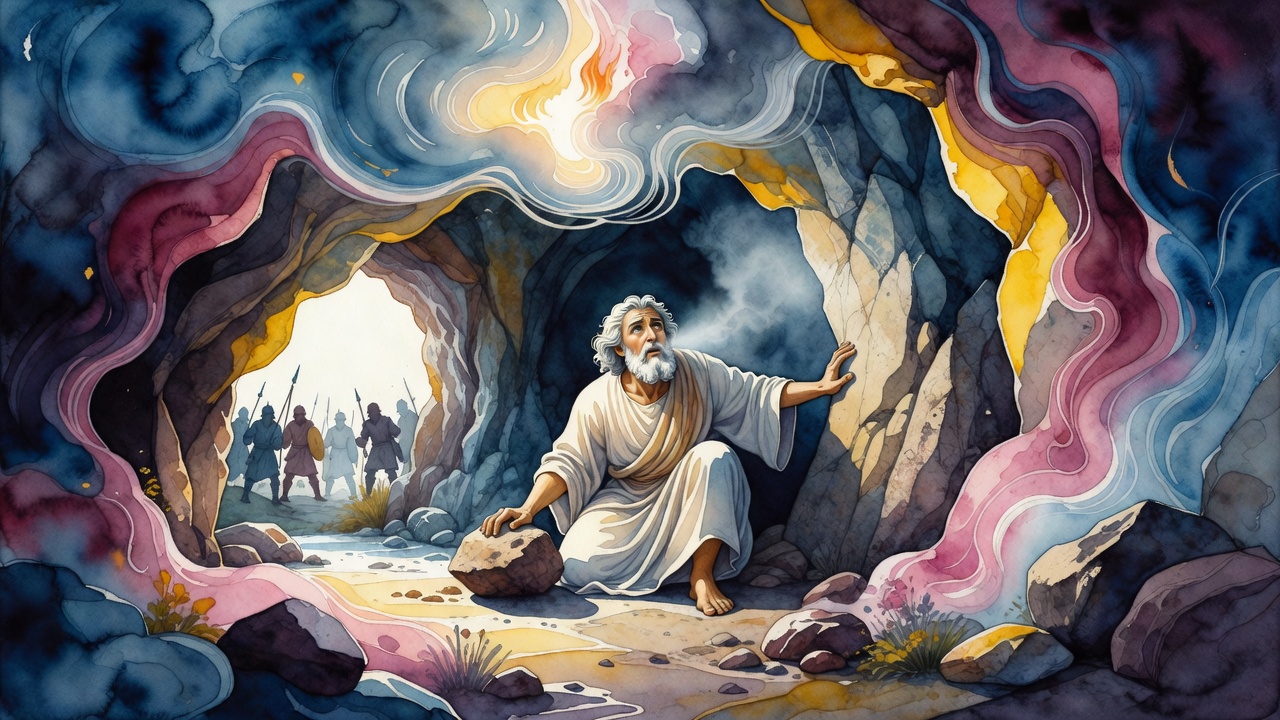
Saul's soldiers were outside. Inside, David had rock, breath, and a voice. He cried out twice, once for rescue and once against killing his own people.
Table of Contents
 Click for full size
A Hunted Man, Not a Poet Looking for Quiet
David did not enter the cave as a poet looking for solitude. He entered it as a hunted man. Saul was outside somewhere with soldiers and informers and the legal authority of a king whose throne had been promised to someone else and who knew it. Inside, David had rock, breath, and a voice that still knew where to aim itself.
Midrash Tehillim reads Psalm 142 as the prayer of a man stripped down to the last possible helper. The superscription calls it a maskil, a word for a psalm of deep understanding, which the rabbis take seriously. David understood something in that cave that wealth, wisdom, and strength had never taught him. The cave stripped away every visible proof of safety and left him with the one that remained.
What the Cave Removed
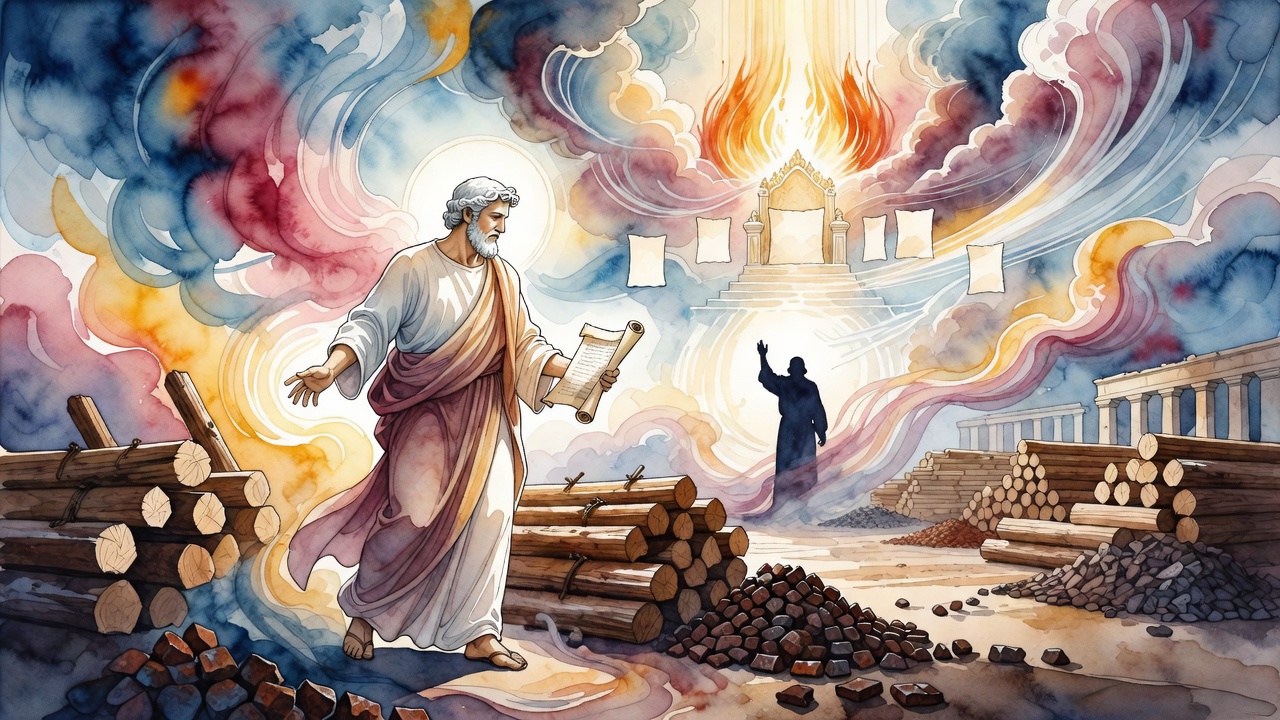
No court. No army. No harp being played in Saul's chamber to drive out the evil spirit. No public favor. No sign that Samuel's anointing with oil still meant anything in a world of spears and patrols. The Proverbs verse that the Midrash draws on says the name of the Lord is a strong tower and the righteous run into it. The Midrash turns that tower into the cave. David is not rescued from danger before he prays. He prays while danger is still breathing outside. Prayer is not decoration placed on top of security. It begins when security has collapsed.
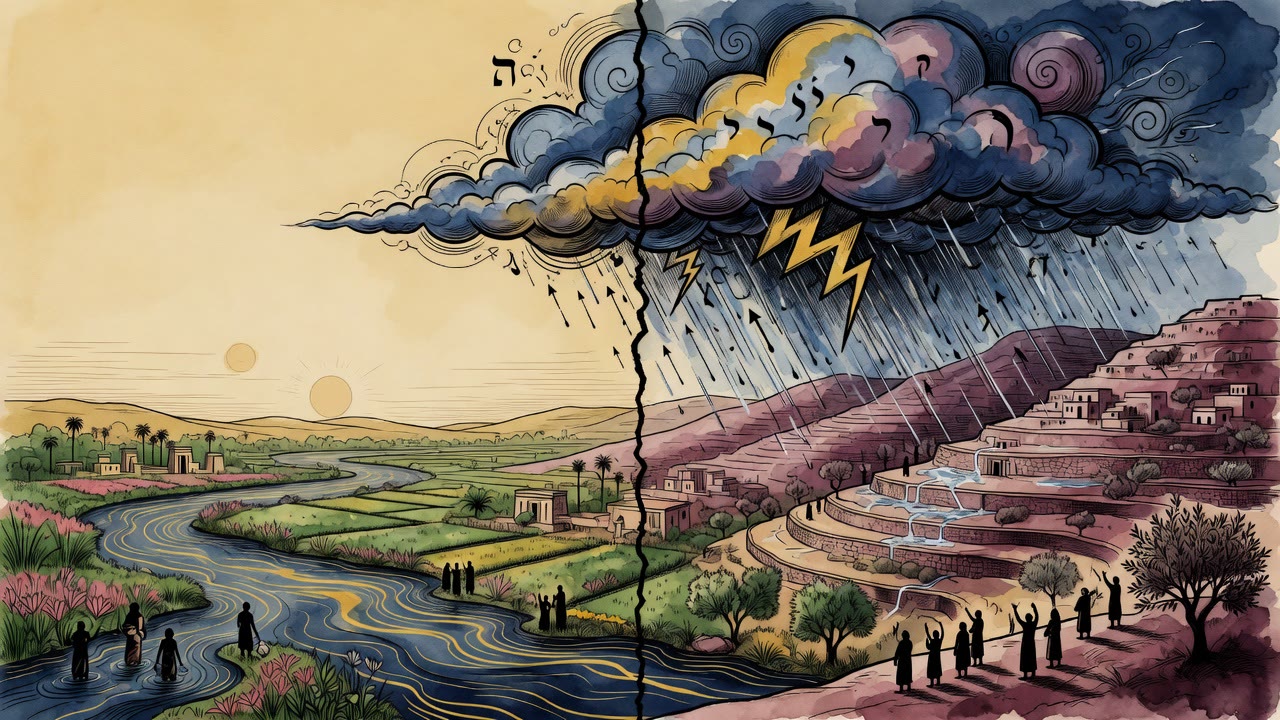
Midrash Tanchuma Buber on Vayetzei records a teaching attributed to Resh Lakish in the name of Rabbi Eleazar haKappar: the land of Israel is called the land of the living because the dead buried there will be the first to rise in the days of the Messiah. More than anywhere else, death in the land of Israel is not the end. The dust there waits to live. David prayed in the cave for the land of the living, which was the specific phrase he used in Psalm 142:6 for the place he wanted to return to. He was praying for the land where even the dead have a future.
David Prayed Against His Own Revenge Impulse
Midrash Tehillim records a detail that the psalm itself only implies. When David cried out to God, he said he had poured out his complaint before God and declared his trouble before God. The Midrash asks: why does he say twice that he cried out? Why twice my voice?
The answer is that the first cry was the prayer itself, the petition for rescue. But the second cry was a prayer against his own temptation. David knew that Saul's men who were persecuting him were also fellow Israelites. He prayed that he would not take revenge on them, that he would not allow the cave to turn him into the kind of man who destroys his own people in the name of his own survival. He was praying twice: once for rescue and once for the restraint that would make him worth rescuing.
God Stands on the Right
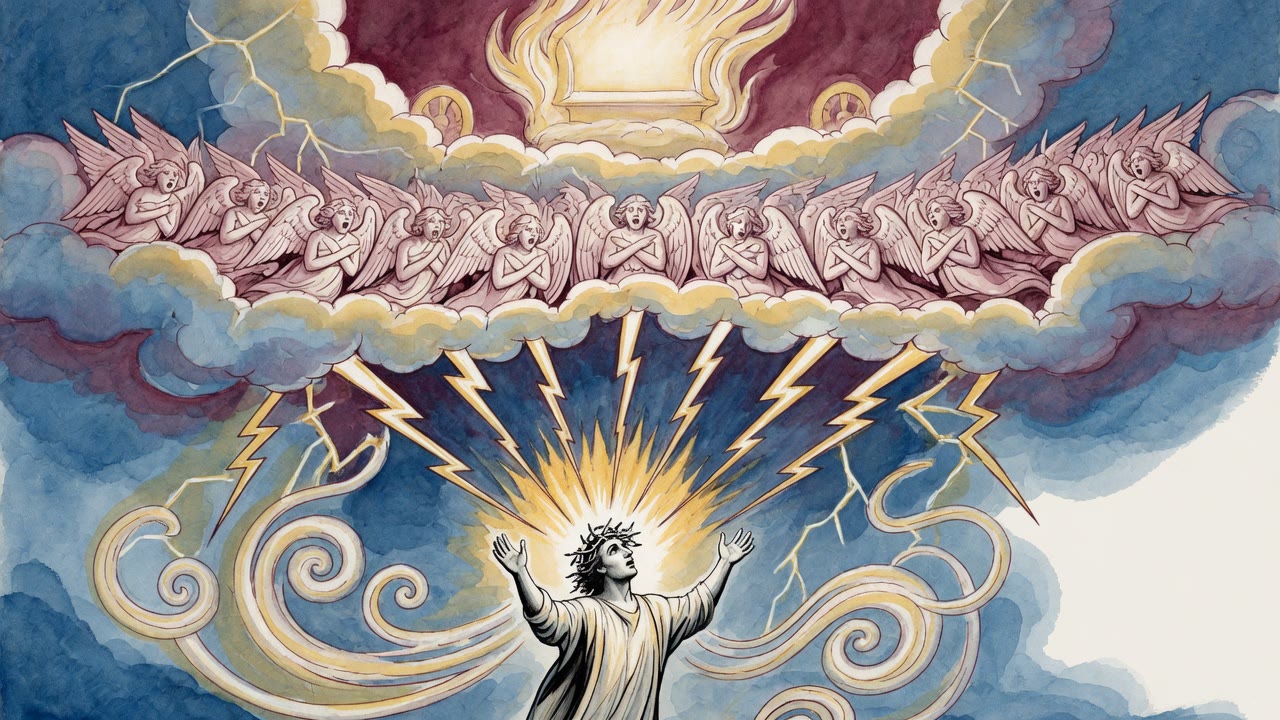
The verse that Midrash Tehillim treats as the psalm's center is: I looked to my right and saw, and there was no one who took notice of me. On the right side stood the helper, the advocate, the witness who would speak for the accused. David looked right and found no one human. He looked right and found only God.
The midrash connects this to Psalm 109:31: for he stands at the right hand of the poor, to save him from those who condemn his soul. God at the right hand of the poor man is not an abstraction. It is the presence that stands in the specific place where the human helper should be and is absent. David's cave taught him to notice the vacancy on his right side not as abandonment but as the place where God was standing.
Midrash Tehillim continues: David poured out his words before God, which is the phrase the midrash reads as complete self-disclosure. Not the form of prayer that presents a case, but the disclosure of everything, including the trouble with no apparent solution, including the temptation toward revenge, including the fact that there was no one on the right. God received what David poured out. The cave became, by that act, the strong tower that Proverbs had described. The hiding place that was nothing but rock became the shelter of the Most High that Psalm 91 would praise.
← All myths