244 myths · Page 1 of 9
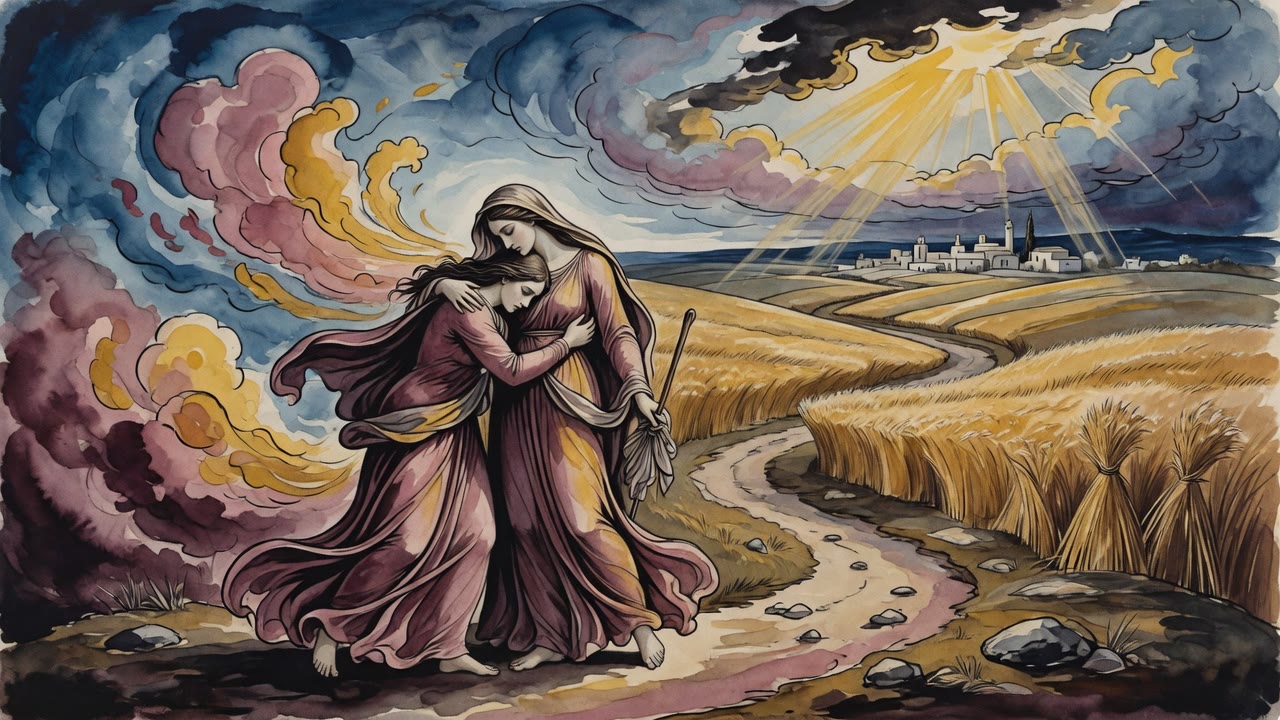
Orpah kissed her and took the road back to Moab. Ruth's hands stayed on the older woman's sleeve. Neither of them was carrying bread.
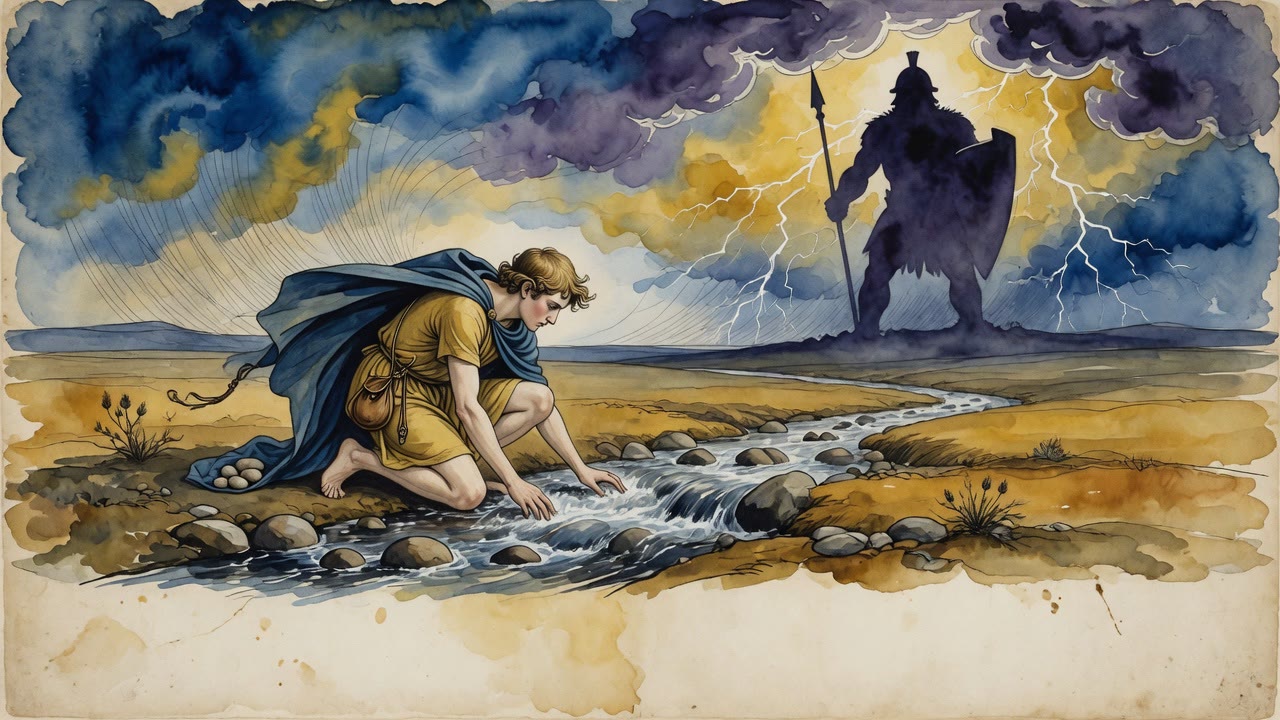
David chose five stones at the brook, but the midrash makes the whole created world hurry into his hand before Goliath fell.
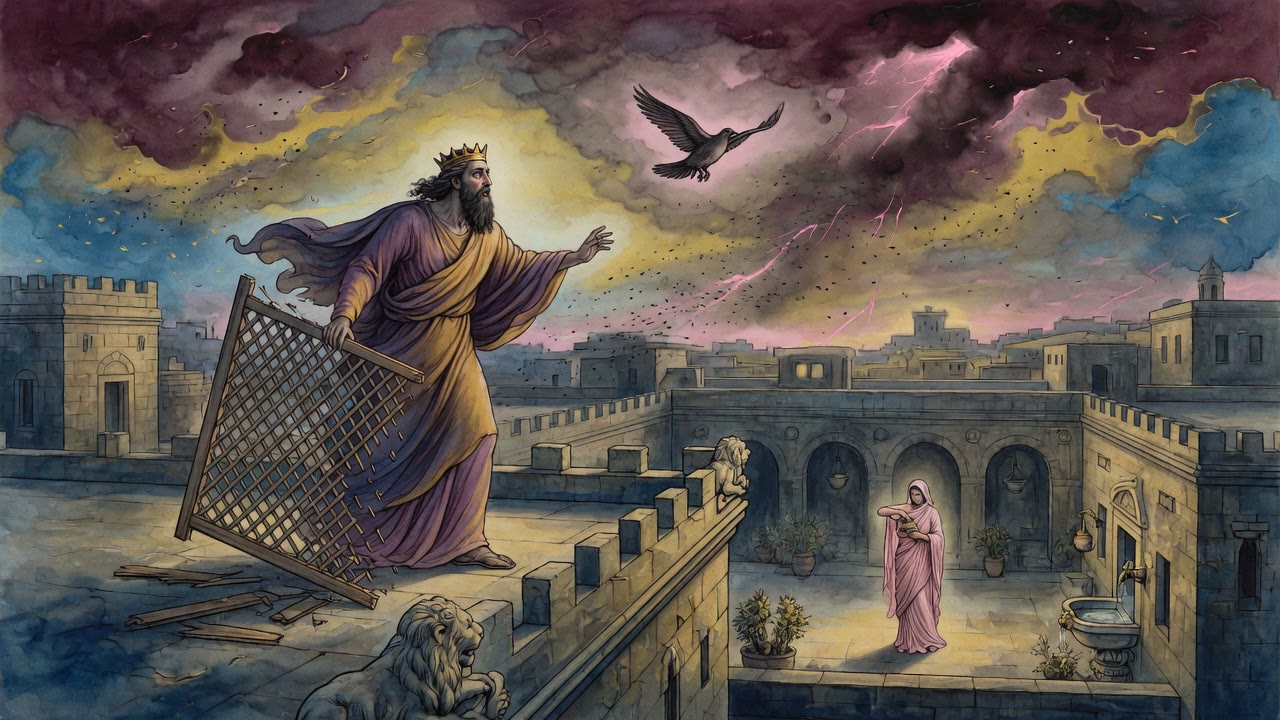
God warned him first. You will be tested, and you will fall, and it will be through a woman. David wanted the test anyway.
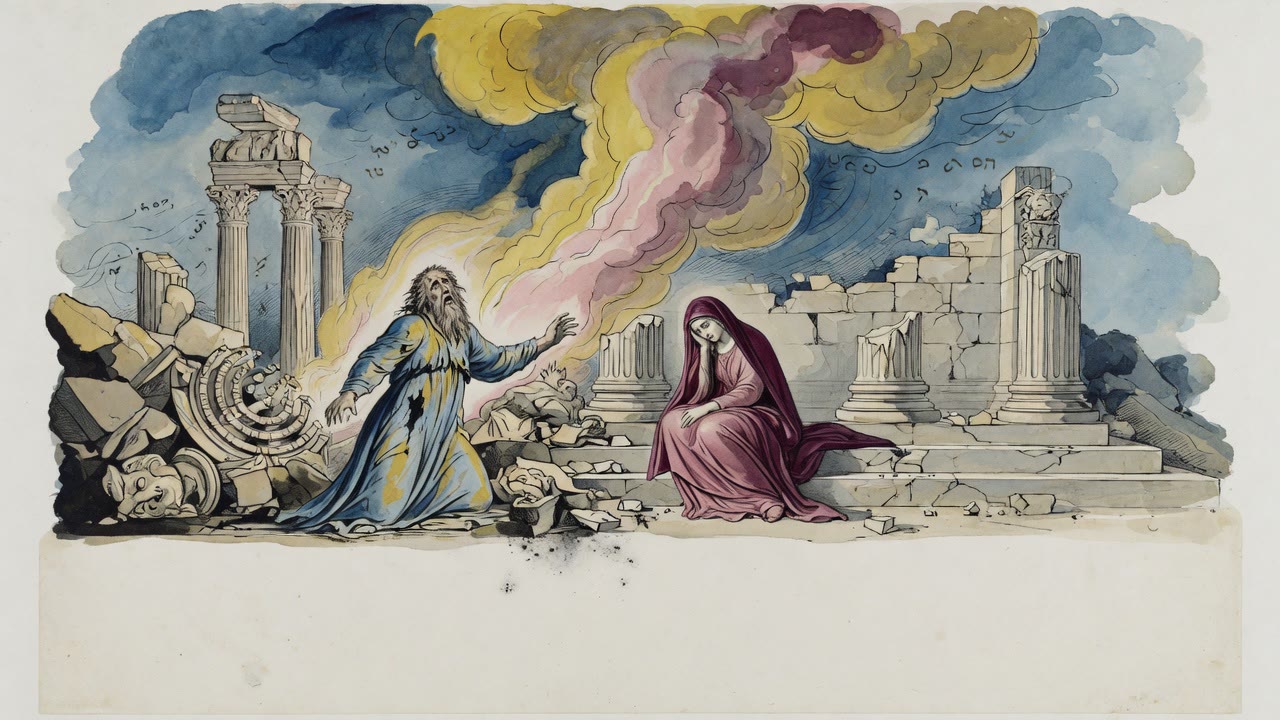
Jeremiah found the Temple daughters thrown from Chaldean chariots. God walked the burned house and asked where His priests had gone.
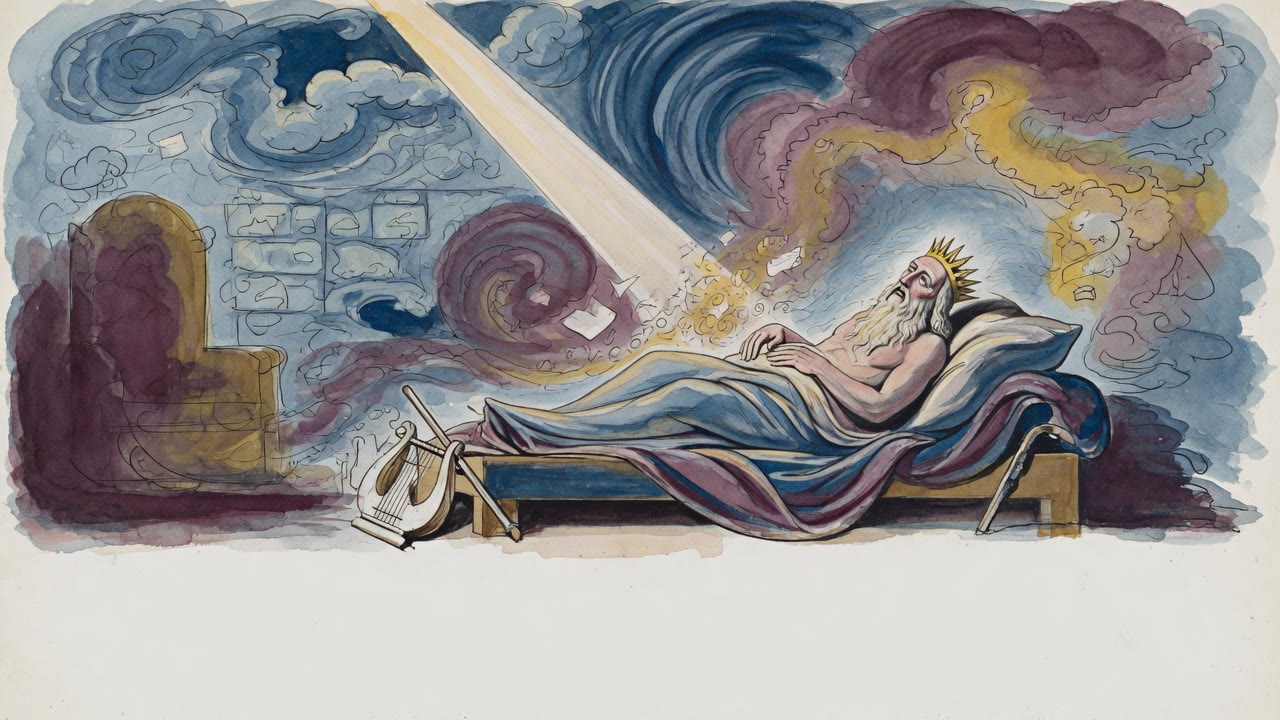
King David survived lions, bears, and Goliath, but under his own blankets the old king could not get warm, and his inner fire was leaving.
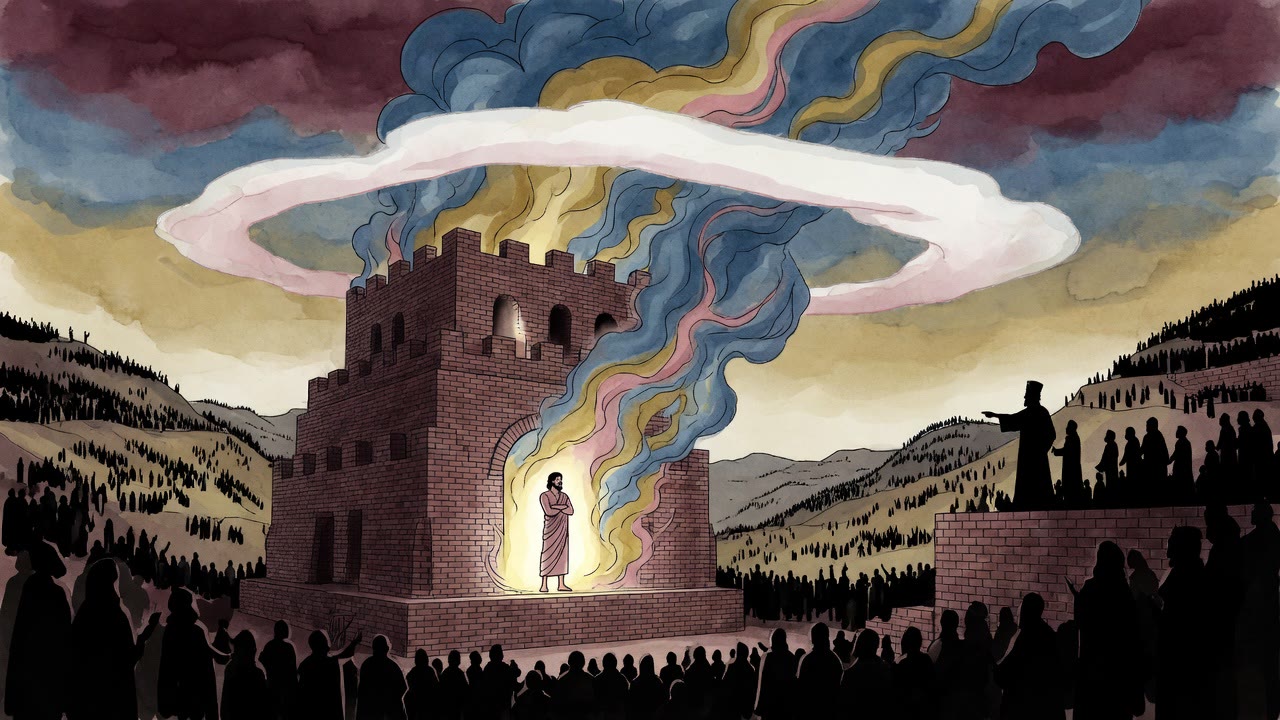
Terah told the king it was Haran who had advised the swap. It was a lie to save himself, and it put his own son in front of the fire.
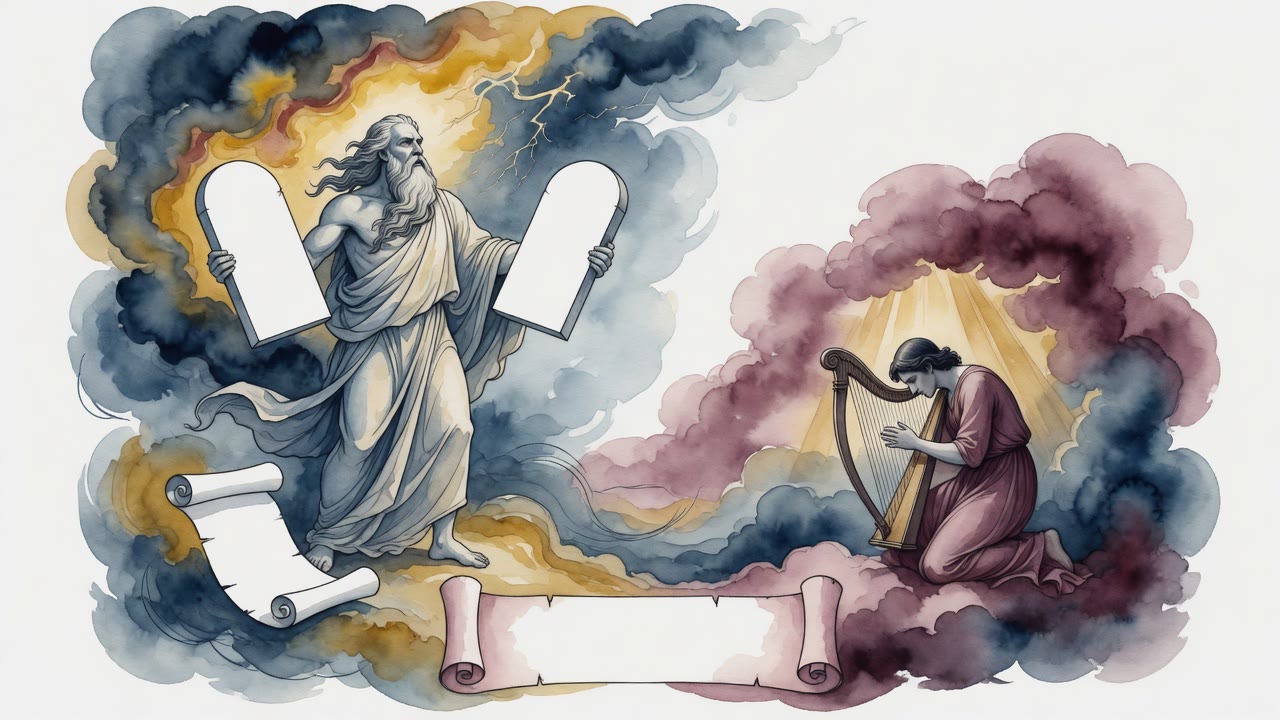
Two leaders, two sins, two opposite requests. One asked God to carve his failure into the Torah forever. The other asked God to bury it.
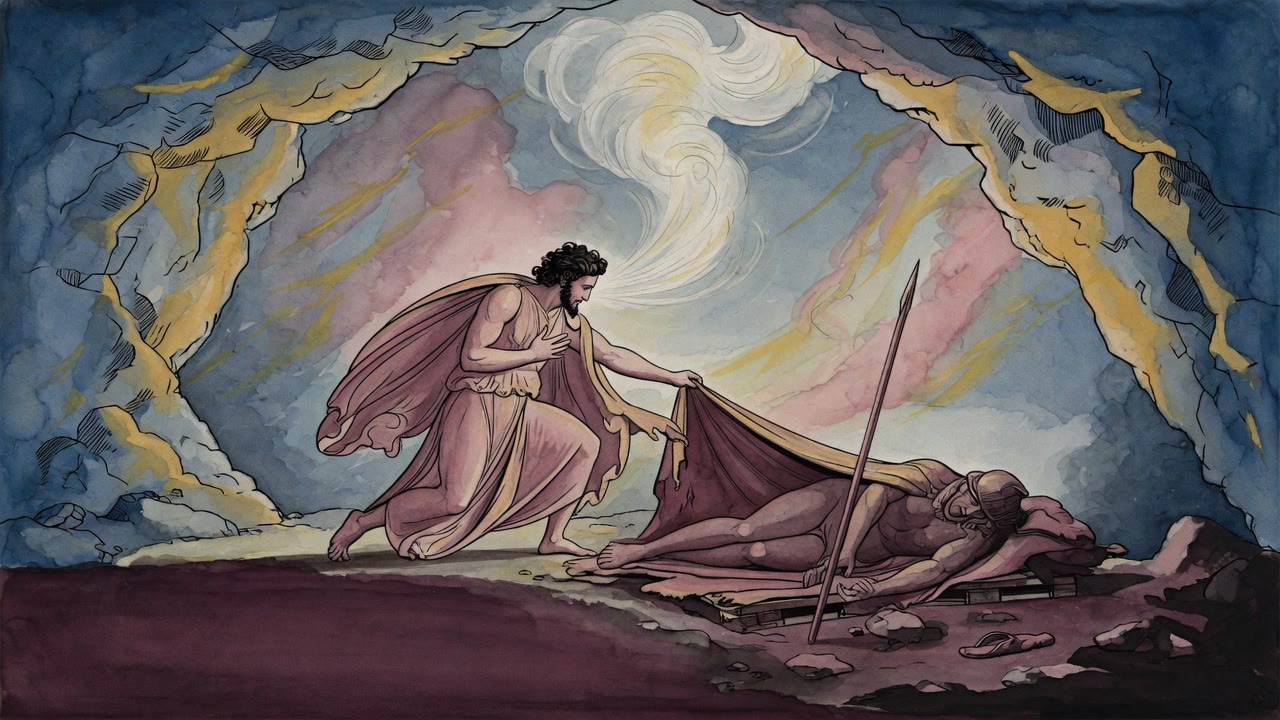
Pressed against the back wall of a cave, knife drawn, Saul within reach, David asked God for two mercies. The second one was the strange one.
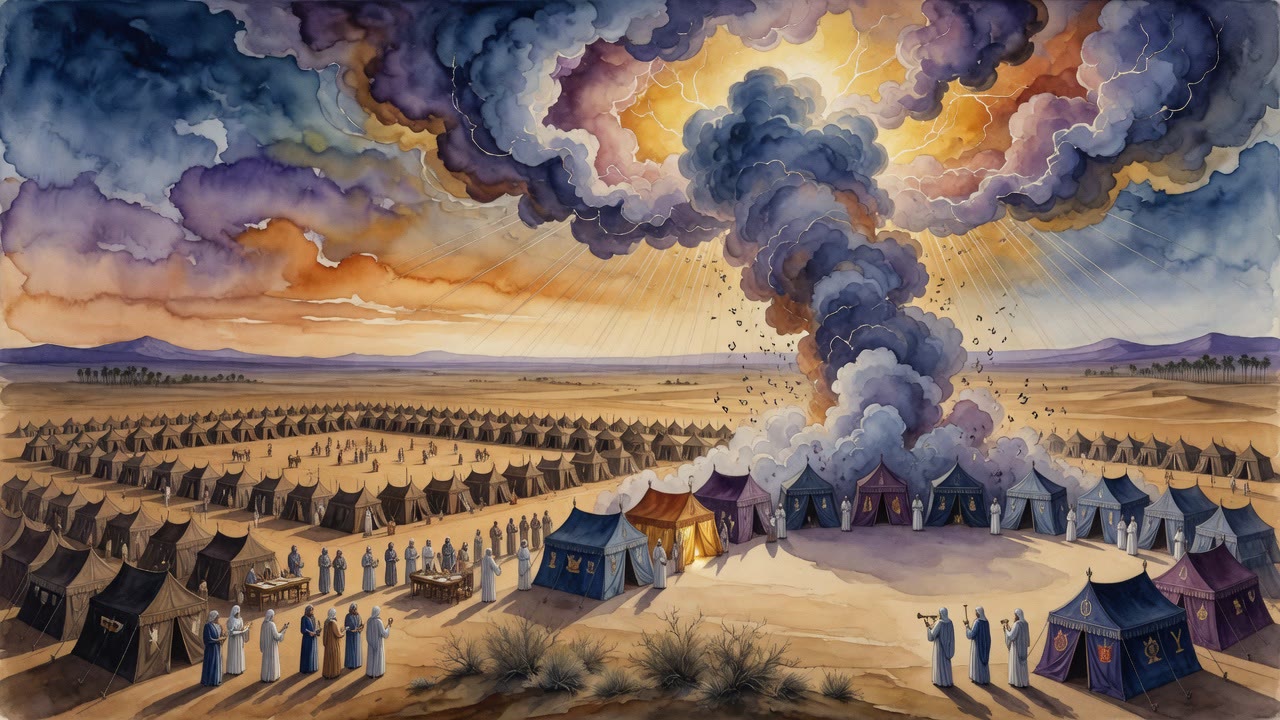
No prince of Levi came forward. Moses stood at his brothers' tents until the voice told him the war list was already a list of graves.
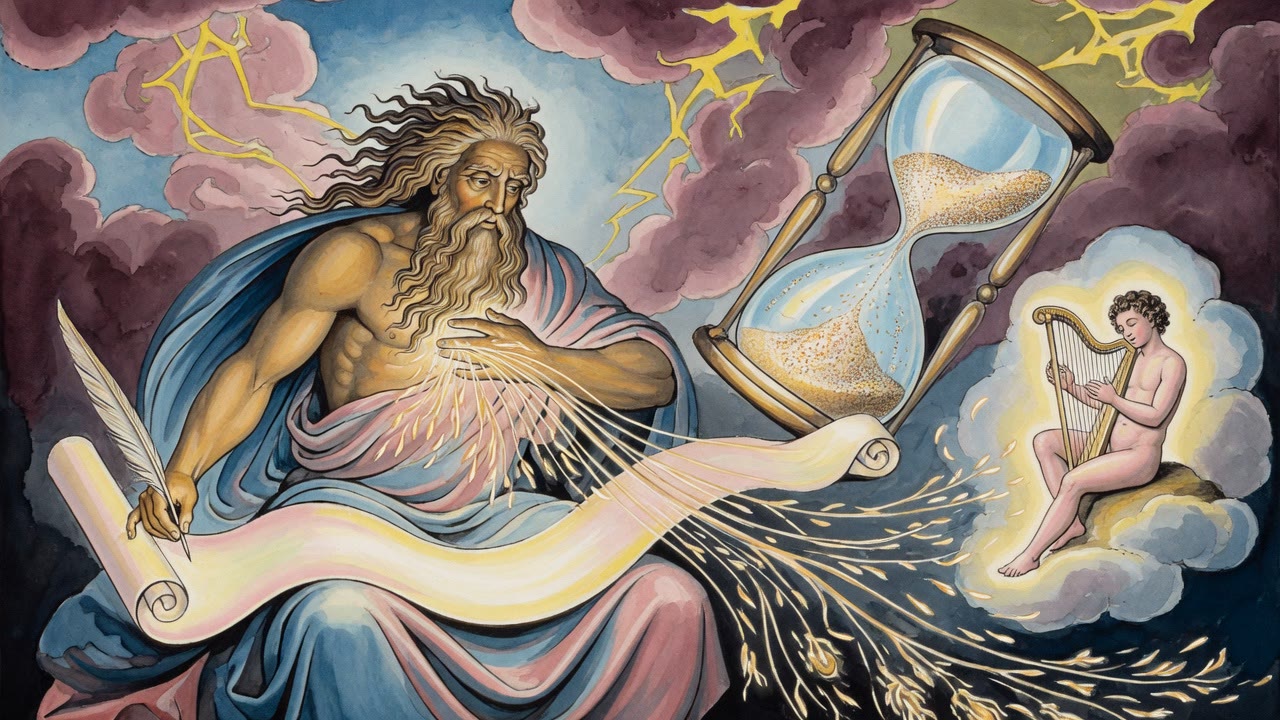
Adam saw David would live only three hours. He signed away seventy years of his own life so the greatest king of Israel could exist at all.
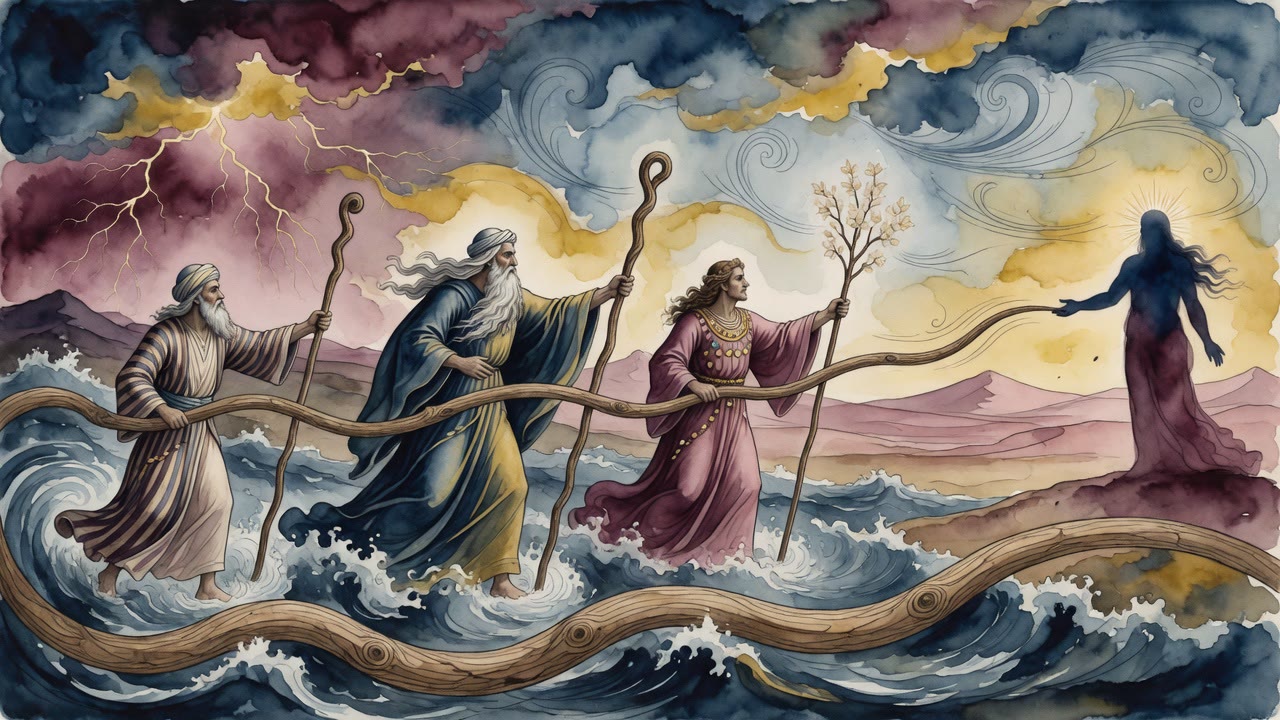
Jacob crossed the Jordan holding one staff. Centuries later that same wood was in Moses's hand, then Aaron's. The Messiah will hold it last.
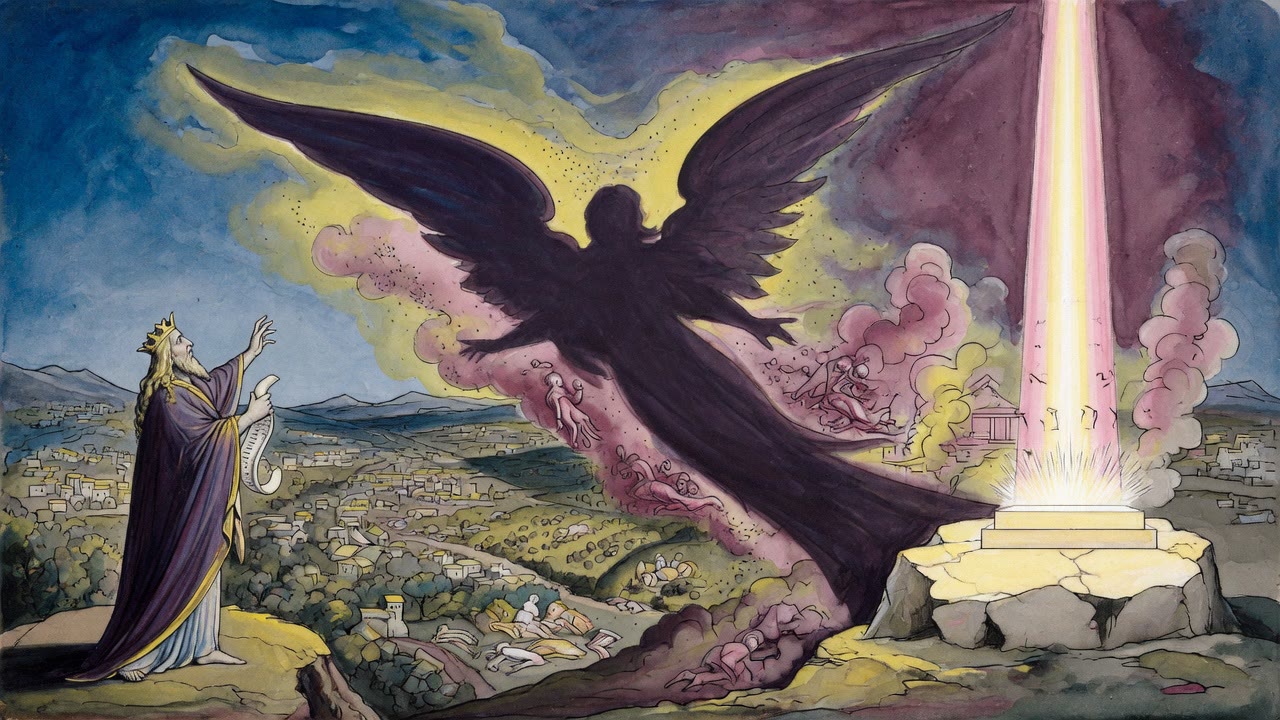
Joab said the count would add no man. David ordered it anyway. Seventy thousand fell before the angel stopped over a threshing floor.
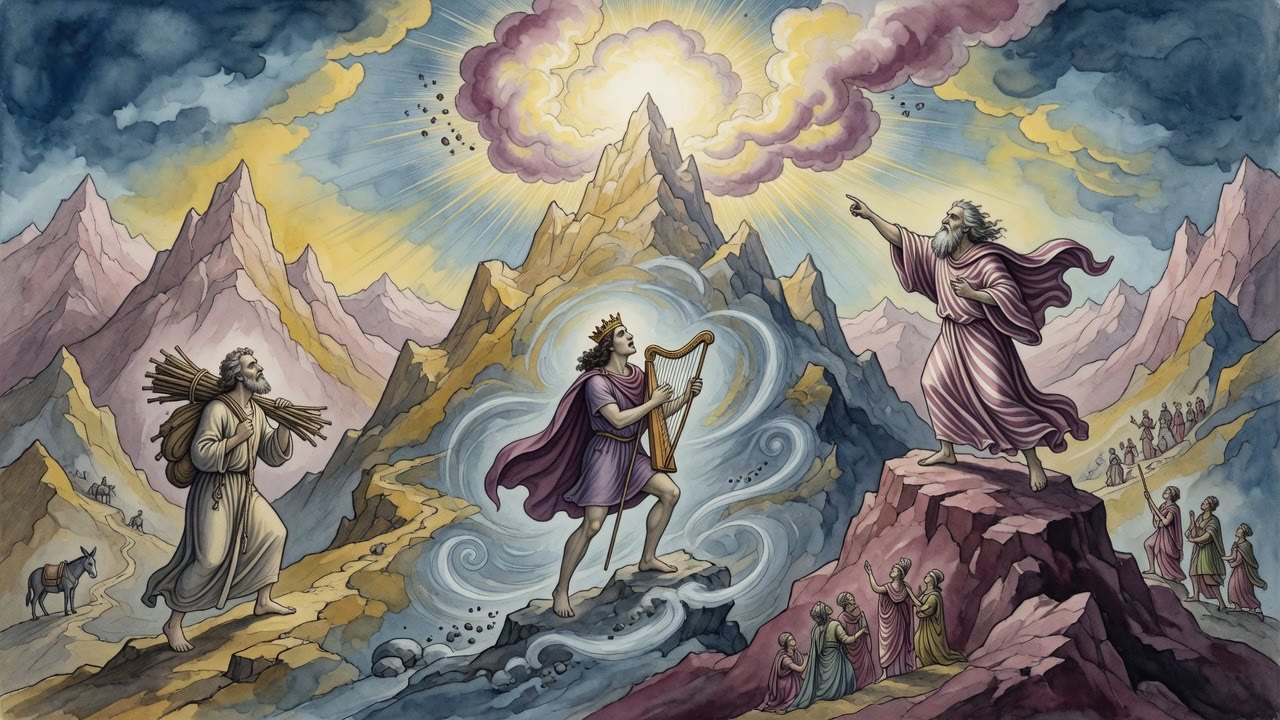
Abraham named it after binding his son. David asked who could ascend it. Isaiah said nations would stream toward it. All three pointed at one place.
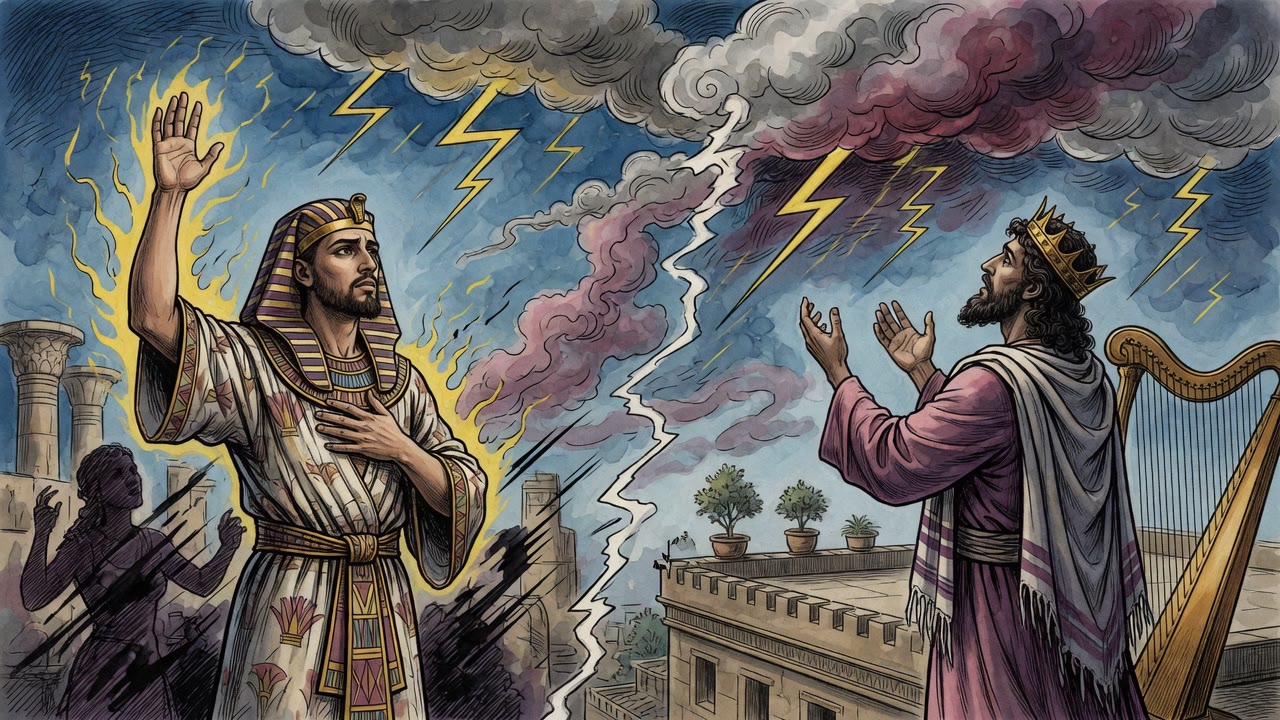
The rabbis paired Joseph and David across a thousand years. Both faced desire so strong they had to swear formal oaths against themselves to survive it.
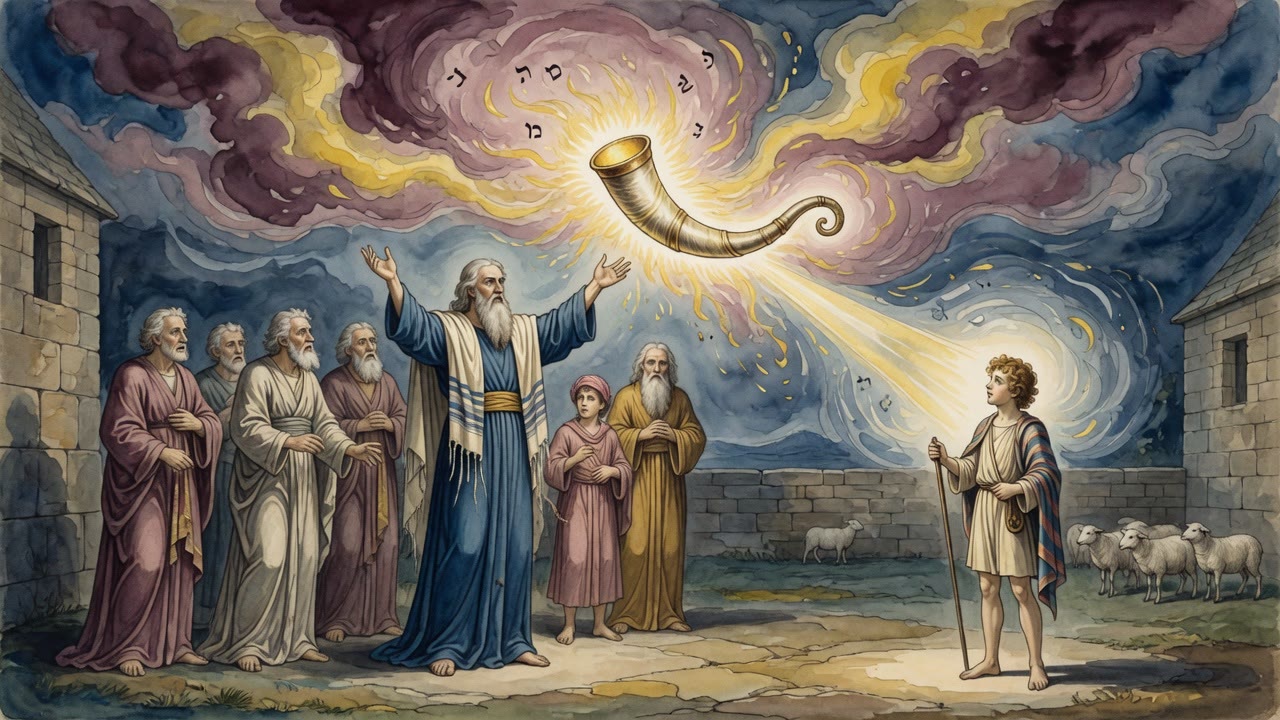
Samuel arrived at Jesse's house with a full horn of oil and orders to anoint the next king. The oil refused to move until David walked in.
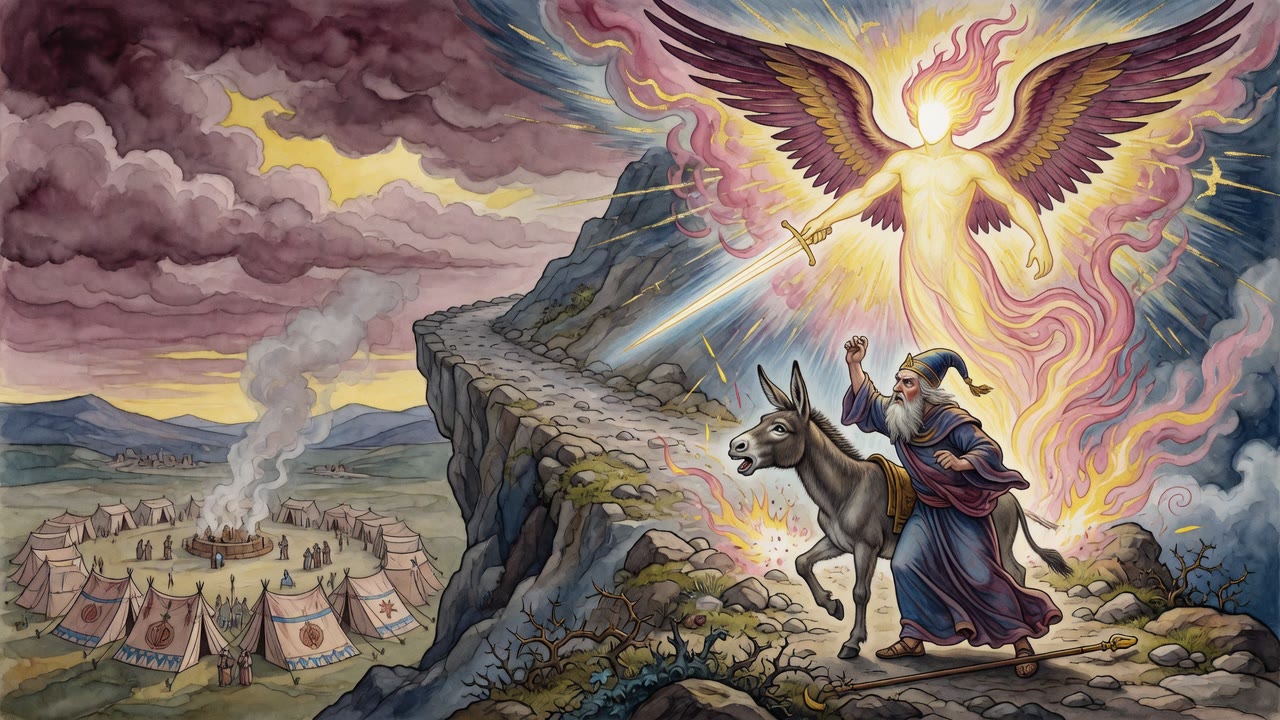
Balaam saddled his donkey before dawn, eager to curse Israel for Balak's money. The donkey saw the angel blocking the road. Balaam saw nothing.
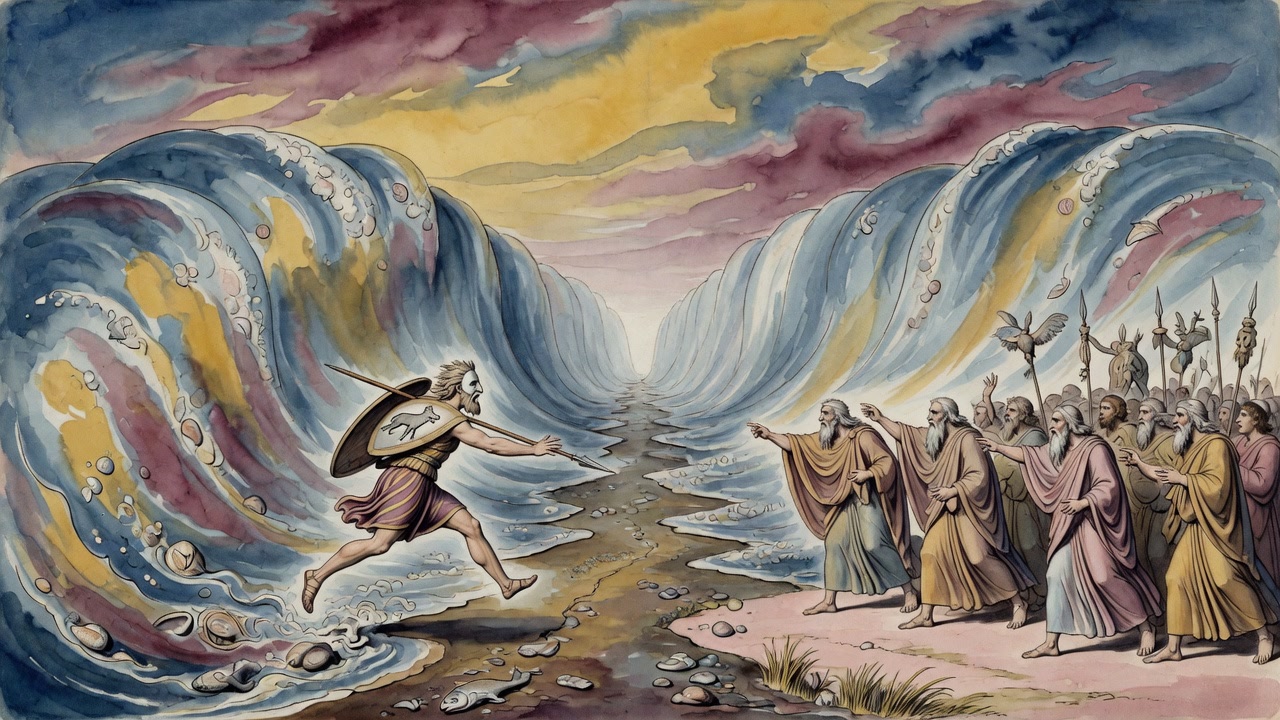
The tribes argued at the water's edge over who would lead Israel into the divided sea. Benjamin acted while they were still talking. Judah threw stones.
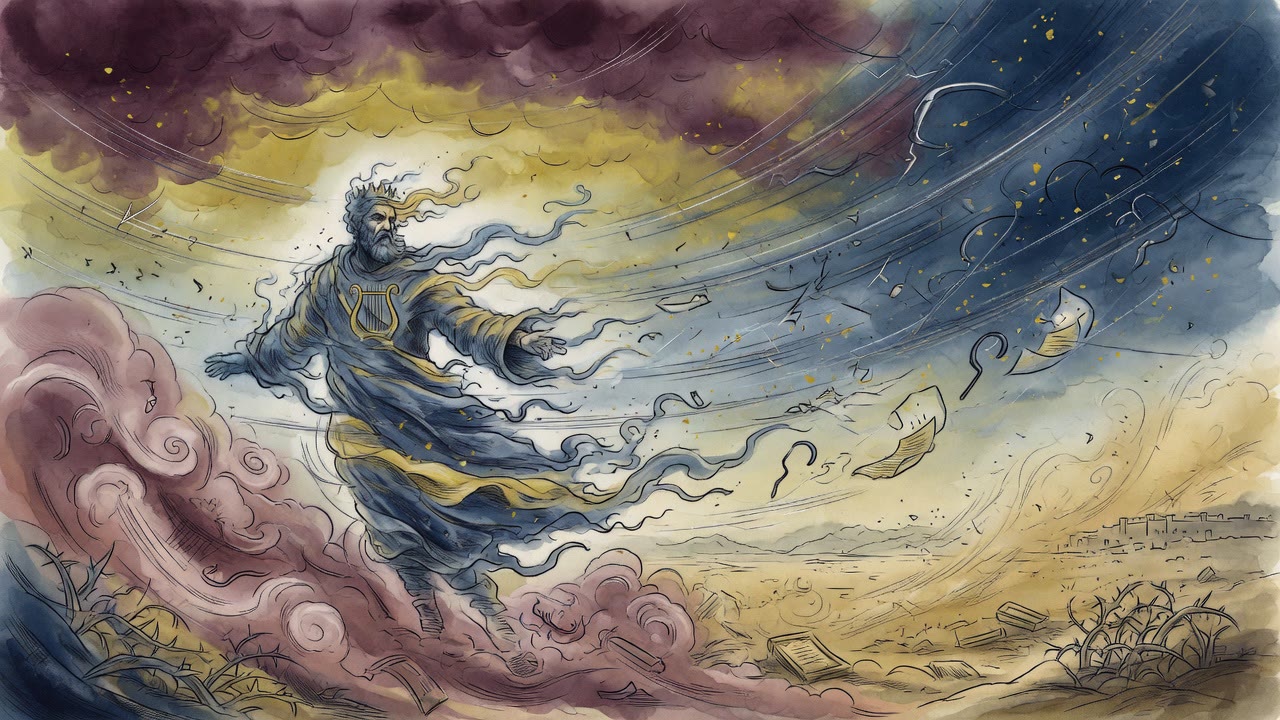
David watched thin smoke scatter on the wind and found the fate of the wicked in it, not burned, not broken, simply gone before God.
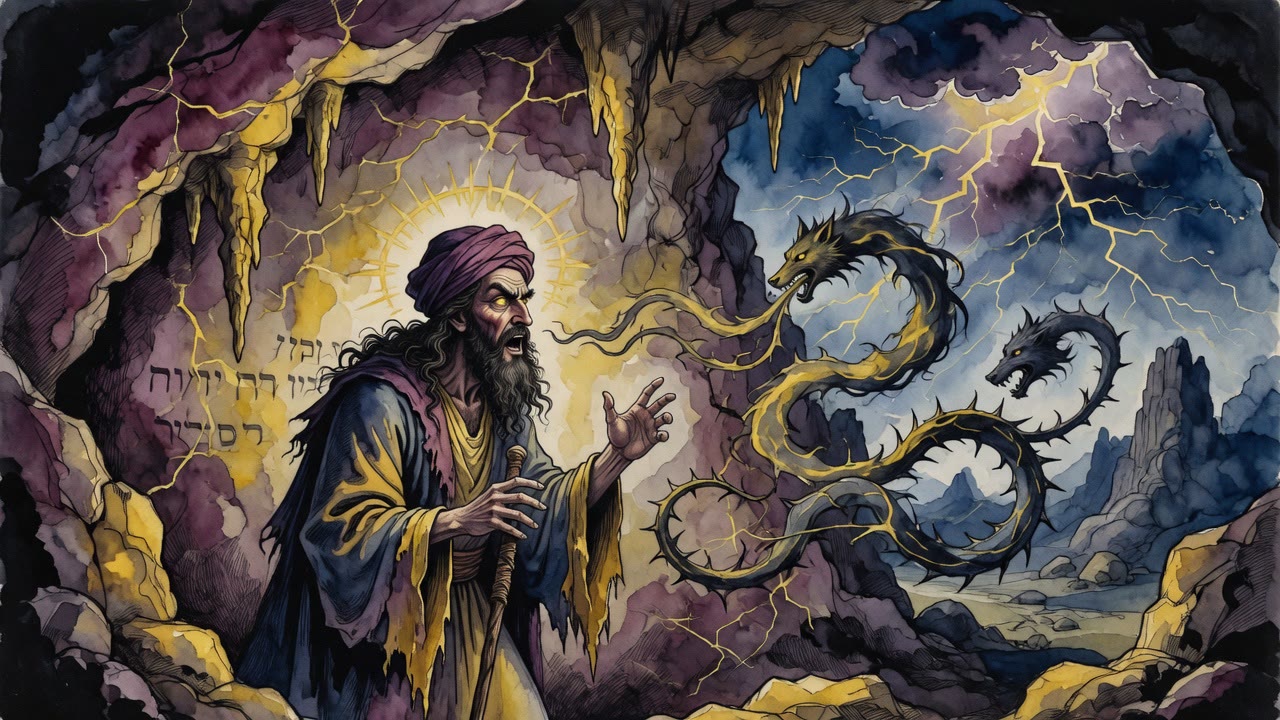
David held a blade behind the king and cut only cloth. Saul looked at the scrap in the sun and spoke a proverb older than any court.
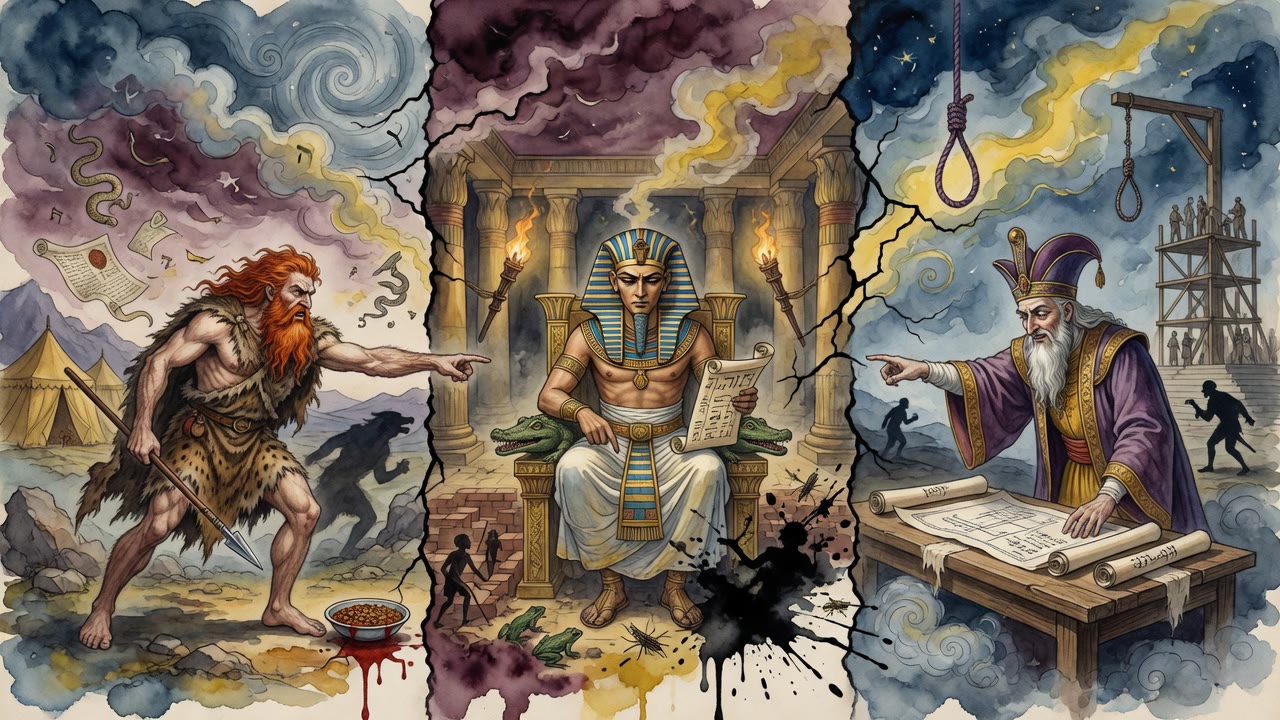
Esau waits for his father to die. Pharaoh counts a swarming people. Haman seals a letter to kill every Jew in one day. Each plot is smarter. Each fails.
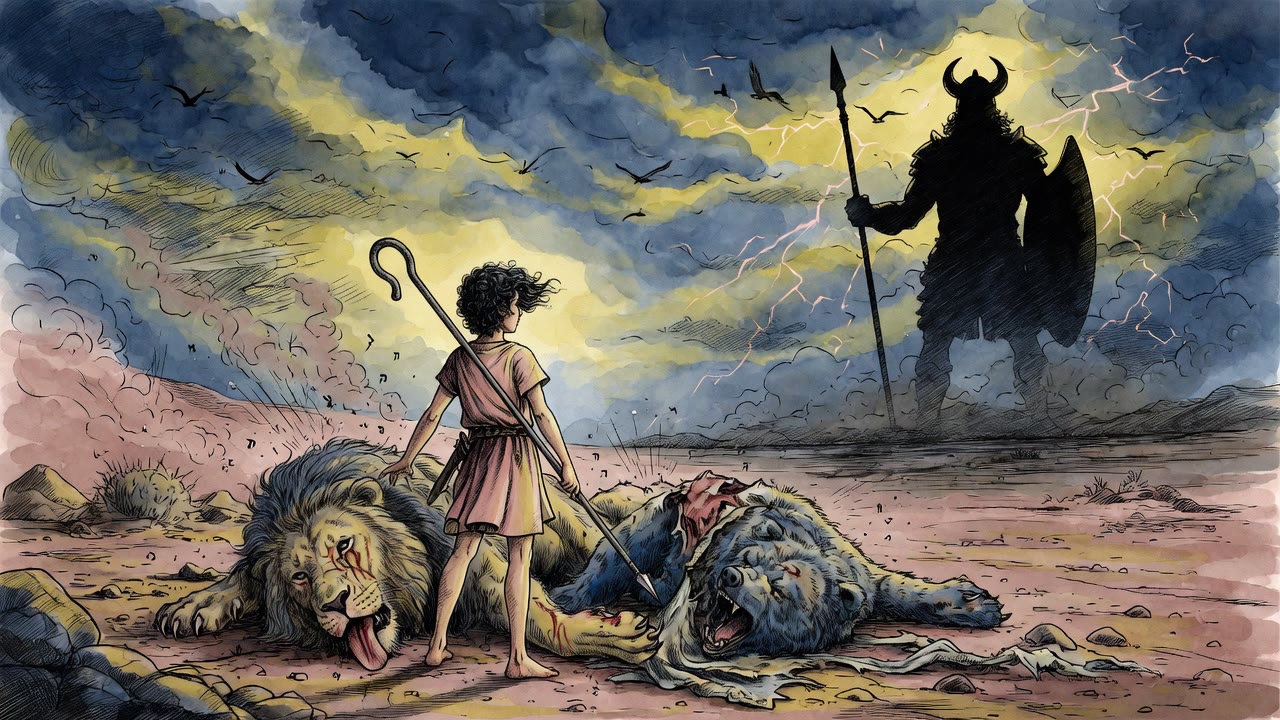
A lion took a lamb at the edge of the flock. David killed it with his hands. After the bear, he treated both carcasses as orders.
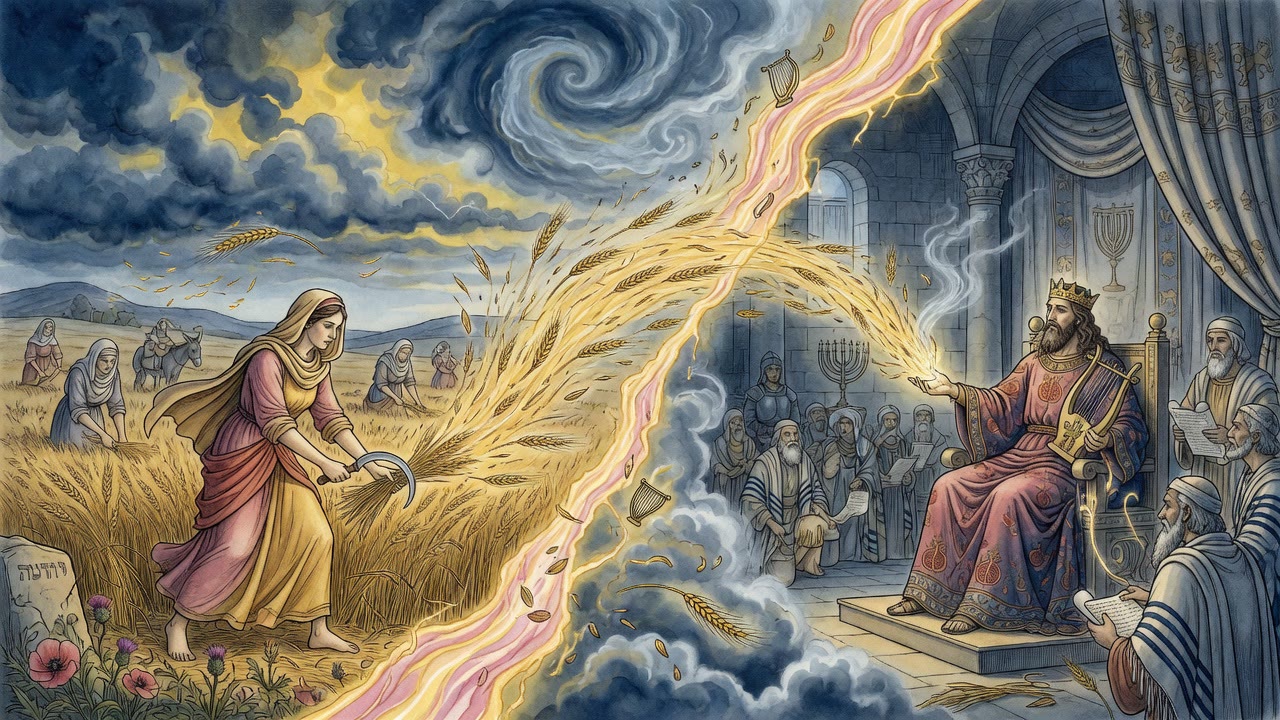
King David had every reason to claim noble blood. Instead he traced his lineage to Ruth the convert and called himself a slave purchased from outside the house.
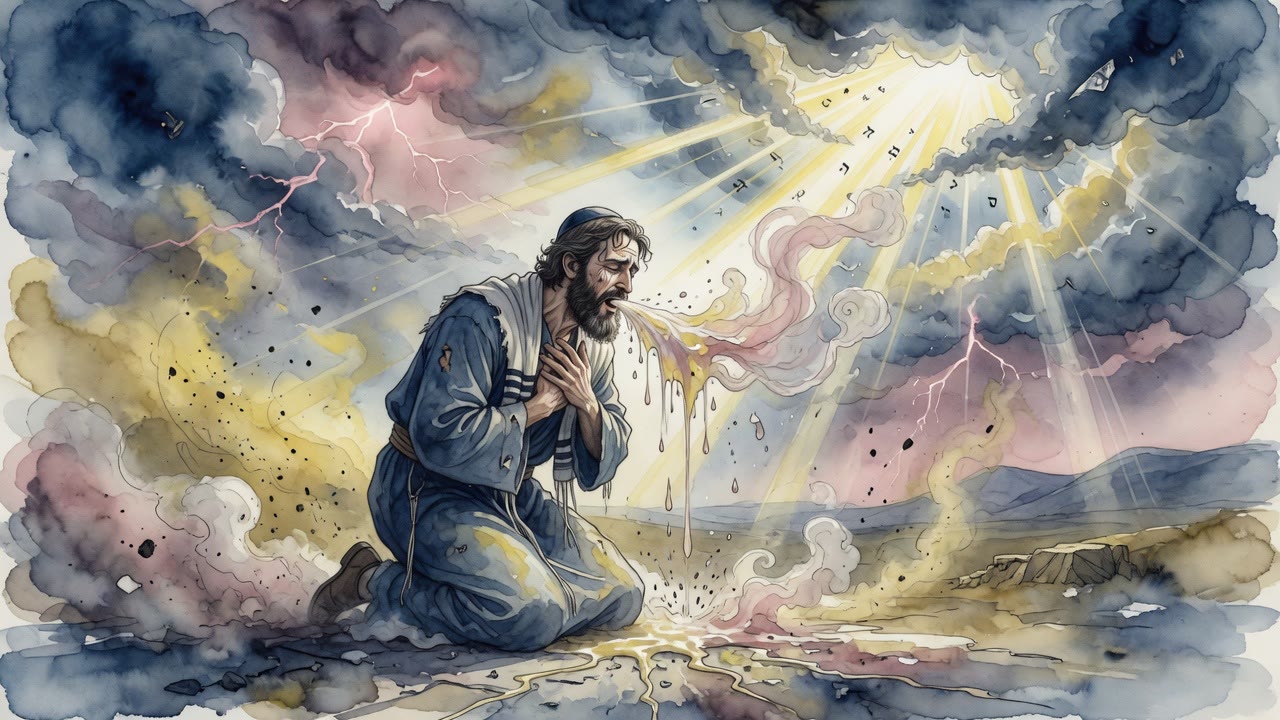
A king with armies and a throne knelt alone at night. David told God his soul was leaking, confessed he knew nothing, and begged Him to teach him.
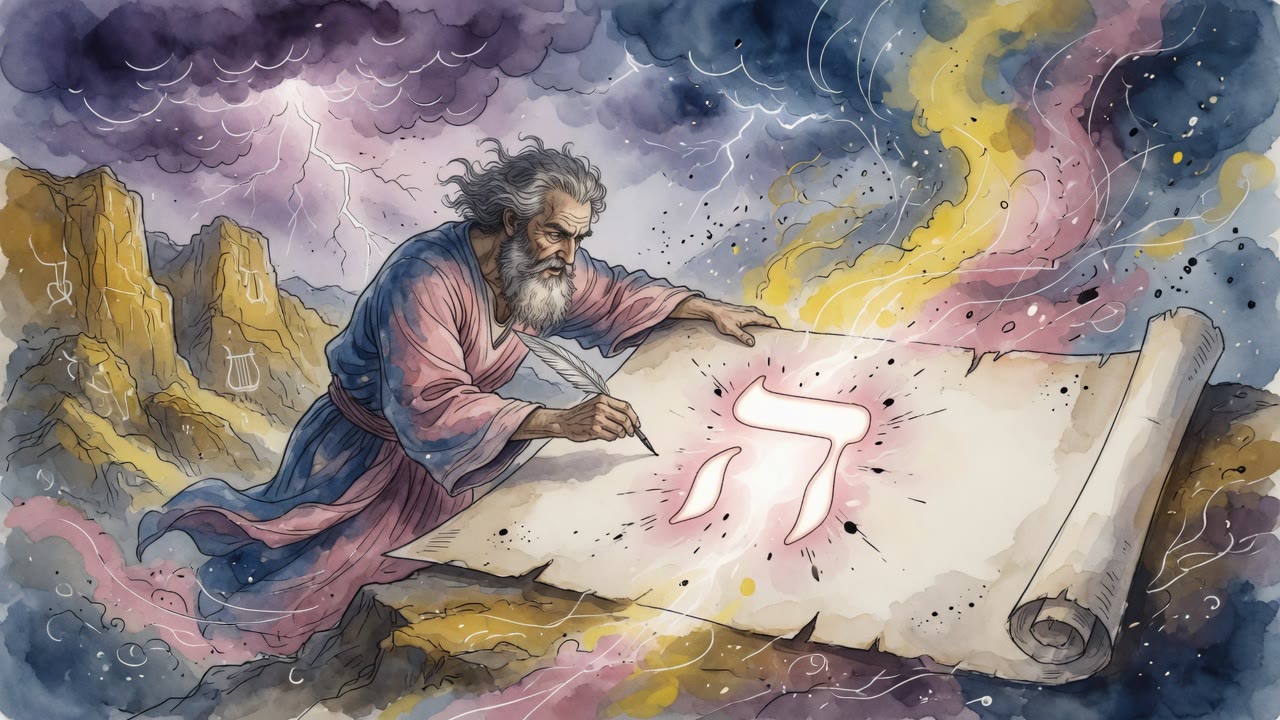
Psalm 145 praises God through the alphabet, but David left out Nun, the letter the sages heard as falling, and answered it anyway.
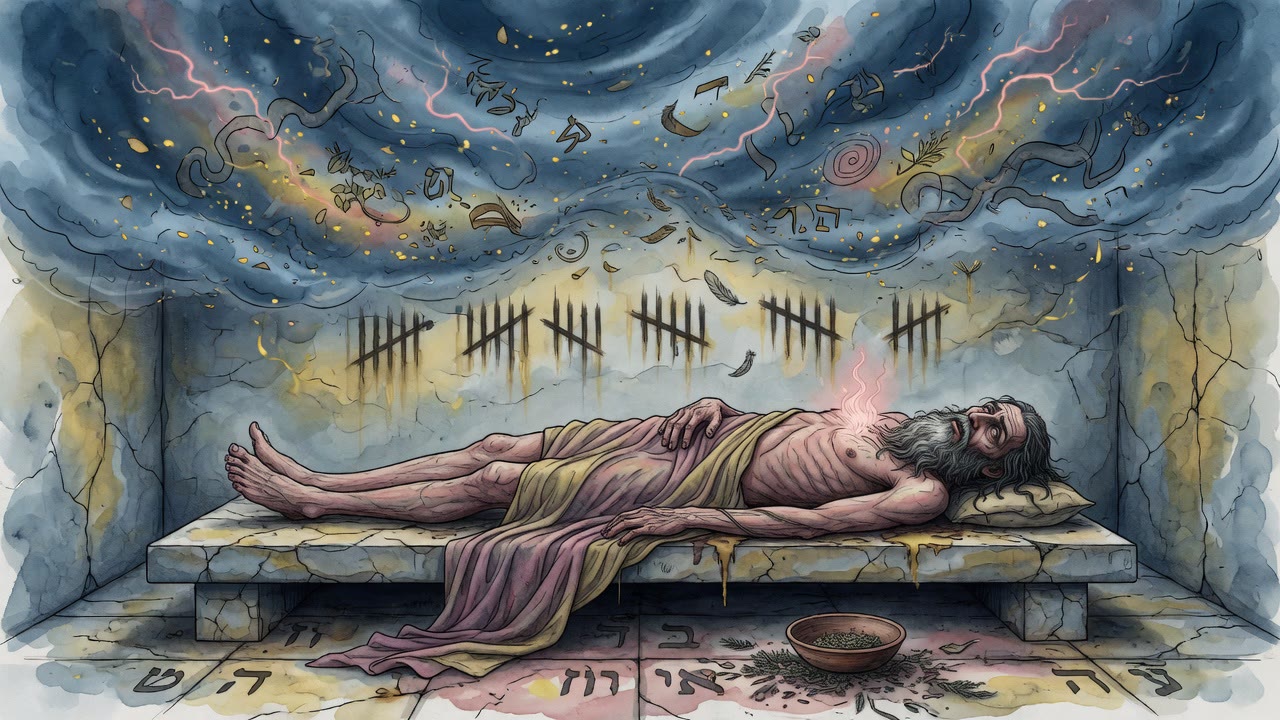
Seven sheep were laid against David each day for warmth, and none of it reached him. He had counted Israel, and seventy thousand men died in the plague.
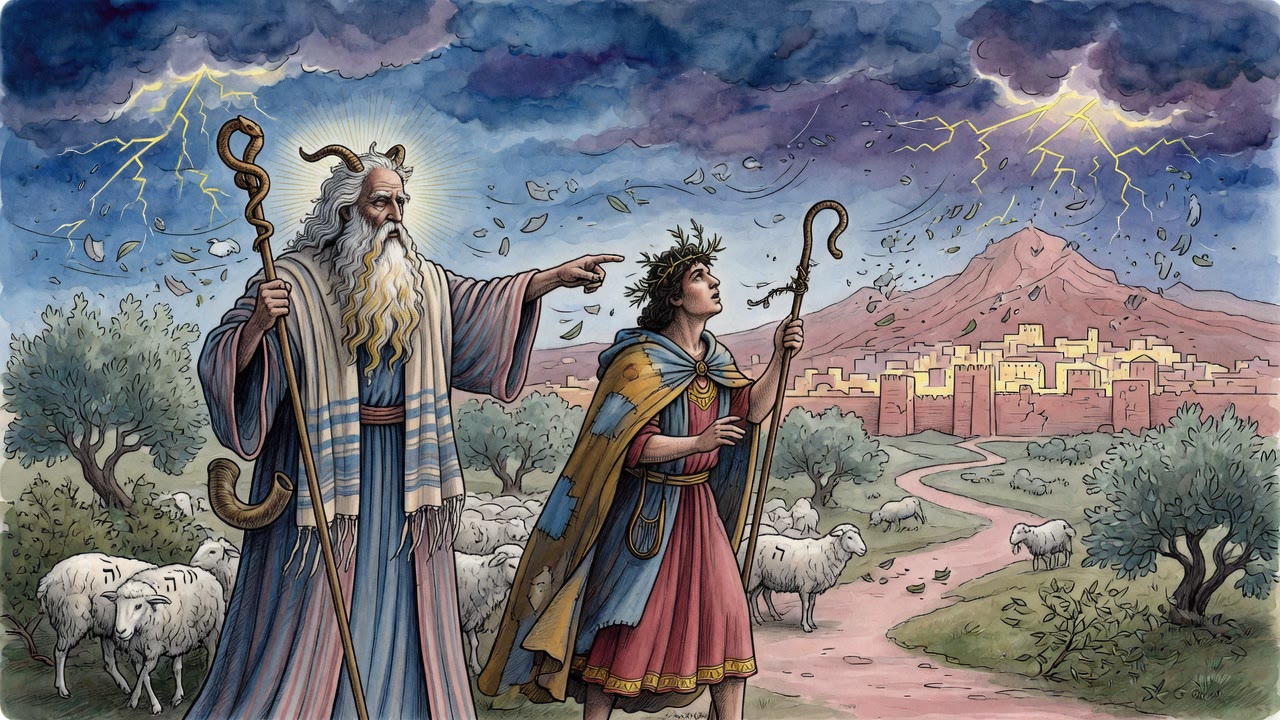
At the burning bush Moses was warned off two crowns that would never be his. The priesthood belonged to Aaron. The throne belonged to a boy not yet born.
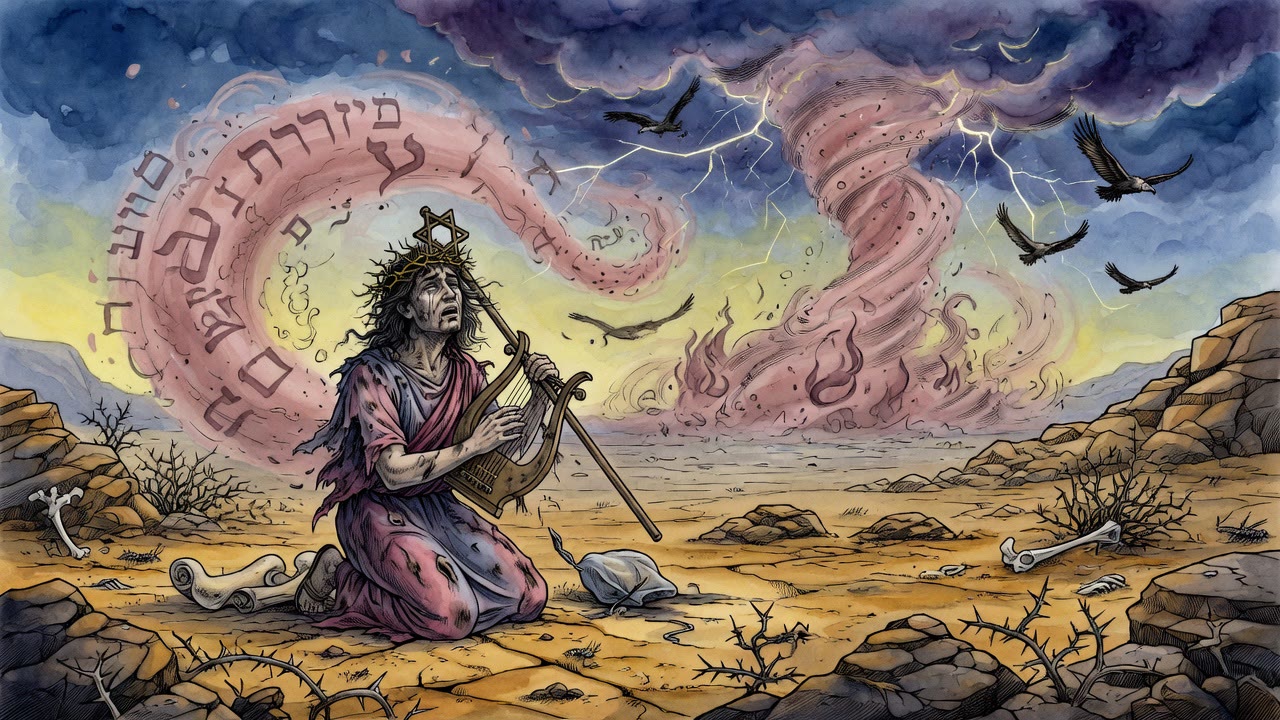
Absalom took the city and David went up the hill barefoot. Near the top he stopped walking, and the friend who caught him there offered him no comfort.
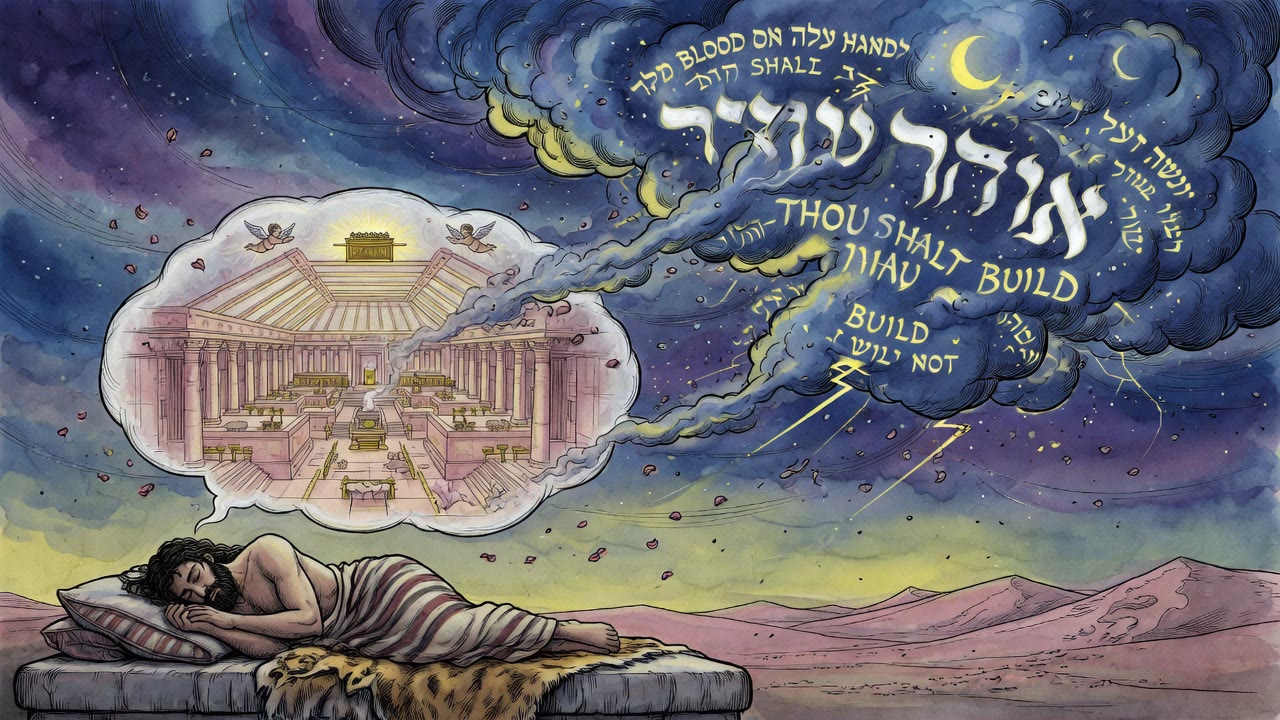
Nathan told him to do whatever was in his heart. God woke the prophet that night and sent him back with the opposite answer.
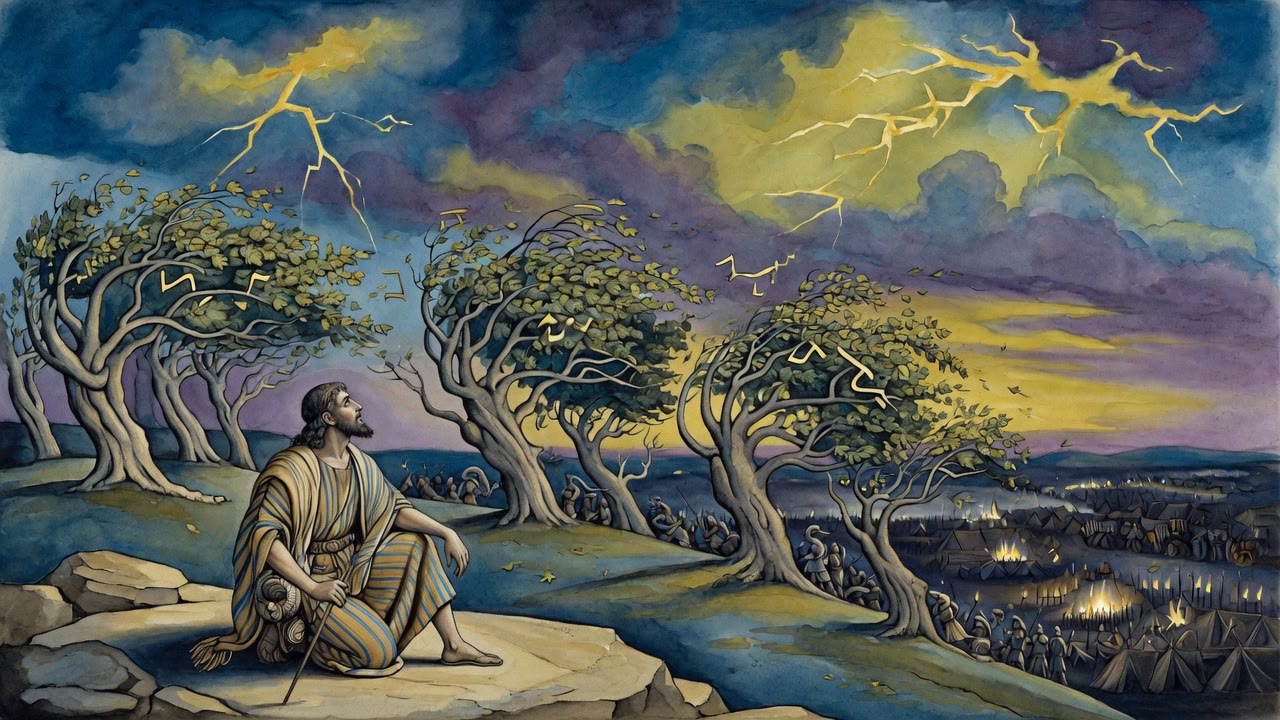
The Philistines stood only four ells away, close enough to kill. David held Israel back until the mulberry trees moved first.
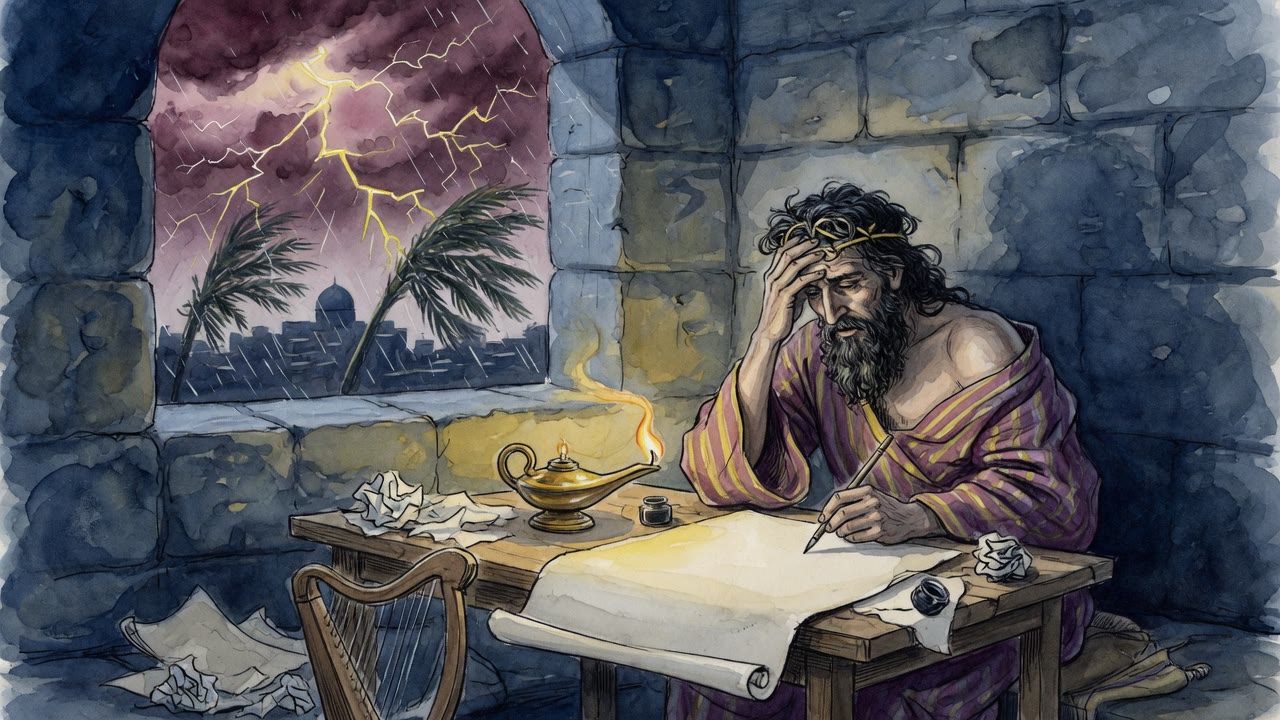
He held the whole army in place until the court finished reading old treaties. Then he went to war, and afterward he wrote that he was alone.
