Moses Prayed for David Before David Was Born
Moses saw the future king standing alone against a giant and prayed for him centuries before David drew his first breath.
Table of Contents
 Click for full size
What Moses Saw in the Plain of Elah
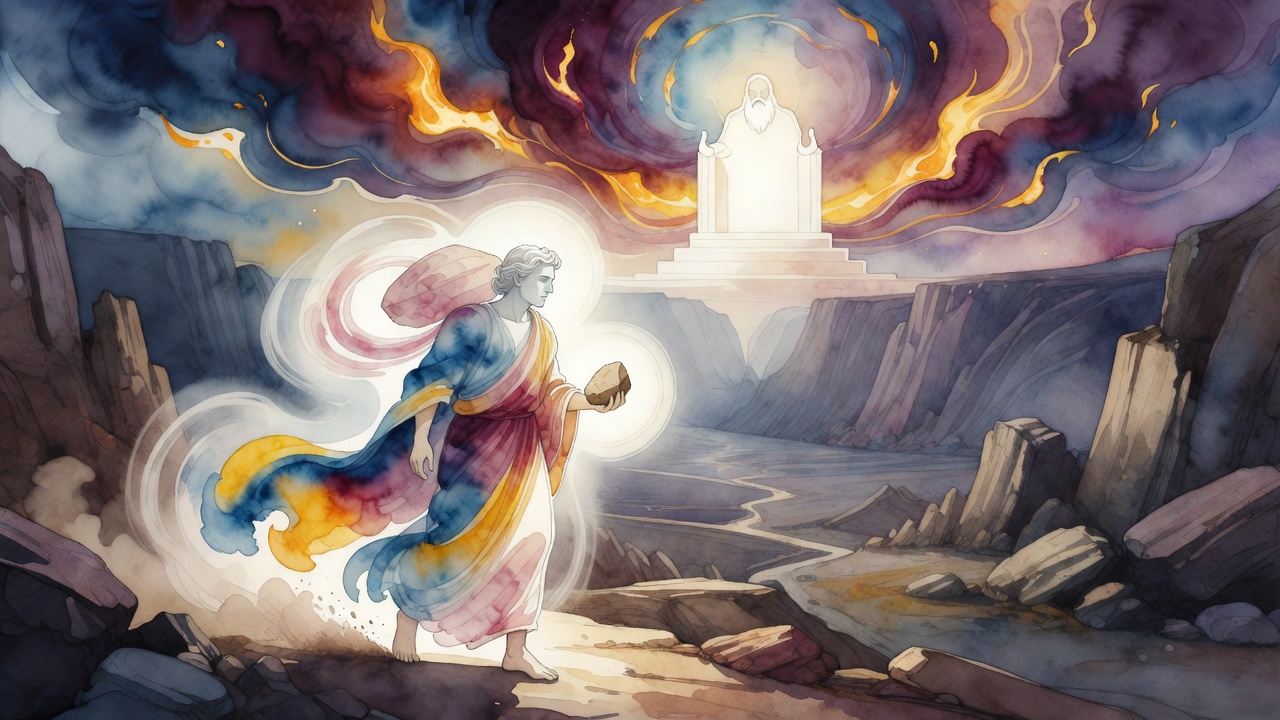
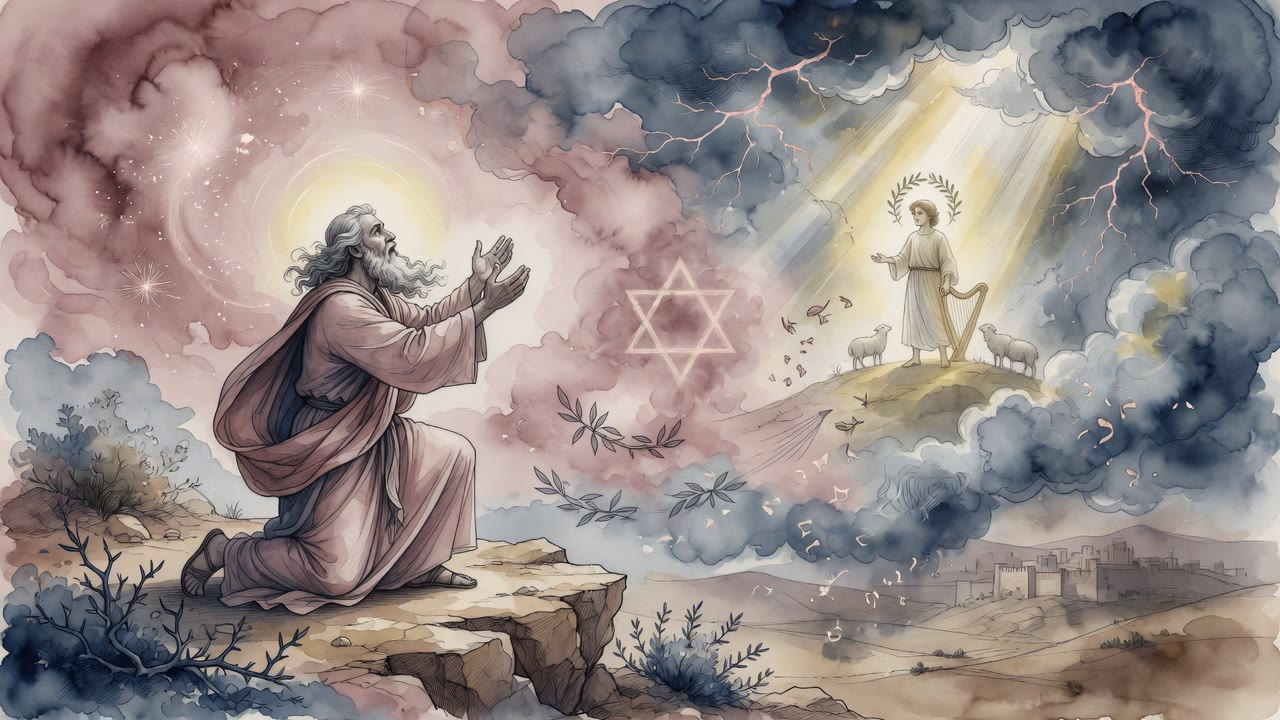
Moses stood on the plains of Moab and began to pray for a young man who had not yet been born. He had sung God's glory first, the great song that opened his final address to the twelve tribes. Then he looked down through the centuries, the way a man looks across a valley, and saw something that stopped him.
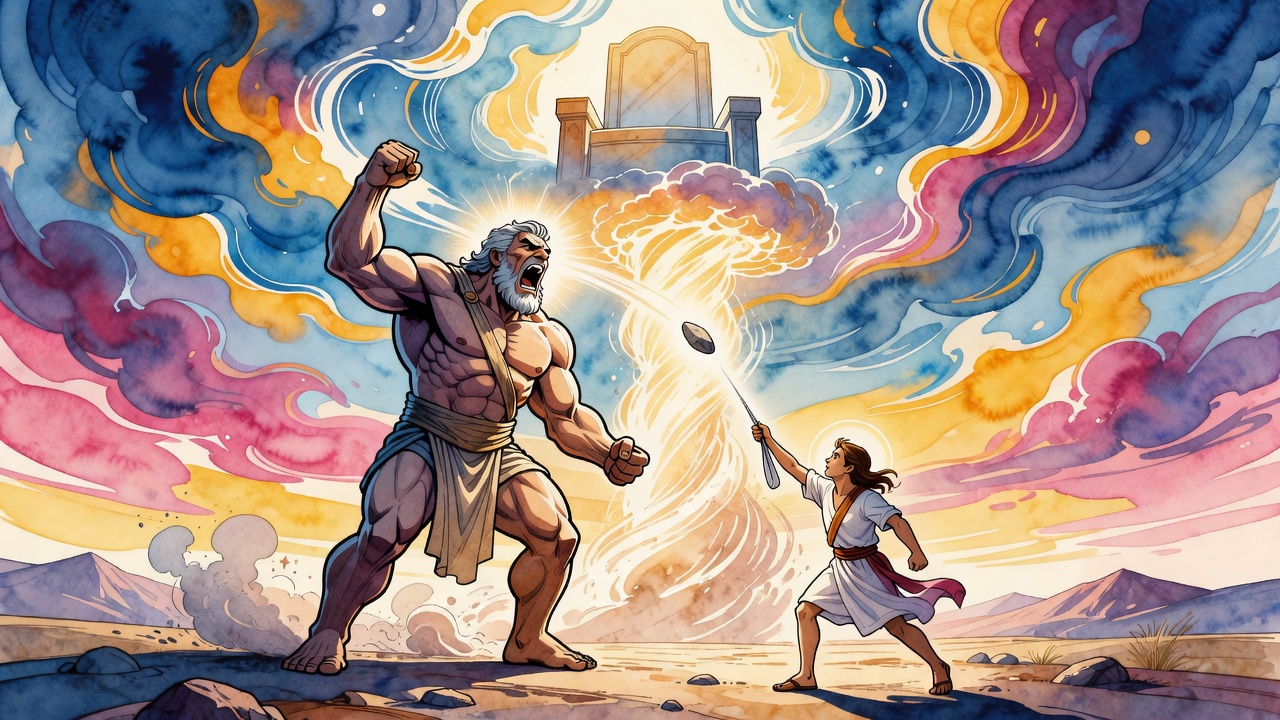
A field. Two armies faced each other. On one side a Philistine giant, armored and contemptuous. On the other a shepherd boy with a sling and five smooth stones and nothing else. The boy's name was David. The year was four centuries away. Moses was watching a moment that existed only in prophetic vision, a scene from a future neither he nor anyone he had ever known would live to see. And he saw that the boy was going to walk out onto that field alone.
A Prayer for a King Not Yet Born
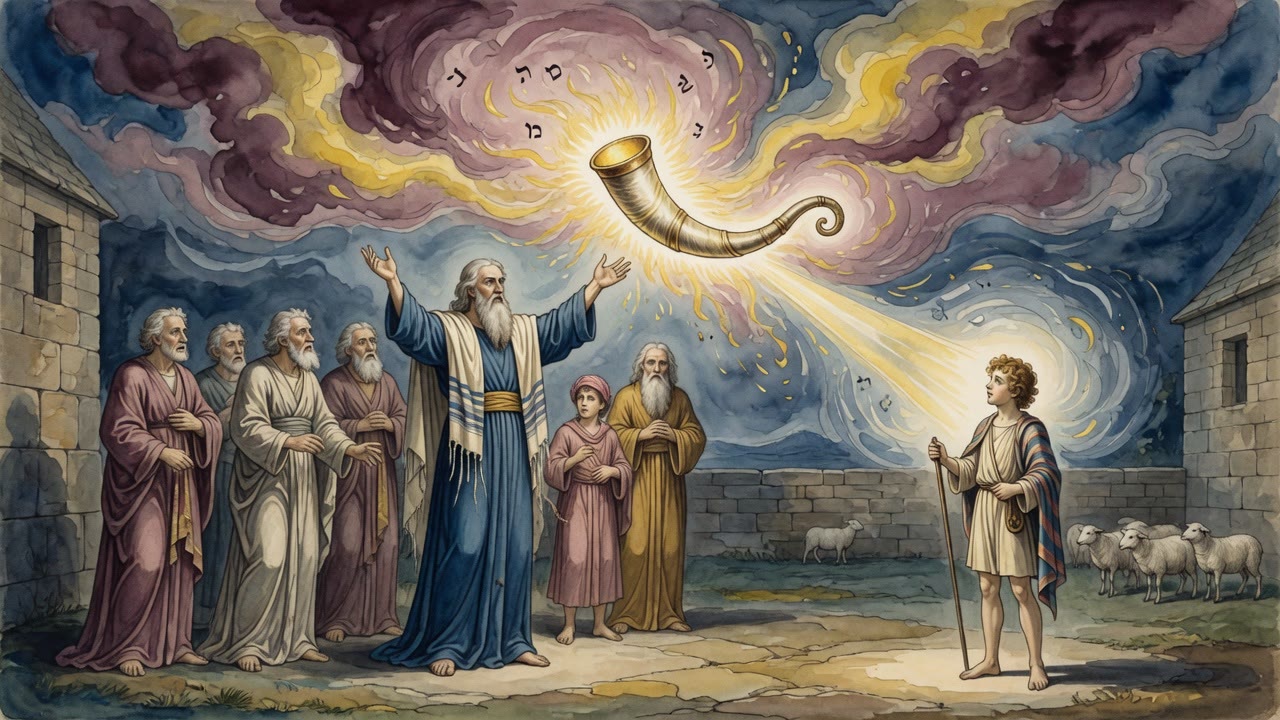
When Moses blessed the tribe of Judah, he was blessing more than the tribe in front of him. He was praying for the king Judah would one day produce. The blessing in Deuteronomy, "Hear, O Lord, the voice of Judah", was not an abstract invocation of tribal power. It was a specific prayer for a specific man in a specific moment of crisis that would not arrive for four hundred years. Moses prayed that David's hands would be strong enough, that God would be a help against his enemies, that David would return from battle to his people.
The tradition reads each phrase of the blessing as tracking a crisis in David's life. "Hear his voice" was the prayer that David's cry on the battlefield would be heard. "His own hands will fight for him" pointed to the sling he would lift against Goliath. "Be a help against his enemies" covered the long years of flight from Saul, the years David spent hiding in caves and foreign courts while the man who should have been his protector hunted him like game.
The Horn Moses Shattered Before David Could
One element in the blessing went further. The tradition holds that Moses's prayer, in its most compressed form, was aimed at breaking the power of the Philistines before David had to face them. When Moses blessed Judah's hands, he was asking God to shatter the strength of Israel's enemies in advance. David would arrive at Elah to find that the Philistine power, though terrifying in appearance, had already been weakened by prayers offered four centuries earlier by a man who died without crossing the Jordan.
This is the logic of intercession the tradition is working with. Prayer operates across time. Moses saw the threat and acted on it in the only way a prophet without a future can act: by speaking to God in the present about what has not happened yet. The battle of Elah was partly won before it started because the man on Moab prayed.
What David Became
When David himself stood in the field and looked at Goliath, he said something the tradition found remarkable. He did not speak of his own courage. He invoked the God of Israel, the same God Moses had addressed on the plains of Moab, and spoke with the certainty of a man who was standing inside a prayer that had been made for him long ago. The giant fell. Israel drove the Philistines back. And David, who never knew that the prophet who shaped his nation had prayed for him before his grandfather was born, carried the victory back to Jerusalem.
← All myths