Solomon's Golden Trees Bore Fruit in the Temple for Four Centuries
The Torah never asked for trees inside the Temple. Solomon planted them in gold anyway, and they bore fruit until Babylon burned the Temple down.
Table of Contents
 Click for full size
What the Torah Did Not Prescribe
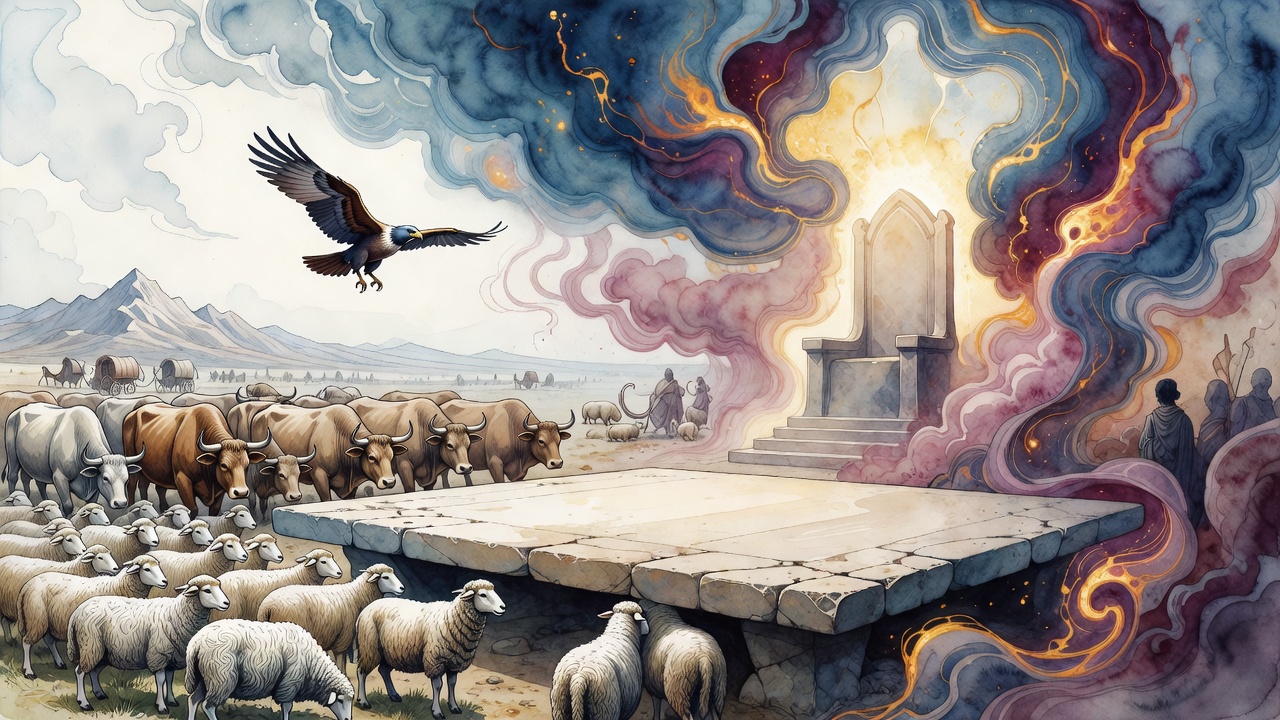
Solomon built everything the Torah prescribed. The menorah, the altar, the ark with its covering of beaten gold. He built the Holy of Holies and the inner court and the outer court and the portico. He brought the ark of the covenant up from the City of David and placed it in the innermost room. He did all of this over seven years with an immense workforce, and according to Ginzberg's Legends of the Jews, drawing on Talmudic and midrashic sources, not a single worker died or even fell ill during the entire construction. God's favor rested on the project in a way that was visible to anyone who paid attention to such things. The tools never dulled. The materials never ran short. The building proceeded as though the project itself had been protected from the inside.
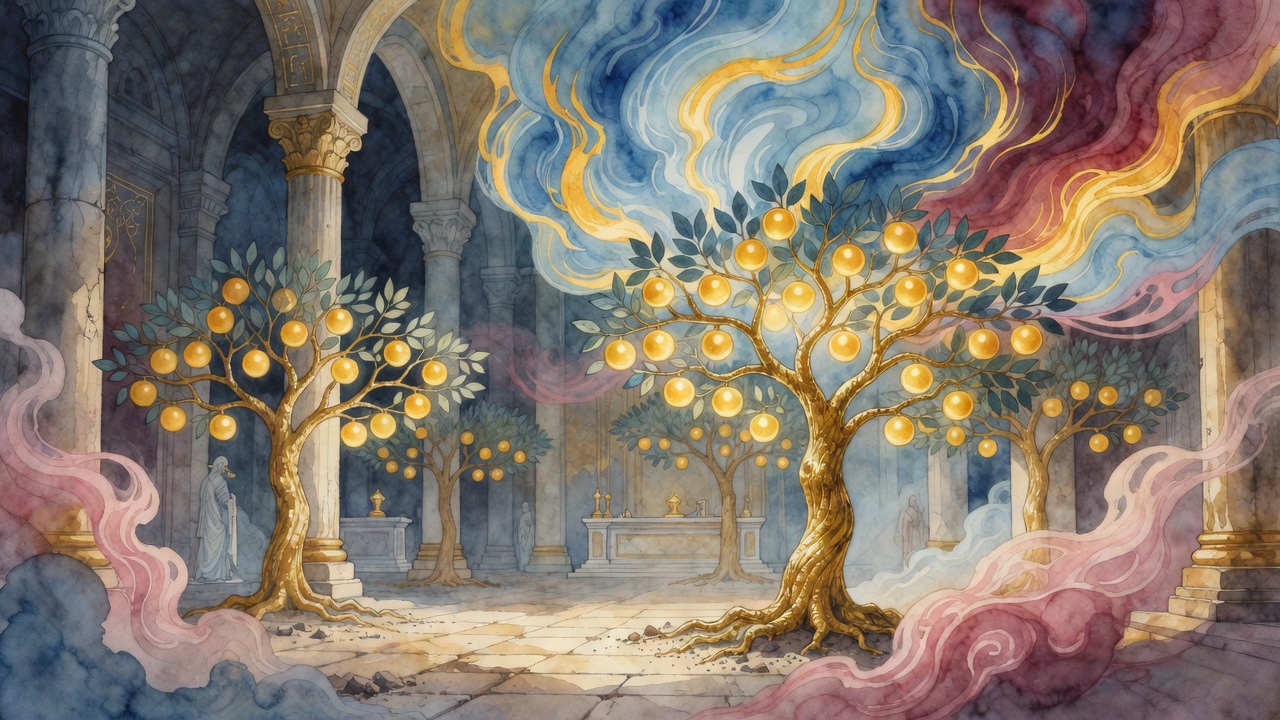
And then Solomon added something the Torah never prescribed: golden trees.
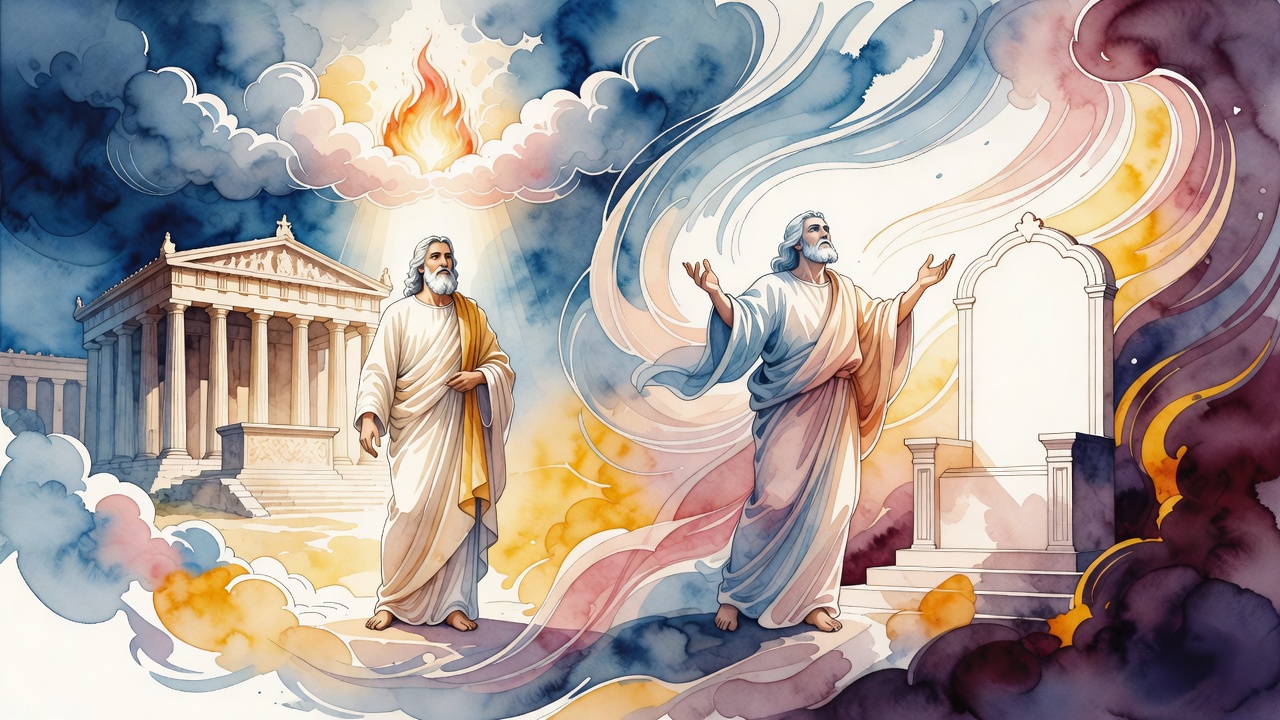
He planted them inside the Temple, positioned so that they bore golden fruit. This was not hubris or overreach. Solomon understood the Temple as a compressed version of the world God had made, a microcosm in which the essential structures of creation were reproduced in miniature. The world God made contained gardens. Eden had trees that bore fruit. The house of God should contain the same. He was completing a correspondence that the prescribed furnishings had left open. The menorah (the lampstand) reproduced the light of the first day. The golden trees reproduced the garden of the first act of creation.
Trees That Bore Fruit for Four Centuries
The more striking detail is not the trees themselves but their behavior over time. They kept bearing fruit. Golden trees producing golden fruit, continuously, throughout the entire period the Temple stood. This was not a decorative element that looked impressive at the dedication and then became fixed decor. It was a living mechanism inside a stone building, operating as a continuous sign of the divine favor that had made the building possible.
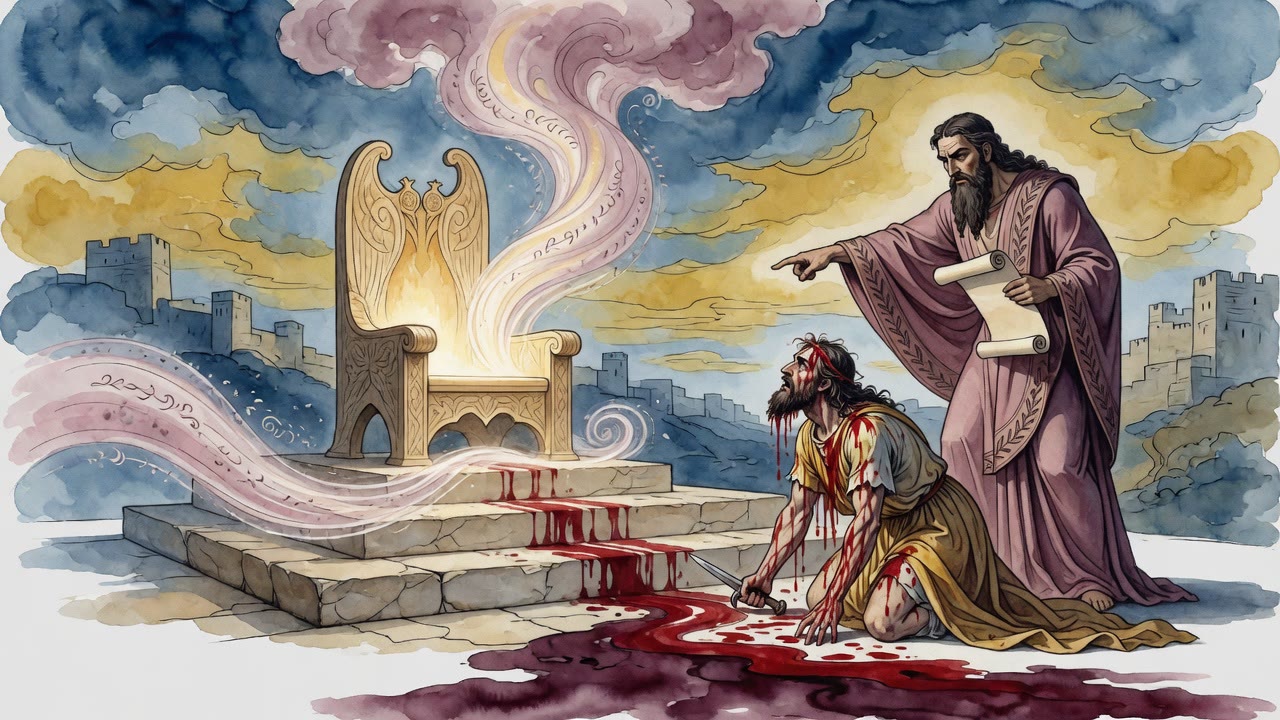
Solomon had seven names, according to the tradition in Ginzberg's Legends of the Jews. He was born Jedidiah, friend of God. The name Solomon stuck because it reflected the shalom, the peace, that characterized his reign. He was also called Ben, because he was the builder. This is the most compressed of his names and perhaps the most accurate one: the builder is what he fundamentally was. He built the Temple. He planted the trees. He completed the correspondence between earth and heaven that David had wanted to make but was told he could not, because his hands were covered in the blood of war.
What Solomon Inherited From David
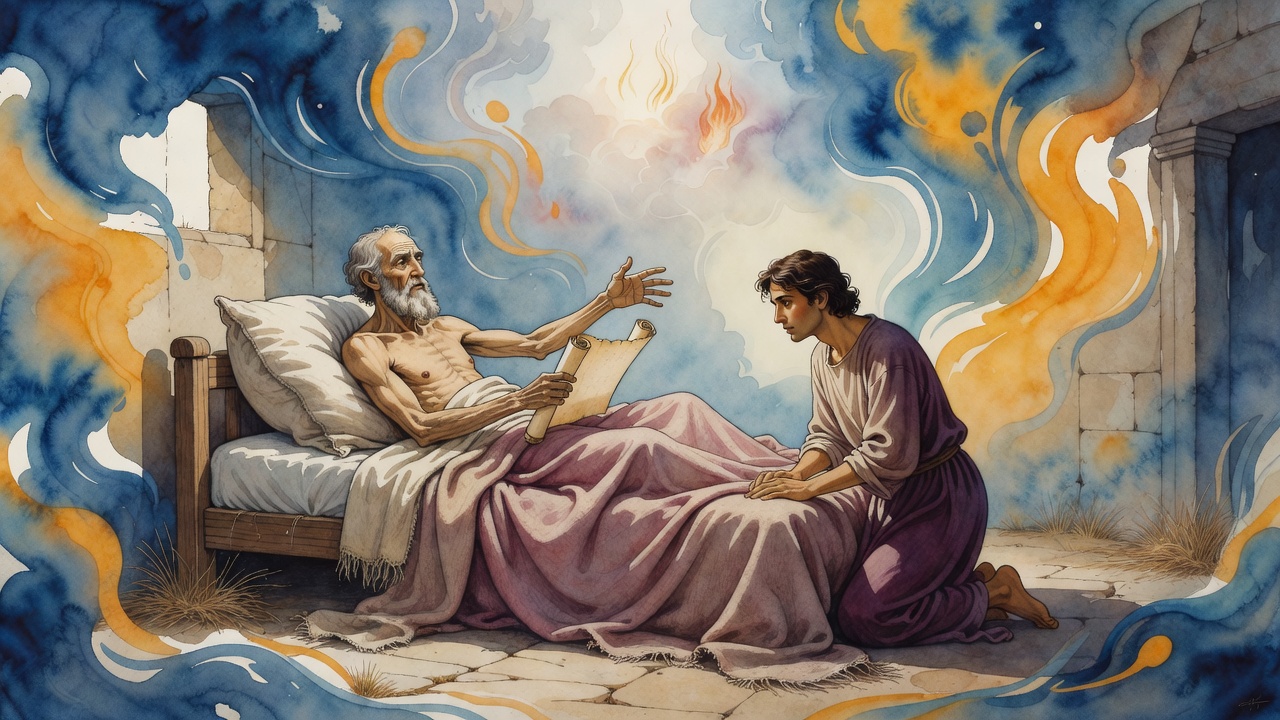
Solomon did not start the unfinished business of the Temple from nothing. David had spent his kingship accumulating the materials and the desire. He had also spent it dealing with the complications of power, including the final instructions he left Solomon about Joab, the great general who had served David faithfully and also committed two murders that David had been unable to address while Joab was still useful to him. Solomon inherited both the glory and the accounting. He dealt with Joab. He built the Temple. He planted the trees.
Midrash Tehillim records that three figures specifically requested wisdom from God: David, Solomon, and the Messiah. David asked for wisdom to lead. Solomon asked for wisdom to judge. The Messiah will ask for wisdom to complete what the previous two began. The golden trees were Solomon's wisdom made visible in the most literal sense: he had understood that the Temple needed to breathe, needed to produce, needed to be a living thing and not merely a magnificent container.
When the Fruit Fell
The Babylonians came. They breached the Temple. They stripped the gold and destroyed the stonework and burned what would burn. And when they breached the Temple, the golden fruit fell from the trees. The tradition is specific about this: the fruit fell when the enemies entered. Not when the building burned. Not when the ark was taken. When the enemies crossed the threshold, the living mechanism that had been operating continuously for approximately four hundred years stopped operating.
Ginzberg preserves this as the summary statement of what the Temple's duration meant. The golden trees bore fruit for as long as the covenant between Israel and God held the space open. When that space was violated by conquest, the biological impossibility that had been running inside the stone building stopped. The fire could consume the wood and the stone. The fall of the fruit preceded the fire. The living presence left before the physical structure was destroyed.
What the Demons Built
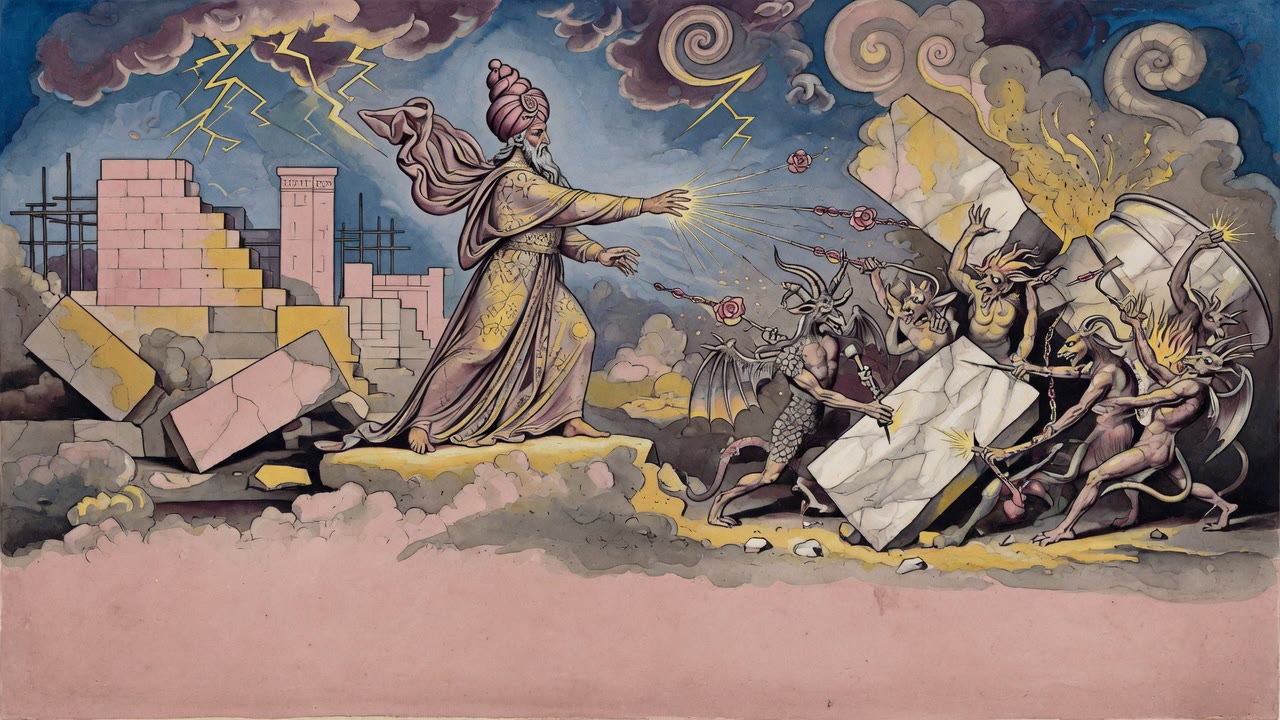
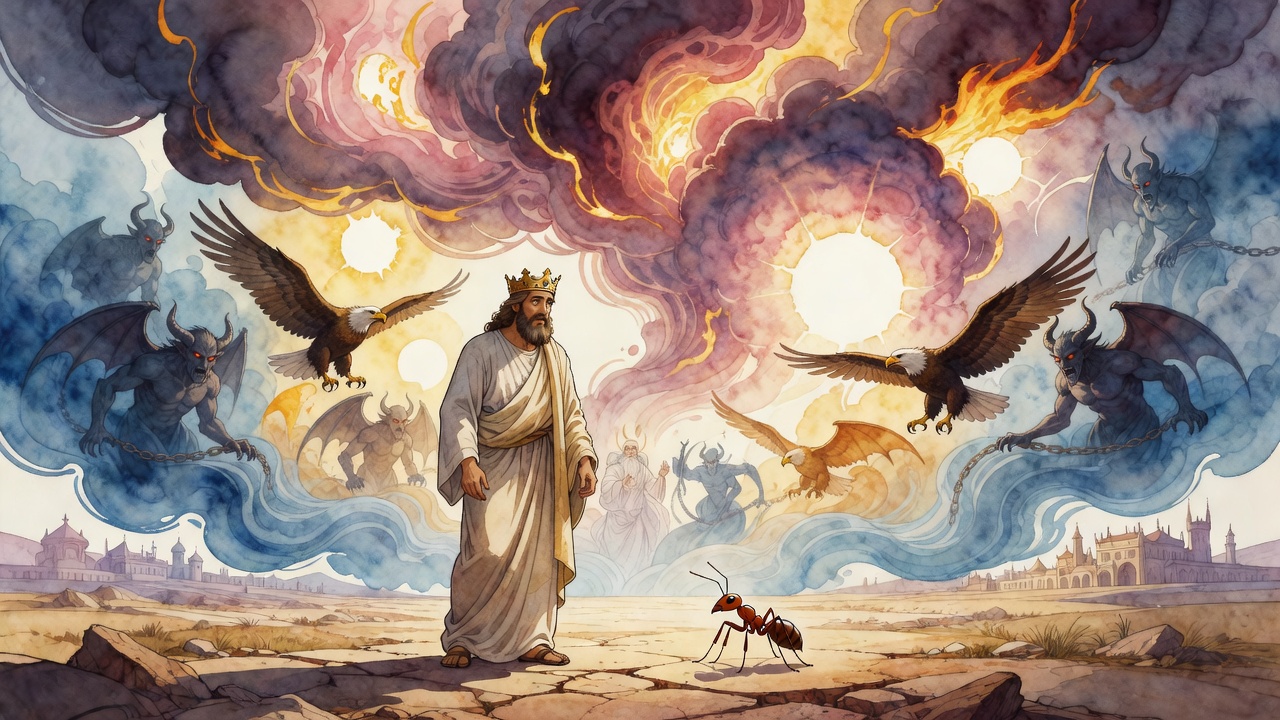
The human workers were not the only ones involved in the construction. Ginzberg's account, drawing on Talmudic and midrashic sources, records that Solomon controlled demons as well as human beings. When a mischievous spirit was stealing from one of his pages, Solomon prayed to God and the archangel Michael appeared and gave him a ring by which he could command the demonic forces. Solomon deployed them in the construction alongside the human workforce. The stone that could not be cut by metal tools was shaped by other means. The structure that no human building program could have completed in seven years was completed in seven years with supernatural assistance.
Demons built the Temple. That is the tradition. They built it under angelic command, in service of the most just human king the world had seen, for the purpose of housing the divine presence on earth. The golden trees completed what the demons and the angels and the human workers had together constructed. The building was extraordinary because it was built by the full range of created beings, visible and invisible, in the service of the one thing they all served.
← All myths