391 myths · Page 1 of 14
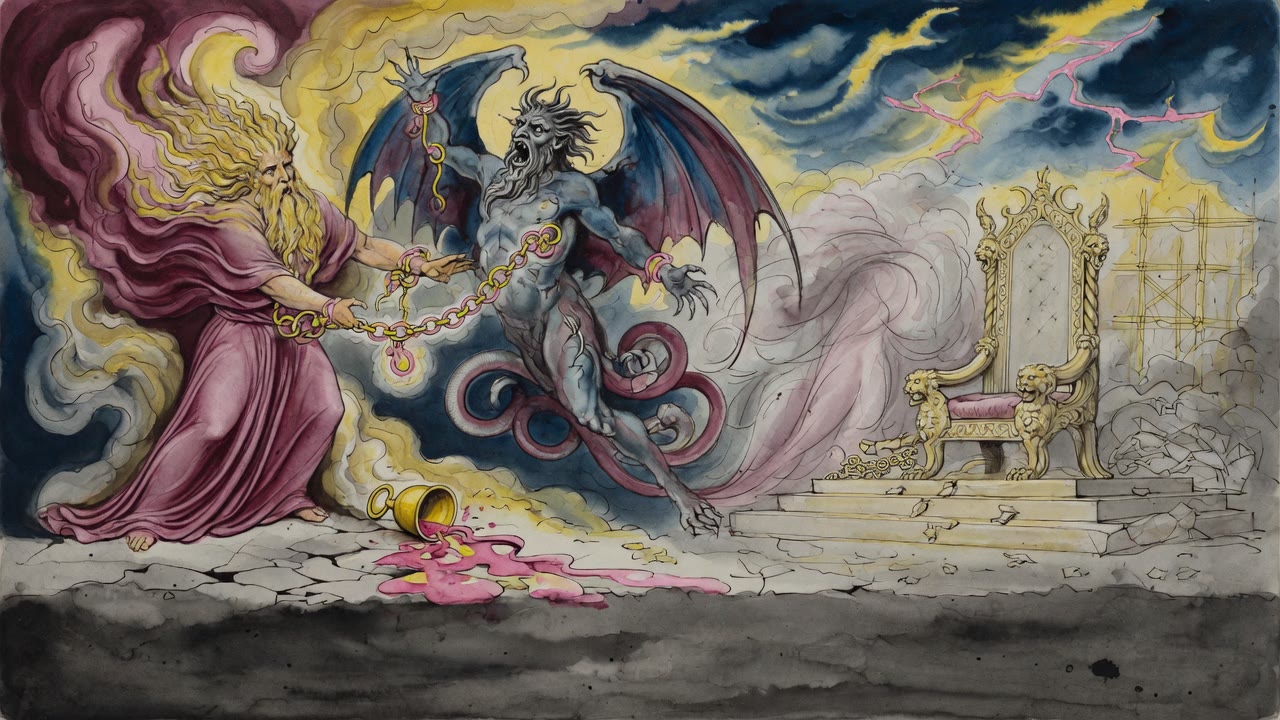
Solomon needed a demon to build the Temple. He caught the king of demons with wine, used him, then kept him chained. The demon got his revenge.
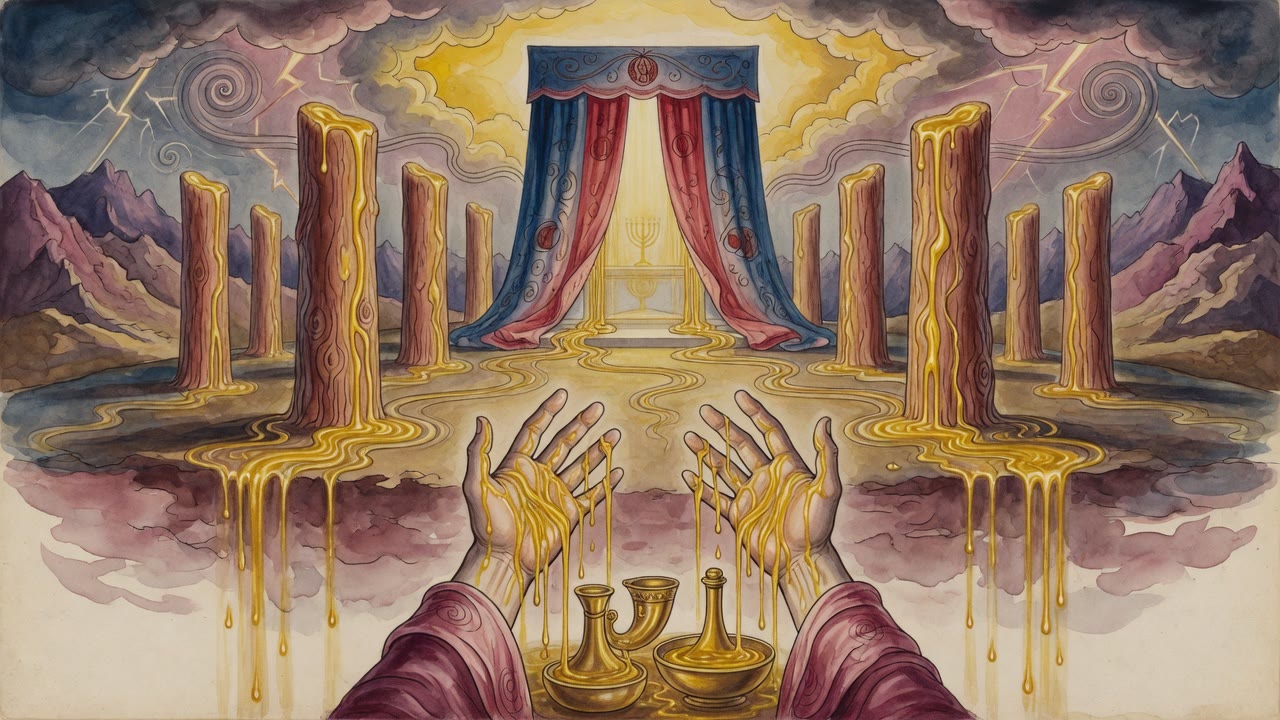
Moses made twelve logs of sacred oil in the wilderness. It anointed priests, vessels, and kings for centuries and never diminished by a drop.
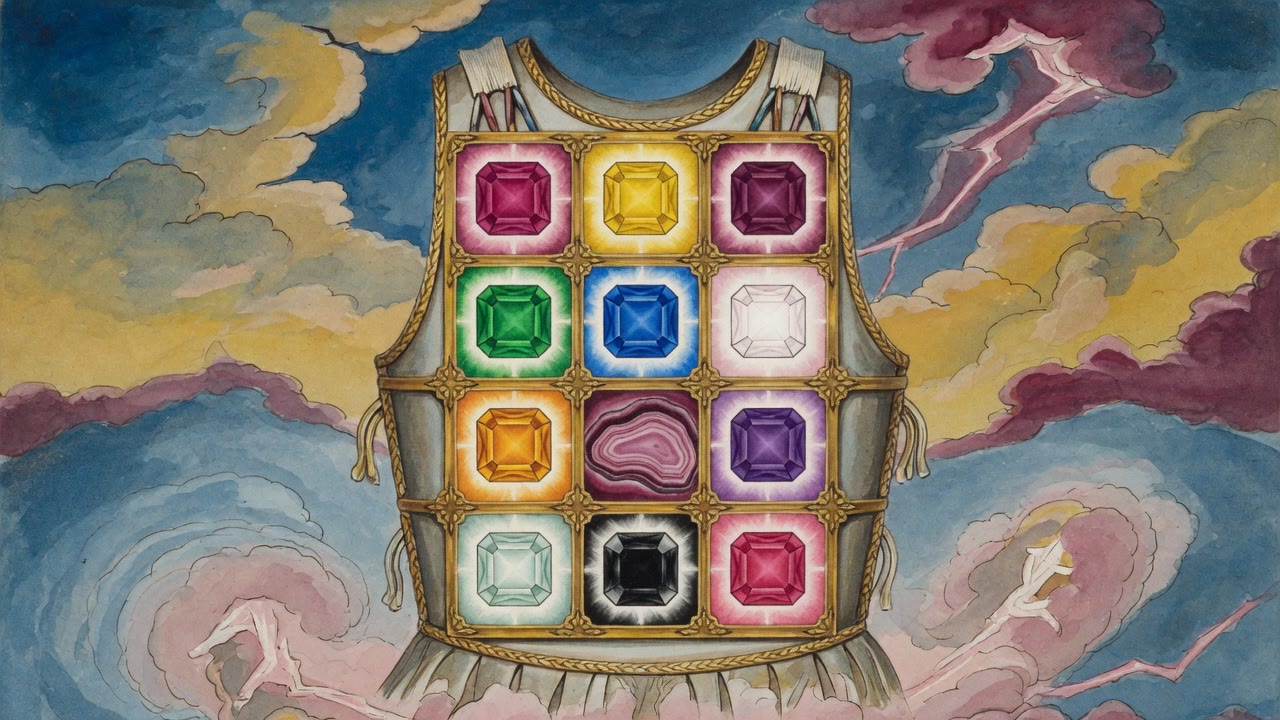
David asked if Saul would keep hunting him. The high priest looked down. Three letters on the stones caught fire and spelled the chase.
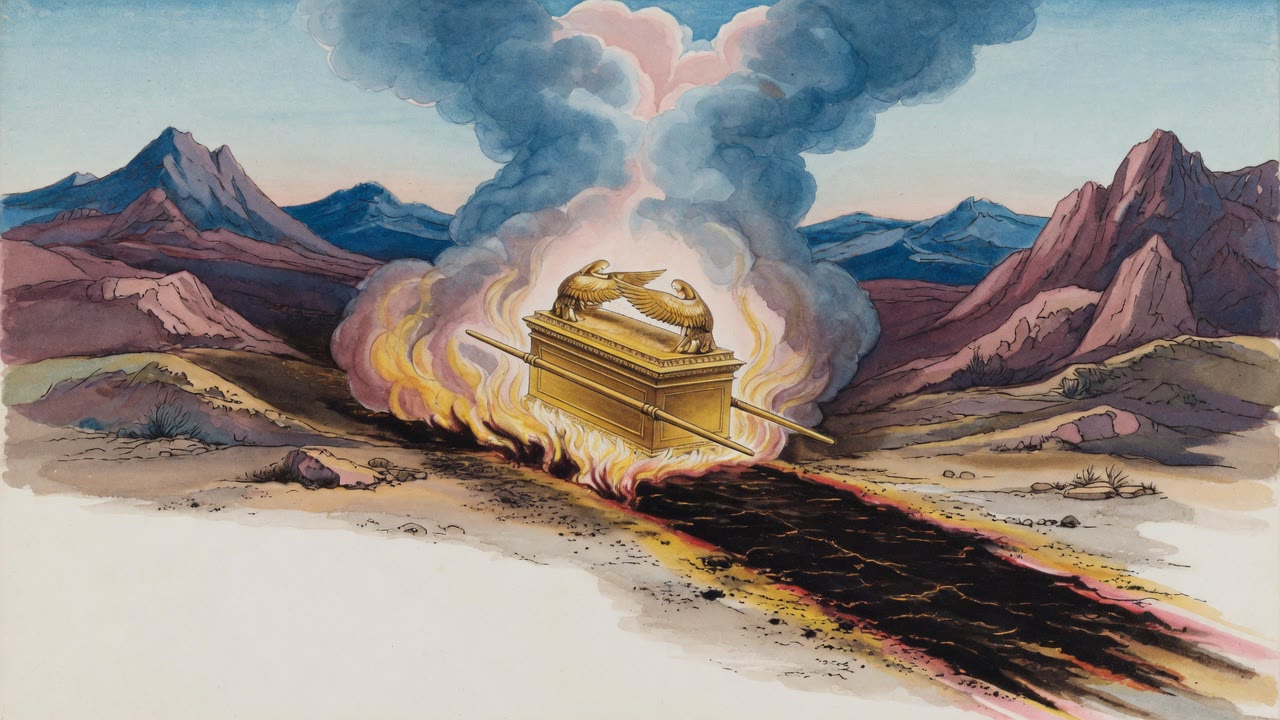
The Ark traveled three days ahead of the camp and burned the snakes out of the road. The gold cherubim on its lid had the faces of boys.
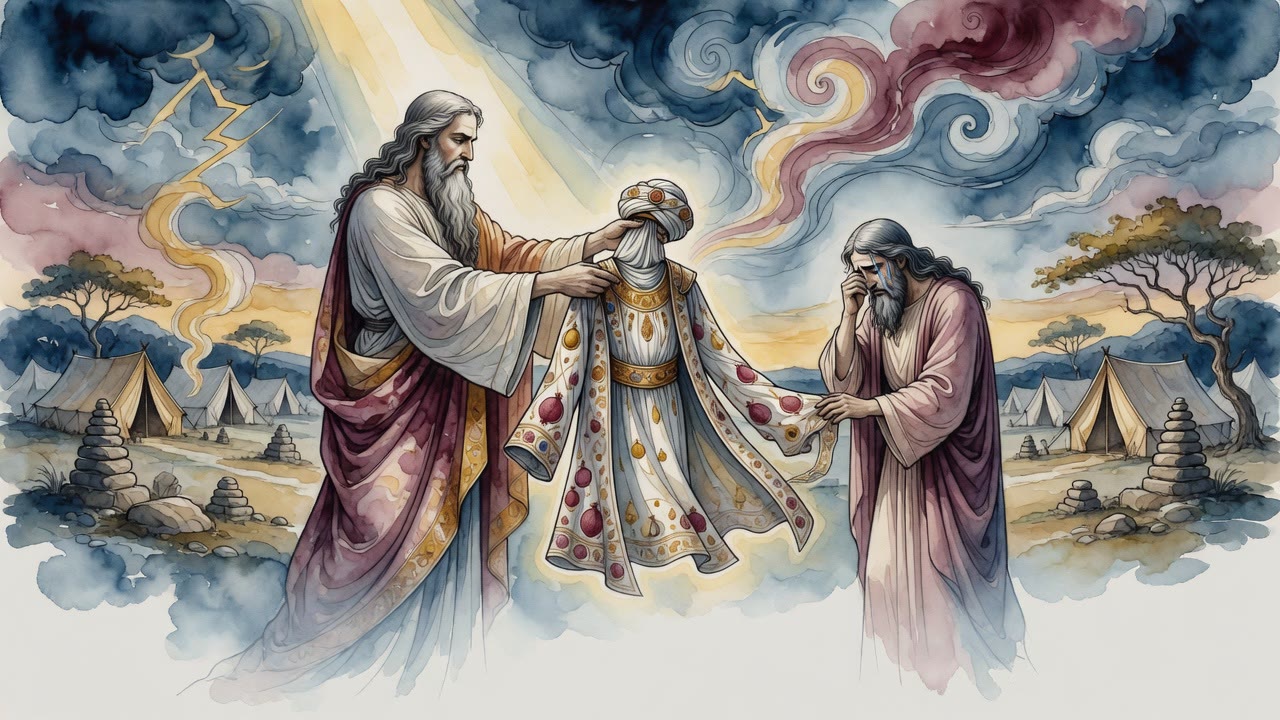
Moses crossed the camp to tell his brother Aaron he would wear the High Priest's robes, and Aaron, who shunned distinctions, wept and said no.
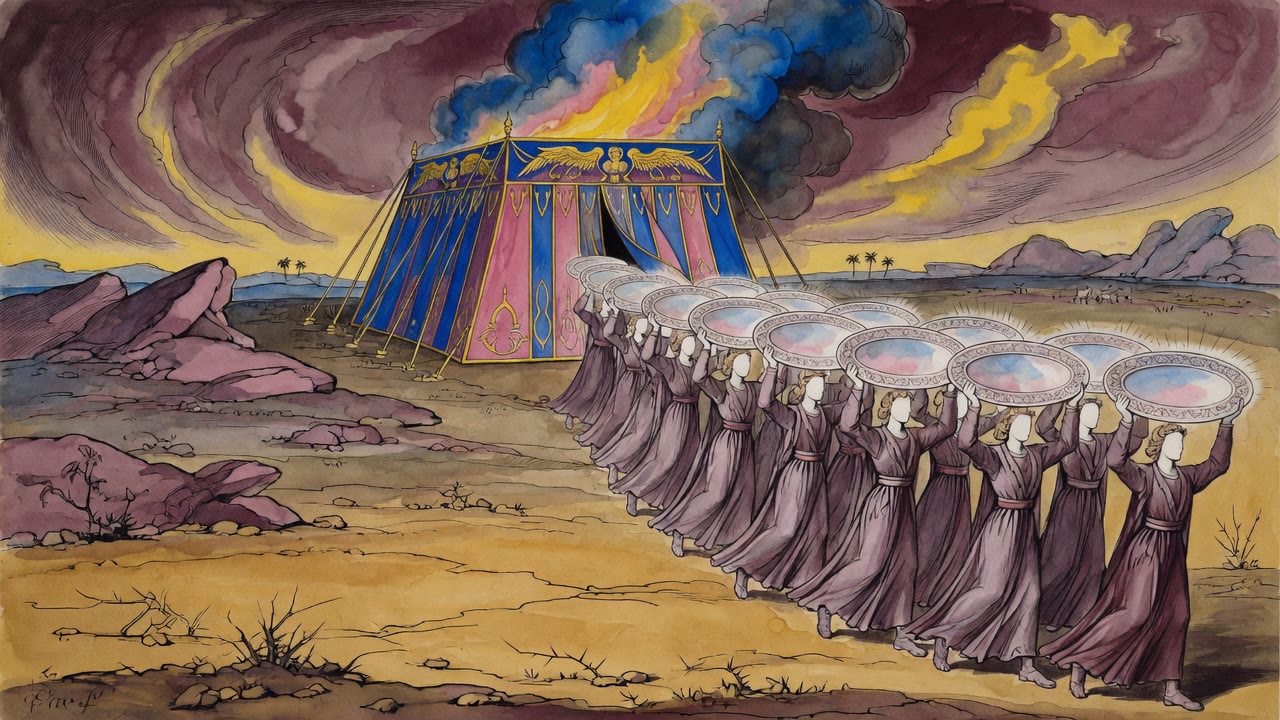
Twelve tribal princes walked toward the Tabernacle, each carrying a silver plate, a silver bowl, a gold spoon. None weighed a feather more than another.
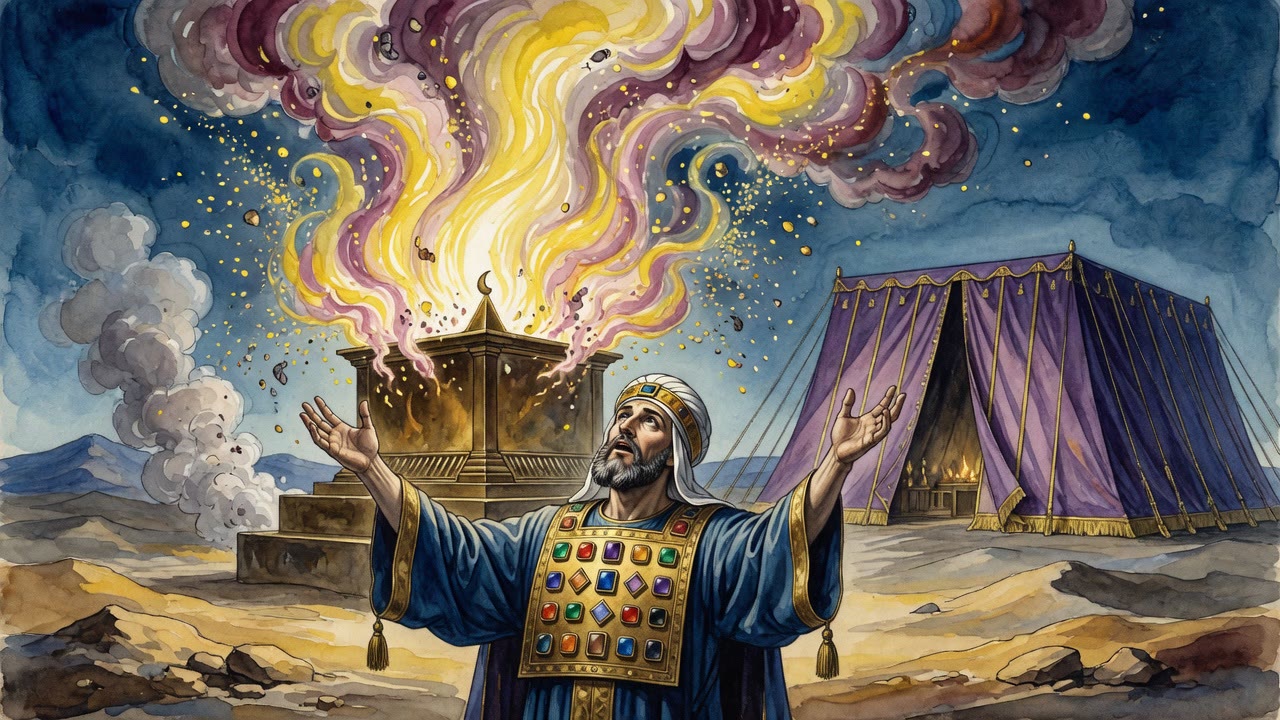
For seven days Moses put the Tent up and took it down. On the eighth, Aaron froze, because the calf was waiting at the altar's corner.
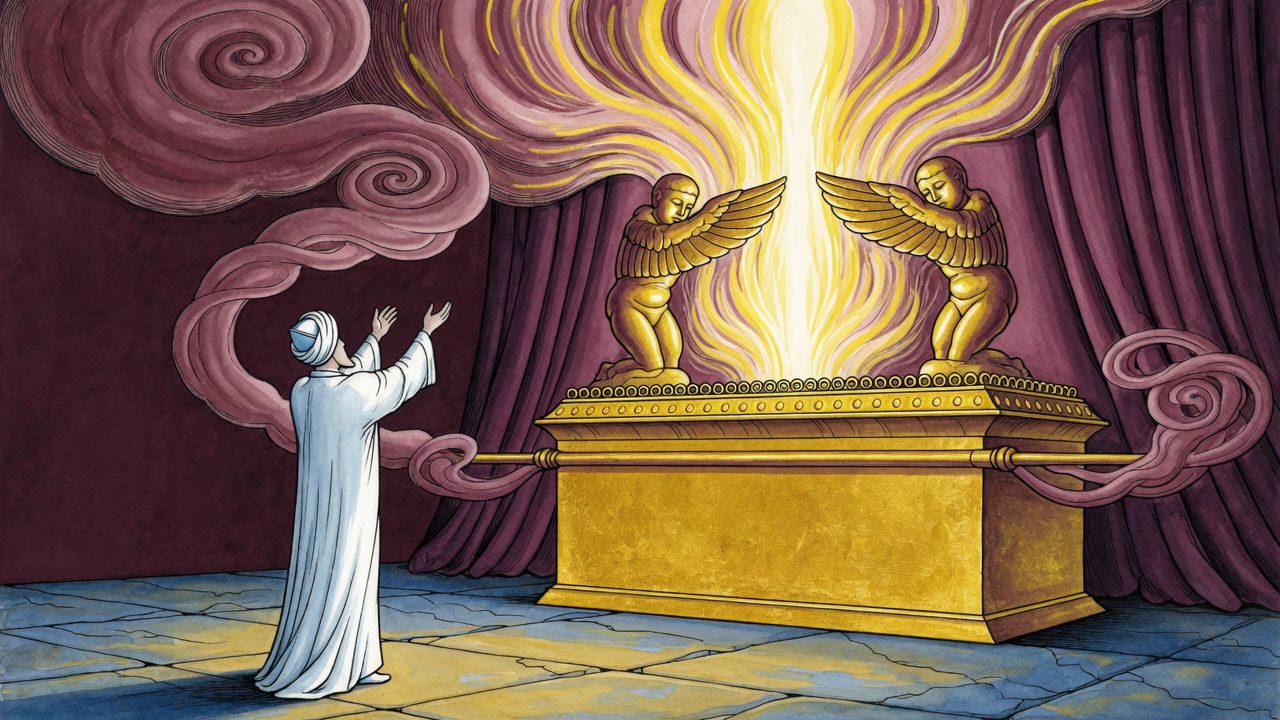
Once a year, one man entered the most sacred space in the world. No one followed him. The Talmud records every step, and why Aaron nearly refused to go in.
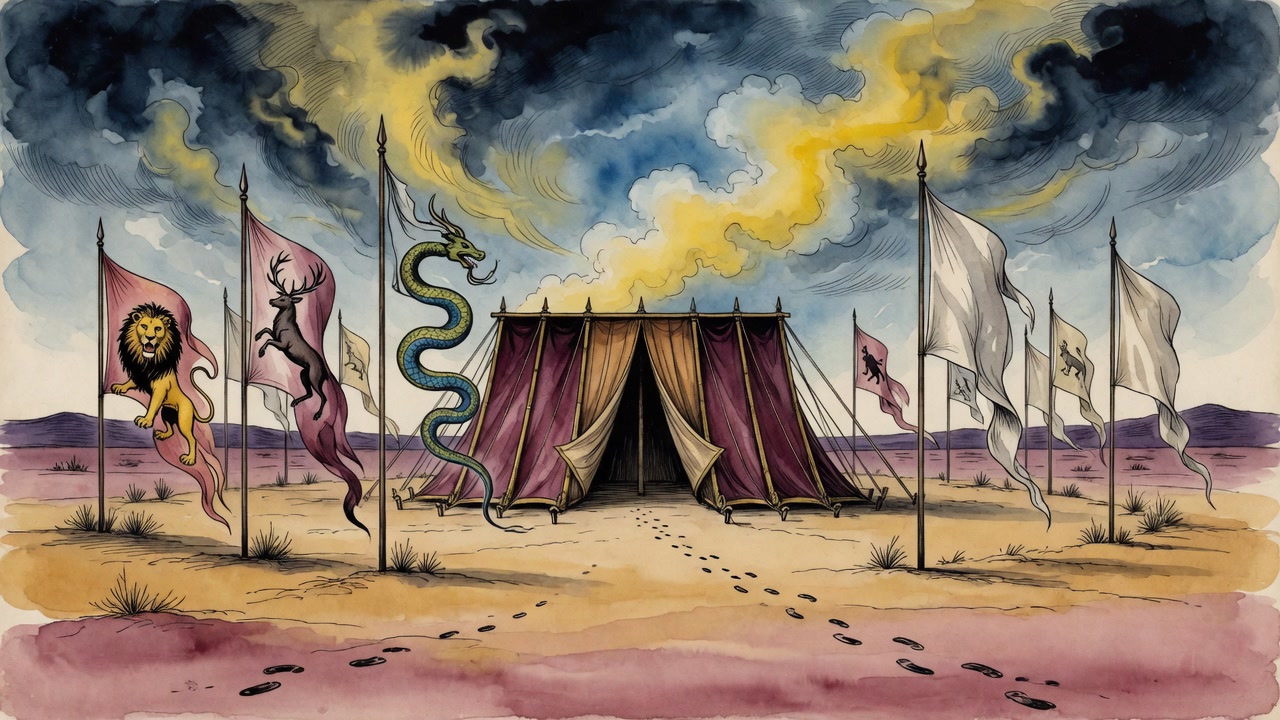
A lion on blue silk, a stag where an ox should stand, and a serpent to the north. Israel raised twelve banners and turned the wilderness into a map of heaven.
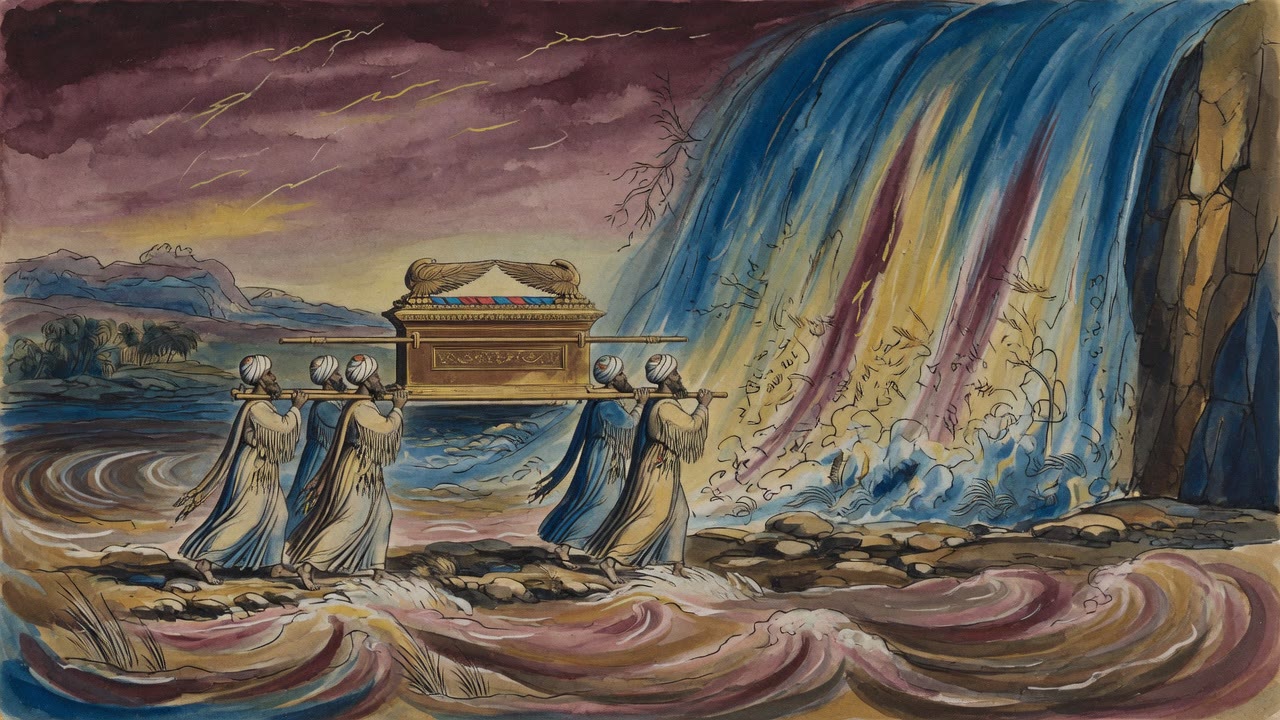
The priests carry the Ark to the flooded Jordan and stop at the edge. The river will not part until their feet touch the water first.
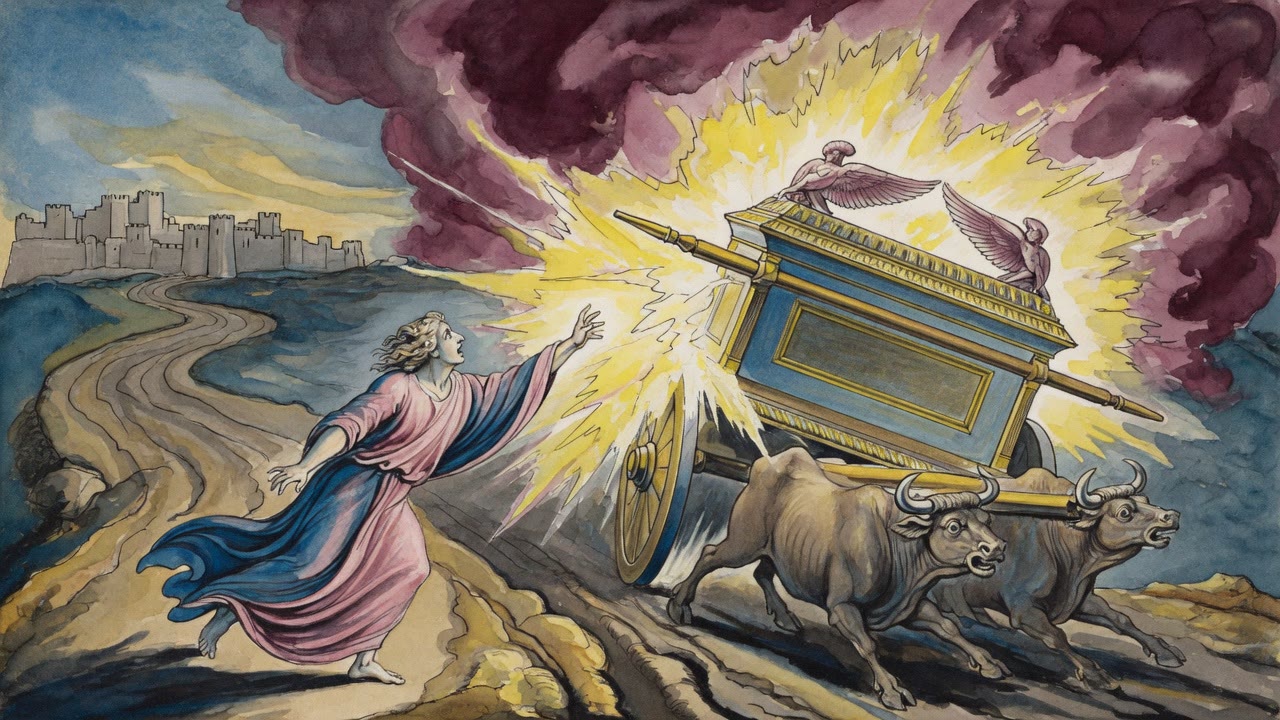
The oxen dropped. Uzzah's hand met the chest. David stopped the music, and the road took a new name from the man who tried to save it.
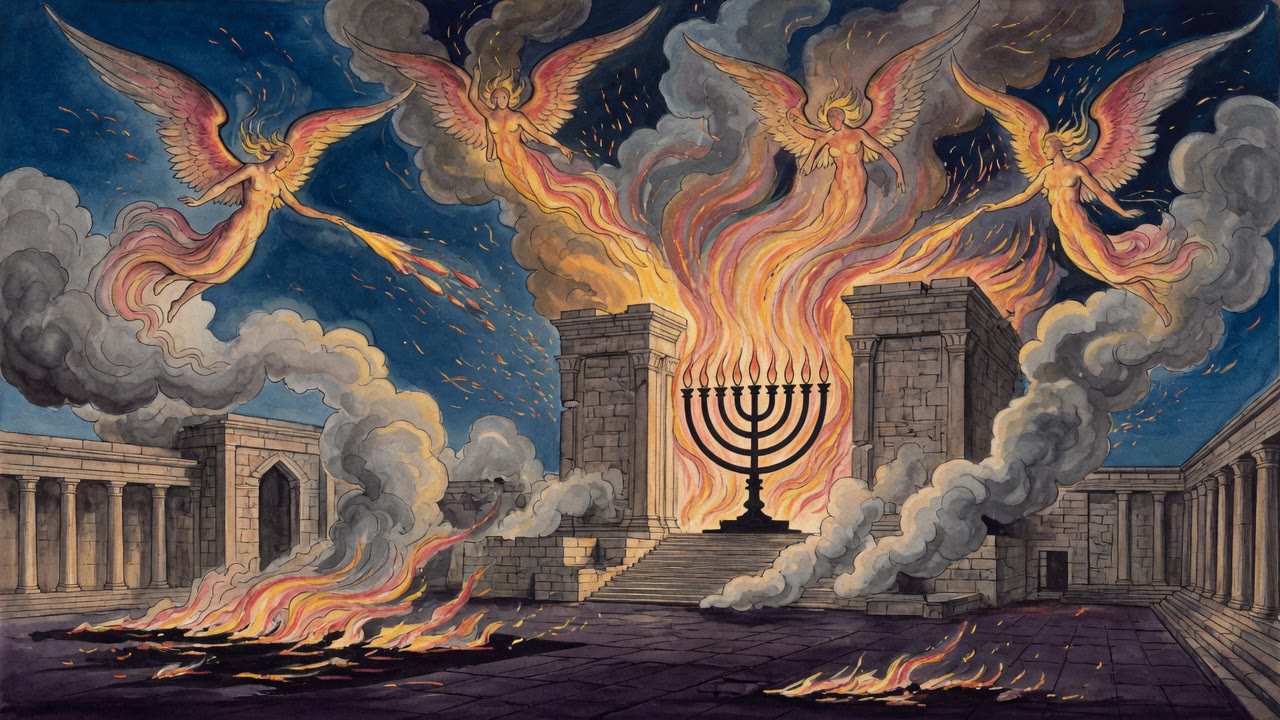
Baruch hung in the air over his own city. Four angels held torches at the corners, and a fifth told them not to light yet.
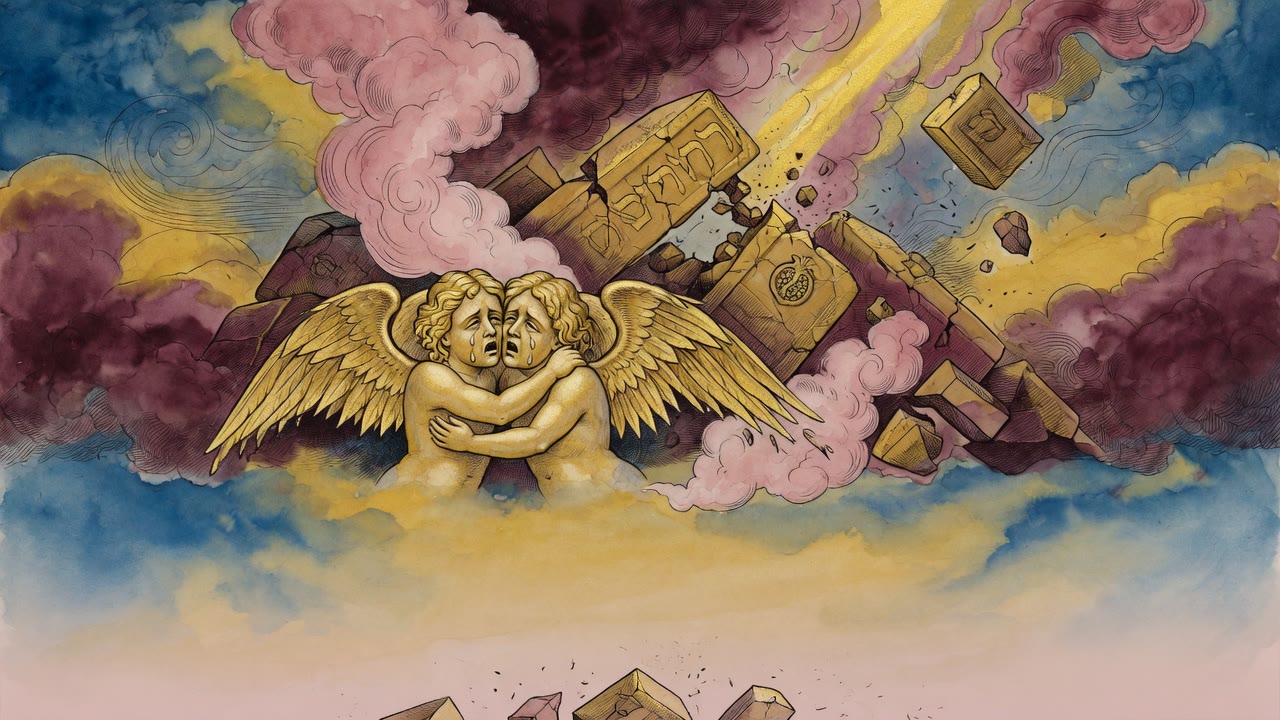
The innermost room was not empty. Two gold children held each other over the Ark, and the men who broke in hauled that closeness into the street.
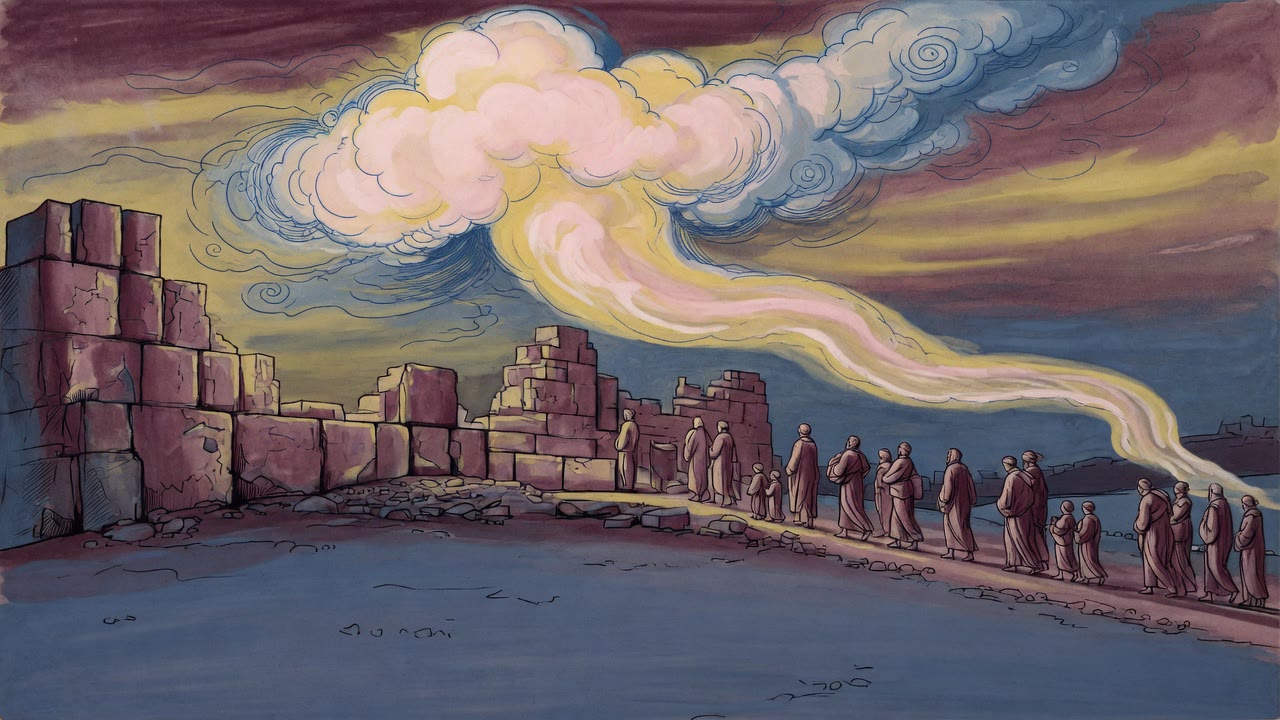
When the Temple burned the Presence wept at the last wall and walked out with Israel, as she had walked into Egypt, Babylon, Eilam, and Edom.
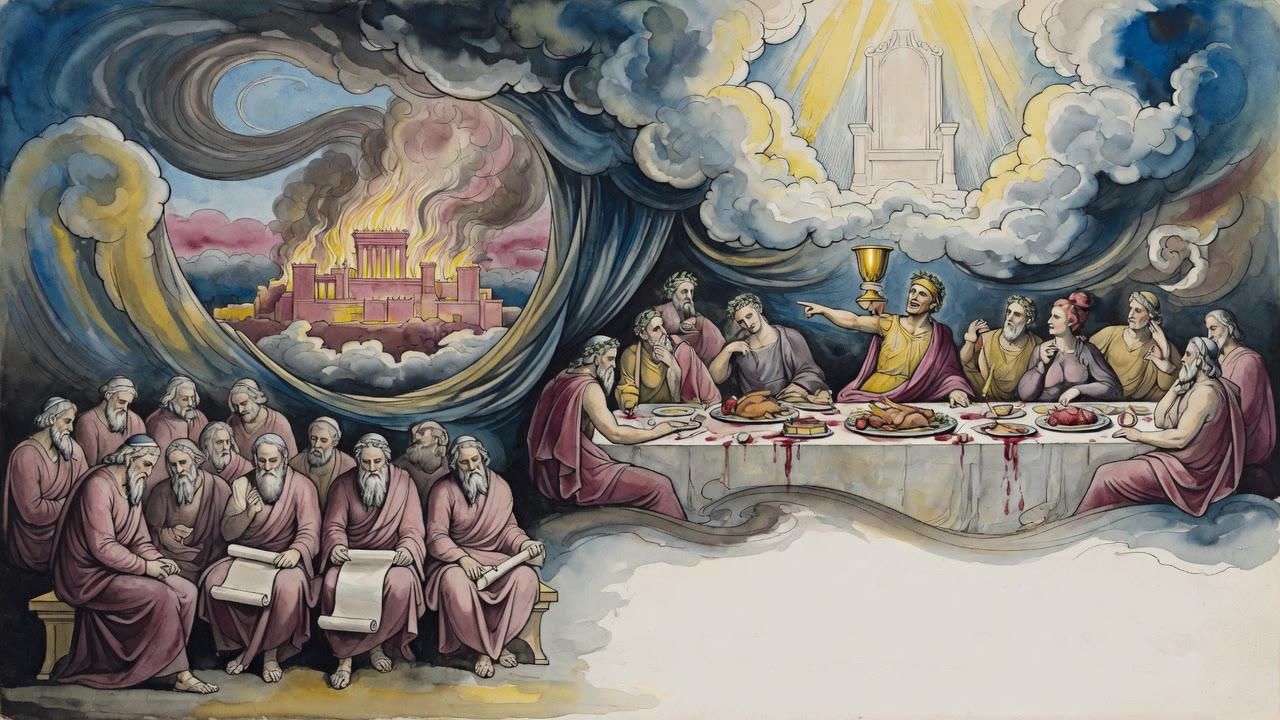
The servant fetched the enemy. Bar Kamtza offered to pay for the whole feast. The host took him by the hand and put him in the street.
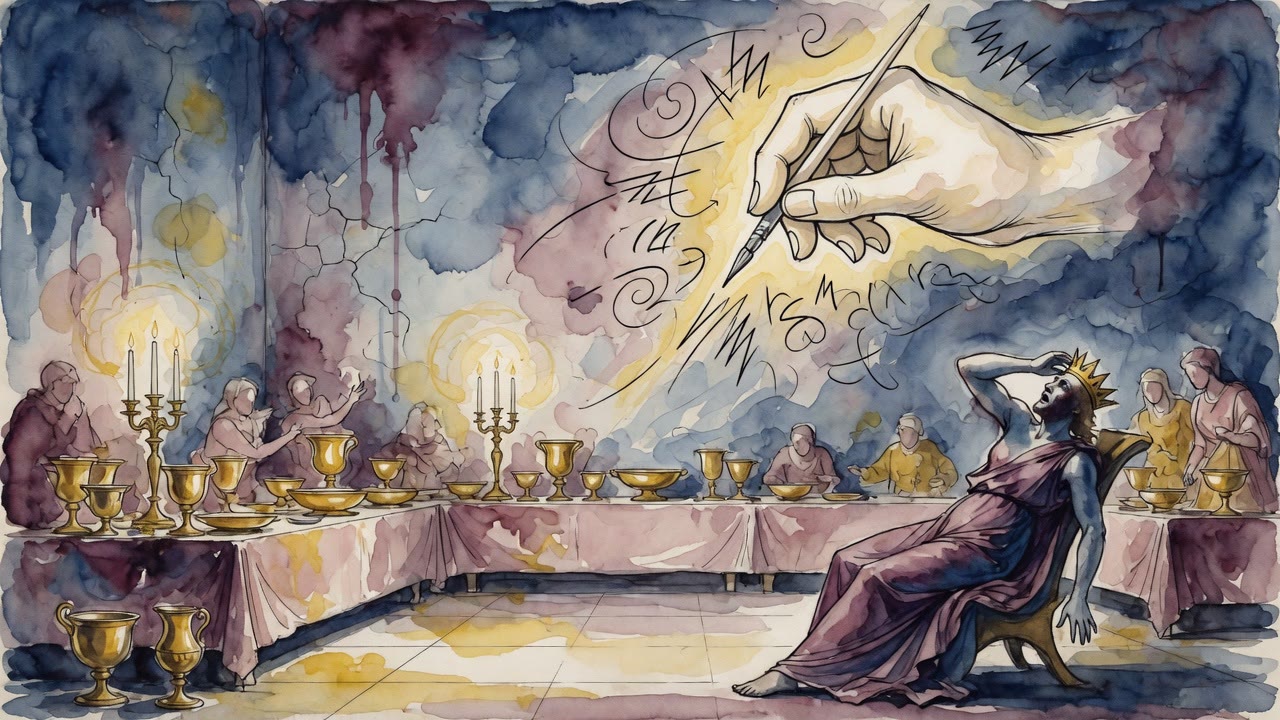
A hand wrote four words in red on the wall beside the king's lamp. By dawn a palace servant was walking toward two armies carrying a head.
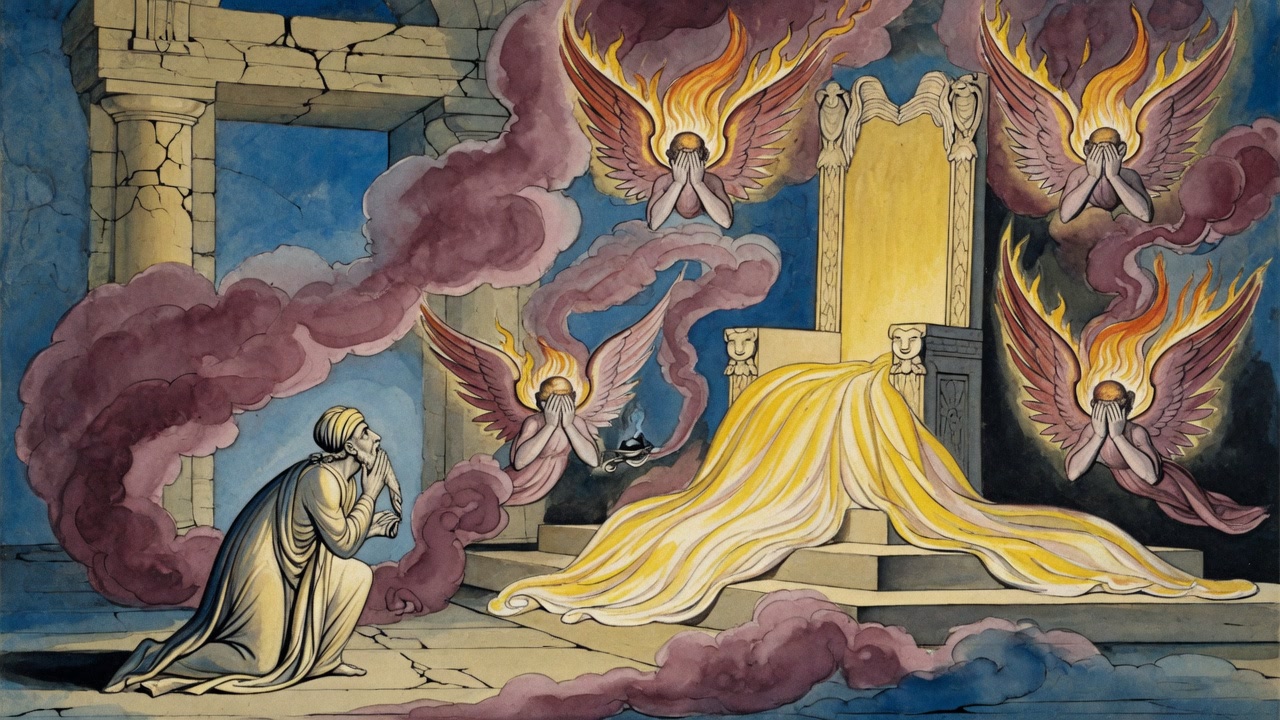
Isaiah walked into the Temple the year the king died and found burning ones above the throne, crying holy until the doorposts shook.
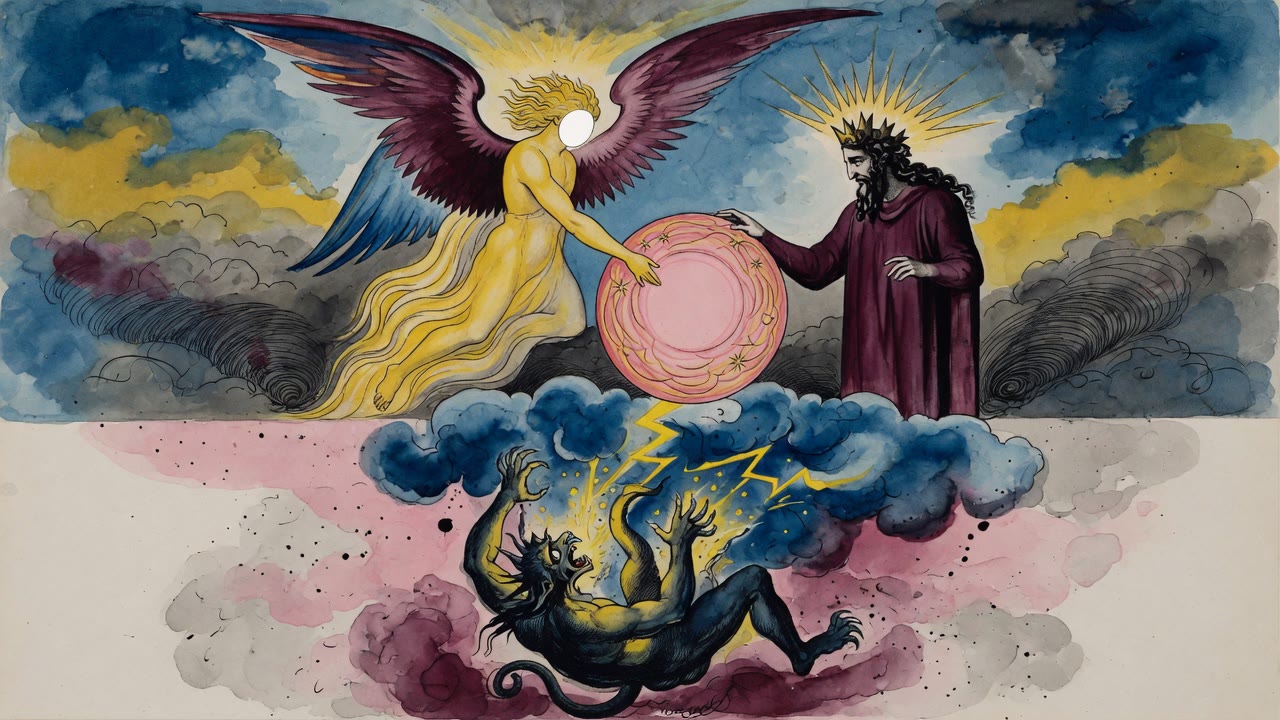
A demon was draining life from a child on Solomon's building crew. Solomon prayed and Michael arrived with a ring that bound every demon on earth.
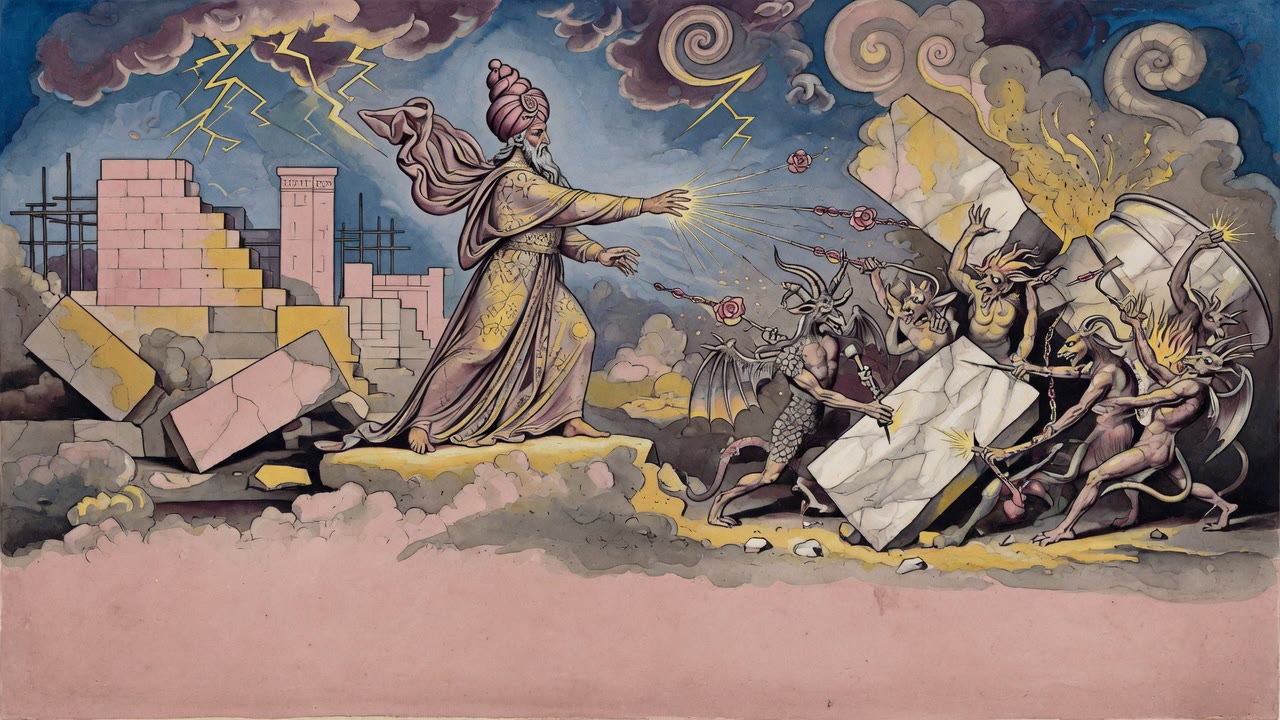
The boy on the Temple site wasted toward morning. Michael put a ring on the king's finger. A prince of demons came down off the air and knelt.
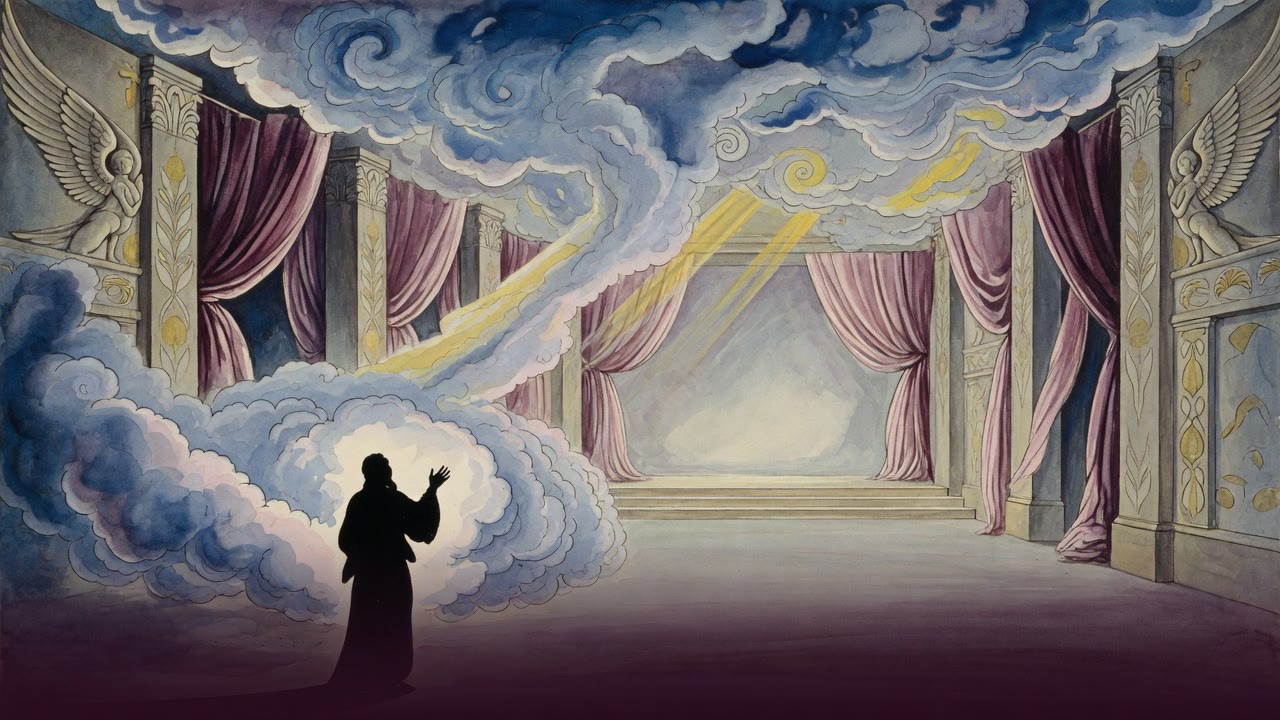
A portable tent in the desert held a sanctuary twice as large as the one Solomon built in Jerusalem. The rabbis argued about why for a thousand years.
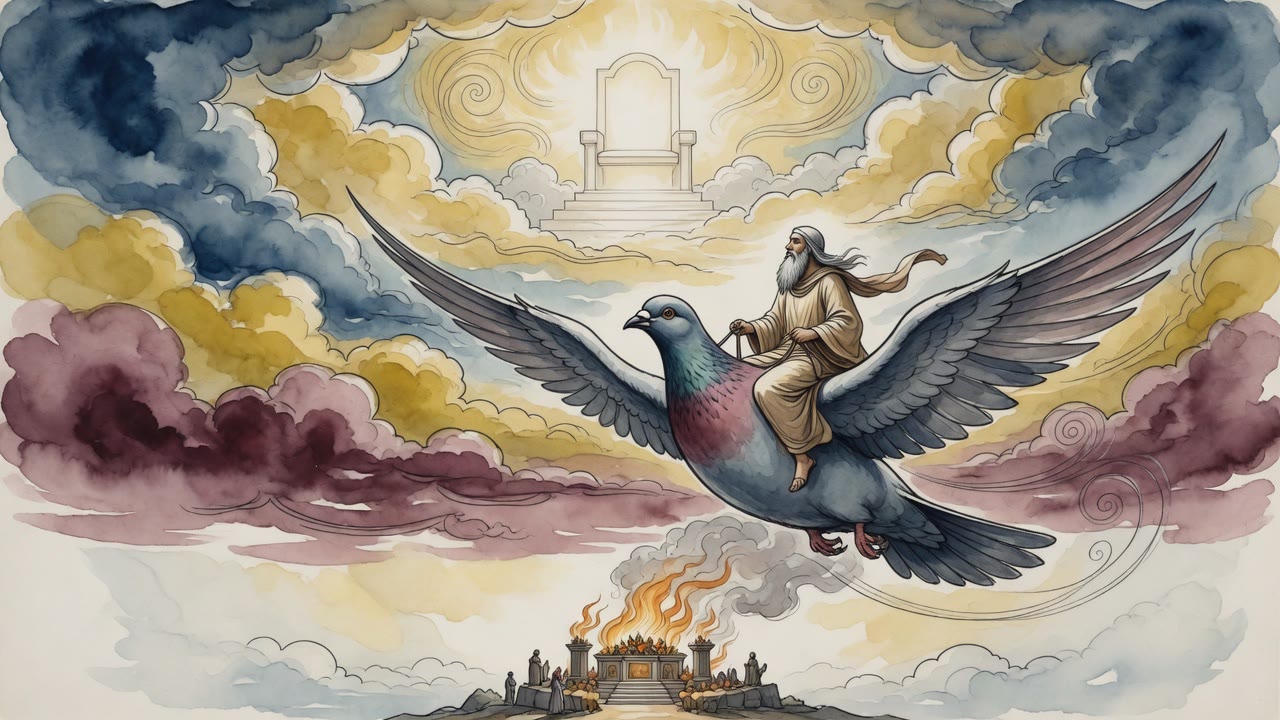
The birds had not been cut. At sundown the angel set Abraham on the pigeon's right wing, and the smoking field dropped away under his feet.
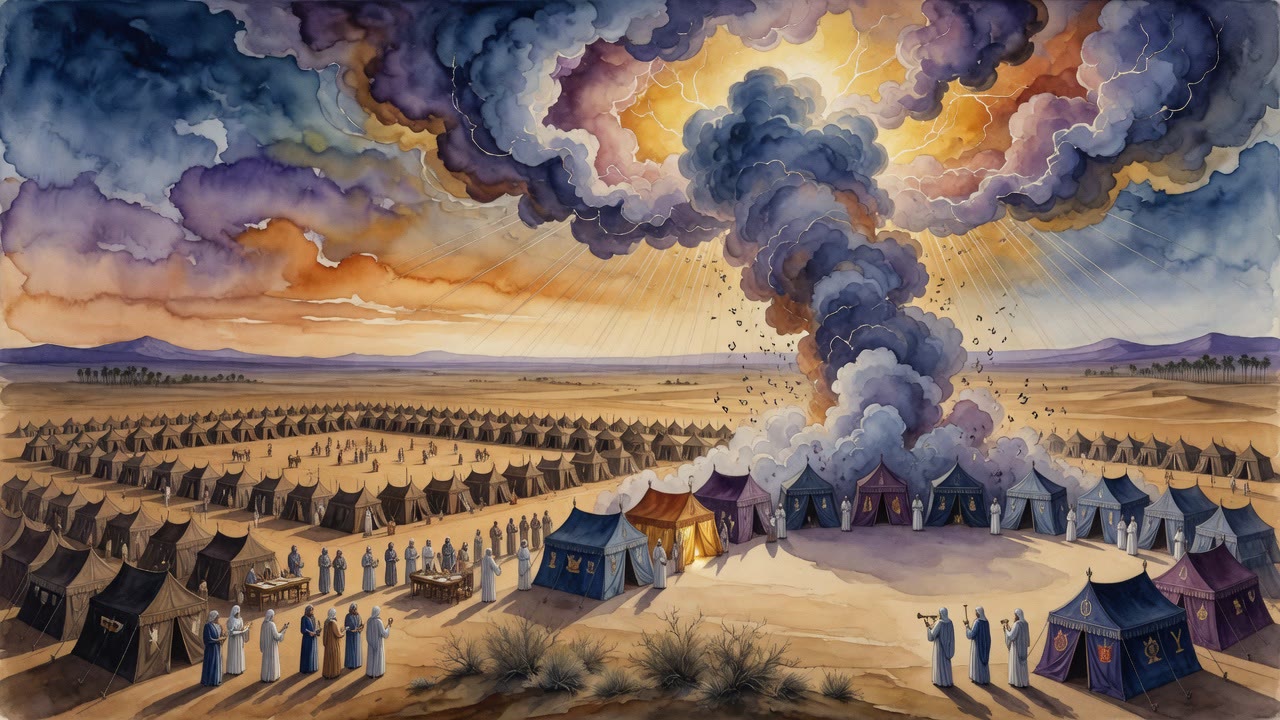
No prince of Levi came forward. Moses stood at his brothers' tents until the voice told him the war list was already a list of graves.
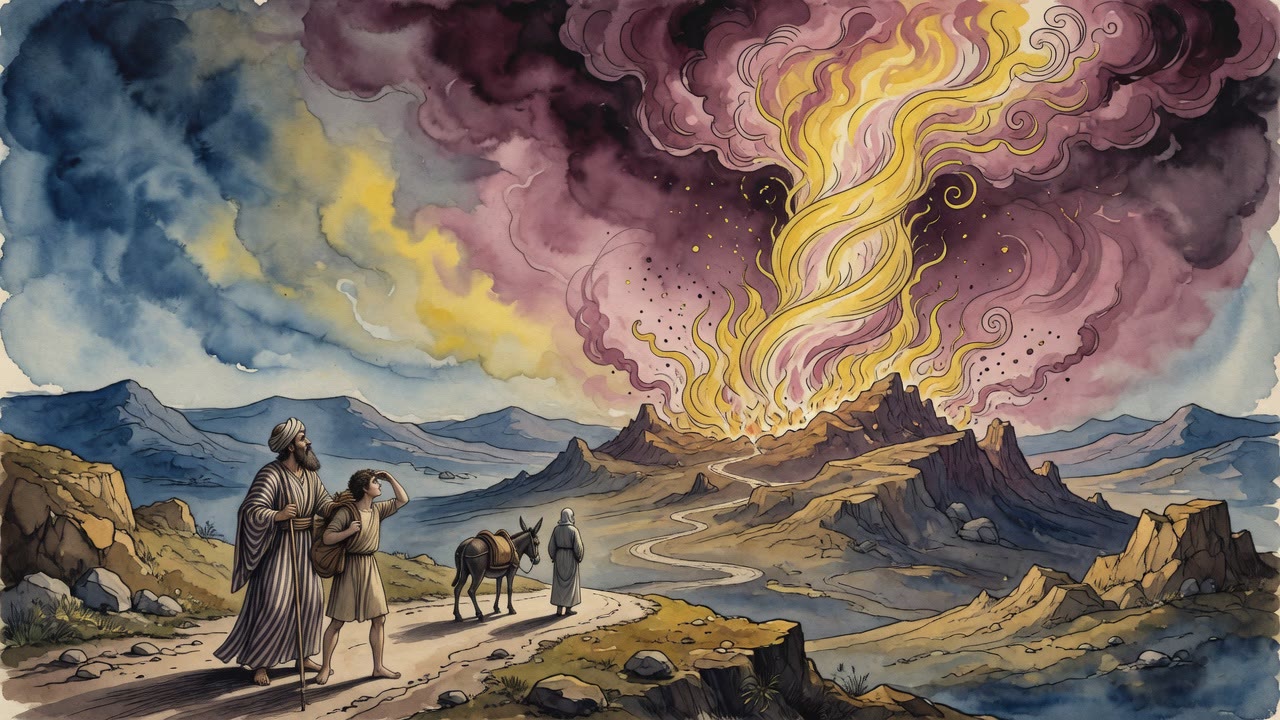
The two young men waited with the donkey. Ahead of them a ridge held fire from ground to sky. They looked and saw only desert.
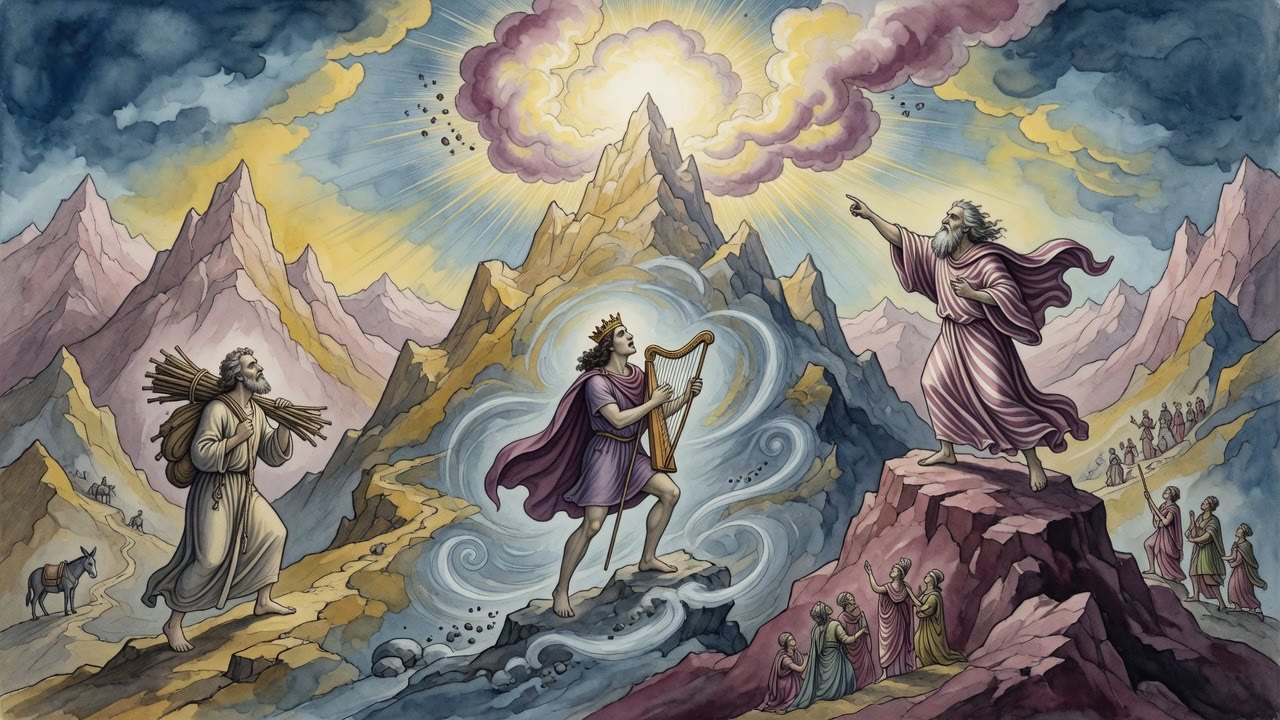
Abraham named it after binding his son. David asked who could ascend it. Isaiah said nations would stream toward it. All three pointed at one place.
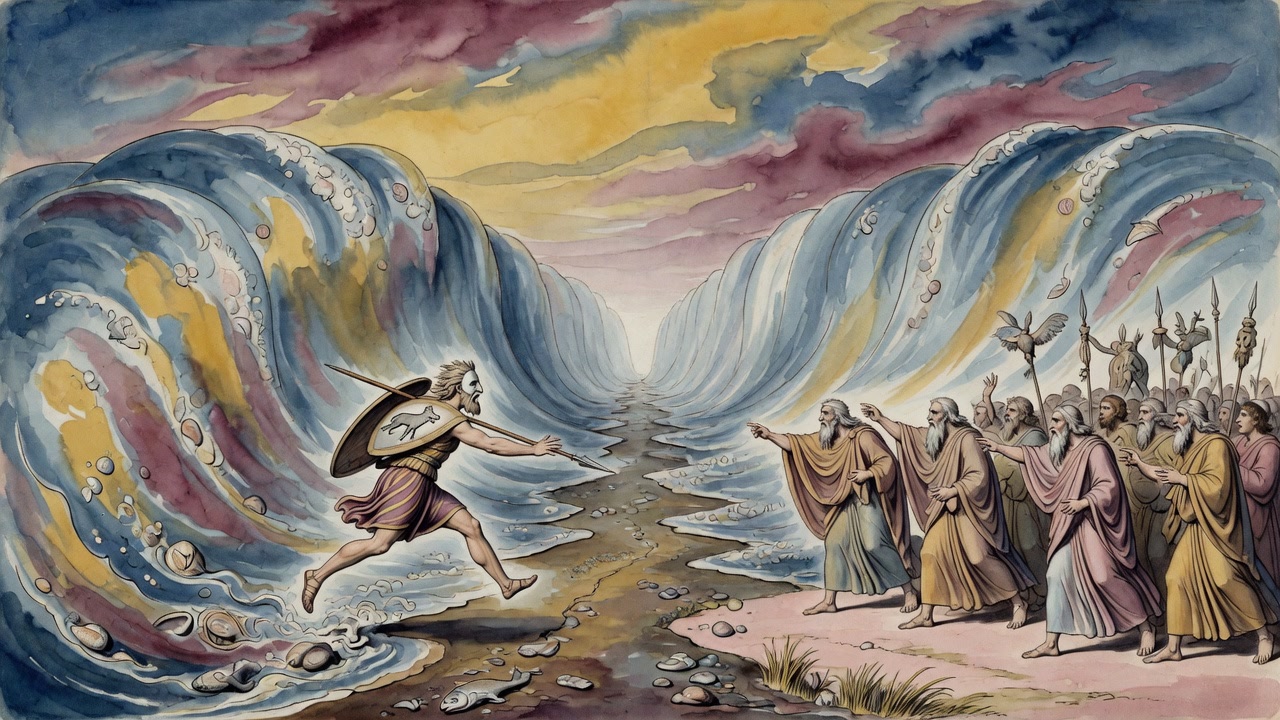
The tribes argued at the water's edge over who would lead Israel into the divided sea. Benjamin acted while they were still talking. Judah threw stones.
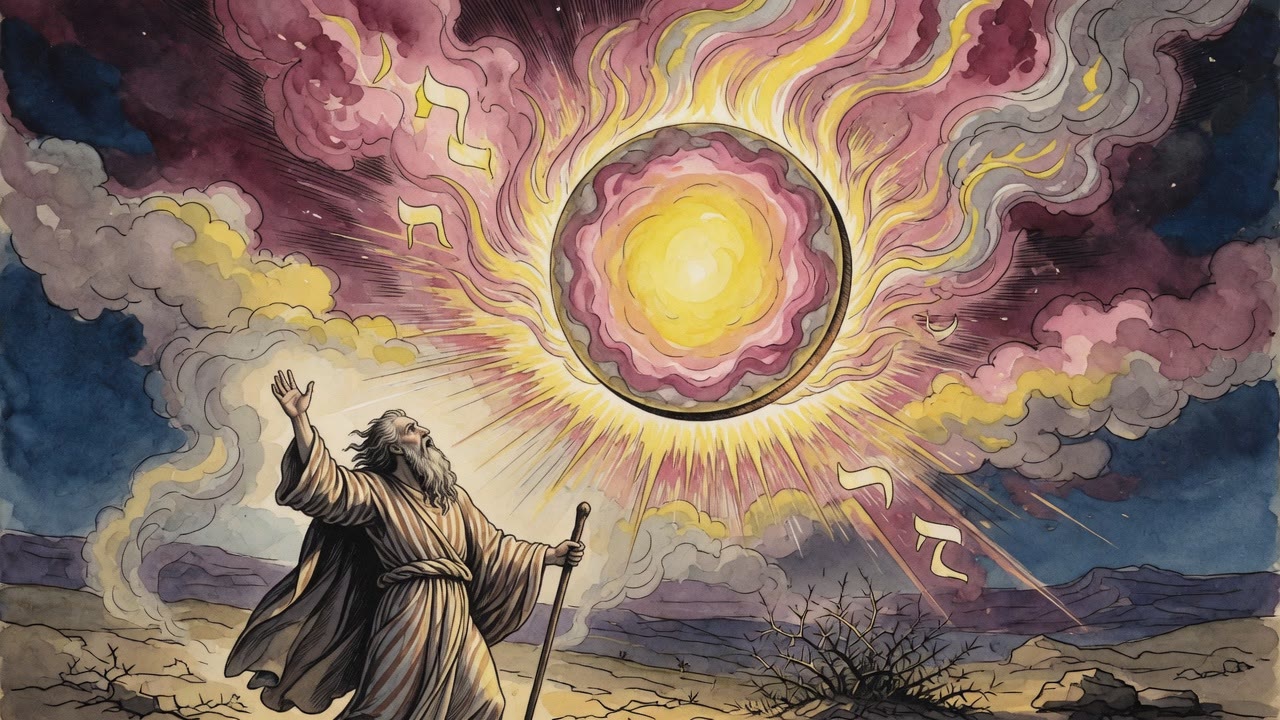
Israel had already done the sums. Fifty shekels for a seducer, thirty for a goring ox, a hundred for slander. Not one of those, God said, is the price here.
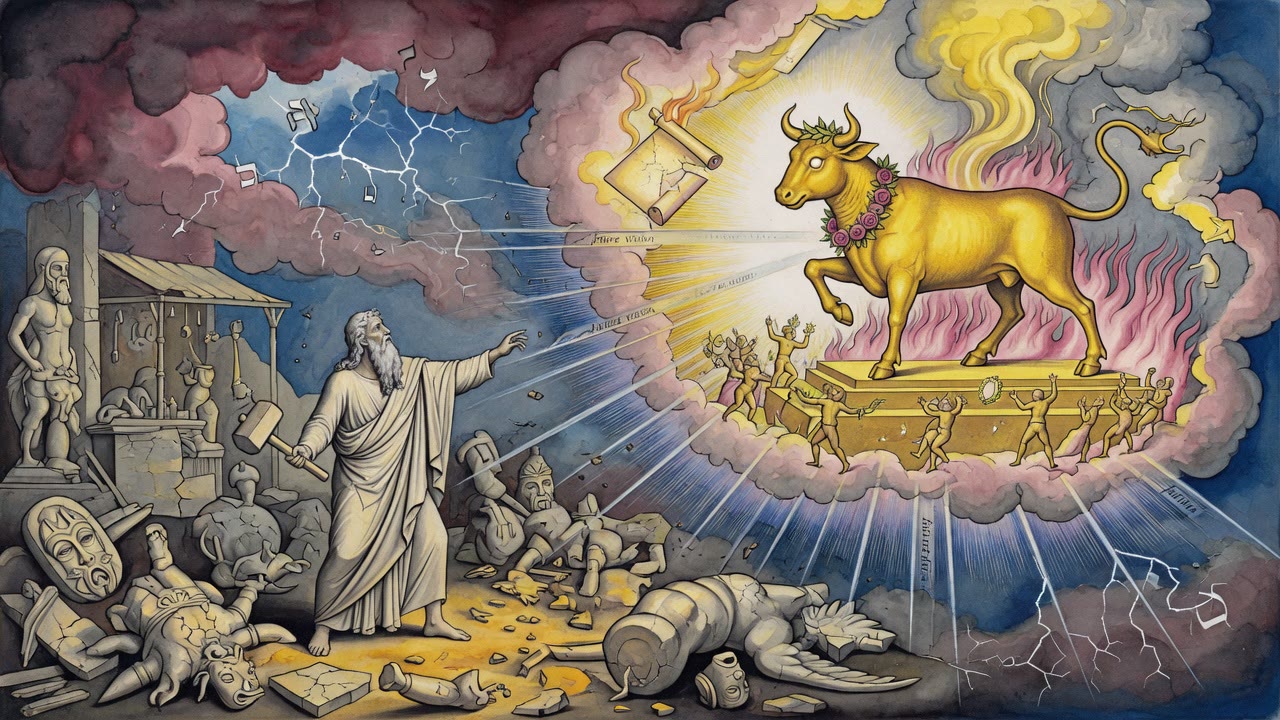
Abraham smashed his father's idols his whole life. Then God showed him a vision of an idol standing inside the Temple his descendants would one day build.
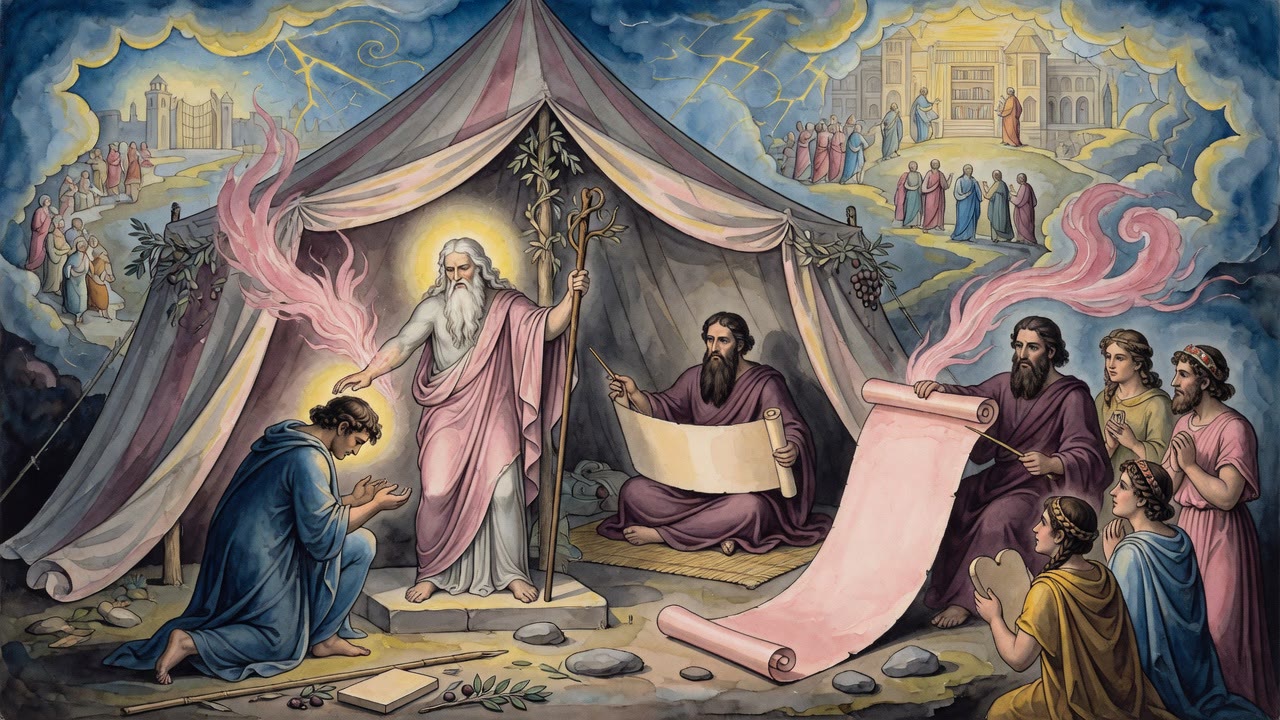
When Noah divided the world between his three sons, Japheth's blessing surprised everyone, his beauty would lead him into the academies of Shem.
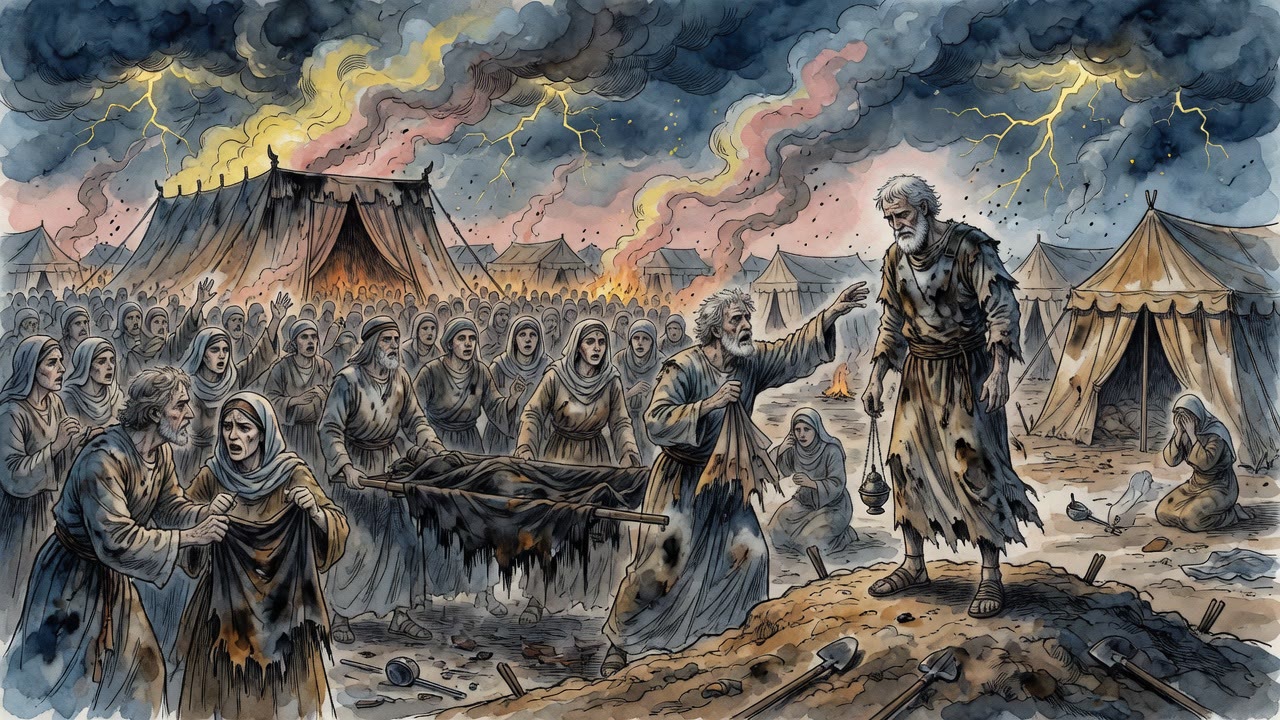
Aaron covered the Ark with his own hands before every march. Then Israel stopped the registration to ask, out loud, who his son had married.
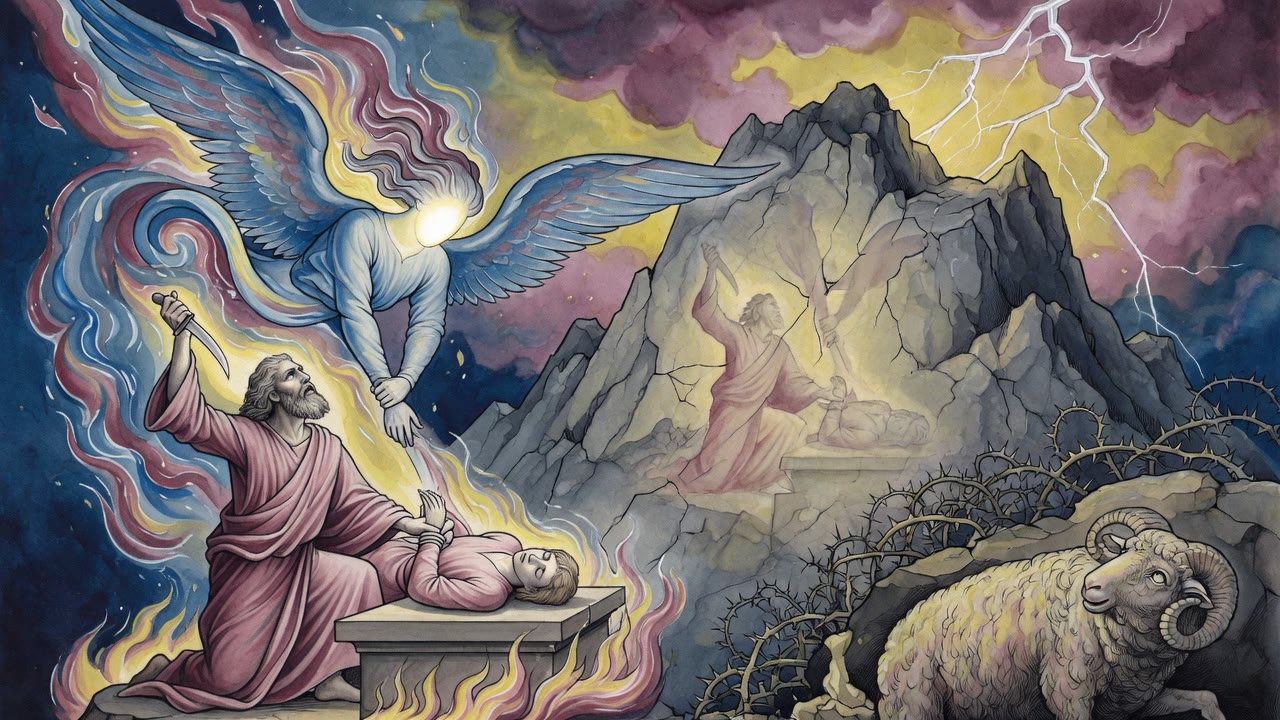
Abraham told his servants that he and the boy would both come back down. Mastema watched to see if the father would break. The ram was already in the thicket.
