The Temple Treasures Hidden Until the Messianic River
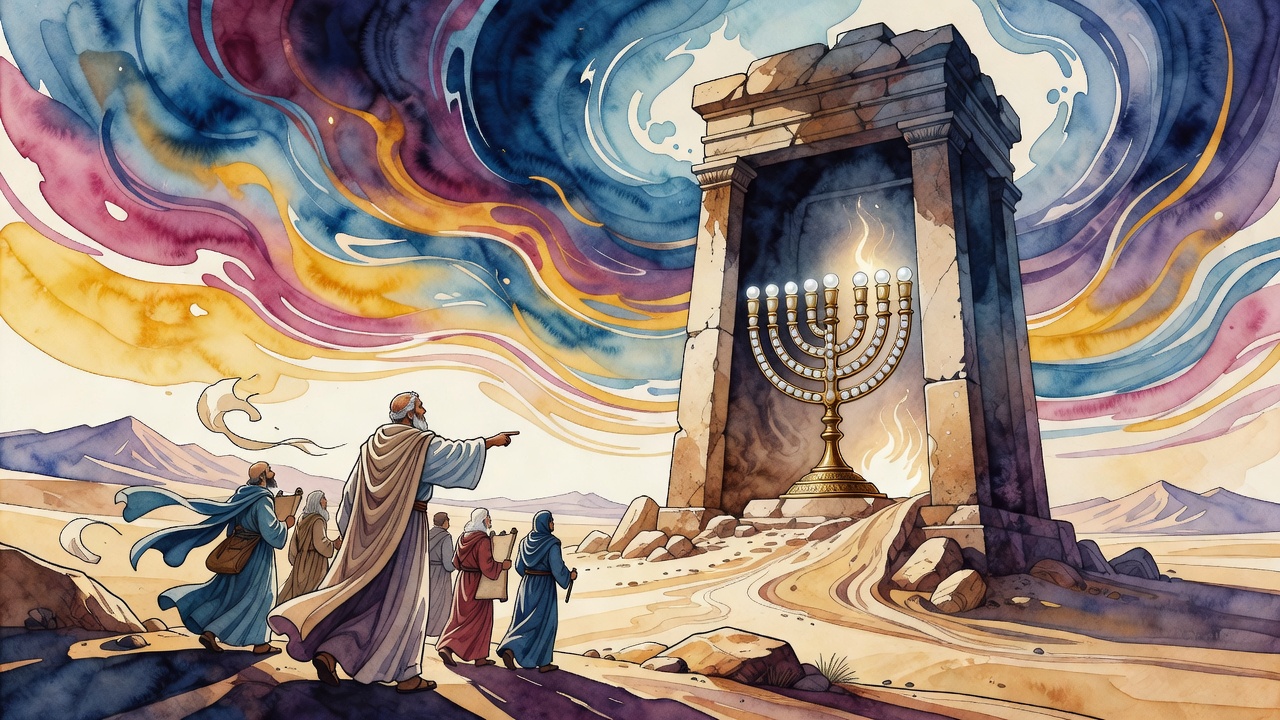
A Levite named Shimur led a group east to Babylon and hid the Temple's greatest treasures in a tower. The menorah (the lampstand) had twenty-six pearls on.
Table of Contents
 Click for full size
The Men Who Went the Wrong Direction
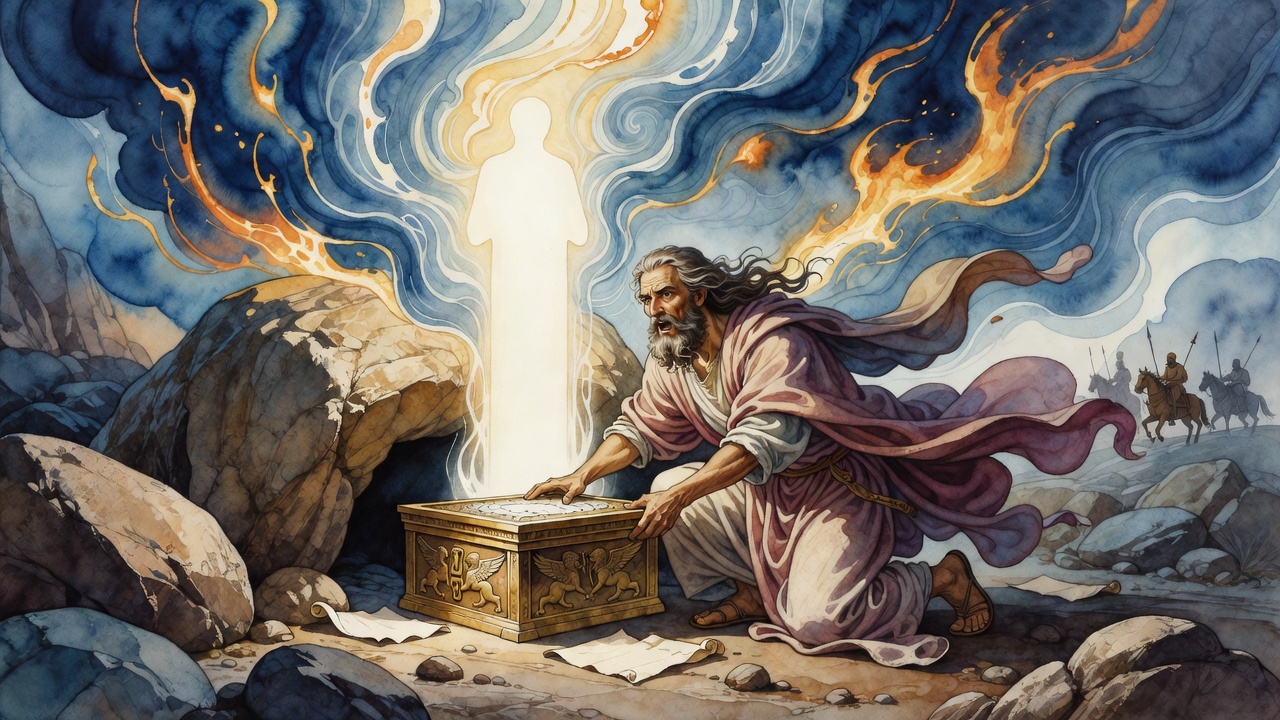
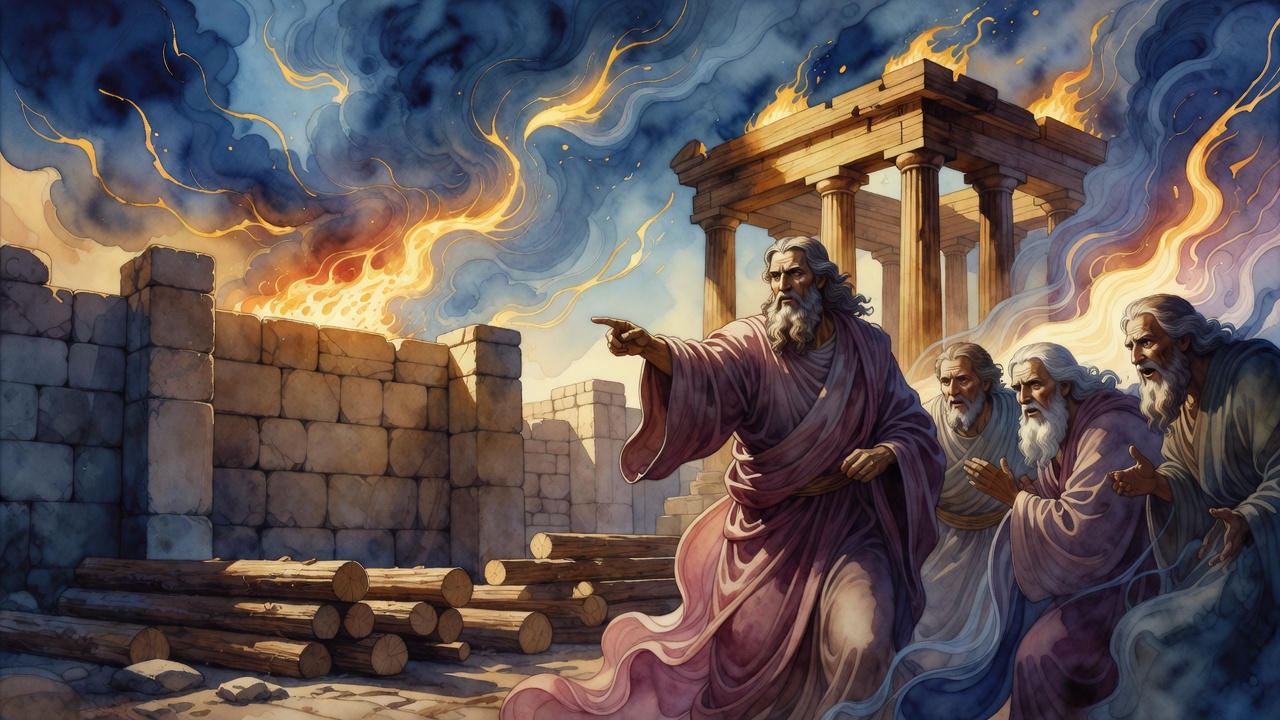
While Nebuchadnezzar's generals were cataloguing what they could carry out of the burning Temple, a parallel operation was running in the opposite direction.
A Levite named Shimur led a group east, toward Babylon itself, not in chains but deliberately, ahead of the army, carrying what the army would never know to look for. They built something in a tower in the heart of the empire, a hidden repository inside the territory of the conqueror, and sealed it there to wait.
What Was in the Tower
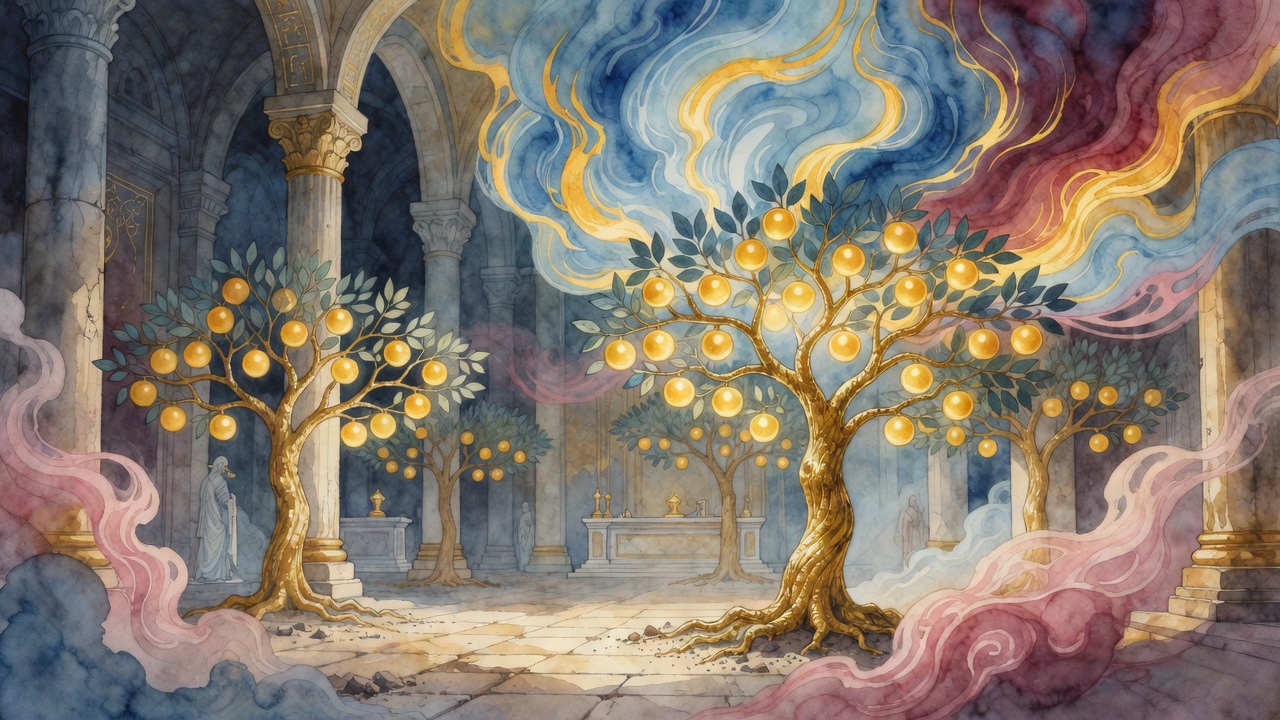
The seven-branched menorah, the golden candelabrum, made entirely of pure gold. Each of its seven branches adorned with twenty-six pearls and hundreds of precious gems. The light it had given in the Temple was a different kind of light from ordinary fire, and the material it was made from was unlike any gold worked before or since.
Seventy-seven golden tables taken from Solomon's Temple, tables that Solomon himself had brought from Paradise when he built the sanctuary. Their brilliance outshone the sun and the moon. Not figuratively. The gold that covered the Temple walls, inside and out, surpassed every piece of gold that had existed since the world's creation up until the moment of the destruction. This was the inventory: objects with a provenance that traced back not just to the founding of the Temple but to the furnishings of creation itself, things Solomon had acquired from sources the tradition does not name but identifies as supernatural.
These were what Shimur and his group carried into the empire that thought it had taken everything.
The Precision of the Account
The tradition does not gesture vaguely at great wealth. It gives numbers specific enough to be inventory. Twenty-six pearls per branch on the menorah (the lampstand). Seventy-seven tables. Gold that exceeded all the gold of history. This precision is part of the theological argument. These objects are not lost. They are not mythical. They are stored in a specific place, described in specific terms, waiting for the moment of their return. What has been catalogued can be returned. What has a specific description is real, not symbolic.
The Babylonians carried off what was visible, what sat in public view in the Temple courts. They melted some of it down for their own treasury and displayed the rest as conquest trophies. Belshazzar would later use the Temple vessels at his feast, the golden cups of the House of God set on a pagan banqueting table, and this specific desecration was the one that brought the writing on the wall. But the most significant pieces were already elsewhere by then.
The River That Will Return Them
The tradition is clear that these objects will not be recovered by human effort. They are held in reserve for the messianic era. At that time, a river known as the Gihon will flow with miraculous force, and the treasures will be brought back to Jerusalem on its waters. The movement of the objects will be accomplished by the same kind of supernatural agency that brought the original contents of the Temple from Paradise to Solomon: not cargo ships and inventories and negotiations, but the world reconfiguring itself to return what belongs to the holy city.
The menorah that stands in the reconstructed Temple will be the one with twenty-six pearls on each branch, the one Shimur carried east when everyone else was going west in chains. The tables that outshine the sun will be set up again in the restored sanctuary. The gold that exceeded history's supply of gold will cover the walls of a house that will not be burned a second time.
← All myths