Shem Named the Temple Mount Before Abraham Arrived
Noah came off the ark and built an altar on the ridge. Shem later called the place Shalem. Abraham, knife still in hand, gave it another name.
Table of Contents
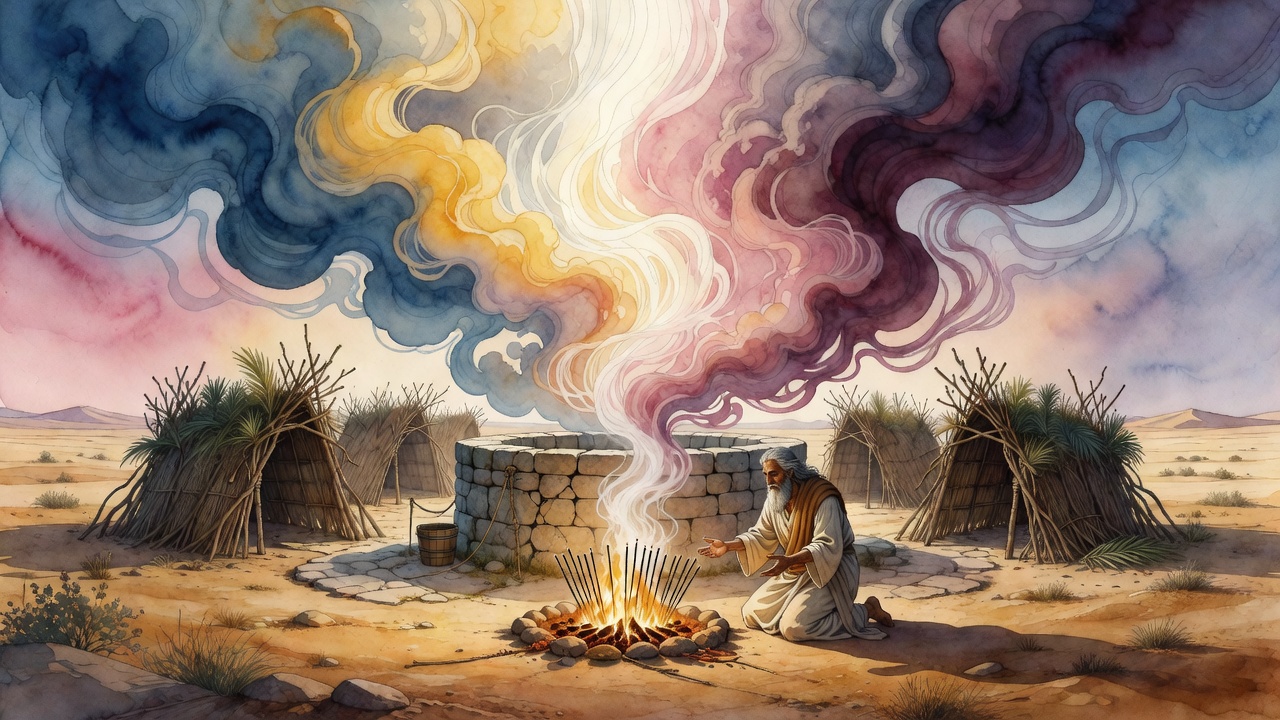
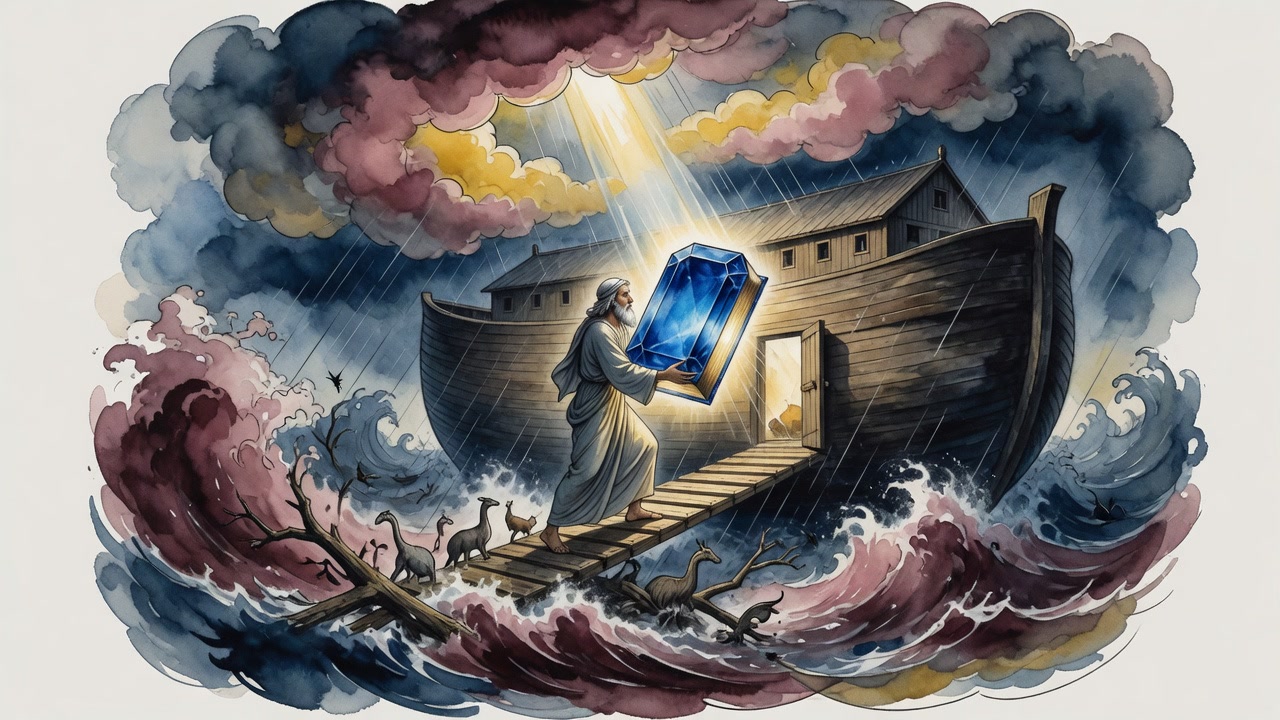
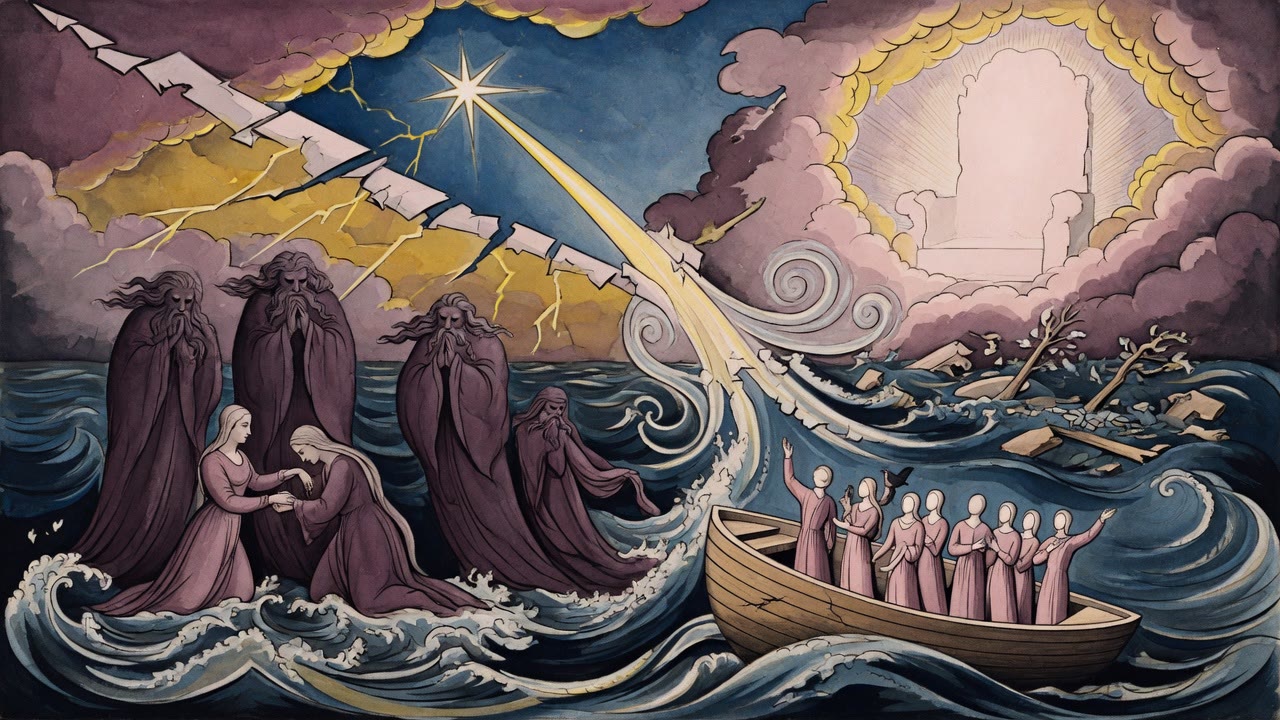
The earth came dry on the seventeenth day of the second month. Noah waited. On the twenty-seventh he opened the ark and sent out the beasts, the cattle, the birds, everything that moved. On the new moon of the third month he walked onto the ridge himself and built an altar on that mountain.
 Click for full size
Water had covered the world. Now there was a stone pile on a particular spine of ground, and smoke. His son Shem stood in that smoke and learned the place by heart.
Shem Called the Ridge Shalem
Shem did not treat the mountain as a campsite. He stayed with it. He called it Shalem (שלם), whole, complete, at peace. The name was what the ground felt like after the water: a world that had ended, then held.
By the time Abraham came, Shem was already doing a priest's work on that height. He came down with bread and wine after Abraham's battles, blessed him in the name of God Most High, and took a tenth. The mountain had a keeper before it had a city. Shem had named it from the inside of the flood.
Abraham Gave It Another Name
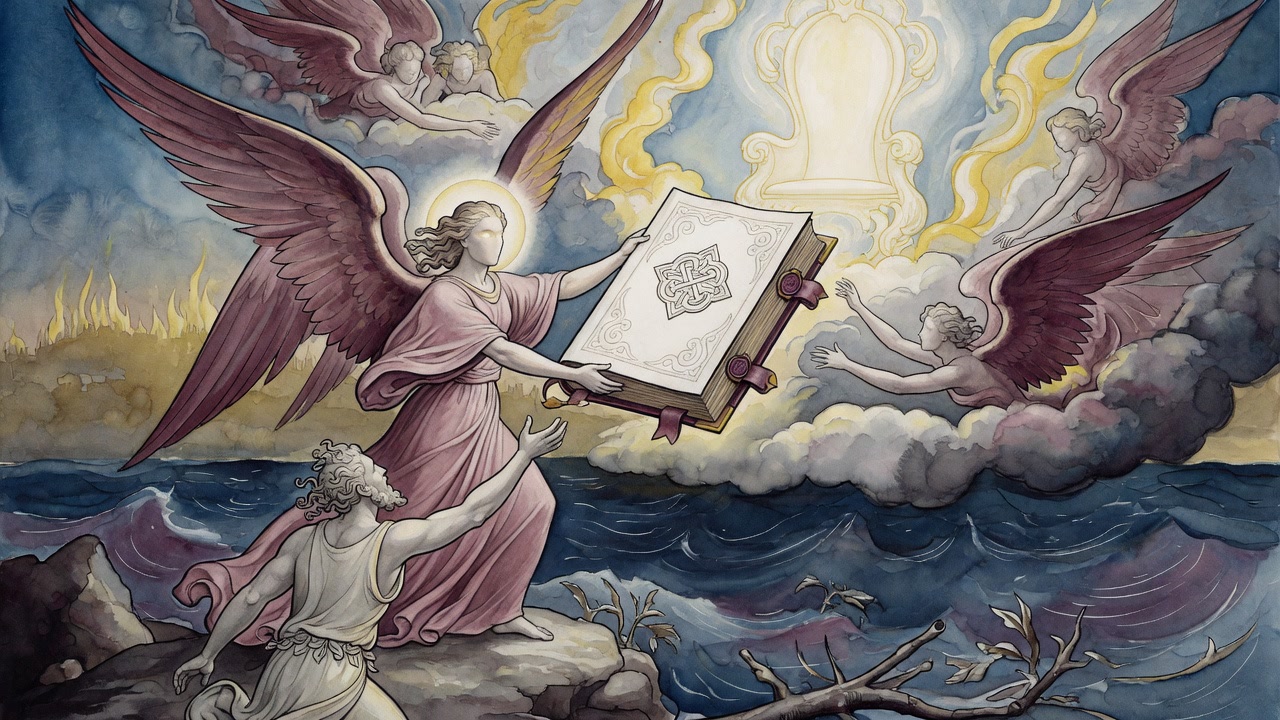
Abraham climbed the same ridge with Isaac. He built the altar. He bound his son. He raised the knife. The angel stopped him. A ram stood caught in the thicket, and the test ended. Abraham named the place Yireh (יראה): God will see. God will provide. The gaze had landed on this spot and had not moved off it (Genesis 22:14).
He came back to the mountain later with a different fire. Seven rams, seven kids, seven sheep, seven he-goats. Morning and evening he burned frankincense, galbanum, stacte, nard, myrrh, spice, and costum, seven kinds crushed and mixed in equal parts, pure. He kept the feast seven days, he and his house, and no stranger sat with him, and no uncircumcised man. The mountain took both names from him: the name from the knife, and the smoke of a man who had not been asked to give a son this time, only thanks.
God fused what Shem had called the place and what Abraham had called it. Yeru-Shalem. Jerusalem. God will see peace. Two men, two extreme days, one word.
Moses Heard the Mountain from Across the River
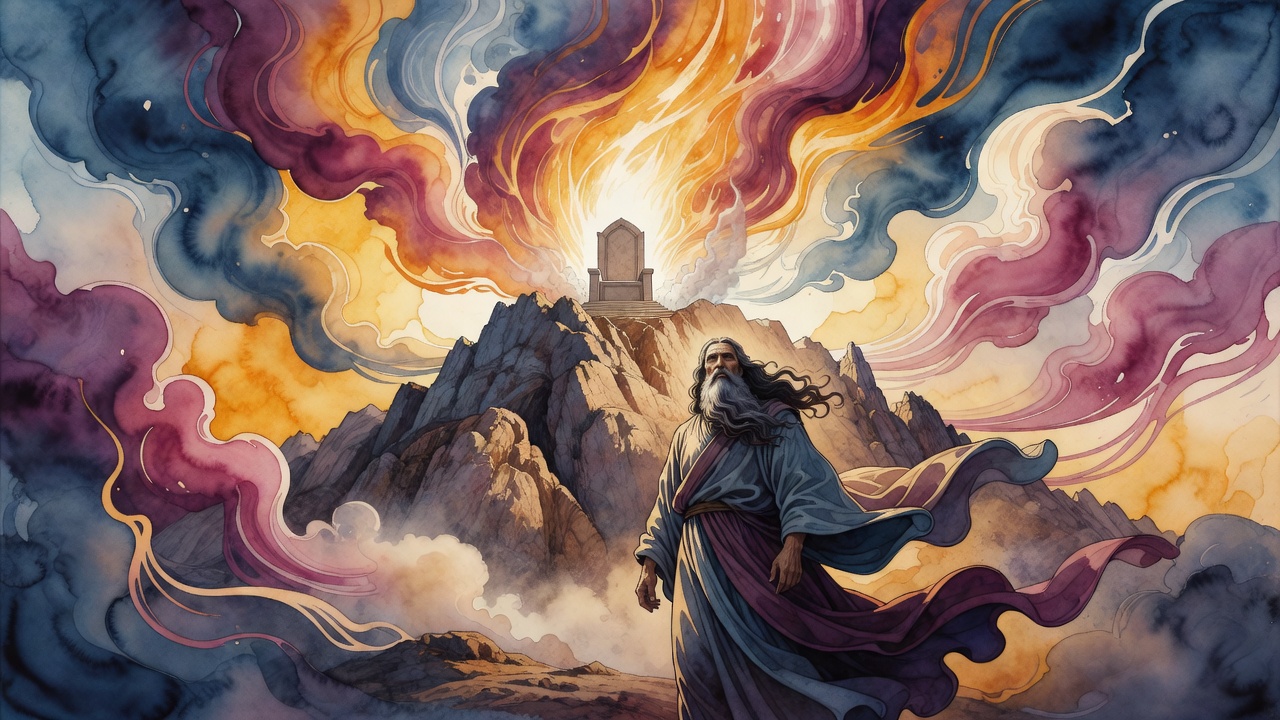
Moses never set a foot on it. He died on Mount Nebo and looked across the Jordan at ground he would not enter. At the moment of his departure a heavenly voice, a bat kol (בת קול), cried aloud.
"Moses, servant of the Lord, thou that art faithful in His house, even as thou hast seen the reward laid up for the pious in the world to come, so thou wilt be worthy of seeing the life of the world that shall be. Thou and all Israel, ye shall see the rebuilding of the Temple and the advent of the Messiah, behold the beauty of the Lord, and meditate in His Temple."
The ridge Shem had named and Abraham had named was already promised to a man who would only see it from the other bank. Moses closed his eyes on a house that had not yet been built, and on a rebuilding after that.
The House Built by Hands Would Fall
God showed what human hands would do with the mountain. The Temple they built was destined to be destroyed. It would be built at another time, by the hand of the Holy One, not by masons. "The sanctuary of Ha-Shem, Your hands have established" (Exodus 15:17). Not ours. His.
The latter house would carry more glory than the first. God would be a wall of fire round about it. Shem's name, Shalem, had meant the world holding after ruin. Abraham's name, Yireh, had meant being seen in the worst hour. The Name on the mount, Ha-Shem, would outlast both of their stone piles.
Moses had been told he would see that. The voice on Nebo did not promise him a building that men could keep. It promised him the one God would set down when the ones men built had already gone to dust.
The Names Stayed on the Ground
Every later prayer that says Jerusalem still carries both men. Shem walked out of the flood onto a ridge and called it whole. Abraham walked up it with a knife and called it seen. Moses died looking at it and was promised a Temple he had never entered. God kept the syllables and did not choose between them.
The altar Noah laid down was the first mark. Shem's name was the second. Abraham's was the third. The voice over Moses was the fourth. The mountain had been taking names for a long time before a single cut stone of the Temple sat on it, and it will take God's own house last, when human building has already failed.
← All myths