Zebulun Merchants Who Fed the World and Funded the Torah
Zebulun is the forgotten tribe. No miracles, no prophets, no famous kings. Just trade routes and a coastline. The rabbis say that coastline built the Torah.
Table of Contents
 Click for full size
The Blessing to Go Out
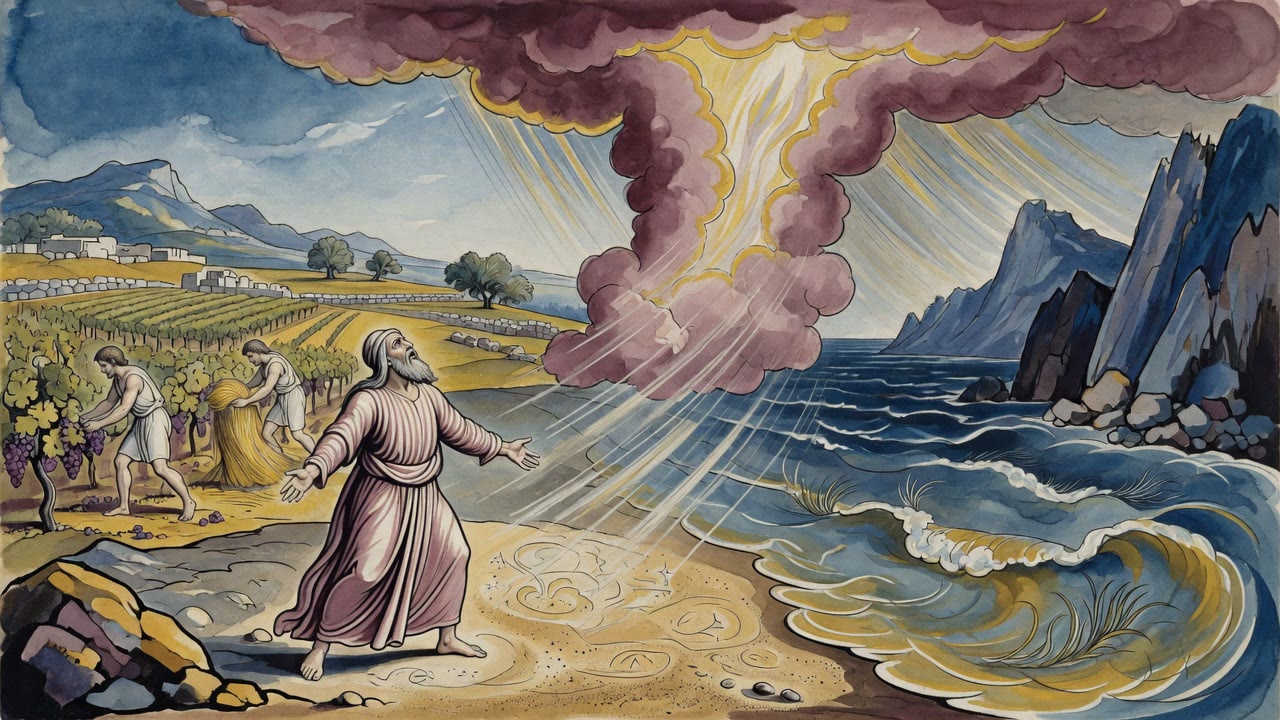
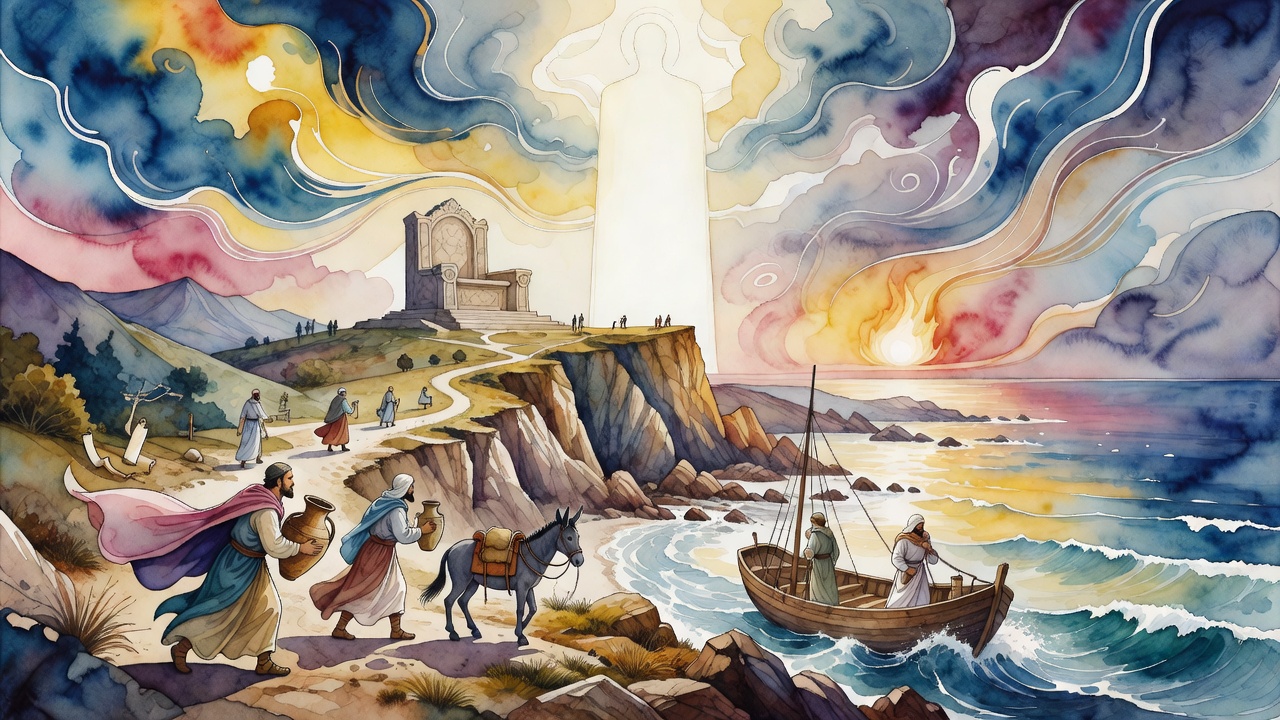
Moses, at the end of his life, stood before all Israel and delivered his final blessings to the tribes. Most of the blessings are majestic: lions and eagles and threshing floors and mountains dripping with oil. Then he reached Zebulun and said something unexpected: Rejoice, Zebulun, in your going out (Deuteronomy 33:18). Going out. Not going up to battle, not standing firm before God, not inheriting the hills. Going out into the marketplace, onto the ships, into the trade routes that led away from Israel toward the rest of the world.
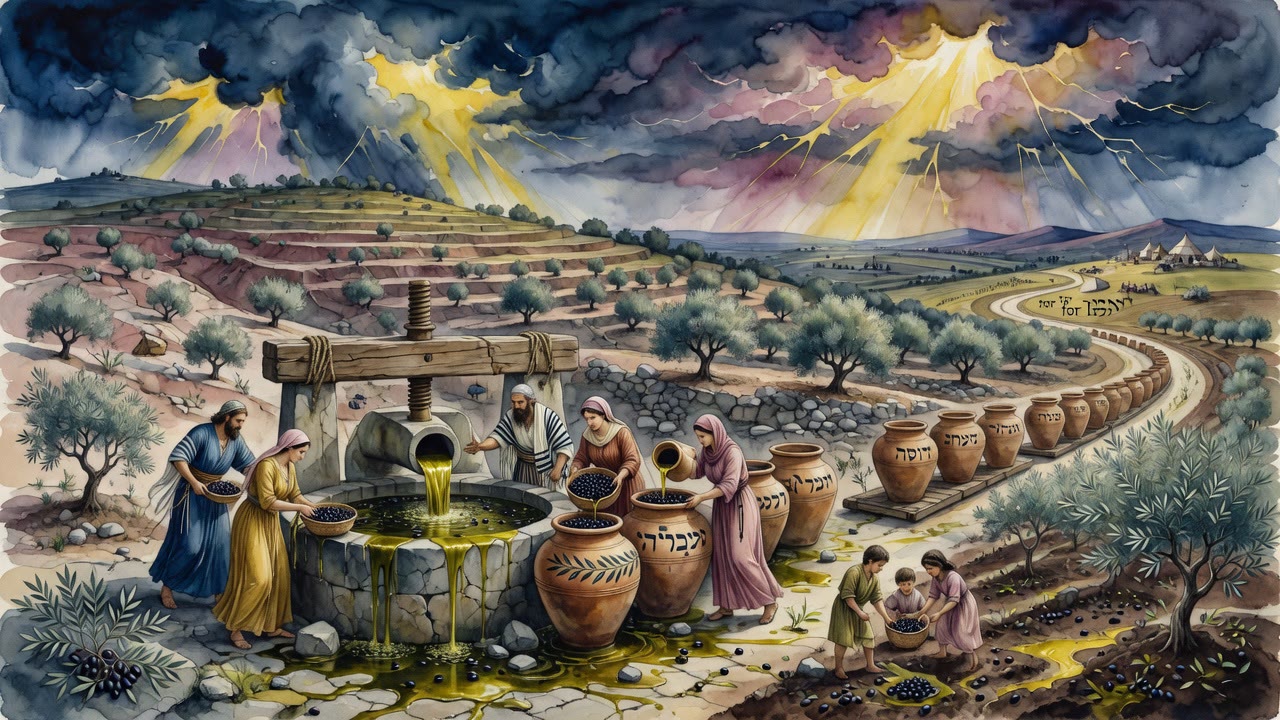
The rabbis of Legends of the Jews, Louis Ginzberg's early twentieth-century synthesis of Talmudic and midrashic material, supply what Moses meant. Zebulun became Israel's merchant tribe, sailing the Mediterranean, trading grain and wine for the purple dye extracted from sea snails found off the coast of Sidon. They sent goods outward and brought commerce inward. And something unexpected happened along those routes: the merchants who came to Zebulun's territory kept traveling. They went up to Jerusalem. They saw the Temple. Some converted.
How Commerce Became Sanctity
Bamidbar Rabbah, the midrashic collection on Numbers compiled in approximately the eleventh century CE, preserves the full account of the partnership between Zebulun and the tribe of Issachar. Issachar was devoted entirely to Torah study. The tribe of scholars needed to eat. Zebulun provided. The arrangement was not charity. It was a formal partnership in which Issachar's Torah learning accrued merit to Zebulun's account in direct proportion to the material support Zebulun provided. A merchant who funded a scholar was purchasing a share in the scholar's portion in the world to come.
This is why Zebulun was blessed before Issachar in Moses's final speech, even though Issachar was the elder brother. The one who enables the learning has precedence over the one who performs it, because without the enabling there is no performance. Zebulun's ships and trade routes were the physical infrastructure of the oral tradition.
Why Eliab Offered Third
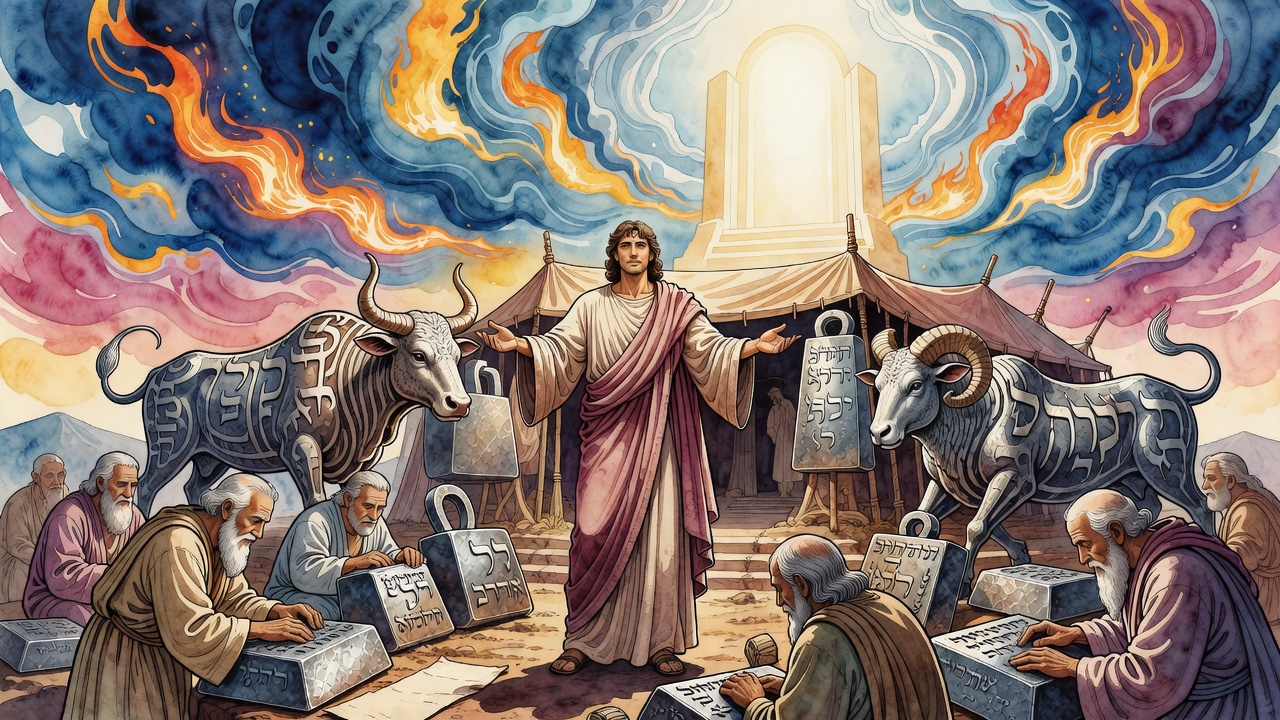
In the dedication offerings of the princes at the Tabernacle, as recorded in Numbers and explored in Bamidbar Rabbah, the prince of Zebulun was Eliab son of Helon, and he offered on the third day. The order of the tribal princes is a structure the Midrash reads carefully. Nahshon of Judah offered first because Judah was the royal tribe. Netanel of Issachar offered second because Issachar held the crown of Torah learning. Eliab of Zebulun offered third because Zebulun's rank in the commercial hierarchy was just below the royal and the scholarly, the one who enabled both without claiming either title for itself.
The Midrash notes that most princes are introduced as prince of their tribe, but Nahshon and Netanel are introduced by name first, tribe second. A king precedes his people. The merchant who funded the Torah is introduced in the correct order: tribe first, name second. Zebulun's greatness is structural, not individual. The coastline matters more than the name of any particular man who sailed from it.
Jonah and the Inheritance of the Sea
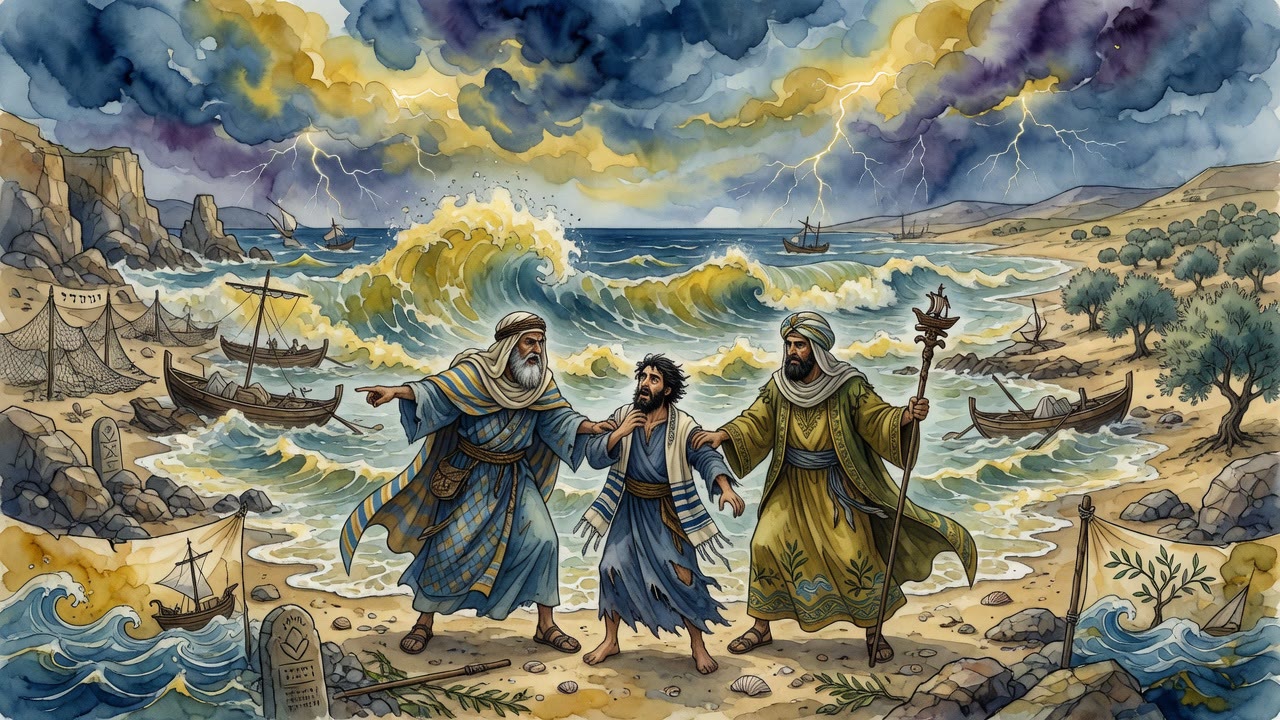
Bereshit Rabbah, in a passage on the blessing of Zebulun in Genesis 49:13, records a teaching by Rabbi Levi: Jonah the prophet was from the tribe of Zebulun. The deduction comes from a careful reading of the territorial boundaries in the book of Joshua, which mentions a locality associated with Jonah's name within Zebulun's allotment. The prophet who fled from God by ship, who was swallowed by a great fish in the depths of the sea, who was delivered to Nineveh against his will, came from the tribe whose blessing was the sea itself. The territory that produced Israel's merchants produced its most famous maritime prophet as well.
Rabbi Levi delivered this teaching on a Sabbath while waiting for his teacher Rabbi Yohanan to arrive, and the congregation paid him for the teaching. The scene has a quality of accidental perfection: a rabbi being paid to hold a congregation's attention while opening the story of the tribe that was blessed in its commercial going-out, finding the prophet of the sea hiding inside the merchant's genealogy.
← All myths